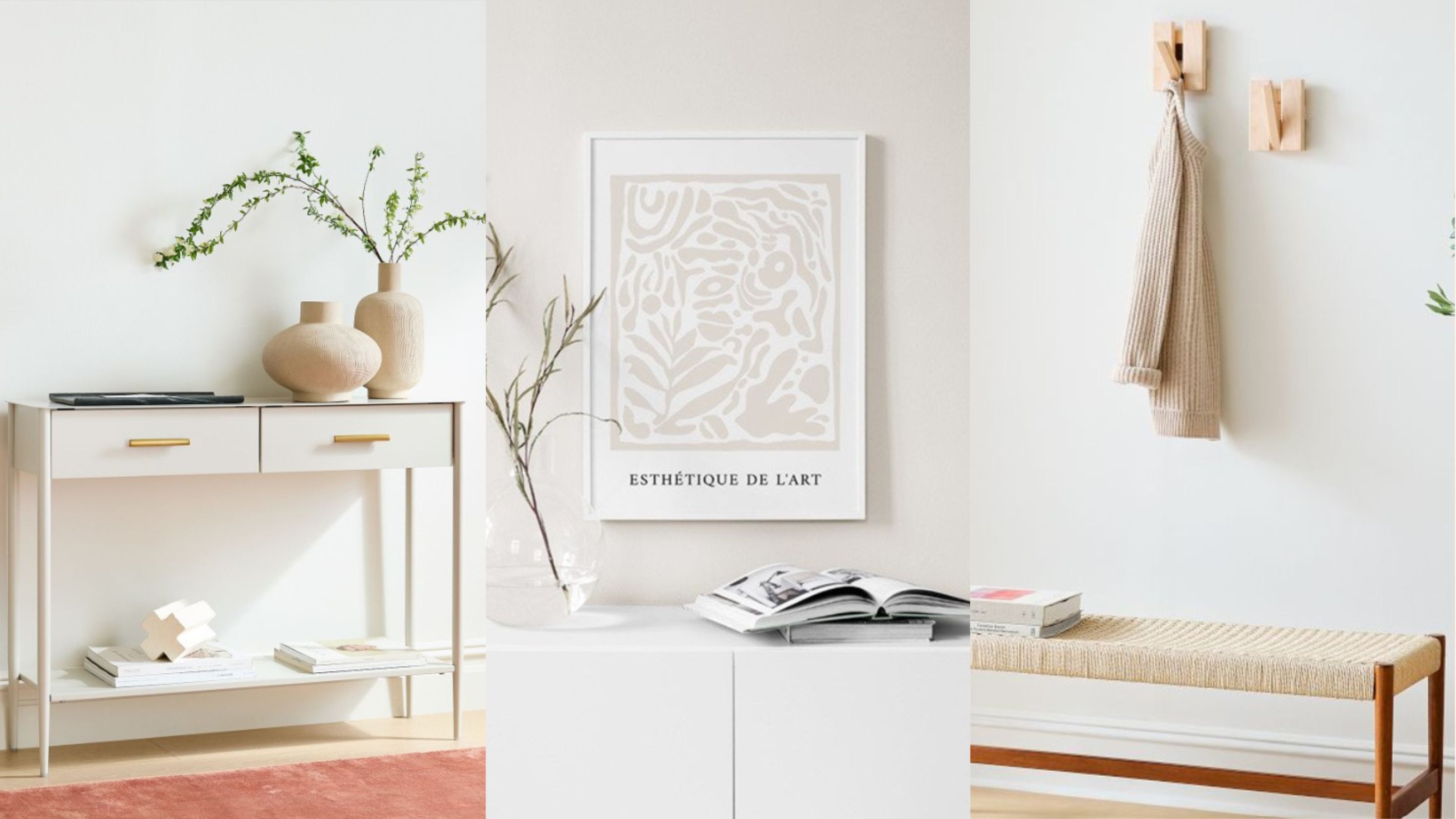
1/24
5 things minimalists never have in a small entryway
This article explores key elements minimalists avoid in small entryways to maintain a clean, classic, and clutter-free aesthetic. It emphasizes the importance of functionality and visual appeal in the entrance to a home, particularly when dealing with limited space. The goal is to help readers achieve a chic, sleek, and hazard-free entryway.
The concept of minimalism in home decor, according to home improvement expert Tommy Mello, involves having fewer necessary items displayed to create a tranquil, clutter-free, and pleasing environment. For entryways, this translates to keeping things as simple as possible. The article provides a detailed breakdown of five specific items minimalists typically eschew and offers stylish, space-saving alternatives.
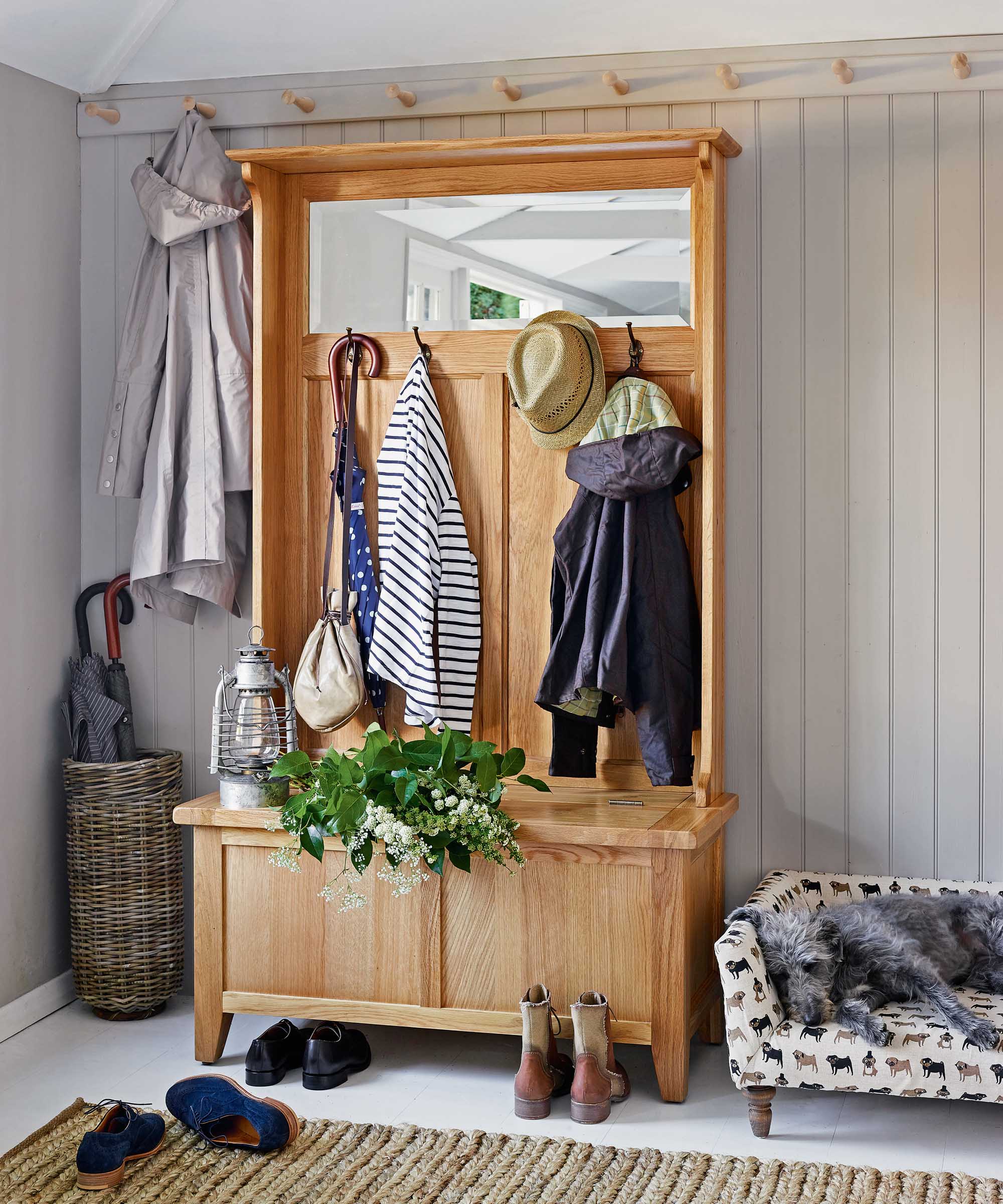
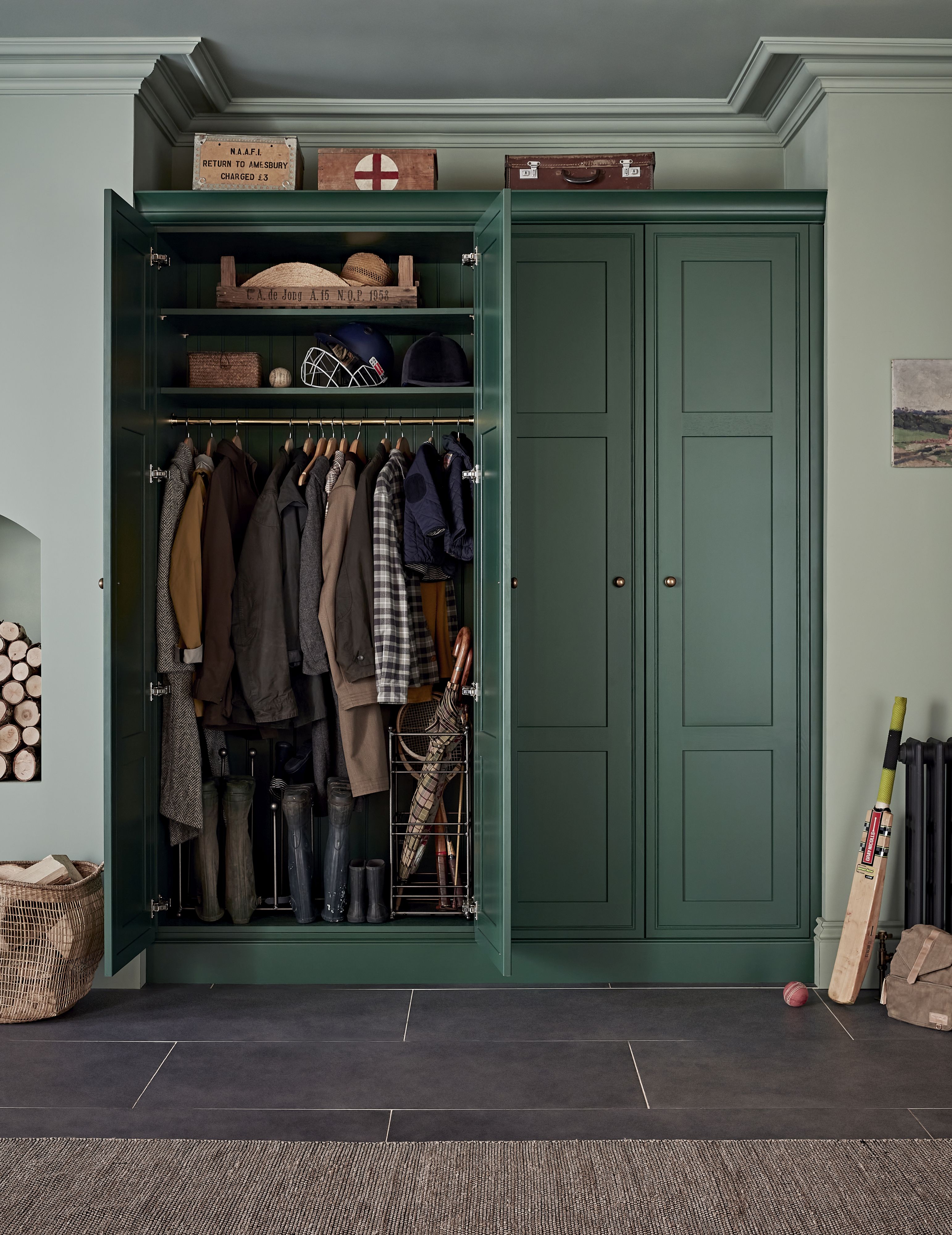
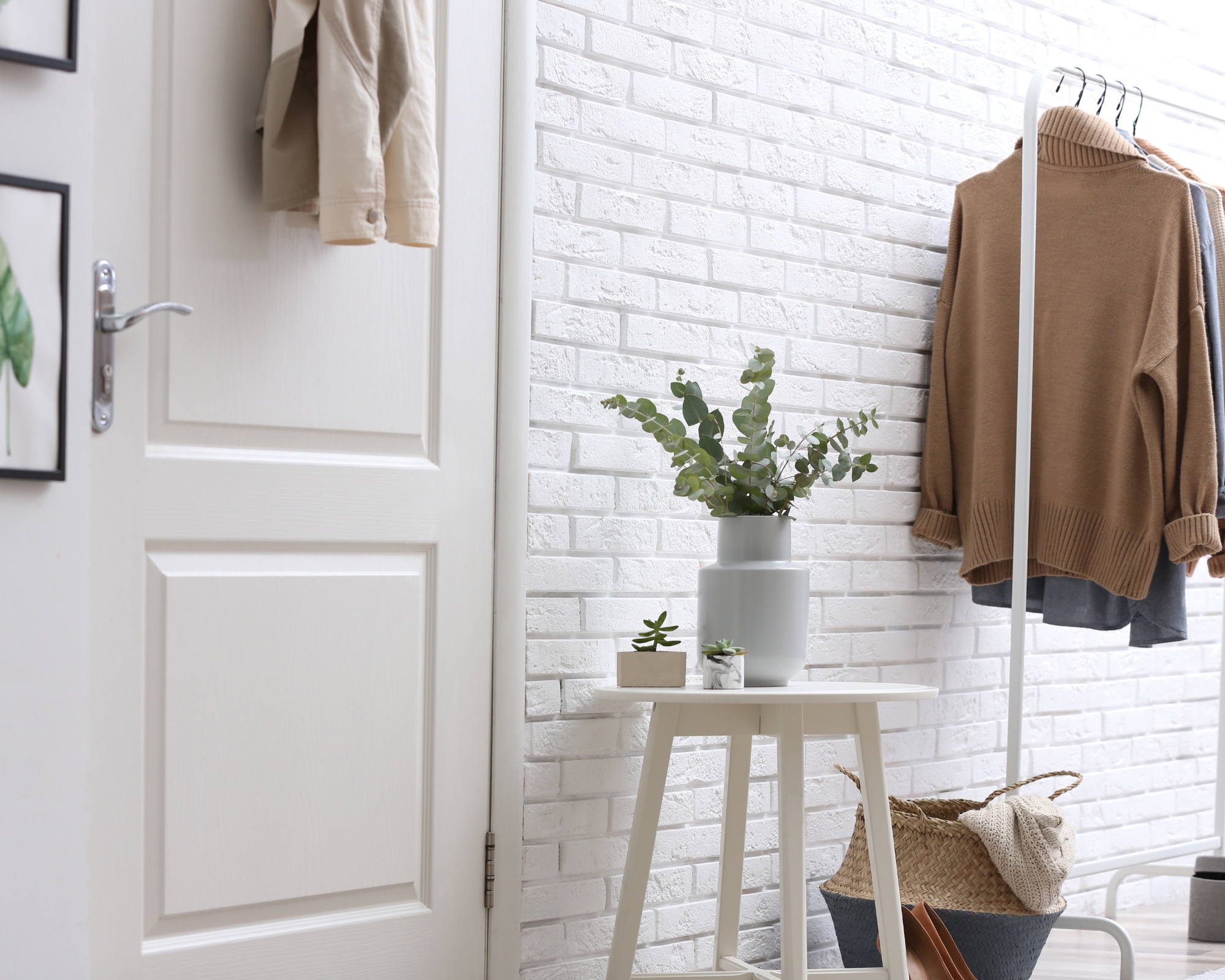
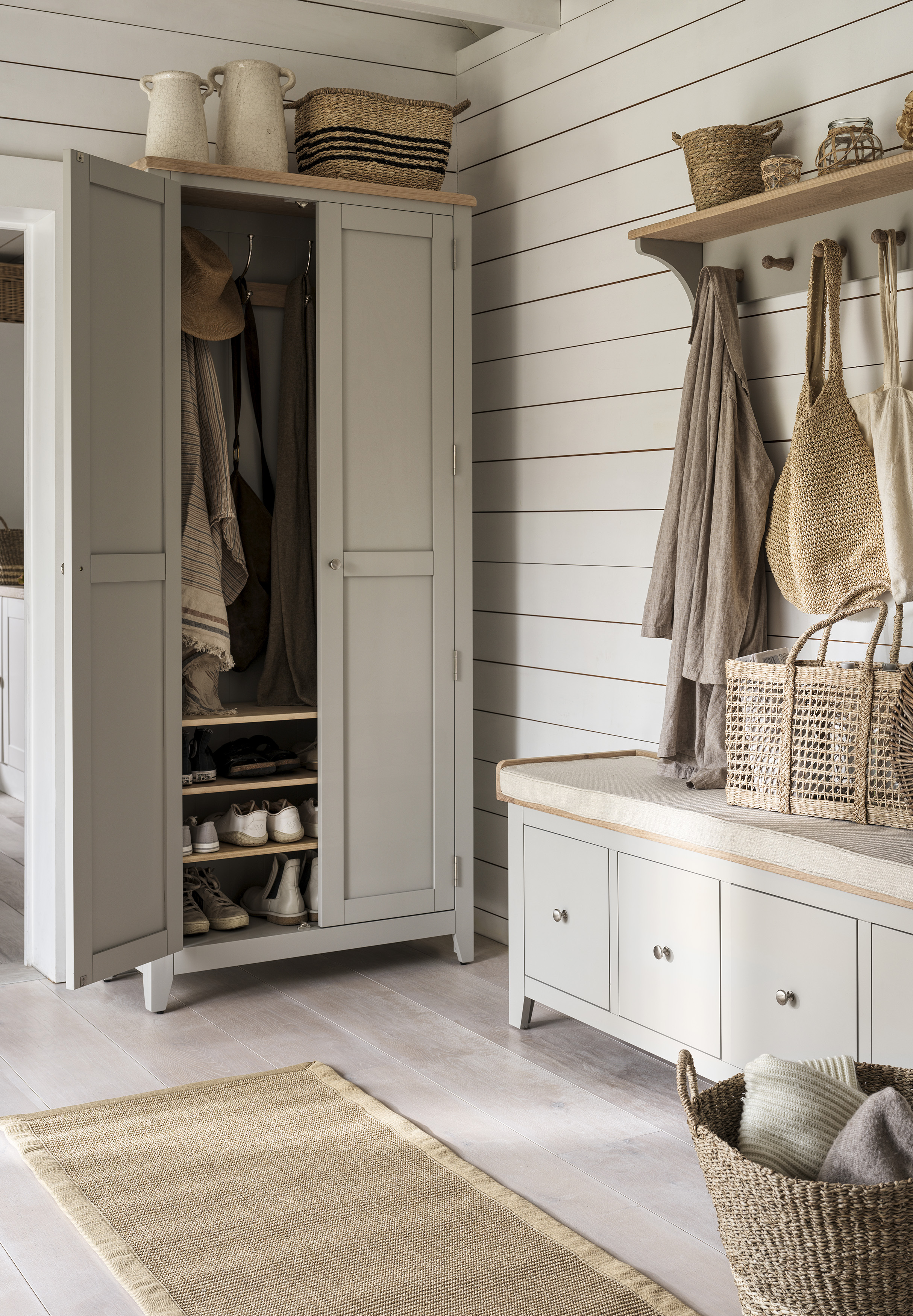
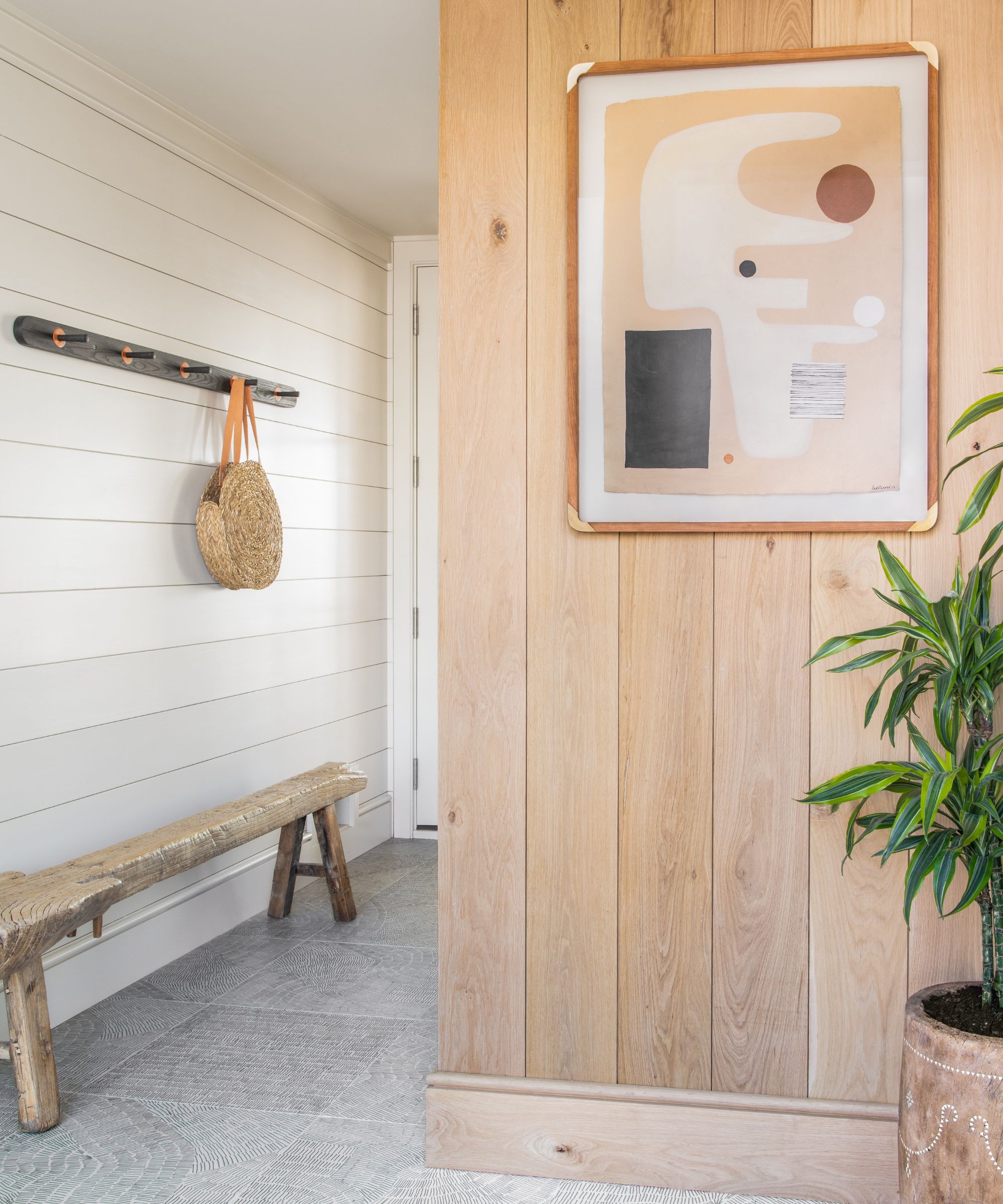
Firstly, traditional coat stands are identified as a significant no-no for small entryways. While they may suit larger spaces, their bulkiness can make a small area appear cluttered. Instead, minimalists opt for wall-mounted hooks or over-the-door organizers to keep floor space clear. Several product recommendations for adhesive and decorative wall hooks are provided, catering to both renters and homeowners.
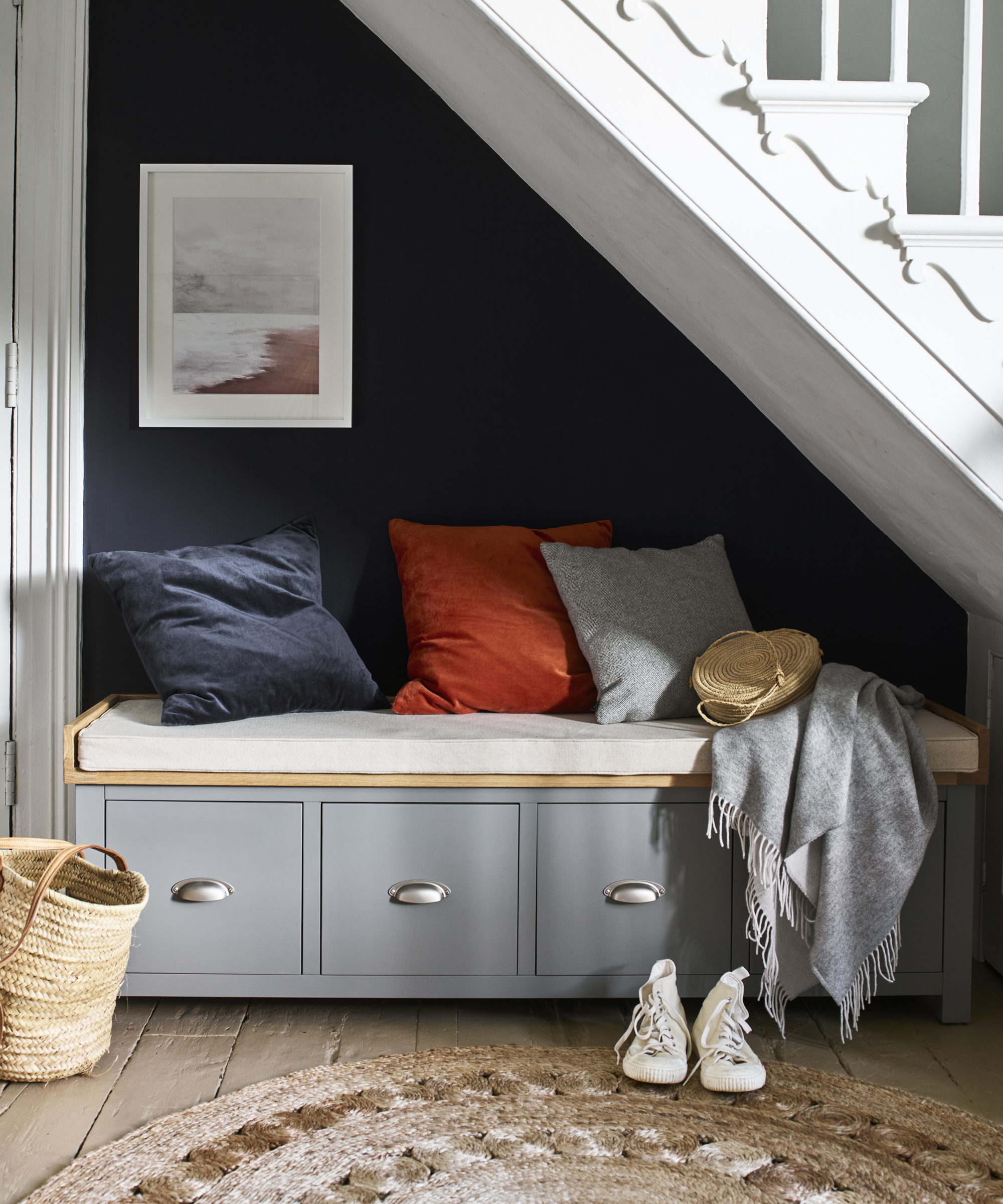
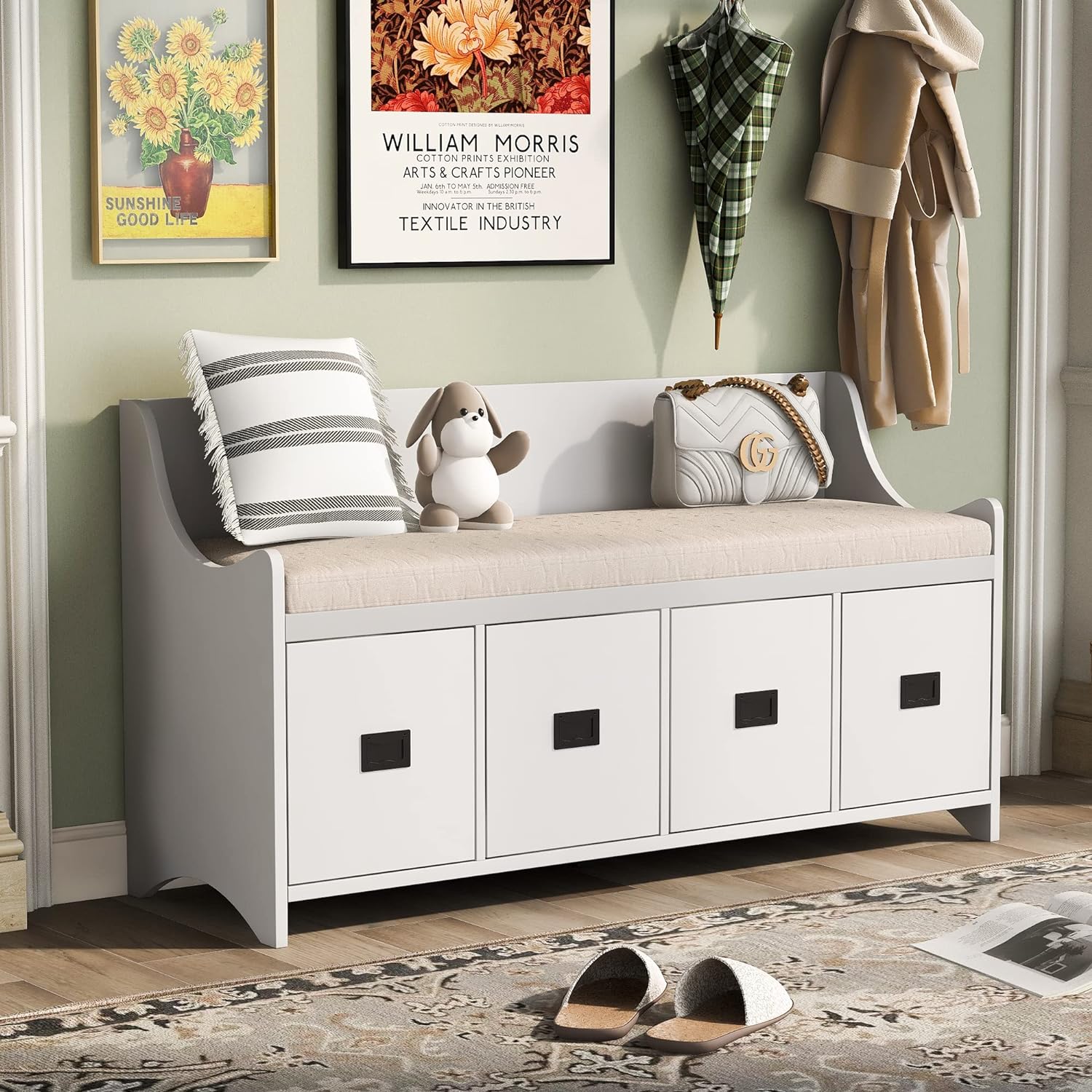
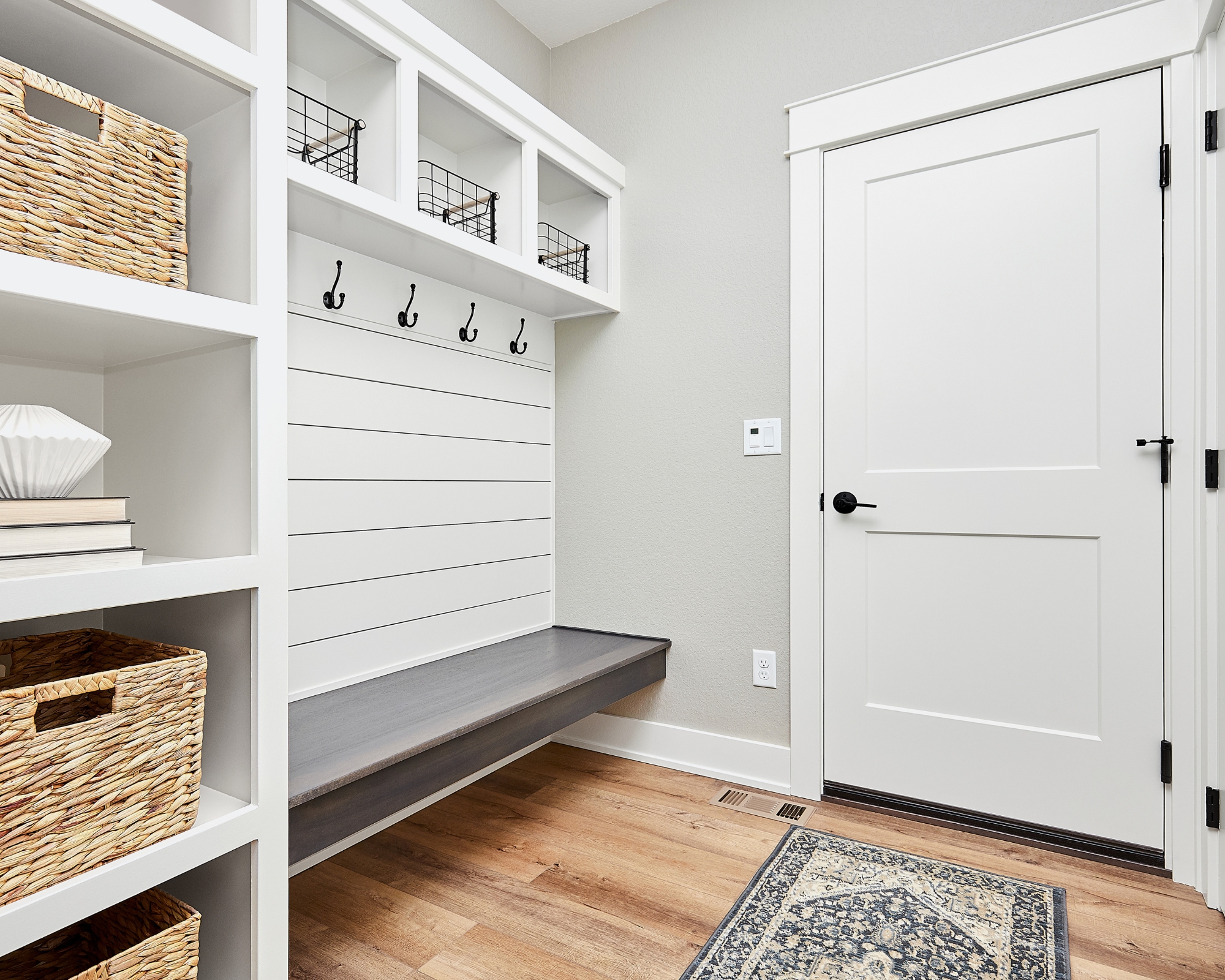
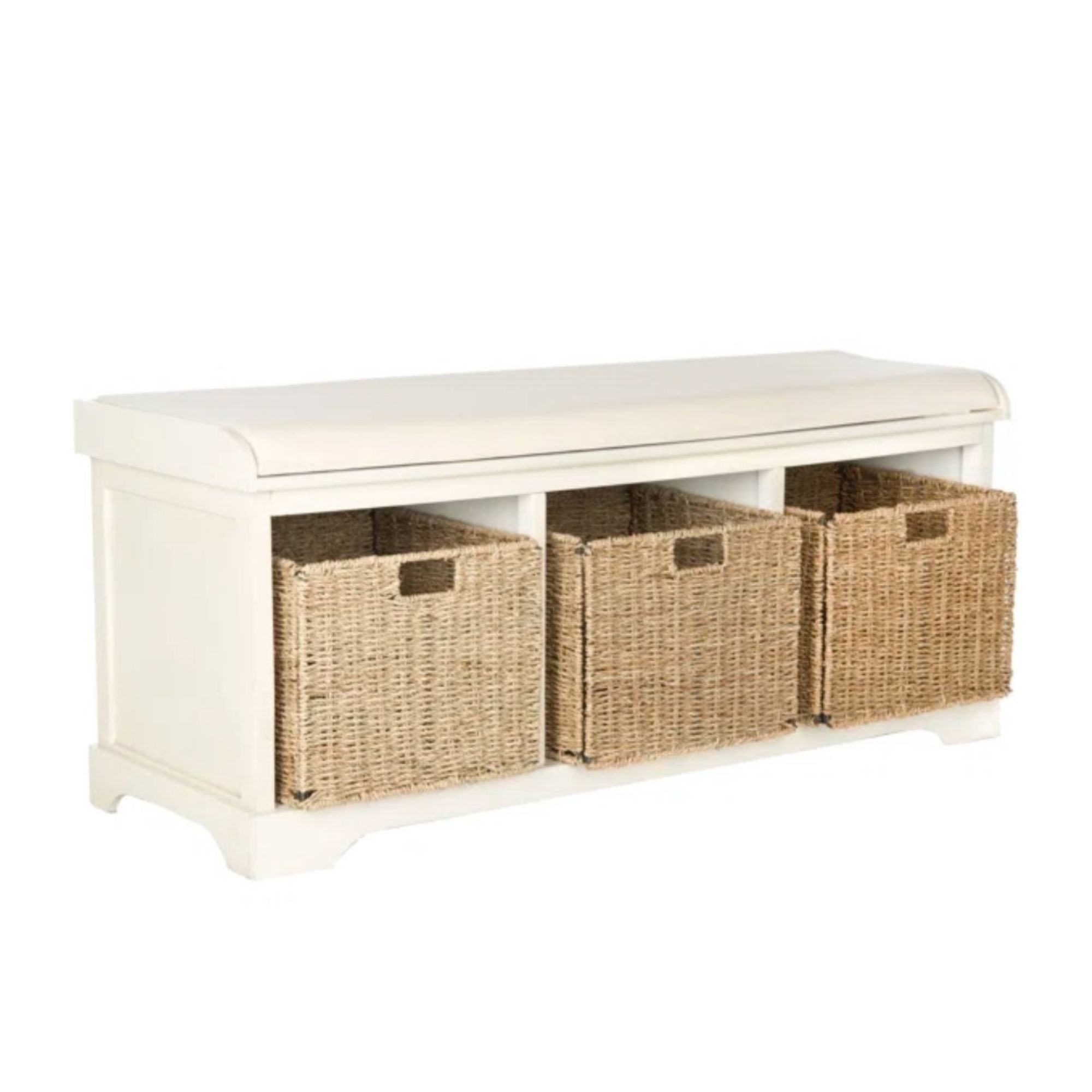
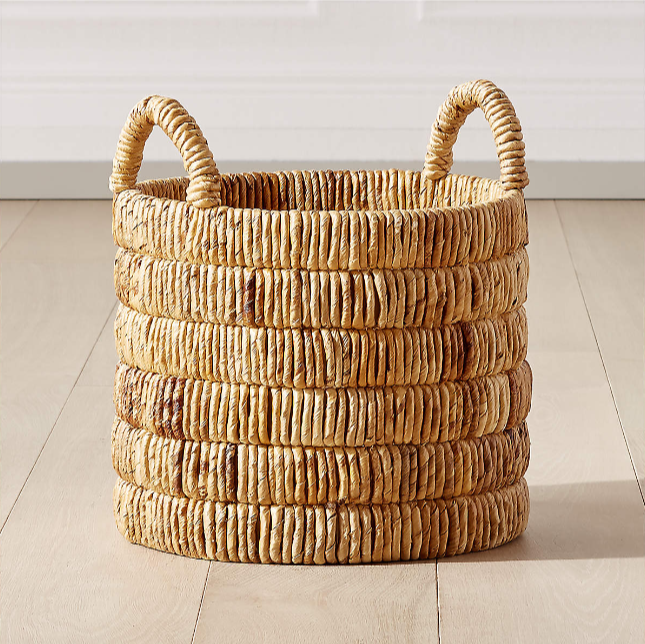
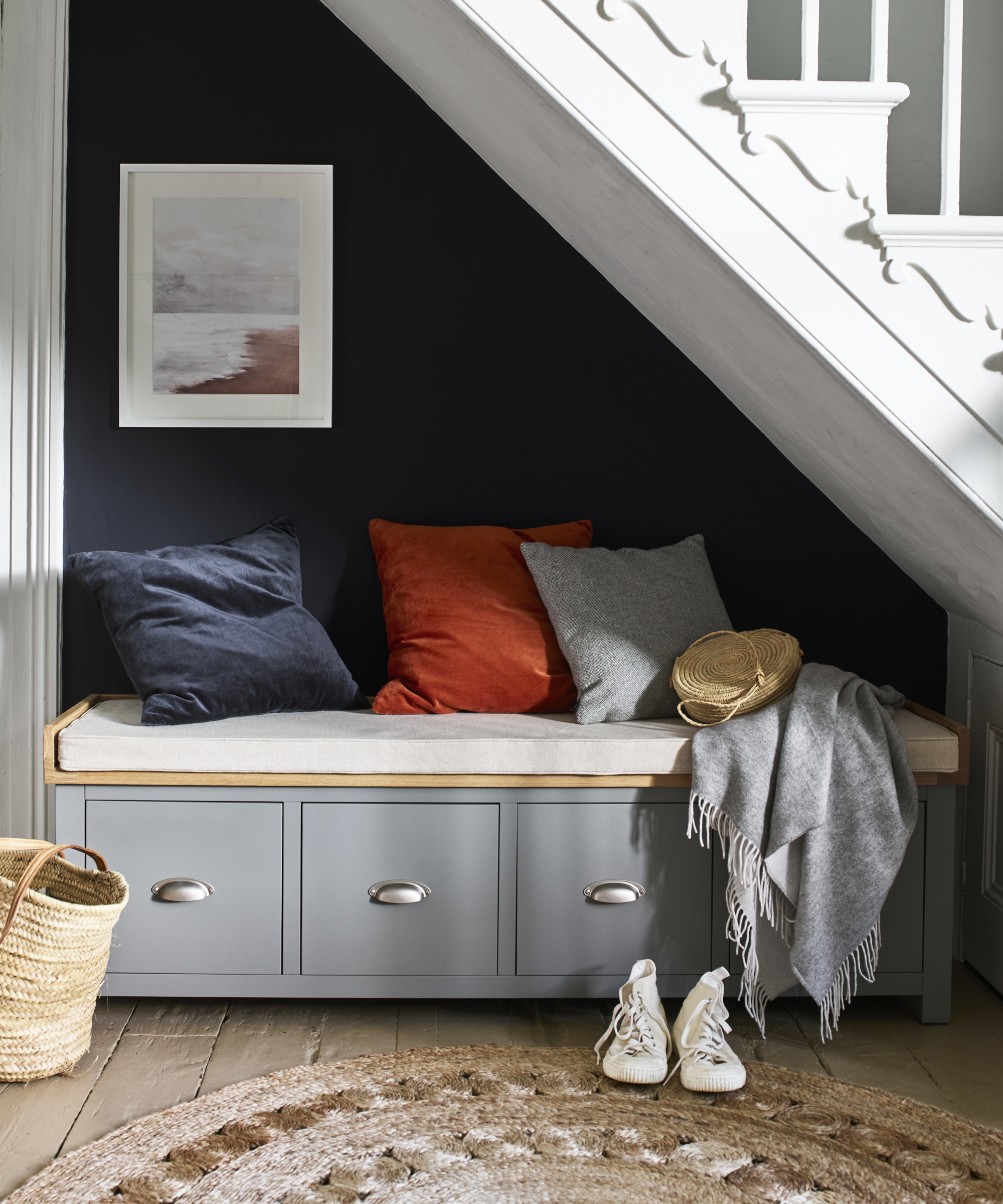
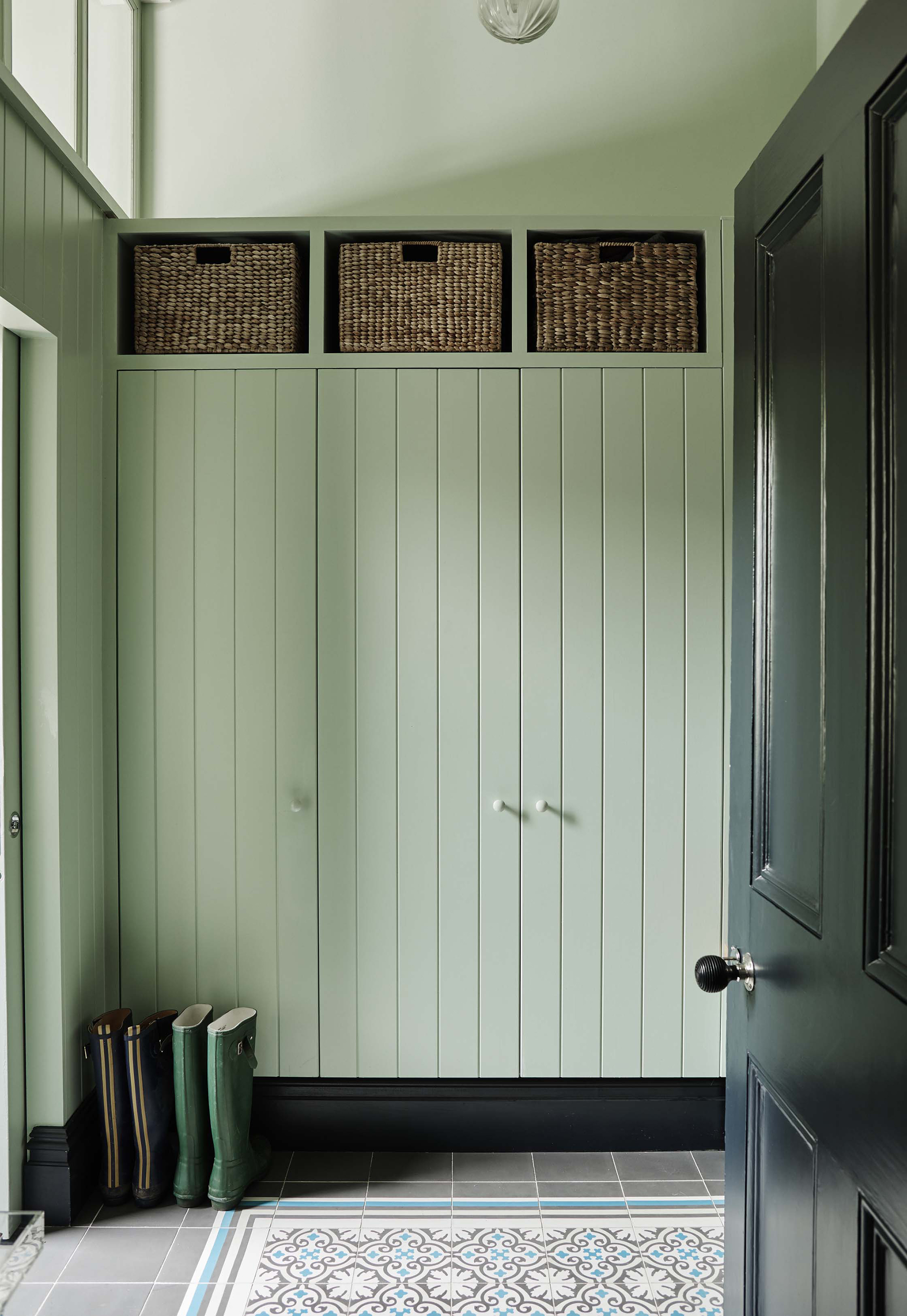
Secondly, clutter is a major adversary of minimalist design. Riley Annen, an interior designer, highlights that minimalists seek solutions that are both visually appealing and functional. To combat clutter, the article suggests using multifunctional furniture, such as small entryway benches and storage ottomans. Decorative baskets are also recommended for stowing away items like hats and scarves, effectively hiding them in plain sight while keeping them accessible.
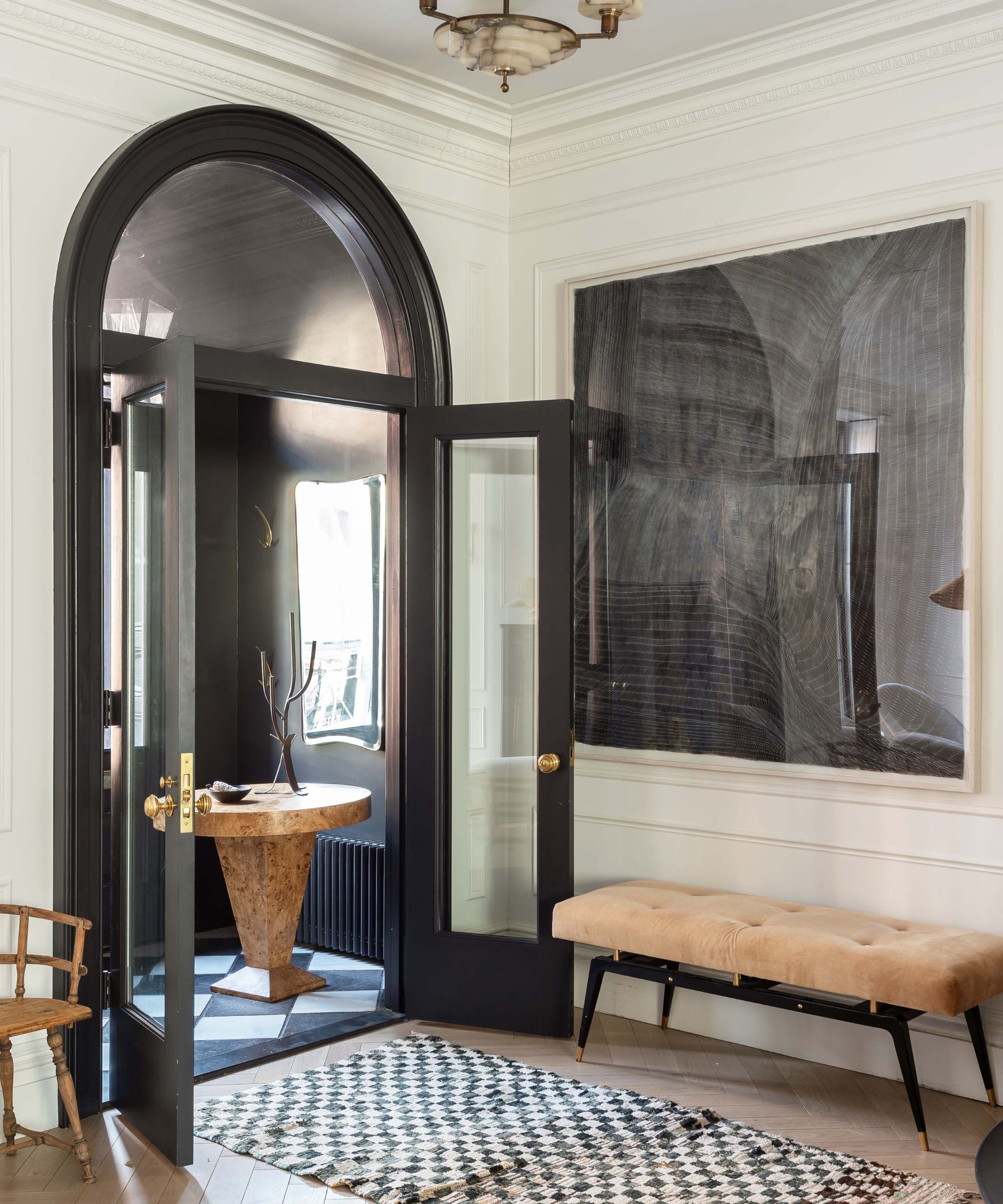
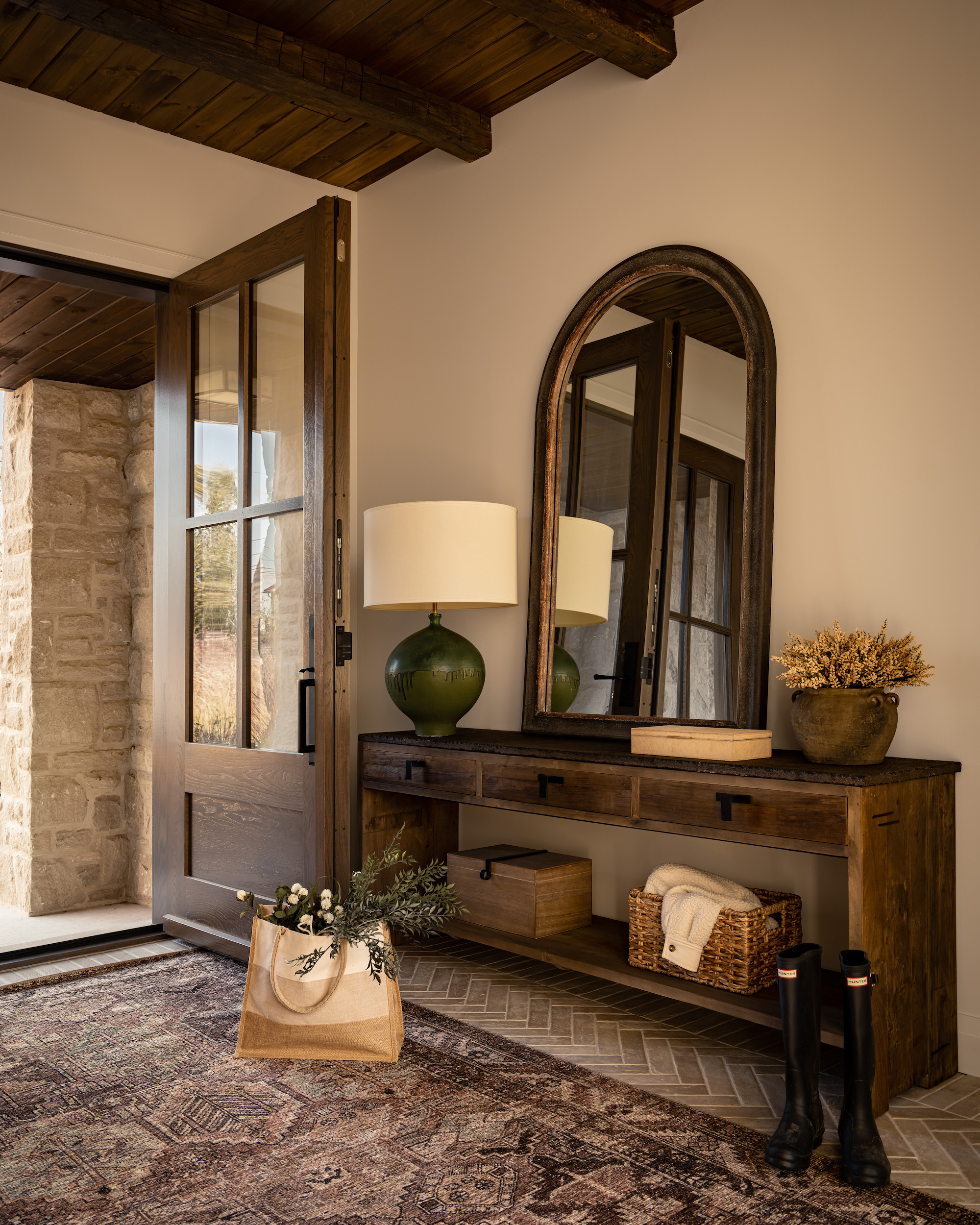
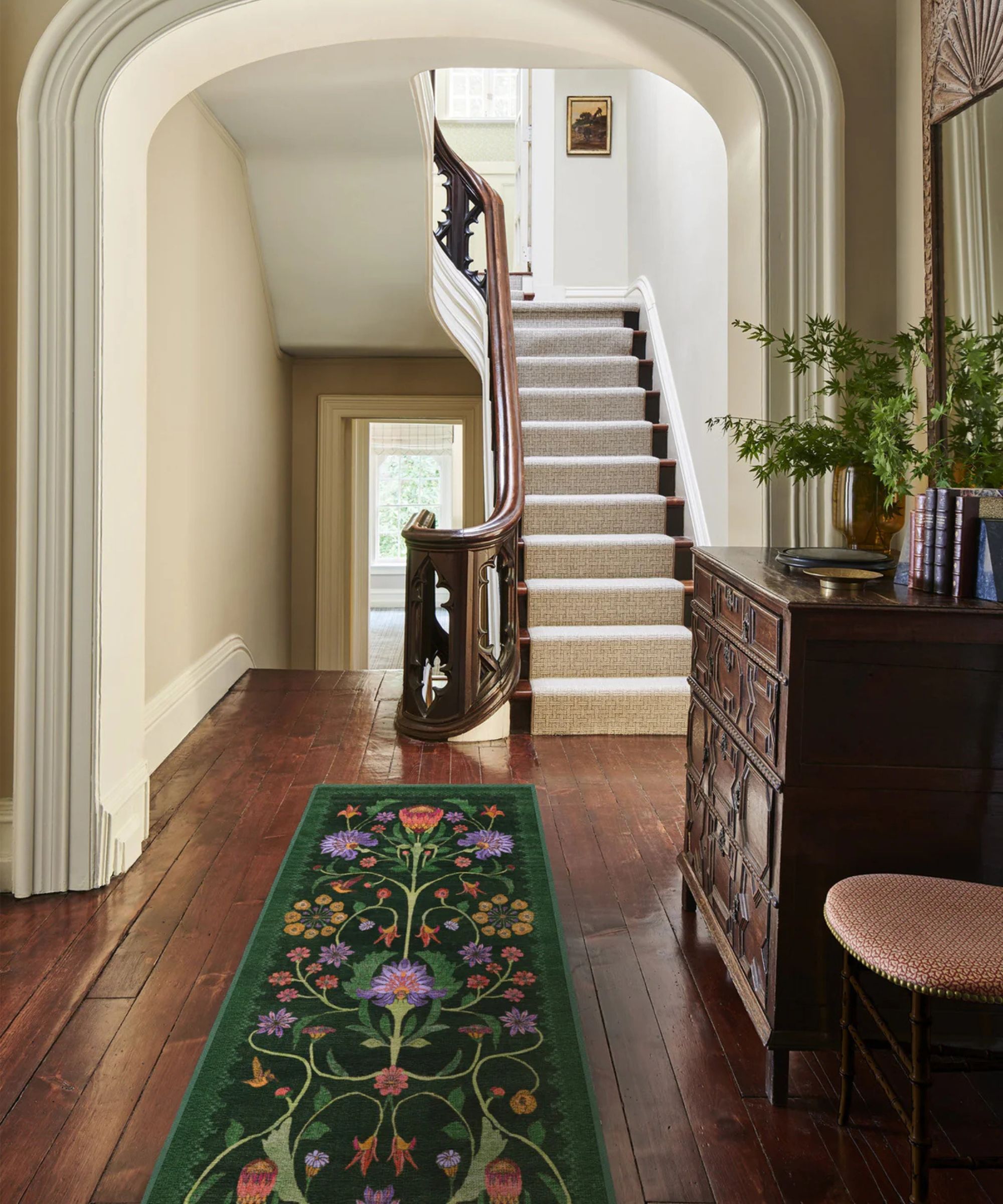
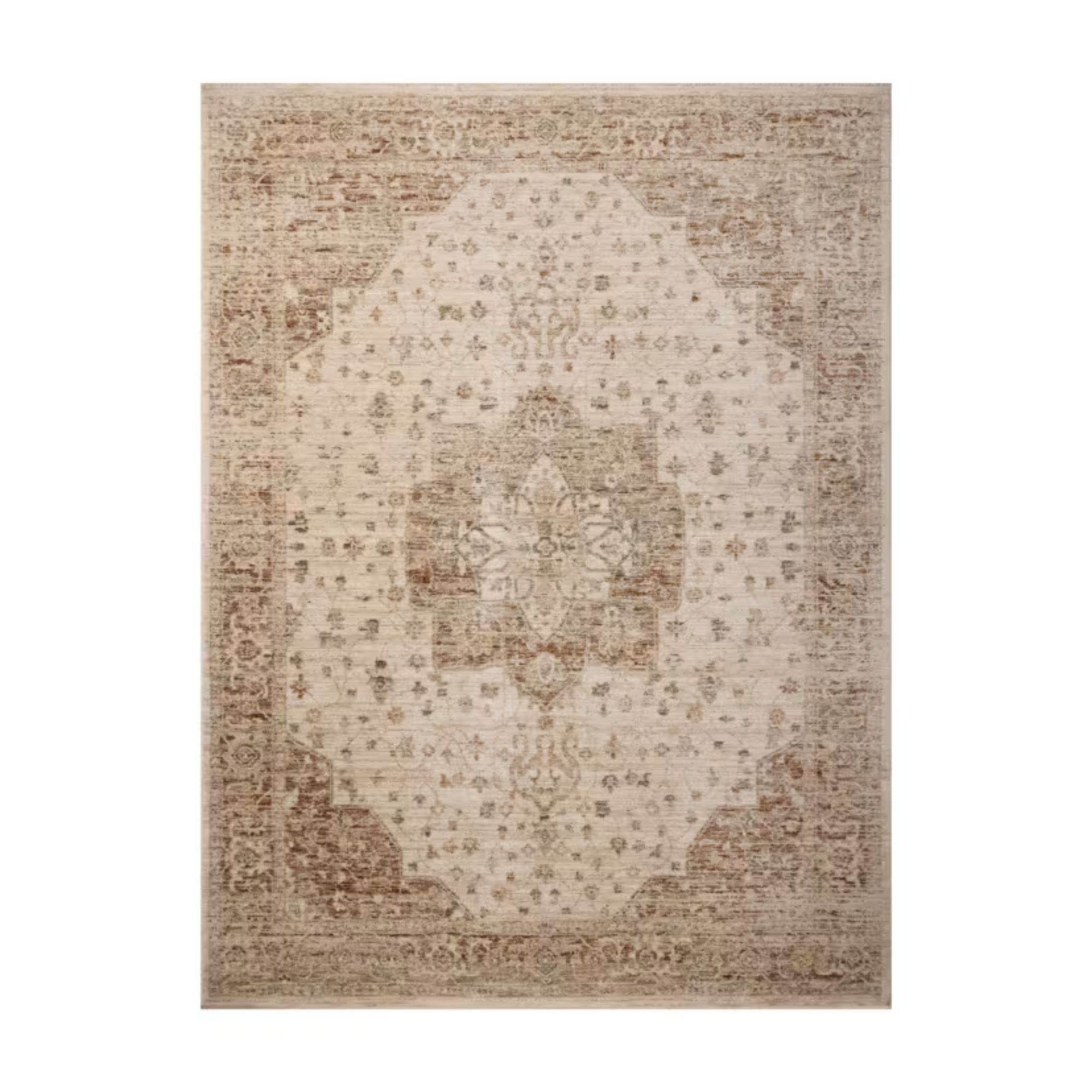
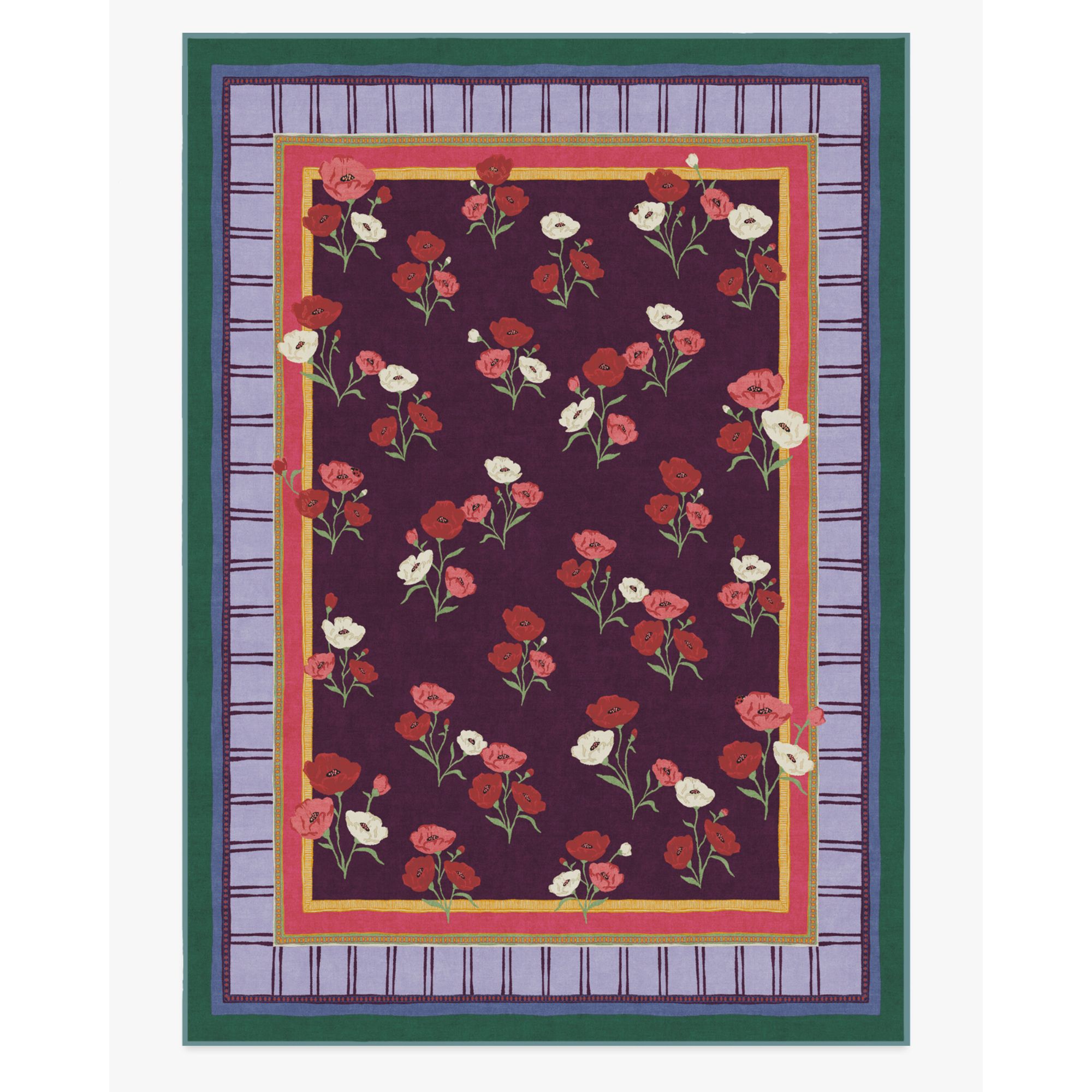
Thirdly, contrary to what some might assume, minimalists often avoid bare floors in entryways. The article explains that minimalism isn't solely about absence but about thoughtful selection. Mohammad Ahmed, an interior designer, notes that a stylish floor mat or an elegant runner can add character to a limited floor space. For those in rentals unable to change flooring, a chic rug in neutral shades like cream, beige, or brown is suggested as a way to instantly elevate the space's aesthetic.
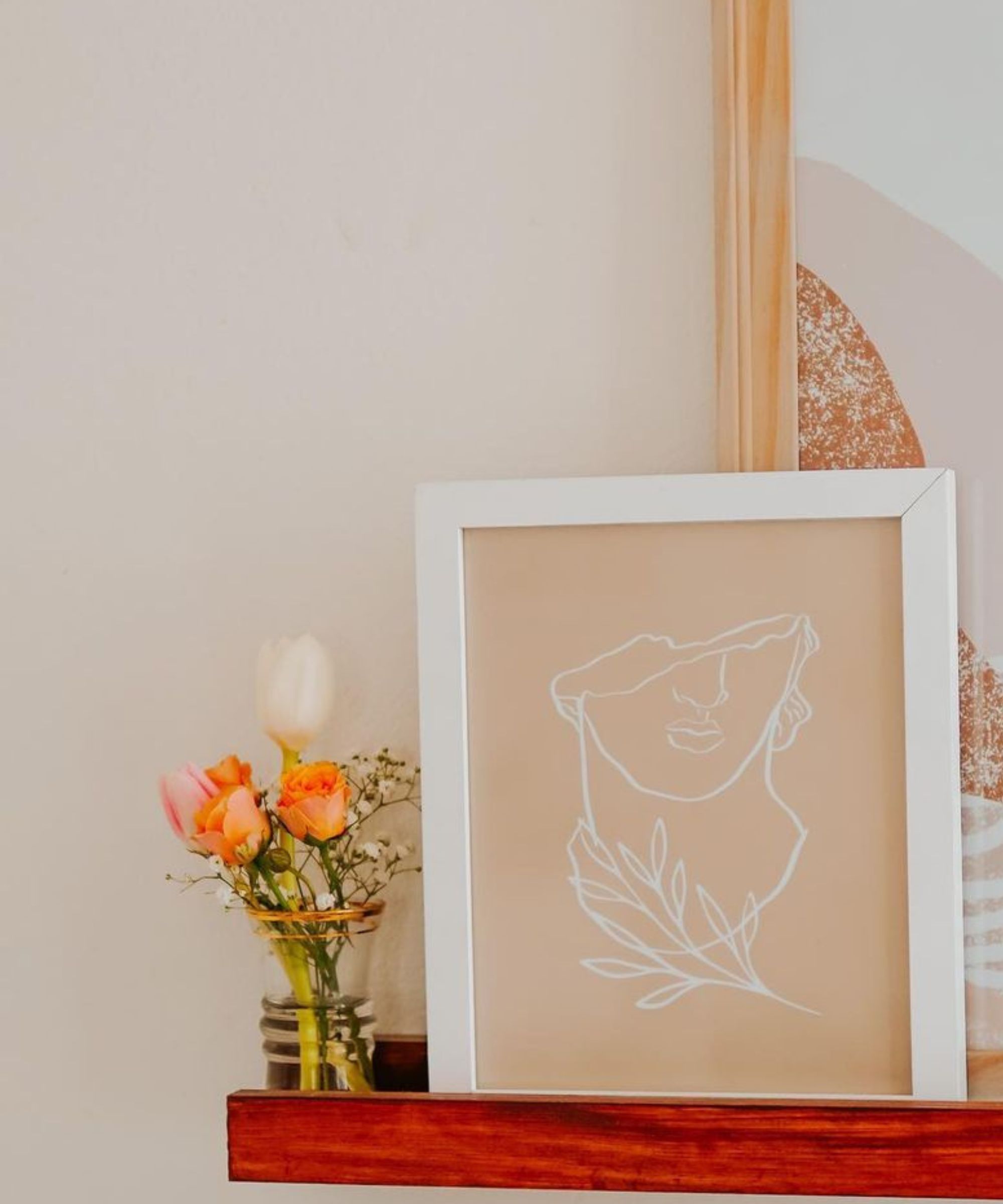
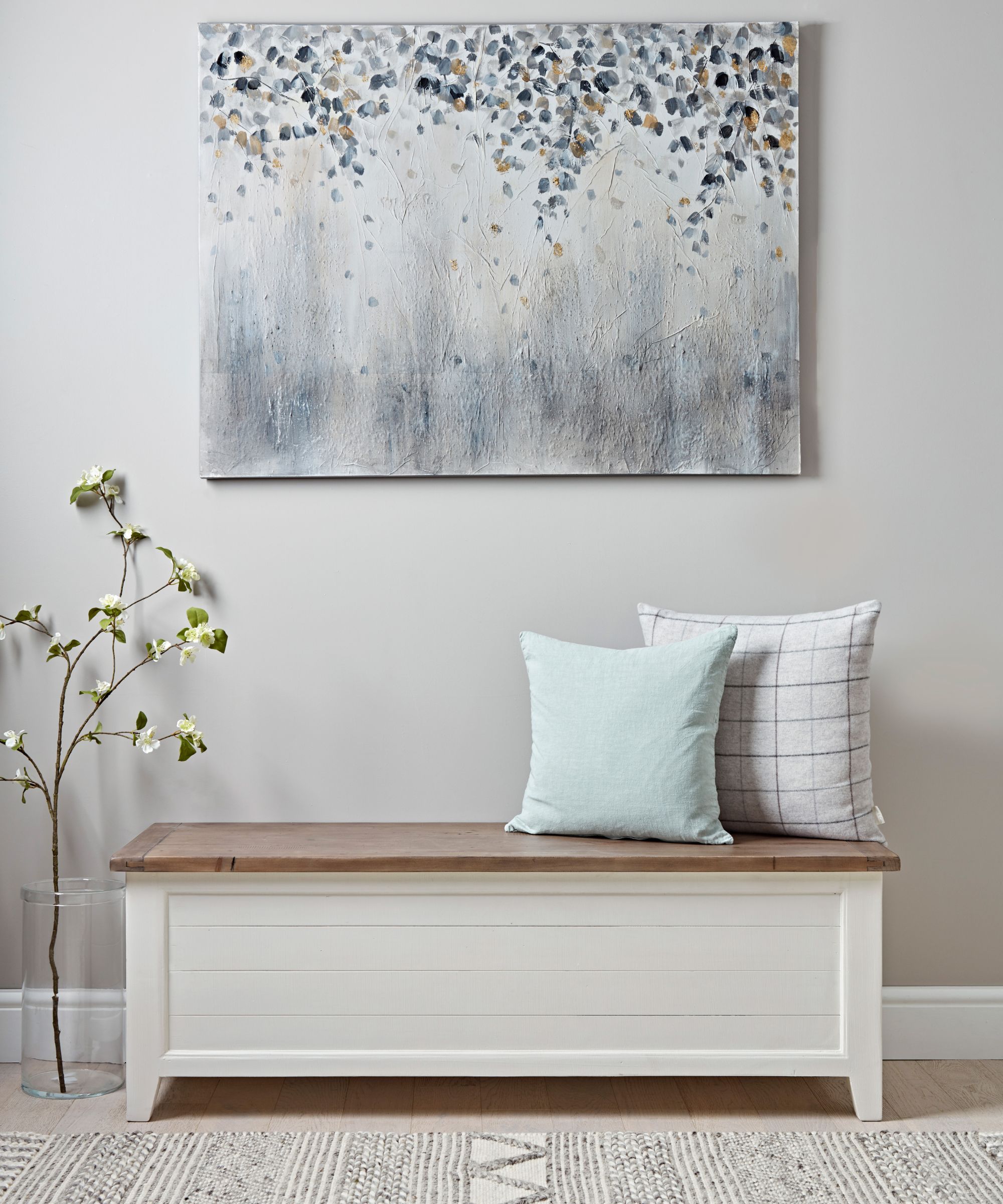
Fourthly, excessive wall decor is discouraged. While wall art can add personality, minimalists are adept at striking a balance between an empty and an overcrowded look. Riley Annen advises focusing on statement pieces or practical storage solutions that blend seamlessly with the overall design. The article suggests that if a wall appears too busy, some frames should be removed to allow for easier visual focus.
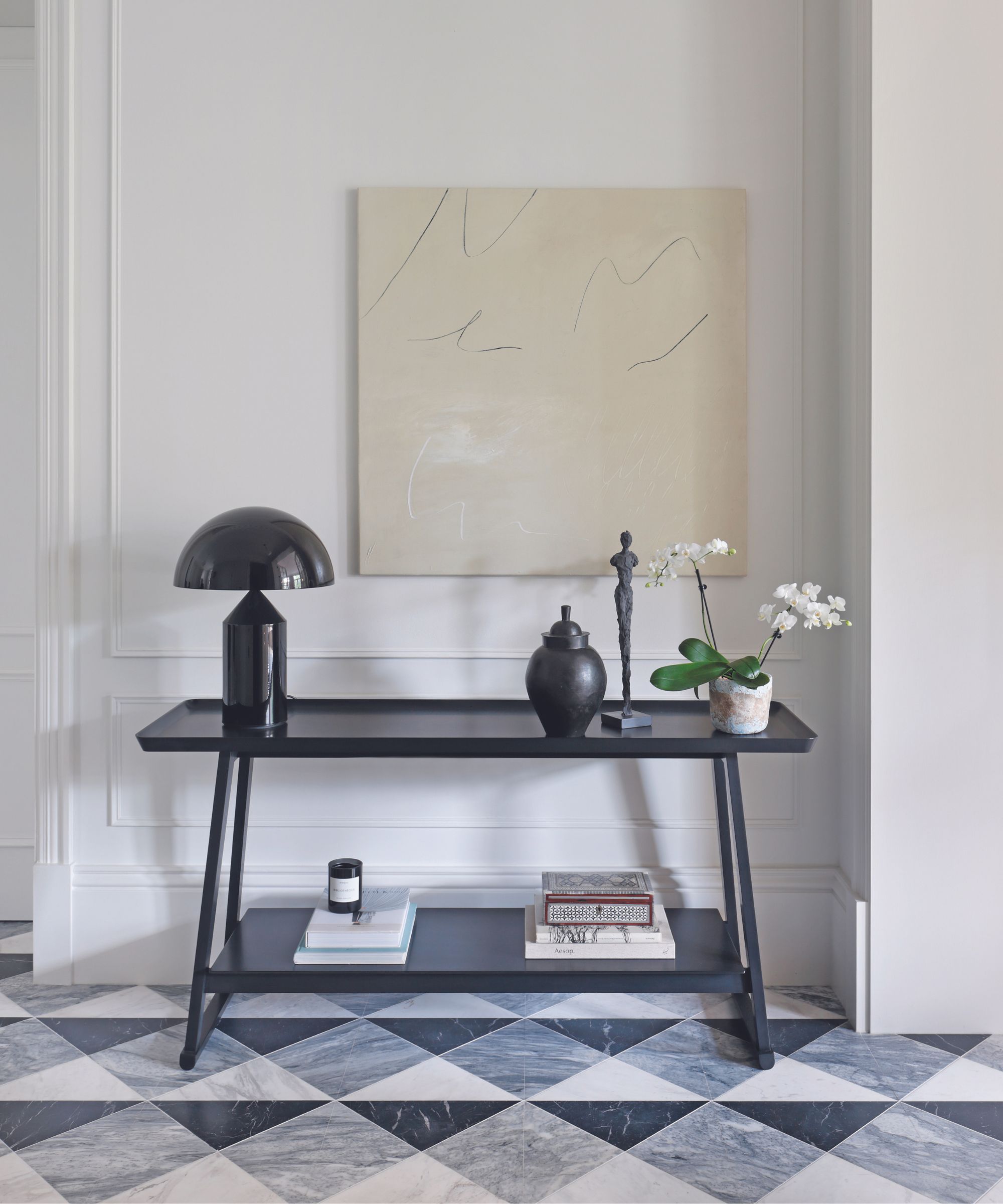
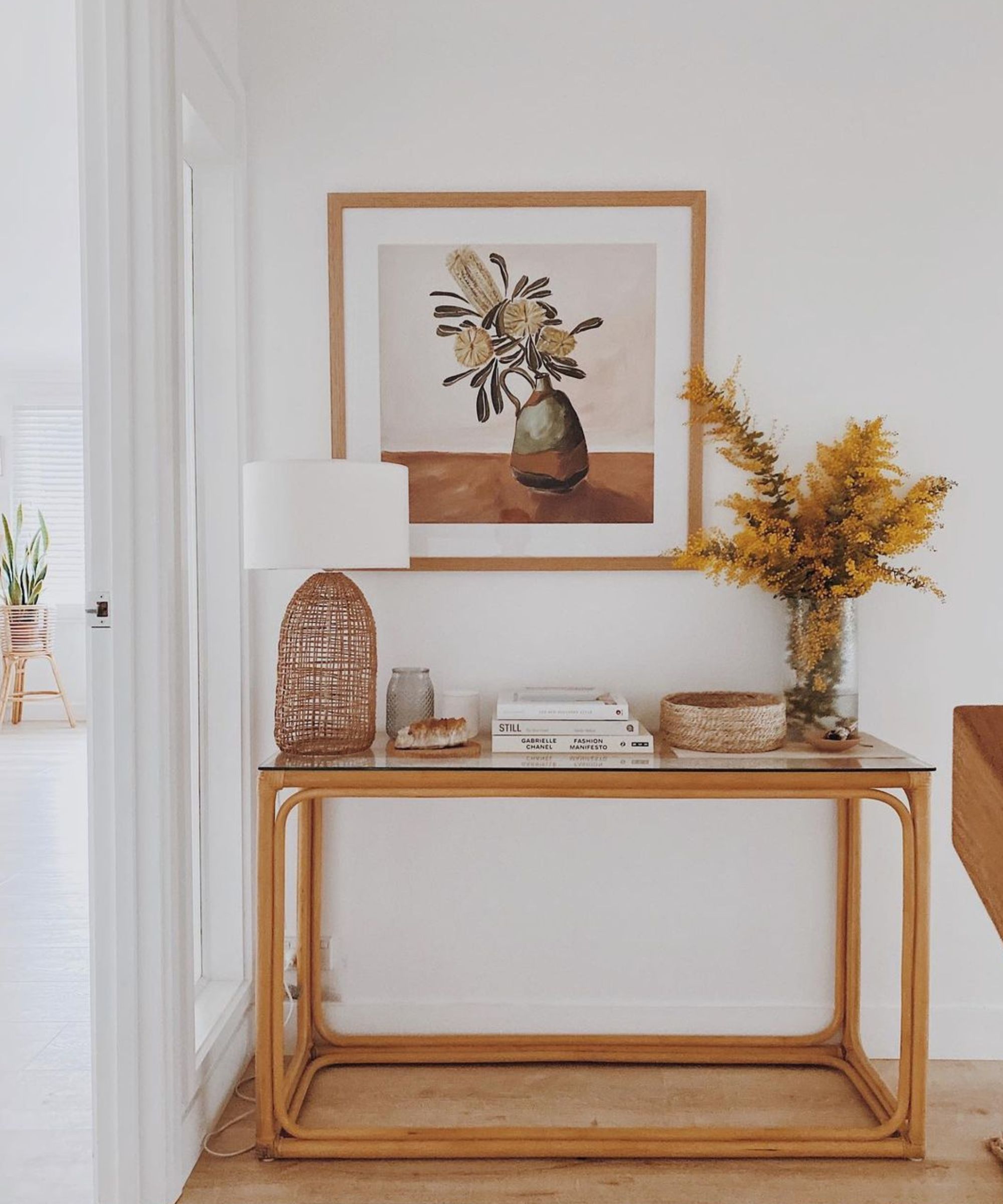
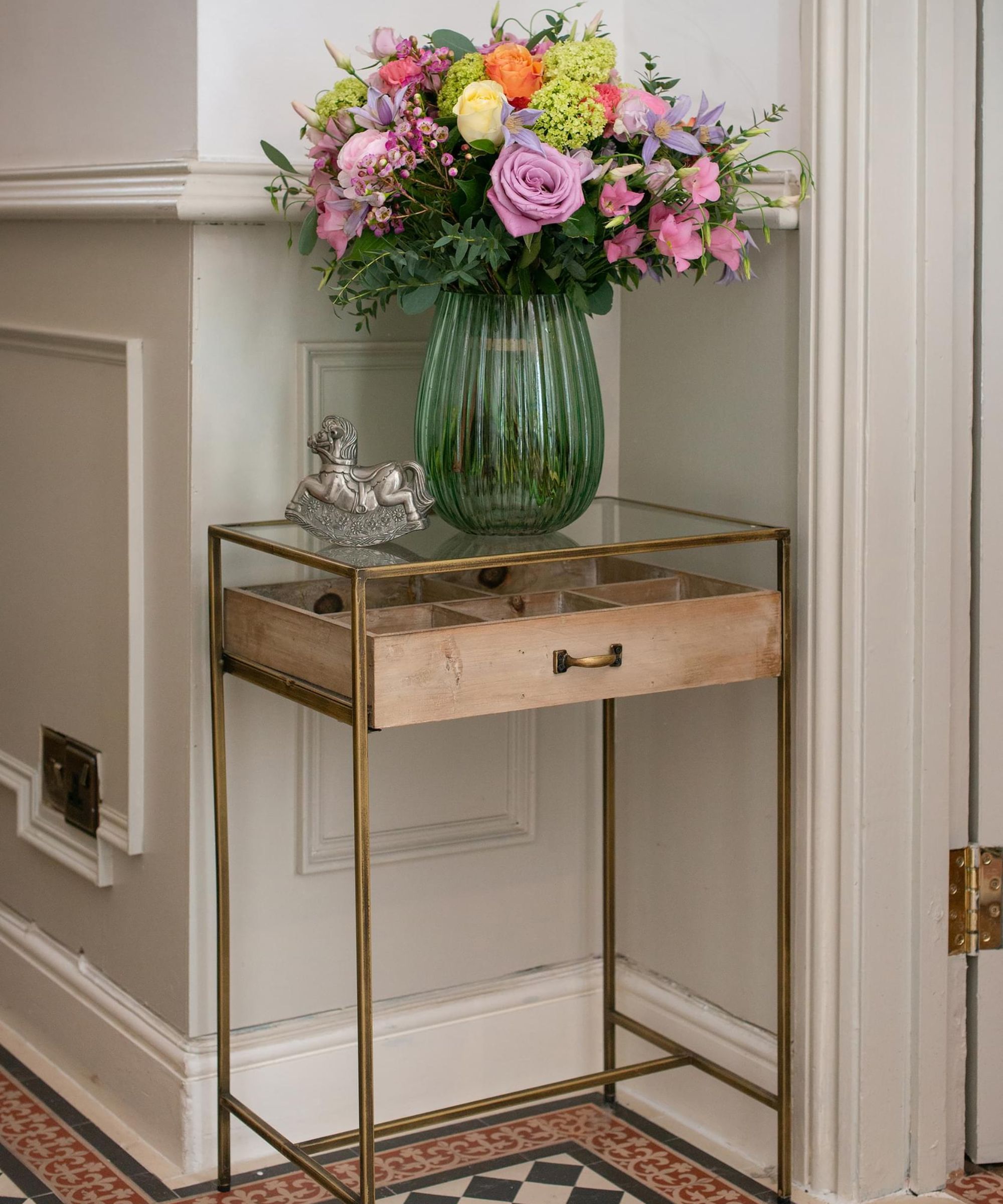
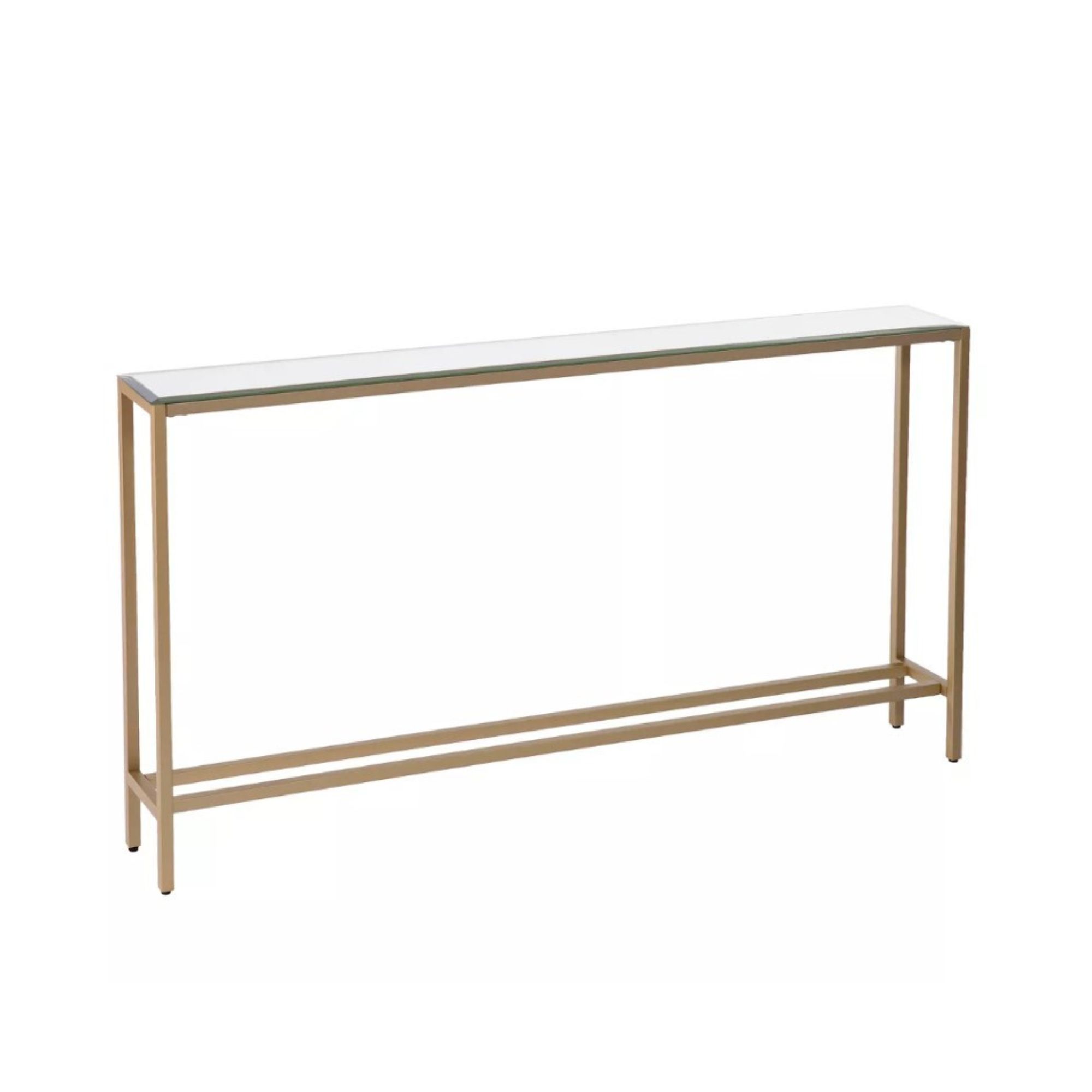
Finally, bulky furniture is another item minimalists avoid in small entryways. Large, heavy pieces can overwhelm a compact space and hinder movement. Instead, the recommendation is to choose sleek, versatile items like slimline console tables or vertical shoe racks. The article emphasizes the importance of measuring the available space before purchasing furniture to ensure that chosen pieces fit harmoniously within the minimalist aesthetic, maximizing every inch without sacrificing the clean, uncluttered vibe. The article concludes by encouraging readers to apply these principles to create a fresh, fabulous, and elegant entryway, even on a budget, and offers further resources on making small entryways look more expensive.
#MinimalistDesign #SmallEntryway #HomeOrganization #InteriorDesignTips #SpaceSavingFurniture #EntrywayDecor #ClutterFreeHome #HomeImprovement #FunctionalDesign #MinimalistDesign #SmallEntryway #HomeOrganization #InteriorDesignTips #SpaceSavingFurniture #EntrywayDecor #ClutterFreeHome #HomeImprovement #FunctionalDesign
0 comment in total
 No comments yet
You may also like
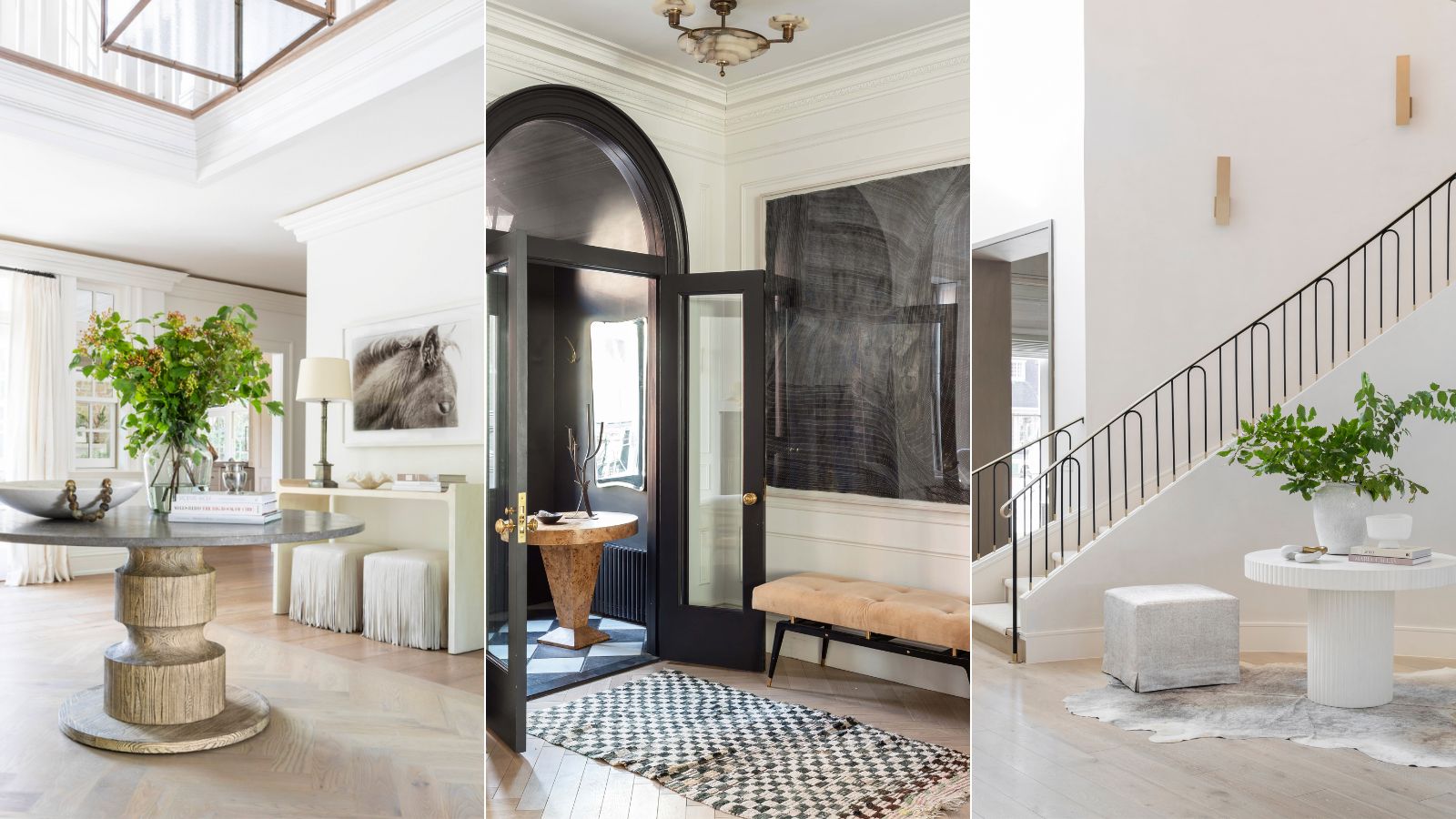
5 things minimalists never have in an entryway – items to ban for clutter-free style

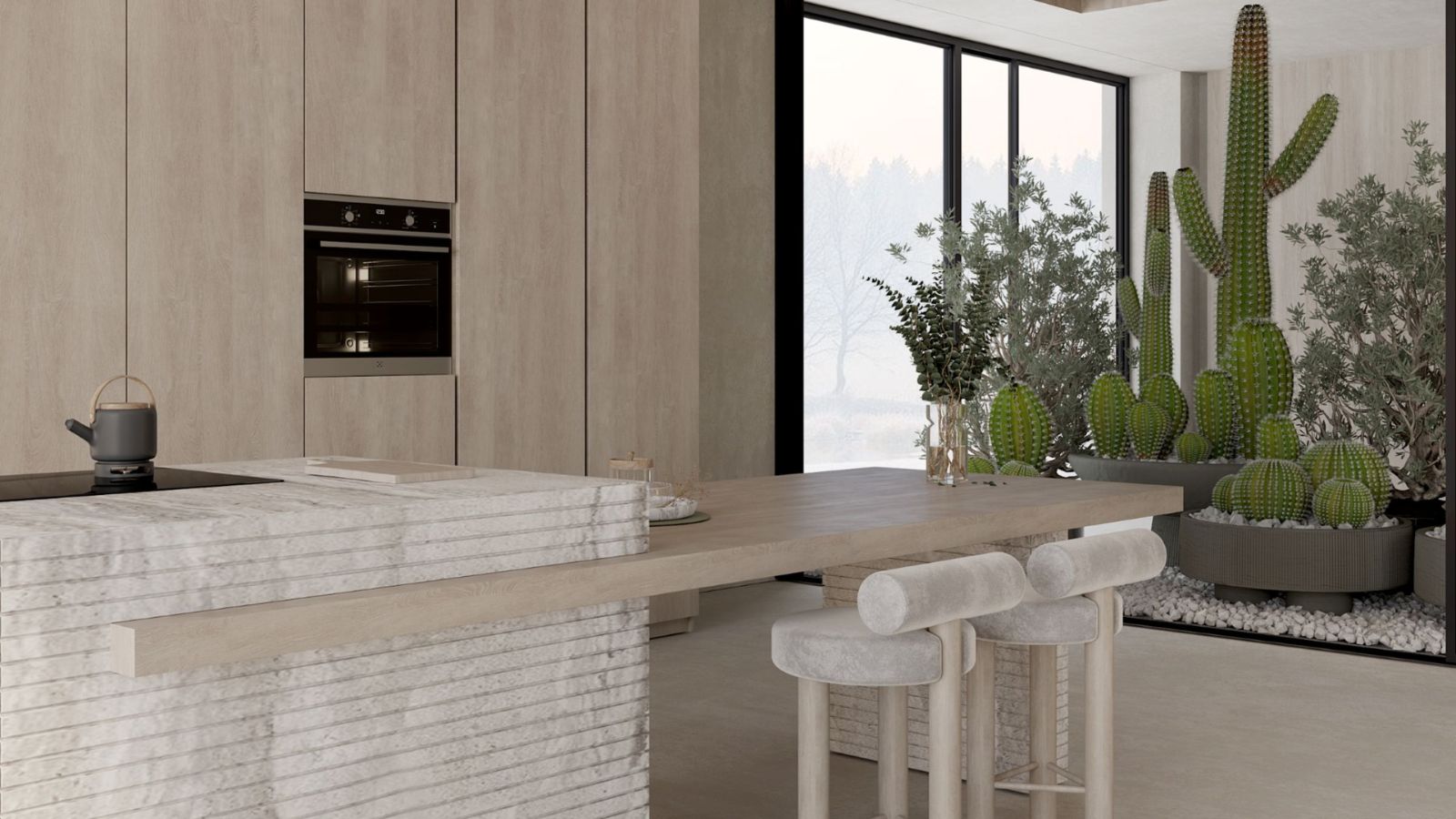
6 things minimalists never have in a kitchen – and what to use instead
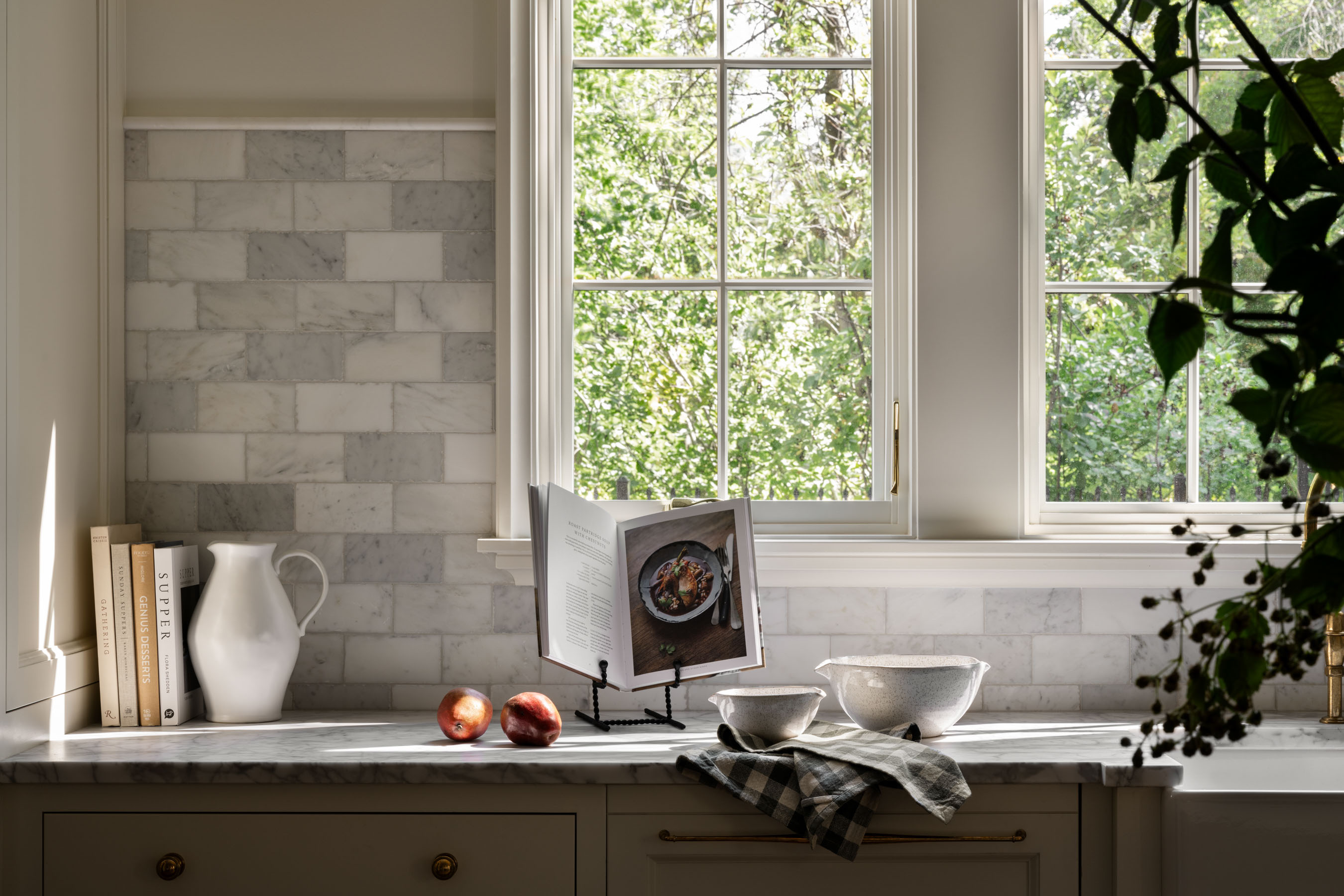
5 Things You Shouldn't Keep on Your Countertops if You Want an Uncluttered, Minimalist Kitchen

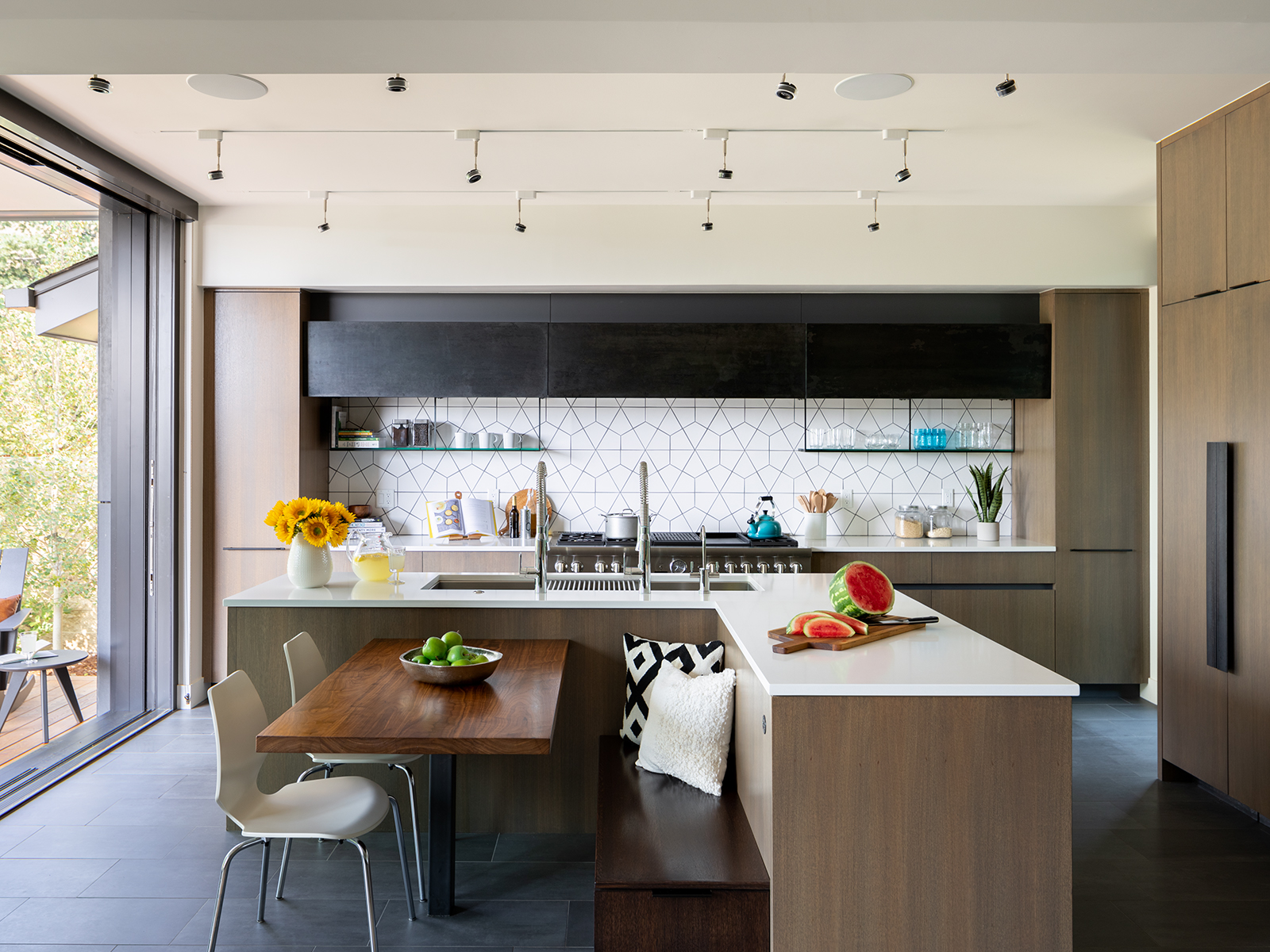
5 (Fresh!) Tips for a Minimalist Kitchen

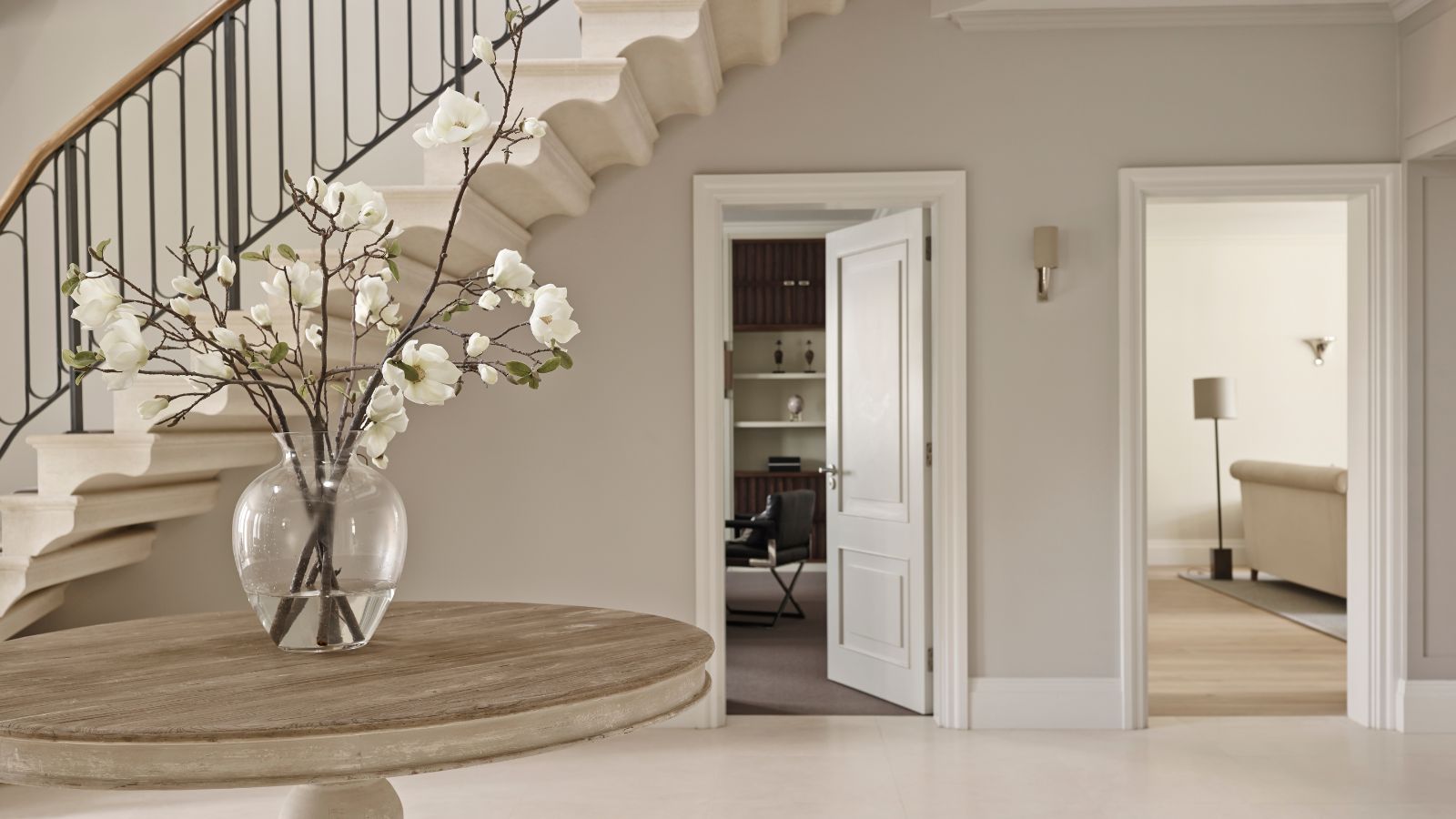
5 things to get rid of for a minimalist entryway – according to designers and organizers
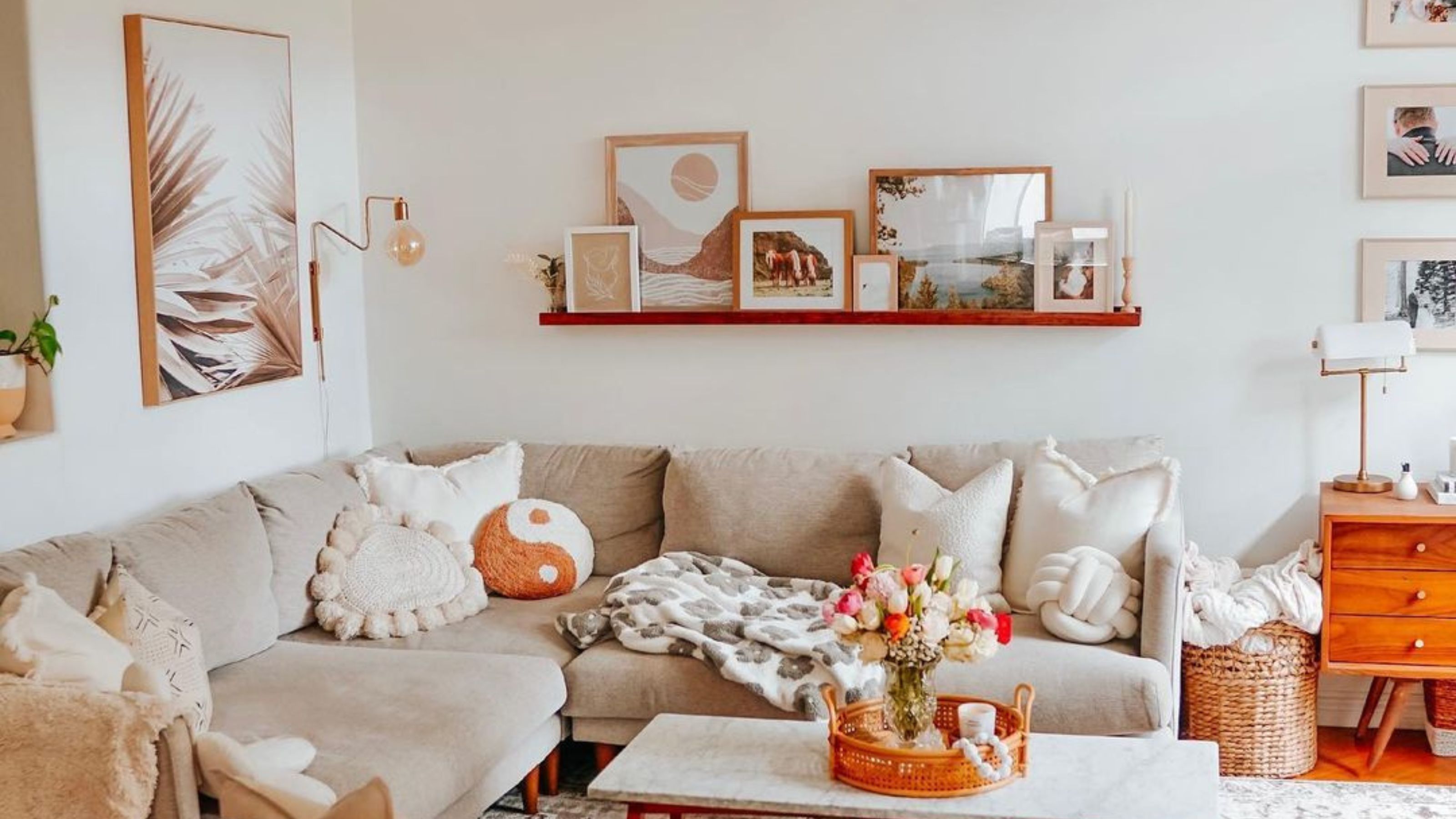
7 things interior designers never have in small living rooms

7 Things You’ll Never See on a Minimalist’s Kitchen Counter—And Why They Swear By It

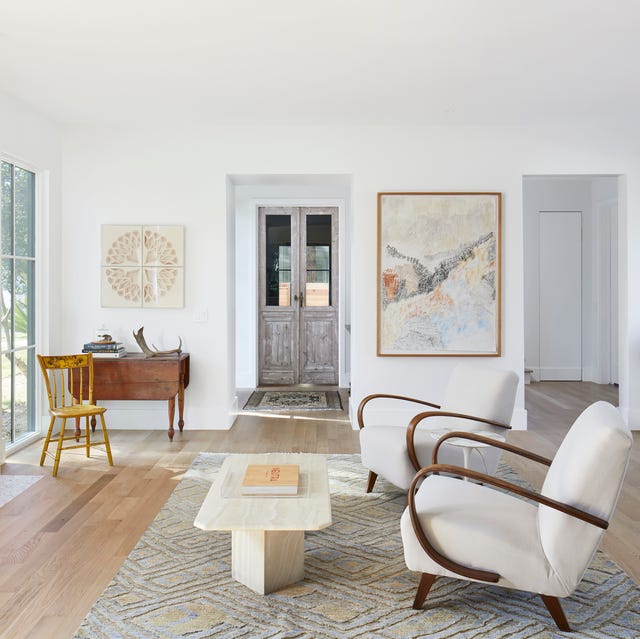
How to Design a Minimalist Living Room

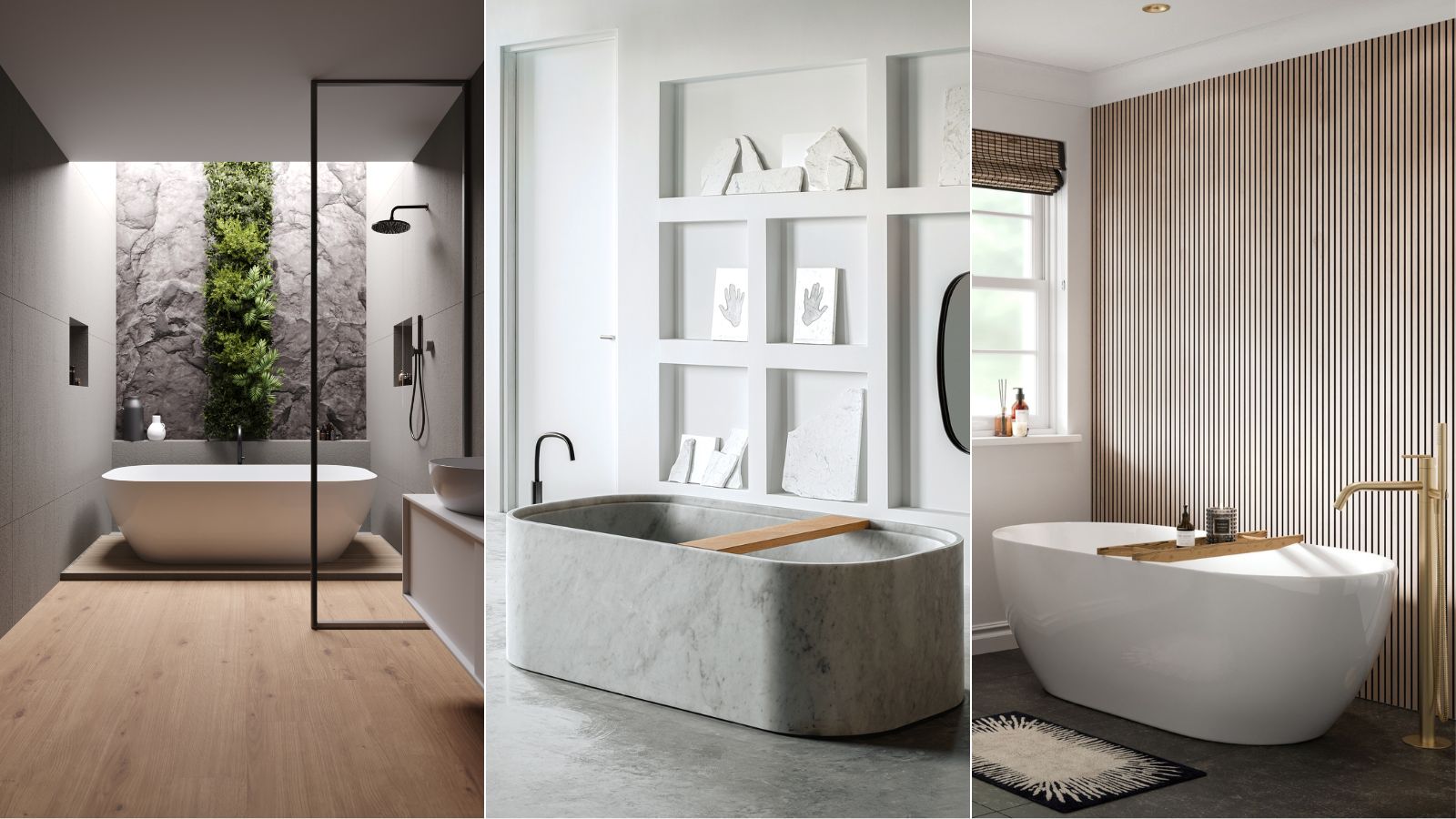
5 things minimalists never have in a bathroom – and what to use instead
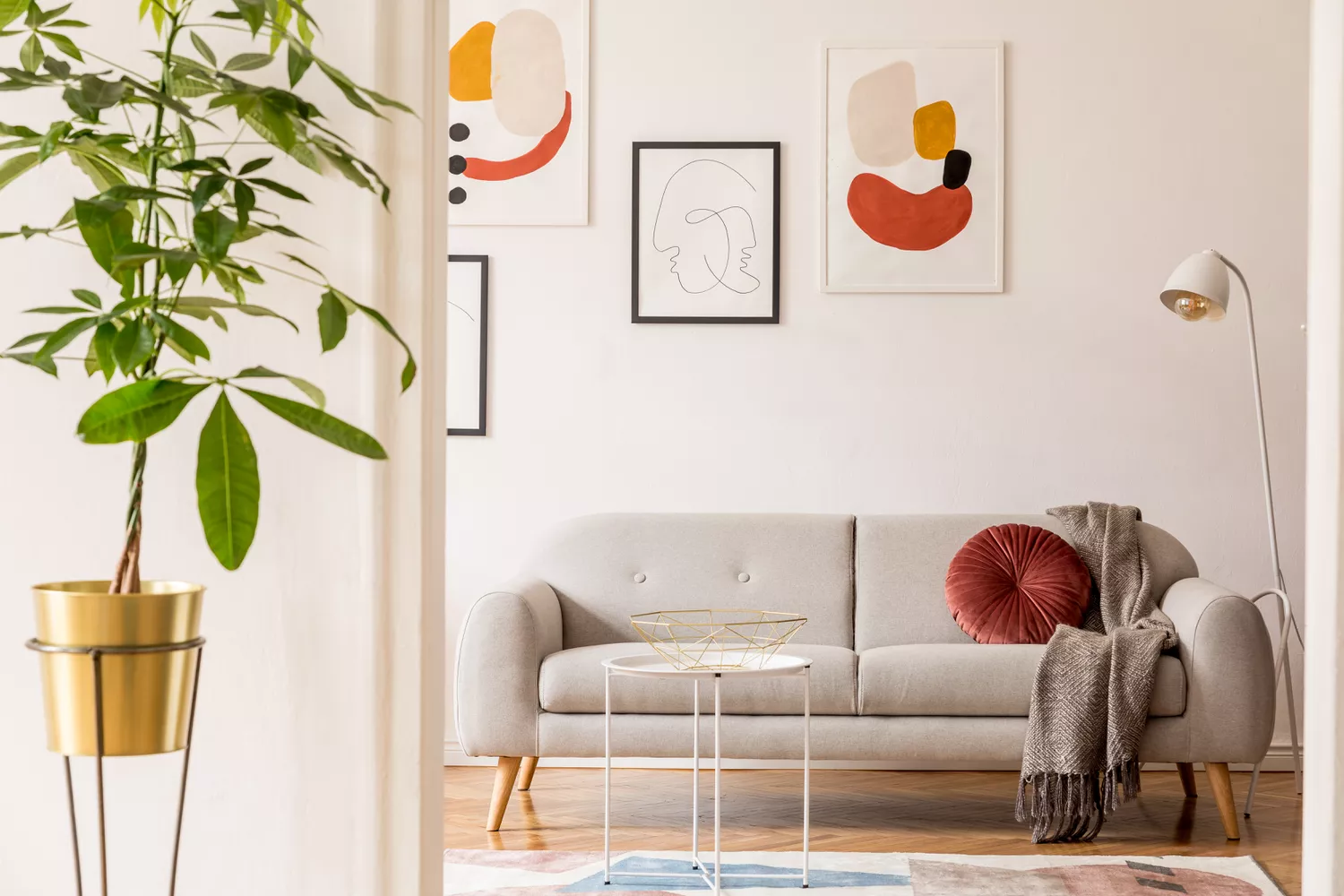
5 Minimalist Decorating Mistakes Designers Always Notice

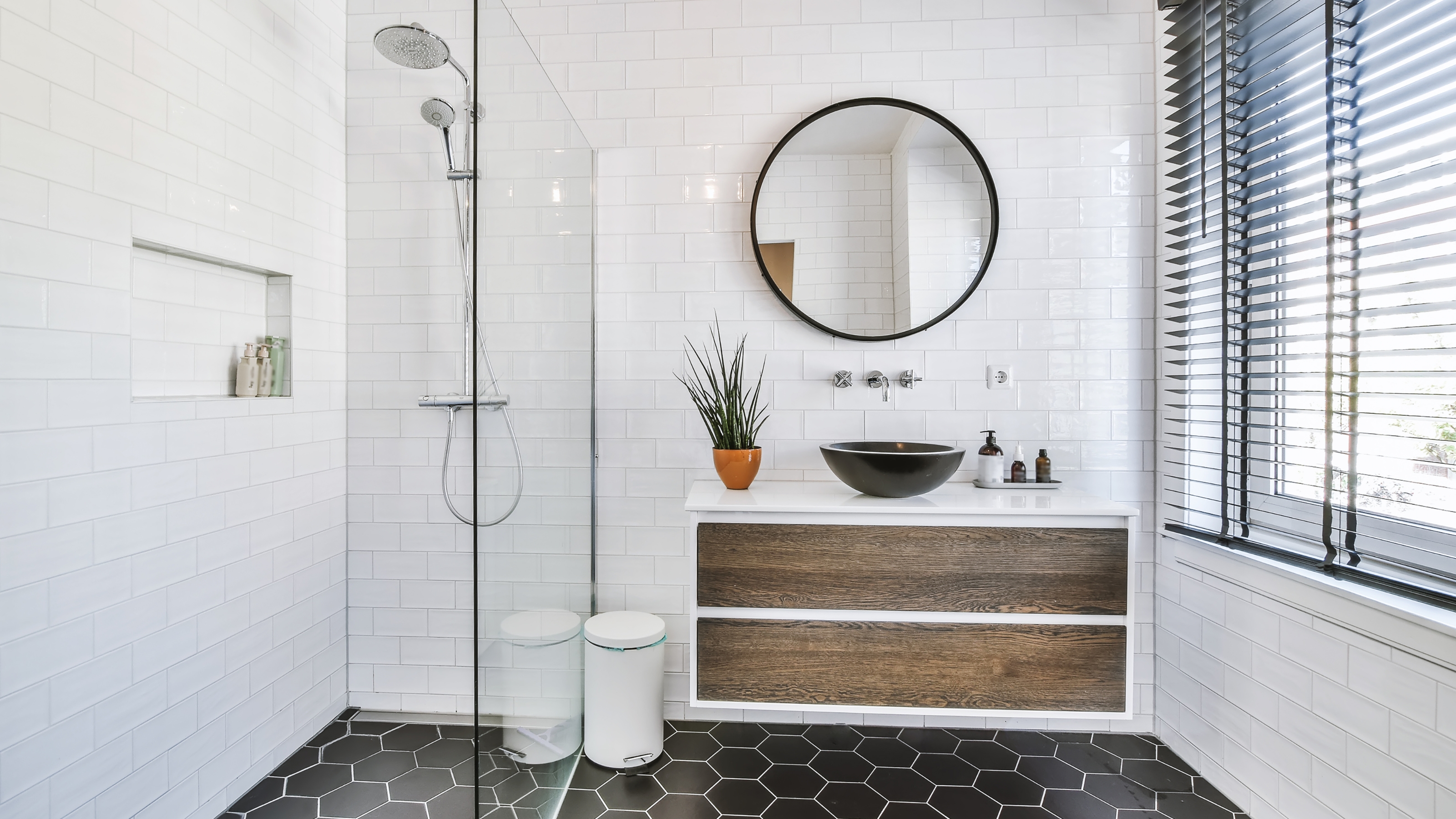
8 items interior designers never have in small bathrooms

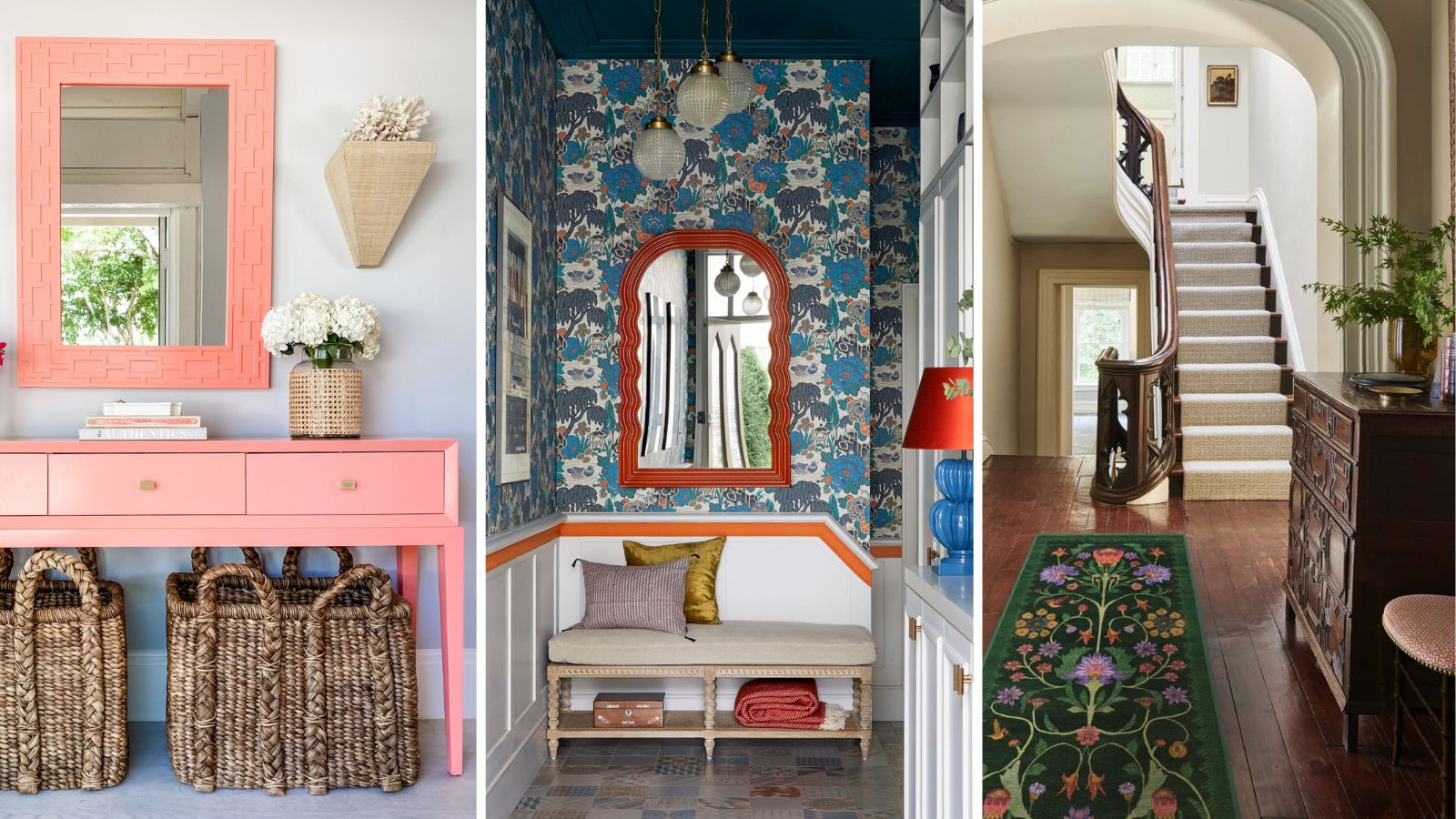
6 things to never put in an entryway, according to interior designers
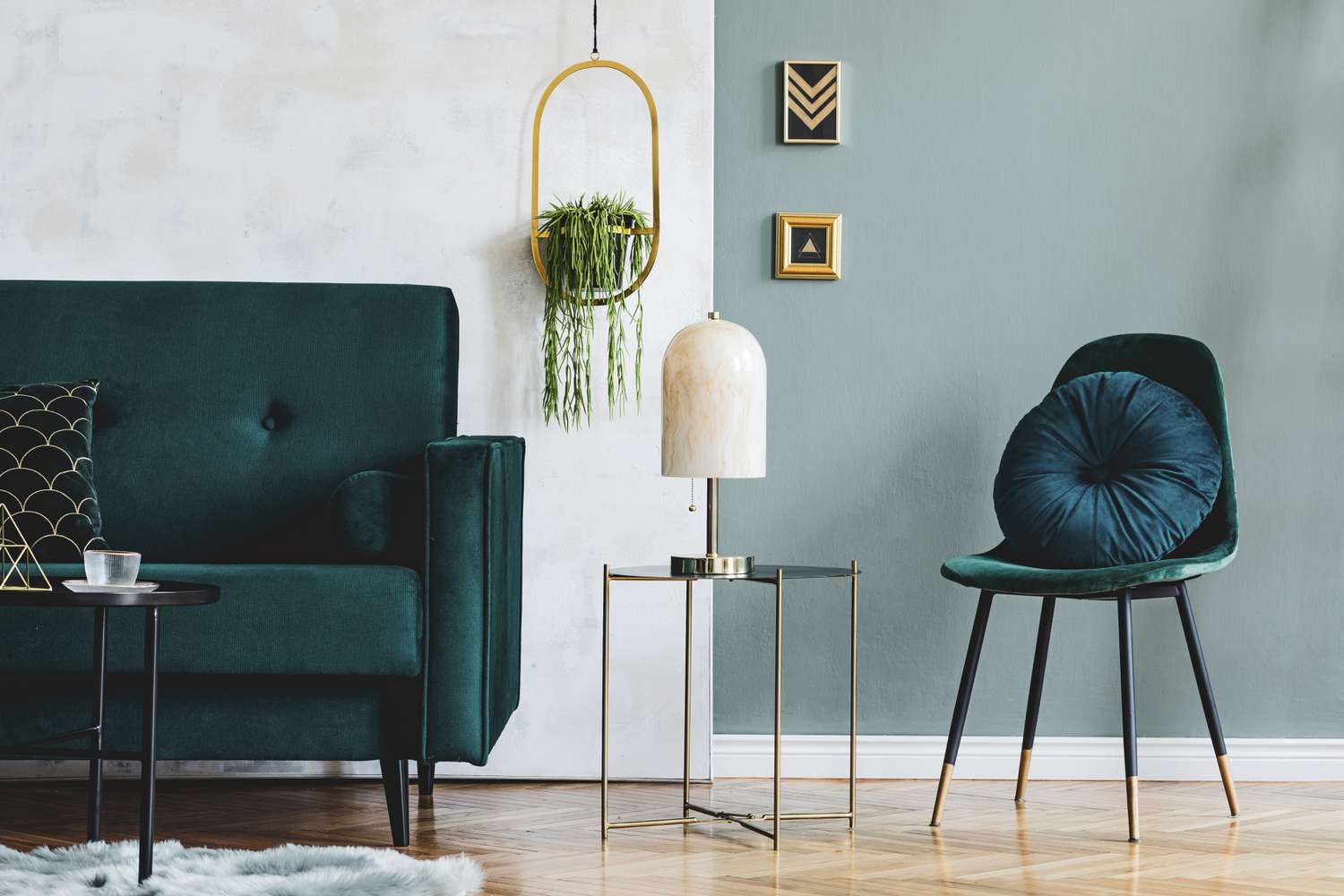
7 Things Minimalists Would Never Put in Their Living Room

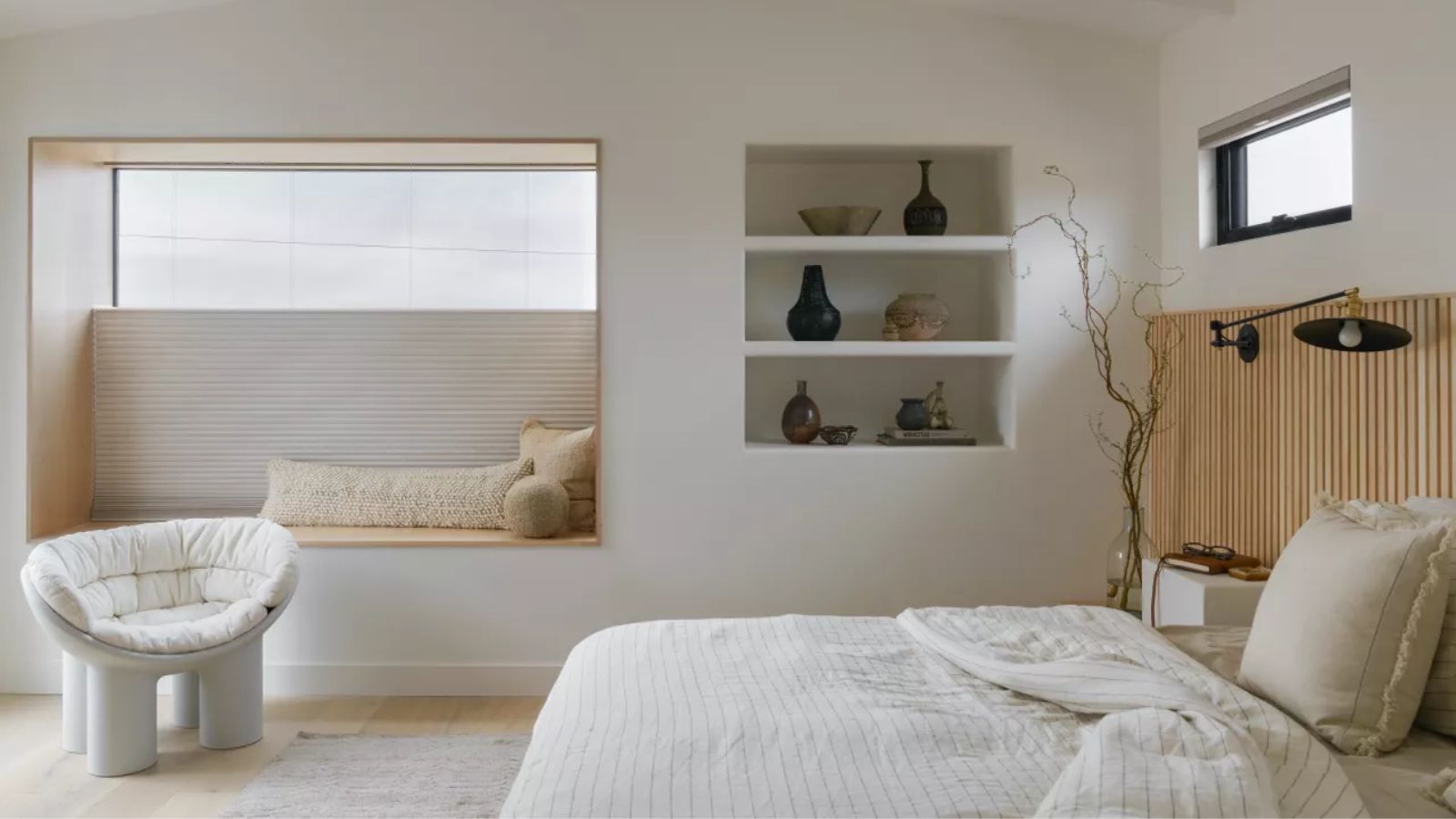
5 surprising storage essentials minimalists avoid – and what they use instead
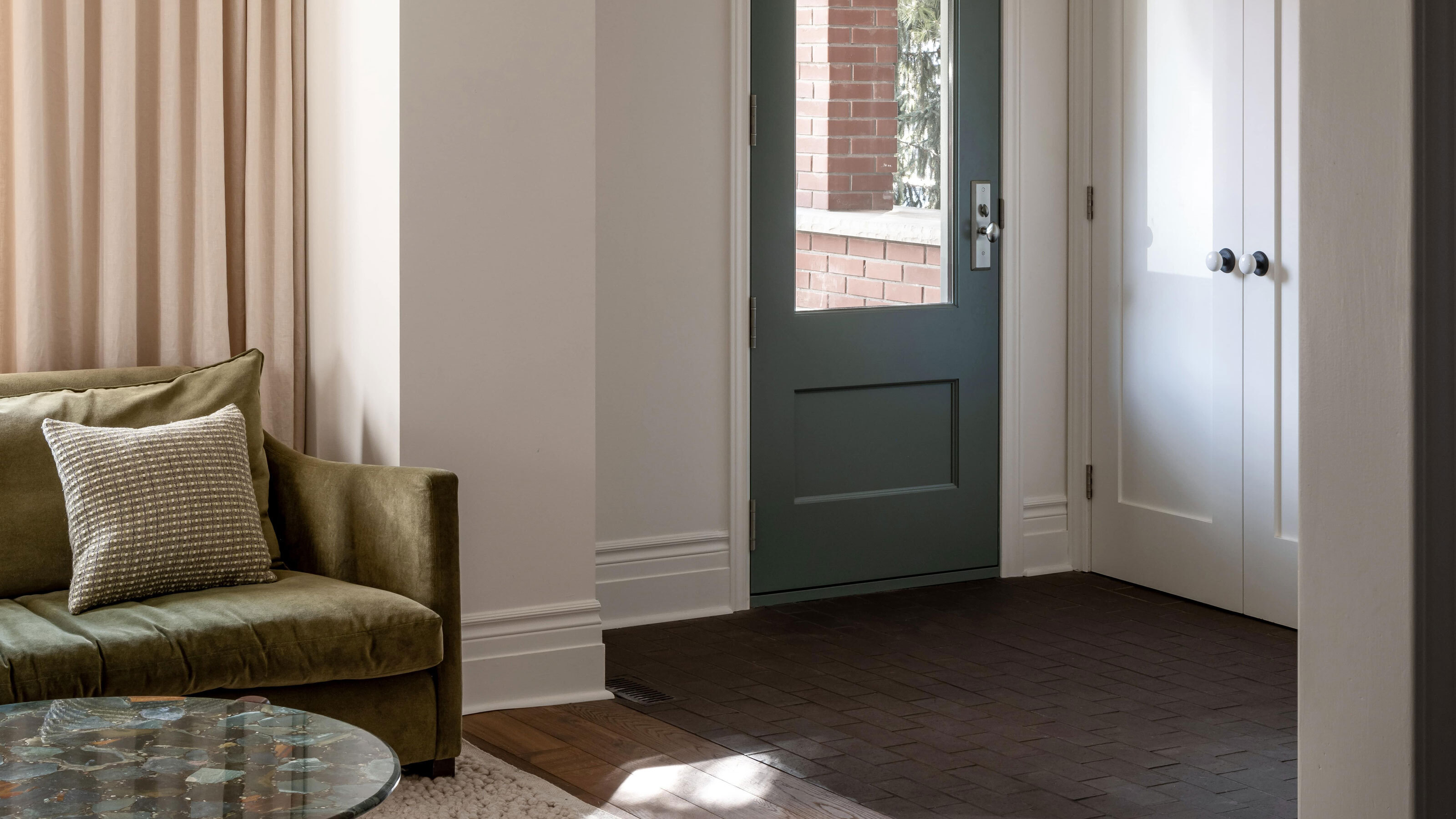
12 Small Entryway Ideas — This is How Top Designers Maximize Space for Function and Style
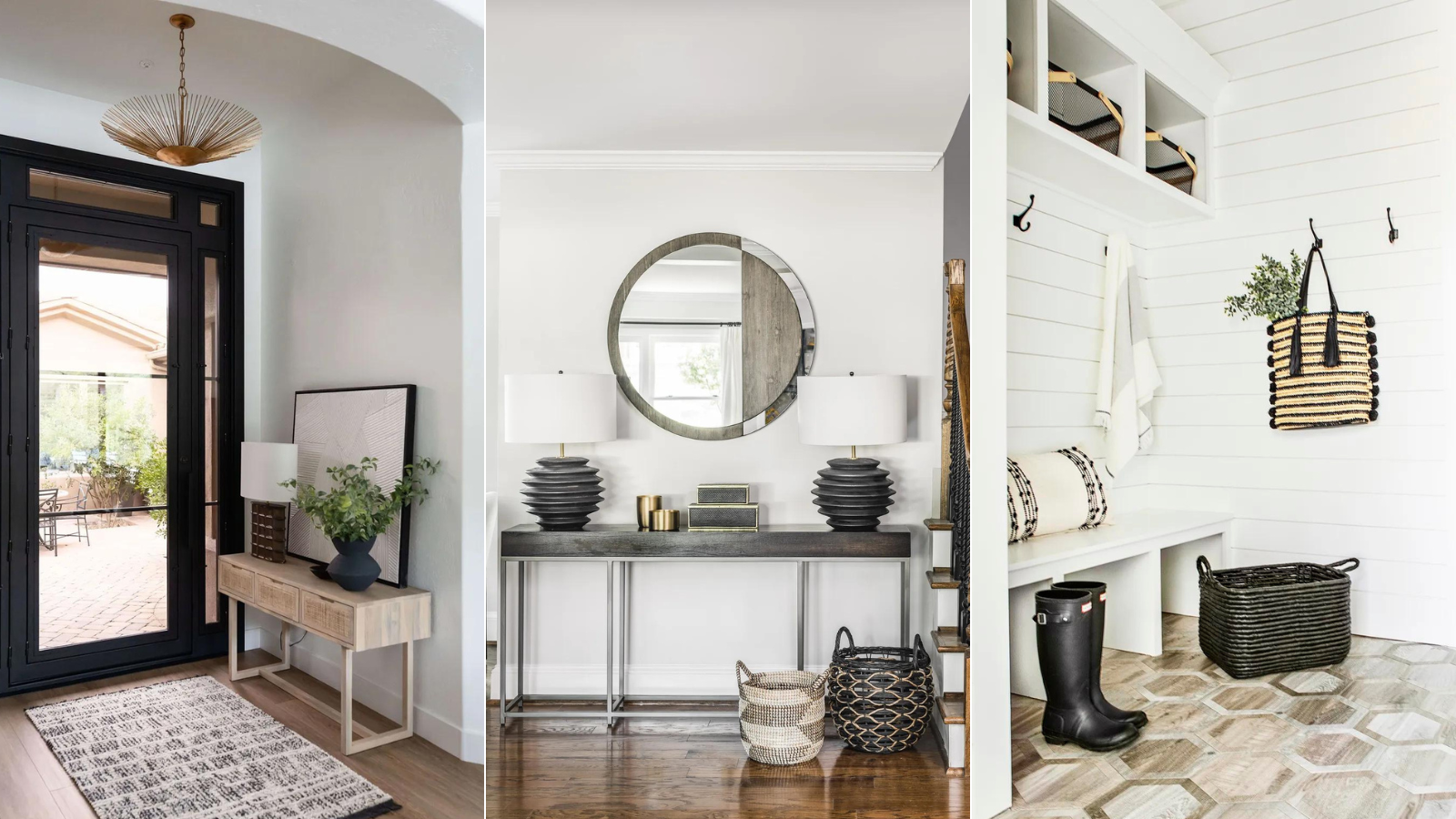
Pro organizers say these are the must-haves for small entryways
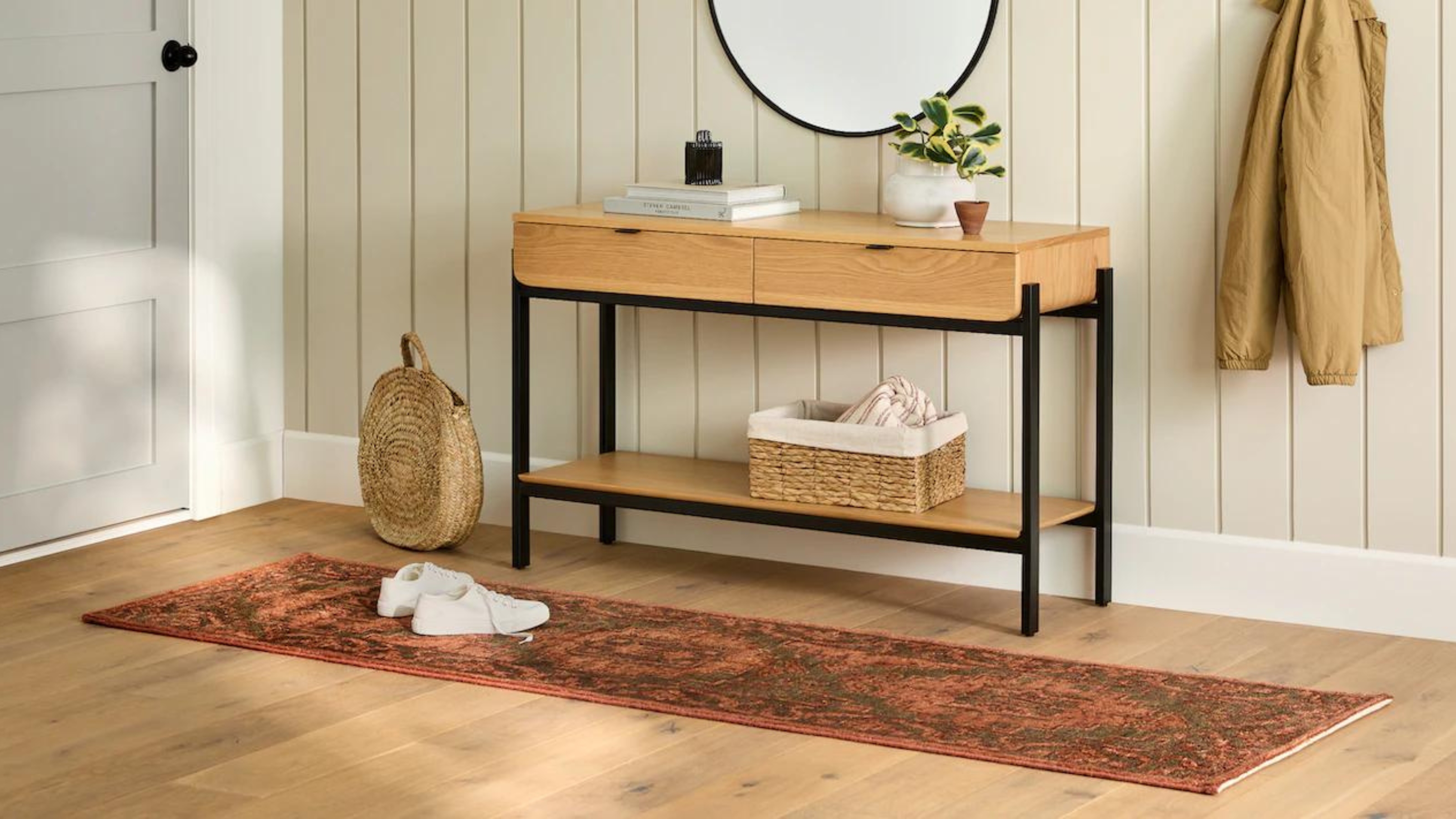
8 things people with organized small entryways never do
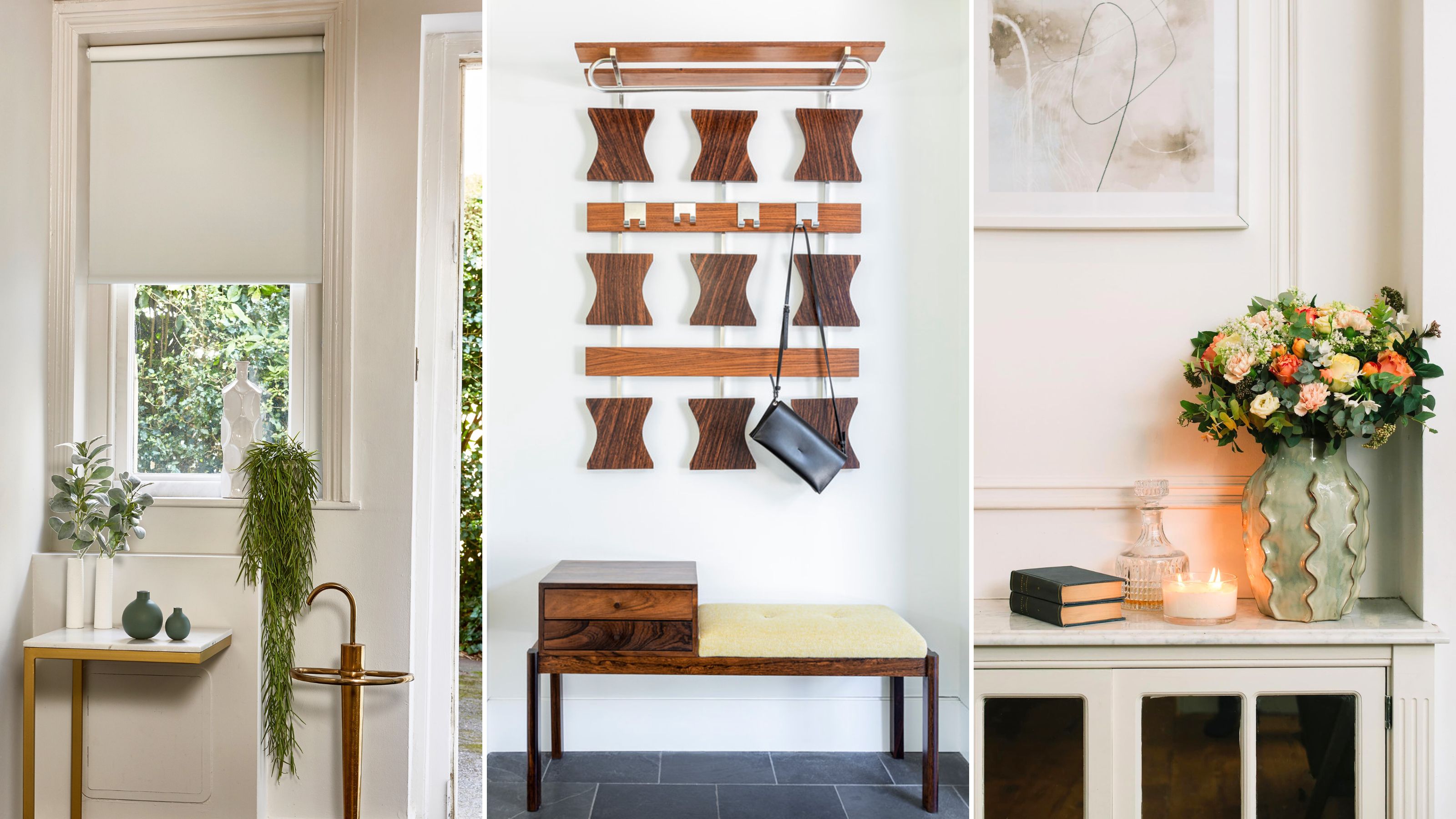
Minimalist entryway ideas — 6 ways to boost a tight space
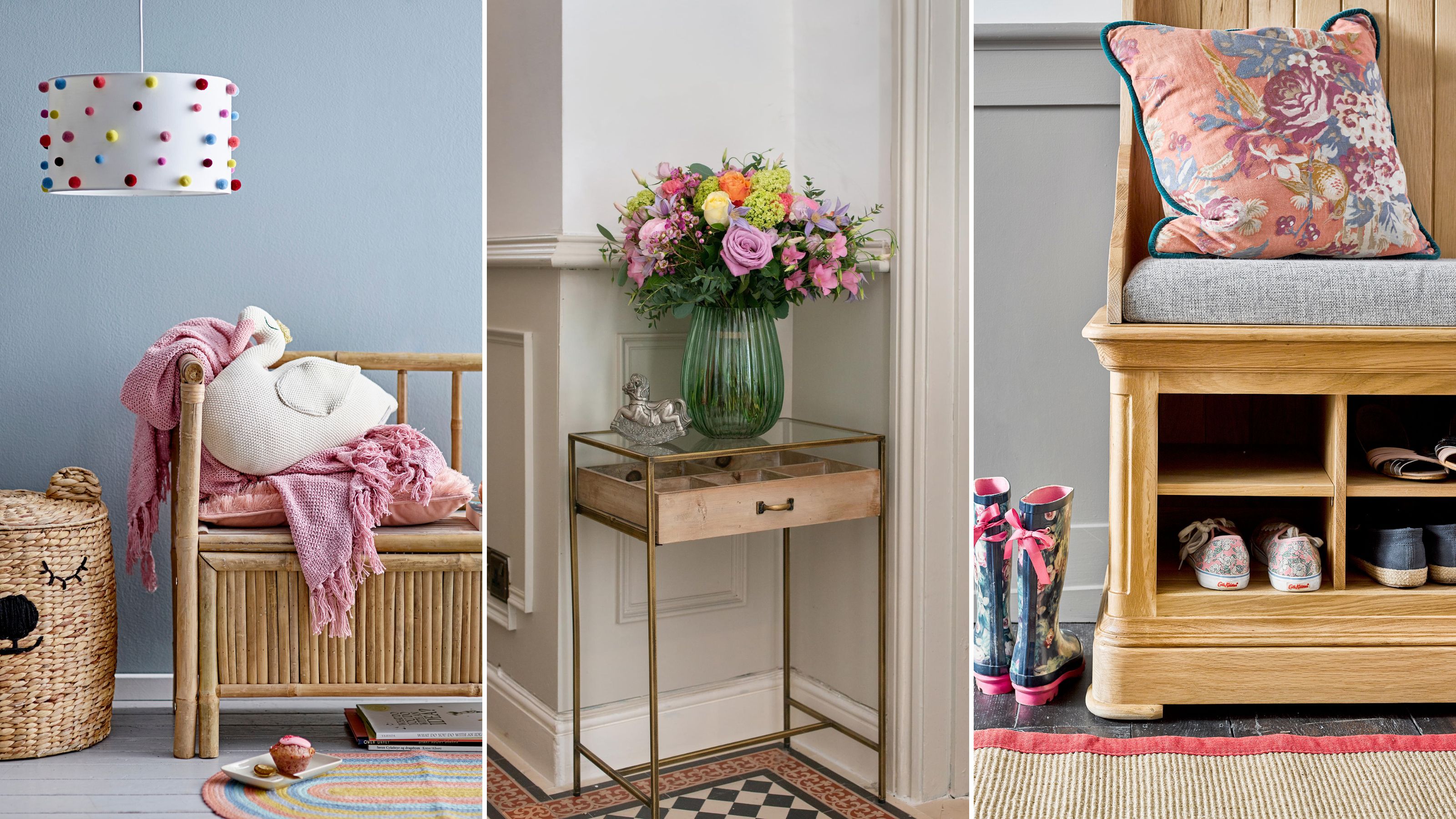
5 small entryway storage mistakes designers want you to stop making
The One Thing Interior Designers Avoid in Small Rooms—and You Should Too