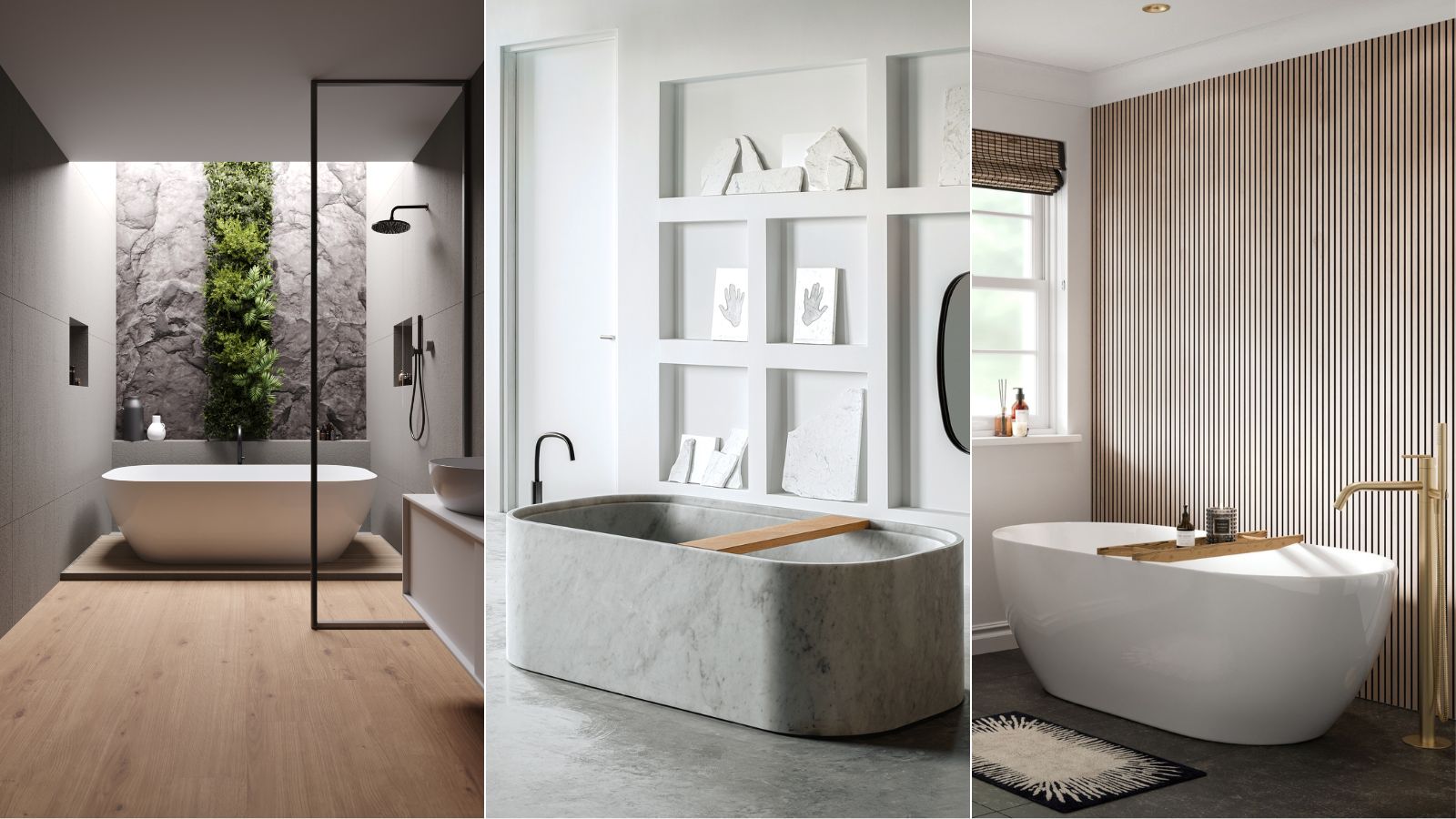
1/6
5 things minimalists never have in a bathroom – and what to use instead
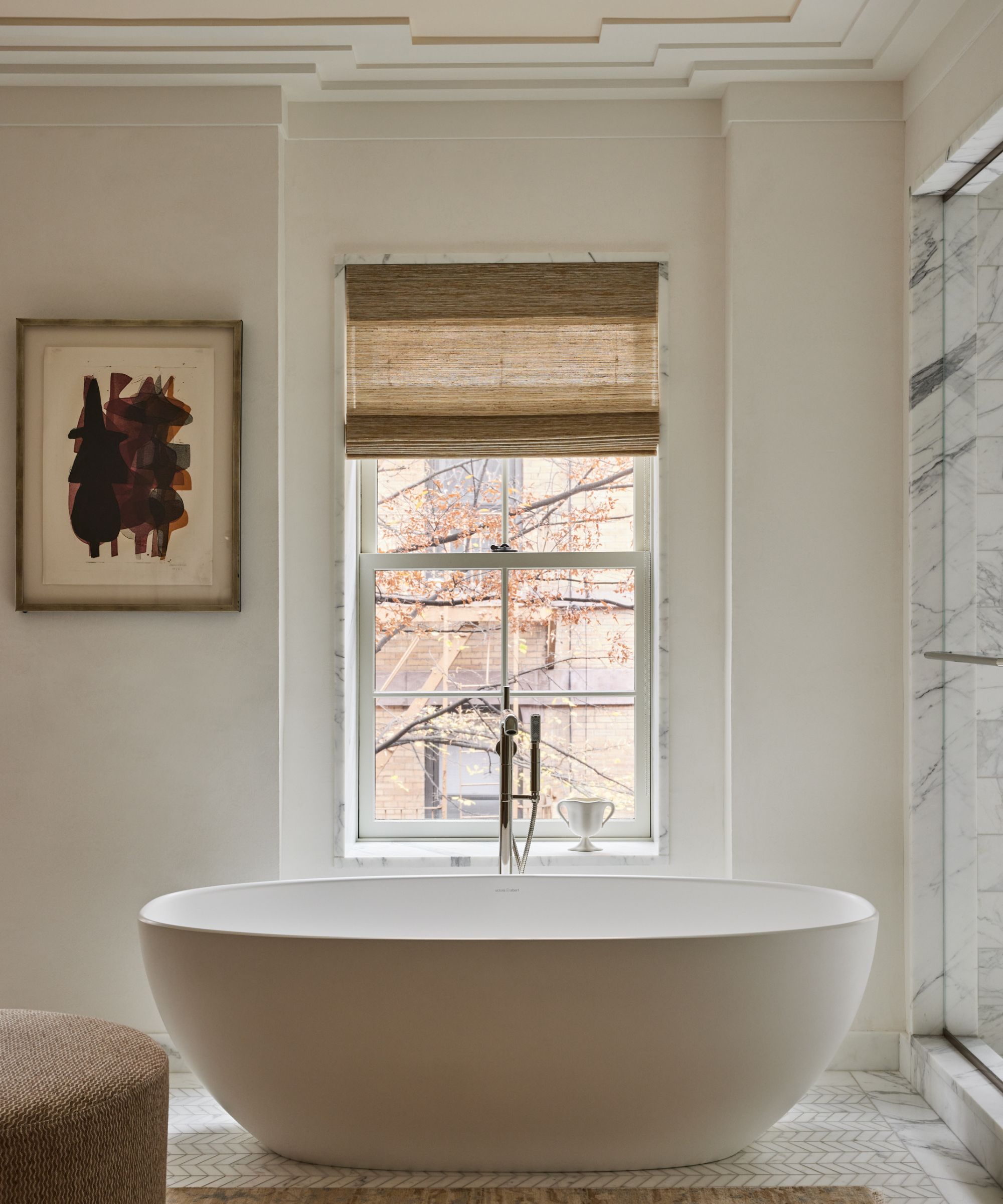
The article explores the principles of creating a minimalist bathroom, focusing on the removal of unnecessary items to achieve a serene and functional space. Minimalism, as a design philosophy, emphasizes intentional living, where every item serves a purpose or contributes positively to the aesthetic. This approach extends beyond the core fixtures to include smaller decorative and functional elements within the bathroom.
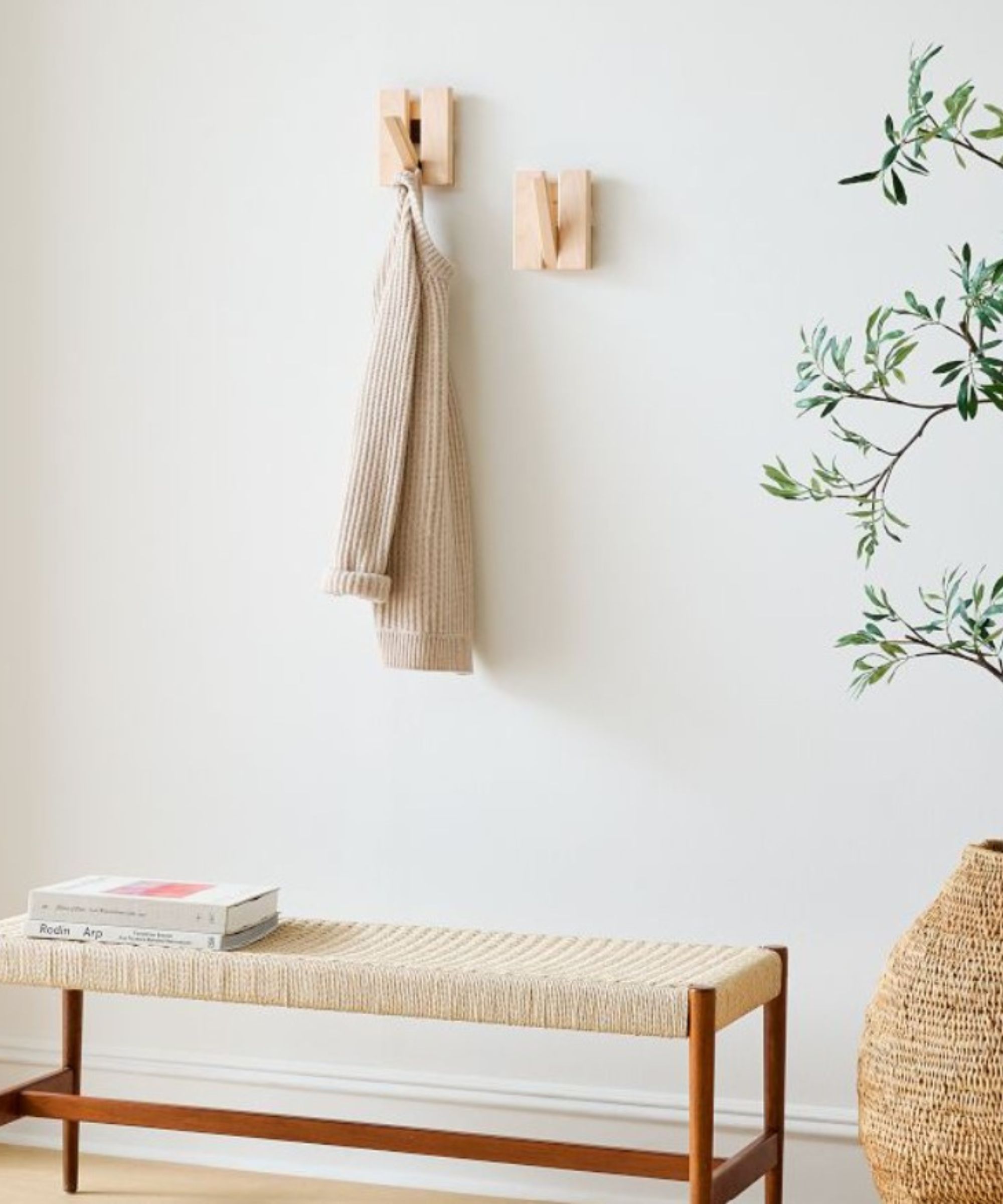
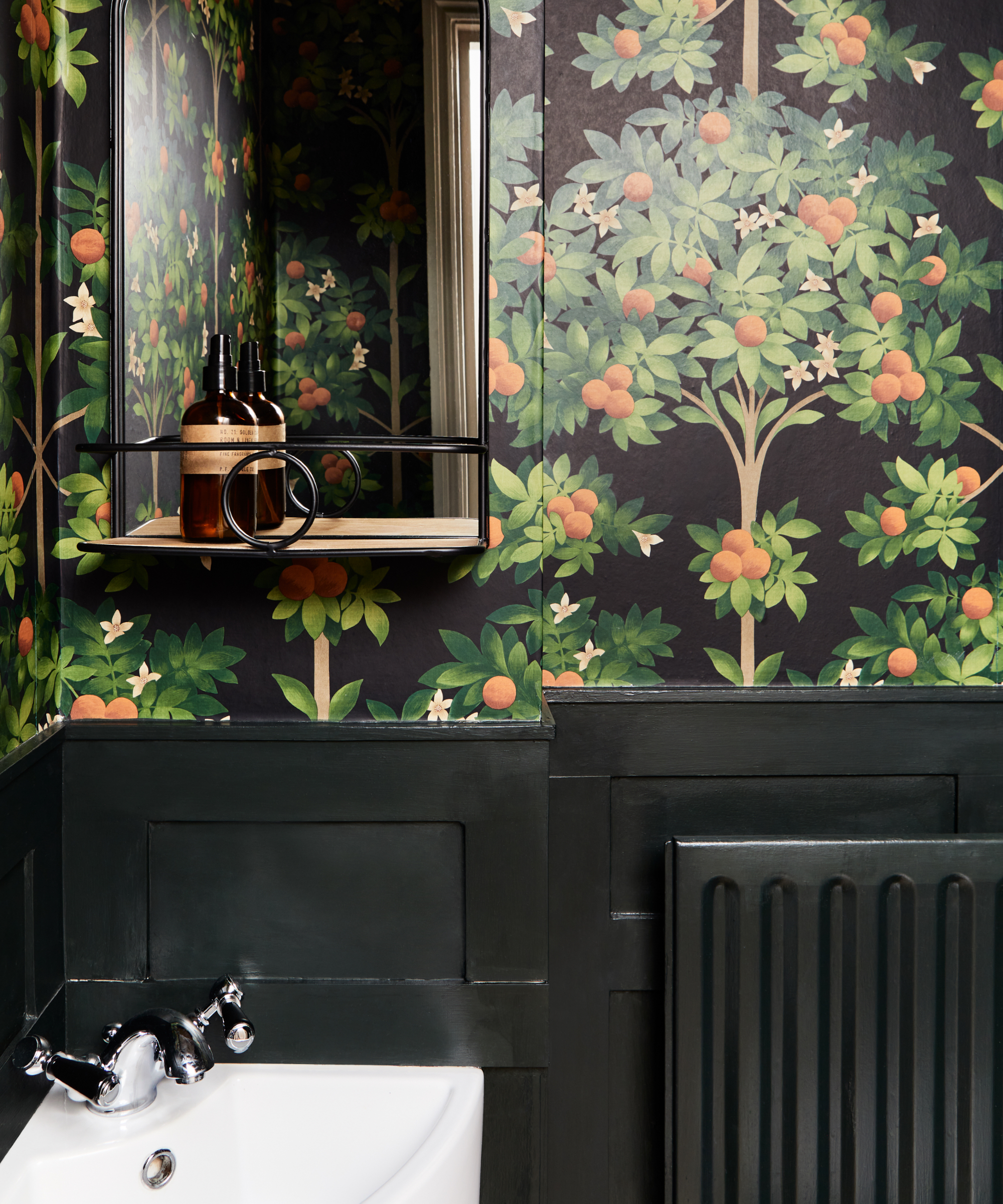
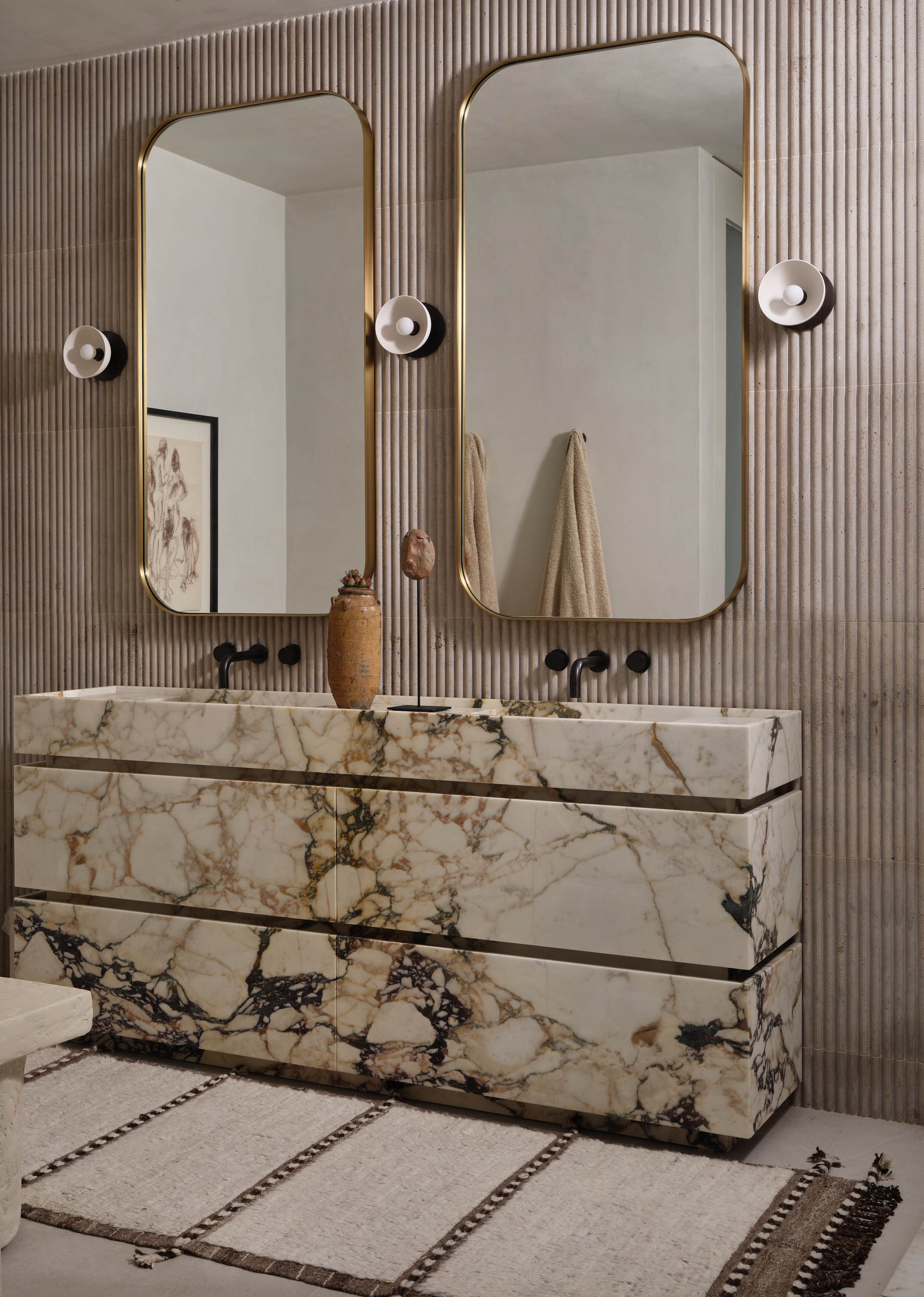
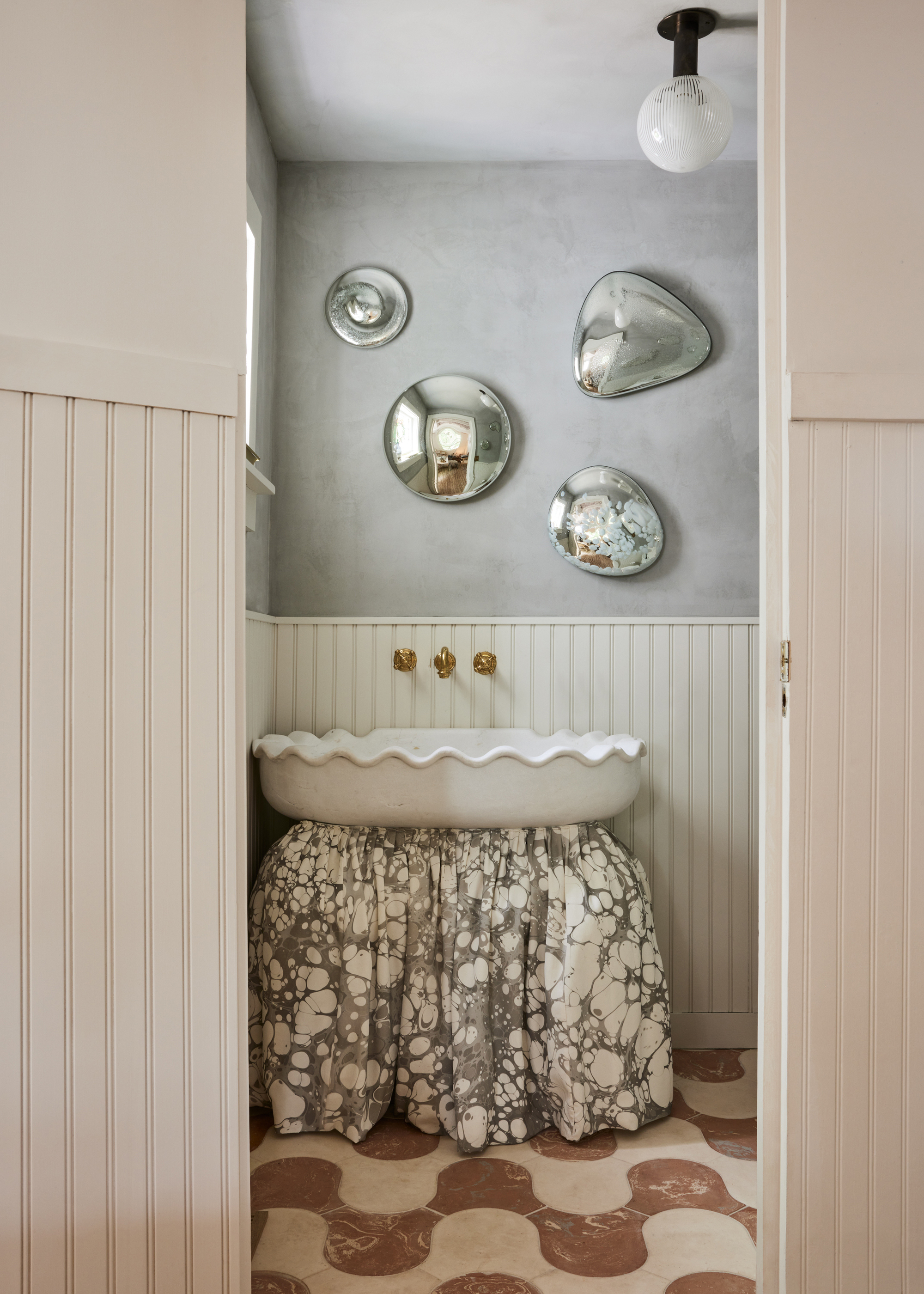
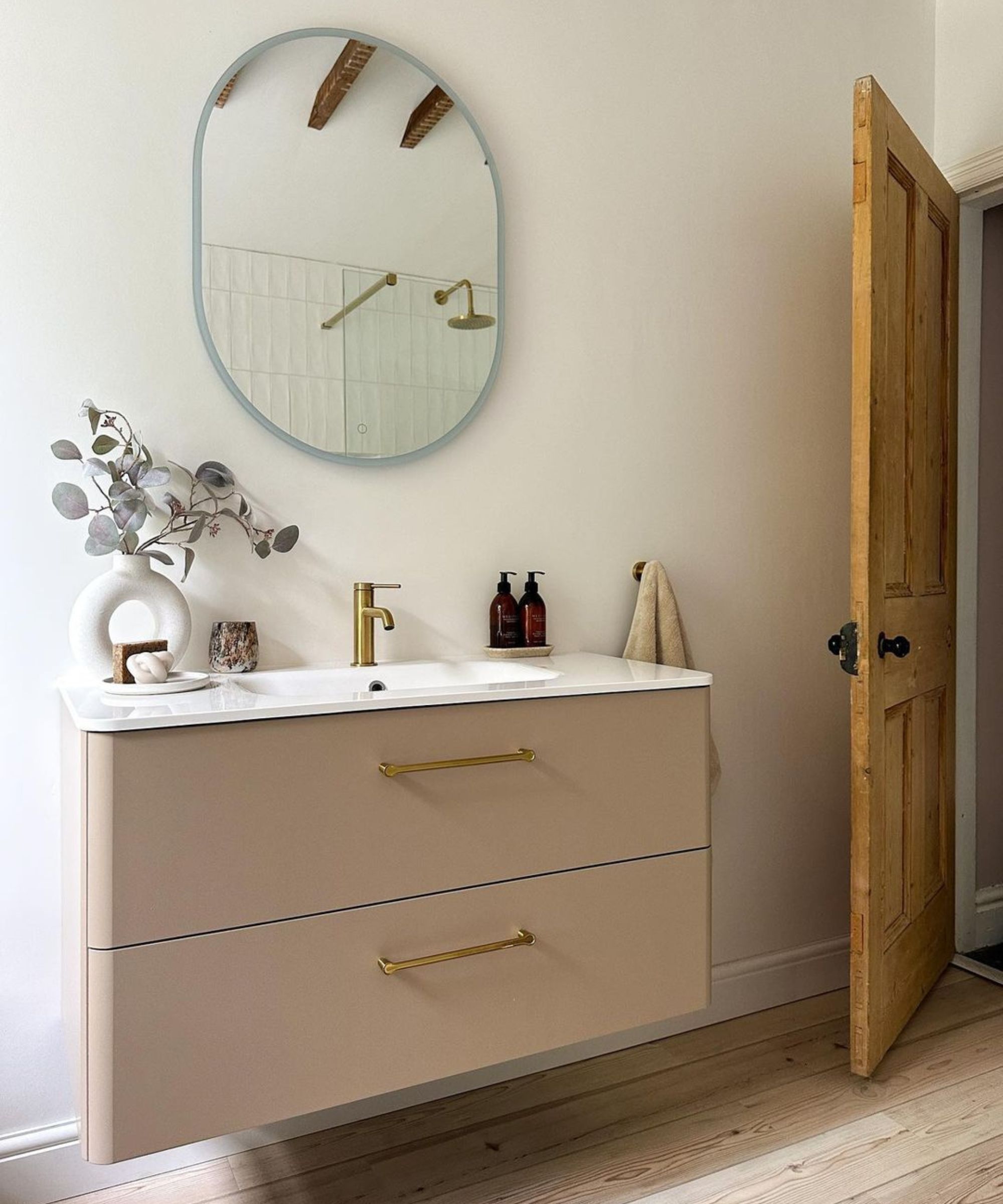
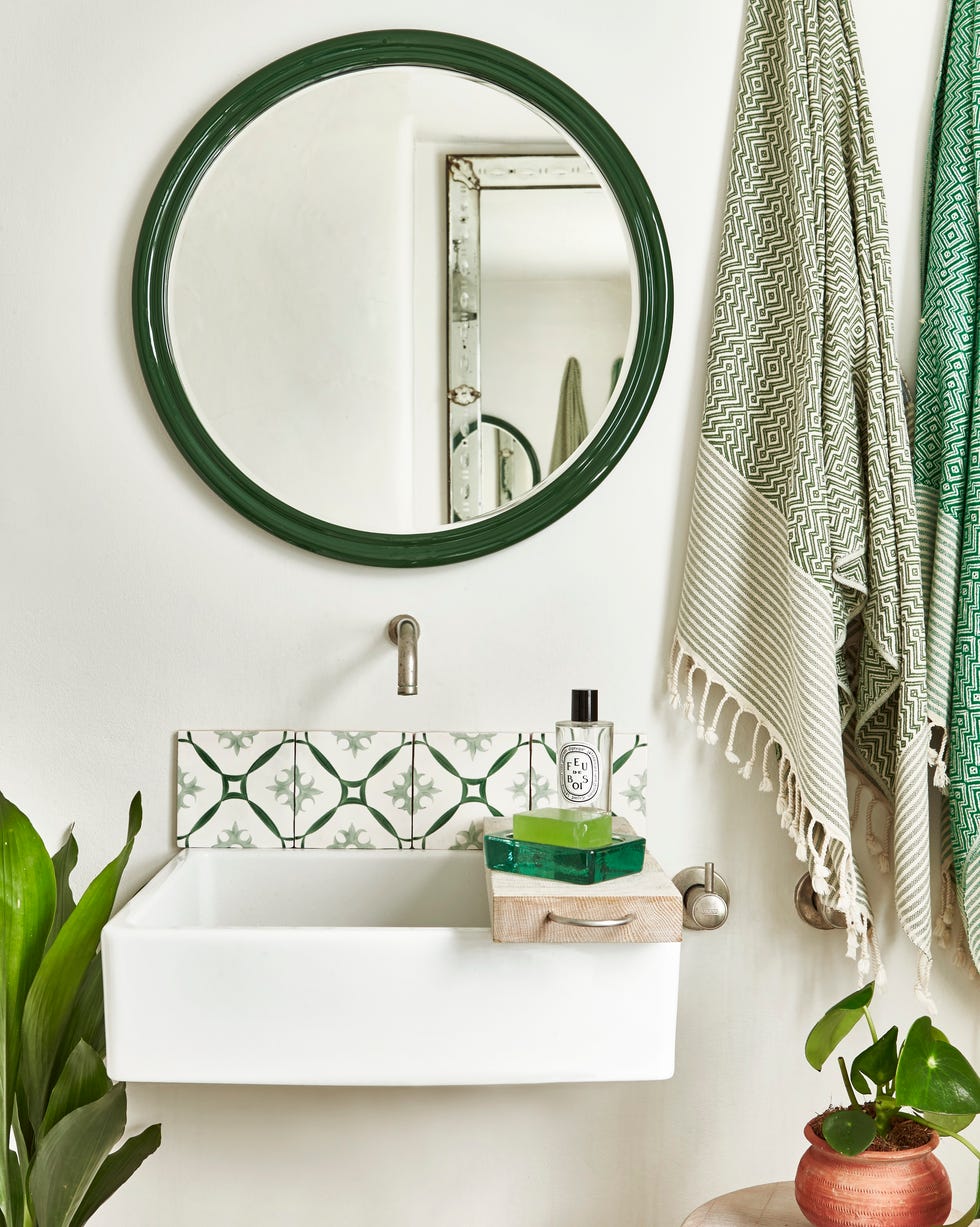
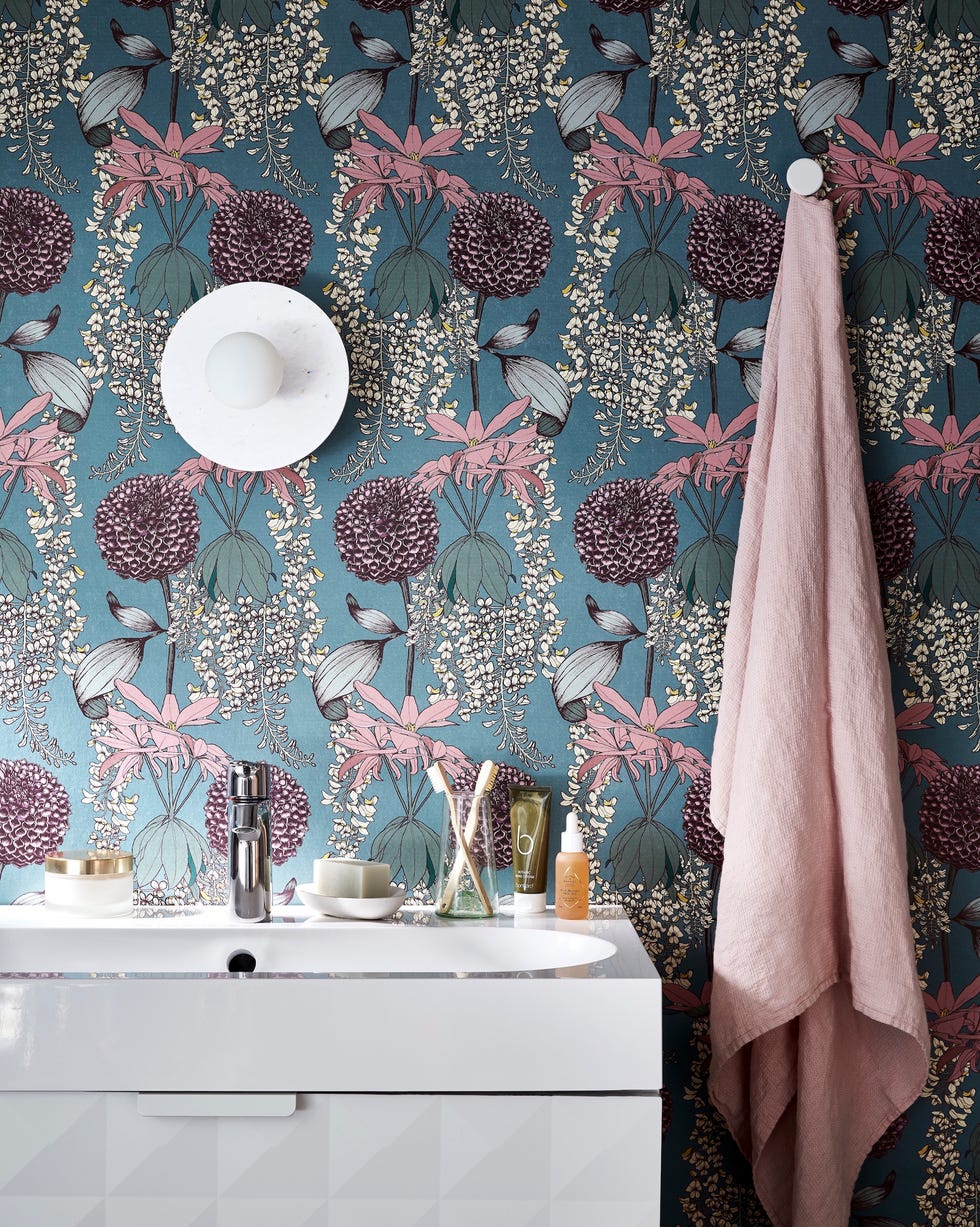
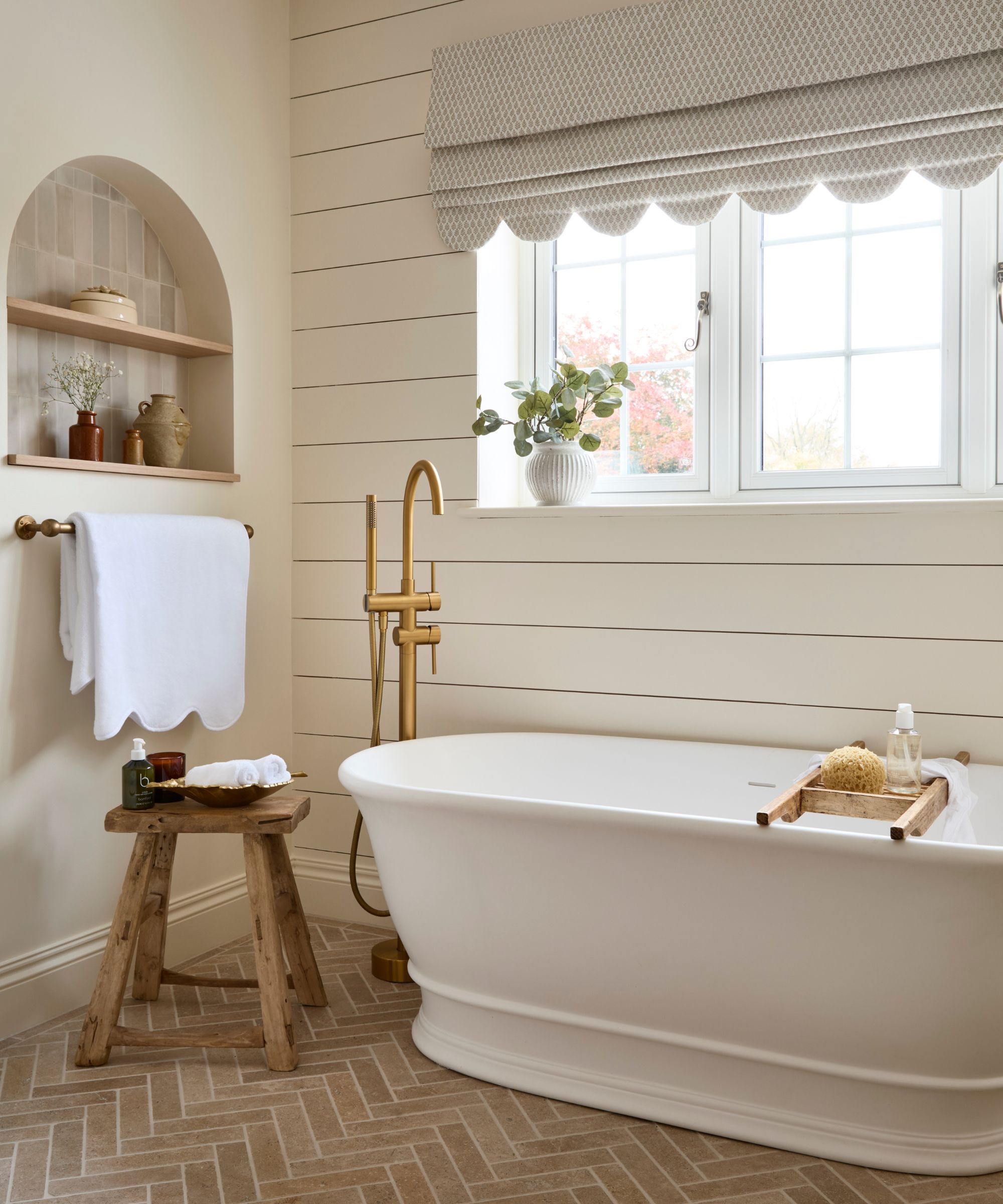
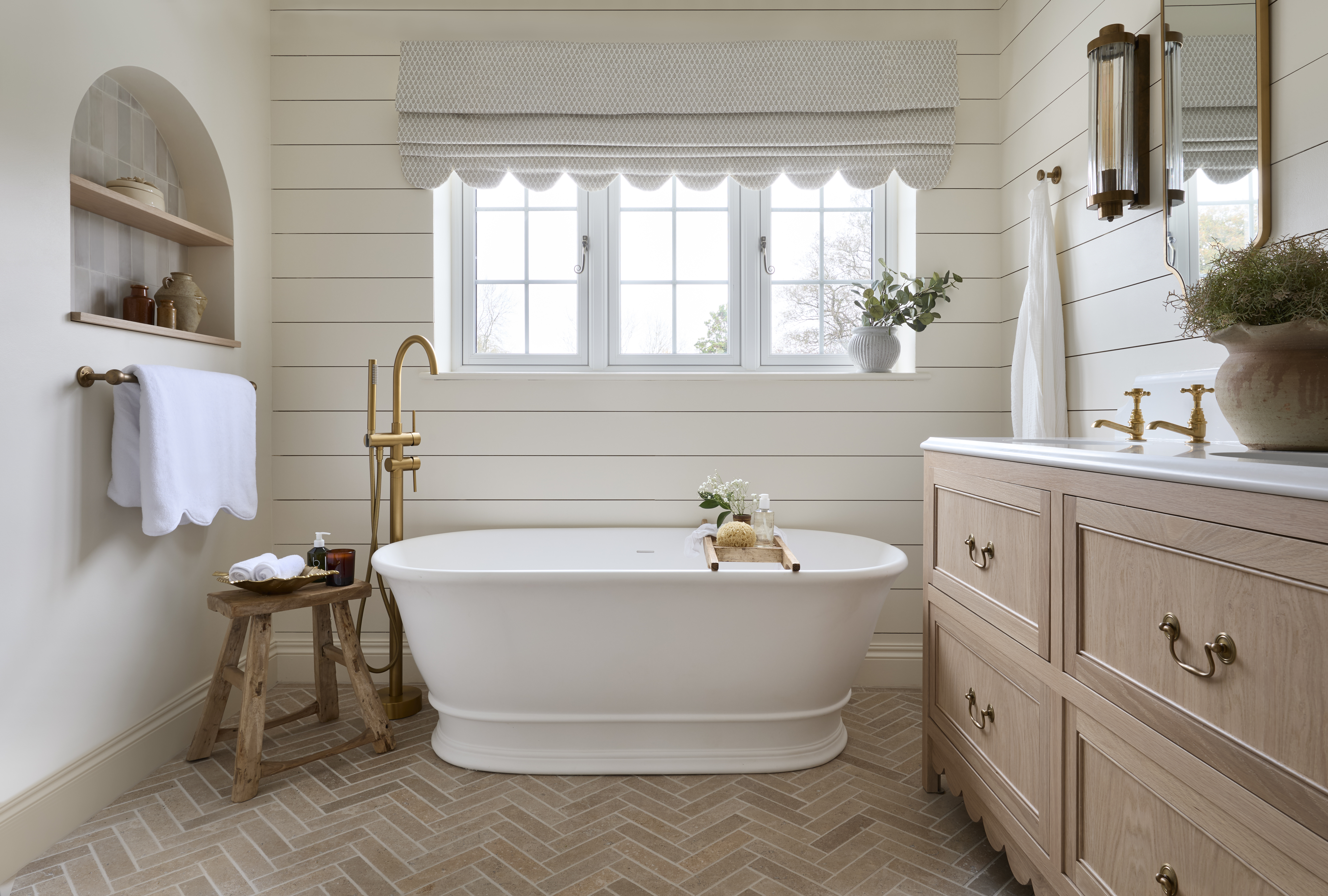
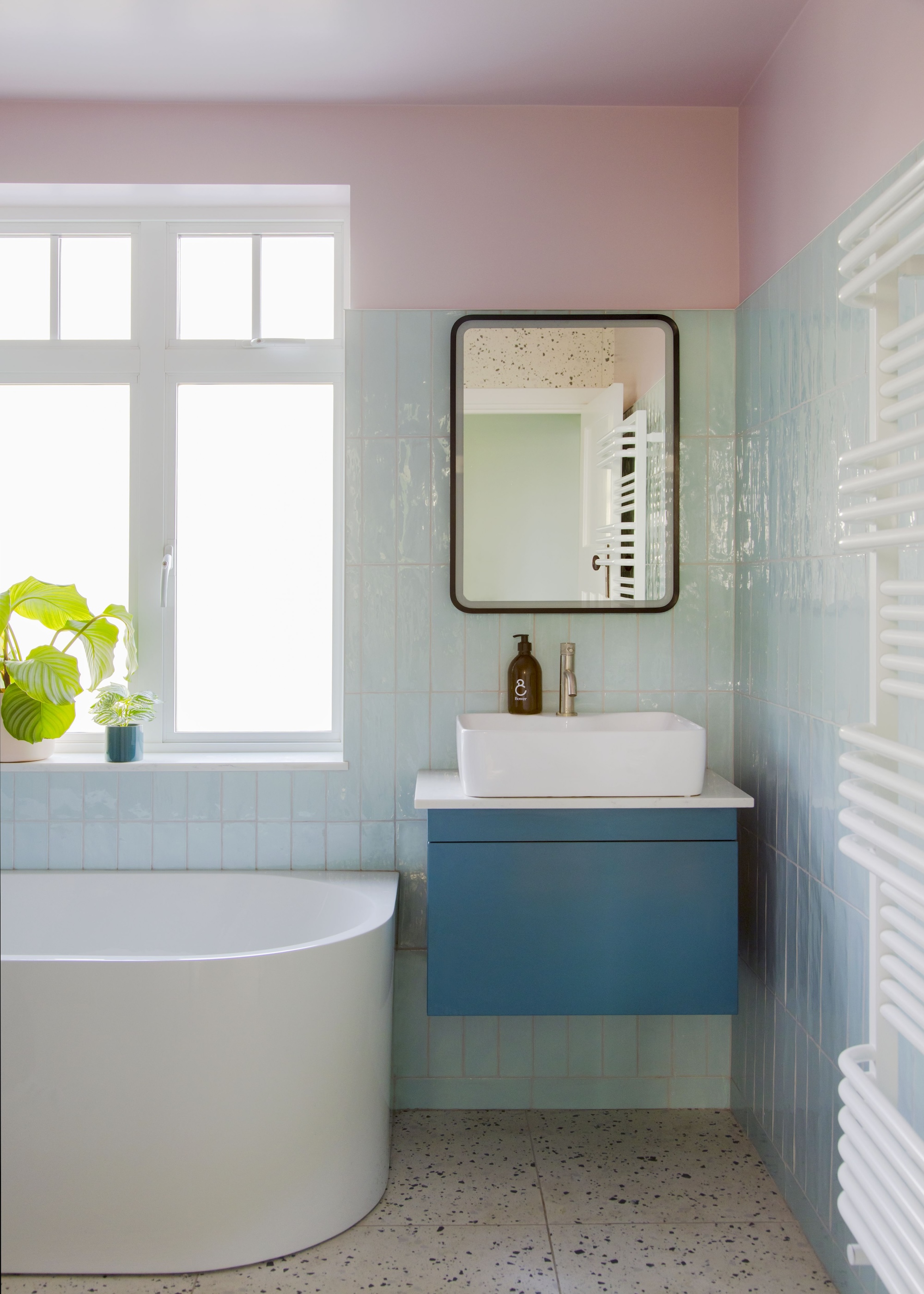
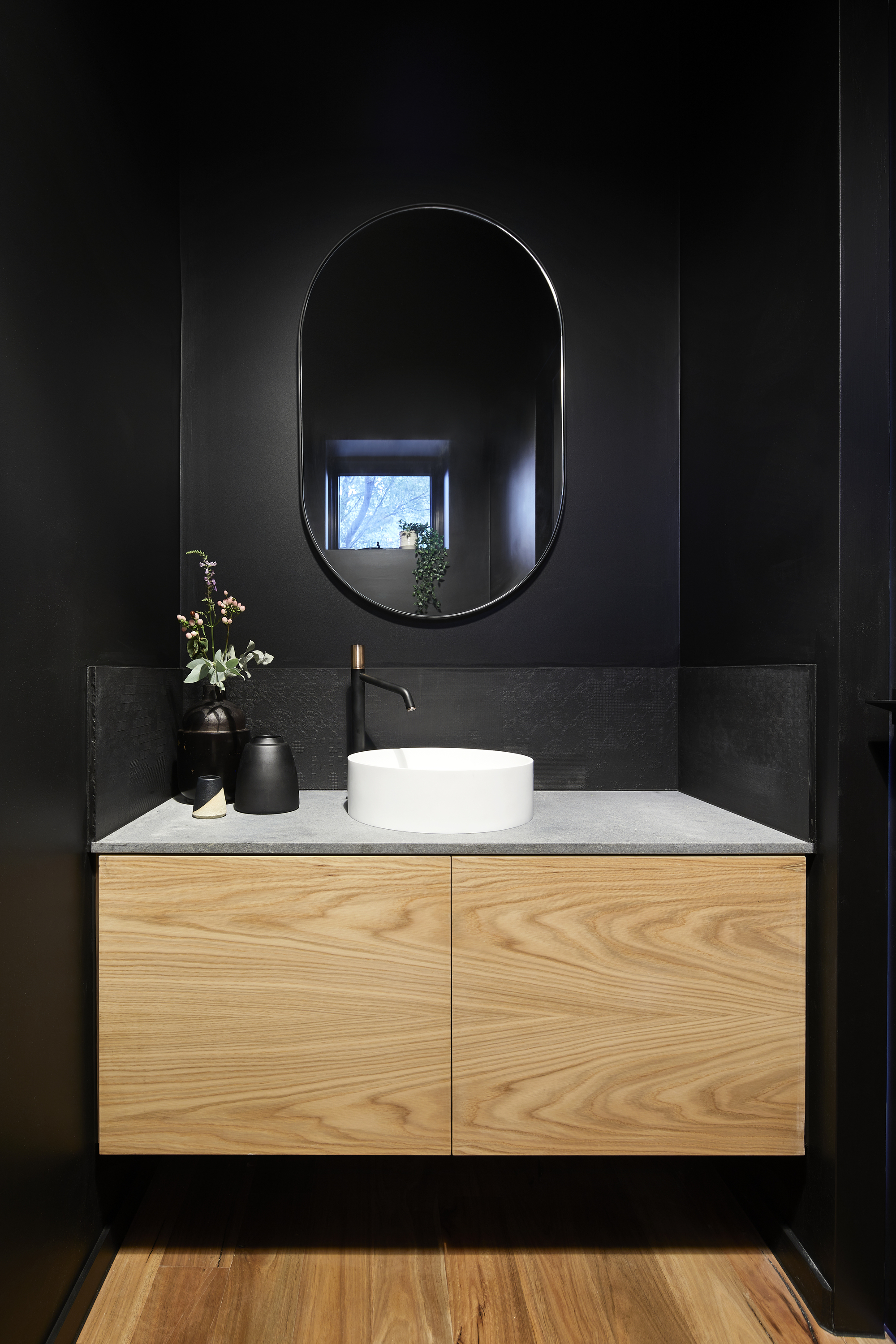
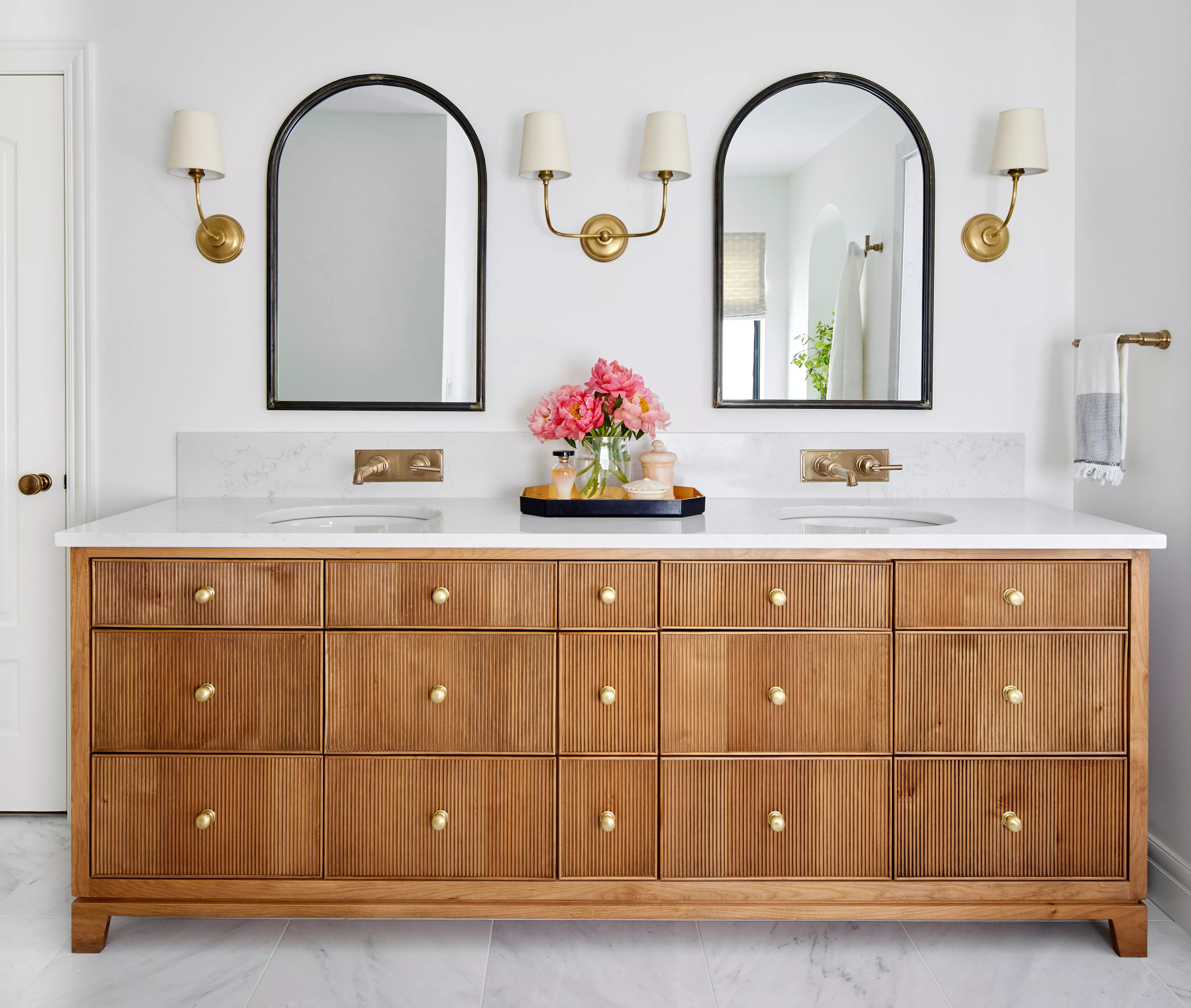
Unnecessary decor is identified as a primary element minimalists avoid. Instead of cluttering surfaces with numerous knick-knacks, candles, or excessive greenery, the minimalist bathroom prioritizes clean, uncluttered spaces. This allows natural light, materials, and soothing color palettes to take center stage. While a few carefully chosen statement pieces, such as a unique mirror or a chic faucet, may be included, the overarching goal is to prevent visual noise that detracts from a tranquil atmosphere. Functional yet beautiful items like towel ladders, decorative storage boxes, or plants that help reduce condensation are suggested as purposeful alternatives.
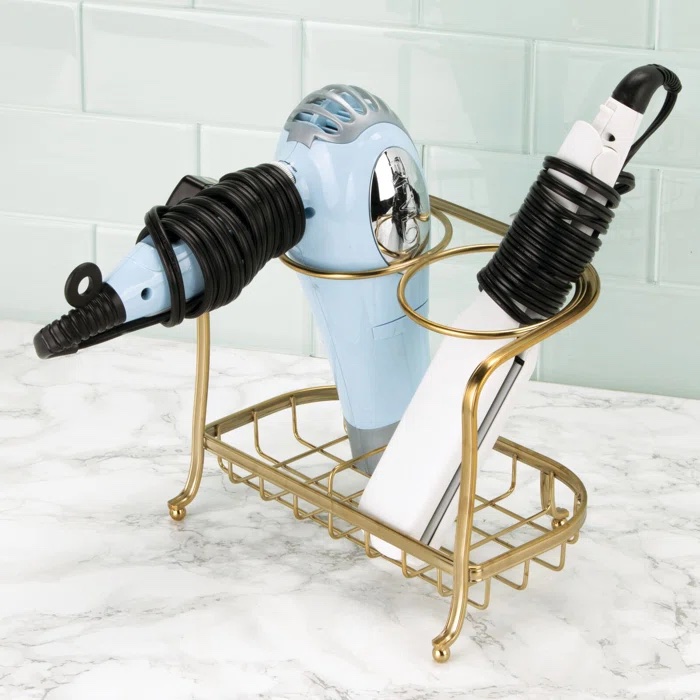
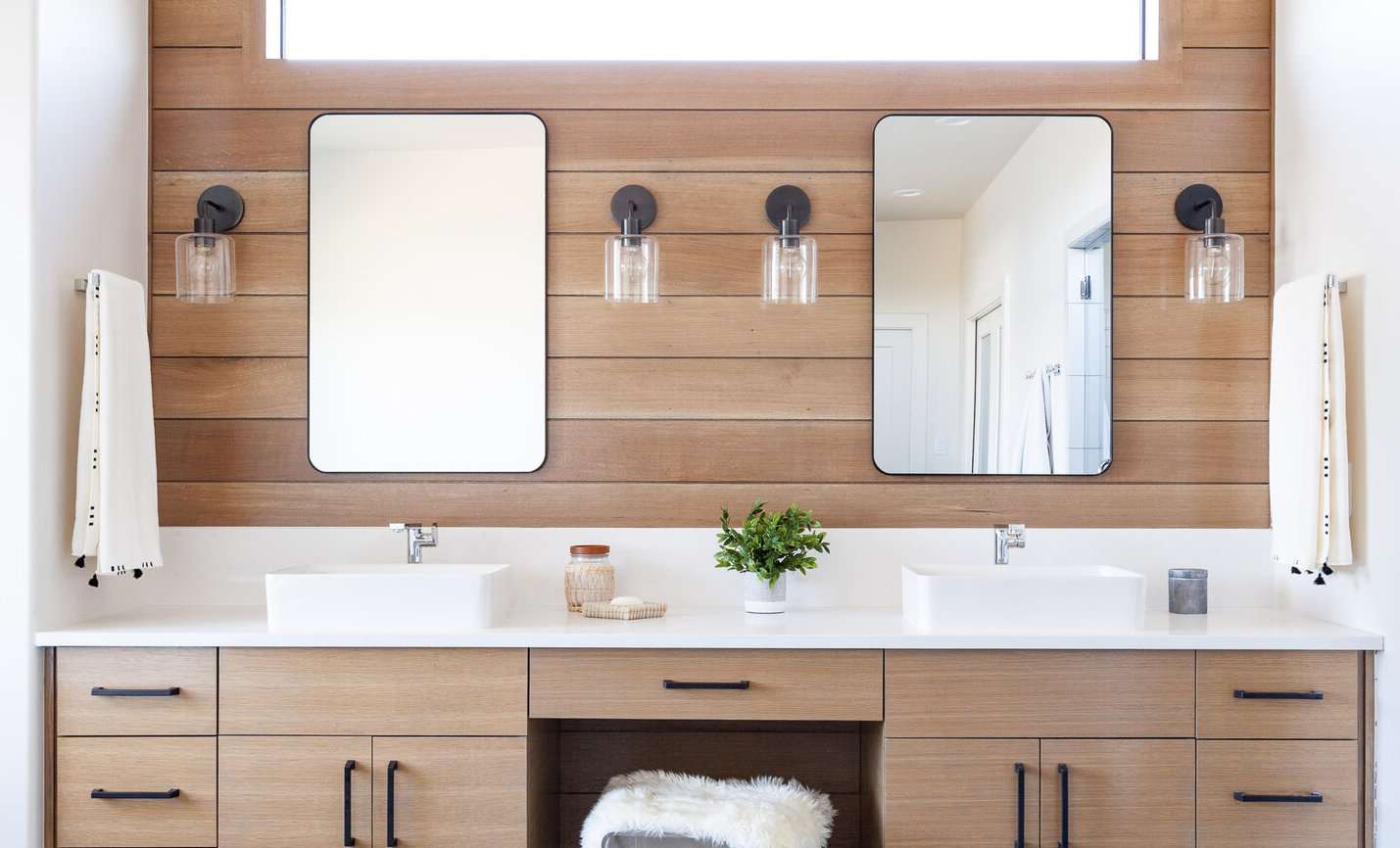
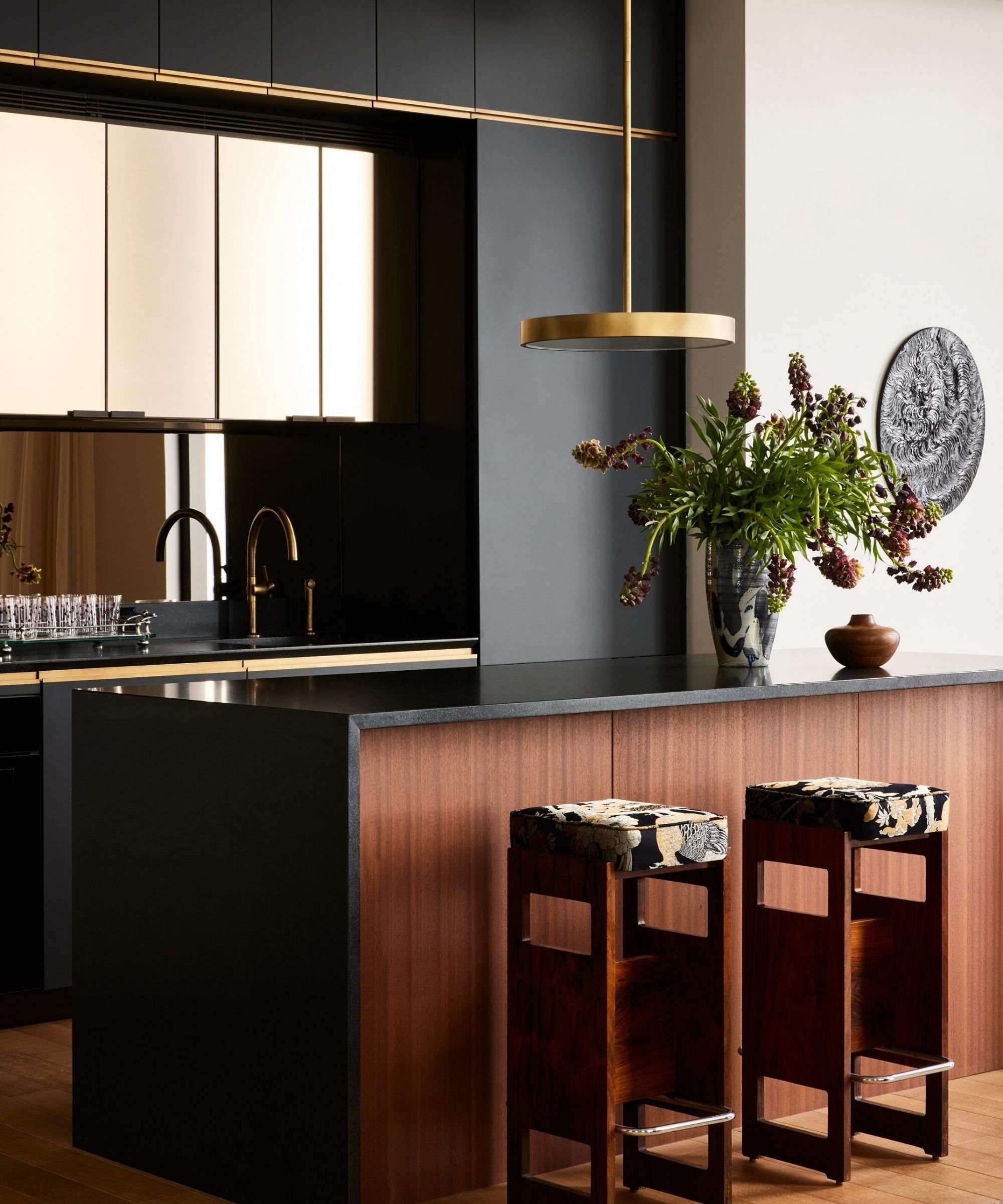
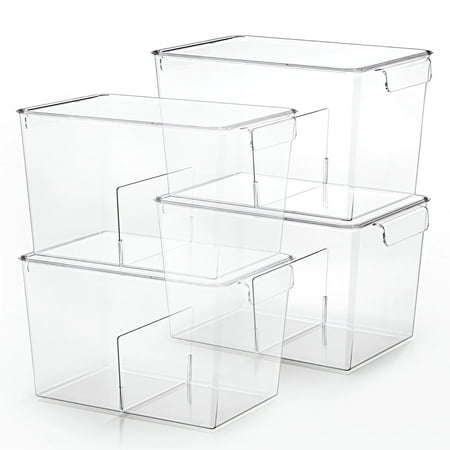
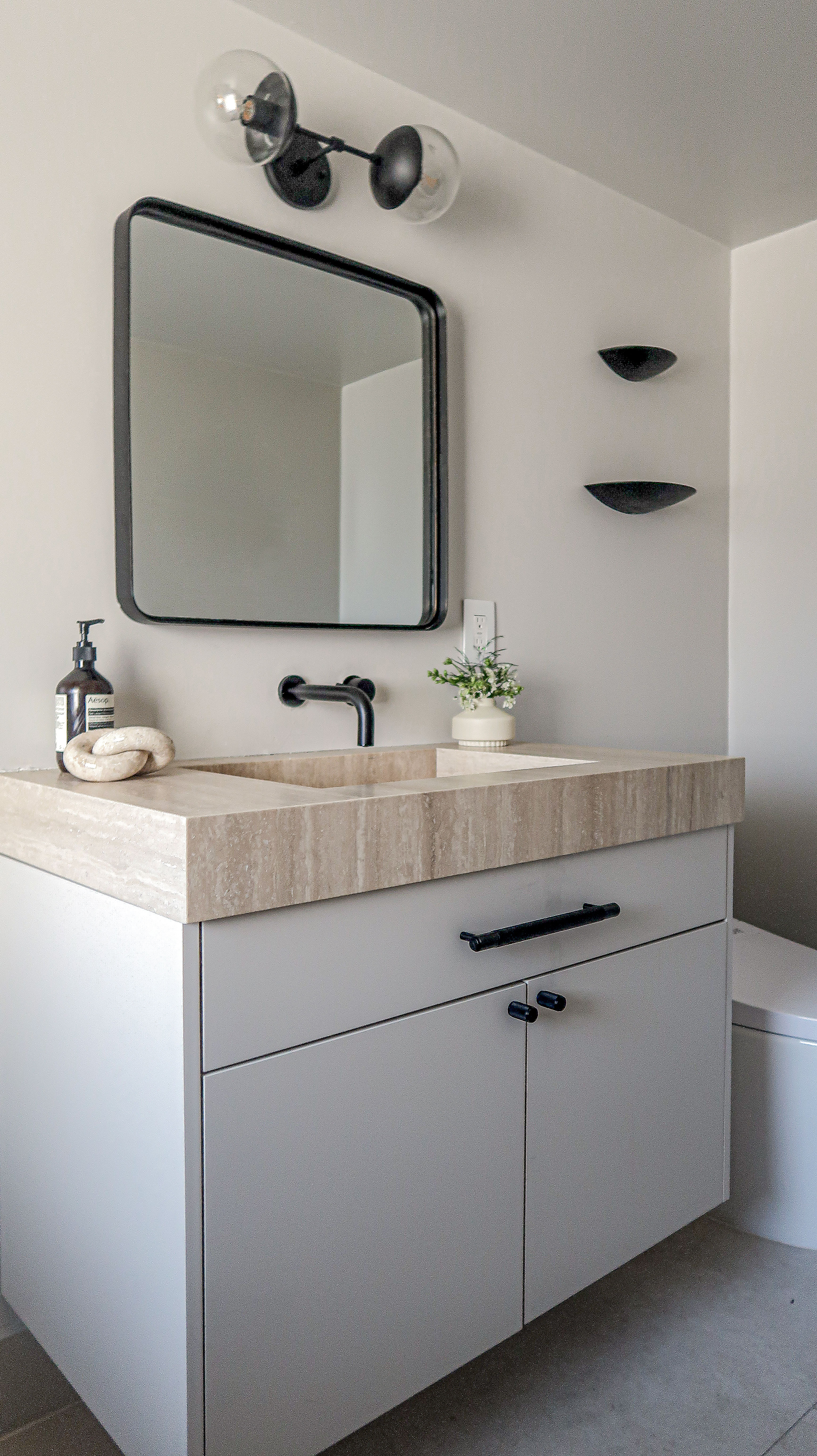
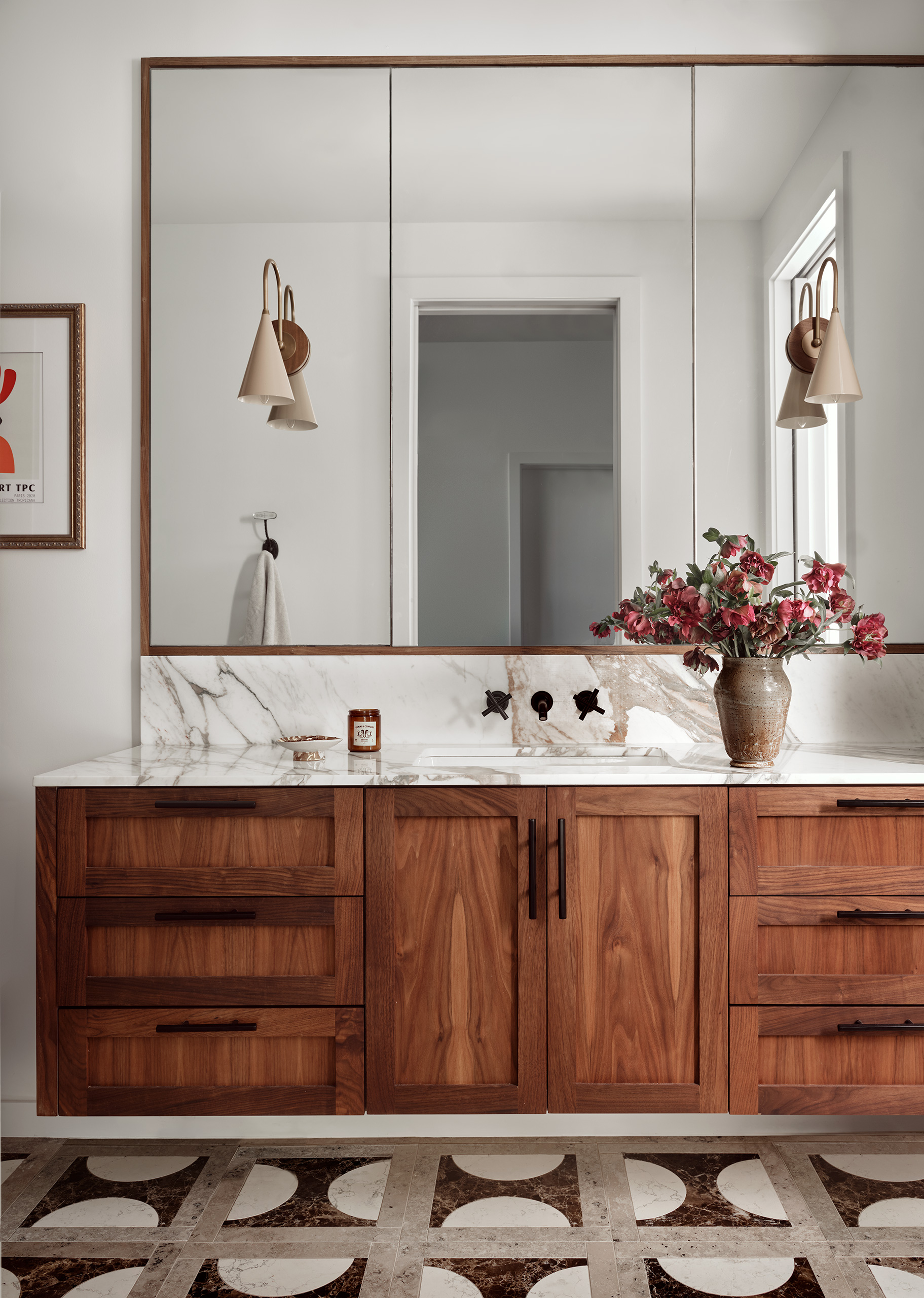
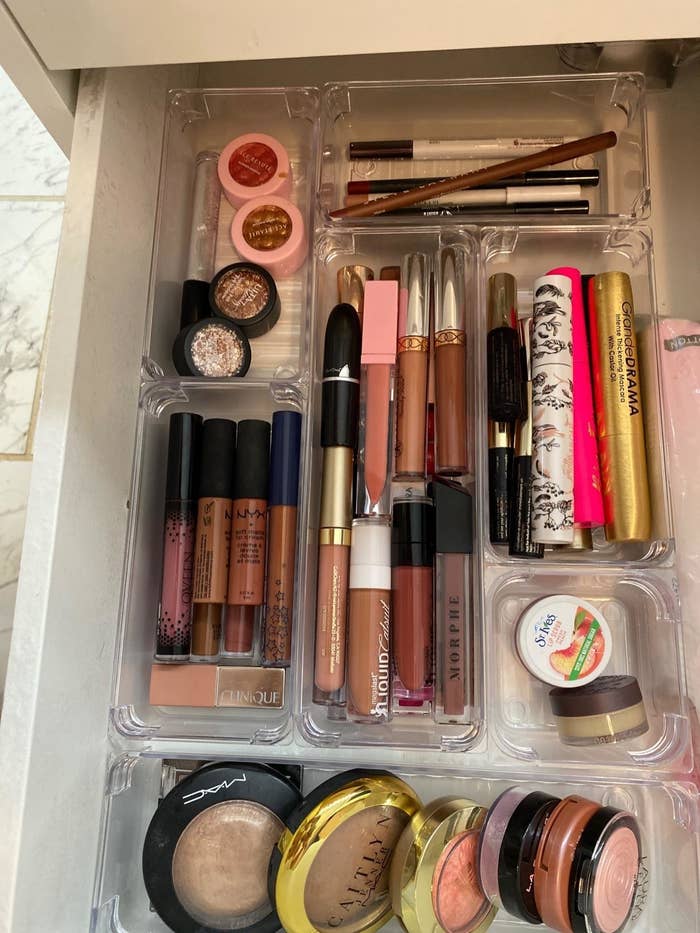
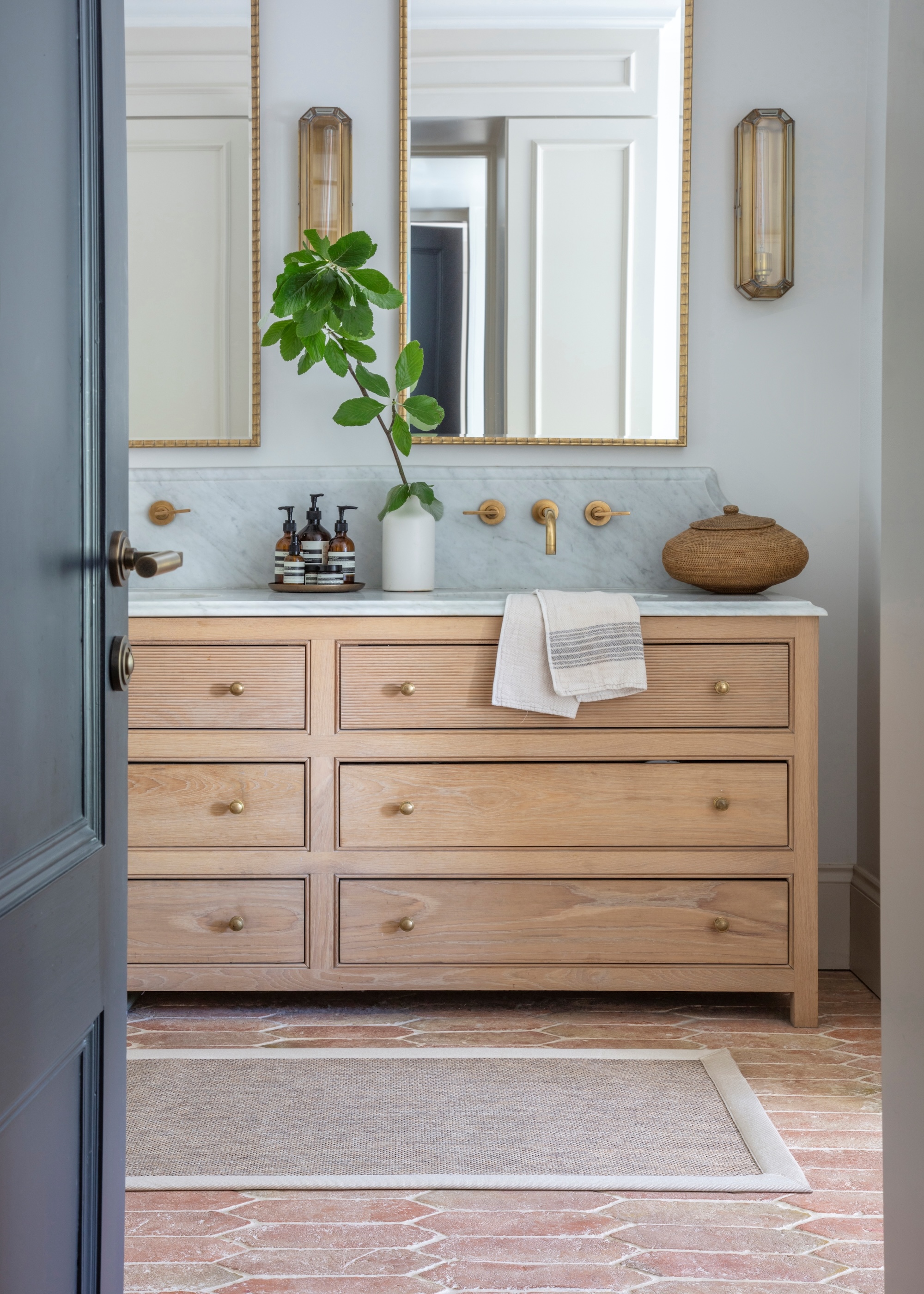
Cluttered countertops are another area where minimalists practice restraint. The emphasis is on maintaining clean lines and an uncluttered environment by limiting toiletries and cosmetics to only essential items. Designers suggest using quality over quantity, meaning minimalists carefully curate their products, often opting for refillable and eco-friendly options. To keep surfaces clear, dedicated containers can be used to store items in cupboards, only bringing them out when needed.
Excessive spare bath mats and towels are also absent from minimalist bathrooms, for both aesthetic and functional reasons. The recommendation is to select a few high-quality towels and bath mats in neutral colors, displaying only the ones currently in use and storing the rest in a linen closet or bathroom cabinet. The article also highlights a preference for wooden or bamboo bath mats over traditional fabric ones, as they are easier to keep clean and add a natural element, further reducing visual clutter and simplifying maintenance.
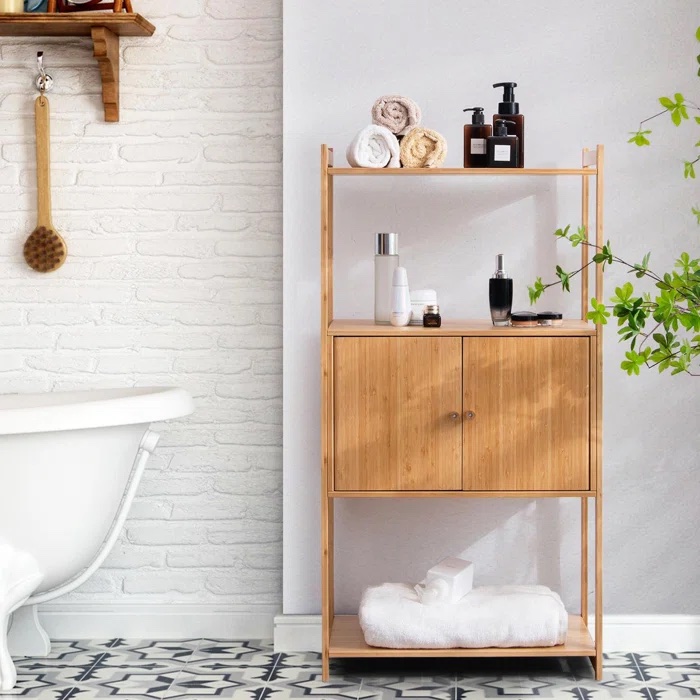
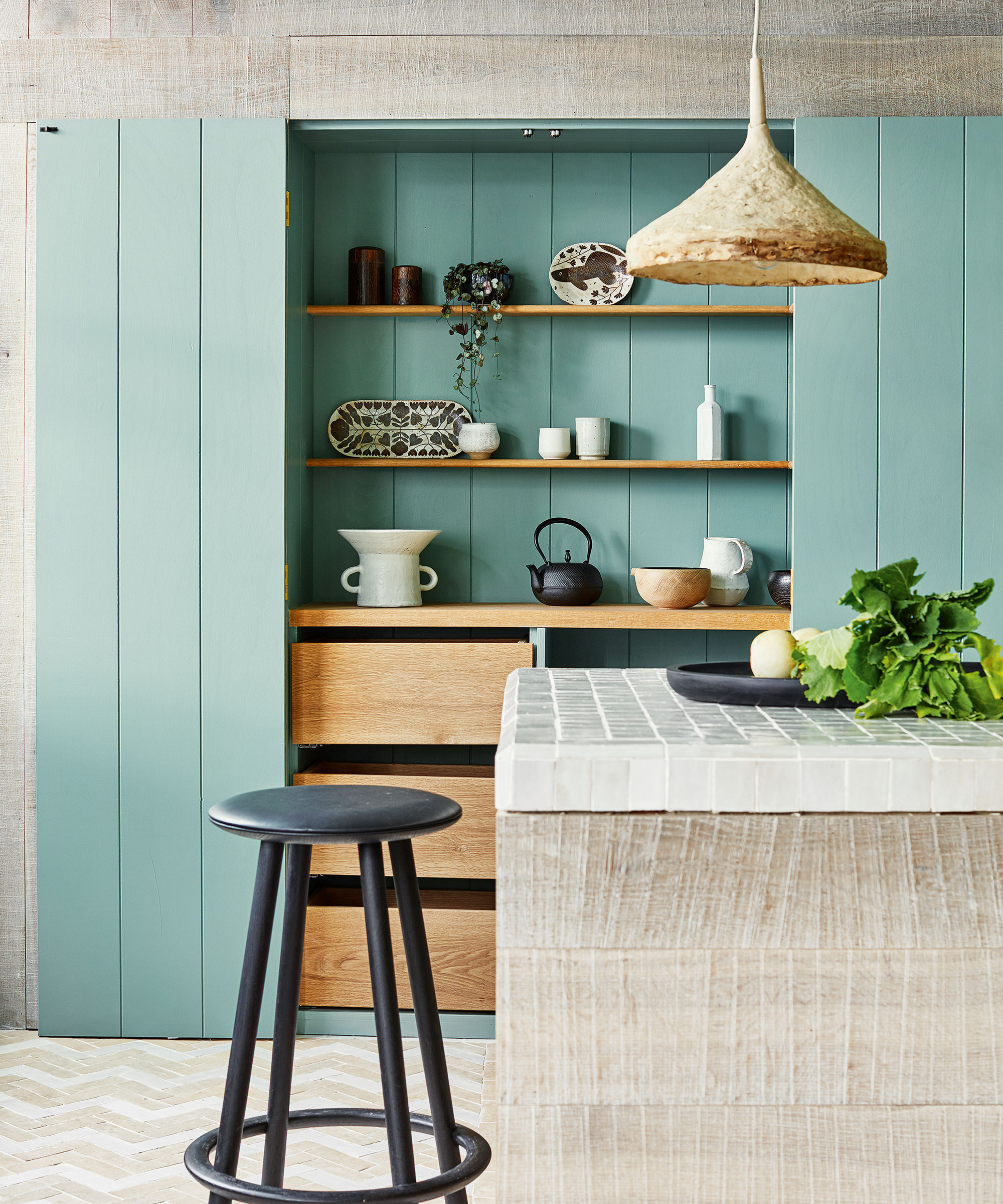
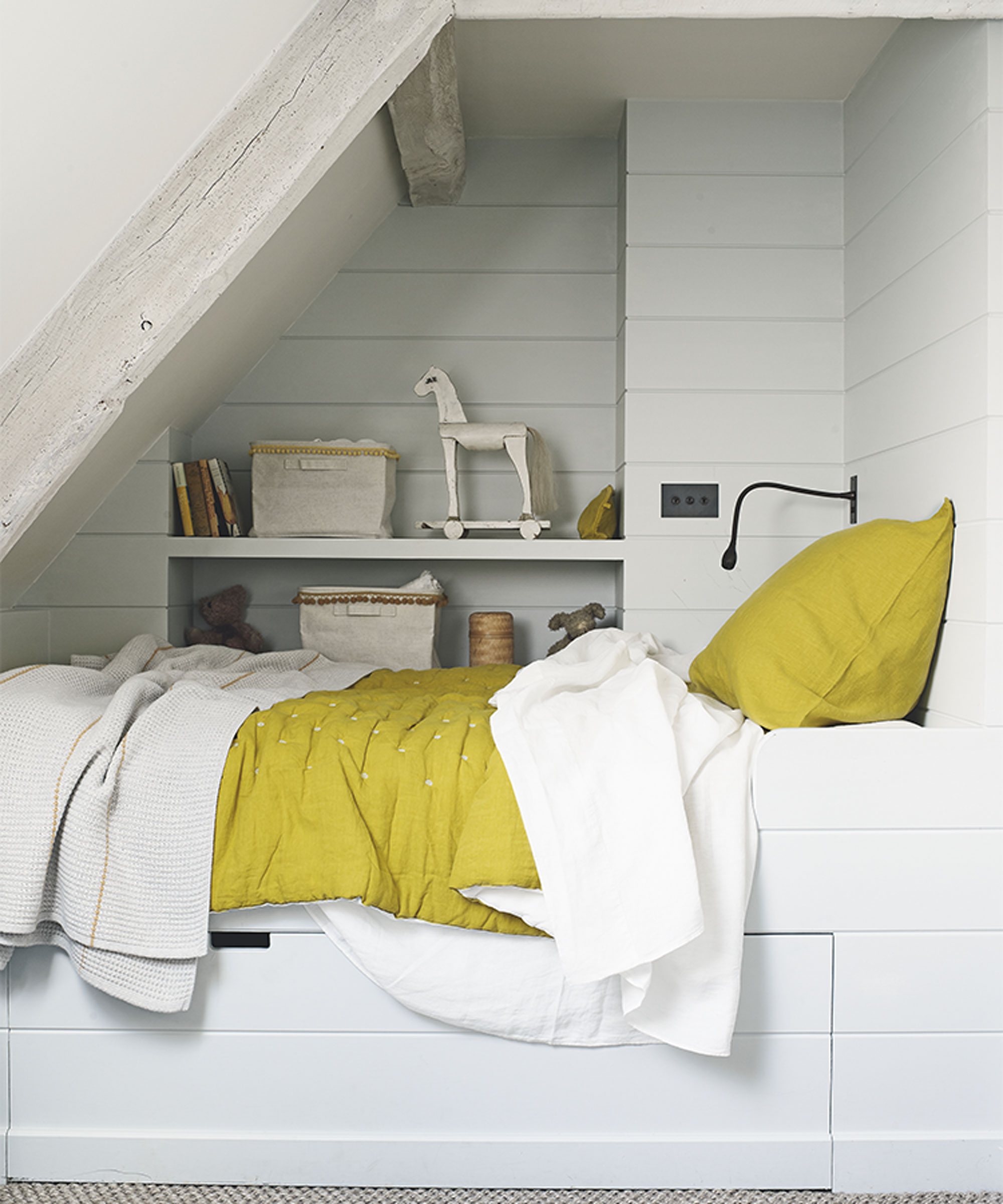
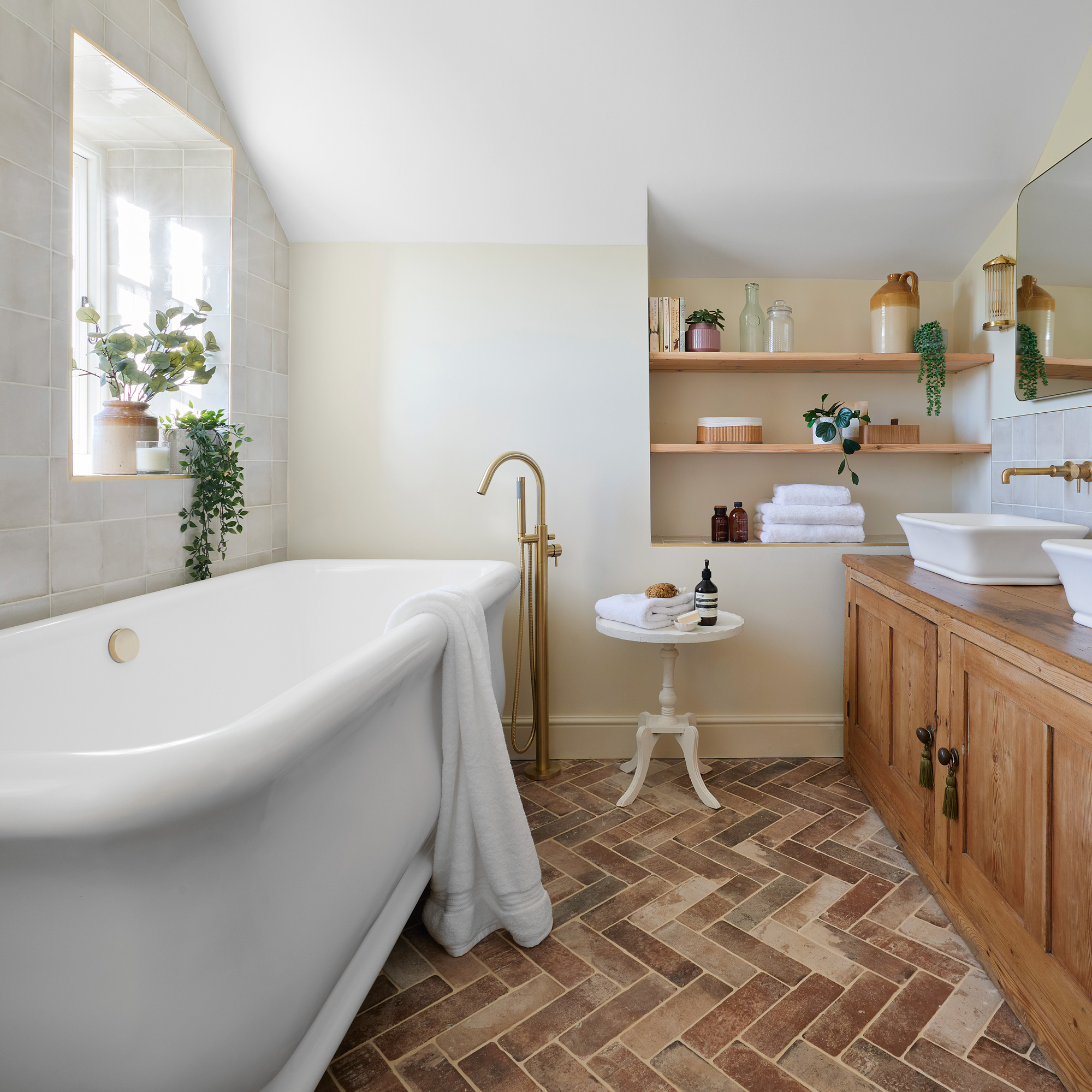
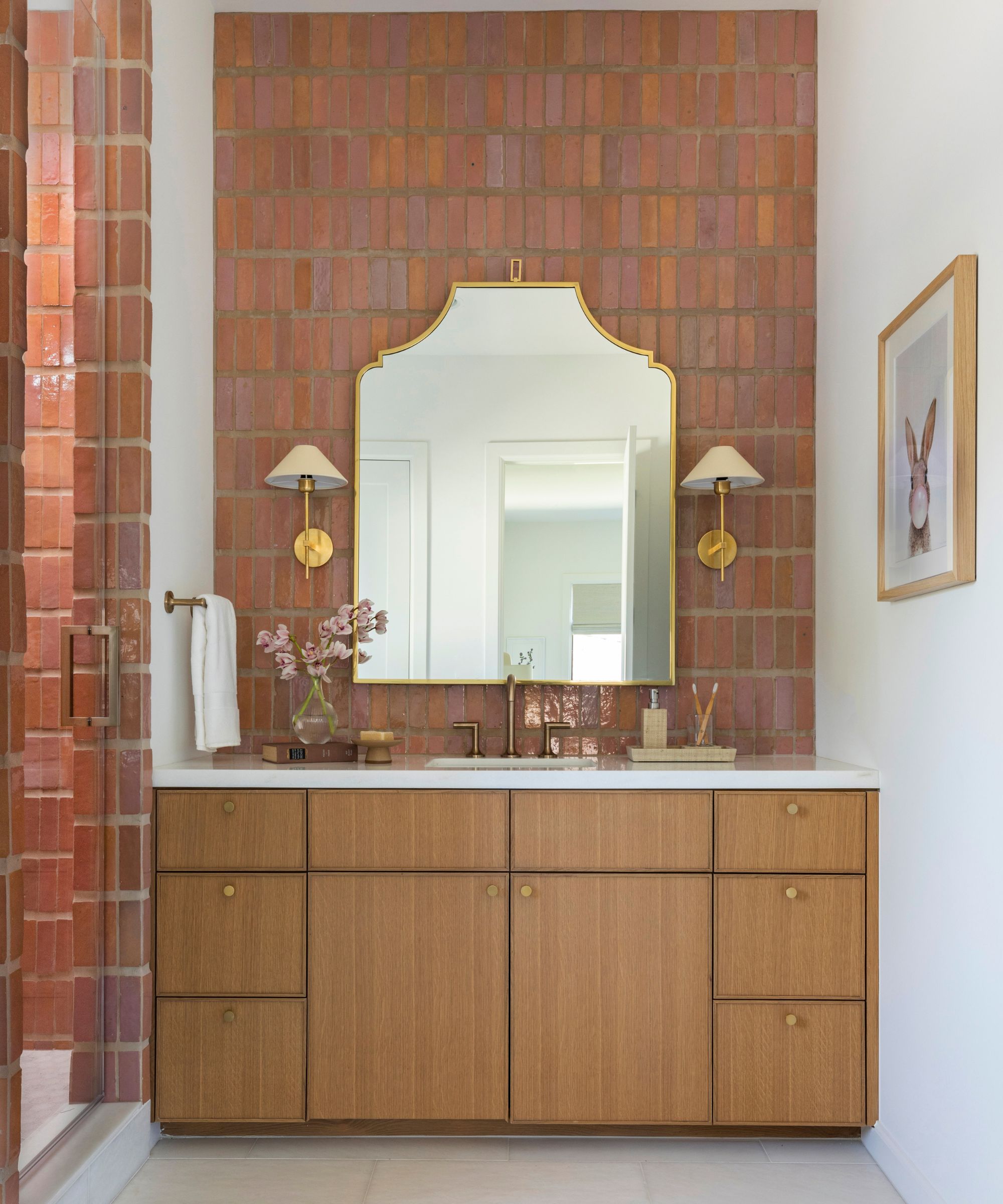
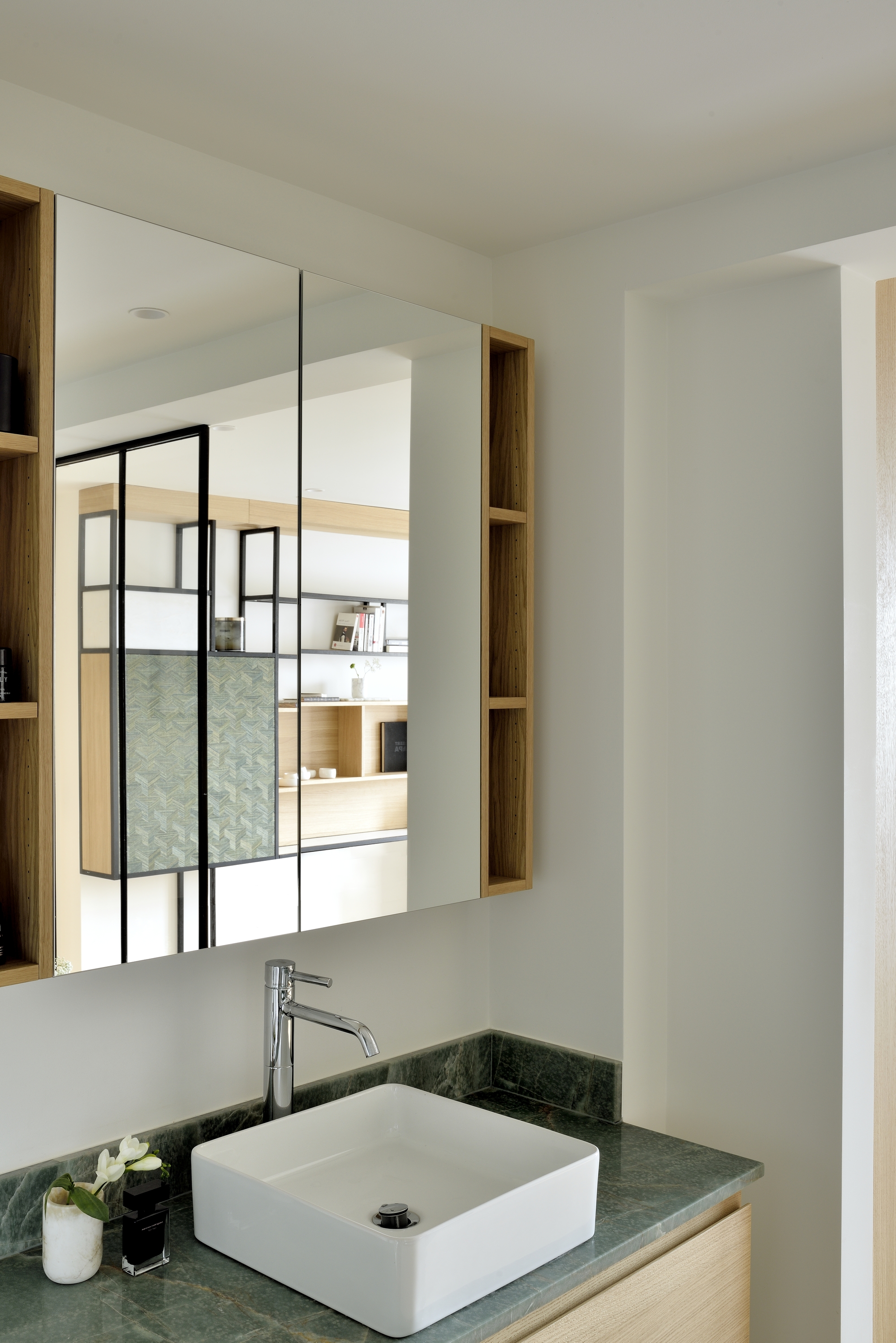
Bulky, crowded storage units are replaced with sleek, proportionate, and concealed storage solutions. The aim is to maximize spatial perception and ensure that everyday items are out of sight but easily accessible. Opaque storage solutions are particularly favored to maintain a tidy and visually calm environment.
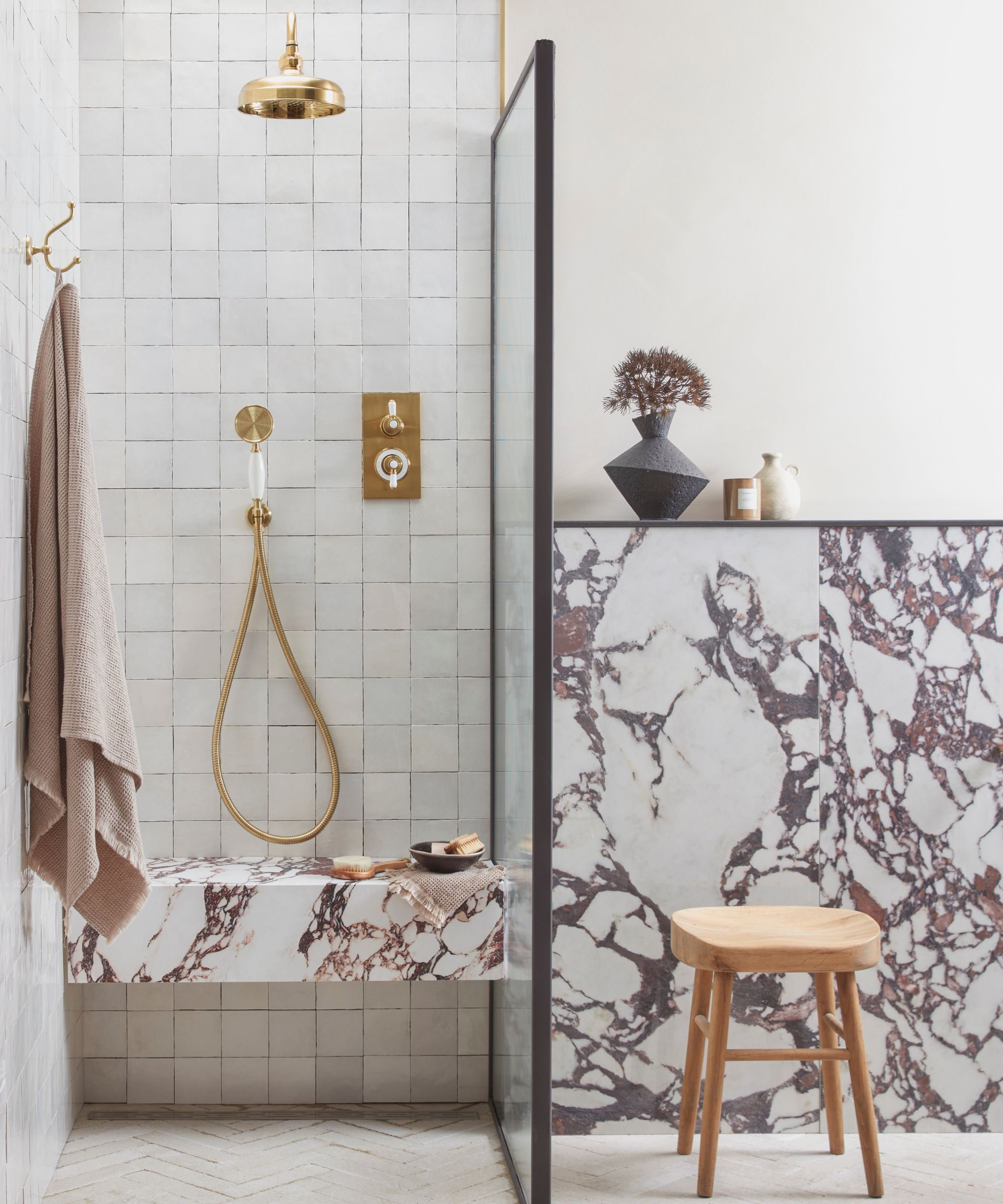
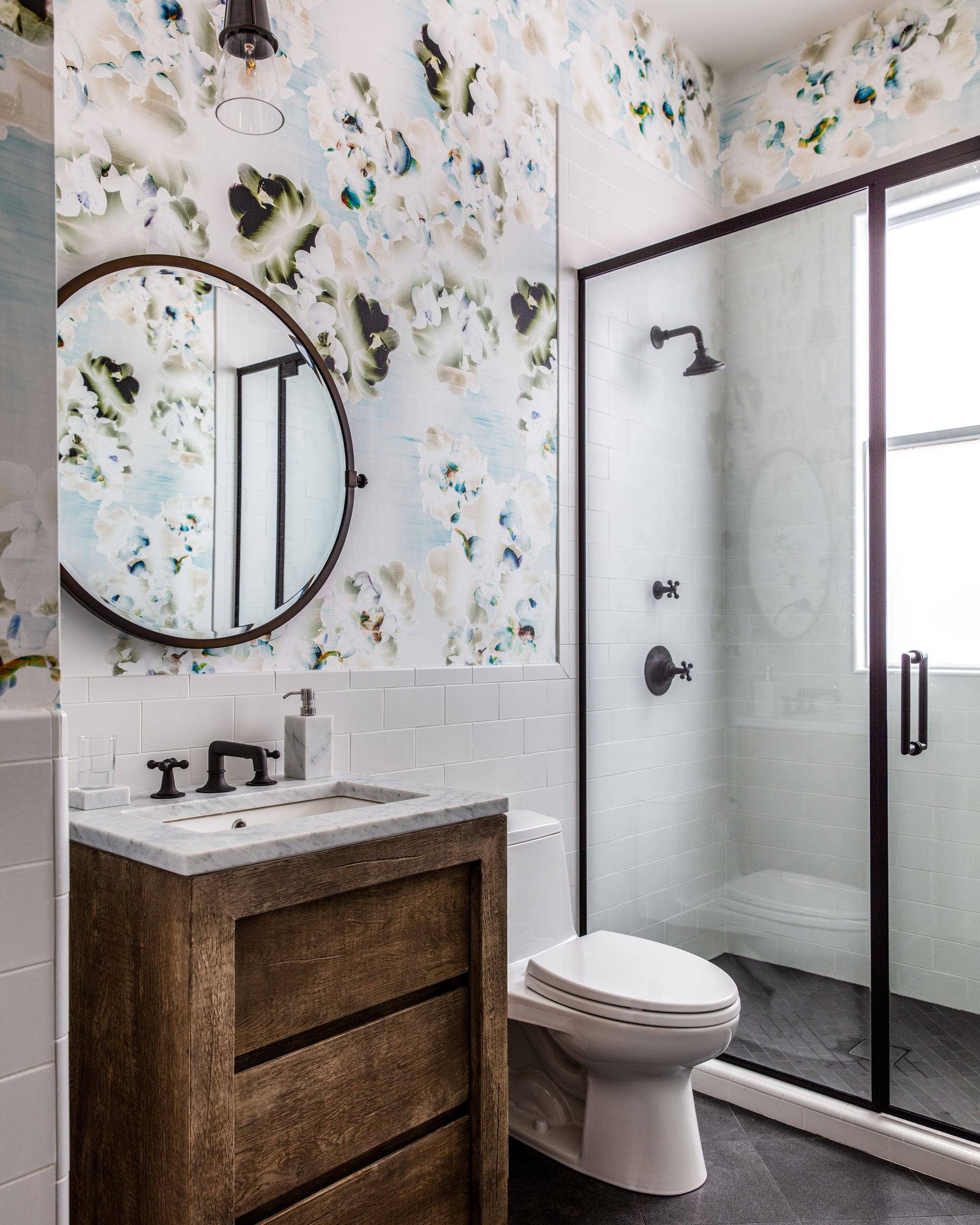
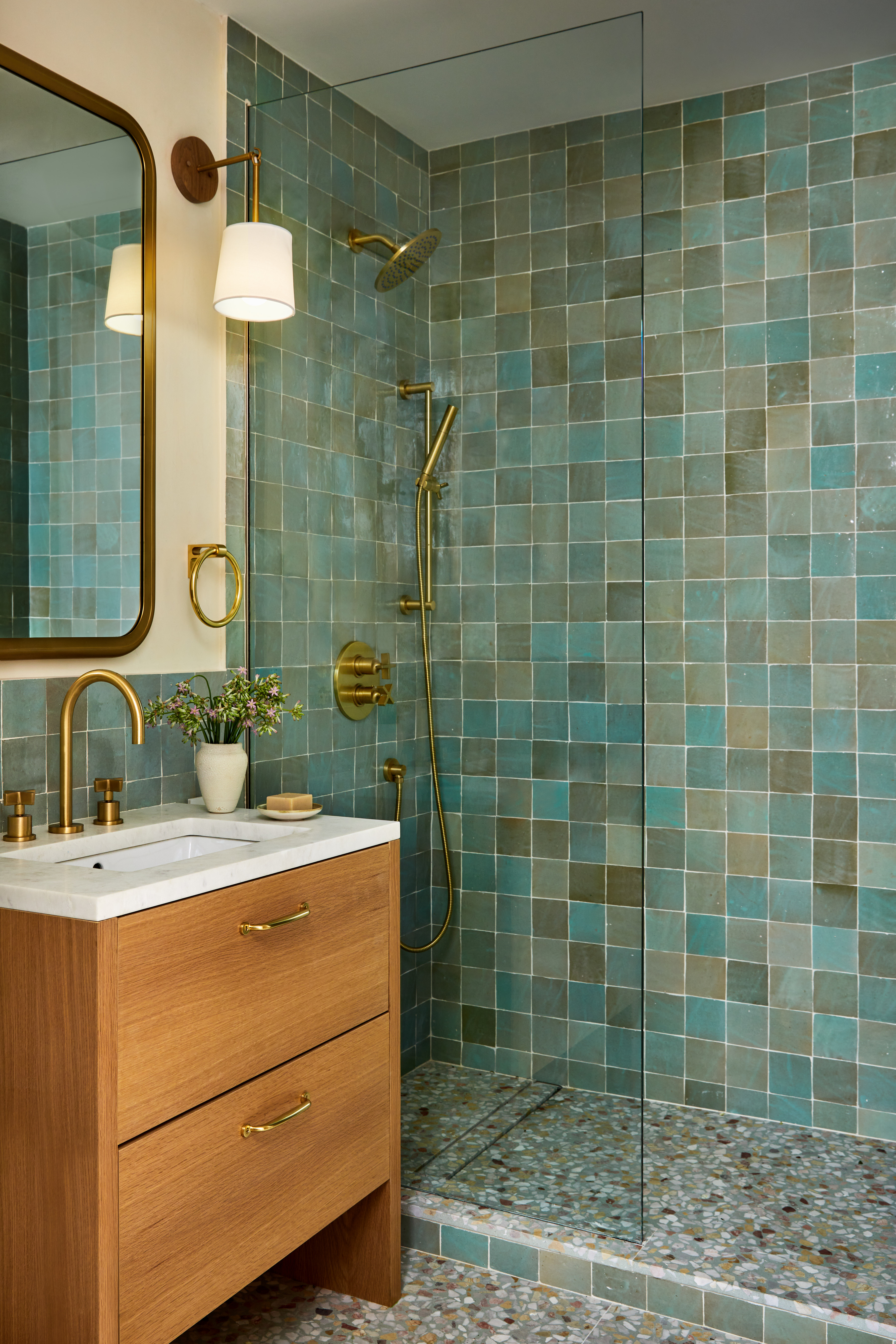
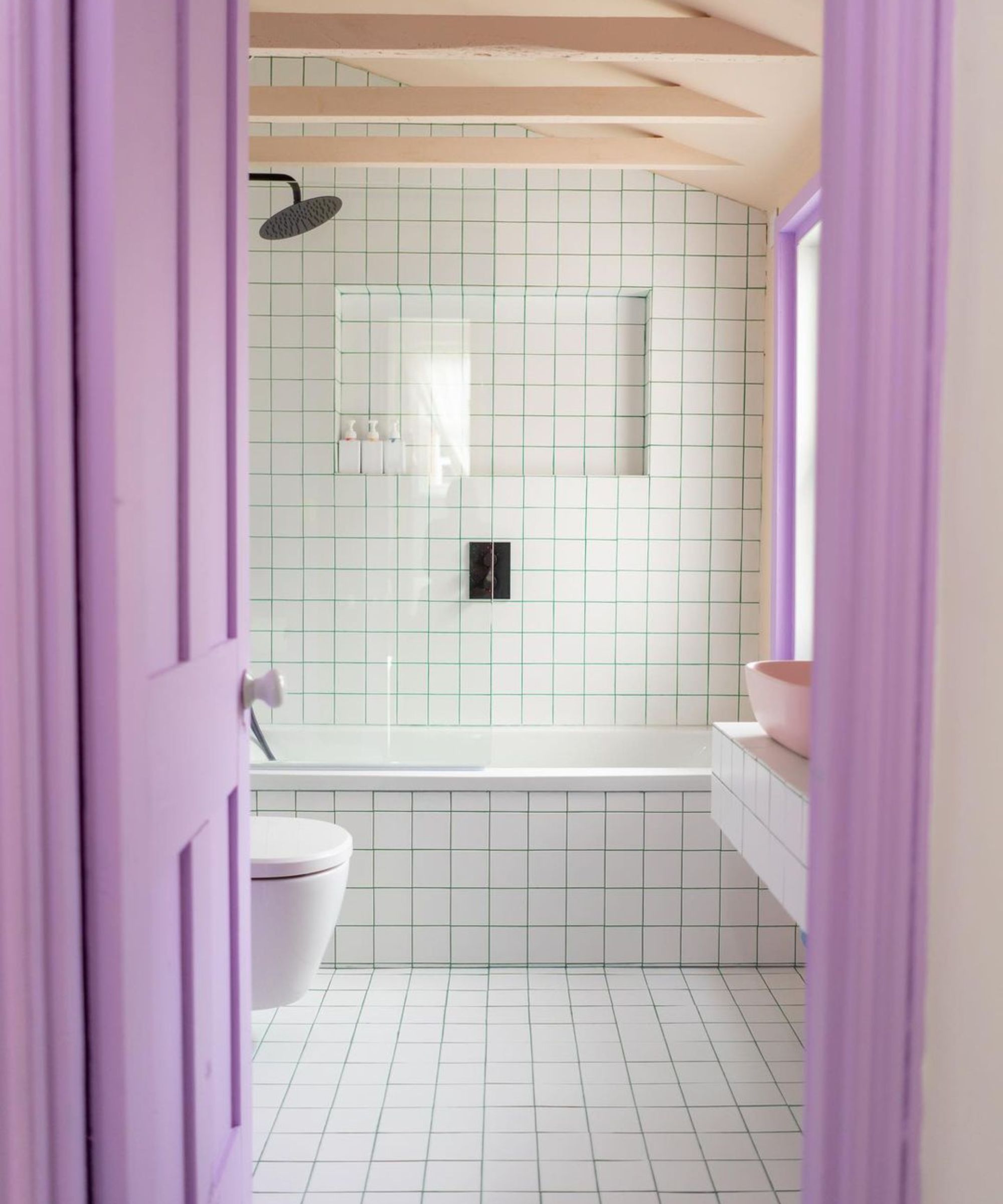
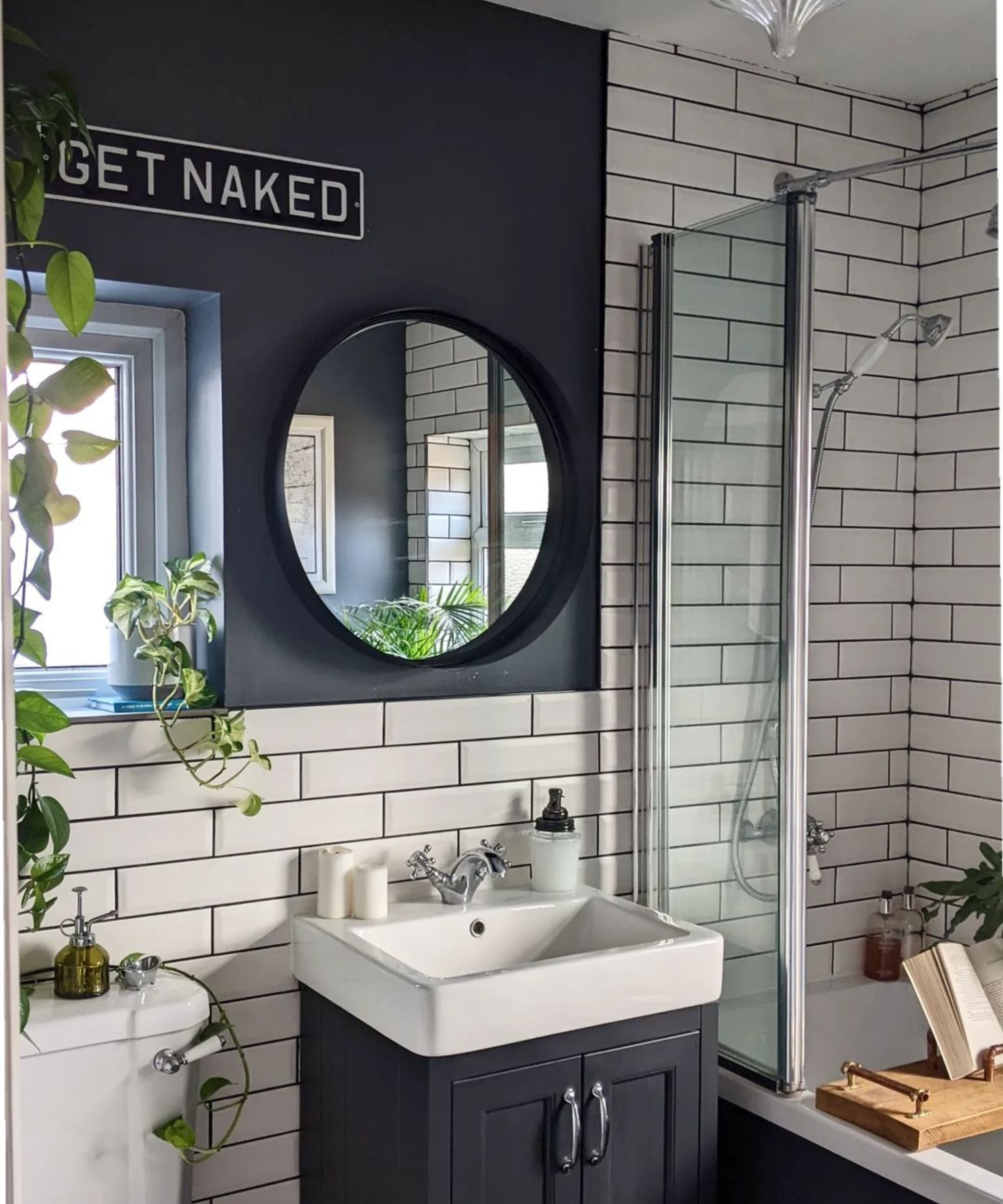
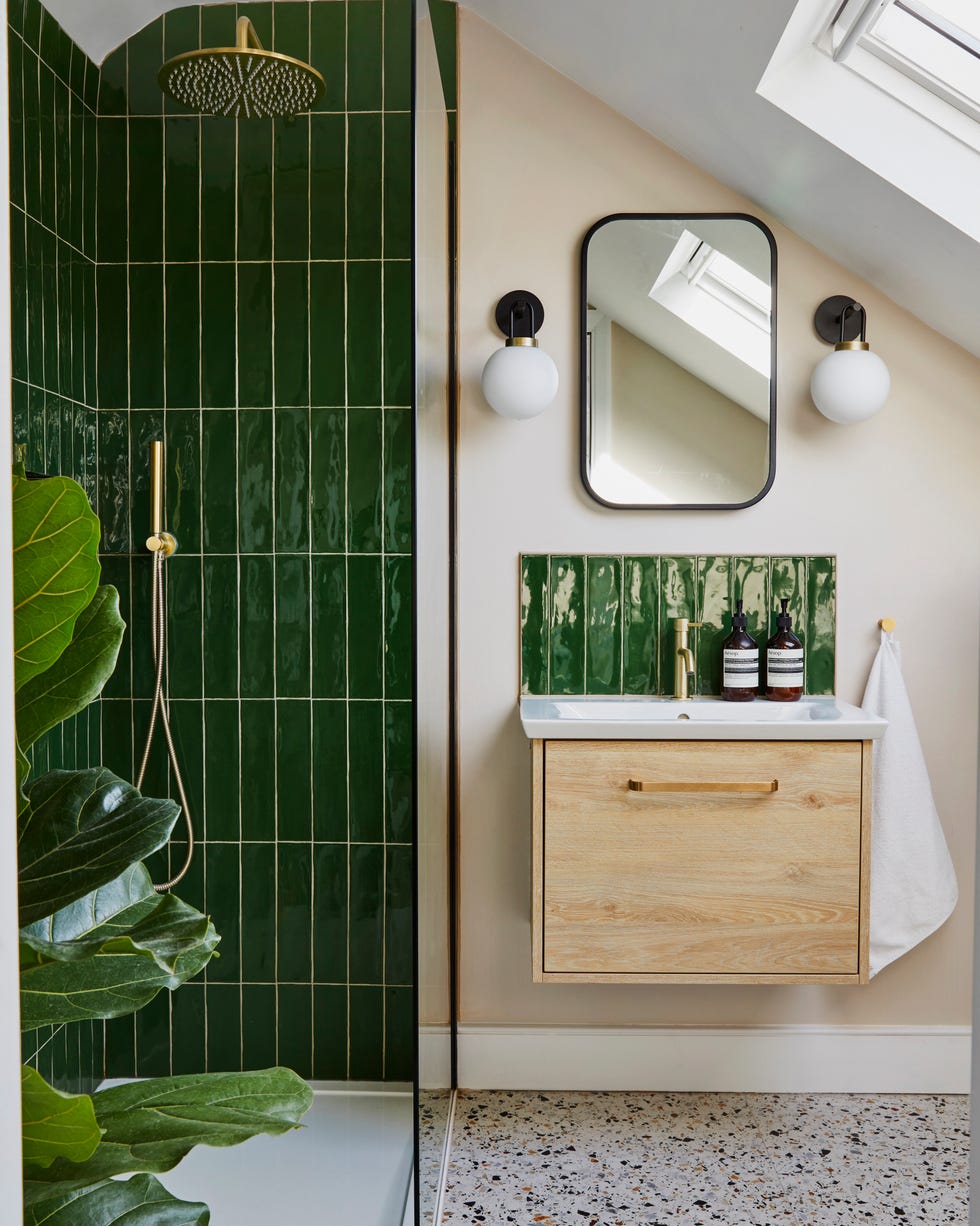
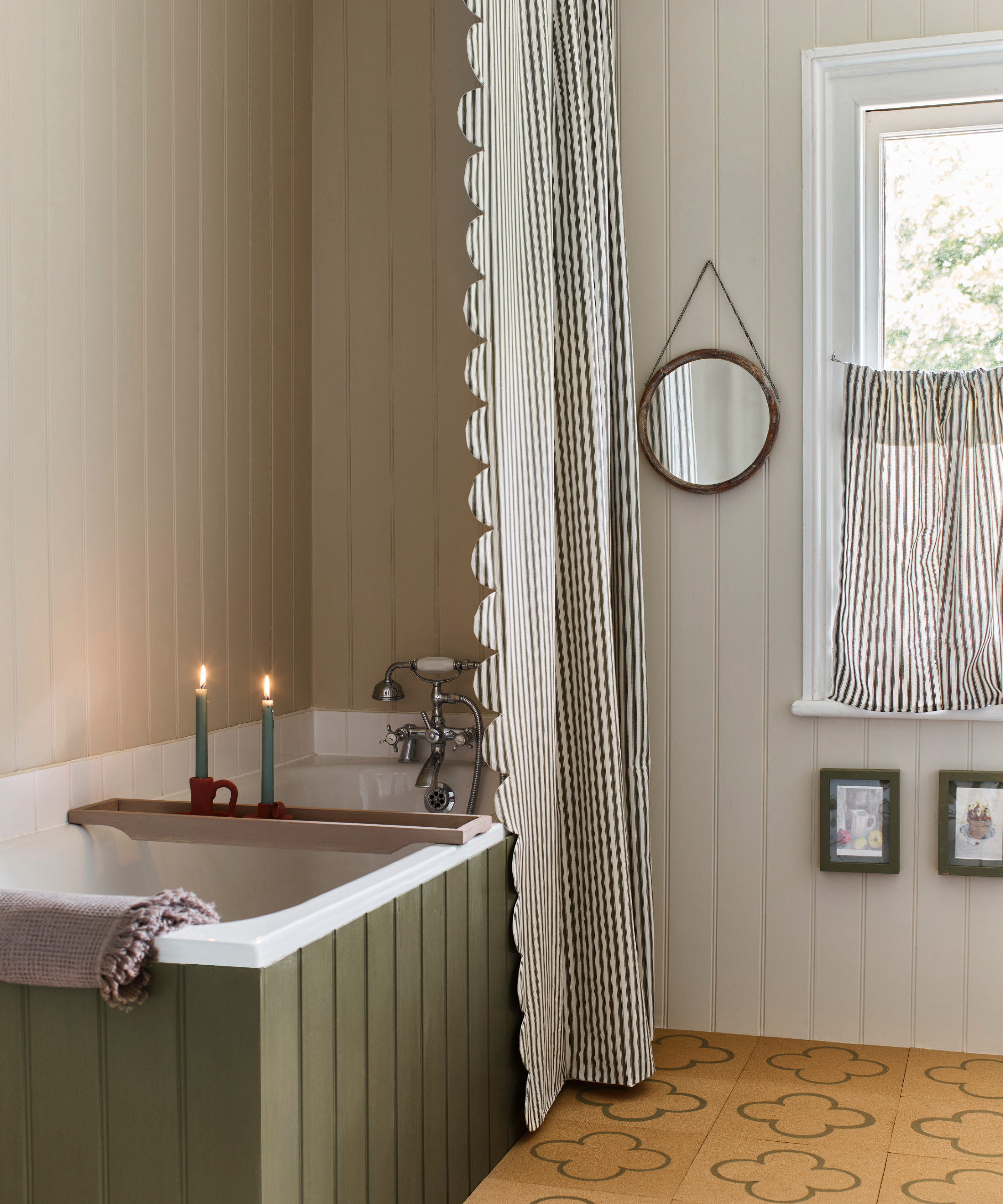
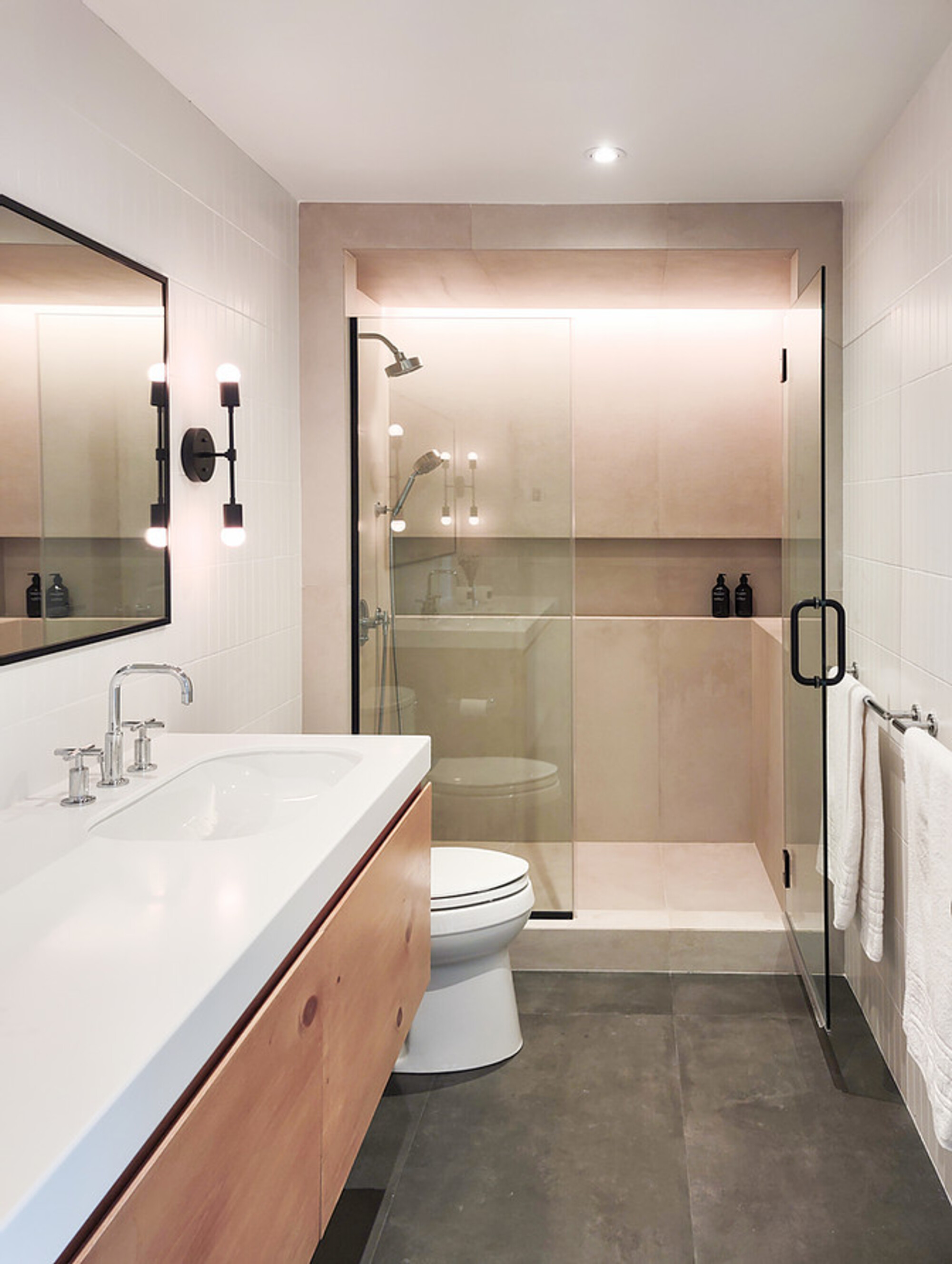
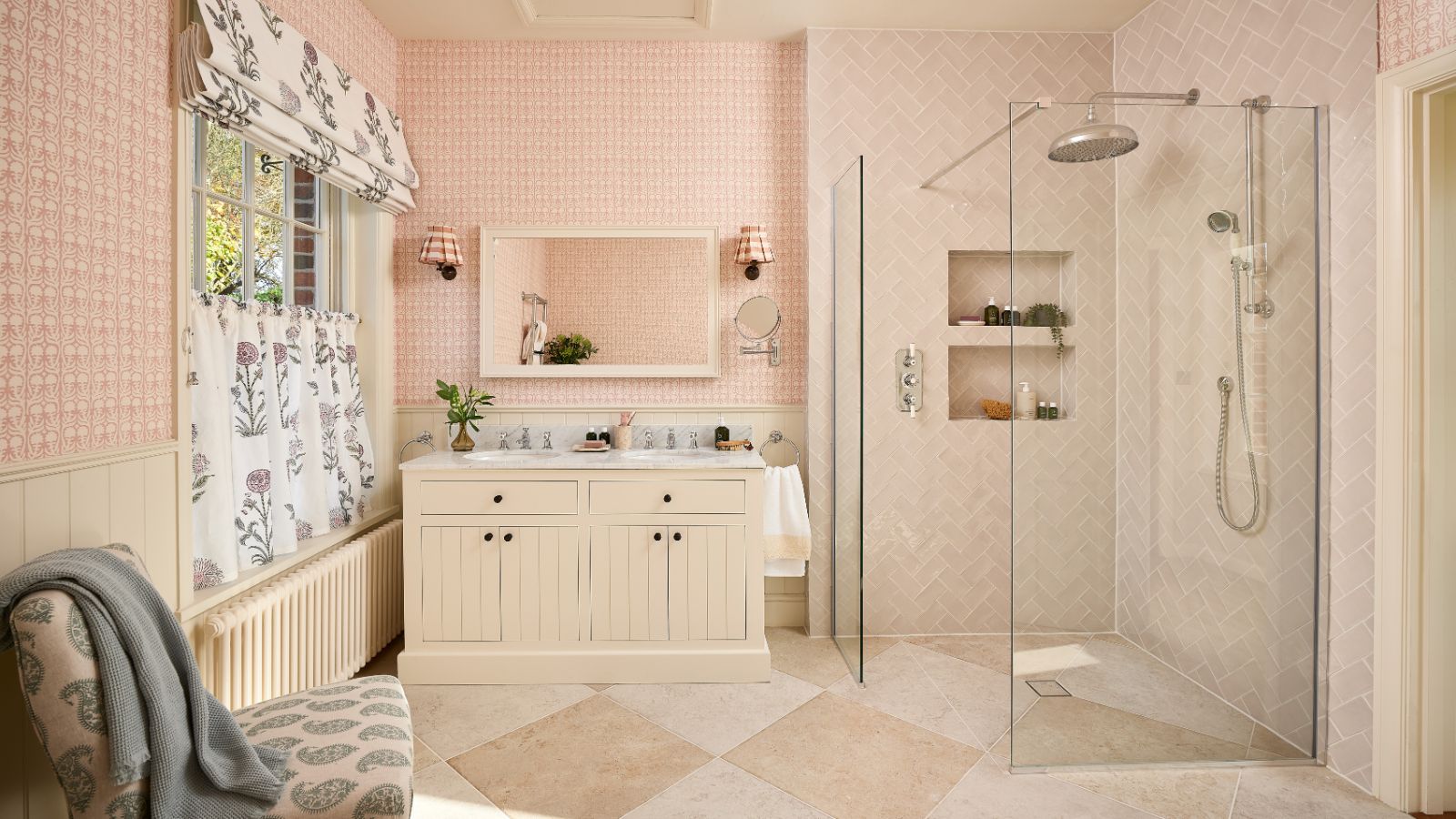
Shower curtains are typically avoided in minimalist bathrooms in favor of clear glass or acrylic doors. This choice allows natural light to flow freely, making the shower area feel more spacious and inviting, rather than enclosed. The visual transparency contributes to the overall open and uncluttered aesthetic.
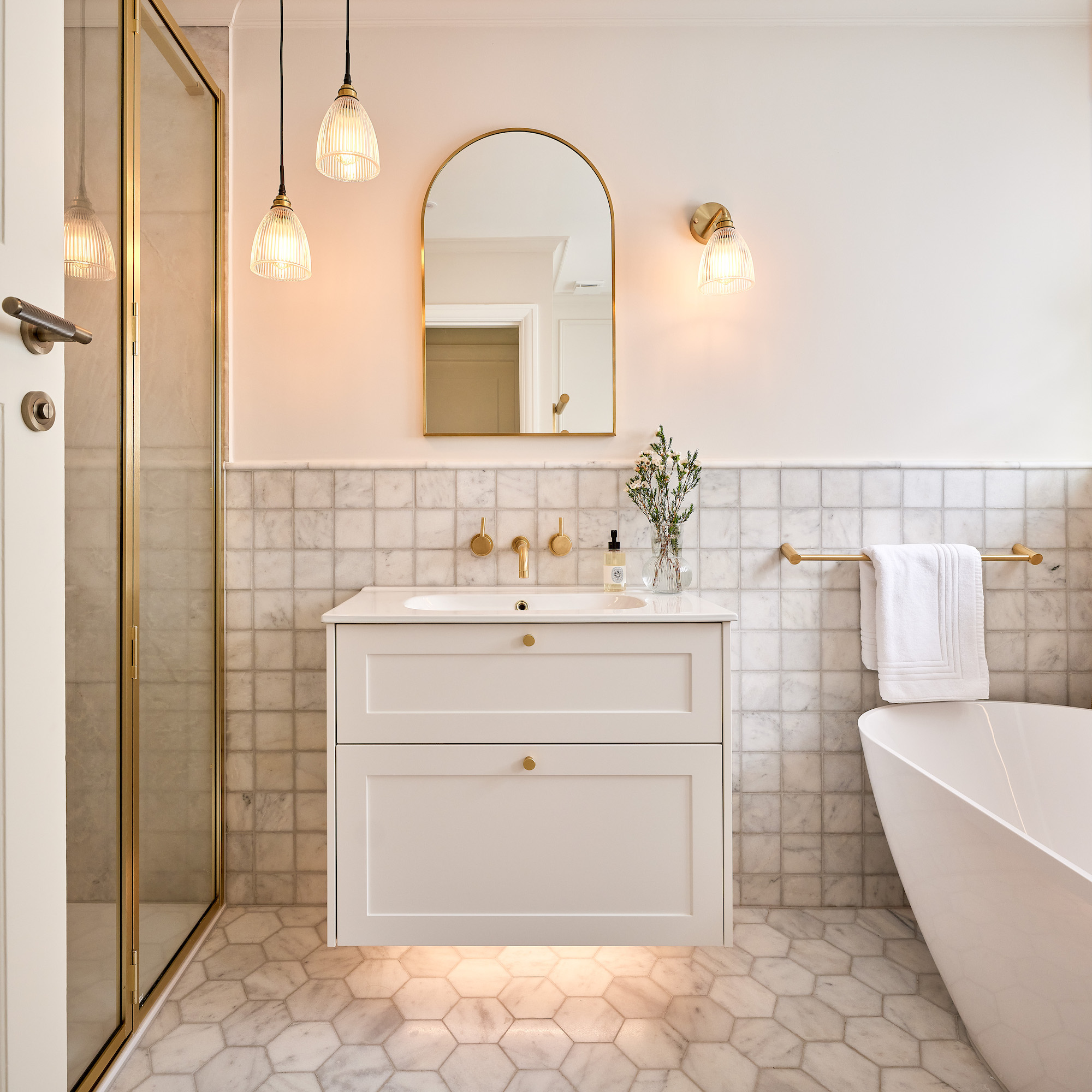
The article also touches upon lighting, suggesting that minimalists opt for soft, diffused lighting with warm-toned bulbs to create a soothing ambiance, avoiding harsh fixtures. Finally, it notes that some minimalists embrace smart technology, such as smart mirrors that display news or weather, as long as it aligns with values of simplicity, efficiency, and mindfulness, without adding physical clutter. The core message is that minimalism is not about deprivation but about removing distractions to enhance what truly adds value to one's life.
#MinimalistDesign #BathroomDecor #HomeOrganization #InteriorDesign #Decluttering #FunctionalLiving #StorageSolutions #MinimalistDesign #BathroomDecor #HomeOrganization #InteriorDesign #Decluttering #FunctionalLiving #StorageSolutions
0 comment in total
 No comments yet
You may also like
8 items interior designers never have in small bathrooms

6 things minimalists never have in a kitchen – and what to use instead

8 minimalist small bathroom ideas to keep things simple

25 Products If Your Bathroom Has Practically Zero Storage Space
5 things minimalists never have in a small entryway

5 surprising storage essentials minimalists avoid – and what they use instead
7 Small Bathroom Decorating Tips Minimalists Always Use to Maximize Their Space

8 things that will always make your bathroom look small, according to designers
5 things in your bathroom that aren’t worth spending money on, according to interior designers
7 Things Minimalists Never Forget to Do to Create a Relaxing Bathroom Retreat
These 5 things are making your small bathroom look cheap, according to experts - but the fixes are simple
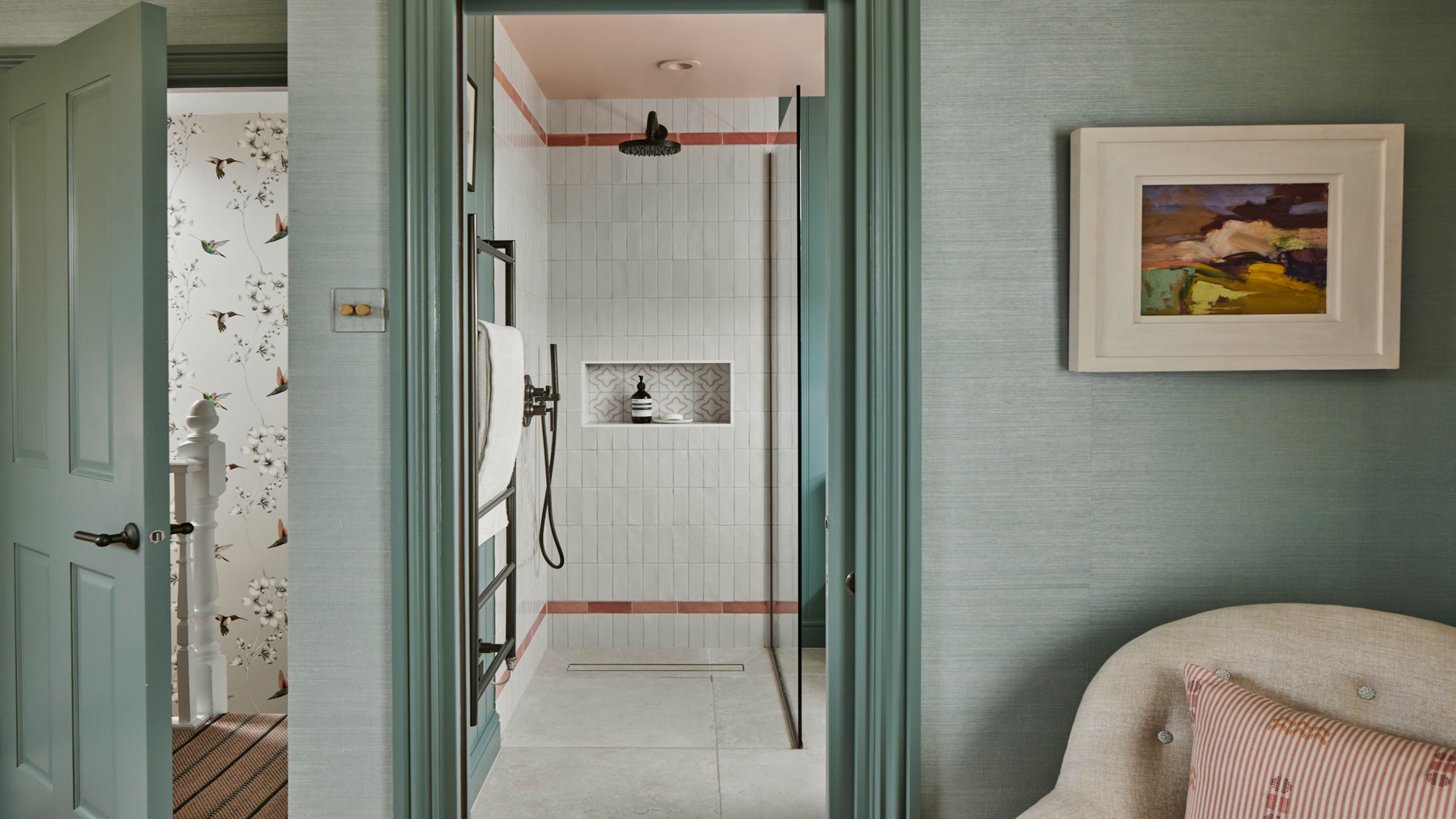
6 Things You Should Never Put in a Guest Bathroom

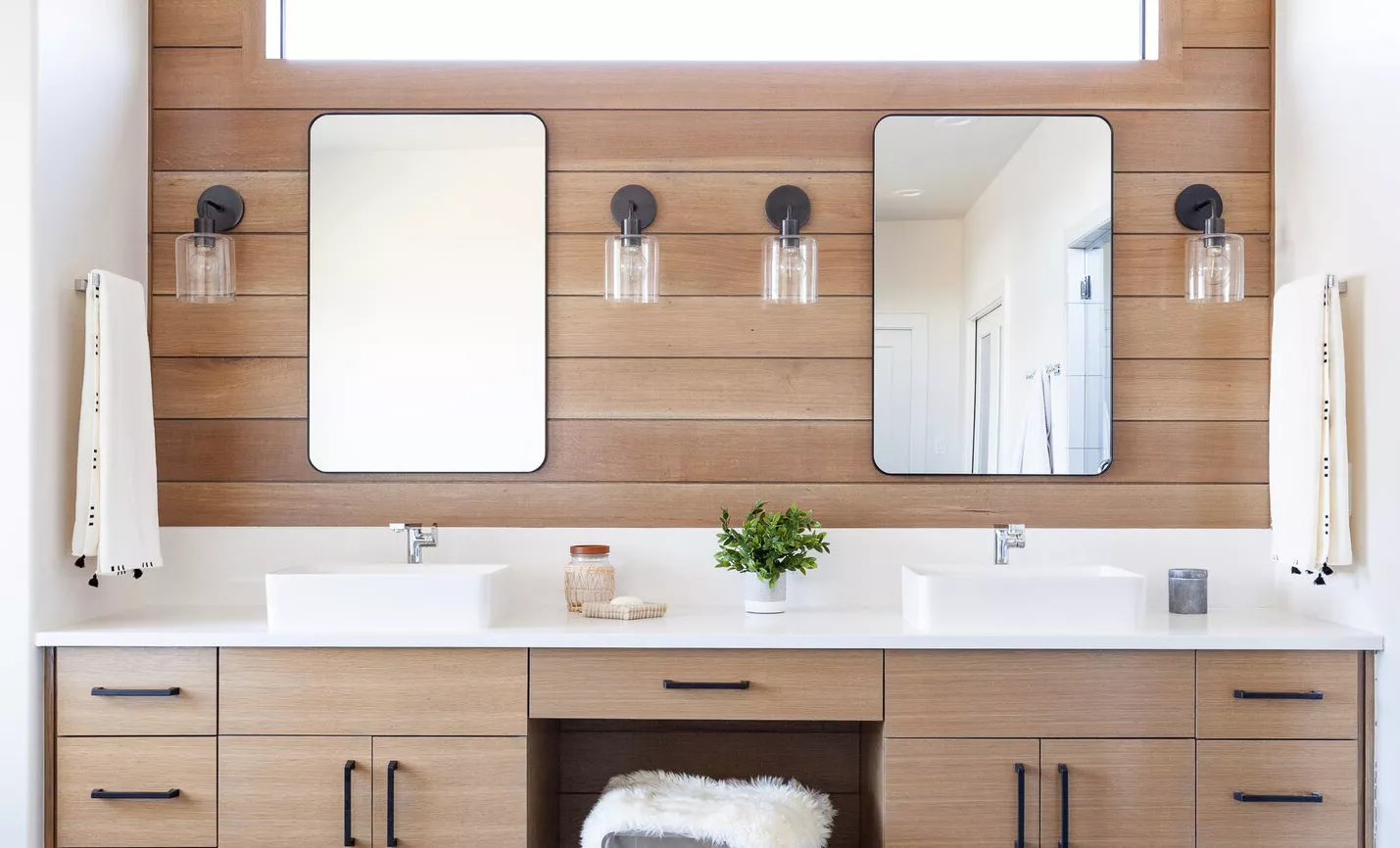
5 Essential Bathroom Decluttering Tips Minimalists Wish Everybody Knew
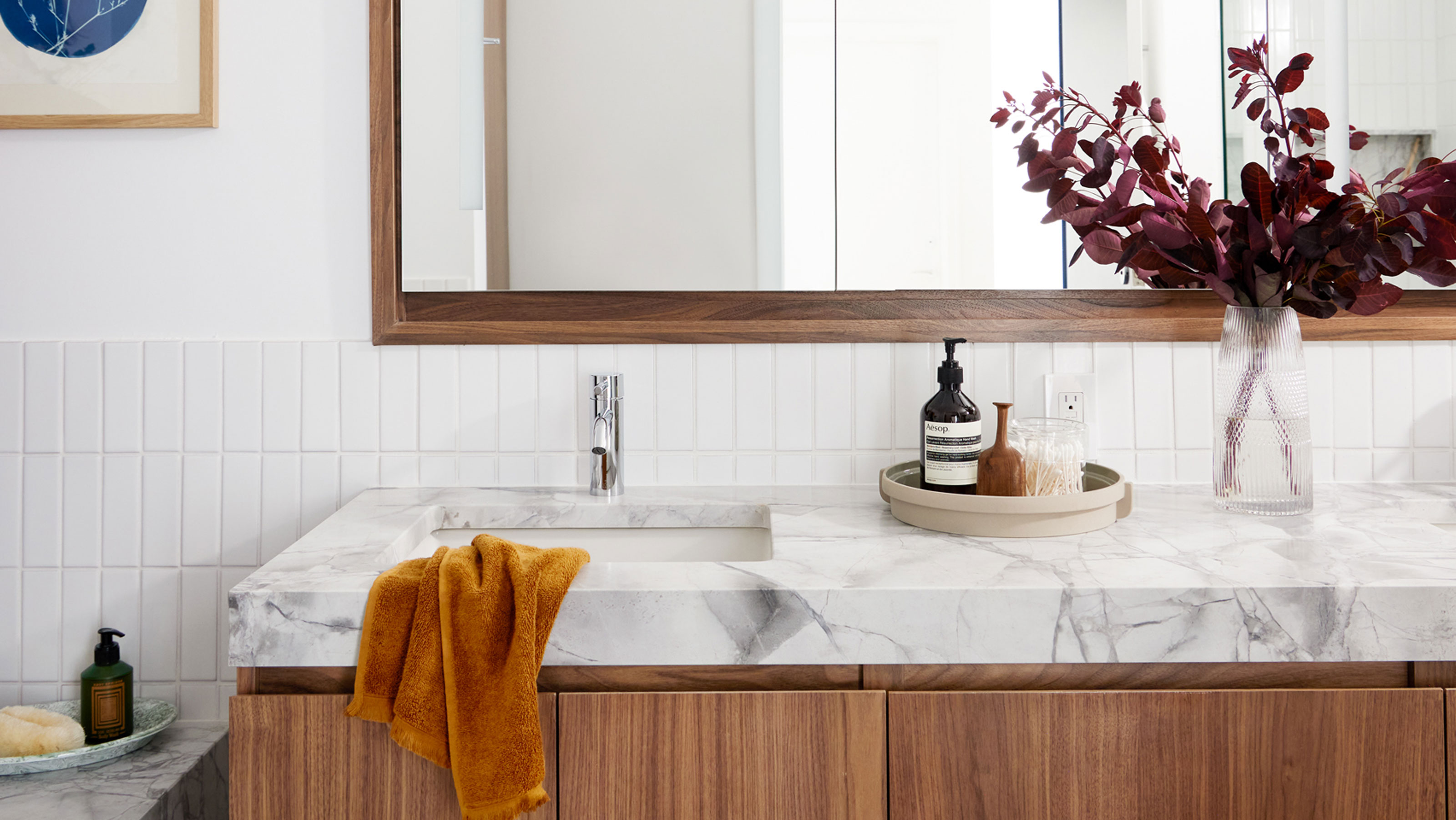
5 "Impractical" Choices to Avoid in a Bathroom — These Make Your Spaces More Difficult to Use
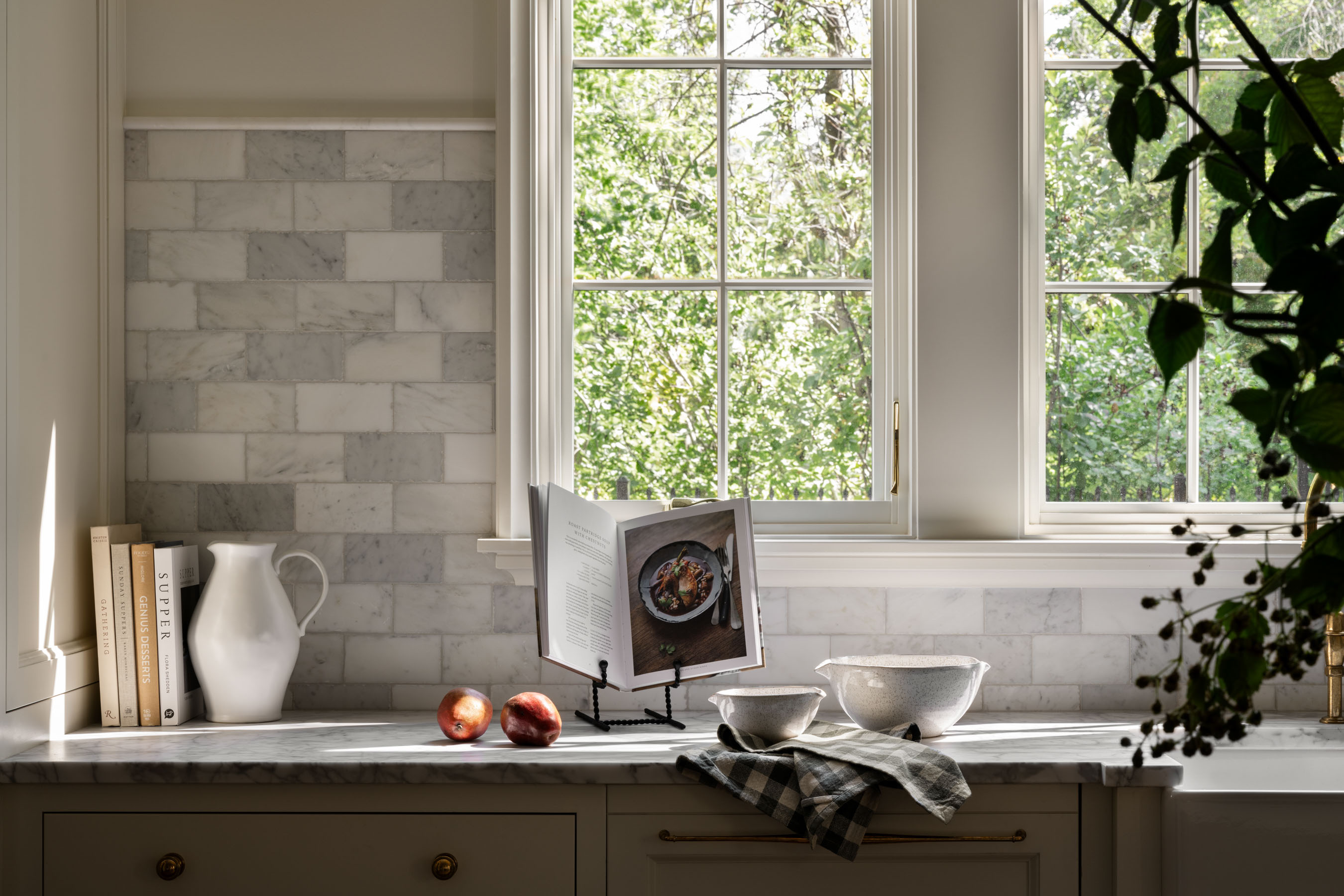
5 Things You Shouldn't Keep on Your Countertops if You Want an Uncluttered, Minimalist Kitchen
How can I make my small bathroom feel more minimalist? 10 design tips to reduce clutter in tiny spaces

5 things minimalists never have in an entryway – items to ban for clutter-free style
7 ideas for organizing a bathroom with little to no storage - these are the tricks designers rely on for small spaces
9 Things Professional Declutterers Won’t Keep In Their Bathroom

5 Things Super Organized People Never Keep in Their Bathrooms, According to a Pro