Turf wars: 13 reasons why you would install a green wall and 3 reasons why you might not
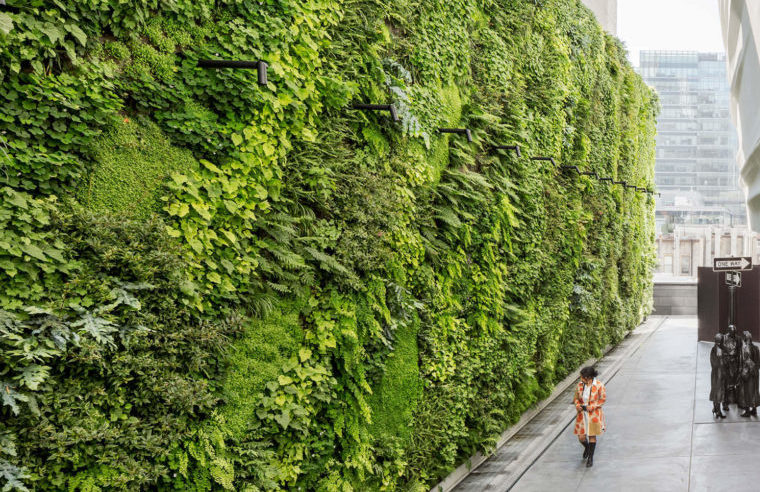
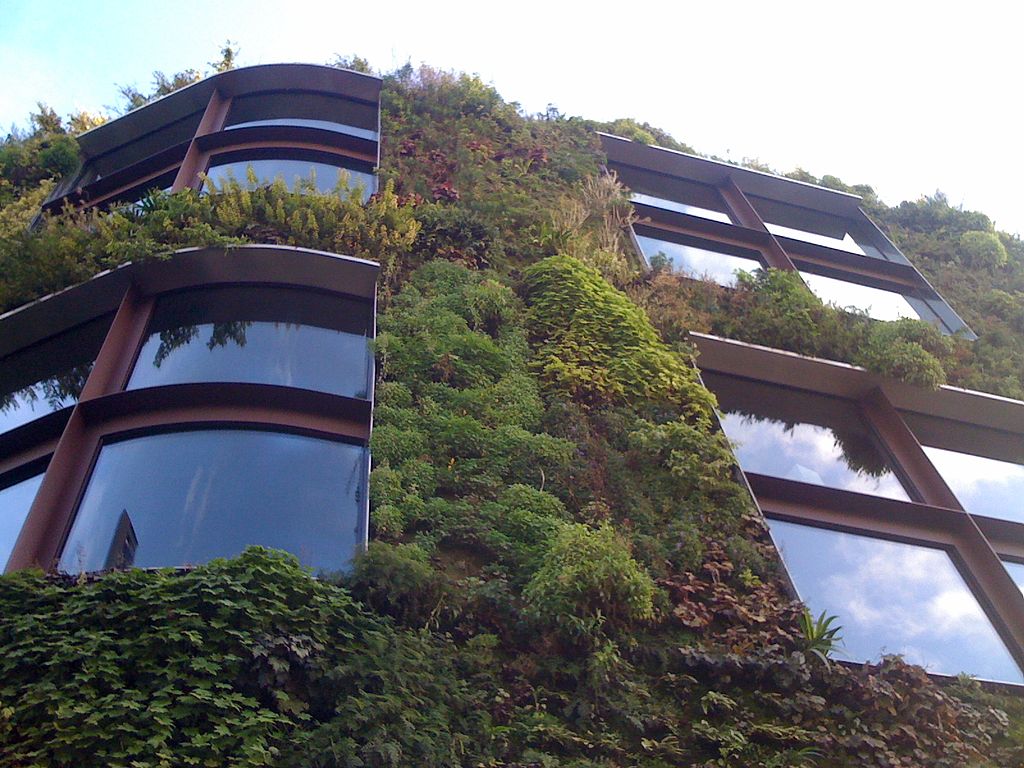
Green walls and roofs, often perceived as novel technologies in urban development, are examined for their historical context, advantages, and disadvantages. Historically, insulated turf houses were common in regions like Iceland and Norway, highlighting that the concept of greening buildings for thermal comfort is not new. Despite this, there's often a reluctance to adopt them due to their perceived novelty in countries like Australia. To address this, a global guidance note on Green Roofs and Green Walls was published in 2016 by RICS, providing a comprehensive checklist for stakeholders to consider technical and legal aspects.
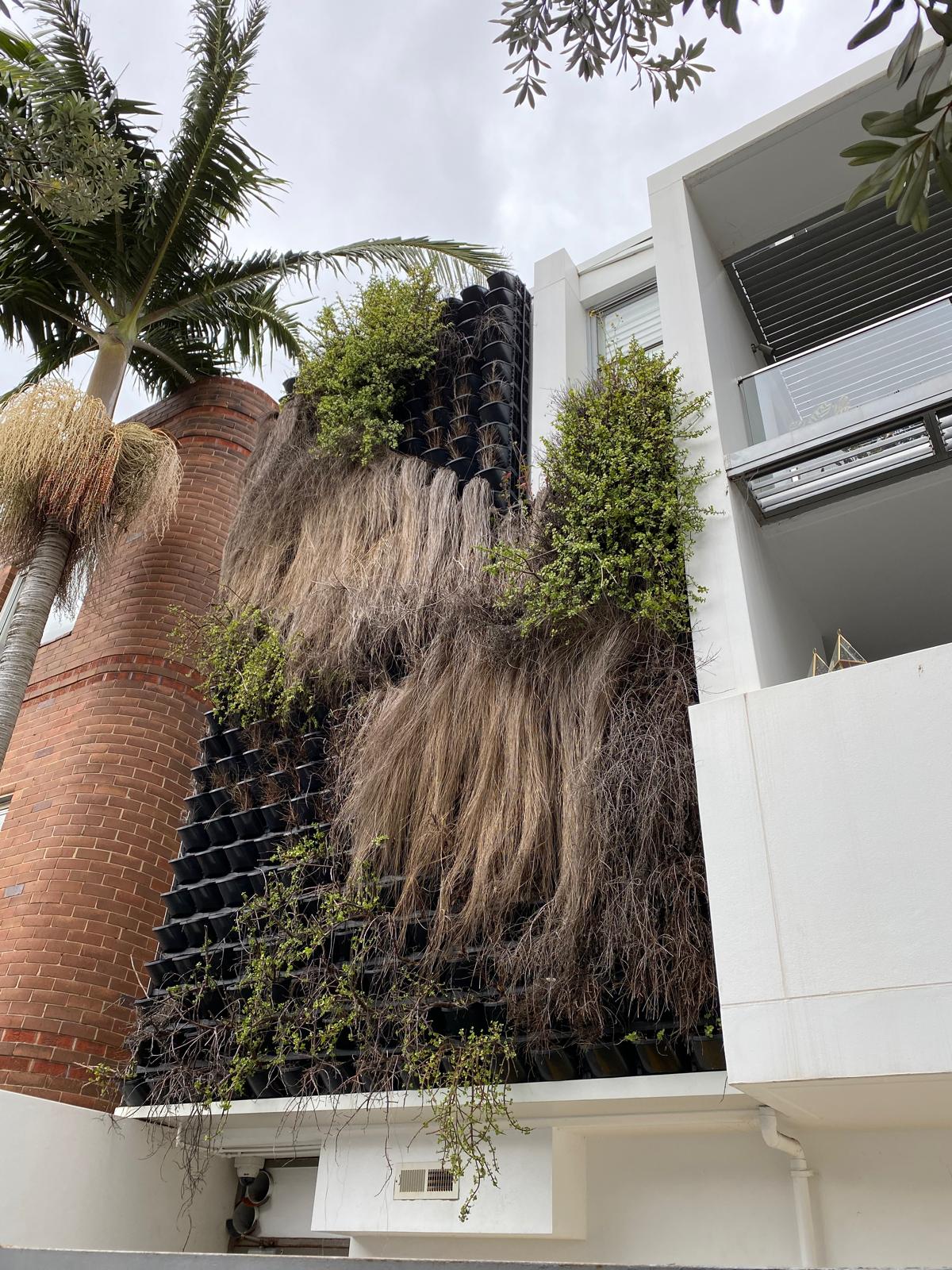
One significant advantage of green walls is their aesthetic appeal, which can evoke a biophilia effect, drawing people to urban greening and nature. However, potential drawbacks exist. Plants can wither or die due to environmental factors like high winds and temperatures, requiring replacement or careful maintenance during their establishment phase. This natural cycle can serve as a reminder of climate change impacts, and technological advancements, such as sensors for moisture and temperature, can optimize plant care. It's also noted that buildings commonly exhibit defects like staining or cracking, but these don't lead to a ban on traditional materials, suggesting a similar tolerance should apply to living installations.
Maintenance costs are another concern. While critics point to the expense, proponents argue that installation and upkeep create new employment opportunities, especially in the growing gig economy. Furthermore, emerging technologies like 'farmbots' for watering, weeding, and seeding suggest that future maintenance could be automated, potentially reducing costs and occupational health and safety (OHS) issues associated with manual work at heights.
Fire risk is a third area of concern. Research indicates that incidents of green walls catching fire are rare. A notable case in Australia involved a small vertical garden with a high proportion of plastic plants igniting due to an accidental cigarette spark in an enclosed space. Experts suggest that live plants and soil can dampen fire ignition. Green walls are assessed under the Building Code of Australia (BCA) as an 'Alternate Solution,' requiring designers to demonstrate compliance with fire safety standards. A 2012 US National Fire Protection Association report identified potential risks, including ignition, increased fire load, flame spread, and impact on fire brigade operations, but considered these moderate with proper mitigation strategies, such as controlling the volume and materials used, and implementing maintenance plans. However, the increasing scale of green walls on tall buildings necessitates further research and case-by-case risk analysis.
Many global cities, such as Singapore and Toronto, have actively adopted green infrastructure, recognizing its role in maintaining attractiveness, liveability, and economic growth. Singapore, for instance, significantly increased its green coverage from 2007 to 2017, while Toronto saw substantial growth after mandating green roofs in 2009. The article then lists thirteen benefits of green walls, including VOC reduction, CO2/O regulation, carbon sequestration, grey/blackwater filtering, urban greening and biophilia, property value increases, habitat production, thermal and acoustic insulation, reduced urban turbulence, extended building facade life, improved hospital patient recovery, reduced urban heat-island effect, and urban food production. These benefits collectively argue for the widespread adoption of green walls, despite the identified risks, which are deemed manageable.
#GreenWalls #GreenRoofs #UrbanGreening #SustainableBuilding #BiophiliaEffect #BuildingTechnology #FireSafety #UrbanHeatIsland #PropertyValue #EnvironmentalBenefits #GreenWalls #GreenRoofs #UrbanGreening #SustainableBuilding #BiophiliaEffect #BuildingTechnology #FireSafety #UrbanHeatIsland #PropertyValue #EnvironmentalBenefits
 No comments yet
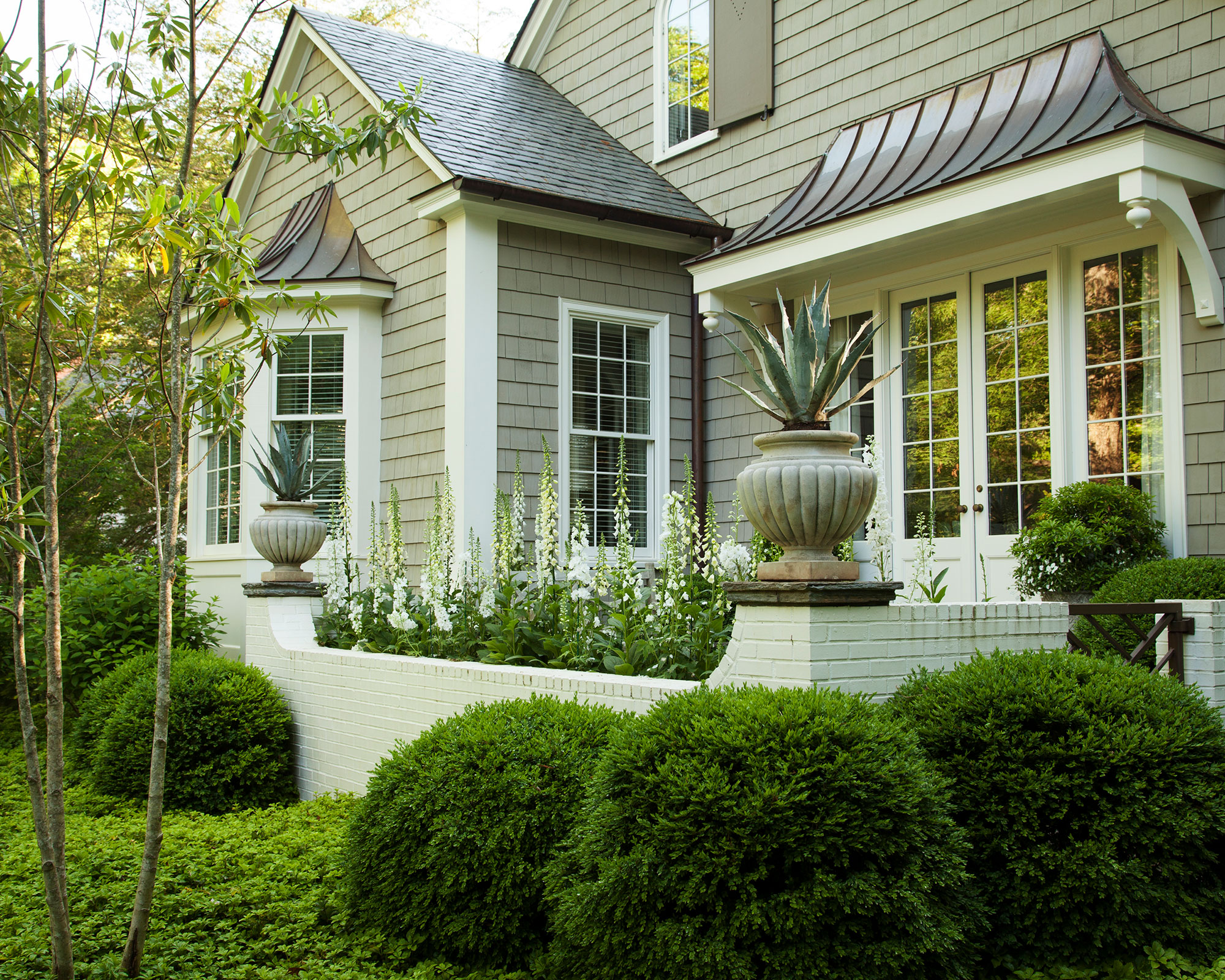
Garden wall ideas – 16 inspiring ways to define your boundaries

Green roofs and walls increase urban sustainability

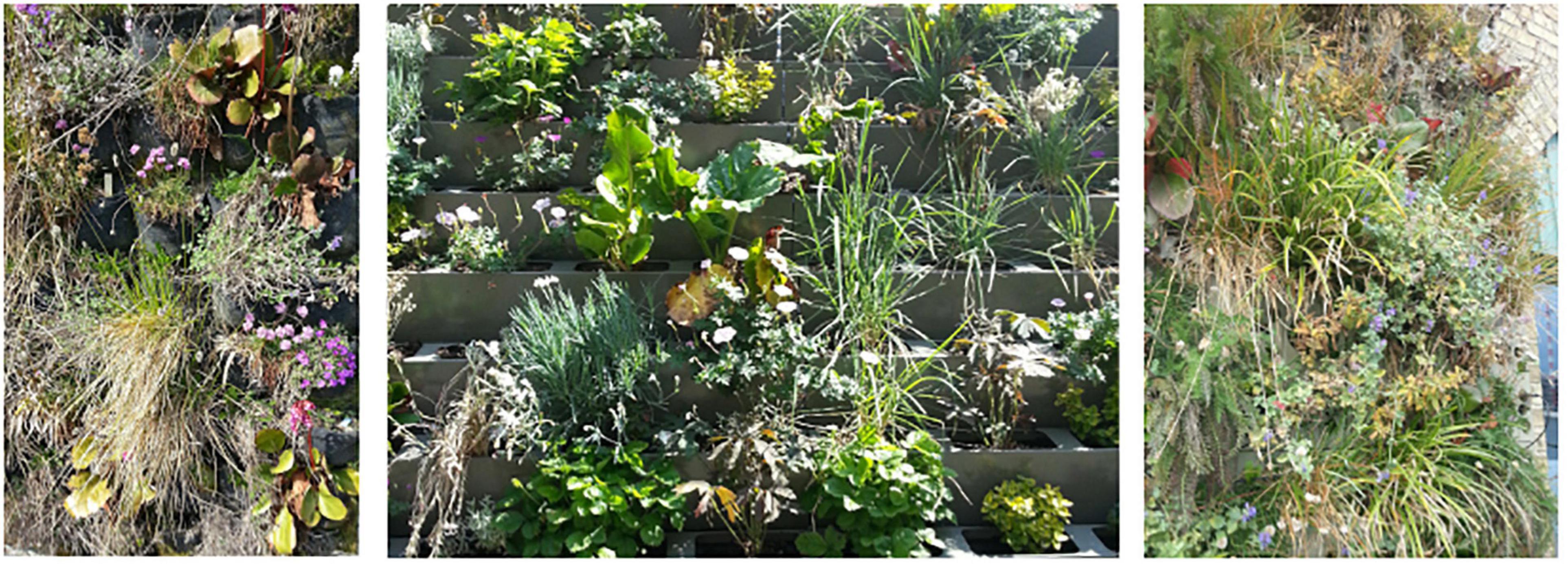
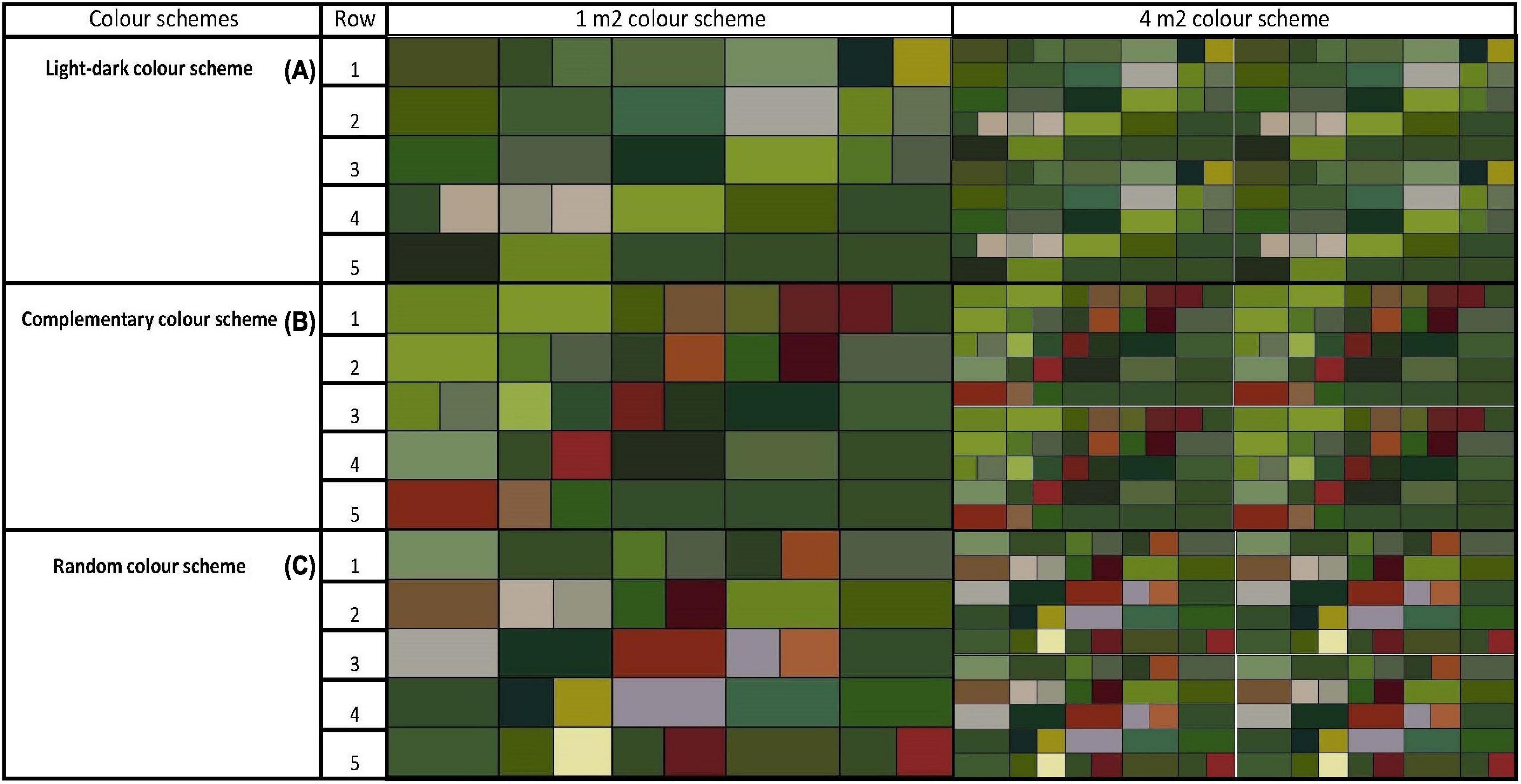
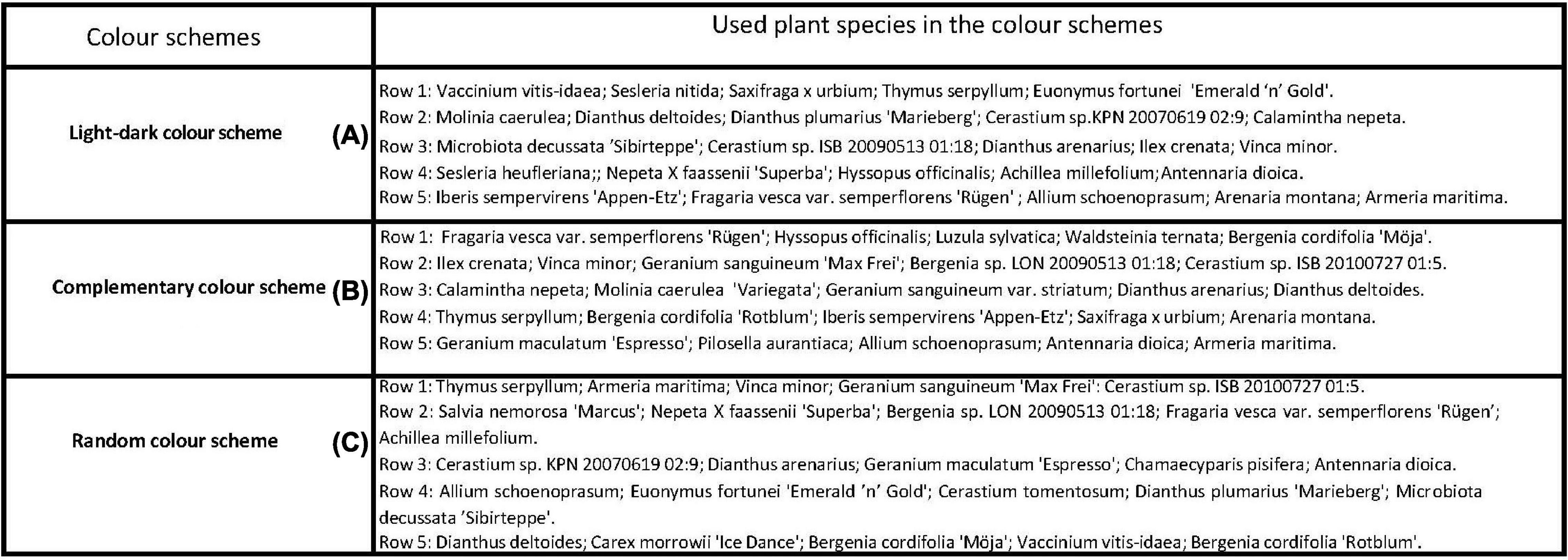
Exploring the Integration Between Colour Theory and Biodiversity Values in the Design of Living Walls
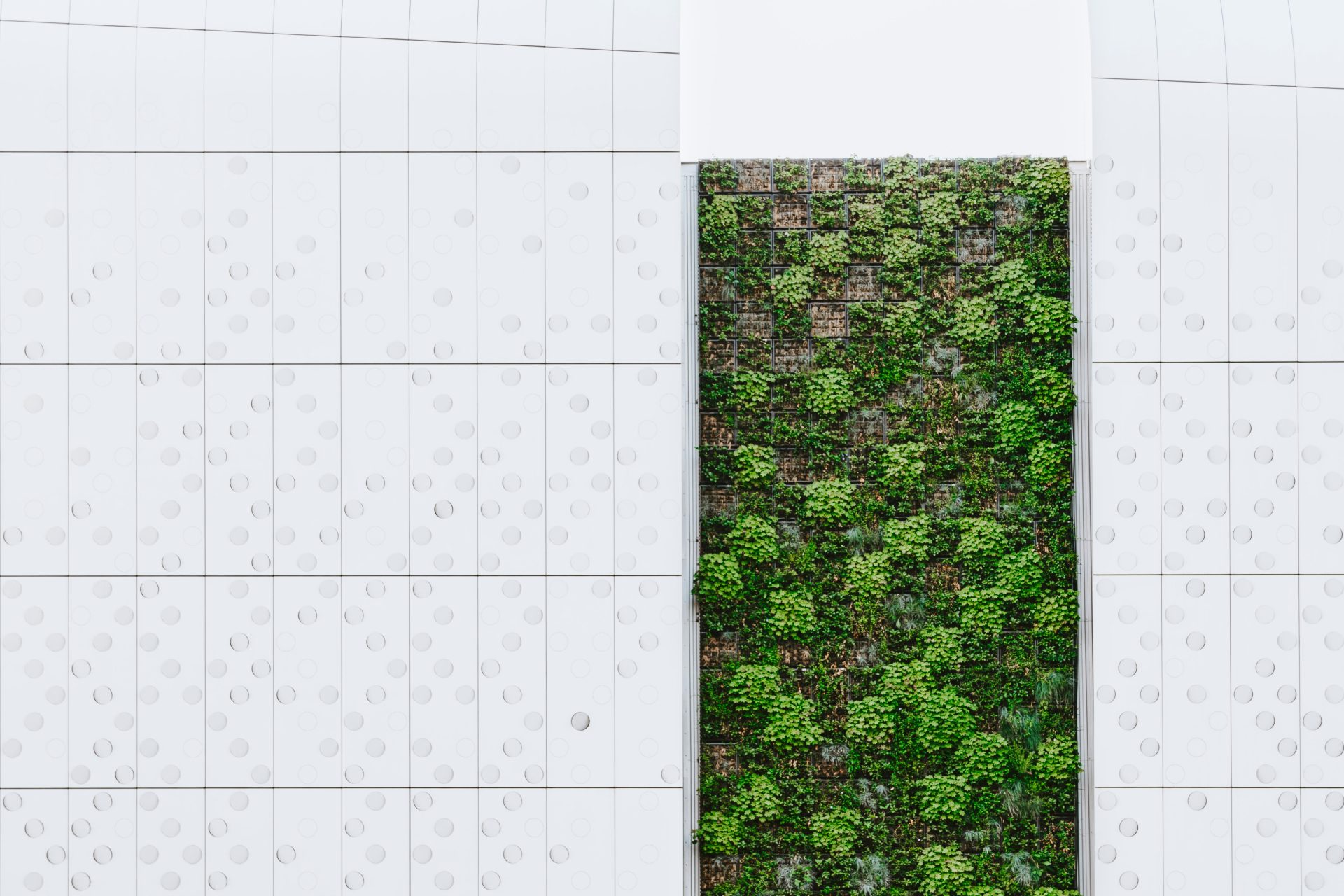
The green wall revolution: how vertical gardens are purifying urban air

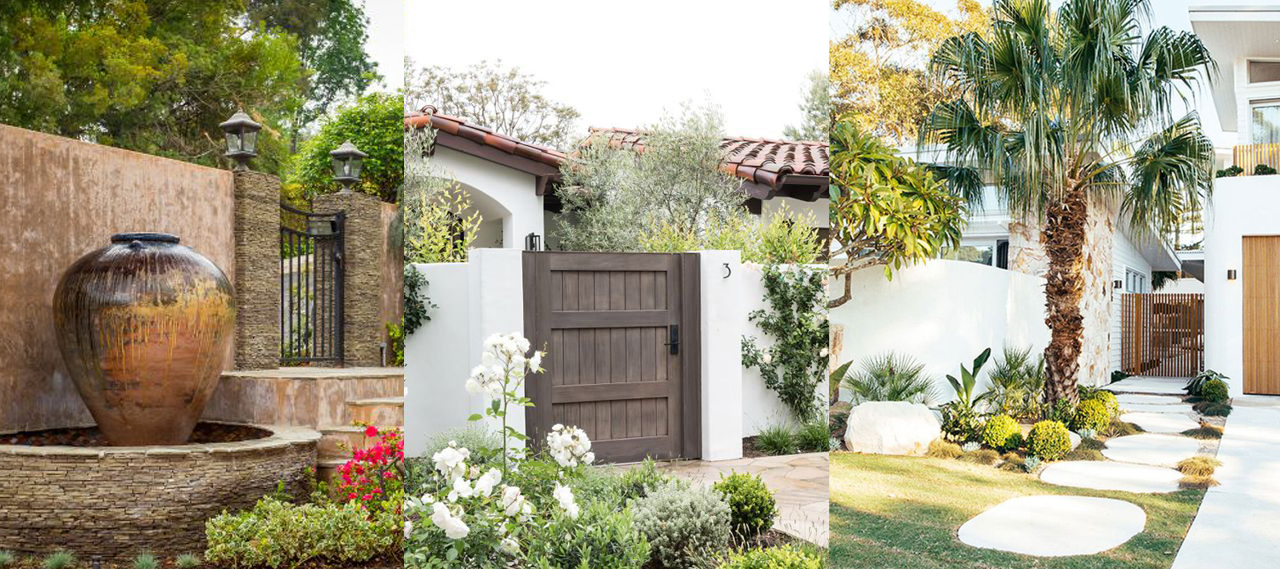
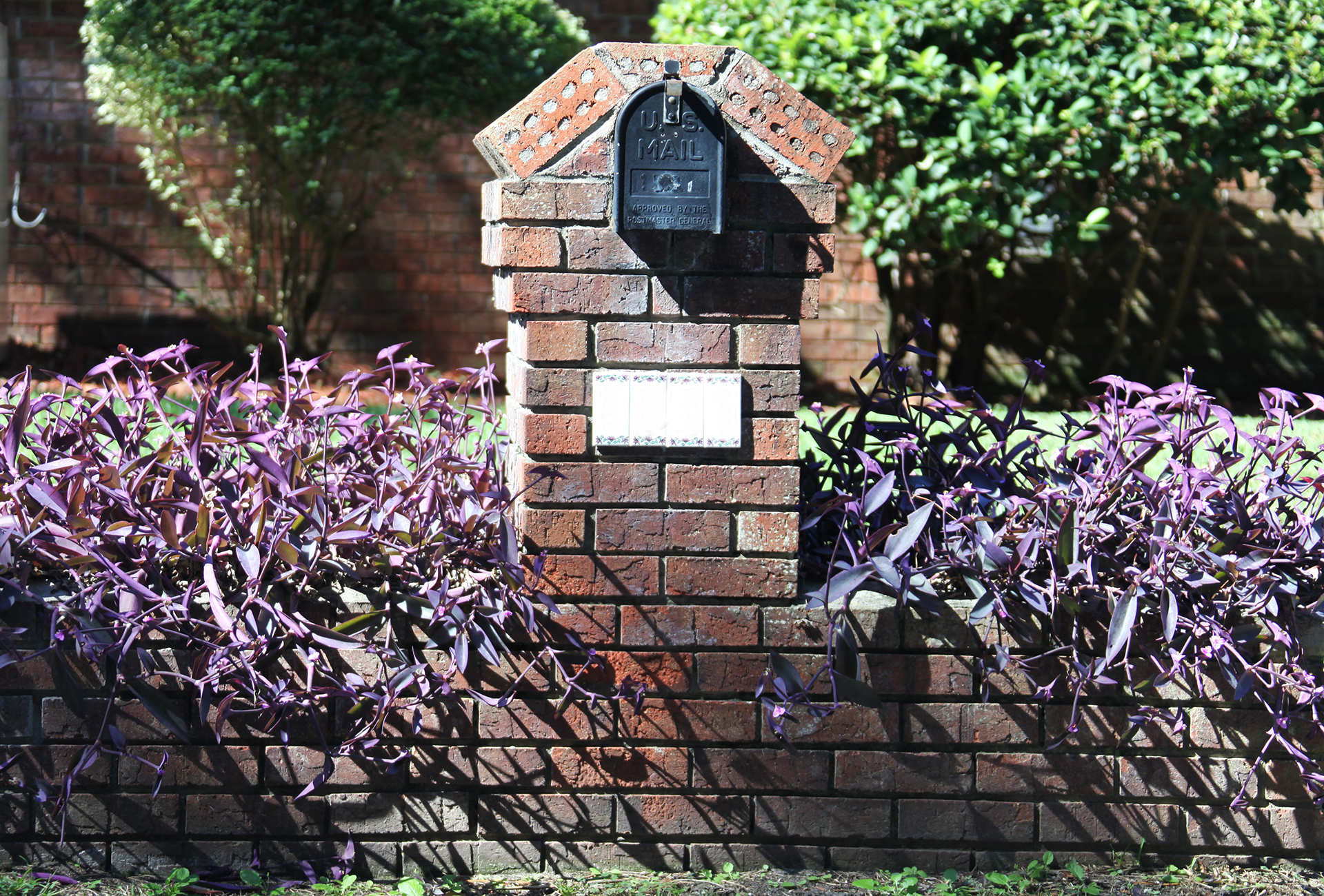
Front garden wall ideas – 10 designs to elevate your space
Living green walls are having a moment but face a steep challenge

Analysis of the impact of growing green walls based on the reduction of PM