1/5
You Hung the Art — Now Light It Like a Curator Would (Here's How)
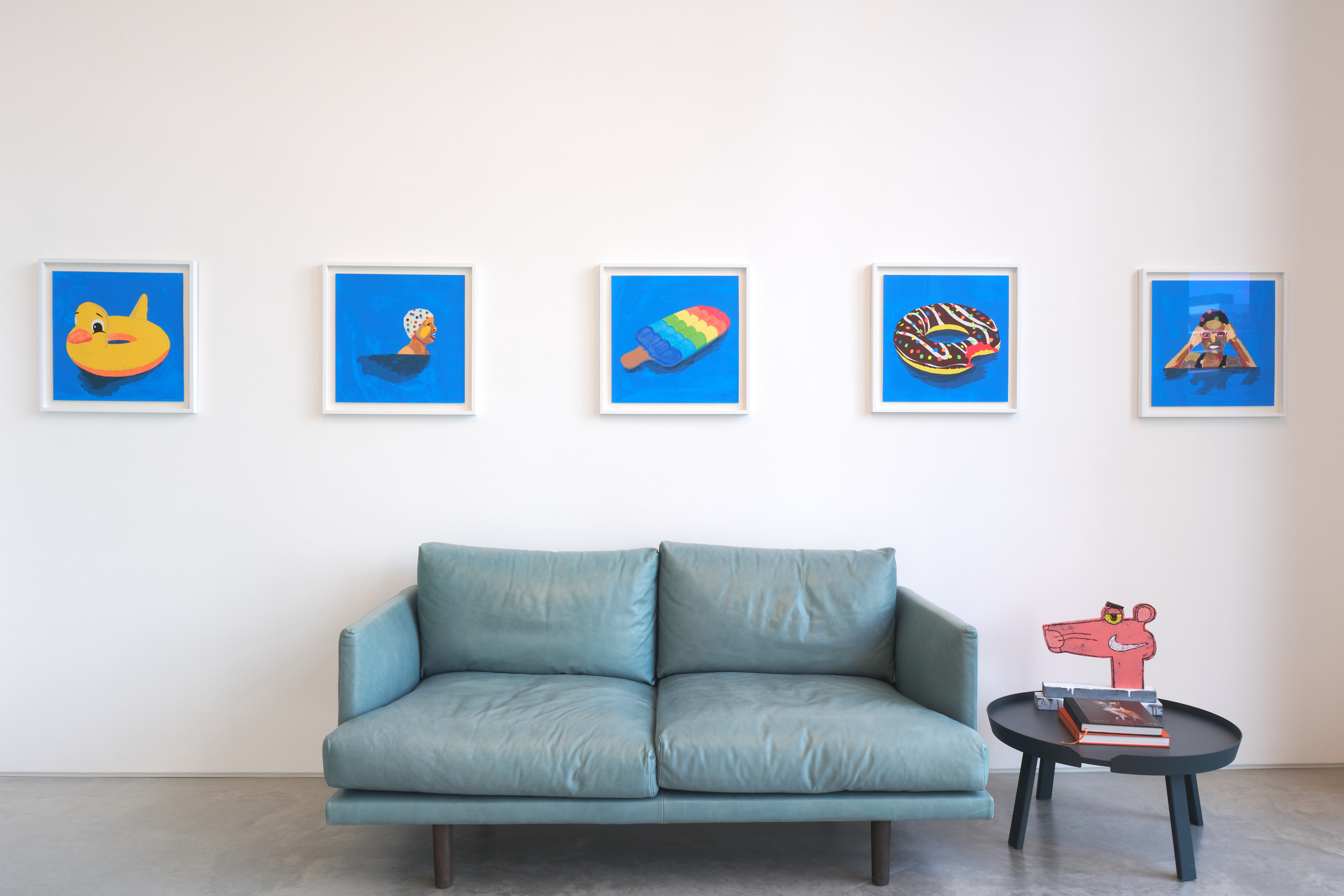
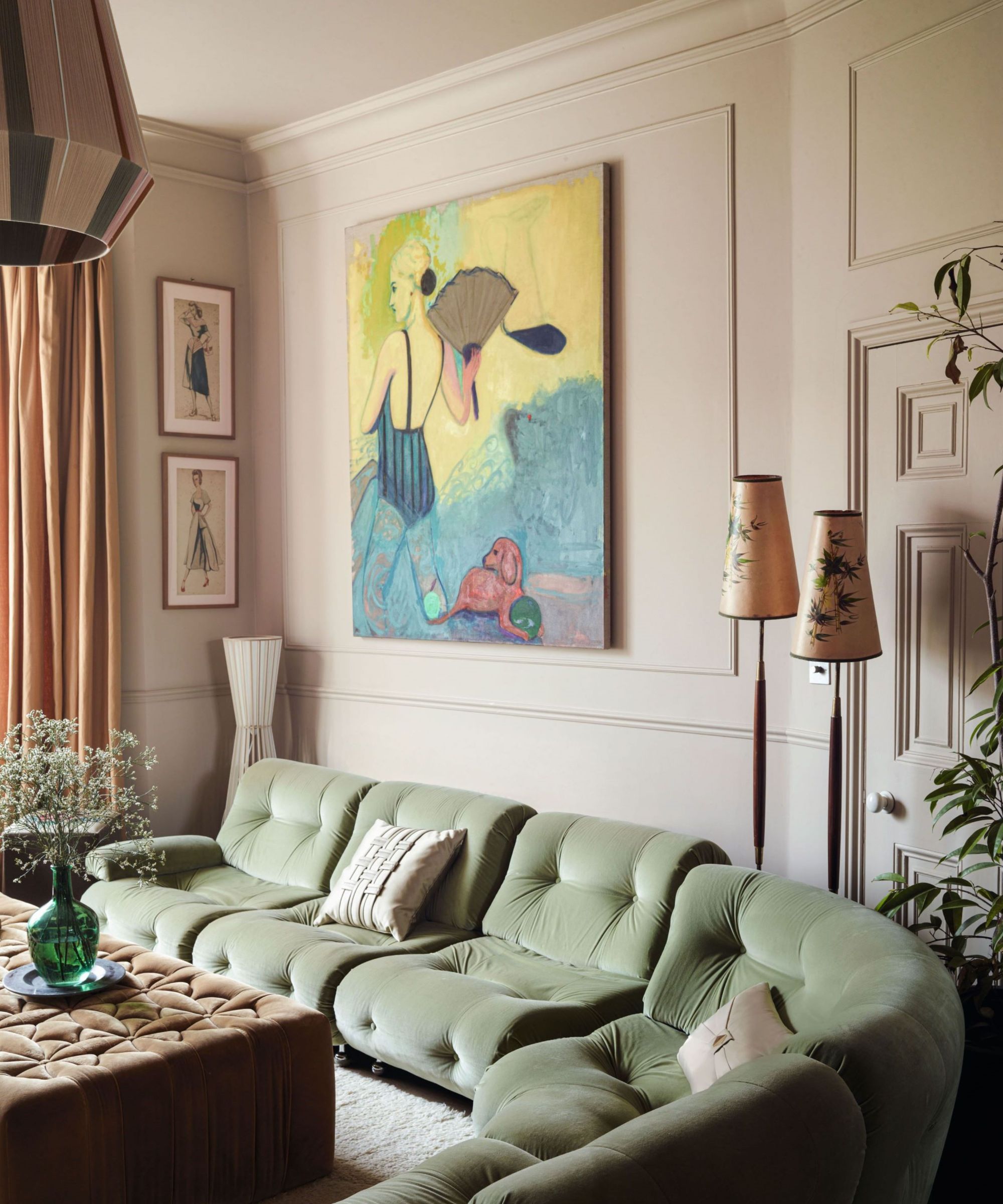
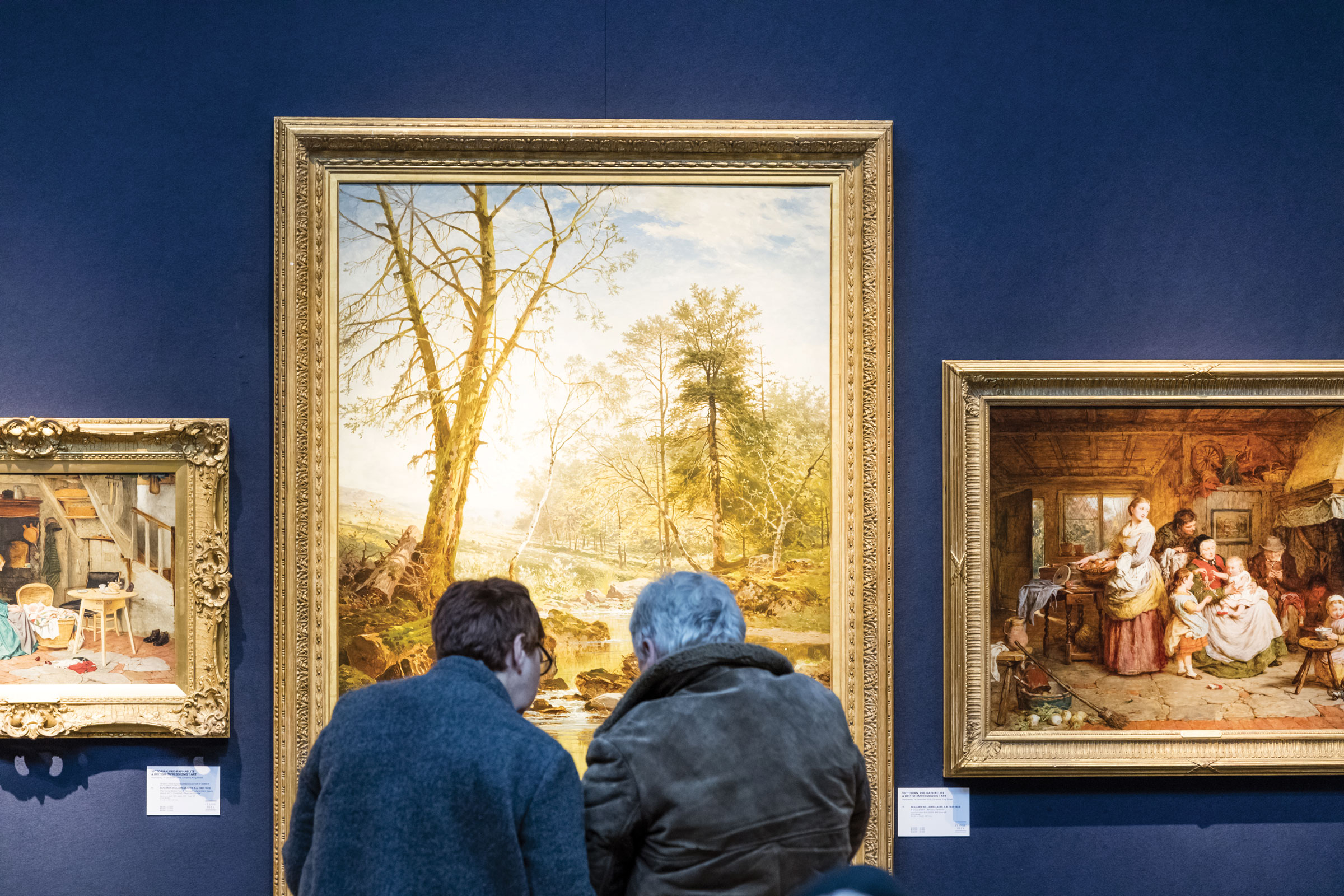
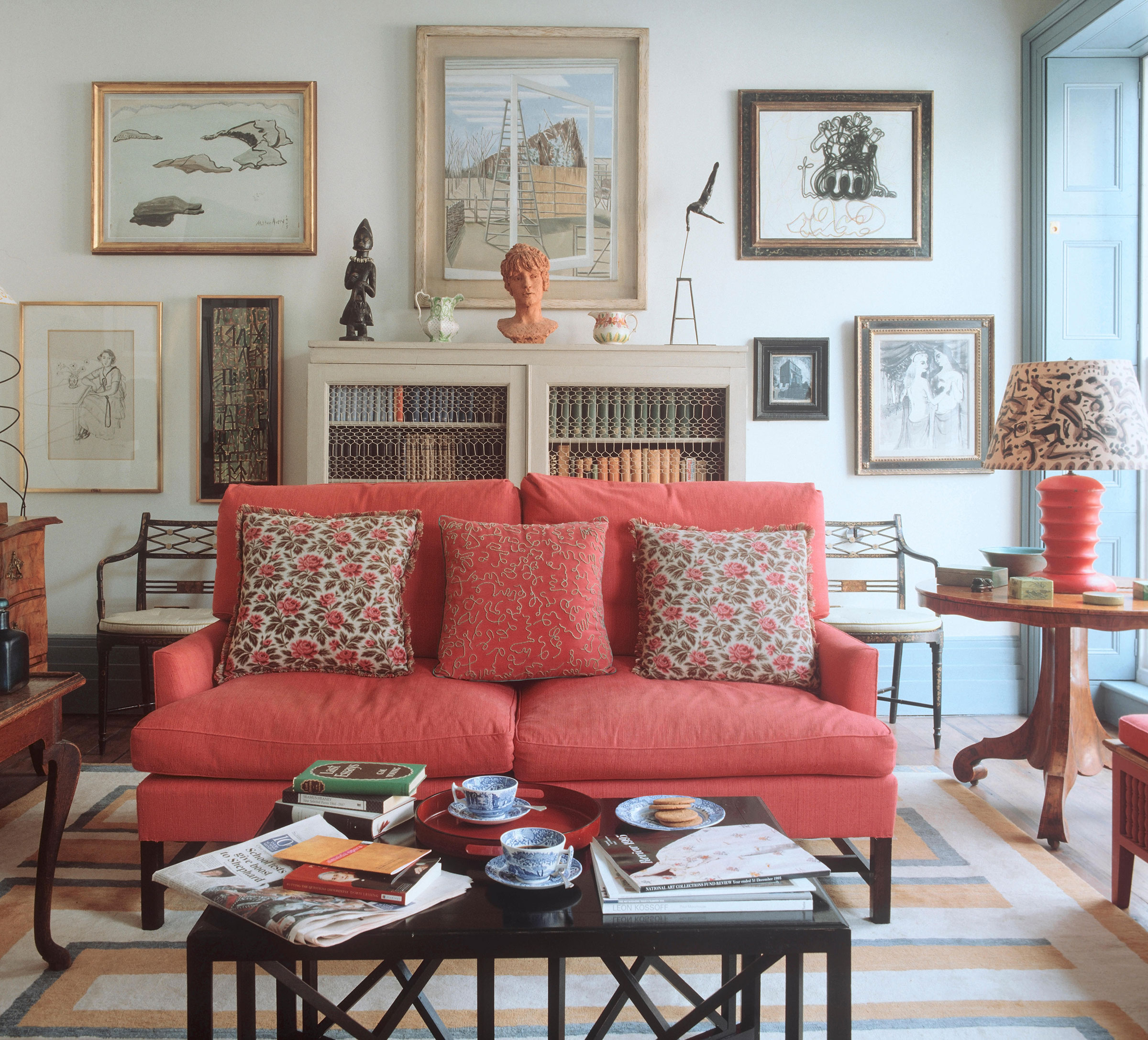
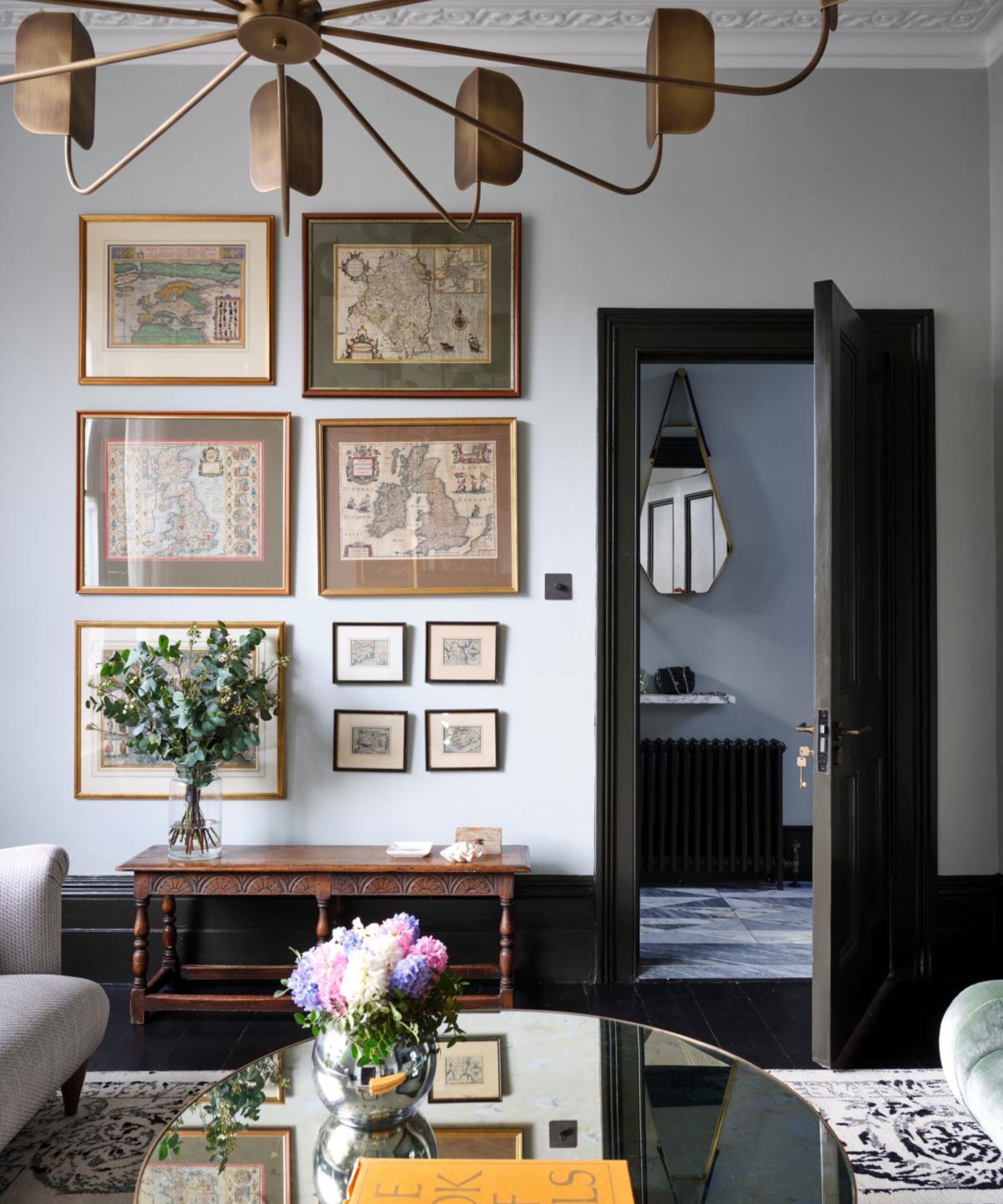
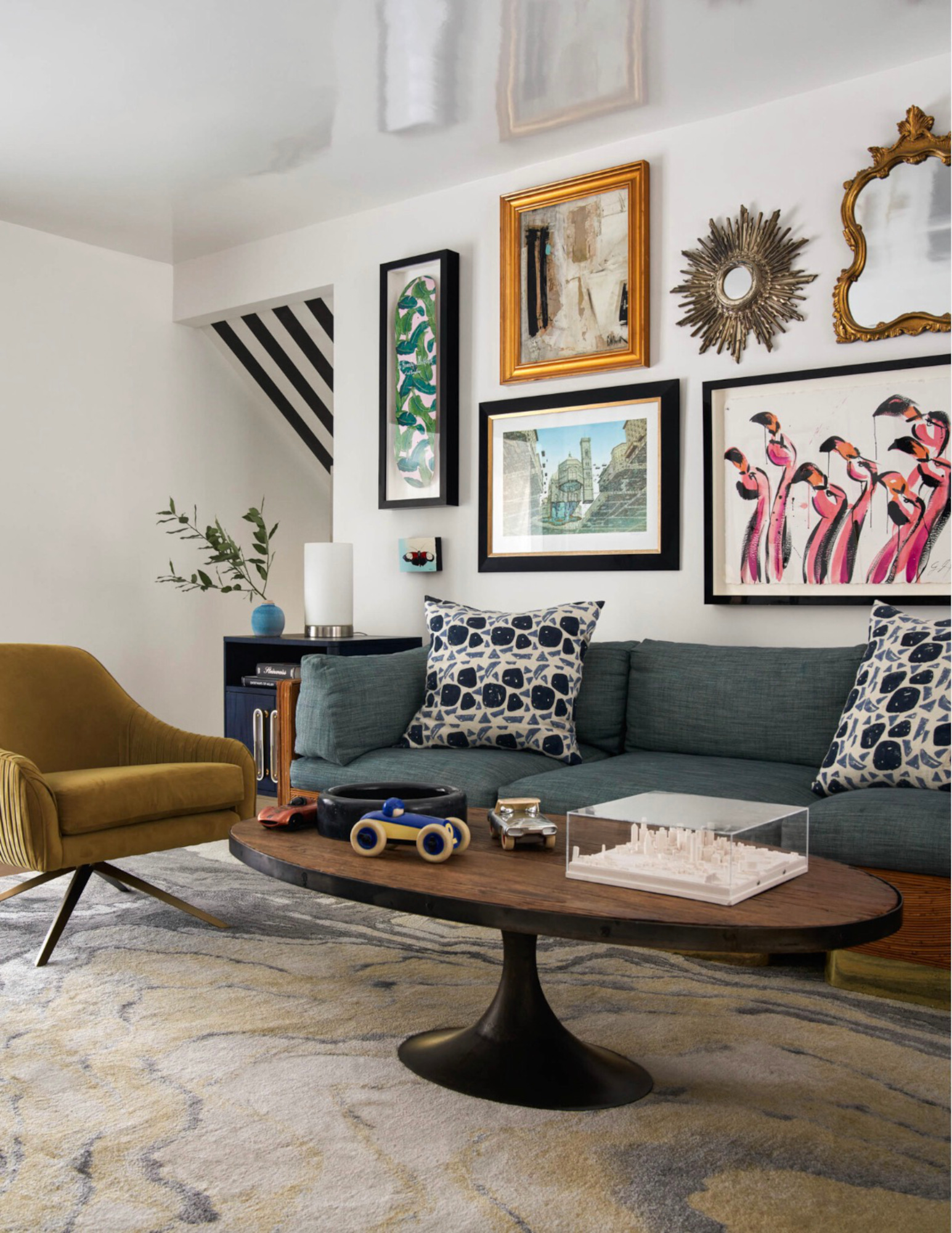
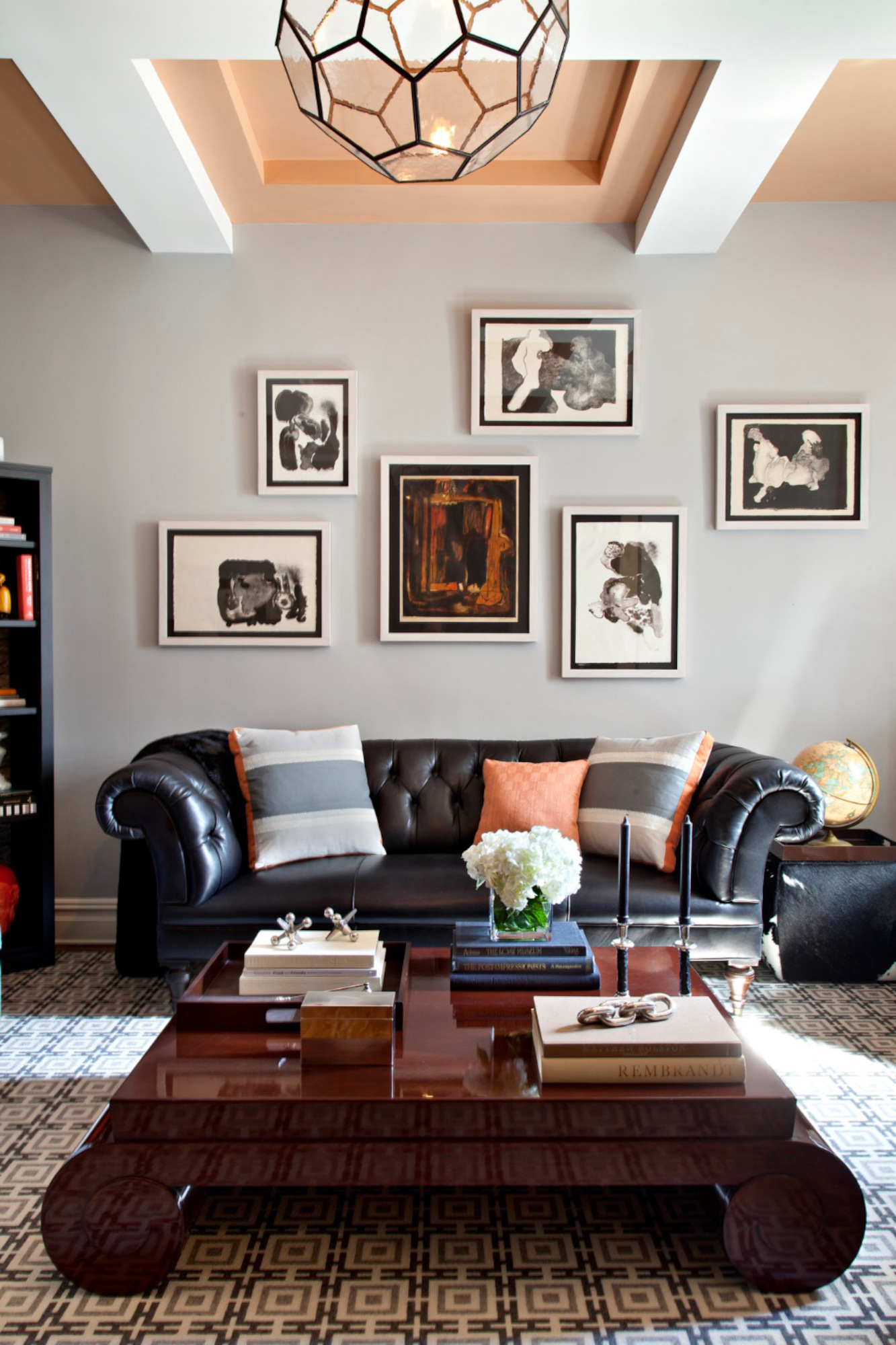
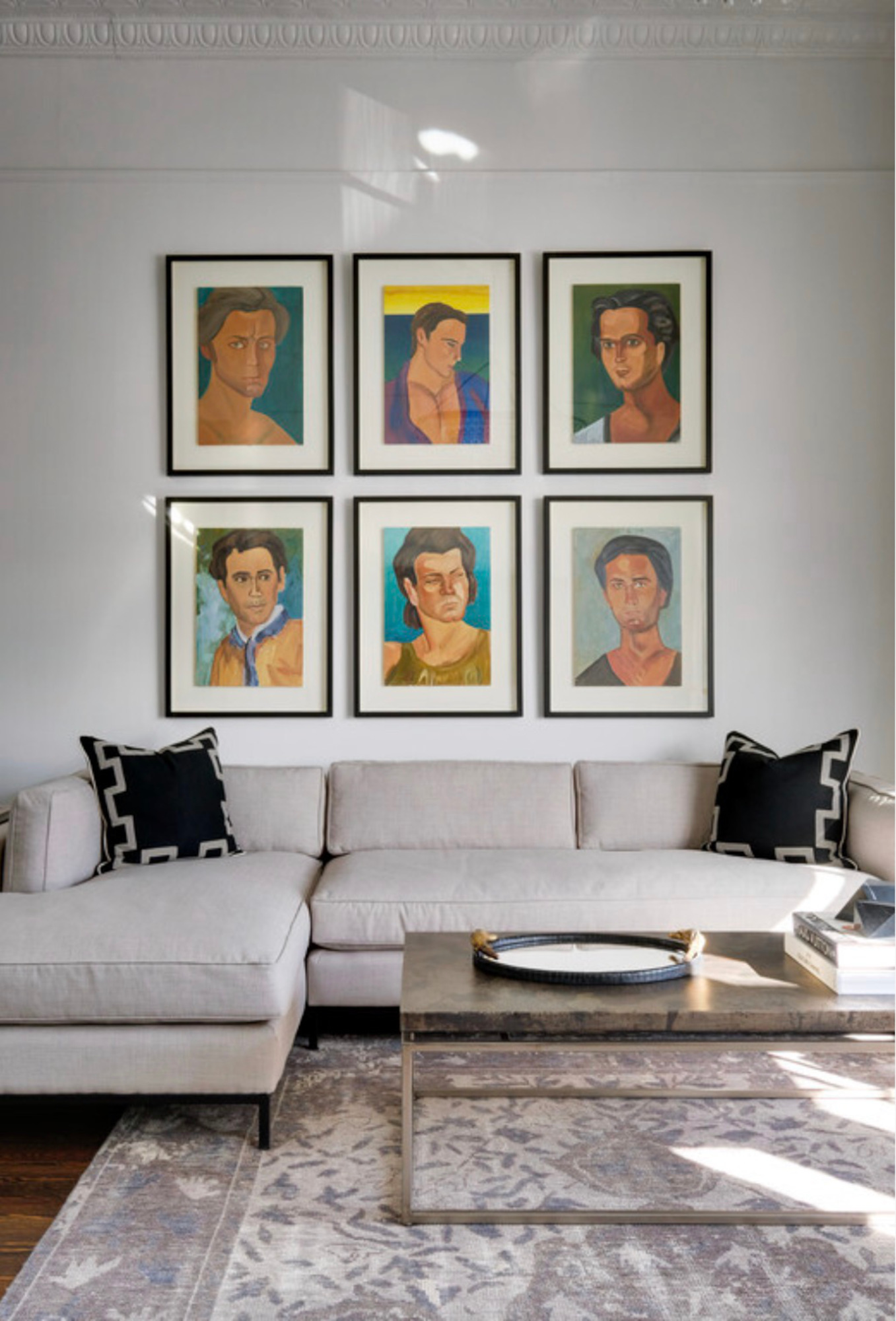
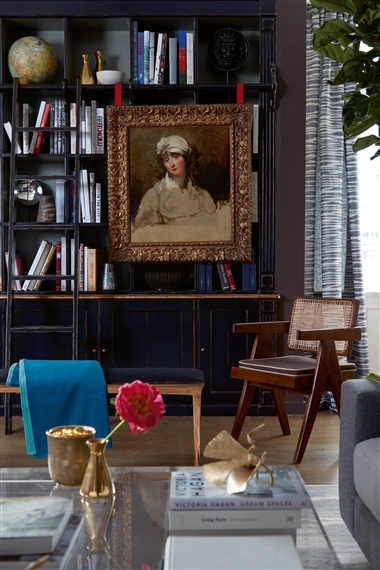
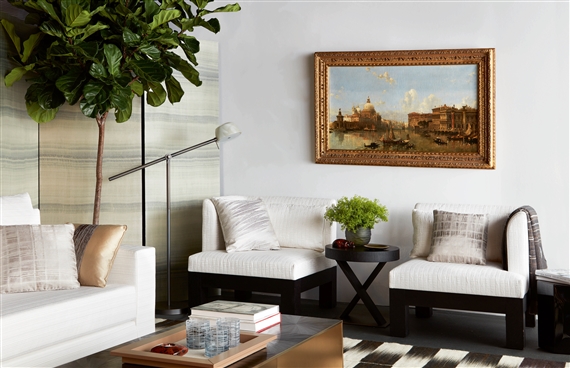
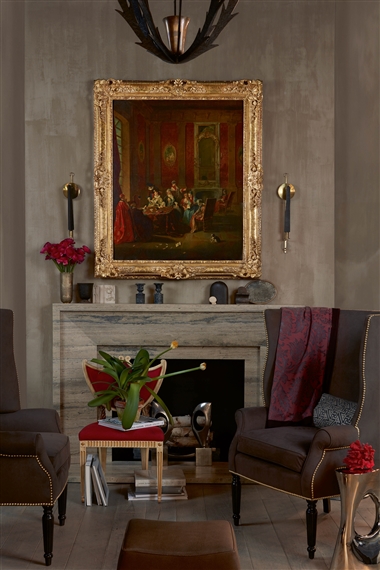
The article emphasizes the critical role of lighting in showcasing artwork within a home, highlighting that even exceptional pieces can lose their impact without proper illumination. It addresses the common issue of art looking less impressive at home than in a gallery, attributing this to inadequate lighting rather than taste or space. Luke Thomas, design director at John Cullen Lighting, states that lighting is fundamental to how art looks and feels, defining a room rather than just decorating it. He acknowledges that lighting art at home can seem complex, blending art and science, and differs from gallery setups which often utilize high ceilings and discreet track lighting. For residential settings, especially living rooms, lighting needs to serve a dual purpose: flattering art and providing general illumination for daily life.
The piece contrasts gallery lighting, which uses flexible track systems, with residential preferences for discreet recessed downlights. While recessed lights offer less flexibility, they are practical for homes where art positions are generally static. These fixtures ensure the focus remains on the artwork, not the light source itself. A key distinction is drawn between lighting two-dimensional paintings and three-dimensional sculptures. Paintings are typically lit from above to evenly illuminate the surface and reveal details, while sculptures require a more nuanced approach. For sculptures, shadow plays a crucial role in defining form, texture, and depth, and the material of the sculpture also influences the best lighting method. Sculptures can be lit from various angles—floor, plinth, or even from within—to create silhouettes, backlighting, or emphasize internal structures, allowing for a dynamic interplay of light and shadow that enhances their three-dimensional nature.
The article warns against the common misconception that more light is always better for artwork. According to Luke Thomas, excessive, uniform lighting can lead to a "flat" effect, obscuring the artwork's nuances. The goal is smarter, layered lighting that creates distinct zones and contrasts, guiding the eye and highlighting specific elements. This approach, he explains, avoids overwhelming the artwork or the viewer. The ideal involves balancing accentuating the artwork with maintaining visual comfort, achieved through precise beam angles, appropriate lumen output, and careful consideration of light and shadow interplay to reveal depth and texture. While hiring a lighting designer is an option for serious collectors, the article provides practical tips for those undertaking the task themselves.
Key tips include understanding the medium of the artwork, as different materials react differently to light; adjusting lighting for the scale and orientation of the piece (e.g., portrait vs. landscape); choosing flexible fixtures that allow adjustment of beam spread, angle, and brightness; and matching light tone to temperature to enhance the artwork's colors. The author underscores that lighting art is not merely an enhancement but essential for appreciating the artist's vision. Improper lighting can distort colors, obscure details, create unwanted reflections, or flatten dimensionality, preventing a full appreciation of the collection. The article concludes by asserting that investing in proper art lighting transforms static objects into vibrant, engaging experiences, making the effort worthwhile.
#ArtLighting #HomeDecor #InteriorDesign #RecessedLighting #SculptureLighting #LayeredLighting #LightingDesign #ArtDisplay #HomeImprovement #ArtLighting #HomeDecor #InteriorDesign #RecessedLighting #SculptureLighting #LayeredLighting #LightingDesign #ArtDisplay #HomeImprovement
0 comment in total
 No comments yet
You may also like
How to Hang an Art Collection Like an Expert
Emily Henderson just shared a simple trick for hanging art – giving your gallery wall a refresh has never been easier

Hanging art salon style: everything you need to know

The Stress-Free Way to Hang Art (Published 2021)

There's Hanging Art, and Then There's Hanging Art Like an Interior Designer — Here's How to Do the Latter
How to hang paintings: Everything you need to know
Style at Home: Creating the perfect gallery wall

These rules of thumb make hanging light fixtures easy

Yes, You Can Hang Art Like a Pro | Reviews by Wirecutter
The Best (and Easiest!) Ways To Hang Pictures, According to Art Pros

Hanging art salon style: everything you need to know
David Pollack Sotheby's Hang Artwork Hanging Old Masters Interior Design Art

Art Hanging Tips From an Expert
7 DIY tips for how to hang a gallery wall from experts
'Your art should be in conversation with each other' – how to coordinate wall decor in a room for a curated display
Chandeliers Are Back — Here's How To Make Them Feel Fresh
Emily Henderson just shared her tried-and-true tips for hanging art – this is how to get a gallery-like look
How to Hang Pictures, Mirrors, and Plates, According to an Expert
The Insider’s Guide to Art-Directing Your Bookshelves

Meet Sylvia Estes | Sculptor and Assistant Gallery Curator