How to build a gallery wall on a budget
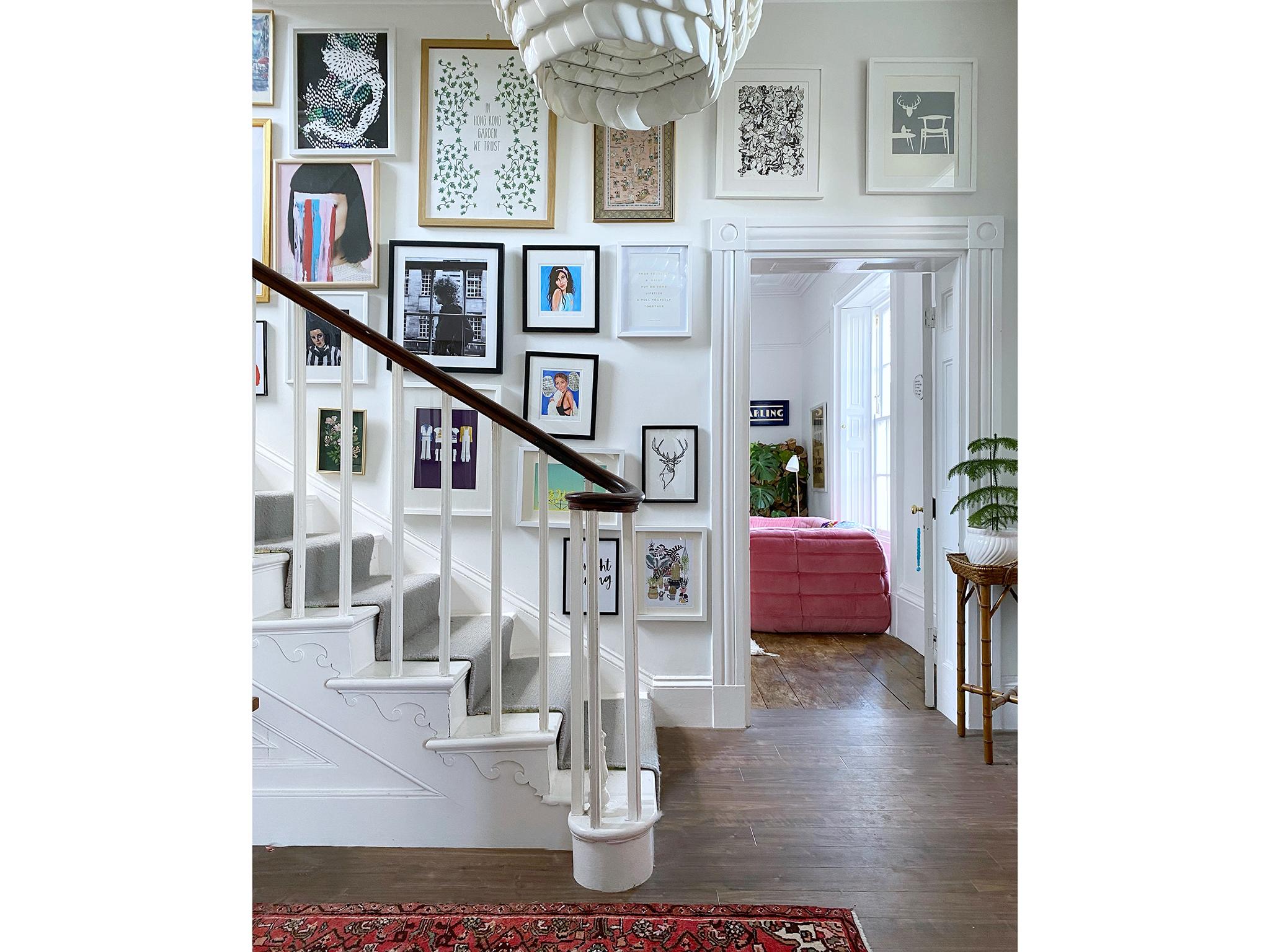
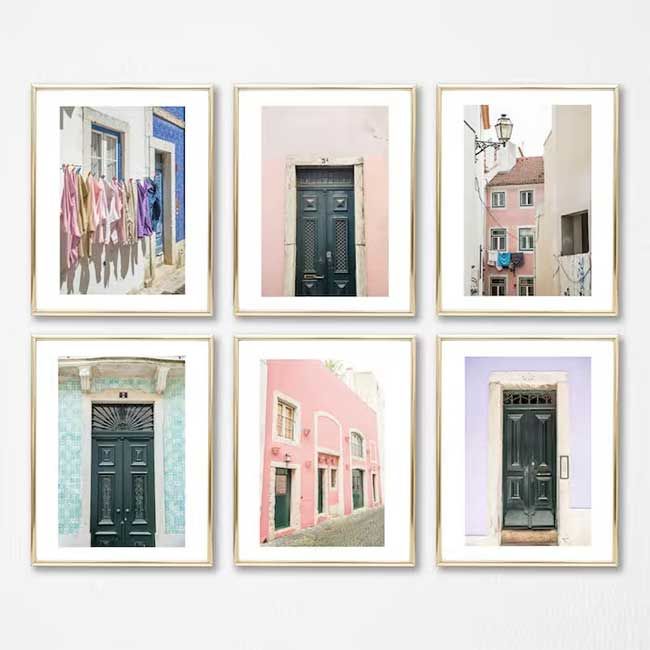
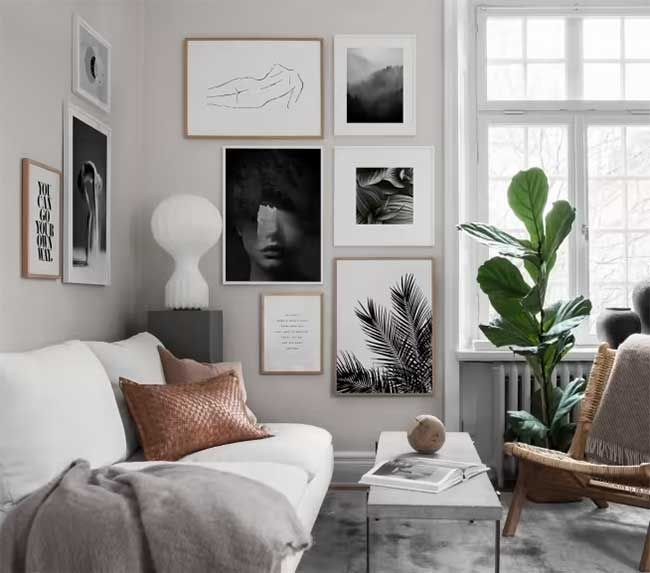
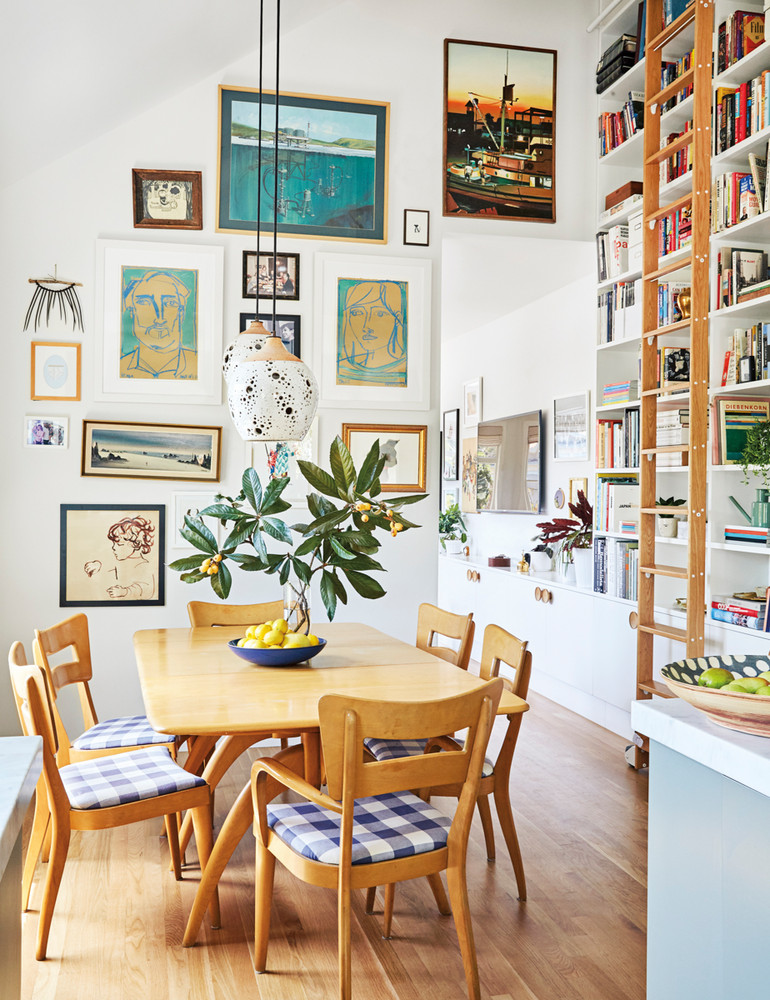
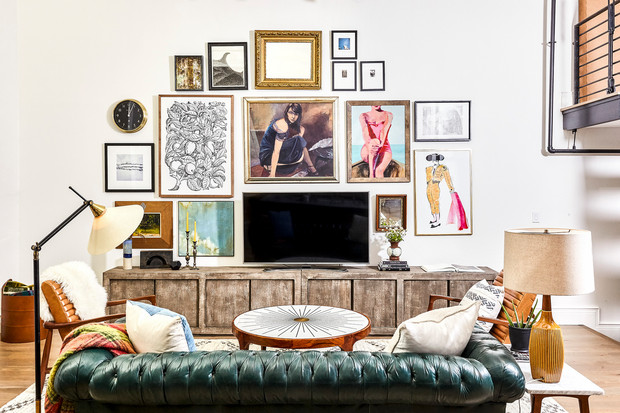
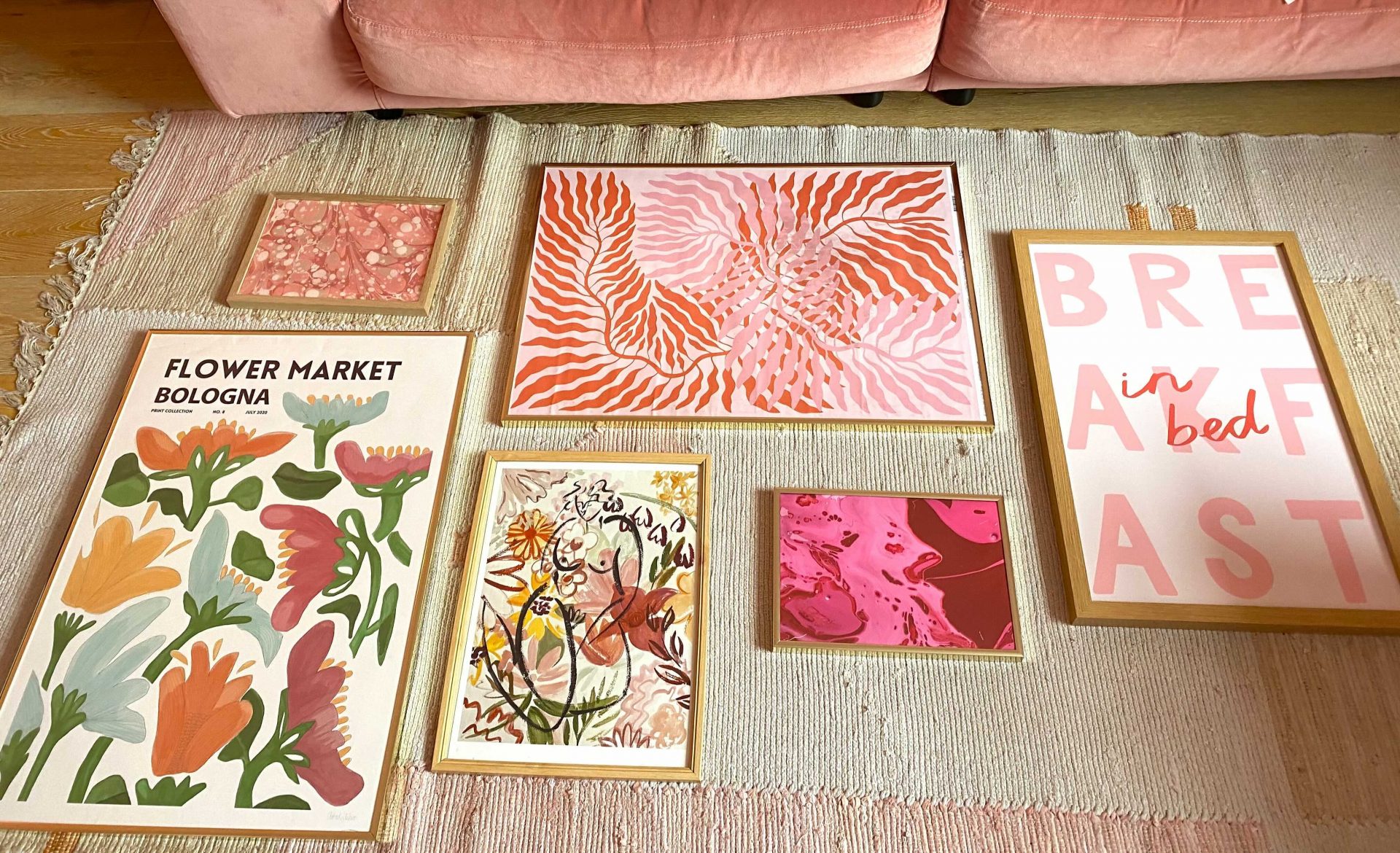
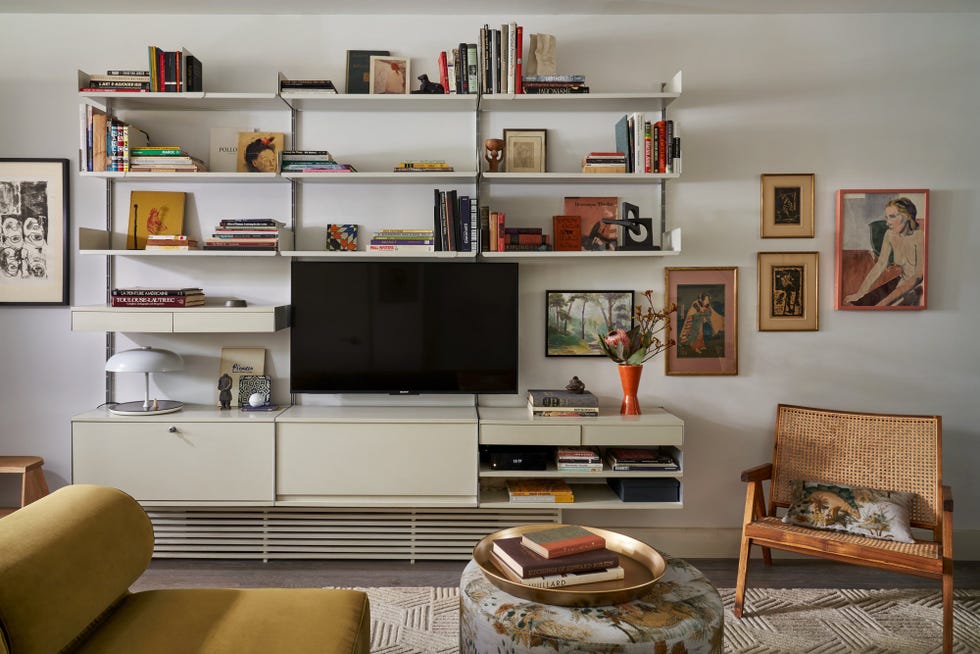
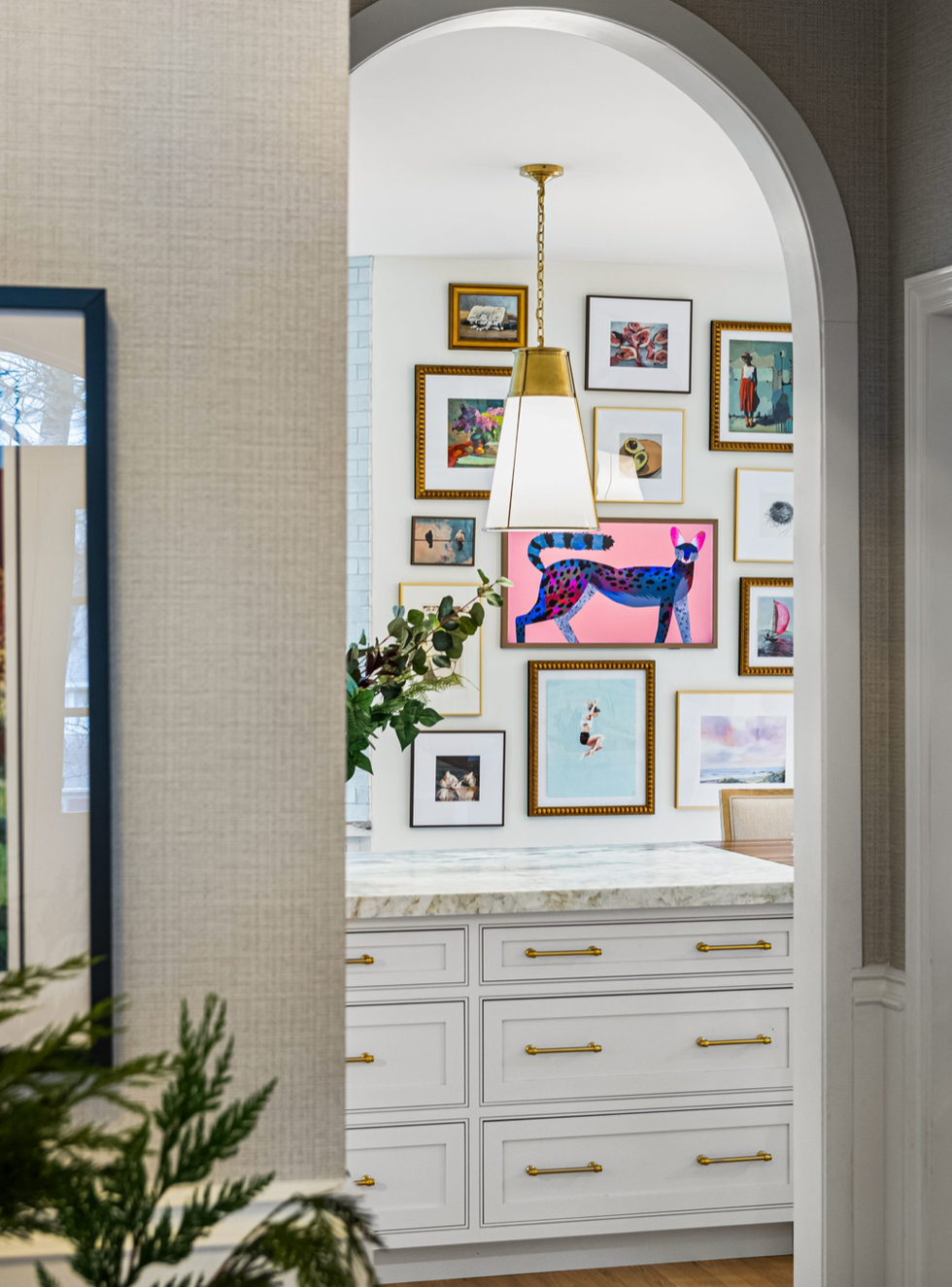
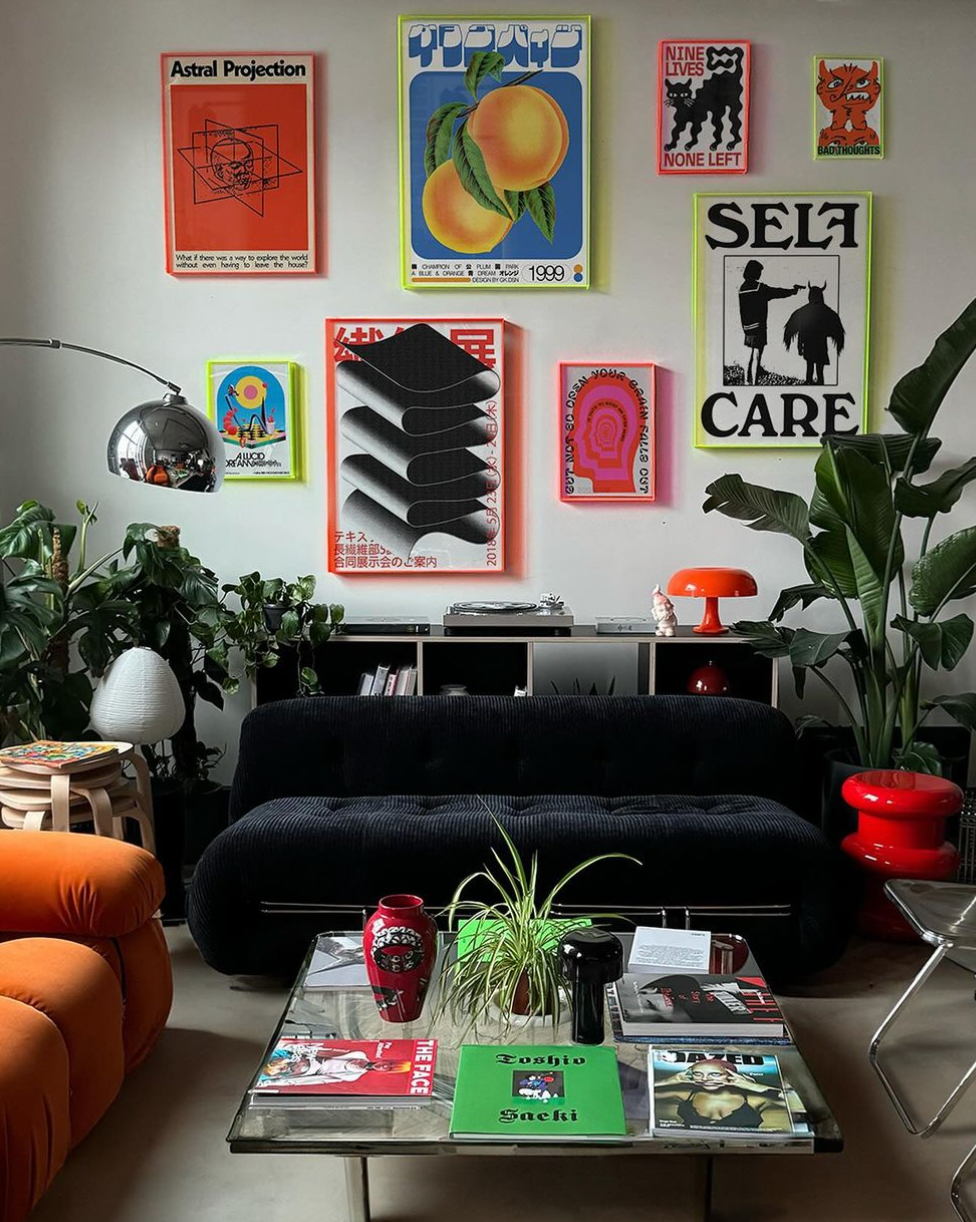
Gallery walls have evolved from a fleeting trend into a timeless design element, akin to classic furniture pieces. Despite their enduring popularity, two primary challenges often deter individuals from creating them: the perceived complexity of arranging multiple pieces and the potential for high costs associated with acquiring and framing artwork. However, with a strategic approach and a bit of creativity, these obstacles can be easily overcome, making stylish gallery walls accessible to a broader audience.
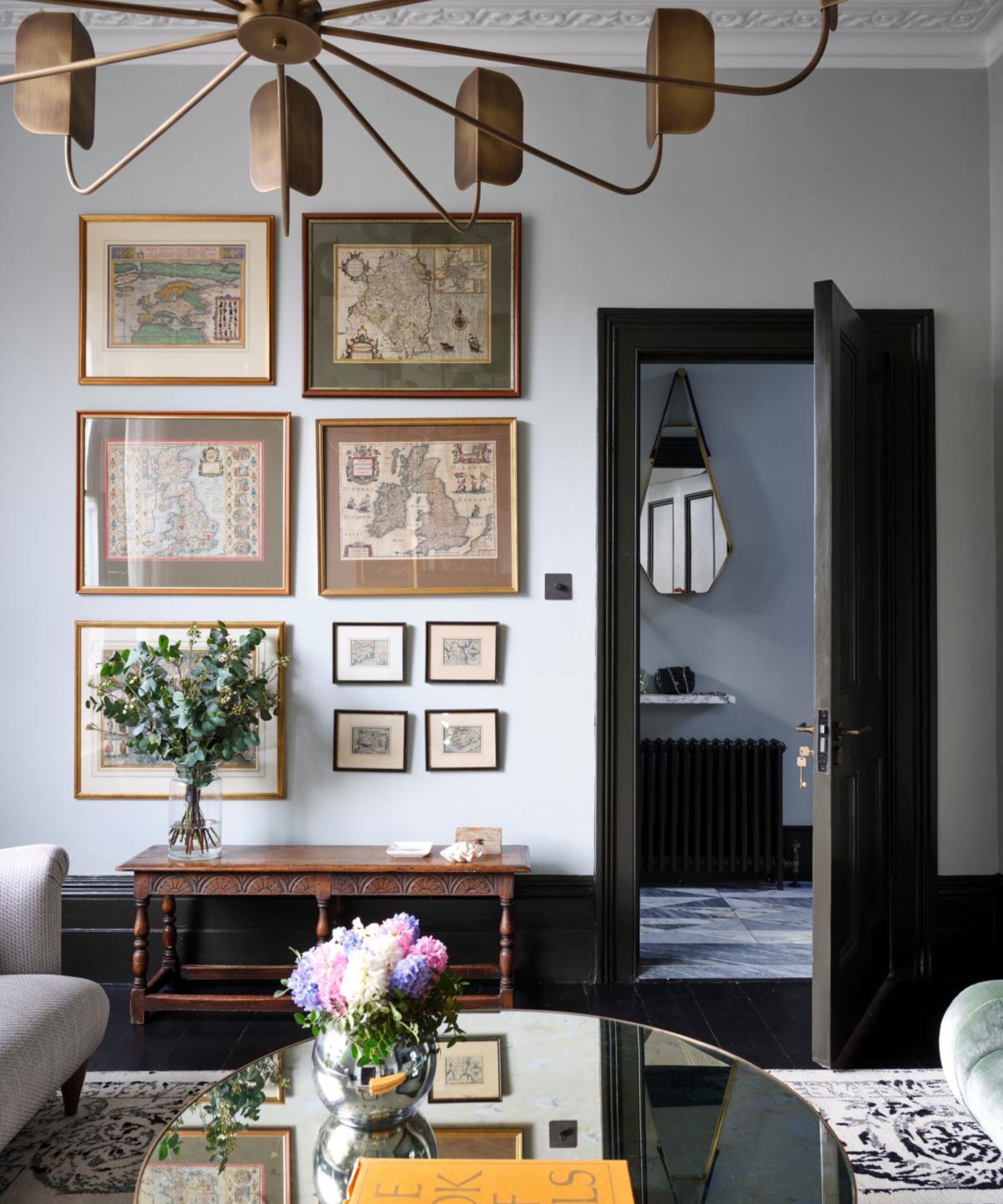
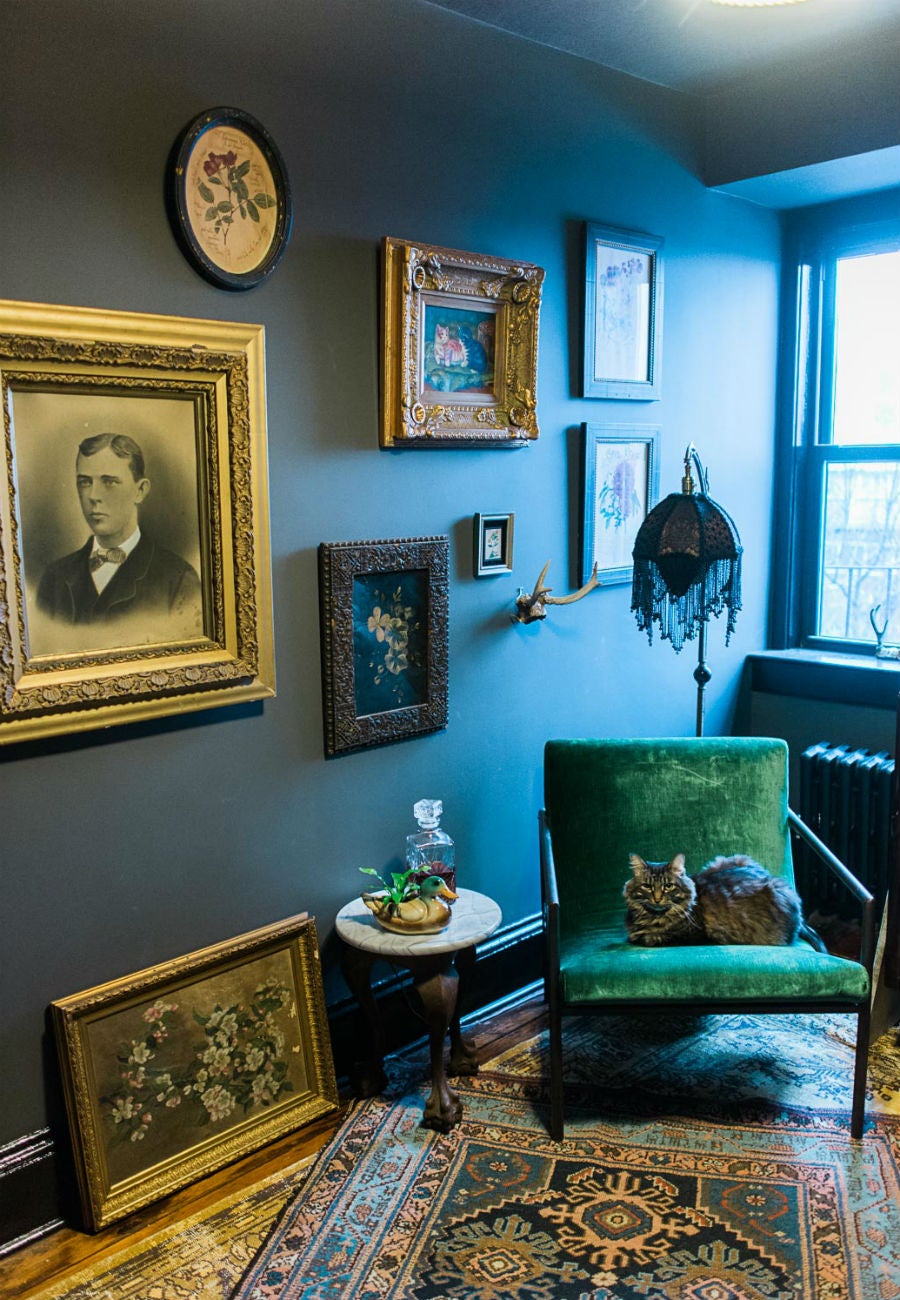
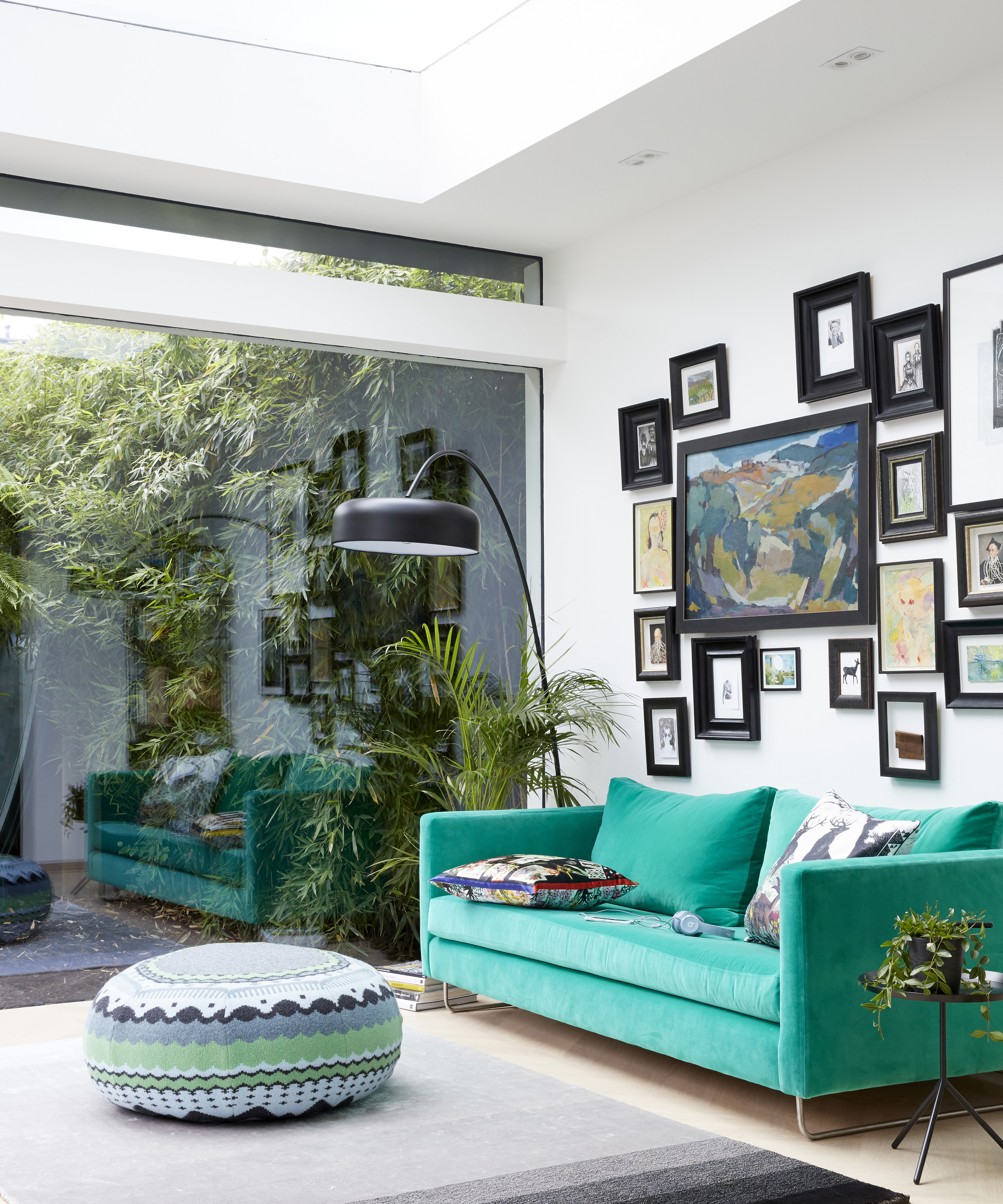
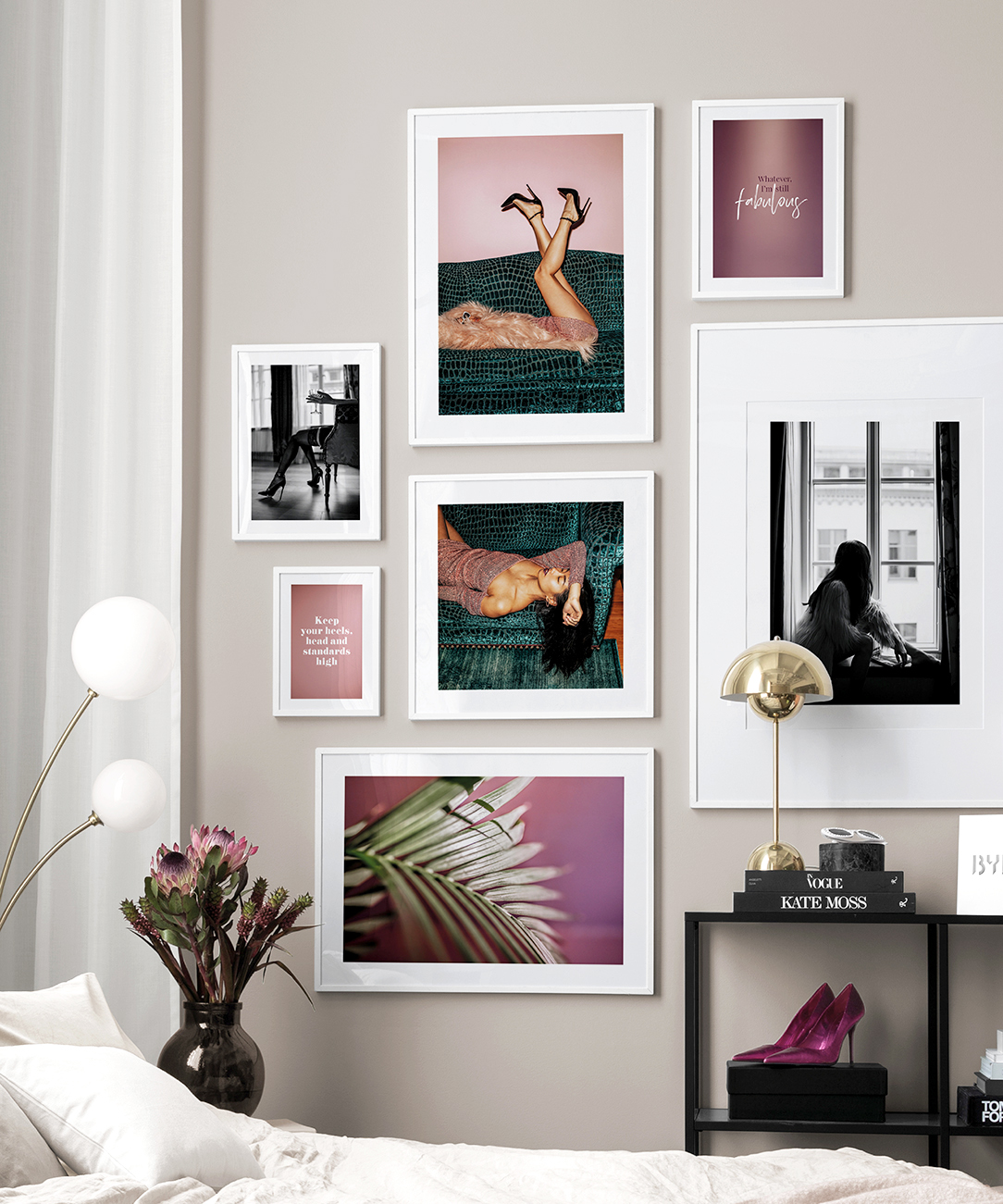
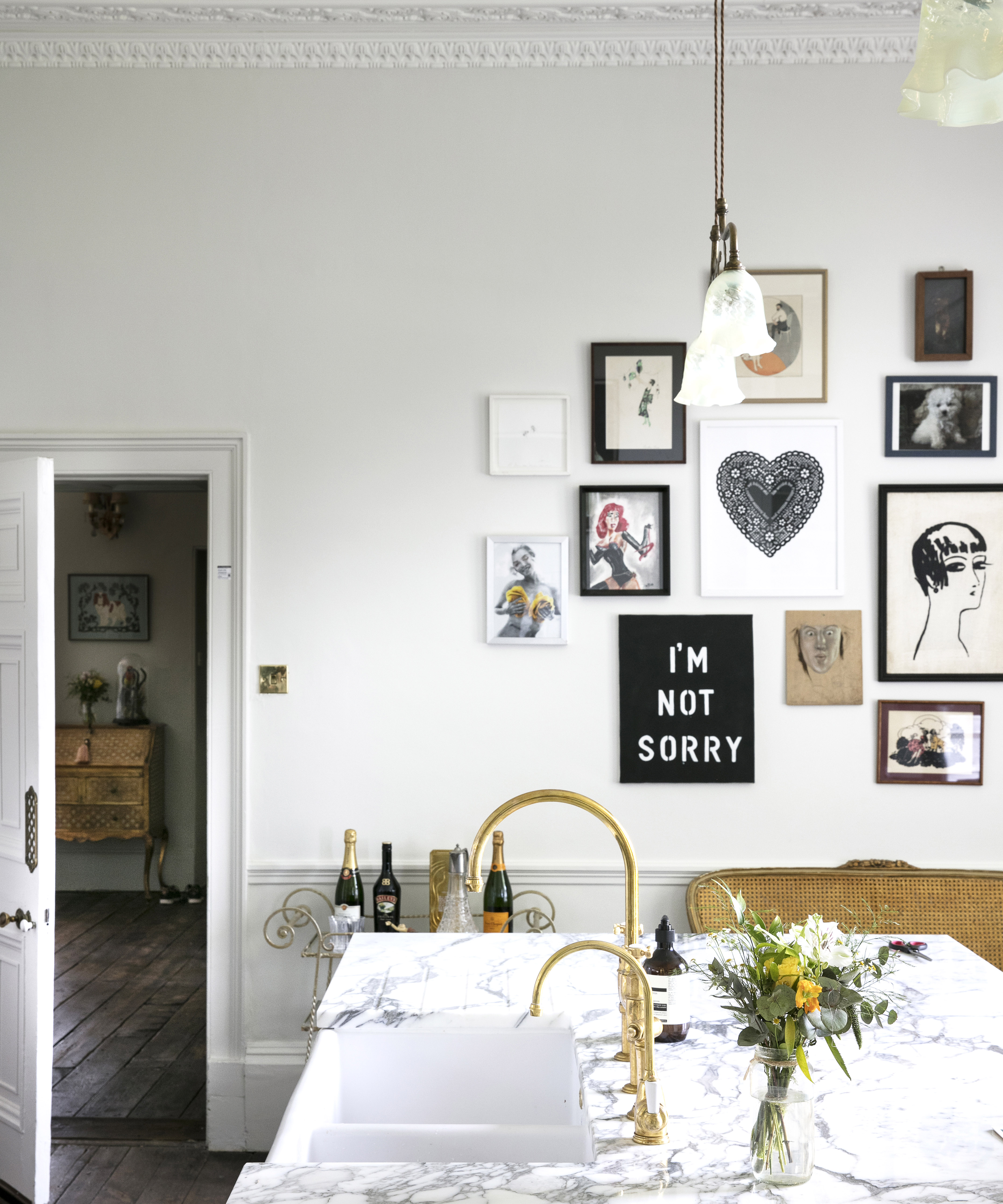
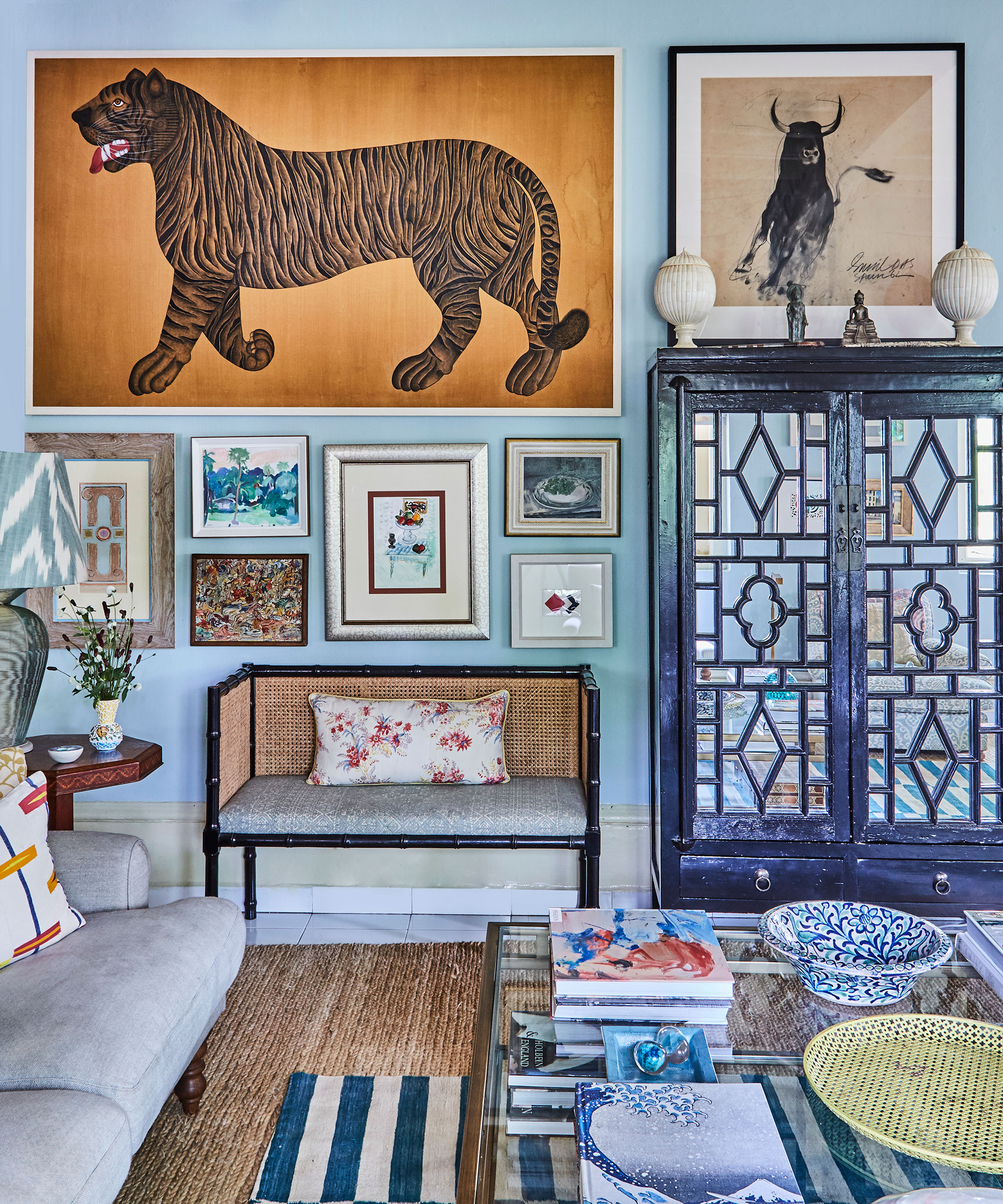
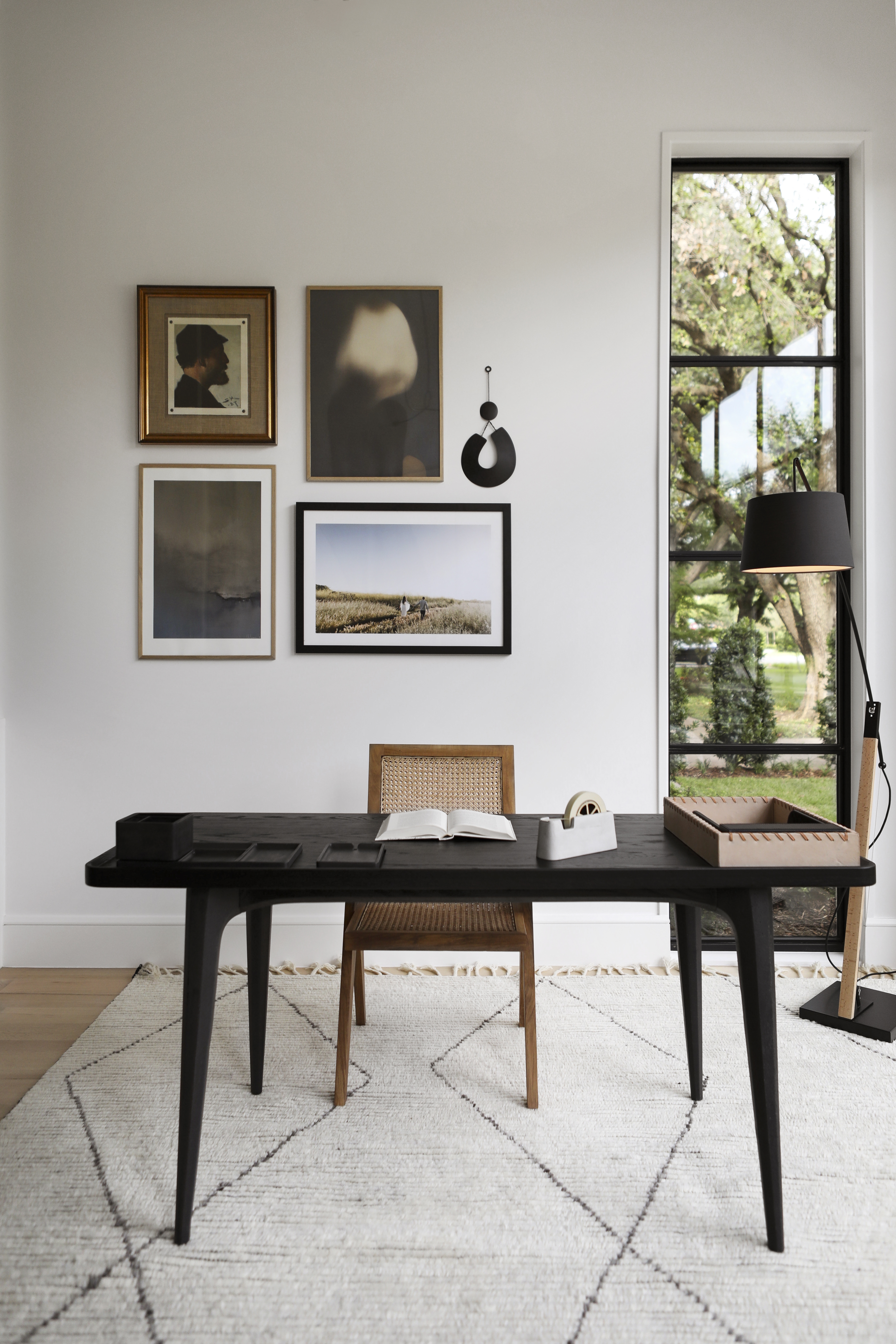
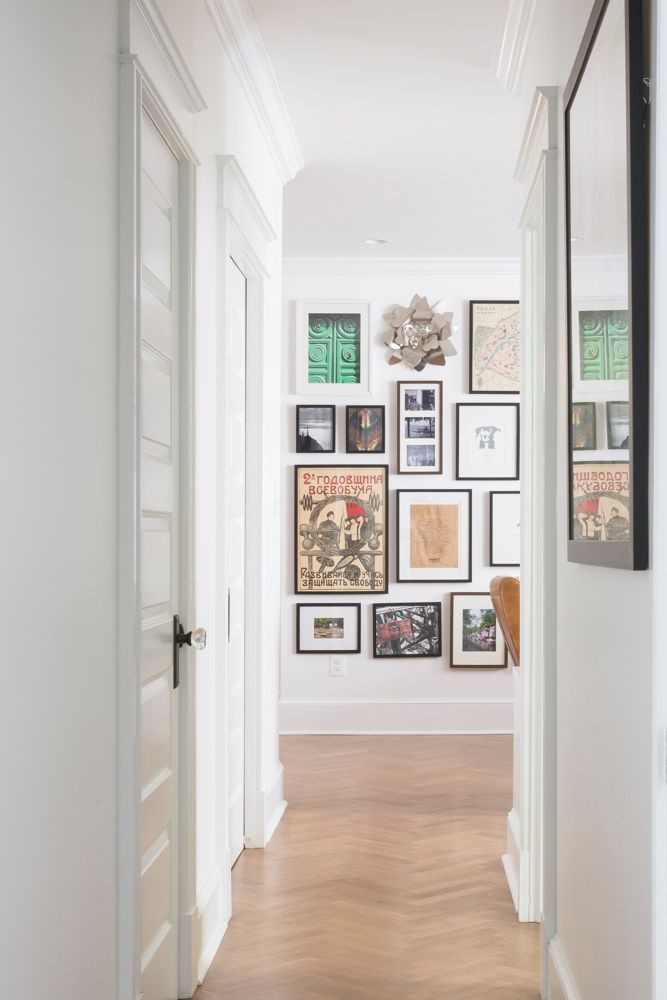
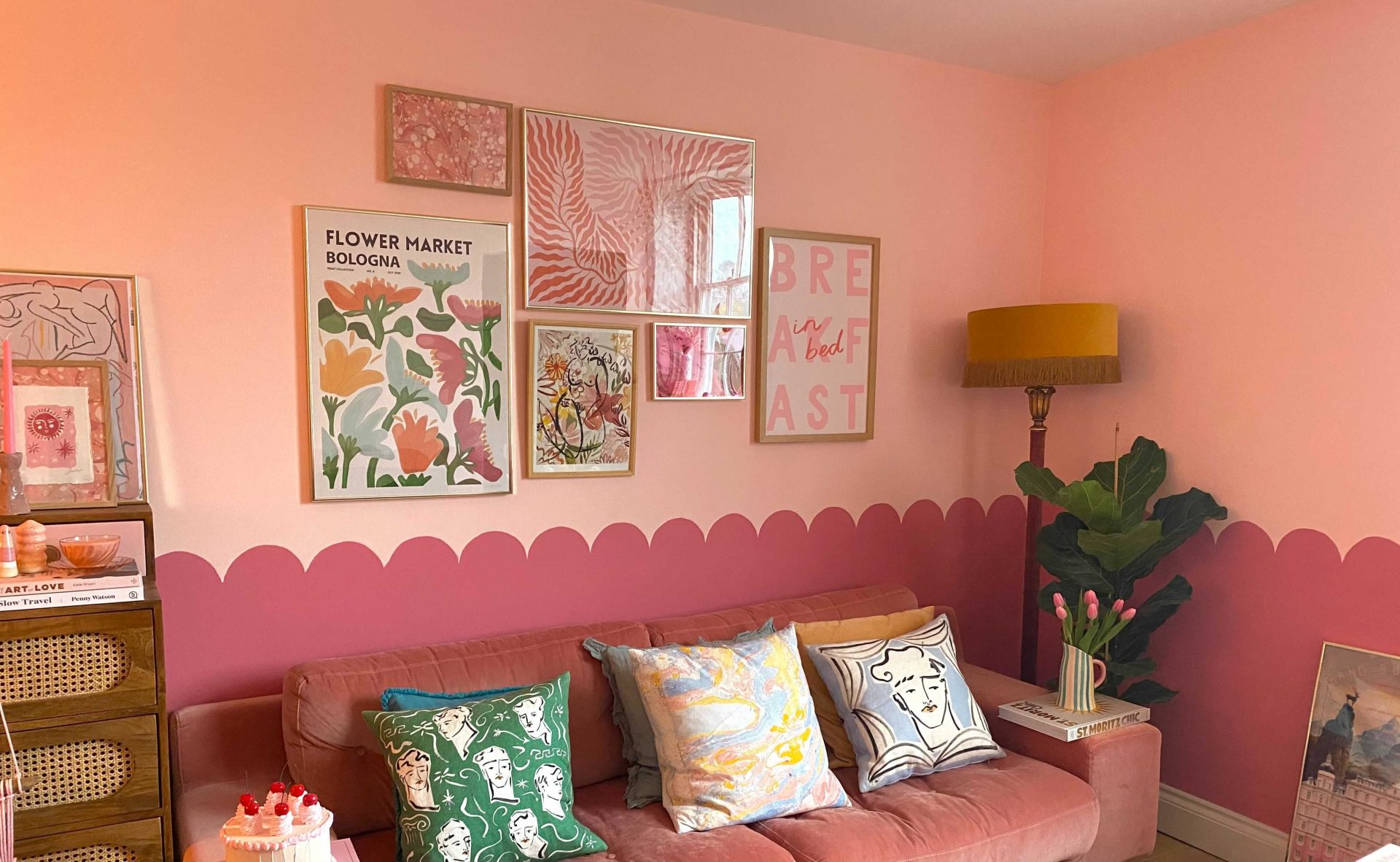
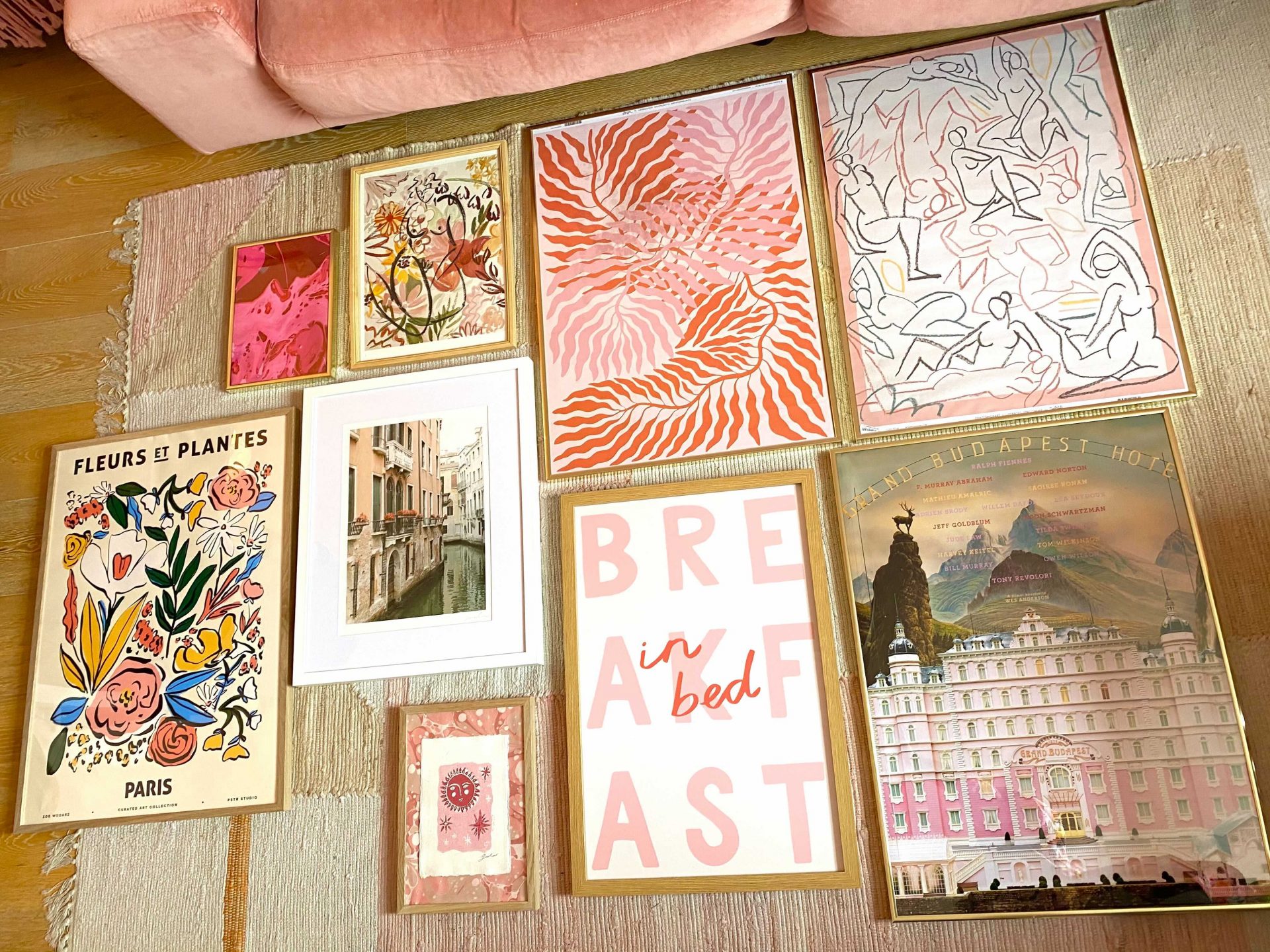
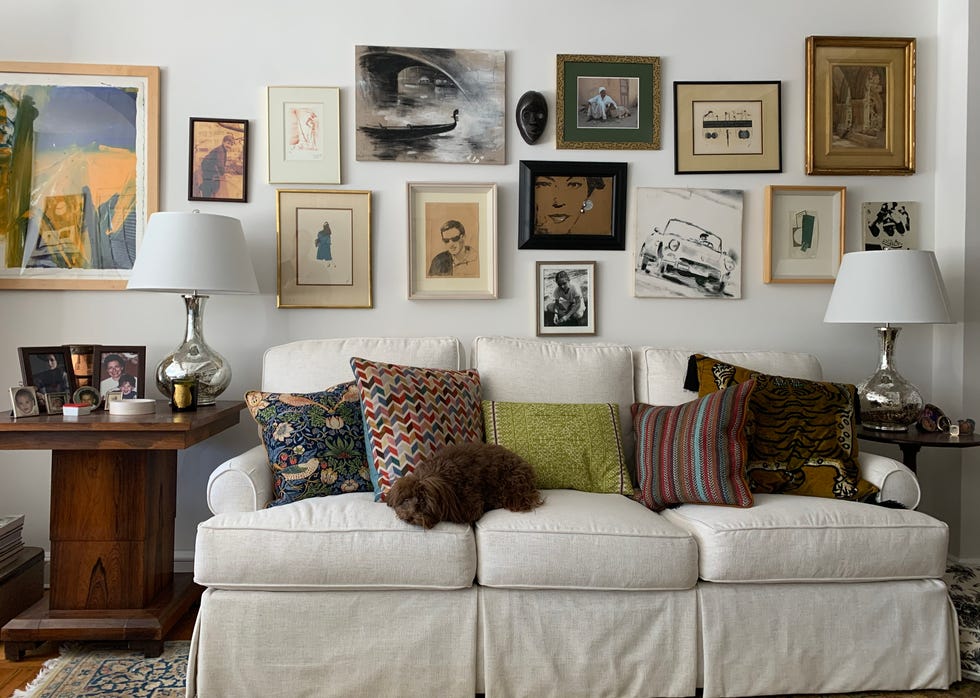
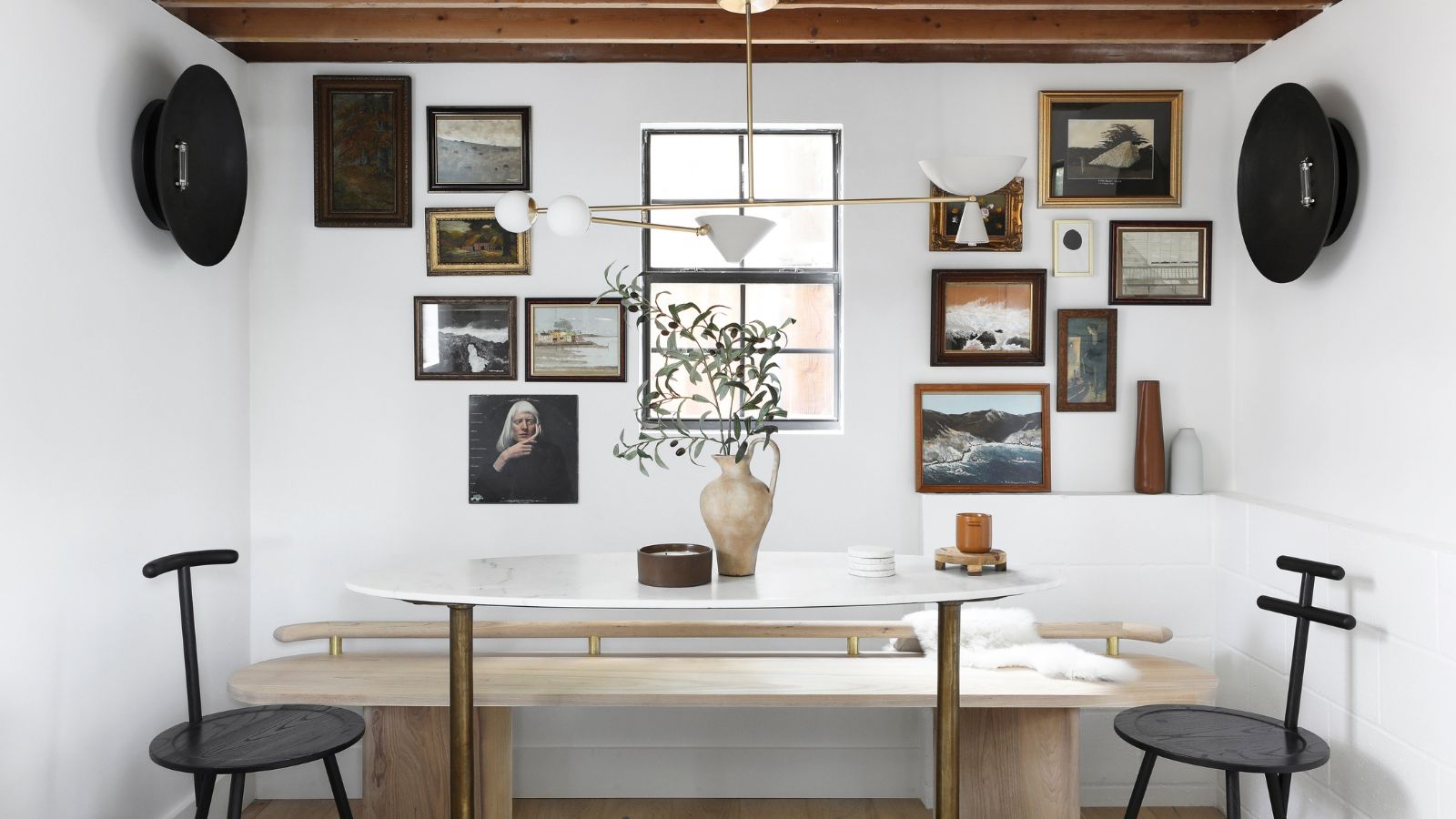
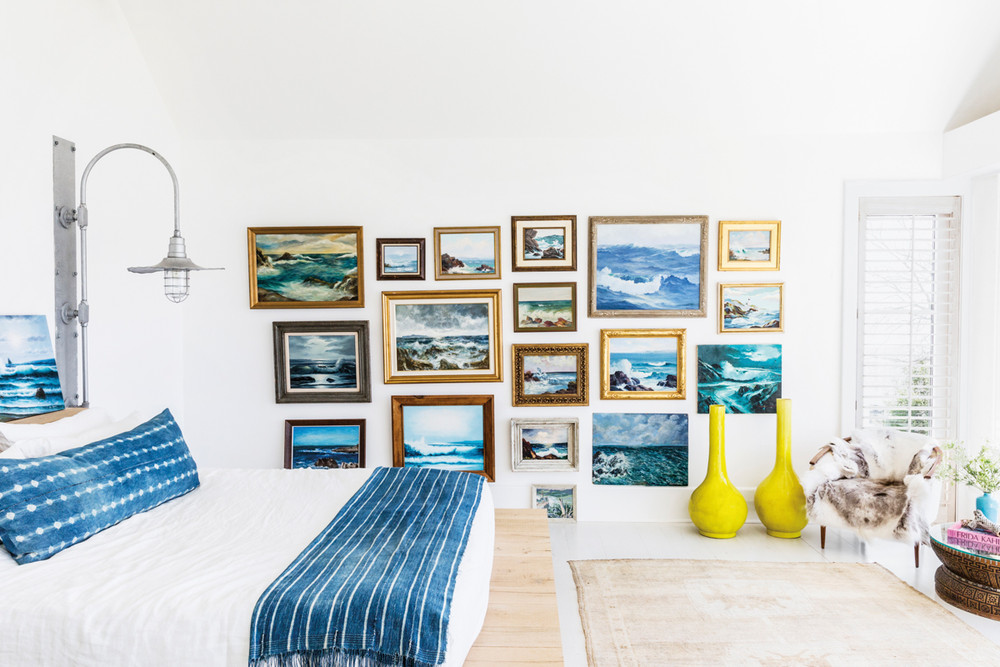
One effective strategy for managing costs and complexity is to build the gallery gradually. Rather than attempting to assemble an entire collection at once, which can be financially daunting, individuals can start with a small grouping of pieces and expand over time. Experts suggest initiating the gallery with a central focus, such as a tight cluster of a few artworks or one prominent anchor piece, and then radiating outward as new items are acquired. This method ensures that the wall appears purposeful and complete at every stage of its development, even as it remains a work in progress. Any minor adjustments or reconfigurations, such as patching small holes, are easily managed. This incremental approach allows for budget pacing and ensures that each addition is carefully considered.
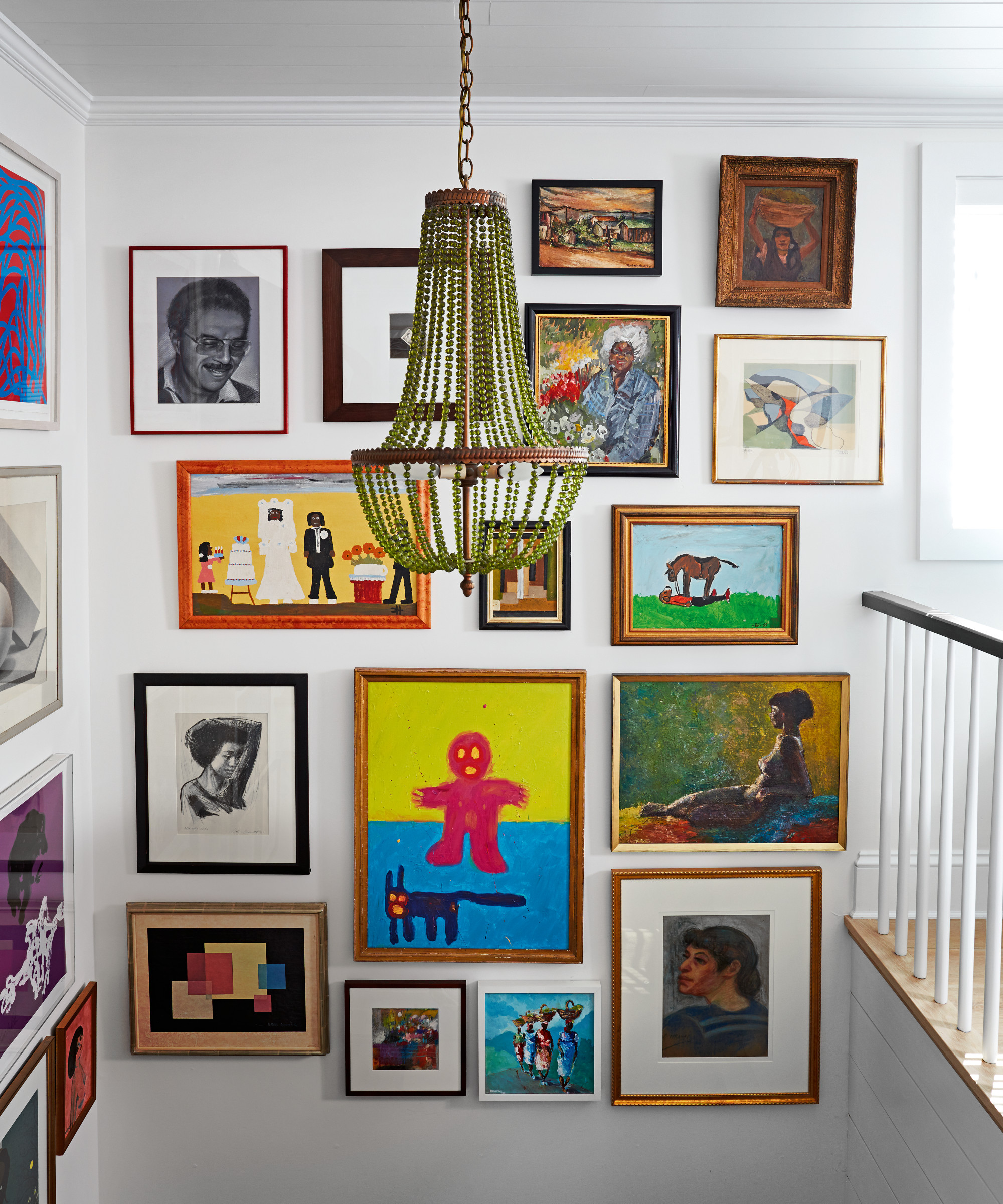
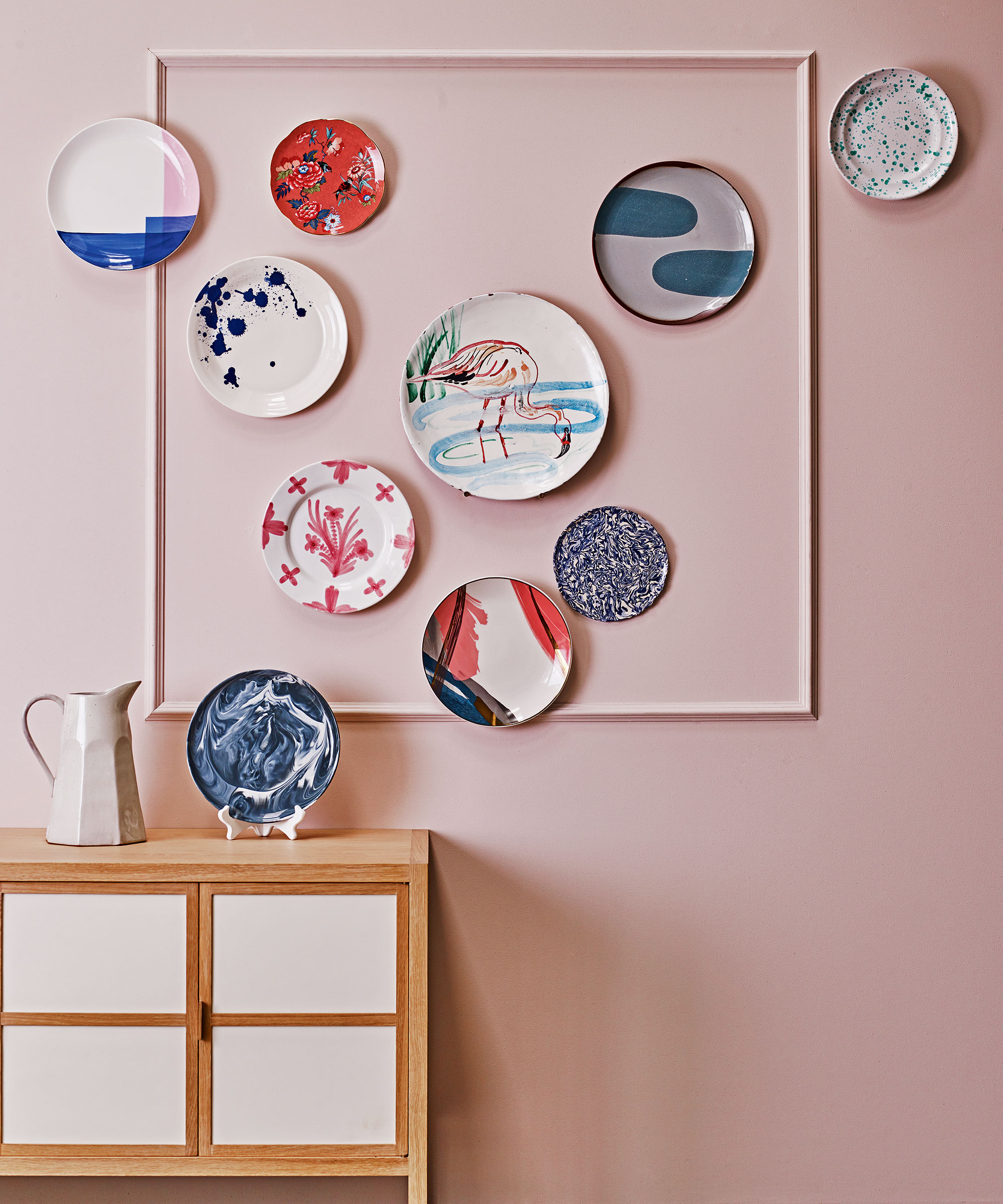
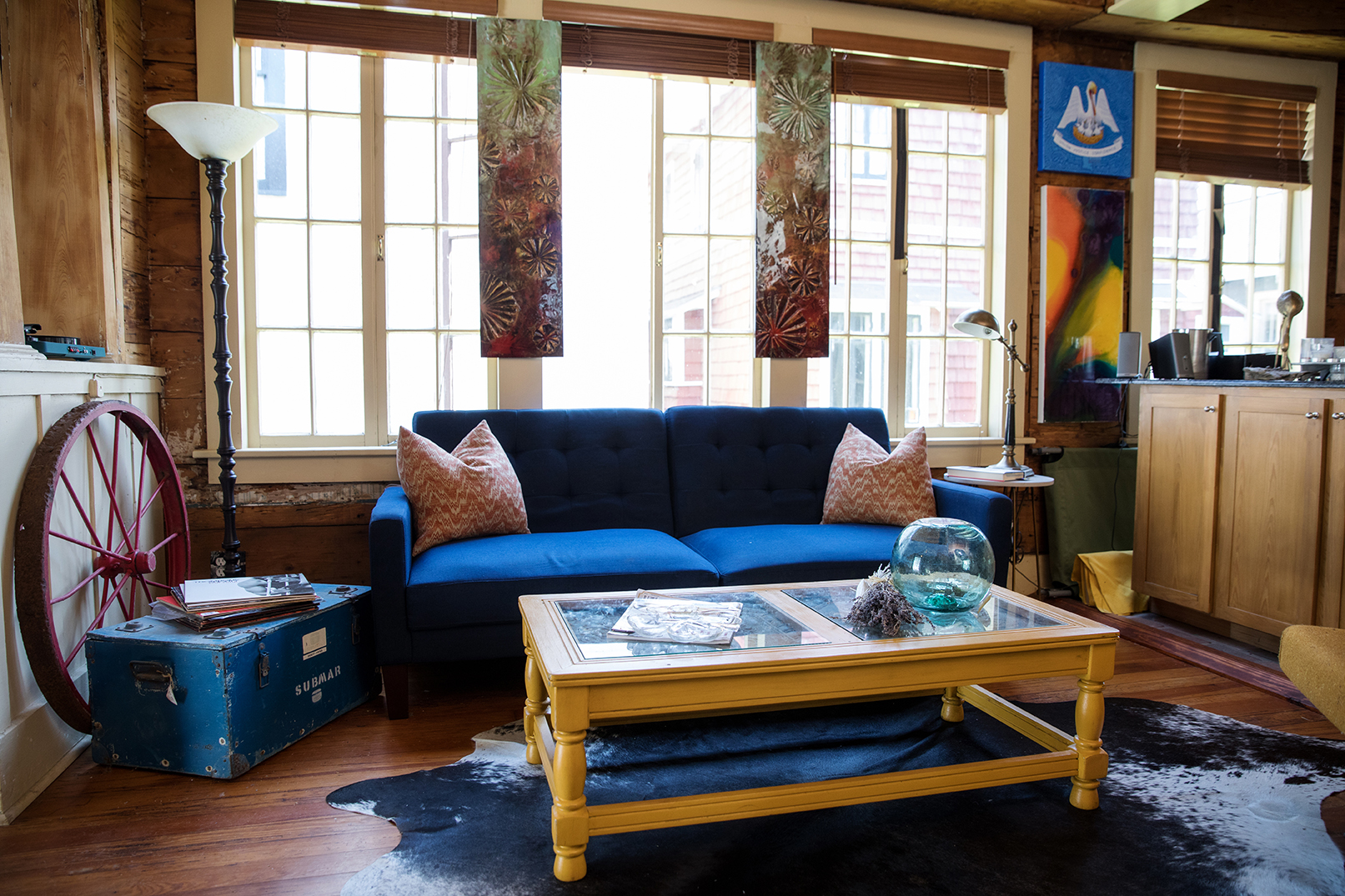
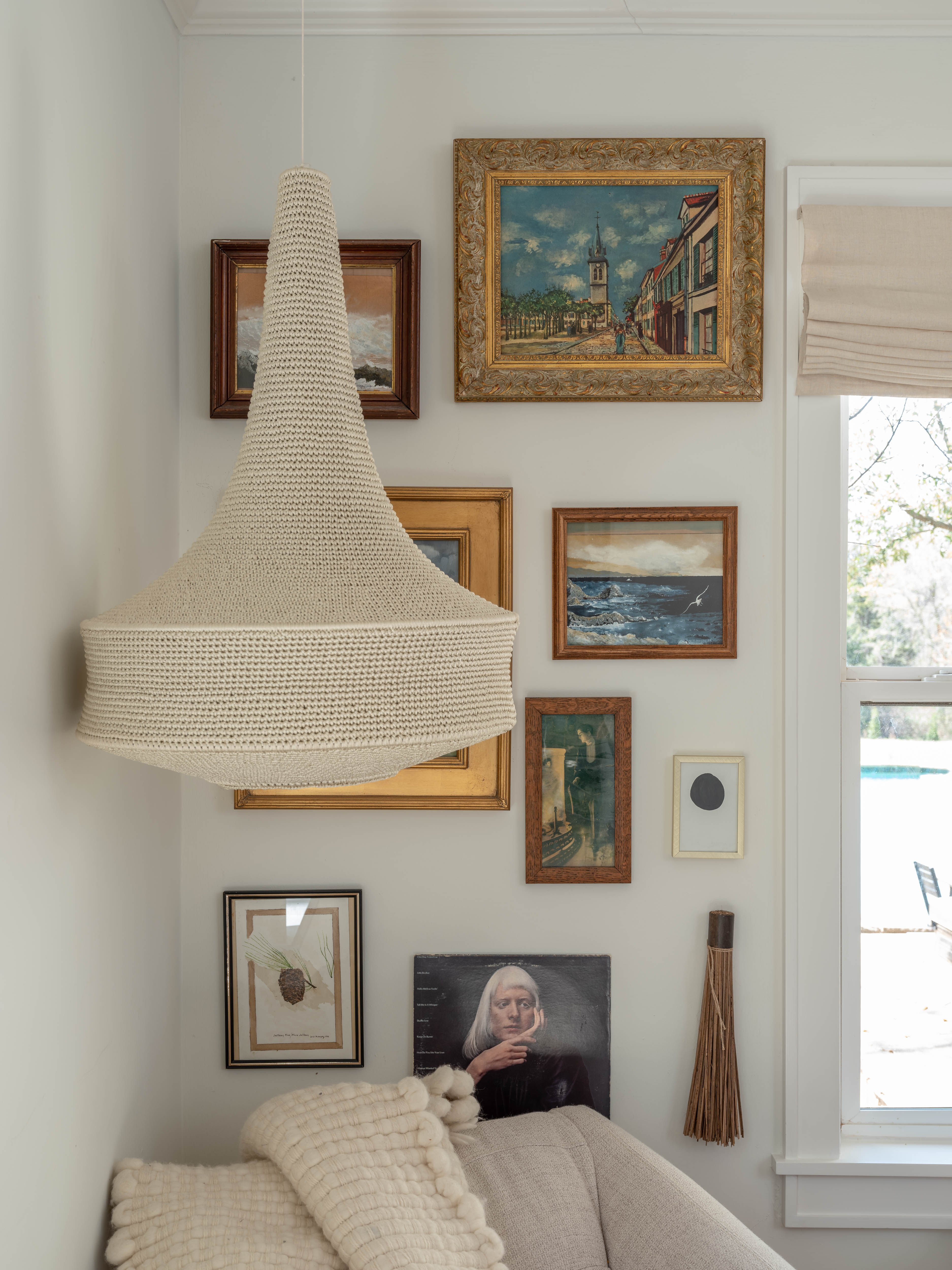
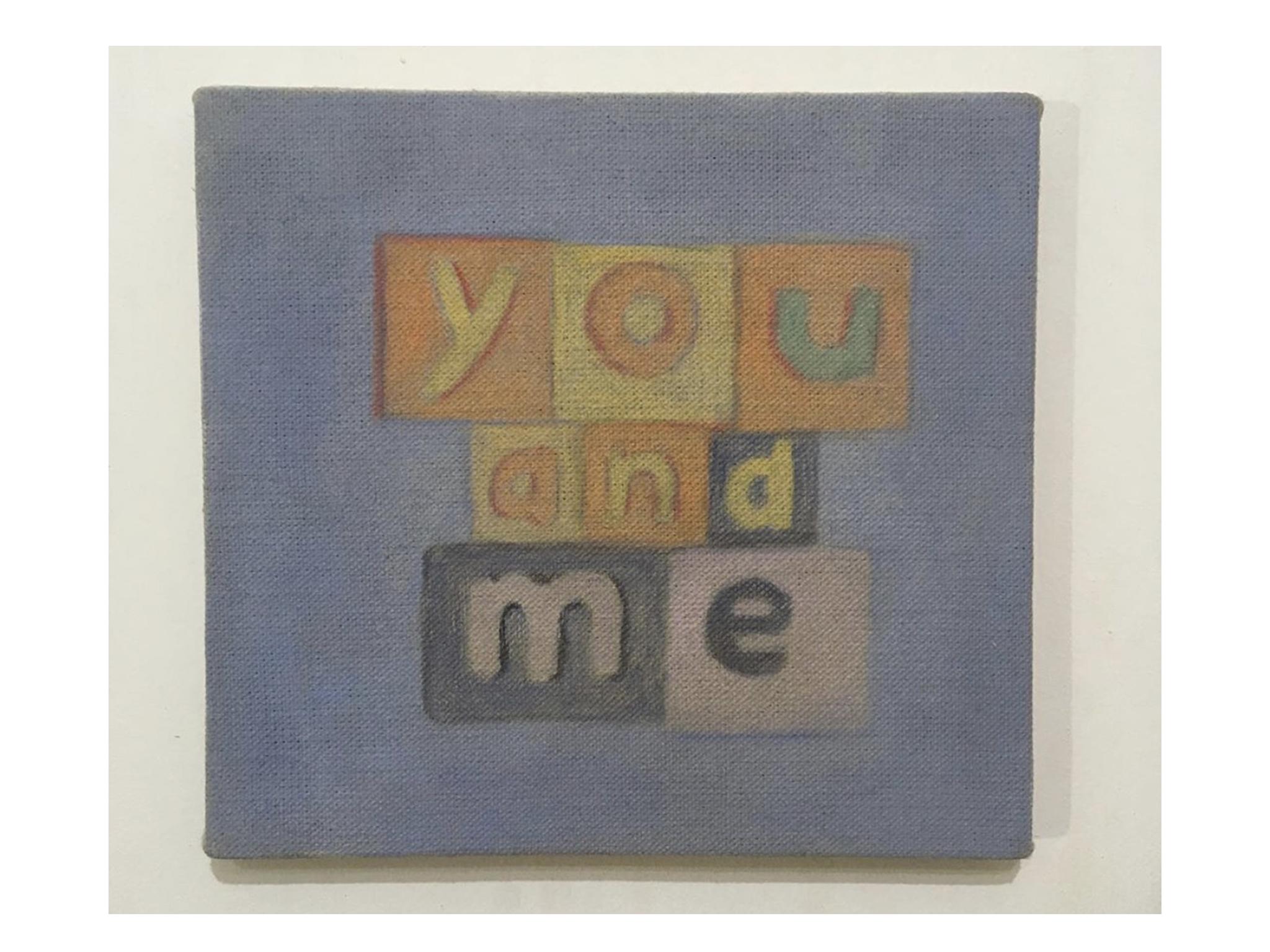
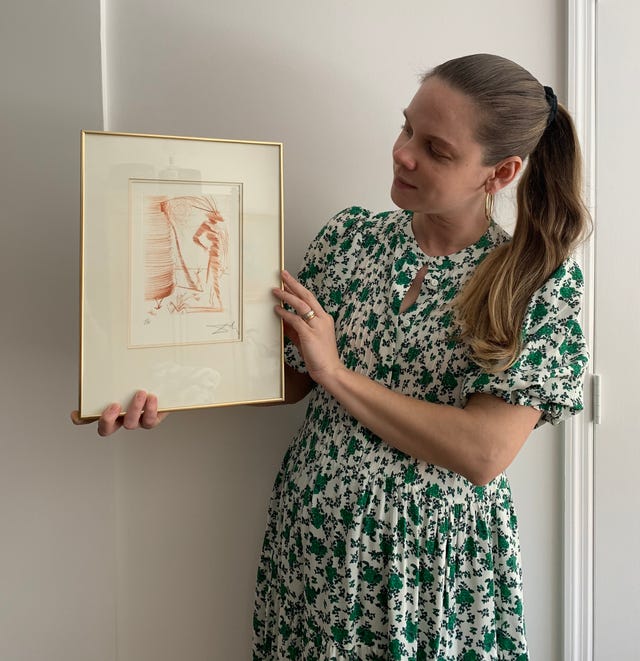
Personalization is key to creating a unique and meaningful gallery wall. Incorporating items with sentimental value transforms a collection of images into a reflection of personal history and culture. This can include anything from inexpensive souvenirs collected during travels, like art from street vendors, to cherished family heirlooms such as grandmother's china, displayed with a plate hanger. Framing meaningful notes or their envelopes can also add a deeply personal touch. The value of these items is not measured in monetary terms but in their emotional significance, making the gallery truly one-of-a-kind. For instance, incorporating pieces from one's cultural background, like Pakistani art or Arabic calligraphy, as shared by one enthusiast, adds layers of identity and personal narrative to the display.
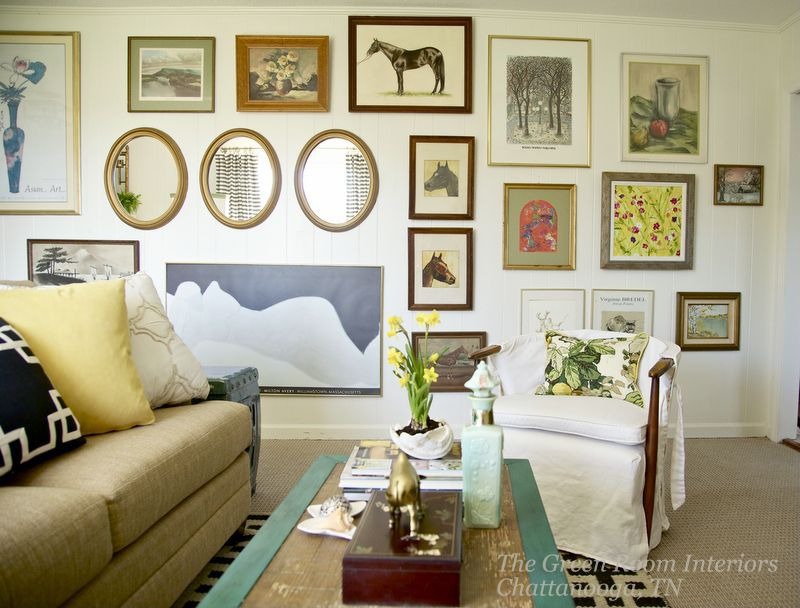
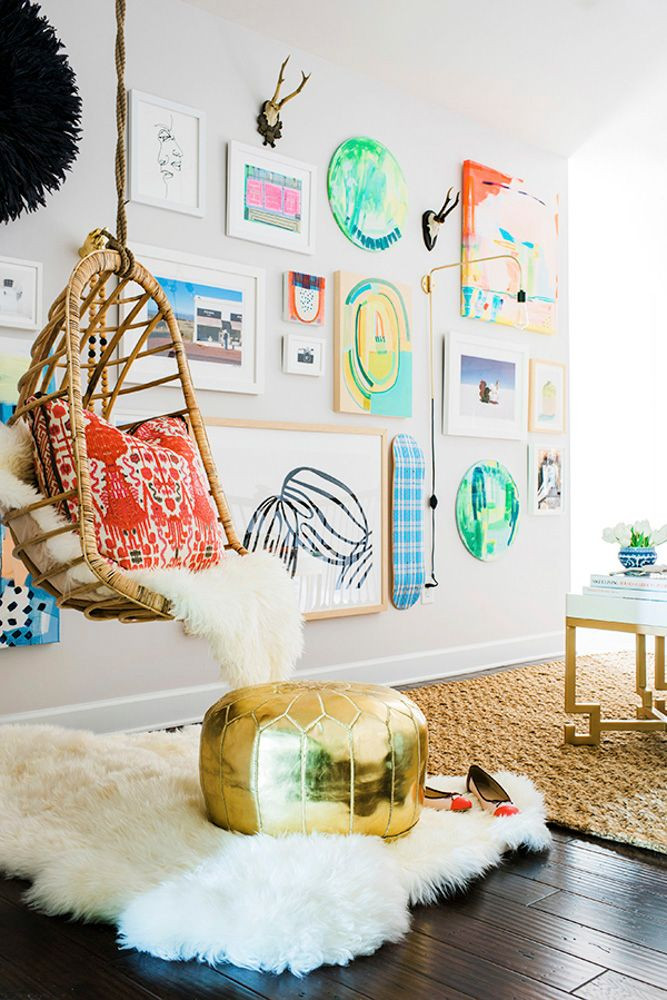
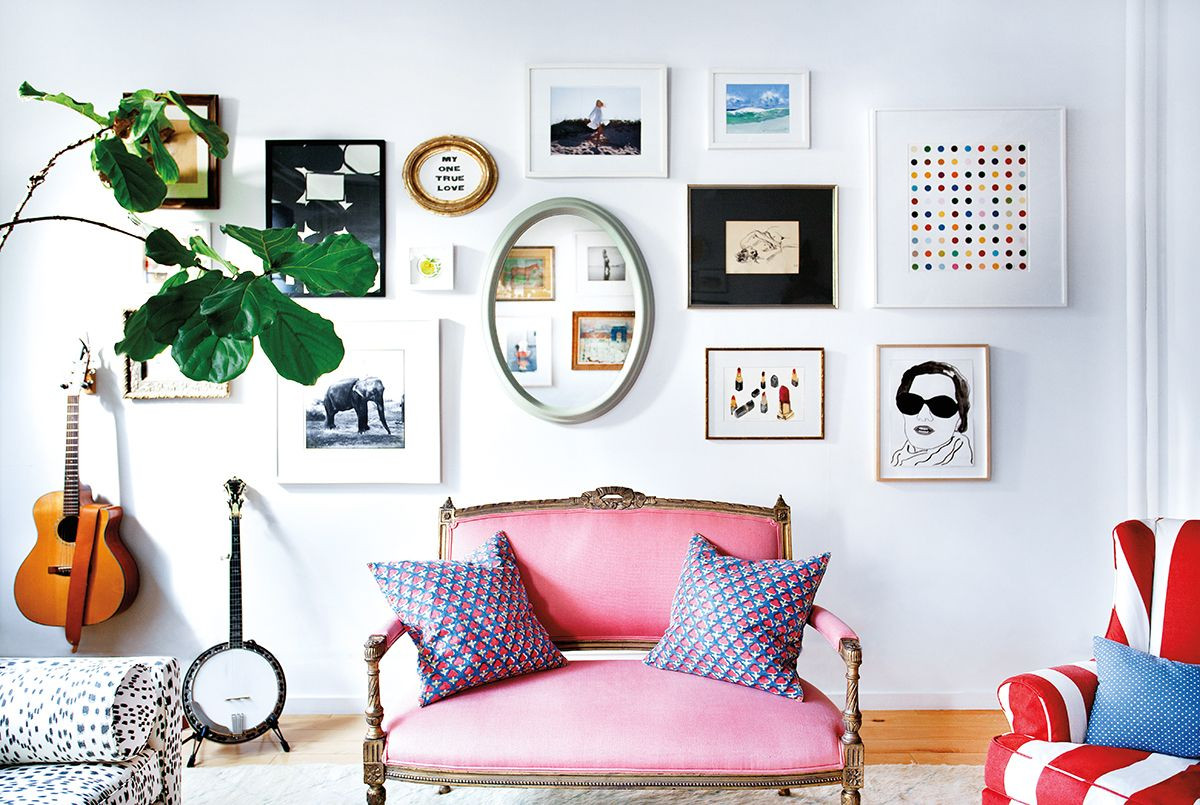
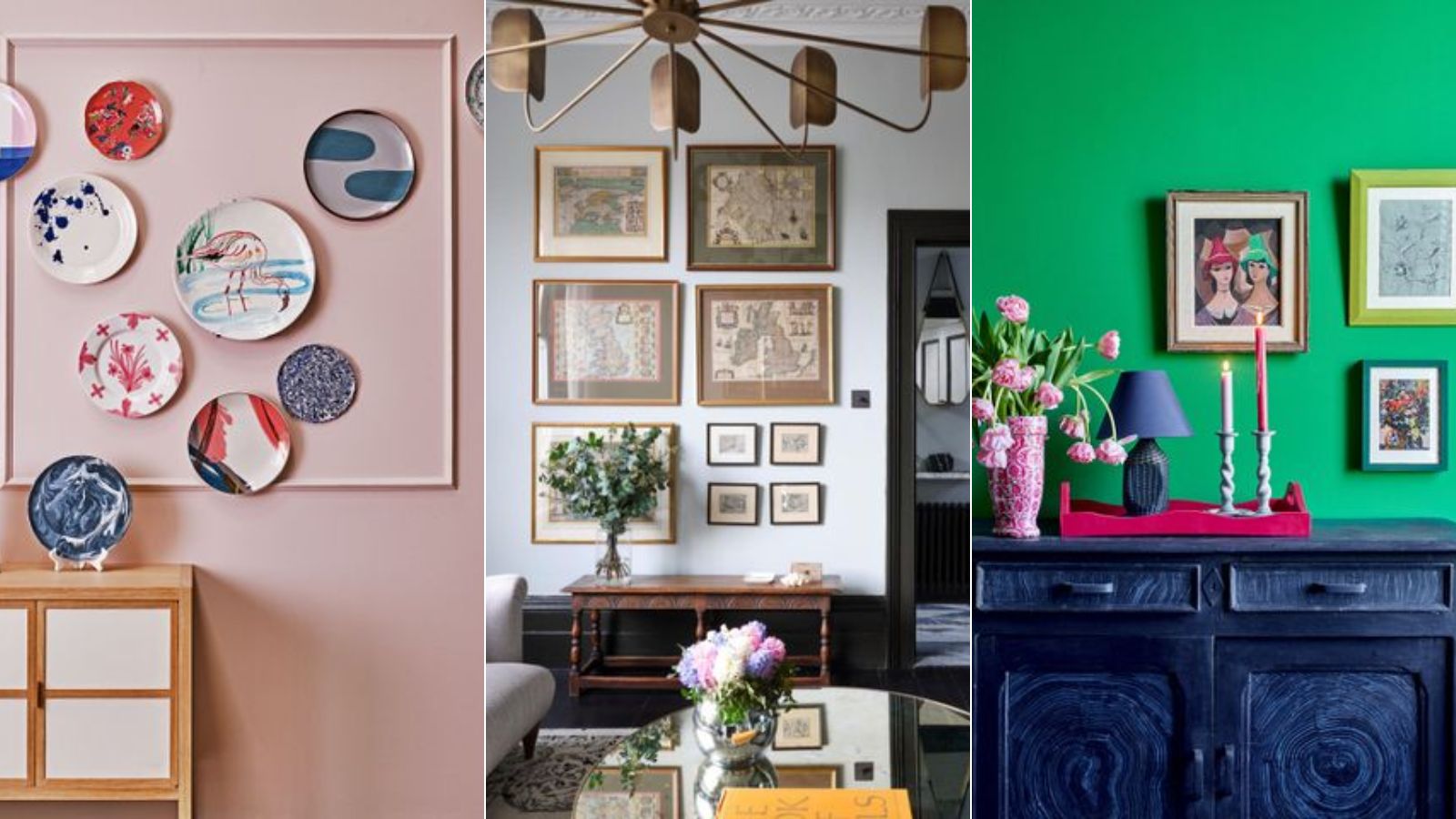
Shopping within one's own home can also yield a wealth of potential gallery items. By re-evaluating existing possessions with a creative eye, individuals can discover overlooked treasures. Items such as old game boards, postcards, decorative mirrors, antique clocks, or even hats can be integrated into a gallery wall. The principle is to be open-minded: if something is aesthetically pleasing and flat enough to be mounted, it can be part of the display. Additionally, incorporating diverse shapes, such as organic circles contrasted with traditional squares and rectangles, can add visual interest and dynamic balance to the composition.
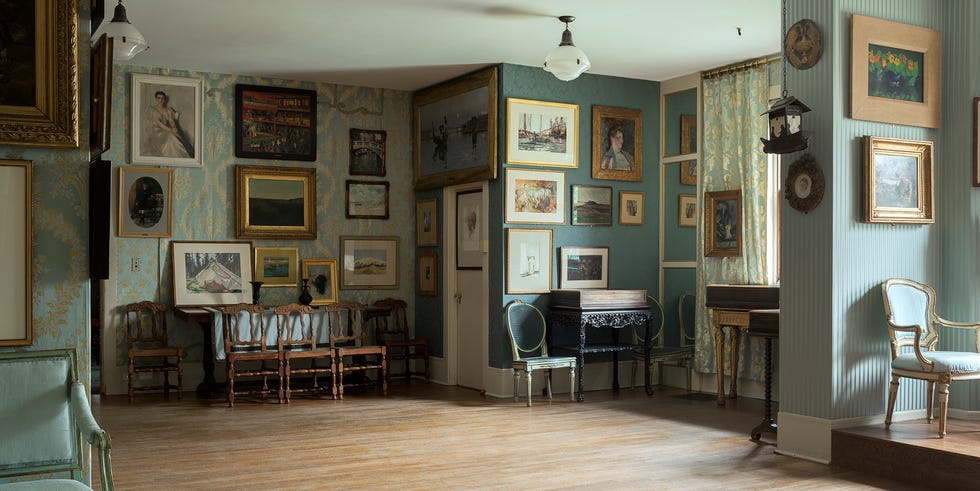
Frames, often a significant expense, can be sourced affordably through thrift stores, online marketplaces like Facebook Marketplace, or by upcycling existing frames. Repainting or redecorating old frames can give them a new life and match a desired aesthetic. For larger pieces, DIY framing using molding or trim from hardware stores can be a cost-effective alternative. In some cases, foregoing frames entirely and using decorative push pins or double-sided tape for items like Polaroids or magazine pages can create a modern, unfussy look.
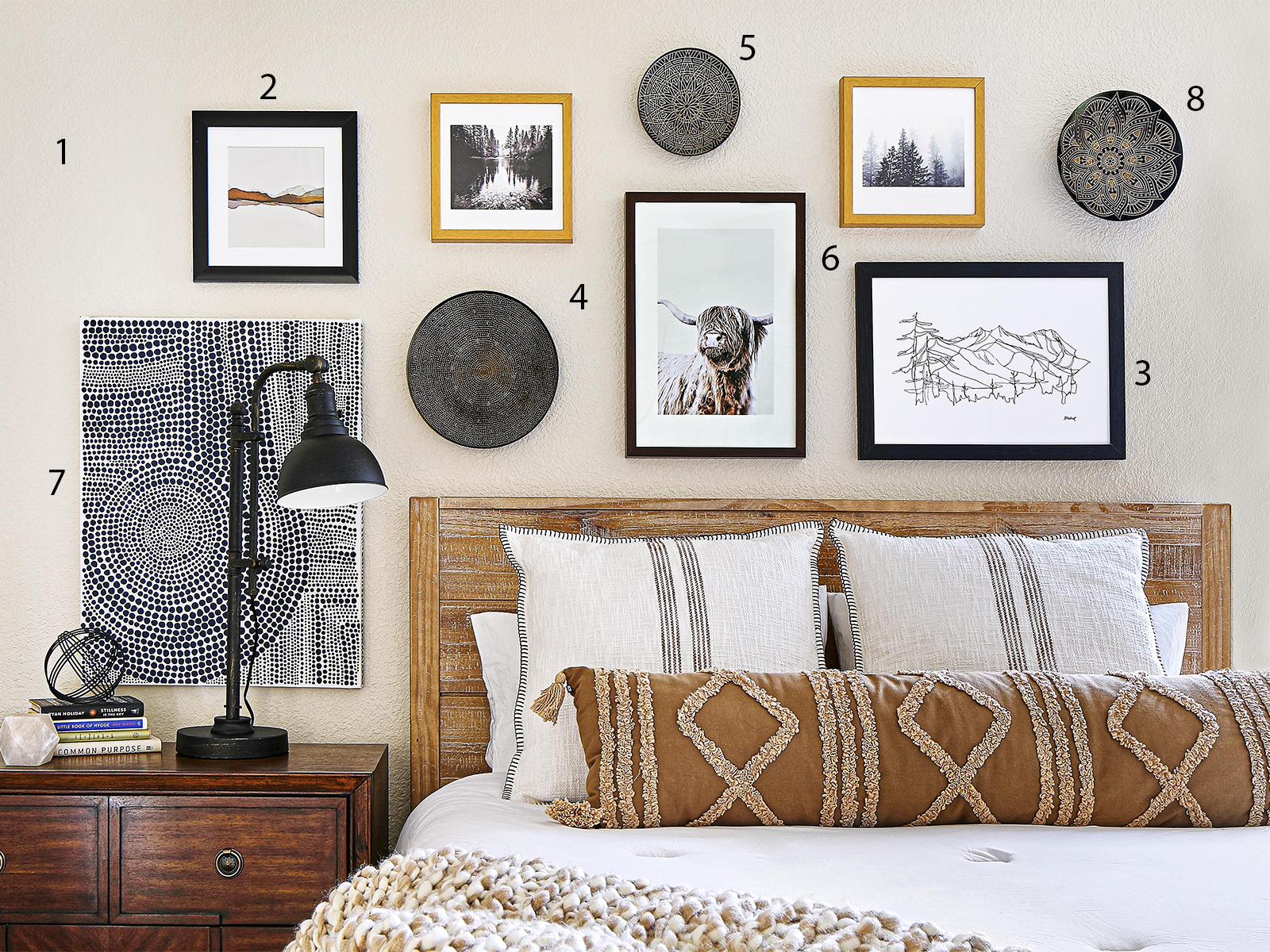
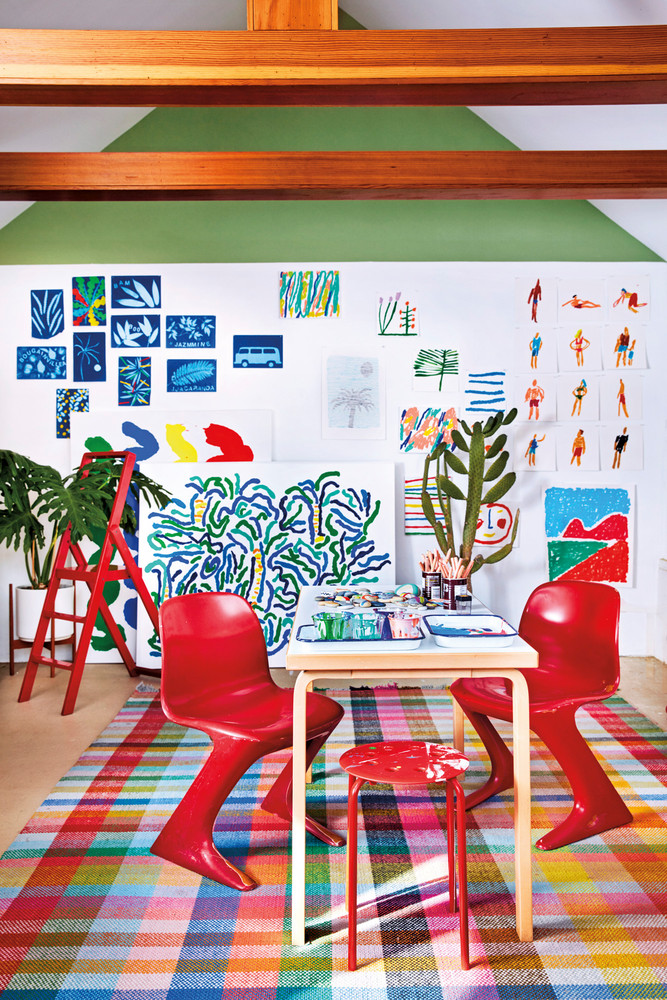
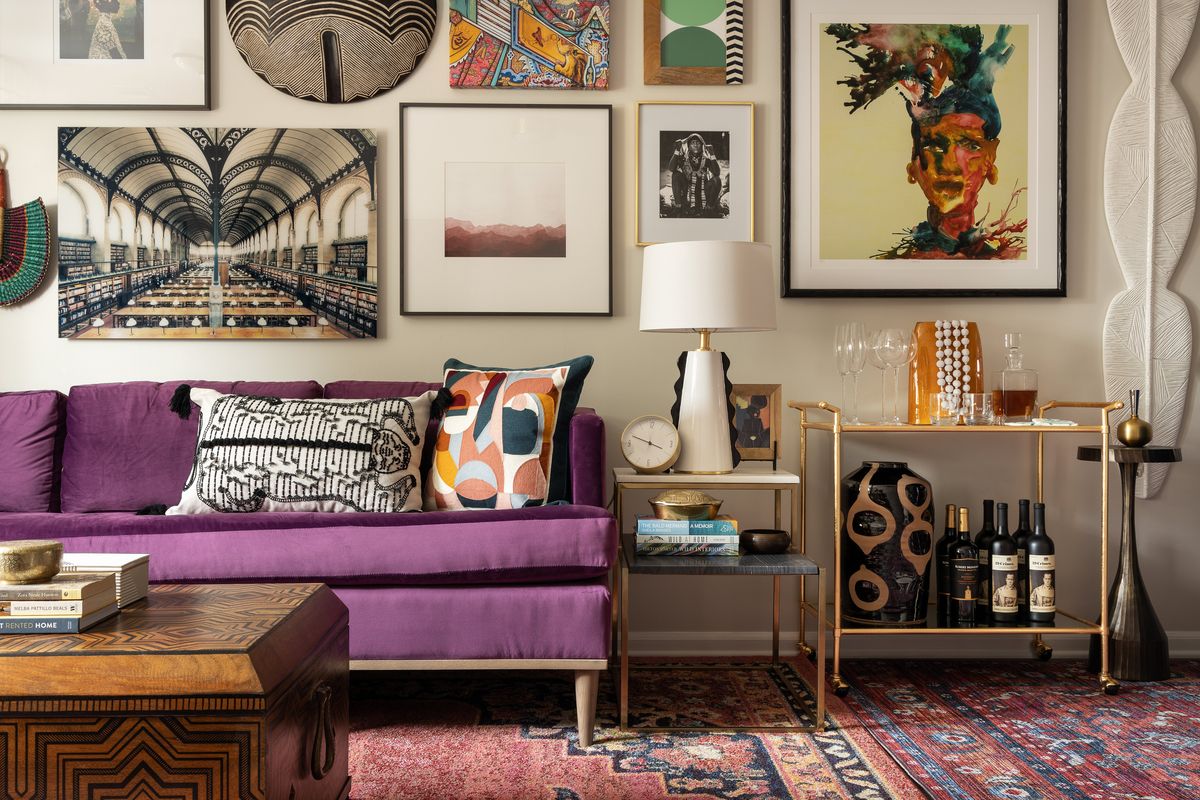
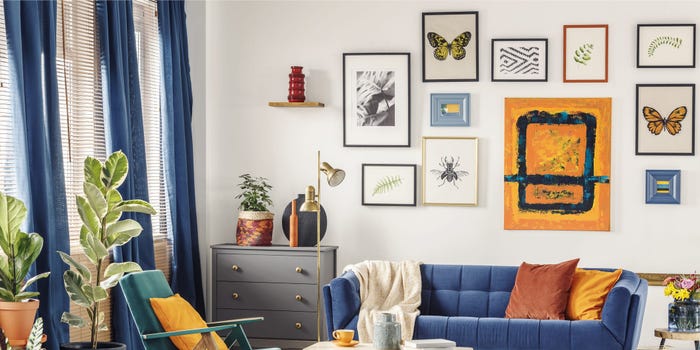
Adding texture is another dimension that elevates a gallery wall beyond a simple collection of flat images. Integrating woven baskets, small rugs, tapestries, or even textiles like scarves and vintage T-shirts introduces tactile elements and depth. These items often do not require frames, further reducing costs. Floating shelves can also be incorporated to display three-dimensional objects like figurines, candles, or potted plants, adding visual variety and functionality. When faced with large blank spaces, inexpensive solutions include framing wallpaper remnants, gift wrap, or poster-sized art reprints from museum gift shops. Maps of meaningful places or stenciled designs directly on the wall can also fill significant areas creatively. Utilizing graphic design tools to create and print custom art at affordable services like Staples or FedEx offers another avenue for personalized, budget-friendly additions. Ultimately, a successful gallery wall doesn't require every inch of space to be covered; allowing for some empty space provides visual breathing room and opportunities for future growth.
#GalleryWall #HomeDecoration #BudgetDecor #DIYHomeDecor #ArtCollection #SentimentalDecor #ThriftStoreFinds #CreativeFraming #TexturedWalls #GalleryWall #HomeDecoration #BudgetDecor #DIYHomeDecor #ArtCollection #SentimentalDecor #ThriftStoreFinds #CreativeFraming #TexturedWalls
0 comment in total
 No comments yet
You may also like
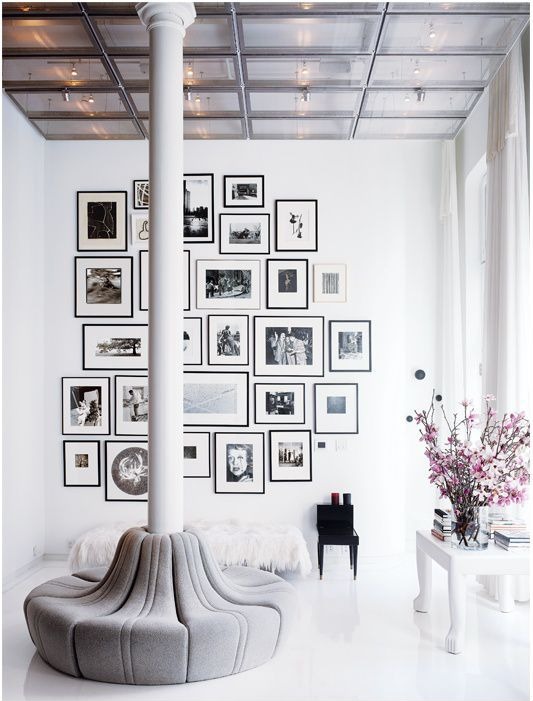
How to create a gallery wall in your home
Build a "Perfect Wall" on a Budget for Affordable High-Performance

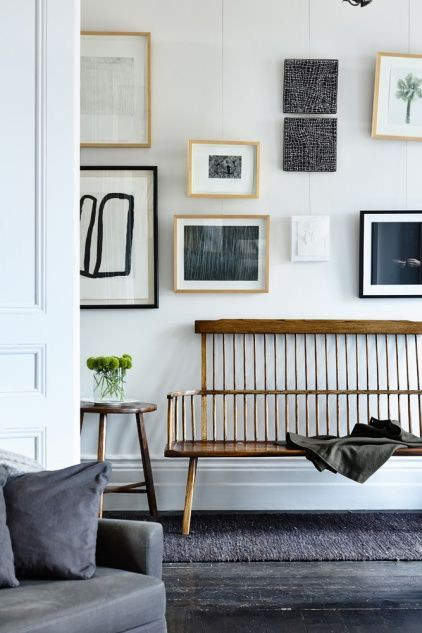
how to style a 3D gallery wall
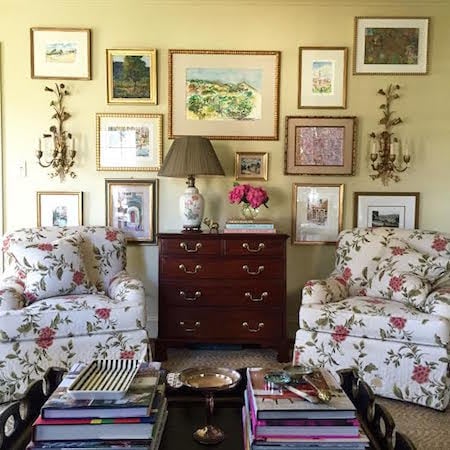
How-To: Create Your Own Gallery Wall

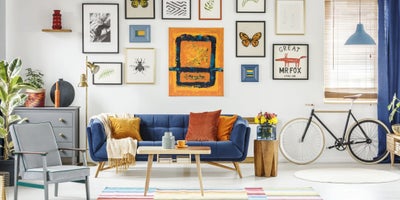
to create a gallery art wall - Ideas & Advice

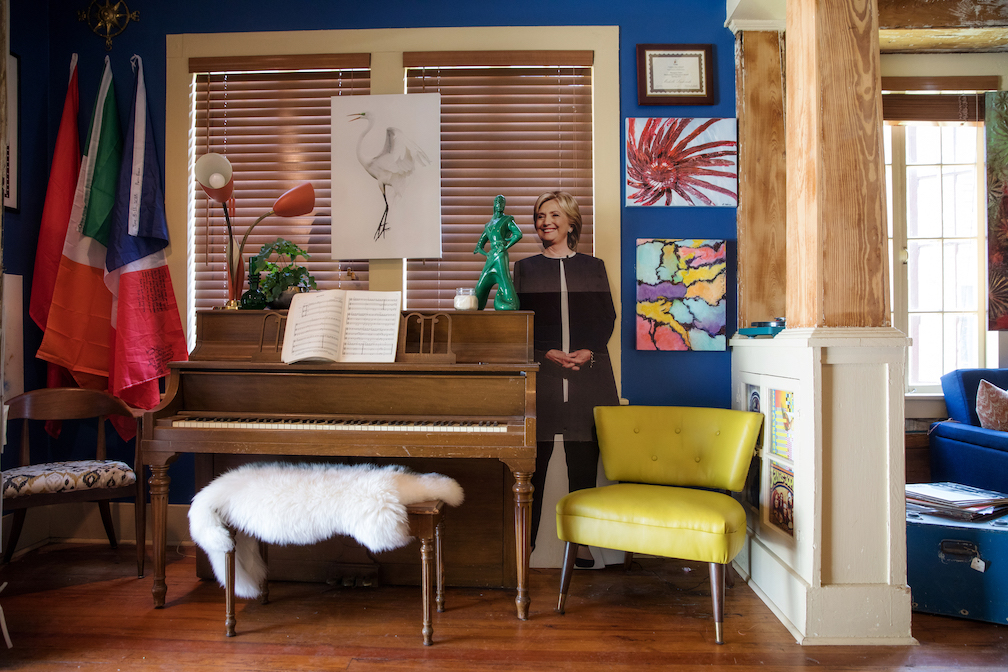
The key to building a great gallery wall is, well, thinking a little off-the-wall

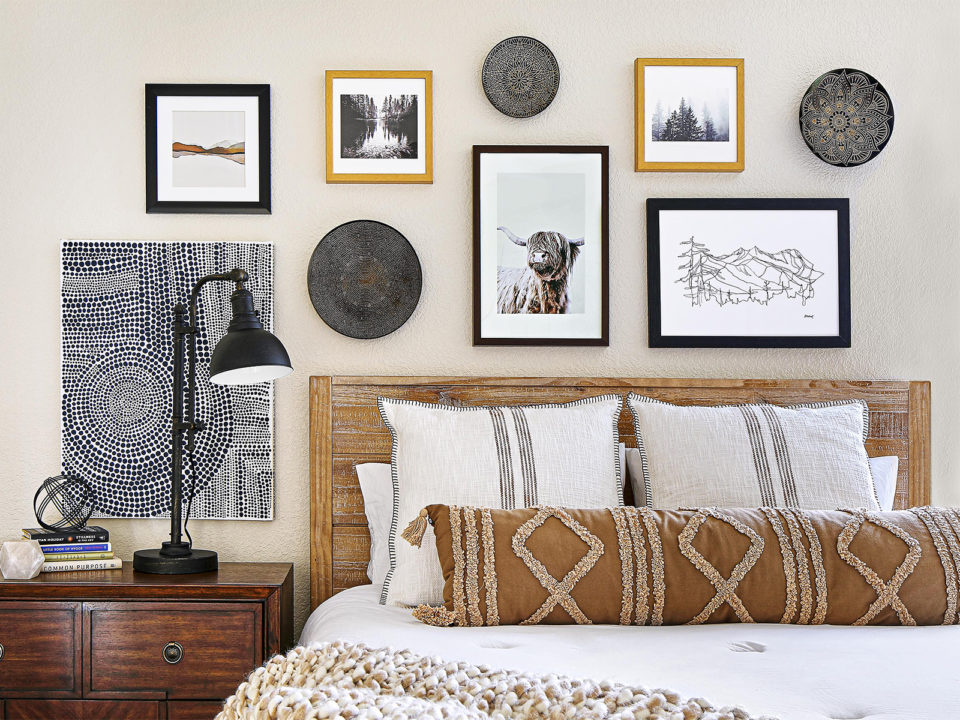
How to Create a Gorgeous Gallery Wall in Your Home

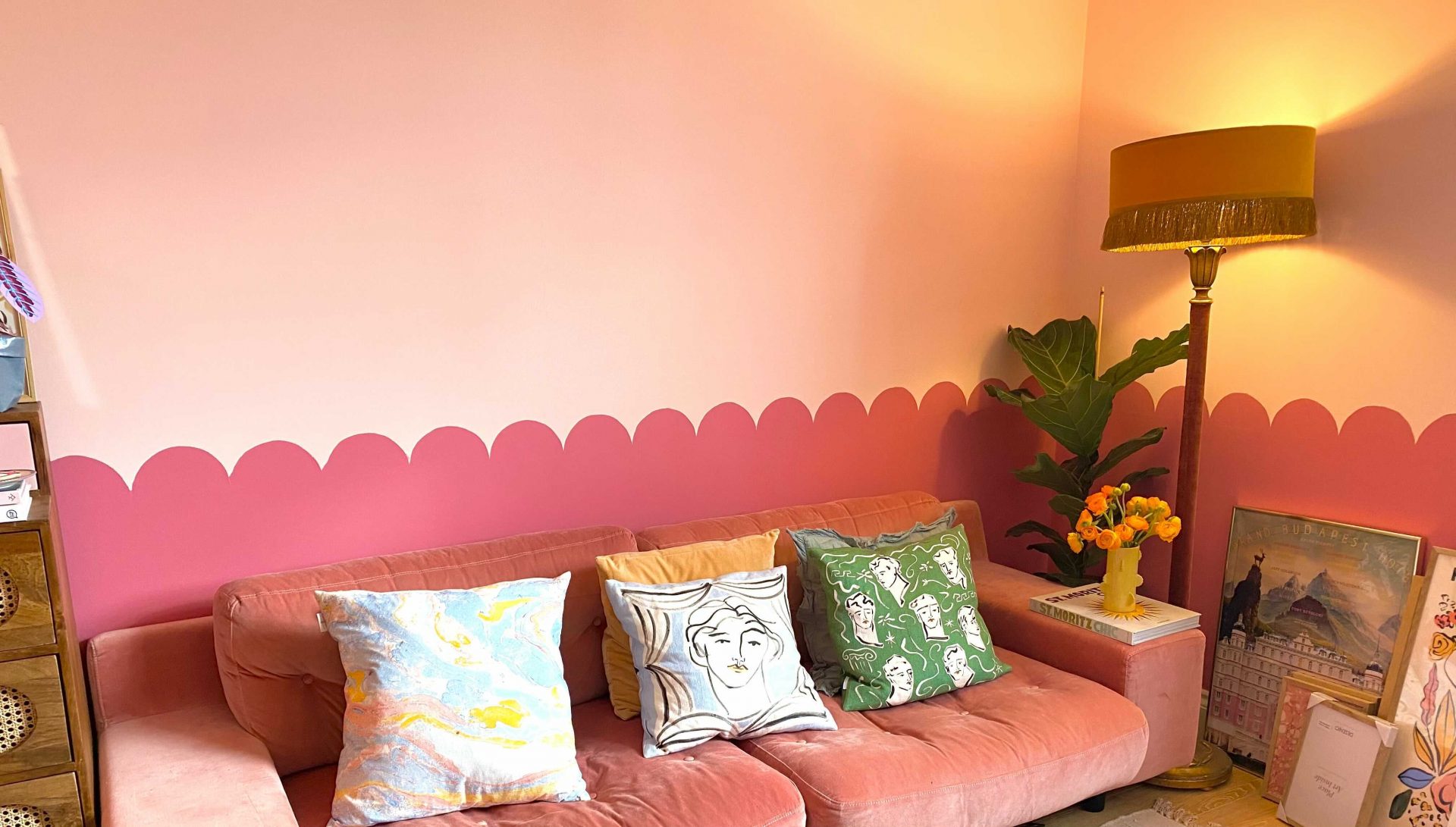
Big Trends Small Spaces: how to create a tonal gallery wall in 8 steps
6 ways to fake wall panelling and create the sought-after look on a budget
Ask The Expert: How To Create A Gallery Wall

How to create an Instagram-worthy gallery wall: Interiors experts on framing and displaying your art
Matching or Mismatched Gallery Wall? Big-Time Designers Have a VERY SPECIFIC Preference

How to build a gallery wall for your home

Expert tips for creating a happy gallery wall without sacrificing style

Where to buy the best wall art to create a spectacular gallery wall

How to Make a Gallery Wall Like an ELLE Decor Editor
7 DIY tips for how to hang a gallery wall from experts

5 common gallery wall mistakes designers warn to always avoid – to create the chicest of displays
The Best Gallery Wall Ideas Right Now

How to put together a gallery wall according to design professionals