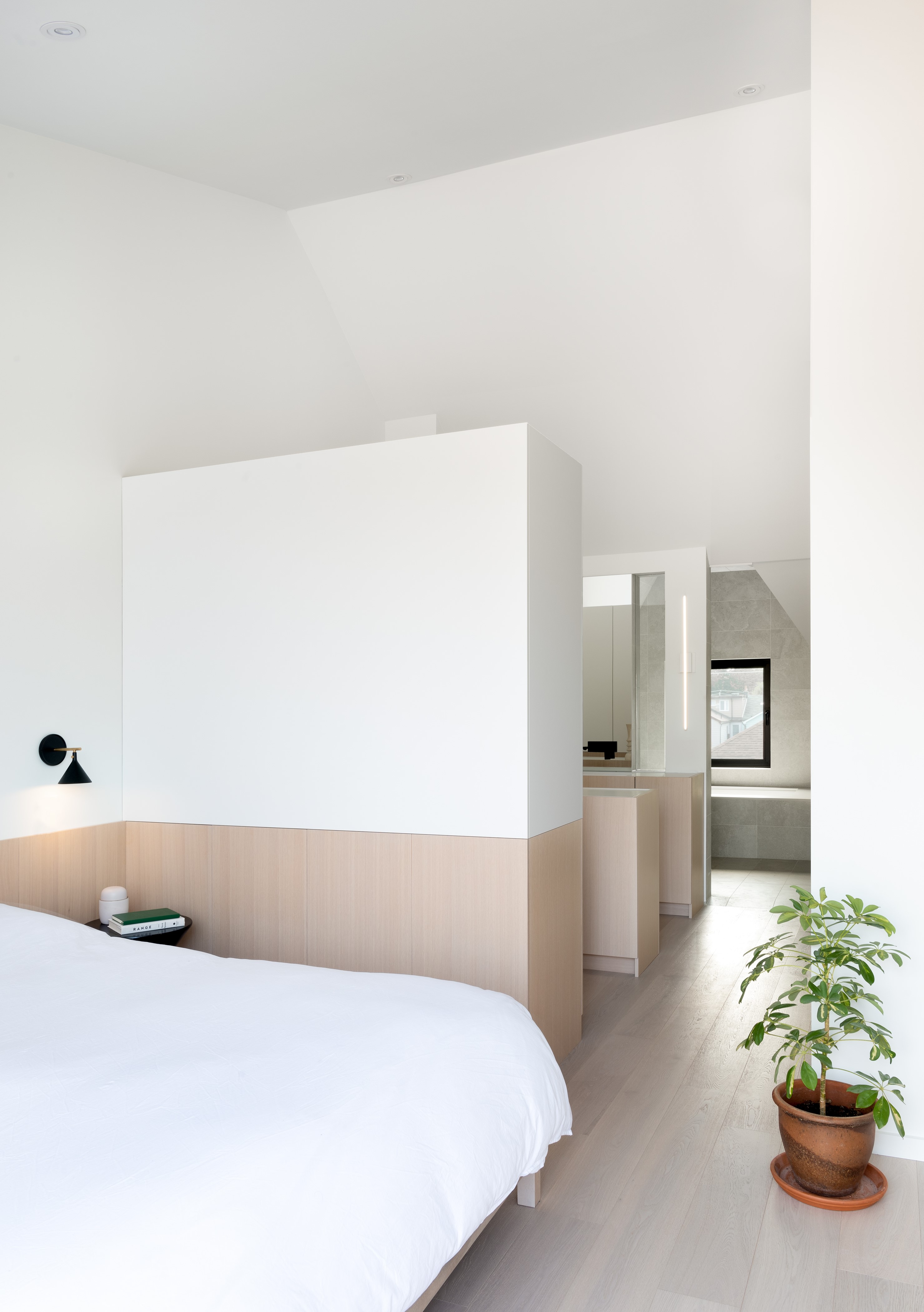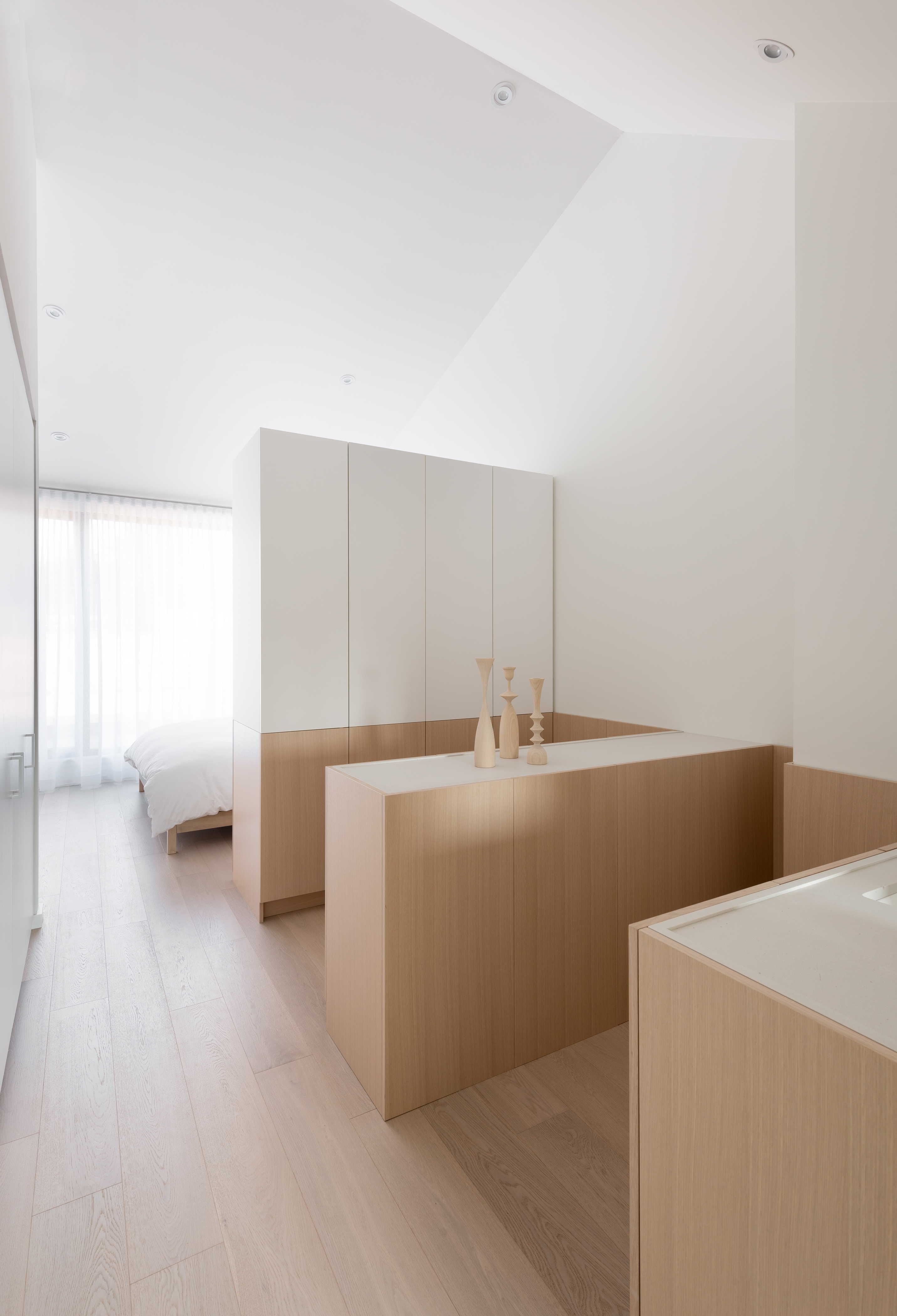
1/5
Is frosted glass outdated? Here's what designers are doing instead to create easy privacy for windows
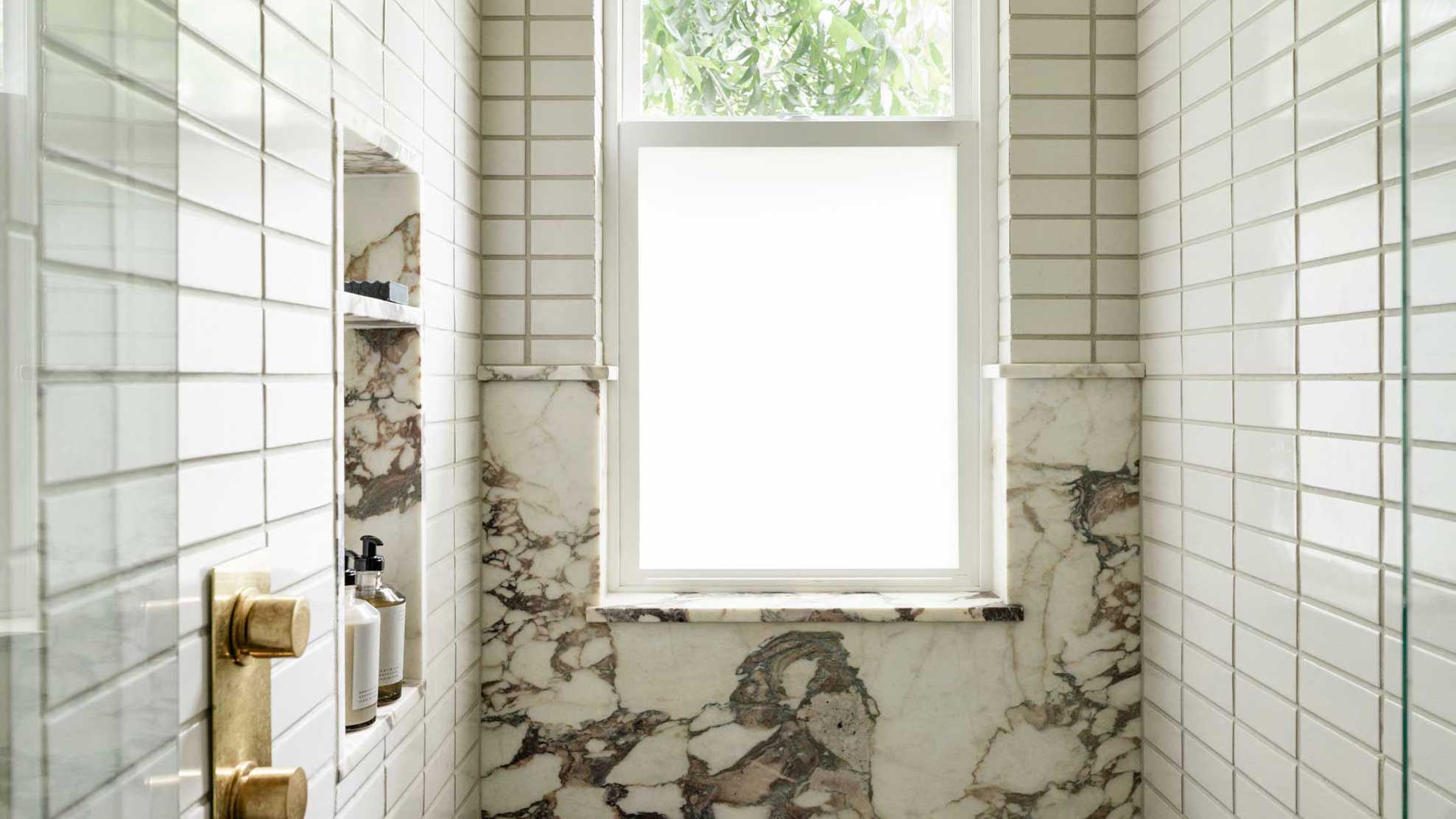
Frosted glass has been a long-standing element in interior design, offering privacy and diffused light, often as an alternative to curtains. However, like many design elements that have existed for decades, its contemporary relevance is being questioned. This article explores the benefits and potential drawbacks of frosted glass, and investigates whether it remains a viable design choice or if more modern alternatives have taken its place.
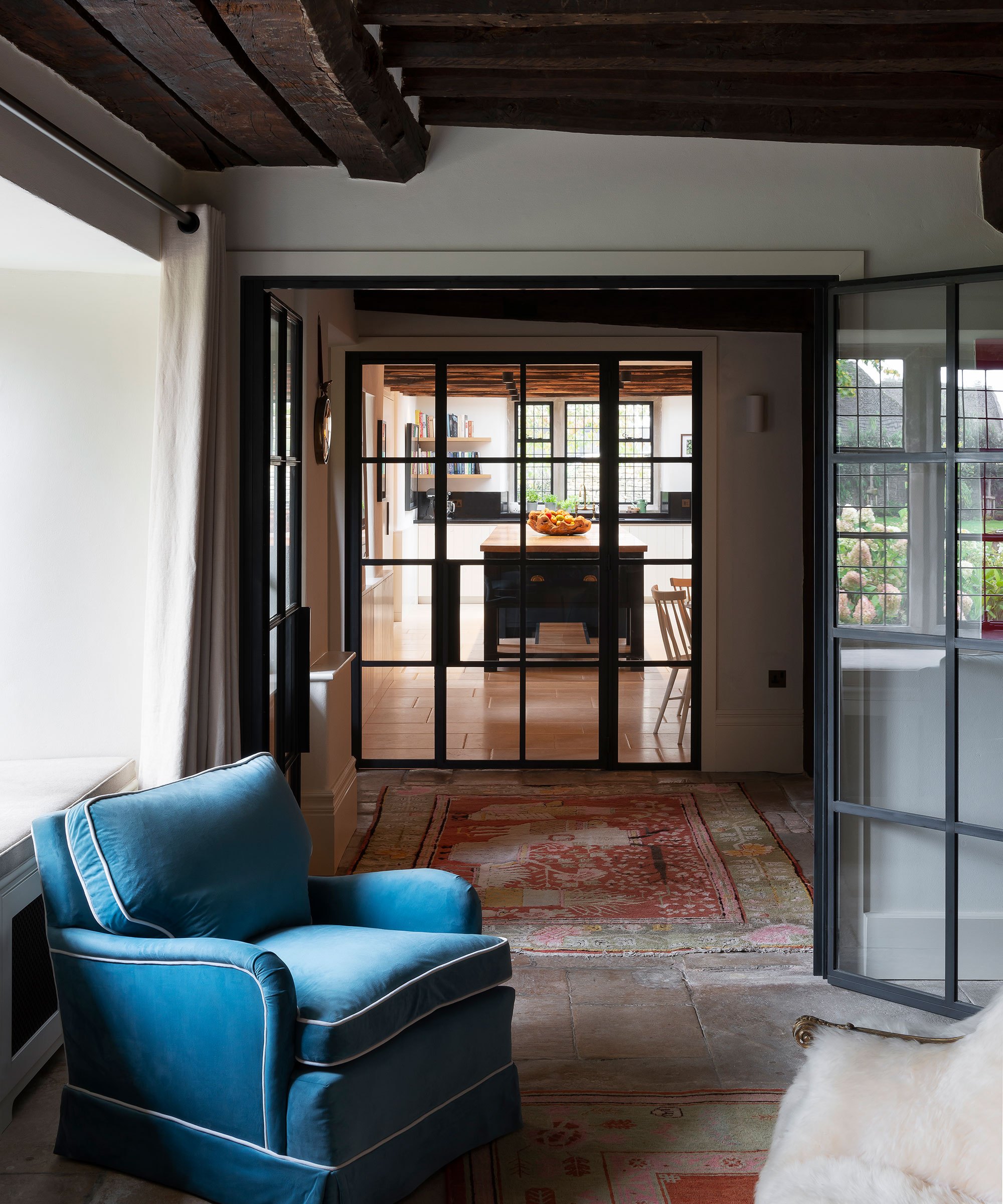
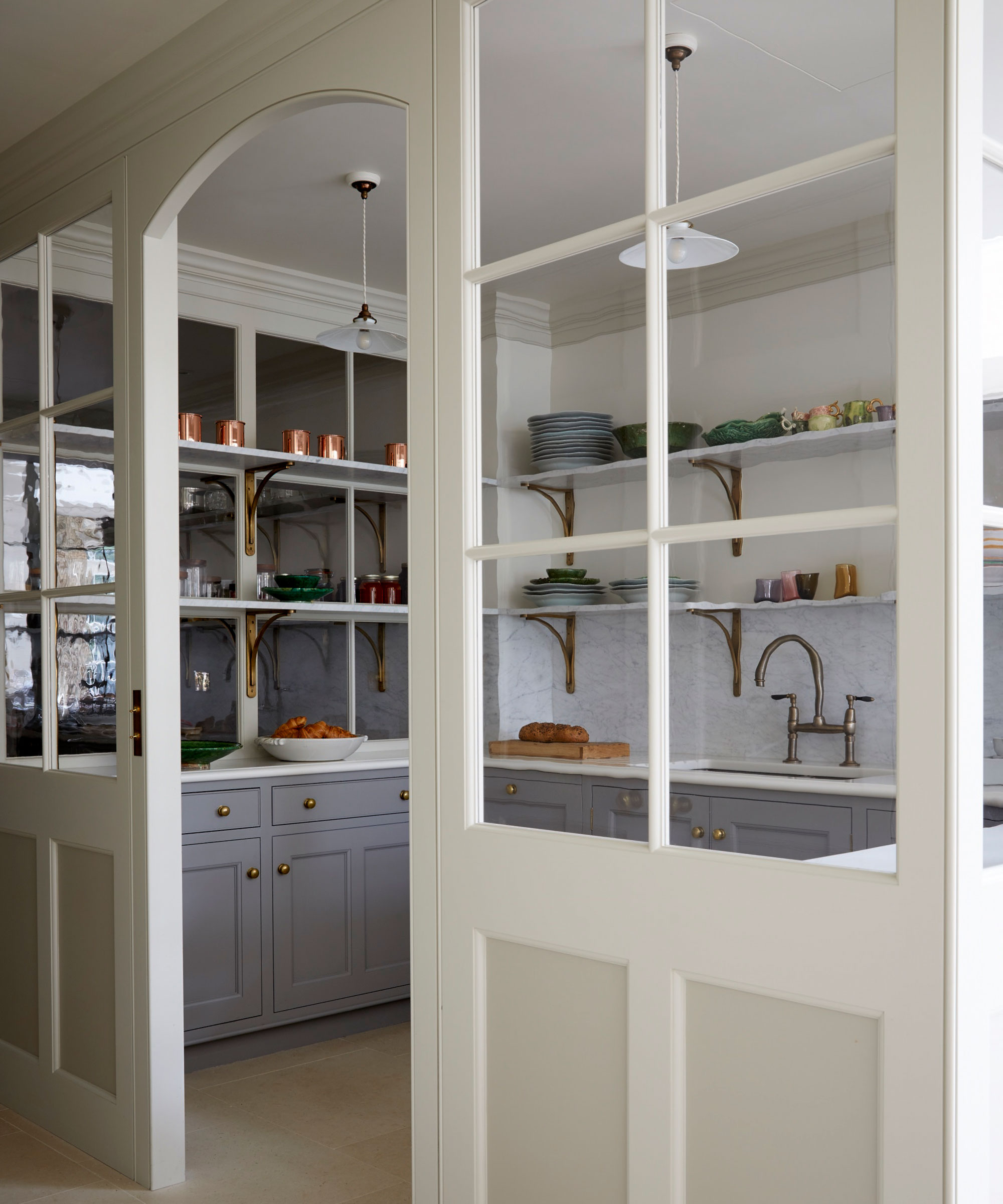
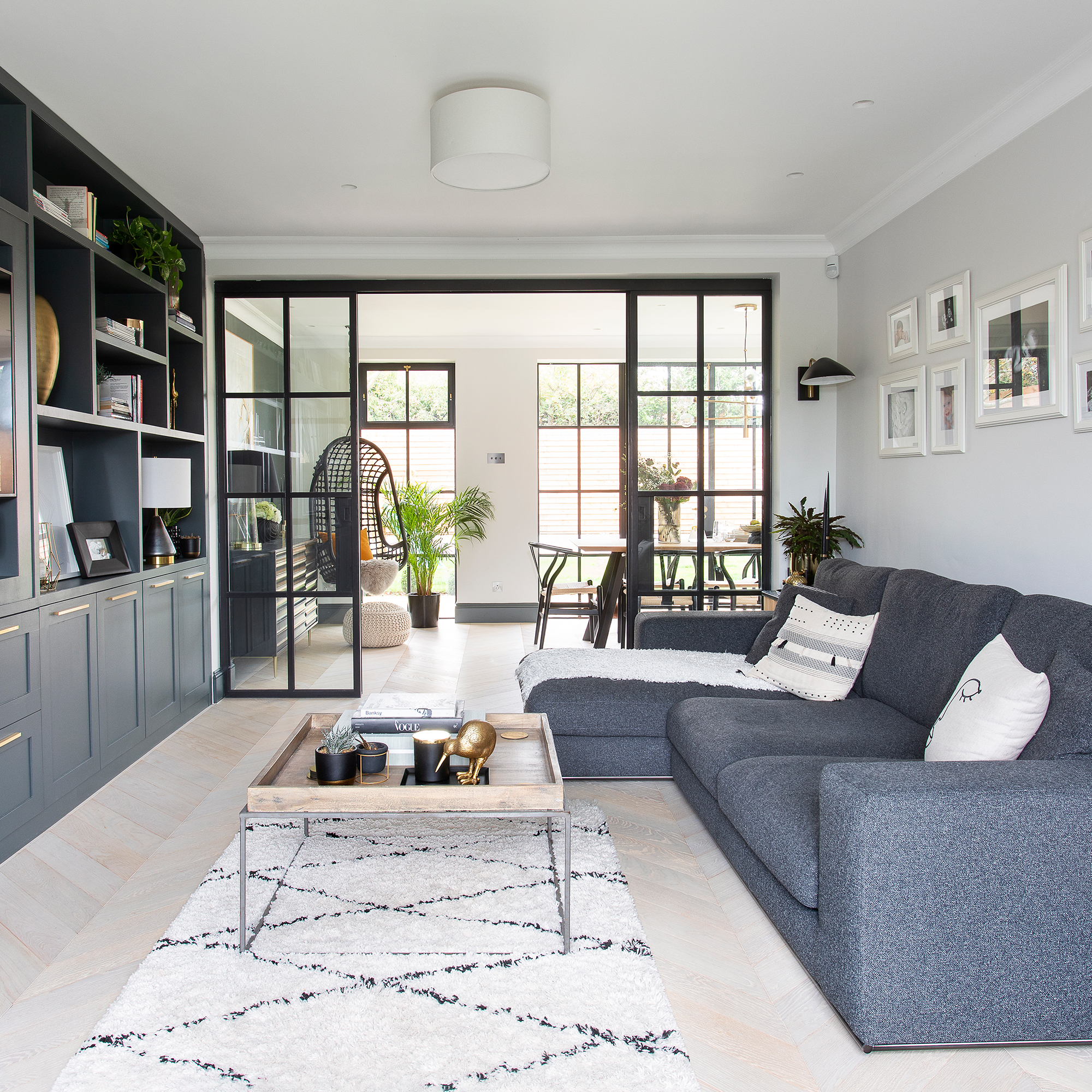
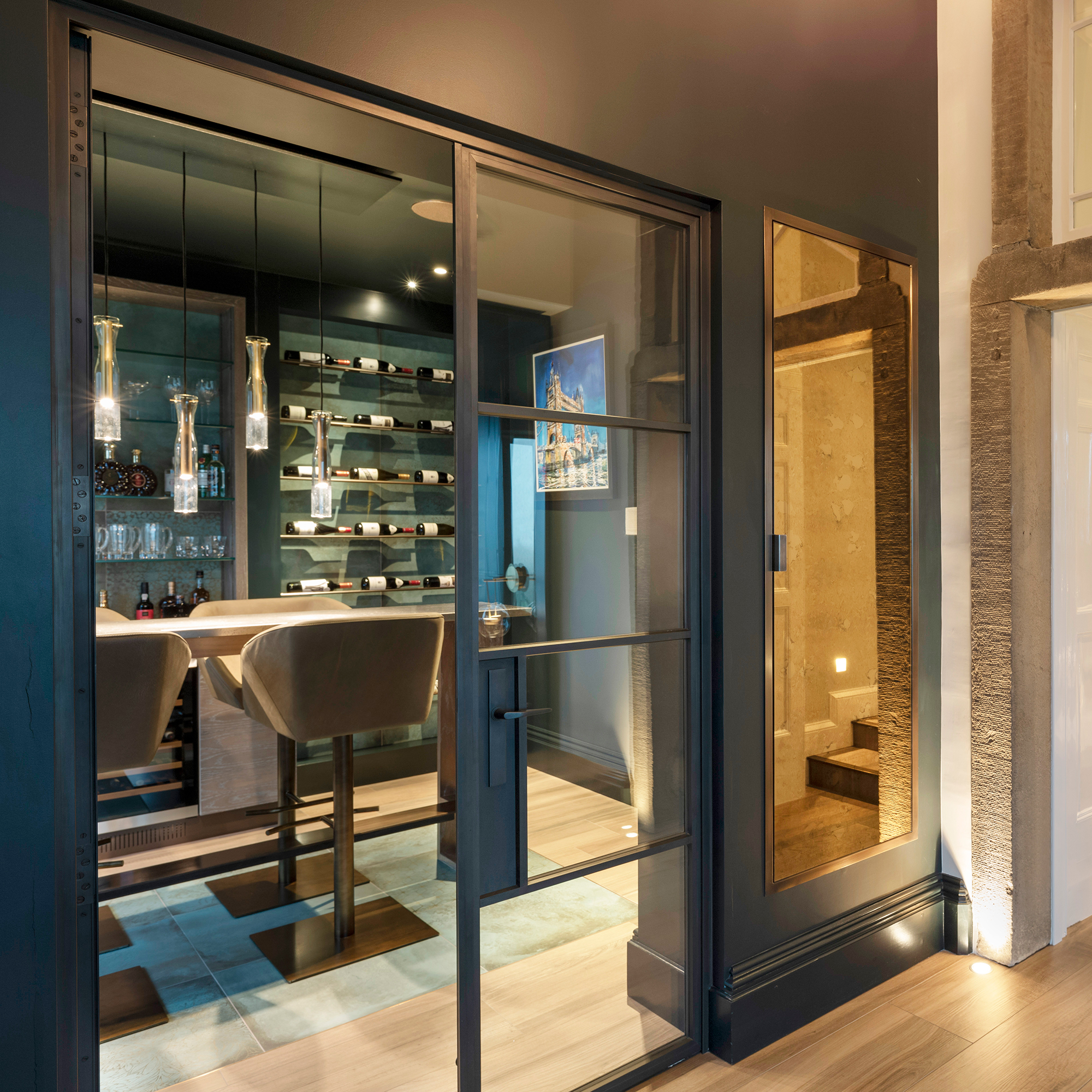
Traditionally, frosted glass is created through sandblasting or acid-etching techniques, with acid-etching being the more expensive option. Both methods use abrasives to achieve a frosted appearance that obscures views while allowing light to filter through, creating a soft, ethereal glow. The degree of opacity can vary, and some frosted glass even features intricate patterns. This characteristic makes it effective for privacy, potentially eliminating the need for curtains, while still ensuring a well-lit space. Frosted glass is not limited to external windows; it is also utilized internally for room partitions, shower screens, or modern bathrooms, helping to divide spaces without making them feel closed off. Incorporating frosted glass panels into living rooms as room dividers, for instance, can foster a sense of openness while maintaining a contemporary aesthetic. The key to its continued relevance in interiors lies in its broader context within the room's design.
Despite its benefits, some designers argue that frosted glass is becoming outdated. Mimi Meacham, owner and principal designer of Marian Louise Designs, states that frosted glass windows are out of date, arguing they lack a homey or chic feel and that numerous superior privacy solutions exist. This perspective suggests a shift towards more creative, fashionable, and contemporary looks. While frosted glass is a type of obscure glass (any glass that distorts and obstructs light and shapes), there are many other contemporary options available.
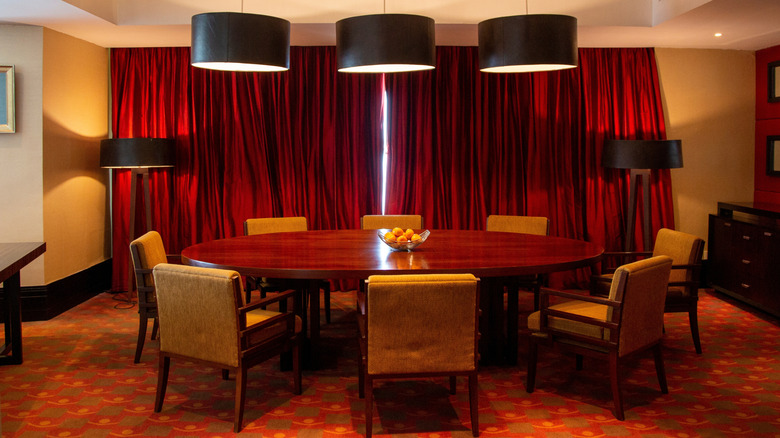
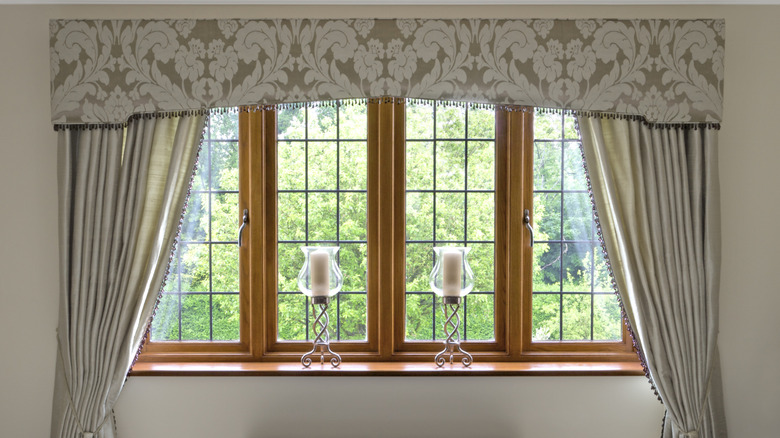
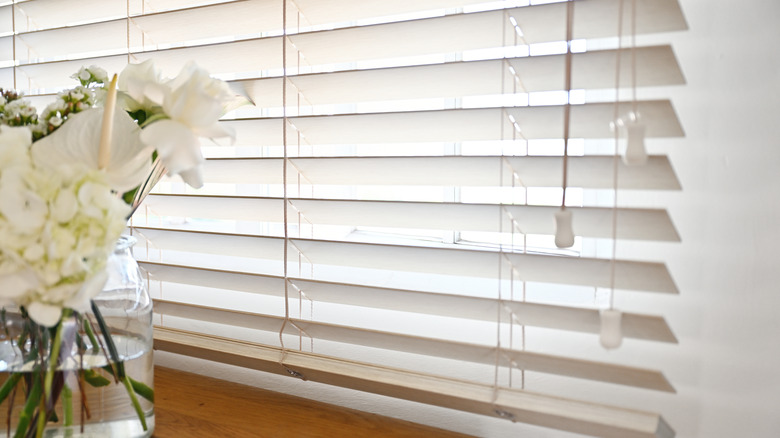
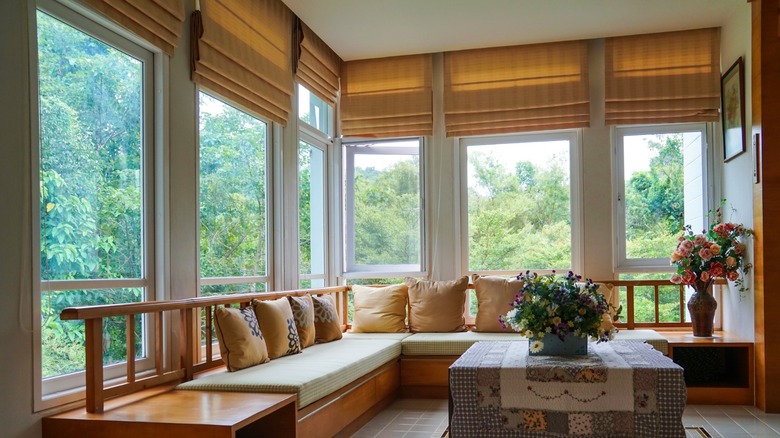
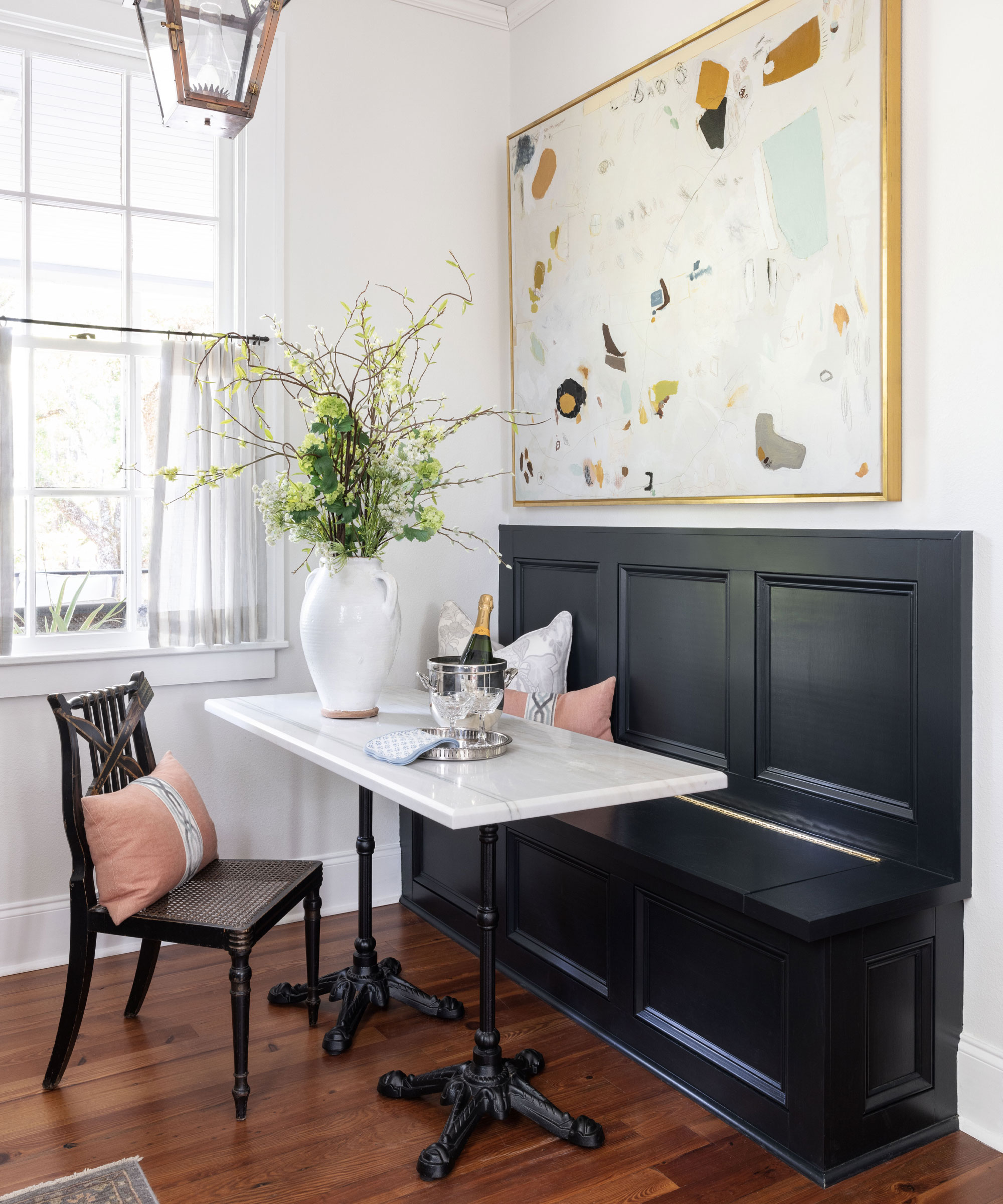
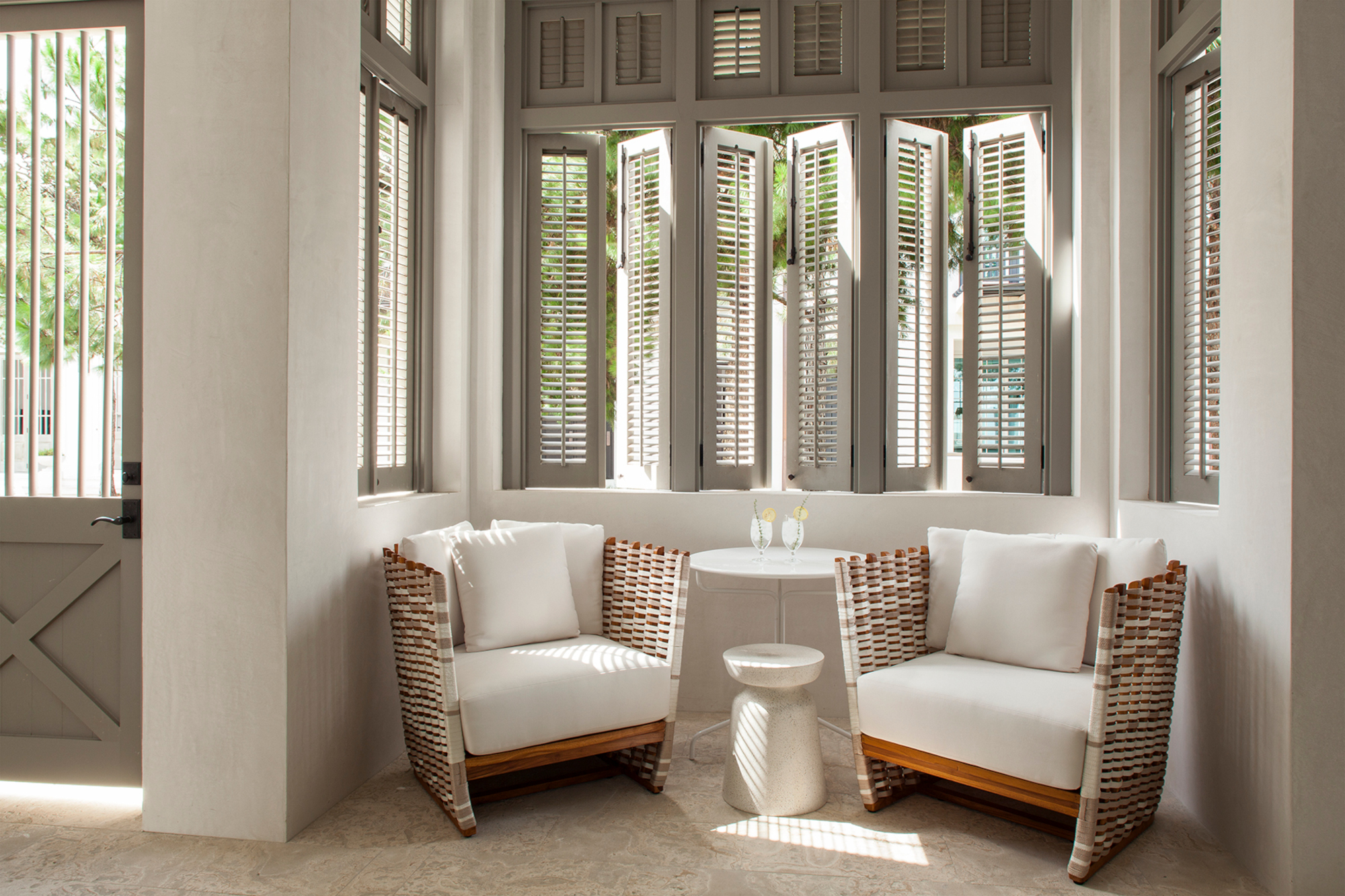
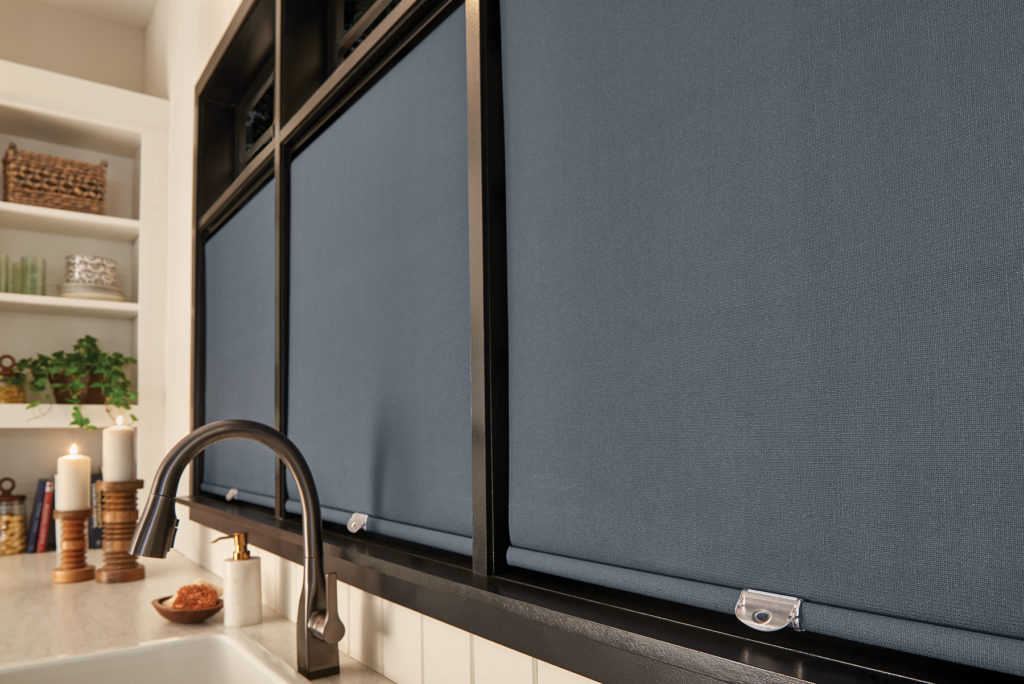
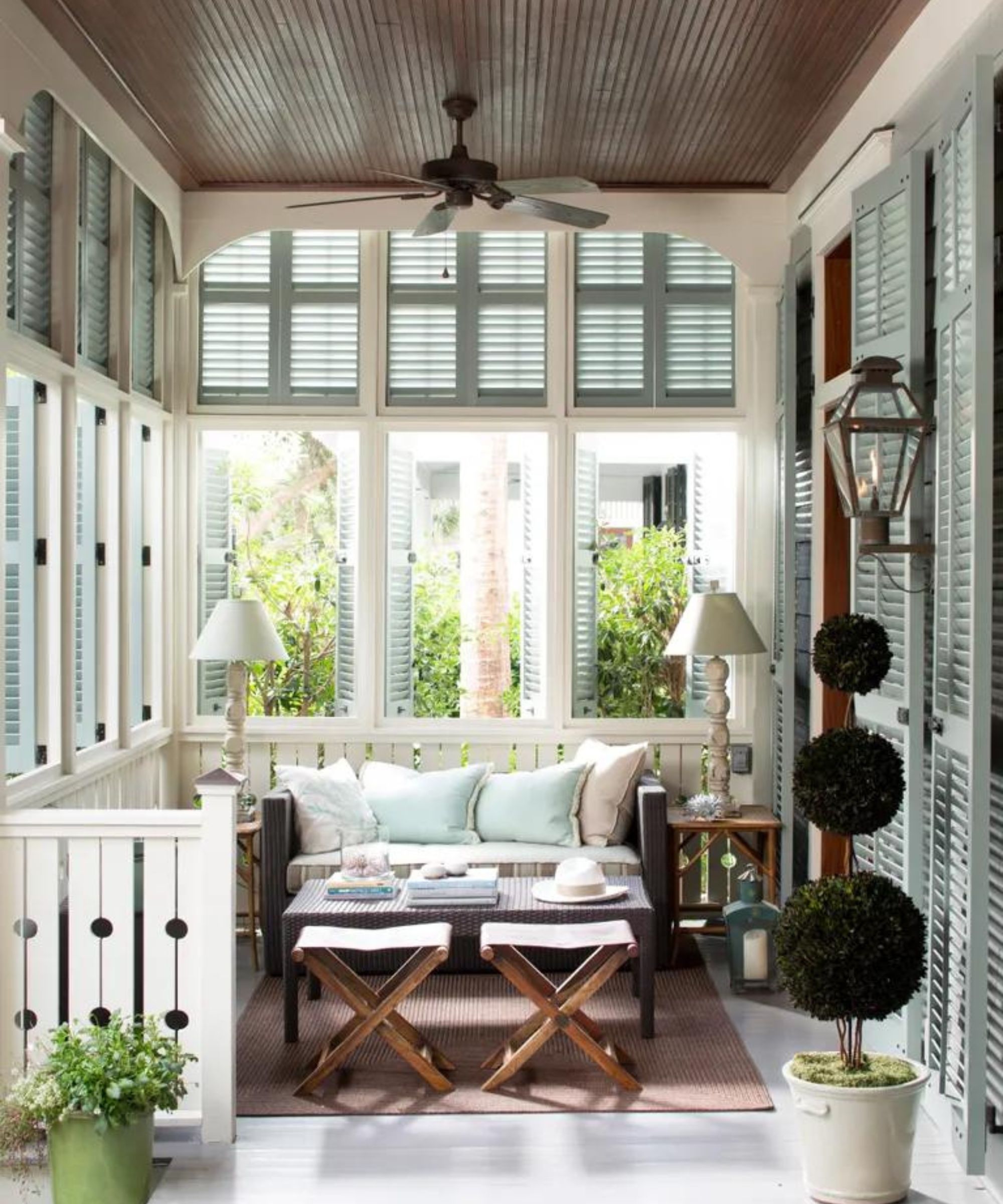
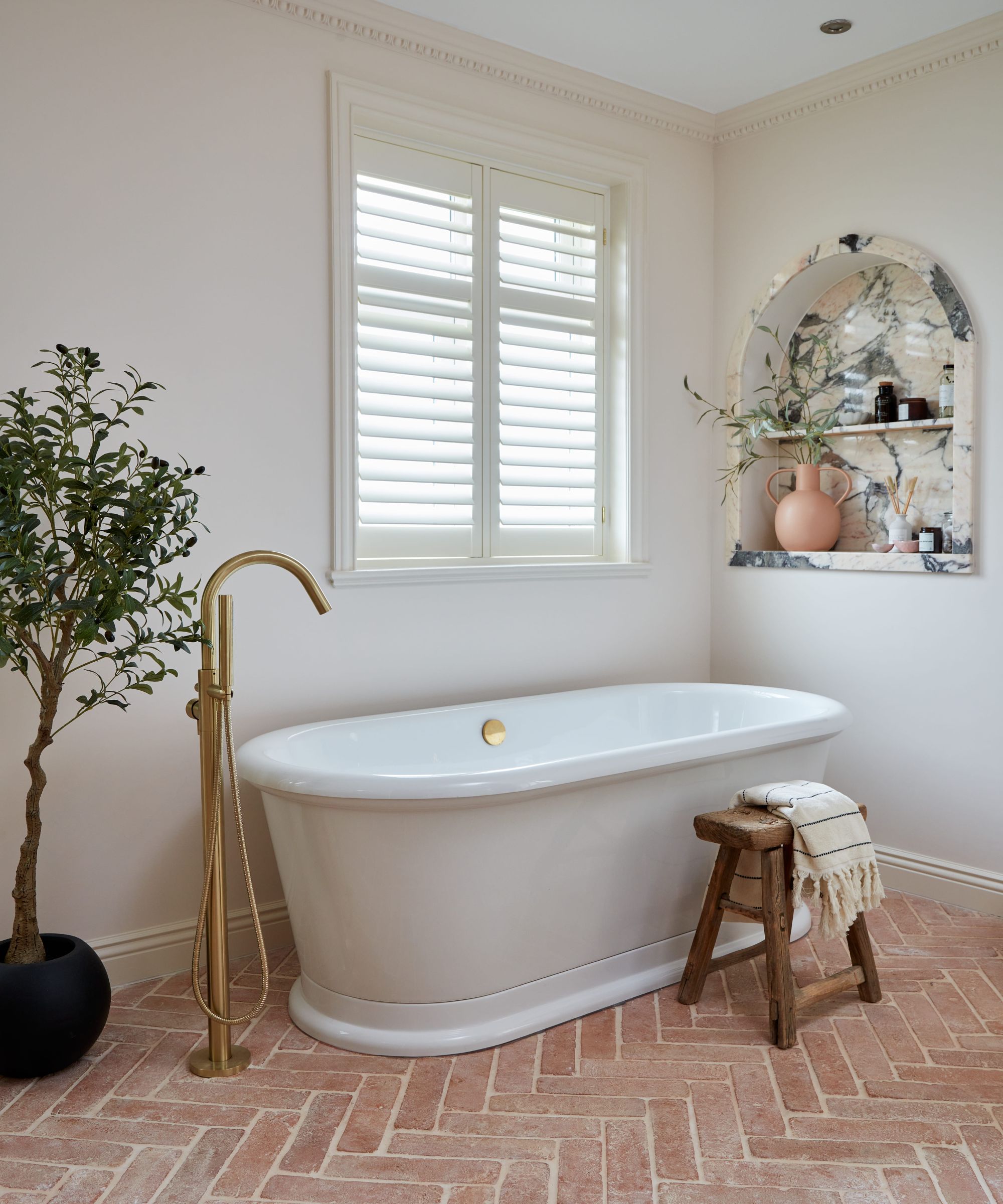
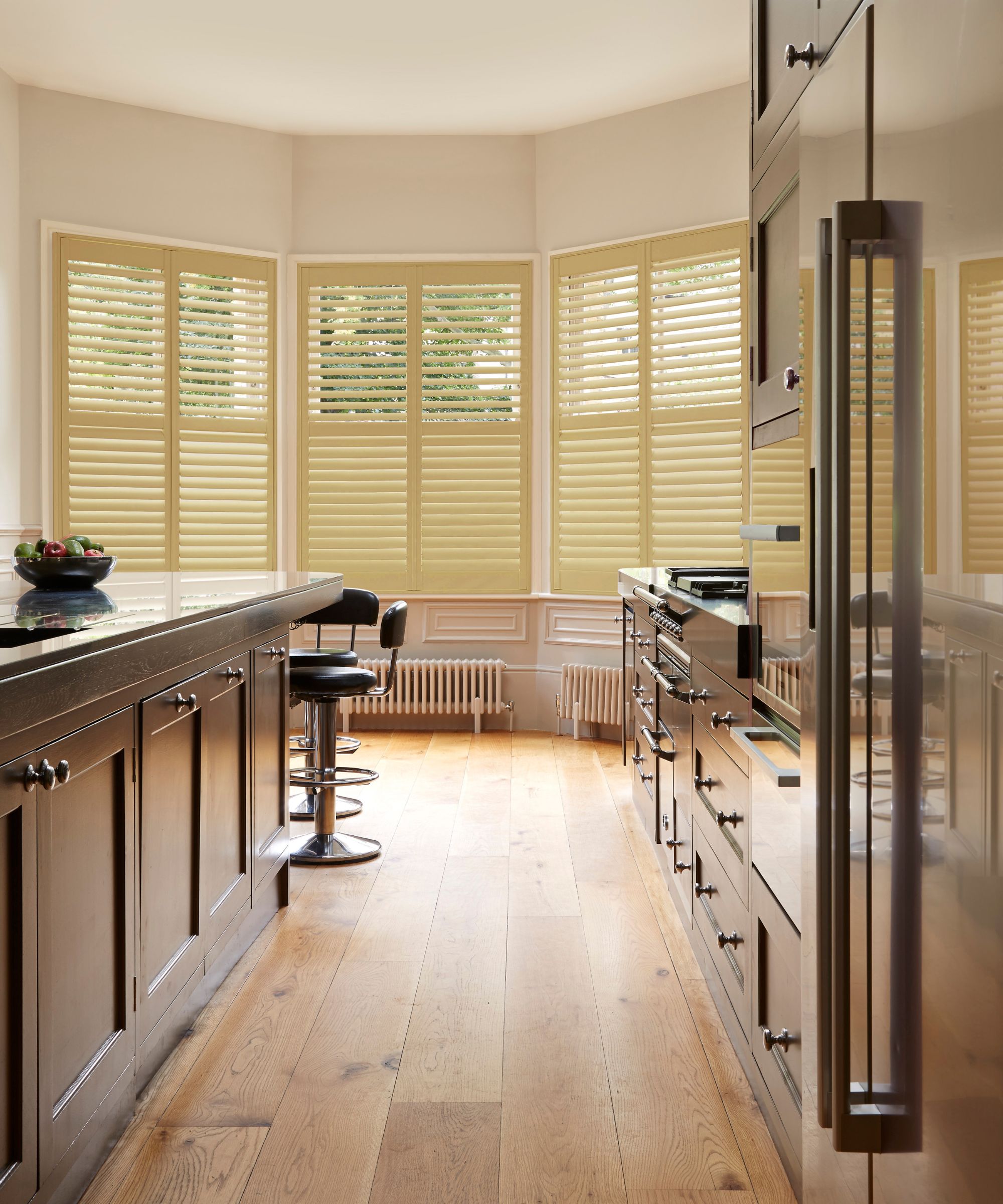
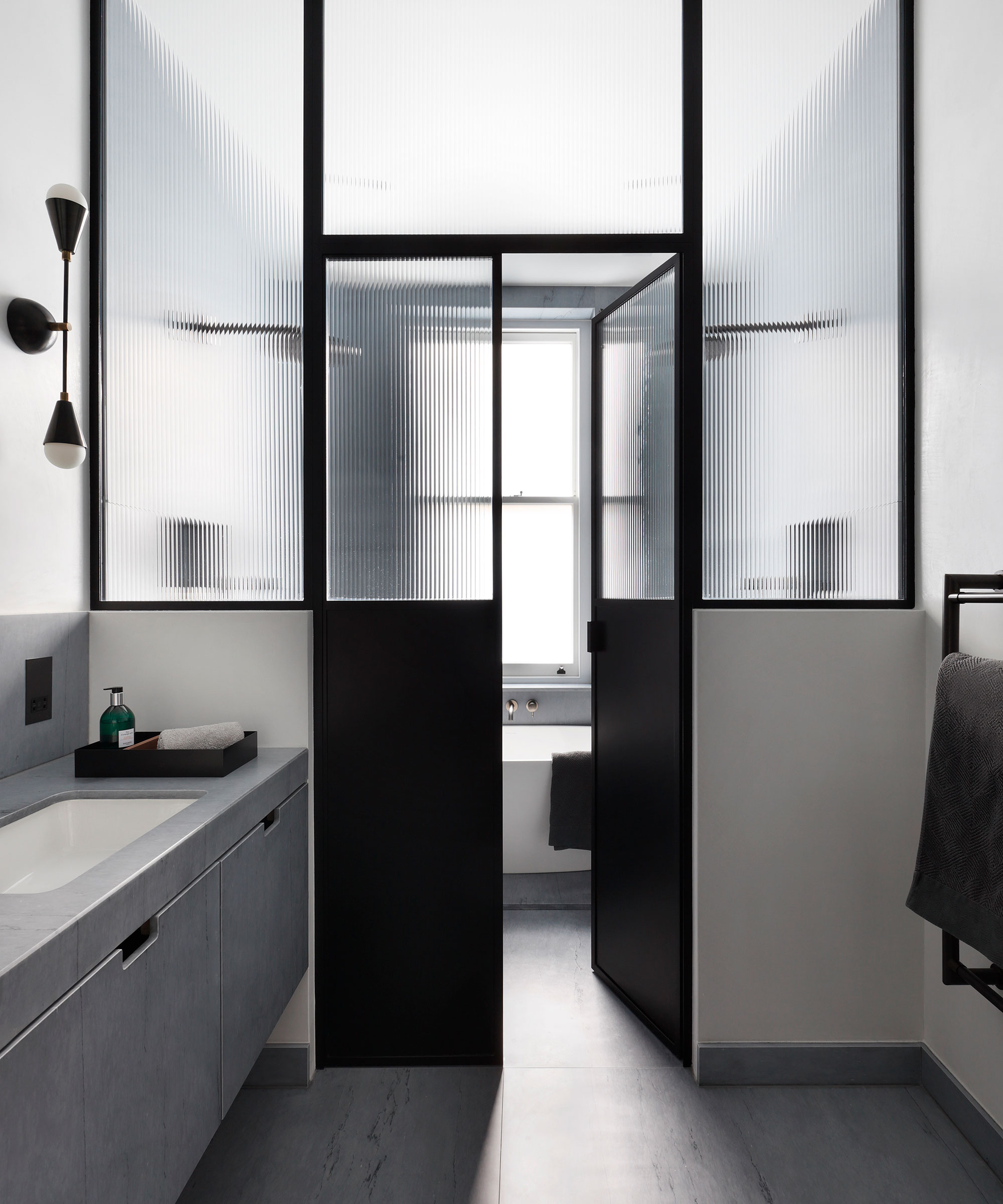
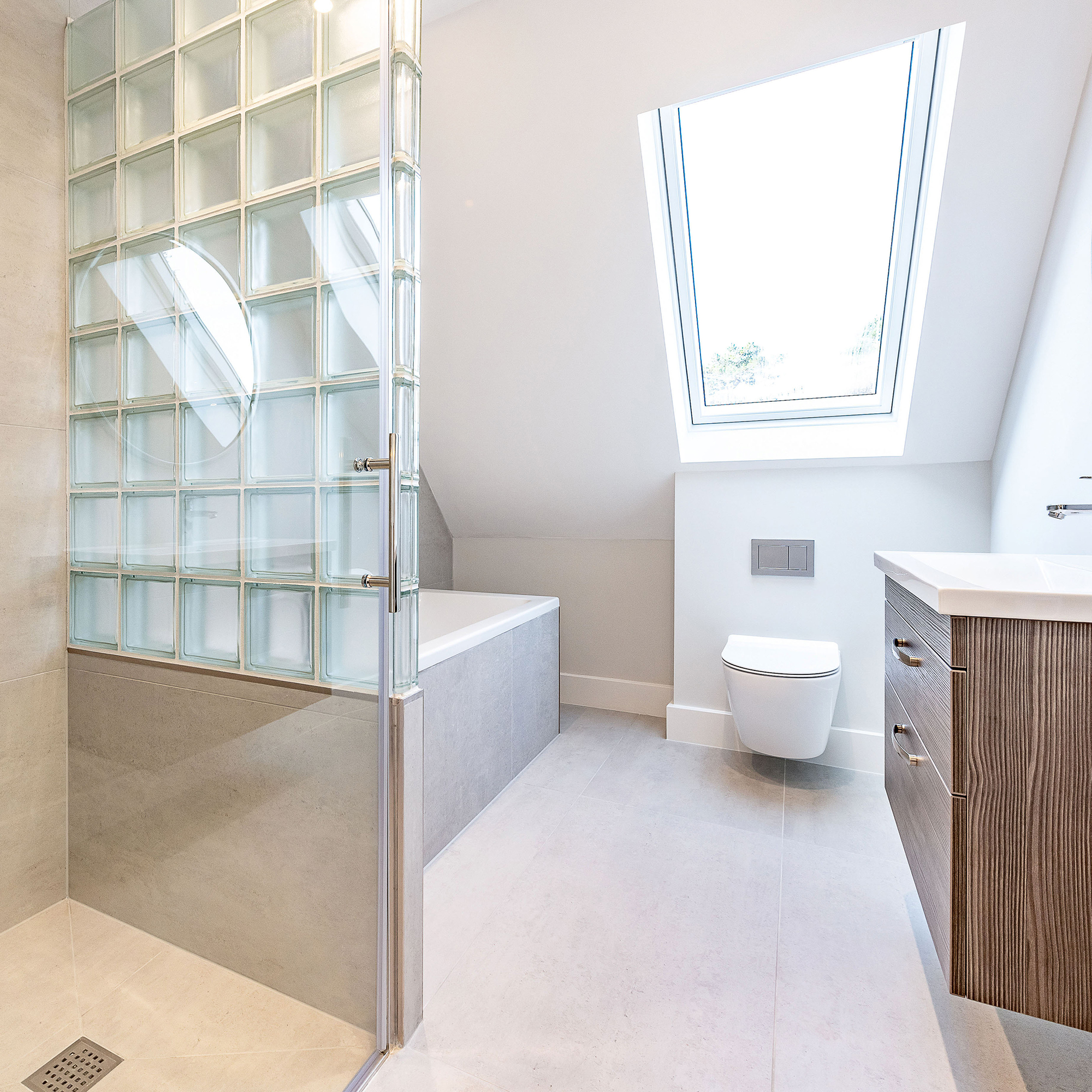
Alternatives gaining popularity include glass bricks, which can offer a retro or industrial look, and fluted glass. Fluted glass, in particular, is experiencing a resurgence, appearing not only in cabinet fronts but also in window panes and shower doors. It introduces texture and a delicate interplay of light and shadow, adding depth to a space. Colored glass is another option that can bring a fresh look to windows. However, it's important to note that colored glass may not provide the same level of distortion and privacy as frosted glass, making it less suitable for privacy concerns if not combined with other methods. Laura Miller, an interior designer at Modern Interiors, highlights the evolution of frosted glass, noting that colored frosted glass windows can add a vibrant and modern touch, transforming the material from traditional to contemporary when colors are carefully chosen to complement the interior palette. For budget-conscious options, colored frosted glass films are available, which are easy to apply and remove, mimicking the appearance of colored glass. Beyond glass alternatives, designers like Mimi Meacham suggest exploring other window treatments such as window shades, shutters, and cafe curtains, which can enhance a home's design more effectively than traditional frosted glass.
#FrostedGlass #WindowTreatments #InteriorDesign #PrivacySolutions #ModernInteriors #GlassAlternatives #HomeDecor #DesignTrends #FrostedGlass #WindowTreatments #InteriorDesign #PrivacySolutions #ModernInteriors #GlassAlternatives #HomeDecor #DesignTrends
0 comment in total
 No comments yet
You may also like
Once-Popular Window Treatments That Are Now Dating Your Home
6 window treatment trends that interior designers swear by for a quick and easy update

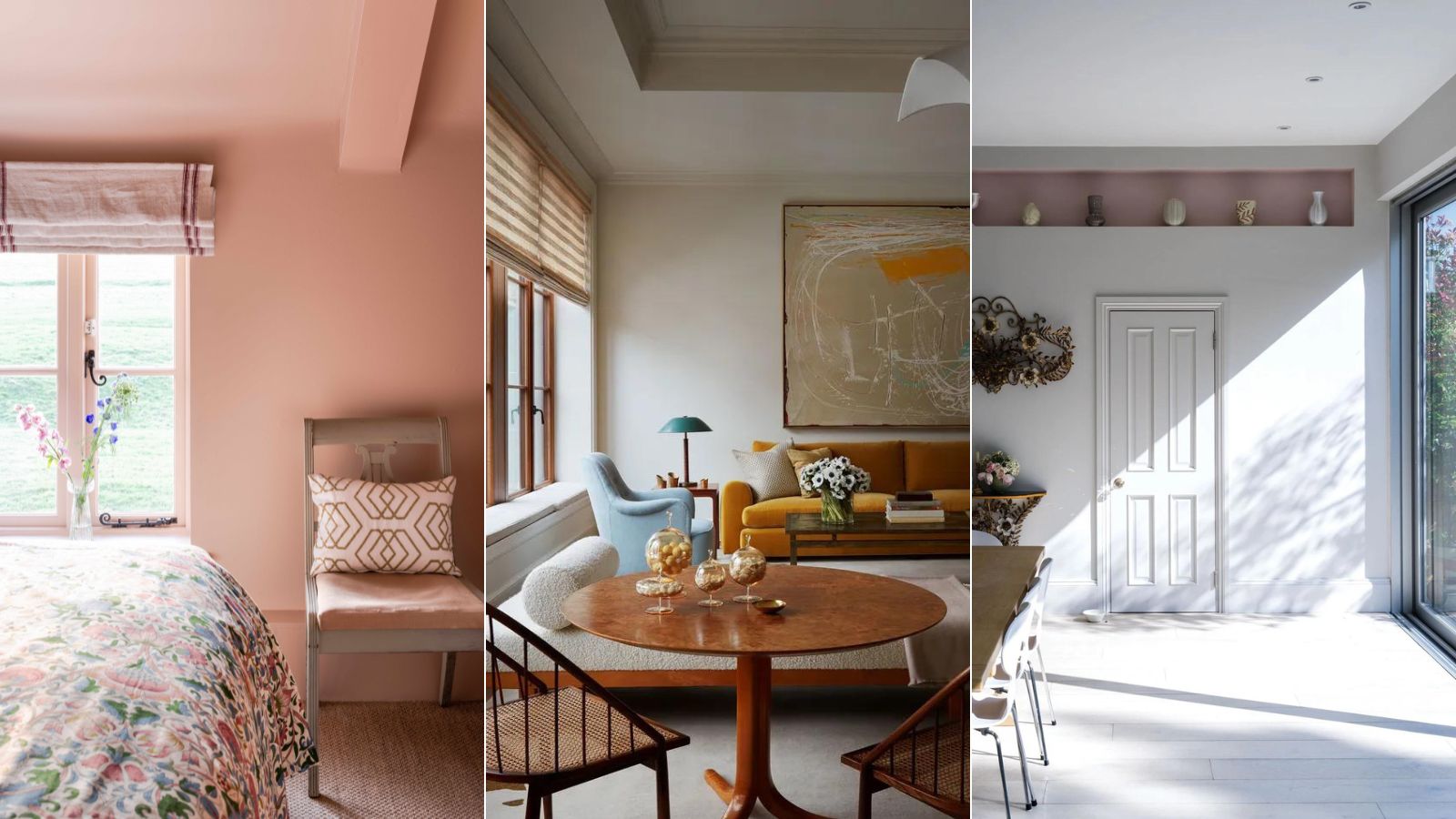
How to dress a window without curtains – 5 designer tips for embracing a more minimalist look
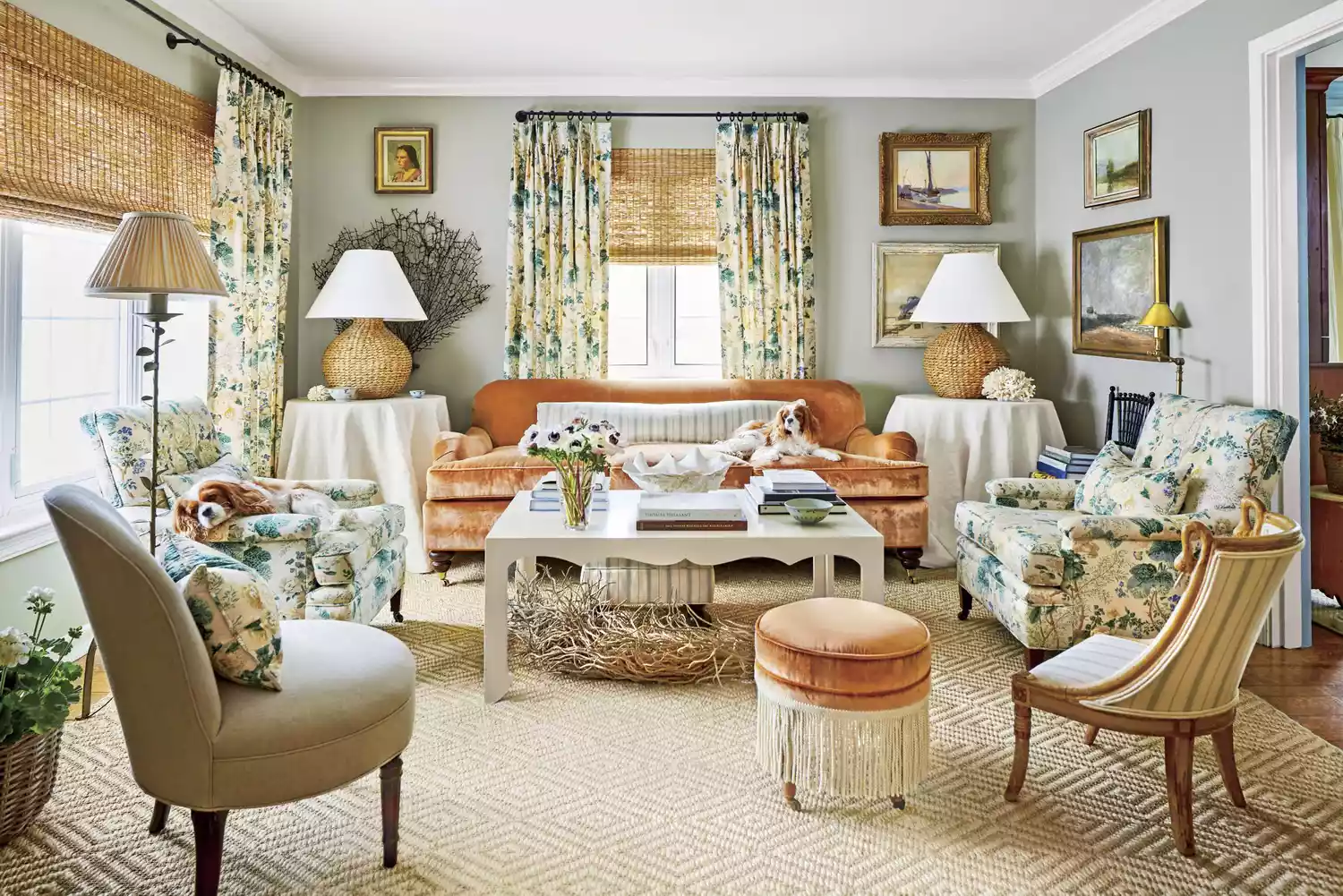
5 Window Treatment Styles That Are Quietly Dating Your Home
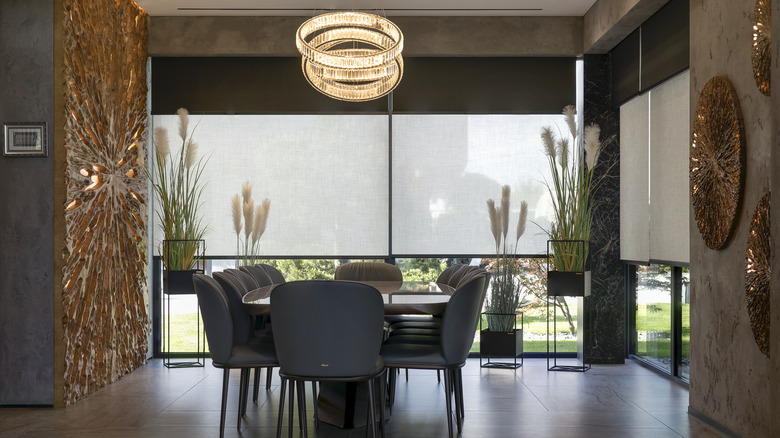
Forget Basic Curtains: These Will Be The Biggest Window Treatment Trends Of 2026
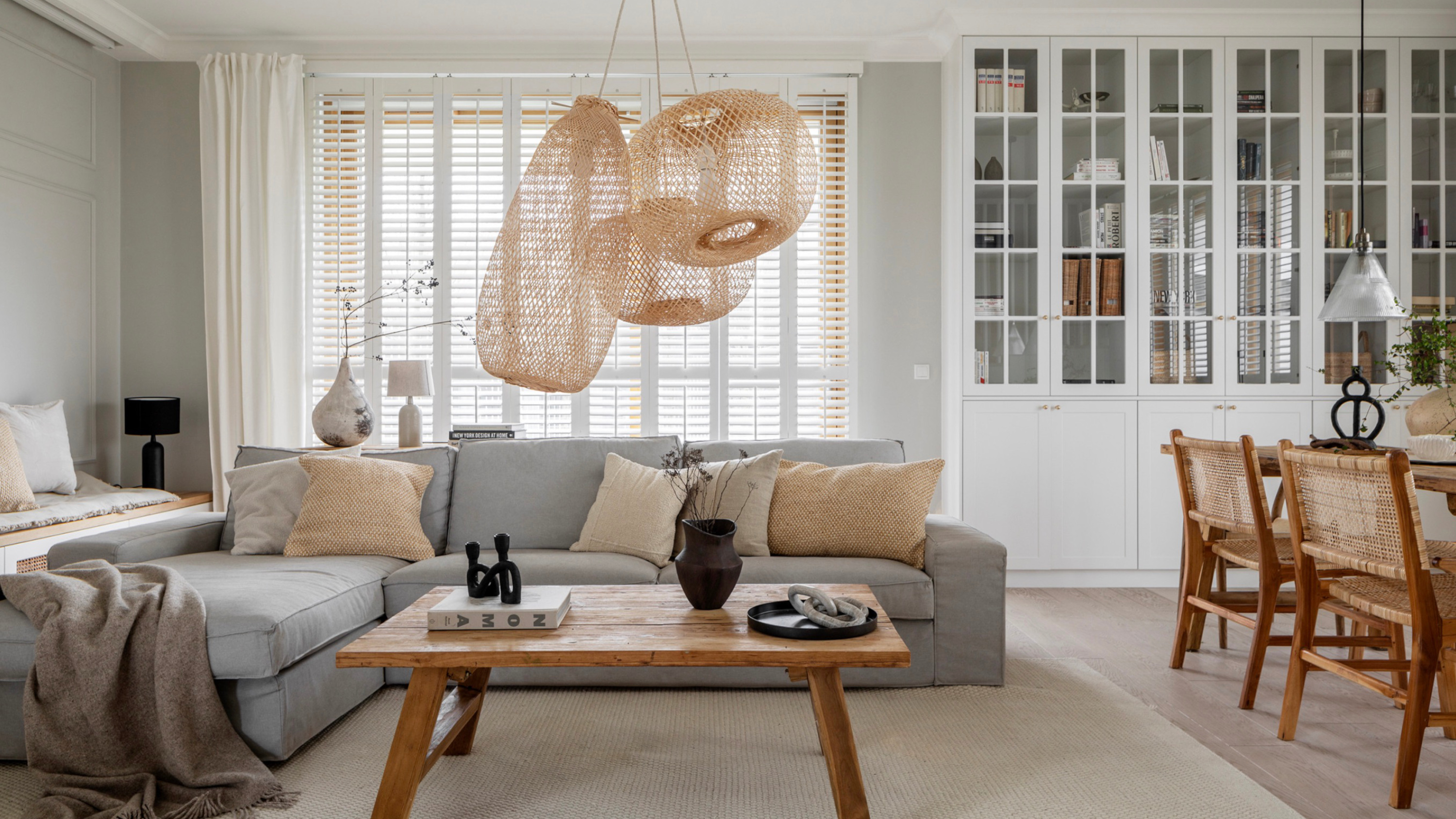
Are shutters outdated? Here’s what interior designers say, and how they're decorating for 2023 and beyond
Shedding Light on the Future of Window Treatments

Glass wall design ideas - all you need to know about glass partition walls
Architects Are Embracing "Porthole" Windows Right Now — And They Make for Such Joyful Spaces
High-Tech Windows

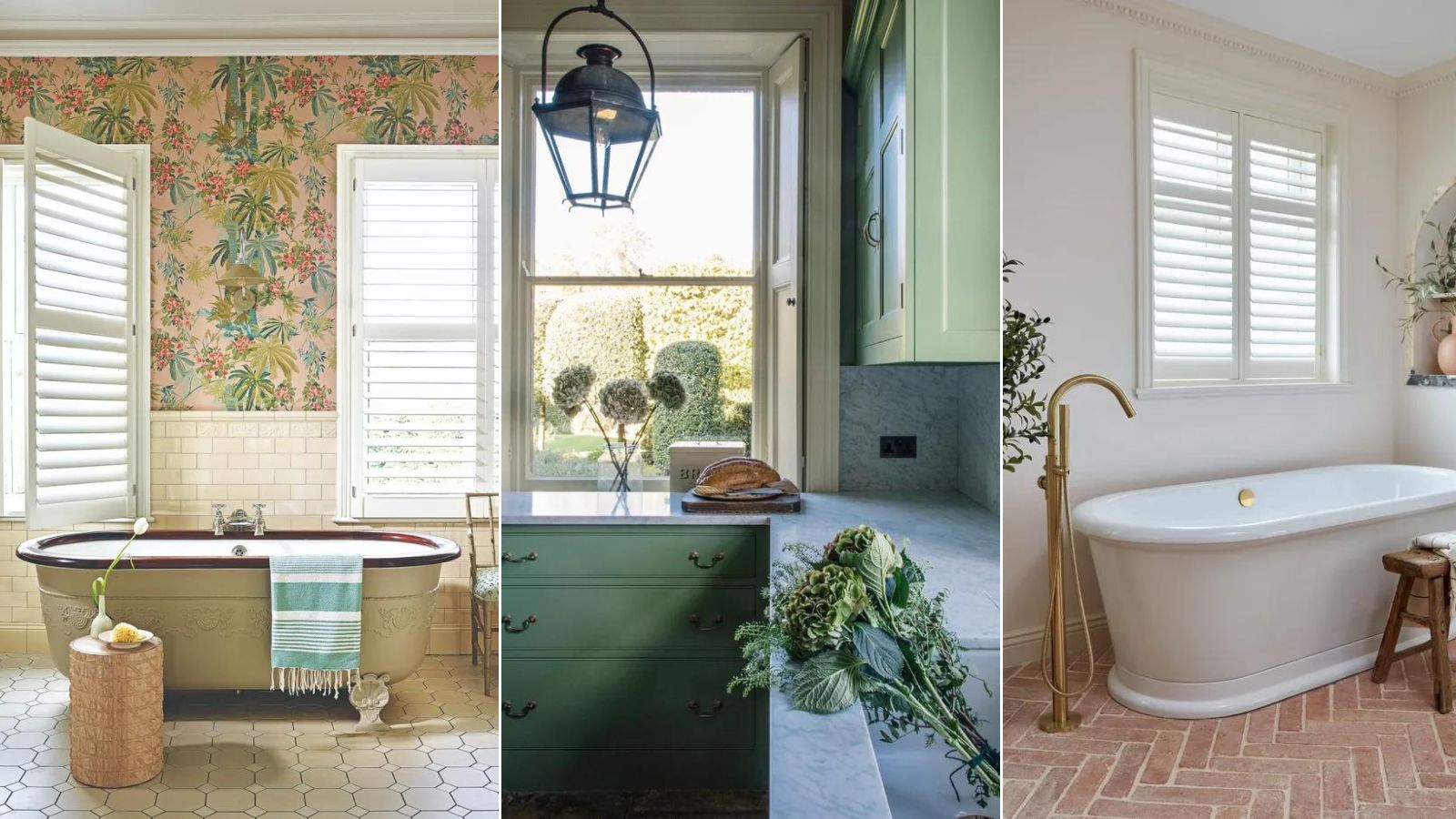
Are window shutters out of style? Interior designers weigh in
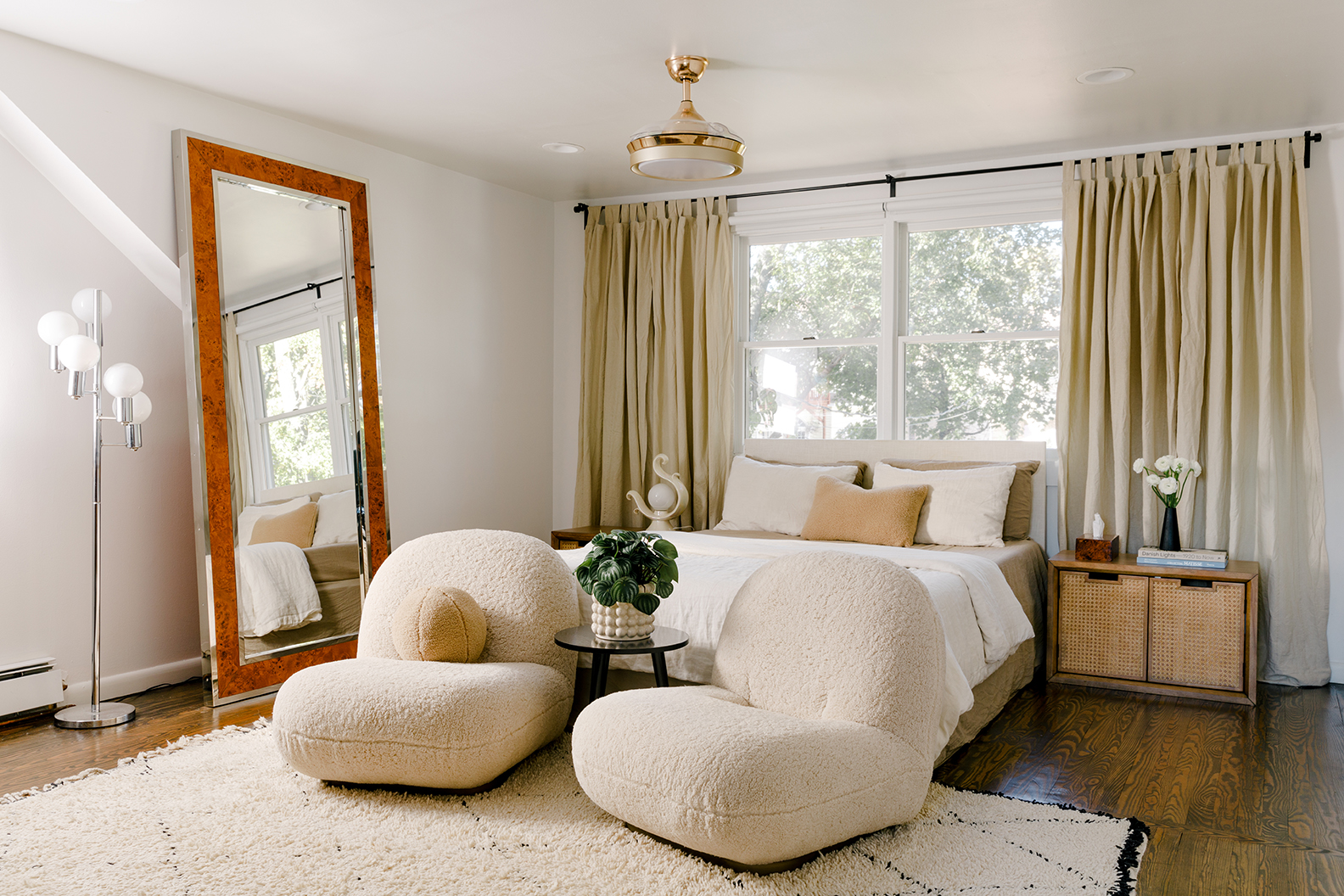
Awkwardly Placed Windows Are No Match for These Designer Tricks

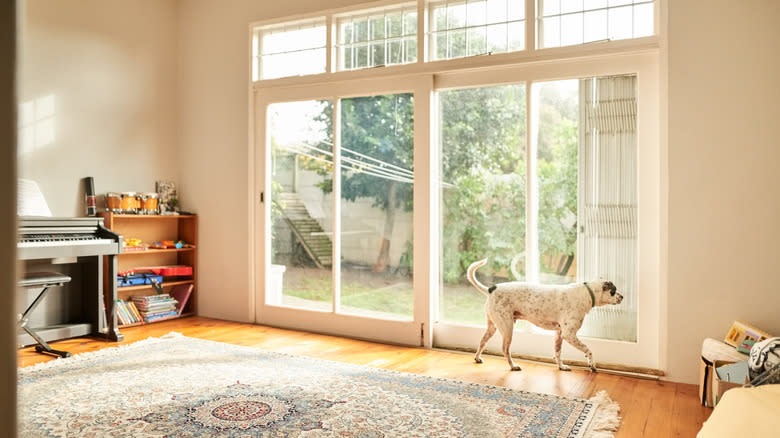
How To Cover Sliding Glass Doors Without Curtains Or Bulky Blinds
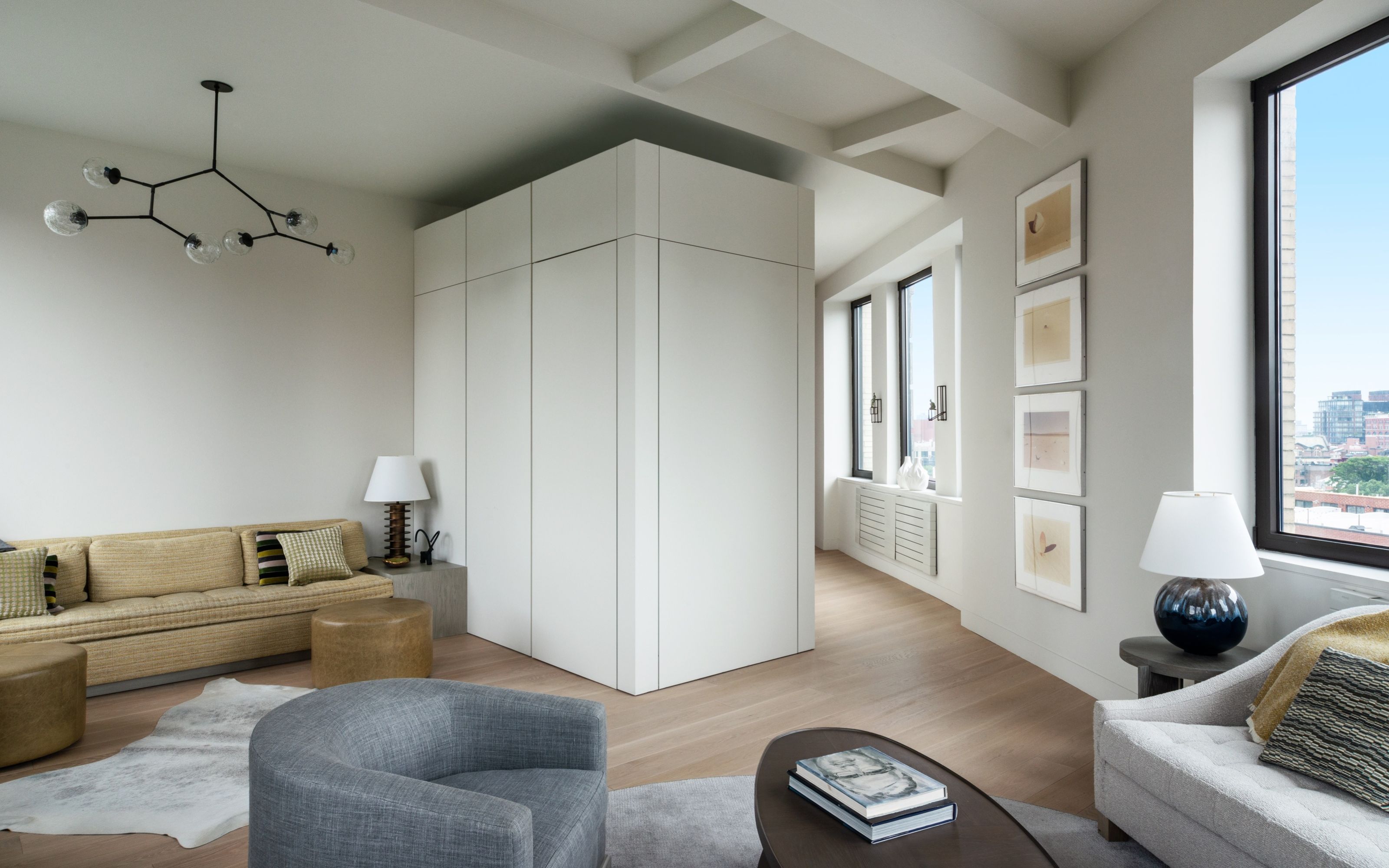
The New Trick Designers are Using To Zone Rooms and Create Privacy Is Both Beautiful and Functional

Glass partition walls – how to replace internal walls and create a timeless design feature
5 Best Window Brands for Your Home (2026)

Windows and Frames: The Silent Revolution Changing the Way We See Light and Landscapes

These 8 Unusual Windows Will Take You by Surprise

Slim Skins: Towards a New Glazed Façade System

Why Are People Leaving Their Windows Exposed—And Is It a Bright Idea?