1/6
How to dress a window without curtains – 5 designer tips for embracing a more minimalist look
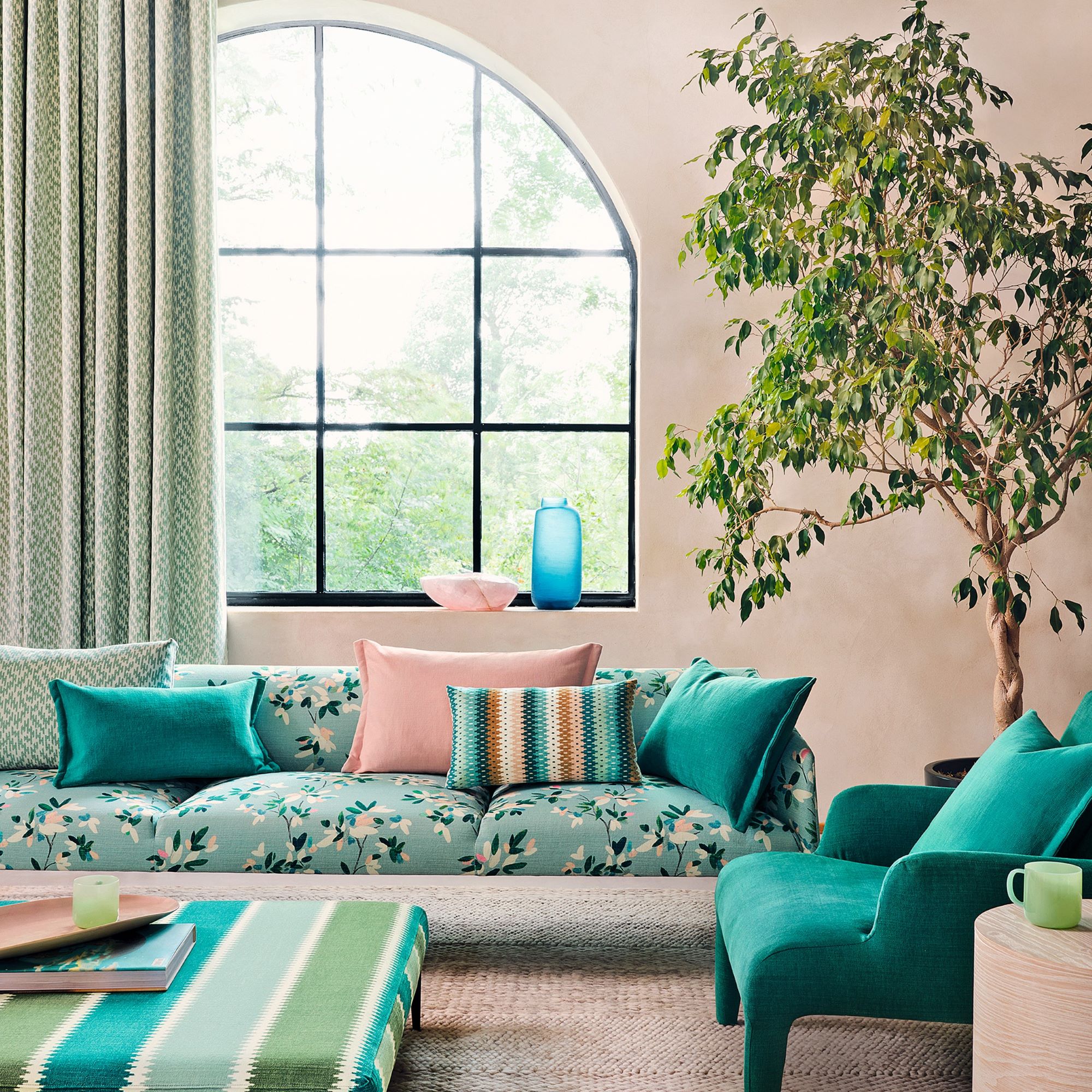
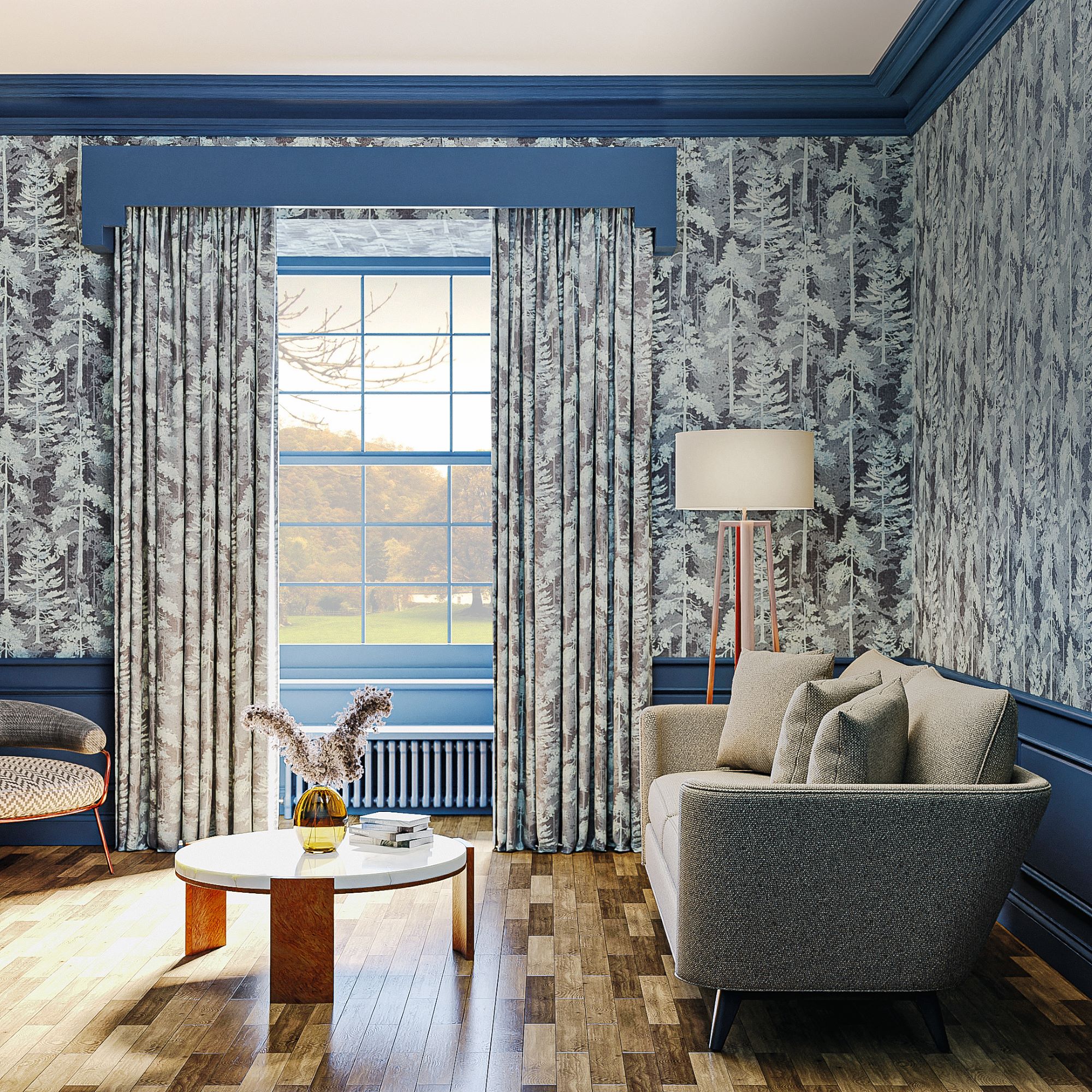
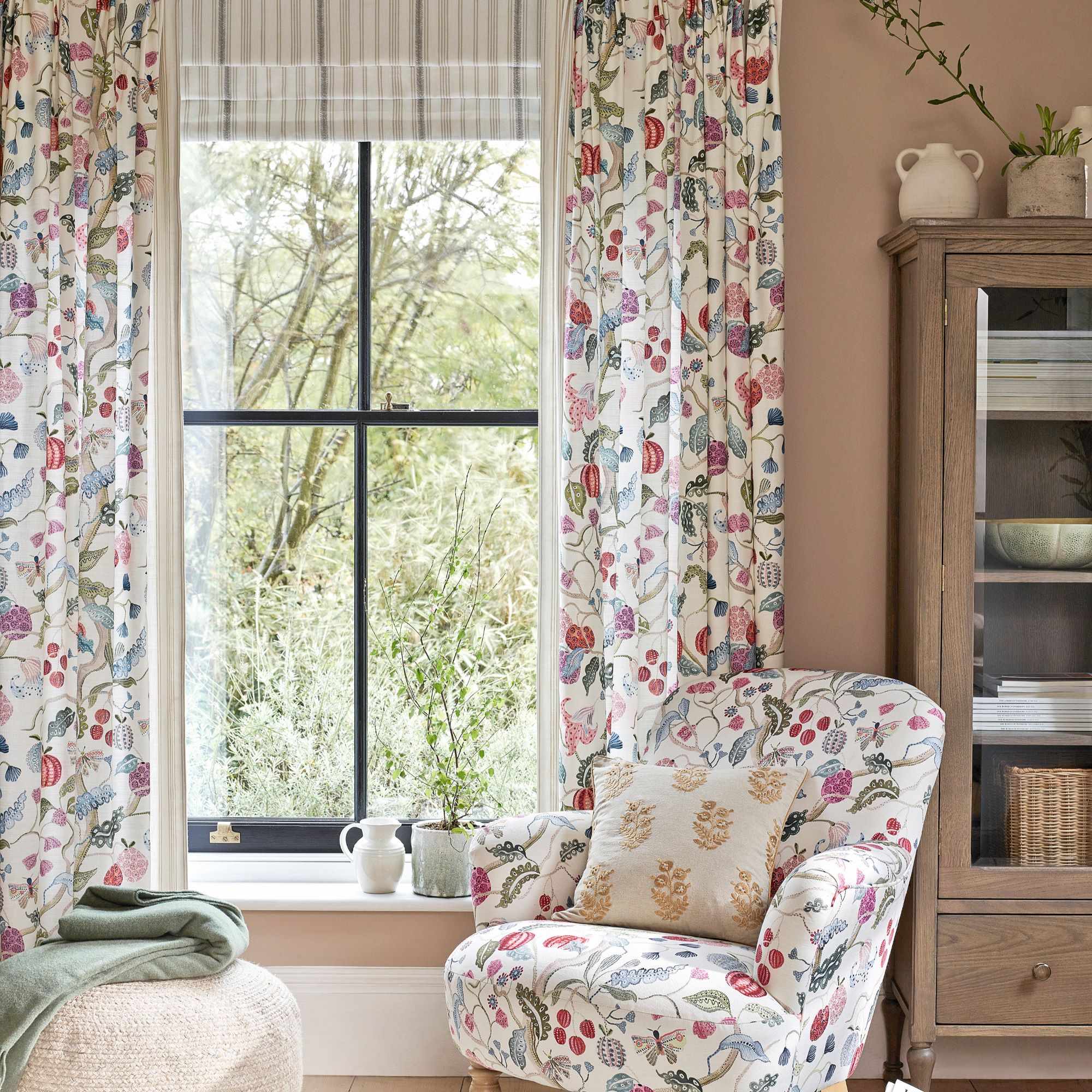
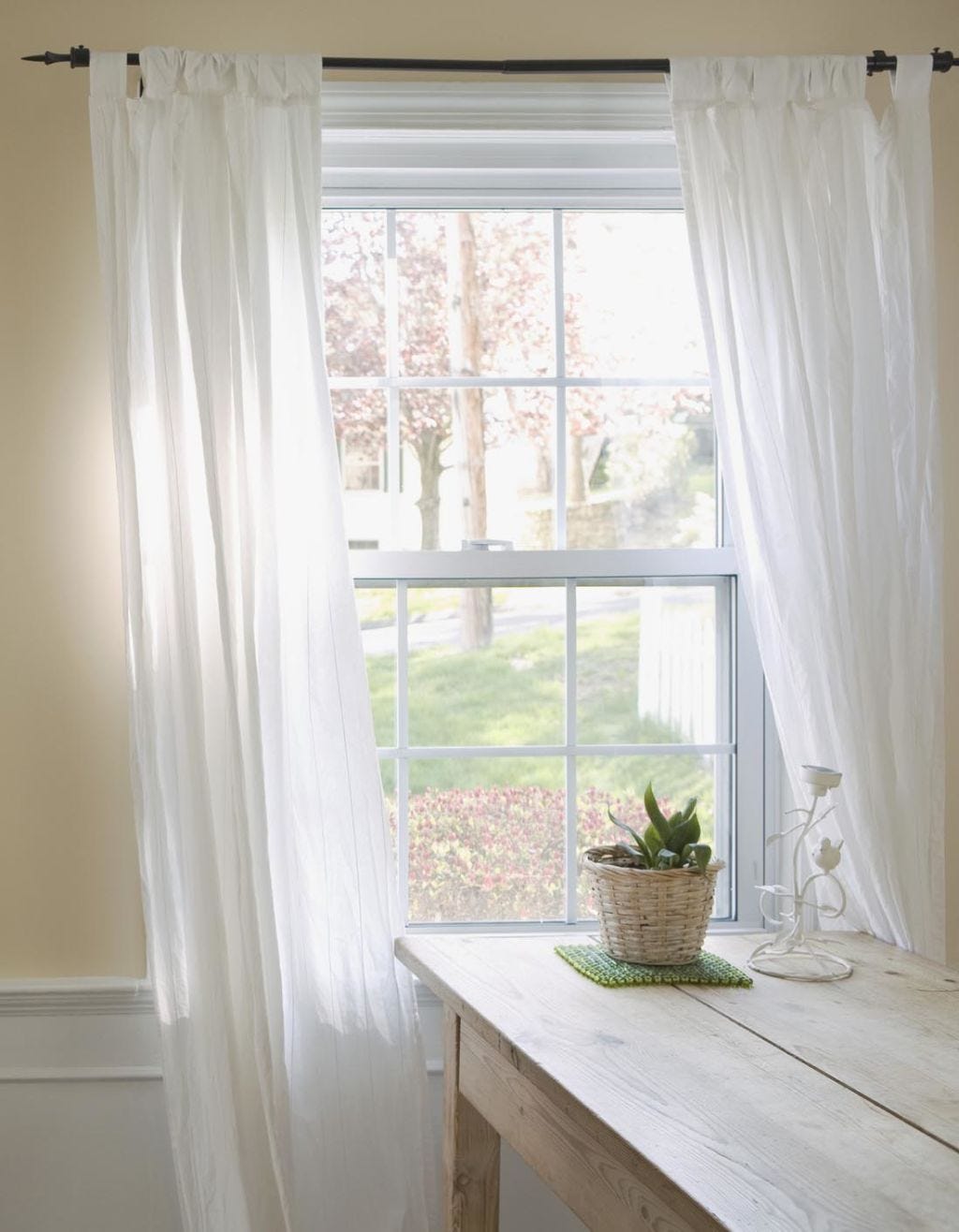
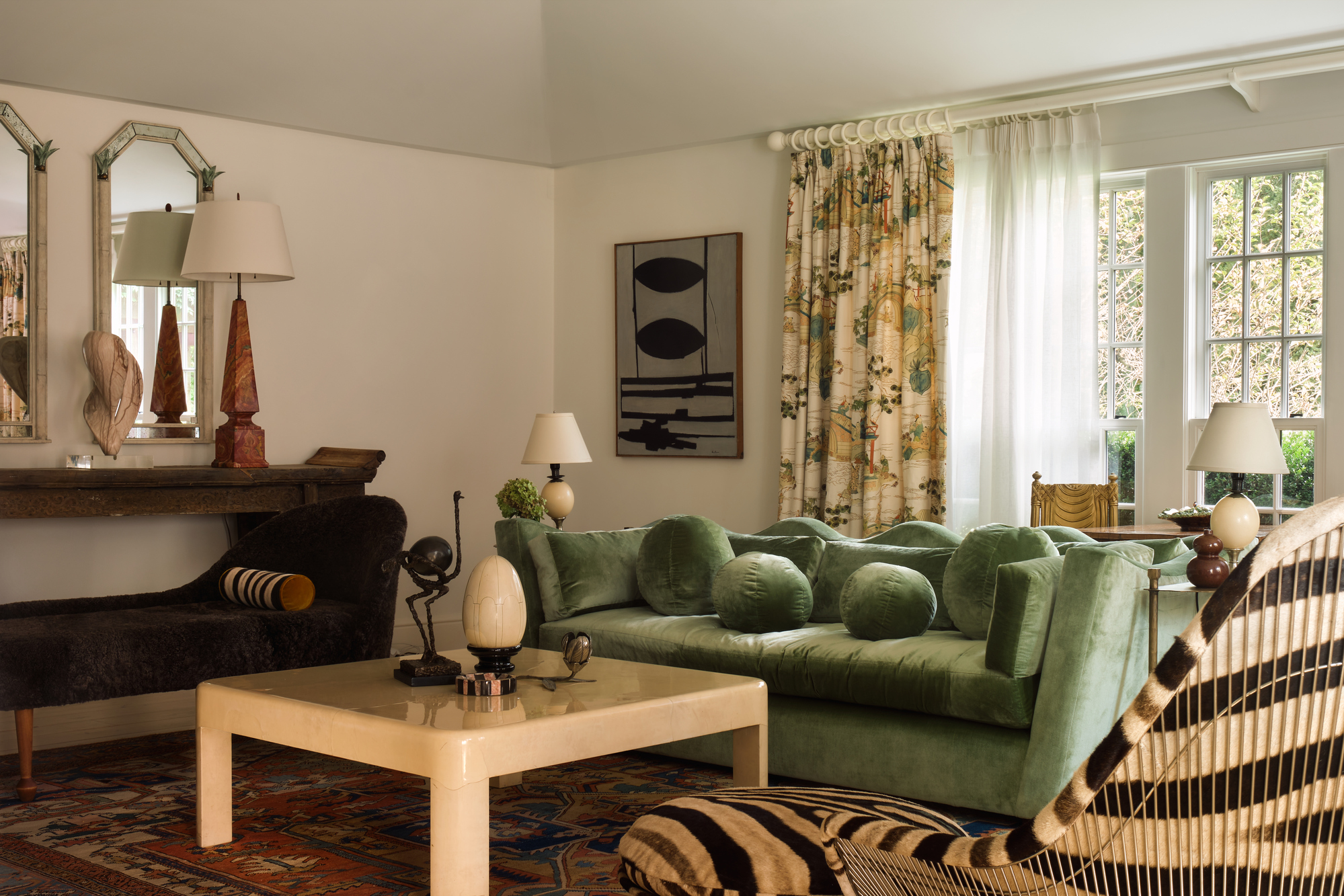
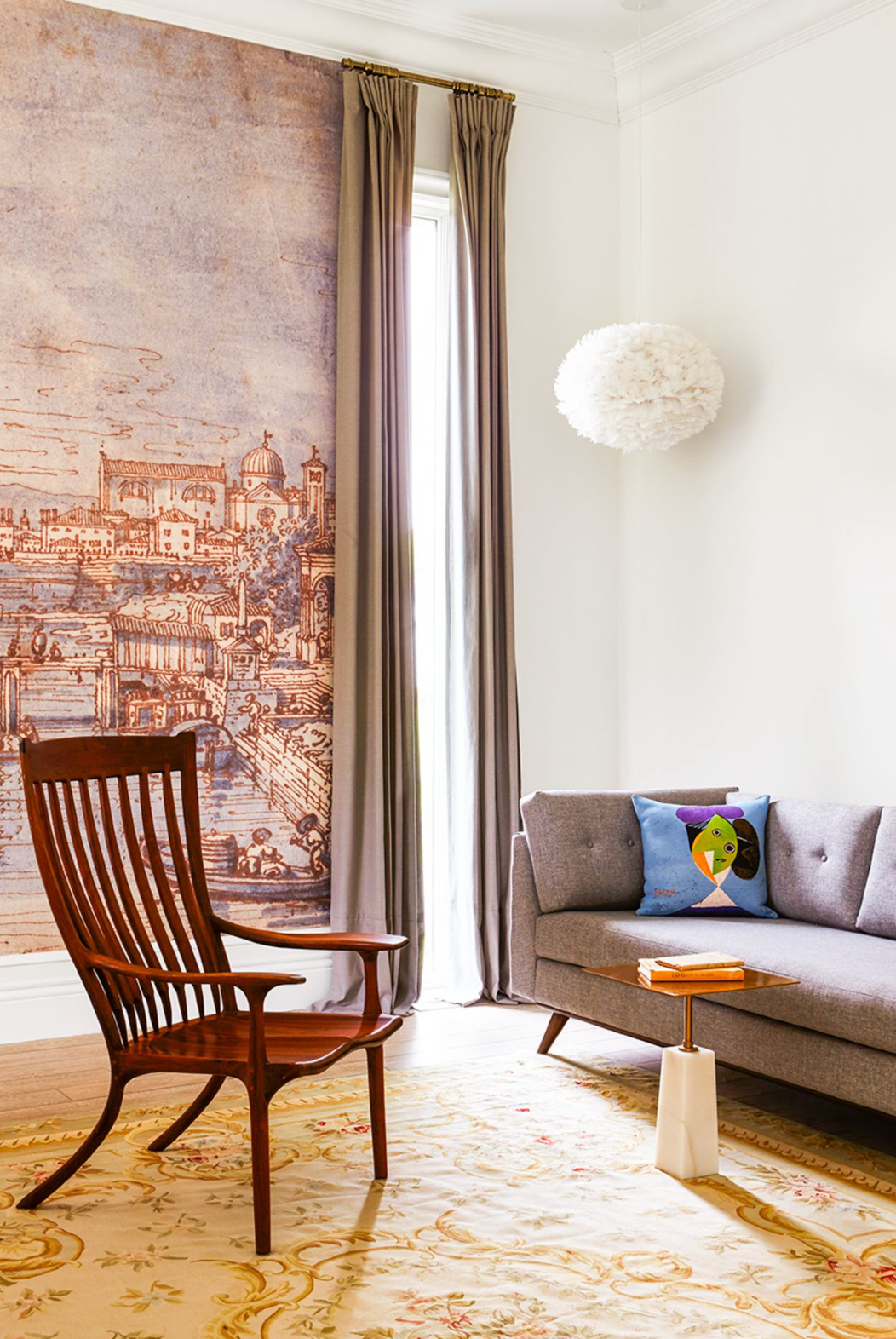
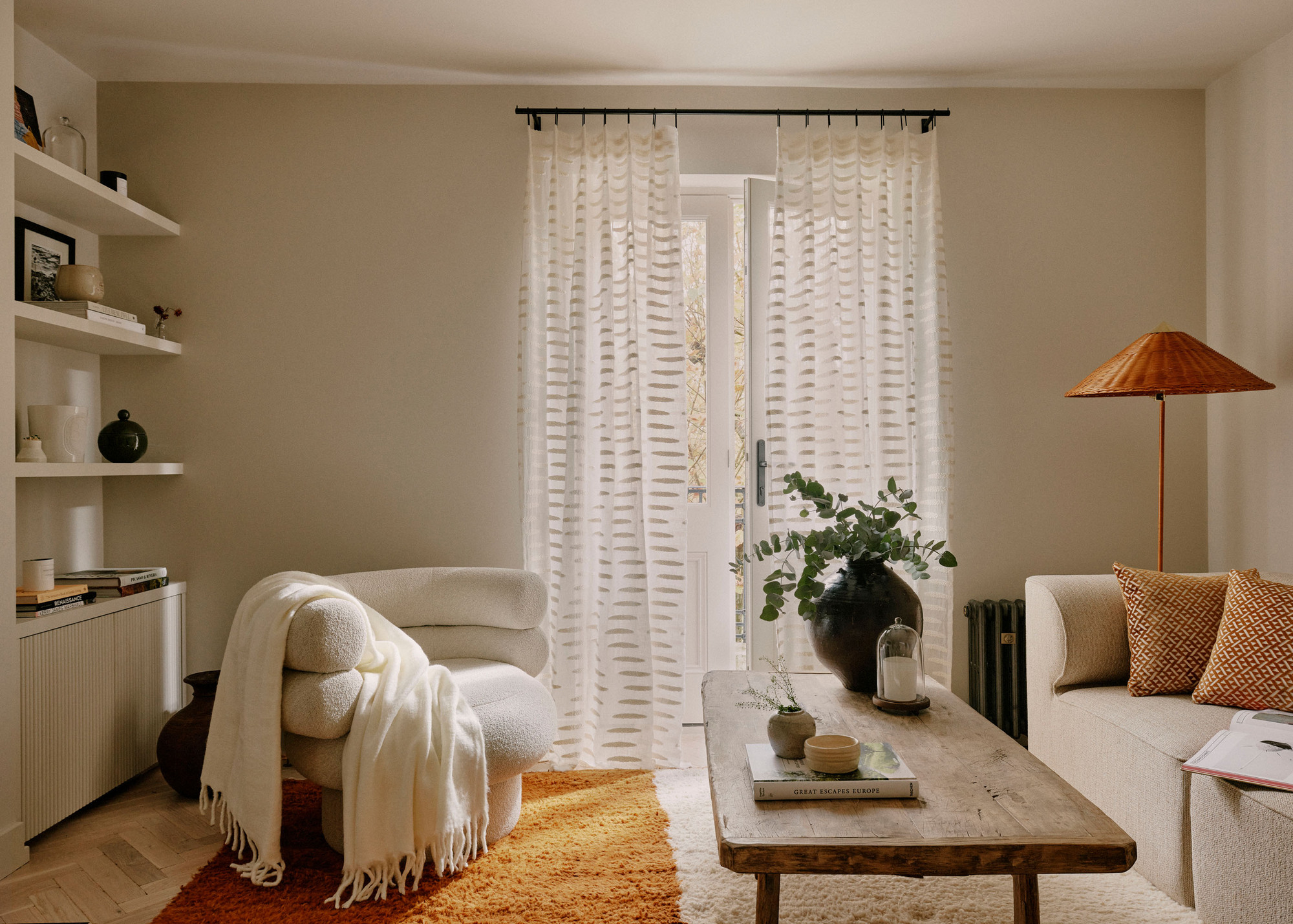
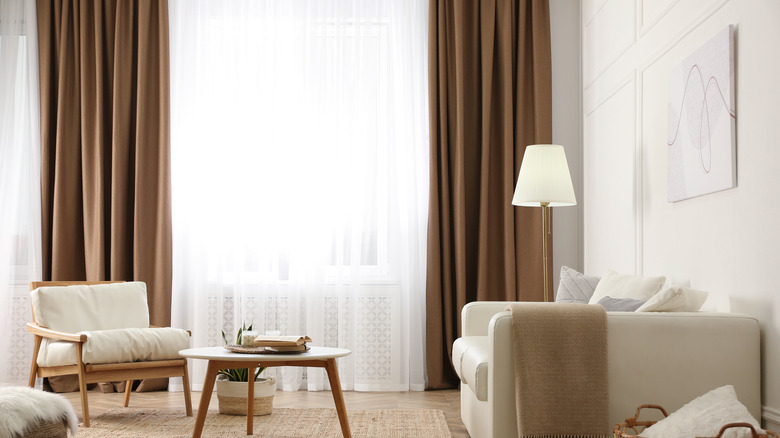
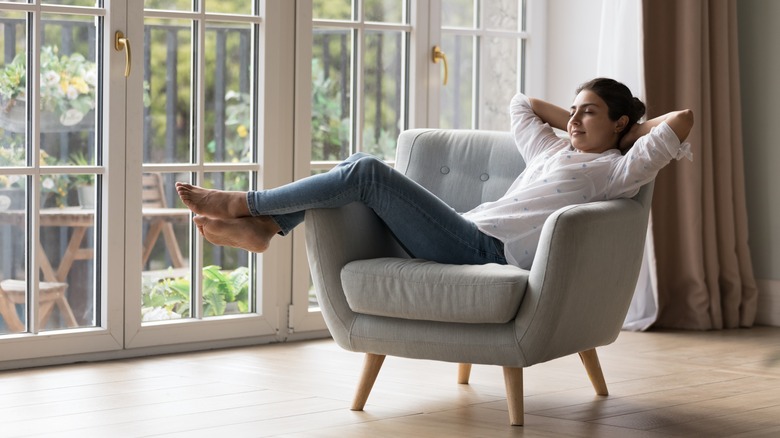
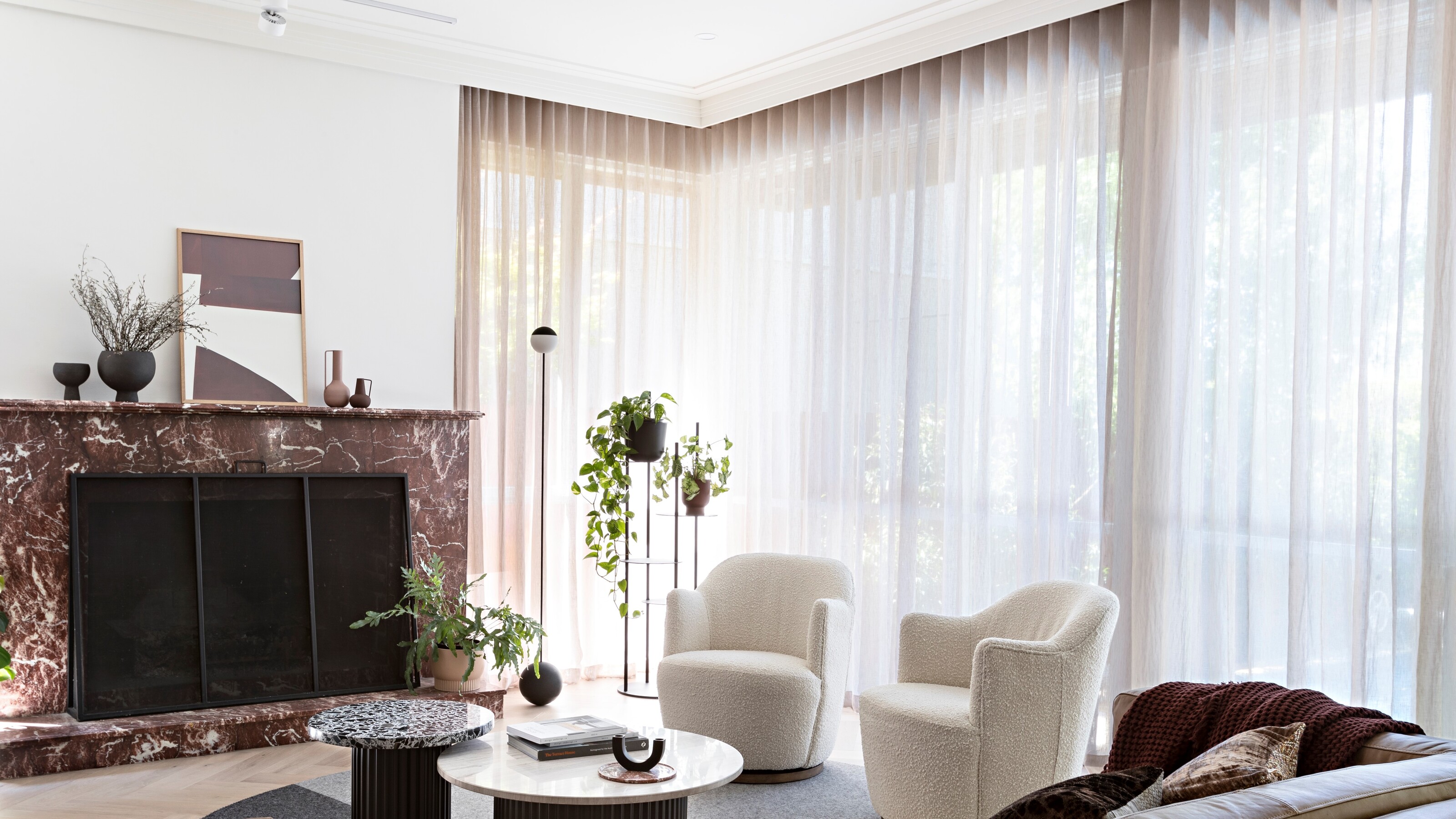
Curtains have traditionally been a go-to for adding warmth, texture, and elegance to a room. However, they are not always the most modern or exciting choice and can sometimes appear bulky or heavy, diminishing natural light and obscuring beautiful window designs or views. This article explores stylish alternatives to traditional drapes, focusing on solutions that offer a more streamlined, minimalist aesthetic and are particularly suitable for smaller spaces or rooms with specific functional requirements like high humidity.
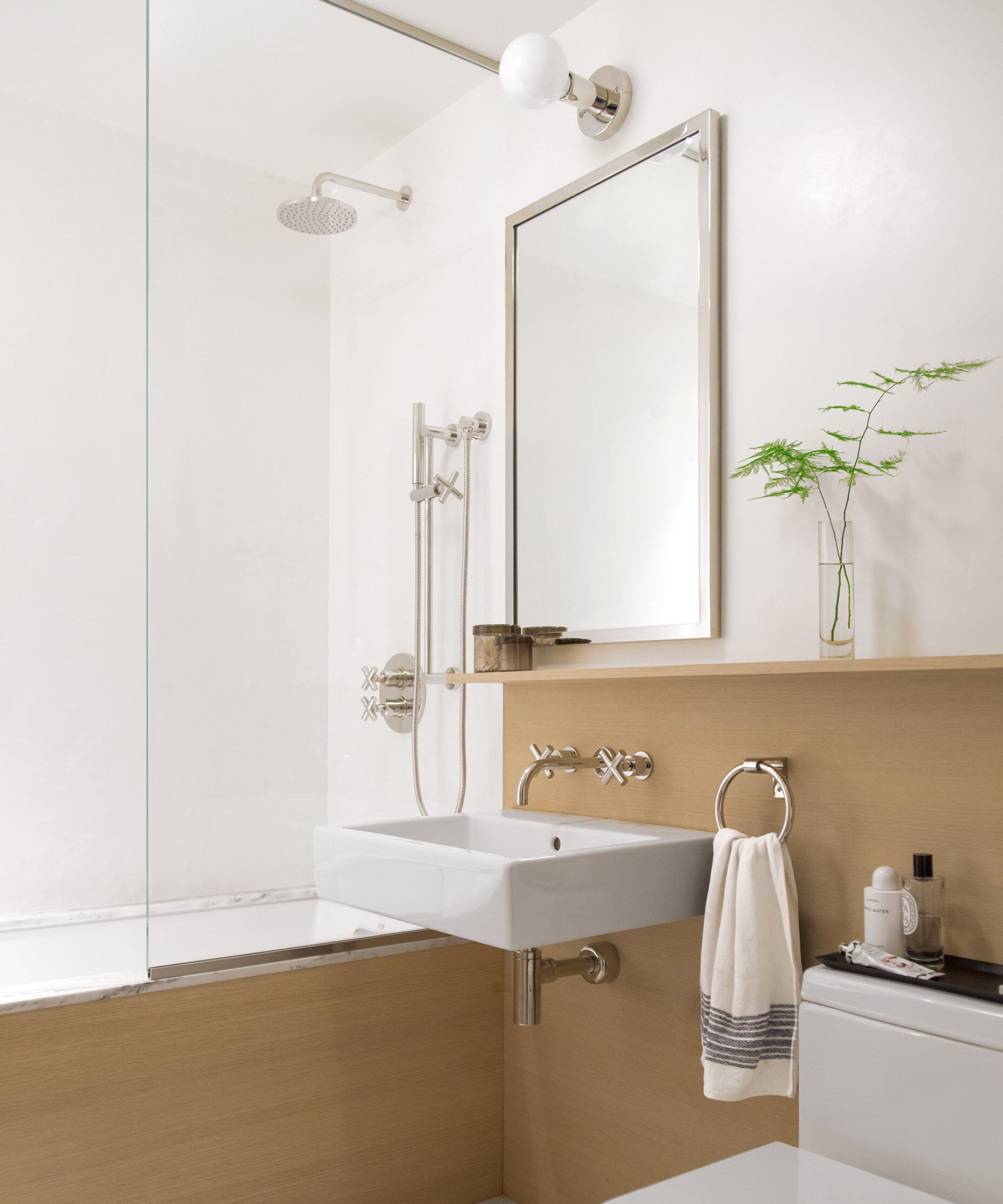
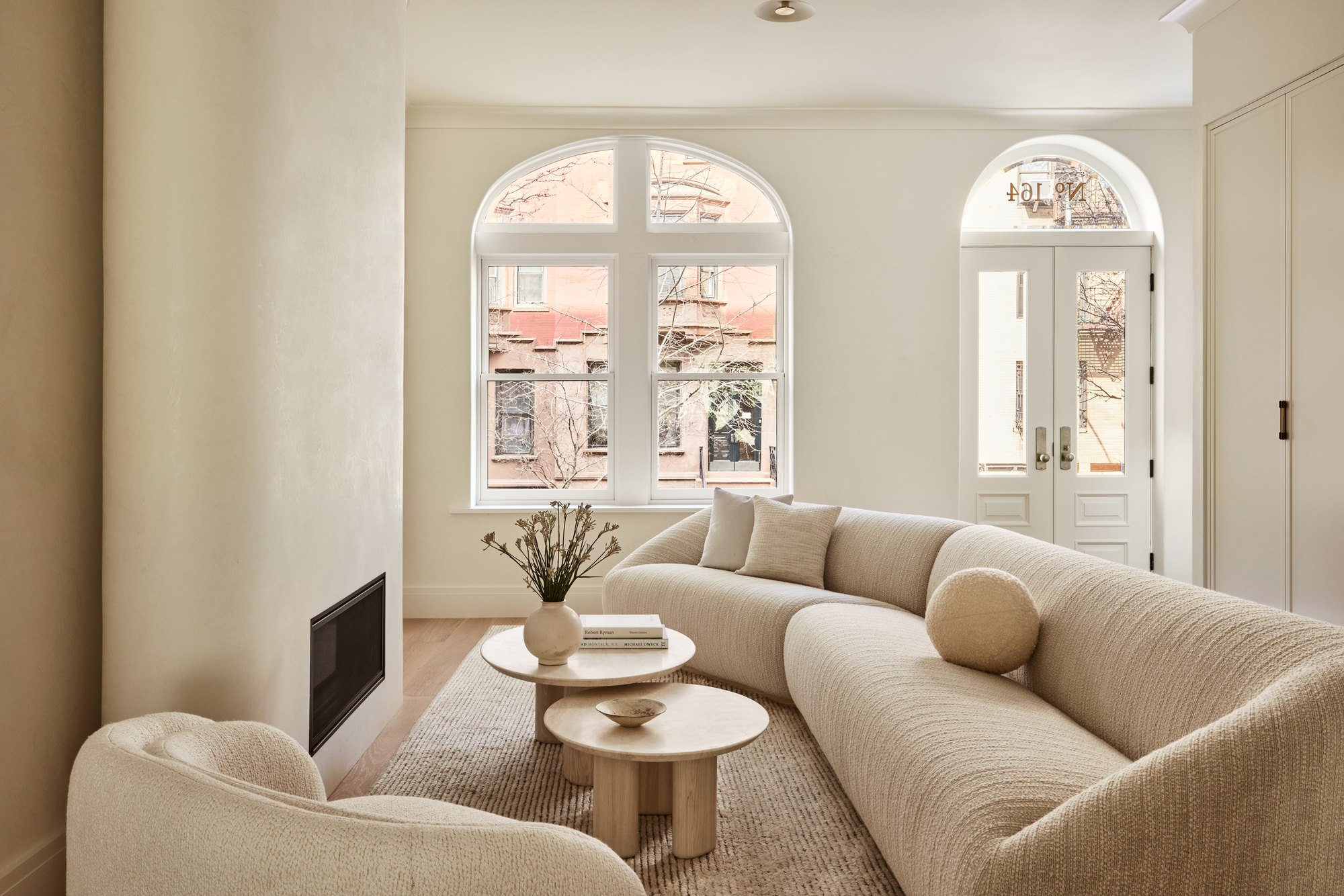
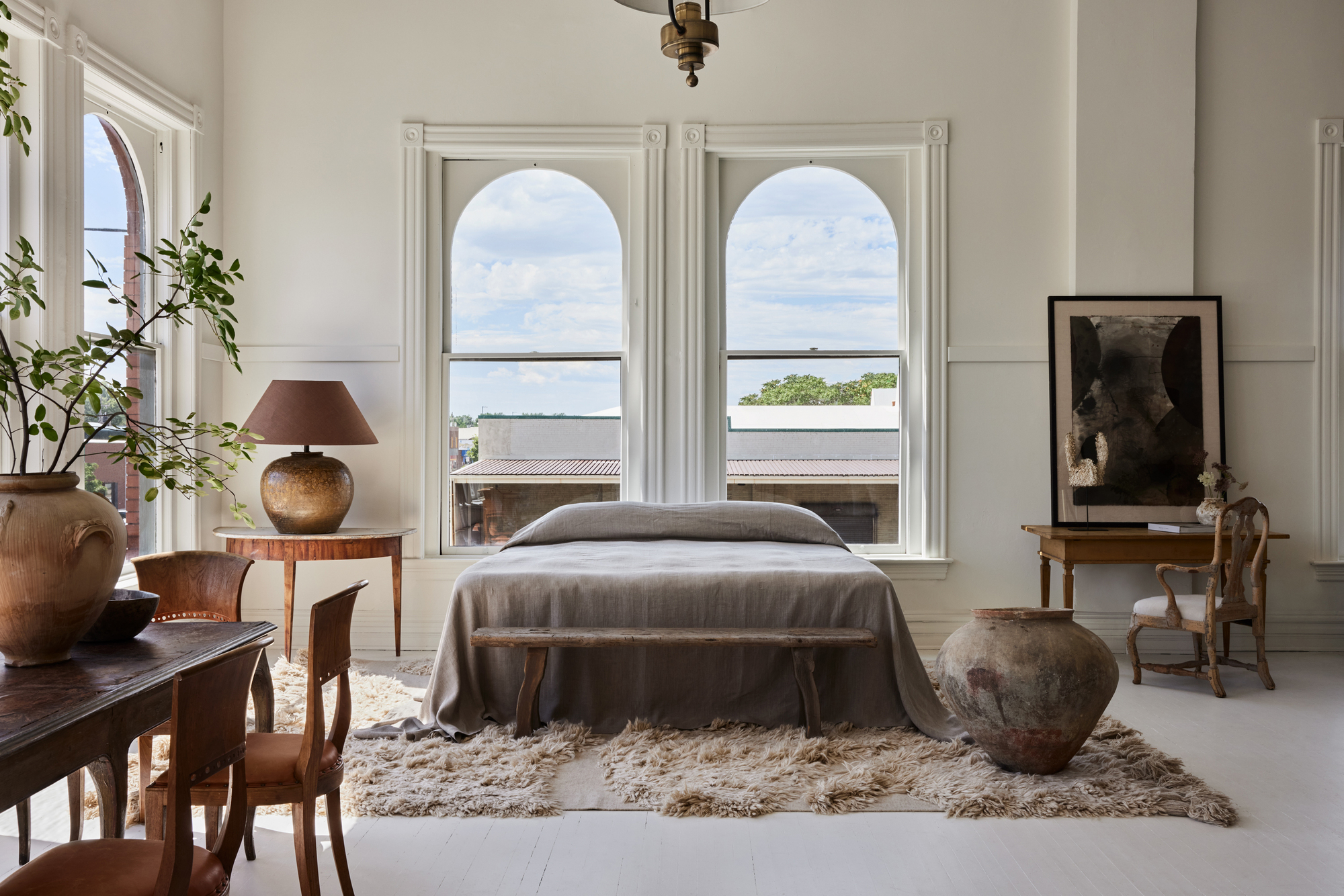
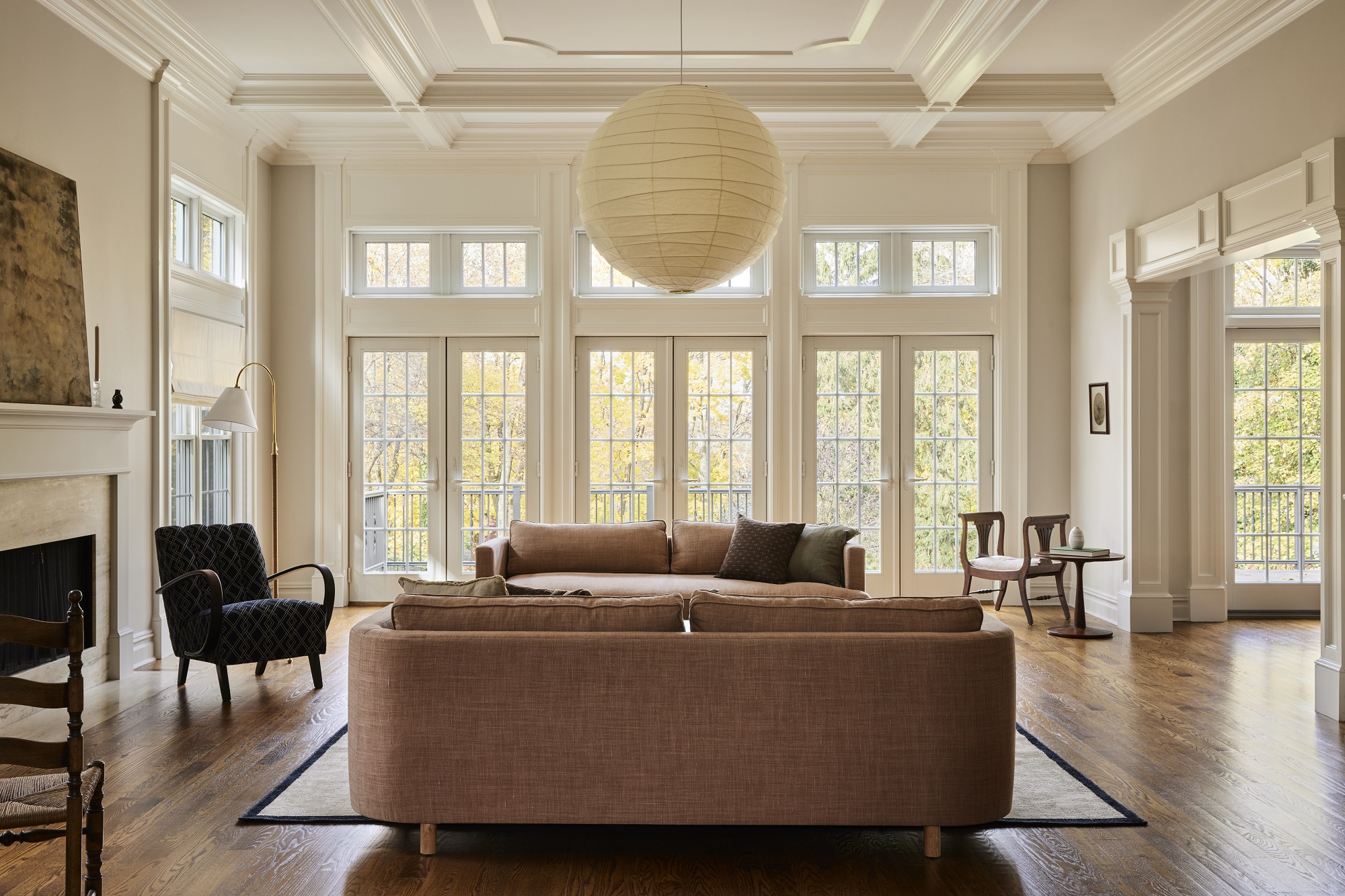
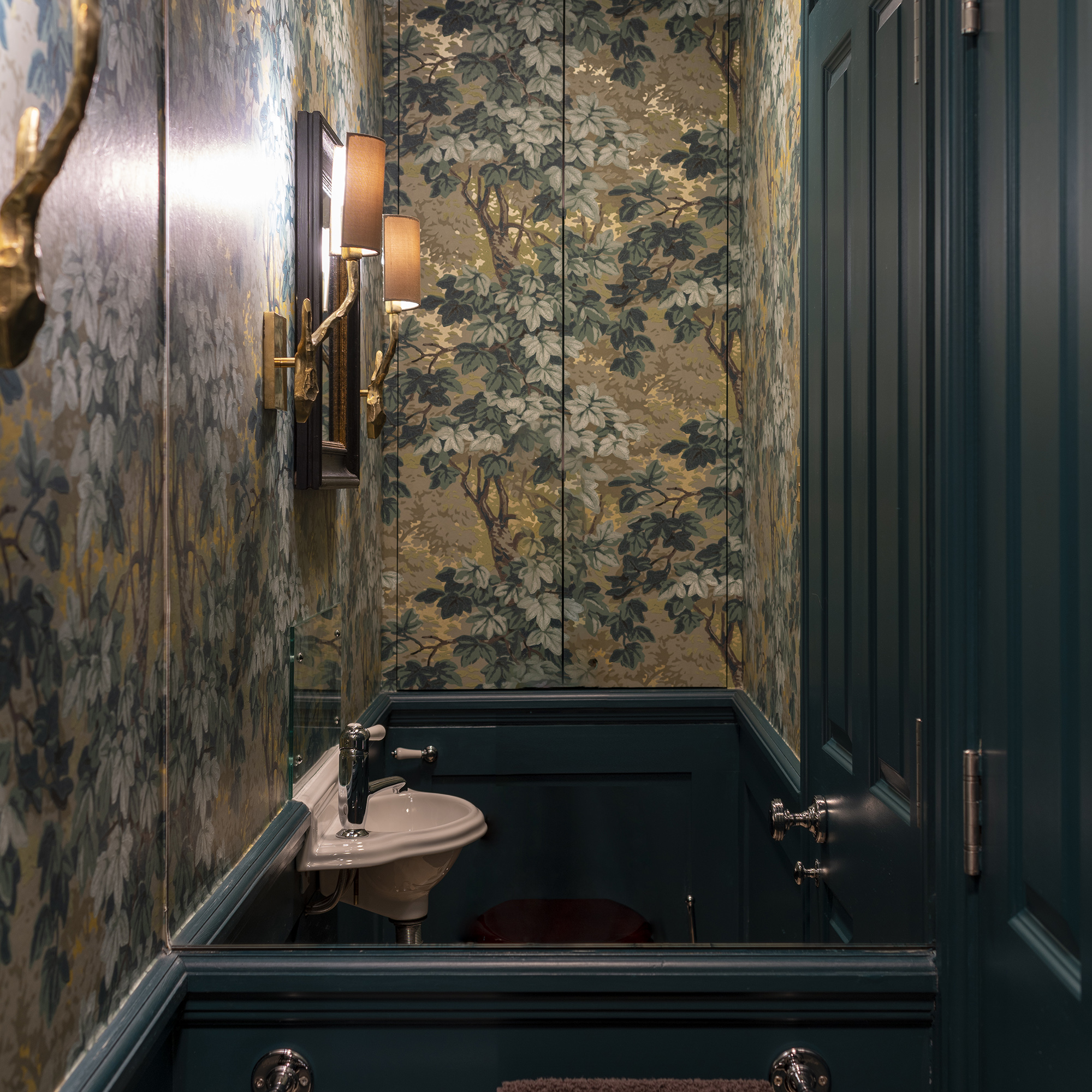
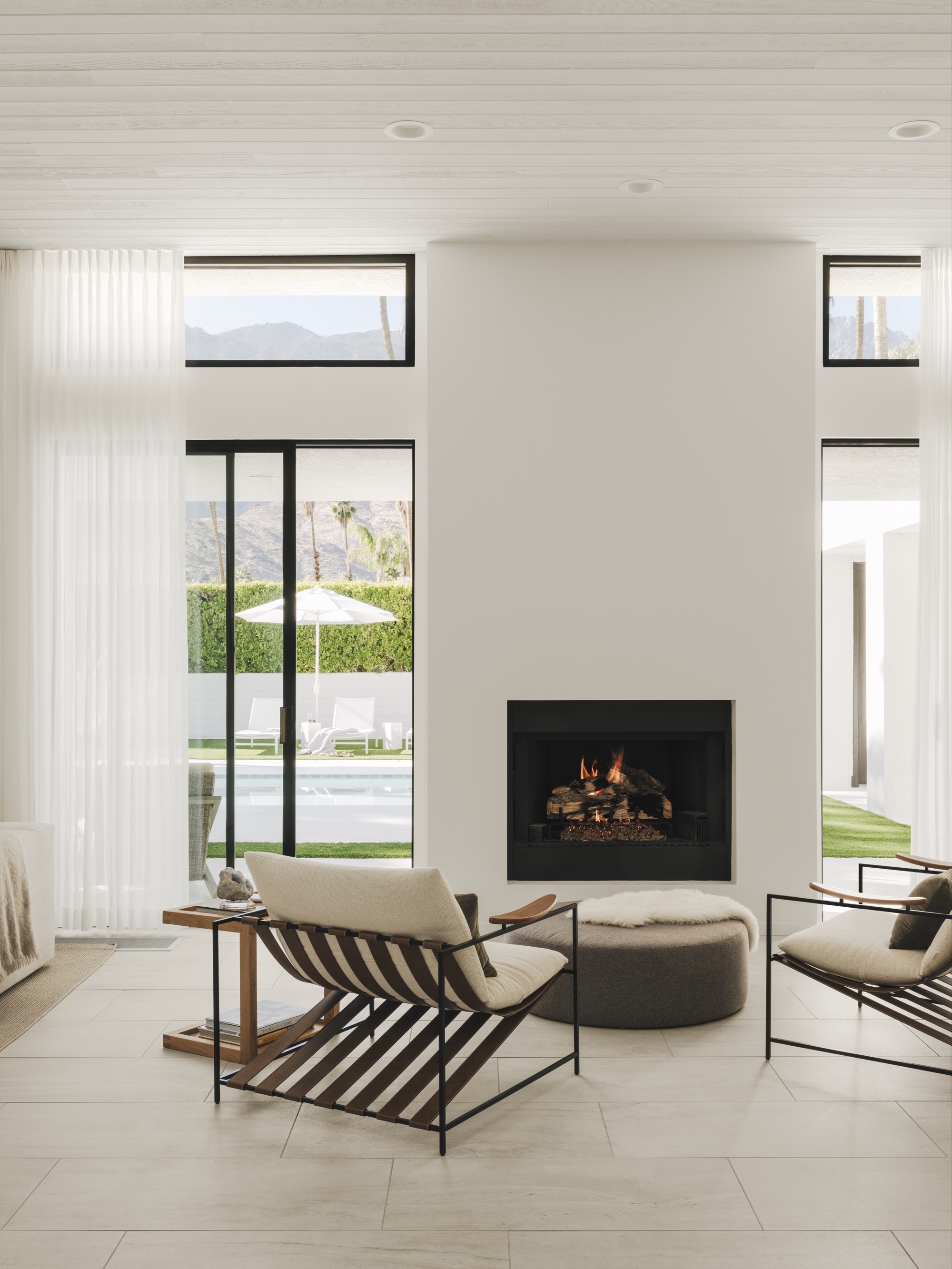
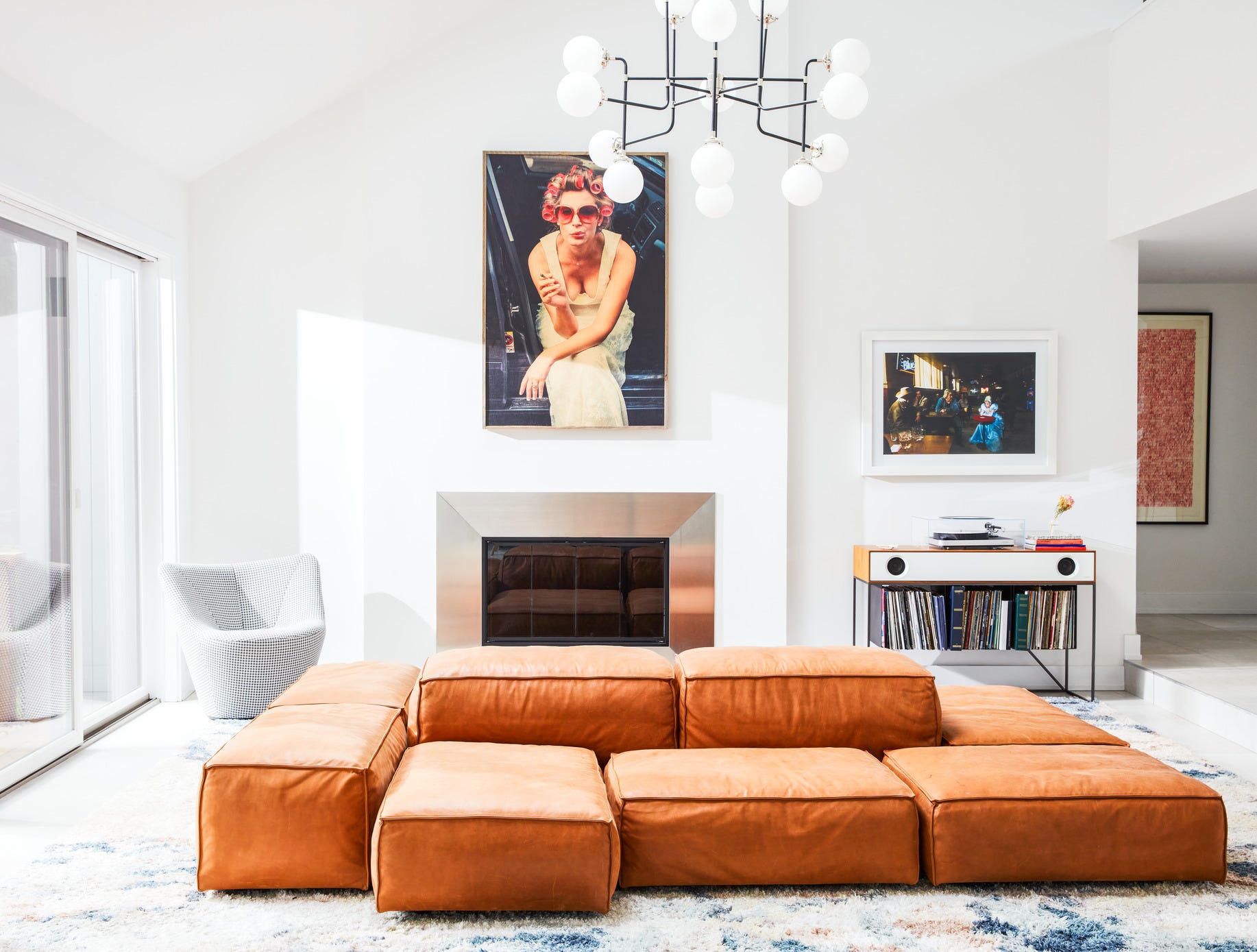
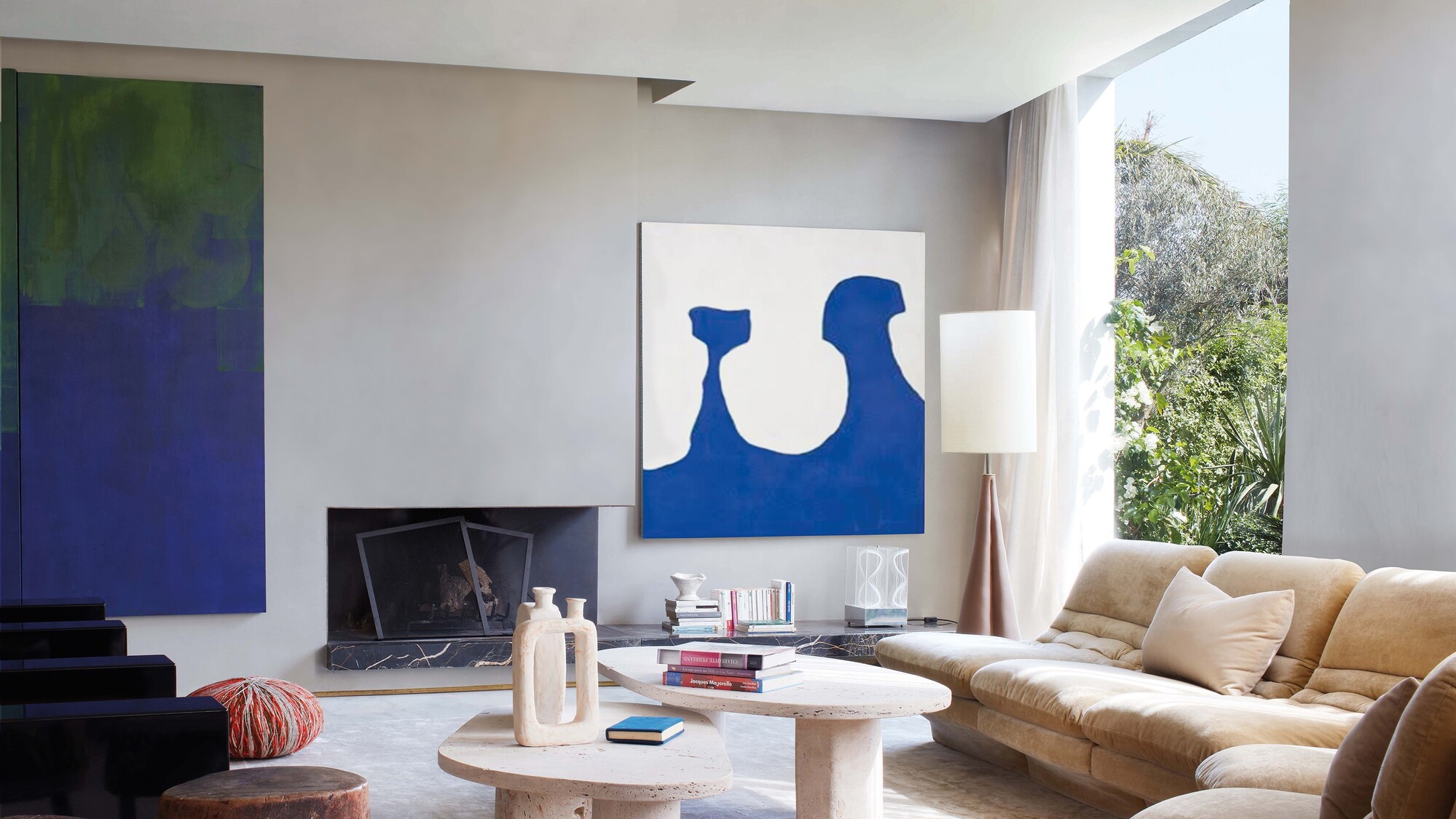
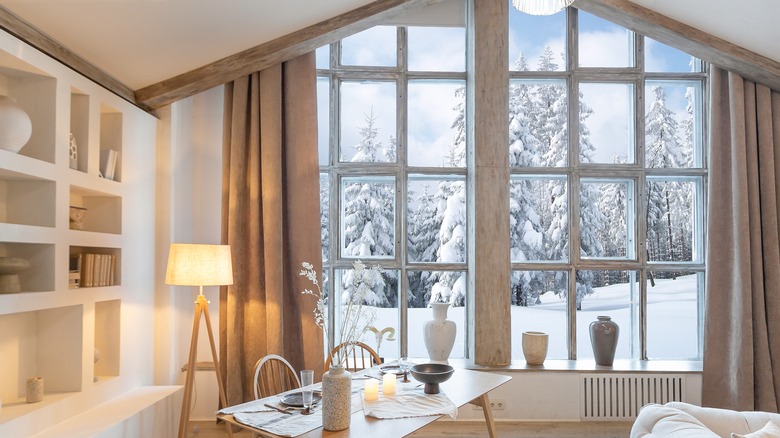
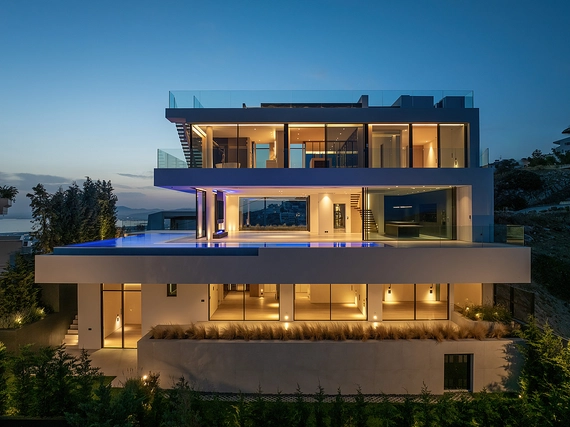
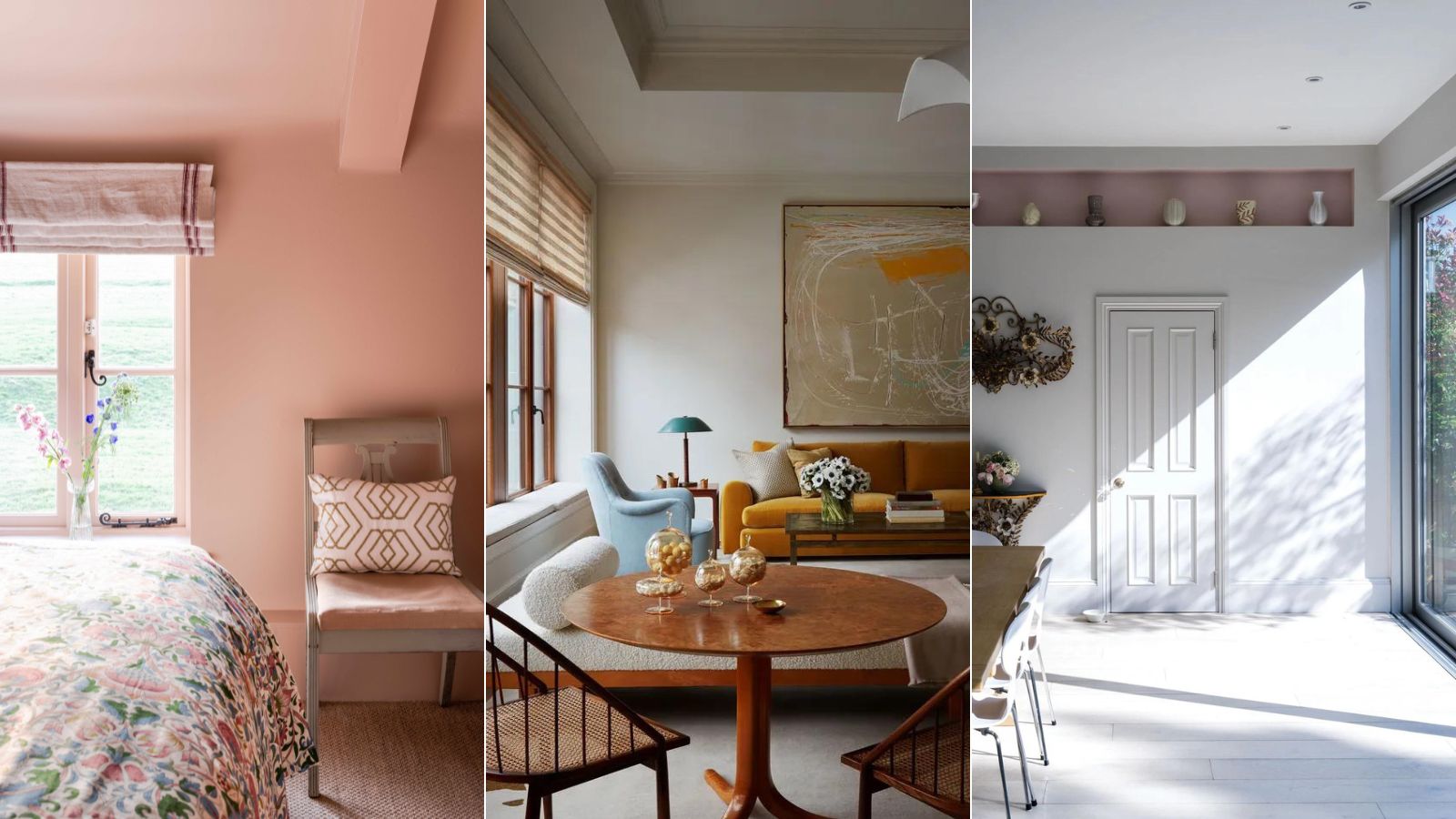
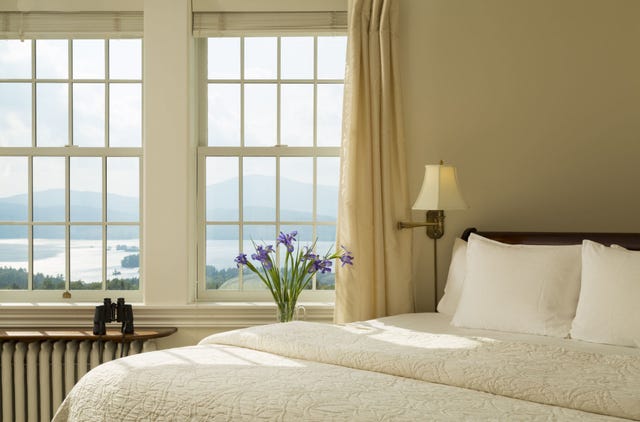
Designers emphasize that in certain architectural contexts, the best approach might be to leave windows bare. This is especially true for period homes or spaces featuring architecturally significant windows that act as focal points. If privacy or sun protection is a concern, an architectural window film can offer a discreet solution without detracting from the view. This strategy allows the window itself or the surrounding wall treatments, such as tile, wallpaper, or millwork, to become a piece of art, as noted by Melinda Trembly of Rincon Rd and Emily Ruff of Cohesively Curated Interiors.
Shutters are presented as another elegant alternative, offering both aesthetic appeal and practical benefits. They provide flexibility in controlling light and privacy, improve natural ventilation, and offer insulation during colder months. Designers like Anna Burles of Run For The Hills highlight how traditional shutters can be a design statement, while Victoria Sass of Prospect Refuge Studio praises tier-on-tier shutters for their versatility. Sara Story notes that shutters are ideal for an architectural style, contrasting them with Roman shades for a softer look.
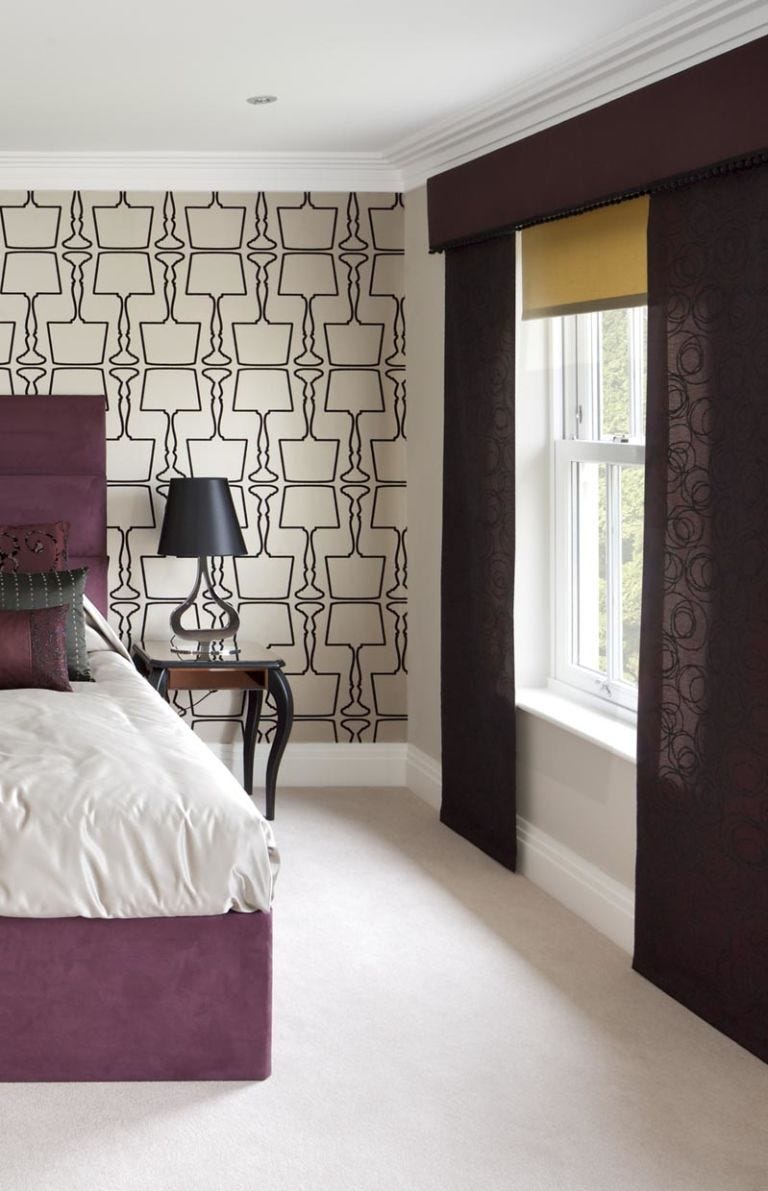
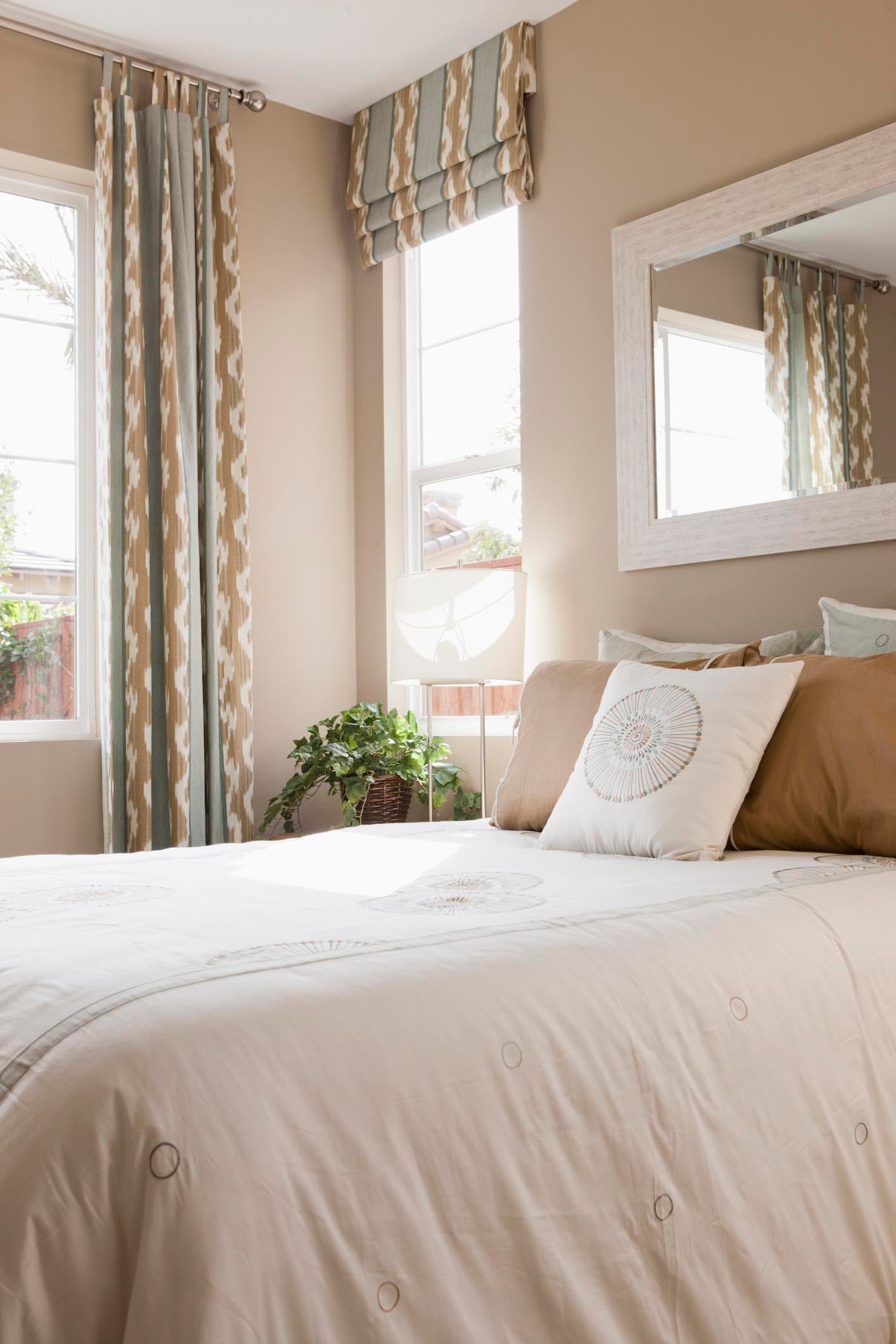
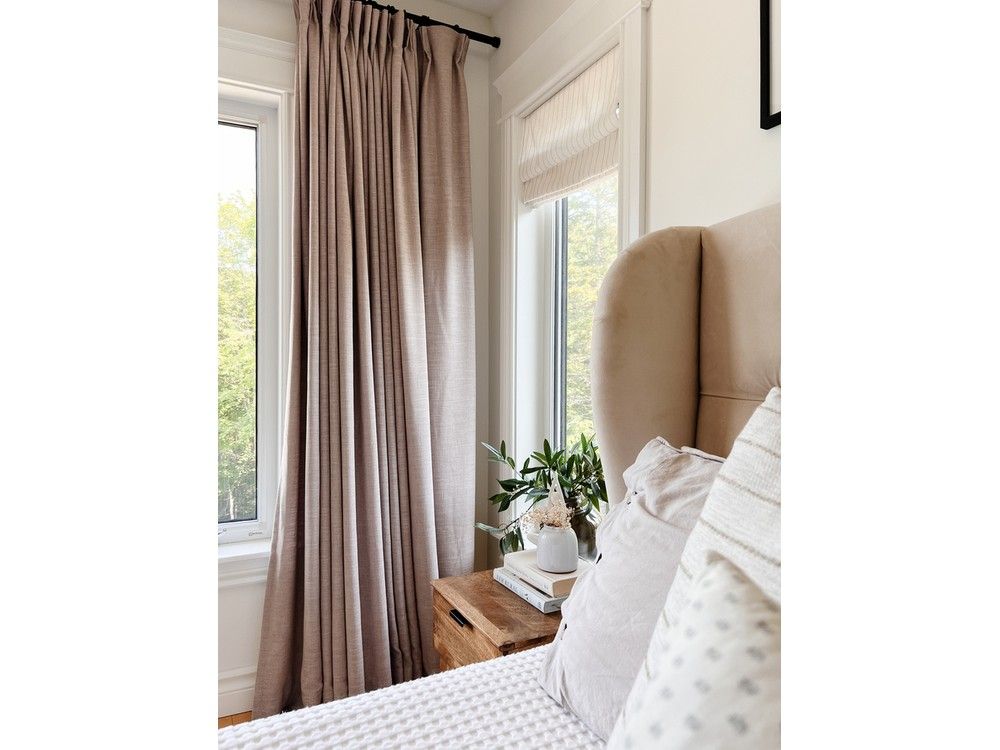
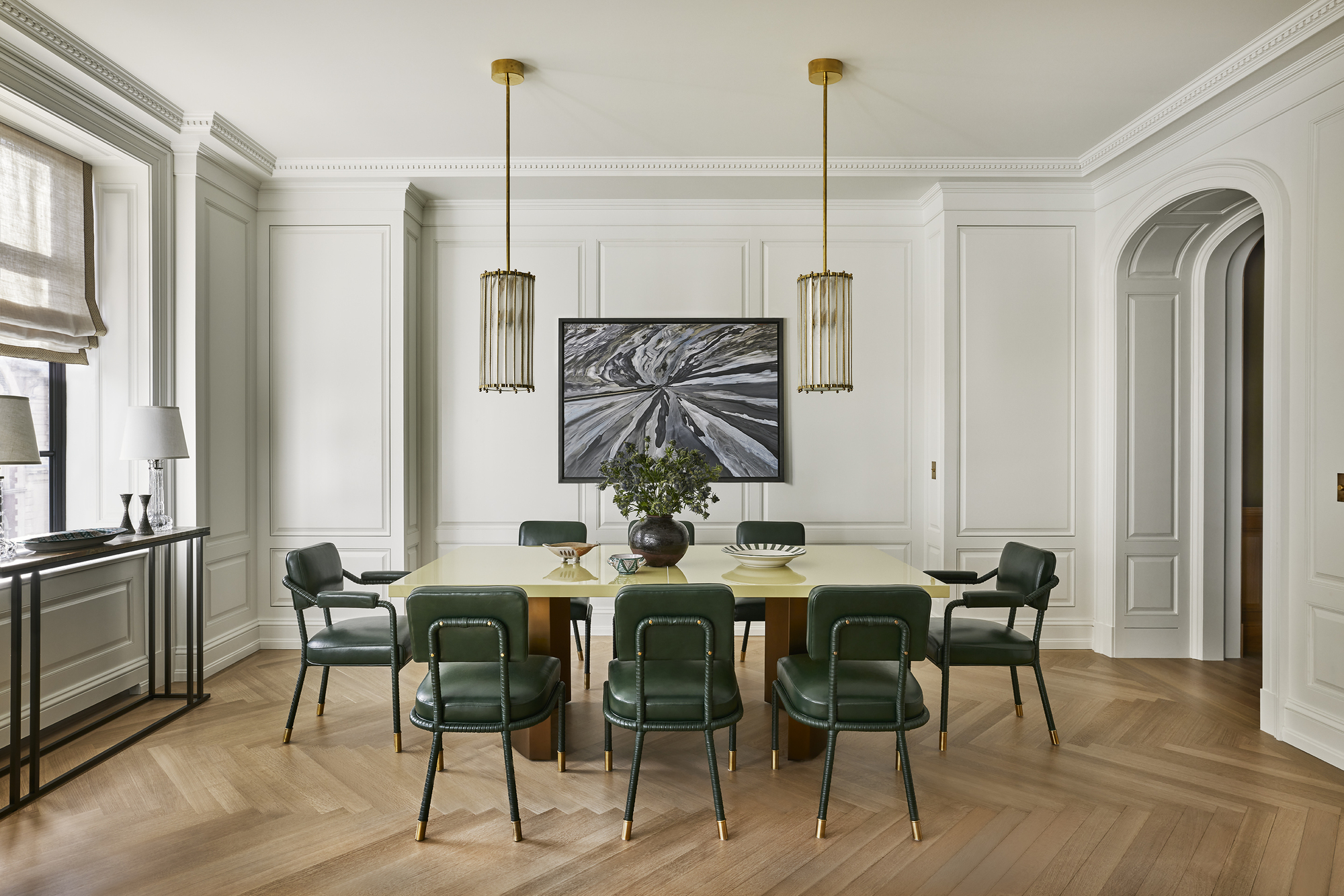
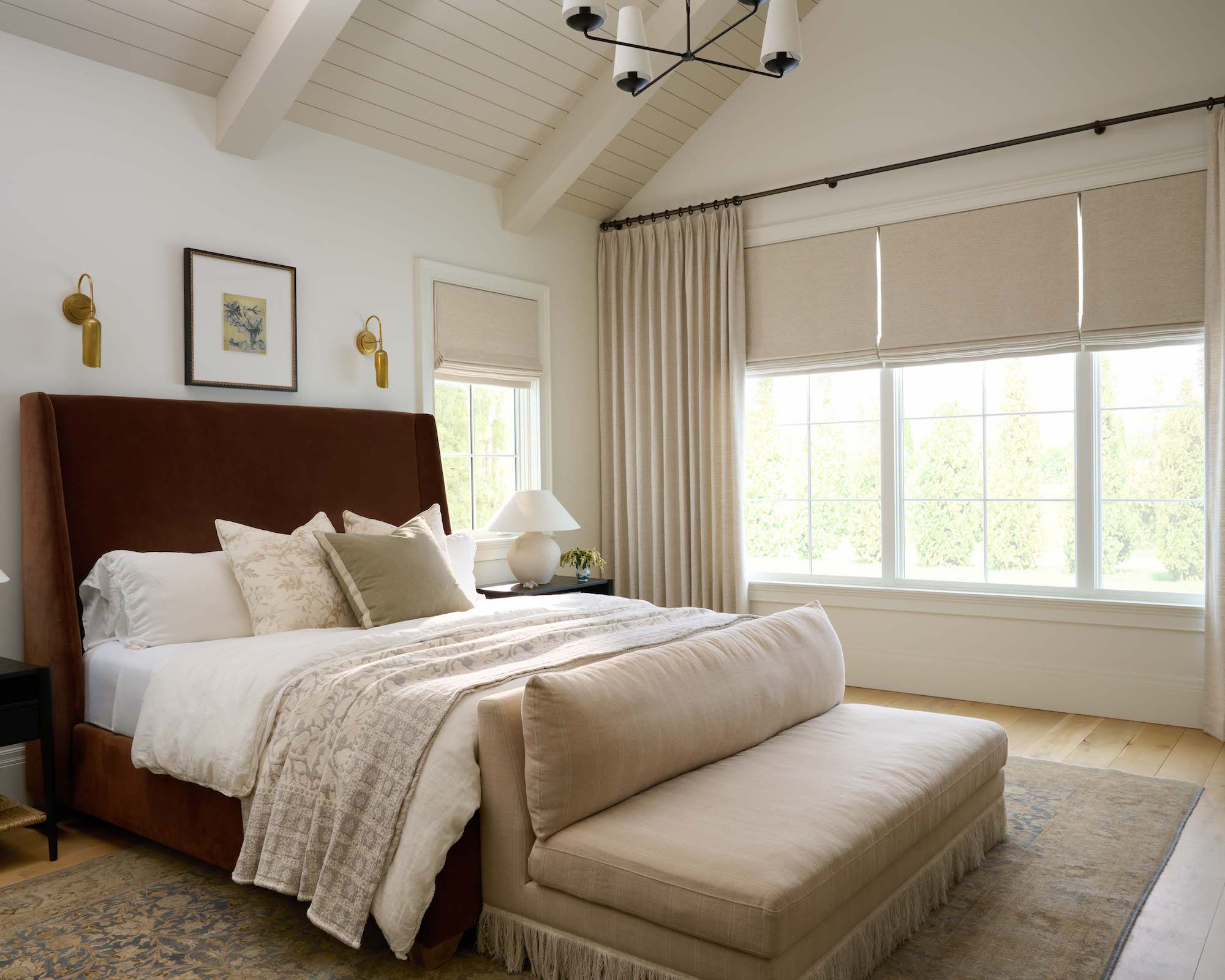
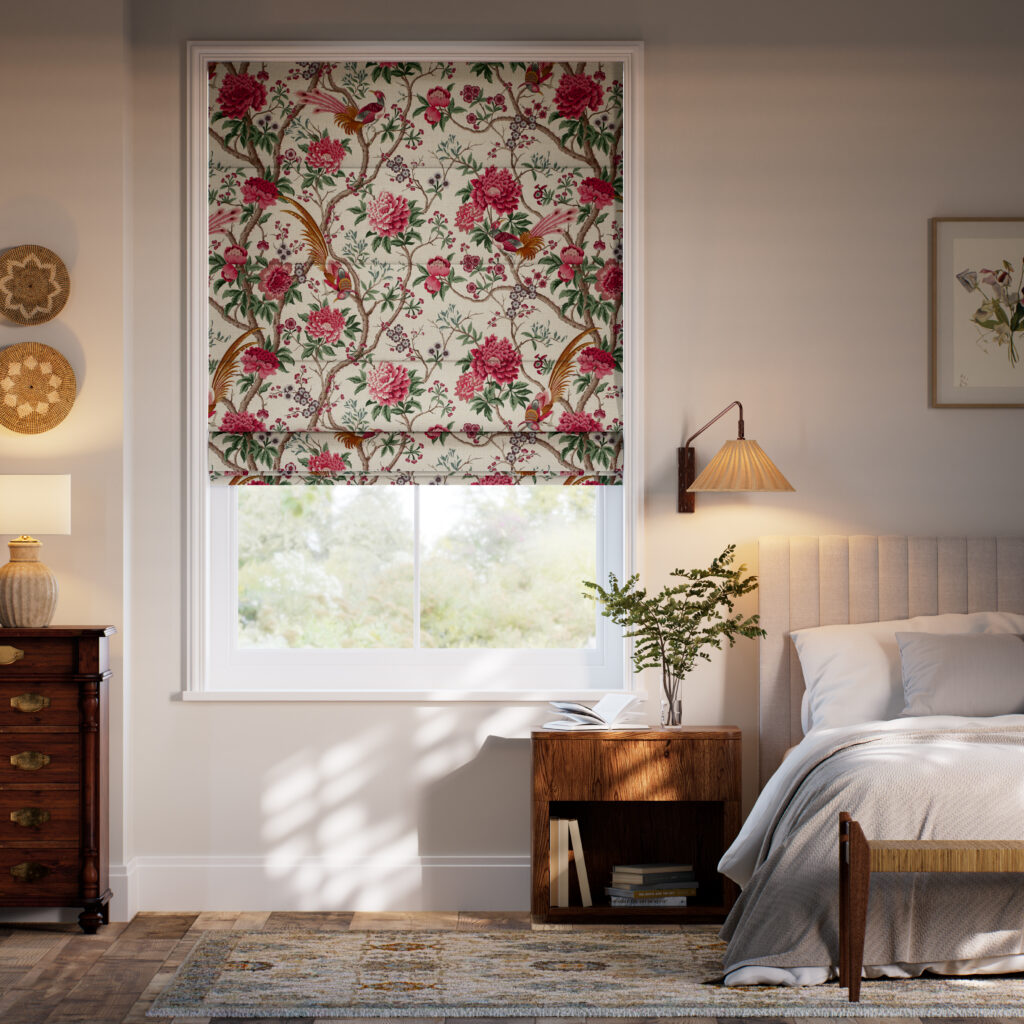
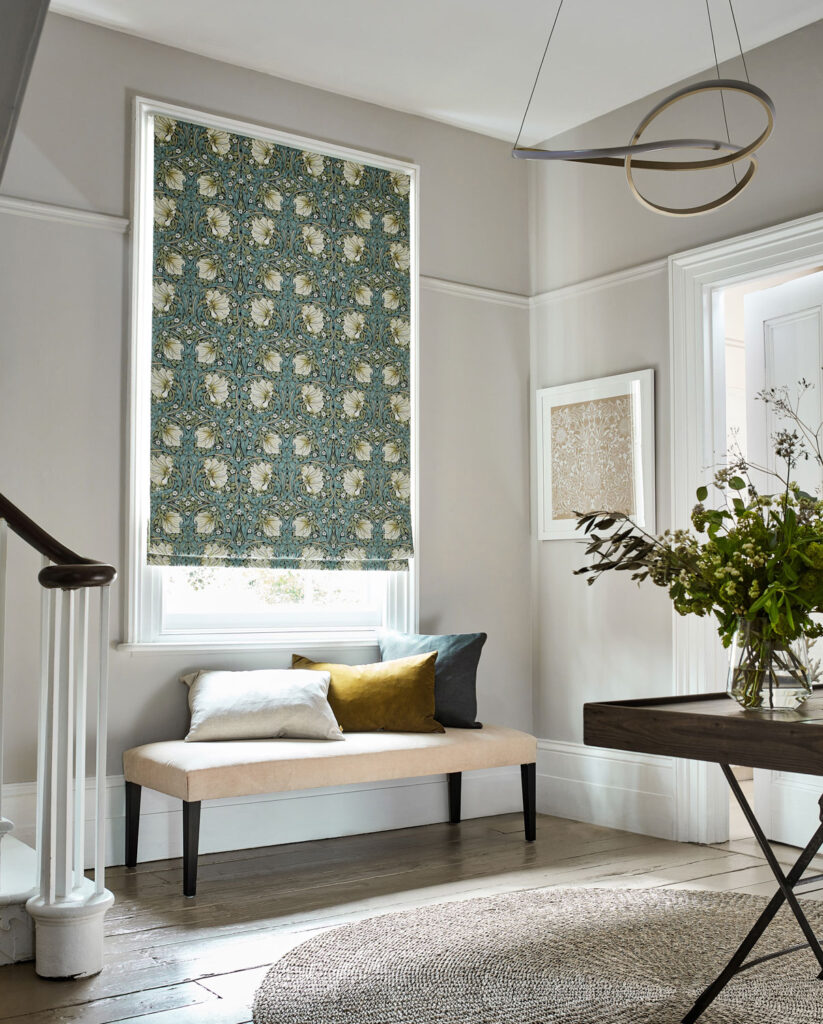
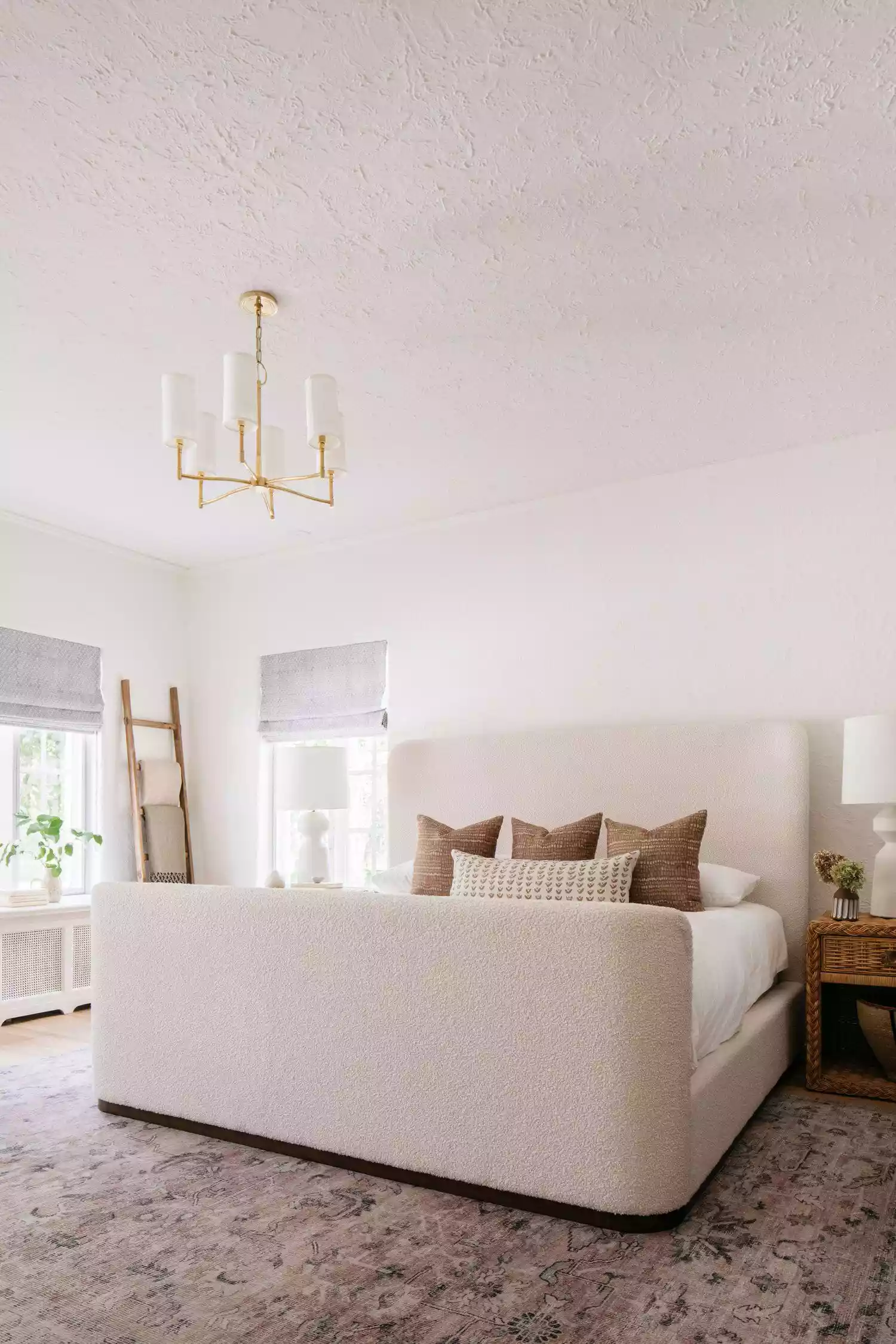
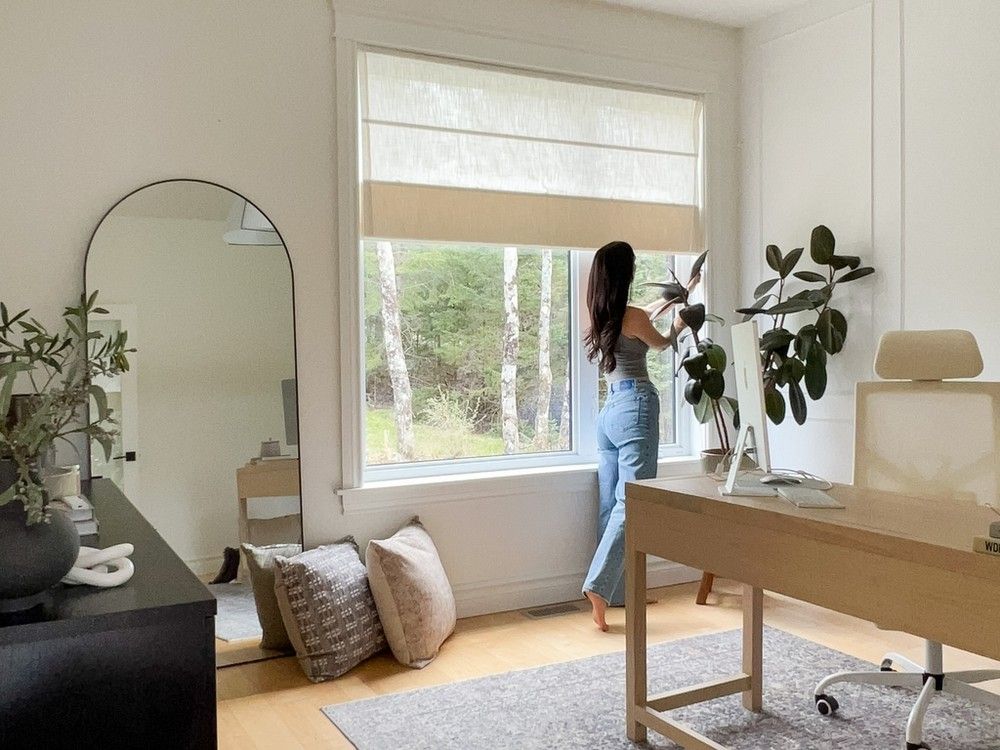
Roman blinds offer a streamlined way to cover windows, taking up less space than curtains while providing softness through fabric. Their neat folding mechanism ensures they always look smart and can be coordinated with existing upholstery and decor, making them a practical choice for privacy, light blocking, and adding decorative elements without overwhelming the room. Andi Morse of Morse Design and Sara Story both advocate for Roman shades for their tailored, functional, and modern aesthetic. Emily Ruff suggests inside-mount flat Roman shades made from woven wood or linen to preserve the window's millwork.
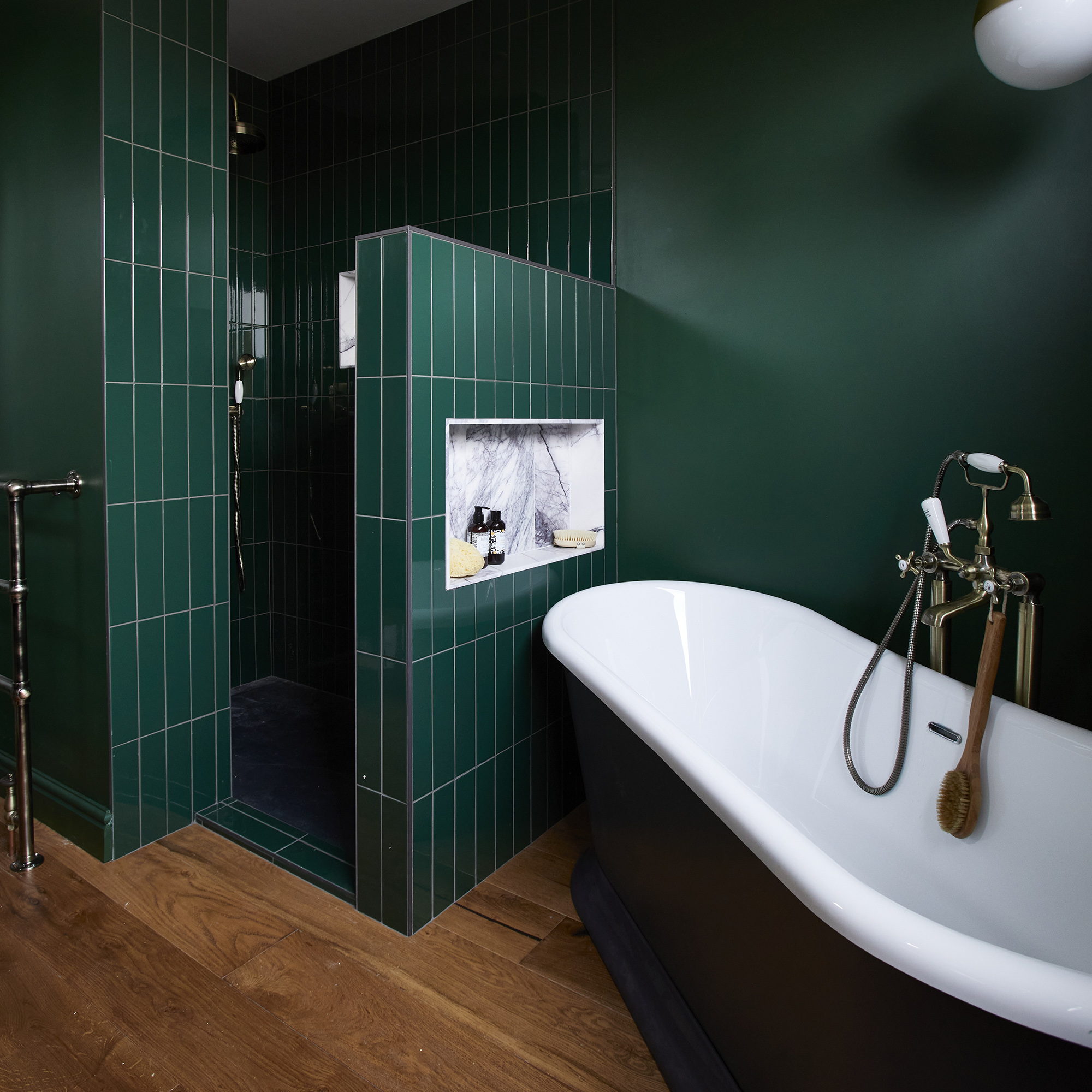
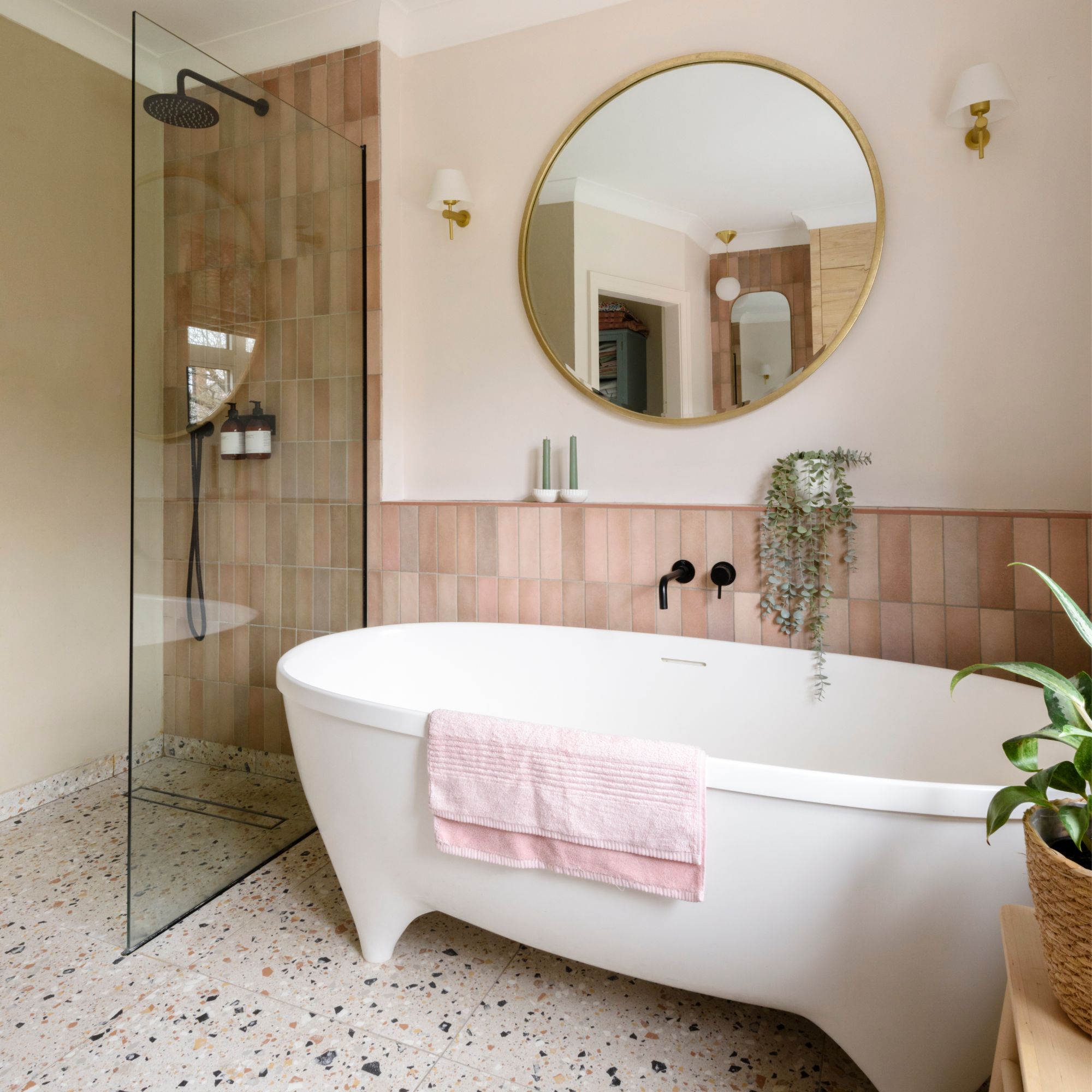
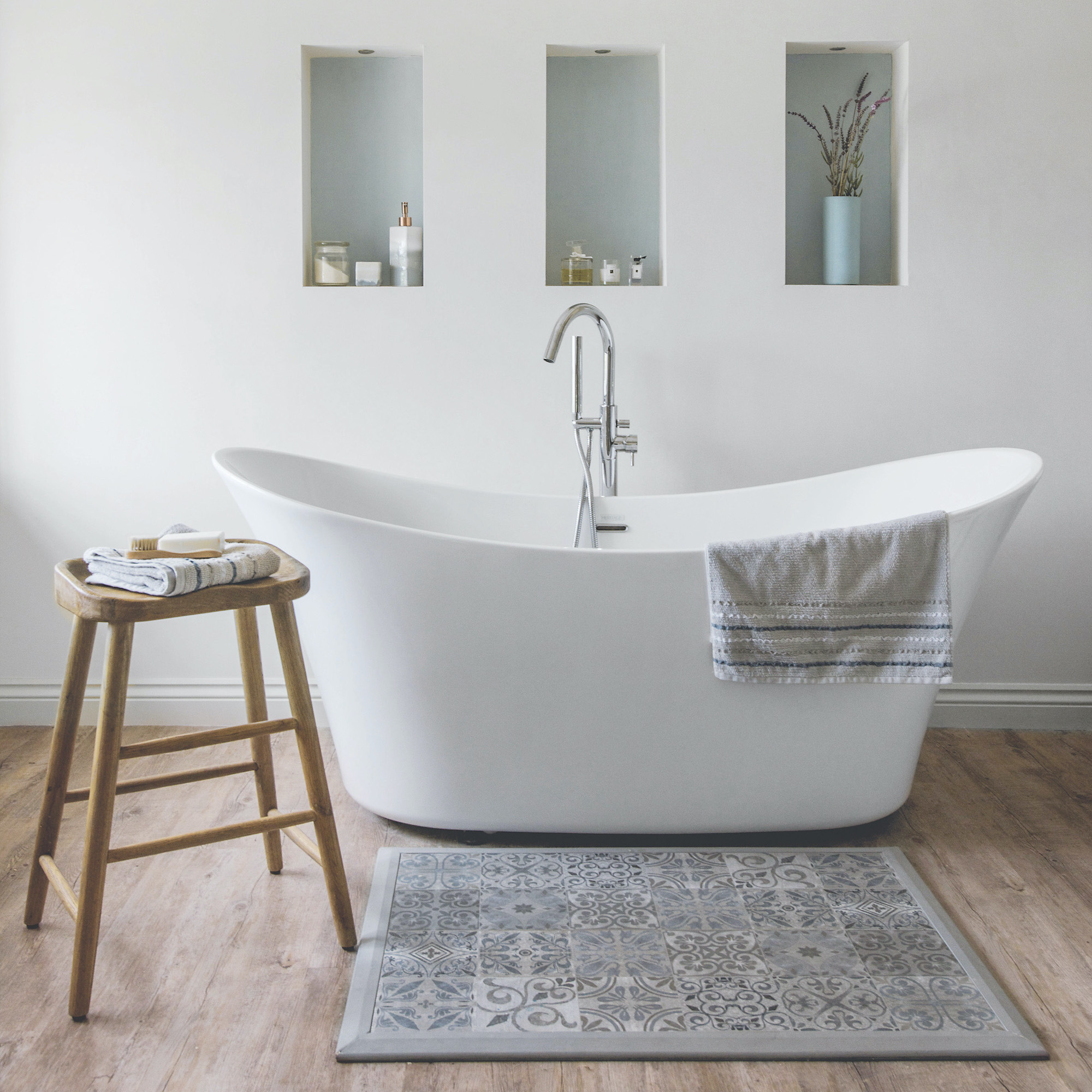
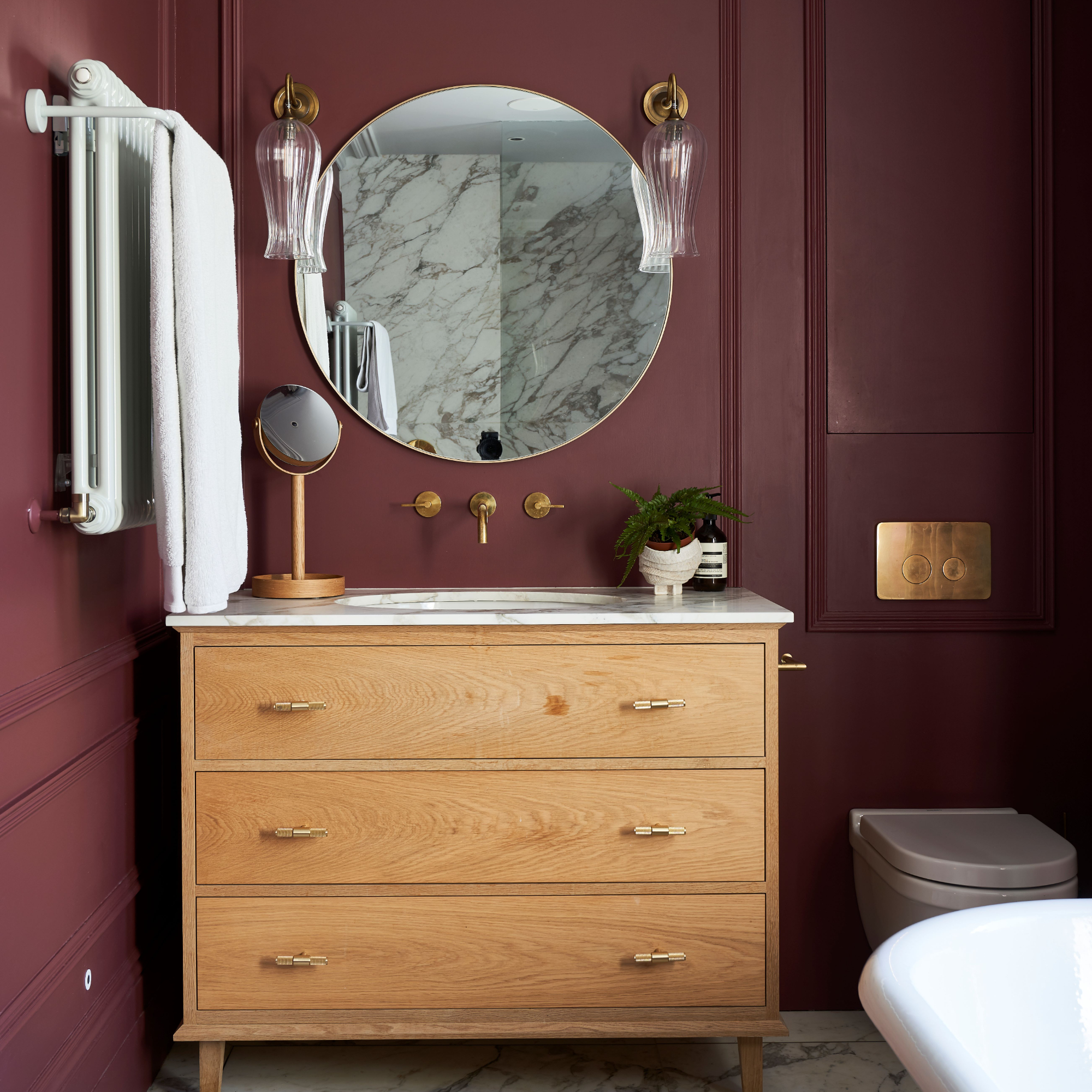
For rooms that are often overlooked but still require ample natural light, café curtains emerge as a trendy and effective solution. These curtains cover only the lower half of a window, allowing light to enter from the top while maintaining privacy. They are particularly practical for kitchens, adding a touch of softness to the space. Lastly, frosted or patterned glass is recommended as a tried-and-tested method for achieving privacy without any window treatments, especially in bathrooms where fabric might be impractical. Modern patterned glass options, including reeded, ribbed, sanitized, frosted, or colored panes, can offer a chic, contemporary look. The article concludes by advising readers to consider the room's function, window size, light requirements, and privacy needs when choosing the most effective window treatment alternative.
#WindowTreatments #InteriorDesign #HomeDecor #MinimalistStyle #CurtainAlternatives #Shutters #RomanBlinds #FrostedGlass #WindowTreatments #InteriorDesign #HomeDecor #MinimalistStyle #CurtainAlternatives #Shutters #RomanBlinds #FrostedGlass
0 comment in total
 No comments yet
You may also like
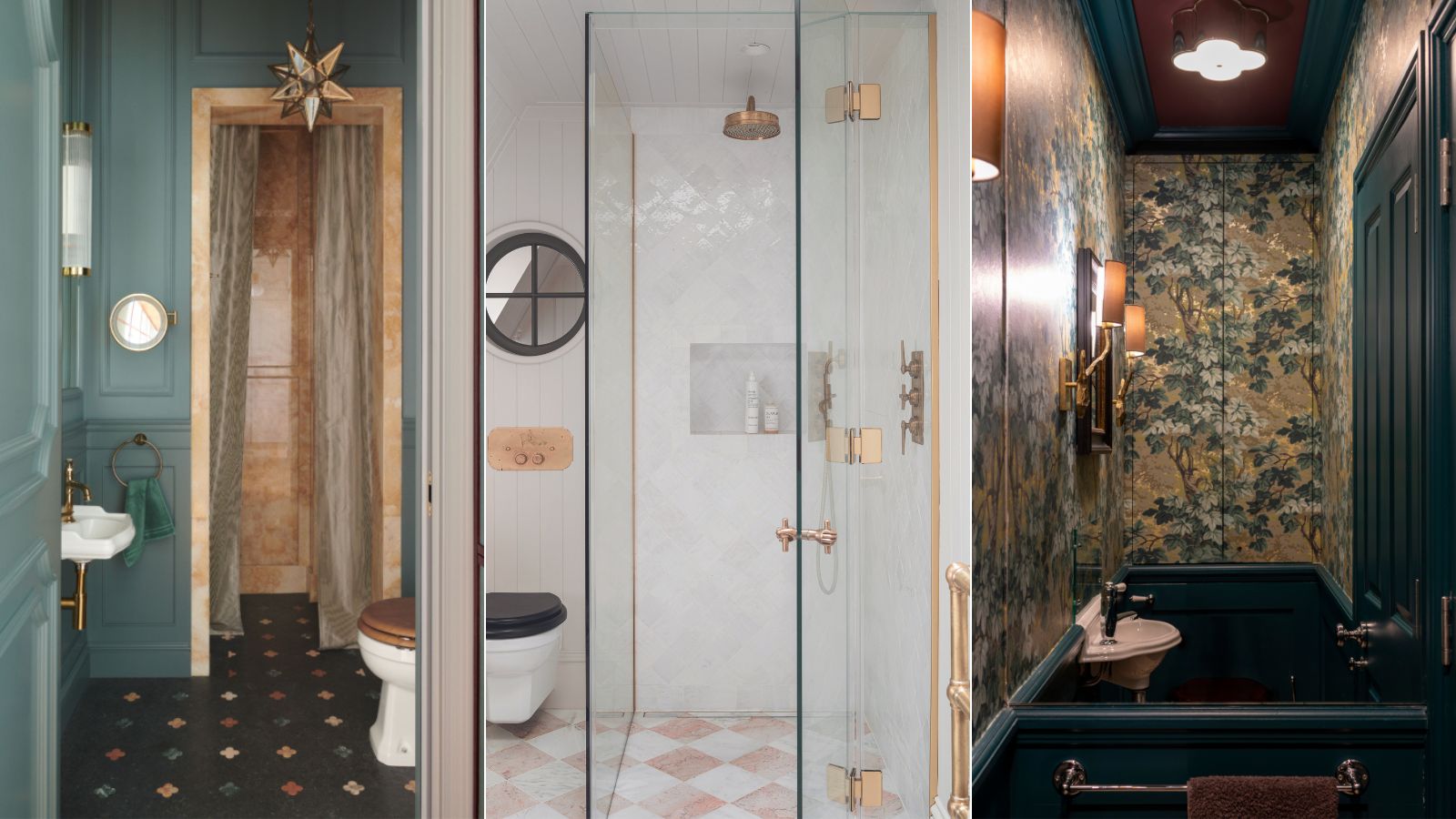
5 designer tips for decorating a windowless bathroom
How to dress a window - three design experts explain how to plan the perfect window dressing

Small living room curtain ideas — 5 designer-approved ways to add flair

25 Minimalist Decor Ideas to Try At Home

This Controversial Window Treatment Trick Might Just Make Your Room Feel Bigger and Brighter

13 Professional Tricks to Make Your Windows Look Bigger
How to Instantly Make a Windowless Bathroom Feel Light and Airy, According to a Designer
These 8 designer-approved tricks will hide your curtain rod brackets – and help you create a more minimalist vibe
5 design tips for your windowless bathroom - how to fake a light and bright look
Easy ways to make your home cozy and stylish using curtains and blinds
How to Design a Minimalist Living Room

An Interior Design Expert Explains How To Style Your Windows To Make Them Look Bigger

Skip the Window Treatments, This Designer Says — Here's Why
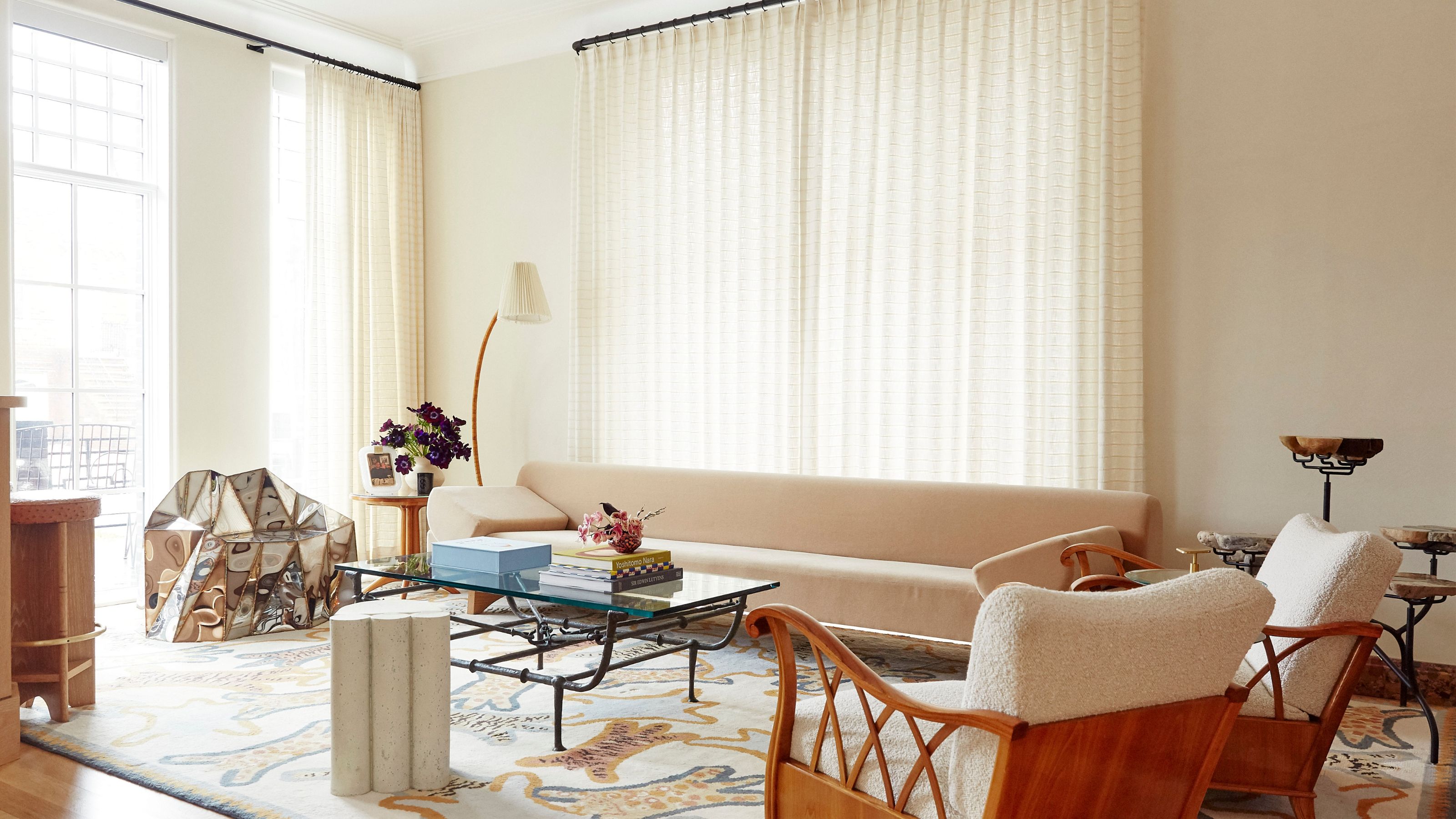
"Should All My Window Treatments Match?" Here's How Designers Decide, and Make It Work Either Way
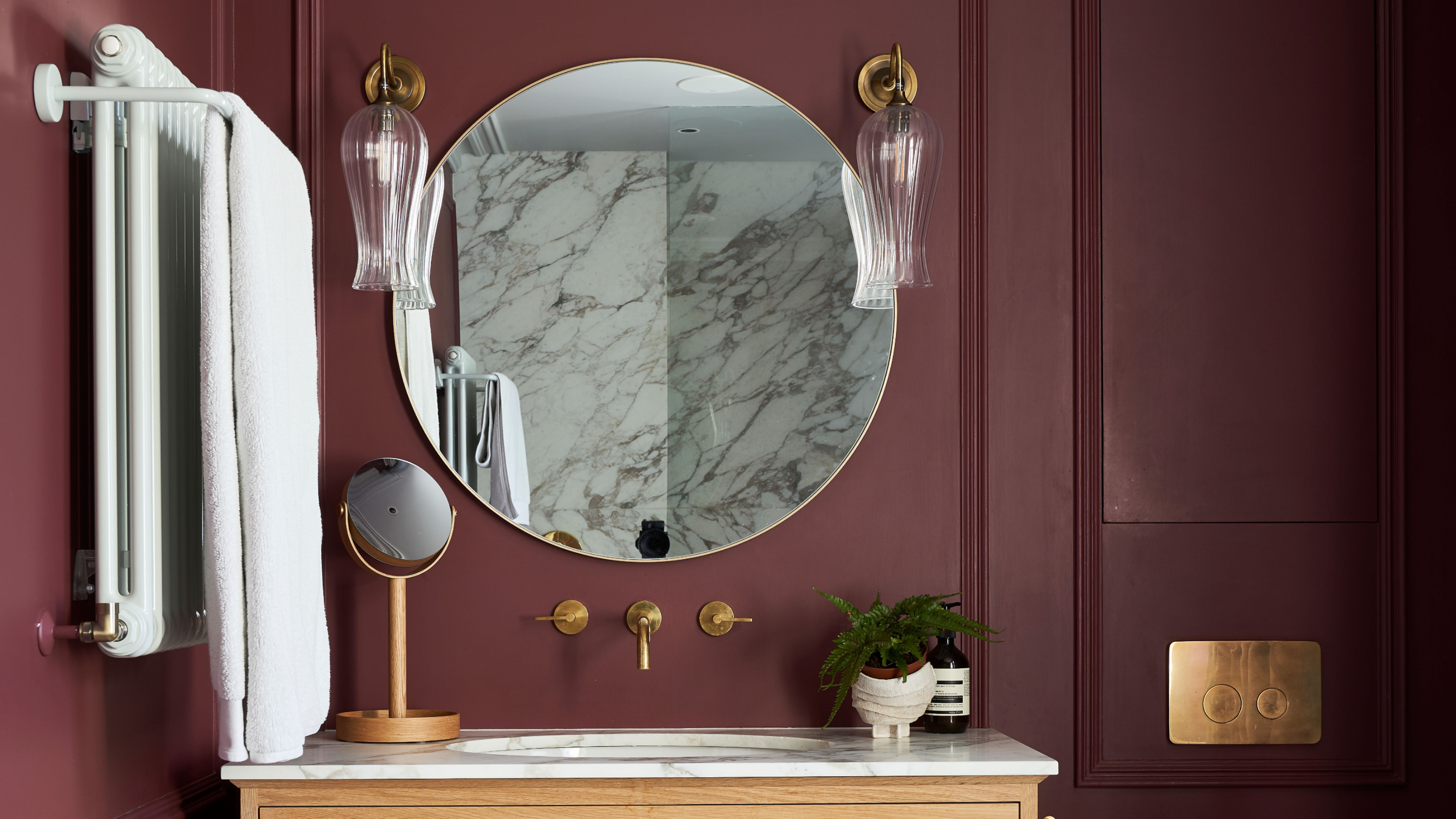
7 best colours to paint a windowless bathroom that will transform the mood of a dark wash space
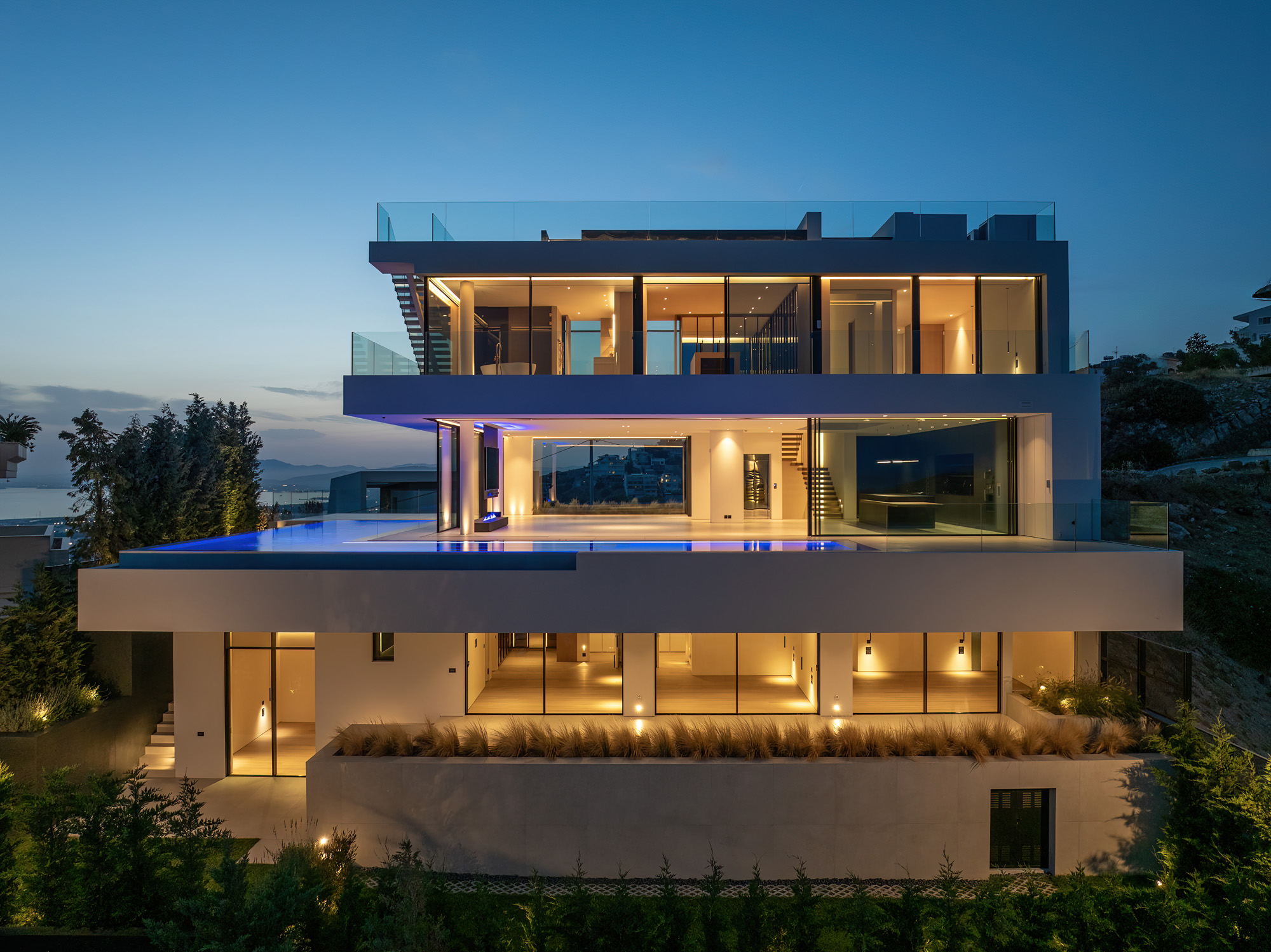
Minimal Window Frames in Residency Voula from Orama Minimal Frames

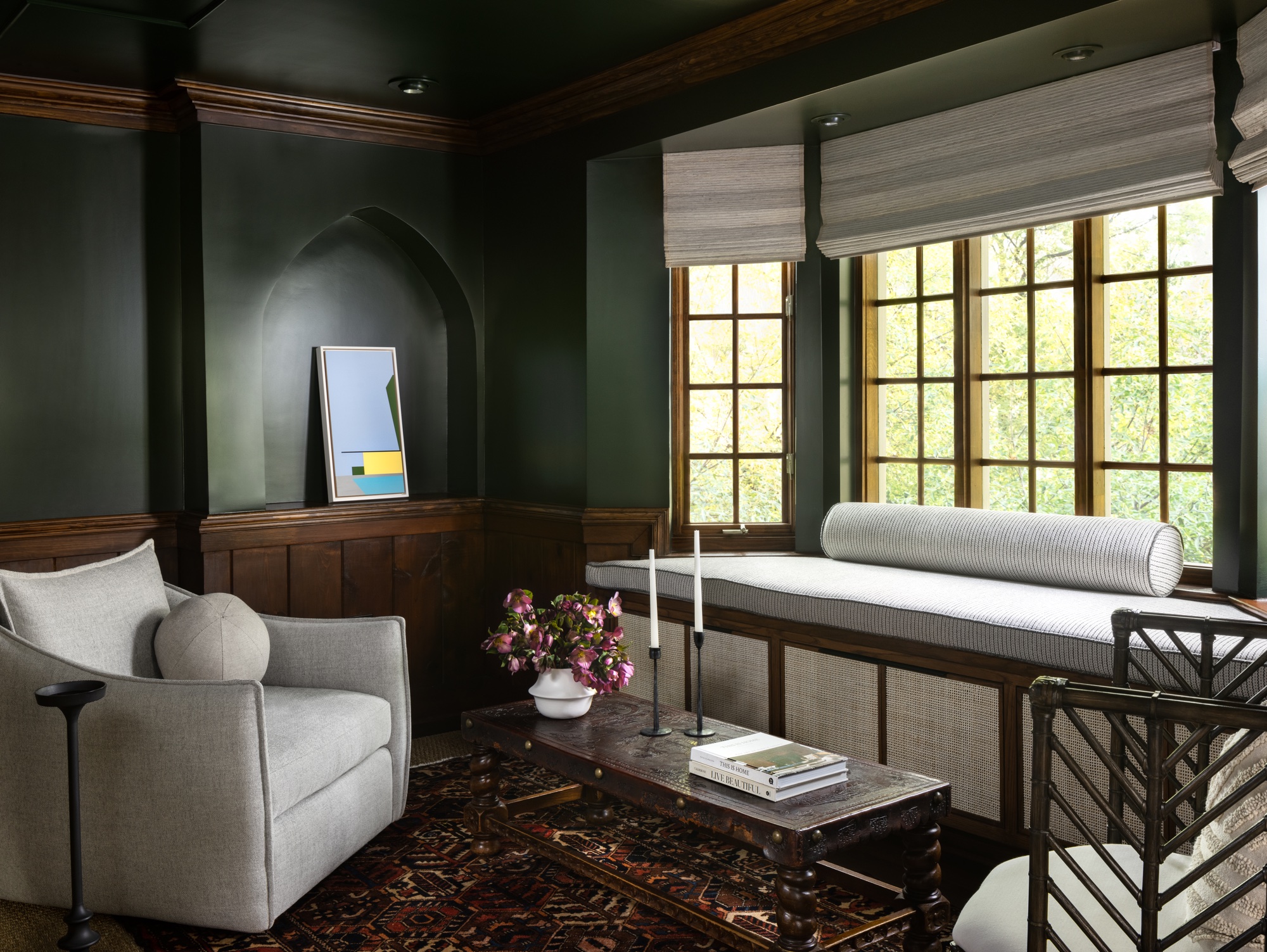
Window Treatments For Small Rooms That Will Add Privacy and Filter Light, But That Won't Overwhelm Your Space
5 things minimalists do to add texture to a room - 'it makes all the difference'

Style Meets Savings: Fresh Ways to Transform Your Home with DIY Window Furnishings

We Asked Designers Which Window Treatments Are Out in 2026—These Made the List