1/7
These 8 designer-approved tricks will hide your curtain rod brackets – and help you create a more minimalist vibe
Curtains are a fundamental element in home decor, offering both aesthetic appeal and practical benefits such as light control, insulation, and acoustic improvement. Fabric designer Pierre Frey emphasizes their importance in adding warmth, presence, and softness to a room. However, the often bulky and visible curtain rod brackets can detract from the intended soft and seamless look of drapery. This article explores various designer-approved methods to conceal or integrate curtain rod brackets, aiming to create a more streamlined and minimalist window treatment.
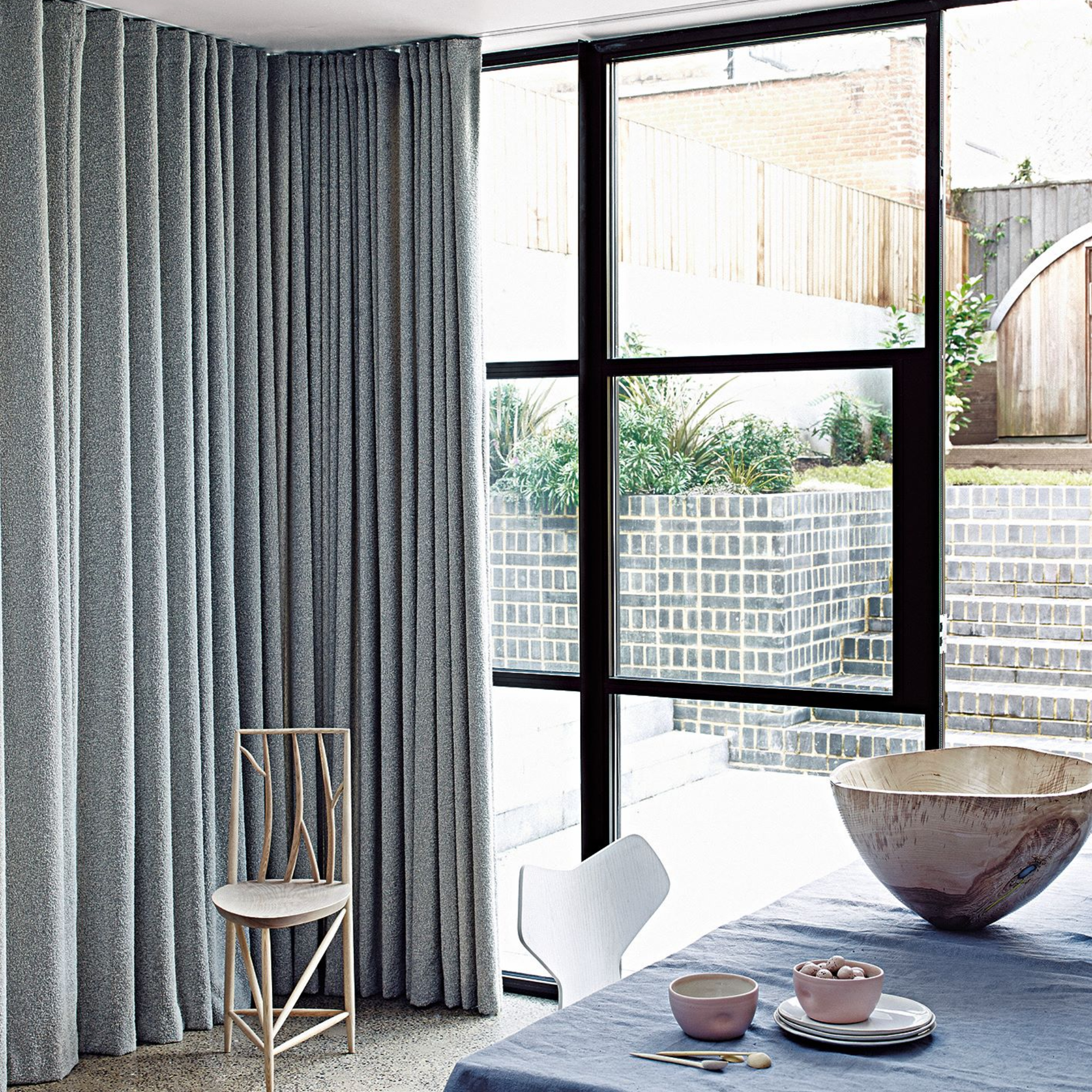

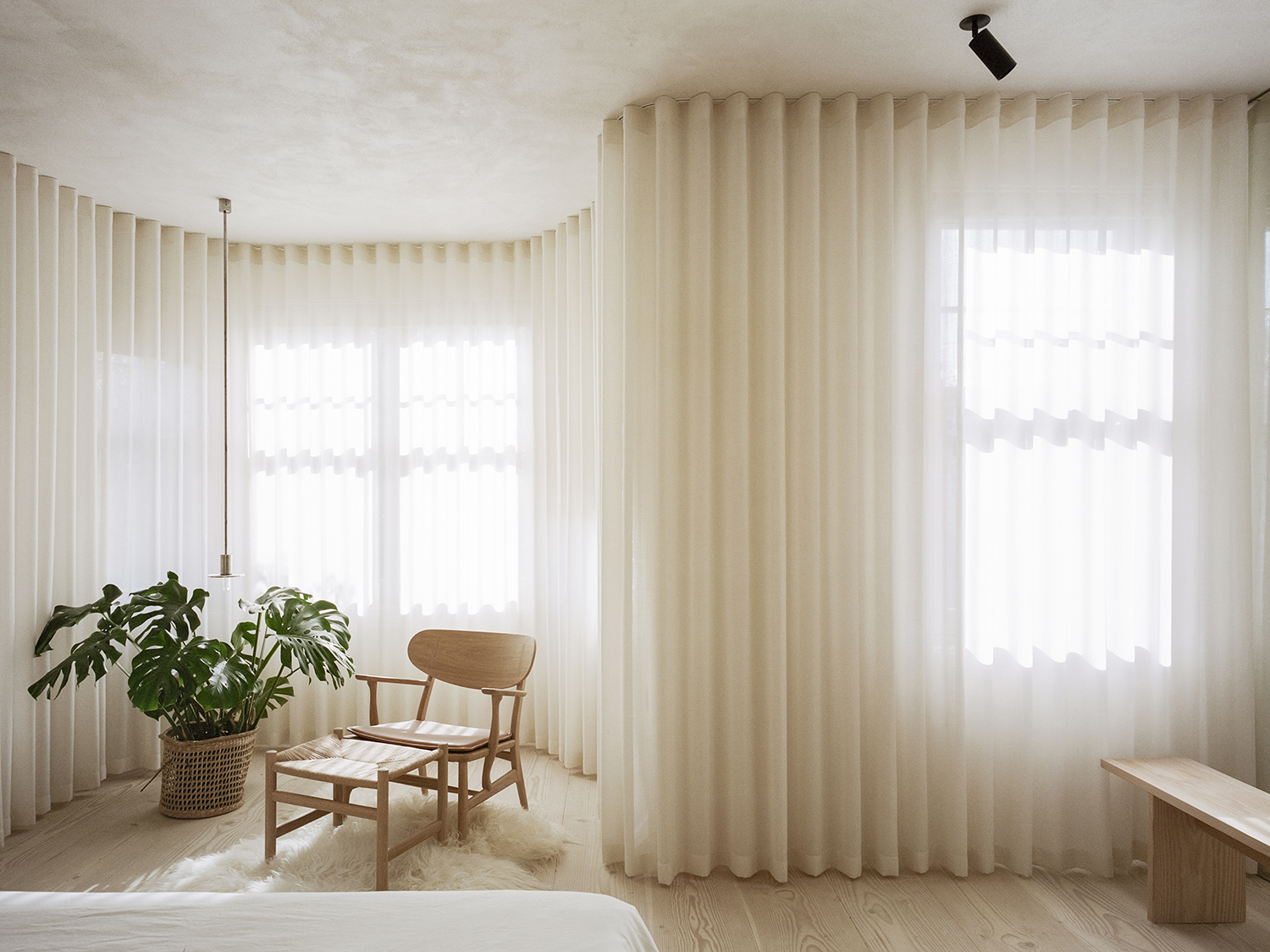
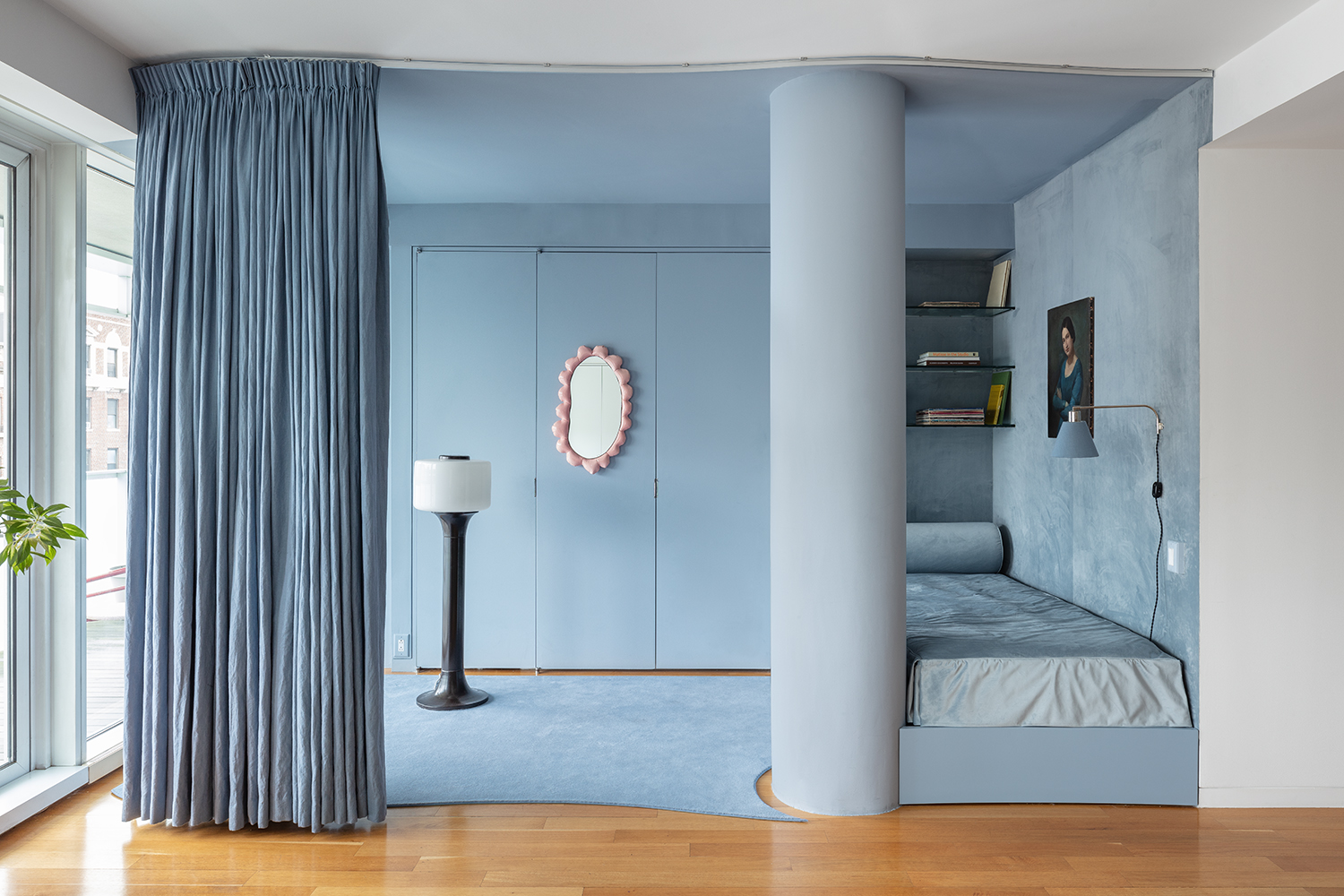
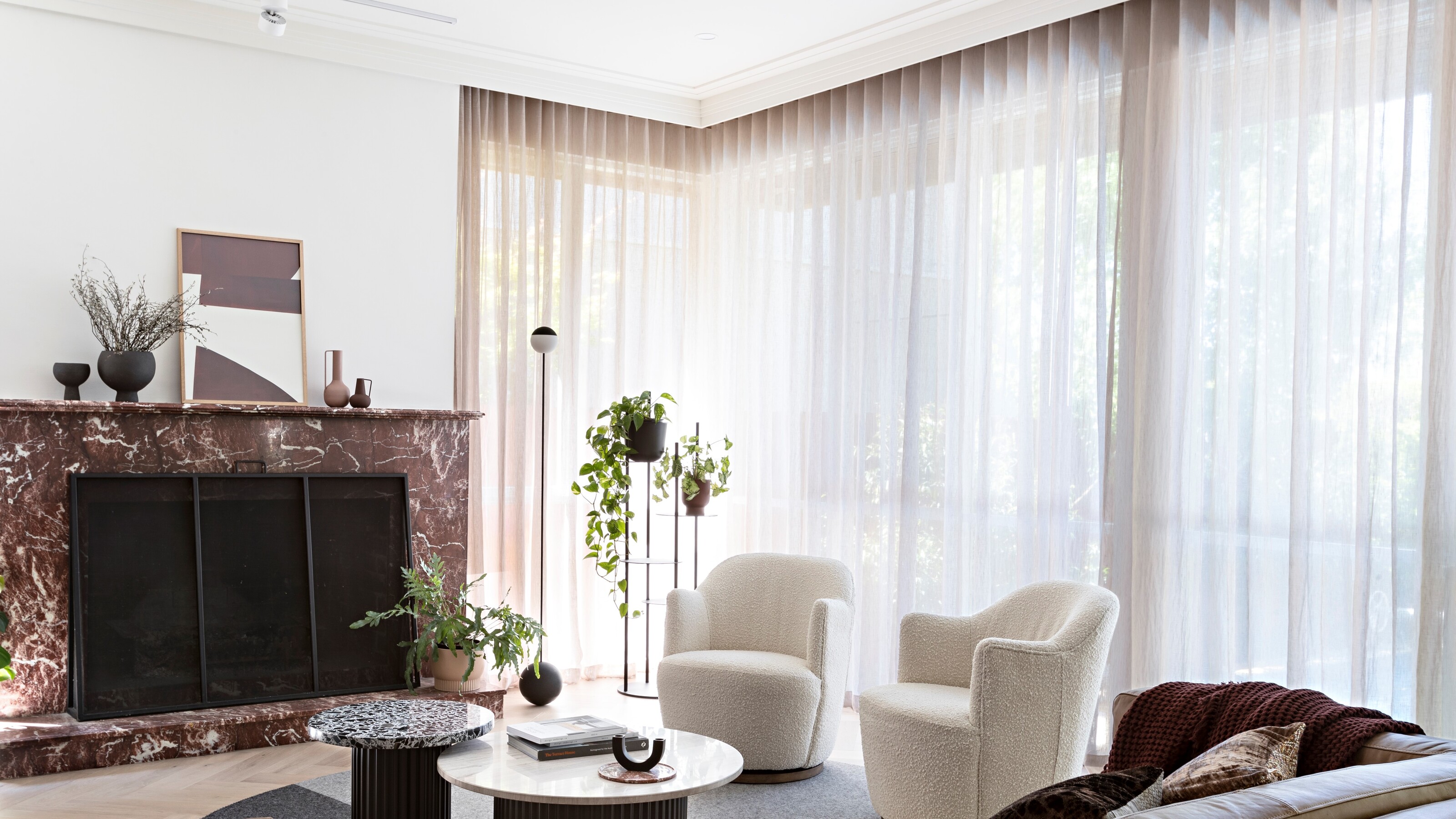
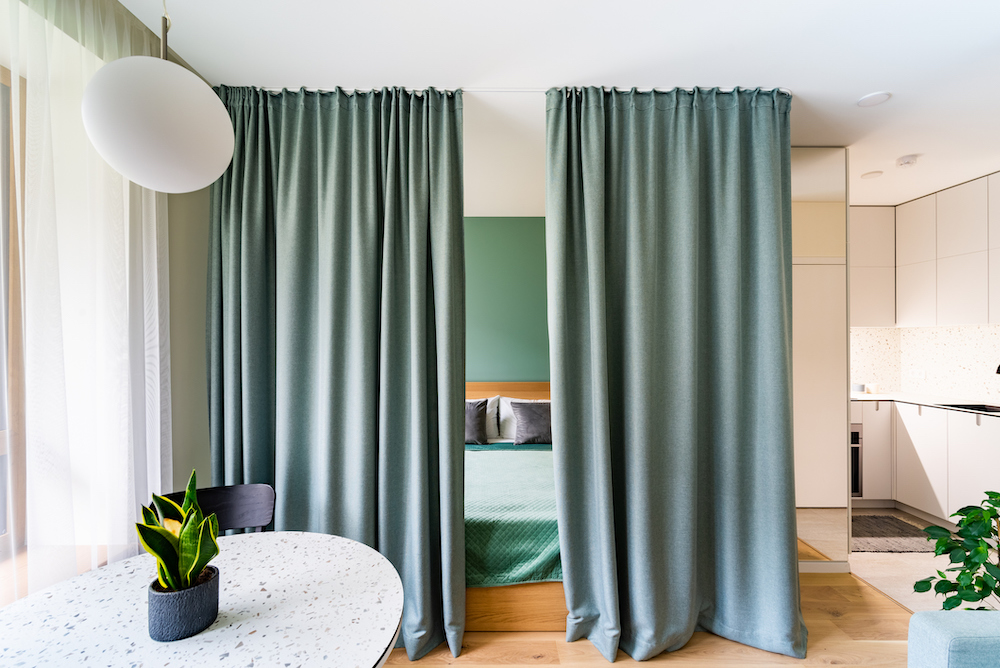
One effective technique is to recess the curtain rod directly into the ceiling. Lea Pernet of Crina Arghirescu Architecture highlights how using coves to conceal curtain tracks provides an immediate modernist and elegant flow to a room. This approach involves integrating the curtain rod into existing architectural features or creating new ones, allowing the fabric to appear as if it cascades directly from the ceiling. This not only hides the hardware but also makes curtains look more expensive, suitable for both traditional and contemporary interiors.
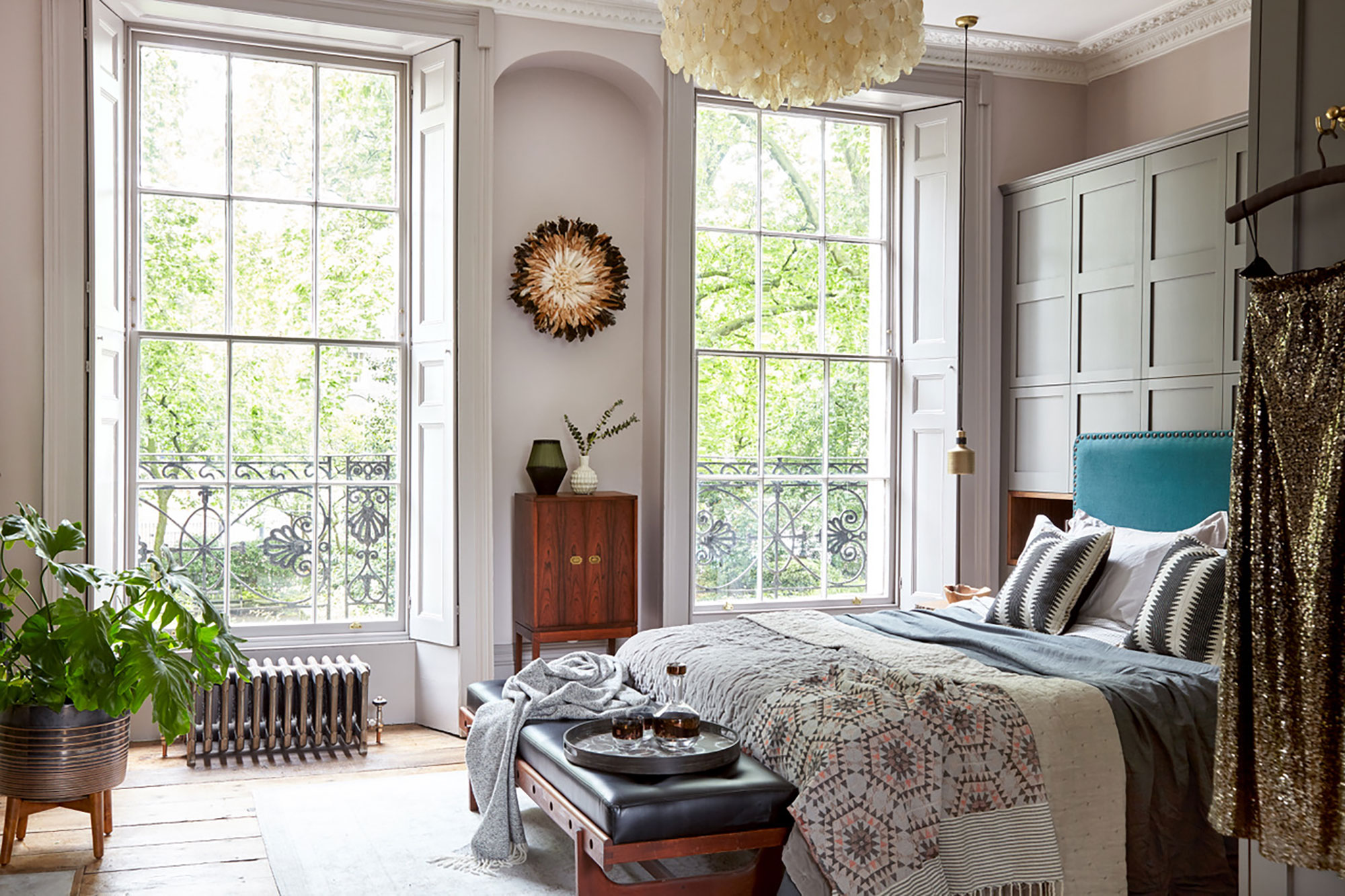
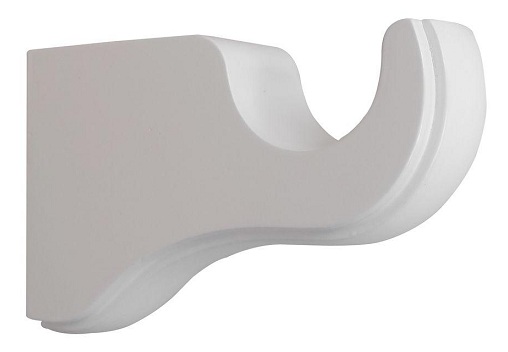
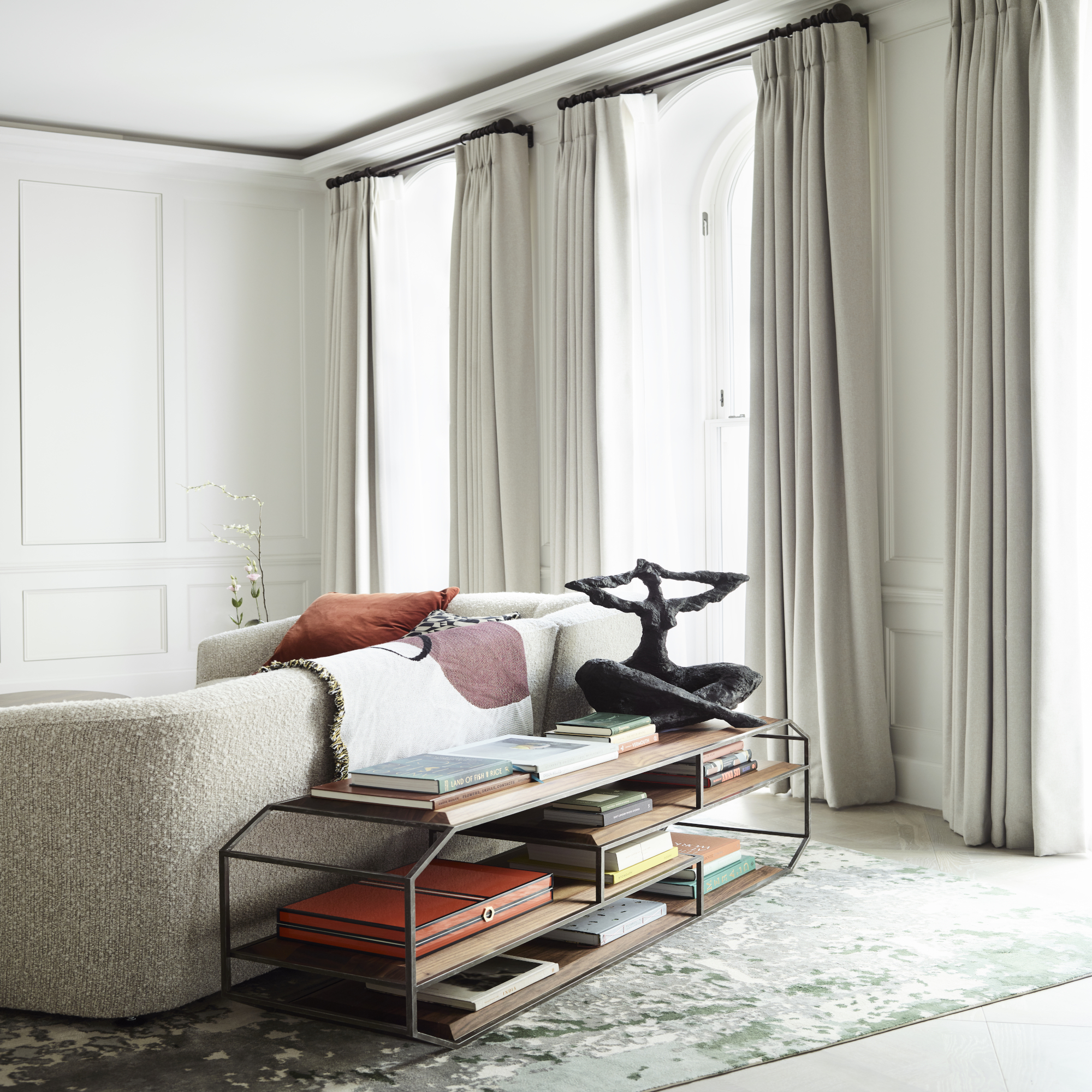
Similarly, crown moldings can be utilized to disguise curtain hardware. Caroline Milns, head of Zulufish, suggests receding the curtain into the ceiling coffer and crown moldings. This method ensures that the focus remains entirely on the fabric's pattern or materiality while enhancing the room's architectural details. It creates a seamless flow of fabric from ceiling to floor, which can visually elongate the room. Alla Yaskovets of O&A London advises that the niche for hidden cornices should have a depth of 2 1/2 to 3 inches, with width varying based on windowsill size and radiator placement to ensure proper curtain movement. She also recommends metal rod brackets for heavier fabrics like velvet and wooden or plastic alternatives for lighter materials such as tulle.
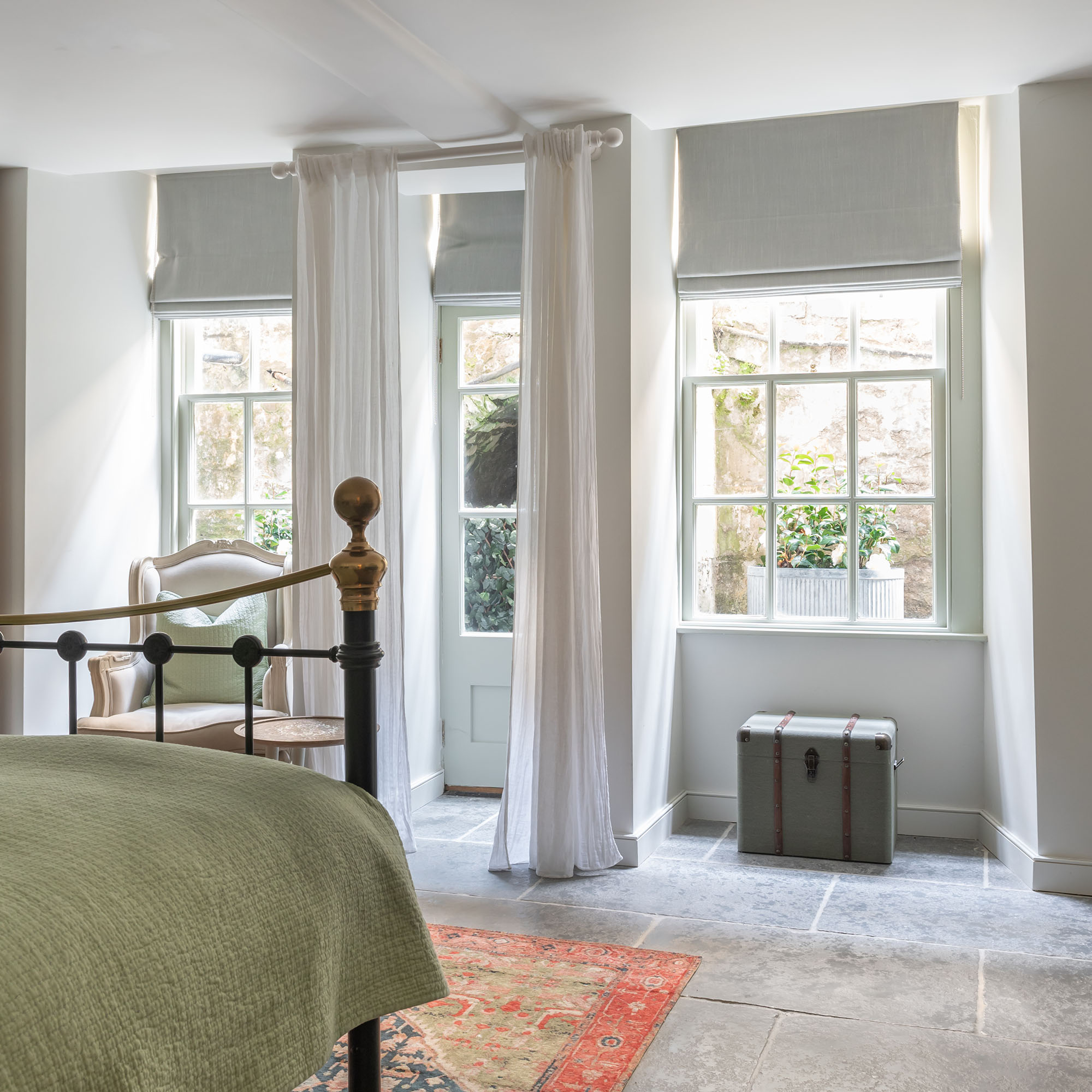
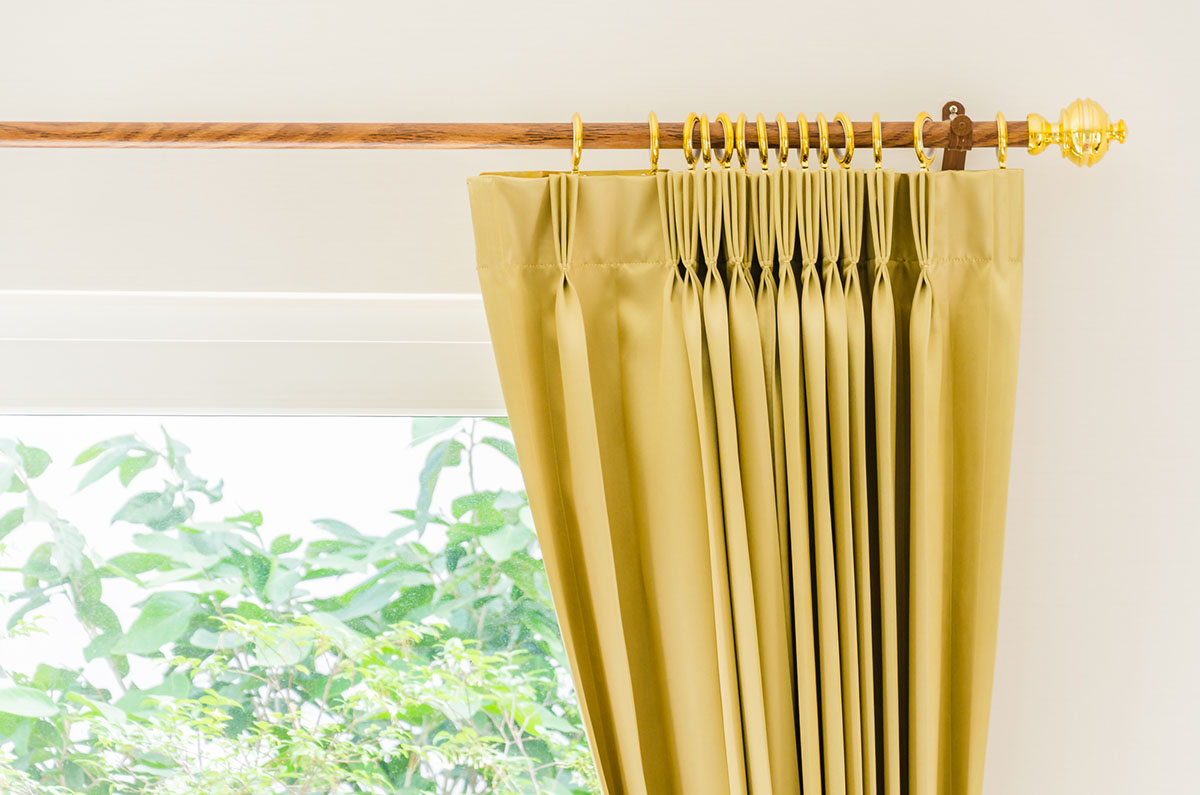
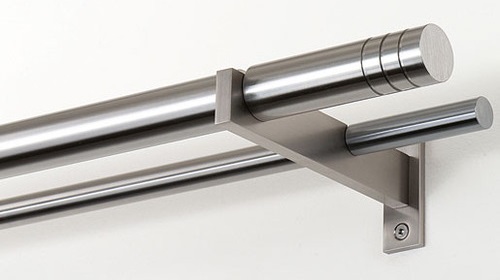
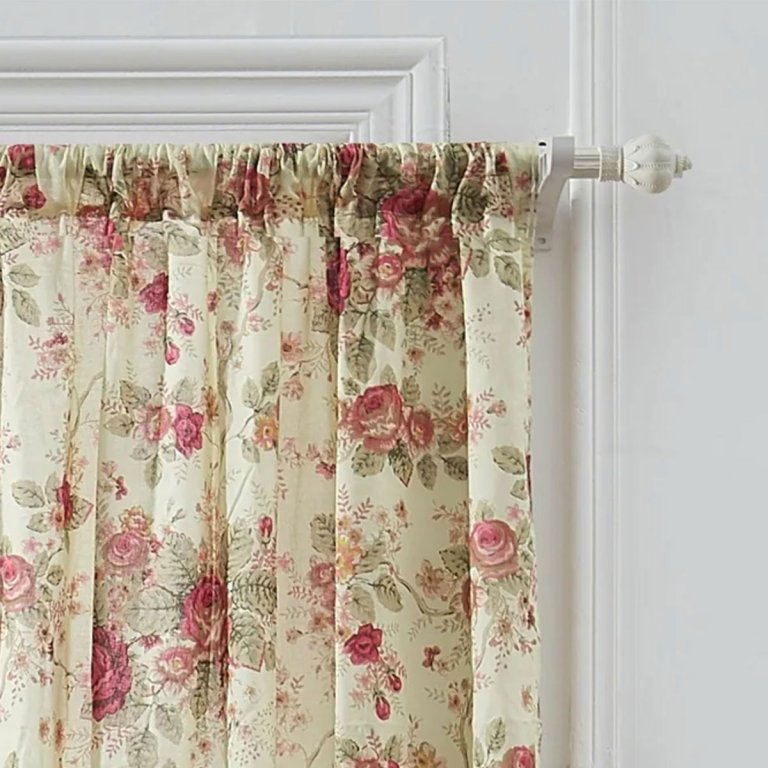
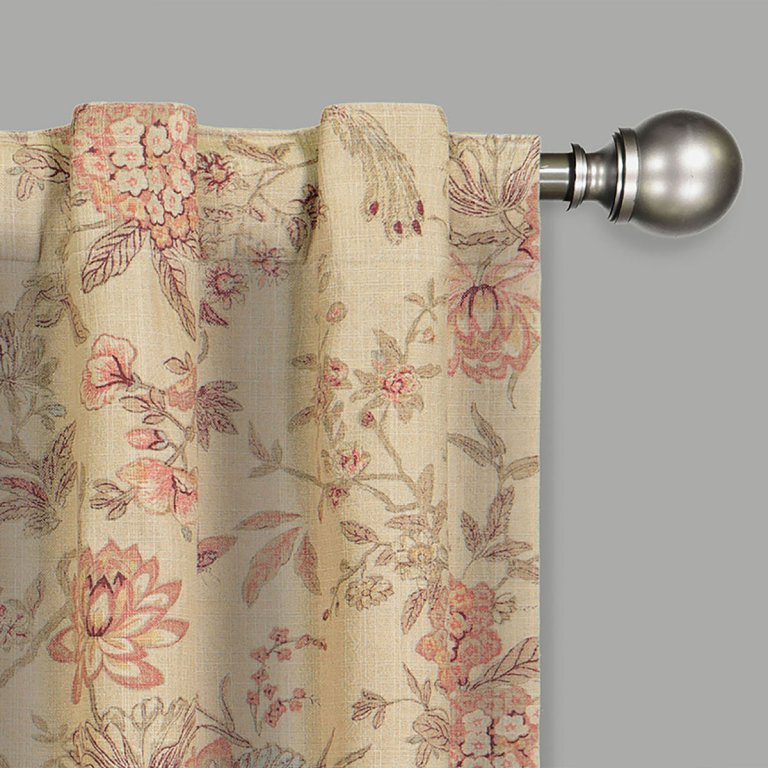
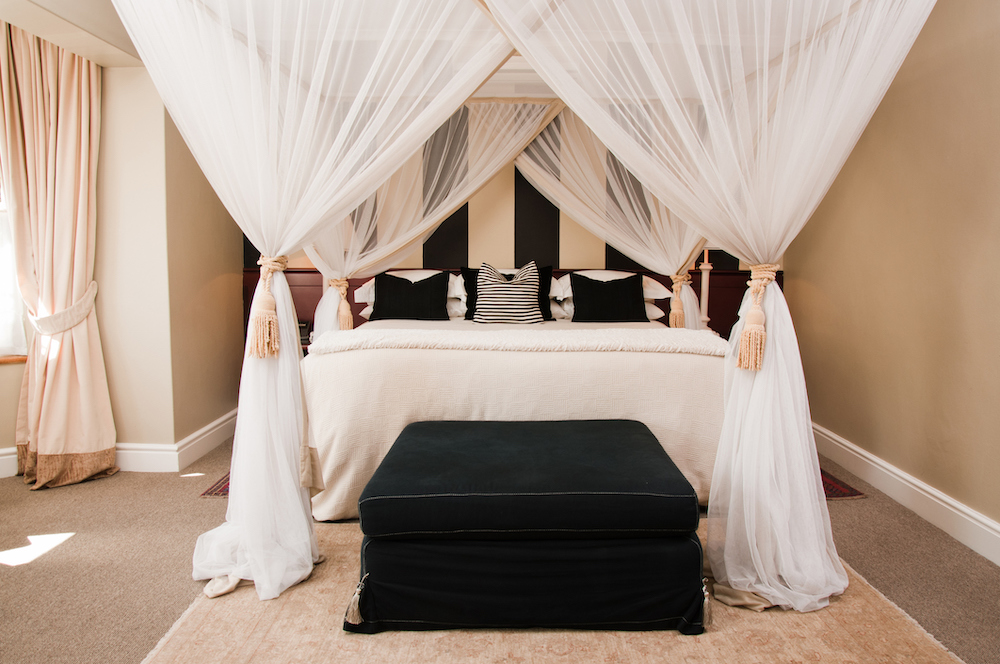
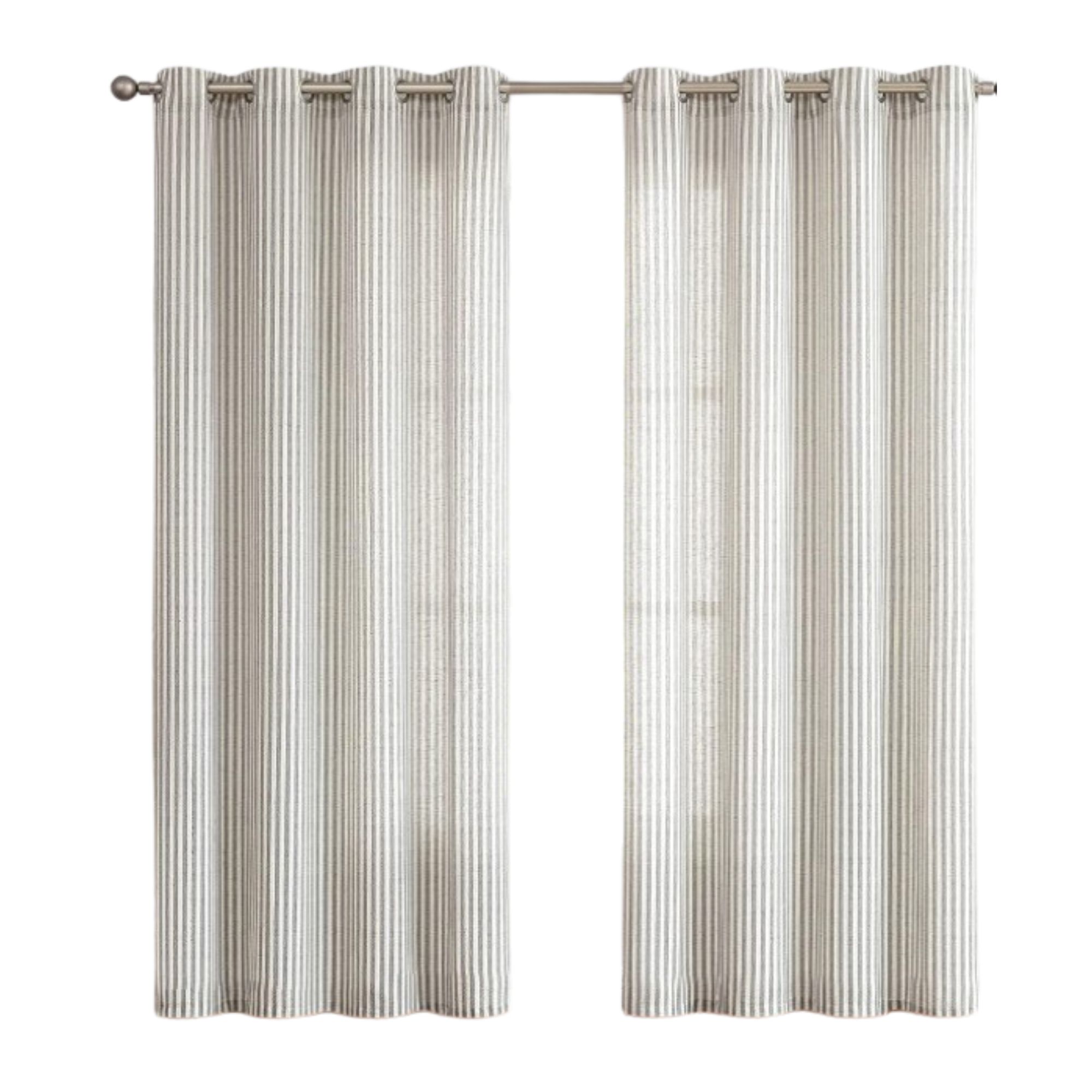
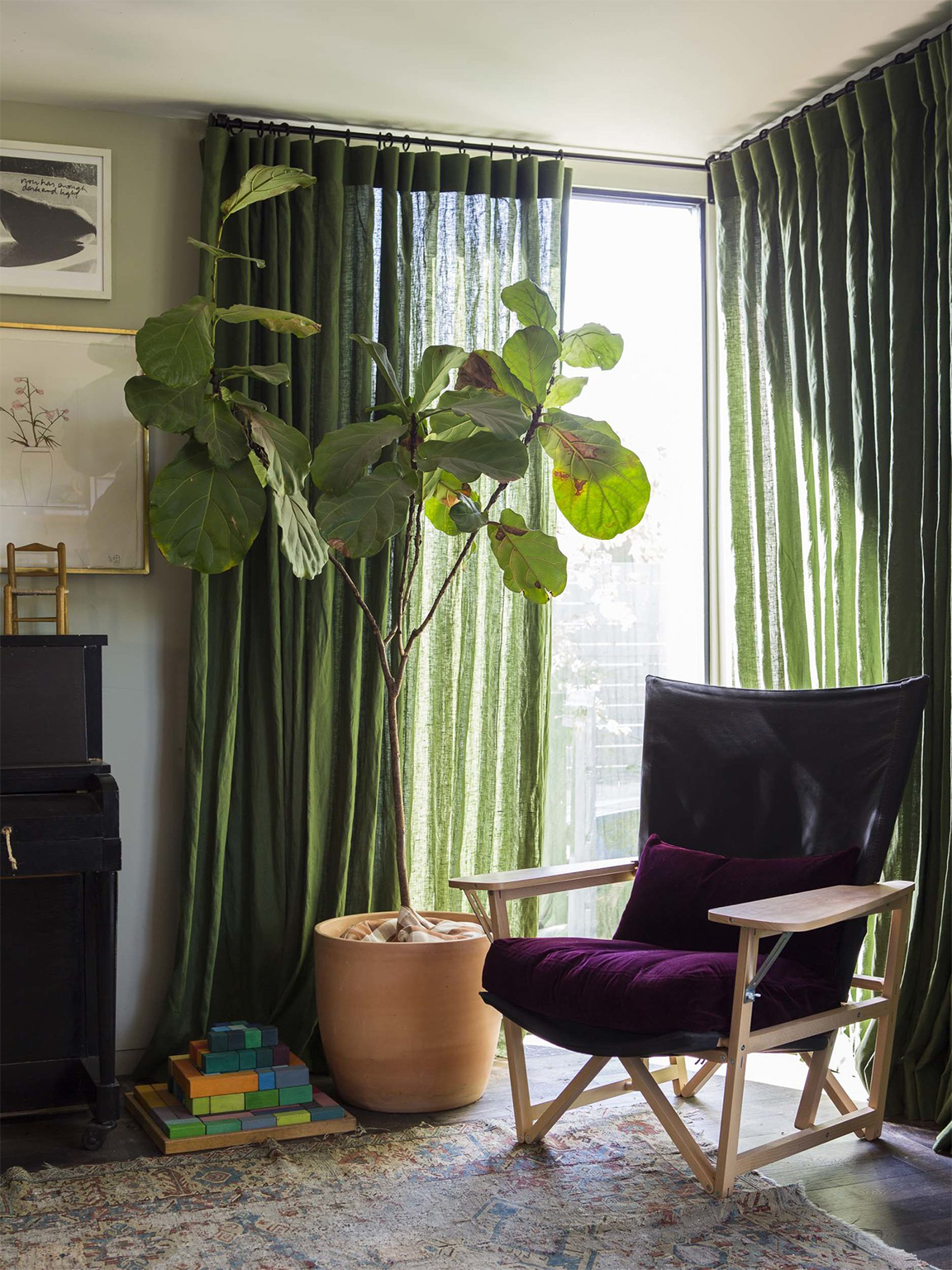
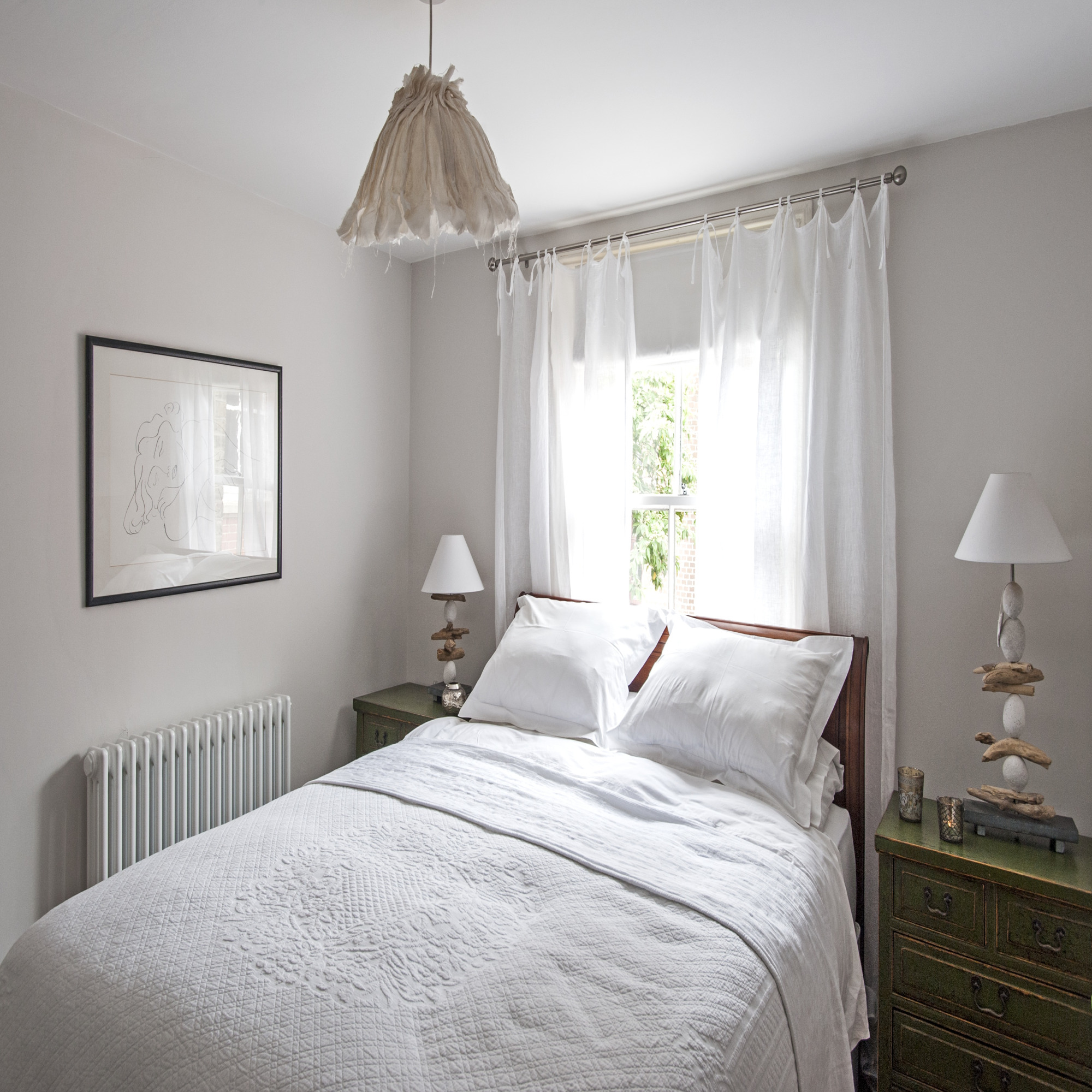
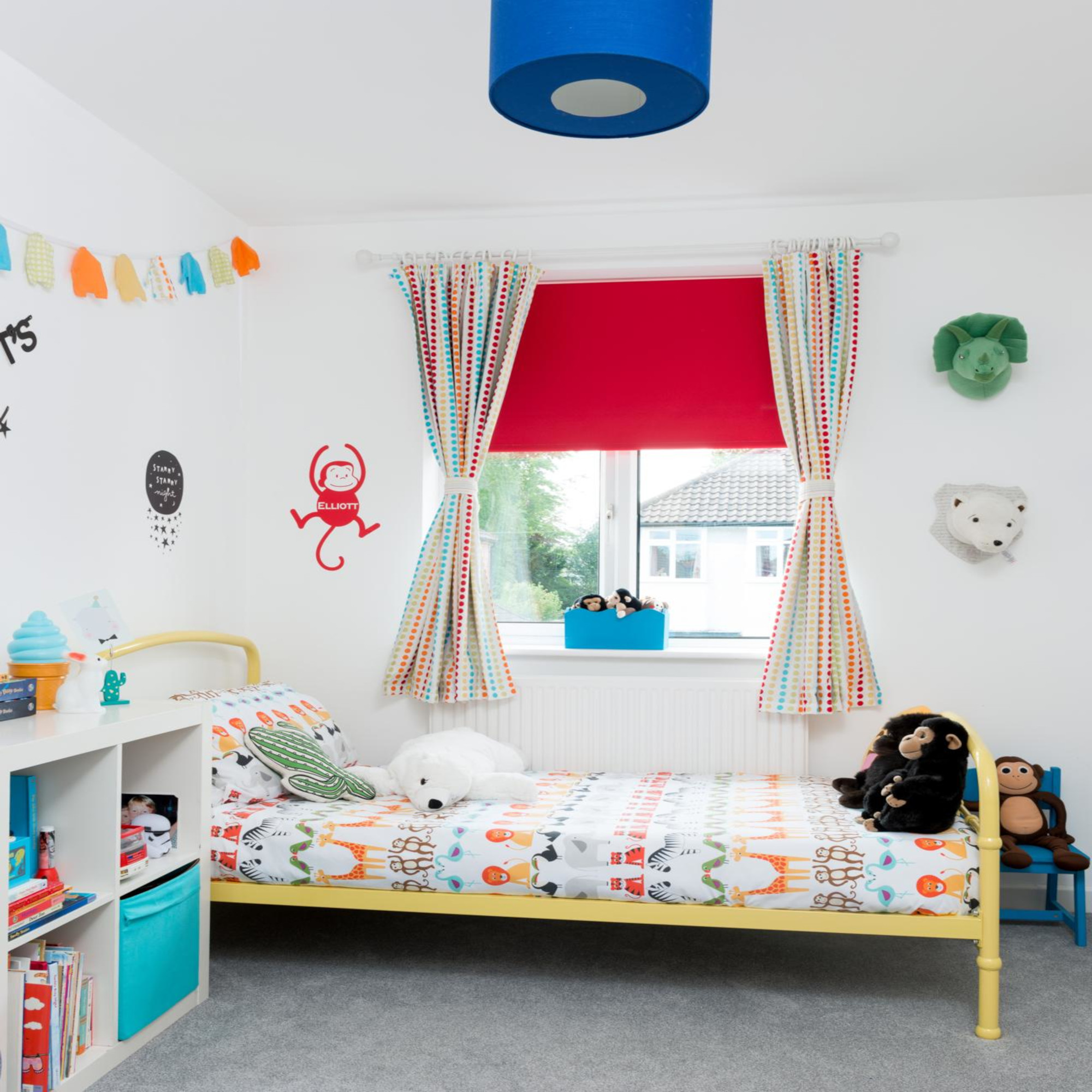
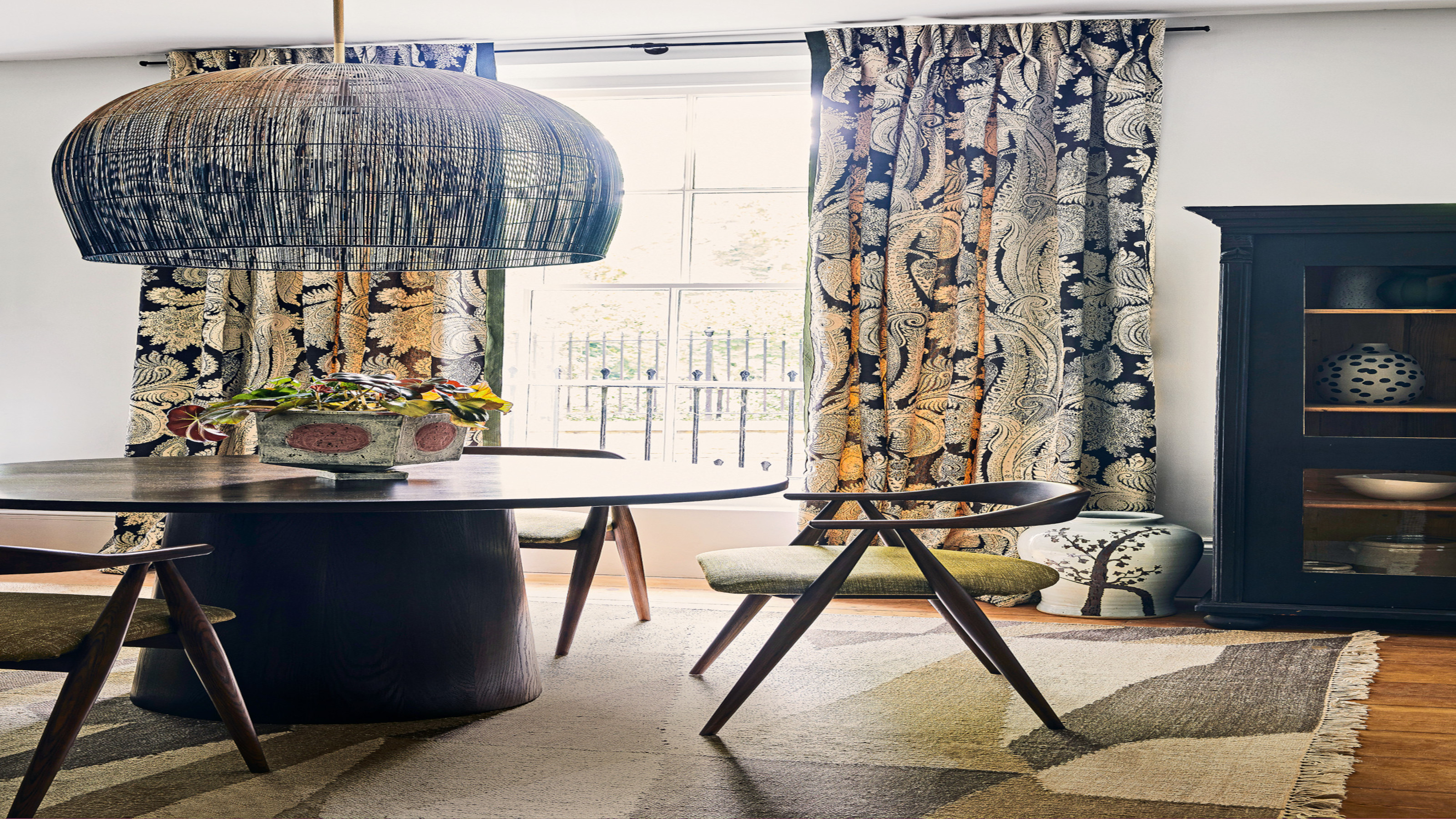
Another strategy involves the careful selection of the curtain header. Certain header styles, like eyelet, tie-top, and tab-top curtains, allow fabric to pass over the rod, and when spaced correctly, can effectively hide the brackets. Using curtains with more material, such as pleated designs, further enhances the ability to conceal the hardware. For those preferring a subtle approach, opting for understated hardware is key. Lightweight curtains, like sheer or light cotton, can be supported by delicate rods and small brackets, which can be discreetly screwed into the window frame to achieve a minimalist look.
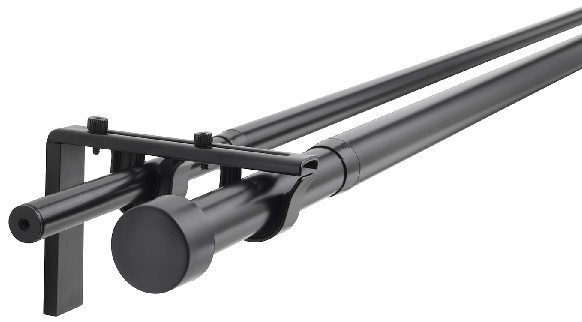
Painting the curtain rod brackets to match the wall color is a cost-effective and impactful solution. This monochromatic approach helps the brackets blend into the background. Wood brackets are easier to paint, while metal ones may require primer and spray paint. Ensuring multiple coats of paint prevents wear and tear from curtain movement. For a completely bracket-free solution, tension rods offer a practical alternative, especially for renters or those who prefer not to drill. These rods fit snugly inside the window frame, creating a floating curtain effect. However, it is crucial to ensure the curtain has a pocket for the rod and to replace weakening tension rods over time.
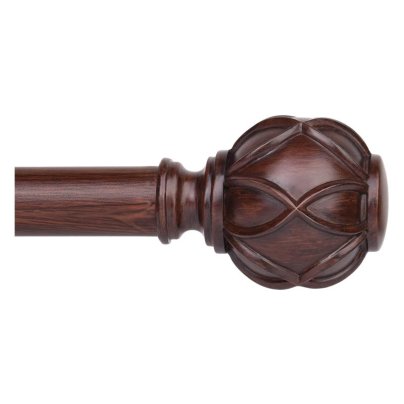
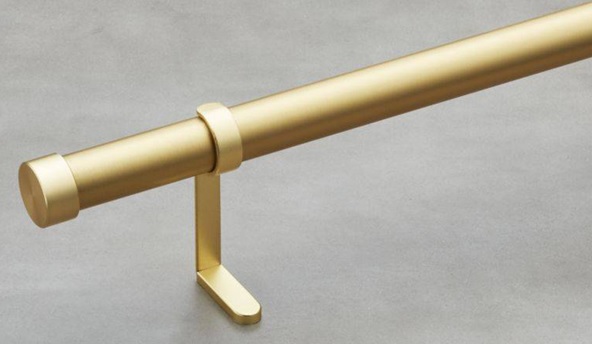
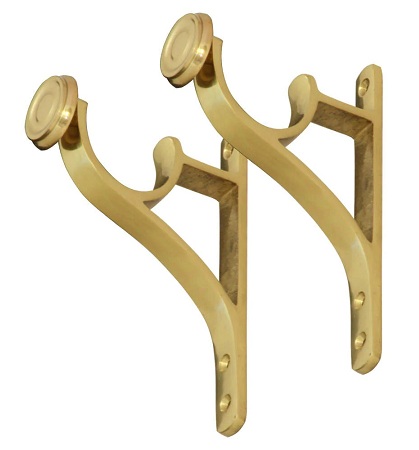
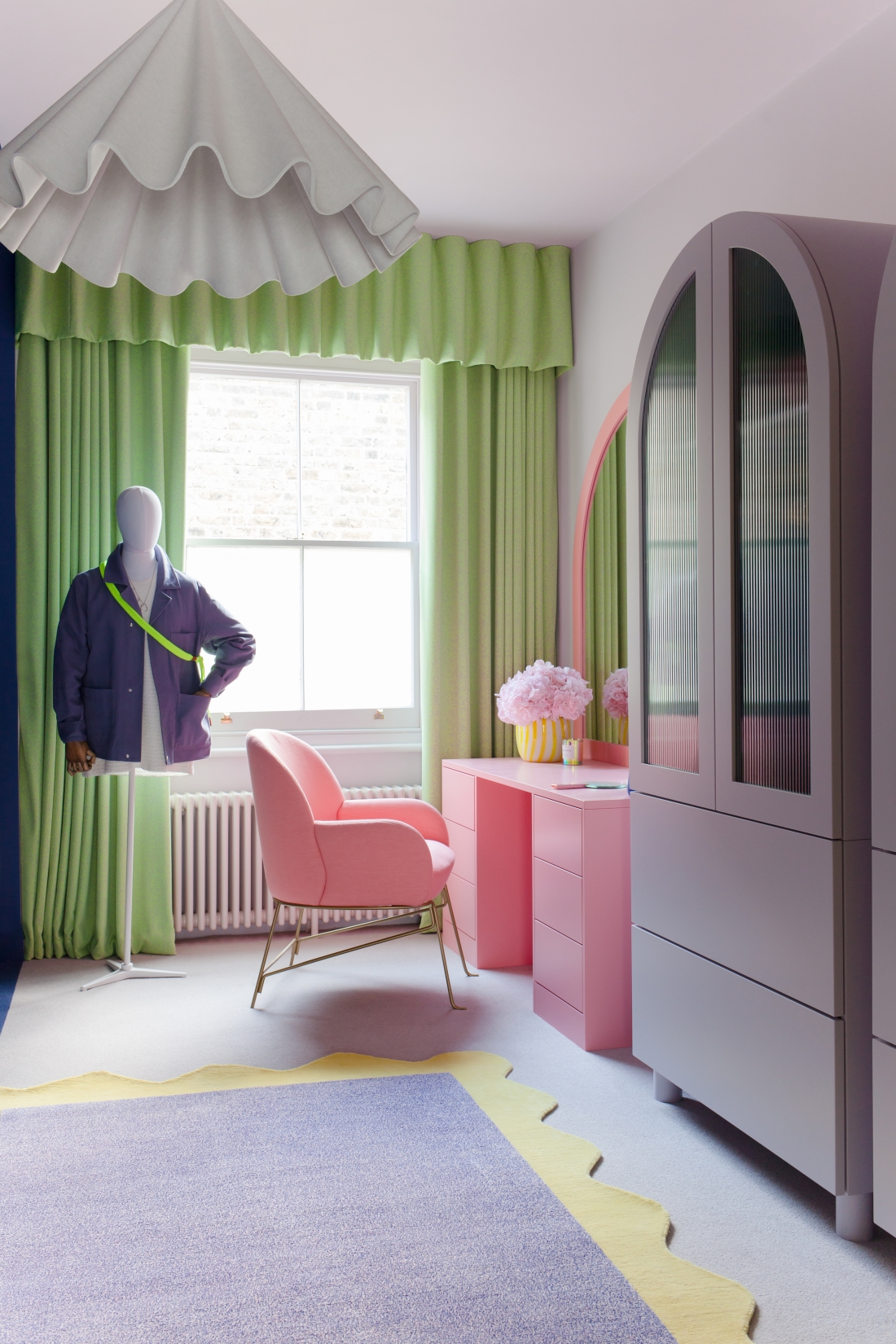
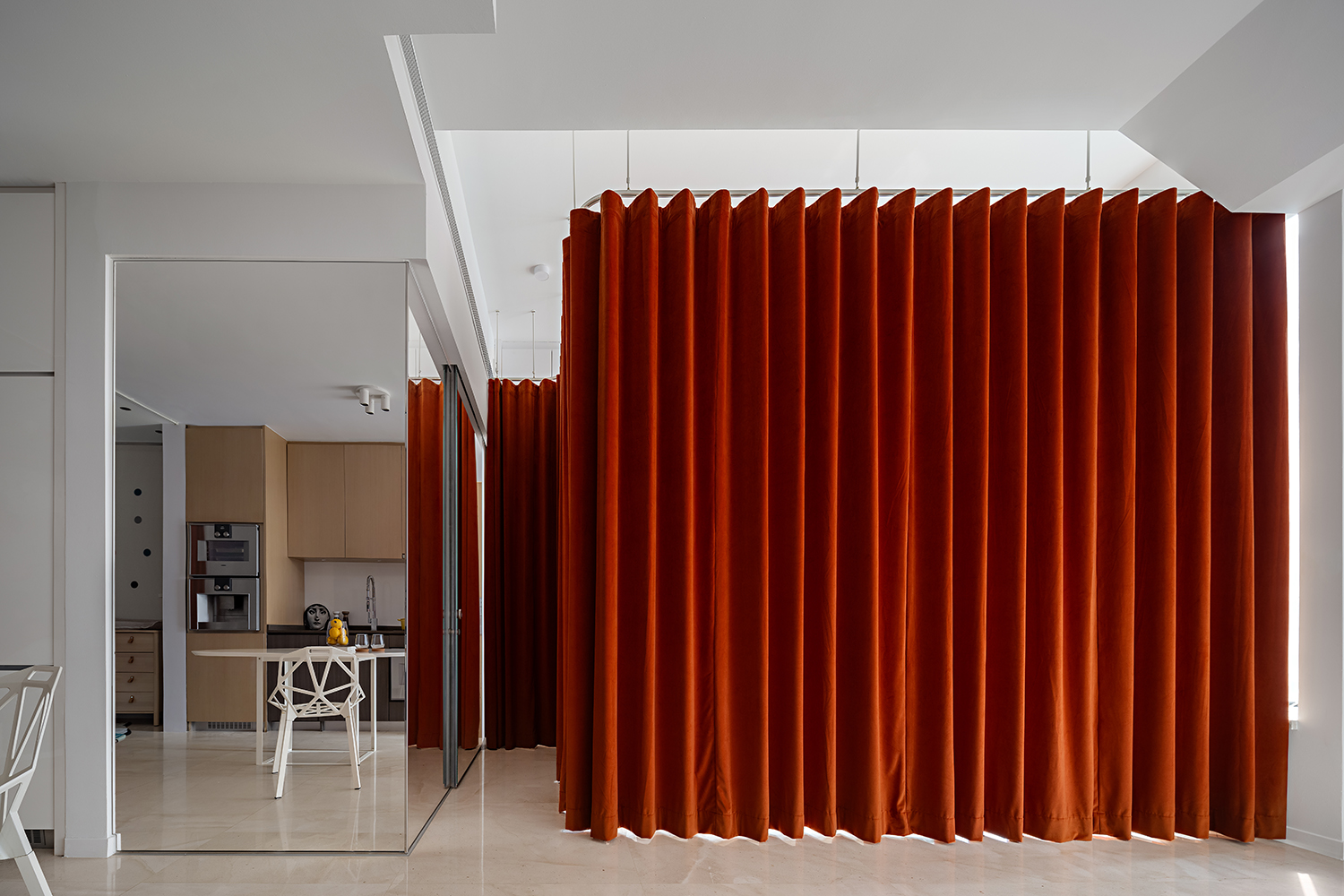
Curtain tracks provide another nearly invisible hanging system. Mounted directly into the ceiling or wall at regular intervals, they support heavy curtains without sagging and eliminate visible brackets. These tracks, made from plastic or metal, are fitted with hooks for the fabric and can be painted to match the wall, becoming unnoticeable when curtains are closed. Finally, installing a curtain pelmet is a stylish way to cover the rail and hardware. Unlike valances, which are often considered outdated, pelmets can add a sleek and polished look, especially when painted to match the ceiling. Interior design consultant Chloe Vince notes that pelmets are re-emerging as a design feature, particularly for new builds, offering an opportunity to add depth and combine prints. If hiding the hardware isn't feasible, embracing decorative rods and finials that complement the room's overall aesthetic, such as brass accents, can turn the hardware into a charming design element.
#CurtainRodBrackets #WindowTreatments #HomeDecor #InteriorDesign #MinimalistStyle #CurtainInstallation #DIYHomeDecor #DesignTips #CurtainRodBrackets #WindowTreatments #HomeDecor #InteriorDesign #MinimalistStyle #CurtainInstallation #DIYHomeDecor #DesignTips
0 comment in total
 No comments yet
You may also like

4 renter-friendly ways to hang curtains without drilling, according to both DIY and interior experts
15 Must-Try Curtain Holder Designs With Pictures 2023

Small living room curtain ideas — 5 designer-approved ways to add flair

Add Some Custom Style to Your Windows With Curtain Rods You Can Make Yourself

How to dress a window without curtains – 5 designer tips for embracing a more minimalist look

With These Dramatic Drapes, Curtains Will No Longer Be an Afterthought


6 Overlooked Ways to Use Tension Rods at Home Besides Hanging Curtains
How to Hang Curtains the Way an Interior Designer Would — To Balance, Blur Lines, and Bring Impact to a Room
The Best Curtain Rods


This Cheap Hack Makes Any Room Look Expensive
8 Creative Ways for Hiding Cords in Your Home

6 New Ways Designers Are Using Curtains — Fill Awkward Corners, Soften Spaces, Create Privacy Zones

The Easiest, Foolproof Way to Hang Curtains, According to Design Pro

This growing Instagram DIY trend is a genius solution for hiding away clutter in a small home
19 Products That’ll Help You Hide Pesky Cords
The curtain ideas to add instant style to your space
20 Best Curtain Rod Designs With Pictures In 2023
11 Decorative Places to Hang Curtains Other Than Your Windows

This Simple Curtain Trick Is an Instant Mood Booster


Designers Say to Ditch These 6 Curtain Styles for an Instant Room Upgrade