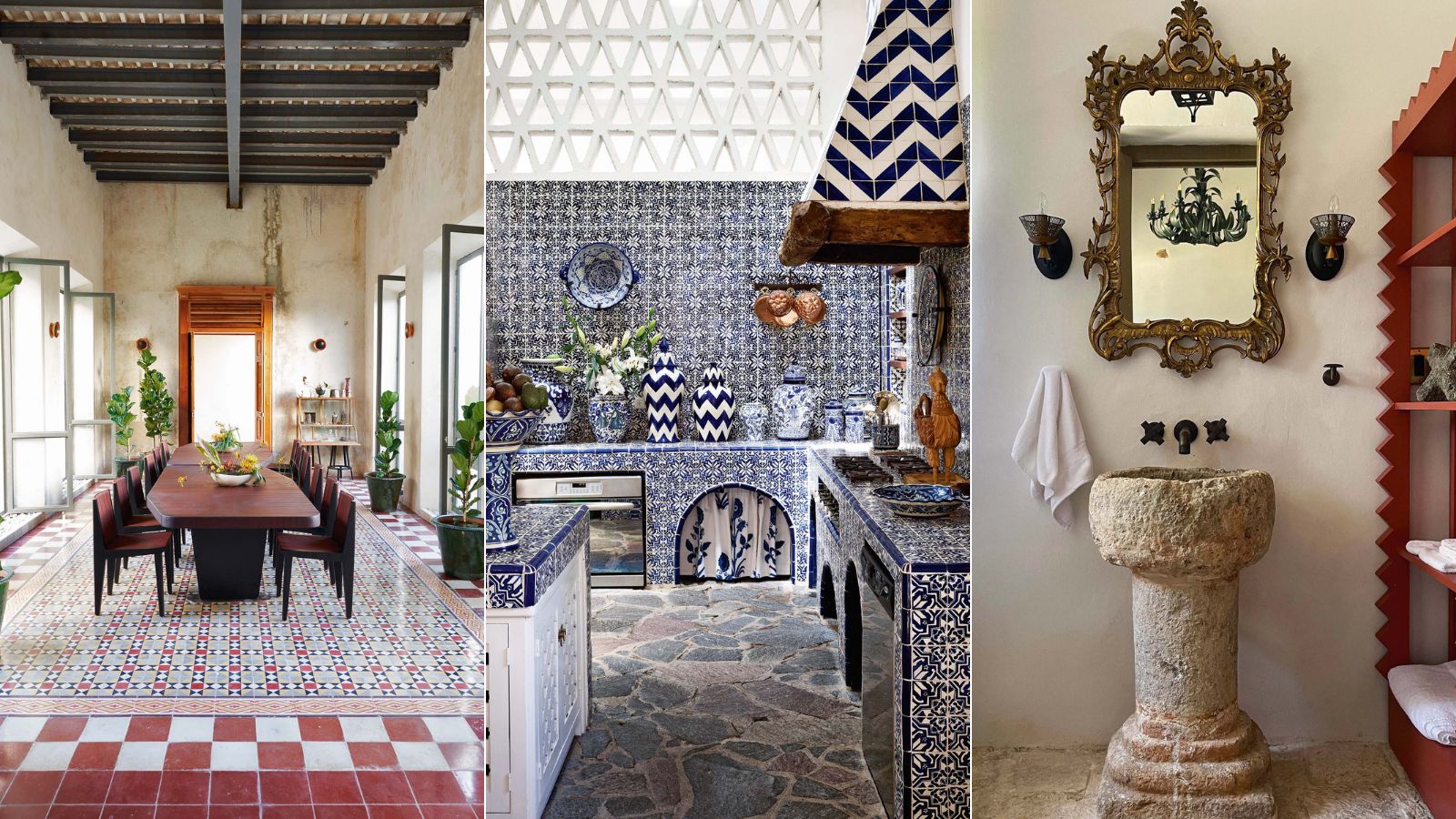
1/13
Mexican decor – 9 periods in this vibrant country's rich history and the styles they inspired
This article, drawing from Newell Turner's new book "Mexican: A Journey Through Design," explores the rich history of Mexican decor by examining nine distinct periods that have shaped its unique aesthetic. The journey begins with the Pre-Columbian era, highlighting the advanced civilizations of the Maya and Aztecs. The Maya, residing in the Yucatán Peninsula, developed sophisticated agricultural techniques, salt harvesting, and pottery, along with an intricate understanding of astronomy and a numbering system incorporating zero. The Aztecs, in central Mexico, constructed impressive stone cities like Tenochtitlán, characterized by cosmic orientations and a multicultural urban fabric.
Next, the article delves into the Baroque period, which emerged in the late 16th century. This style allowed both Spanish colonizers and indigenous Mexican populations to express spiritual passions through architecture and design. While the Spanish used Baroque to assert power, indigenous artisans, with their long-standing traditions in stonemasonry, plasterwork, and weaving, instinctively integrated their vision, leading to a distinct Mexican Baroque style that flourished until the mid-18th century.
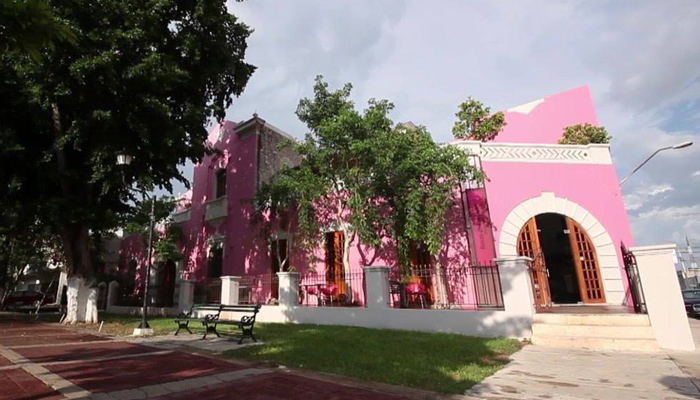
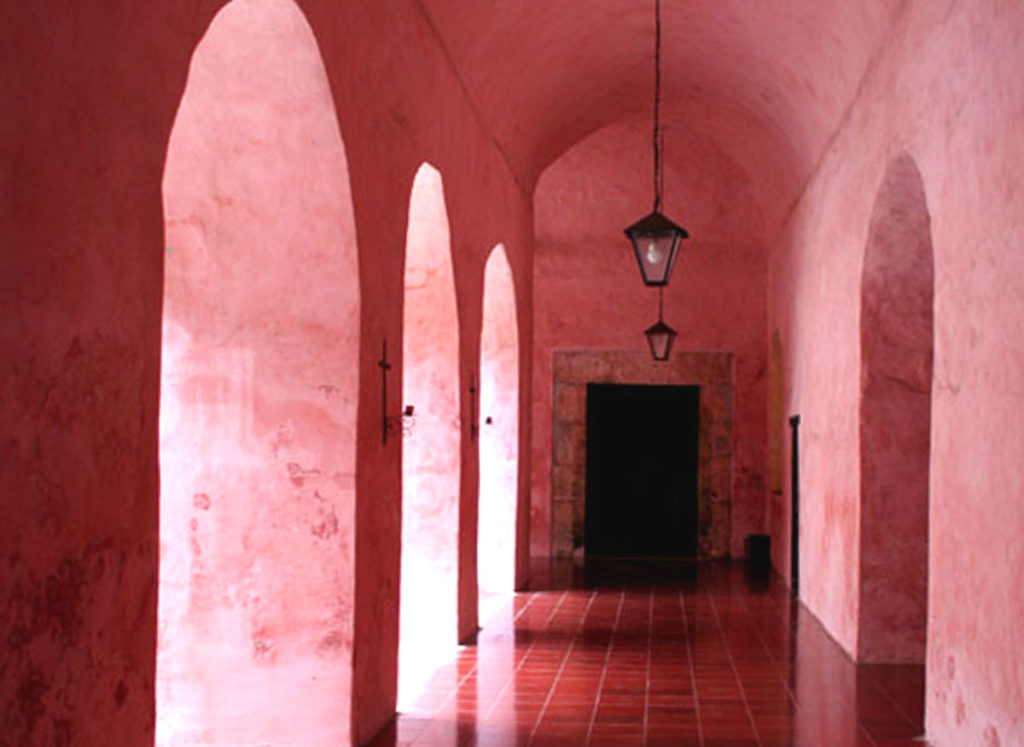
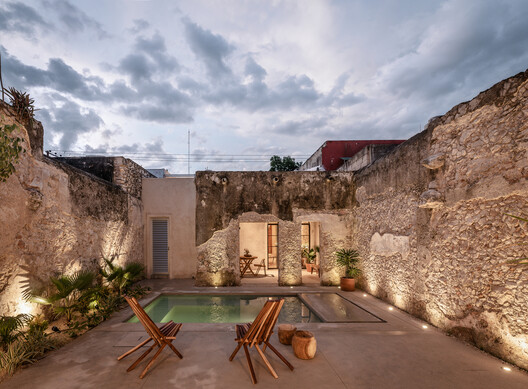
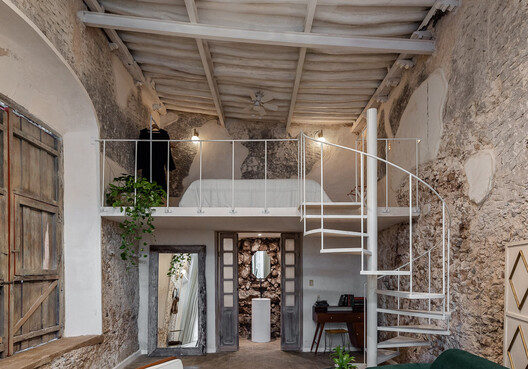
The Colonial period, spanning 300 years after the fall of Tenochtitlán in 1521, saw the Spanish Empire leave an indelible mark on Mexican design. Both the conquistadors and religious orders utilized architecture to claim land, constructing cathedrals, convents, plantations, and grand houses. These structures drew heavily from Mediterranean design, particularly the Spanish convivencia, blending European styles with ancient New World building techniques and craftsmanship.
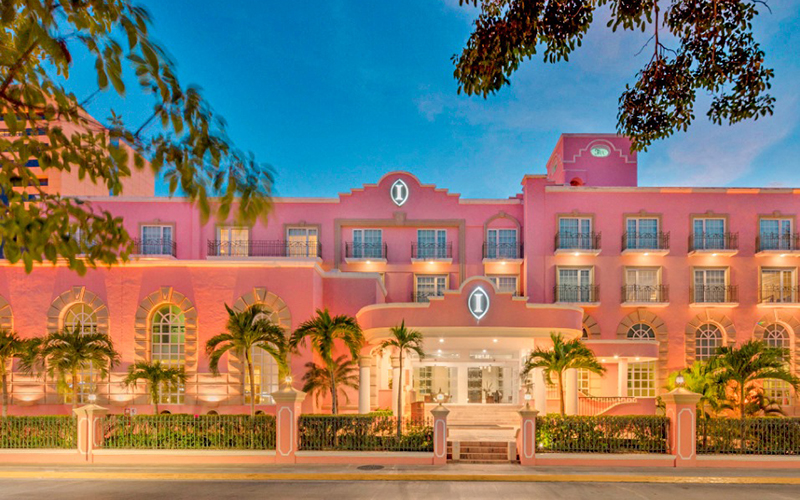
French influence arrived during the Neoclassical period, especially prominent during President Porfirio Díaz's tenure from 1877 to 1911. French Neoclassicism, associated with ideals of liberty, became a symbol of Mexican independence. This style updated Spanish colonial facades and influenced public government buildings and small businesses, adding a sophisticated layer to Mexican architectural heritage.
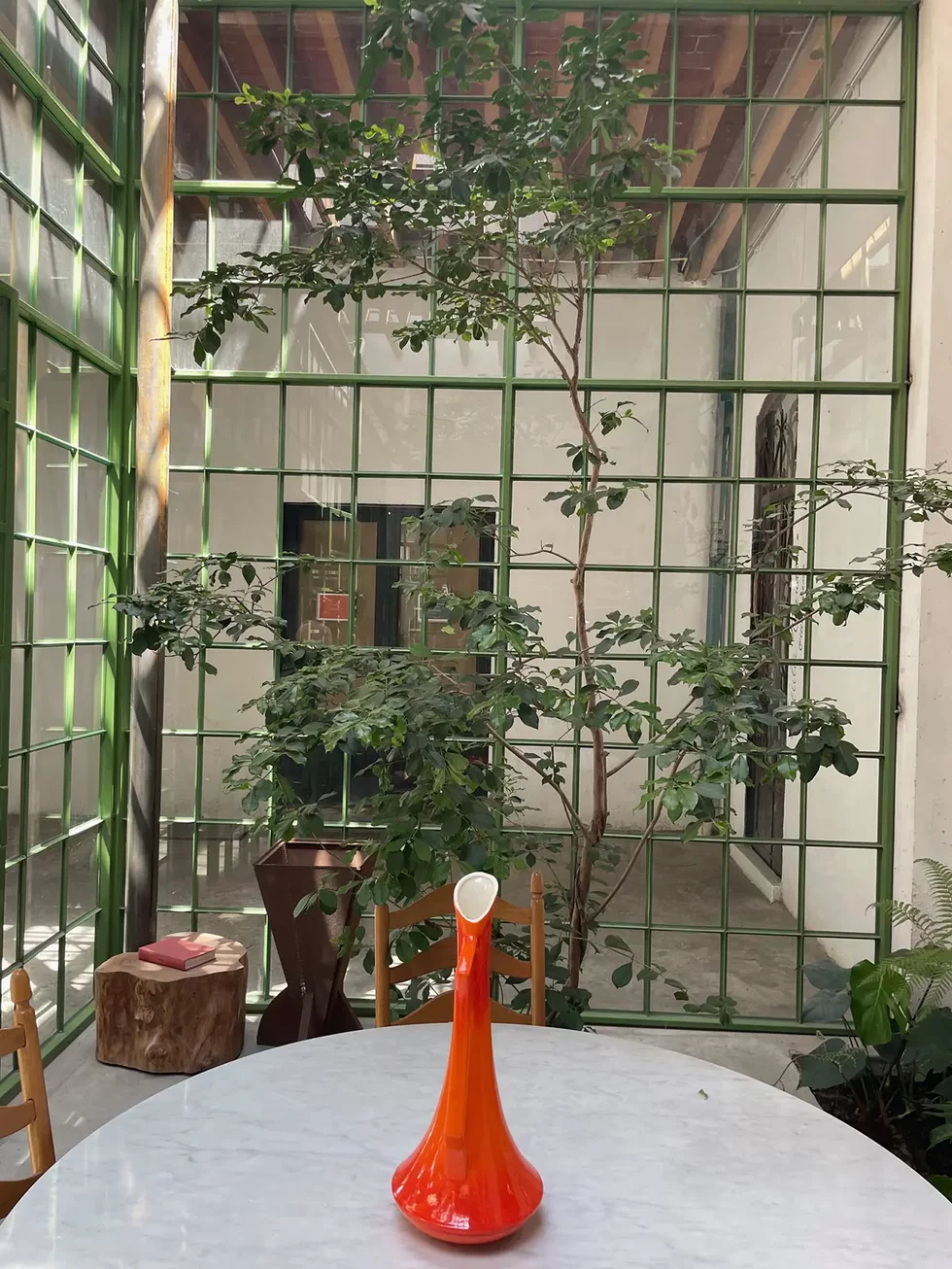
Art Nouveau, though a transitional style in Mexico, made significant appearances in public buildings like Mexico City's Palacio de Bellas Artes. Key elements, such as iron and glass canopies, found both decorative and functional uses in homes. Hints of the style were also evident in interior decorative painting, pasta tile patterns, and colored glasswork, marking the end of the Porfiriato Era's decorative influence.
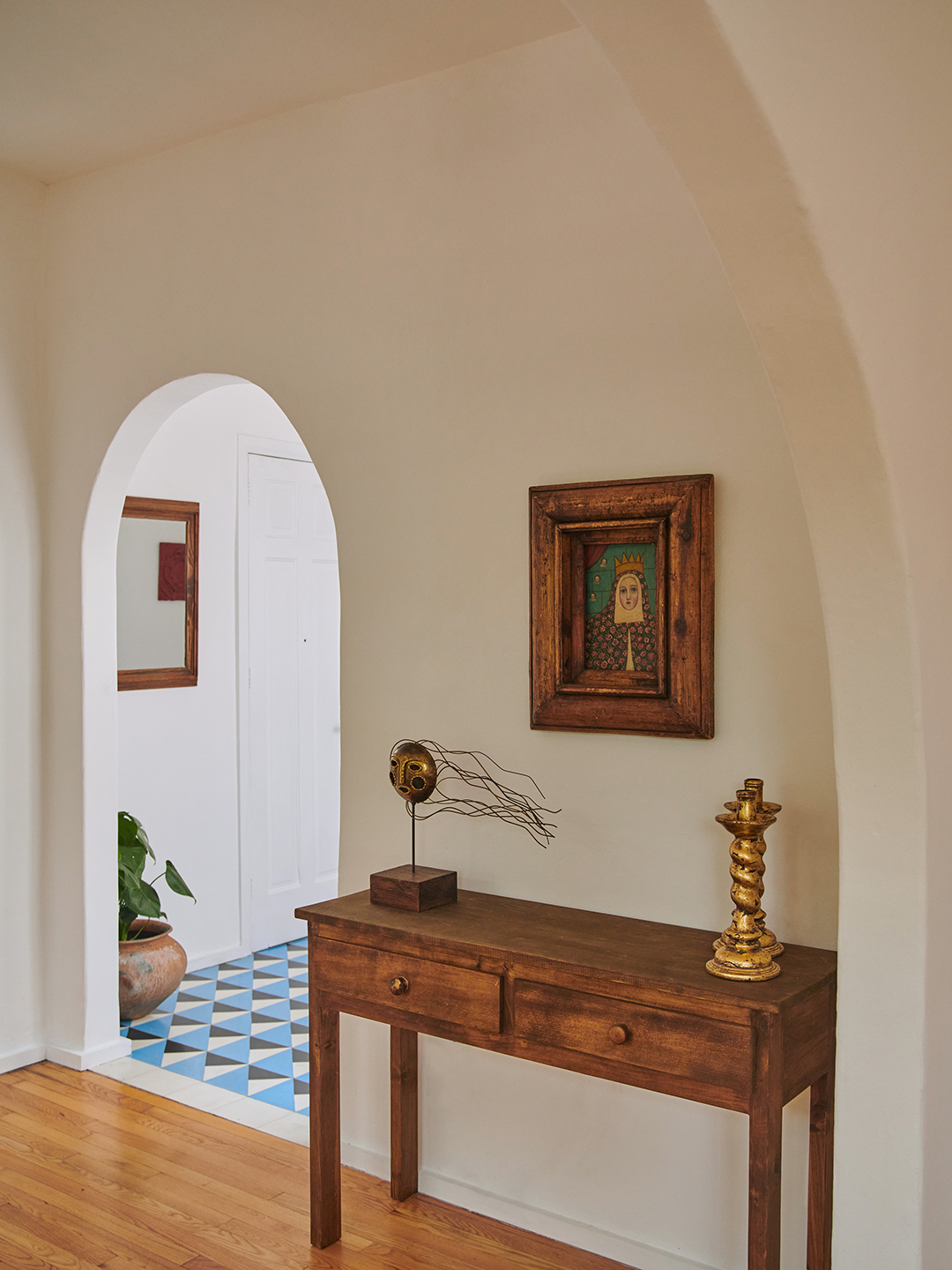
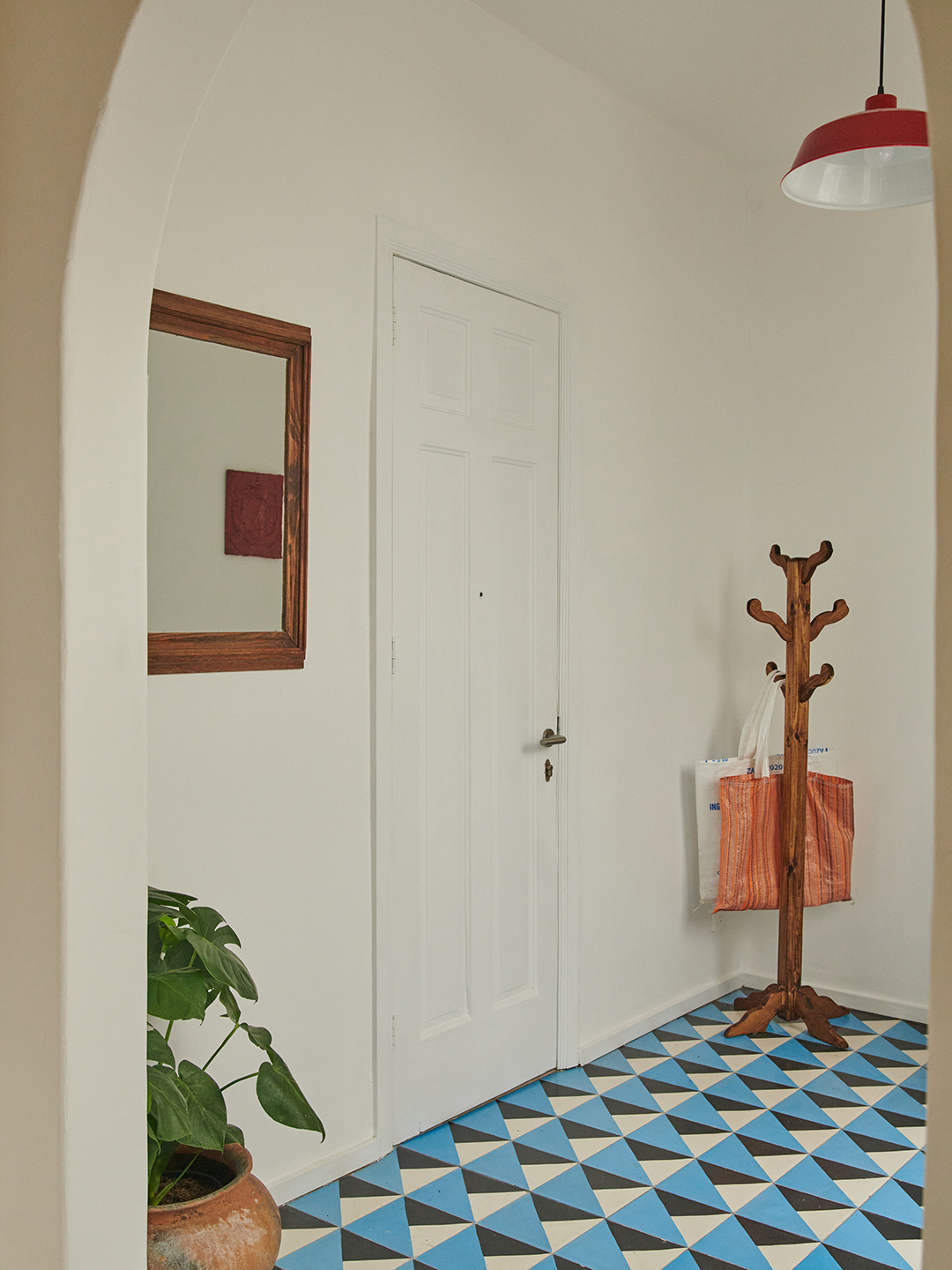
The Art Deco movement, prevalent in the early 20th century, saw Mexico embracing its progressive, international message. A unique variation, Mayan Deco, emerged, blending traditional ancient Maya architectural motifs and geometric imagery with Art Deco's bold lines. This resulted in a wealth of urban homes featuring concrete construction and decorative applications, as well as influencing Mexico's distinctive pasta tiles and fine jewelry production.
Surrealism, originating in Europe, found a fertile ground in Mexico due to its freedom from traditional constraints and celebration of the subconscious. Roman Catholicism's artistic expressions and Mexico's existing blend of indigenous cultures and magical realism provided a welcoming environment for Surrealism to flourish in fine art, decorative arts, and architecture.
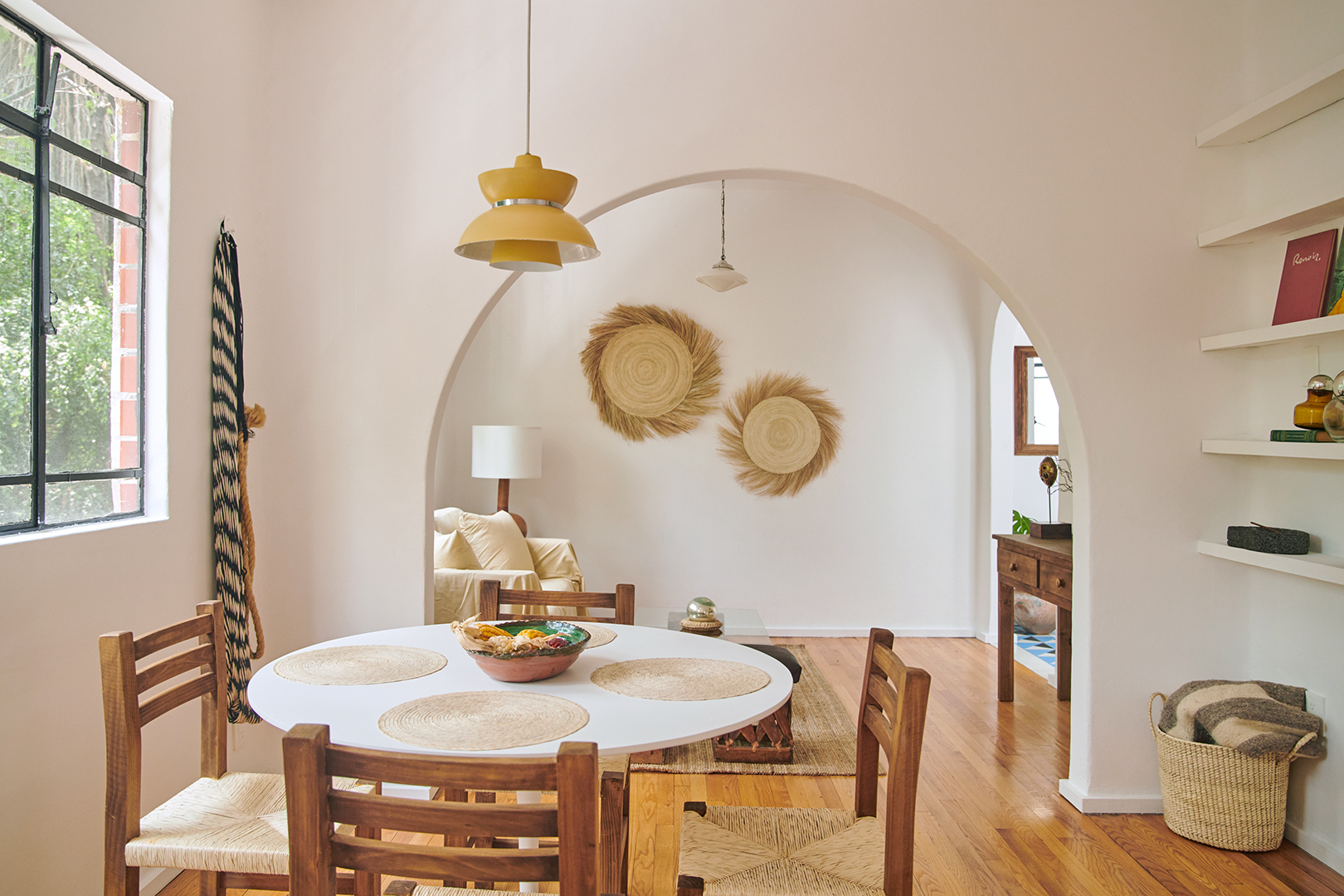
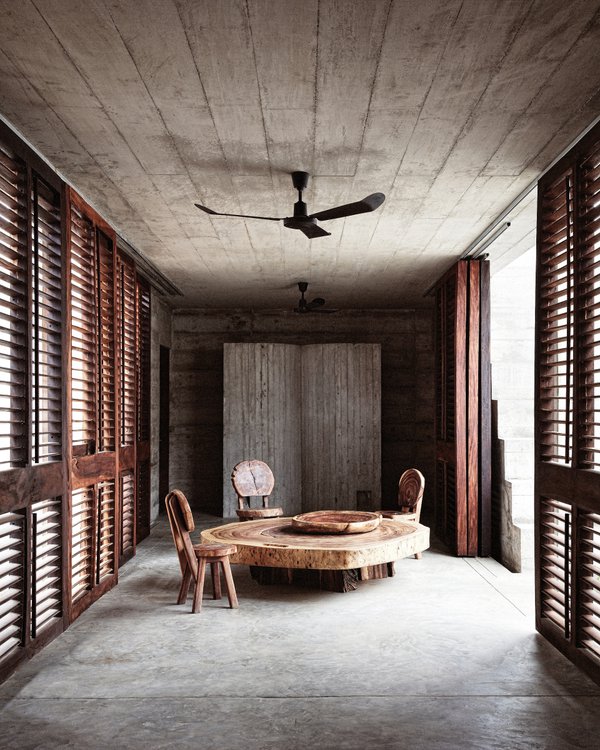
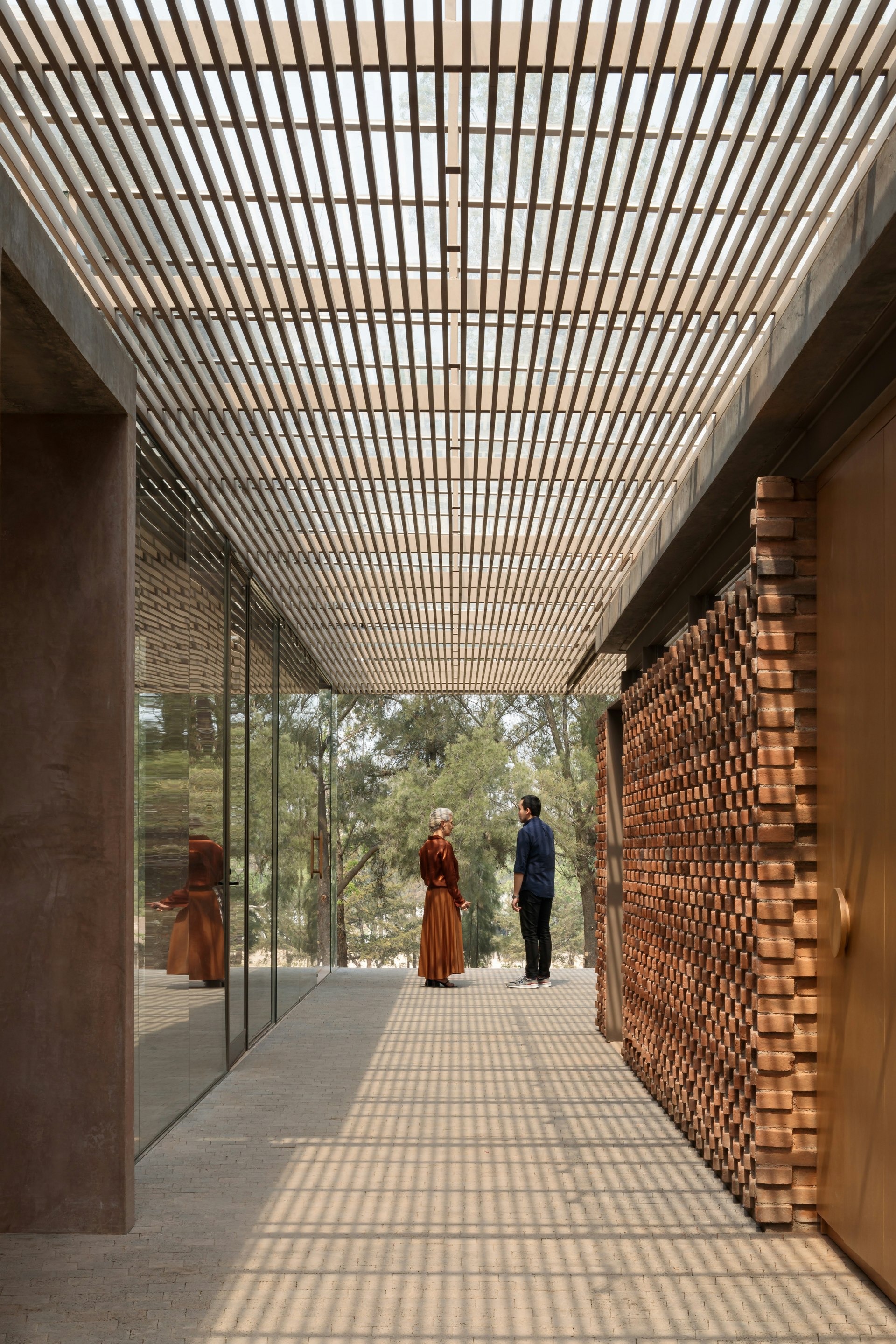
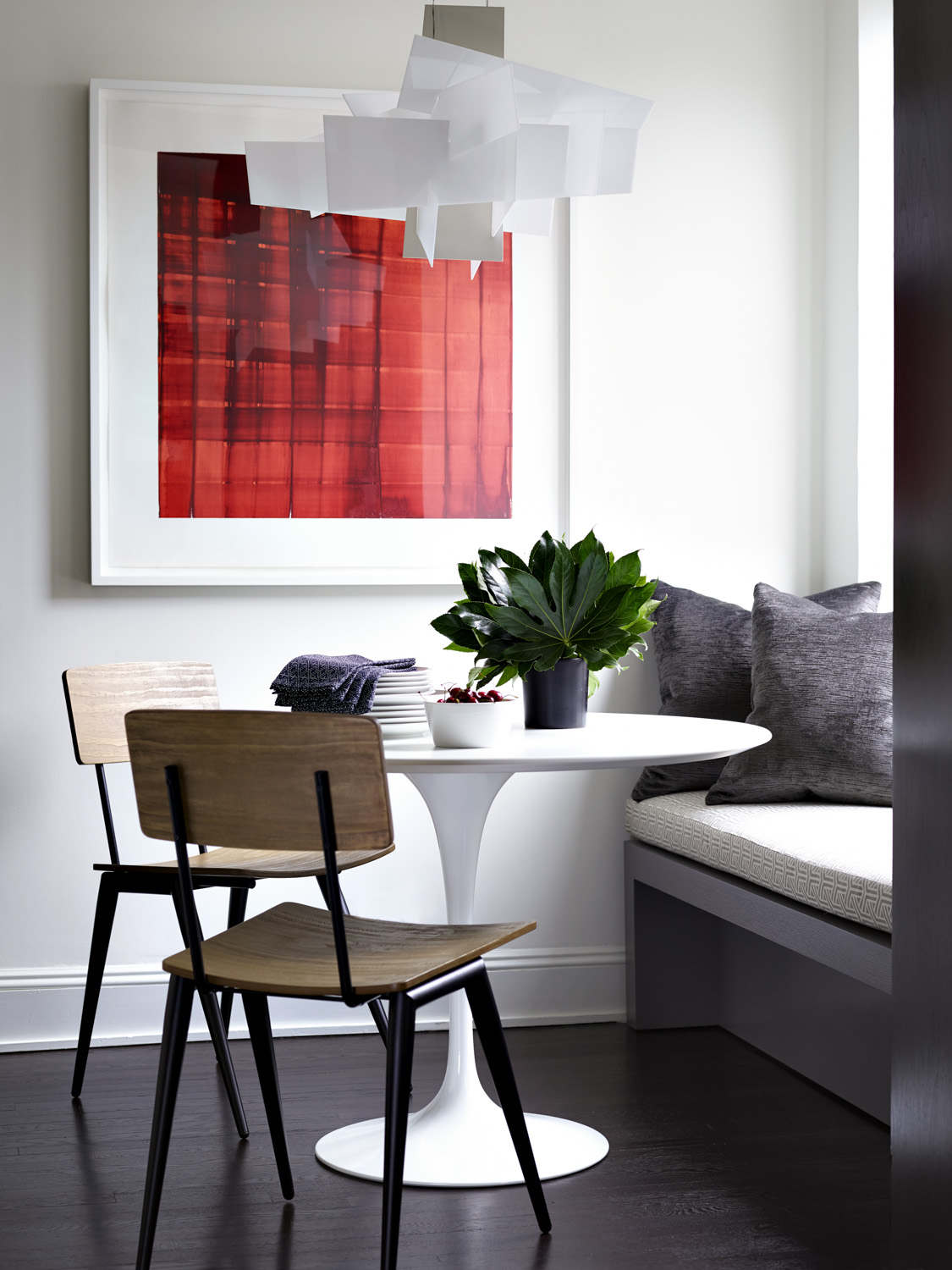
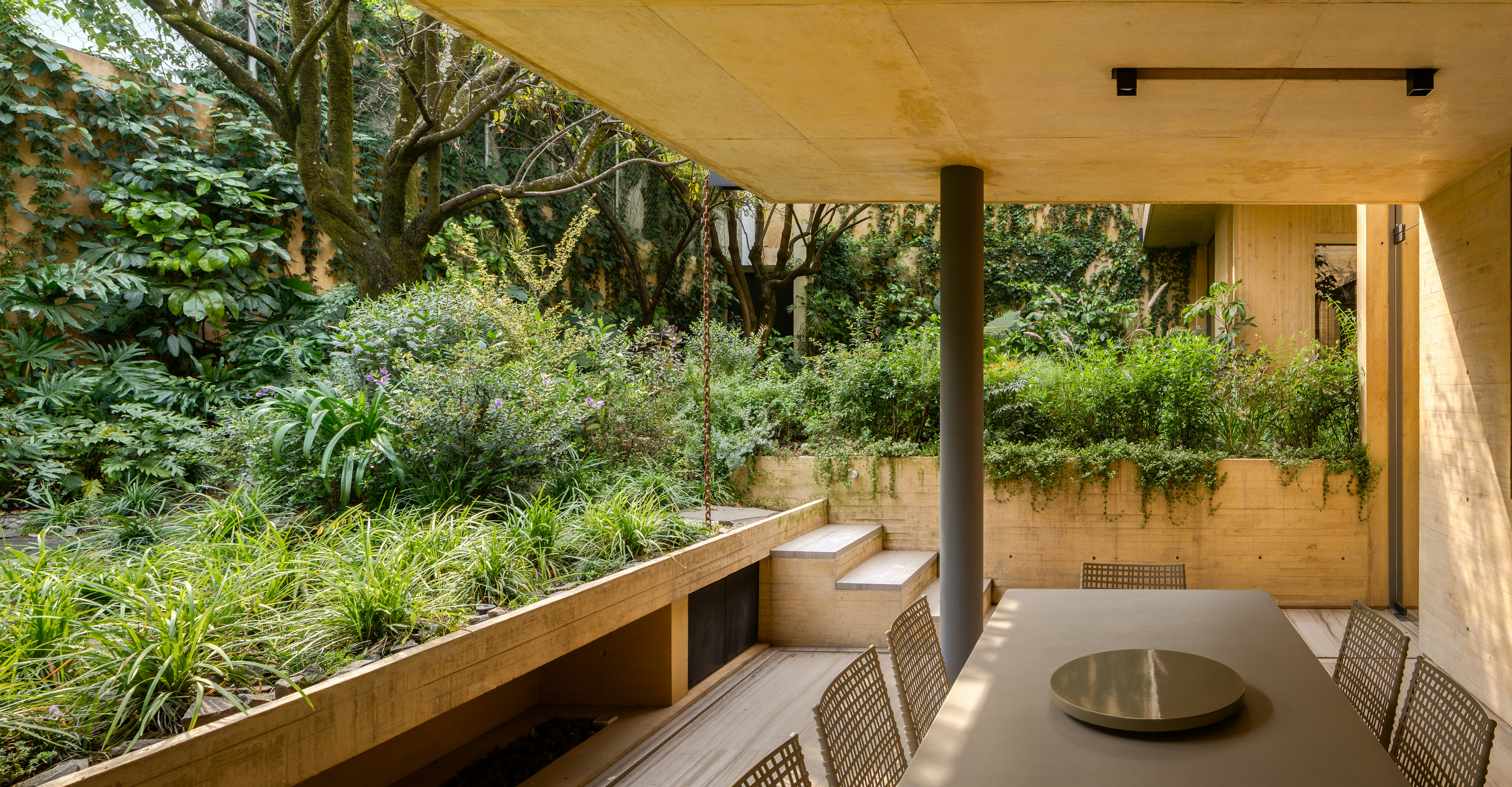
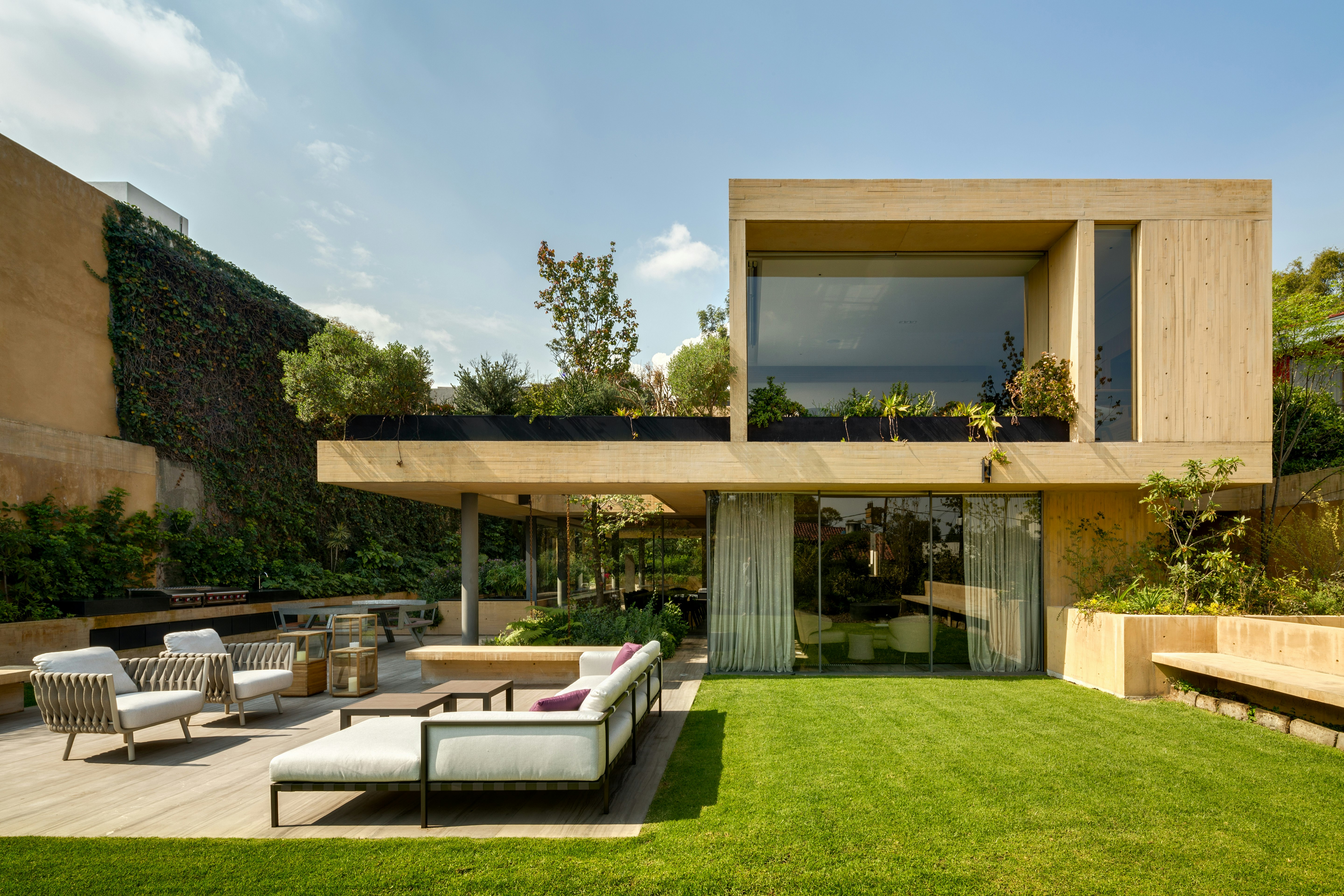
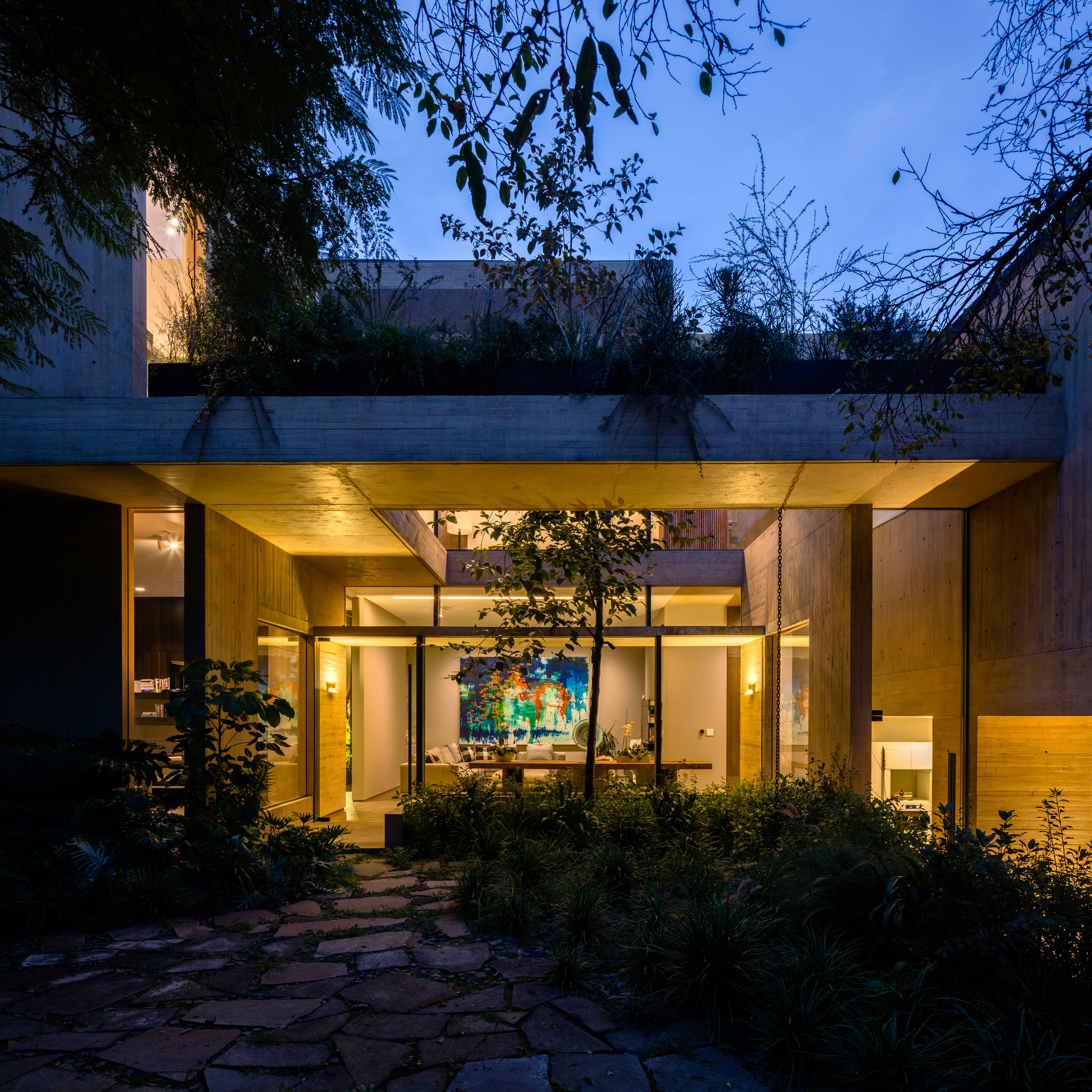
Modernism in Mexico, particularly from the mid-20th century, uniquely combined ancient hand-built architectural traditions and indigenous monumentalism with a focus on warmth and human needs. Exemplified by architects like Louis Barragán, Mexican Modernism integrated color and texture, creating a vernacular language that continues to evolve.
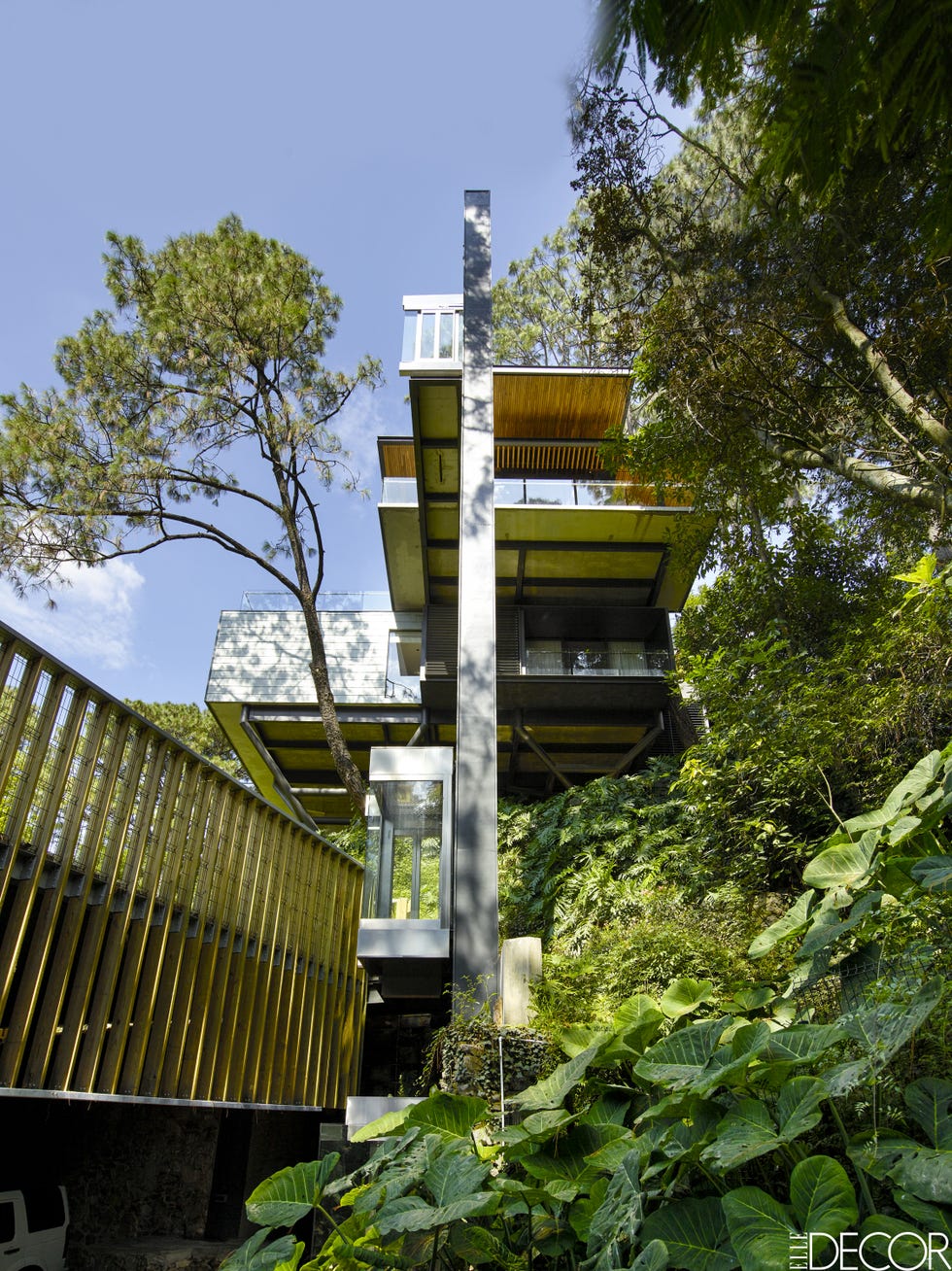
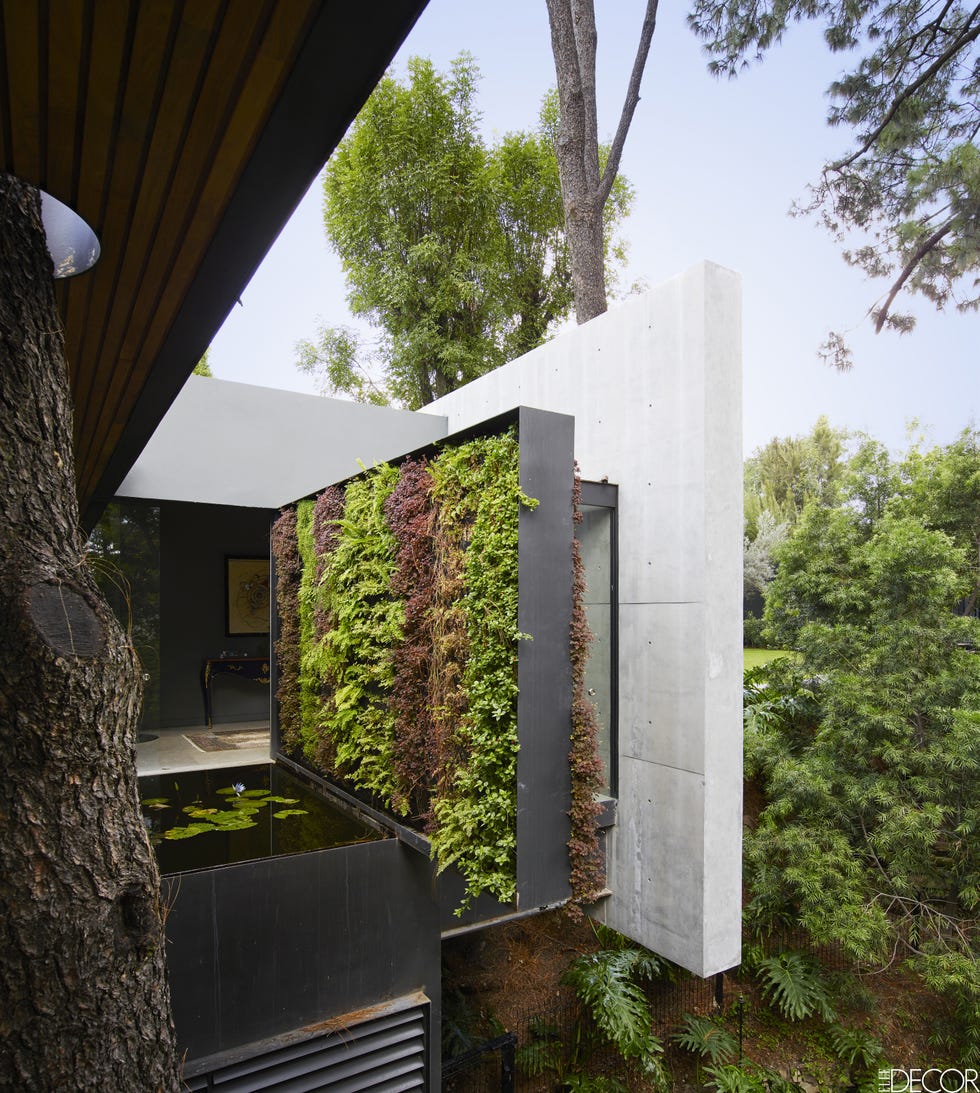
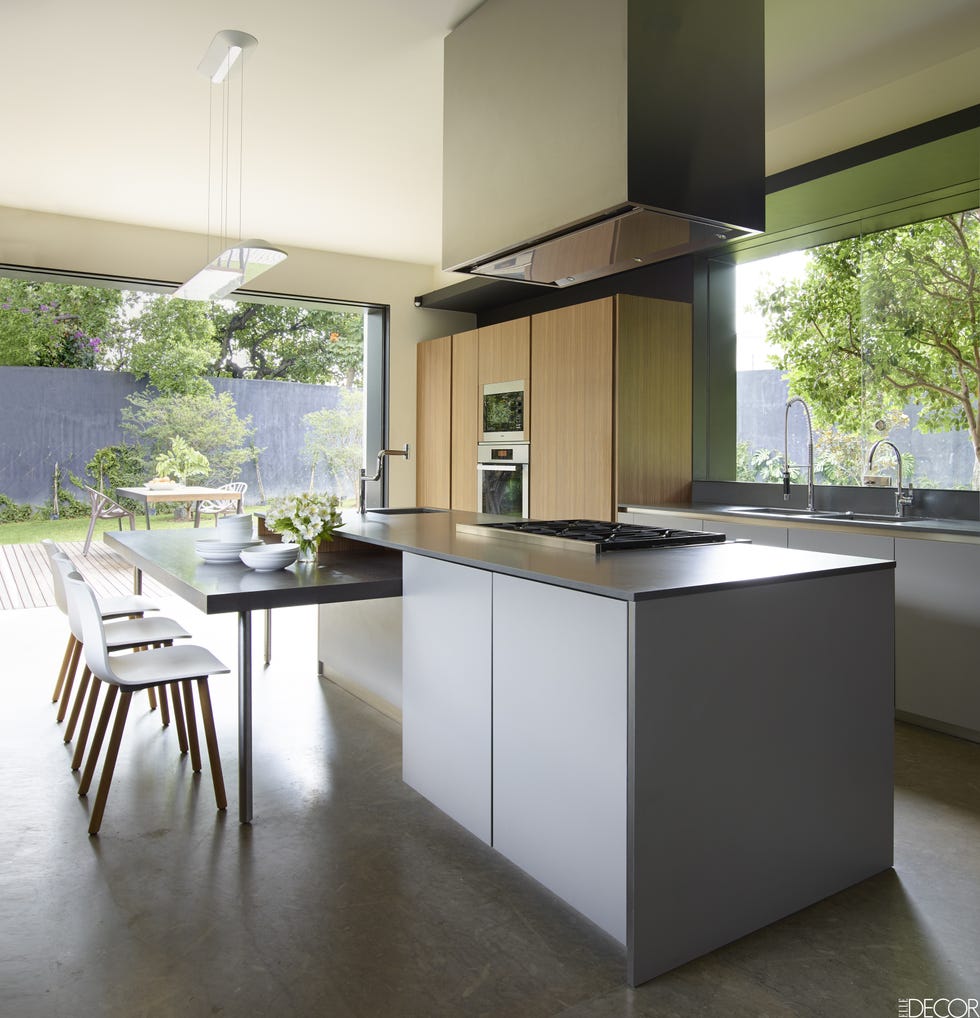
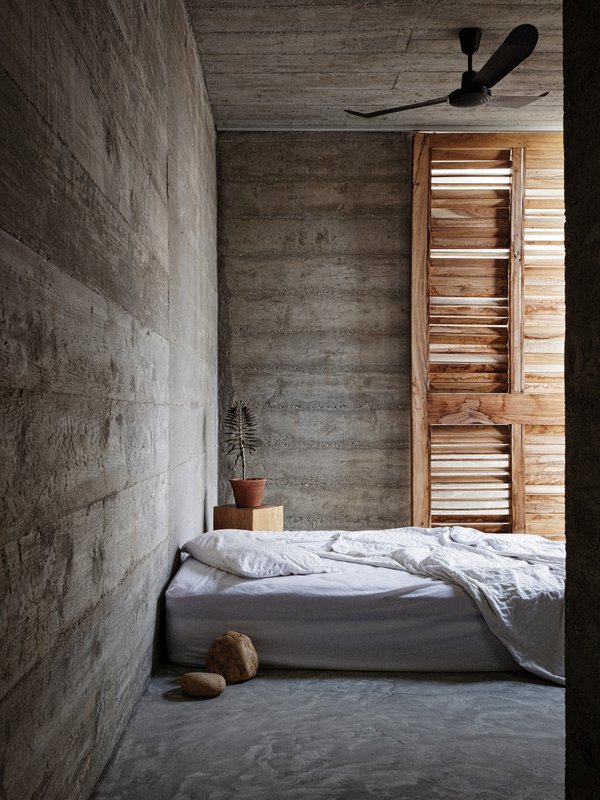
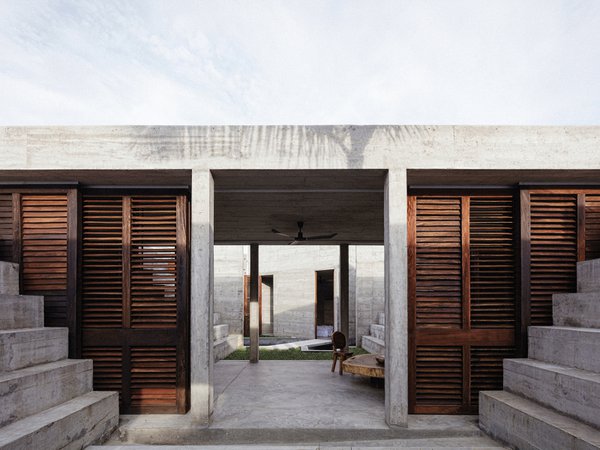
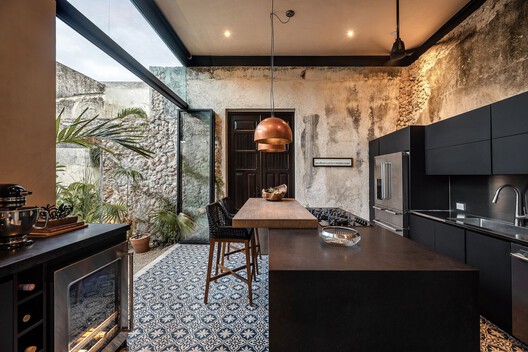
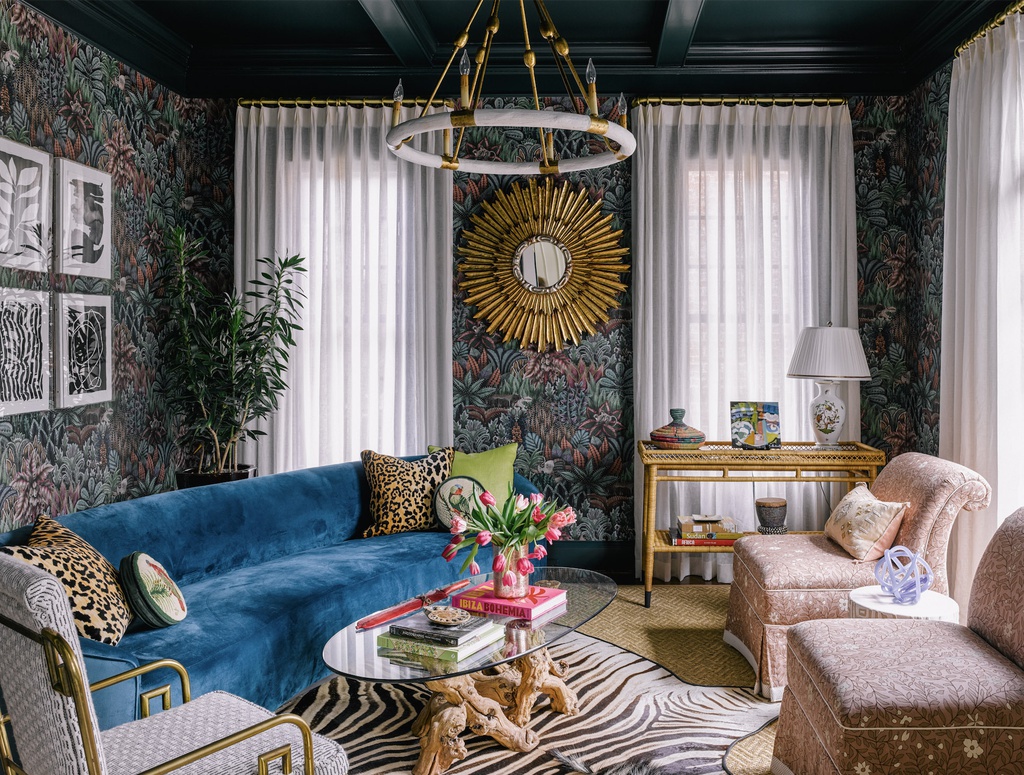
Finally, Contemporary Mexican design, while technically referring to the present, defines a freeform style that integrates endless historical references with unrestrained freedom. Technology plays a crucial role, enabling diverse expressions in decorative arts and architecture. This period is marked by new dialogues, particularly across the Americas, leading to a distinct Mexican design emerging on the international stage, blending the past and future in a vibrant, conscious manner, echoing the Mexicanidad movement without its political connotations.
#MexicanDecor #DesignHistory #PreColumbian #BaroqueArchitecture #ColonialStyle #NeoclassicalDesign #ArtNouveau #ArtDeco #Surrealism #Modernism #ContemporaryDesign #InteriorDesign #ArchitecturalStyles #MexicanDecor #DesignHistory #PreColumbian #BaroqueArchitecture #ColonialStyle #NeoclassicalDesign #ArtNouveau #ArtDeco #Surrealism #Modernism #ContemporaryDesign #InteriorDesign #ArchitecturalStyles
0 comment in total
 No comments yet
You may also like
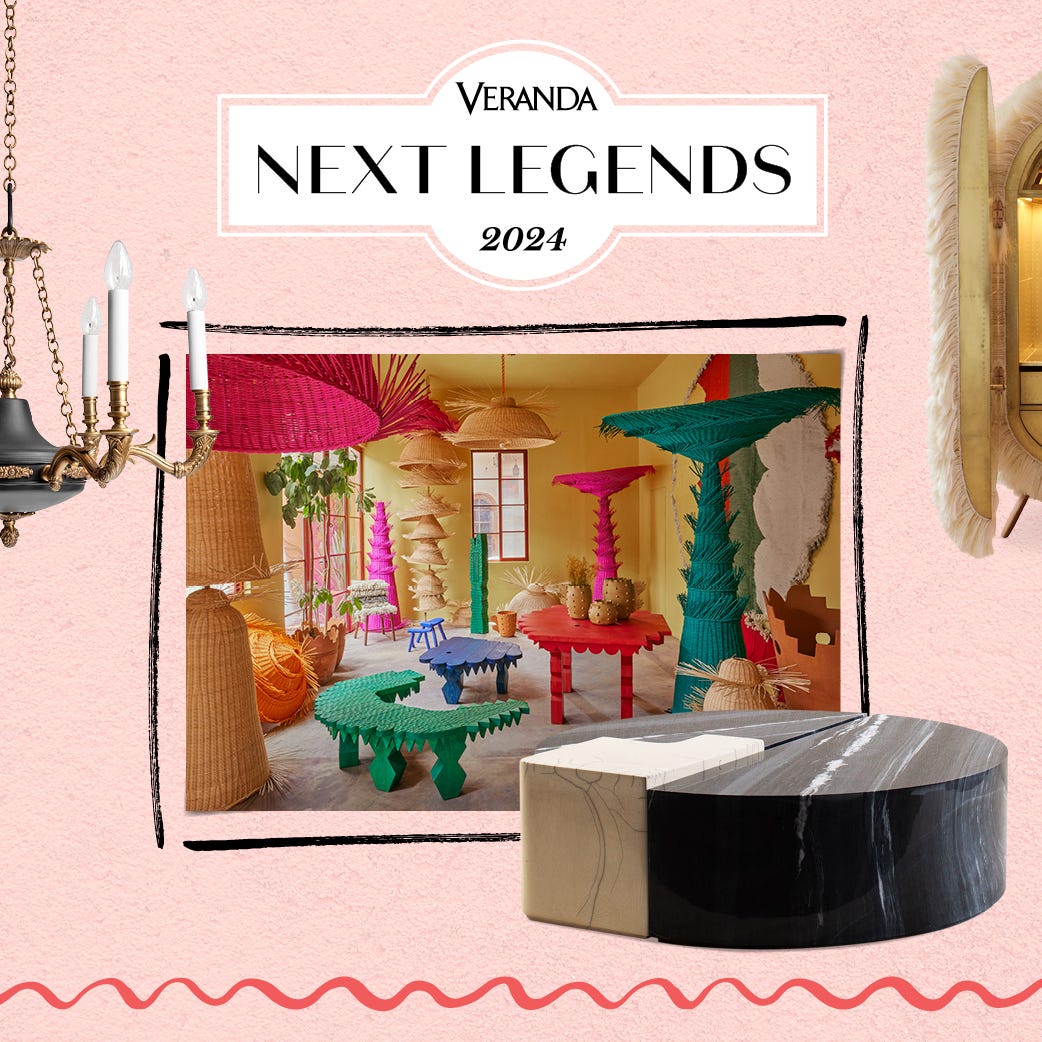
These 5 Mexico-Based Furniture Makers Have WILDLY Creative Takes on Traditional Craftsmanship

The Innovative Indoor-Outdoor Fluidity of Contemporary Mexican Architecture
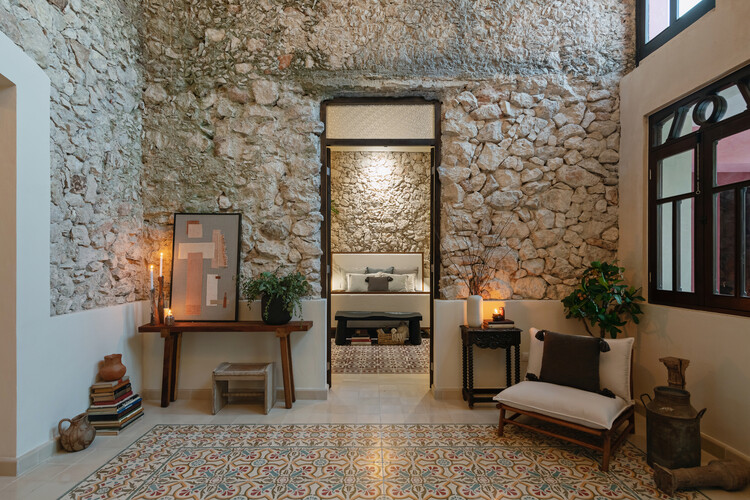
Inhabiting a Layered Past: How Contemporary Design Is Transforming Colonial Houses in Mérida, Mexico

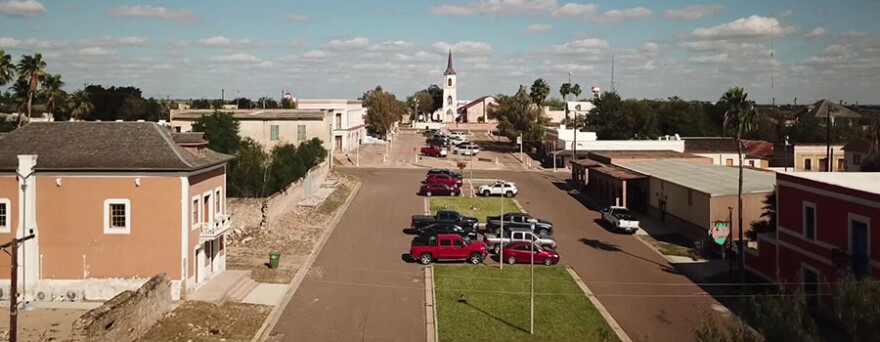
European, Mexican style in the historic architecture of Roma, Texas

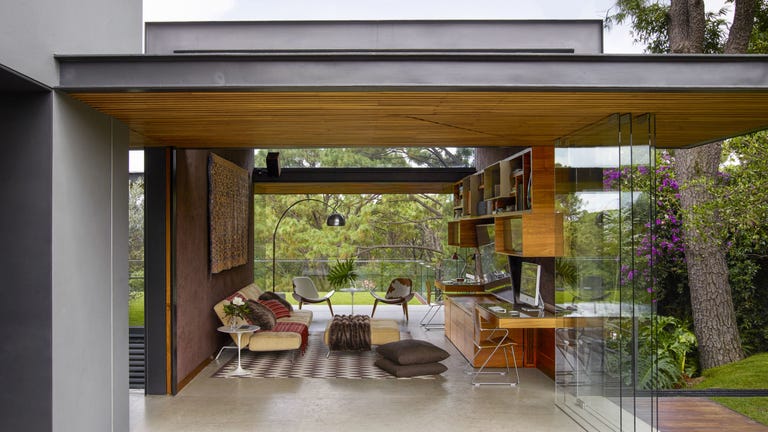
HOUSE TOUR: Modern Furniture Meets Playful Design Inside A Mexican Tree House

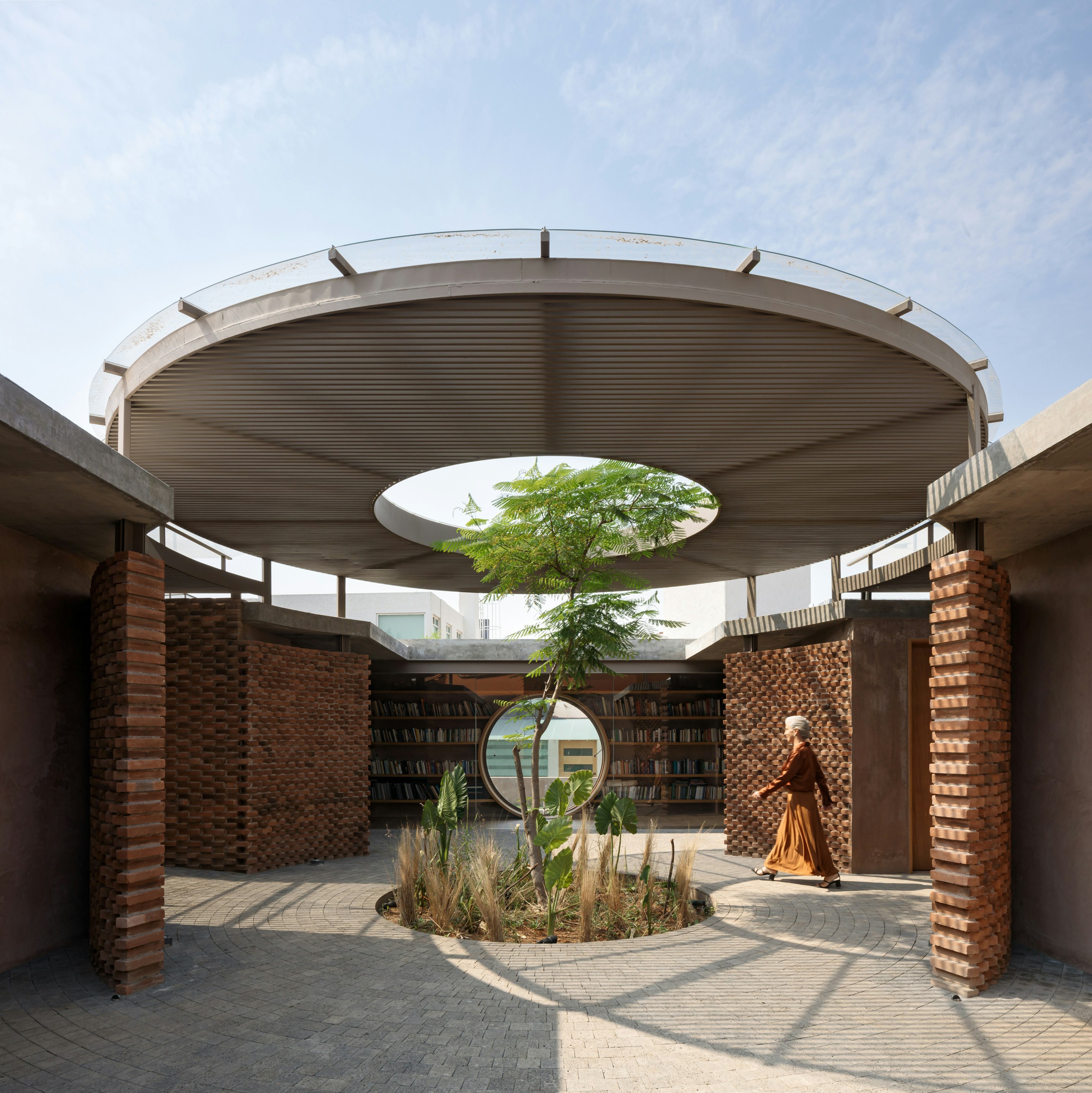
A Brick-and-Concrete Home With a Library Emphasizes Circular Motifs in Mexico

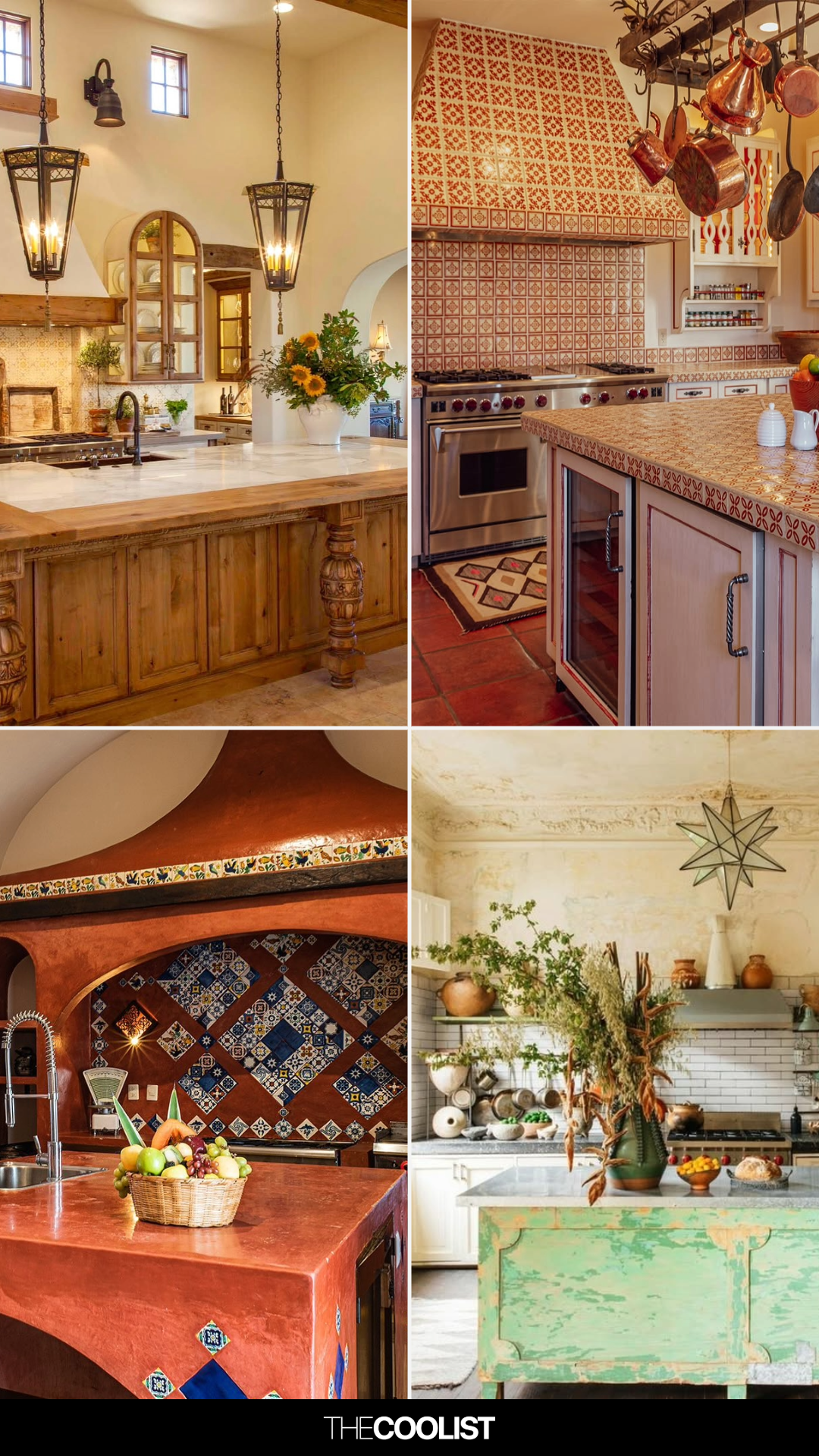
20 Mexican Hacienda Kitchen Design Ideas That Embrace Bold Color and Warmth
Behind the Design of a Colorado Home Where Plaid Has Never Looked Cooler

An Unlikely Source Inspired This Designer’s Mexico City Apartment: Catholic Convents

El Interior Honors and Shares Traditional Mexican Folk Art

Don’t Know Your Design Style? These Are the 5 Most Popular Ones

10 Questions With… Maritza Lara Cáceres and Daniel Cruz Maldonado

Bold Colors, Playful Shapes, Handmade Textures: This Mexico City Home Is 100% Joyful!

Thinking about Mexican Pink, the bold color that’s here to stay
Patrón Designed a Spanish Colonial Guest House with Modern Flair
This Mexico City Home Features a Garden at Every Level
How travel inspires new decorating ideas for the home

She's the "Carrie Bradshaw of Design"— And This Wild Texas Home is Absolute Proof

You May Not Know Designer Mark Grattan Yet. But You Will Soon
Toilets with sinks and neon dog sculptures: The kitschy appeal of Galerias El Triunfo