1/2
6 Dining Room Design Rules Designers Always Break—and You Should, Too
Interior designers often disregard conventional dining room design rules, viewing many as obsolete. This article, featuring insights from three design professionals—Ayten Nadeau of i-TEN Designs, Elana Mendelson of Elana Designs, and Rebecca Amir of Rebecca Amir Design—highlights six such rules that contemporary homeowners can confidently break when preparing their dining spaces for entertaining, especially during the holidays.
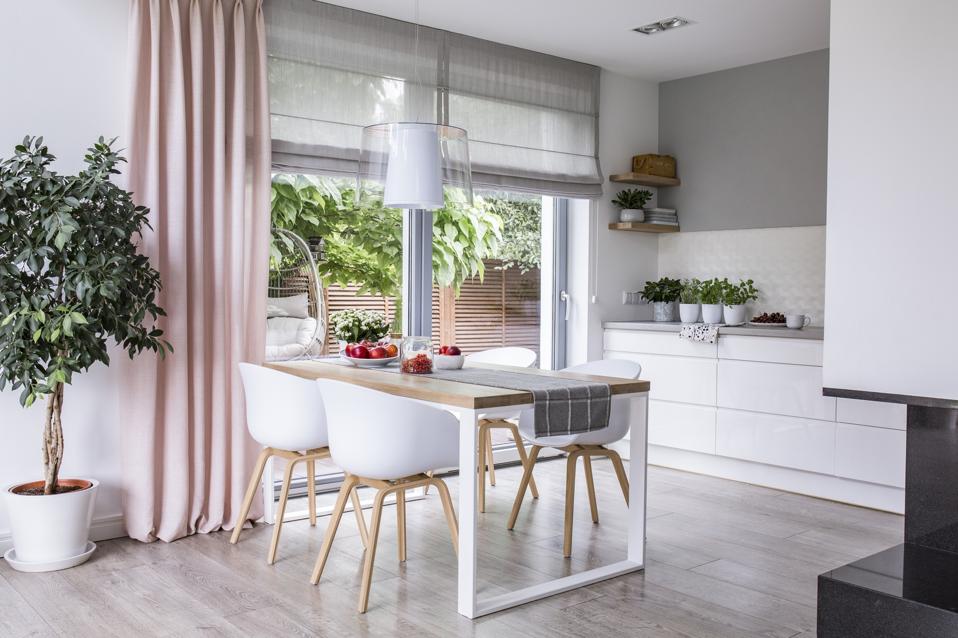
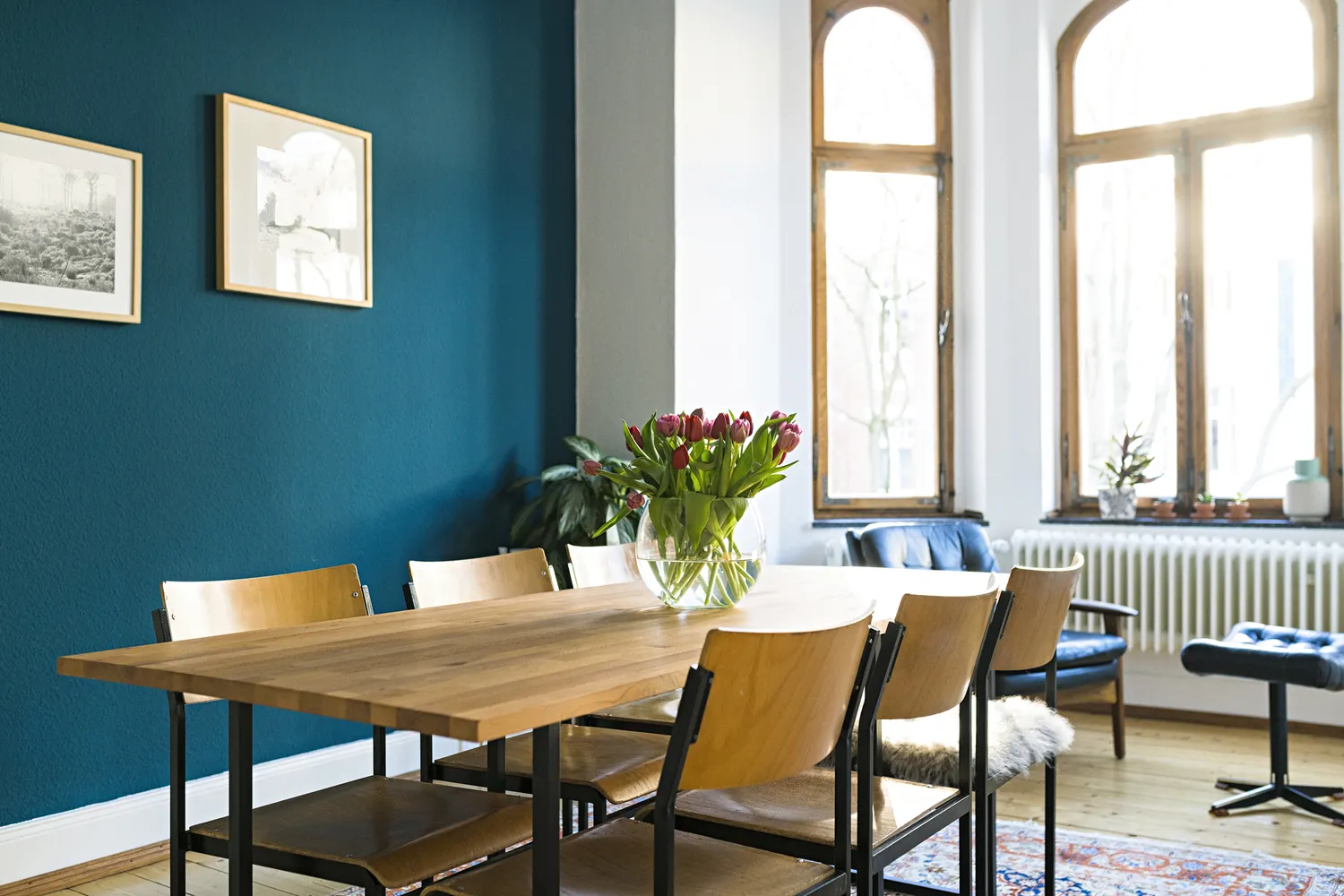
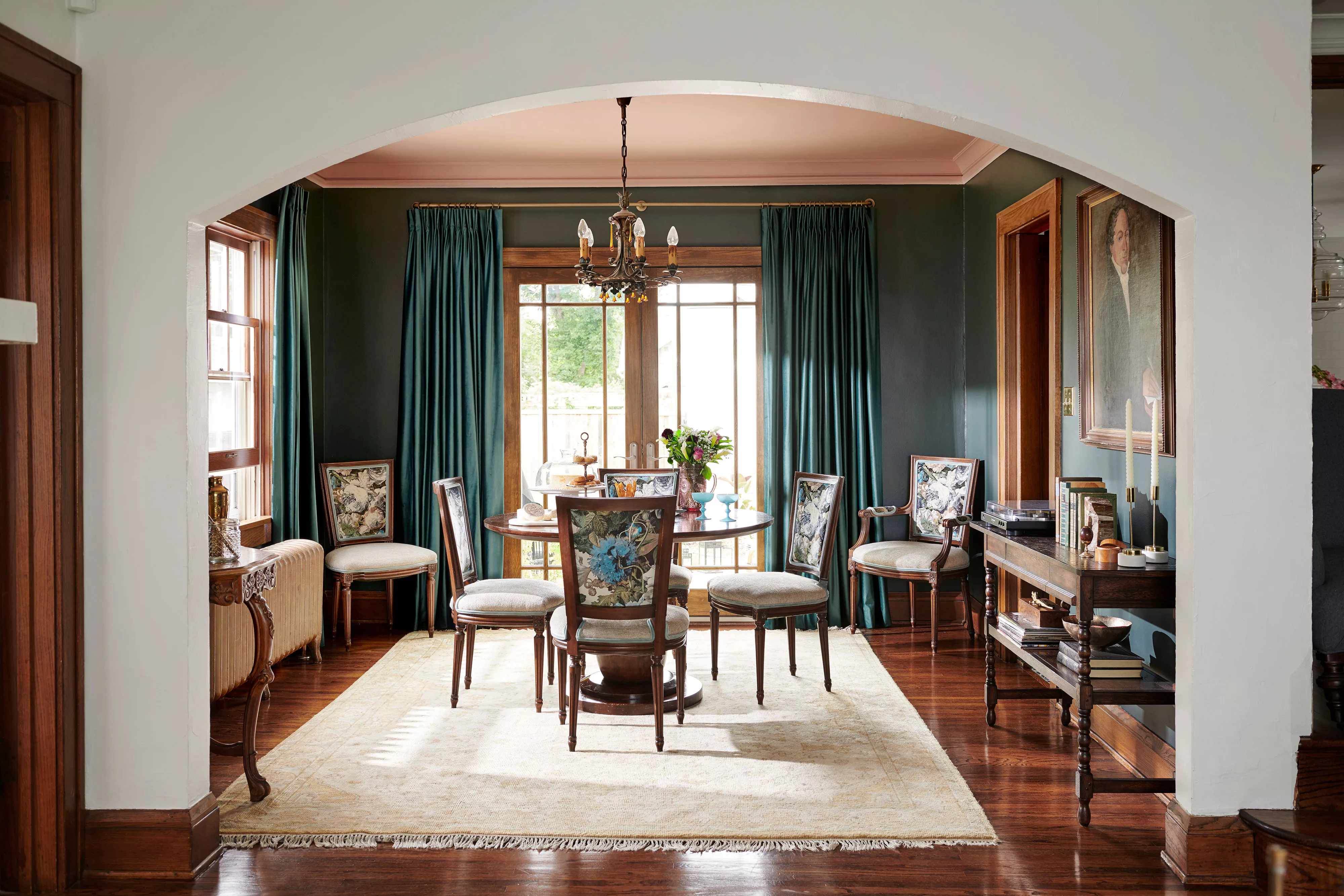
One common rule often broken is the exclusive use of upholstered chairs. While traditional, upholstered chairs can be an unnecessary expense for dining rooms used infrequently, such as only for holiday gatherings. Designers suggest opting for sculptural wood or mixed-material chairs instead, which offer sufficient comfort for occasional use and save on cost, unless the dining table is used daily.
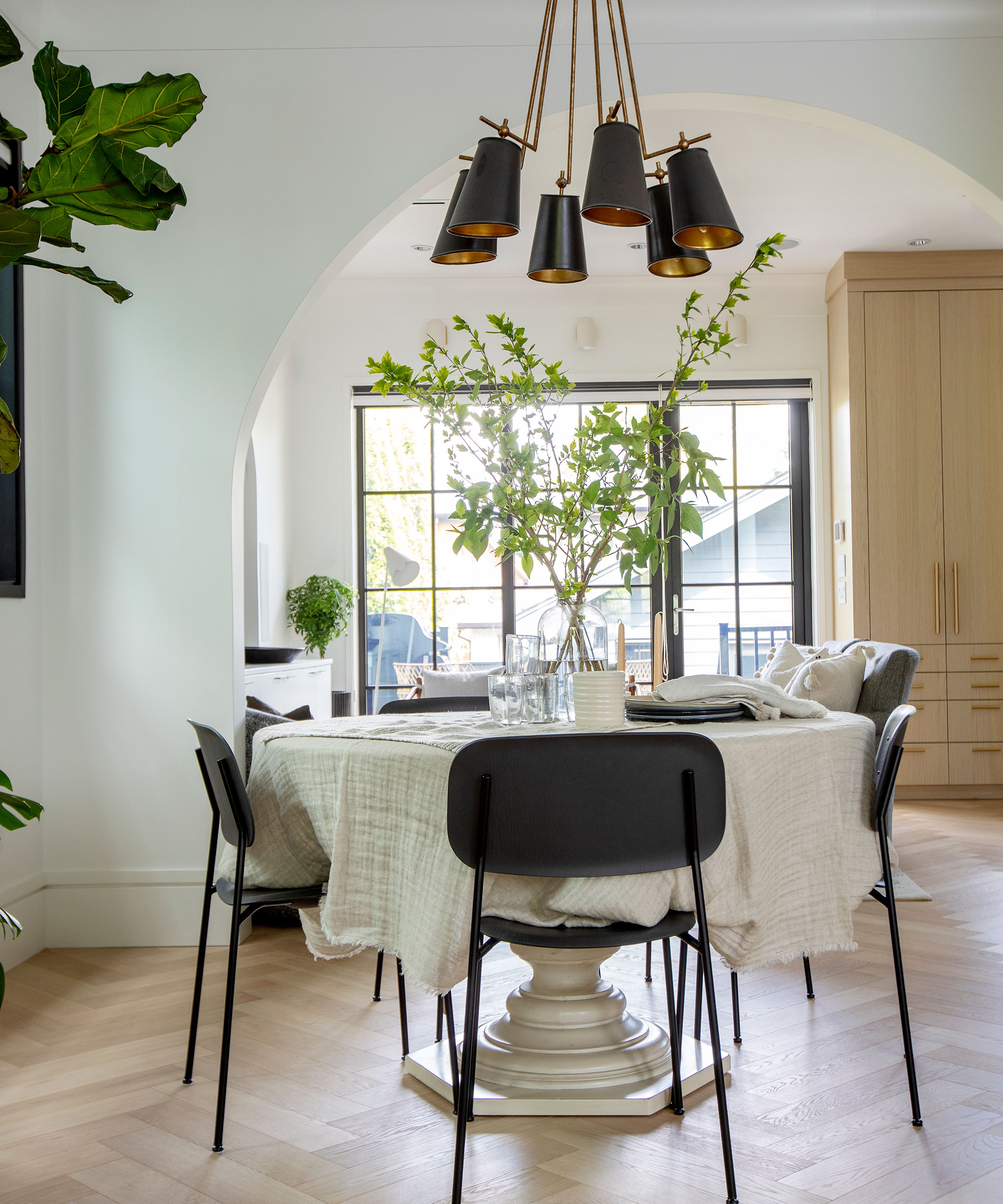
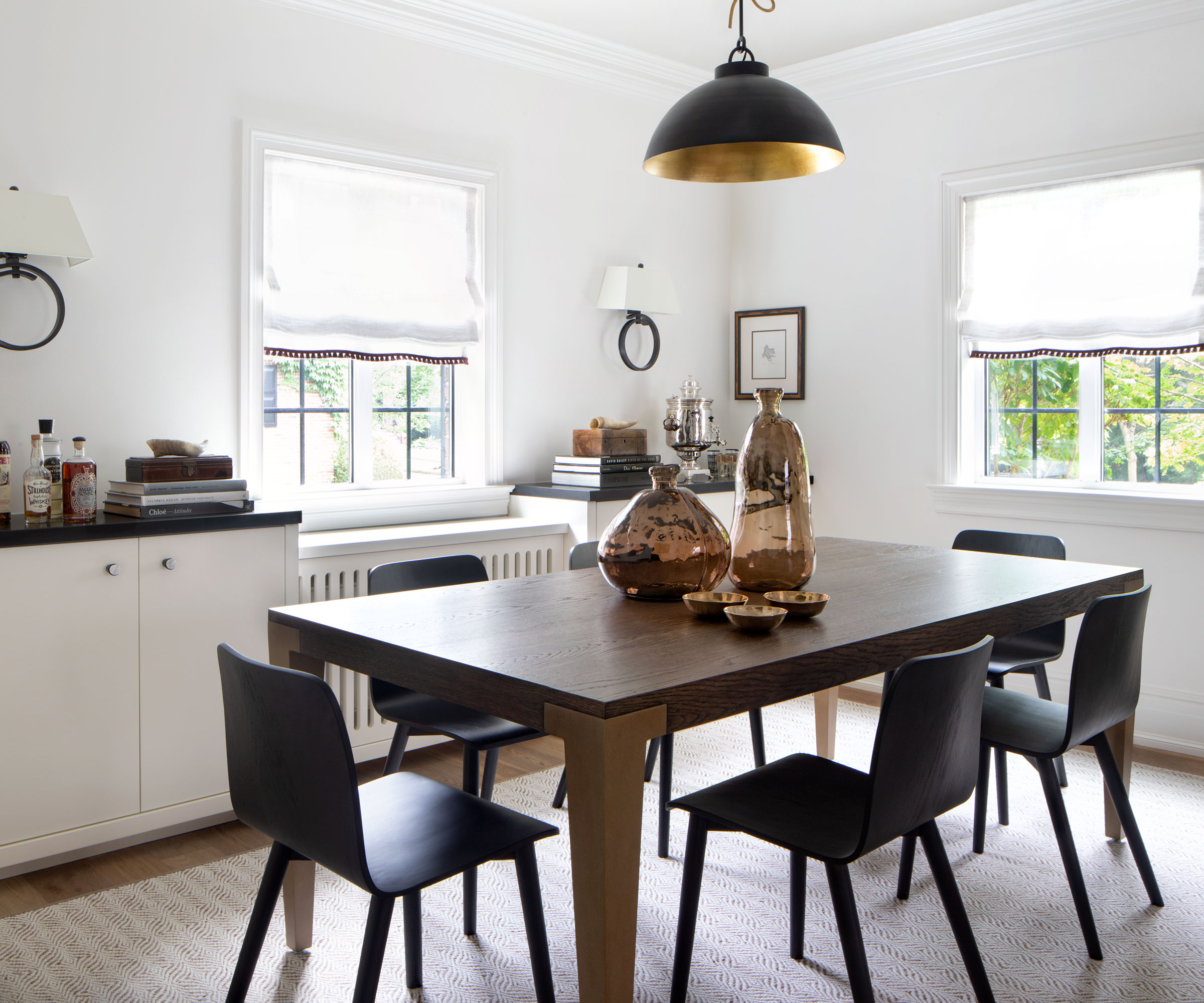
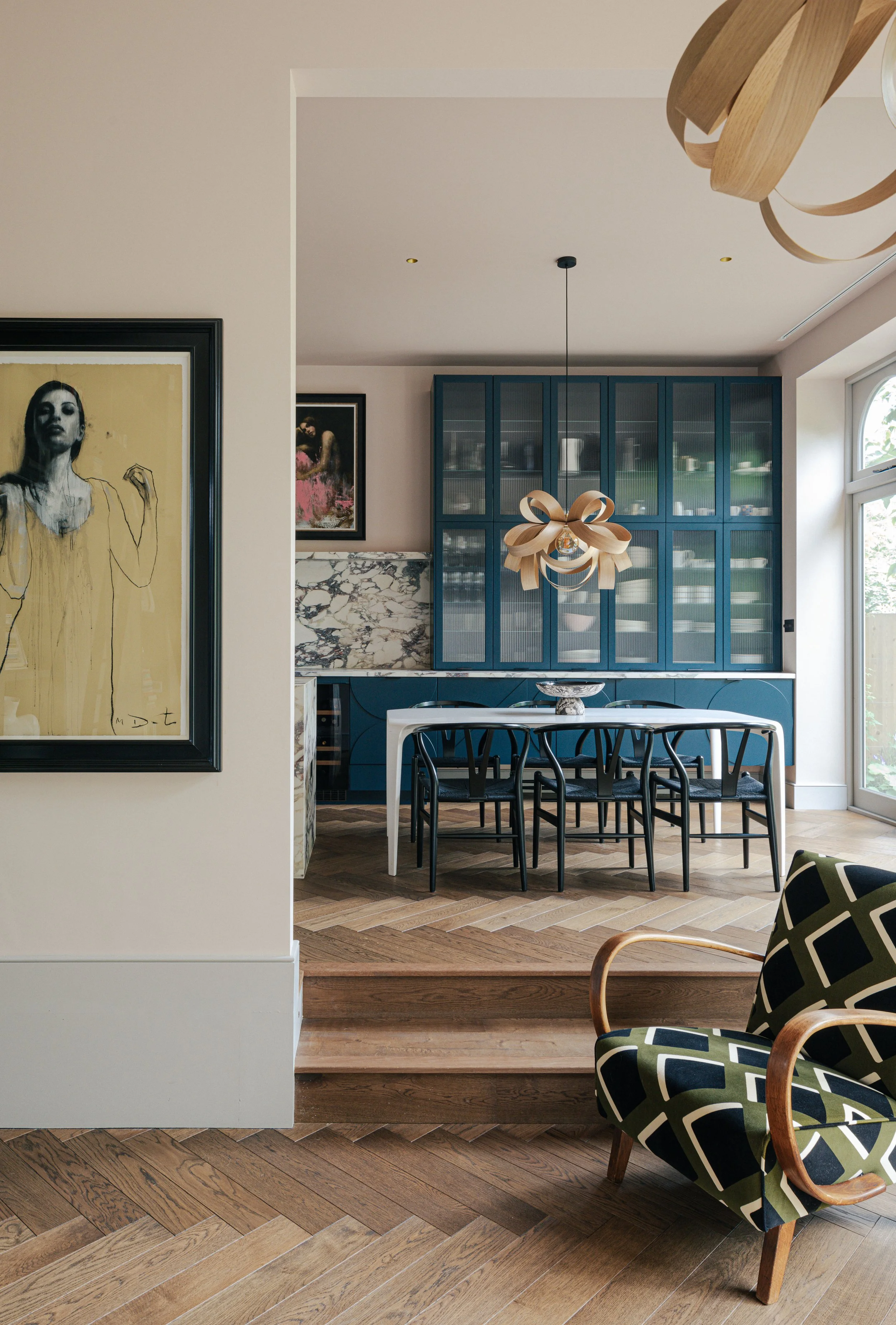
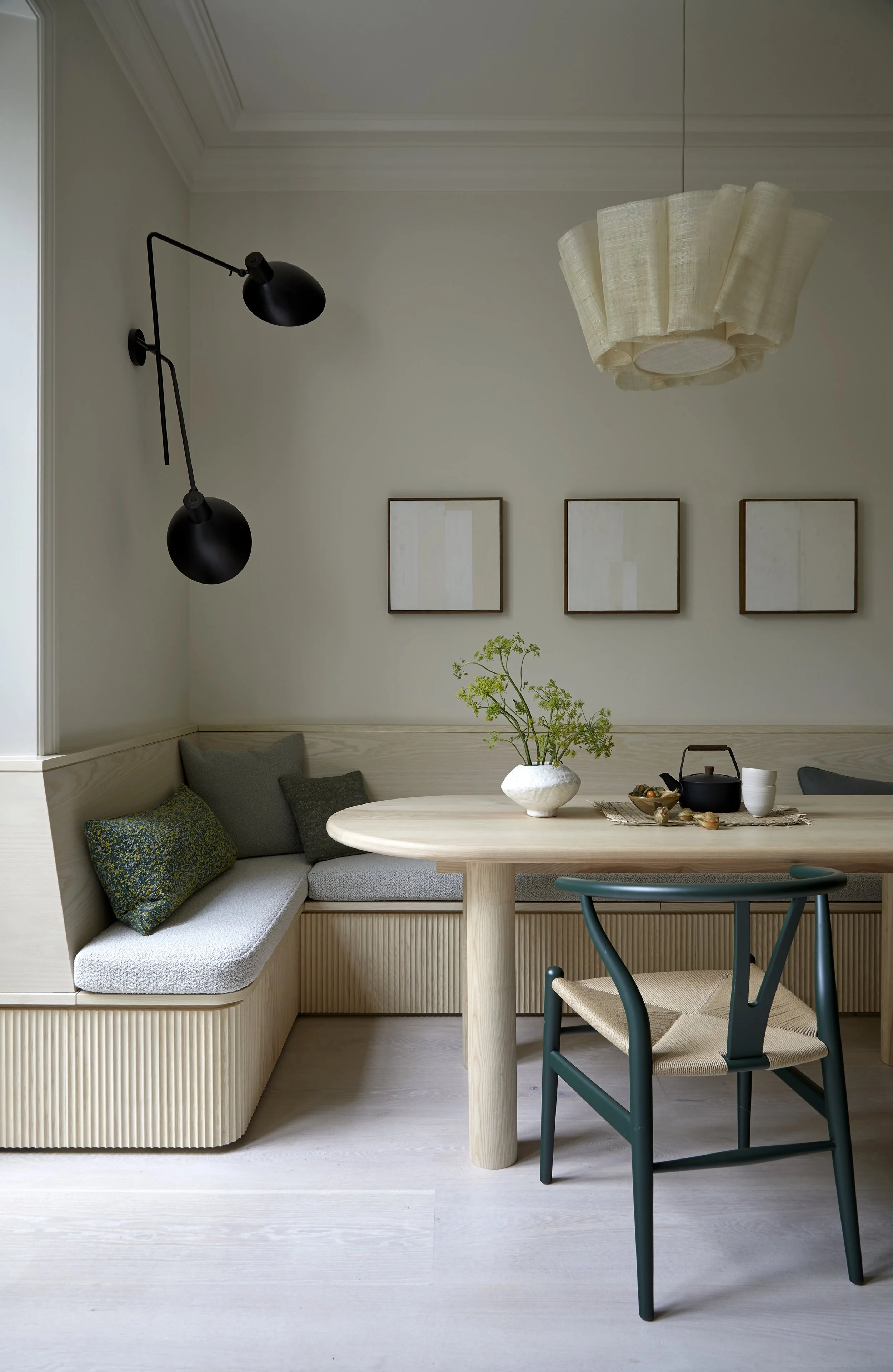
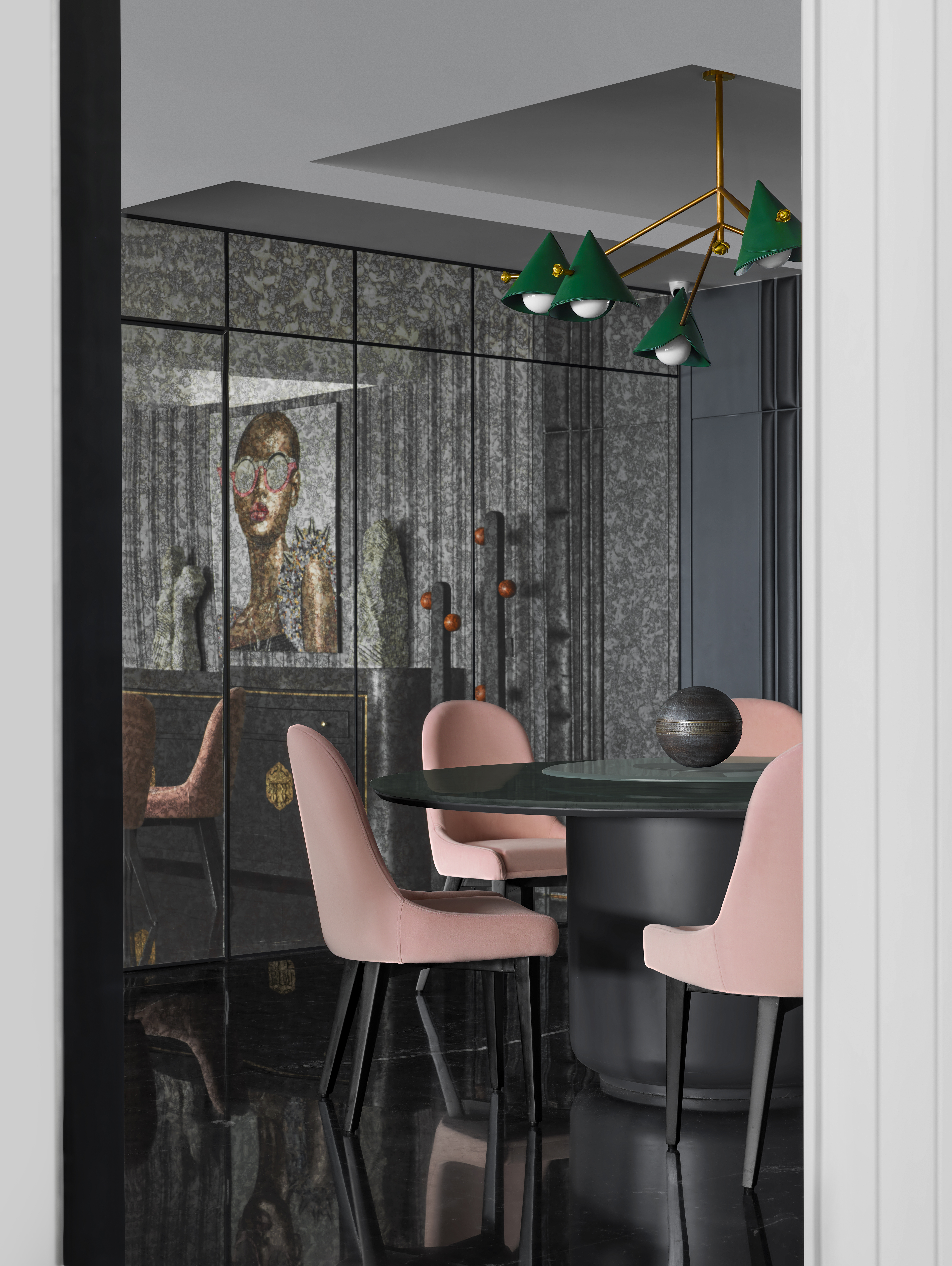
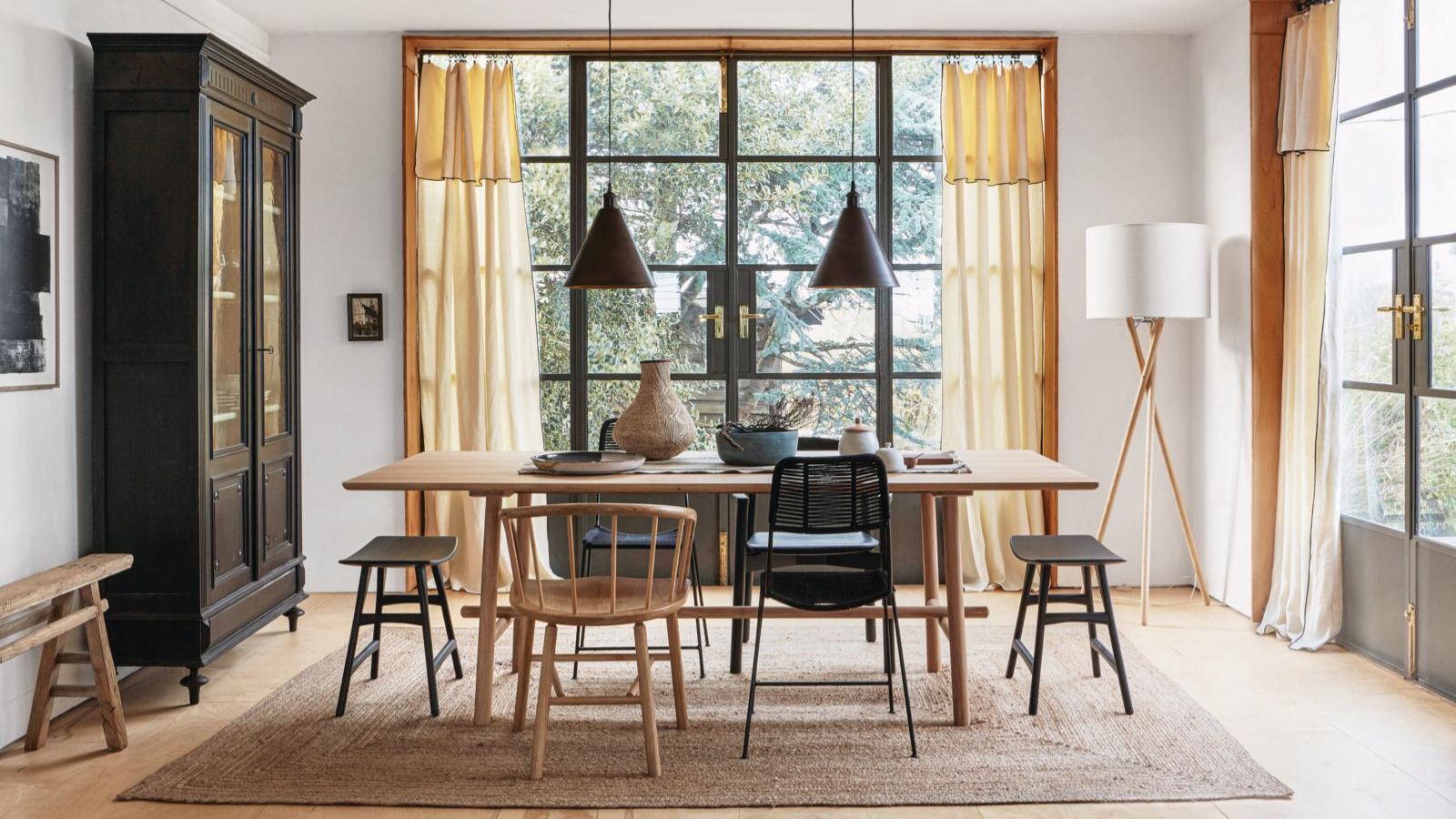
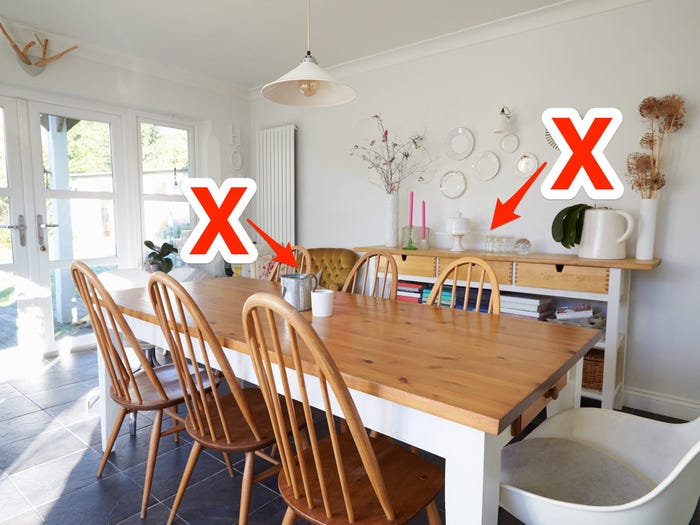
The concept of a perfectly matched dining set, where chairs and tables are identical, is also considered outdated. Designers advocate for a more eclectic approach, mixing textures and materials to create a dining room that feels warm, deep, and full of character, rather than contrived or boring. For instance, pairing a wooden table with metal or matte black chairs can achieve a sophisticated and modern look.
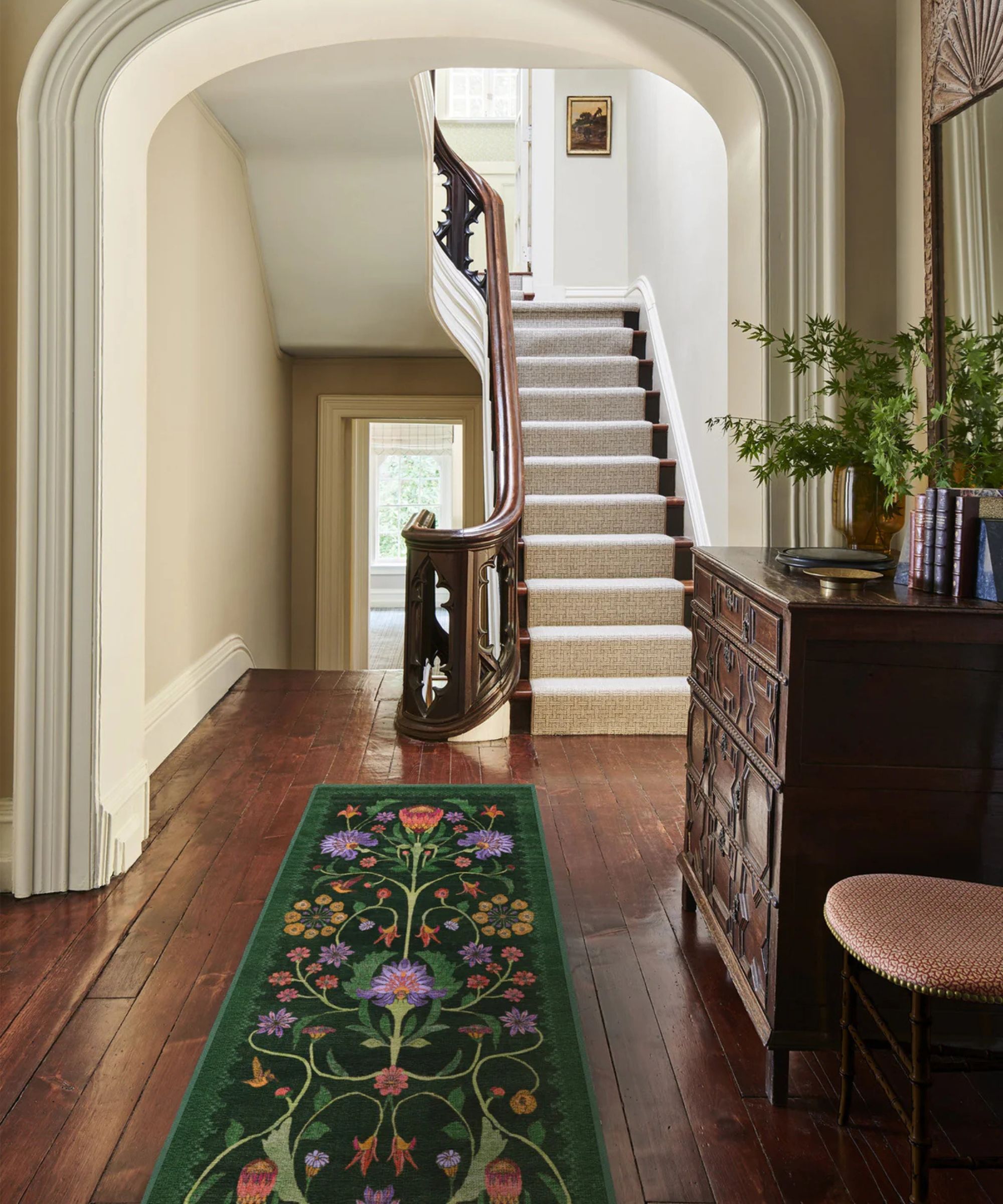
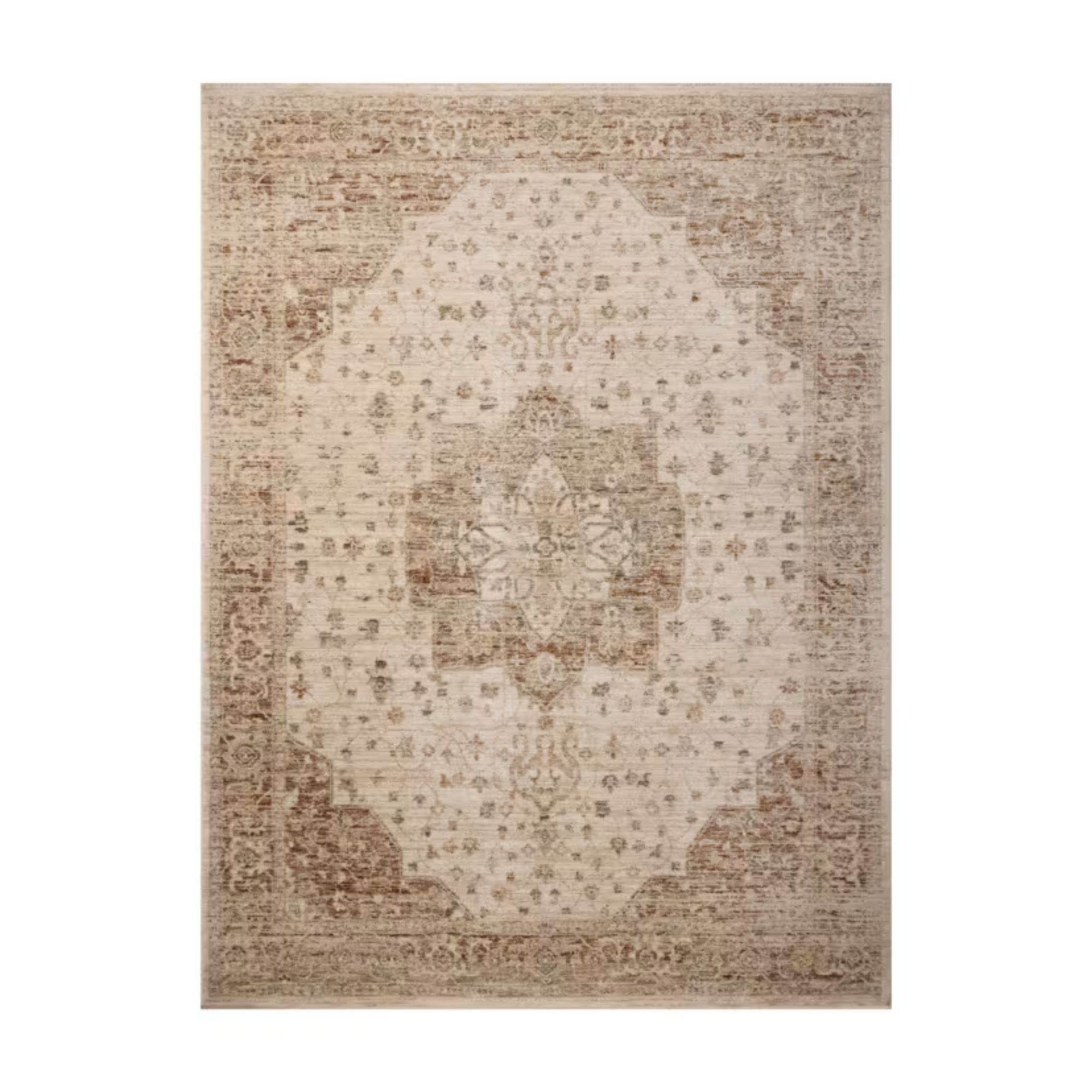
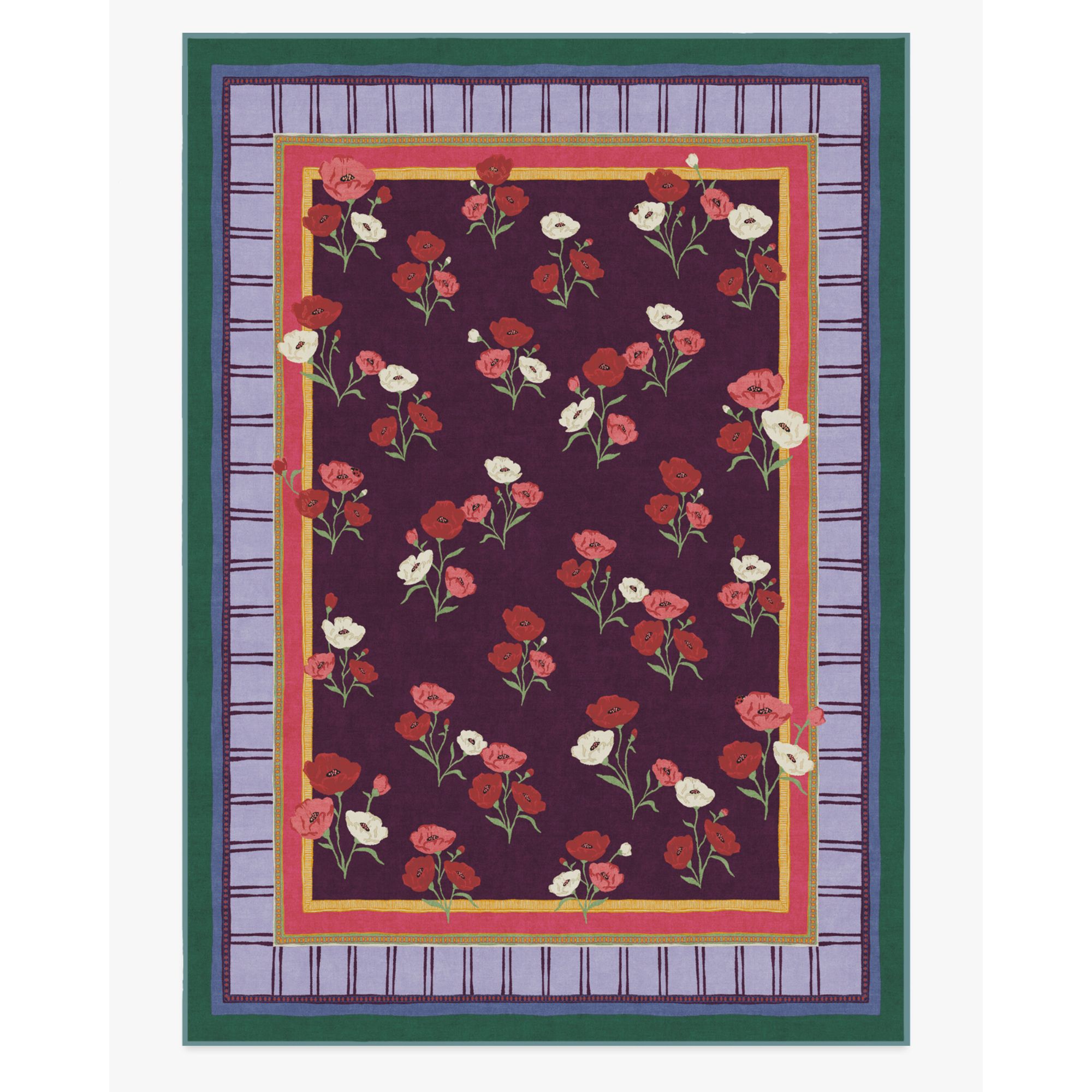
Another rule challenged is the necessity of an area rug in the dining room. While some believe a rug completes the look, designers argue it is not essential for an elegant dining space. In certain layouts, a rug can visually constrain the room or hinder the flexibility of repositioning the table for larger groups. Omitting a rug can be a deliberate design choice that enhances the room's functionality and aesthetic.
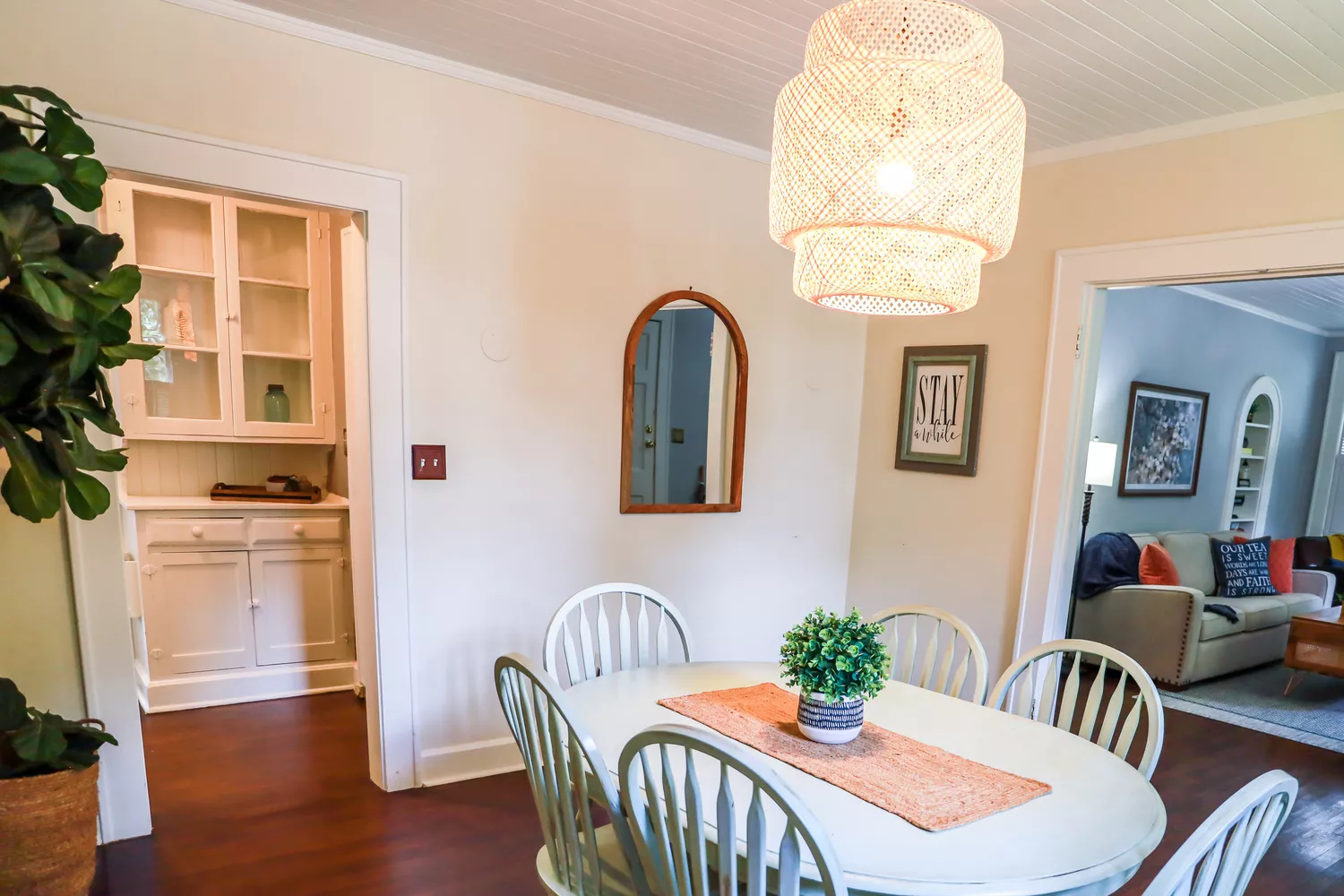
The article also addresses the outdated notion of ultra-formality in dining rooms. Designers like Elana Mendelson champion accessible and family-friendly dining spaces that serve multiple functions beyond formal dinner parties, such as homework stations or game night venues. They prioritize practical features like comfortable seating, layered lighting, and performance fabrics over stiff, uncomfortable decor that discourages relaxation.
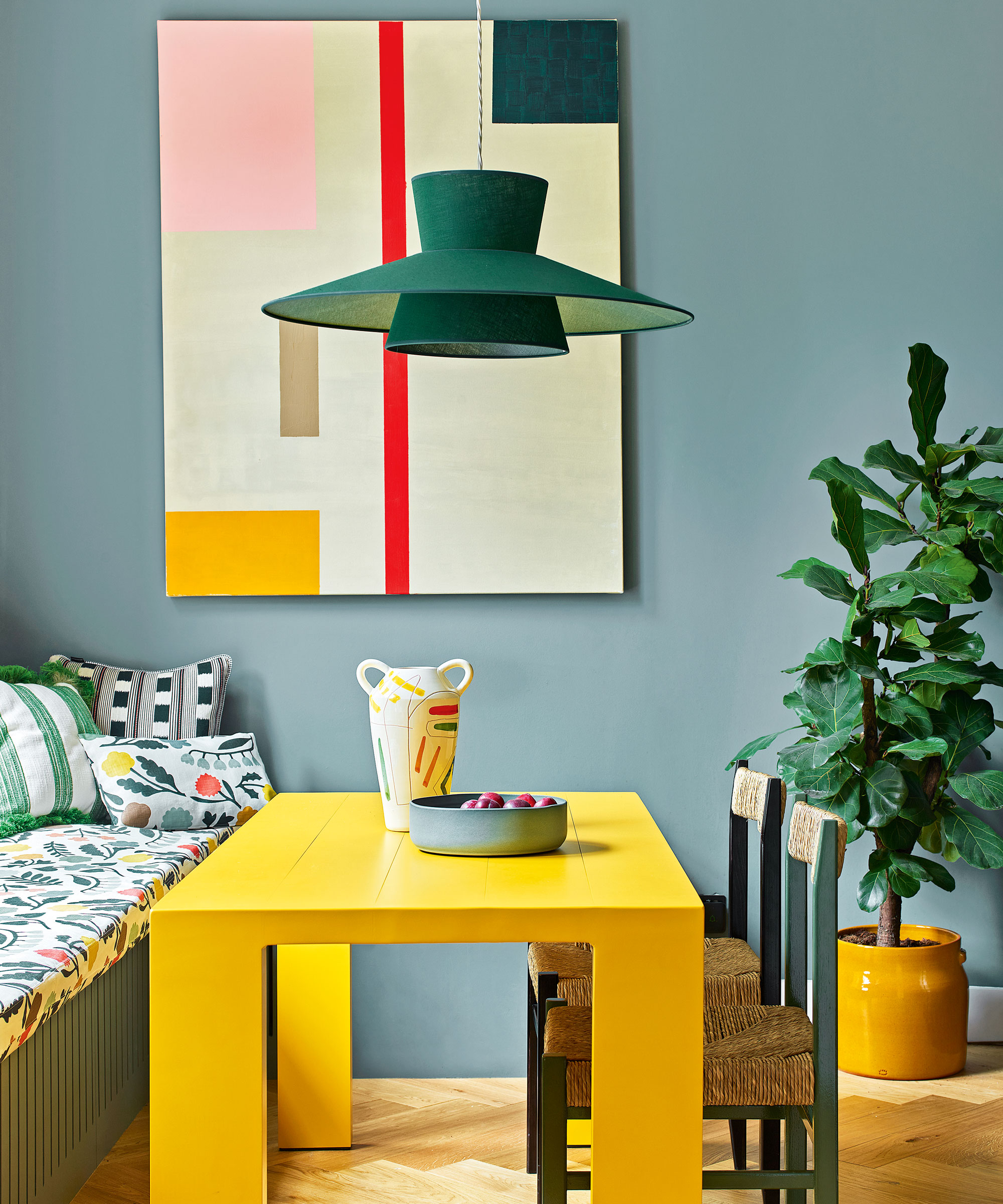
Furthermore, the traditional restriction to classic art pieces in the dining room is debunked. Designers encourage a broader approach to wall decor, suggesting personalized items such as framed menus, restaurant matches, family collection plates, or vintage postcards. Incorporating such unique and sentimental pieces helps the room feel personal and can even include seasonal elements for festive occasions.
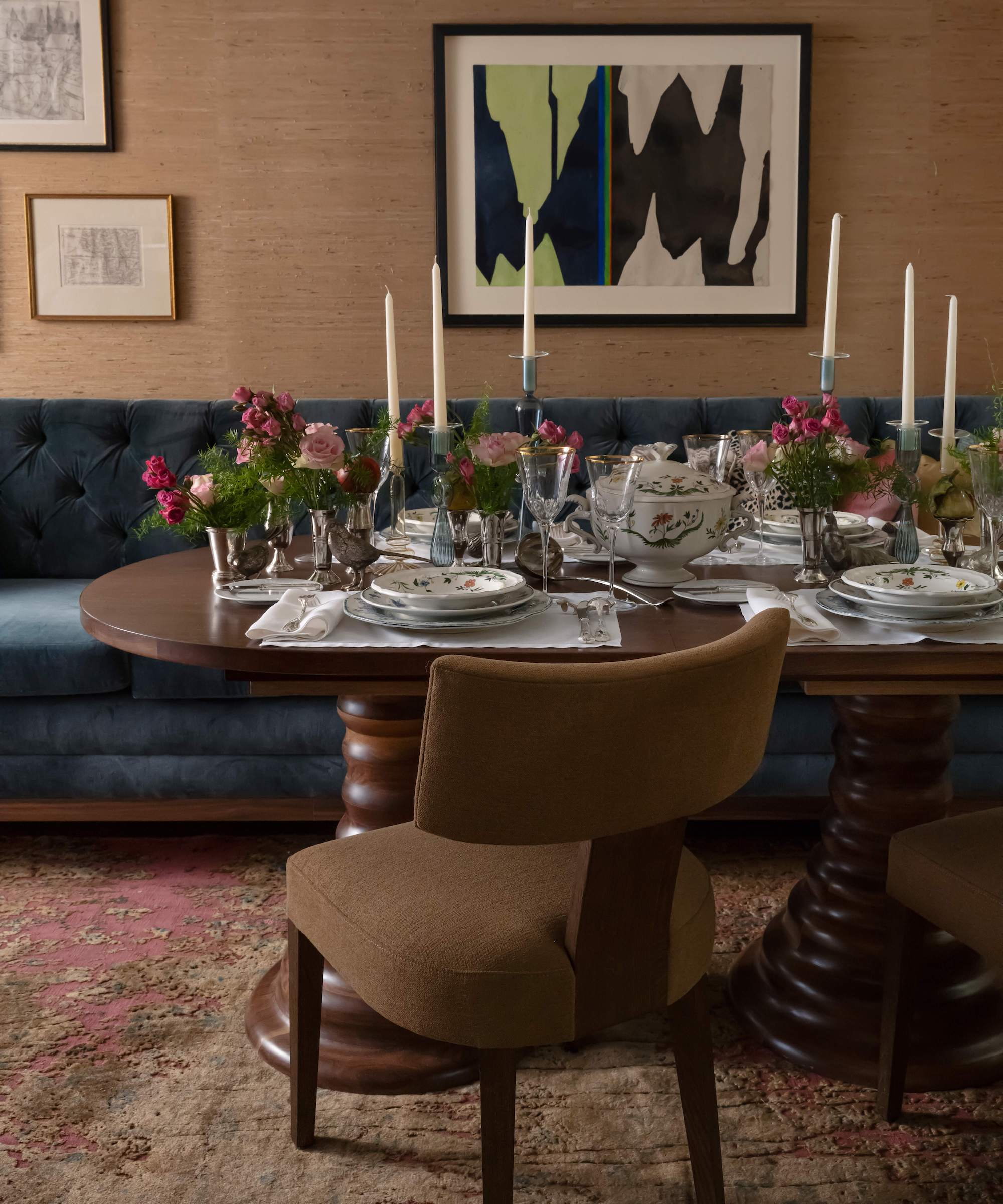
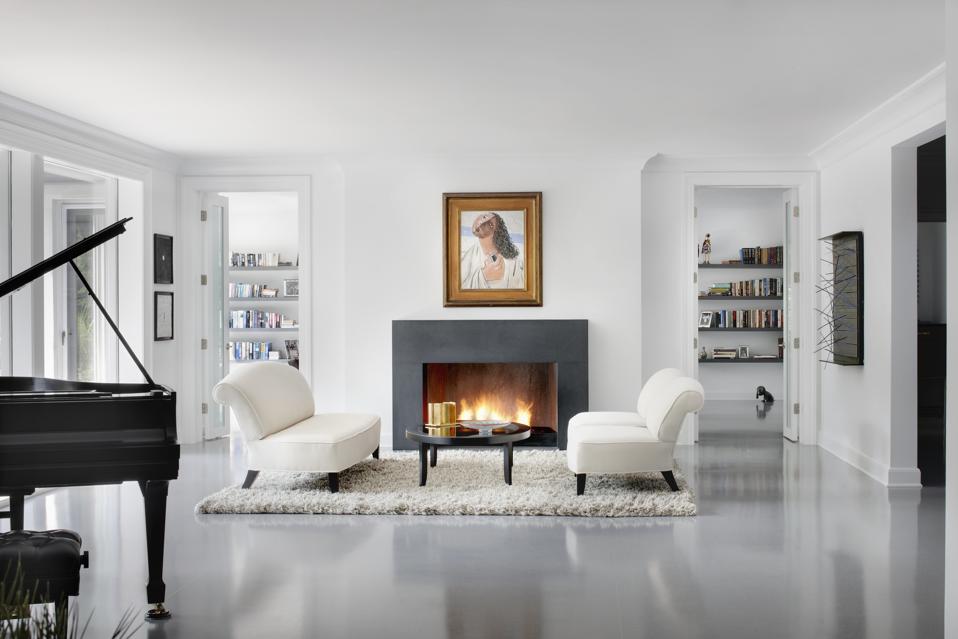
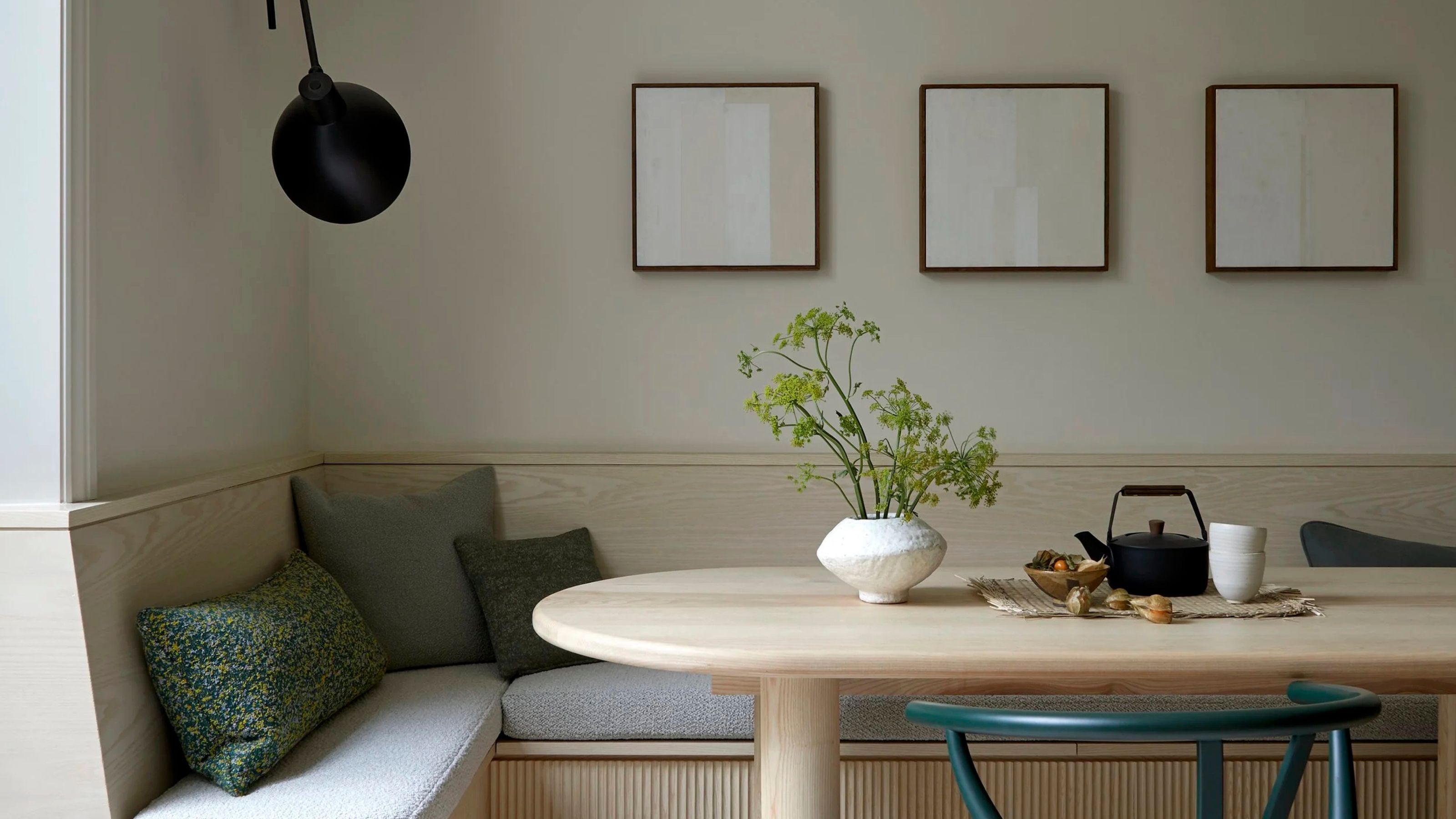
Finally, the article challenges the idea of exclusively using standard dining chairs. Rebecca Amir suggests integrating diverse seating options like a sofa, bench, or armchairs, along with a small side table, especially if space permits. This approach creates a more flexible and inviting environment, encouraging guests to move freely and providing alternative seating for comfort, including for younger children during prolonged gatherings. By breaking these conventional rules, homeowners can design dining rooms that are both stylish and practical, reflecting modern lifestyles and personal preferences.
#DiningRoomDesign #InteriorDecorating #HomeDecor #DesignTrends #FurnitureSelection #ArtPlacement #FlexibleSeating #DiningRoomDesign #InteriorDecorating #HomeDecor #DesignTrends #FurnitureSelection #ArtPlacement #FlexibleSeating
0 comment in total
 No comments yet
You may also like
7 major dining room layout mistakes to avoid, according to designers

6 failsafe formulas designers always follow when planning a living room
5 coffee table mistakes you should always avoid, according to interior designers
7 Dining Room Design Mistakes That Could Ruin Your Next Dinner Party

6 things you should never put on your dining room table, according to interior designers
10 Easy-to-Make Dining Room Mistakes That Are Killing the Vibe — And How to Fix Them Before Your Next Dinner Party

7 Dining Room Layout Mistakes That Ruin the Flow of Your Space, Designers Say

5 Kitchen Lighting Design Rules Interior Designers Warn You Should Never Ignore for a Well-Lit Space
7 Design Mistakes Interior Designers Always Notice

7 Dining Room Layout Mistakes That Ruin the Flow of Your Space, Designers Say

3 Table Lamp Rules Interior Designers Say You’re Probably Getting Wrong

8 shockingly common kitchen design mistakes according to a pro

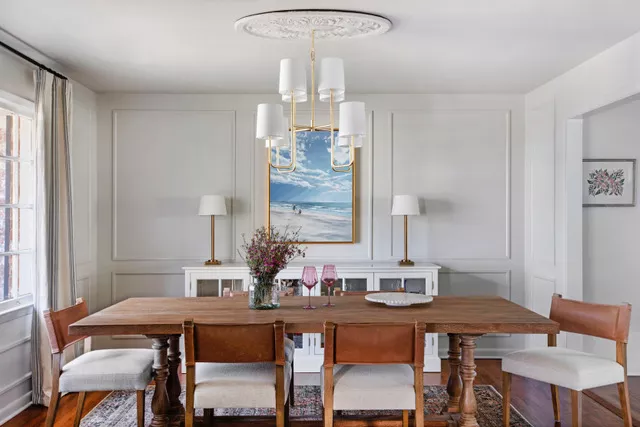
6 Rules Designers Always Follow to Make a Dining Room Look Expensive
6 mistakes design experts instantly notice in your home – and how to fix them
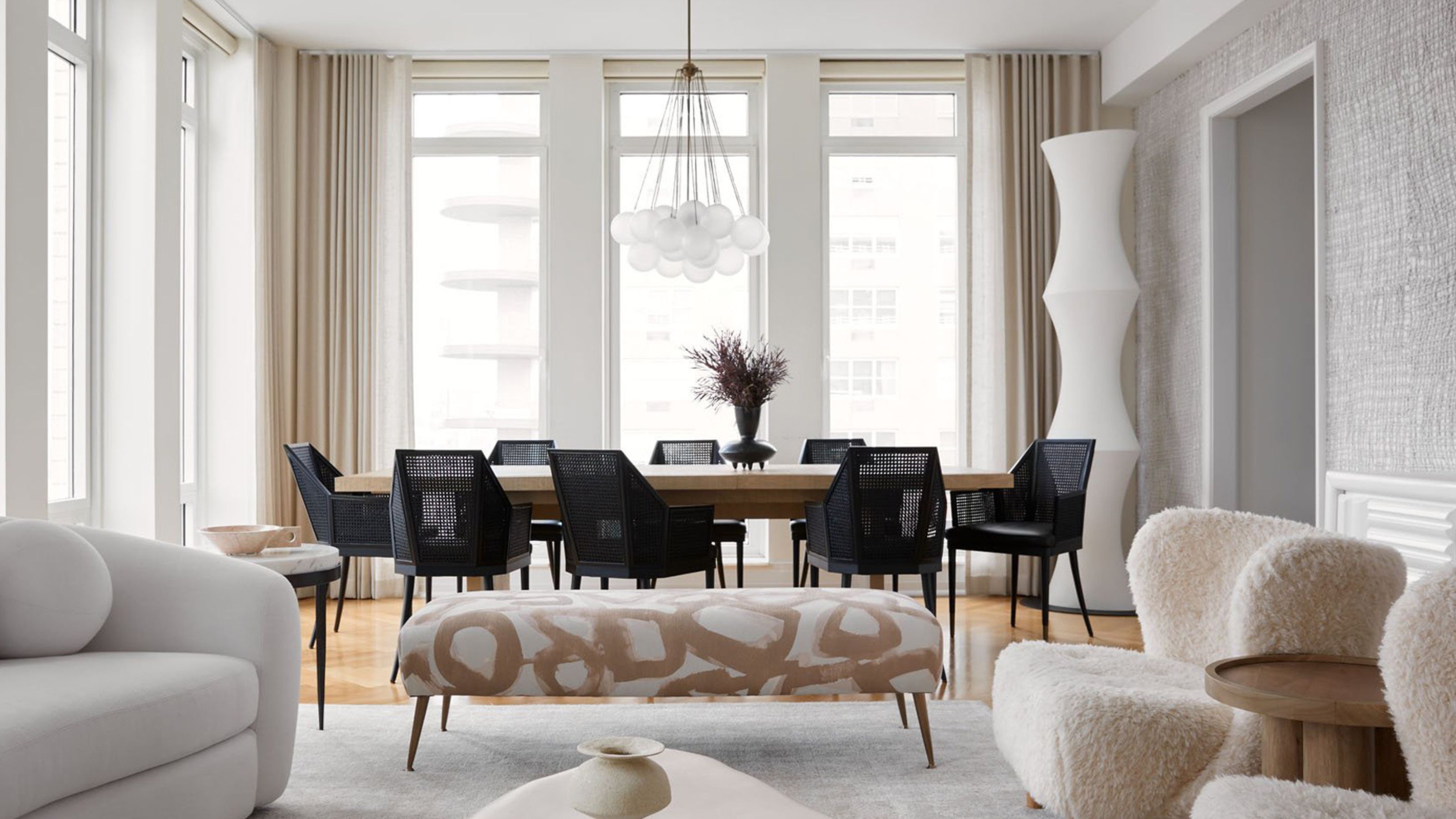
7 Dining Room Lighting Mistakes That Could Be Making Your Space (and Food) Look Less Appetizing
8 shockingly common kitchen design mistakes according to a pro

6 design rules worth breaking for a more characterful kitchen

10 Small Kitchen Layout Mistakes Designers Will Always Urge You to Avoid for a Better Working Space
6 things to never put in an entryway, according to interior designers
3 mistakes you're probably making with your dining room decor, according to an interior stylist