1/13
6 bedroom storage mistakes that could be causing mould – and what to do instead
This article addresses common bedroom storage mistakes that contribute to the growth of mould, mildew, and condensation, offering practical solutions to prevent these issues. It highlights that while bedroom storage often prioritizes aesthetics and functionality, overlooked elements can create ideal conditions for mould to thrive. Mould development is linked to poor ventilation and excess moisture, feeding on organic materials found in clothing and bedding. The bedroom, with its potential for dampness and high humidity, especially when doors and windows are closed, is particularly susceptible.
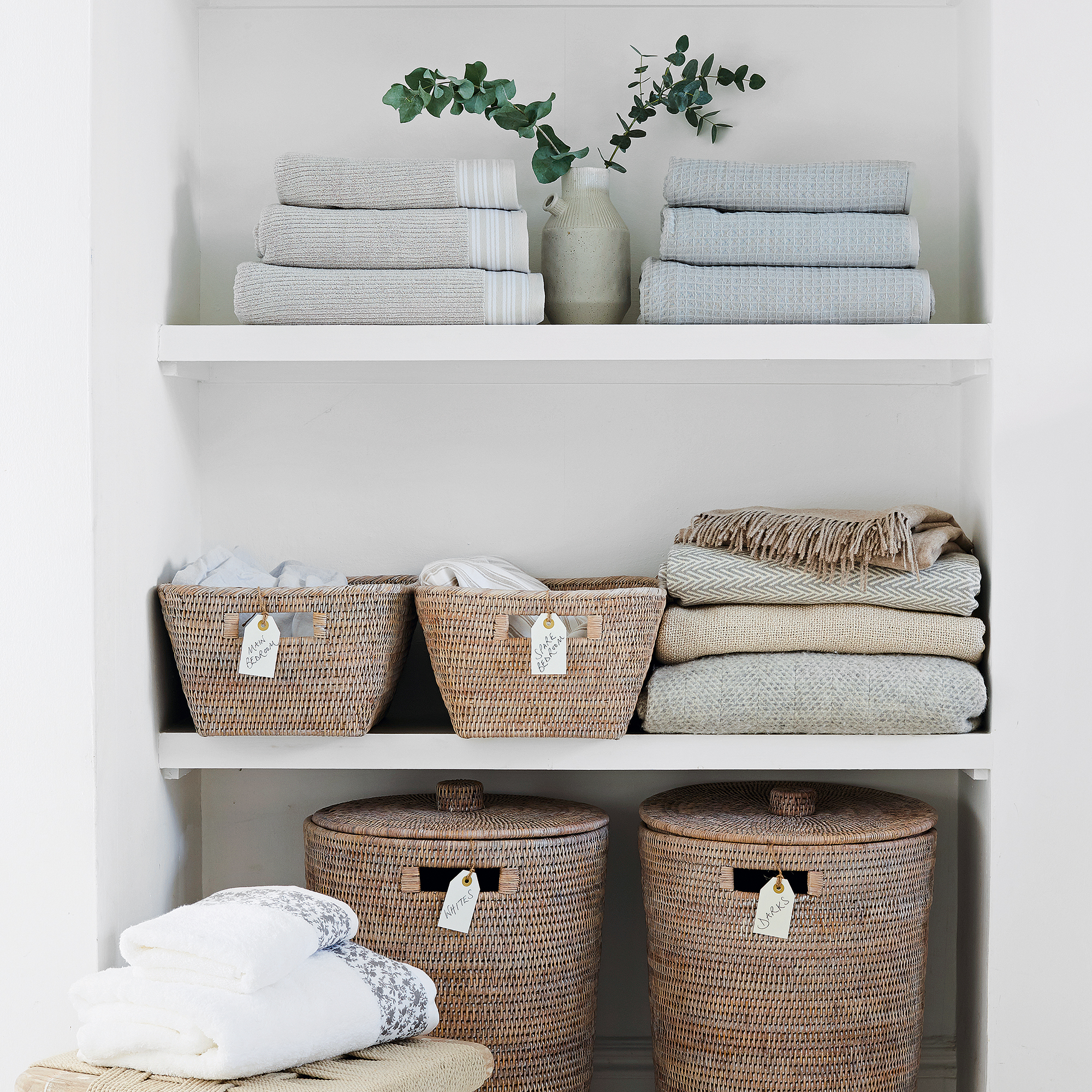
The article outlines six specific storage errors. Firstly, using cardboard boxes for storage is discouraged because cardboard readily absorbs moisture from the air, providing a perfect breeding ground for mould. Instead, breathable materials like fabric or wooden boxes with ventilation are recommended. Keeping silica gel pouches in existing cardboard boxes can help mitigate moisture absorption.
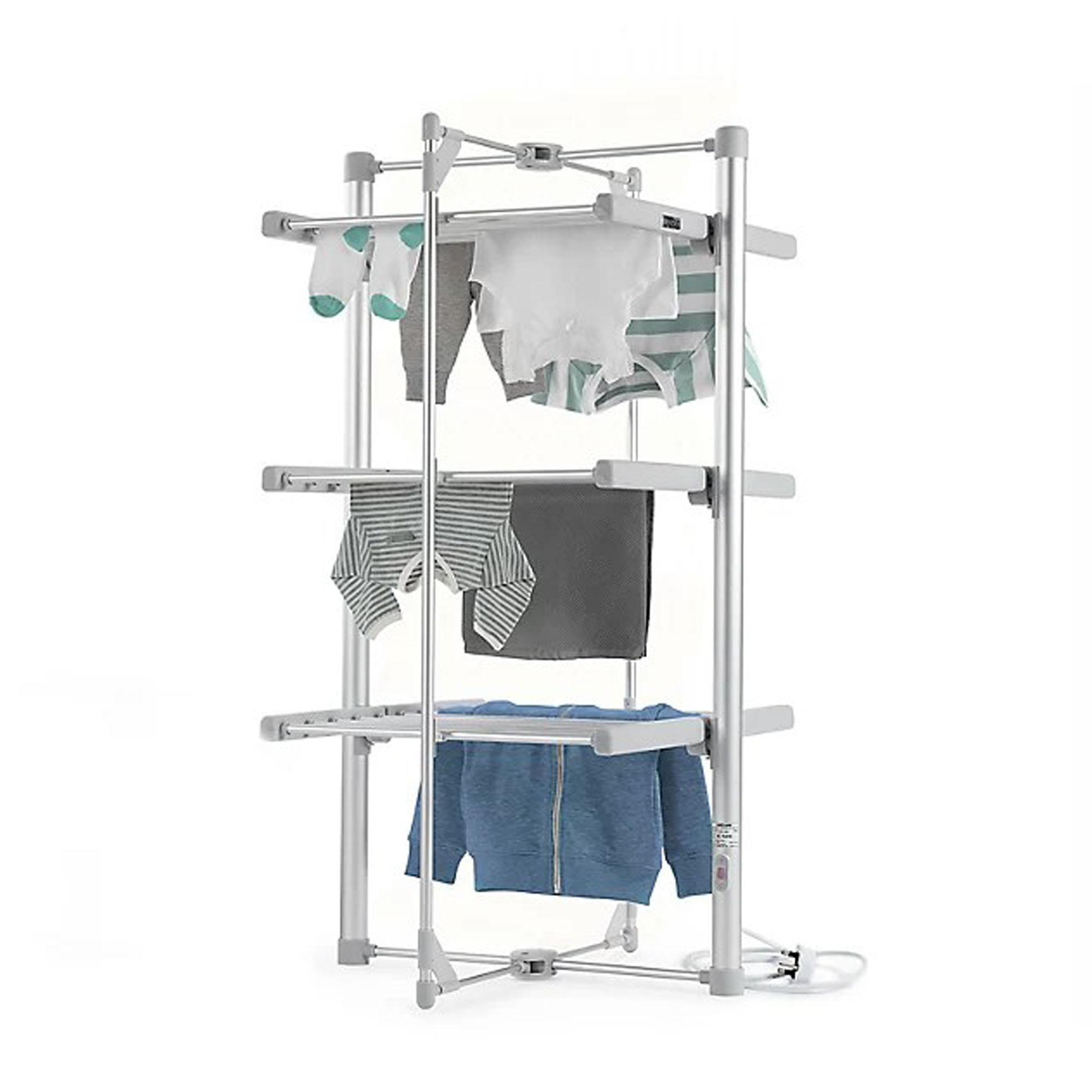
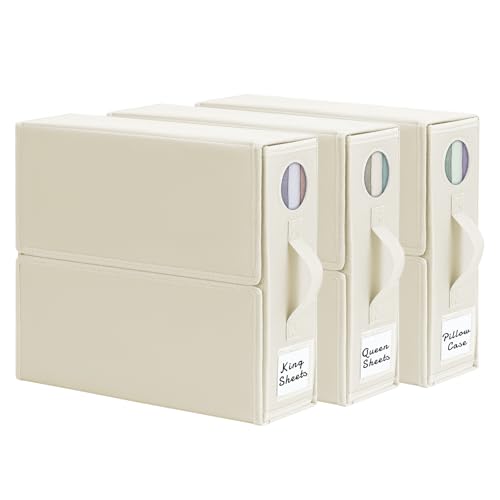
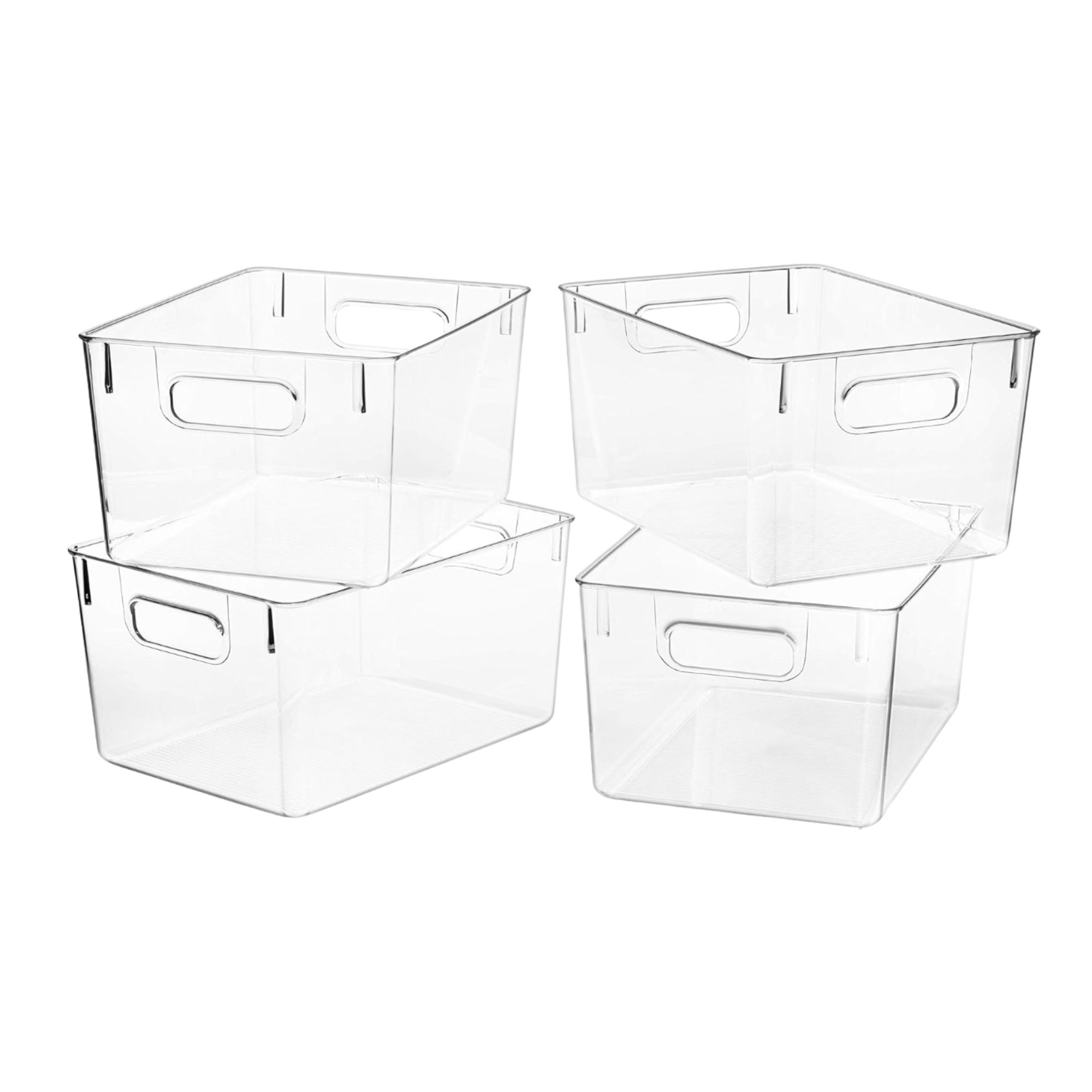
Secondly, plastic storage containers, despite protecting against external dust and moisture, are problematic due to their non-breathable nature. They prevent air circulation and can trap humidity inside, leading to mould and mildew. The recommendation is to use breathable materials with adequate ventilation for all storage. Thirdly, storing damp clothing is identified as a significant issue, as mould thrives in moist environments. The article emphasizes the importance of ensuring clothes, towels, and bedding are completely dry before storage, suggesting extra spin cycles for washing and advising against drying clothes on radiators, which increases room humidity. Heated clothes airers paired with dehumidifiers are presented as effective alternatives.
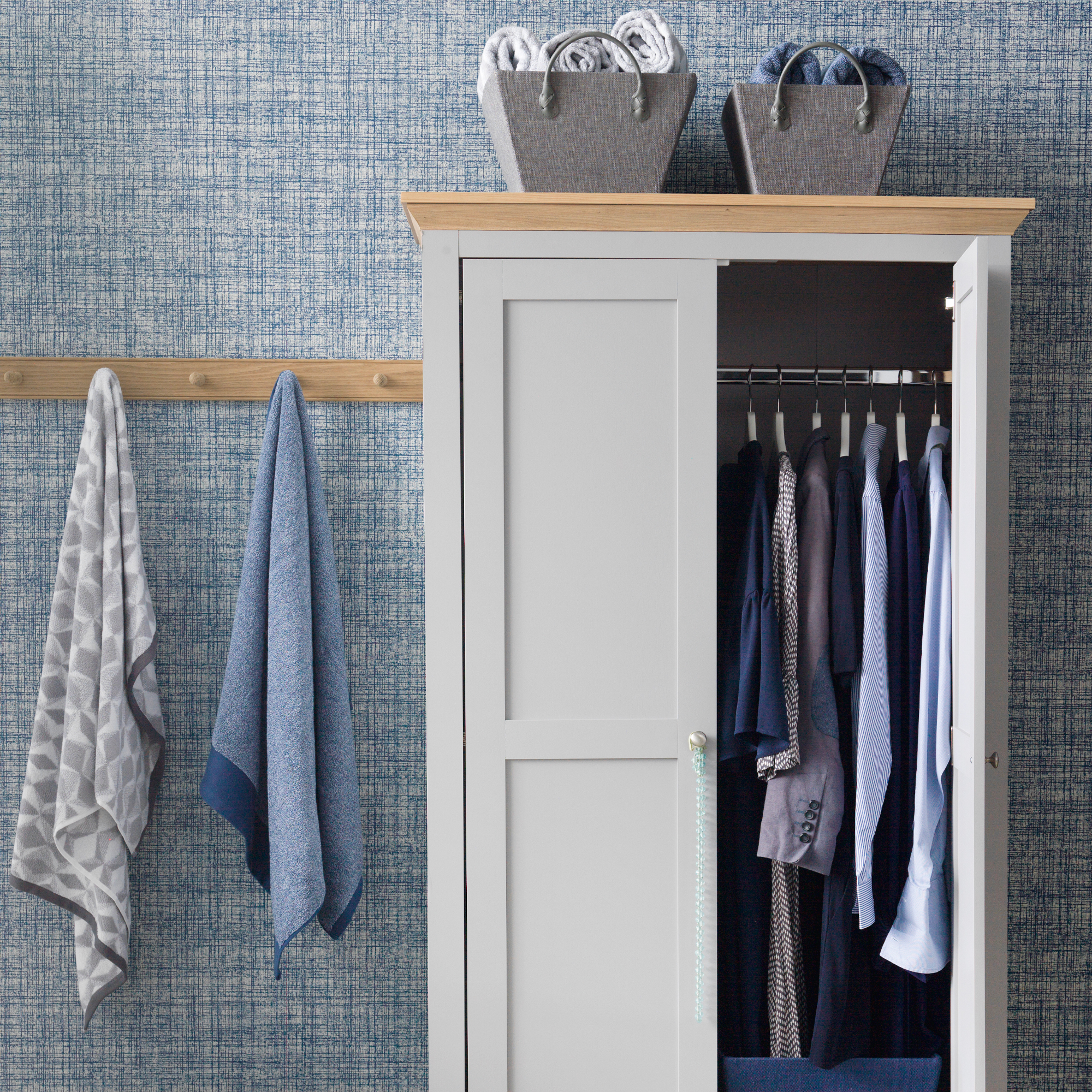
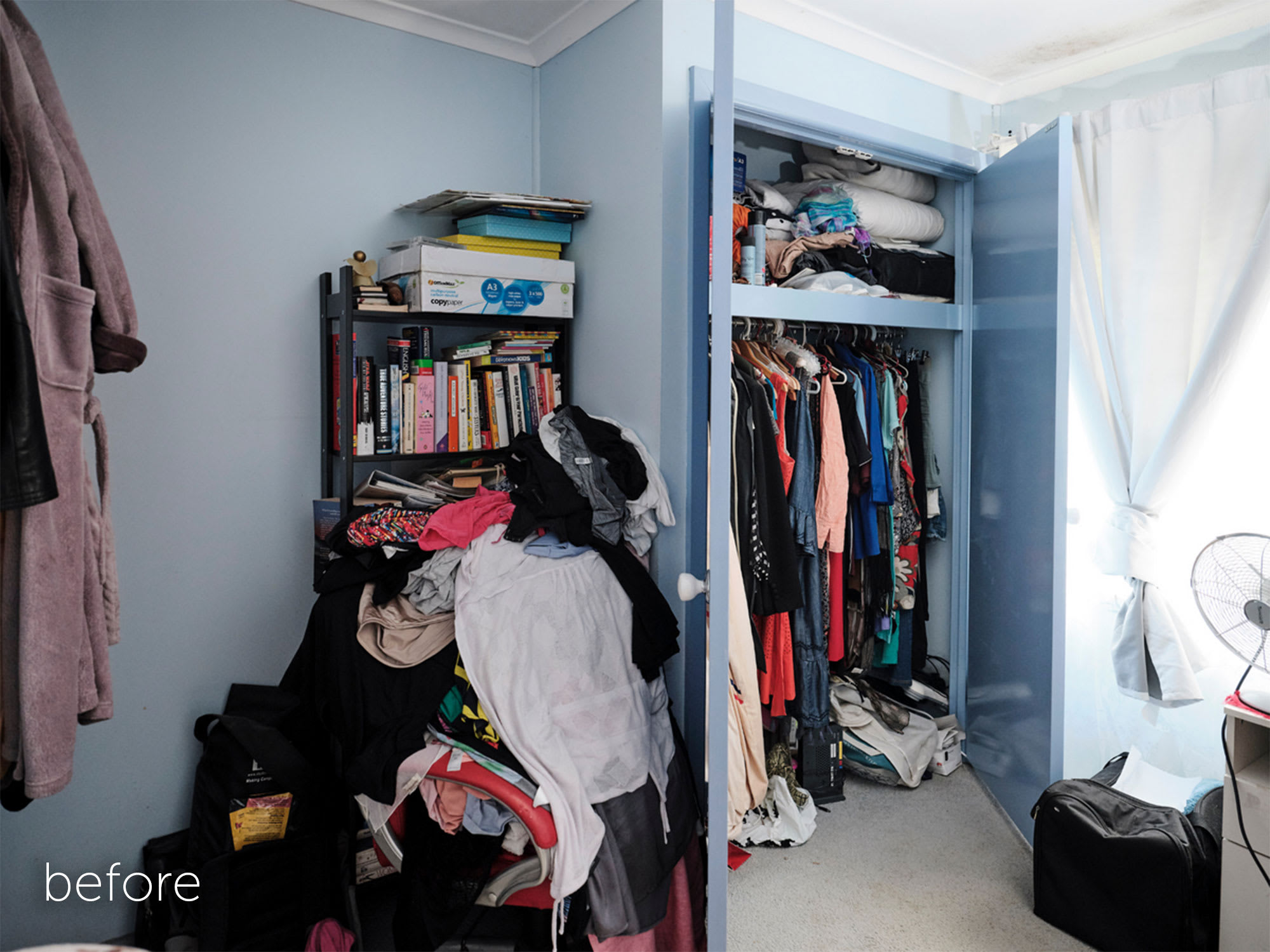
Fourthly, overcrowding wardrobes and drawers restricts airflow and creates humidity, encouraging mould growth. It is advised to leave small gaps between clothing items to allow them to breathe. This might involve decluttering or relocating some items. Investing in wardrobe dehumidifiers or moisture-absorbing products like silica gel packs is also suggested. Fifthly, restricting airflow under the bed, especially in rarely opened storage areas like ottoman beds, creates a dark, humid environment conducive to mould. The solution involves using breathable fabric bins instead of plastic and periodically opening the storage for ventilation and inspection.
Finally, placing furniture directly against cold external walls can cause condensation and increase mould risk. Ensuring airflow between furniture and walls, perhaps by utilizing skirting boards to create a gap, is crucial. Regularly checking behind units for musty smells or visible mould is also important, particularly in smaller bedrooms where space is limited. The article concludes by reinforcing the importance of ventilation, regular rotation and cleaning of stored items, and the use of dehumidifiers or moisture absorbers in bedrooms prone to condensation, advocating for thoughtful storage choices to keep belongings secure and mould-free.
#BedroomStorage #MouldPrevention #HumidityControl #HomeOrganization #DeclutteringTips #Ventilation #DampnessSolutions #BedroomDecor #MoistureControl #BedroomStorage #MouldPrevention #HumidityControl #HomeOrganization #DeclutteringTips #Ventilation #DampnessSolutions #BedroomDecor #MoistureControl
0 comment in total
 No comments yet
You may also like

6 powder room storage mistakes to avoid – and what you should be doing instead

How to prevent mould in wardrobes - expert-approved tips to protect your furniture and your clothes

Bedroom layout mistakes – 9 errors experts warn against, and how to fix them

10 Things You Should Never Store In Your Bedroom Closet

9 Bathroom Storage Mistakes You're Probably Making


7 kitchen storage mistakes you're making – and how to fix them

6 Things You Should Never Store in Your Laundry Room, According to Pro Organizers


The 5 kitchen storage mistakes interior designers always avoid


Bathroom storage mistakes – 8 that waste space, cause clutter and ruin possessions
6 Things You Should Never Store In Your Laundry Room, According To Experts

How to store guest bedding – the best places in your home to keep it free of dust, damp and creases

5 Storage Solutions for a Bedroom-Meets-Study
How to store bedding properly to prevent mould and mildew - avoid ‘worst’ room in the home

5 small entryway storage mistakes designers want you to stop making

10 Bedroom Decor Mistakes Keeping You From Your Best Sleep Ever


The 10 biggest bedroom furniture mistakes that interior designers always notice – and how to fix them


How to stop damp in a bedroom - 10 foolproof ways to keep mould at bay

7 of the worst bedroom layout mistakes and how to avoid them

Do You Have a Musty-Smelling House? 6 Worrying Causes — And What You Should Do to Get Rid of Them

10 Closet Organizing Mistakes You're Probably Making