1/8
The Forgotten History of Bourne and Allen’s Mid-Century Textiles
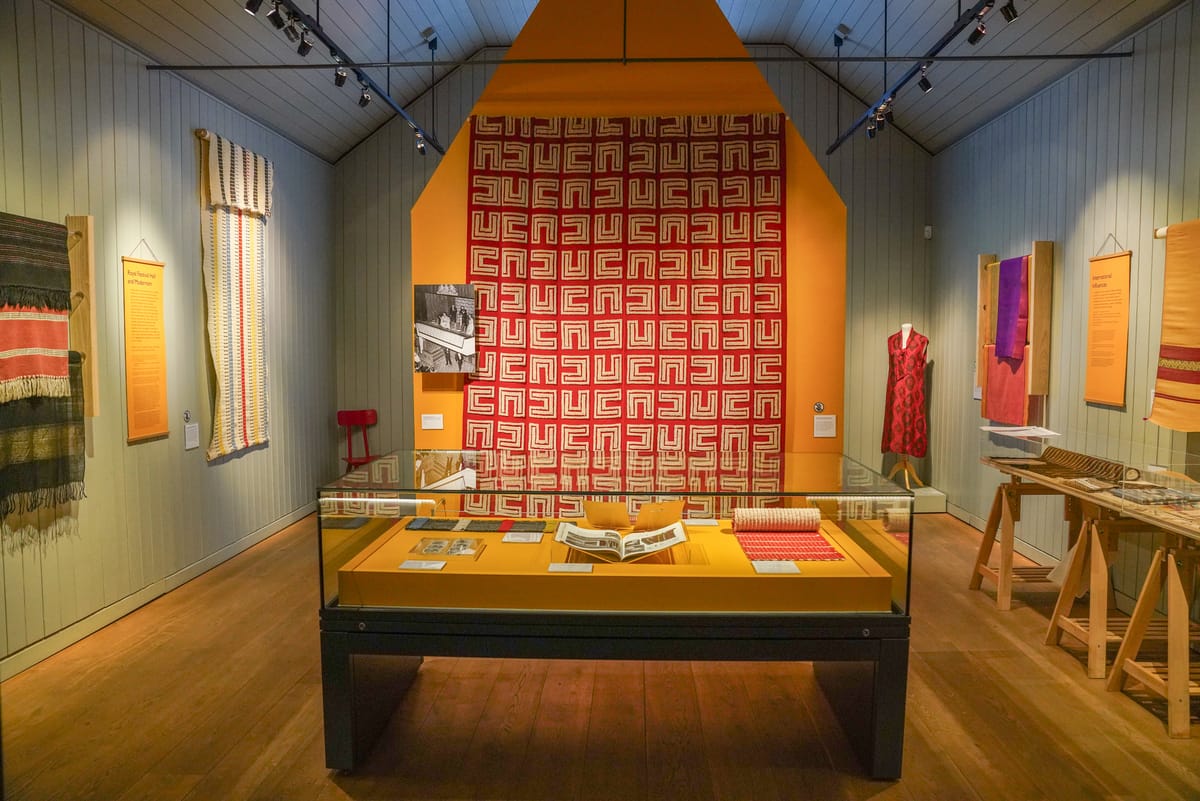
The Ditchling Museum of Art + Craft in Ditchling, England, is currently hosting an exhibition titled "Double Weave: Bourne and Allen’s Modernist Textiles," which aims to reintroduce the British textile company Bourne and Allen, and its founders Hilary Bourne and Barbara Allen, into the annals of design history. Active in the mid-1900s, Bourne and Allen produced a range of iconic woven fabrics, yet their contributions have largely faded from public memory. This retrospective seeks to correct that oversight by highlighting their innovative craftsmanship and personal story.
Hilary Bourne and Barbara Allen were partners in both life and business, and their company was known for blending modernist aesthetics with traditional craft techniques. They frequently utilized natural materials and plant dyes, sourcing wools from across the United Kingdom. Their products, which included woven scarves, tweeds, and furnishing fabrics, were carried by prestigious department stores and design houses such as Liberty of London, Heal’s, and Fortnum and Mason. Bourne and Allen also played a significant role in major theatrical and film productions of their era. Notably, they designed expansive stage curtains and furnishing fabrics for the Royal Festival Hall in London, built for the 1951 Festival of Britain. Their work extended to Hollywood, where they produced 52,000 yards of custom-woven fabric for the costumes of 452 actors and 25,000 extras in the epic film *Ben-Hur*.
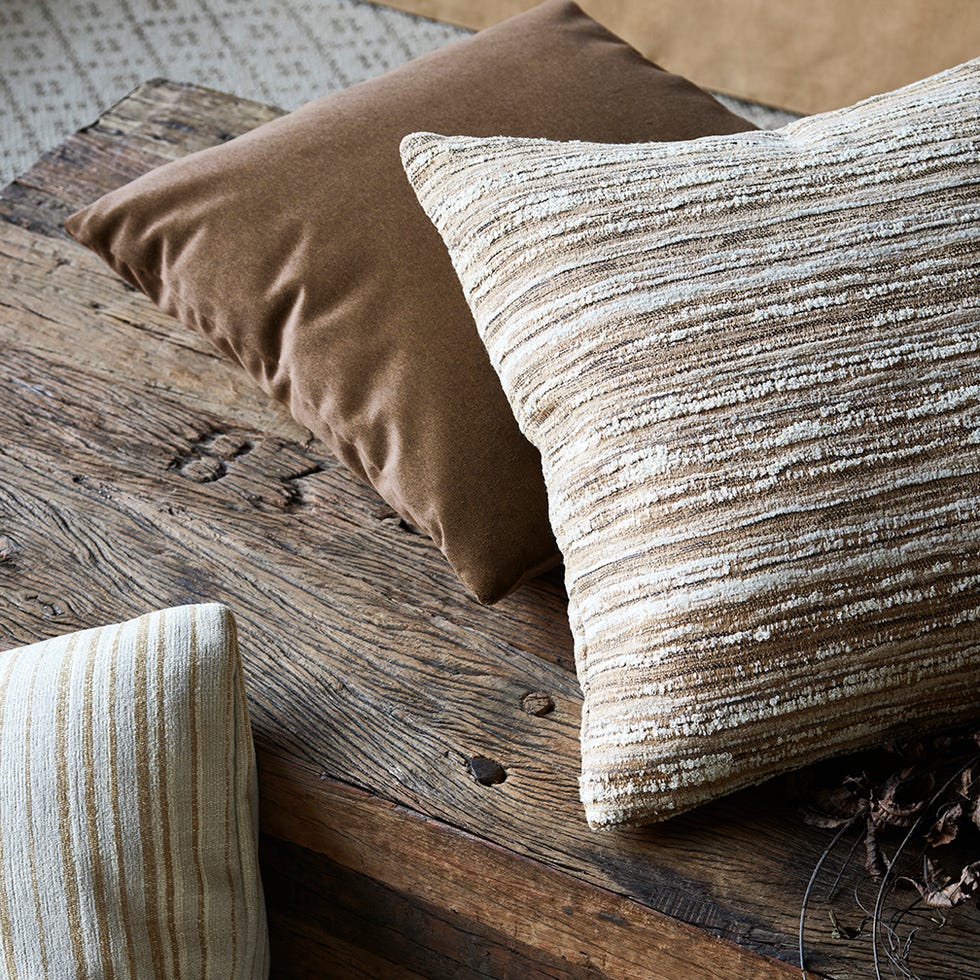
The exhibition, which is the culmination of extensive archival research conducted by a team of ten, delves into the duo’s work, their lives, and their four-decade-long relationship. Various sections of the show explore their distinct weaving techniques, the materials they employed, their global inspirations, their personal backgrounds, and key career achievements. The displayed fabrics, encompassing both swatches and longer lengths, illustrate Bourne and Allen’s unique aesthetic, characterized by bright primary colors derived from natural dyes like indigo (blue), madder (red), and weld (yellow), contrasted with the natural hues of undyed sheep’s wool. The use of Lurex alongside dark yarns and varied weaving techniques such as plain weave, double weave, chenille, ikat, and floats of thick hand-spun yarns, created alluring textures.
The exhibition contextualizes Bourne and Allen within a vibrant, women-centered community of craftspeople in England that predated World War II. A display titled “Map of intimacies: Women’s networks of love, friendship, and textile practice” visually charts the collaborative and intimate relationships among the women—friends, lovers, companions, business partners, and sisters—who influenced Bourne’s and Allen’s lives and work. To demonstrate the enduring relevance of Bourne and Allen's legacy, the exhibition incorporates commissions from two contemporary artists, Poppy Fuller Abbott and Omeima Mudawi-Rowlings. Abbott, a weaver from Sussex, created a piece inspired by the mid-century designers' techniques using indigo-dyed linen with silk floats, and also wove textile samples that replicate Bourne and Allen's fabrics for visitors to handle. A film in a dedicated viewing room documents Abbott’s weaving process. Mudawi-Rowlings's site-specific installation, "Drawn to the Light (نور)," features long swathes of silk dyed with plant materials and printed with personal symbols, reflecting themes of interconnectedness and personal identity amidst global events.
Ultimately, "Double Weave" serves as a meditation on themes of love, loss, home, and land. It underscores how the act of weaving, both literally and metaphorically, involves intertwining traditions across time and place, fostering a continuous dialogue through generations in the form of fabric.
#TextileHistory #MidCenturyDesign #ModernistTextiles #BritishDesign #Craftsmanship #QueerHistory #DitchlingMuseum #TextileArt #ExhibitionReview #TextileHistory #MidCenturyDesign #ModernistTextiles #BritishDesign #Craftsmanship #QueerHistory #DitchlingMuseum #TextileArt #ExhibitionReview
0 comment in total
 No comments yet
You may also like
When Hollywood Needs a Historically Accurate Outfit That Looks Just Right, It Turns to Rabbit Goody

Power and originality: the iconic print designs of Lucienne Day
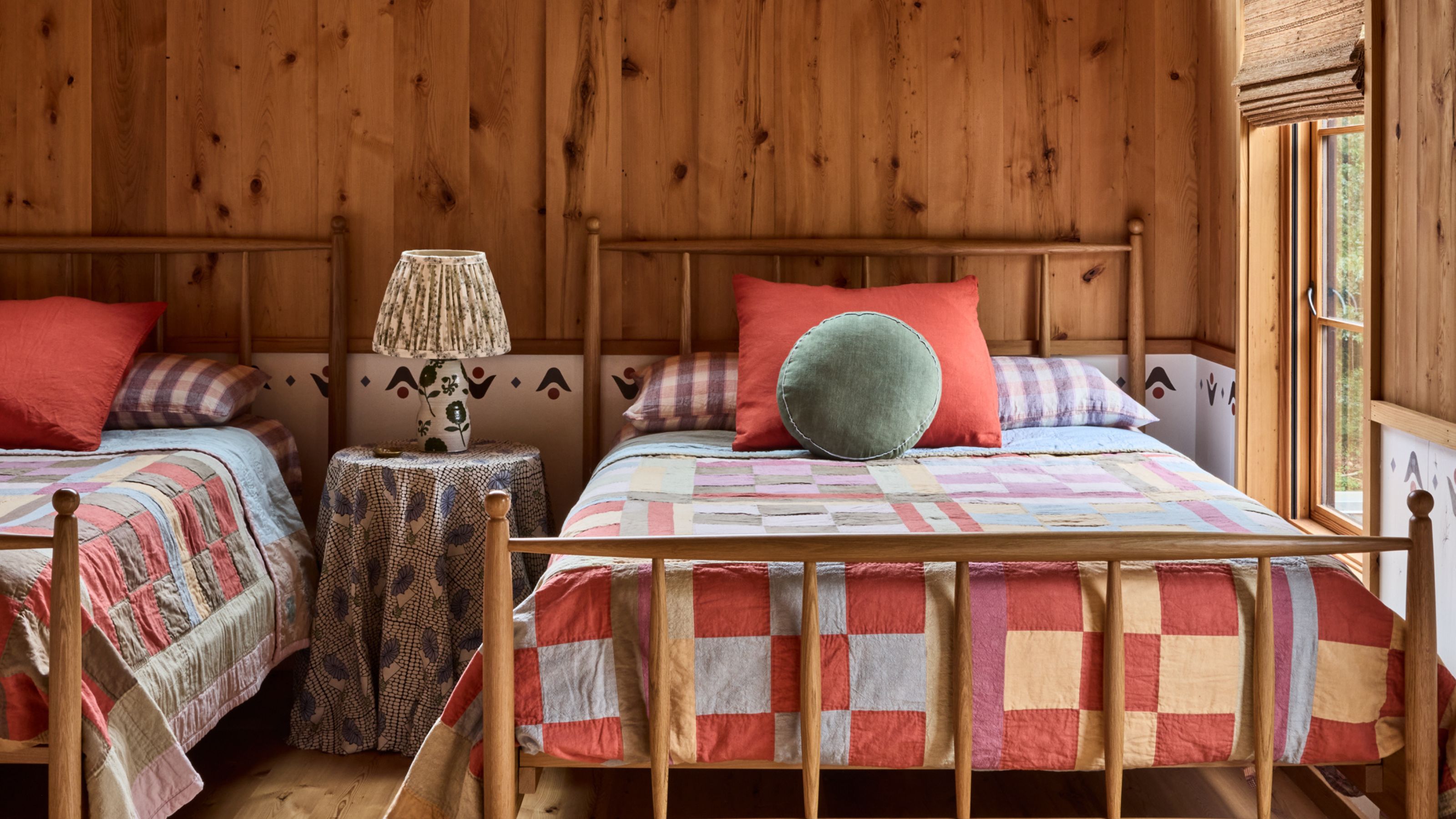
Better Vintage: ‘A Patchwork of Place and Memory’ – Why Vintage Quilts Remain Collectible, Practical and Deeply Personal

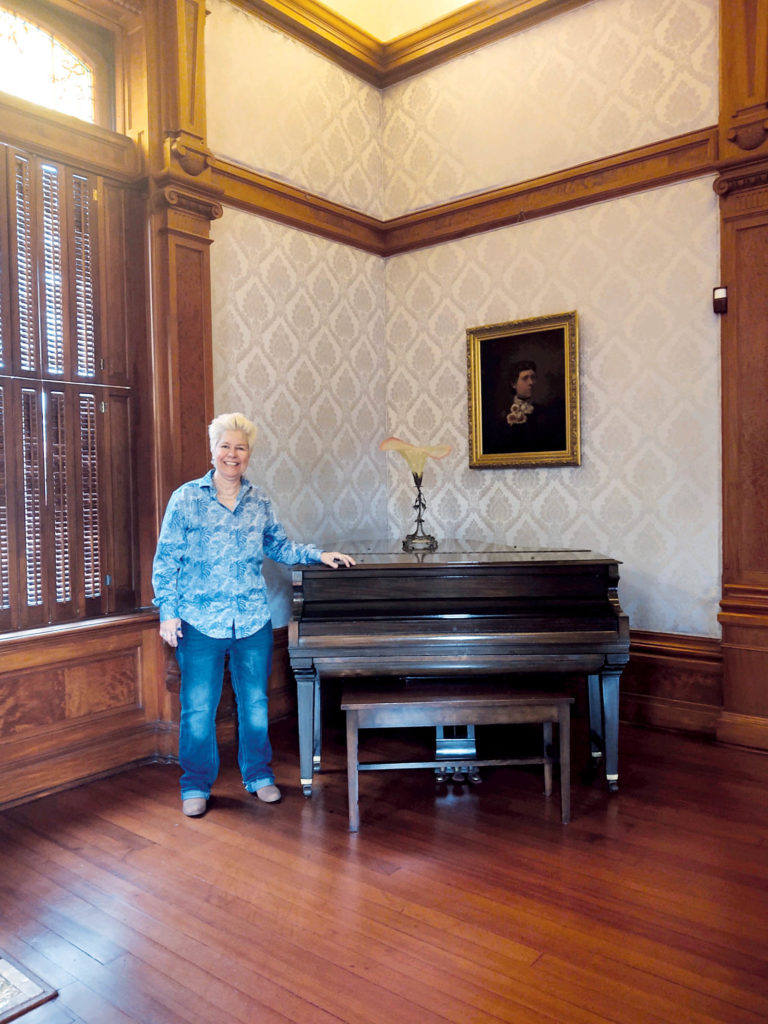
Woven Inspiration recovers the gilded age

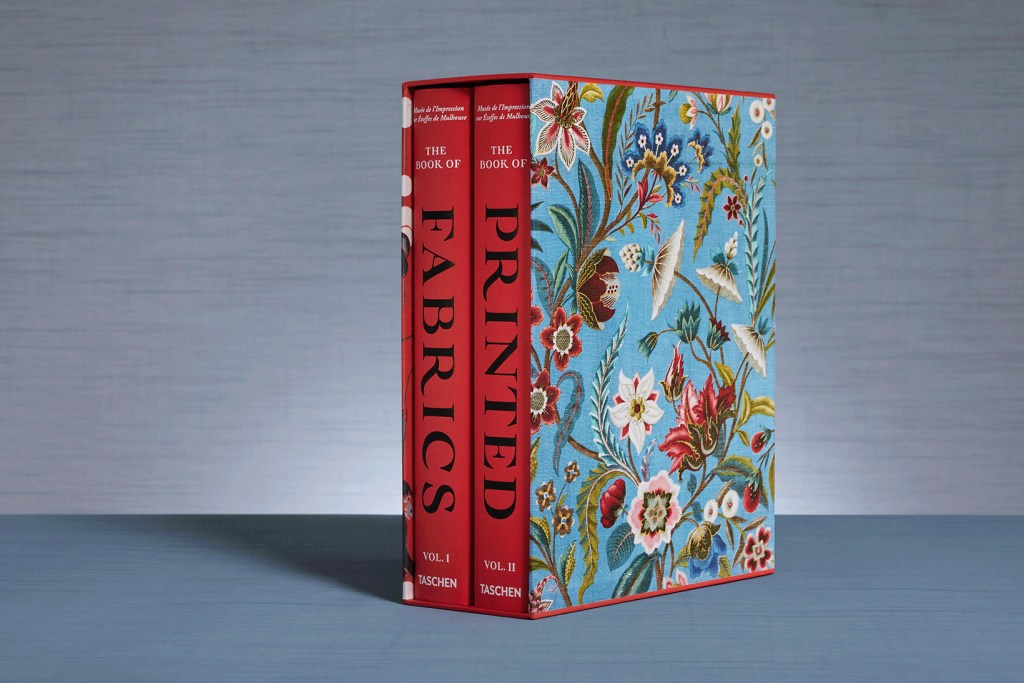
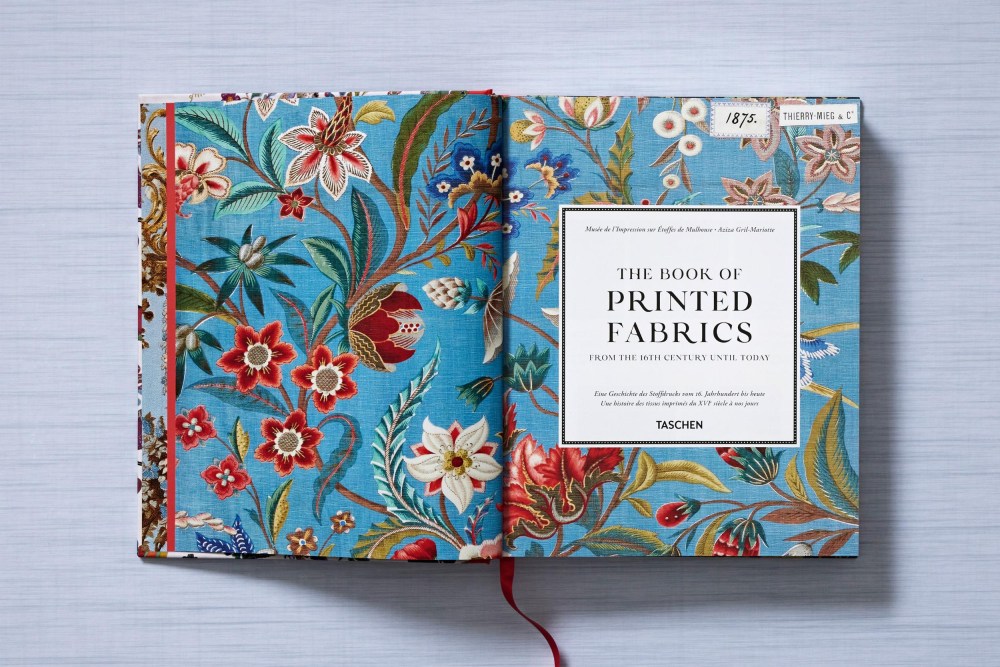
The History of Printed Fabrics in Two Splendid Volumes
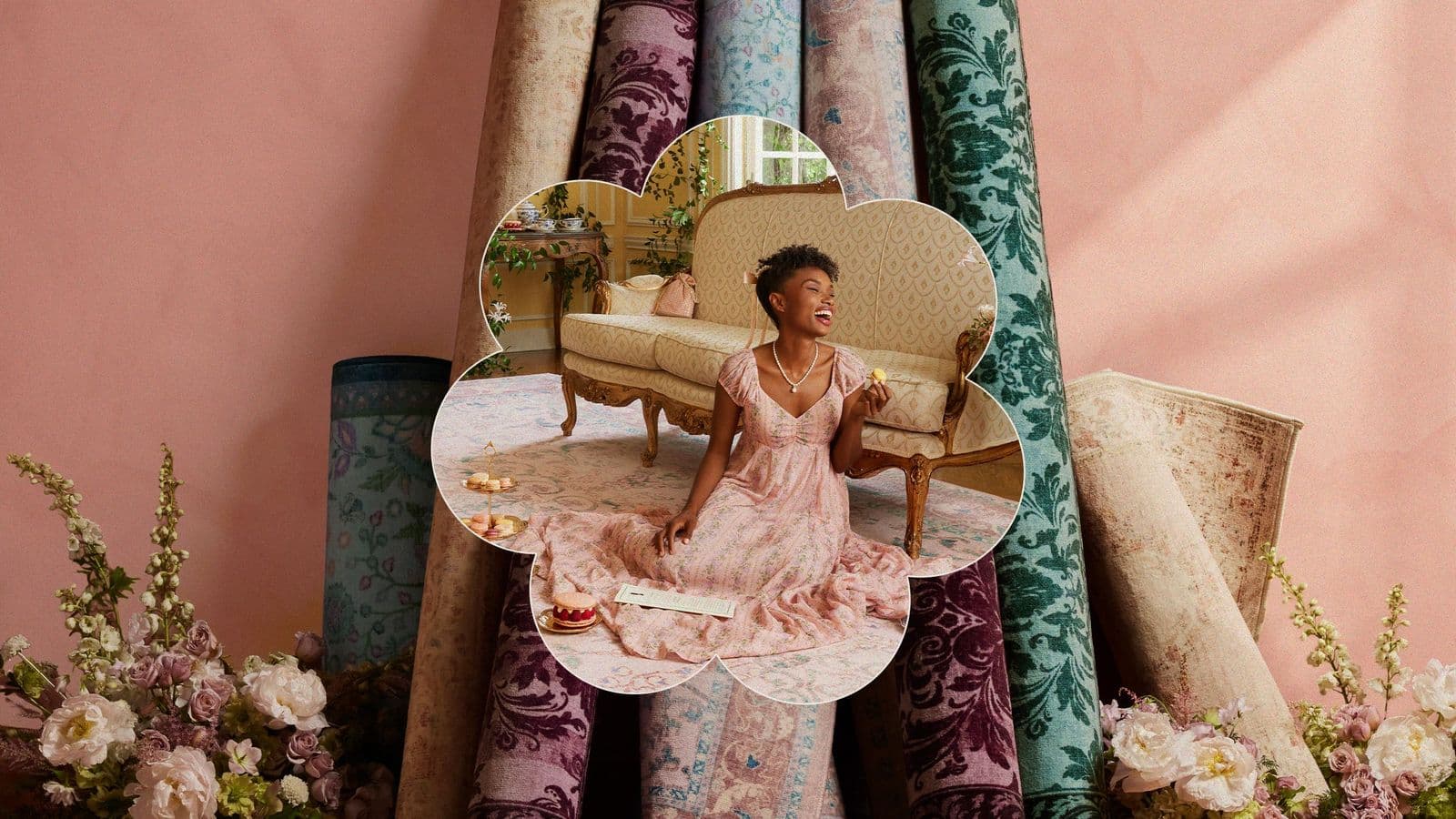
In the Making: The Ruggable and ‘Bridgerton’ Rugs That Blend Art and History
Quilt school - 4 Jun 2025 - Today's Quilter Magazine

Fabric & Feel: Interview with Margate designer Beatrice Larkin
A guide to collecting textiles: why every detail matters

Right at Home: Textiles bring midcentury-modern style home
How to decorate with antique textiles – designers share their tips for adding character with old fabrics
British Textile Week 2021: Humphries Weaving

Warm up with cozy fabrics: Yenke Peddler antiques

Decorating with vintage fabrics - 8 ways to inject color, texture and heritage style into your space
Inside the fascinating history of bouclé (and why it’s revival isn’t over yet)

The evolution of The Textile Company and its family-led legacy

How to upholster with antique textiles without going too Miss Havisham
TASCHEN’s Two-Volume Textile Collection is Pure Coffee Table Eye Candy


How a Global Brand Preserves a Carolina Legacy
This Vintage Print Is Taking Over Homes This Winter