1/7
The Dye Is Cast
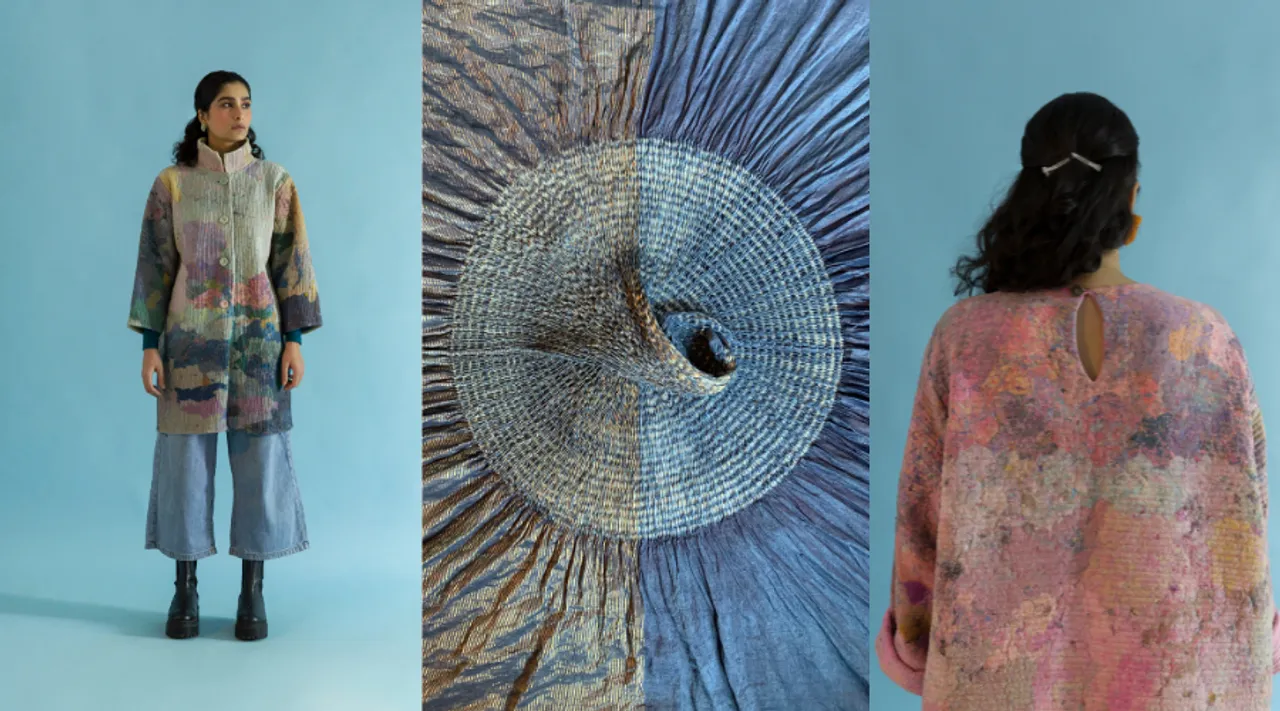
Riddhi Jain Satija, founder of Studio Medium, a Delhi-based apparel and home textile design space, reinterprets traditional handwoven textiles using intensive resist-dyeing techniques. Her work seamlessly integrates diverse textile traditions, such as the JamBan collection, which combines Bengal’s jamdani weave with Gujarat’s bandhani tie-dye. The design process at Studio Medium is textile-driven, starting with the selection and treatment of fabrics before garment construction. The team finalizes a color palette, which artisans then use to prepare for the tie-dye process, while Satija collaborates with her design team on sample sketches, garment construction patterns, and shade cards for upcoming collections.
The dyeing processes at Studio Medium involve a meticulous back-and-forth approach, with a focus on achieving precision in shibori tie-dye patterns. Artisans engage in fabric tying using techniques like Arashi shibori, also known as the pole-wrapping technique. This method involves diagonally wrapping ivory fabric around PVC poles and securing it tightly with thread, then scrunching the cloth to create accordion-like folds. The term 'Arashi,' meaning 'storm' in Japanese, reflects the diagonal patterns that resemble falling rain. After preparation, the fabric-wrapped poles are submerged in a hot water bath, followed by the addition of natural and azo-free dyes. The shade is carefully monitored, and salt is incorporated to enhance color vibrancy. Once the desired color is achieved, the poles are sun-dried to remove excess dye, revealing intricate patterns resembling leaf veins upon untying.
Following the dyeing and drying processes, tailors begin garment construction. The apparel then proceeds to artisans who hand-embroider or stitch to finalize each piece. Every stage of design and production at Studio Medium emphasizes high craftsmanship, detailed work, and a strong commitment to sustainability. Once completed, garments undergo rigorous quality checks, ironing, and display. The studio integrates core upcycling ethics into its operations, striving for zero-waste patterns and innovative upcycling of by-products. For instance, threads from the bandhani technique and fabric scraps from past collections or garment construction are transformed into unique textile art. Bandhani thread clusters are meticulously arranged on fabric and then sandwiched between another layer, secured with Kantha stitching to create textiles for outerwear in the 'Re' collection, which draws inspiration from Monet’s impressionist paintings.
Another initiative is the 'Bor(r)o(w)' collection, which is based on Japanese mending philosophies, specifically the Boro art form. Artisans freely arrange fabric scraps from previous collections or waste materials onto new fabric, patching, stitching, and piecing them together to preserve their beauty. Studio Medium applies various dyeing techniques to hand-woven textiles to create a range of classic silhouettes, including kaftans, capes, shirts, saris, and jackets. Riddhi Jain Satija emphasizes that design is not merely about creating new items but about observing the environment and introducing simple innovations. She also highlights the importance of respecting the comfort and expertise of weavers and dyers, aiming to design mindfully and foster an inclusive and sustainable community of practitioners to generate unique narratives and experiences. Her personal journey into tie-dye began in her mother’s workshop in Kolkata, influenced by Jaipuri bandhani and Kutch district techniques, later exploring Japanese shibori at the National Institute of Design in Ahmedabad, where her fascination with the 'circle' as a design element continues to inspire her work.
#TextileDesign #ResistDyeing #StudioMedium #RiddhiJainSatija #SustainableFashion #HandwovenTextiles #Shibori #Upcycling #IndianCrafts #TextileDesign #ResistDyeing #StudioMedium #RiddhiJainSatija #SustainableFashion #HandwovenTextiles #Shibori #Upcycling #IndianCrafts
0 comment in total
 No comments yet
You may also like

Decorating with paint

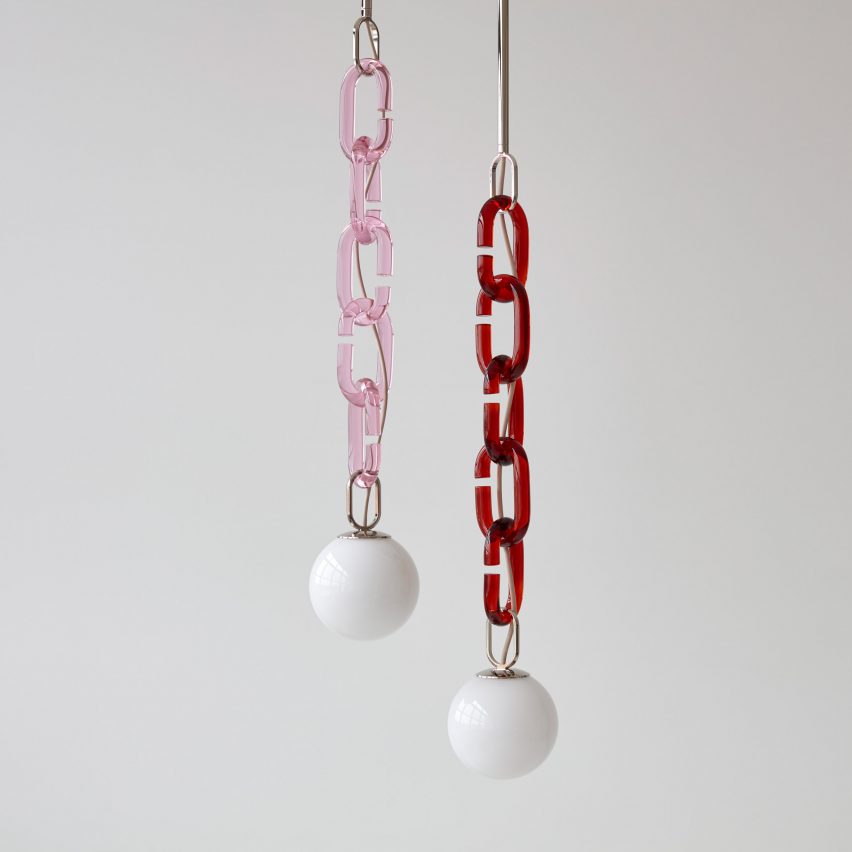
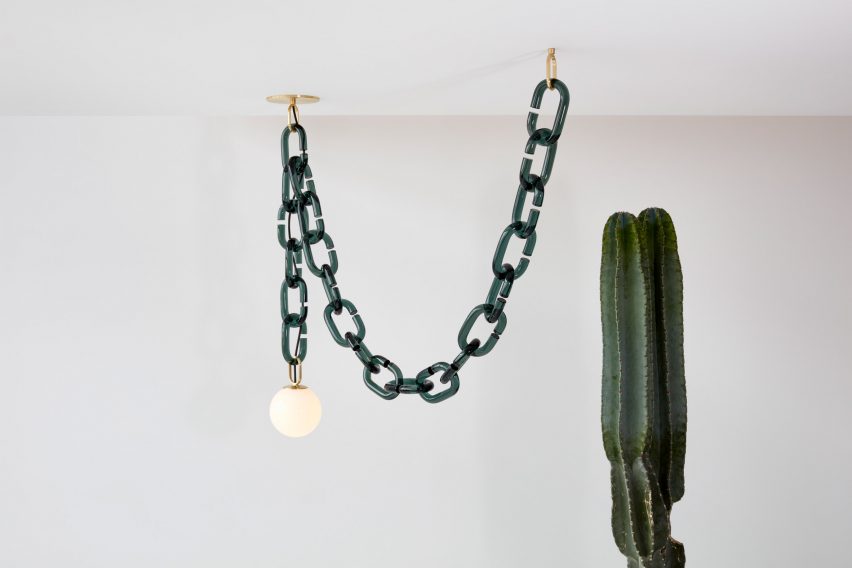
Trueing's Cerine lighting hangs from chunky coloured glass chains

The Color Drenching Paint Trend Isn't Going Anywhere

How to Nail This Tricky But Surprisingly Trendy Farrow & Ball Paint Color

Armourcoat launches Limewash paints for "environmentally conscious" interiors

Finishing Touches
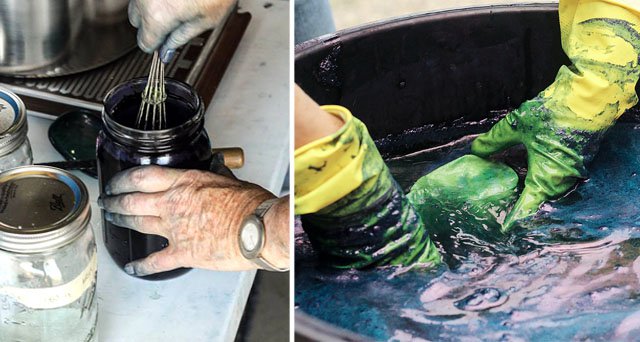
DIY: The art of indigo dyeing
Objects of Common Interest explores "secret recipe" for iridescent resin
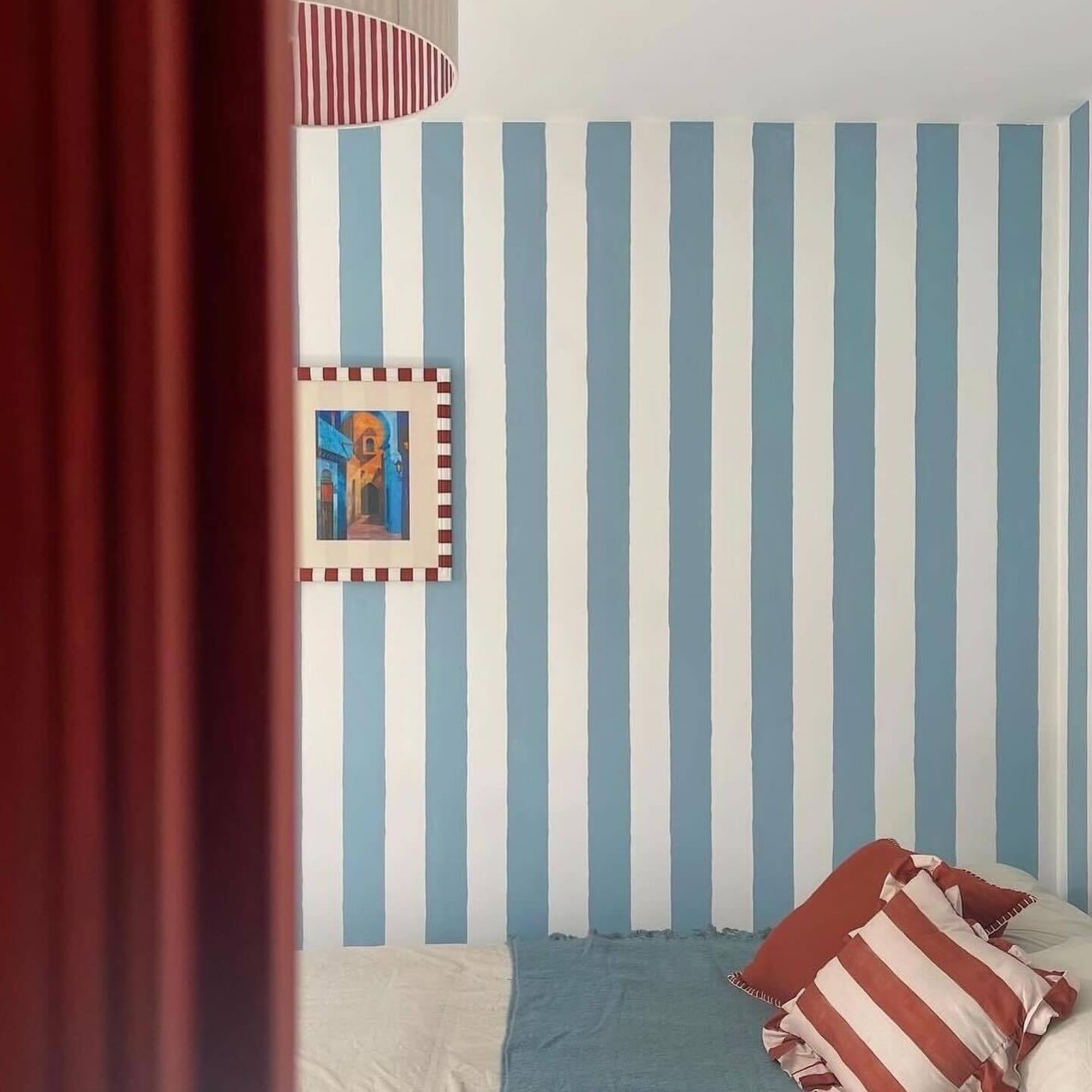
Stripe drenching is the hot new twist on colour drenching
Successful Staining


Wall & Ceiling Emulsion Paint
Plastered In Style
Beyond tie-dye

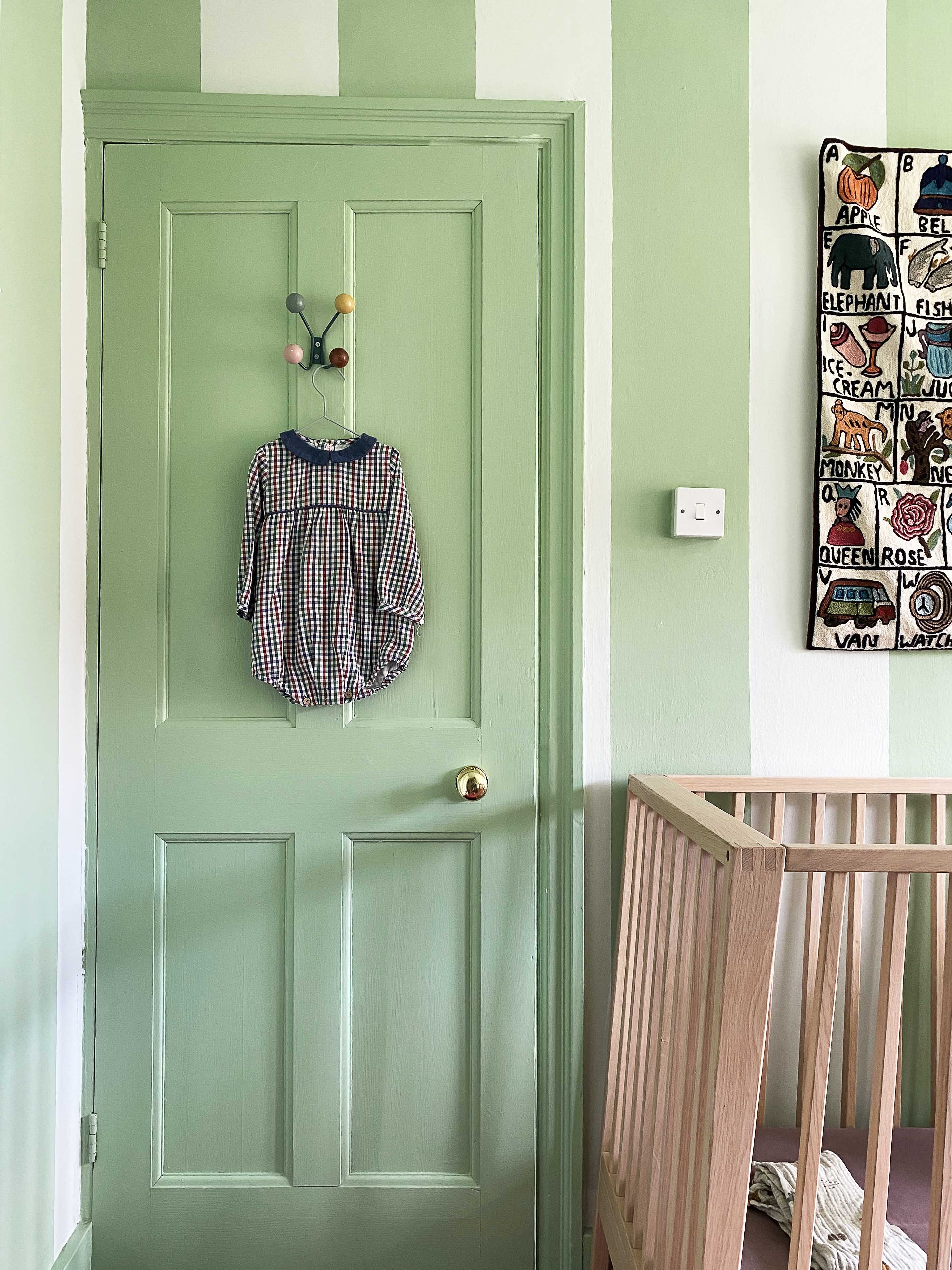
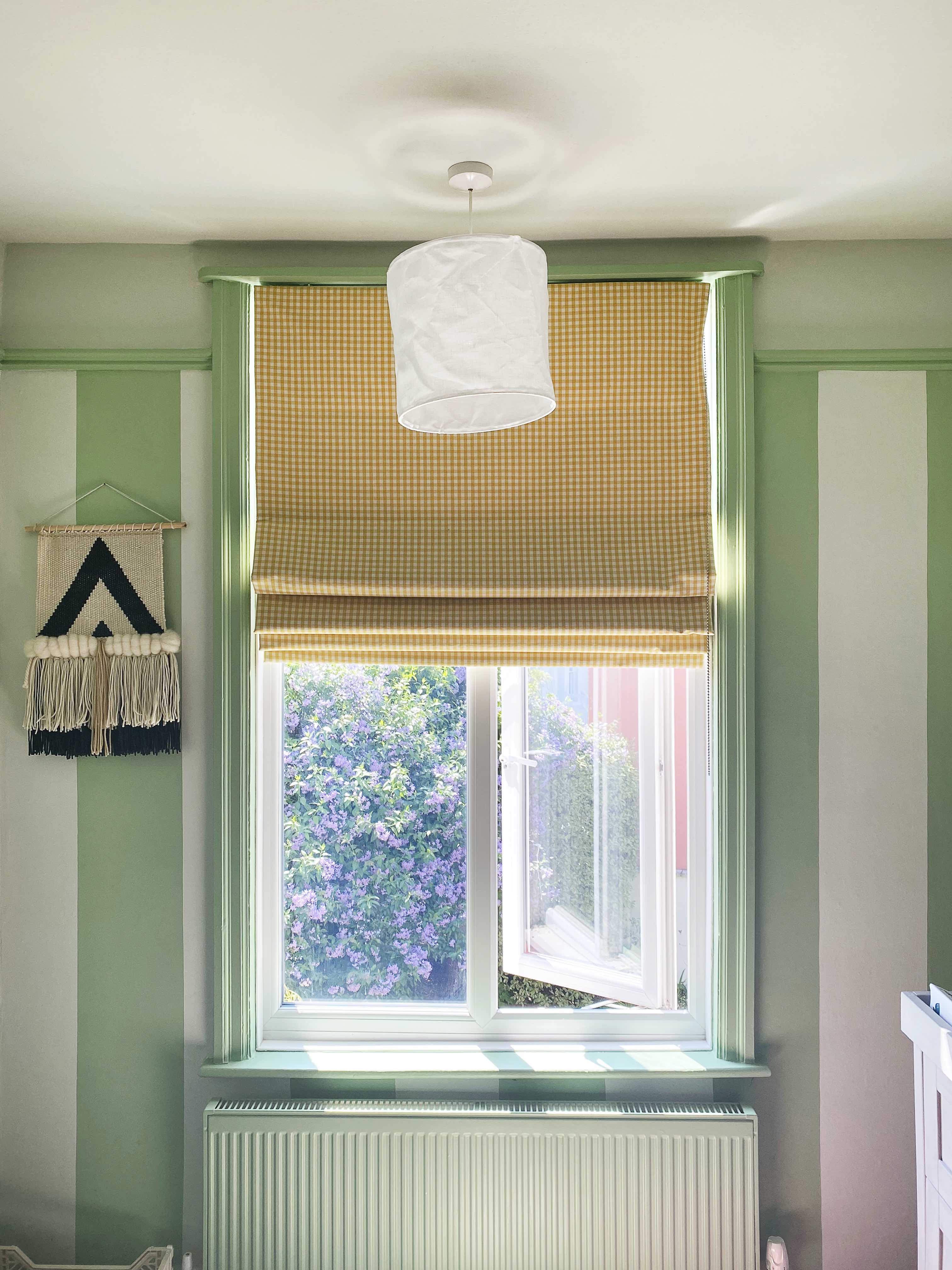
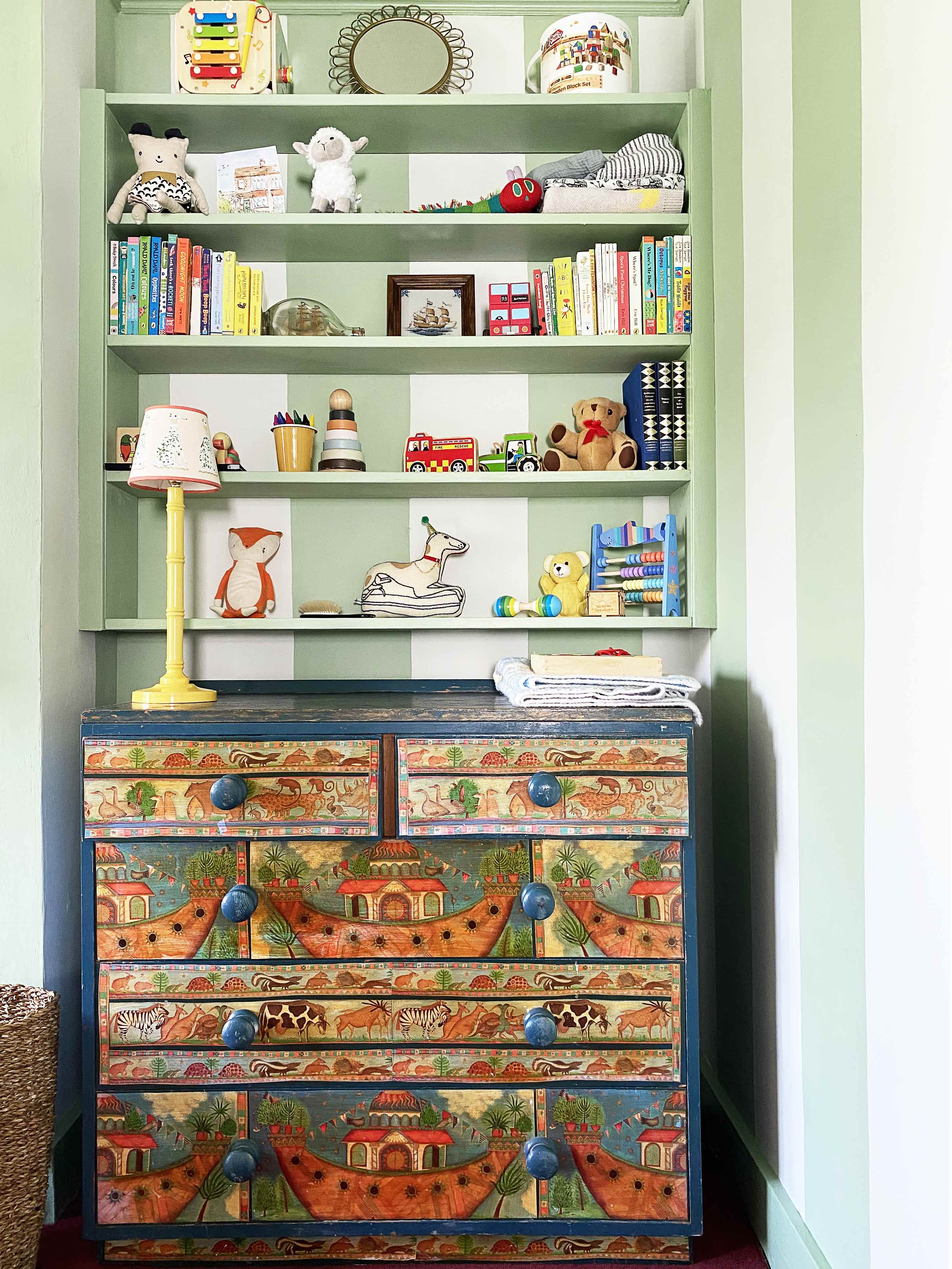
An Easy Paint Trick Elevates Simple Stripes in This Boy’s Nursery
Europe's secret dyeing formula


Grout Expectations: Ways to Play With Tinted Paste

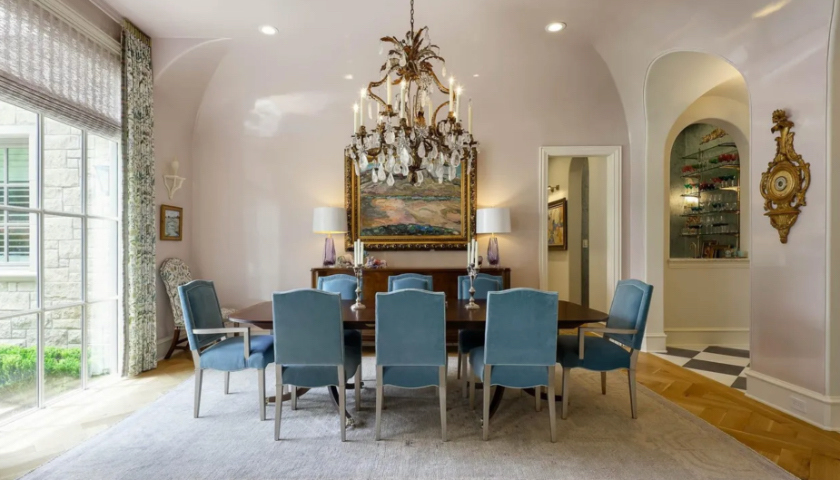
A Preston Hollow French Transitional That Packs a Color Punch


Decorator’s Caulk
How to Make Colorful Dyes from Your Own Garden

Color Drenching Is the Bold Paint Trend Taking Over—Here’s How to Nail It