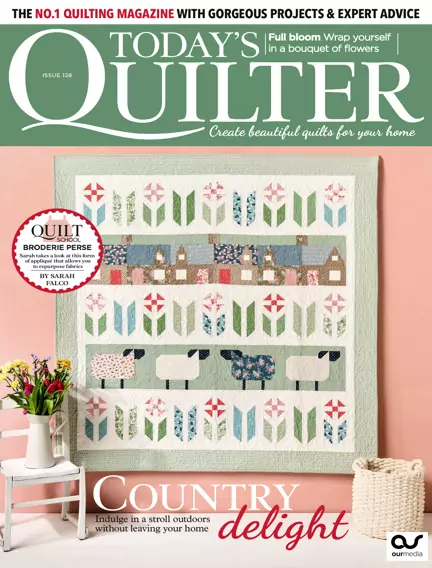
Quilt school - 4 Jun 2025 - Today's Quilter Magazine
This article, titled "Quilt school," written by Sarah Falco, delves into the historical technique of Broderie Perse, a centuries-old quilting method. The piece aims to educate readers on the origins and practical applications of this intricate craft.
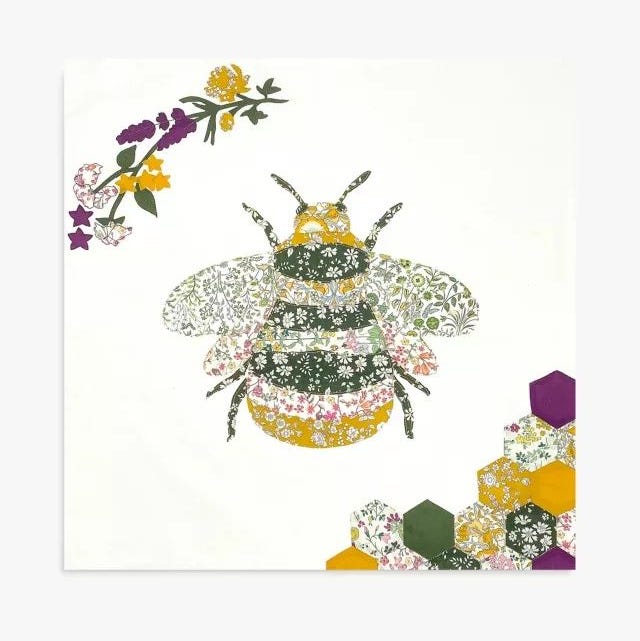
Broderie Perse, which translates from French as "Persian embroidery," involves cutting out motifs from one fabric and appliquéing them onto another background fabric. This technique often creates a three-dimensional effect, making the appliquéd designs appear to stand out from the surface of the quilt. Historically, it emerged as a way to utilize expensive or rare chintz fabrics from India and Persia, allowing quilters to showcase their beautiful patterns without using large quantities of the costly material. Instead of covering an entire quilt with a single expensive fabric, smaller, intricate designs were carefully cut and strategically placed.
The article discusses the historical context of Broderie Perse, highlighting its popularity in the 17th and 18th centuries when trade routes brought exotic textiles to Europe. These fabrics, often featuring vibrant floral or scenic patterns, were highly prized, and Broderie Perse provided an economical yet visually striking method to incorporate them into quilts, clothing, and other household textiles. The technique was particularly favored in England and America during colonial times, where it became a symbol of status and artistic skill.
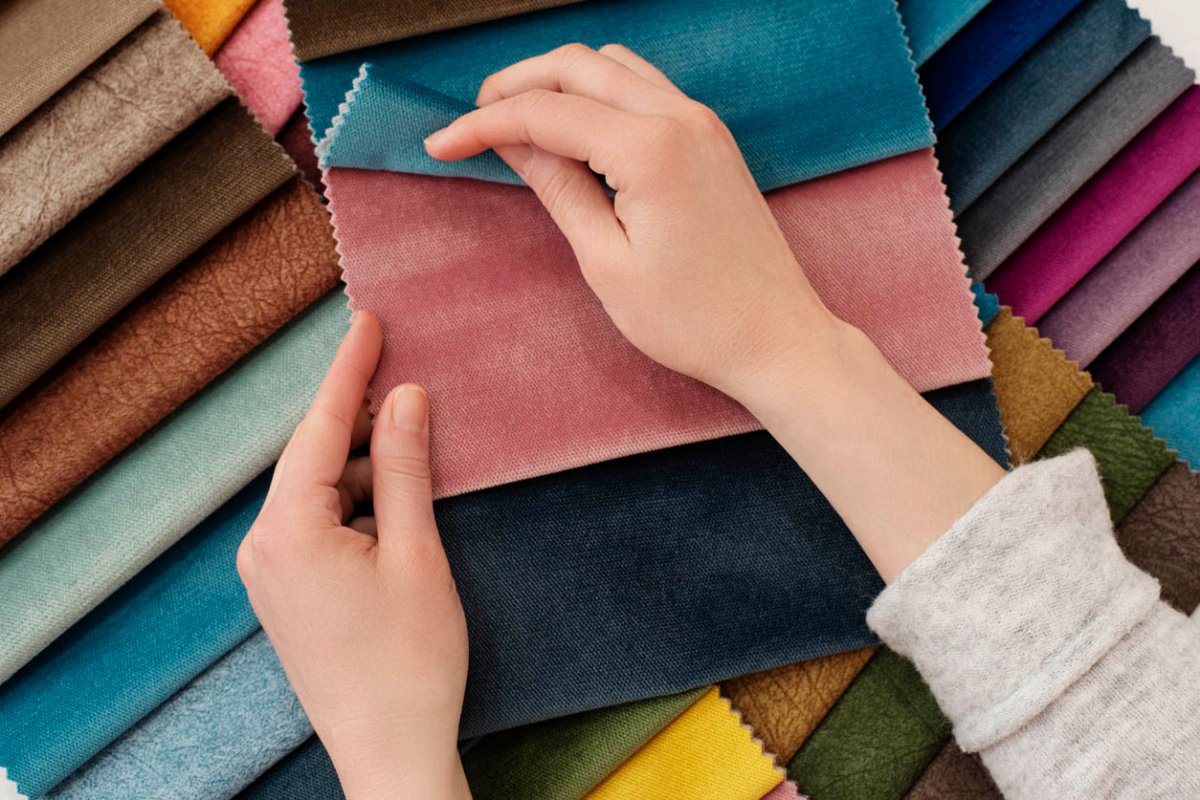
Key aspects of the Broderie Perse technique are explored, including the selection of suitable fabrics and motifs. Quilters typically look for fabrics with distinct, easily cuttable designs that can be isolated and rearranged to form a new composition. The process involves carefully cutting around these motifs, sometimes leaving a small seam allowance, and then meticulously hand-stitching or machine-appliquéing them onto a base fabric. The article would likely detail different stitching methods used for appliqué, such as whipstitch, buttonhole stitch, or invisible appliqué, each offering a distinct finish.
Furthermore, the article addresses the design principles behind creating an effective Broderie Perse quilt. This includes considerations for layout, color theory, and how to create a balanced and visually appealing composition using disparate elements. The placement of motifs is crucial to convey movement, depth, and a cohesive narrative across the quilt surface. Often, quilters would combine various cut-out elements with traditional piecing or embroidery to enhance the overall design complexity.
The durability and preservation of Broderie Perse quilts are also touched upon, given their historical significance. Many antique examples of this technique survive today, demonstrating the longevity of carefully crafted textile art. The article may offer advice on how modern quilters can adapt traditional methods for contemporary projects, perhaps suggesting new materials or tools while still honoring the historical integrity of Broderie Perse.
In summary, the article provides a comprehensive overview of Broderie Perse, from its historical origins and cultural significance to its practical application in quilting. It aims to inspire readers to explore this rich textile art form, offering insights into the techniques and creative considerations involved in bringing these historical patterns to life in contemporary quilting projects.
#Quilting #BroderiePerse #TextileArt #CraftHistory #FabricAppliqué #QuiltDesign #HandStitching #HistoricalTextiles #Quilting #BroderiePerse #TextileArt #CraftHistory #FabricAppliqué #QuiltDesign #HandStitching #HistoricalTextiles
0 comment in total
 No comments yet
You may also like

Best Quilts of 2025


Better Vintage: ‘A Patchwork of Place and Memory’ – Why Vintage Quilts Remain Collectible, Practical and Deeply Personal

The Best Fabric Stores in Toronto
Little houses - 15 Jan 2025 - Today's Quilter Magazine

Try Out Upholstery Classes with A Little Furniture Shop

Immaterial : Blankets and Quilts
Hear Us Out: Quilts Are Cool Again

Jacquard Fabric: Here’s Your 101 Explainer

New to English paper piecing? Try one of these fun kits
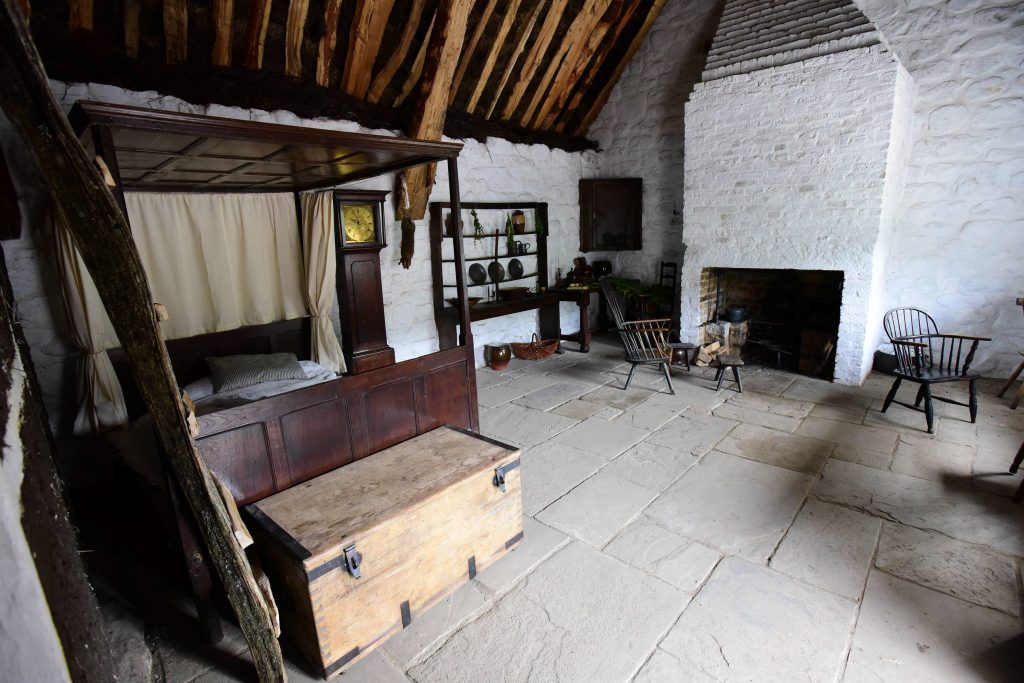
The Quilter's Cottage

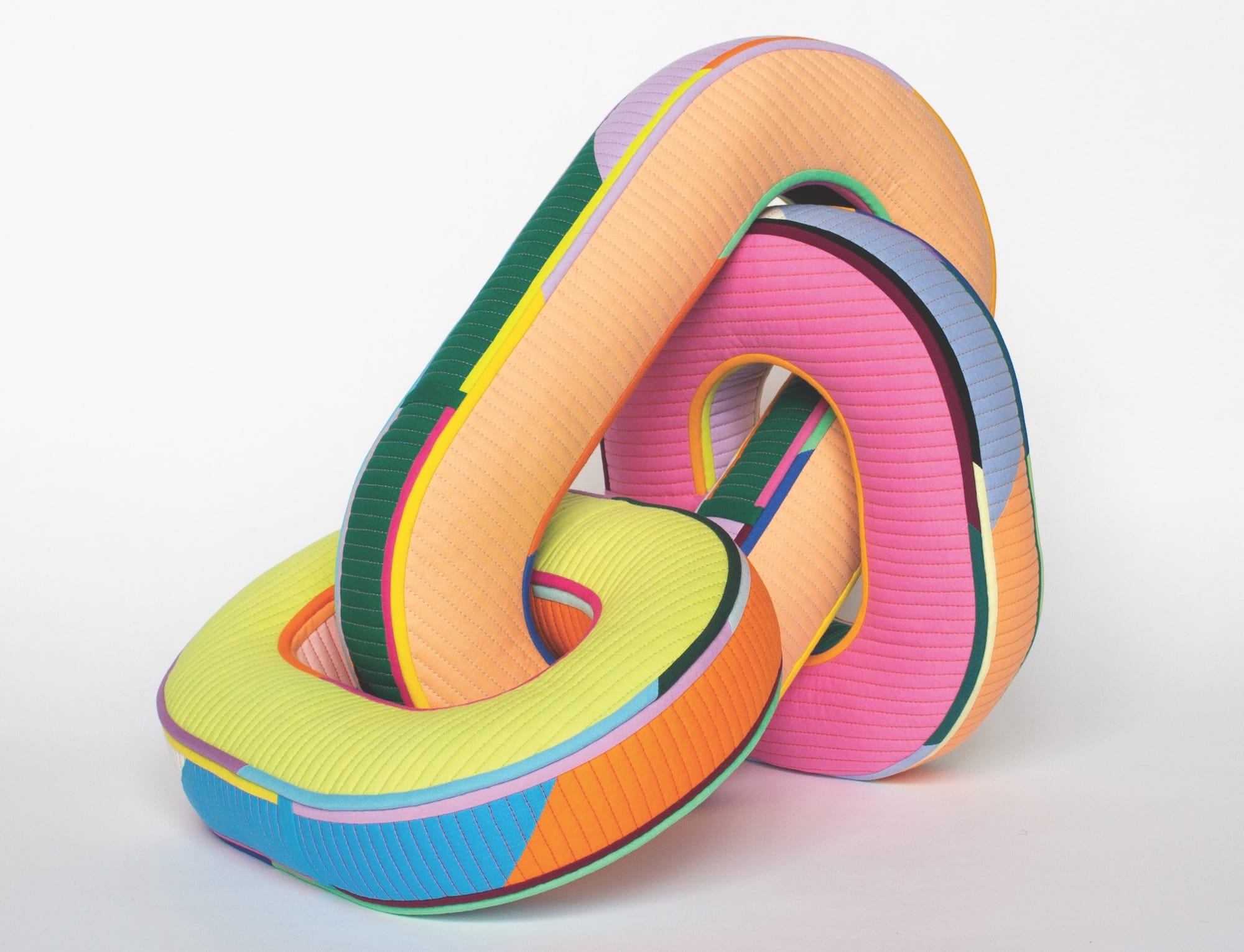
Emily Van Hoff Sculpts Facets of Color in Vibrant, Dimensional Quilts

The Best Online Fabric Stores Today

An education in upholstery

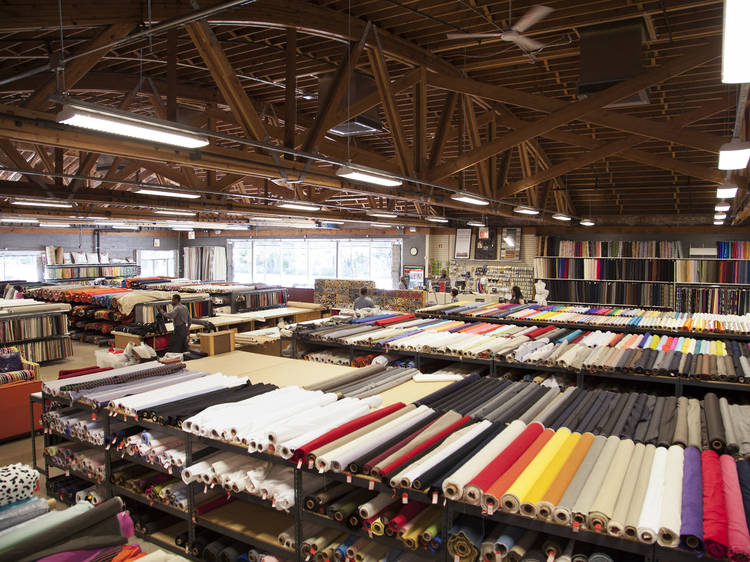
Best Chicago fabric stores for sewing projects, patterns and more


The 11 Best Quilts for an Elevated Night’s Sleep

These Cute Fiber Craft Kits Are a Cure for Doomscrolling


The 23 Very Best Quilts
The Upholstery Course You Need To Know About
A guide to all the fabric and bead stores on Queen West
DRAMA IN THE SIMPLE – AROUND THE FRAME