1/2
The Quilter's Cottage
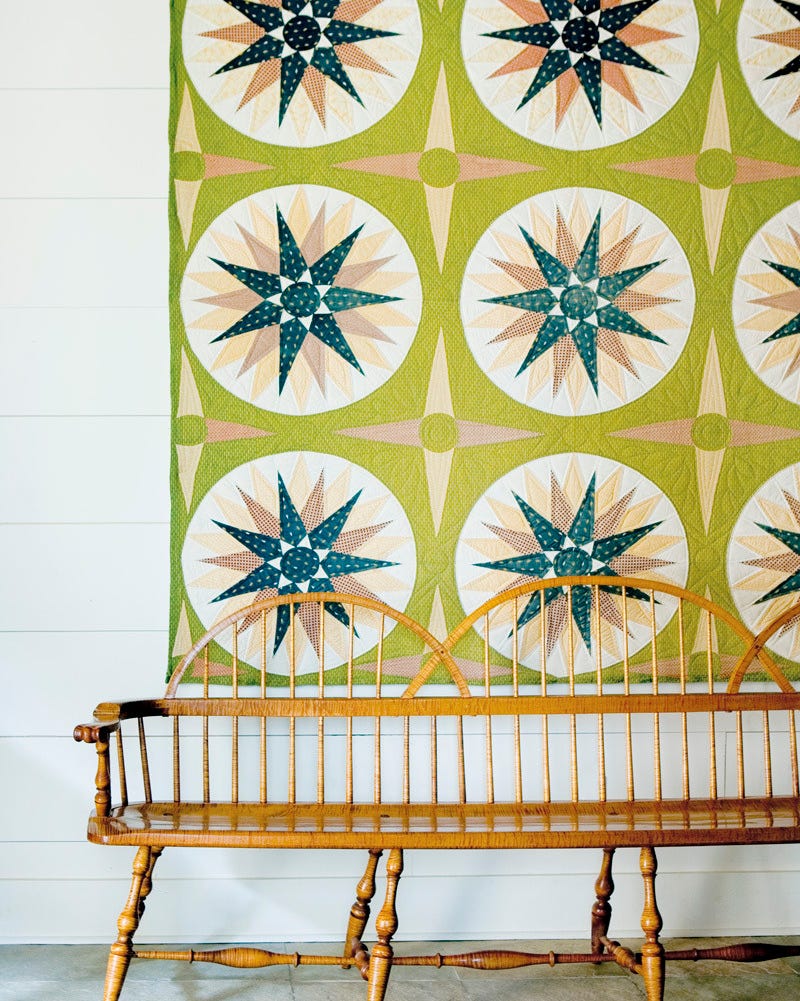
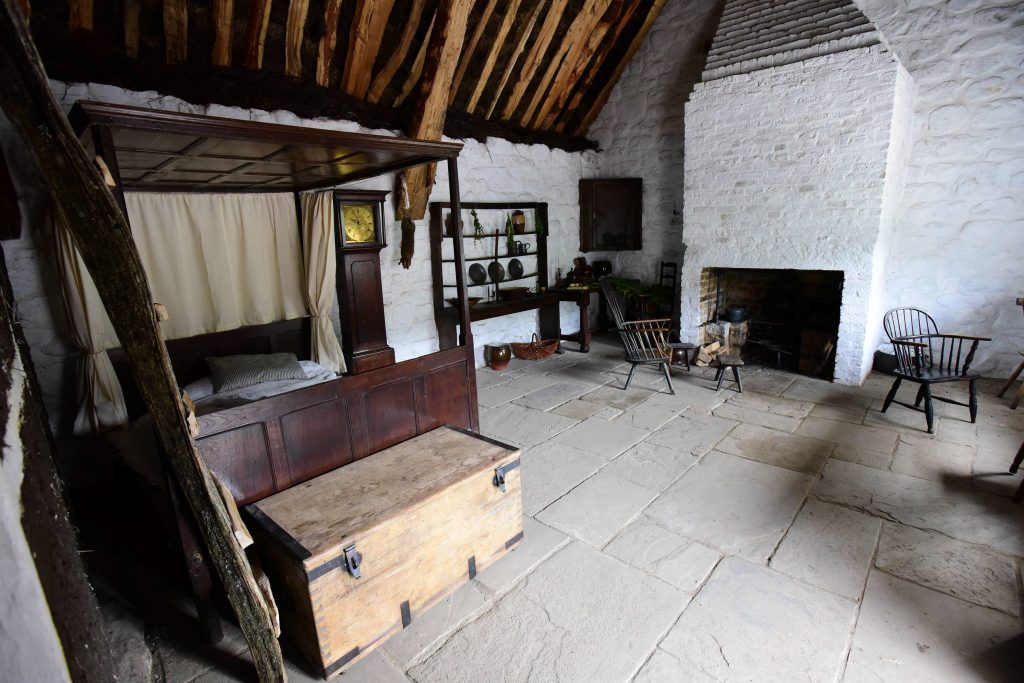
The quilter’s cottage in The 1820s Landscape at Beamish Museum showcases one of the many cottage industries prevalent in the 1800s, specifically quilting. This exhibit highlights the remarkable story of Joseph Hedley, a quilter whose distinctive work, featuring a border pattern known as “Old Joe’s Chain,” gained international recognition, with pieces reportedly sent as far as America. Hedley’s life, particularly the tragic circumstances of his murder in 1826, which became a nationally shocking event, is unusually well-documented for an ‘ordinary’ person from the Georgian era, providing a rich source of historical information. The museum's exhibit allows visitors to delve into the history of cottage industries, learn about the craft of quilting, and explore aspects of 19th-century crime and punishment. Additionally, the cottage features a period-appropriate garden with vegetables and a chicken coop, offering a glimpse into daily life.
Joseph Hedley was born in 1750 and was believed to have been married to a woman 25 years his senior. He initially trained as a tailor before dedicating himself to quilting. Despite his considerable skill and widespread popularity as a quilt maker, he was considered to be a man of modest means. The Beamish Museum is fortunate to possess one of only three known surviving quilts attributed to Hedley, making it a significant part of their collection.
Beamish Museum undertook the ambitious project of recreating Joe Hedley’s cottage, as the original structure was demolished in 1872. The reconstruction process was aided significantly by a drawing on a postcard produced after Hedley’s murder, which offered crucial details about the original home's appearance. Even a distinctive crack in the front wall, clearly visible in the 1820s drawing, was meticulously reproduced in the replica.
An archaeological excavation conducted by Beamish staff and community volunteers in September 2015 at the original cottage site in Warden, near Hexham, yielded substantial findings. Within three days, the team uncovered the first stone blocks. The dig revealed extensive remains of the building, including the lowest courses of three of the four walls, a fireplace, an internal partition wall, and a section of the flagstone floor. Artifacts such as animal bone buttons, a horseshoe, and numerous iron nails were also discovered, providing further insights into Hedley's life and the cottage's construction.
The recreation of the cottage at Beamish employed traditional techniques and skills, utilizing locally sourced materials. Approximately 1,400 bales of sustainably harvested heather from near Rothbury, Northumberland, were used for the thatched roof. A master thacher provided training to museum staff and volunteers, ensuring authenticity. Stone dating back over 200 years and 23 tonnes of oak for the roof frame were also sourced from Northumberland, close to the original cottage's location. The project involved active participation from local community members, including Richard Young, who lives near the original site. He contributed to various stages, from the archaeological dig and heather gathering to the stone laying ceremony, timber splitting, and preparing historical objects for display. The quilter’s cottage was the inaugural exhibit completed in July 2018 as part of the significant £20 million Remaking Beamish project.
#QuiltersCottage #BeamishMuseum #JosephHedley #CottageIndustries #HistoricalReconstruction #GeorgianEra #ArchaeologicalDiscovery #TraditionalCraftsmanship #QuiltersCottage #BeamishMuseum #JosephHedley #CottageIndustries #HistoricalReconstruction #GeorgianEra #ArchaeologicalDiscovery #TraditionalCraftsmanship
0 comment in total
 No comments yet
You may also like
Full of handmade quilts and vintage finds, this home offers the warmest welcome

A textile designer’s kaleidoscopic home in NSW’s Southern Highlands

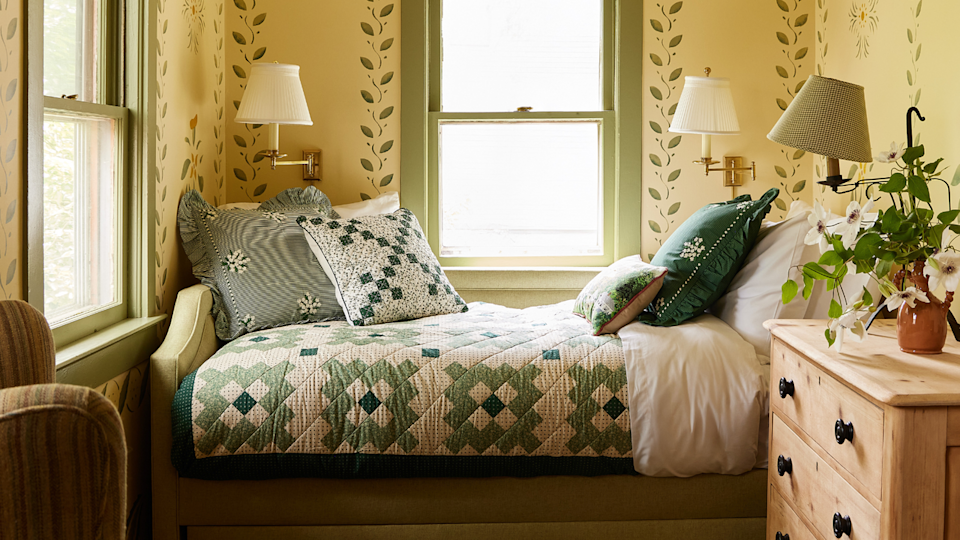
My great-grandmother's patchwork quilt has all of a sudden become the most on-trend piece in my home – I asked designers why we are loving this nostalgic trend this summer

DRAMA IN THE SIMPLE – AROUND THE FRAME

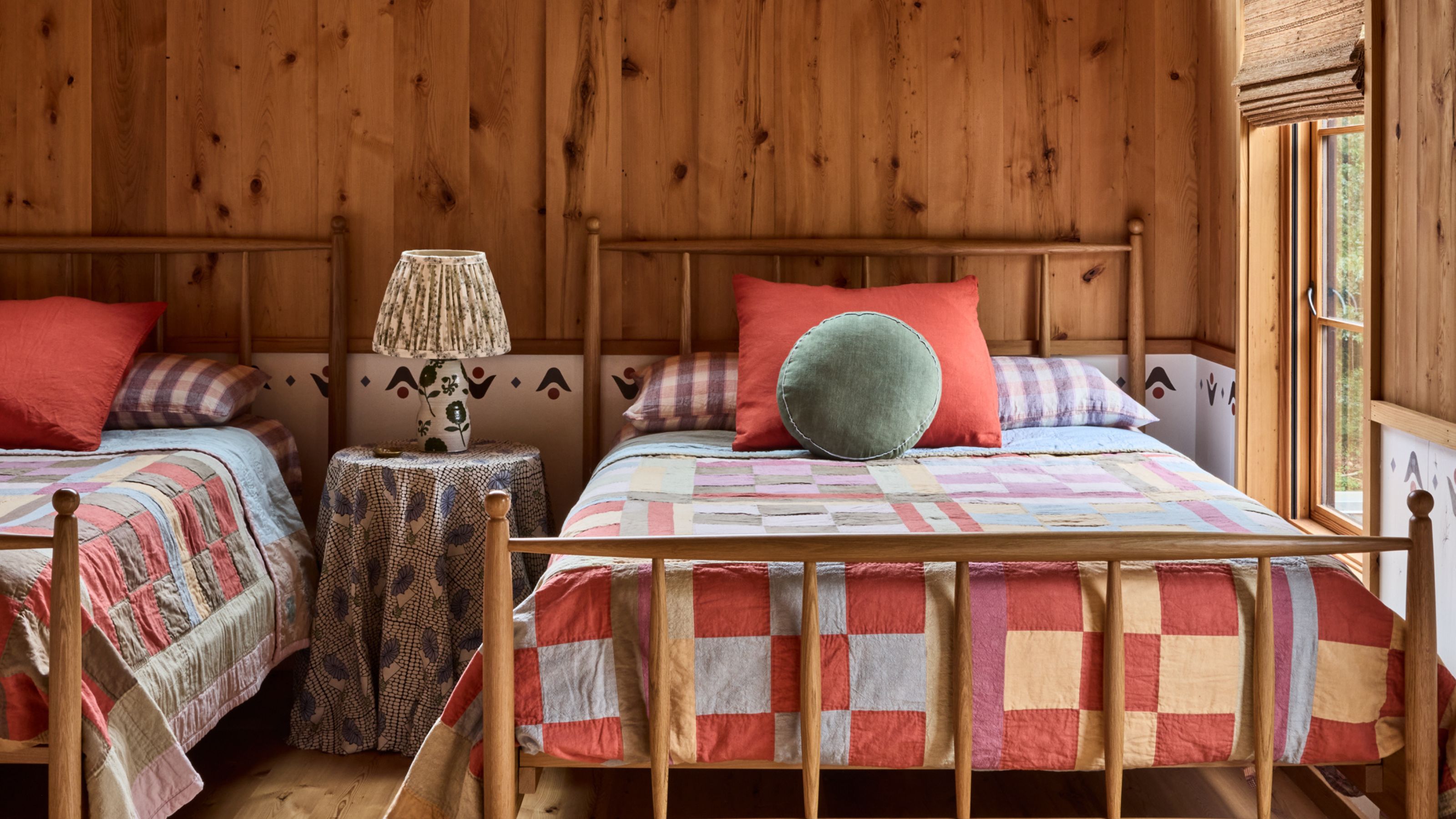
Better Vintage: ‘A Patchwork of Place and Memory’ – Why Vintage Quilts Remain Collectible, Practical and Deeply Personal

The 5 Best Quilts of 2026 | Reviews by Wirecutter


Quilt school - 4 Jun 2025 - Today's Quilter Magazine


Go Inside This Cozy Cottage in Green Hills

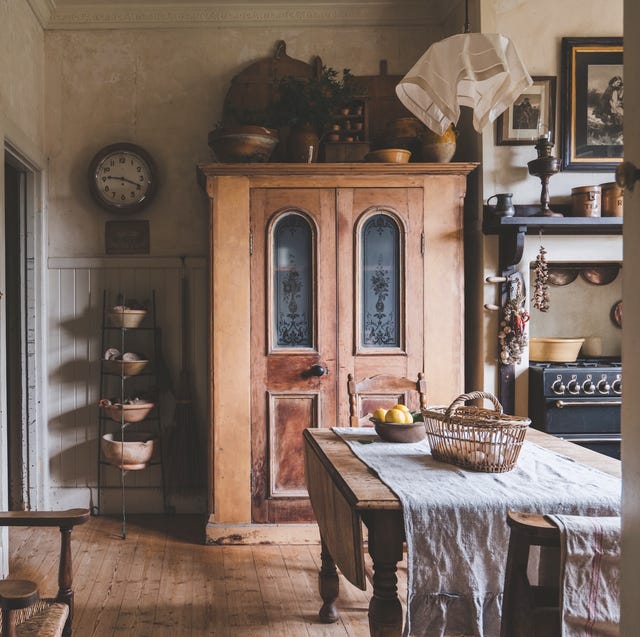
Inside A Character-Filled Cottage That Captures The Spirit Of English Country Living

Little houses - 15 Jan 2025 - Today's Quilter Magazine

Timeless Traditions Abound in a Local Designer’s Home


The 11 Best Quilts for an Elevated Night’s Sleep

Quilt artists create textiles to admire or cozy up with Trend decor decor Textiles home


Hedgemoor Cottage Becomes Family's Dream Home


Charred Wood and Concrete Unite to Form a Chalet–Inspired Home

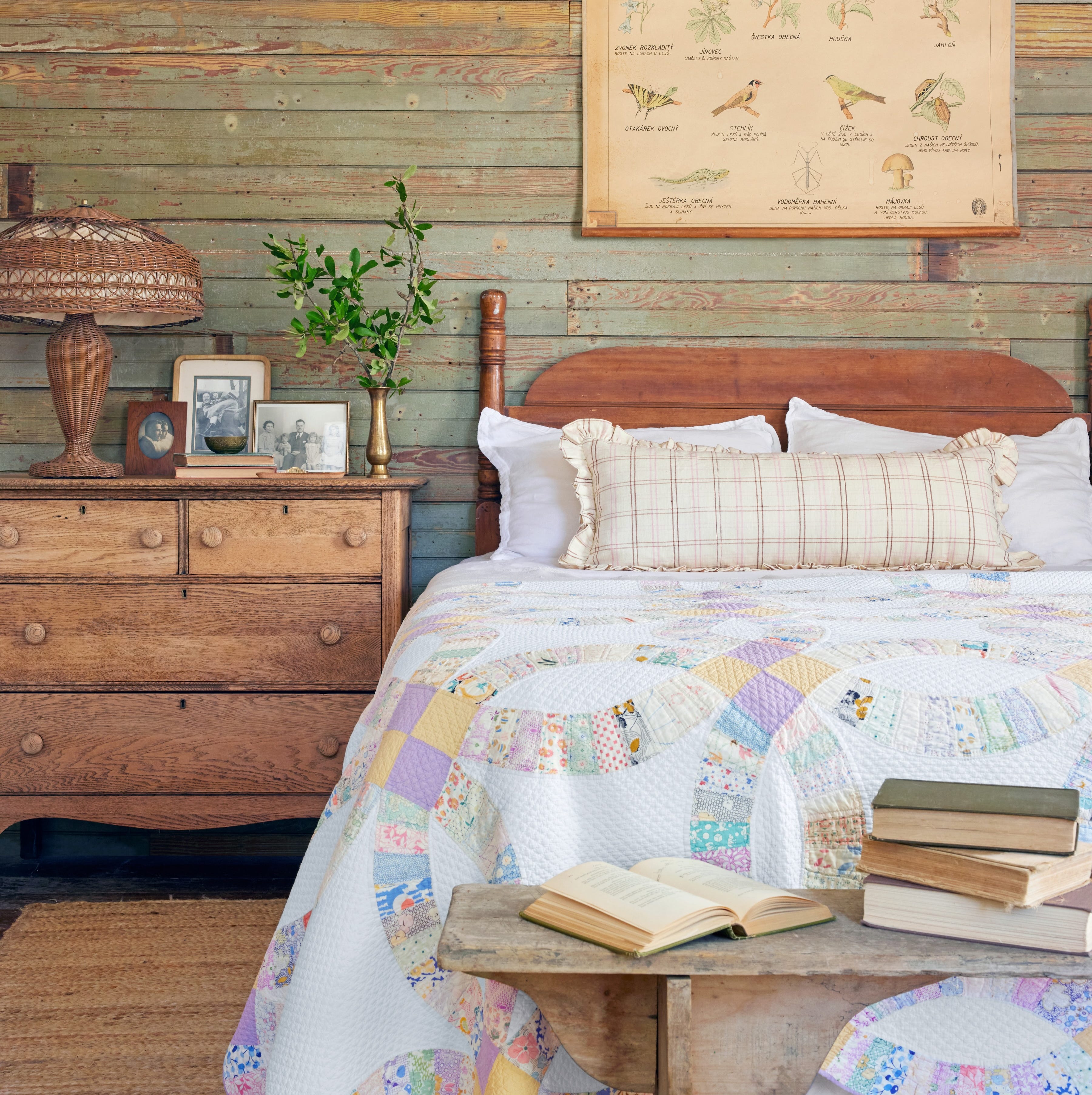
This Grandma-Beloved Decorating Staple Can Be Used in SO MANY Ways
The 23 Very Best Quilts
Even the Kitchen Shelving in This Textile Designer’s Home Is Patterned


Courtyard House / D'WELL


Add Cottagecore Style to Your Bedroom With One of Our Favorite Quilts