1/13
Better Vintage: ‘A Patchwork of Place and Memory’ – Why Vintage Quilts Remain Collectible, Practical and Deeply Personal
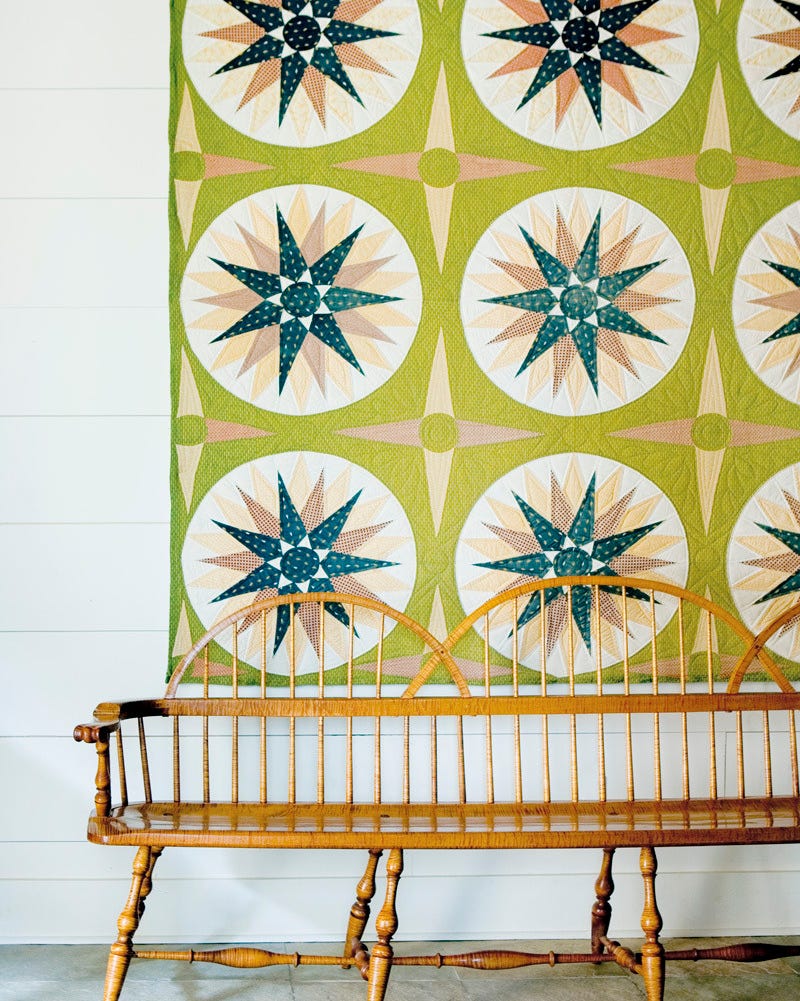
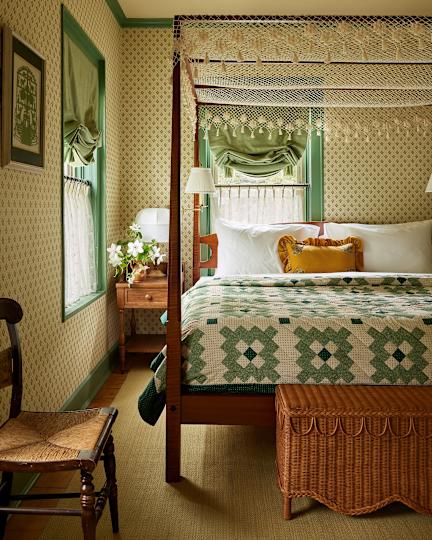
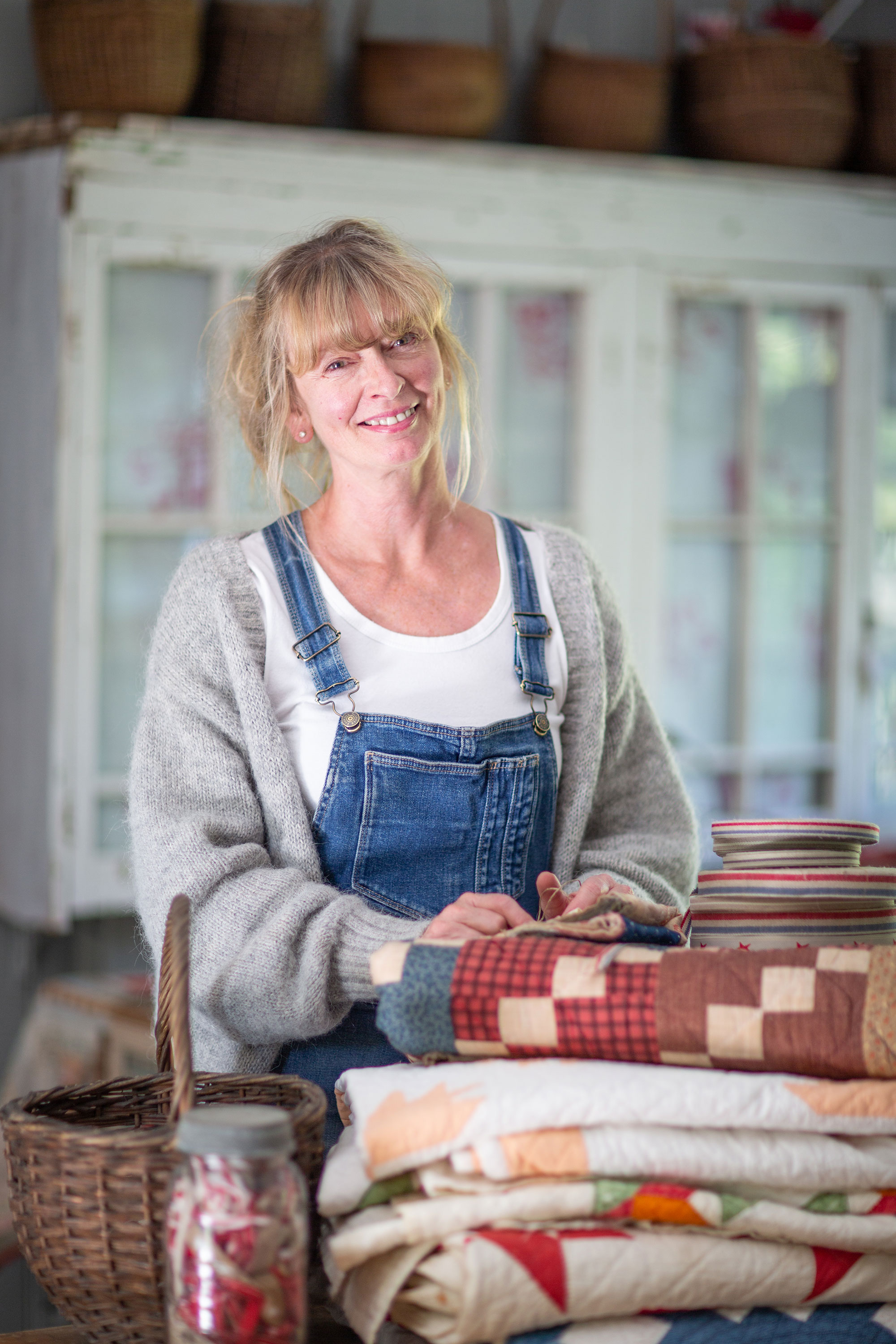
Vintage quilts serve as tangible connections to the past, embodying a rich history through their diverse patterns and the human touch involved in their creation. In an era of rapid-fire decor trends, quilts stand out as products of meticulous handcraftsmanship, often born from necessity and a vivid imagination, designed to provide both warmth and aesthetic appeal to a living space. The history of quilting in America is deeply intertwined with social narratives, emerging as a democratic art form brought from England. Largely practiced by women, quilting transformed leftover fabrics from clothing and household items into functional and expressive pieces. Kate Owen, a textile artist from Colorado, notes that quilting has long been a medium for art, self-expression, and enterprise, often documenting a family's history through fabric scraps used for warmth or as gifts. The American Folk Art Museum (AFAM) highlights the ancient origins of quilting, dating back thousands of years. Early American quilts, known as “wholecloth” pieces, were considered luxury items in the 18th century when textiles were scarce. With increased fabric availability in the 19th century, pieced quilts became common, featuring classic designs like Flying Geese and Lemoyne Star, which are preserved in the museum's collection.
Experts like Christopher Wilson-Tate, an antique quilt dealer, emphasize that older quilts tell stories of migration, community bonds, and resourcefulness, with every stitch conveying intention and forming a visual diary. American quilters adapted regional patterns using available materials, resulting in textiles that reflect local styles and domestic life. AFAM’s exhibition, ‘The Ecology of Quilts,’ positions quilts as more than decorative objects, describing them as “amazing storytellers and amazing survivors” whose histories are shaped by evolving materials, global textile trade, and numerous makers. Understanding these material histories reveals the deeper contexts behind design elements, such as botanical motifs rooted in quilters' interactions with local flora.
Vintage quilts possess unique qualities that only time and use can impart, distinguishing them from contemporary creations. Christopher Wilson-Tate points to the “alchemy that happens only with time,” where colors mellow, cottons soften, and seams develop a subtle texture that new fabrics cannot replicate. These changes are not imperfections but rather integral to a quilt’s character and desirability. Ali Mahon, a designer and antique dealer, notes that 19th-century quilts, made from natural, homespun cottons, wools, and feed sacks, exhibit a “perfectly imperfect” quality. Their durability stems from natural fibers and handwork, allowing them to age gracefully and develop a rich patina. AFAM curators add that vintage quilts also hold ecological histories, offering insights into labor-intensive processes of fiber cultivation and dyeing before modern synthetic materials. For many designers, vintage quilts align with a renewed appreciation for heirlooms and handmade items. Laura Evans and Karie Reinertson of Mother Studio source vintage quilts and commission new ones with the intent that they, too, will become cherished vintage pieces, each tear or stain marking a family’s history. Hospitality brands, like Ash Hotels, also embrace vintage quilt aesthetics, with creative director Xavier Donnelly commissioning custom quilts inspired by historical designs, noting that antique patchwork adds texture, color, and a joyful, unstuffy feel to a room. The practice of repairing antique quilts, as done by Kate Owen, further reveals their evolving nature, sometimes uncovering older quilts used as batting within newer ones, illustrating their continuous life across generations.
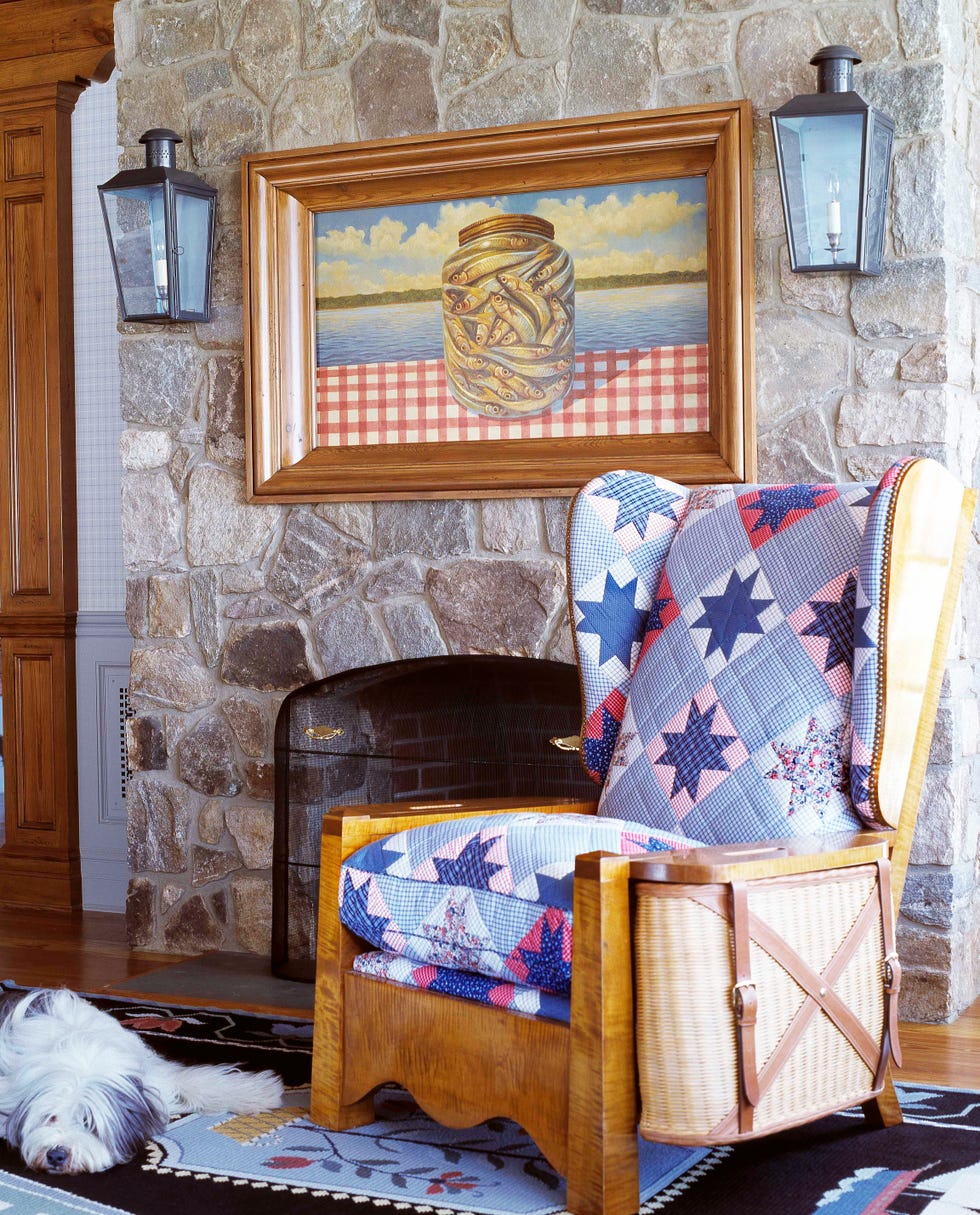
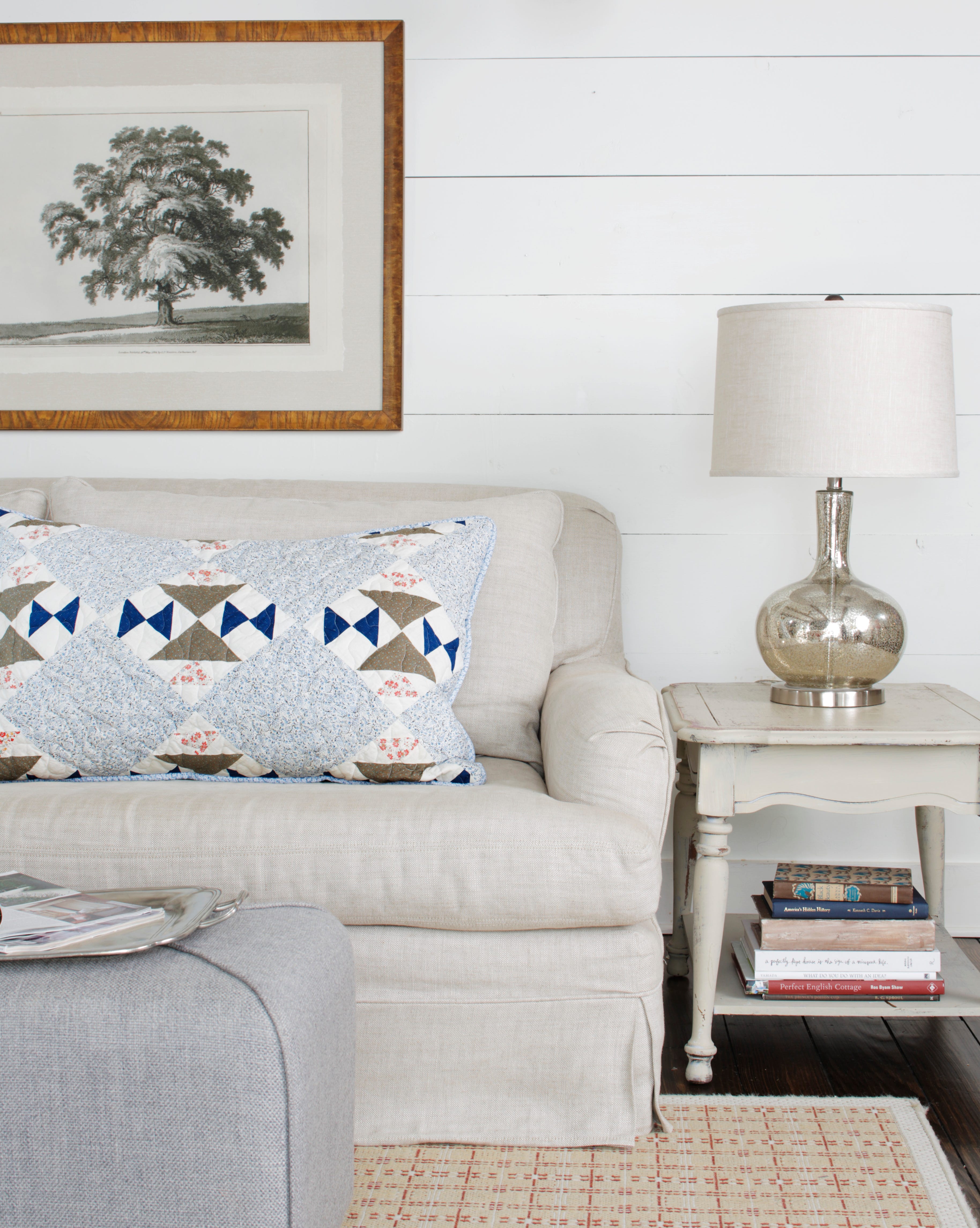
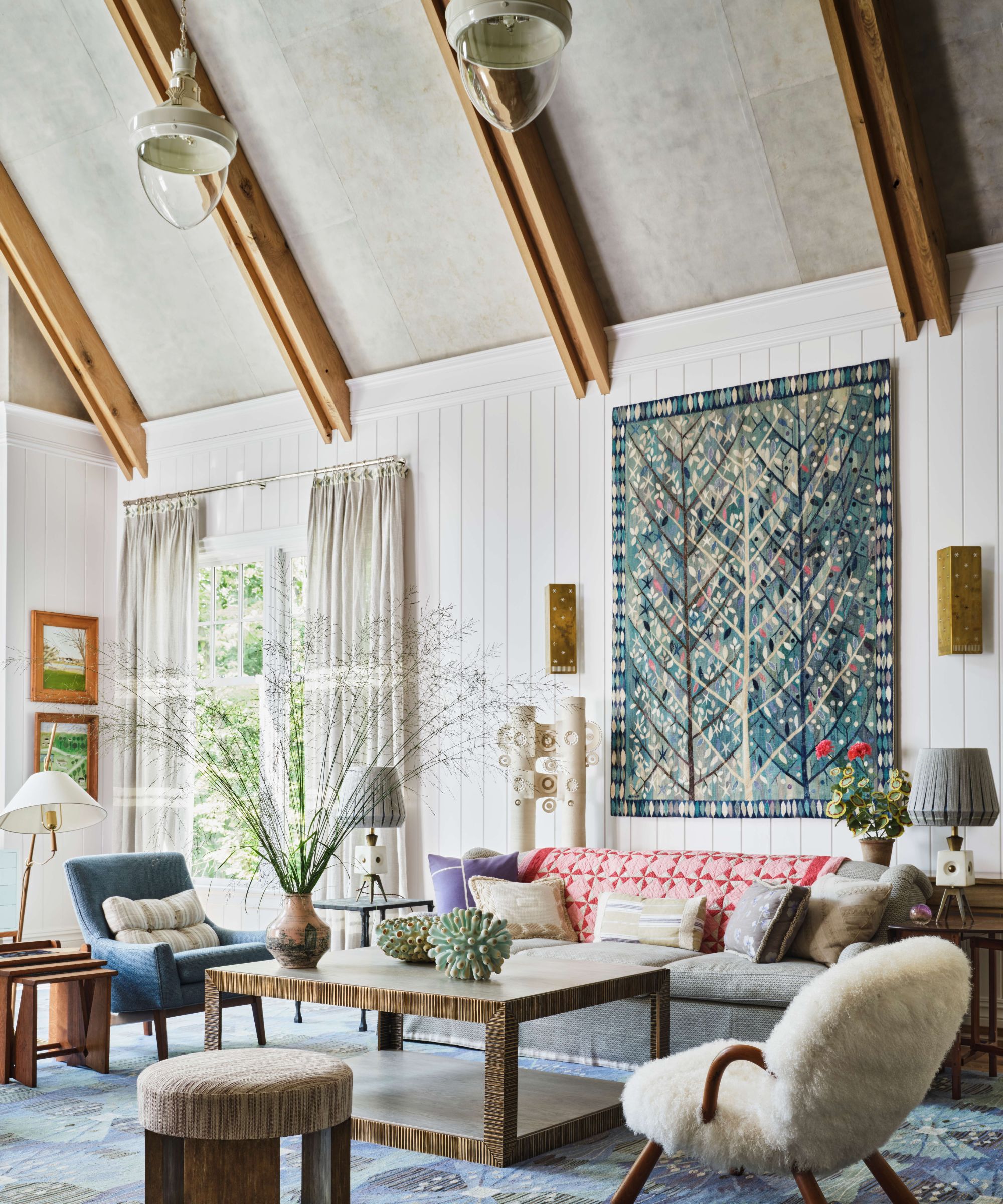
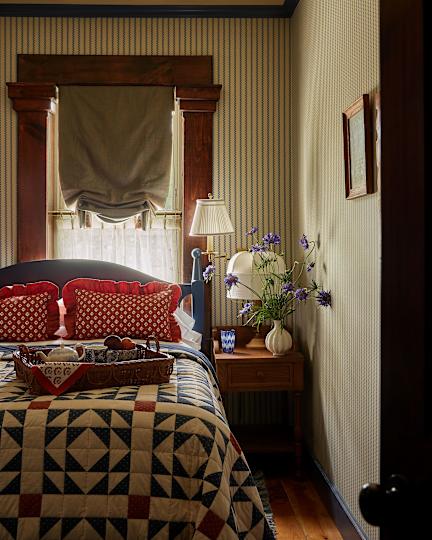
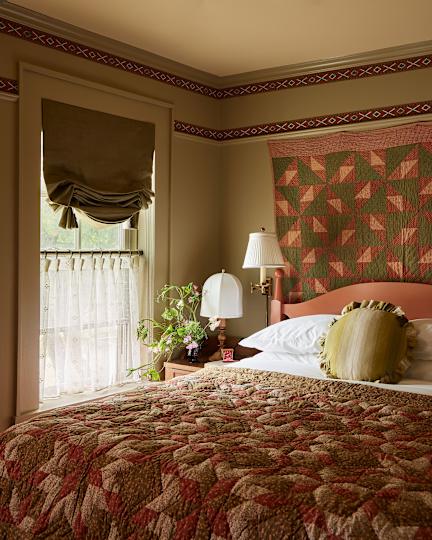
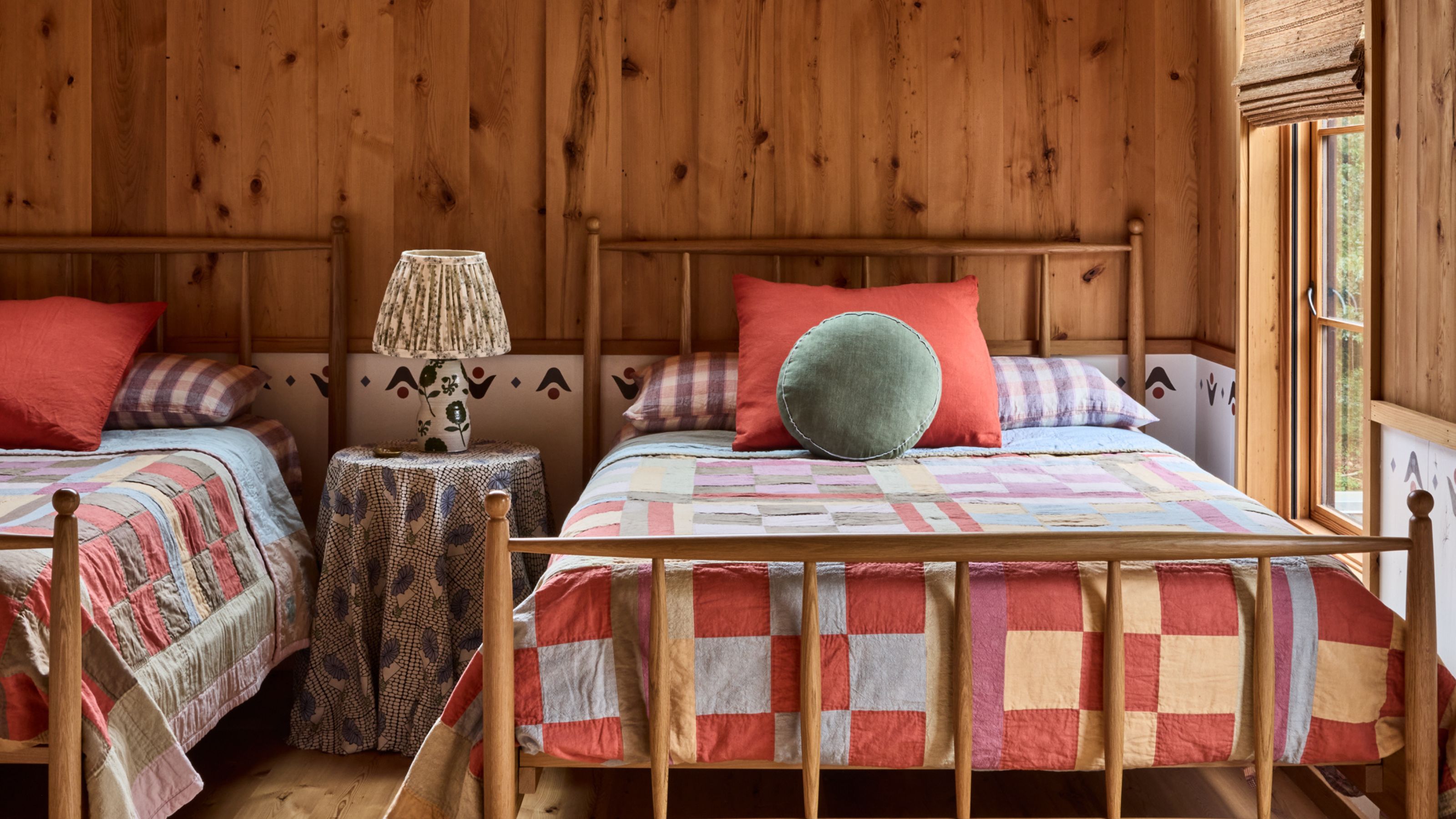
Vintage quilts are intended for practical use and are an excellent choice for those looking to incorporate vintage decor without worrying about fragility. Kate Owen advises homeowners to display quilts draped over furniture, spread across beds, or hung as wall art to honor the makers' hard work. Styling can range from subtle to expressive; Mother Studio uses quilts seasonally to add depth and softness. For smaller quilts, they suggest adding a sleeve and hanging them on walls, a method also favored by Ali Mahon who recommends mounting them on stretcher bars for gallery-style groupings. Christopher Wilson-Tate views quilts as combining “texture and narrative,” making them suitable for open shelving or as a focal point above a bed. Tori Jones Studio provides further inspiration for displaying quilts in lived-in spaces. The article concludes that vintage quilts impart a profound sense of depth to interiors, grounding a room with authentic material history and reminding us that the most engaging homes are built through layers of objects that have experienced lives before becoming part of our own.
When sourcing a vintage quilt, the focus should be on character rather than flawlessness. Christopher Wilson-Tate suggests looking for minor fading, softening, and small repairs, as these details contribute to a quilt's narrative, while avoiding extensive damage. Natural fibers like cotton and linen tend to age best, and hand-quilted pieces are identifiable by the way their stitching interacts with light. Pattern preferences vary among collectors; Ali Mahon favors jewel tones, Double Wedding Ring, and Crazy Quilt designs, while Christopher Wilson-Tate observes renewed interest in chintz medallions, Amish geometrics, log cabins, and star motifs, all of which complement contemporary interiors. AFAM encourages buyers to consider the material provenance beyond just the pattern, asking about the origin of the fabric to deepen the quilt’s story. Vintage quilts can be found on online platforms such as eBay, Etsy, Chairish, and 1stDibs, with reputable textile dealers ensuring accurate information on fiber content, age, and condition. Additionally, estate sales, antique fairs like Brimfield or Round Top, and second-hand shops are excellent sources for unique pieces and even entire collections.
#VintageQuilts #InteriorDesign #HomeDecor #TextileArt #QuiltingHistory #HeirloomDecor #SustainableDesign #CollectingAntiques #AmericanFolkArt #VintageQuilts #InteriorDesign #HomeDecor #TextileArt #QuiltingHistory #HeirloomDecor #SustainableDesign #CollectingAntiques #AmericanFolkArt
0 comment in total
 No comments yet
You may also like
Decorating with vintage fabrics - 8 ways to inject color, texture and heritage style into your space
How to upholster with antique textiles without going too Miss Havisham
Full of handmade quilts and vintage finds, this home offers the warmest welcome
10 Valuable Items That Could Be Hiding In Your Grandmother's House
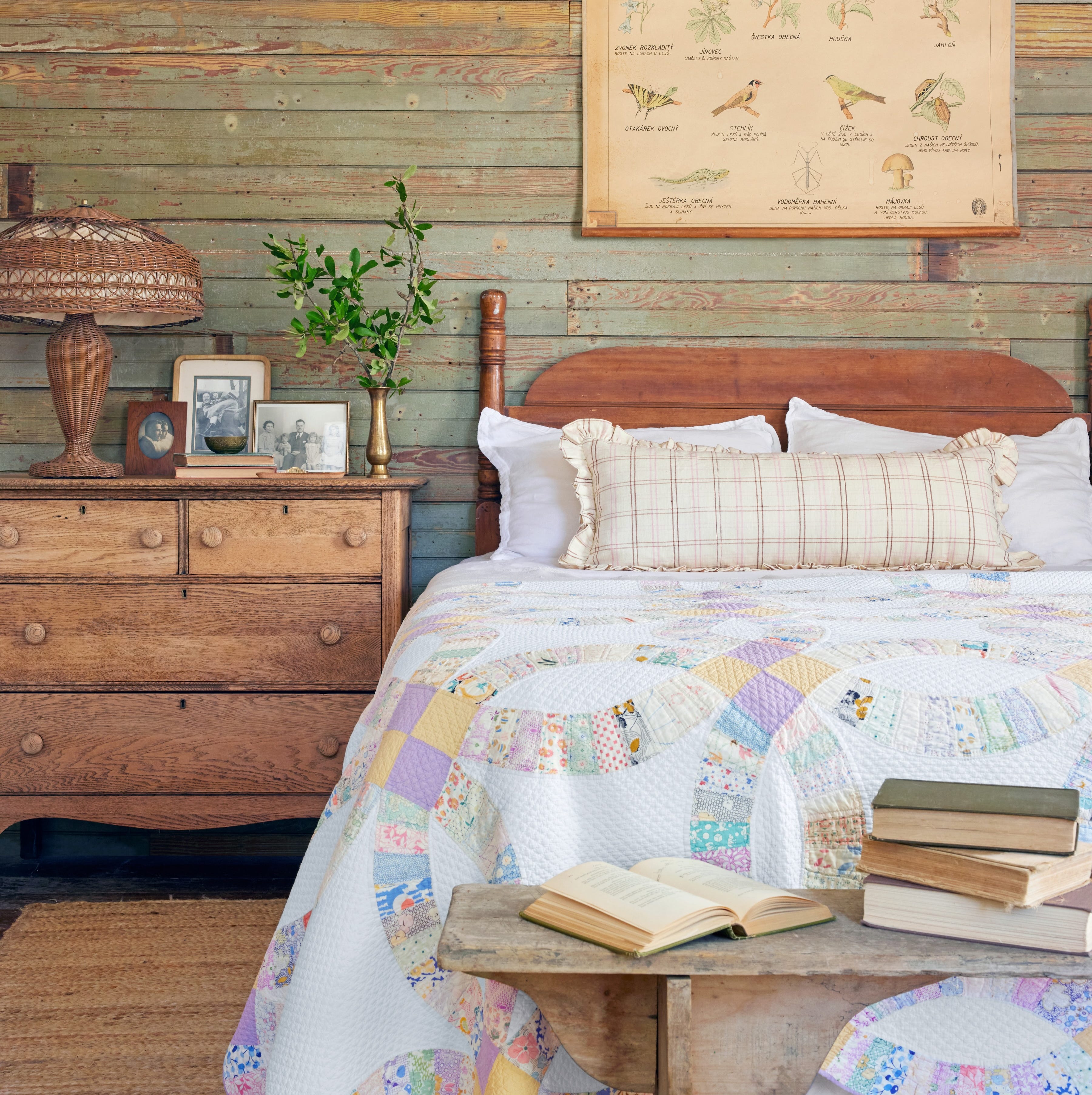
This Grandma-Beloved Decorating Staple Can Be Used in SO MANY Ways
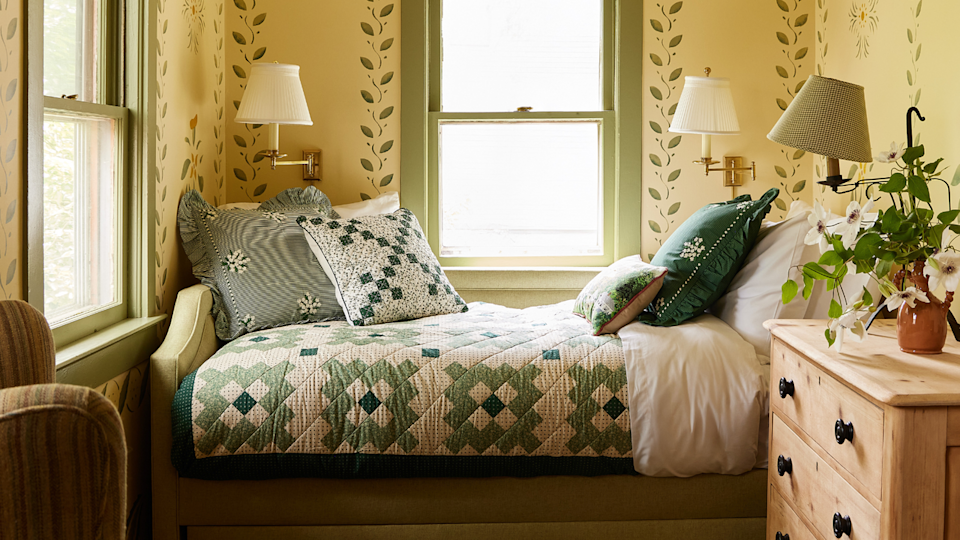
My great-grandmother's patchwork quilt has all of a sudden become the most on-trend piece in my home – I asked designers why we are loving this nostalgic trend this summer
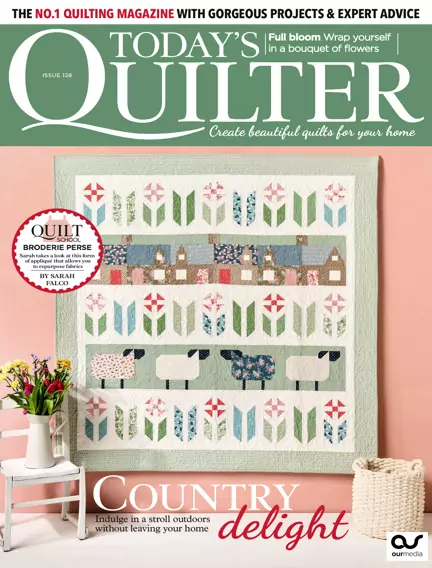
Quilt school - 4 Jun 2025 - Today's Quilter Magazine

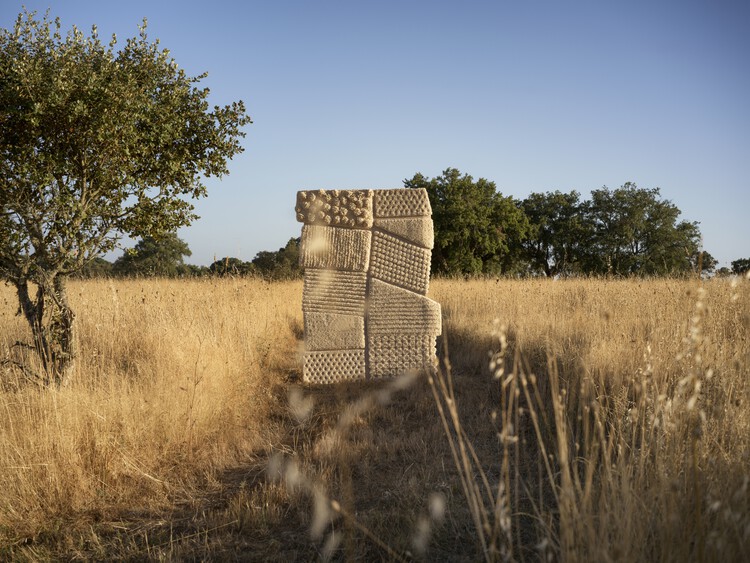
Rugs as Woven Memory: How Origin and Materiality Shape Interiors

Better Vintage: ‘A Visual Language in Cloth’ – How Antique Tapestries Shape Rooms, Not Just Surfaces
Warm up with cozy fabrics: Yenke Peddler antiques

Olive Ateliers' Co-Founders on the Art of Sourcing |

17 Products That Will Instantly Add Vintage Style to Any Home

This Vintage Print Is Taking Over Homes This Winter
How to decorate with antique textiles – designers share their tips for adding character with old fabrics
Historical Wallpapers and Fabrics Have Never Felt More Contemporary
Is it Cheaper to Reupholster Antique Furniture or Buy New? Here's Everything Designers Say You Need to Know
Ancient Memories: reweaving time with sustainable fabric stories

Decorating with vintage – 7 of the best ways to bring character into the home

Fearless Furniture: Fort Greene’s Double R Design Brings New Life to Old Pieces
Woven Inspiration recovers the gilded age