1/6
Drainage system
Melbourne's drainage system is a complex network designed to channel stormwater away from urban areas, thereby mitigating the risk of flooding. This comprehensive system, however, cannot entirely prevent floods during periods of extreme rainfall. The drainage infrastructure is segmented into several key components: 1,400 kilometers of regional drains managed by Melbourne Water, 25,000 kilometers of local drains and street gutters overseen by local councils, and building roof gutters, downpipes, and pipelines, which are the responsibility of individual property owners. Additionally, other specialized drains are managed by agencies such as VicRoads and VicTrack.
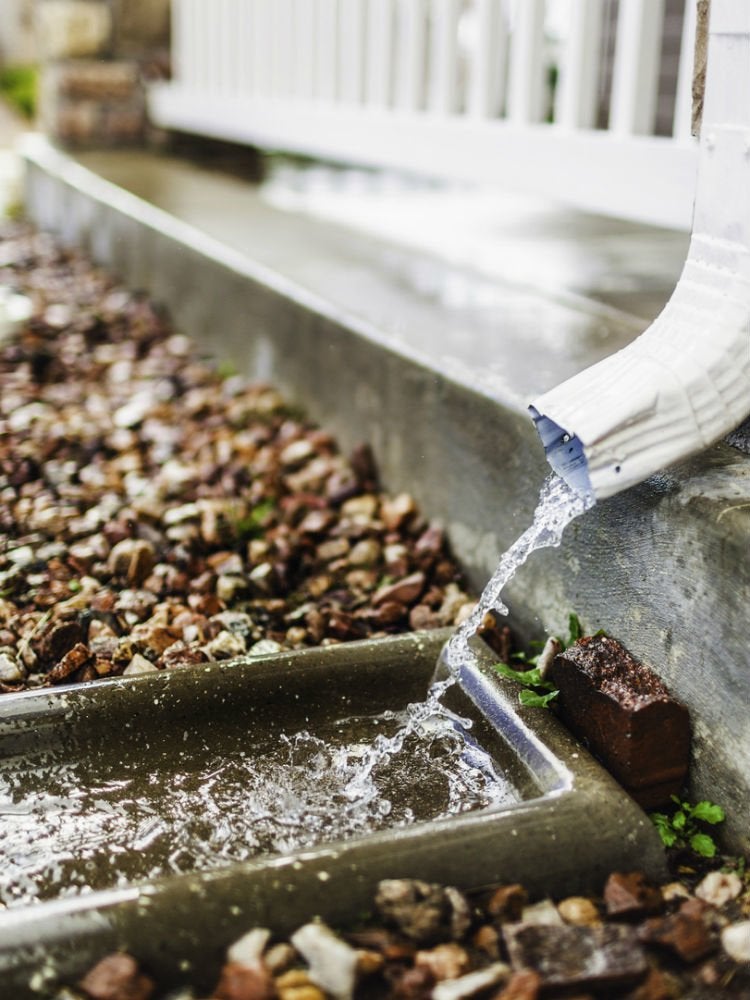
The journey of stormwater begins when rain falls. While some water naturally infiltrates the ground, the remaining runoff is directed away from properties. Initially, water enters household gutters and downpipes, subsequently flowing into residential drains. These residential drains then channel the stormwater into larger council drains, which are typically situated along roads and footpaths. From there, council drains connect to Melbourne Water's extensive regional drainage network, capable of handling substantial water flows. The regional drains ultimately direct the stormwater into the nearest rivers or creeks. In certain urban areas, the water may also pass through artificial wetlands, which serve to slow down the flow and filter out pollutants before the stormwater finally reaches Port Phillip and Western Port bays via these rivers, creeks, or sometimes directly through piped beach outlets.
Effective management of this intricate drainage system is a collaborative effort between Melbourne Water and local councils. This involves regular inspection and maintenance of drains to remove debris and prevent blockages, continuous monitoring and operation of pump stations, tidal gates, and diversion gates to regulate water flows, and the ongoing upgrading and construction of new infrastructure to enhance flood risk reduction, especially as Melbourne's urban footprint expands. Property owners also play a crucial role in this management by keeping their gutters and drains clear of debris, reporting any blocked drains to the relevant authorities, and considering the installation of rainwater tanks or garden features to reduce the volume of stormwater discharged from their homes.
It is imperative to note the inherent dangers associated with stormwater drains; unauthorized entry is illegal, hazardous, and has resulted in fatalities. Water levels within these drains can surge rapidly and without warning, and there is also a risk of encountering poisonous gases or hidden slopes that can lead to falls. Consequently, warning signs are strategically placed at drain entrances across Melbourne to alert the public to these dangers.
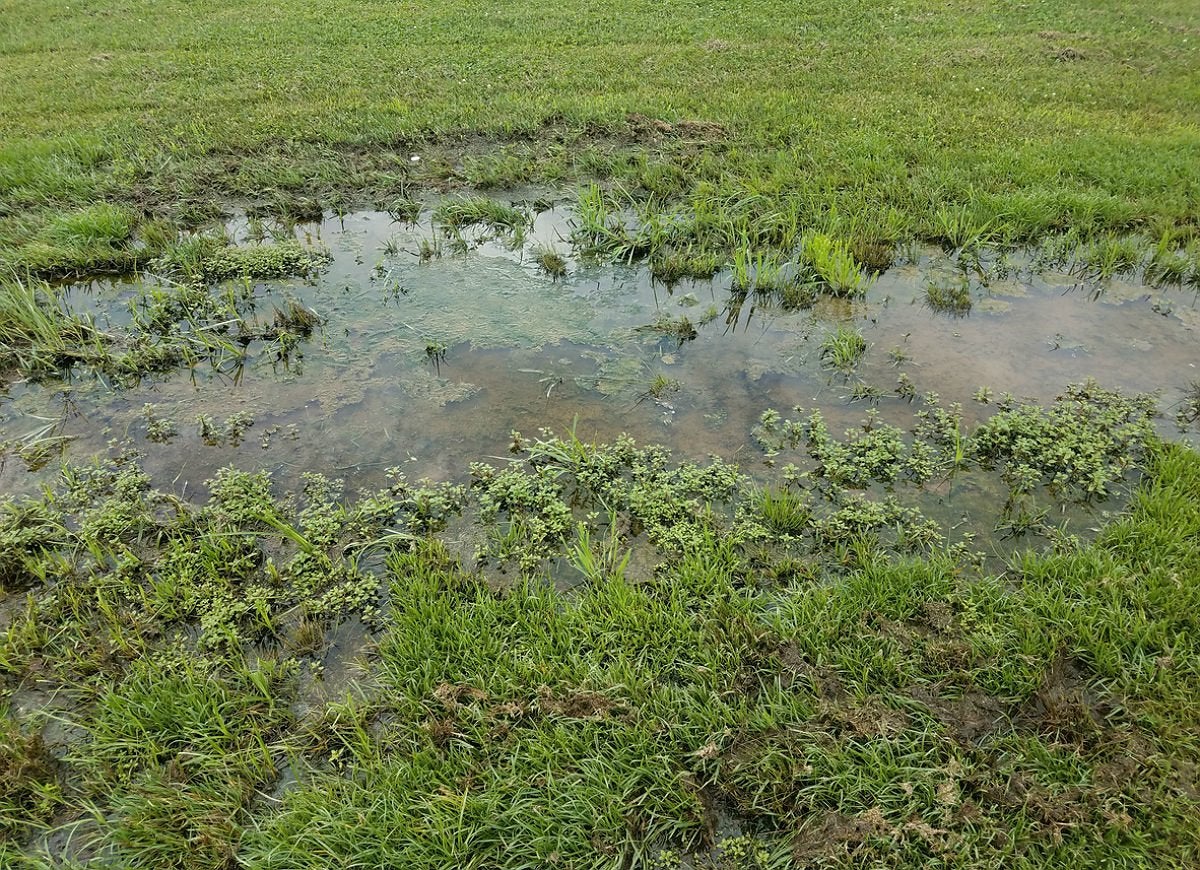
Despite the robust design of the drainage system to handle most common storms, intense rainfall can overwhelm its capacity, leading to flooding. This challenge is further compounded by the effects of climate change and continued urban growth. Preventing all flooding through the construction of new drains is not economically viable or practically feasible due to the immense costs, potential for significant disruption, and geographical constraints, such as parts of Melbourne being built on former swampland or lacking space for additional infrastructure. Therefore, Melbourne Water meticulously evaluates any new flood infrastructure projects, balancing economic, environmental, and social considerations. The organization prioritizes high-risk areas where interventions can yield the most significant impact and collaborates with various other entities to implement a range of strategies aimed at minimizing flood impacts, including the use of retarding basins to temporarily store stormwater during heavy rainfall events.
#MelbourneWater #DrainageSystem #StormwaterManagement #FloodRiskReduction #UrbanPlanning #WaterManagement #EnvironmentalProtection #CommunitySafety #ClimateChangeAdaptation #MelbourneWater #DrainageSystem #StormwaterManagement #FloodRiskReduction #UrbanPlanning #WaterManagement #EnvironmentalProtection #CommunitySafety #ClimateChangeAdaptation
0 comment in total
 No comments yet
You may also like
6 Smart Ways to Prevent a Soggy Yard with Every Rain Shower

This Drain Cleaner Is the Best At Tackling Stubborn Clogs, Say Our Experts

The Best Drain Snakes for Clogged Showers, Bathtubs, and Sinks
Built-In Bench Shower Drain

This $7 Product Can Clear Even the Most Stubborn Drain Clog

7 reasons your sink won't drain – plus expert tips to unclog a sink like a pro


Basement Bar Drainage Dilemma | 2020-10-31
The Best Drain Cleaners for Hair and Grime
Guttering & Drainage

How to Decide Whether to Rent or Buy Drain Cleaning Equipment


Best drain unblockers 2025, tested in a real home
How to use a drain snake, according to experts


Project: Site-Built Under-Deck Drainage System

TubShroom and SinkShroom Review: Say Goodbye to Drain Cleaner Forever

Dealing With a Slow Drain? Here are 7 Drain Cleaners to Safely Unclog Pipes


The Best Soap Dish

How to add drainage to a deck that is already built – decking experts reveal how to do it without ripping up all the boards

General Pipe Cleaners


How to waterproof a basement – 5 steps from experts to safeguard this space

Tile Insert Shower Drain