1/2
Project: Site-Built Under-Deck Drainage System
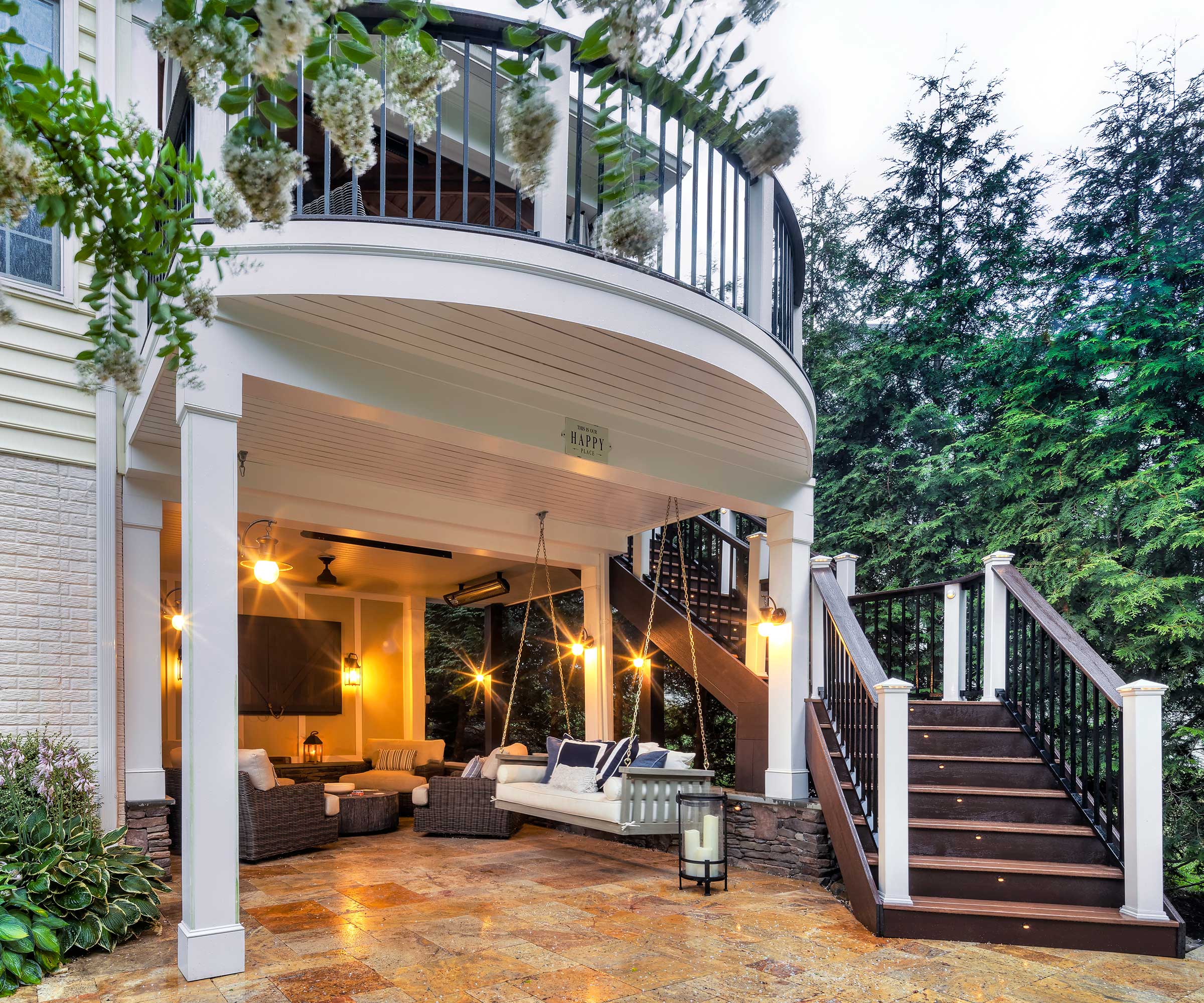
This instructional webinar, led by Fine Homebuilding editorial adviser Mike Guertin, details the construction of a cost-effective, site-built under-deck drainage system using EPDM roofing or pond liner. The system is designed to keep the space beneath a deck dry, making it suitable for storage or an additional outdoor living area. The materials for this approach typically cost less than $1 per square foot, offering an economical alternative to more expensive manufactured systems.
The webinar covers the essential steps for implementing this drainage solution. Participants learn how to efficiently lay out a pattern to cut successive sheets of EPDM. A key aspect of the installation involves creating sloping swales between the deck joists to direct water flow effectively. The presentation further explains how to properly integrate the EPDM membrane with the house wall and connect it to a gutter system for efficient water diversion. This comprehensive guide ensures that the installed system functions seamlessly to manage water runoff from the deck surface.
Throughout the presentation, Guertin addresses practical challenges and offers solutions for common installation scenarios. For instance, he discusses how to waterproof around rail posts, distinguishing between methods for posts with and without sleeves. For posts with sleeves, uncured EPDM flashing tape can be used to form a flexible seal, extending approximately four inches up the post and onto the membrane. If sleeves are not present, EPDM water cutoff sealant provides an effective barrier between the post and the EPDM sheet. He also explains how to handle double joists or border board framing by covering them with membrane, optionally adding a thin strip of wood to create a drainage gap between the decking and the membrane.
Guertin also addresses inquiries regarding alternative drainage methods, such as using metal pans. While he has not personally used coil trim stock with a siding brake for this purpose, he acknowledges the existence of manufactured systems that utilize track gutters. These systems straddle the bottom of the joists and allow for the insertion of cut aluminum coil, directing water to a main gutter. He also mentions the possibility of using corrugated metal or plastic sheets mounted to the underside of joists, sloped with perlins of varying thicknesses, to create an inverted roof-like drainage structure.
The webinar also tackles more complex framing situations, such as those involving extra blocking for wood handrail posts or ladder box framing for feature deck boards. Guertin suggests that for posts located within the deck frame, the drainage system must be installed beneath the bottom of the joists. He outlines a method where the EPDM membrane is fastened to the underside of the joists, with additional framing installed beneath if a finished ceiling is desired. For feature boards, blocking can be placed flat between joists, pinching the EPDM, or the joists can be set lower, the EPDM installed, and then blocking added across the joists, followed by 2x2s on top to achieve the desired deck height.
Furthermore, Guertin provides guidance on estimating the correct size of EPDM material needed. For a deck that is approximately 9 feet by 14 feet, he advises adding extra width and depth to account for the necessary swales and curves. Specifically, he suggests adding an extra three feet to the width (for the joist bays) and an additional two-plus feet to the depth (for the fan-shaped curve). Rounding these figures to match standard sheet sizes, a 12-foot by 20-foot piece of EPDM, potentially sourced as pond liner or roofing material from a local supplier, would likely be sufficient. This detailed guidance ensures that individuals can accurately plan and execute the installation of this site-built under-deck drainage system.
#deckDrainage #EPDMRoofing #pondLiner #homeImprovement #DIYProjects #waterproofing #outdoorLivingSpace #constructionTechniques #MikeGuertin #deckDrainage #EPDMRoofing #pondLiner #homeImprovement #DIYProjects #waterproofing #outdoorLivingSpace #constructionTechniques #MikeGuertin
0 comment in total
 No comments yet
You may also like

Drainage system
Guttering & Drainage

How to lay a patio

Foundation Waterproofing Membrane

How to add drainage to a deck that is already built – decking experts reveal how to do it without ripping up all the boards


Solved! Why Is Water Seeping Through My Basement Floor?

Bash & Co. Sotheby’s International Realty: Stone foundations and flooding – what to do!

Our Tests Reveal The Best Downspout Extensions for Directing Water Away From Your Home


How to waterproof a basement – 5 steps from experts to safeguard this space
Kuffa: Simple, inexpensive solutions to a wet basement
Below ground

This Translucent, Prefab Sauna Is the Perfect Backyard Addition

Basement Bar Drainage Dilemma | 2020-10-31
Solved! Here's What to Do About Water Leaking Into the Basement After Heavy Rain
Dampproofing and Waterproofing for Foundation Walls
The BEST Ways to Protect Your Home From Water Damage, According to Experts

6 Smart Ways to Prevent a Soggy Yard with Every Rain Shower

General Pipe Cleaners


Learn How to Install Rainscreen Siding Like a Pro

How to Decide Whether to Rent or Buy Drain Cleaning Equipment