Should Your Toilet Be on the Floor or in the Wall?
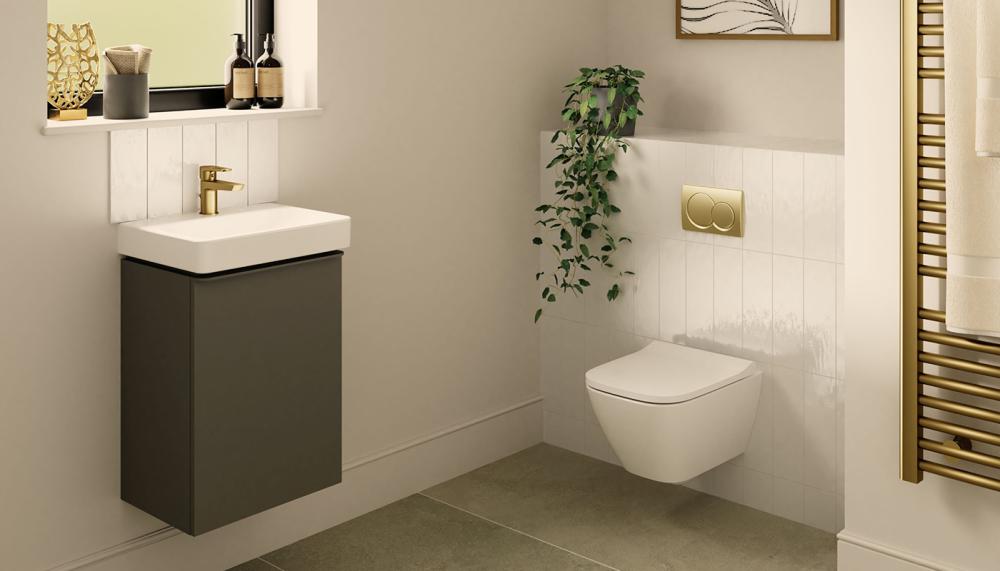
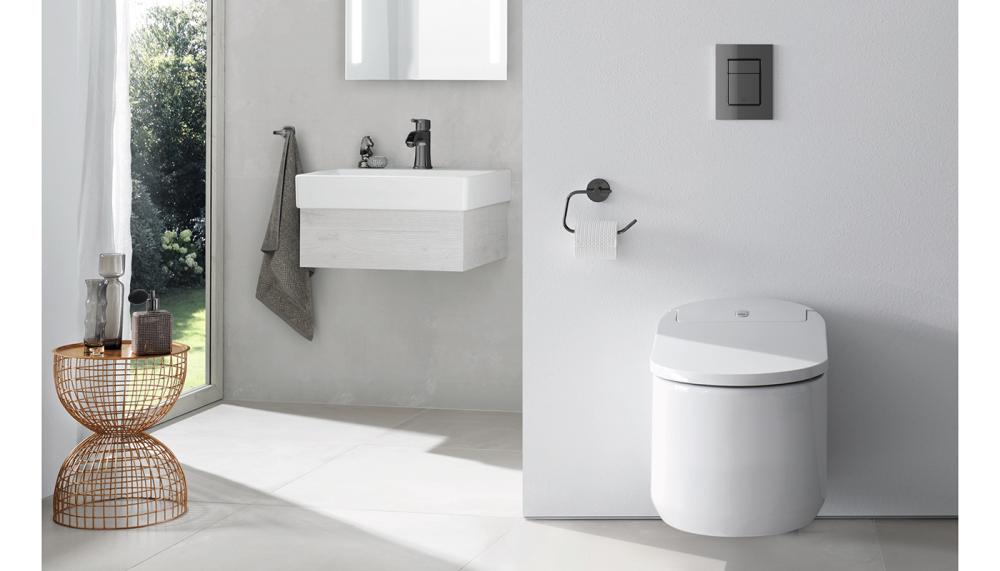
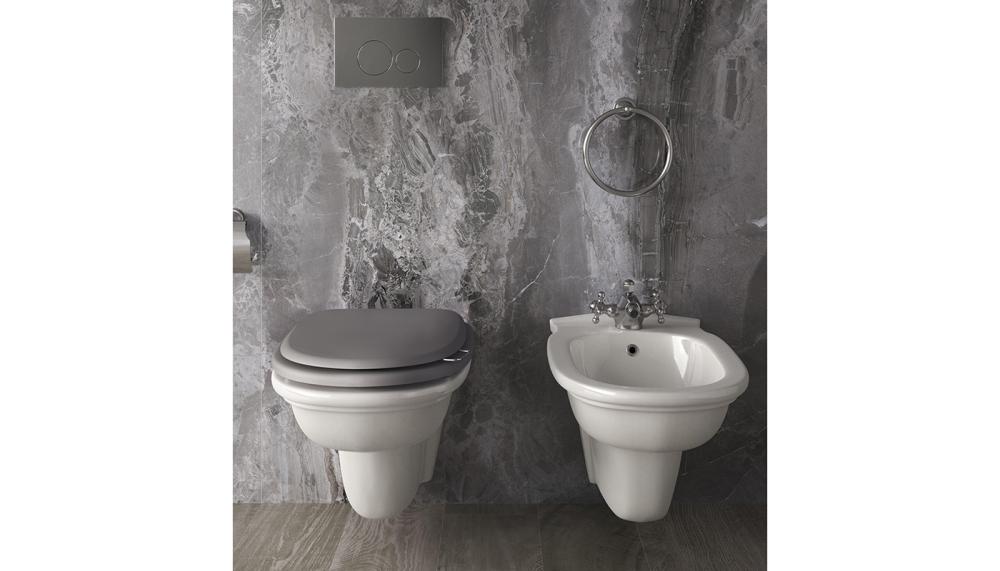
The article explores the advantages and disadvantages of in-wall toilets, a common fixture in European homes, especially in contrast to traditional North American floor-mounted models. The author recounts their personal experience of installing an in-wall toilet while dividing their house into two units and adding a new bathroom. A primary benefit highlighted is the significant space saving, with in-wall designs reducing depth by approximately nine inches and also some width, which is particularly valuable in smaller bathrooms. Another key advantage is the ease of cleaning; the wall-hung bowl allows for unimpeded floor cleaning, and the reduction in exposed porcelain simplifies maintenance.
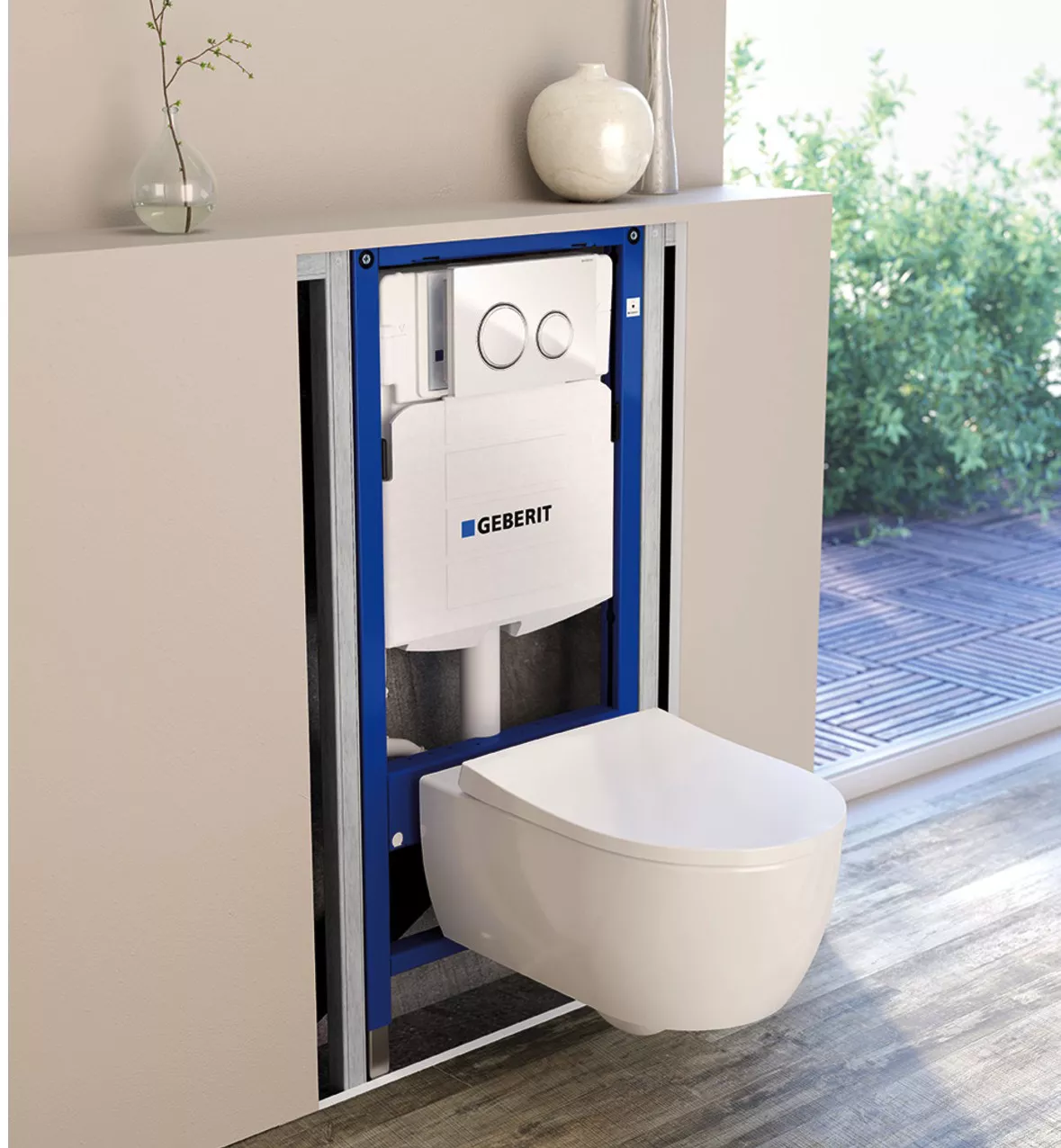
However, in-wall toilets come with higher upfront costs. Both the unit itself, often sourced from specialized manufacturers like Geberit for the in-wall components and Toto for the bowl, and the installation process are more expensive than conventional toilets. Addressing a common concern about maintenance, the author clarifies that these systems are designed for accessibility, allowing for repairs and adjustments through the control panel, dispelling the misconception that the in-wall mechanism is difficult to reach. The article provides a visual illustration of a Geberit unit framed within a 2x6 wall, emphasizing its structural integration.
Further benefits include height adjustability of the bowl, a feature that can be beneficial for user comfort, though this adjustment must be set during installation. The author discusses the different unit sizes available, noting that while European standards typically use a 6-inch deep unit with a 4-inch drain, a shallower 4-inch unit for a 3-inch drain is available for North American plumbing systems. Despite the availability of a shallower option, the author opted for the 6-inch wall unit for perceived stability, even though both are rated to support a substantial load of 880 pounds.
The installation process presented a learning curve, particularly regarding the proper tightening of the bowl. The author describes an initial issue where the toilet flexed due to insufficient tightening, leading to concerns about structural damage. This was resolved by using a torque wrench to achieve the precise tension required to secure the bowl without damaging the porcelain. Upon completion, the author reflects on the value of the installation. The cleaner aesthetic in a compact space is a significant improvement. The article argues that in new construction, the space saved by an in-wall toilet can outweigh its additional cost, especially given rising real estate values. Other advantages include more prominent dual-flush buttons and quieter operation. The author concludes by questioning why traditional, bulky, floor-mounted toilets with numerous exposed parts remain prevalent in North America when in-wall systems offer a more sensible, cleaner, and space-efficient alternative.
#InWallToilet #BathroomDesign #SpaceSaving #HomeRenovation #EuropeanDesign #GreenBuilding #SustainableLiving #PlumbingInstallation #InWallToilet #BathroomDesign #SpaceSaving #HomeRenovation #EuropeanDesign #GreenBuilding #SustainableLiving #PlumbingInstallation
0 comment in total
 No comments yet
You may also like
How to choose bathroom flooring - everything you need to know, according to experts

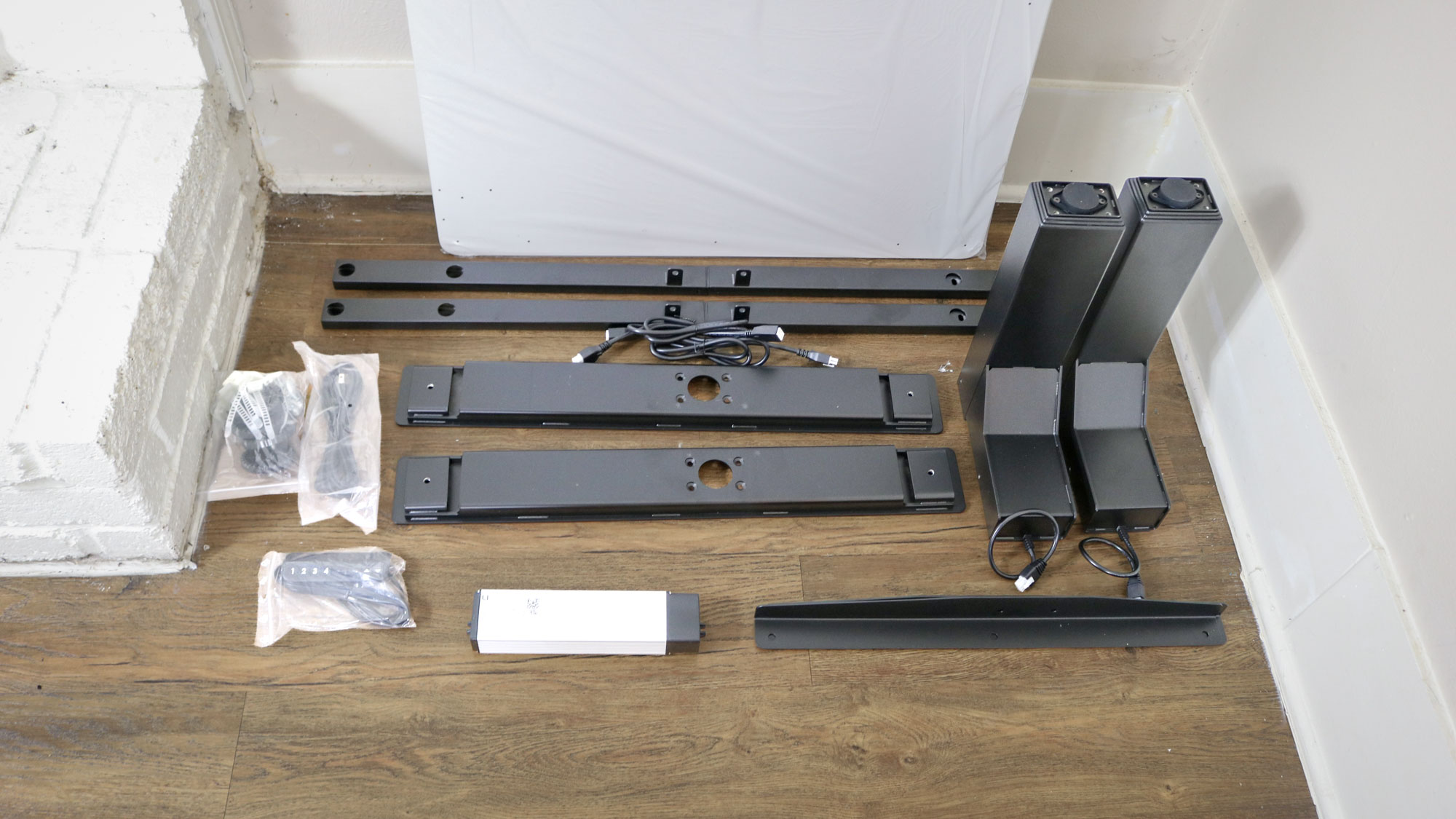
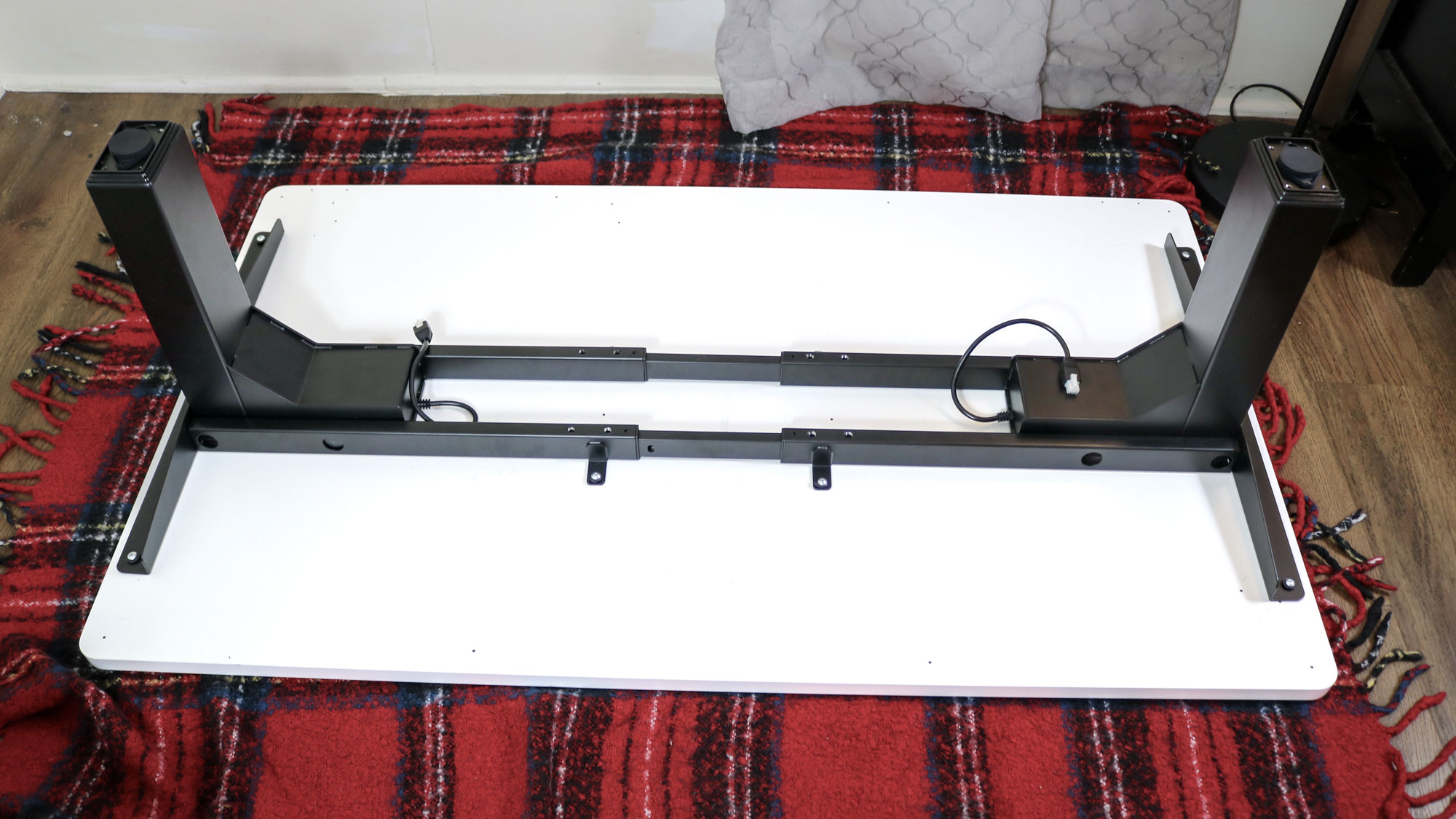
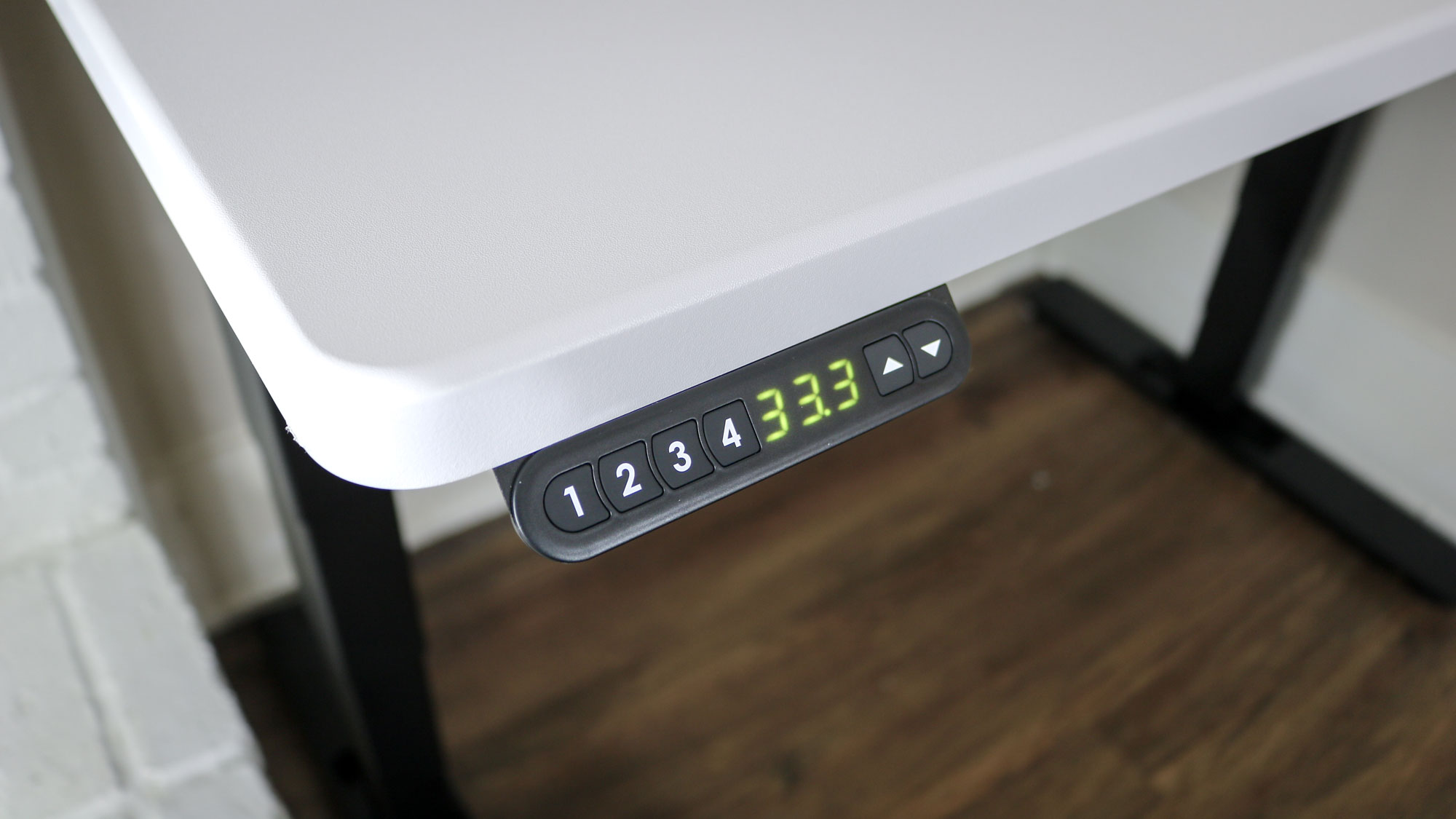
Uppeal 2 Leg Desk review: Stand, sit or floor sit

The Flooring Material To Avoid Putting In The Bathroom, According To Our Tiling Expert

How To Use Wallpaper In The Bathroom

Wall-hung toilets are trending – here’s why homeowners love them
Should you choose built-in or freestanding bathroom cabinets?

Should You Have a Separate Room Just for Your Toilet? We Asked Designers and We Did Not Expect This

Are air purifiers better on the floor or a desk?
Would You Put a Urinal in Your Bathroom?

The Do’s and Don’ts of Bathroom Wallpaper: How to Install It and More

Should You Hang Toilet Paper Over or Under?

You're cleaning your bathroom floor wrong, experts warn – here's how to get it right
These Are the 5 Best Bathroom Wall Options

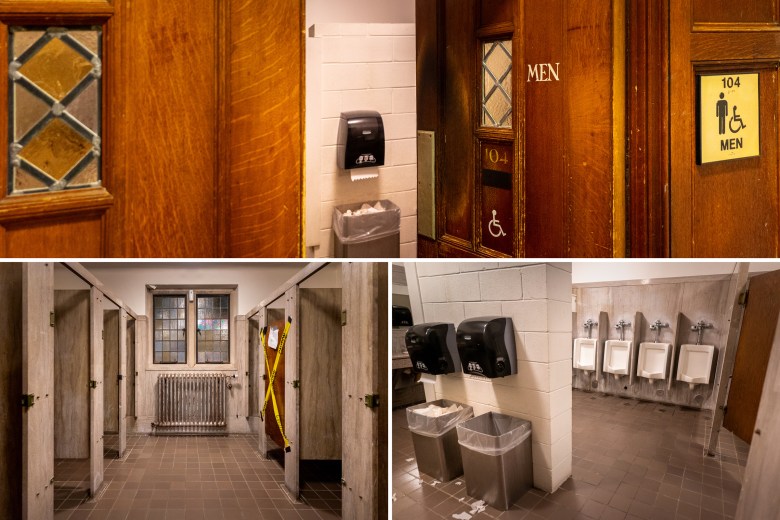
To pee or not to pee: My quest for the best bathroom on campus

How to Tile a Bathroom Floor Yourself
How To Make a Toilet More Accessible