1/8
I asked an interior designer how to style shelves, and I learned 4 awesome tips
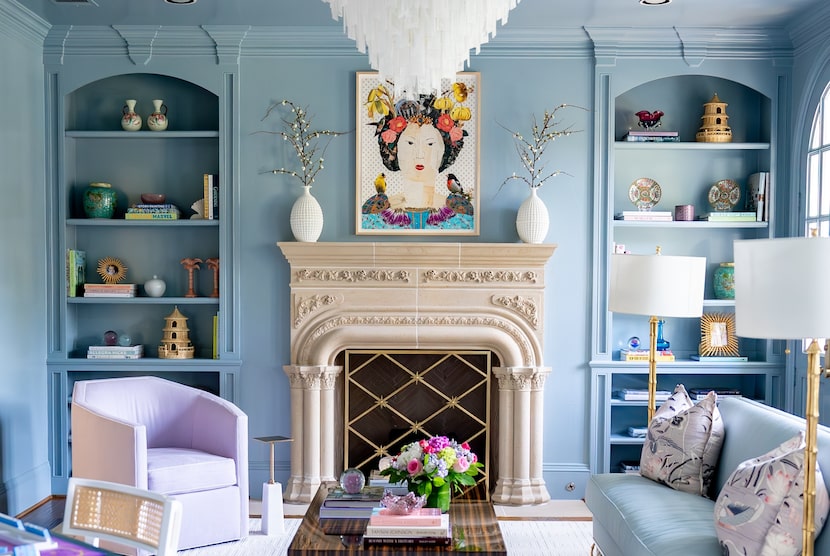
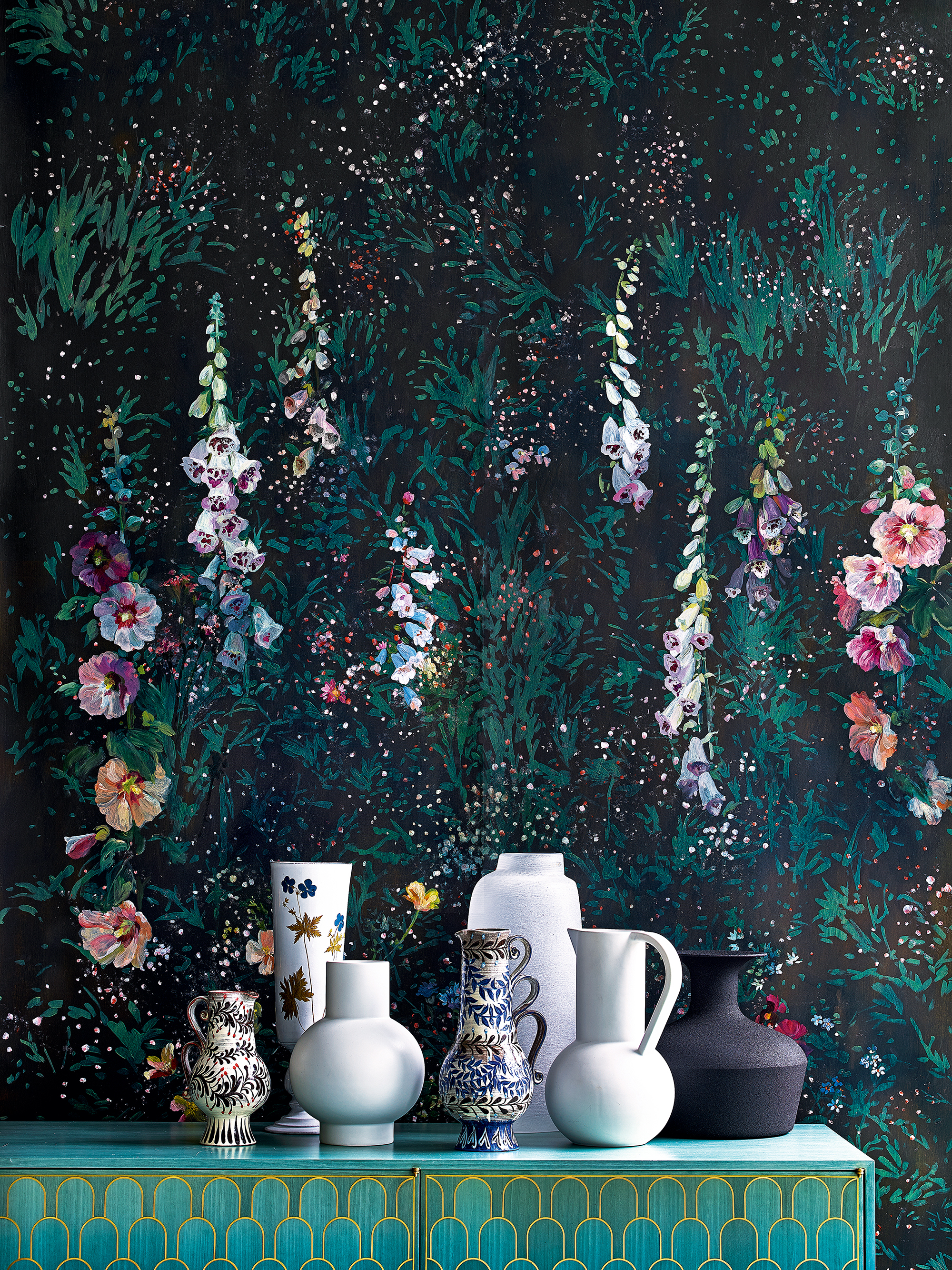
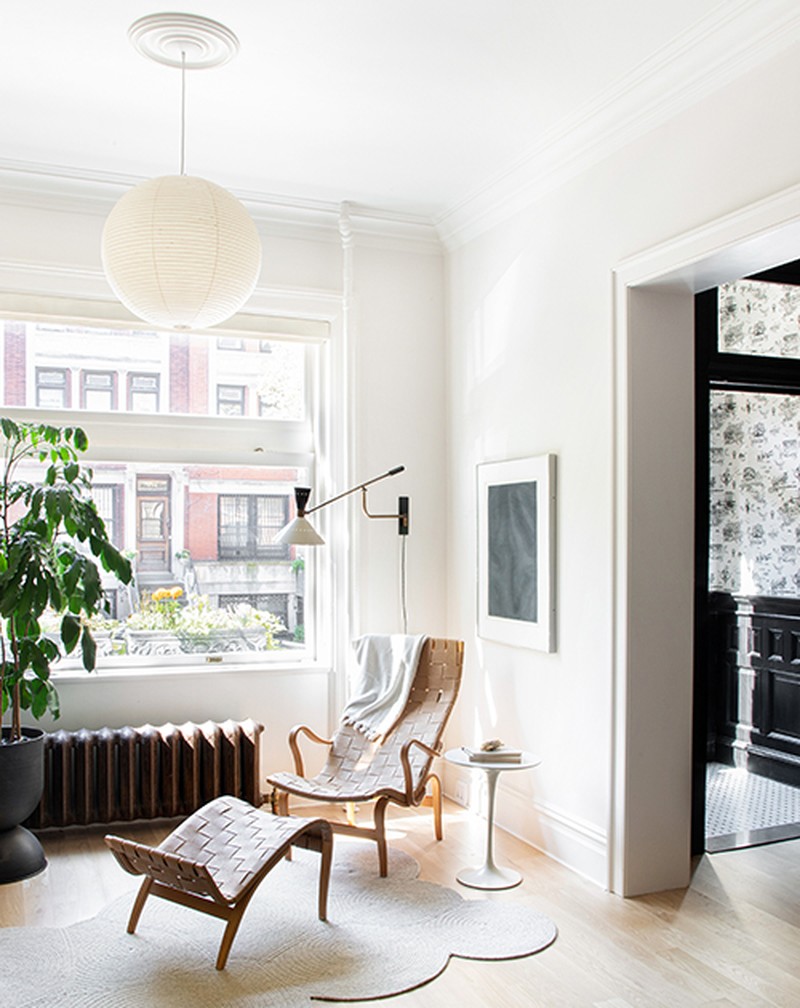
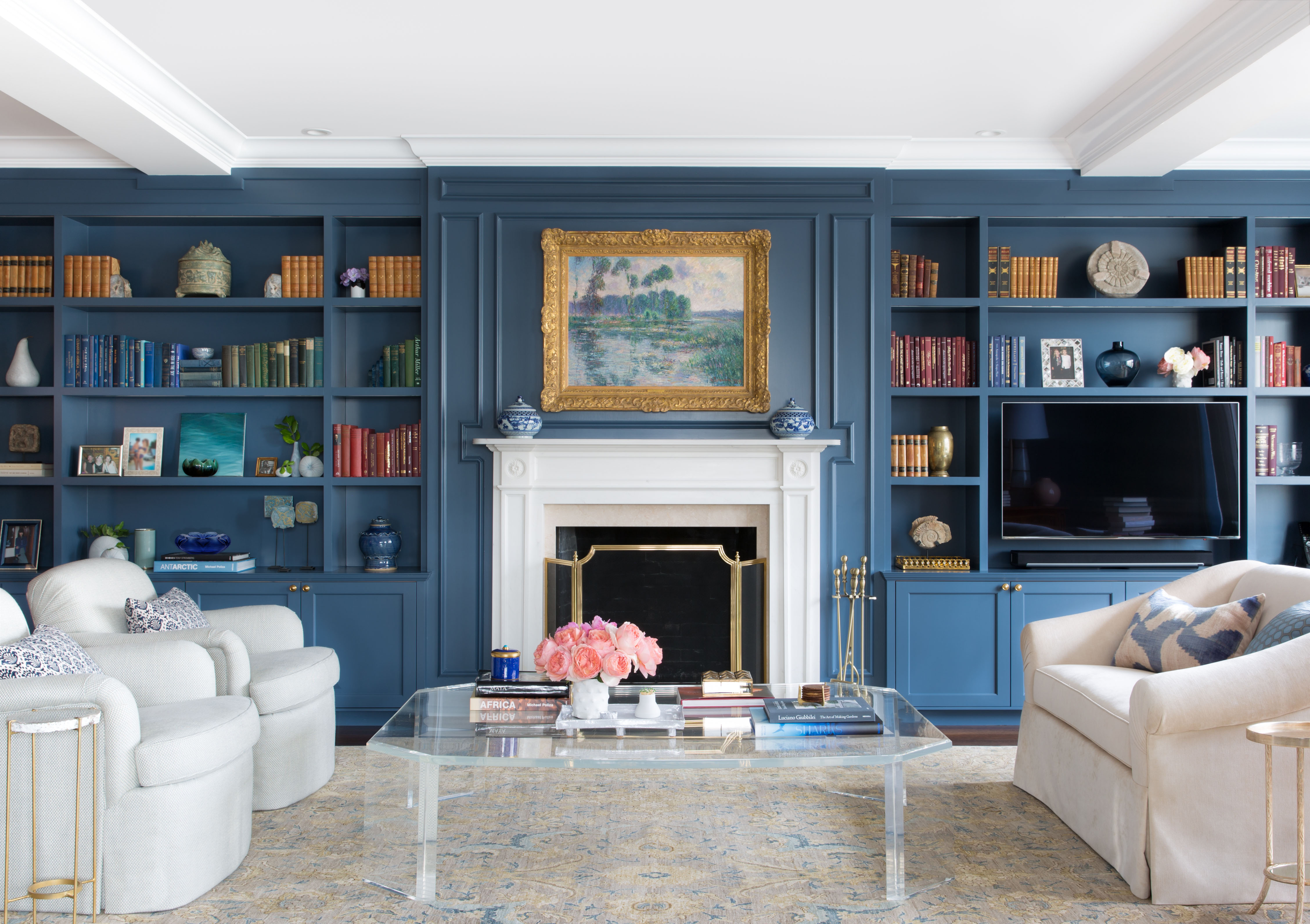
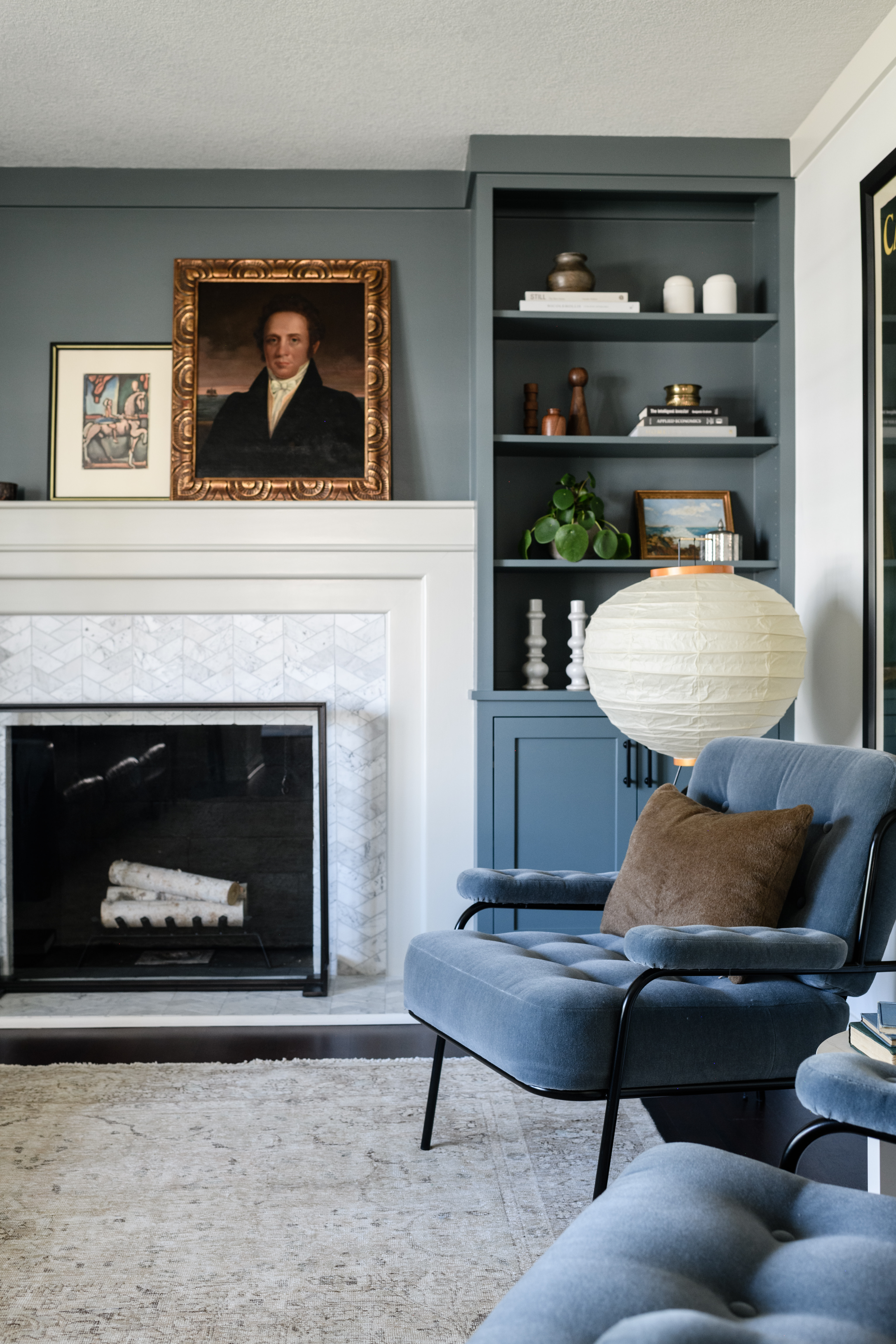
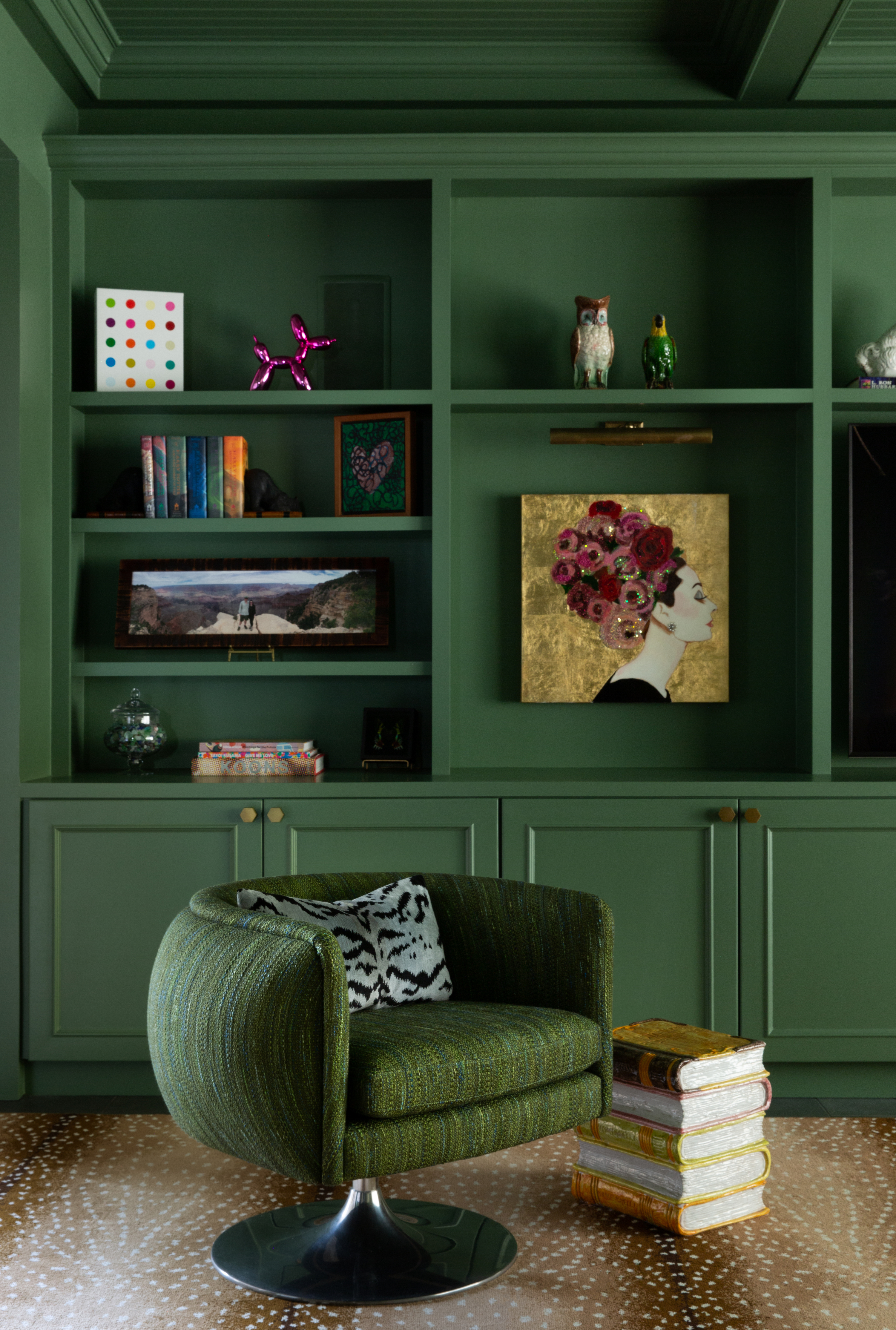
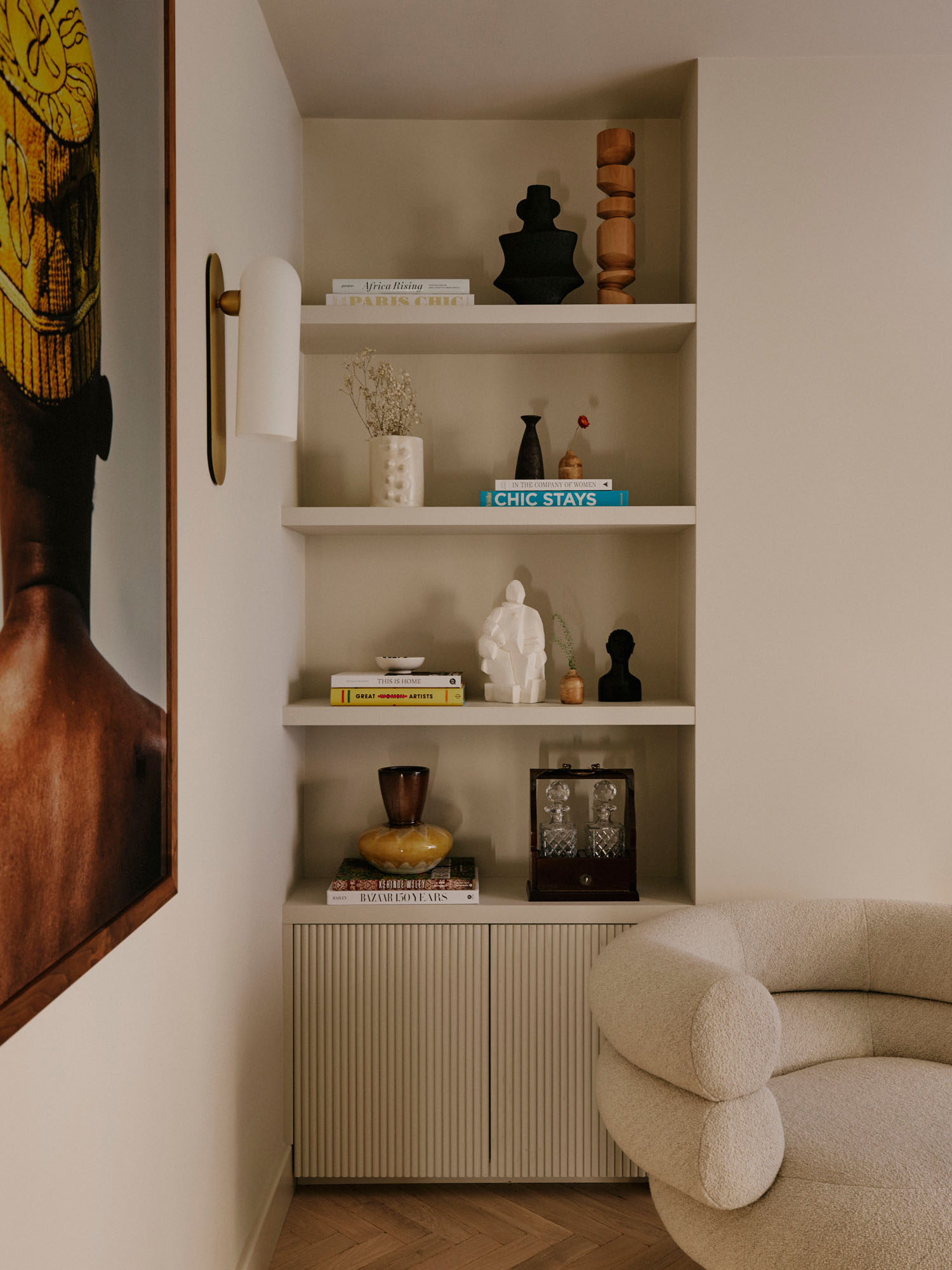
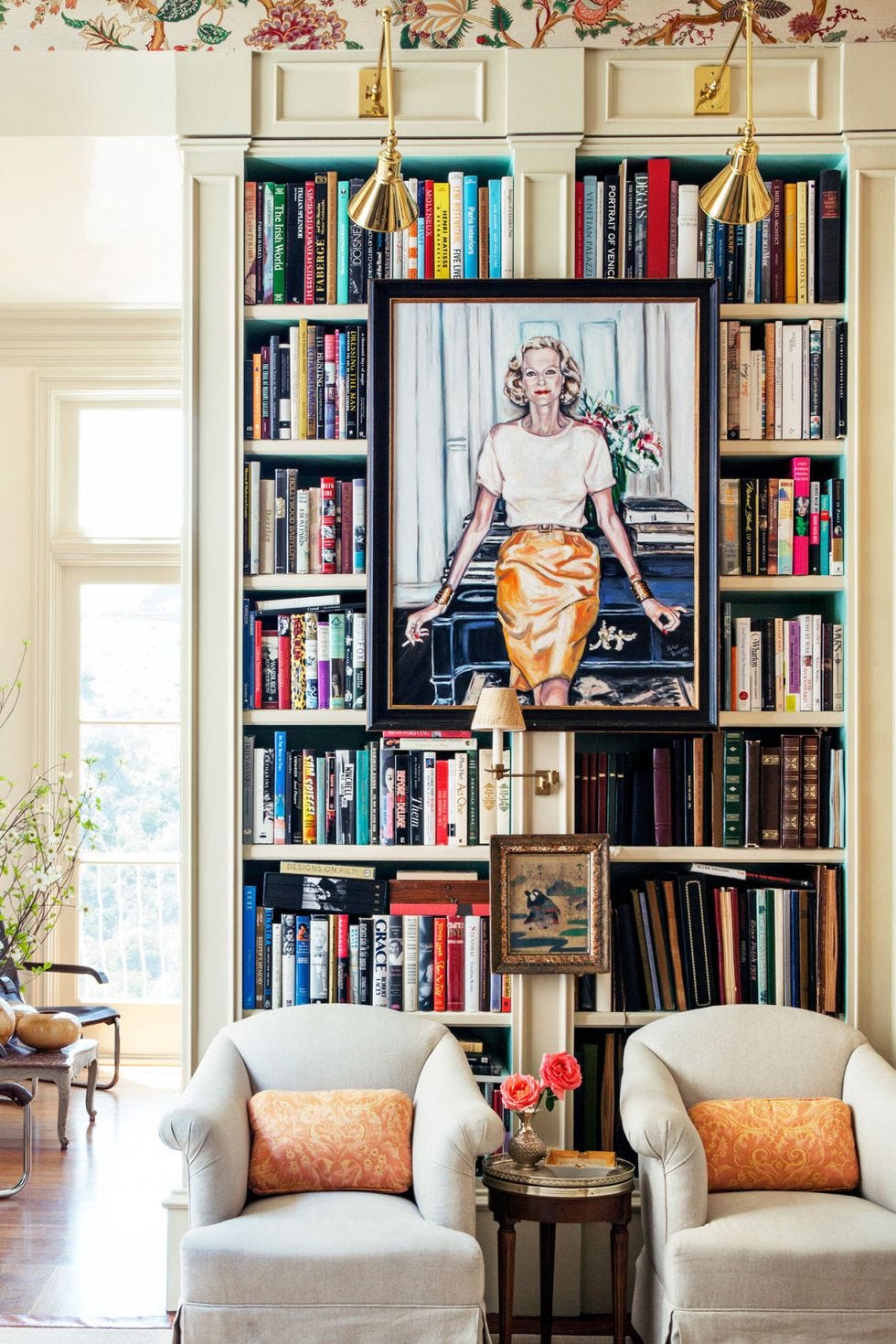
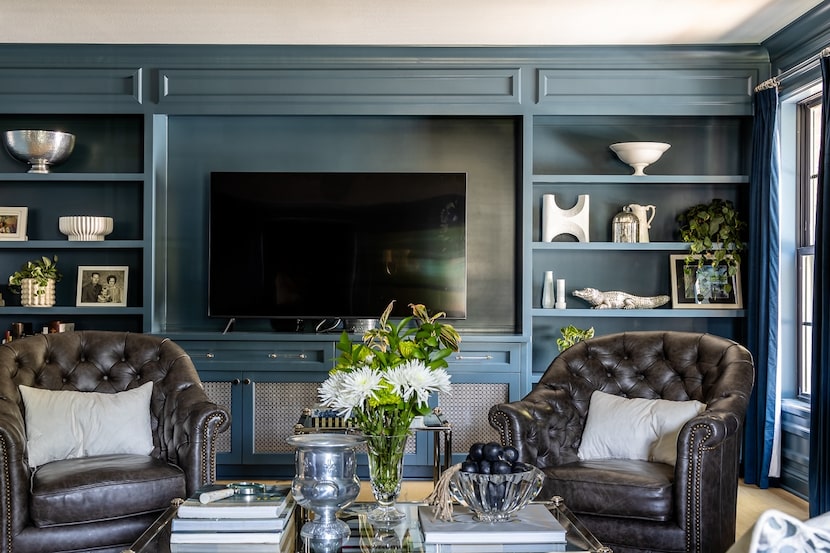
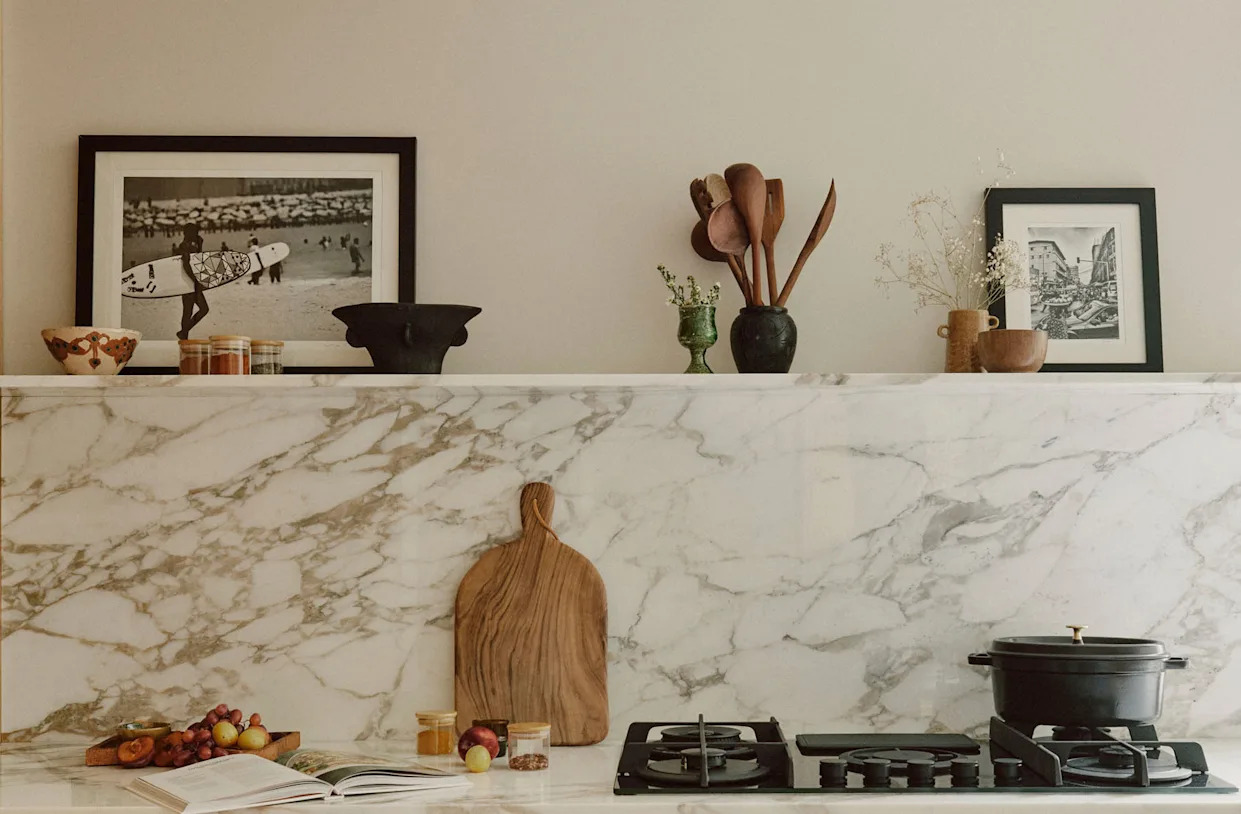
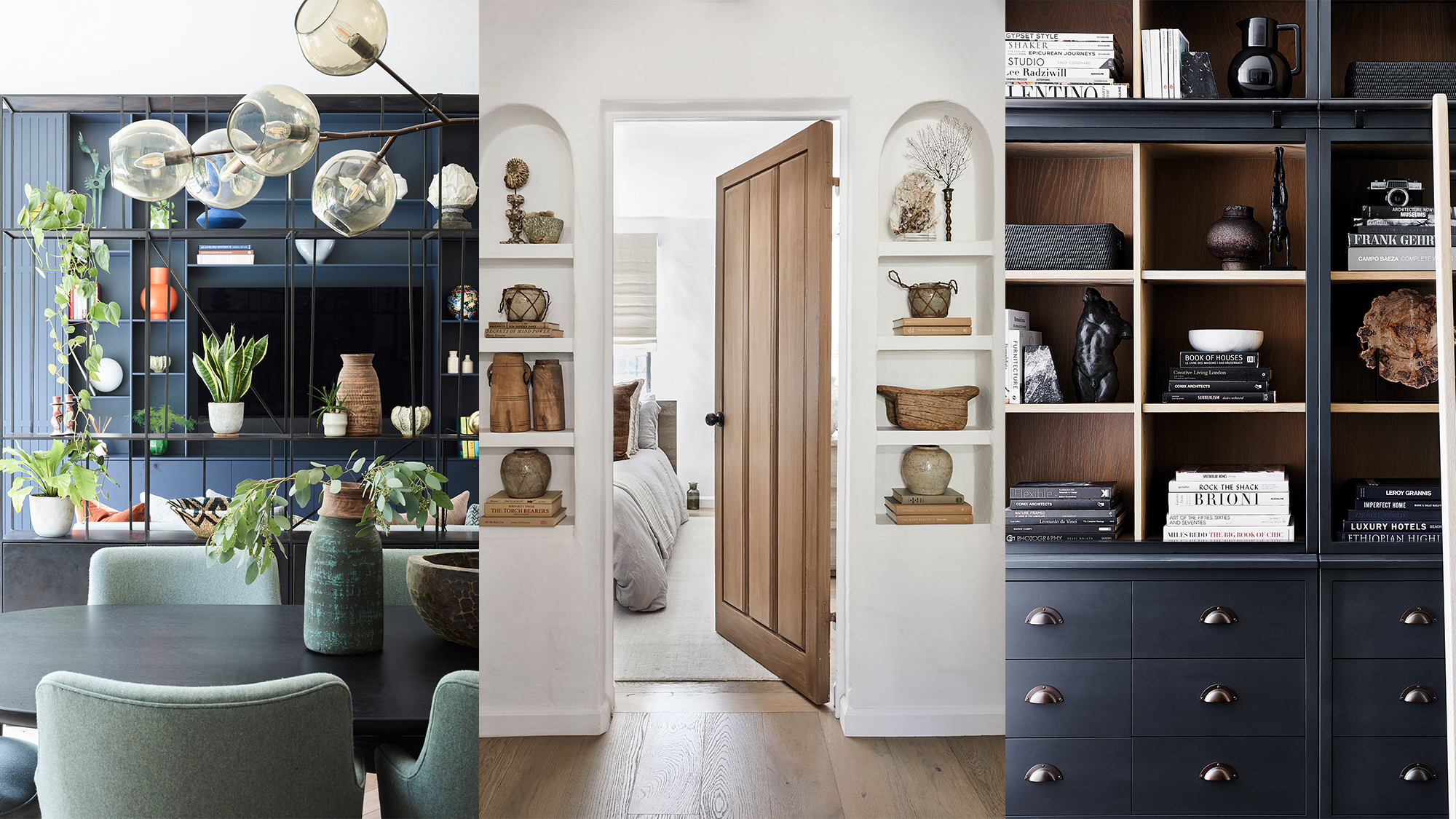
Styling shelves effectively transforms a functional storage unit into a decorative element that enhances a room's aesthetic. The process of styling shelves, whether bare or already filled, benefits greatly from professional insights to achieve a cohesive and appealing look. This article compiles expert advice from interior designer Anna Popov of Interiors by Popov and Real Homes' style editor, Anna Morley, offering four key tips for successful shelf styling.
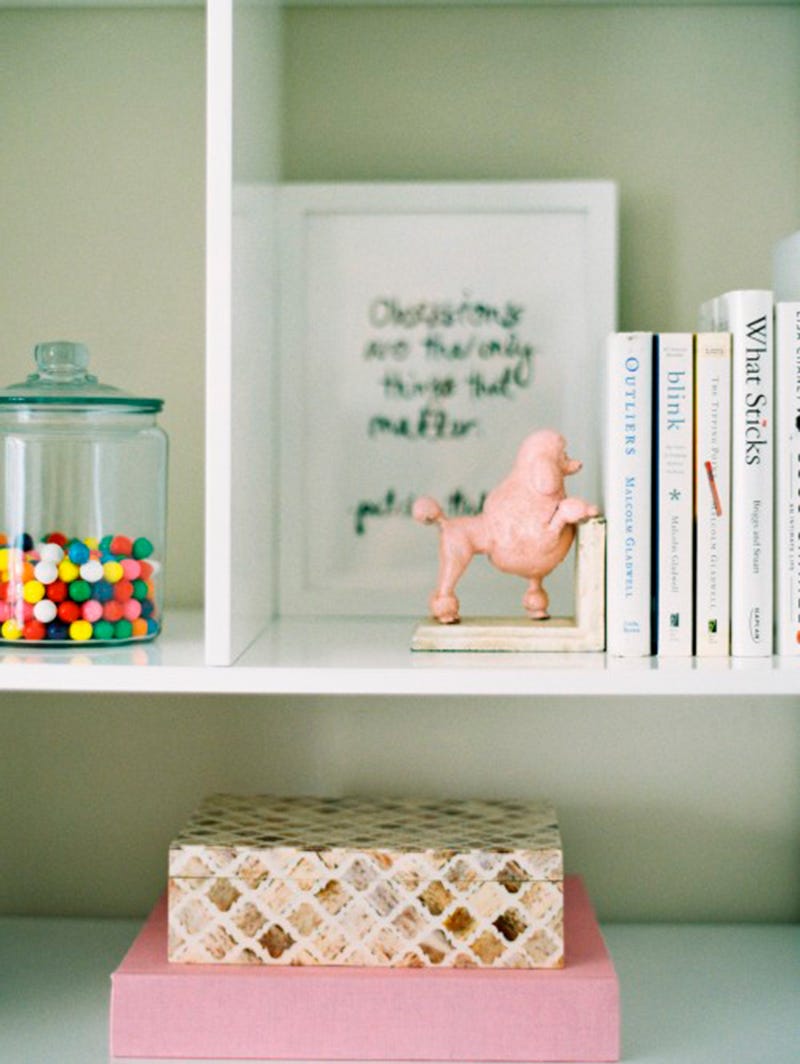
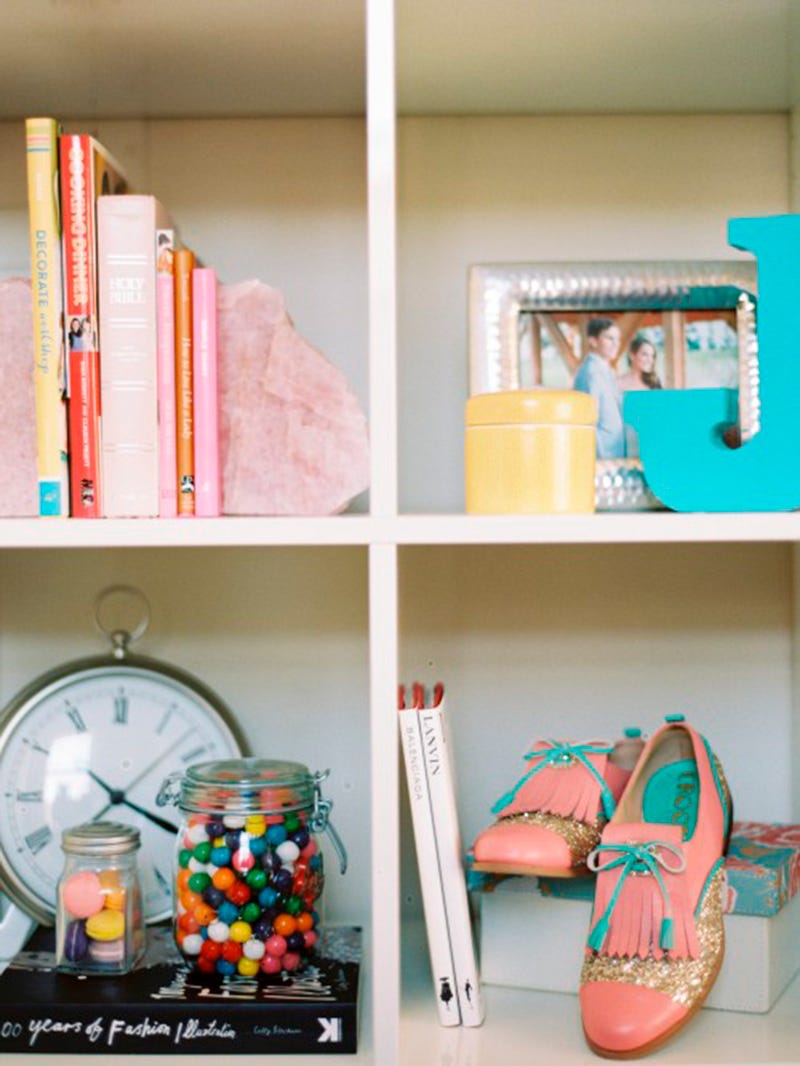
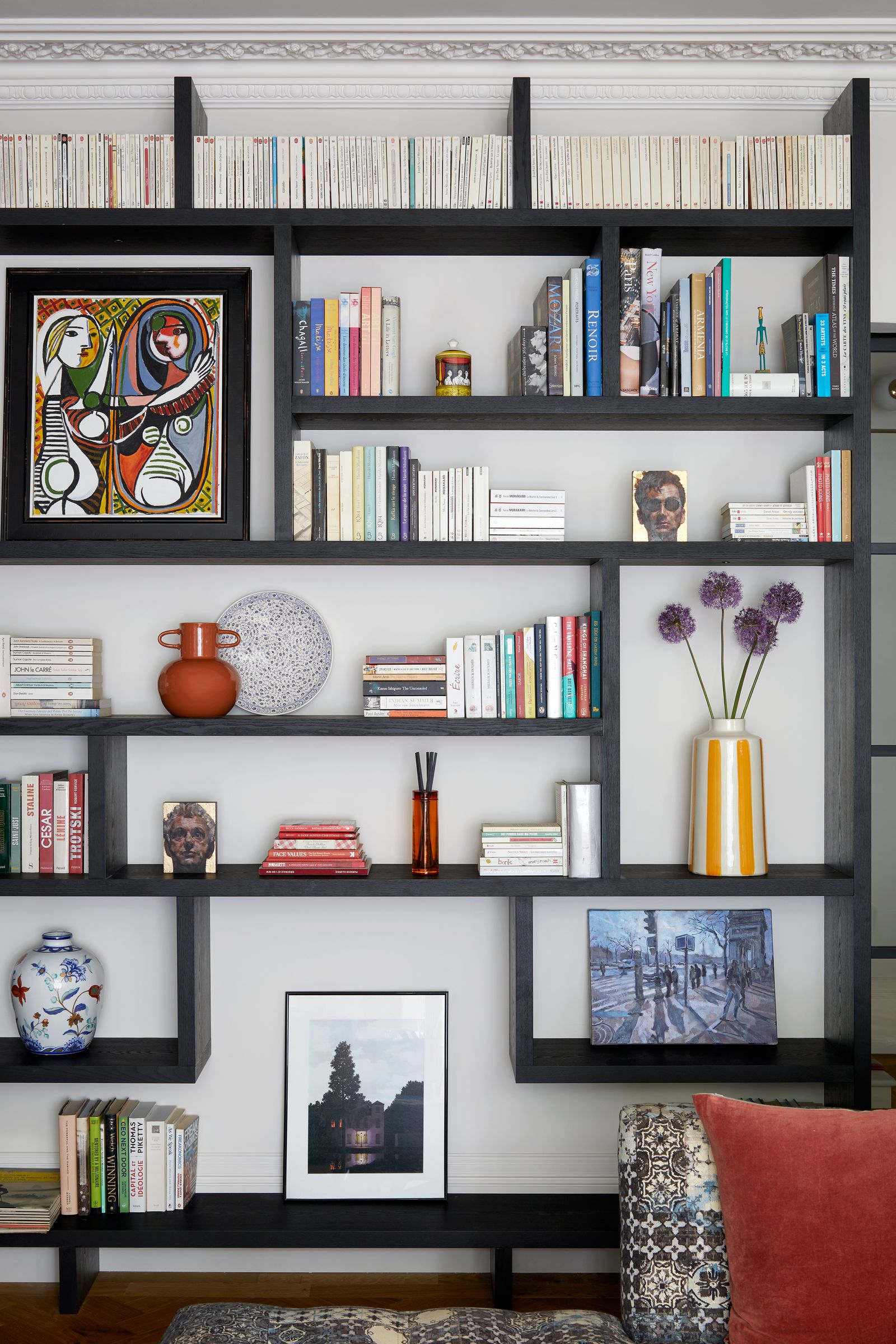
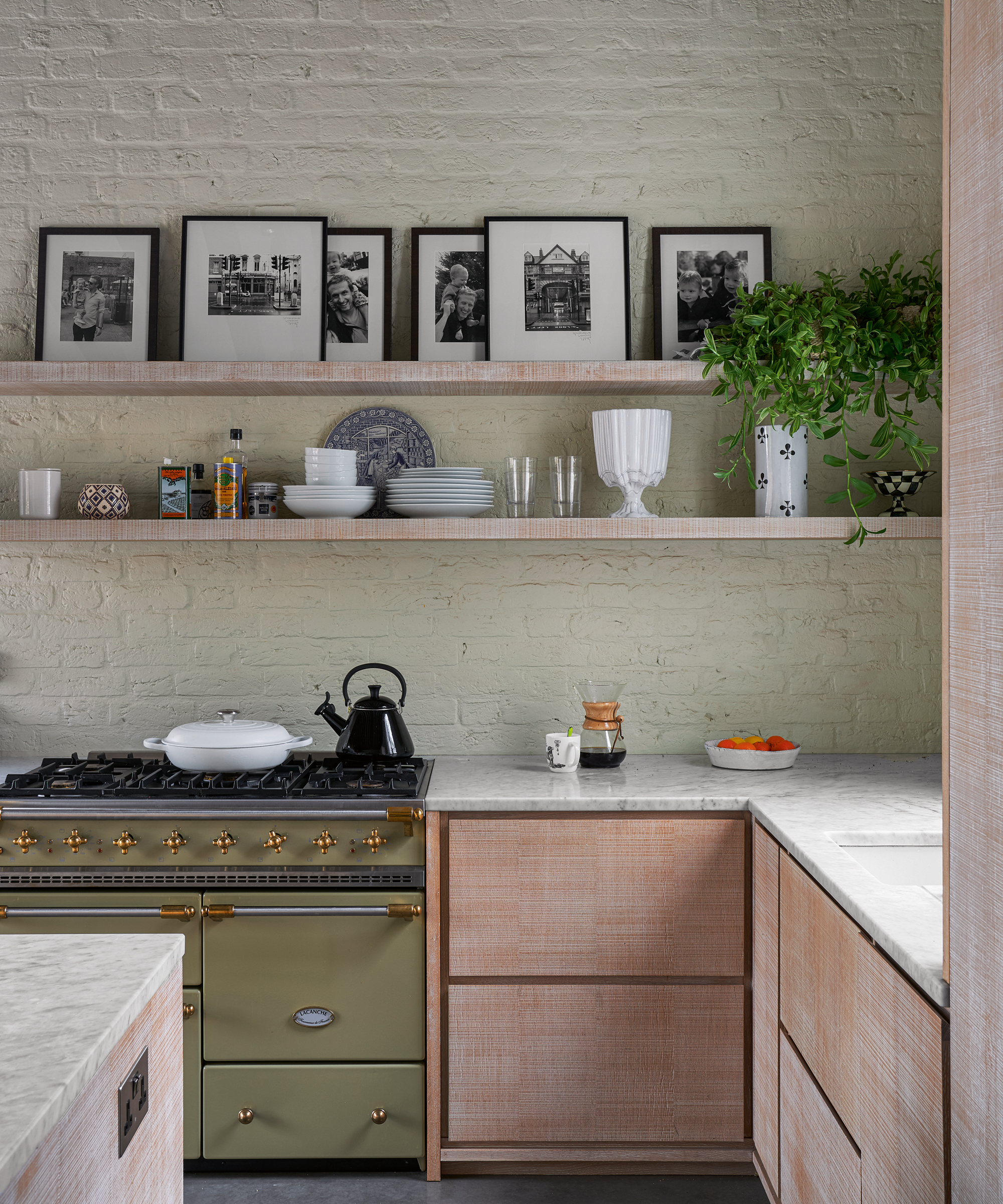
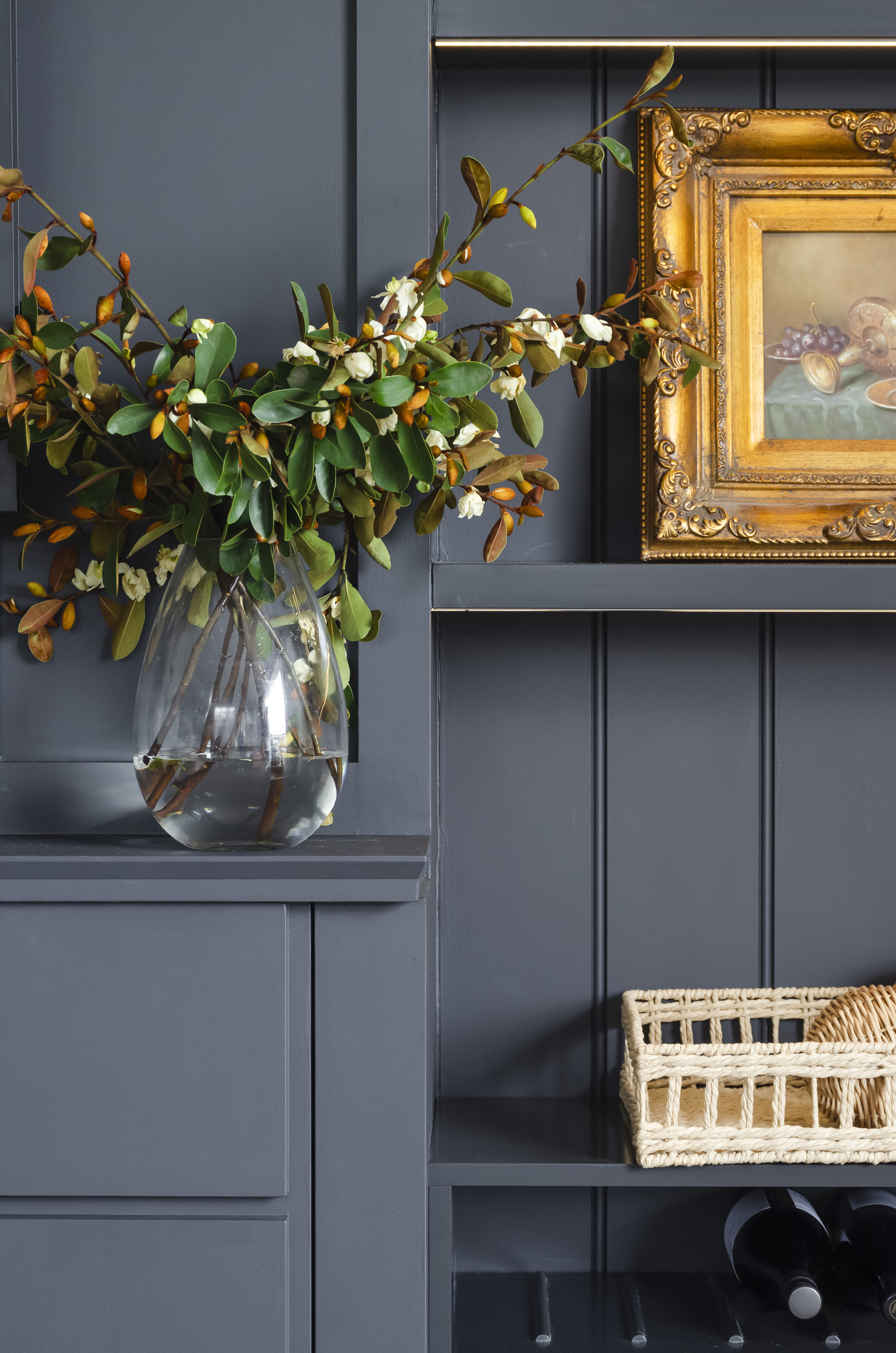
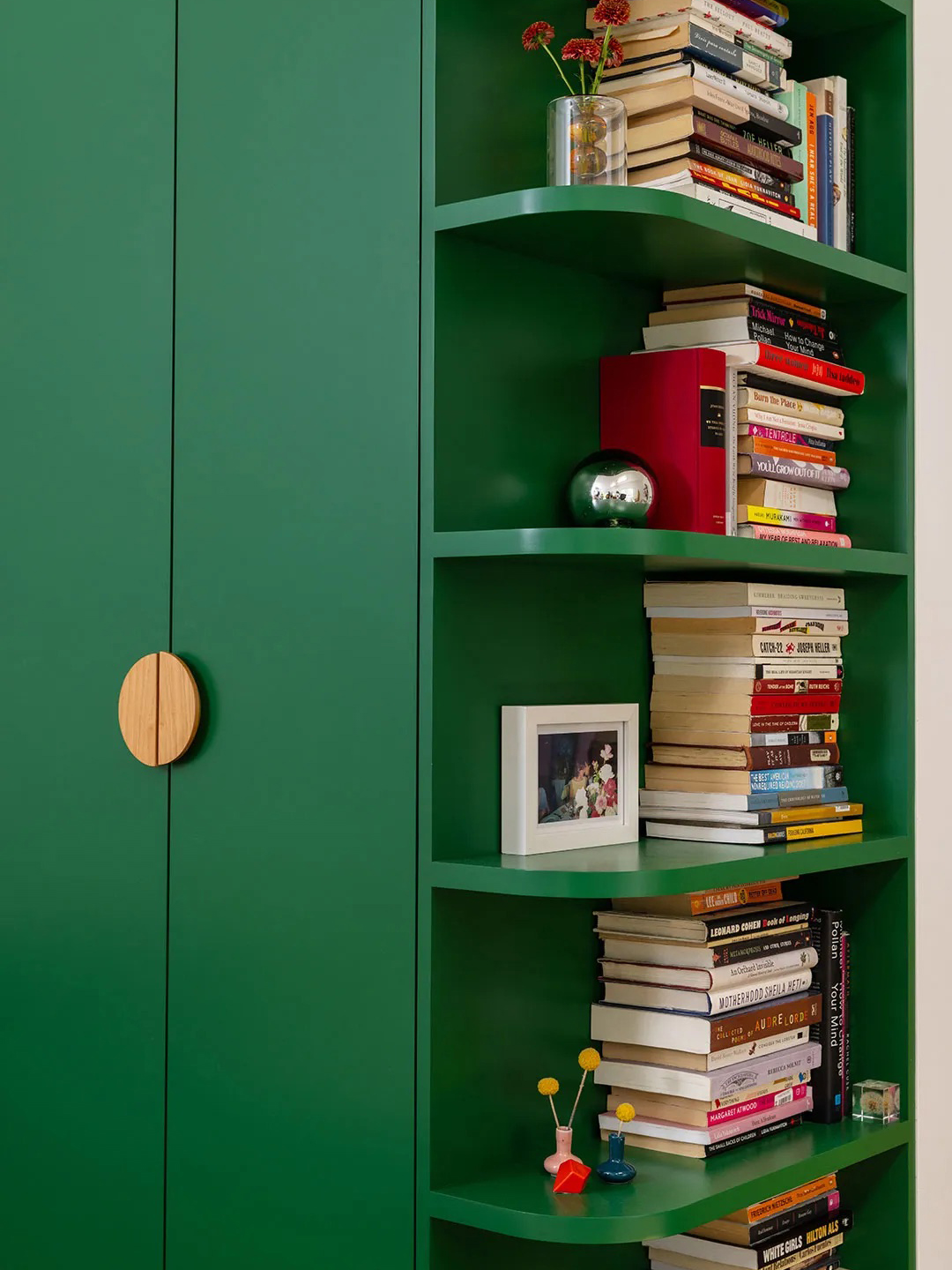
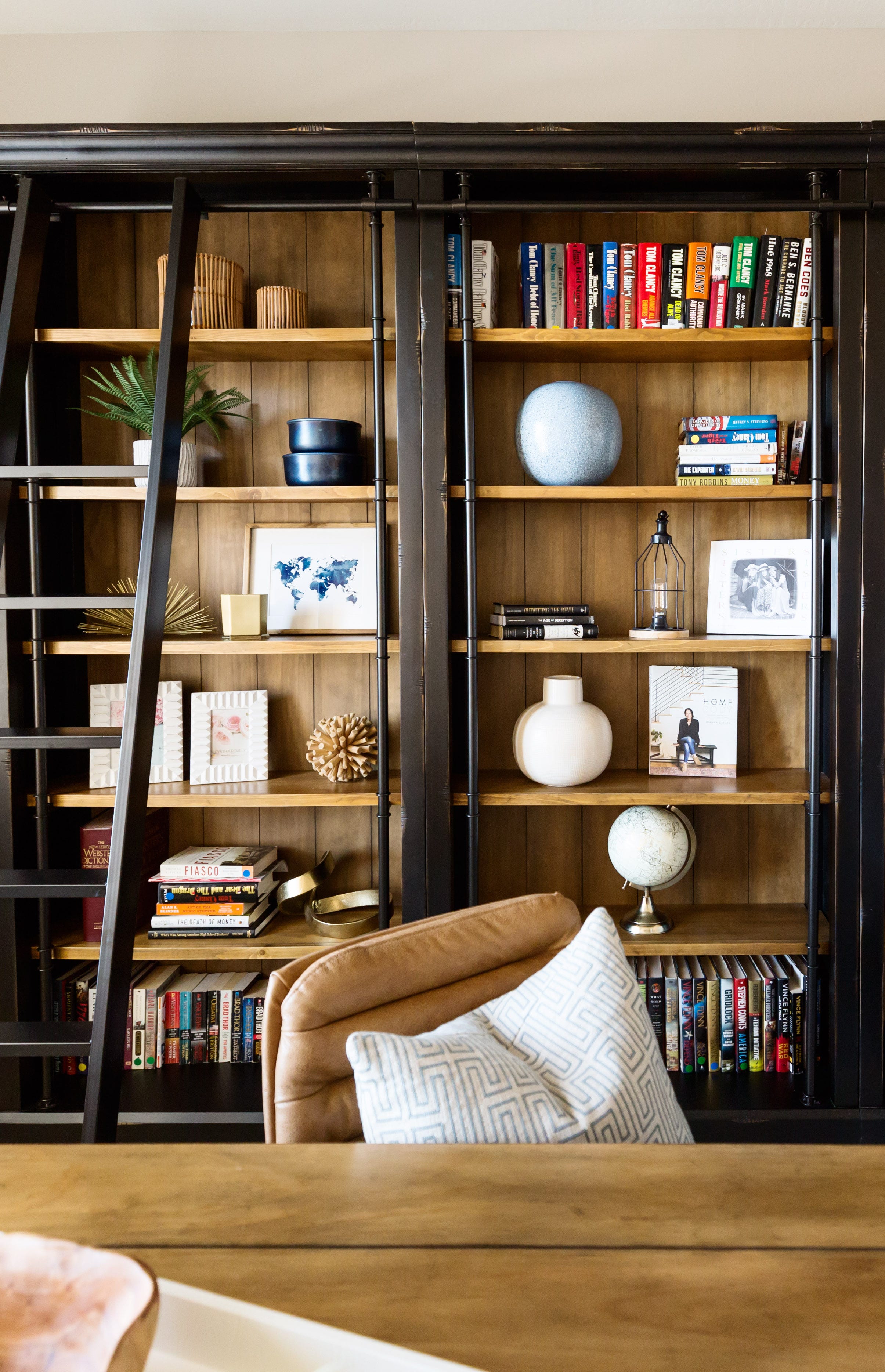
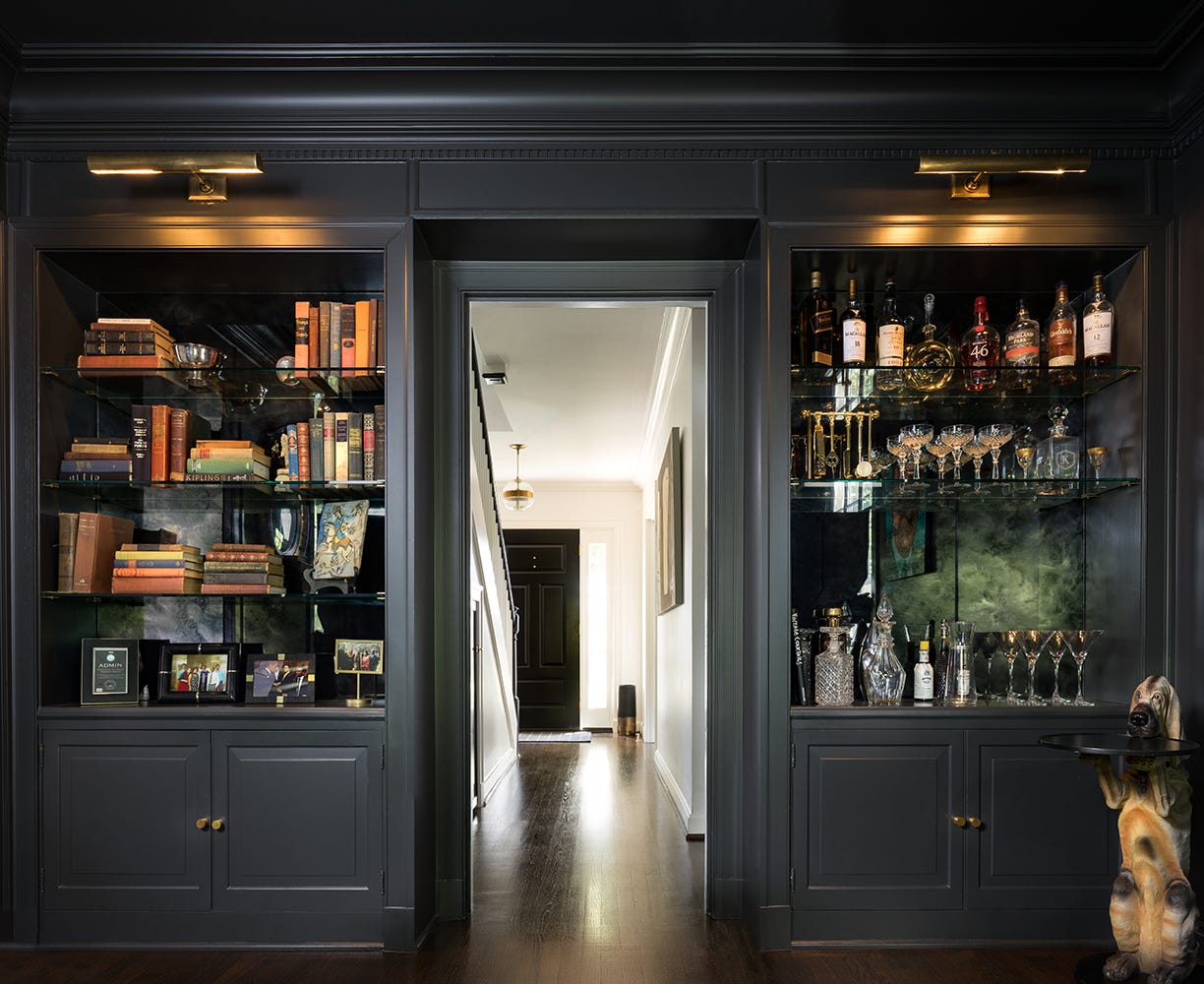
The first principle emphasizes intentionality with decor choices. Each item placed on a shelf should serve a purpose, either functional or decorative, and ideally bring joy. This approach helps to prevent clutter and maintain a stylish, organized appearance. Morley suggests swapping items seasonally to refresh the feel of a space, while Popov highlights that a lack of thoughtful design can lead to disorganization and negative ambiance. Prioritizing personal pieces, such as framed photographs, can also contribute to a sense of happiness and comfort within the space.
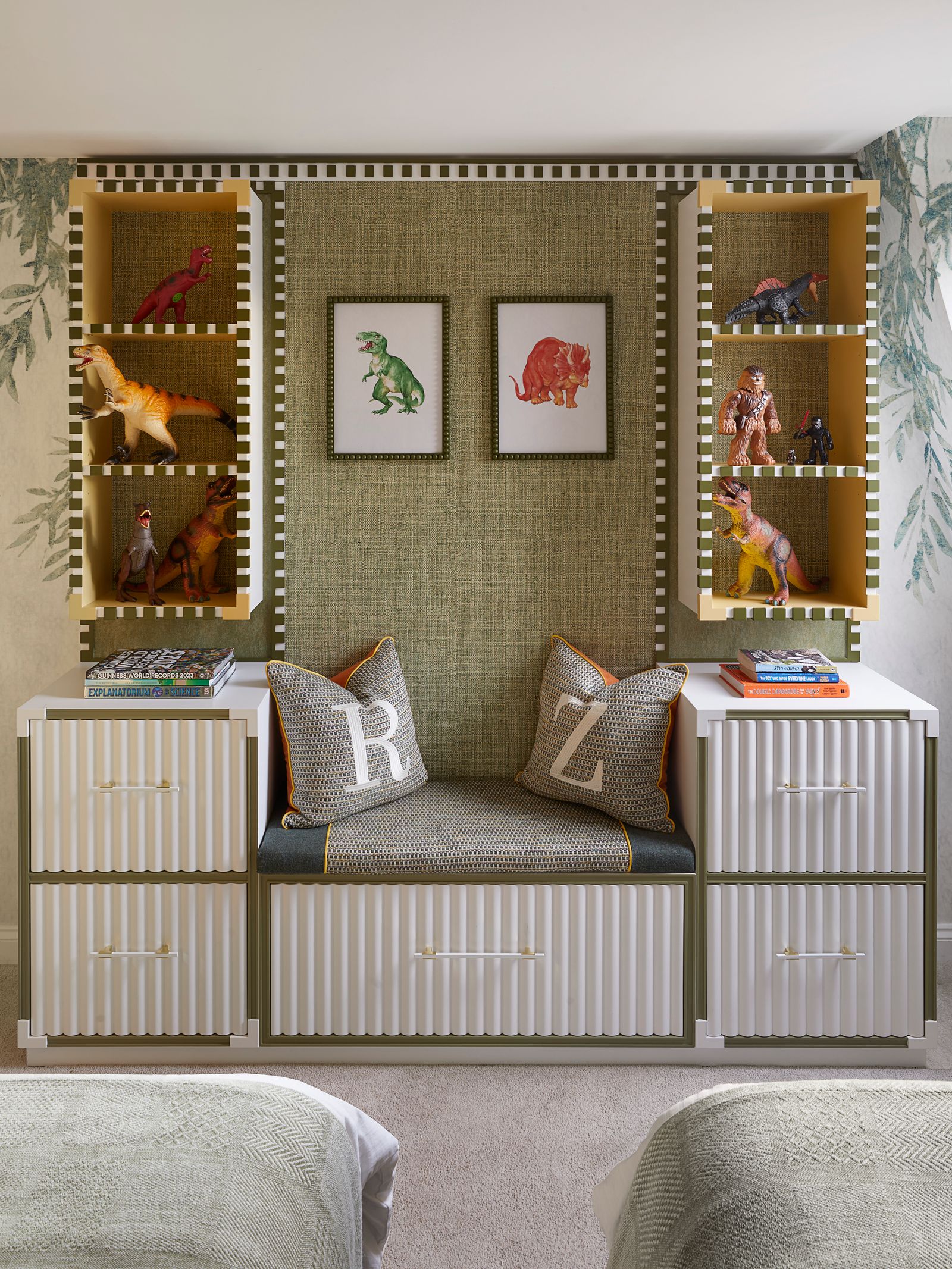
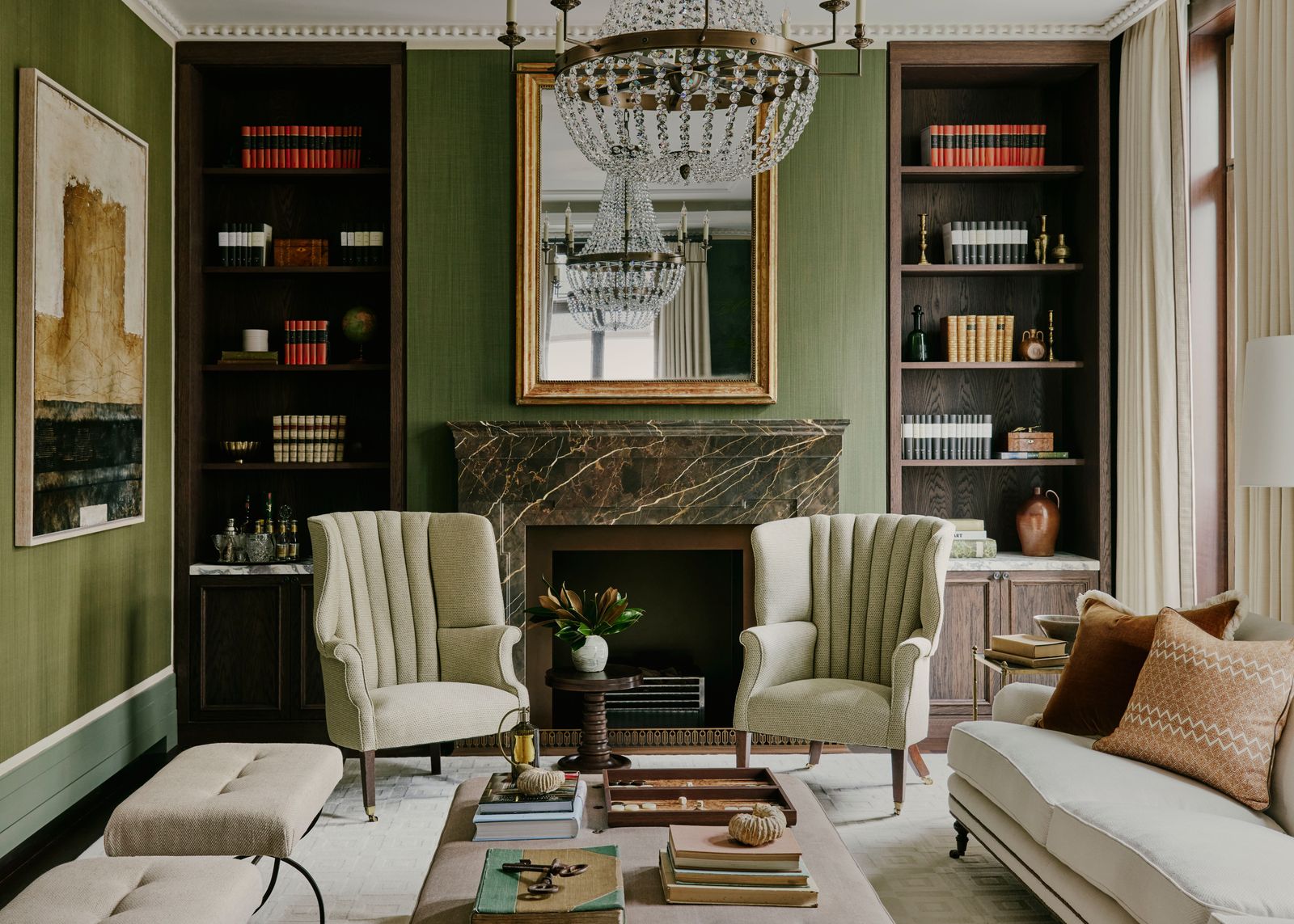
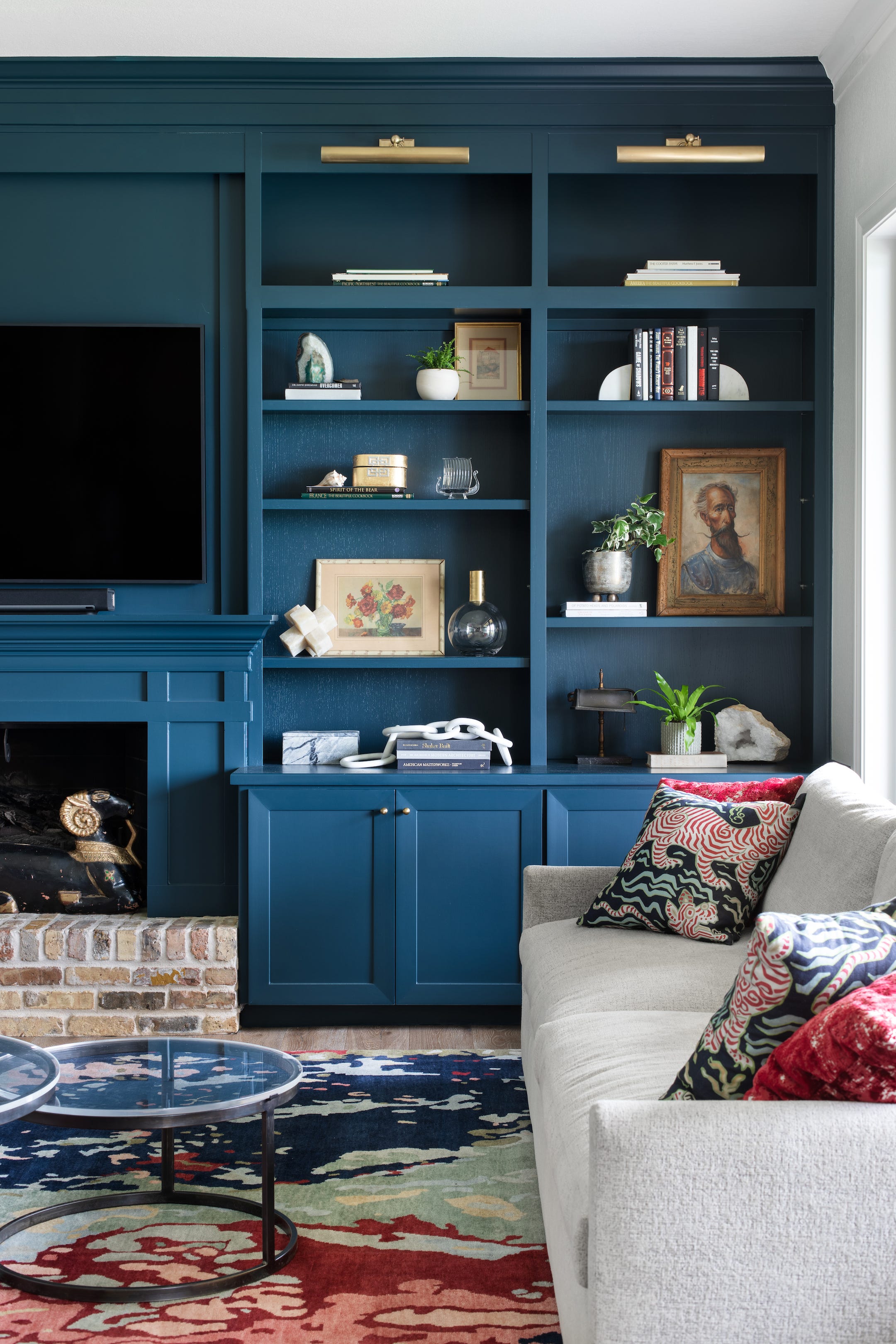
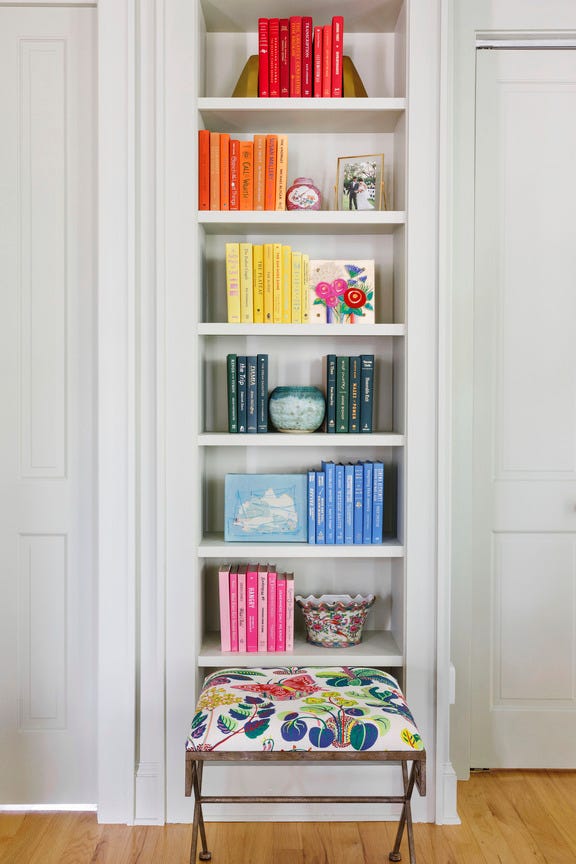
The second tip involves approaching shelf styling with a clear vision. Rather than impulsively acquiring items, it is beneficial to have a concept or desired aesthetic in mind. Creating a mood board can guide the selection process, ensuring that additions align with the overall design goal. This planning helps in achieving a balanced look in terms of color and texture, making the shelf an integrated part of the room's design rather than a collection of random objects.
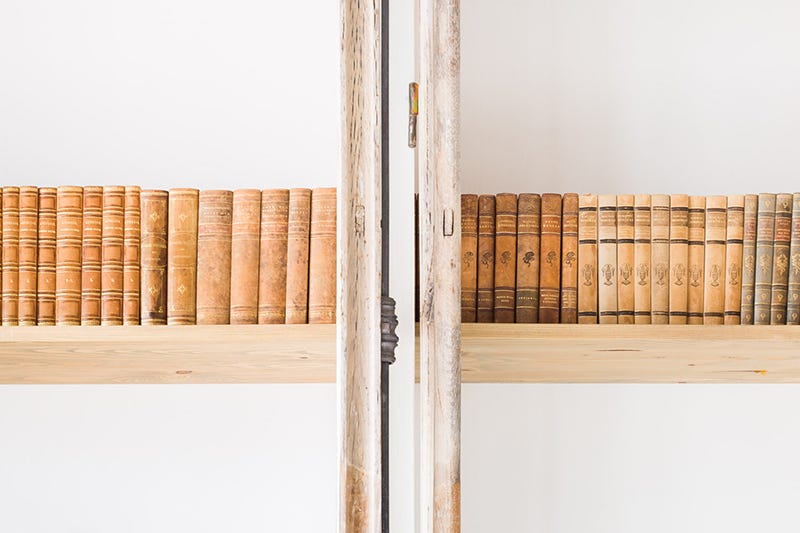
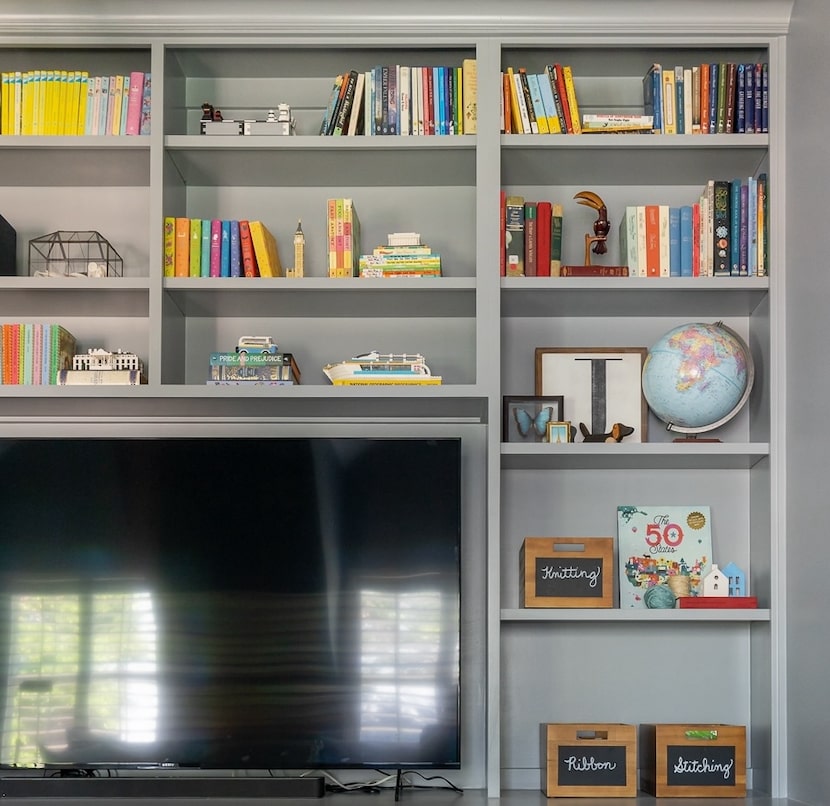
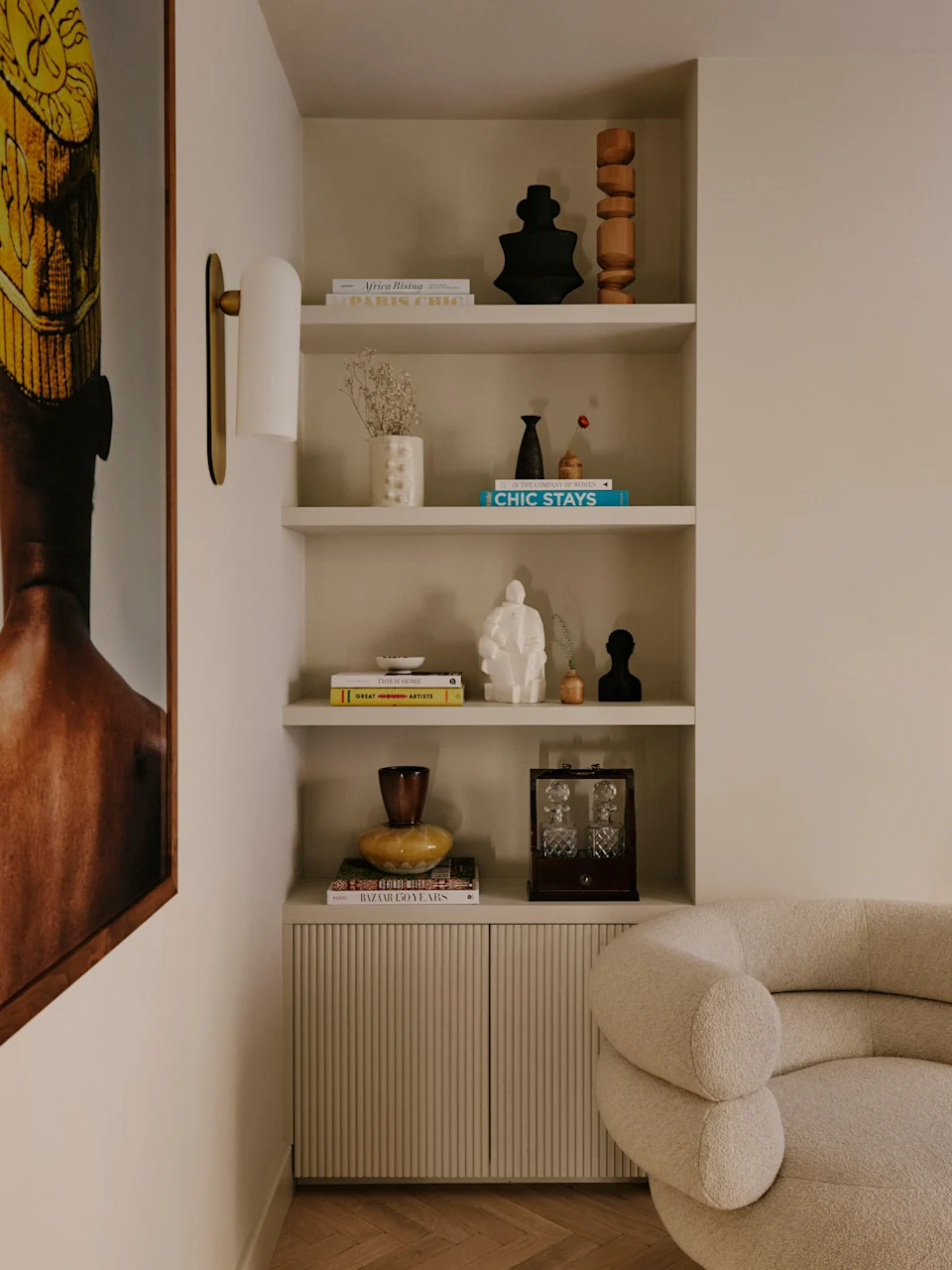
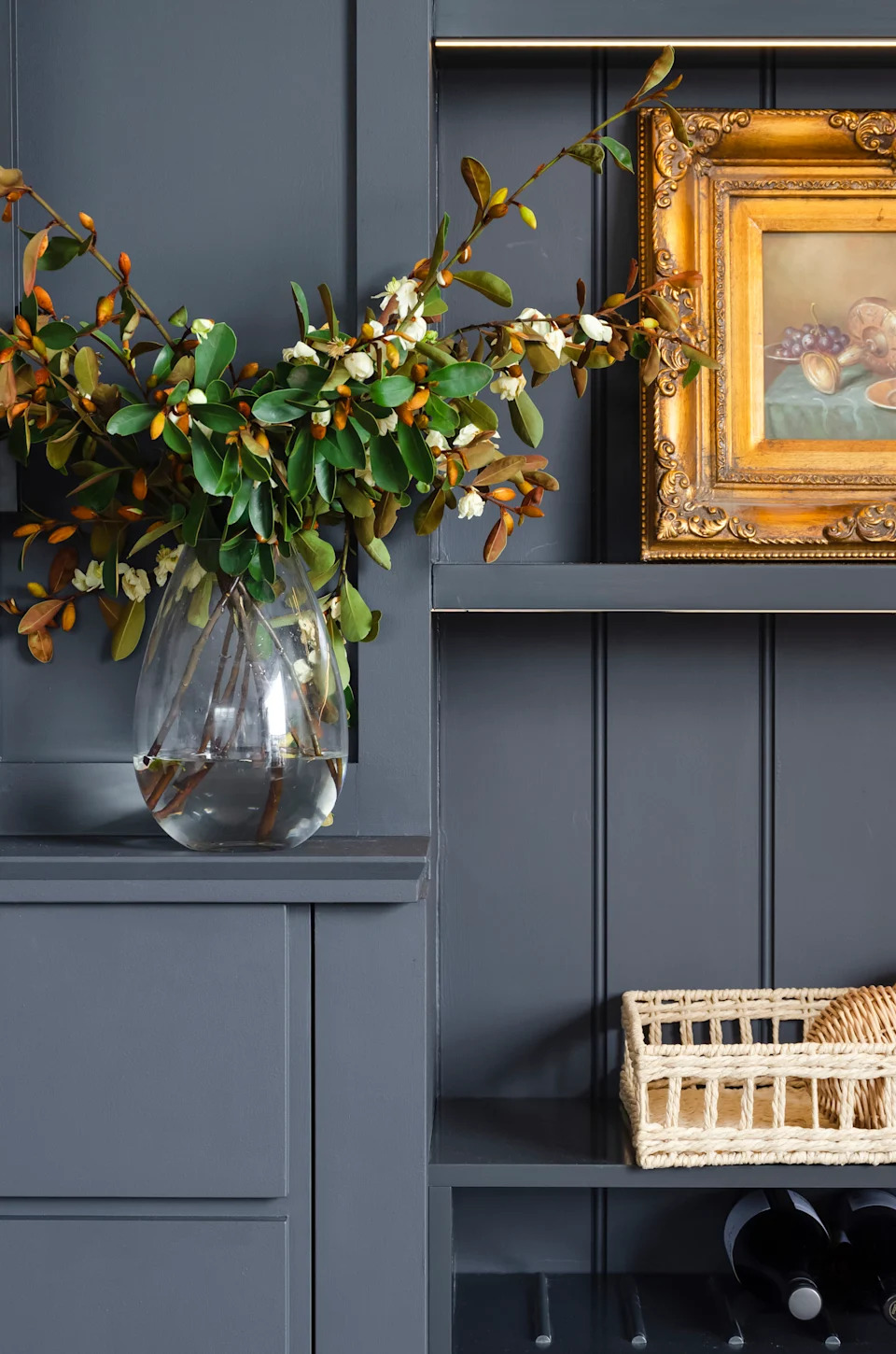
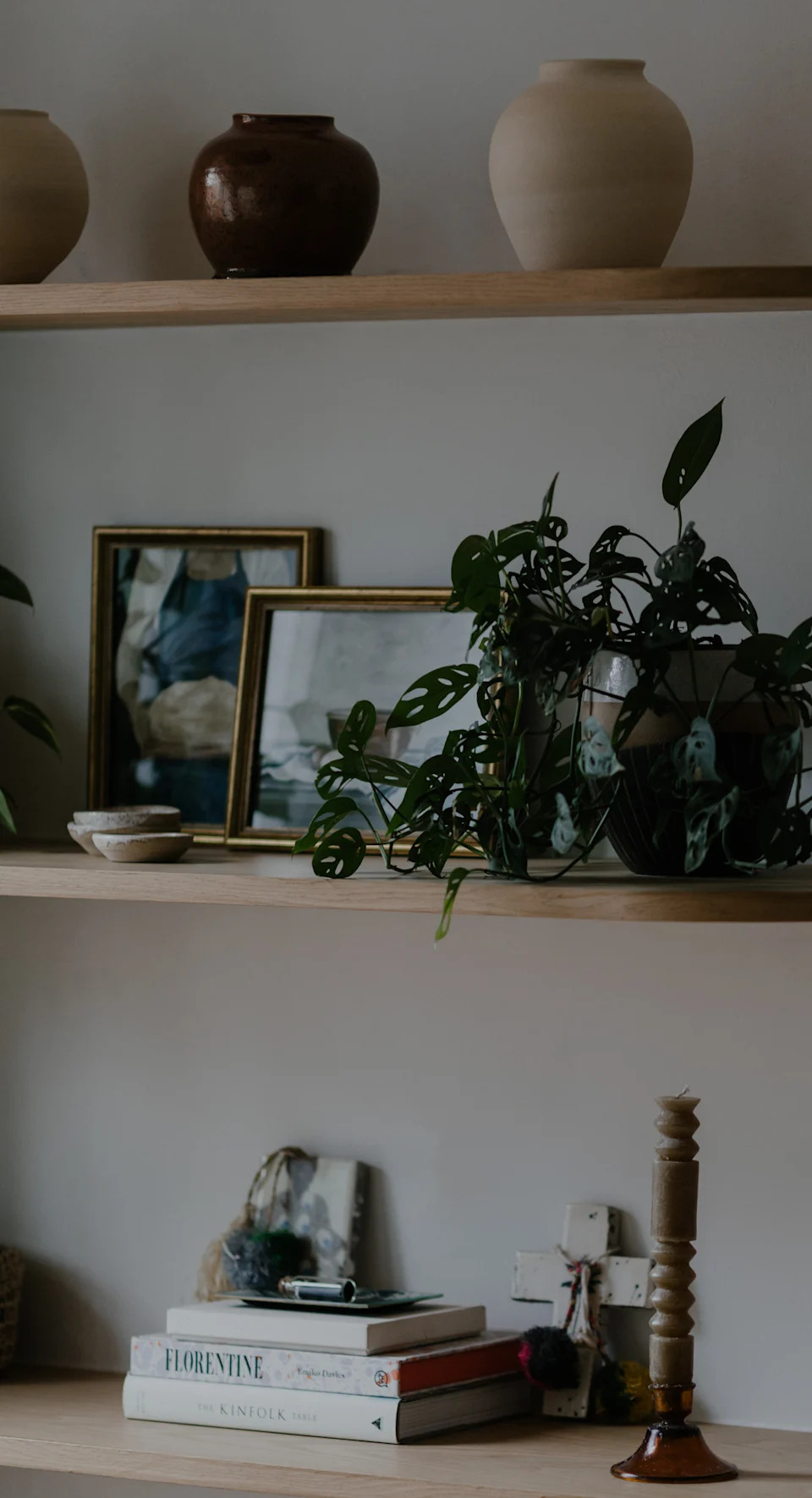
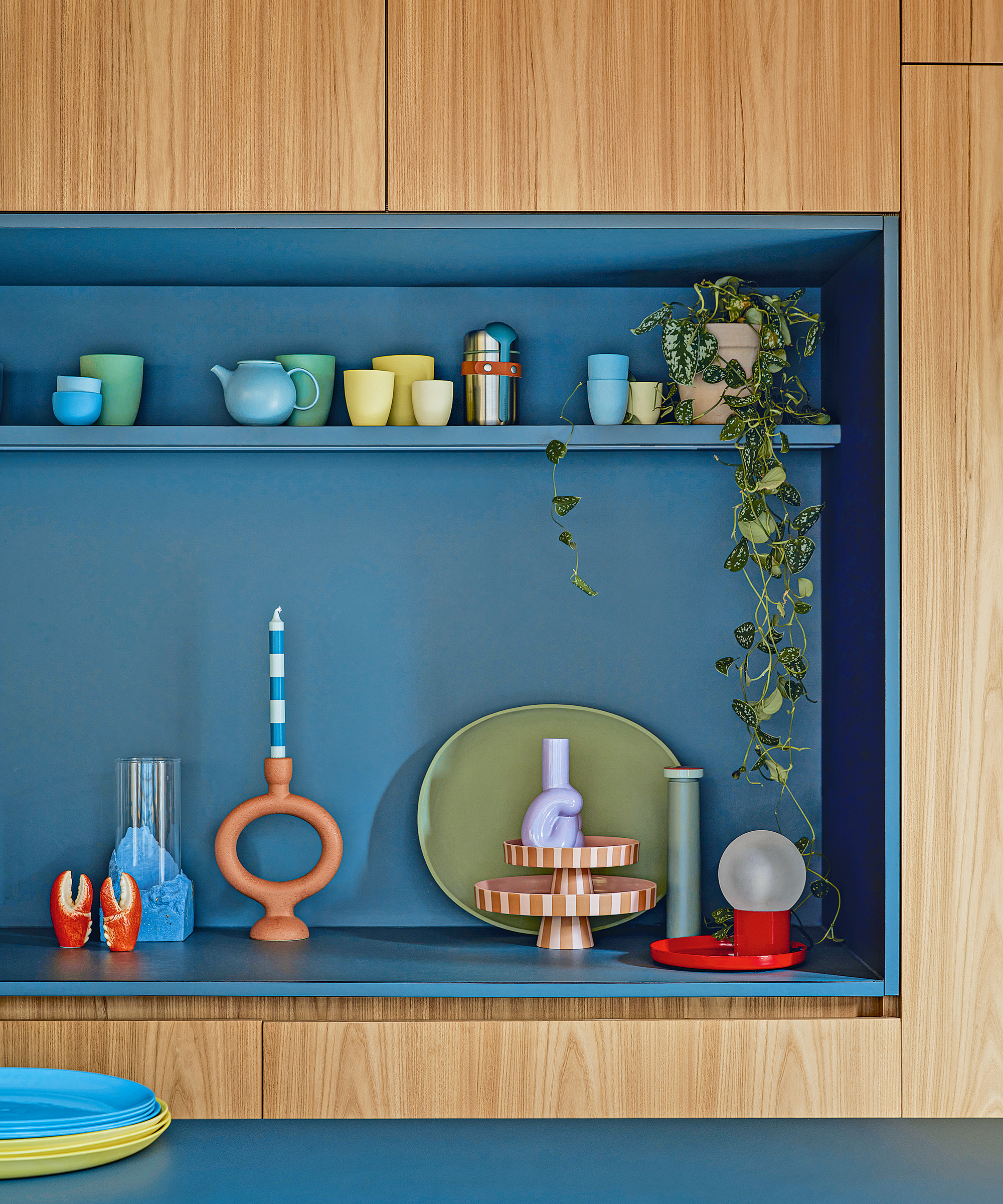
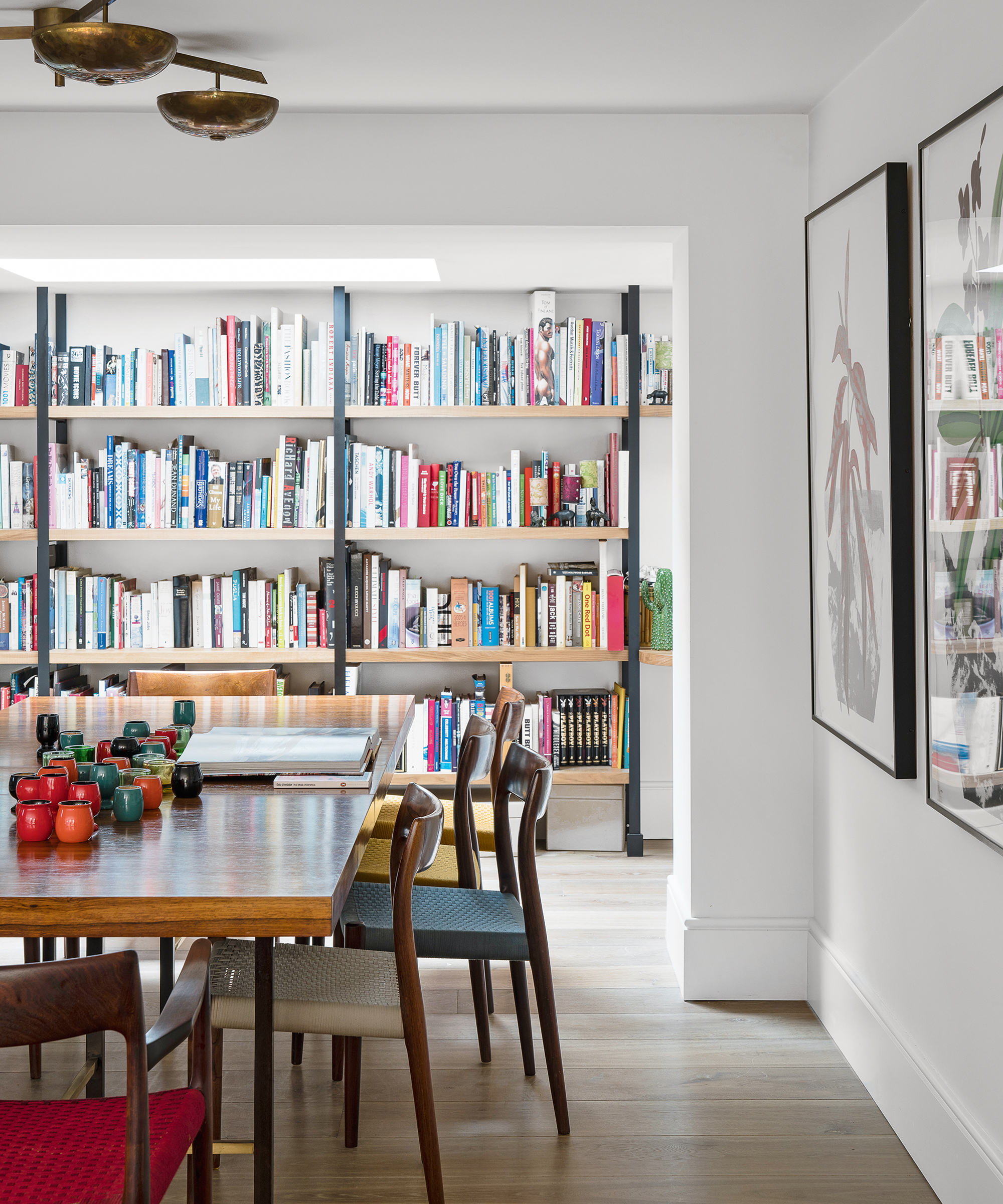
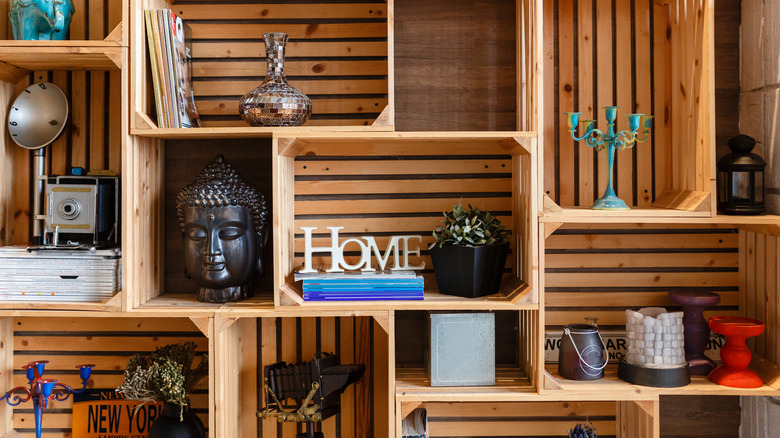
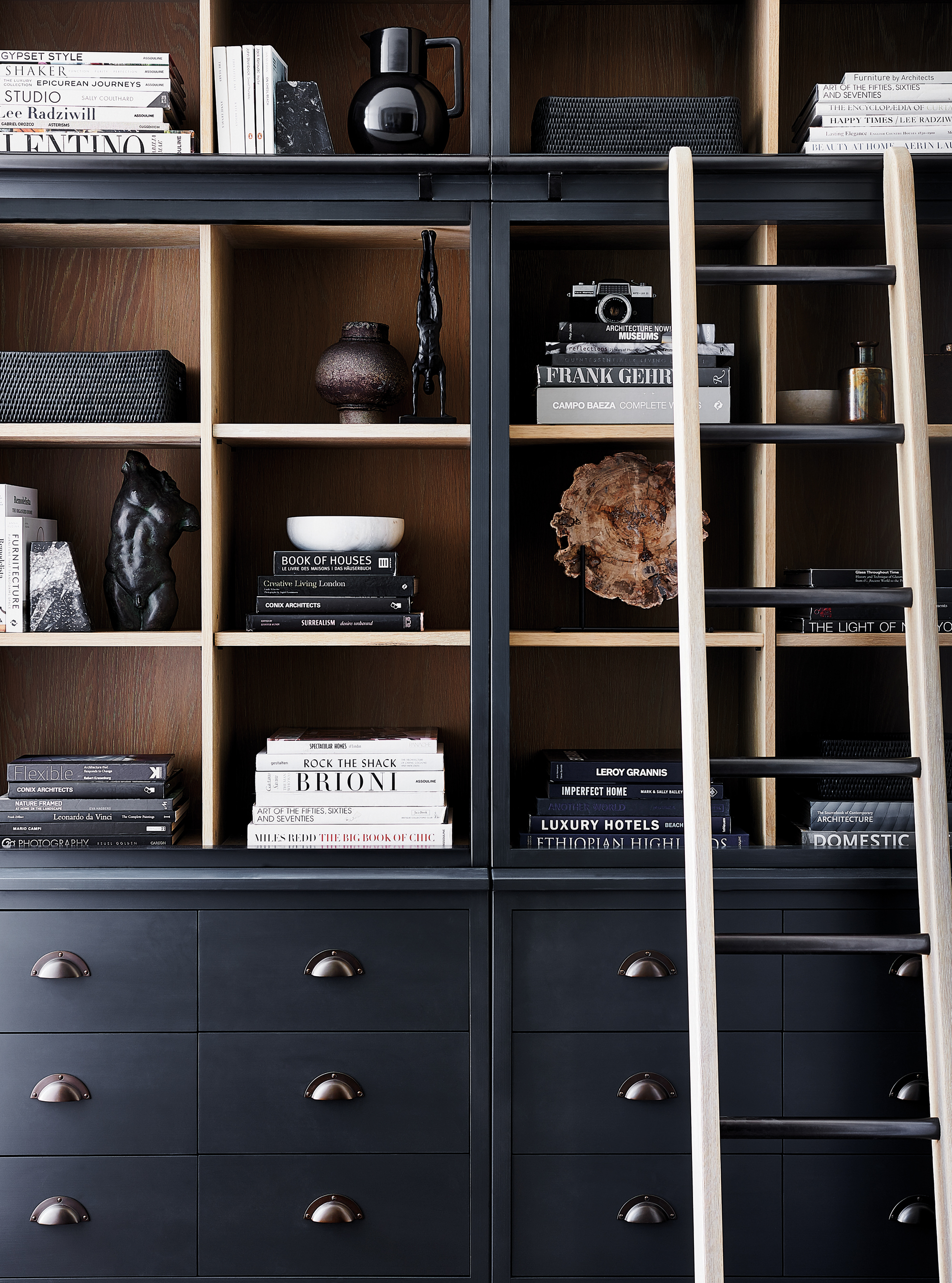
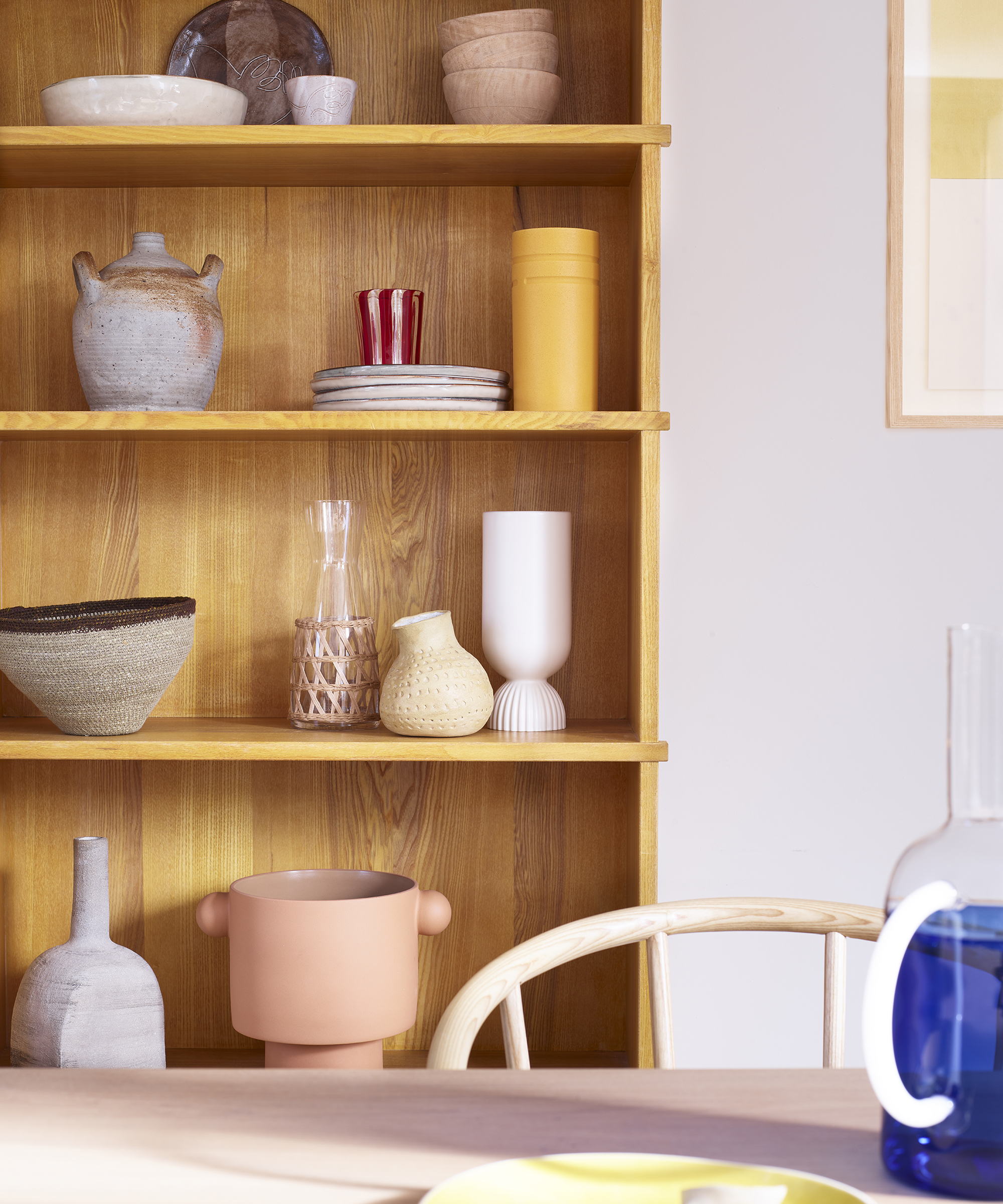
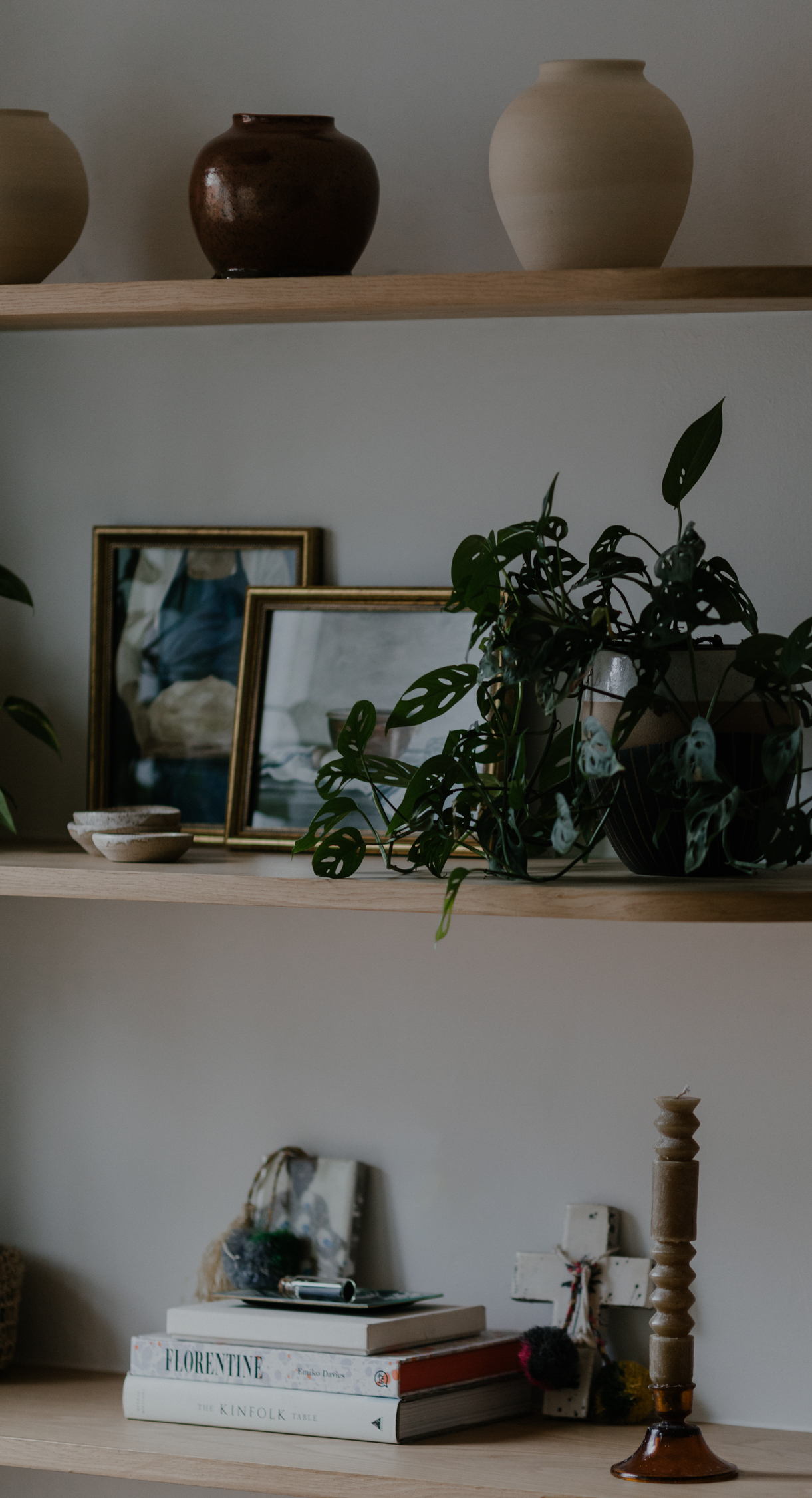
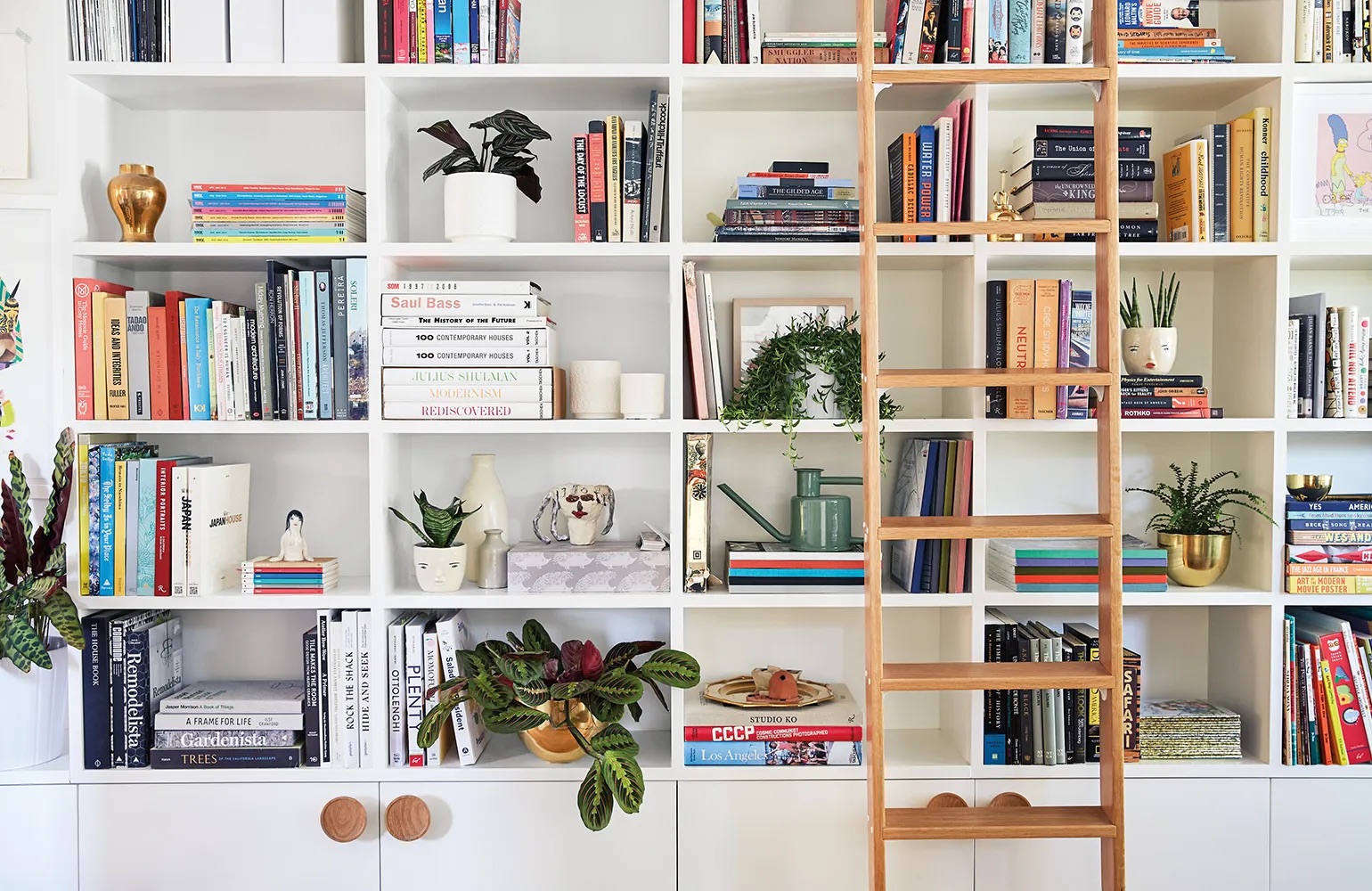
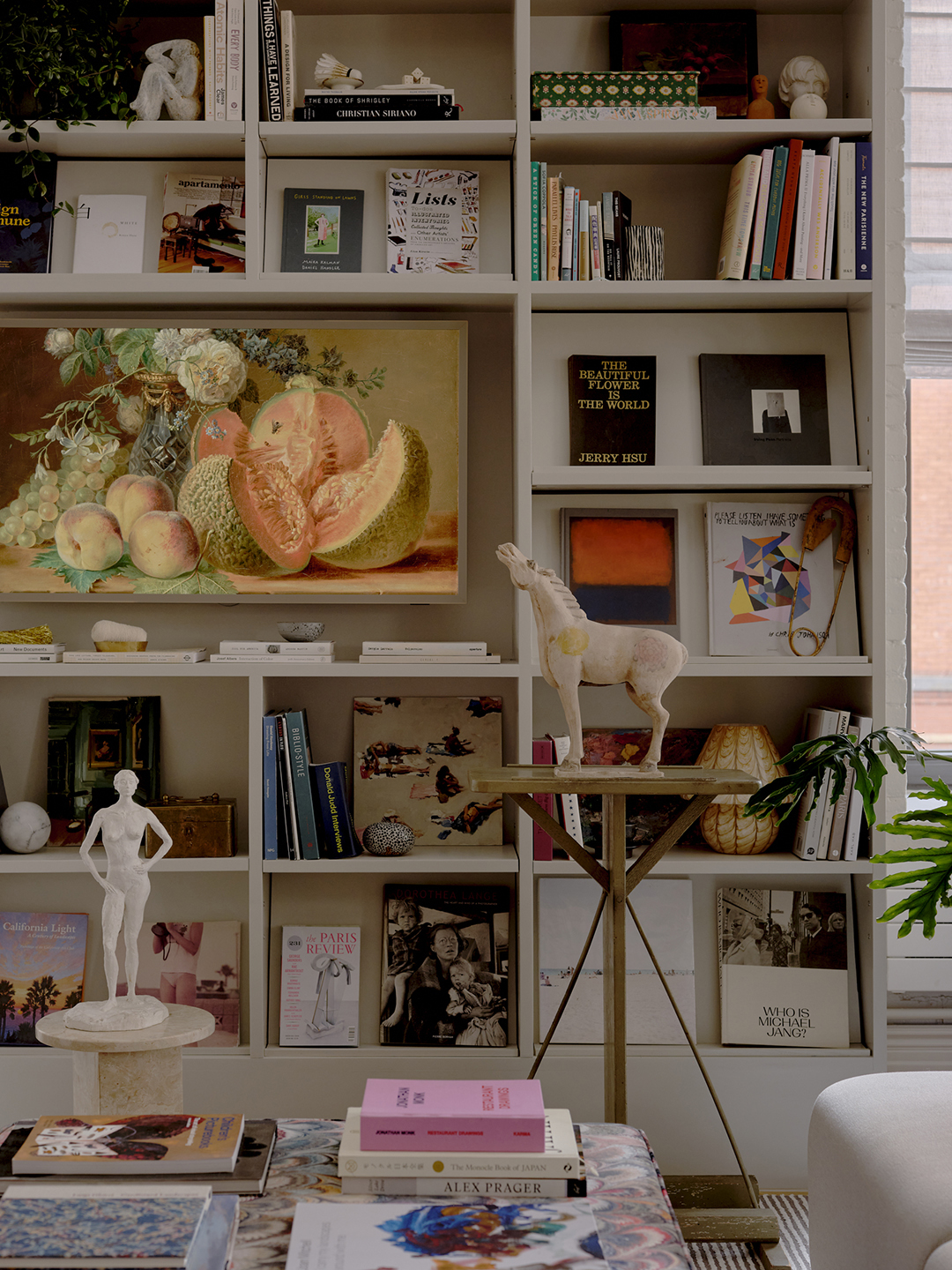
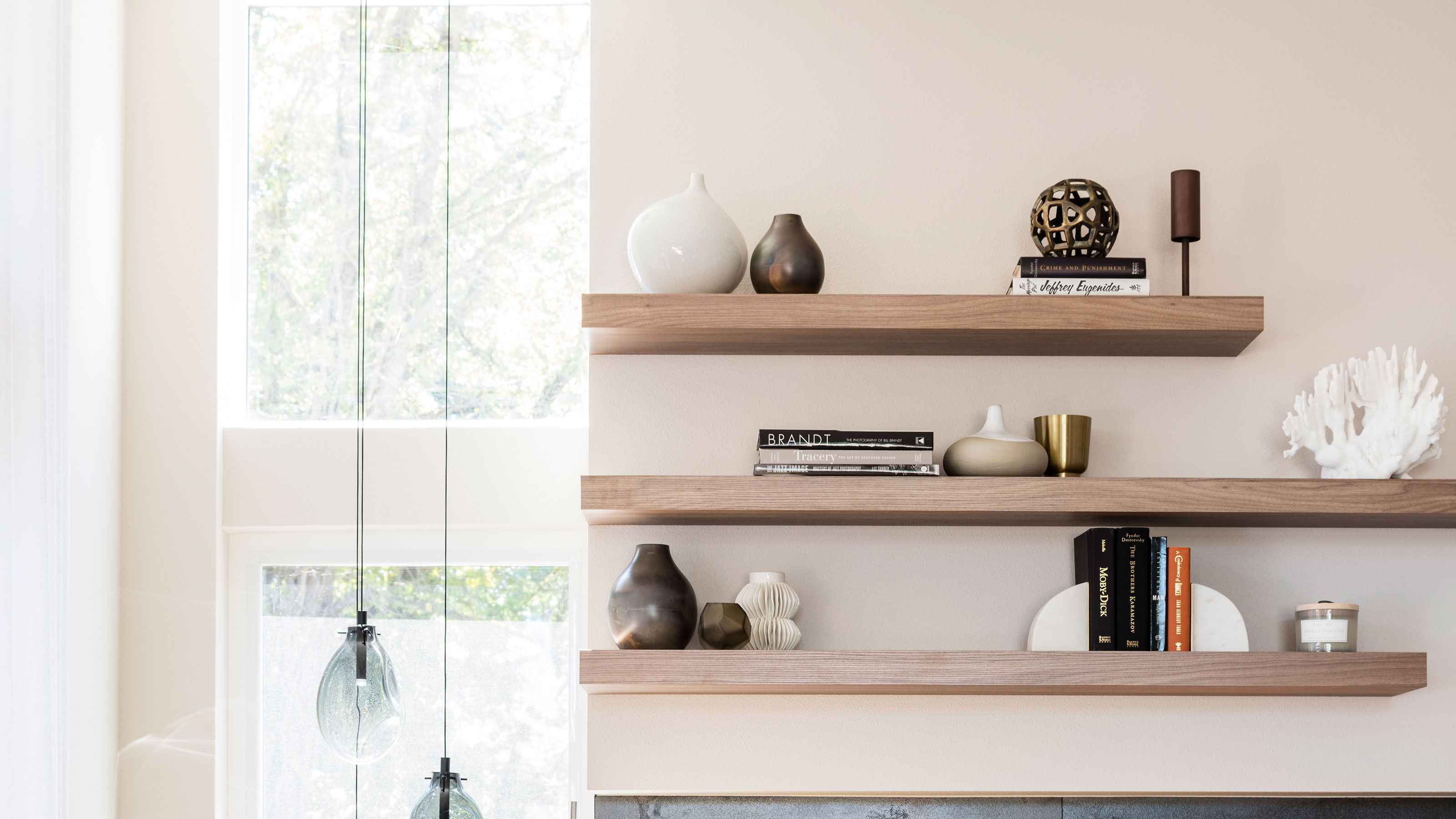
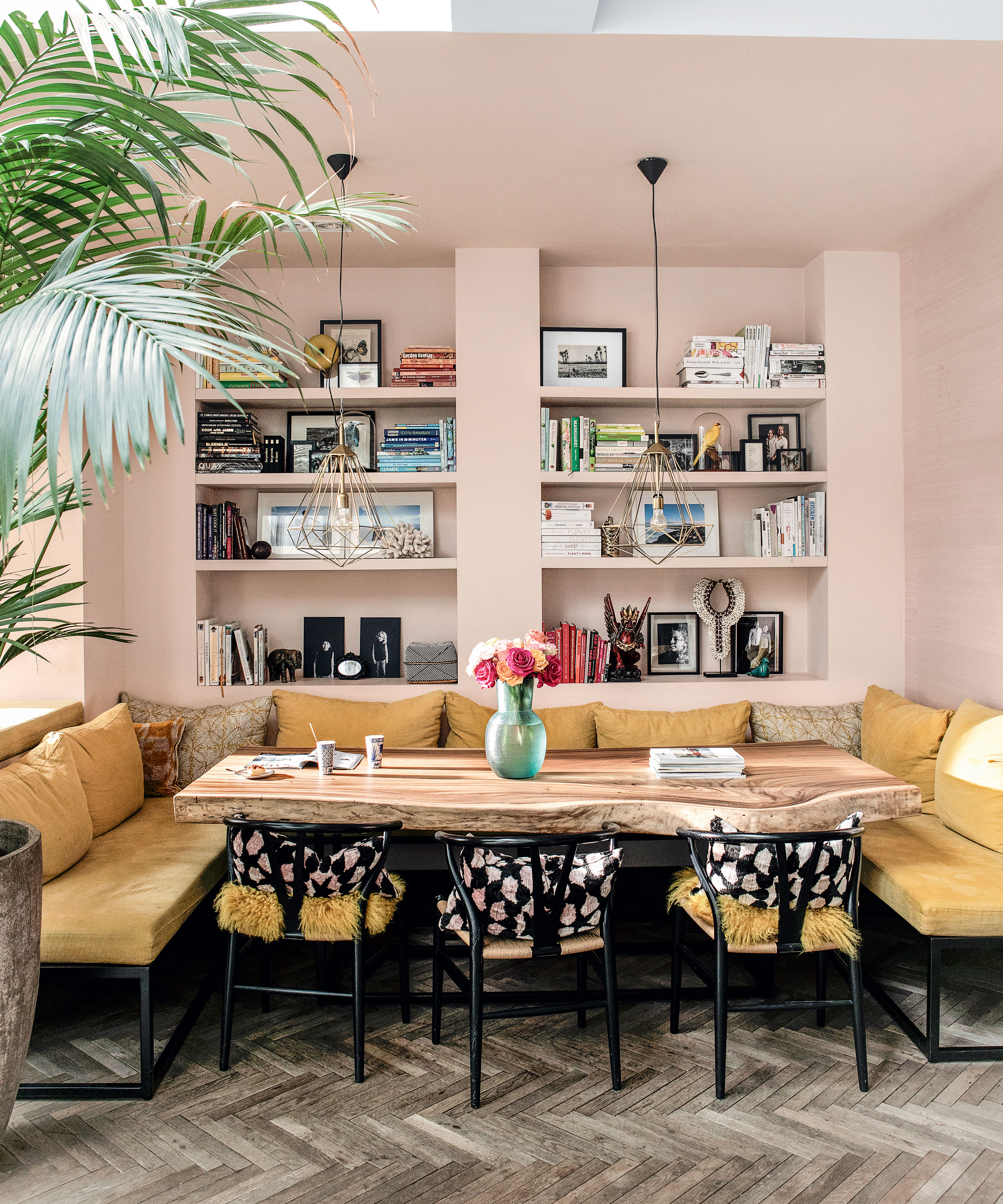
The third piece of advice centers on playing with height to create visual interest and dimension. Varying the heights of books, trinkets, and accessories prevents a flat, monotonous appearance. Morley likens this to a flowing 'wave' that is comfortable for the eye, incorporating peaks and troughs. Trailing plants are also recommended for adding dynamic visual elements. Additionally, layering items, such as framed art prints with smaller postcards or a vase with a single stem, can break up blockier pieces and add depth.
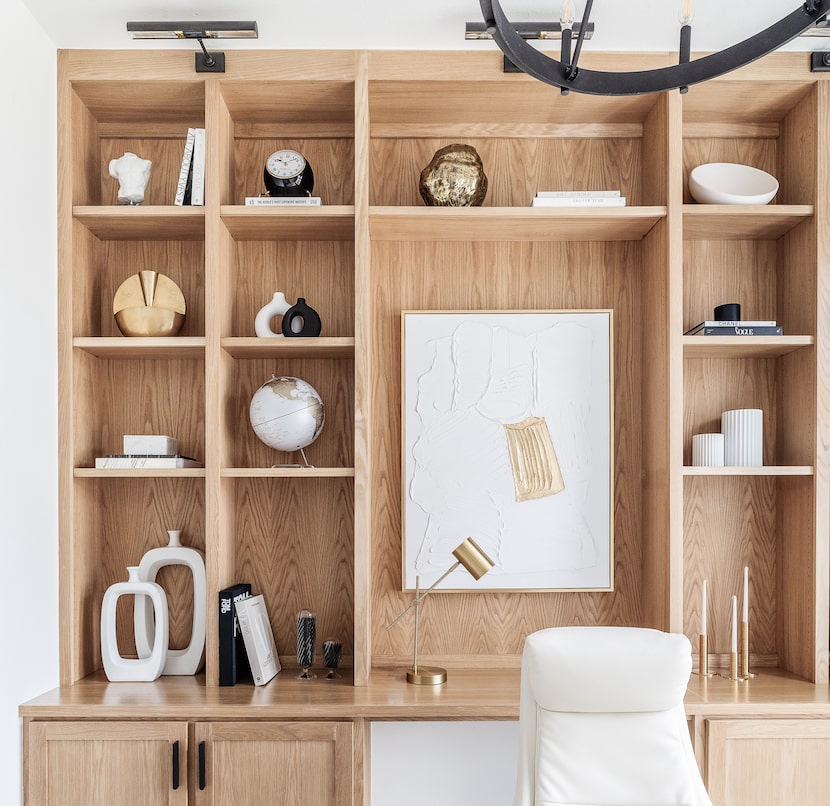
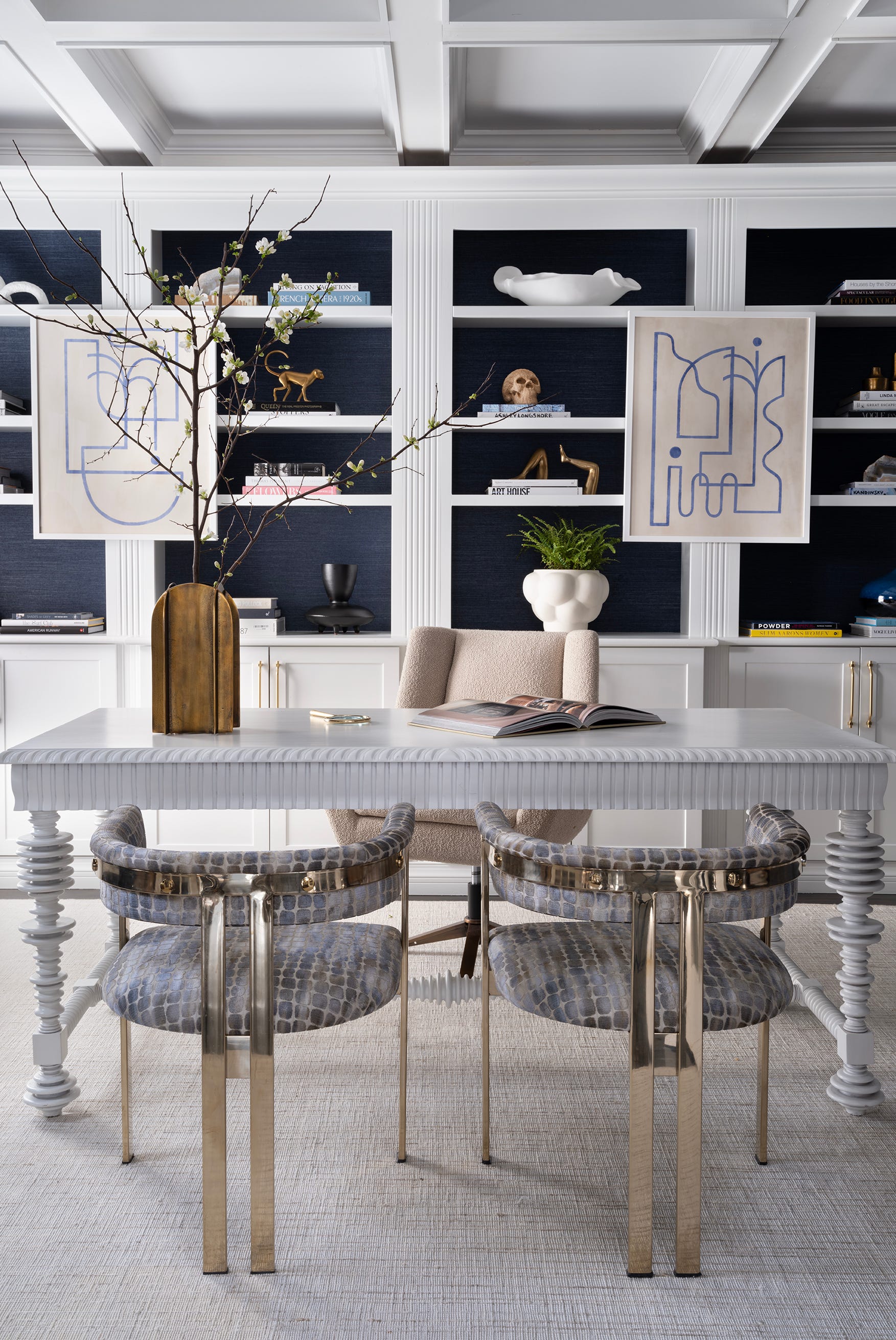
Finally, the experts stress the importance of striving for a perfect finish through trial and error. Achieving the desired look often requires experimentation and adjustments. Popov notes that shelf designs can range from wild and loud with bright colors to simplistic and serene with neutral tones and statement pieces. Morley encourages adjusting items until they feel right, reinforcing that the process is iterative. The article also provides examples of ideal items for shelf styling, including books for their dual function and decor appeal, pottery for form and function, decorative boxes for organization, plants for texture and life, and personal items like photographs or sculptures as focal points. Conversely, the article advises against cluttering shelves with overused, trend-driven items that lack personal value or common clutter like old papers and pens, suggesting storage solutions like decorative boxes or baskets for such items. Ultimately, the key to successful shelf styling is a curated approach that reflects personal taste and is open to periodic refreshment.
#InteriorDesign #ShelfStyling #HomeDecor #DesignTips #Organization #VisualInterest #PersonalizedSpace #HomeImprovement #InteriorDesign #ShelfStyling #HomeDecor #DesignTips #Organization #VisualInterest #PersonalizedSpace #HomeImprovement
0 comment in total
 No comments yet
You may also like
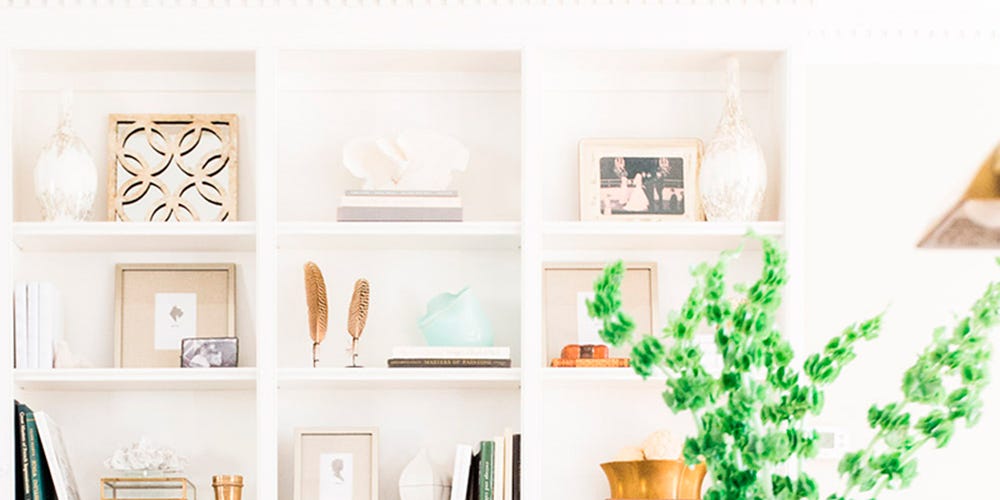
How to style your shelves

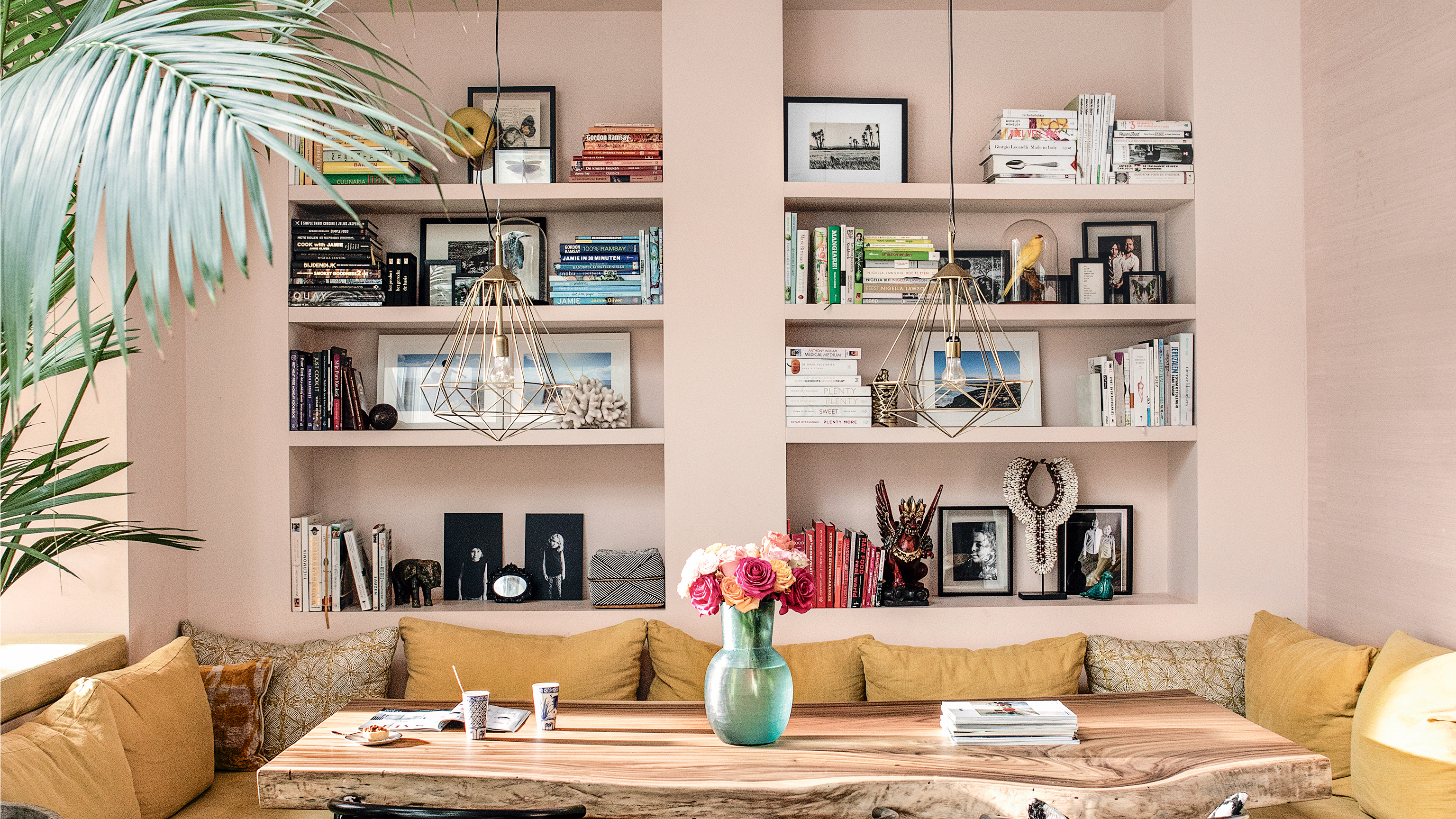
Shelving ideas – how to add personality, style and storage to any room

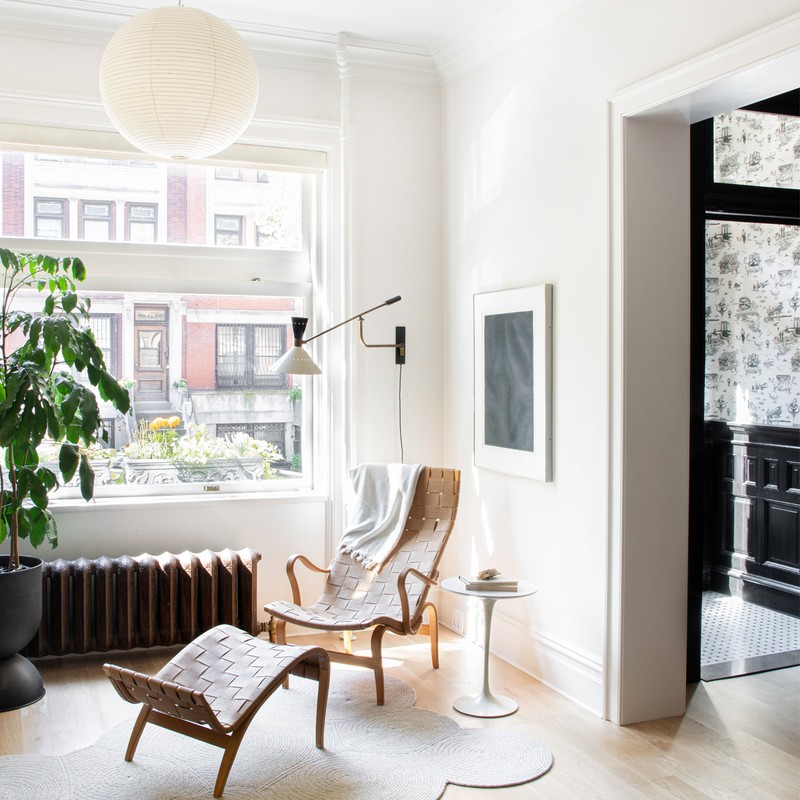
19 Tips From A Top Interior Designer

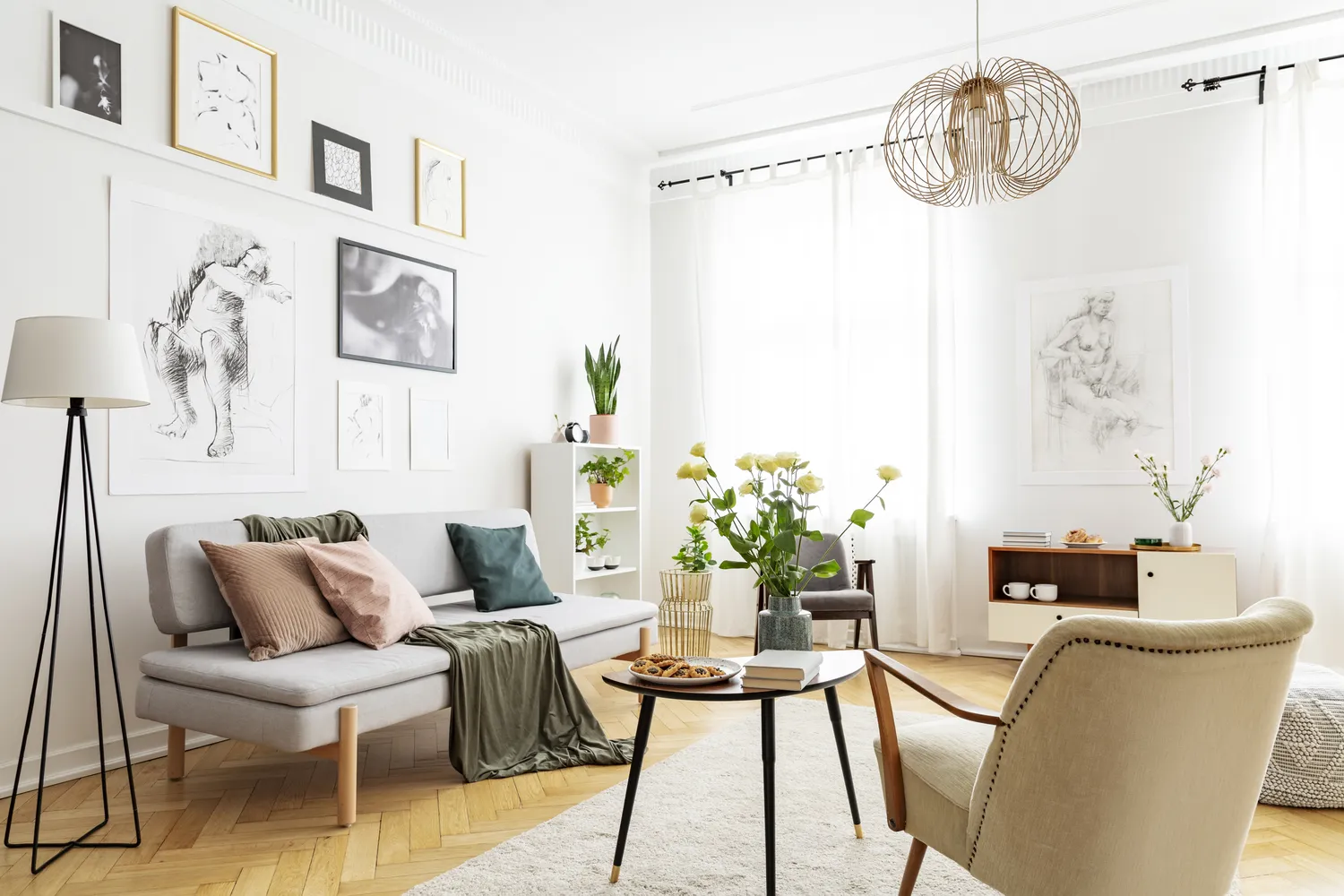
5 Tacky Home Decor Items That Instantly Make a Home Look Bad, According to Designers

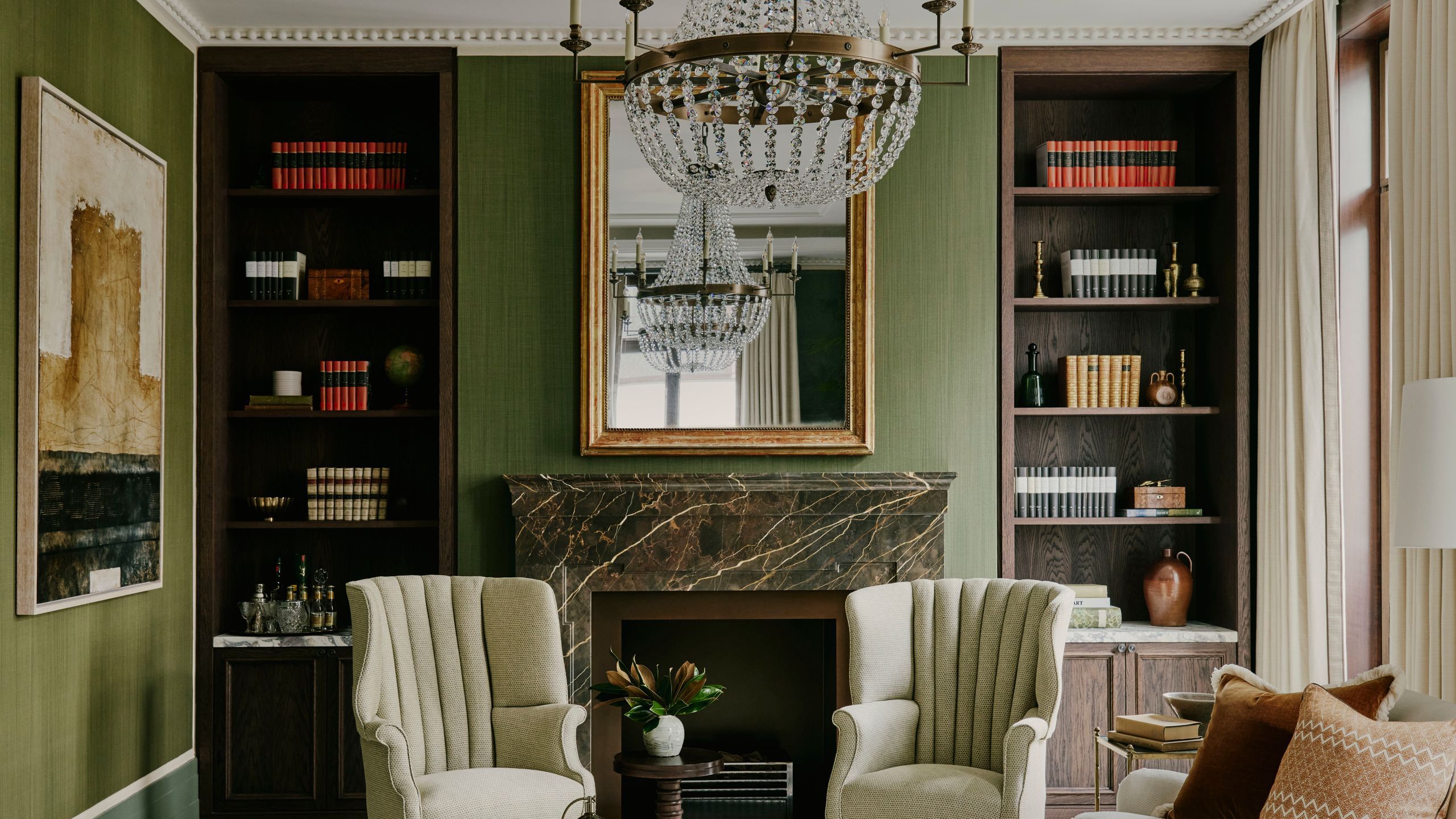
Styling Shelves: Your Expert (Five-Point) Guide
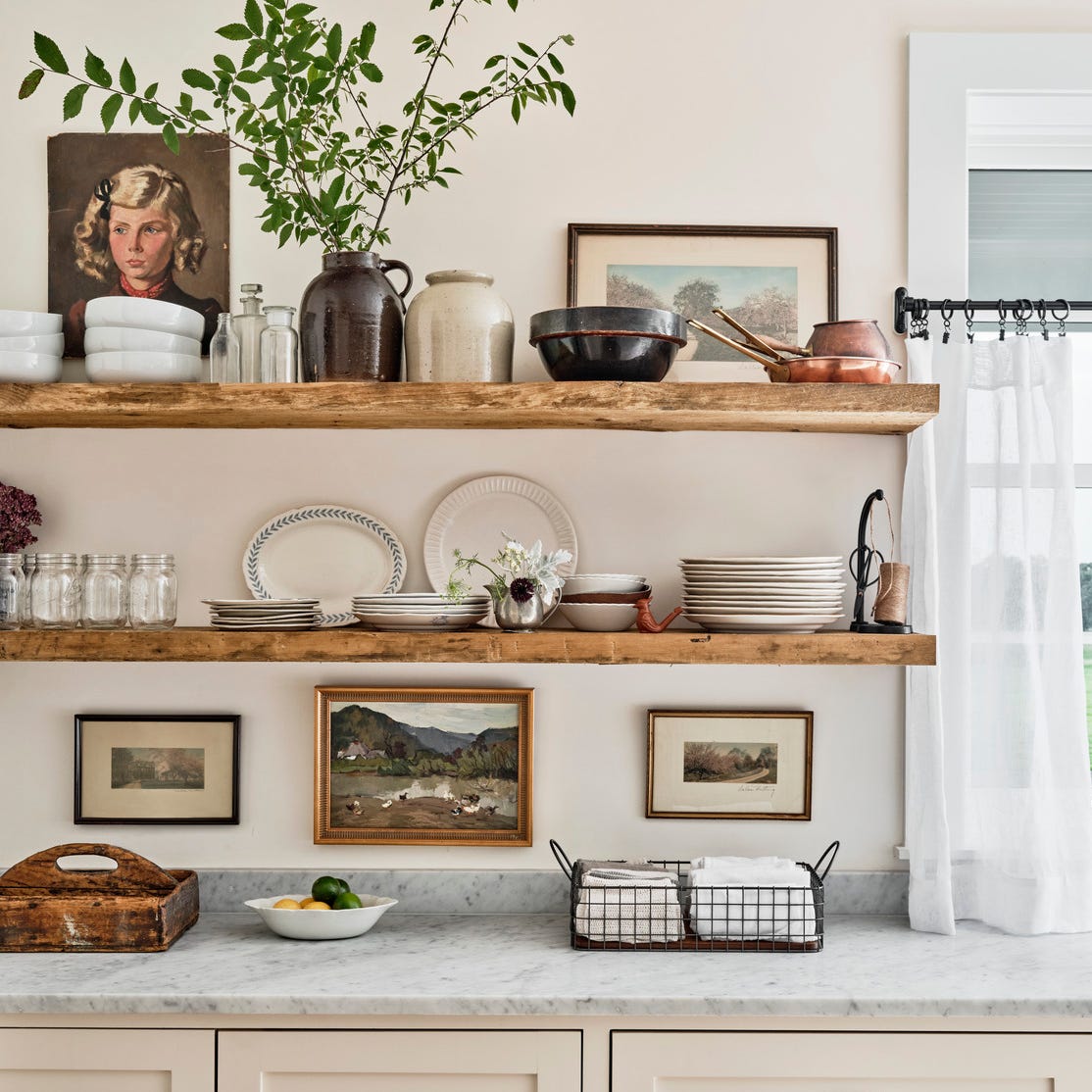
Make Any Room Look Camera-Ready with These Easy Tricks from Stylists
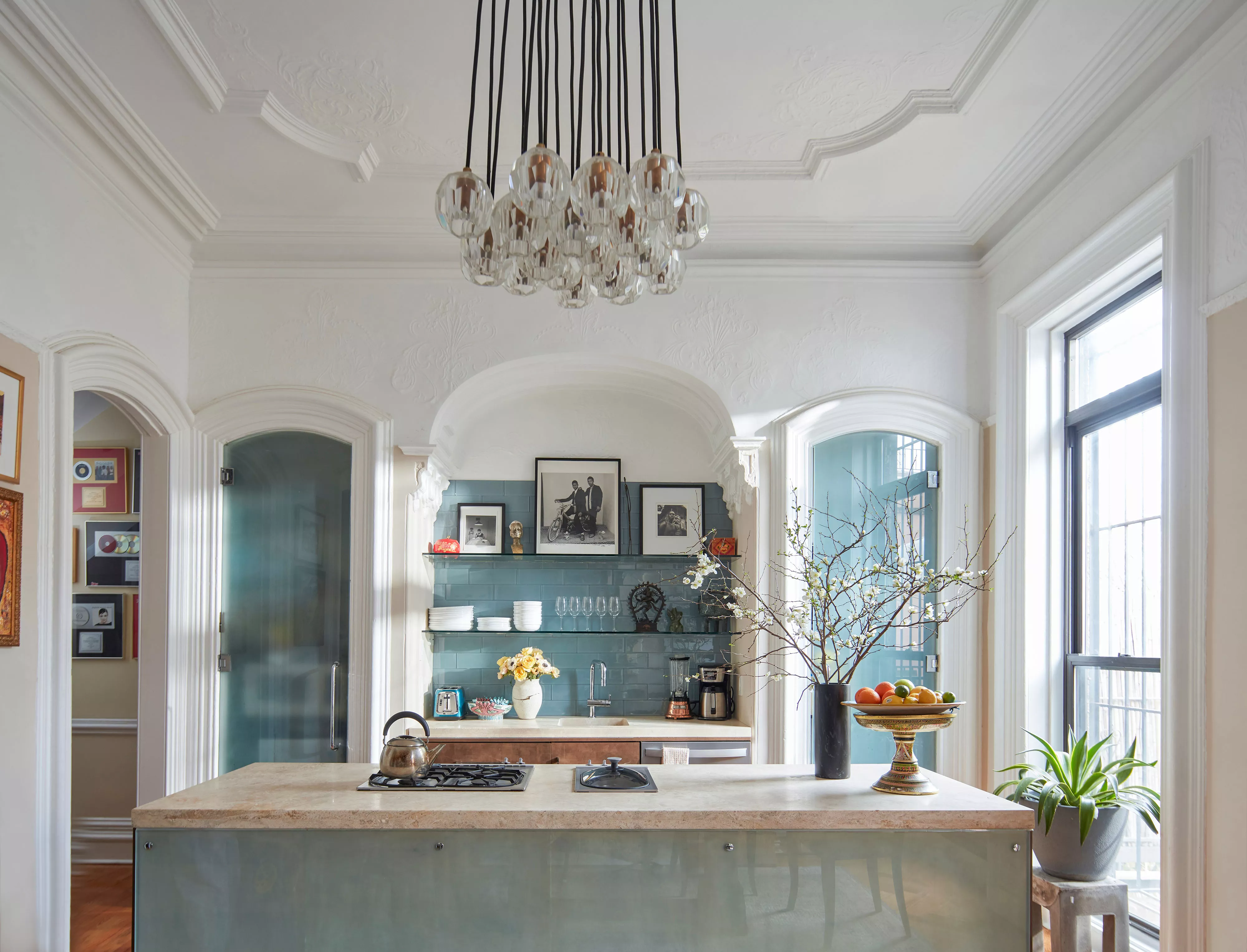
Ina Garten Swears by These 6 Styling Tips for Kitchen Shelves That Instantly Elevate the Room

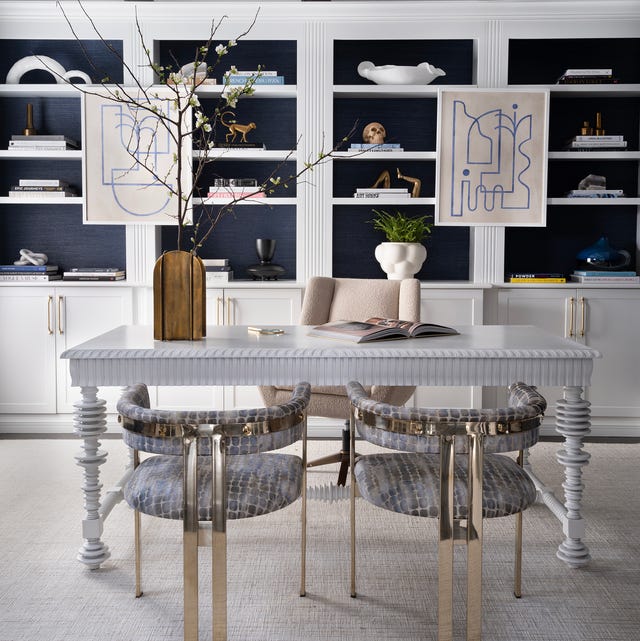
13 Designer Styling Secrets to Elevate Your Bookcases

Master the art of styling bookshelves with these tips from design experts

The Insider: How to make your shelving sexy
5 reasons I'll always paint my shelving the same color as the wall – it's the secret to more cohesive decorating schemes

The Space People Struggle to Style the Most—And How to Master It

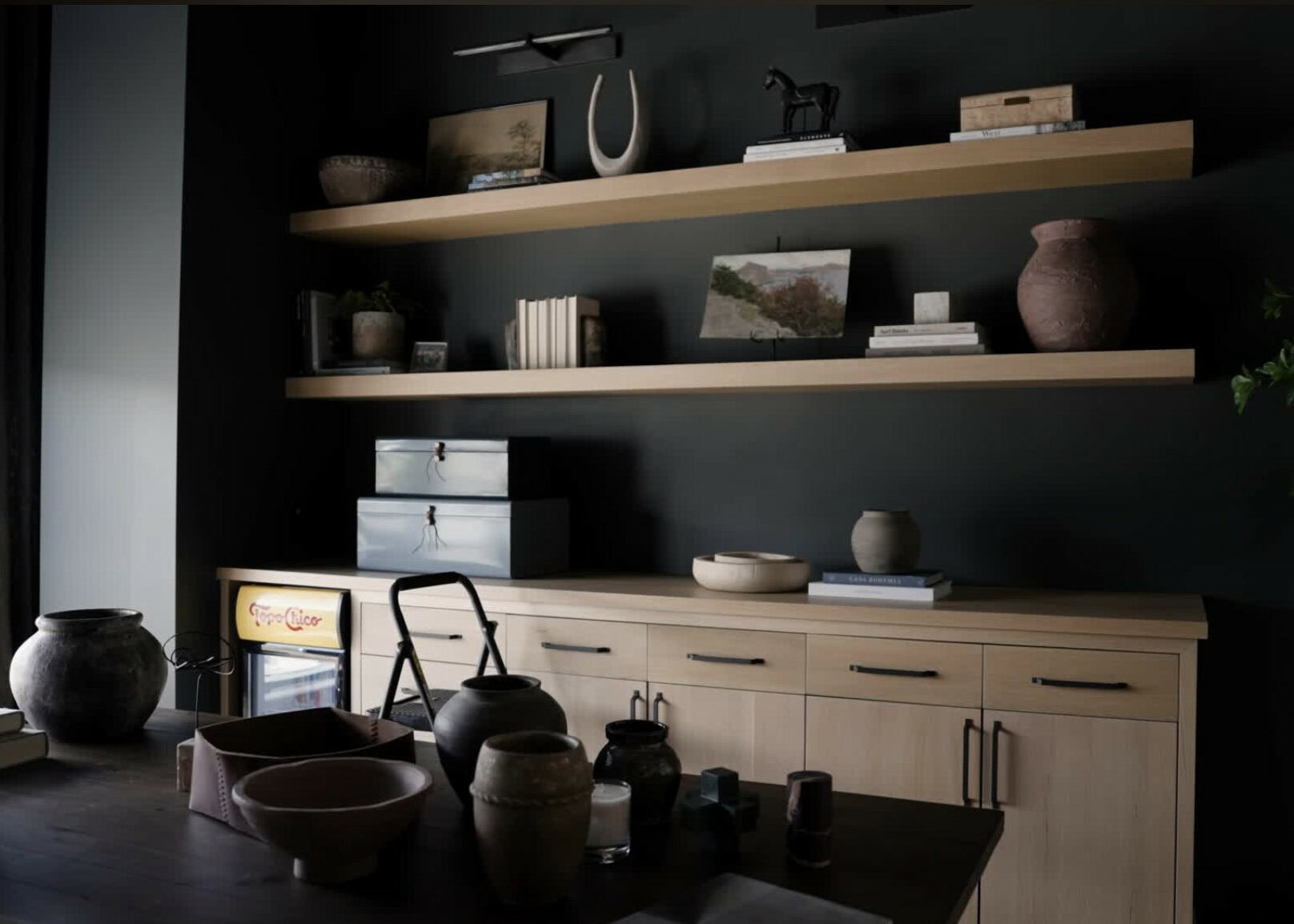
The Art Of Shelf Styling
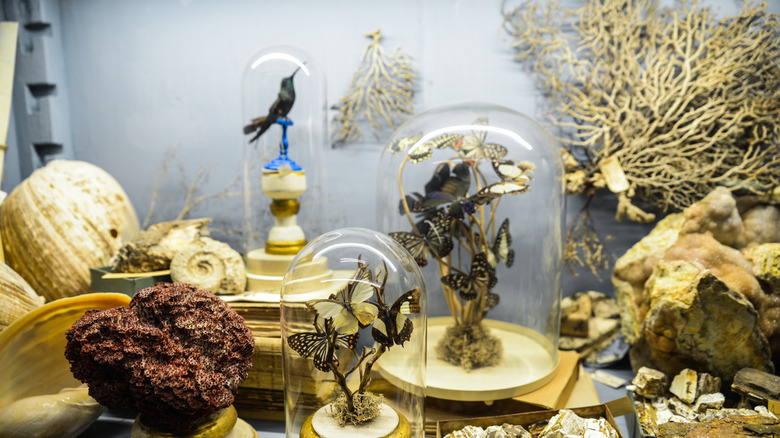
An Expert Explains How To Perfectly Style Your Trendy Curiosity Cabinet

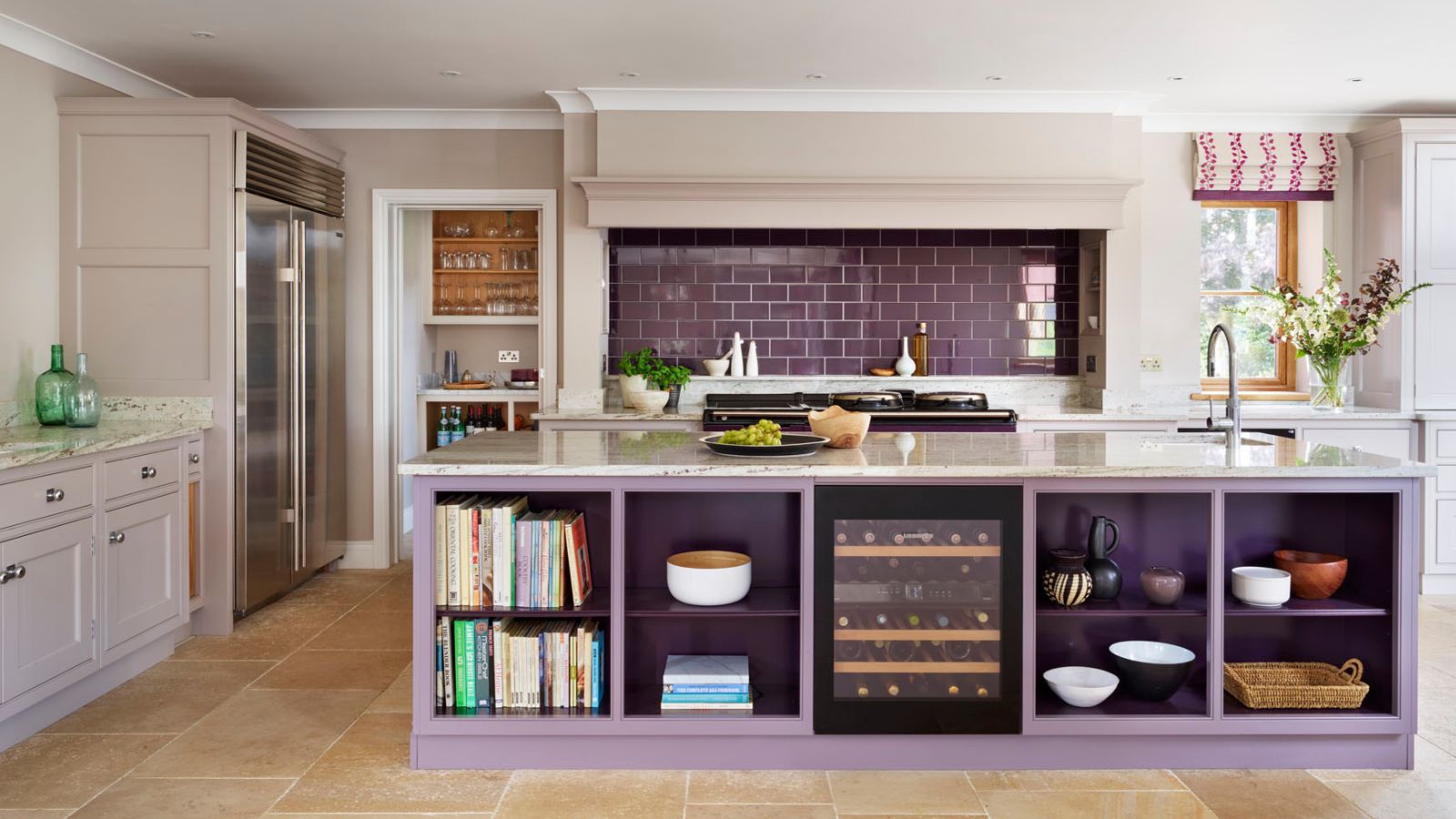
9 expert tips from a top kitchen designer on getting storage spot on

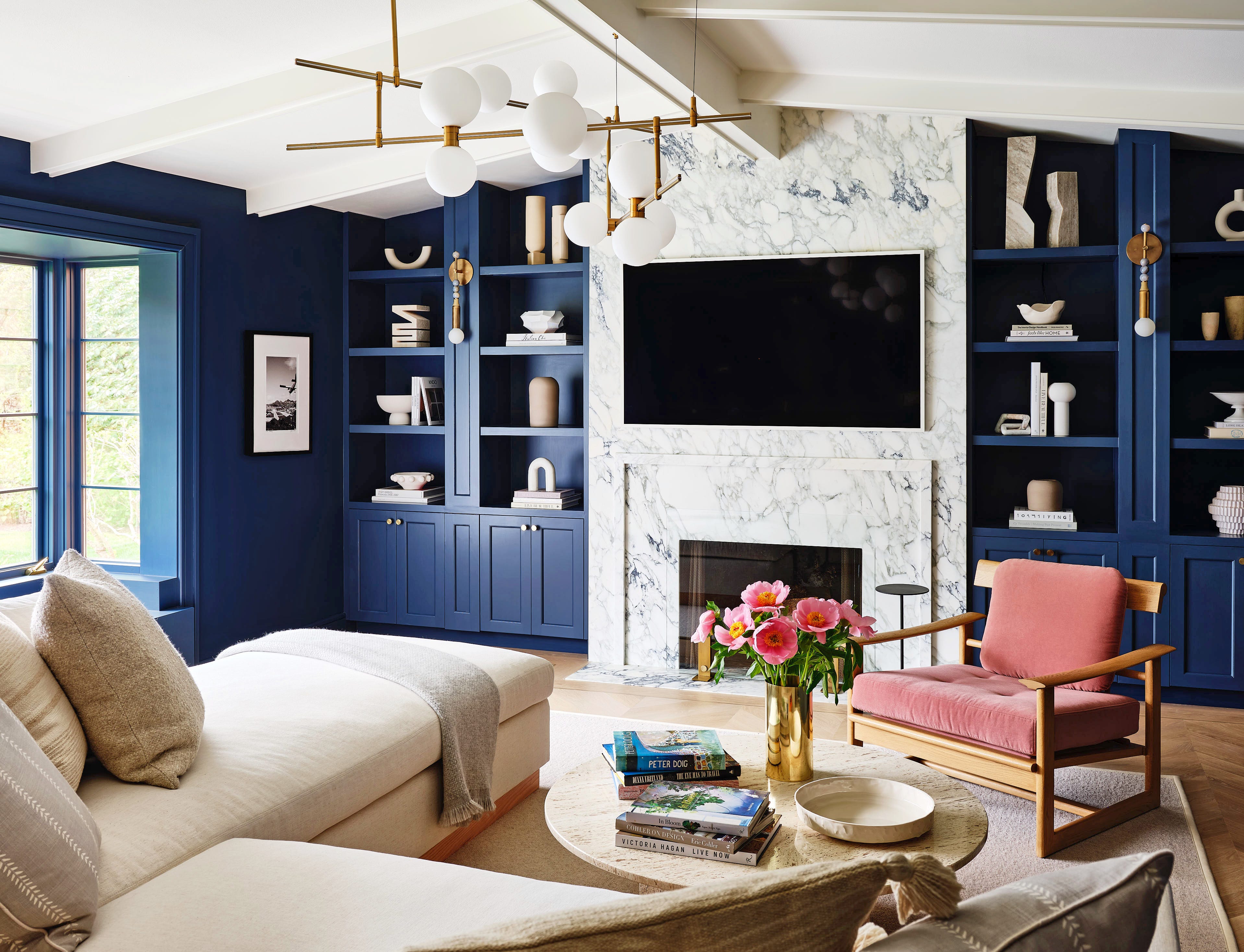
22 Ways to Style Your Bookshelf Like a Designer
5 shelf styling trends for 2024 designers are using now to create rooms full of personality
Decorating shelves – 13 ideas for beautiful arrangements
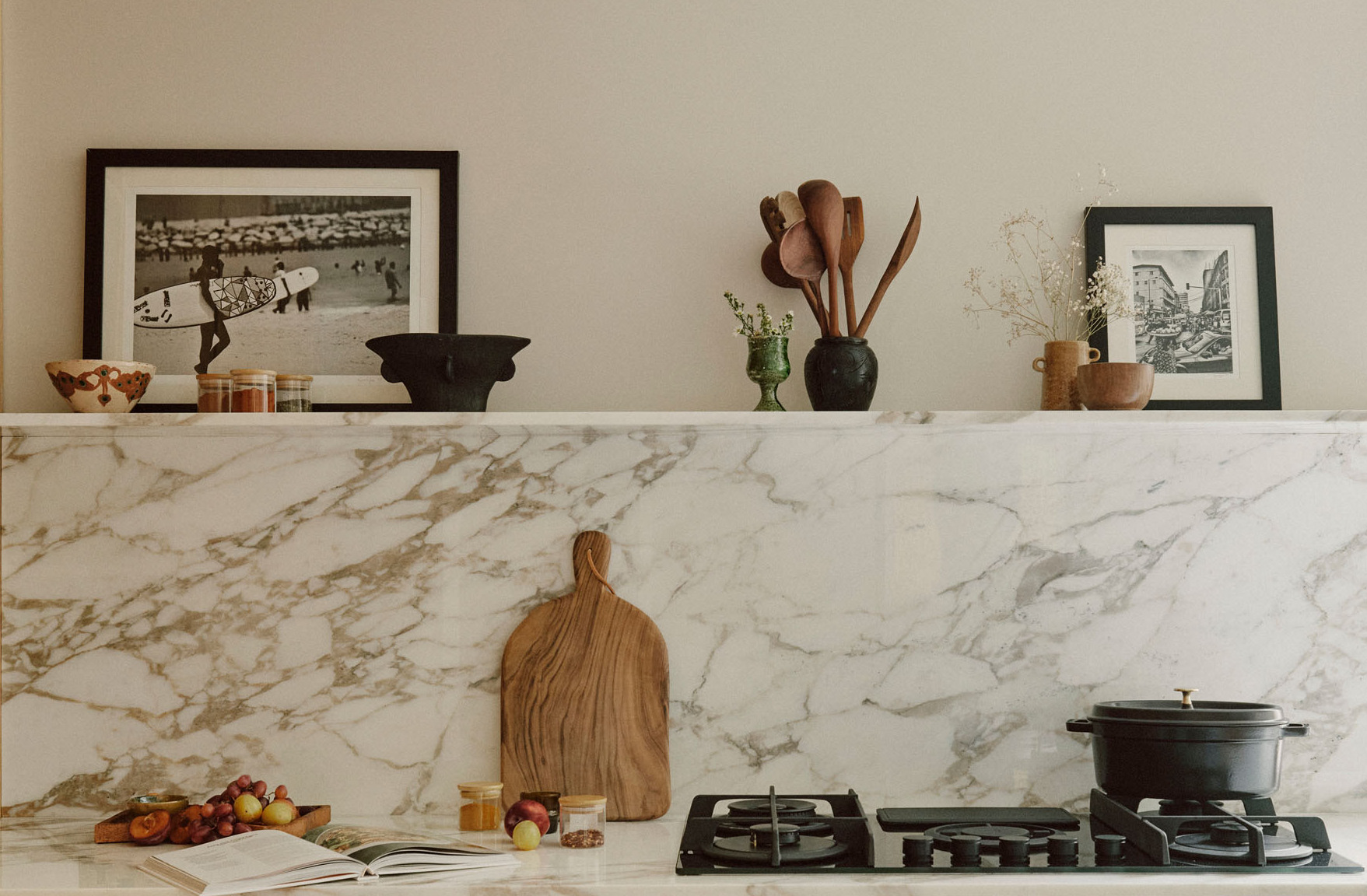
5 shelf styling trends for 2024 designers are using now to create rooms full of personality
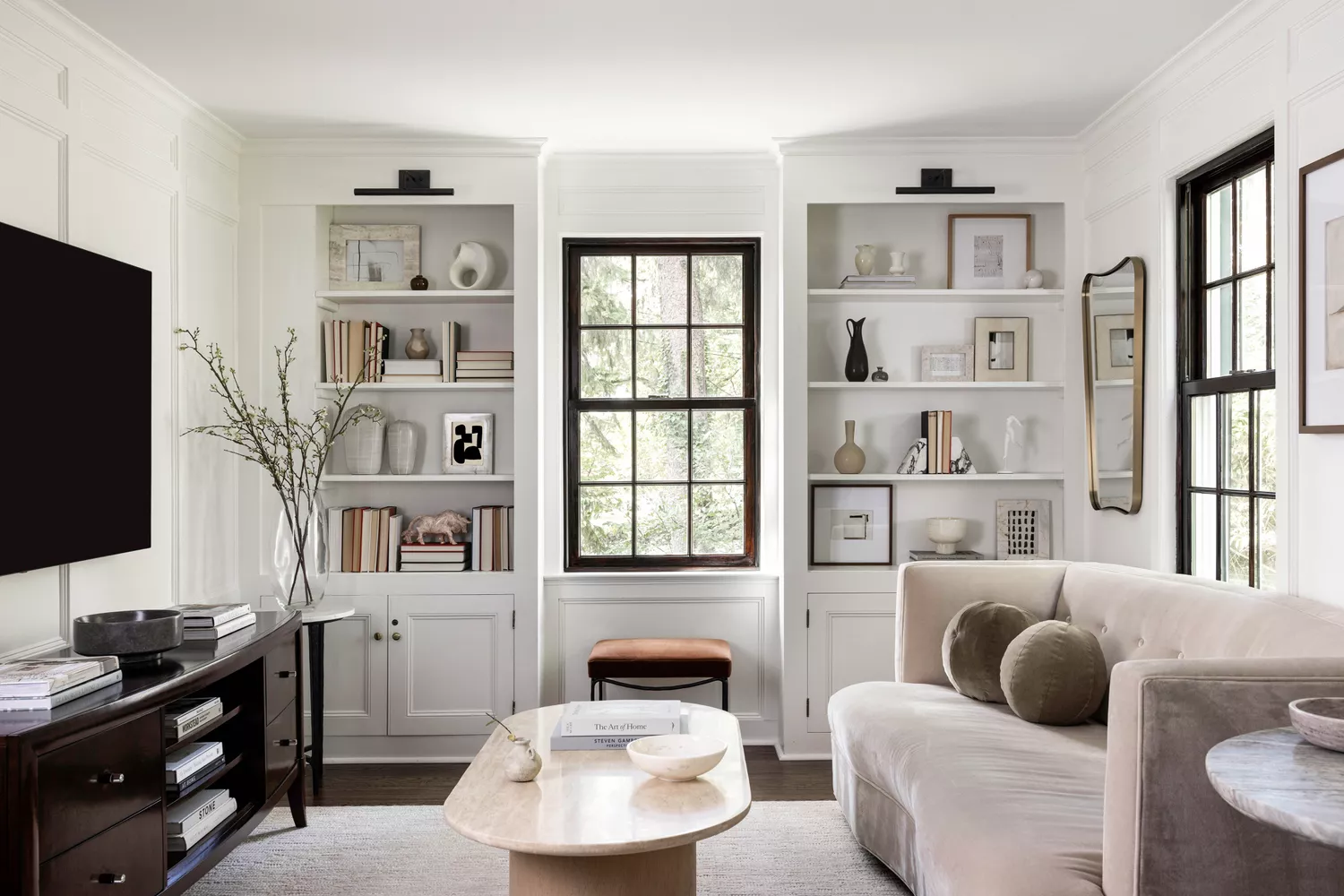
How to Style Your Bookshelves, According to Interior Designers and Stagers