13 Biggest House-Flipping Mistakes Made by Beginners
House flipping, popularized by television shows, presents an appealing prospect for quick profits in the real estate market. Despite experts debating overall market conditions, specific regions, like Hickory-Lenoir-Morganton, North Carolina, show significant returns on investments for homes bought and sold within a 12-month period. Success in house flipping, particularly for newcomers, depends on avoiding common mistakes that can lead to financial losses.
One critical mistake for new house flippers is attempting to manage the entire process alone. Even seasoned professionals rely on a team. A complete team should include a business entity, identified contractors, multiple lenders for financing options, and a real estate agent for accurate sales data. Without these elements in place, an investor is ill-prepared to make competitive offers or accurately assess the profitability of a potential deal. Understanding contractor bids and projecting a renovated property's sale price are essential for sound investment analysis.
Financial mismanagement is a primary cause of failed house flips. Adhering to the 70% rule is crucial. This rule dictates that the purchase price of a property should not exceed 70% of its after-repair value (ARV) minus the cost of repairs. Ignoring this guideline and overpaying for a property can eliminate profit margins, especially when unforeseen expenses arise. A detailed, written budget encompassing all costs is indispensable. Flippers must resist the temptation to cut corners on budgeting or to rationalize blowing the rehabilitation budget by expecting to recoup costs through a higher selling price, as buyers are not typically swayed by such factors.
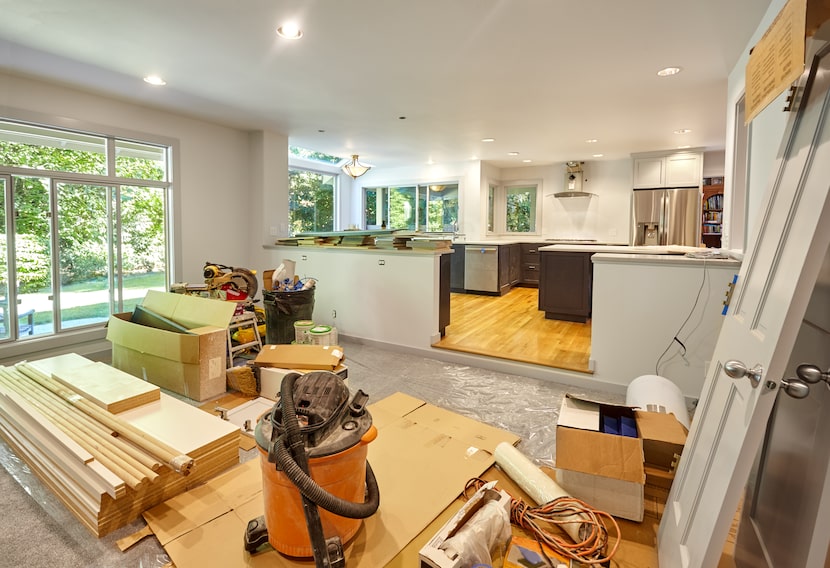
Underestimating repair costs is another frequent error. Novice flippers often lowball renovation expenses by relying on their own estimations rather than consulting professionals. For instance, addressing uneven floors might involve complex foundation repairs rather than just simple flooring replacement, leading to thousands of dollars in unexpected costs. Utilizing resources like HomeAdvisor and Thumbtack for general cost estimates and gathering multiple bids from local professionals can mitigate this risk.
Selecting properties that require excessive work is a common pitfall. Successful flippers, especially beginners, should target homes needing only cosmetic updates or a few major renovations that offer a clear return on investment. Focusing on updates like new flooring, siding, kitchen, and bathroom remodels is more strategic than tackling homes with structural or extensive repair needs. Similarly, overlooking the surrounding area and neighborhood characteristics can negatively impact a property's sale value, regardless of internal improvements. Factors such as neighborhood maintenance, noise levels, and traffic patterns play a significant role in buyer perception and final sale price.
Unrealistic timelines also lead to increased costs. Extended holding periods mean higher expenses for mortgage payments, interest, insurance, and taxes. While television shows depict quick flips, real-world renovations often take longer and cost more than anticipated. Experienced flippers typically aim to complete a flip within three months. Part-time flippers should allocate even more time, understanding that prolonged projects increase exposure to market shifts and incur substantial holding costs.
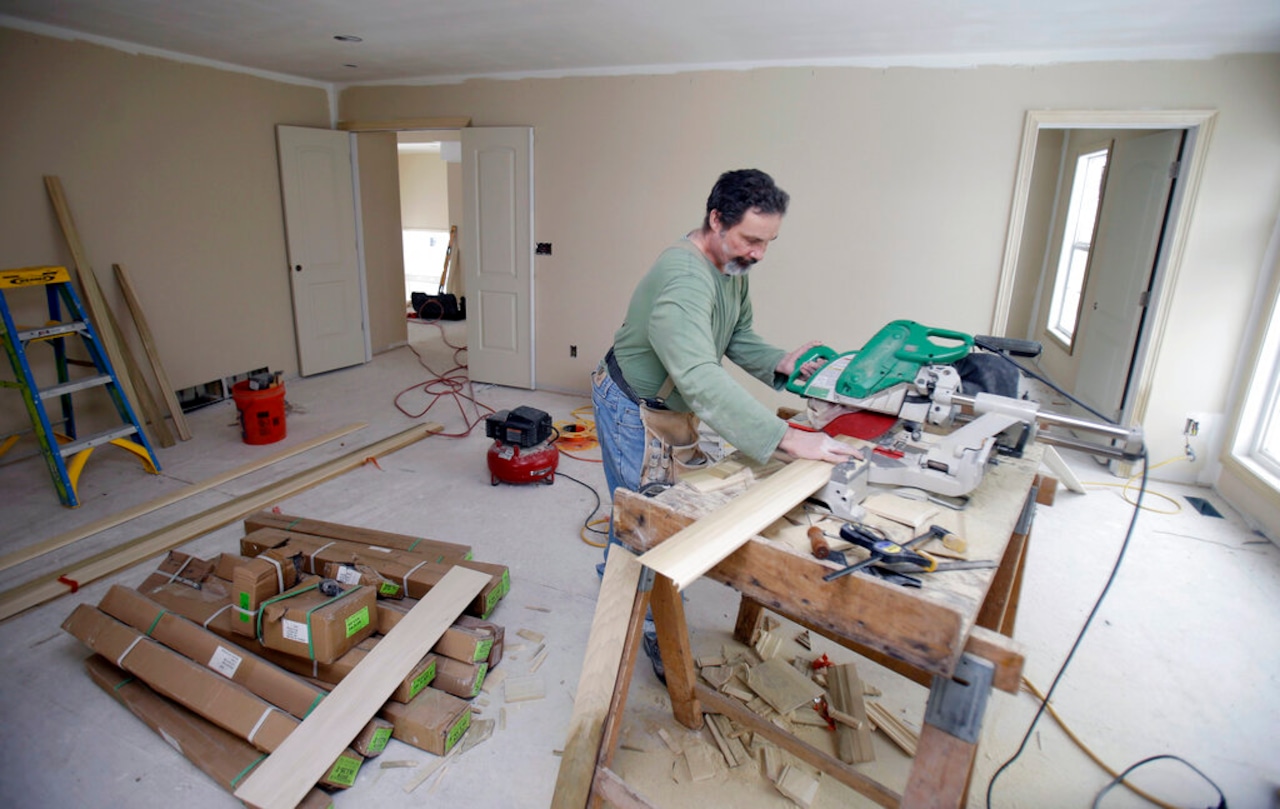
Balancing DIY work with professional help is another critical aspect. While some tasks, like demolition, can be handled by the flipper to save money, complex jobs such as electrical work or plumbing should be left to licensed professionals. Attempting dangerous or specialized repairs without proper expertise can lead to costly mistakes, safety hazards, and potential legal issues. Conversely, relying solely on contractors for all work can erode profits; strategic DIY contributions are vital. Hiring the right contractor is paramount, ideally through word-of-mouth recommendations, comprehensive vetting, proper contracts, and avoiding upfront payments. Additionally, skipping necessary permits to save money is a significant risk, potentially resulting in legal penalties or mandated deconstruction of unpermitted work.
Finally, avoiding excessive upgrades is crucial. New flippers often get carried away, making high-end improvements that do not yield a proportional return. Prioritizing renovations in key areas like the kitchen, bathrooms, and master bedroom, and focusing on aesthetic improvements that enhance appeal without overspending, is more effective. Simple fixes, such as replacing doorknobs or light switch plates, can significantly improve a home's perceived value without a large budget. The primary driver of profit in flipping is the initial purchase price, not necessarily the extent of renovations. Flippers should identify the minimum amount of work needed to achieve maximum return on investment rather than pursuing every possible renovation.
#HouseFlipping #RealEstateInvesting #BeginnerMistakes #Budgeting #RenovationCosts #TeamBuilding #PropertySelection #ProjectManagement #ContractorSelection #HouseFlipping #RealEstateInvesting #BeginnerMistakes #Budgeting #RenovationCosts #TeamBuilding #PropertySelection #ProjectManagement #ContractorSelection
0 comment in total
 No comments yet
You may also like

9 common home renovation mistakes to avoid


5 entryway mistakes we all make – and how designers suggest we avoid them


5 entryway Feng Shui mistakes experts always notice as soon as they step foot into a home


5 Common Entryway Mistakes That Make The Wrong First Impression

12 common family living room mistakes that pros warn against

5 Common Mistakes Homeowners Make When Restoring Old Houses
Common design mistakes you're making in every room of your house

Designers Say This Is the #1 Living Room Mistake Everyone Makes


You should try to avoid these 10 common home remodeling mistakes, urge experts
11 costliest home renovation mistakes you should avoid

10 Interior Design Mistakes Experts Avoid In Their Own Homes


8 shockingly common kitchen design mistakes according to a pro


A serial home flipper with over 25 years of experience shares 7 common renovation mistakes people make

6 mistakes design experts instantly notice in your home – and how to fix them

7 Renovations Homeowners Regret the MOST, According to the Experts Who Fix Them

8 shockingly common kitchen design mistakes according to a pro


9 whole house layout mistakes – avoid these common floor plan flaws

10 Mistakes Designers IMMEDIATELY Notice When They Walk Into Your Home

What makes an entryway look cheap? 6 mistakes to immediately switch out in 2025
"It Ended Up Being A Major Mistake": 15 Popular Home Design Trends People Tried But Ultimately Regretted