Dispelling the myths about LED blue light and light flicker, Lifestyle News
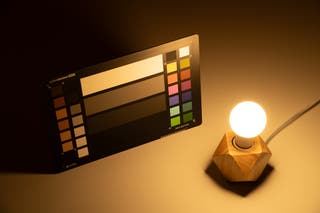
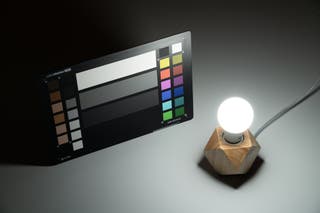
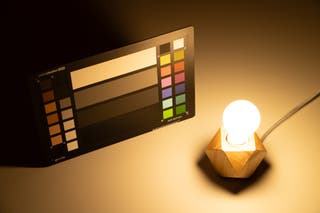
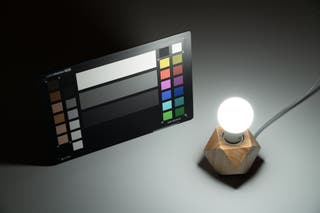
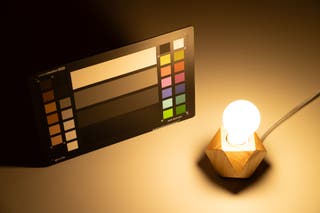
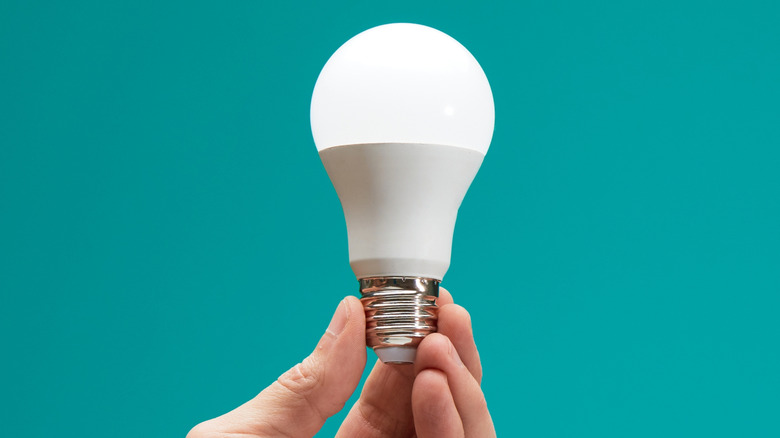
The article addresses common misconceptions surrounding LED lighting, specifically regarding blue light emission and light flicker. It begins by debunking the idea that LED light bulbs exclusively emit harmful blue light, clarifying that all white light sources, including incandescent and compact fluorescent bulbs, contain blue light as a component of the visible spectrum. The amount of blue light emitted by an LED bulb is primarily determined by its color temperature, with cool white lights emitting more blue light than warm white lights. The piece highlights that blue light, in moderation, is a crucial part of natural sunlight and only becomes harmful in excessive high-energy radiation. It references past reports, such as one from 2014 by Environmental Health Perspectives, which suggested that white LED lights could cause macular degeneration in animals, leading to widespread concern. However, the article counters this by presenting findings from EU and American laboratories, which indicate that the blue light content in LEDs is comparable to that in traditional lighting sources and natural sunlight at the same color temperature. This research concludes that LED lighting is generally a safe product.
The evolution of LED technology has significantly reduced the amount of blue light emitted by contemporary LED products. The article notes that by 2019, LED blue light emission had decreased by 80 percent compared to earlier versions, largely in response to efforts to address eye safety concerns. It mentions the European Union's ENC62471 standard, which evaluates the photobiological safety of LED products and requires labeling to inform consumers about blue light emission levels. While most market-available LED bulbs are deemed safe, a caveat is included regarding the aging of blue-light-blocking fluorescent coatings, which could lead to an increase in blue light emission over time. Consumers are advised to consider this factor.
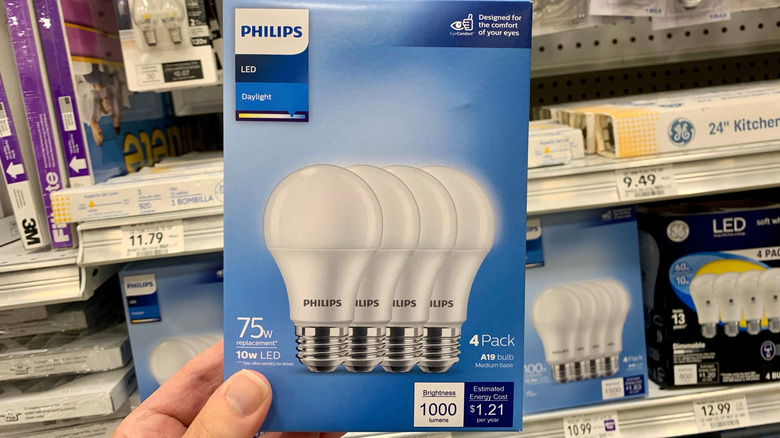
Guidance is provided on how to select LED light bulbs, recommending established brands and suggesting specific criteria: opting for warm white lights (below 4000K) for domestic use to minimize blue light, choosing lights with a color rendering index (CRI) of above 80Ra for authentic color representation, and ensuring compliance with the European Union's EN62471 standards.
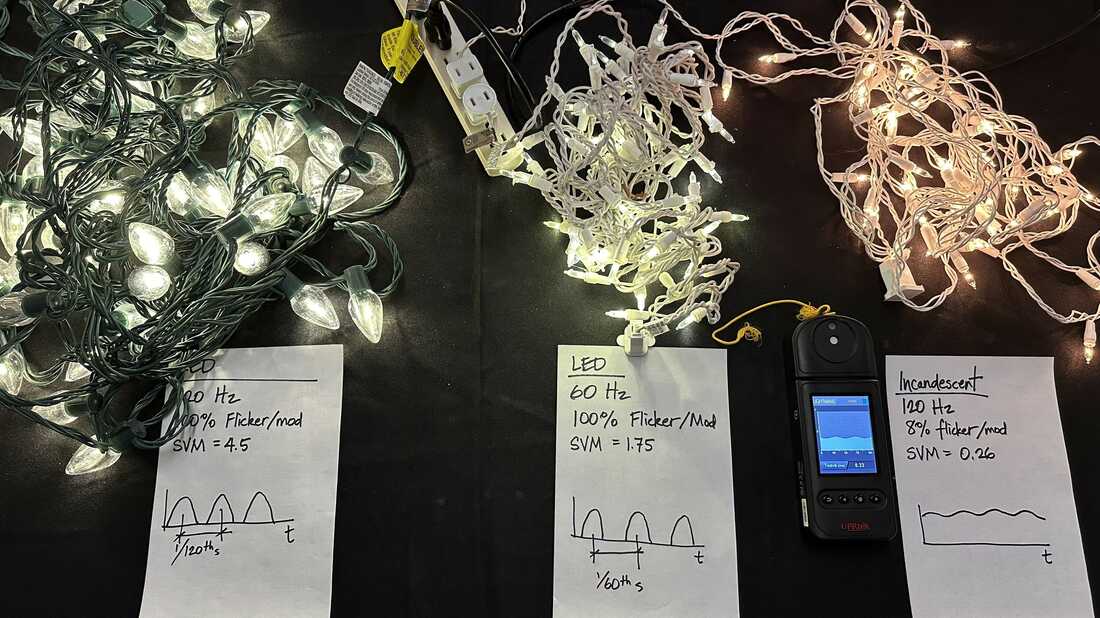
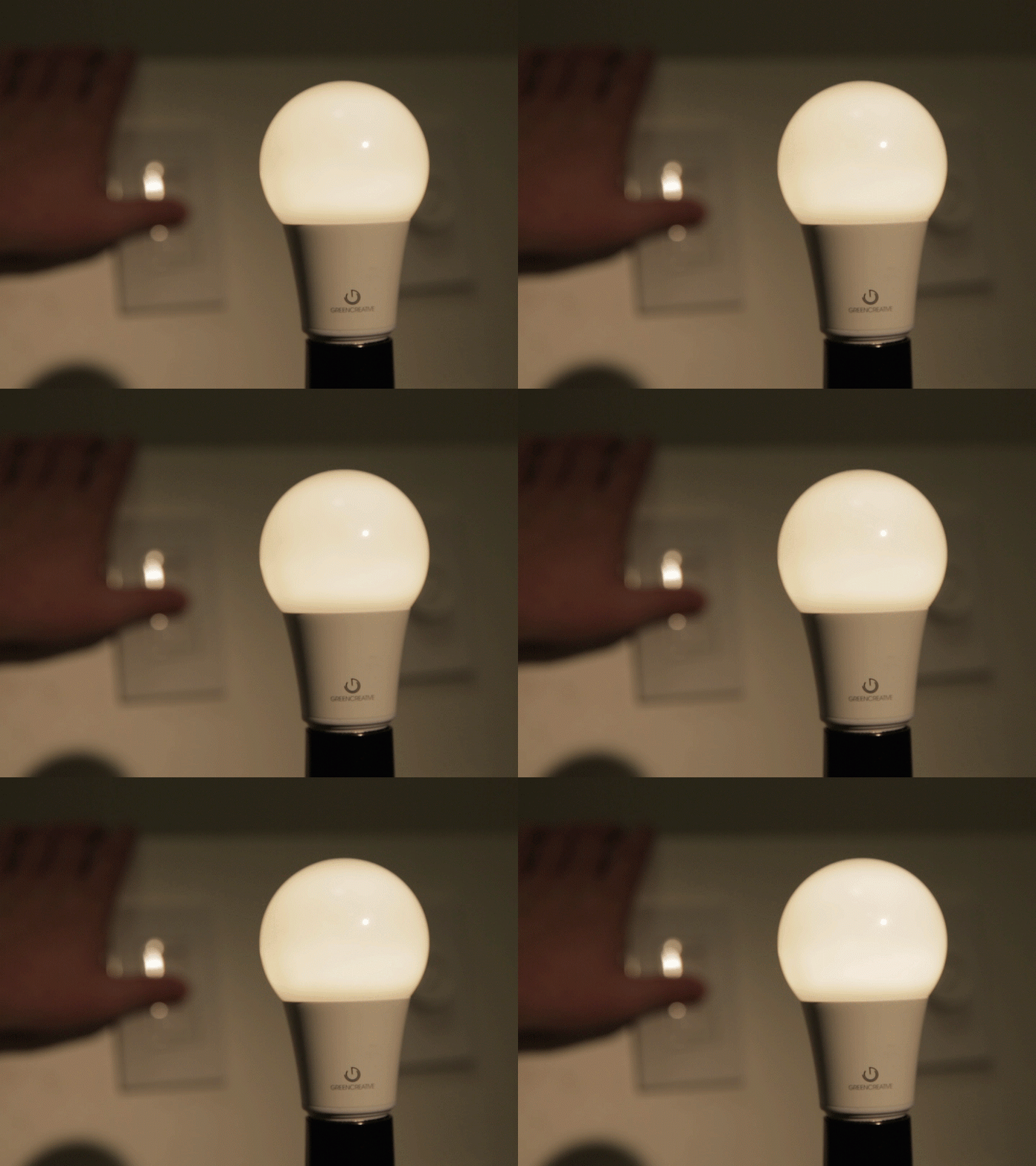
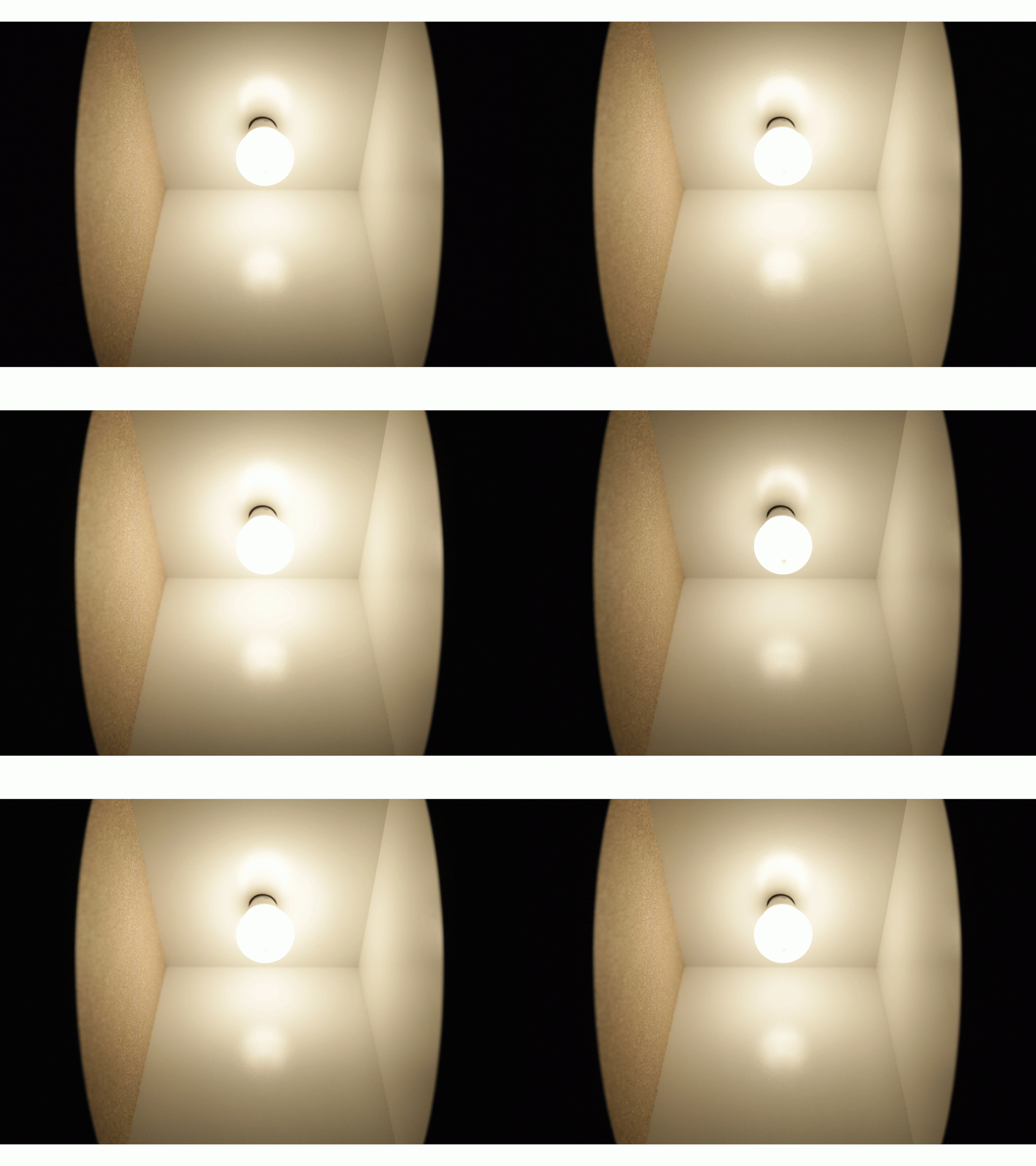
The second major topic discussed is light flicker, which is caused by the alternating current (AC) power supply that changes direction 50 times per second (50 Hz). Unlike incandescent bulbs, which have residual heat that maintains light output, LEDs have no persistence, meaning they turn on and off instantly with the AC cycle, making their flicker more noticeable at frequencies below 100 Hz. The article details the harmful effects of prolonged exposure to light flicker, including eye damage, tiredness, mood changes, and even the potential to trigger epileptic seizures in sensitive individuals. It also notes the link between ordinary fluorescent tubes and migraines, fatigue, and impaired vision, and warns of the dangers of flicker-induced illusions during activities like night driving.
The article offers a simple method for detecting light flicker using a smartphone camera. Finally, it presents a solution to light flicker: LED transformers. These transformers convert AC power to direct current (DC), and high-quality versions can provide a constant DC to LEDs, thereby eliminating visible flicker. Consumers are advised to purchase LEDs with built-in transformers from reliable suppliers.
#LEDLighting #BlueLight #LightFlicker #HomeLighting #EyeHealth #LightingTechnology #ConsumerGuide #HomeRenovation #ElectricalSafety #LEDLighting #BlueLight #LightFlicker #HomeLighting #EyeHealth #LightingTechnology #ConsumerGuide #HomeRenovation #ElectricalSafety
0 comment in total
 No comments yet
You may also like

The 3 Best LED Light Bulbs of 2025 | Reviews by Wirecutter
Best LED Light Bulb for Every Room in Your House in 2026

Best LED Light Bulb for Every Room in Your House in 2025
These LED bulbs offer 100 watts worth of light: Which is best?

Overhead Lighting vs. Lamps: Experts Settle This Great Debate


Room-by-Room Lightbulb Guide | Lightbulb Reviews
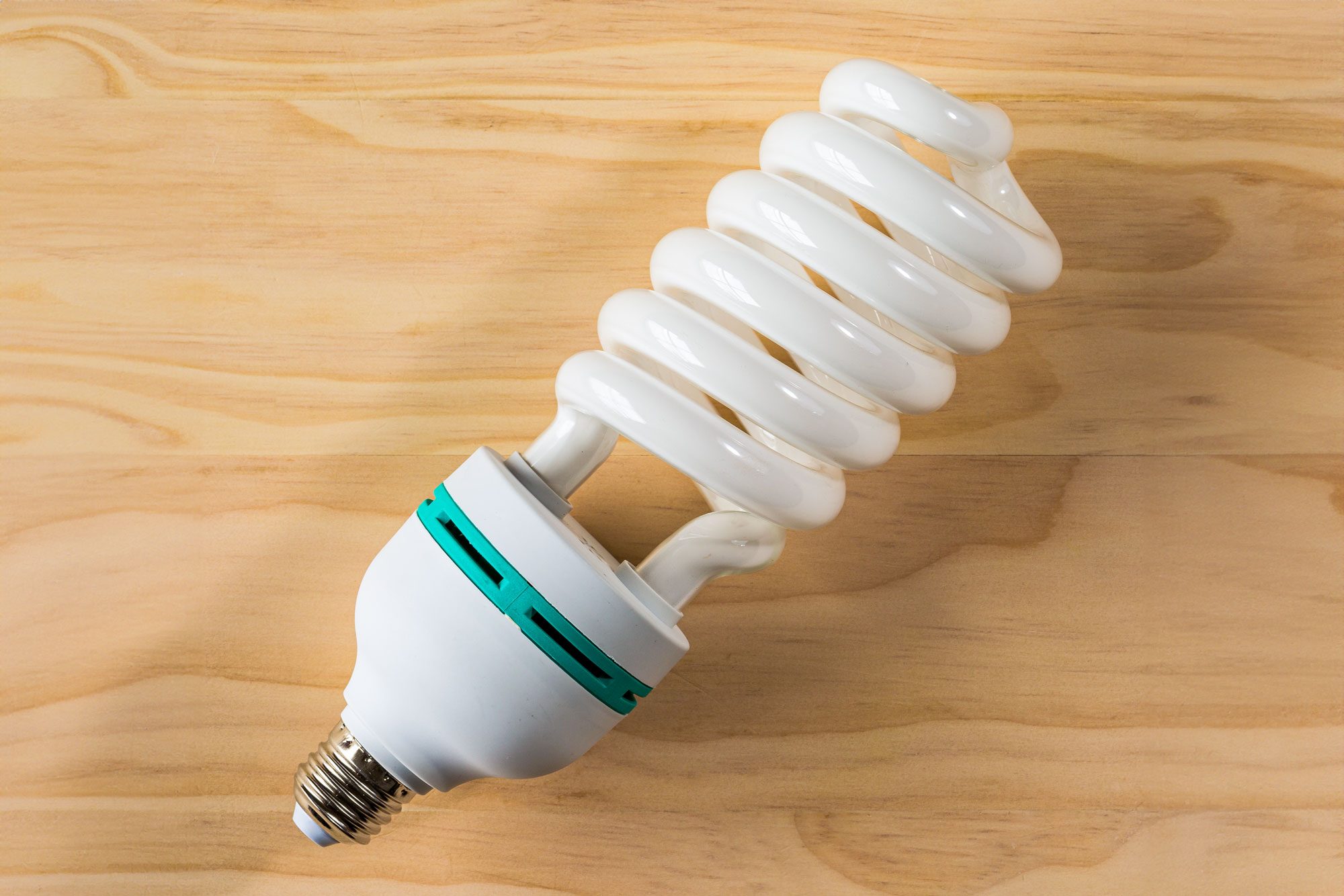
What Is a CFL Bulb?


Lasvit Lighting: Nothing Bohemian About these Czech Lighting Magicians


The 3 Best LED Light Bulbs of 2026 | Reviews by Wirecutter

What’s With TikTok’s LED Light Obsession?

The Best Light Bulbs for All Your Home’s Lighting Needs, Tested

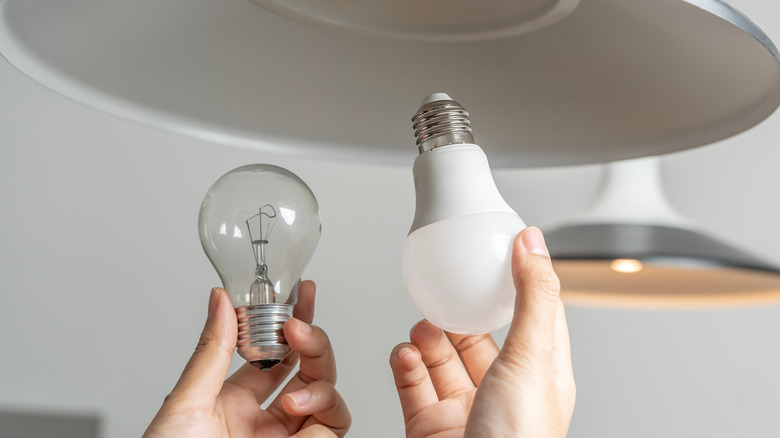
Here's What Happens If You Put A 100W LED Bulb Into A 60W Socket


It's not just you: Christmas lights look different now, and can give you headaches : Short Wave
These migraine-inducing GIFs will show you which LEDs to avoid
Banish the “Big Light” Completely With Some Snazzy Lamps
11 LED bulbs that bump up the brightness (pictures)
We Tested Best LED Light Strips for Illuminating Any Location, See Our Favorites
The best LED light strips for any space
Light up your home with these top lighting trends for 2024

What to Know About Upgrading Your Light Fixtures