What Is a CFL Bulb?
This article explores compact fluorescent lamps (CFLs), detailing their functionality, types, comparisons with other bulb technologies, and associated hazards. CFLs represent a bridge between traditional incandescent bulbs and modern light-emitting diodes (LEDs), offering improved energy efficiency in a compact form factor designed to fit standard light sockets. While fluorescent tubes have historically illuminated commercial spaces, CFLs were developed in the 1970s to bring similar efficiency to residential settings.
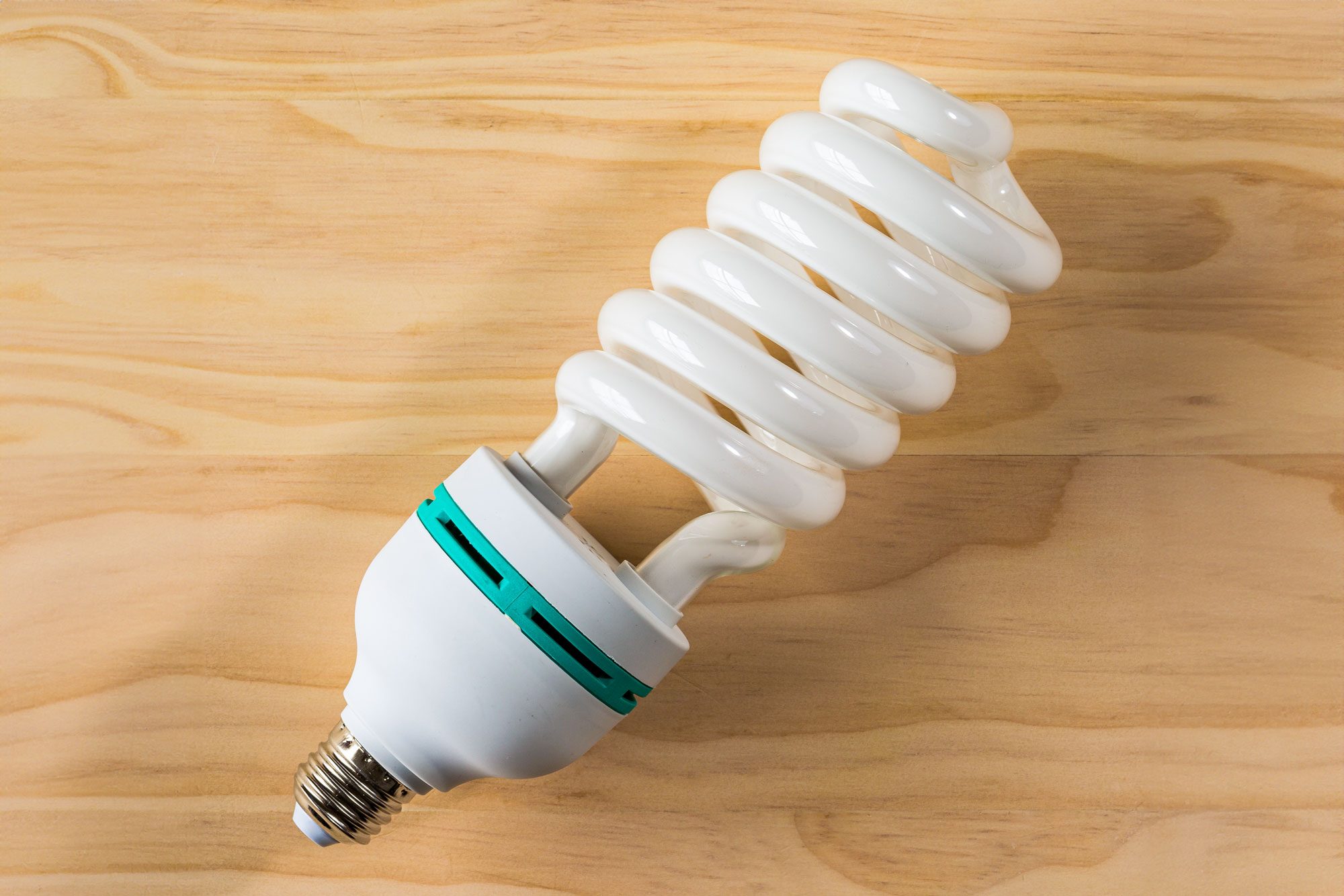
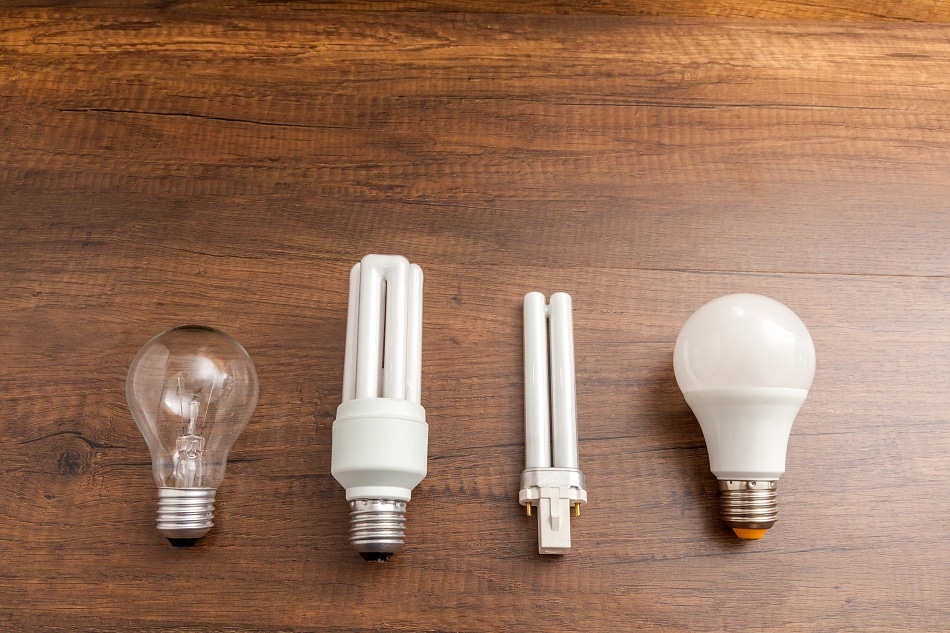
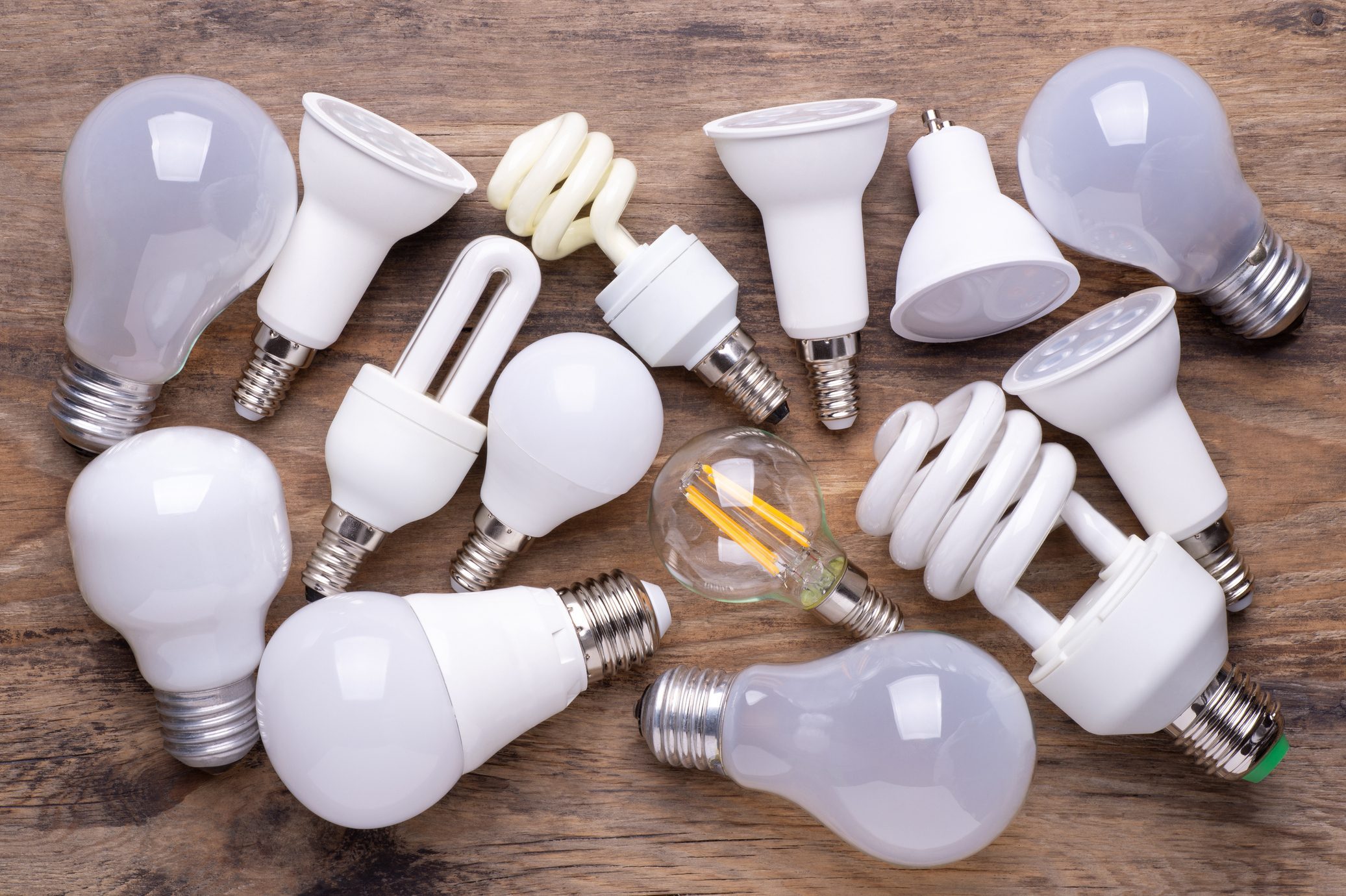
CFLs are essentially miniaturized fluorescent tubes, often coiled or bent into a U-shape. Their operation involves gas, along with a small amount of mercury, conducting electricity to produce ultraviolet (UV) light. This invisible UV light then interacts with a coating inside the bulb to create visible light. A key component of CFLs is the ballast, which regulates electrical current flow. Unlike larger fluorescent fixtures where the ballast is external, most CFLs integrate the ballast directly into their base. When selecting a CFL, it's recommended to focus on the lumen rating, which indicates light output, rather than watts, which measure energy consumption, as CFLs produce more light per watt than incandescents. The article outlines various types of CFLs, including those with integrated or non-integrated ballasts, dimmable and non-dimmable versions, and different base configurations like screw-in, pin, or twist-and-lock.
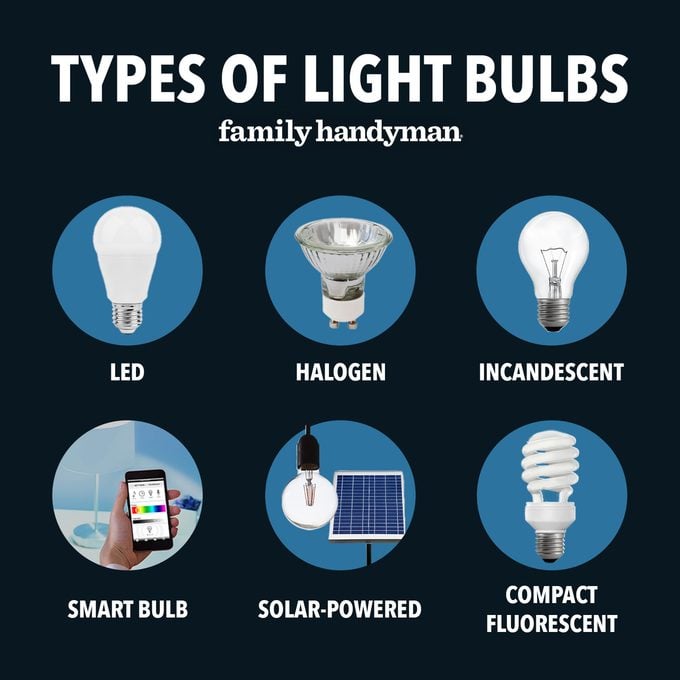
A significant portion of the discussion compares CFLs to other lighting technologies. LEDs are highlighted as a newer, "solid-state" technology that produces light from semiconductor diodes, eliminating the need for gas or tubes. Both CFLs and LEDs offer substantial energy savings compared to incandescents and boast longer lifespans. CFLs typically last between 6,000 and 15,000 hours, while LEDs can last up to 25,000 hours. Although LEDs initially had a higher cost, their prices have become more competitive. Incandescent bulbs, in contrast, generate light by heating a thin filament, a process that is highly inefficient, losing about 90% of energy as heat. CFLs are significantly more efficient, producing 50-70 lumens per watt compared to incandescents' mere 10 lumens per watt, and last much longer, with incandescents typically failing after around 1,000 hours.
The article also addresses the future of CFLs, noting that they are expected to be discontinued due to stricter federal energy efficiency standards. Upcoming regulations will require light bulbs to produce 100 lumens per watt, a threshold that CFLs, with their 50-70 lumens per watt, cannot meet. This change is anticipated within the next one to two years, though some specialized applications, like oven lights, may continue to use incandescents where LEDs or fluorescents struggle with heat. A major hazard associated with CFLs is their mercury content, a neurotoxin essential for their operation. While contained within an intact bulb, mercury can be released if a bulb breaks, posing environmental and health risks. Therefore, proper disposal through recycling is crucial to prevent contamination and allow for the recovery of valuable components. Many municipalities and home improvement stores offer recycling programs for CFLs, and several states have already banned their disposal in landfills.
Ultimately, for most home applications, the experts recommend LEDs due to their superior energy efficiency, light output, and versatility. Modern LEDs can even produce "warm" light, addressing a common concern regarding their color temperature. Consumers are advised to check the Color Rendering Index (CRI) on LED labels, aiming for a CRI above 90 for indoor use and above 70 for outdoor applications, to ensure high-quality light.
#CFLBulbs #LEDLighting #IncandescentBulbs #EnergyEfficiency #LightBulbTechnology #HomeLighting #MercuryDisposal #LightingGuide #FluorescentLighting #CFLBulbs #LEDLighting #IncandescentBulbs #EnergyEfficiency #LightBulbTechnology #HomeLighting #MercuryDisposal #LightingGuide #FluorescentLighting
 No comments yet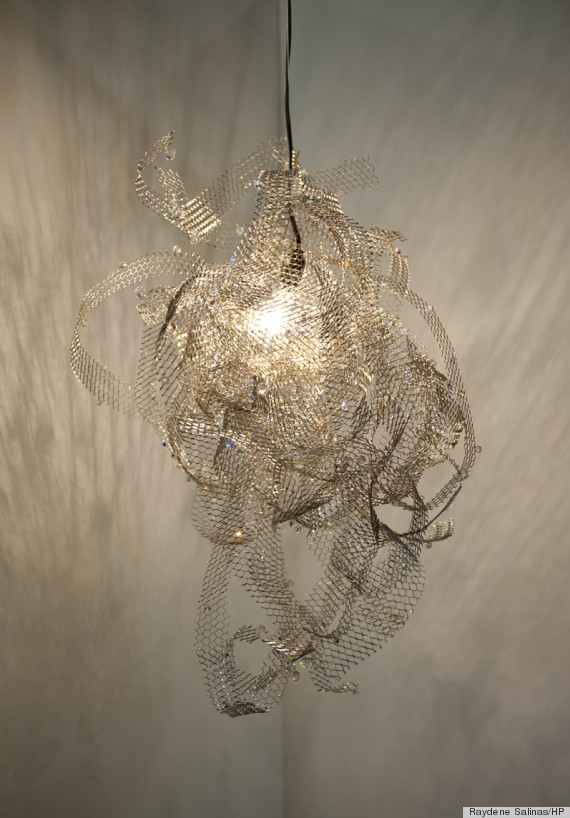
32 Gorgeous Lighting Fixtures Featured At ICFF That We Wish We Came Home To (PHOTOS)

Room-by-Room Lightbulb Guide | Lightbulb Reviews
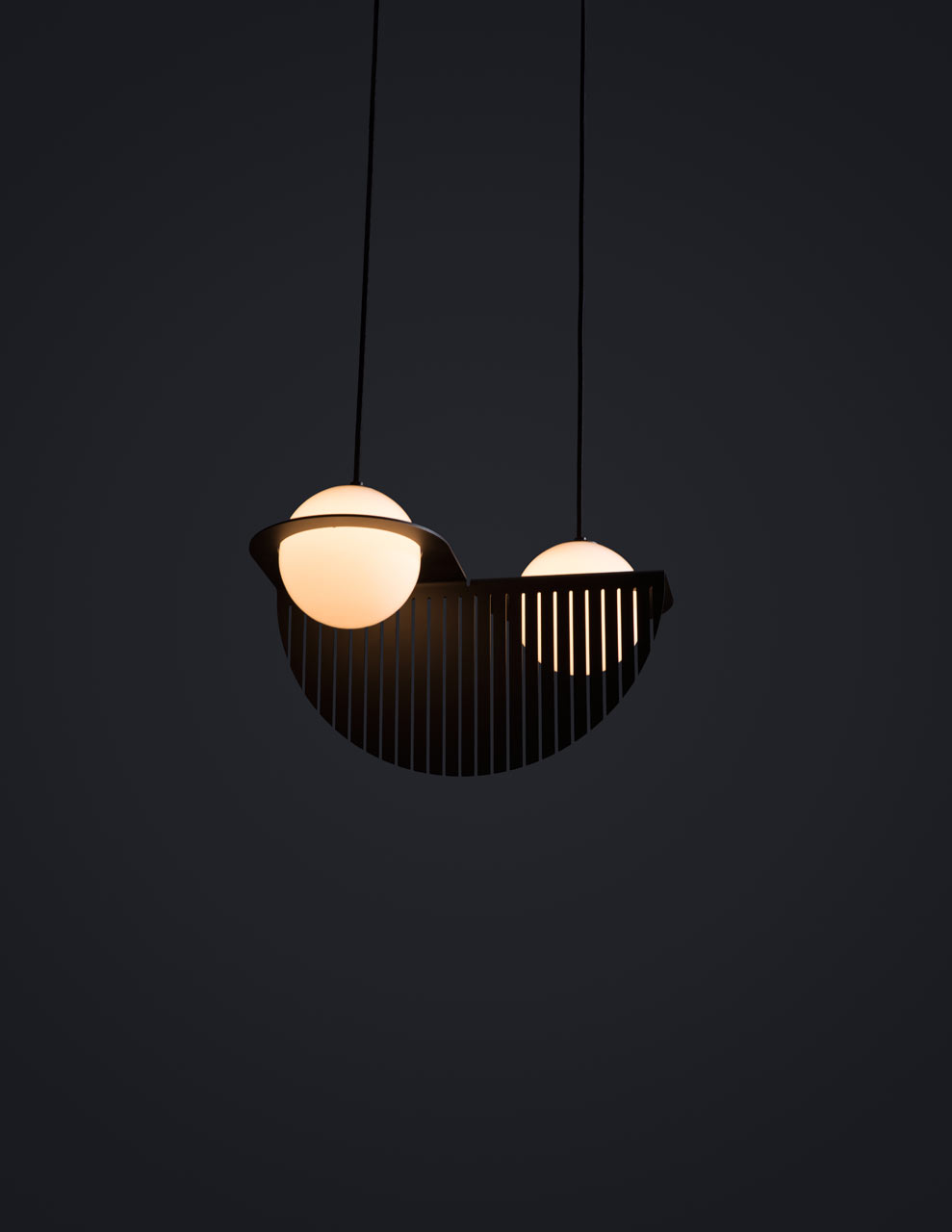
Laurent Lighting from Lambert & Fils
Comparing Energy-Efficient Light Bulbs: LED, CFL and Halogens

Light Bulb Buyer’s Guide