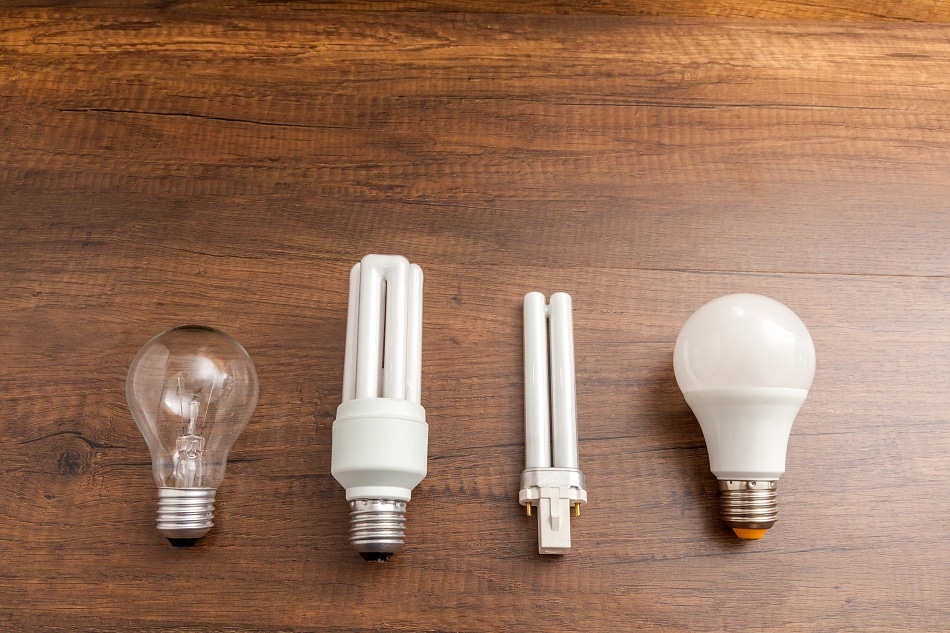
Comparing Energy-Efficient Light Bulbs: LED, CFL and Halogens
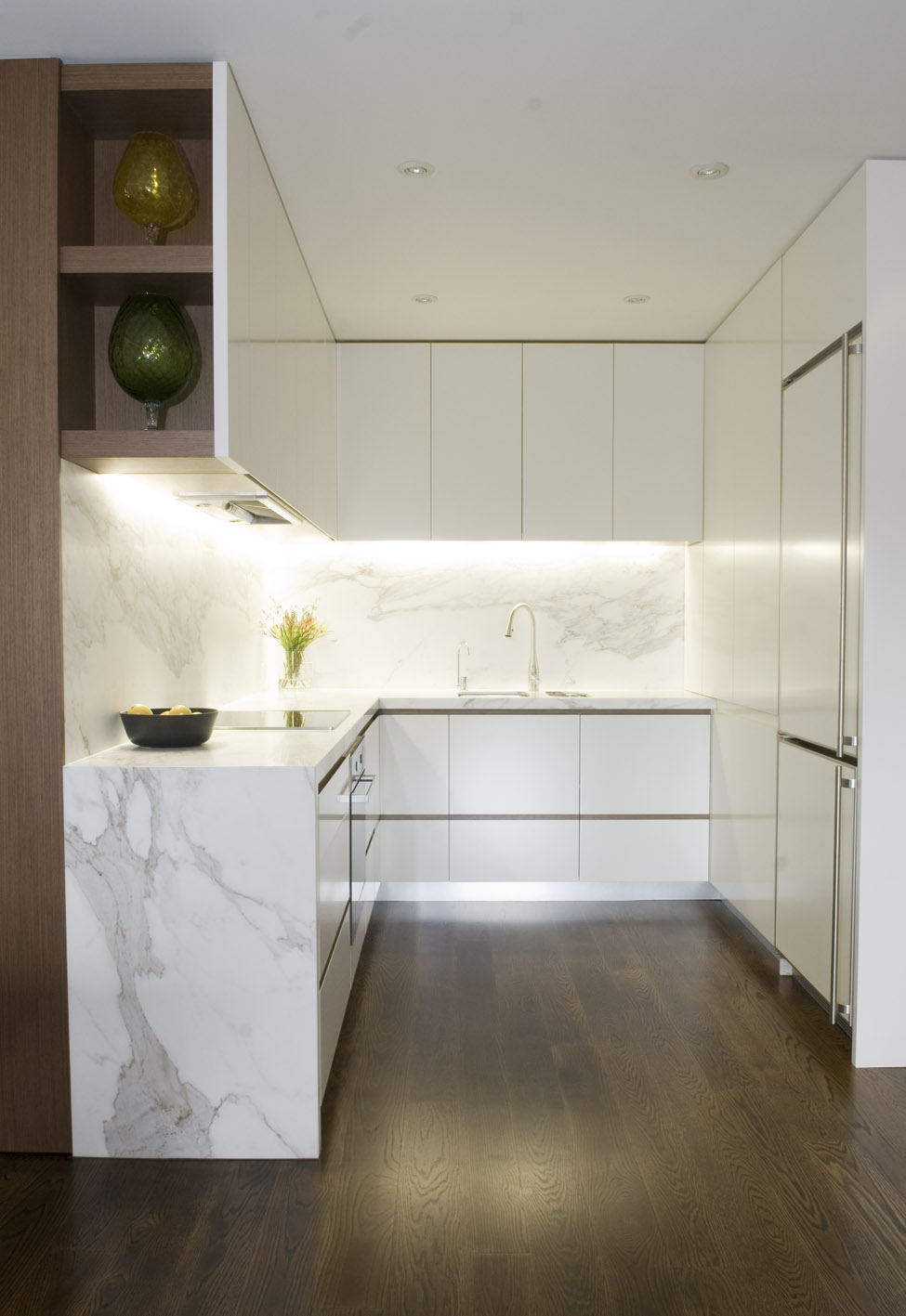
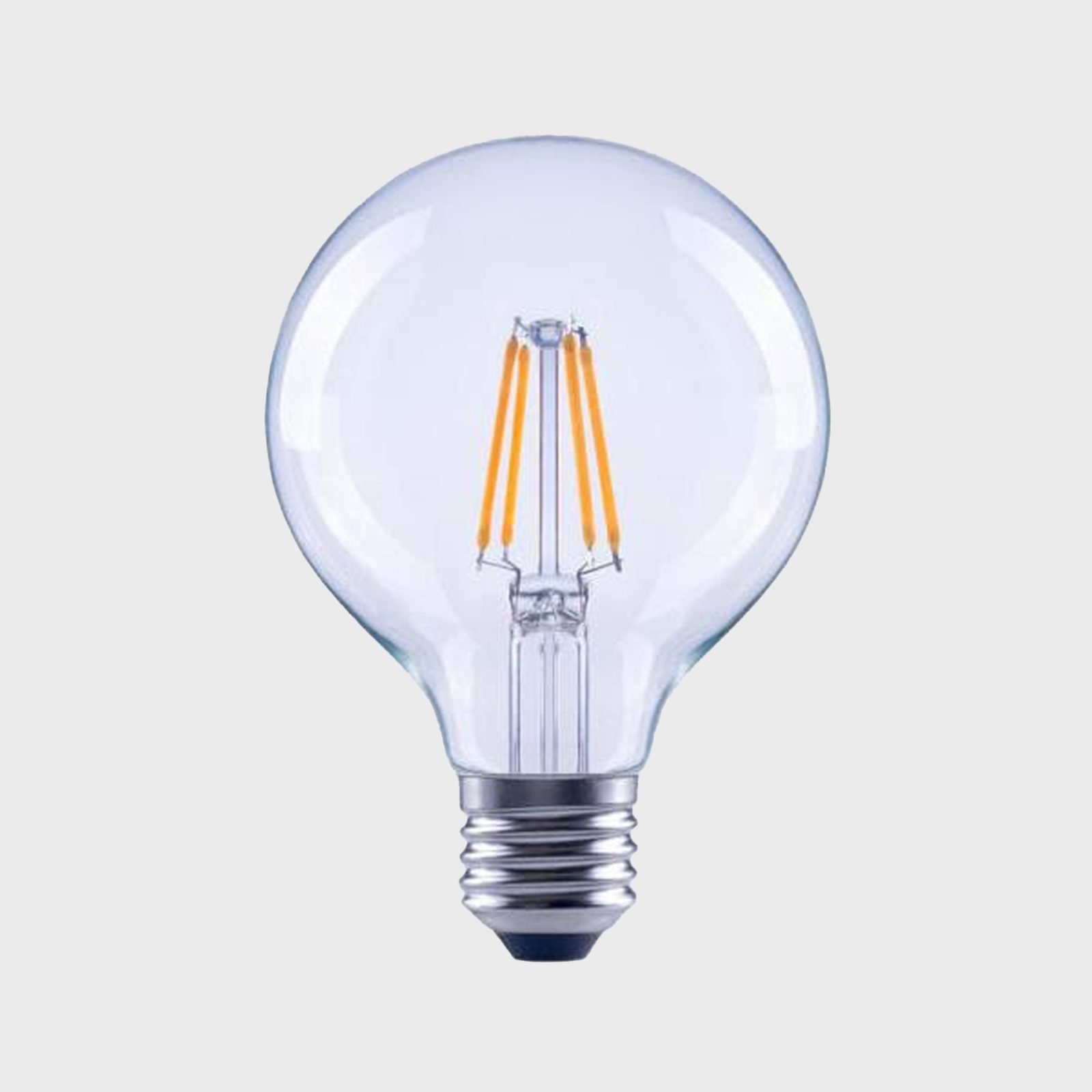
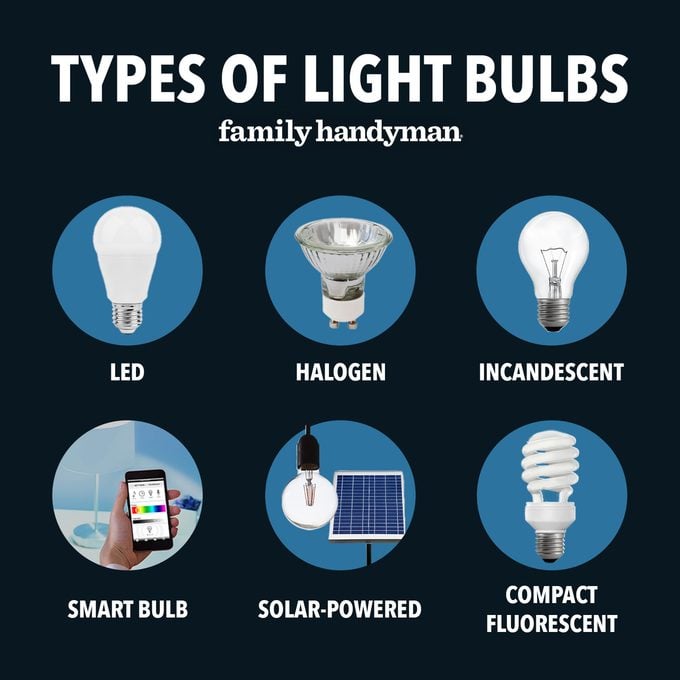
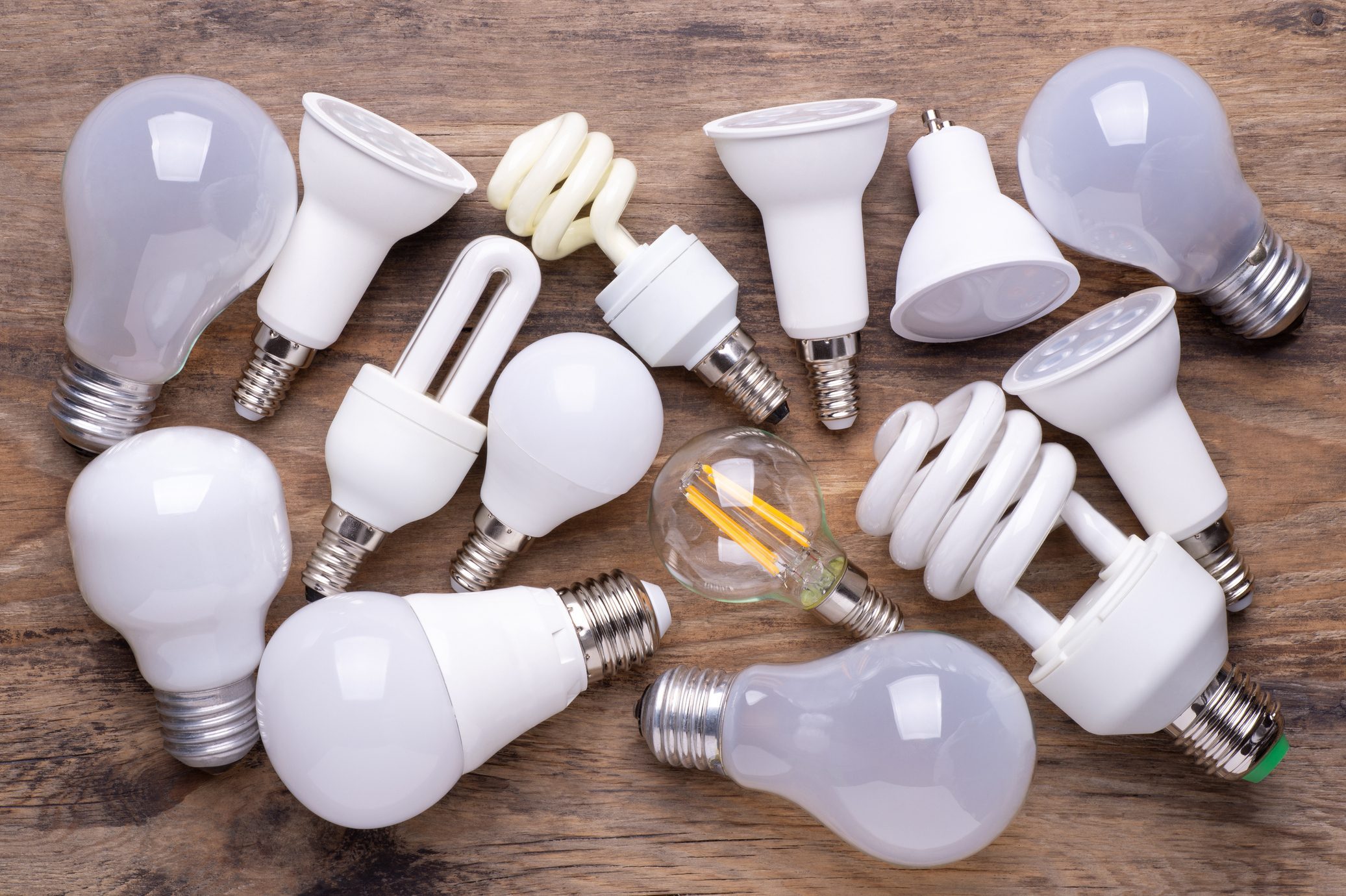
The article provides a comparative analysis of energy-efficient light bulbs, specifically Light Emitting Diodes (LEDs), Compact Fluorescent Lamps (CFLs), and halogen incandescents, against traditional incandescent bulbs. It highlights the significant savings and environmental benefits associated with adopting energy-efficient lighting solutions in both domestic and commercial settings. The comparison focuses on key factors such as energy efficiency, bulb longevity, initial costs, overall costs, and quality of light.
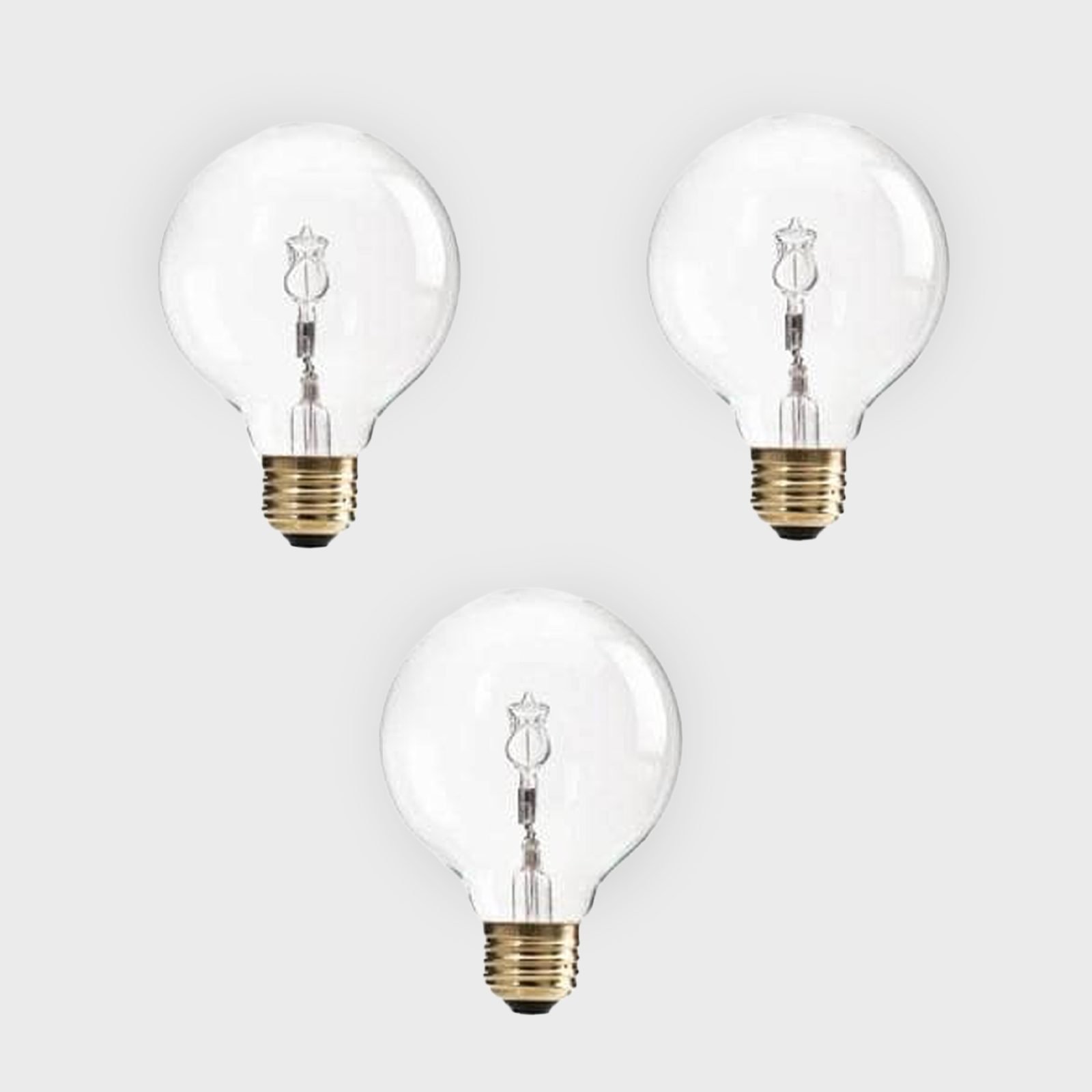
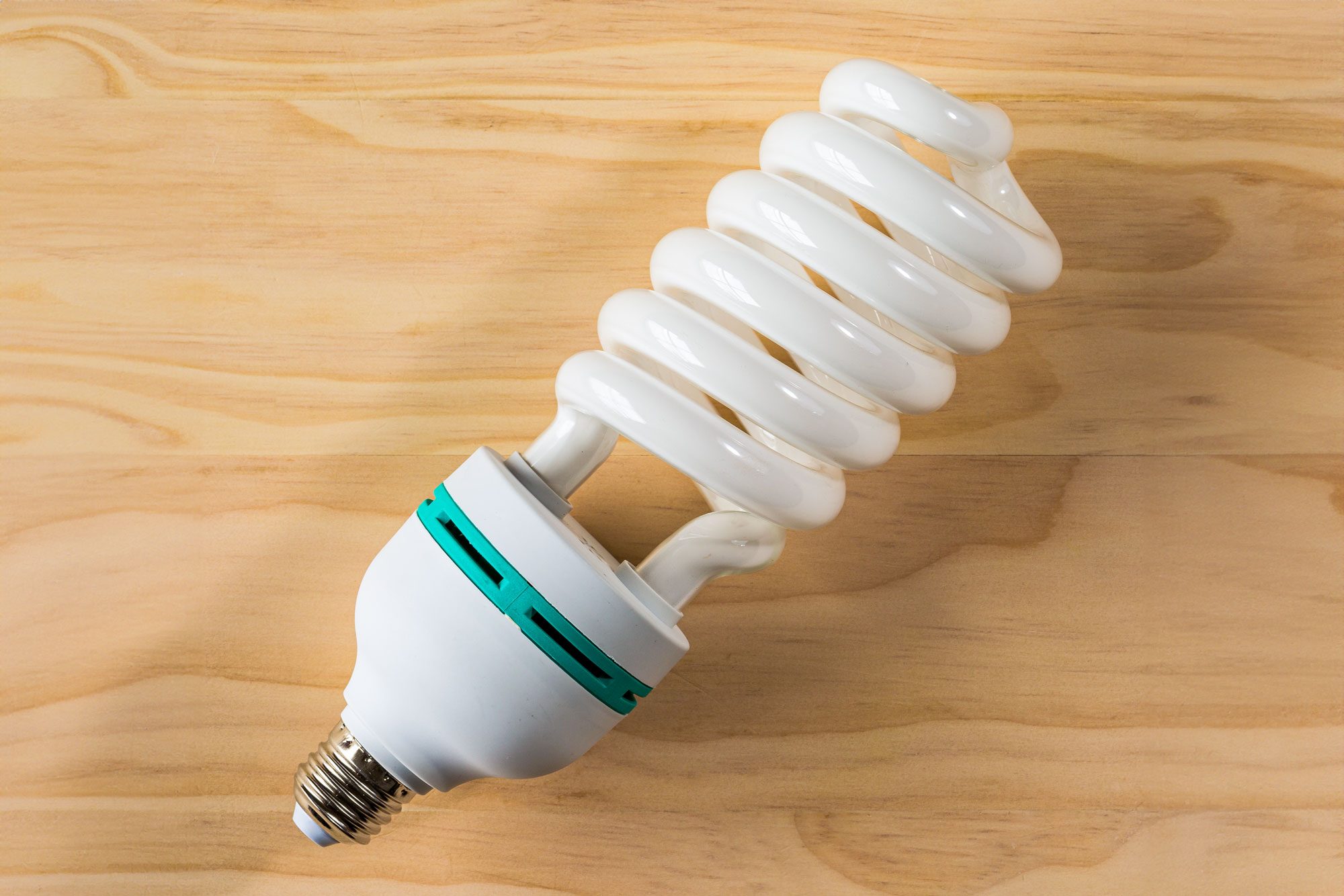
Traditional incandescent bulbs are noted for wasting 95% of the energy they consume as heat. In contrast, halogen incandescents use 25% less energy, CFLs use 75% less, and LEDs use 75-80% less to produce the same amount of light. This translates to potential annual savings per bulb: $1.80 for halogens, $3.60 for CFLs, and up to $3.80 for LEDs, making LEDs the most energy-efficient option.
Bulb longevity is another critical aspect. Traditional incandescents typically last around 1,000 hours. Halogen bulbs extend this to 3,000 hours, CFLs to 10,000 hours, and LEDs to an impressive 25,000 hours. This superior lifespan positions LEDs as the best choice for durability, significantly reducing the frequency and cost of replacements.
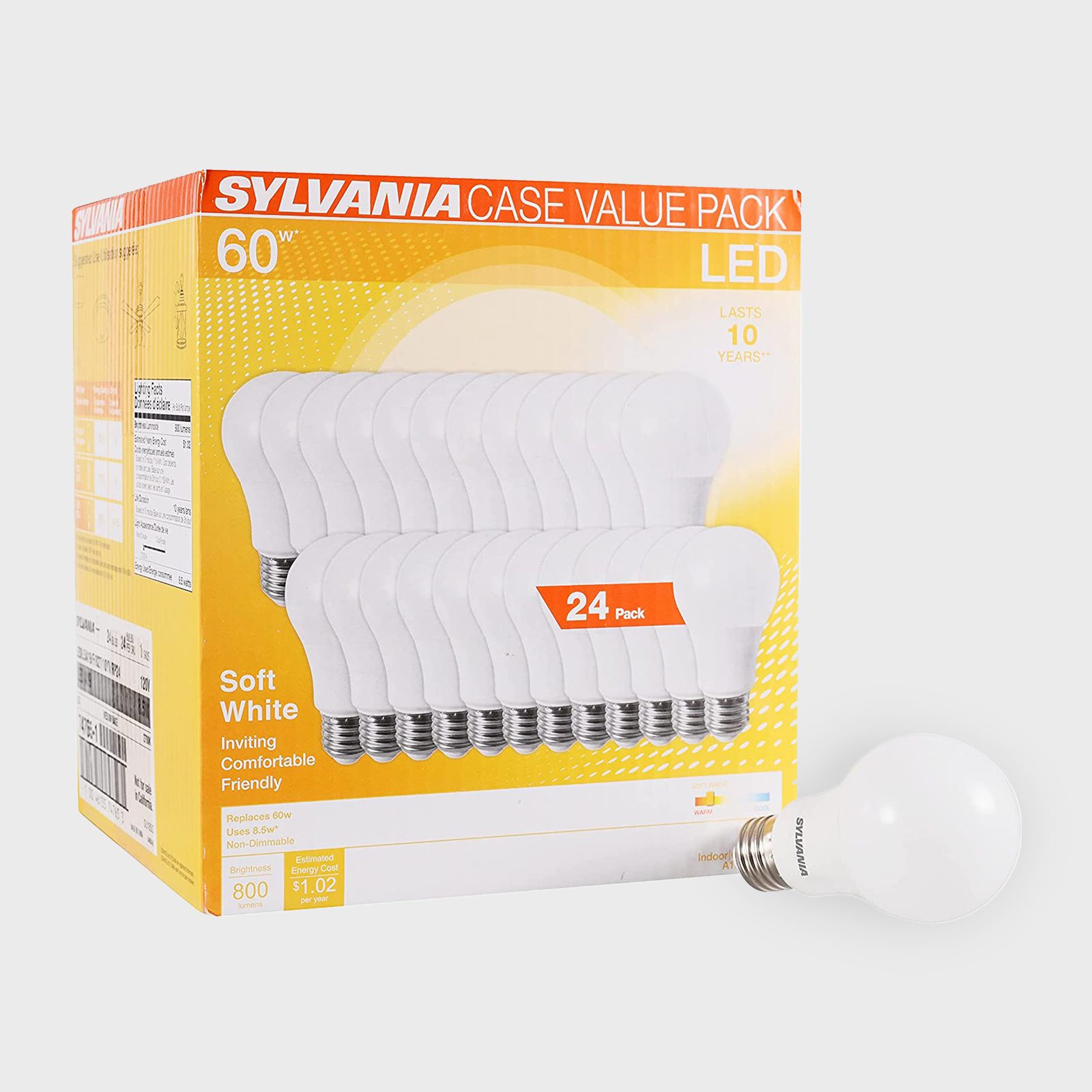
While energy-efficient bulbs generally have higher initial costs compared to traditional incandescents (which average $0.70), these costs are offset by long-term savings. Halogen incandescents range from $1.00 to $1.50, CFLs from $1.50 to $4.00, and LEDs from $1.50 to $8.00 per bulb. Although halogens have the lowest initial cost among the energy-efficient options, the initial costs for LED and CFL bulbs have been steadily decreasing. Furthermore, commercial entities can benefit from financial incentives and recognition schemes for adopting these technologies.
Considering all factors, LEDs offer the best overall value. Their higher initial cost is recuperated through substantially lower operating expenses due to reduced energy consumption and extended bulb life. While these savings might be modest for individual households, they translate into significant returns on investment for commercial buildings like offices, factories, warehouses, municipal buildings, and residential complexes. Beyond financial benefits, the adoption of energy-efficient lighting contributes to corporate social responsibility (CSR) goals, potentially increasing market share among environmentally conscious consumers and qualifying for government incentives.
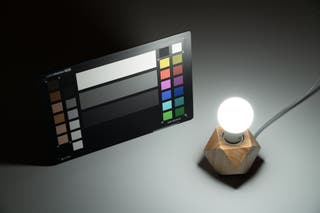
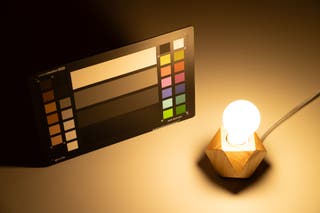
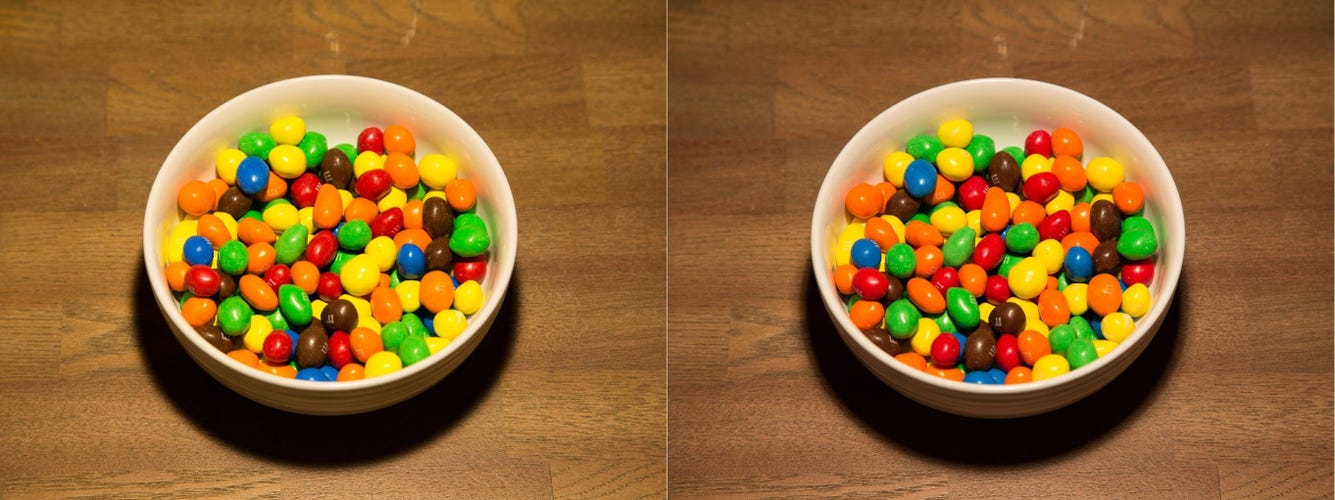
Regarding the quality of light, modern energy-efficient bulbs have overcome past aesthetic criticisms. LEDs are particularly versatile, capable of emitting light at frequencies similar to traditional incandescents, offering a wide range of light qualities. Many halogens and CFLs also now feature warmer and more adaptable light options, addressing consumer preferences. The article references data from Energy.gov (2012) and Eia.gov (2012) to support its claims.
#EnergyEfficientLighting #LEDLighting #CFLLighting #HalogenBulbs #HomeEnergySavings #CommercialLighting #Sustainability #LightingTechnology #CostEfficiency #EnergyEfficientLighting #LEDLighting #CFLLighting #HalogenBulbs #HomeEnergySavings #CommercialLighting #Sustainability #LightingTechnology #CostEfficiency
0 comment in total
 No comments yet
You may also like
The Best Light Bulbs for All Your Home’s Lighting Needs, Tested


The 3 Best LED Light Bulbs of 2026 | Reviews by Wirecutter

These genius LED lighting ideas look super luxe, but are surprisingly easy to recreate yourself

Light Bulb Moment: 5 Things to Consider When Switching to LED Bulbs

How to Find Energy-Efficient Bulbs That Give Off Not-Horrible Light, According to Interior Designers

Smart bulbs vs. smart switches: The pros and cons of connected lighting
The 9 Best Light Bulbs To Illuminate Your Home

Where to Put LED Lights — 5 Inspiring Ways to Use This Versatile Lighting Design
Room-by-Room Lightbulb Guide | Lightbulb Reviews
What Is a CFL Bulb?


Overhead Lighting vs. Lamps: Experts Settle This Great Debate


8 Best Bulbs for Bathroom Lighting
These LED bulbs offer 100 watts worth of light: Which is best?

5 tactics for sustainable architectural lighting
Best LED Light Bulb for Every Room in Your House in 2025
Indoor Lights


The 3 Best LED Light Bulbs of 2025 | Reviews by Wirecutter
Major Smart Lighting Brands Ranked Worst To Best

Compare Most Energy Efficient Windows (2025)

Light Bulb Buyer’s Guide