1/10
Subfloor Material, Panel Sizes, Moisture-Resistance, & More
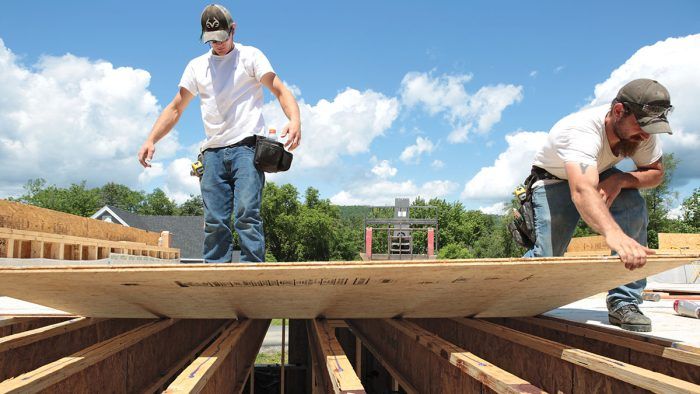
The article discusses the evolution and importance of subfloor sheathing in constructing stable, flat, and squeak-free floors, emphasizing the shift towards Oriented Strand Board (OSB) products. Subfloor sheathing is crucial for structural stability and providing a stiff surface for finished flooring. While solid wood flooring often receives recognition, the subfloor system, including properly sized floor joists and suitable subflooring, is fundamental to a durable and comfortable floor.
Historically, subflooring involved a combination of standard sheathing panels and a second layer of plywood. However, modern subflooring has evolved into specialized materials designed to function as both sheathing and underlayment. This evolution was significantly influenced by the Engineered Wood Association (APA), formerly the Douglas Fir Plywood Association, which developed and marketed Sturd-I-Floor, a designation for both plywood and OSB panels with tongue-and-groove edges and smooth surfaces suitable for direct installation of carpet and hardwood flooring.
Squeaky floors, a common complaint among new homeowners, often stem from subfloor panels that are not securely fastened, leading to movement and friction. To mitigate this, builders commonly use a combination of ring-shank nails or screws and subfloor adhesives, which are more effective than smooth-shank nails. For long spans, ensuring sufficient rigidity in the floor system is critical, sometimes requiring a more stringent deflection rate than building codes minimums. Additionally, securing interior walls with screws and glue instead of nails can reduce squeaks. The article also notes that while carpet, hardwood, and some engineered or thicker vinyl planks can be laid directly on a smooth subfloor, thinner flooring materials like most vinyl require an additional underlayment, typically 3/8-inch plywood, to achieve a perfectly flat finish. Ceramic tile often necessitates a cementboard underlayment, with manufacturers recommending a 5/8-inch subfloor for general use and a 3/4-inch subfloor for tiles larger than 12 inches.
The APA plays a vital role in ensuring quality standards in the engineered wood industry, with its trademark indicating that products meet established manufacturing and performance criteria. Testing protocols for Sturd-I-Floor panels are rigorous, evaluating resistance to distributed and concentrated loads, impact resistance, moisture tolerance of adhesives, fastener-holding ability, and linear expansion. Plywood generally exhibits greater moisture tolerance than OSB, though modern OSB products are often coated with waxes to enhance water resistance. The APA stamp provides detailed information on panel grade, span and exposure ratings, thickness, and the presence of tongue-and-groove edges.
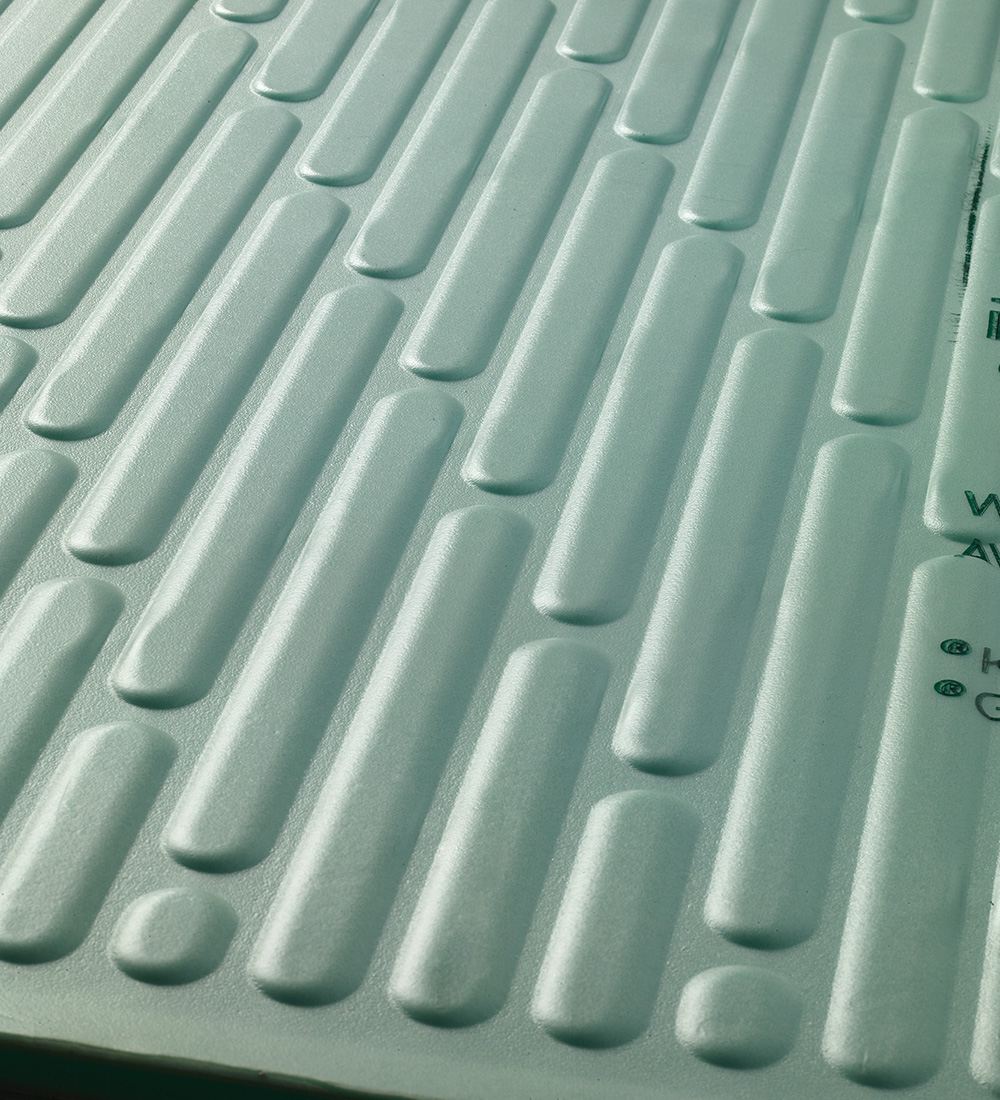
The article highlights several brand-name subfloor products, primarily OSB-based, that offer enhanced performance beyond minimum industry standards. These manufacturers differentiate their products through proprietary processes and superior resins, glues, waxes, and additives to improve design strength and moisture resistance. LP, for instance, markets LP Legacy and TopNotch 350, both featuring enhanced stiffness, moisture resistance, and unique drainage systems. LP Legacy utilizes Gorilla Glue technology for superior stability and strength, offering a “Covered Until It’s Covered No-Sand Warranty” and a lifetime limited warranty. Huber Engineered Woods, an early innovator in premium OSB subfloor with AdvanTech, recently launched AdvanTech X-Factor. This product features a permanent water-resistive barrier laminated onto the panels, addressing the needs of custom builders for subfloor surfaces that can withstand longer construction cycles and resist UV light exposure. Huber certifies its products with PFS Teco, aligning with specialty product manufacturers that exceed commodity standards for strength, stiffness, and moisture resistance. Georgia-Pacific continues to offer plywood subflooring options like Plytanium and DryPly, alongside their OSB product, DryMax, catering to builders who prefer plywood or desire enhanced moisture resistance. Other manufacturers like Weyerhaeuser and West Fraser also offer specialized OSB products designed to mitigate edge swelling and ensure easy installation. The choice between commodity-grade and premium-branded subflooring ultimately depends on project requirements, budget, and desired performance characteristics.
#SubfloorSheathing #OSB #Plywood #FloorFraming #SqueakyFloors #MoistureResistance #BuildingMaterials #HomeConstruction #APAStandards #SubfloorSheathing #OSB #Plywood #FloorFraming #SqueakyFloors #MoistureResistance #BuildingMaterials #HomeConstruction #APAStandards
0 comment in total
 No comments yet
You may also like
5 Best Types of Flooring for Your Basement in 2022

9 Durable Kitchen Flooring Finishes That Interior Designers Swear Will Look Good for Longer

Senso designs "world's first seamless flooring" with plant-based resins
Can You Install a Wood Floor Over Concrete?
8 Basement Flooring Ideas to Elevate Your Subterranean Space

Learn How to Install Rainscreen Siding Like a Pro
Soaring in Sugarland, Texas with Fogle Aviation

Guide to Hardwood Floor Finishes

How to choose bathroom flooring - everything you need to know, according to experts
Total Basement Finishing, a Blackdog Affiliate
Taking the floor
All Flooring | Wood, Vinyl & Laminate Flooring

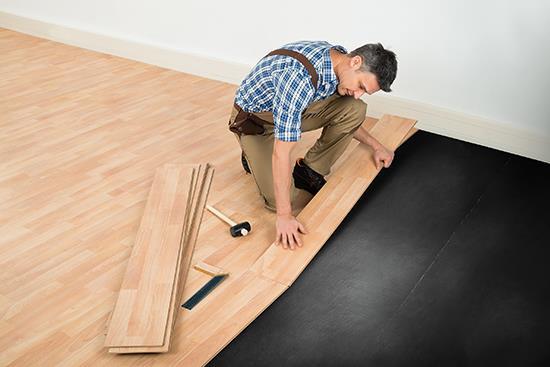
Floor Prep and Underlayments: Critical flooring performance attributes reside below the surface - Jan 2021

Flooring
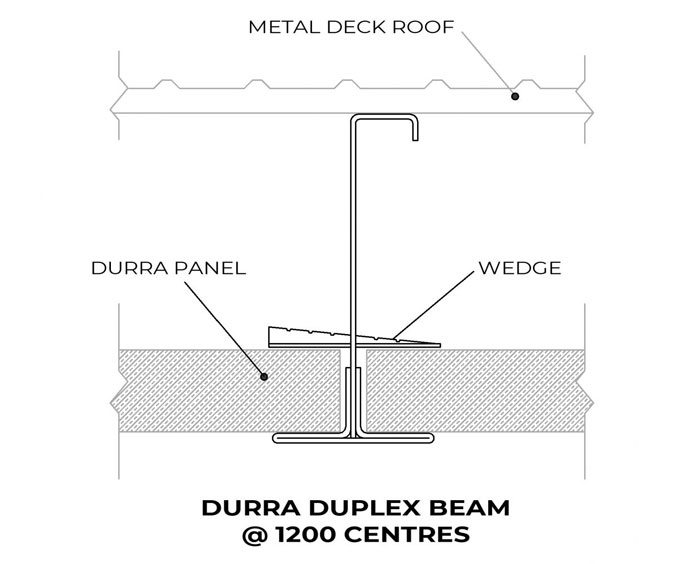
Roof and ceiling systems with versatile application
10 Flooring Products that Look Good and Work Hard

Weather-resistant barriers: Advanced technologies for modern construction
Set the Stage With These Flooring Options

Best Flooring of 2025
Rainscreen Systems for Stucco