1/5
If You Want Your Home to Look Like a Charming Tuscan Villa, Try This
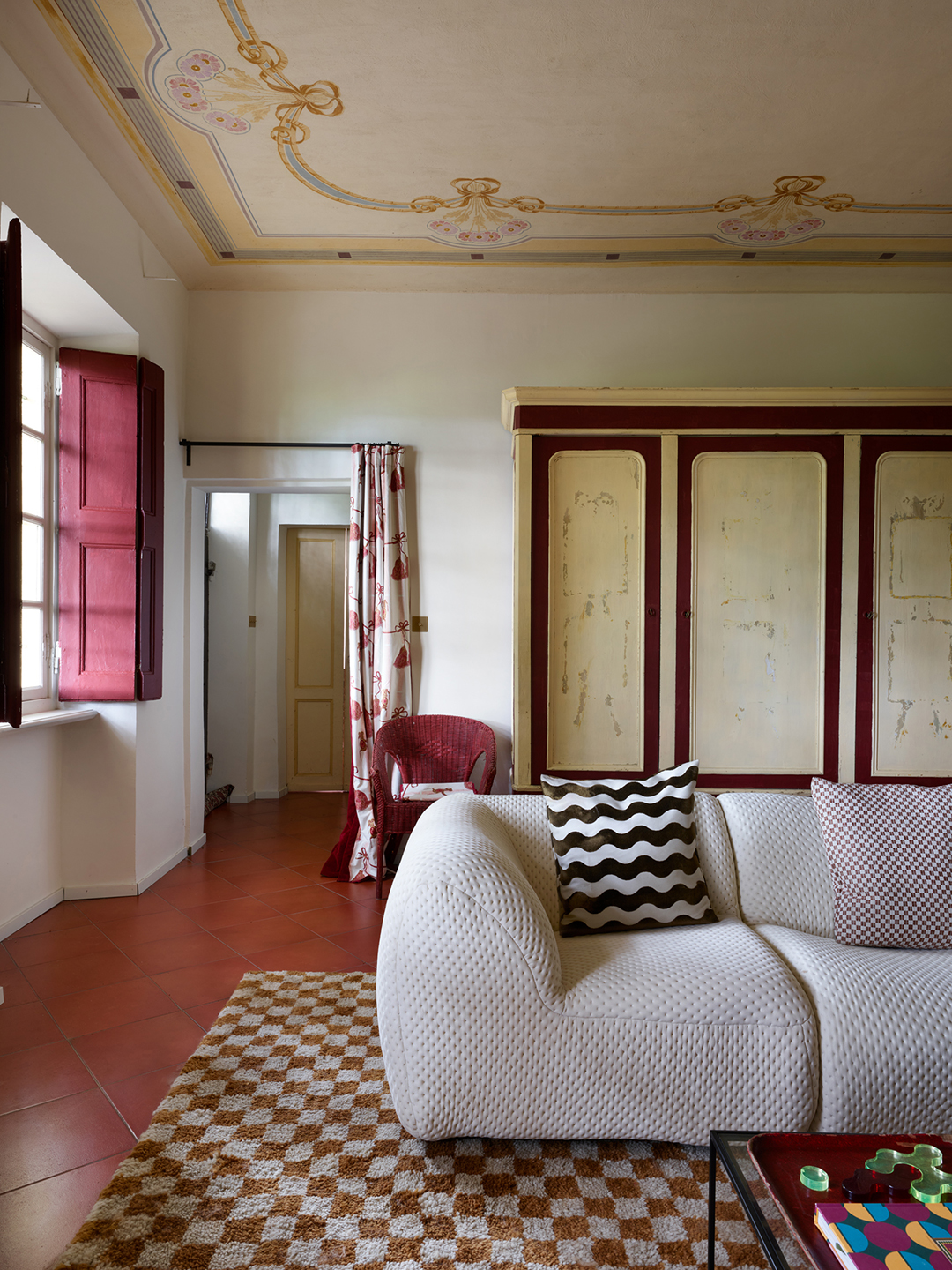
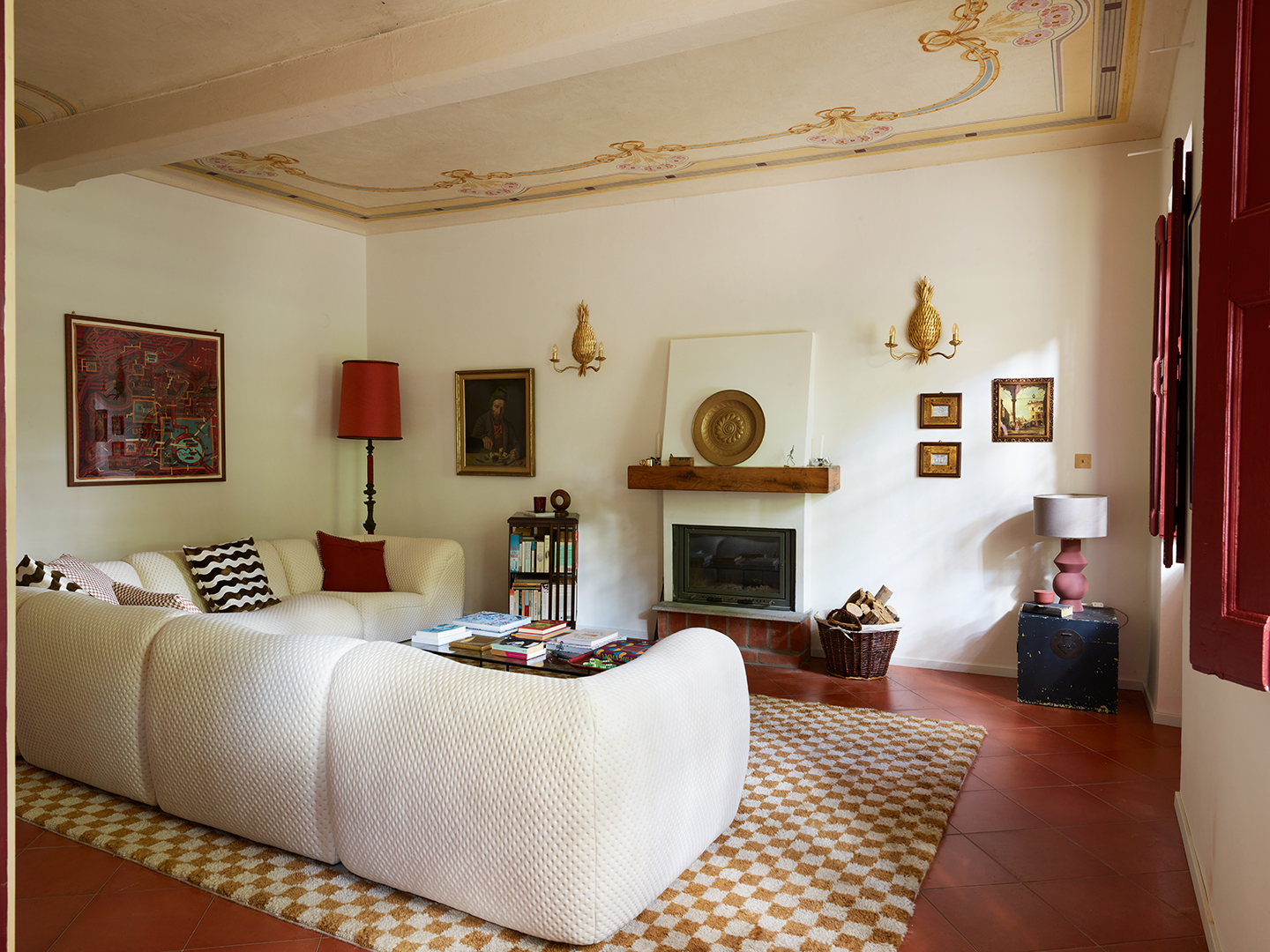
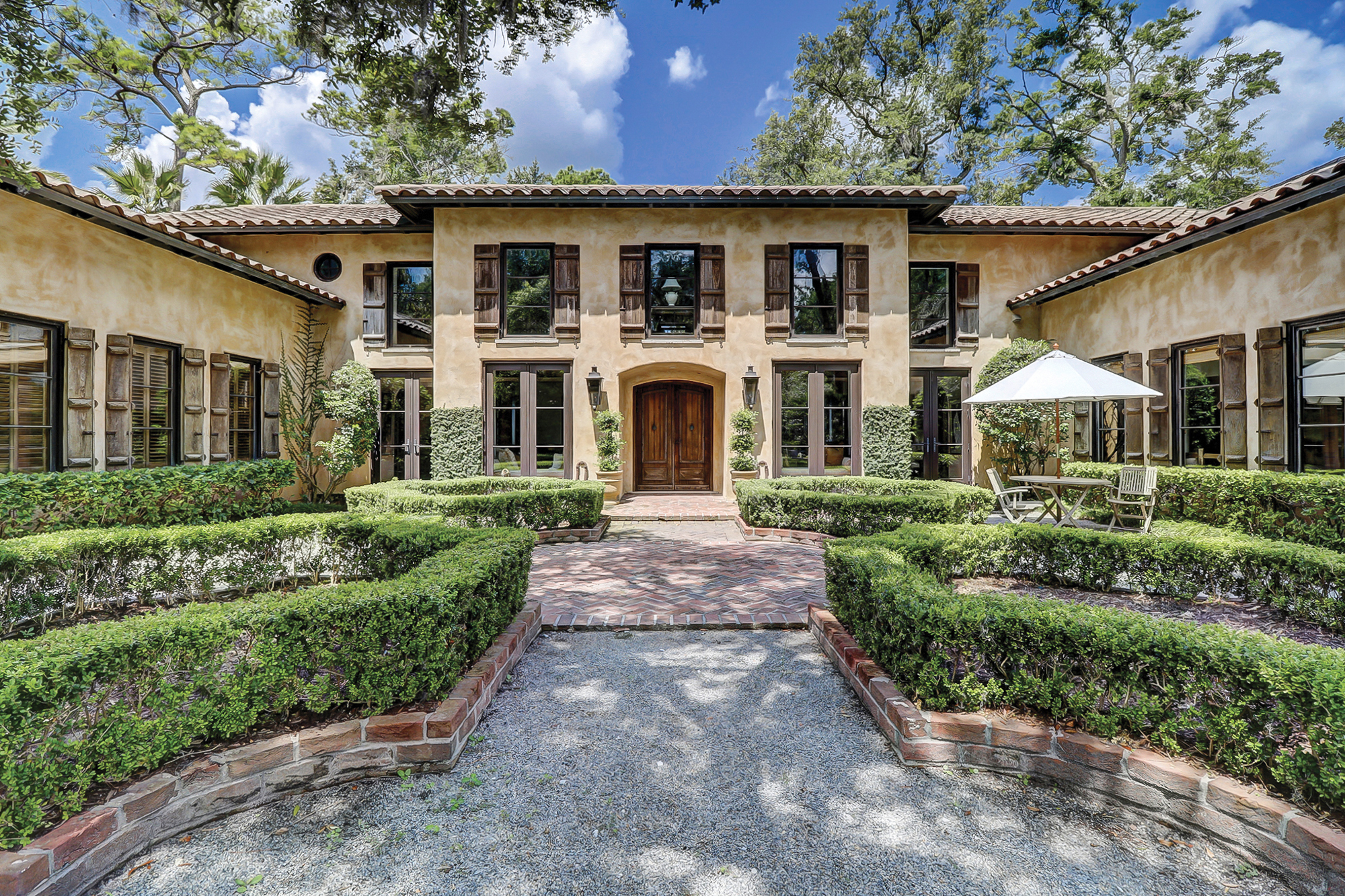
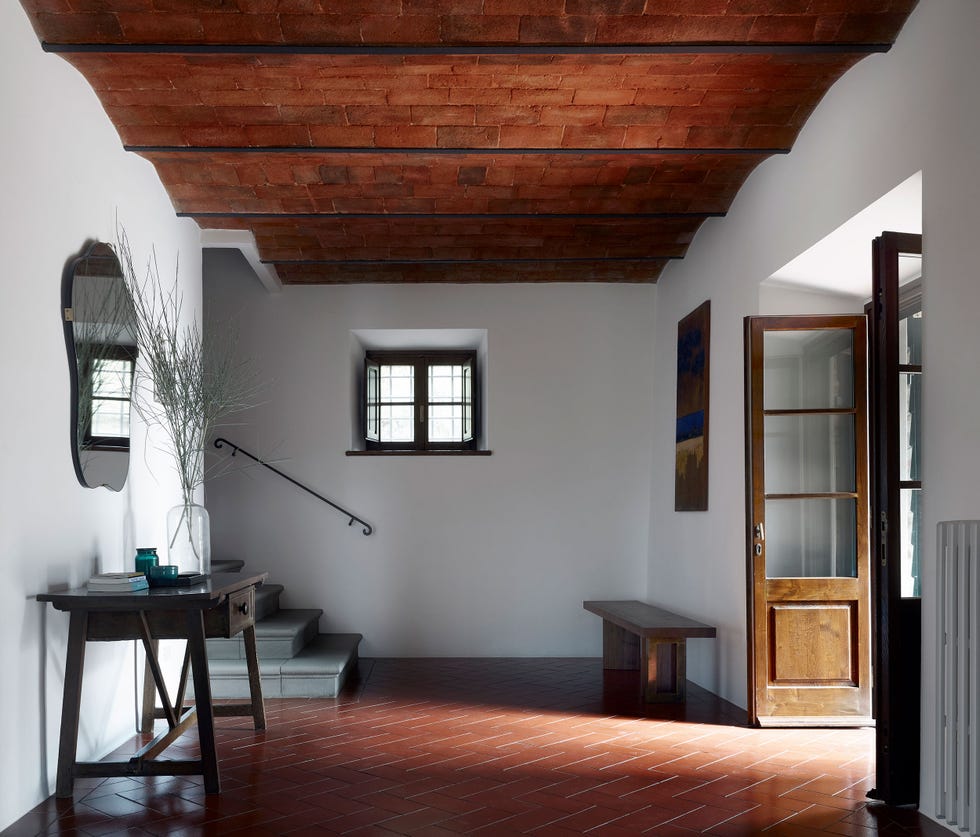
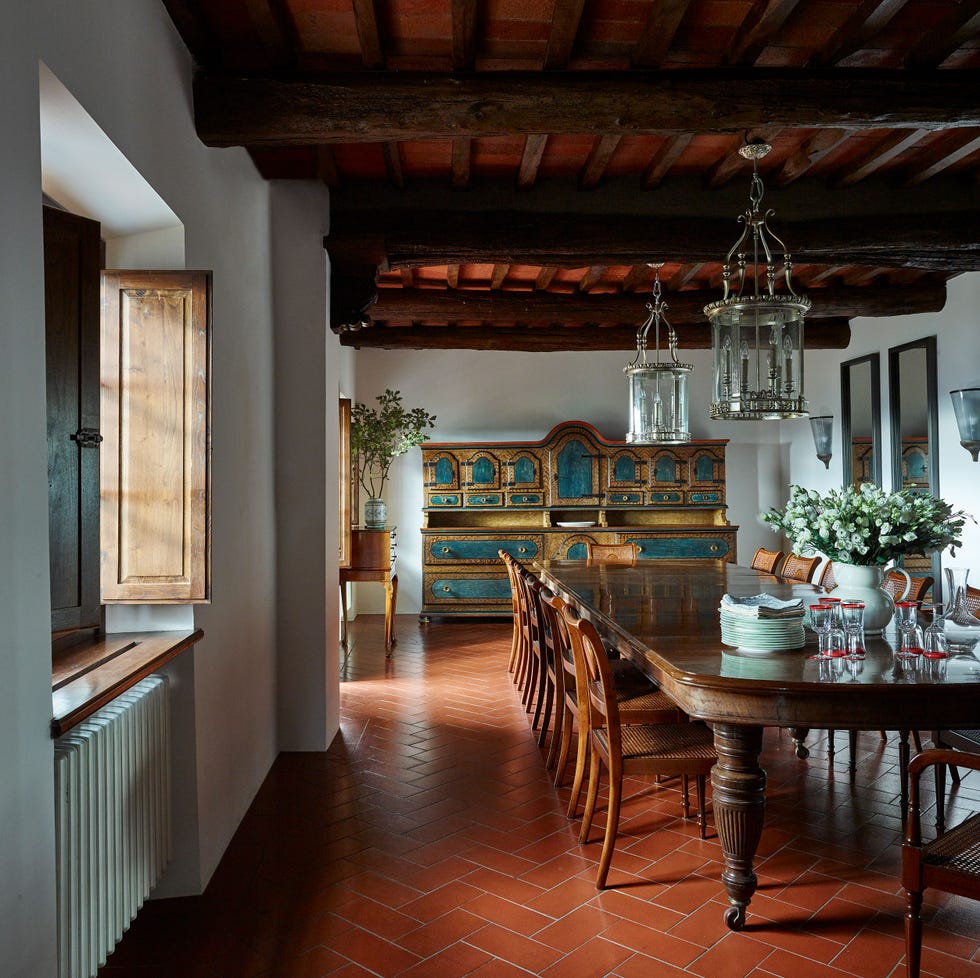
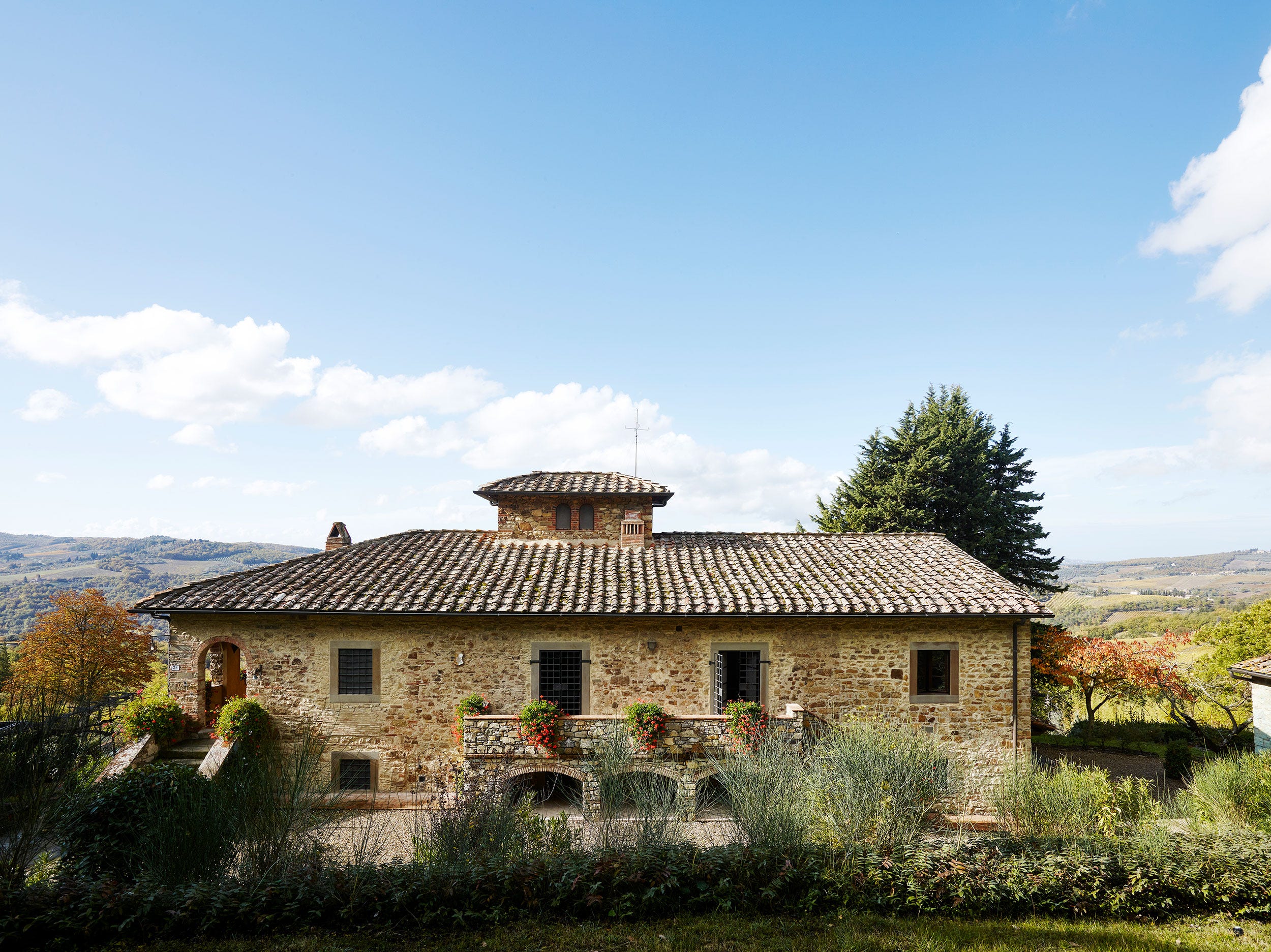
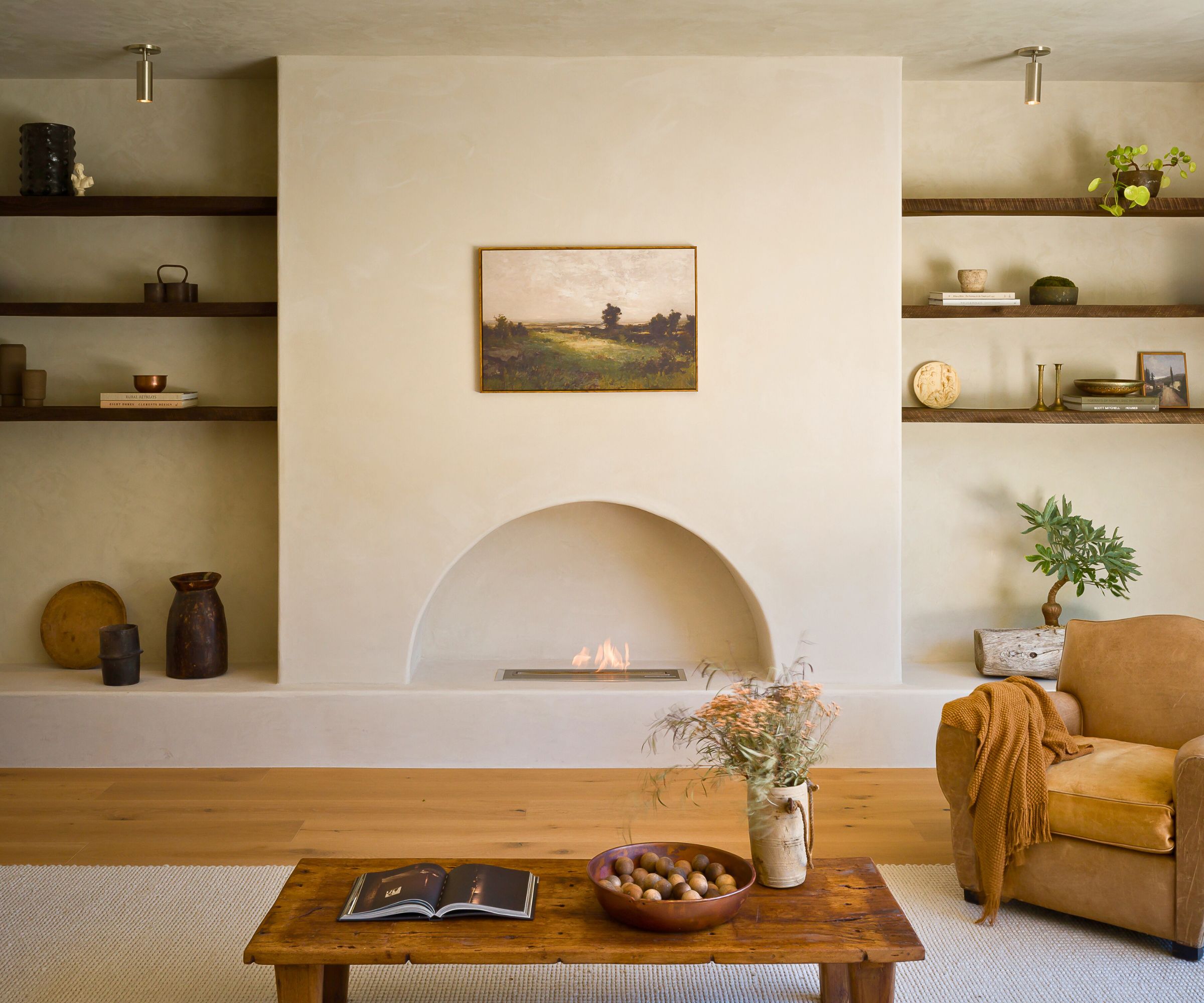
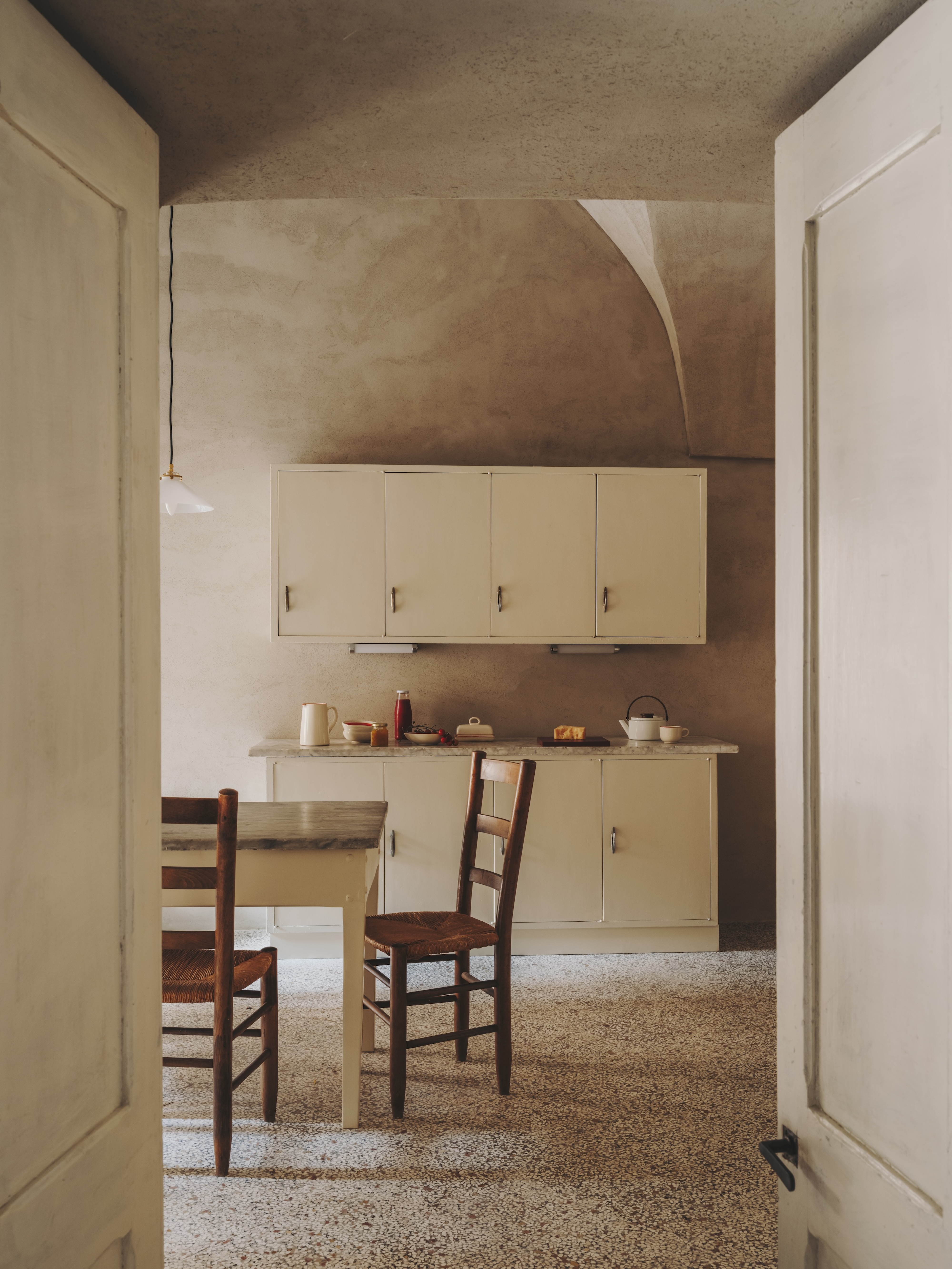
Limewash, a centuries-old paint trend, offers a versatile, environmentally-friendly, and charming wall finish that evokes the aesthetic of Italian villas and French country cottages. While traditionally seen on Greek island homes or modern city lofts, limewashing has recently gained mainstream popularity, with more companies offering a variety of colored options. It provides an "old-style plaster look" at a more budget-friendly price point than actual plaster. Limewash is made from crushed limestone mixed with water, resulting in a thin, milky consistency. Unlike conventional paints, which often contain plastics, biocides, and formaldehyde, limewash, as explained by Bronwyn Riedel of Bauwerk Paints, is VOC-free, making it a more eco-conscious choice. Although most commonly found in neutral tones, pigmented versions are available. Lisa Rickert, CEO of Jolie Paint, suggests using a translucent wash over regular paint for an existing wall, emphasizing that limewash is applied with a brush to create texture and reflect light differently than rolled paint. She cautions against using paint with a sheen, as limewash produces a matte finish.
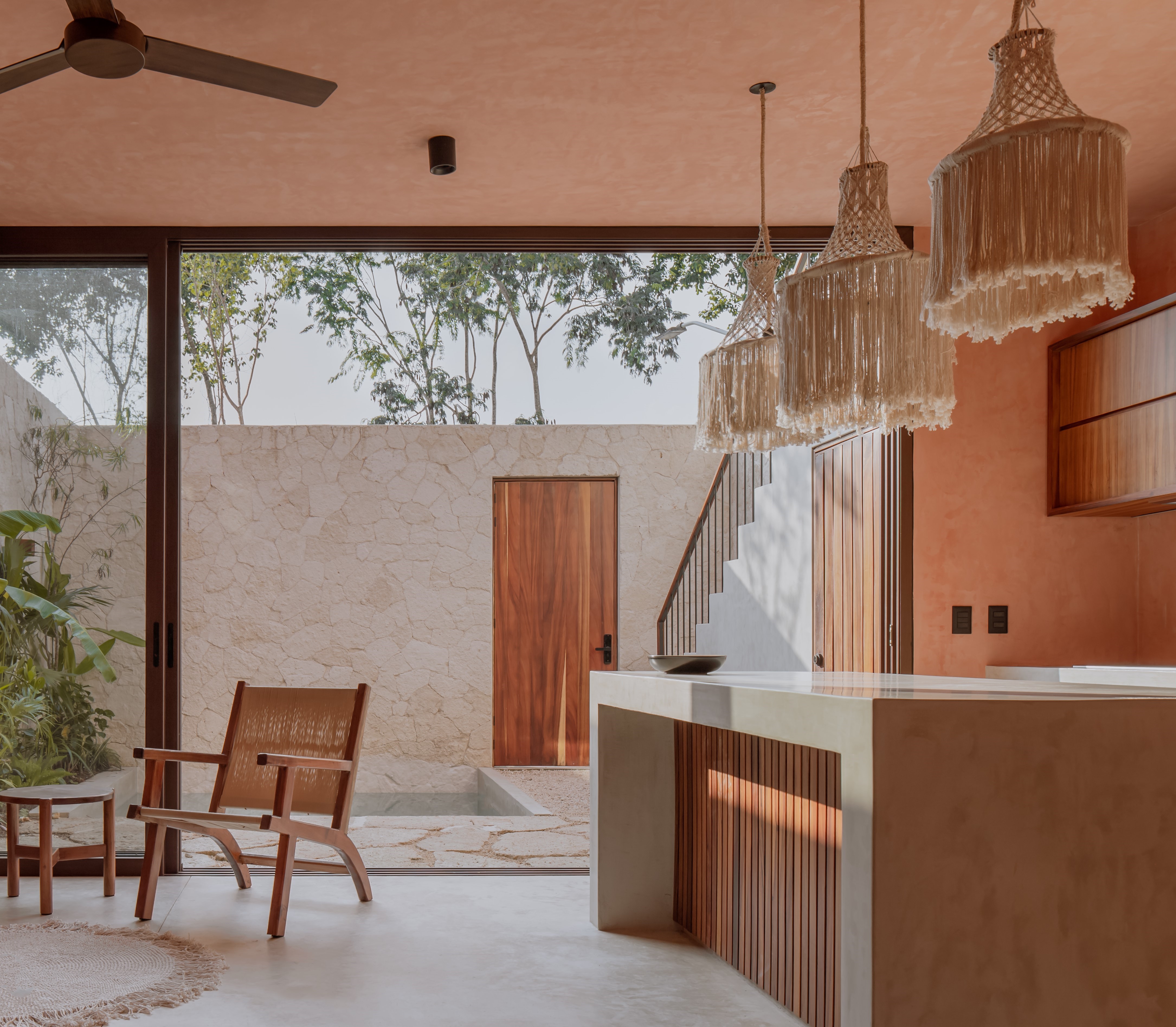
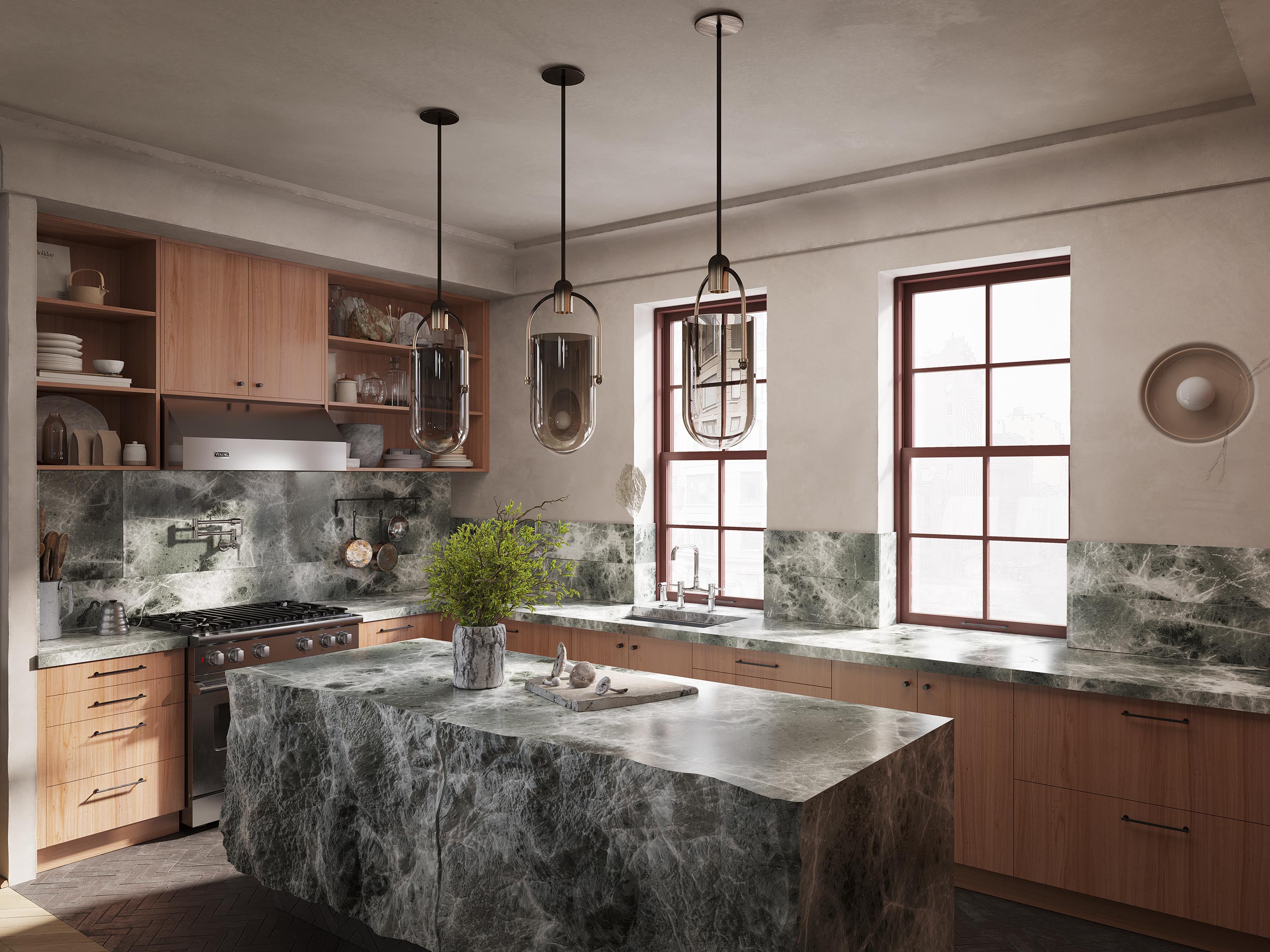
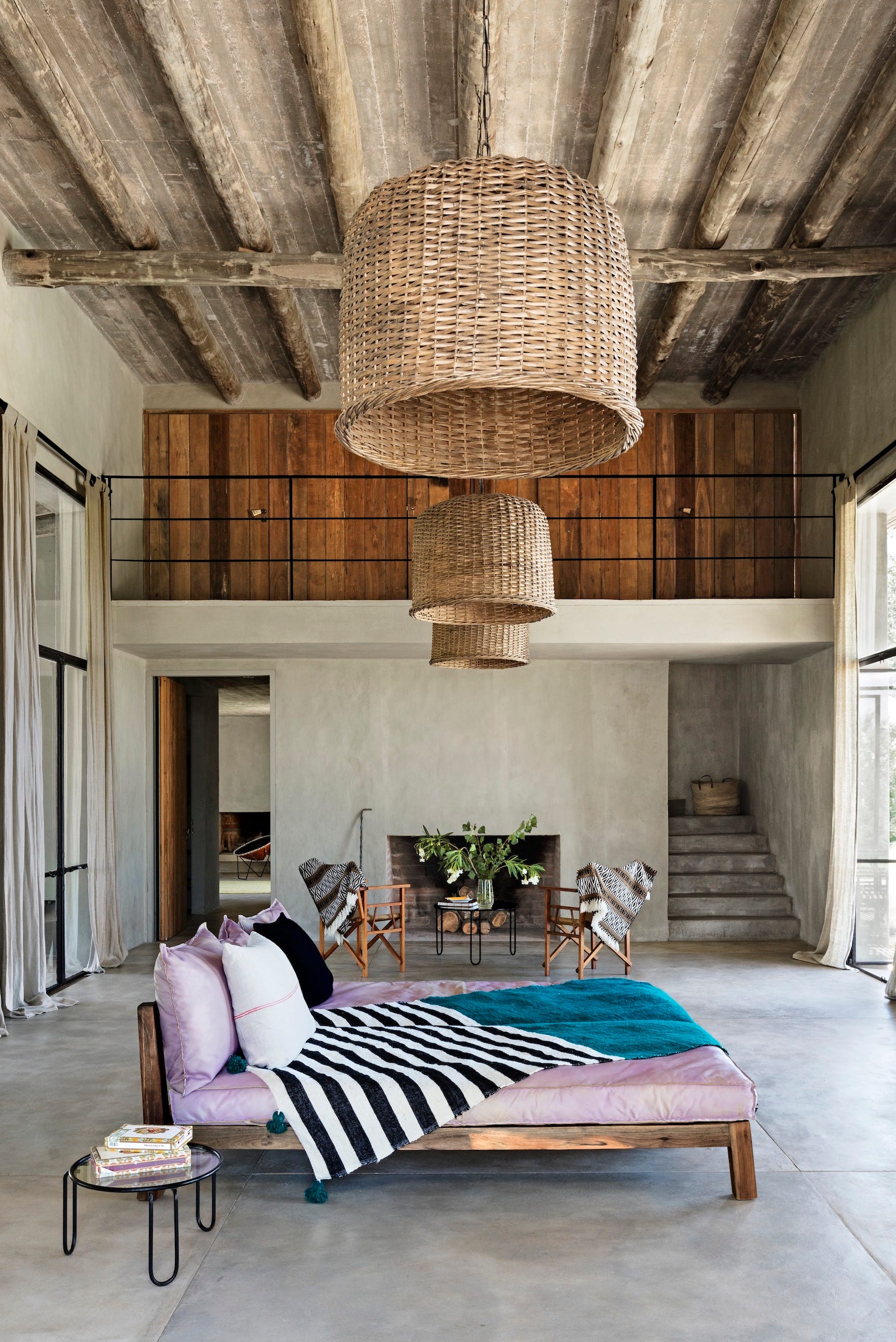
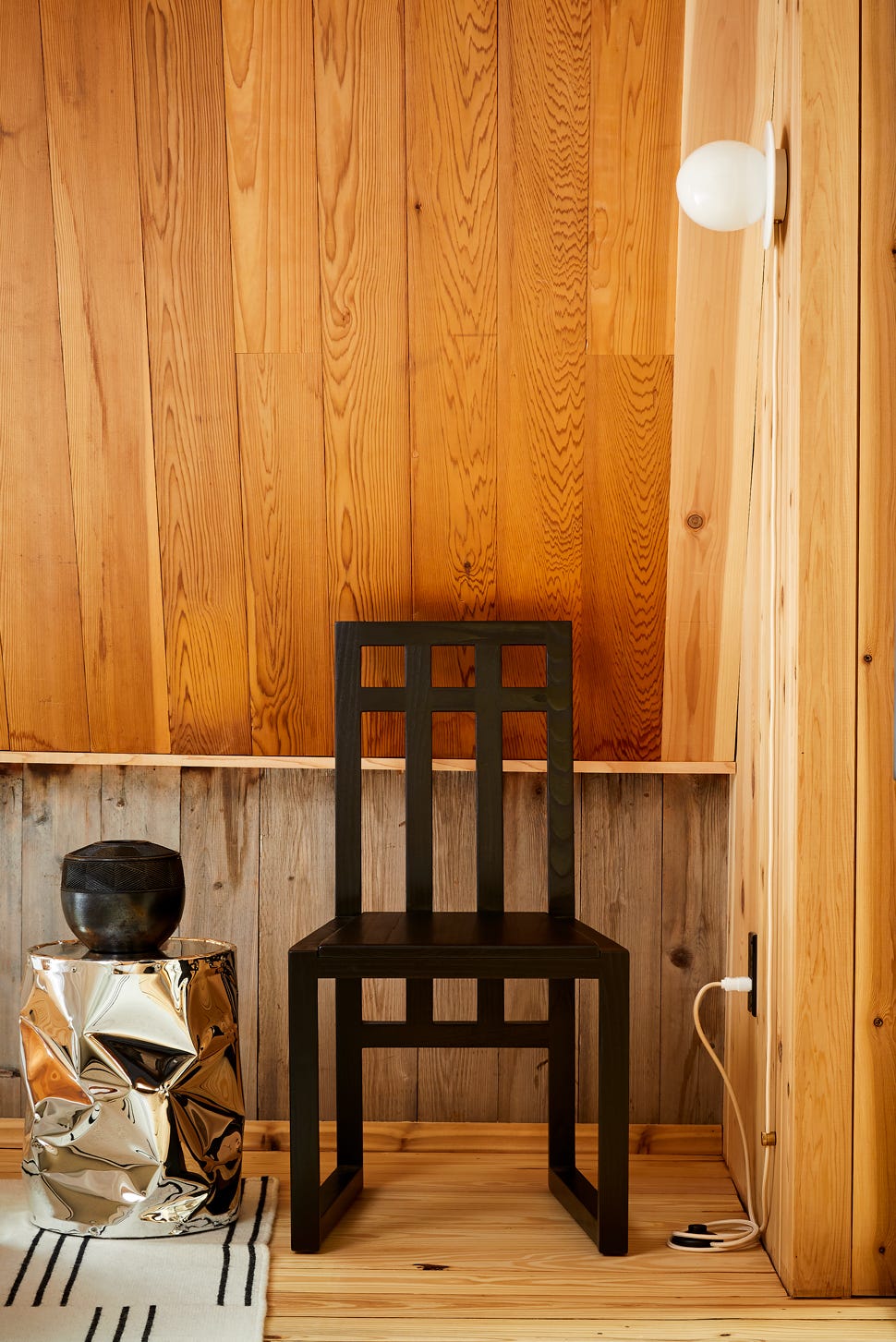
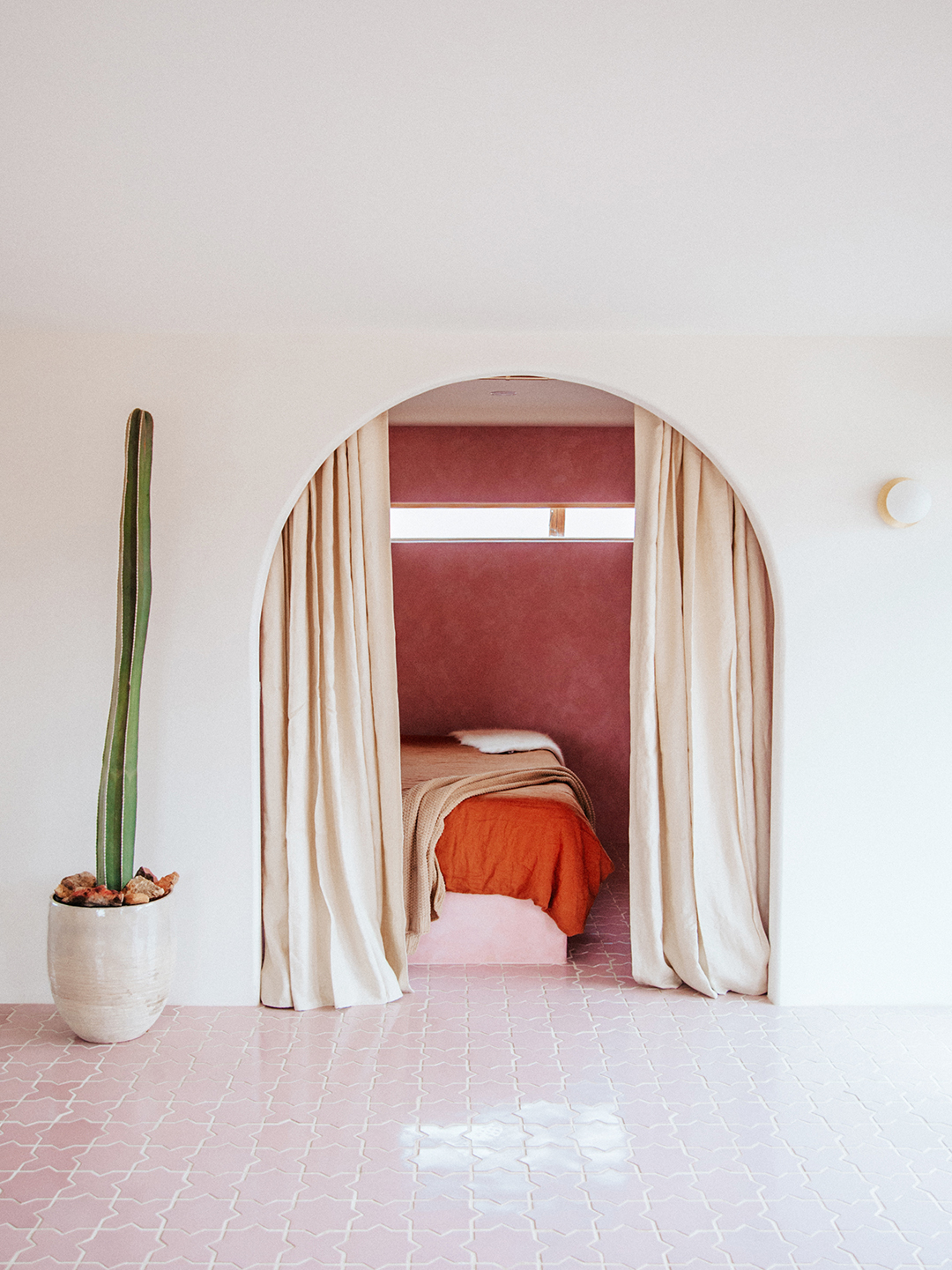
Limewash is adaptable for both exterior and interior walls, though surface material is a crucial consideration. Jamie Davis, cofounder of Portola Paints, notes that traditional lime paints are best suited for raw masonry surfaces like plaster, cement, stucco, and brick. For non-porous interior surfaces, a primer is necessary, and Portola offers a specific primer for this purpose. The article provides examples of limewash applications in various rooms. In a bedroom, a designer used sandy beige limewash to create a tropical, vacation-like atmosphere after a canceled trip. A garage in Joshua Tree was transformed into a guest suite featuring saturated limewash tones in the sleeping nook and broad brushstrokes in the living area. In an industrial Los Angeles loft, white limewash was applied to offset exposed pipes and beams, achieving an airy, ethereal ambiance desired by the homeowner.
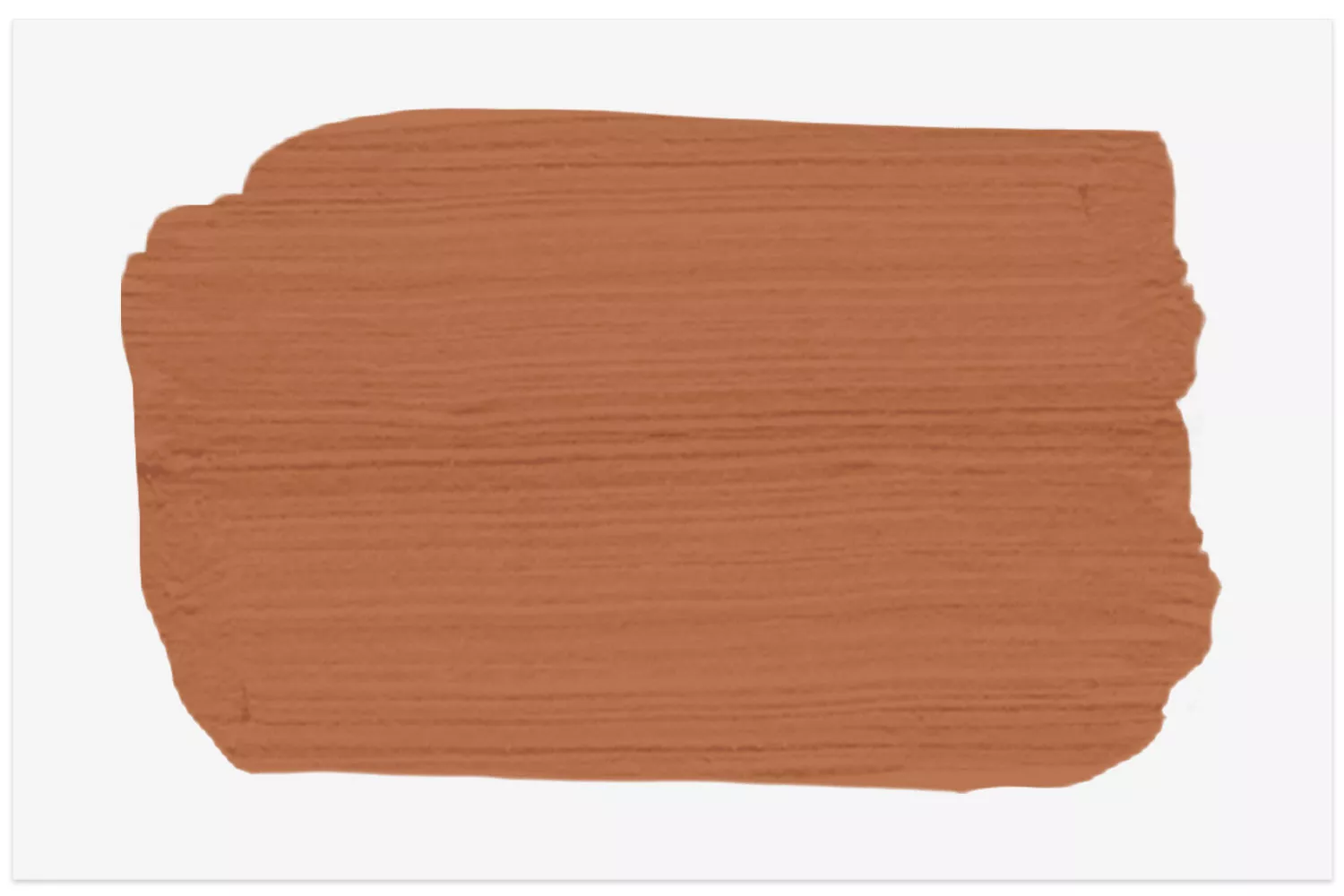
The application process for limewash involves thin layers to prevent a powdery appearance. Riedel recommends applying each coat in one continuous session, suggesting it can be a communal and enjoyable activity. Davis advises testing the color and pattern on a smaller surface before full commitment. For porous surfaces like brick, one coat may suffice. For interior walls, the process involves first applying a primer coat with a regular paint roller. Subsequently, a 5-inch box brush is used to apply the limewash in a crisscross 'X' pattern, working from the top corner down, without overworking the same spot. It's important to allow the first coat to dry completely, as limewash appears darker when wet. A second coat is then applied using the same 'X' pattern. The article concludes by showcasing various limewash color options from brands like Portola Paint, Kalklitir Paints, and Bauwerk Color, including shades such as El Coyoté, Aqua, Amethyst, Petrolio, Merida, and Squid Ink, encouraging readers to explore the range of available hues for their home design projects.
#LimewashPaint #TuscanVillaStyle #EcoFriendlyPaint #InteriorDesign #WallFinishes #HomeRenovation #DIYHomeDecor #PaintTrends #TexturedWalls #LimewashPaint #TuscanVillaStyle #EcoFriendlyPaint #InteriorDesign #WallFinishes #HomeRenovation #DIYHomeDecor #PaintTrends #TexturedWalls
0 comment in total
 No comments yet
You may also like
This Journalist's 24-Room Villa Is Grand on Paper, But Its Country Kitchen Is Simplicity at Its Finest

This is the Fastest Way To Get an Elegant-Looking Home

Mosa Tiles Enliven Venetian Villa by JM Architecture


Amanda & Alan's Italian Job

6 beautiful homes with Italian influences

This Los Angeles home blends contemporary Italian style with laid-back California living

10 Best Tuscan Paint Colors to Use in Your Home

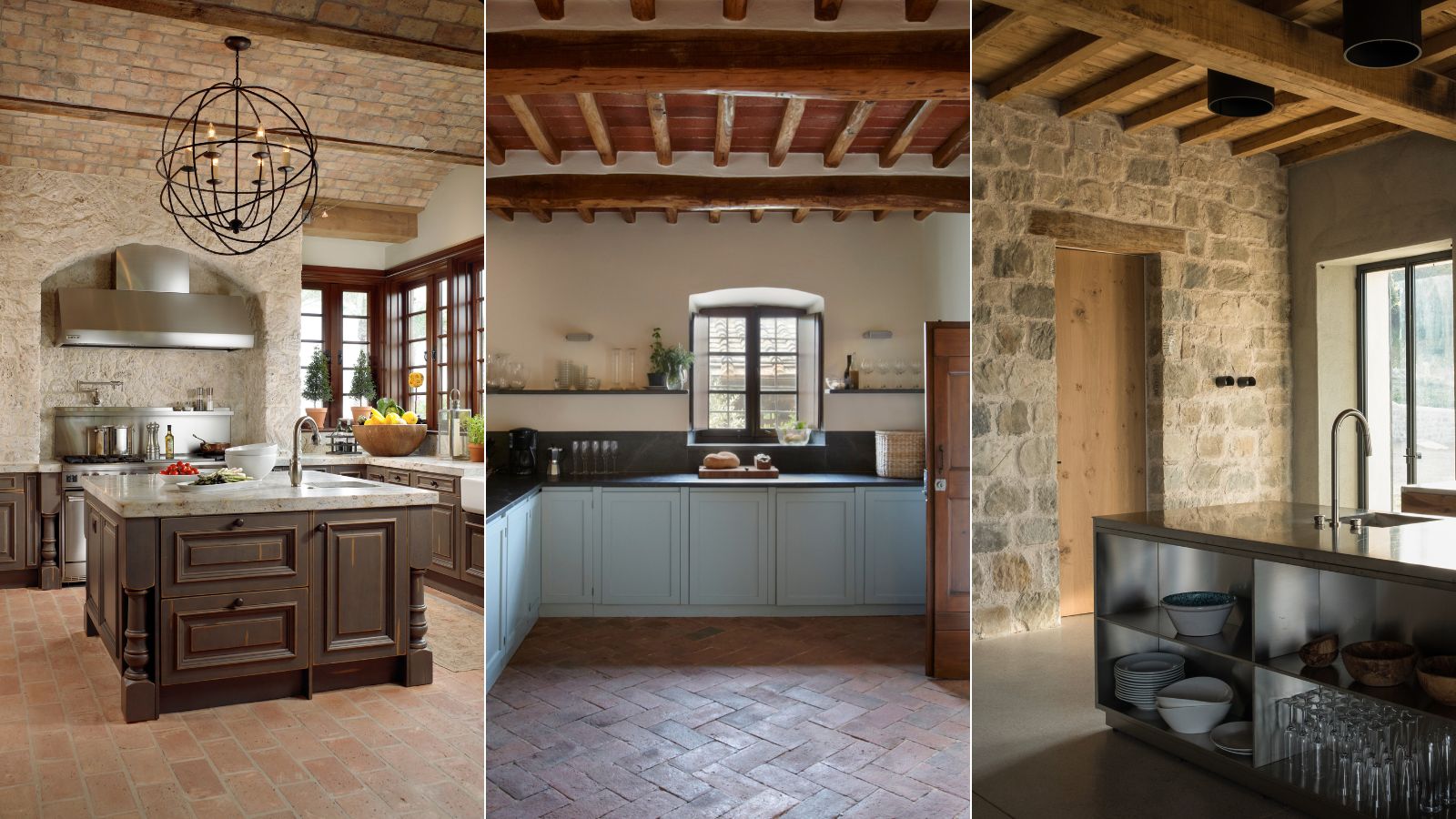
7 Tuscan kitchens that showcase an effortless Italian country style – plus designer tips on how to recreate the look
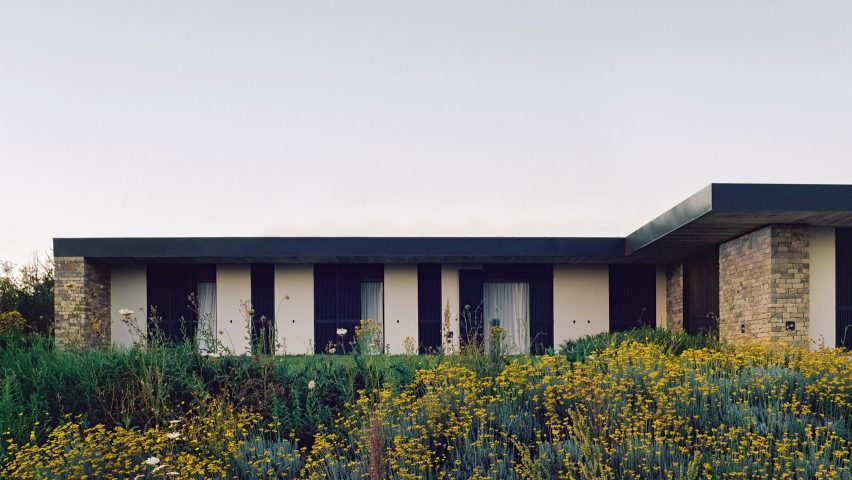
Tuscan holiday home is almost entirely decked out with Italian materials
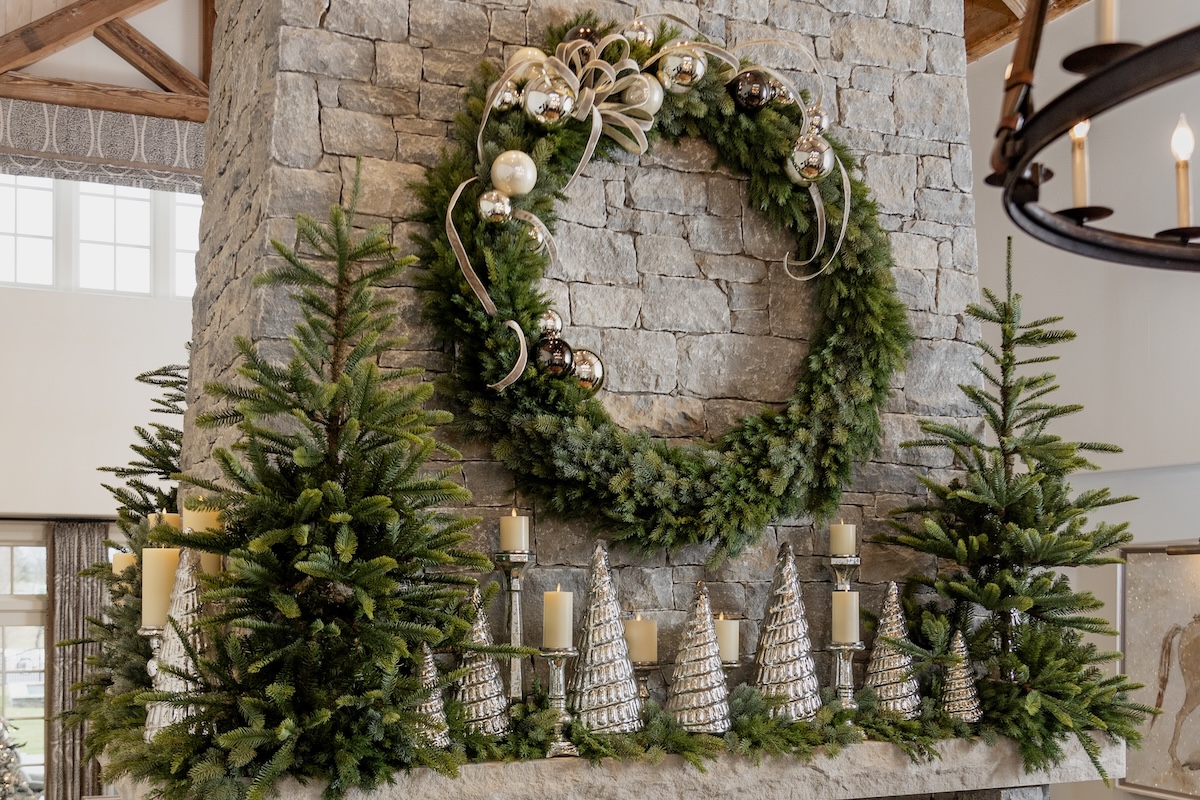
A STUNNING Holiday Home Tour + Designer Tips to Recreate the Magic at Home

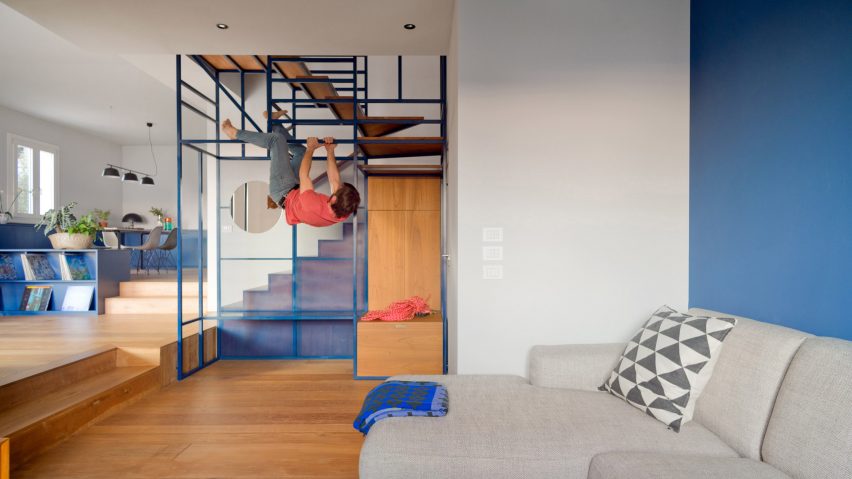
Deferrari+Modesti designs rock climbing-themed staircase for villa in Tuscany
18 Ideas to Steal from a Rustic-Modern Ranch House
Is the Cozy 2000s Tuscan Style Making a Comeback? Here’s How to Pull It Off Today

This Kitchen Trend Can Make Your Space Look Like a Charming, Tuscan Retreat — "It's Instantly Warming"

Take a tour of this gorgeous Victorian home...

How to Master a Modern Italian Look at Home
This Breathtaking Tuscan Villa Is Basically a Vacation for the Eyes
Rustic Decor Doesn't Have to Be Boring—Here's Proof

For a "Cool-Looking" Home, Designers Say Use This Finish
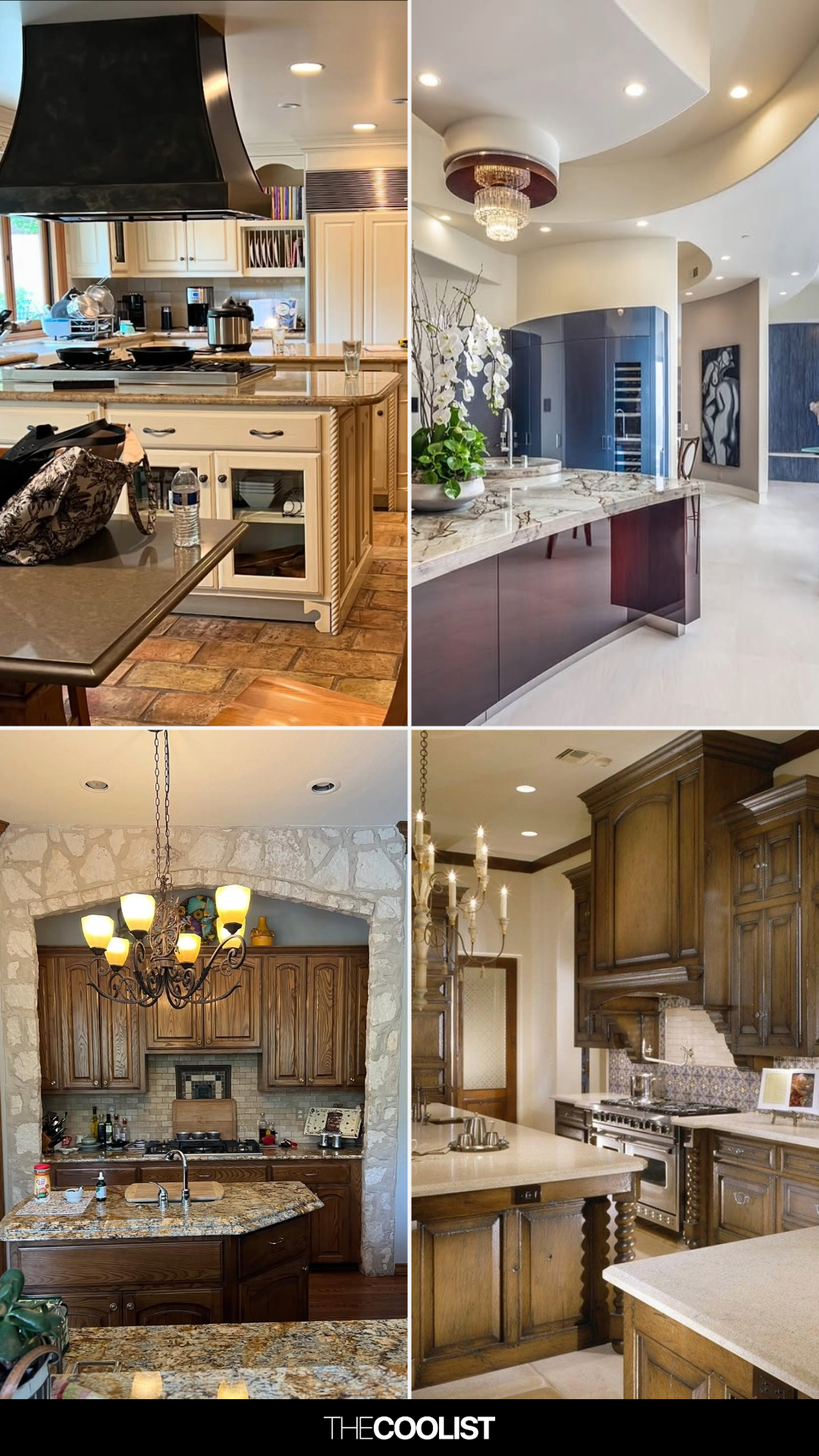
21 Tuscan Kitchen Design Ideas That Bring Old World Charm Home