1/12
Earth Tone Living Rooms — 11 Palettes To Warm Up the Heart of Your Home
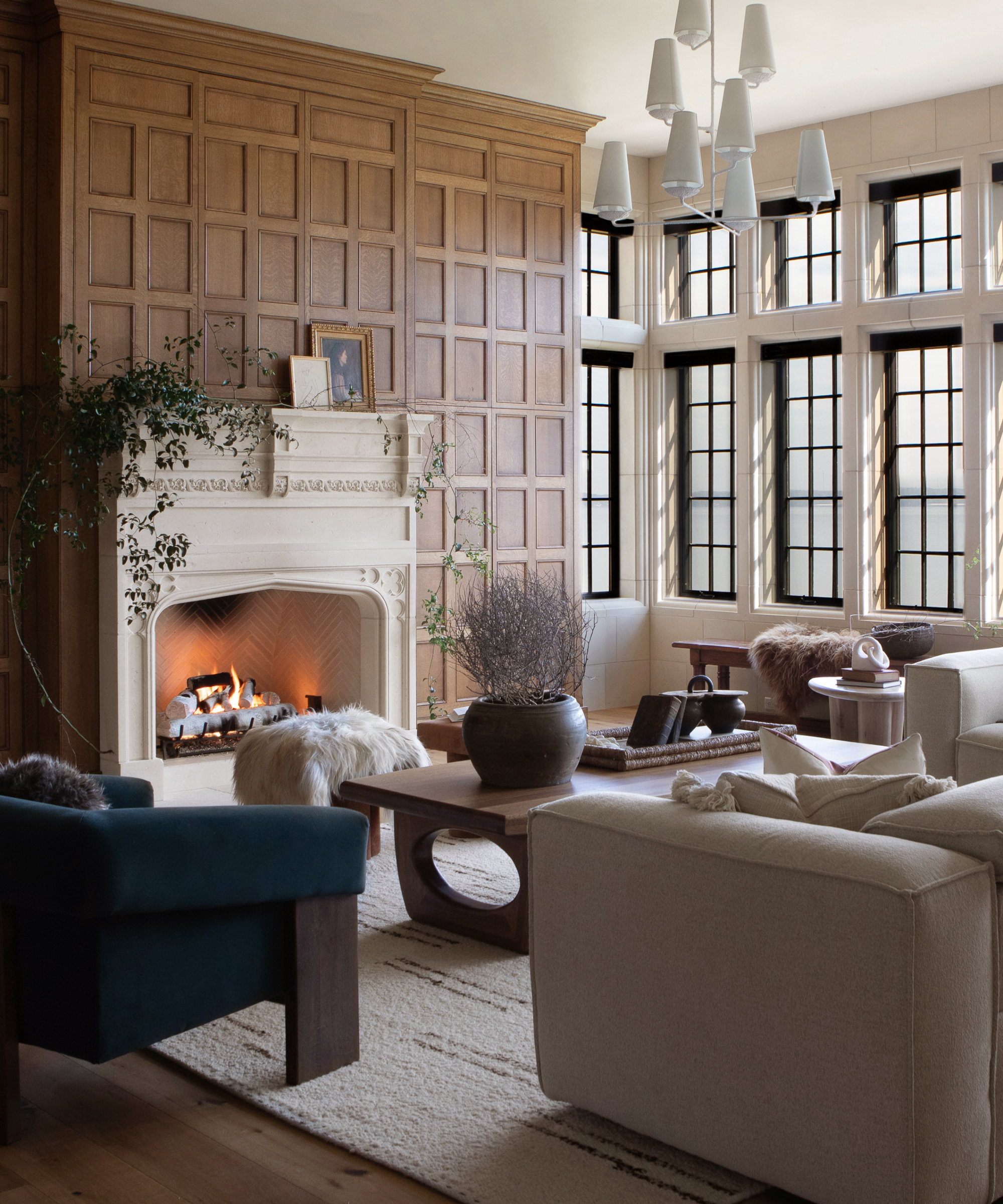
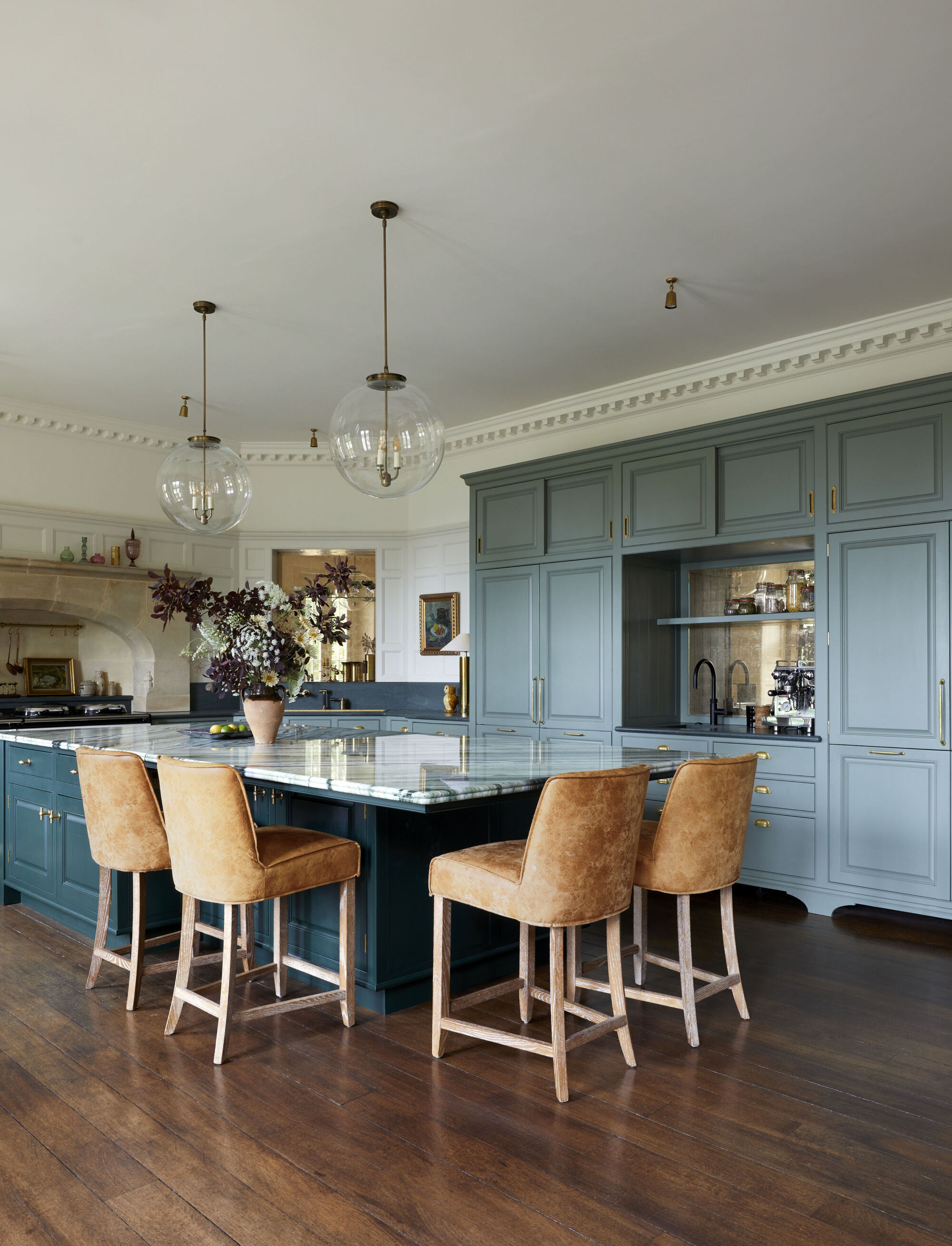
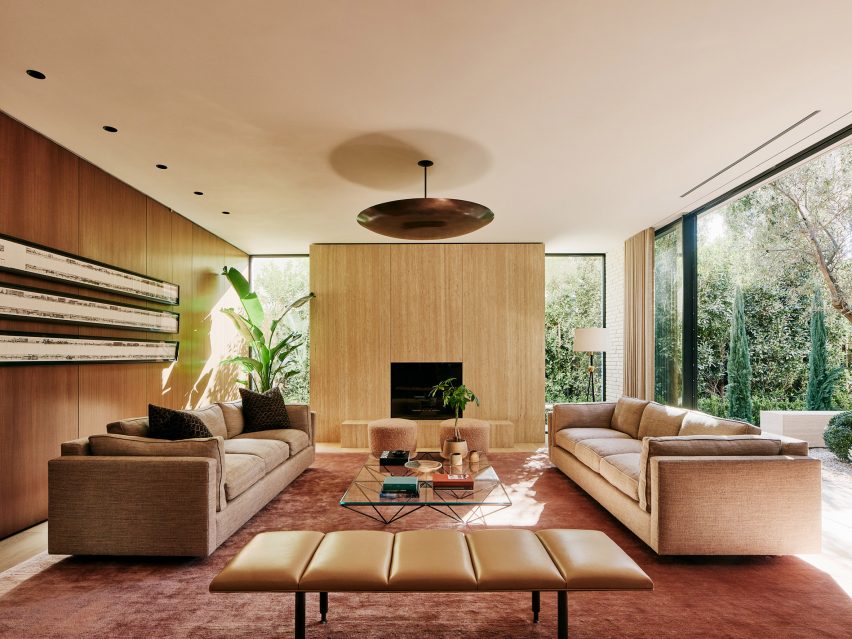
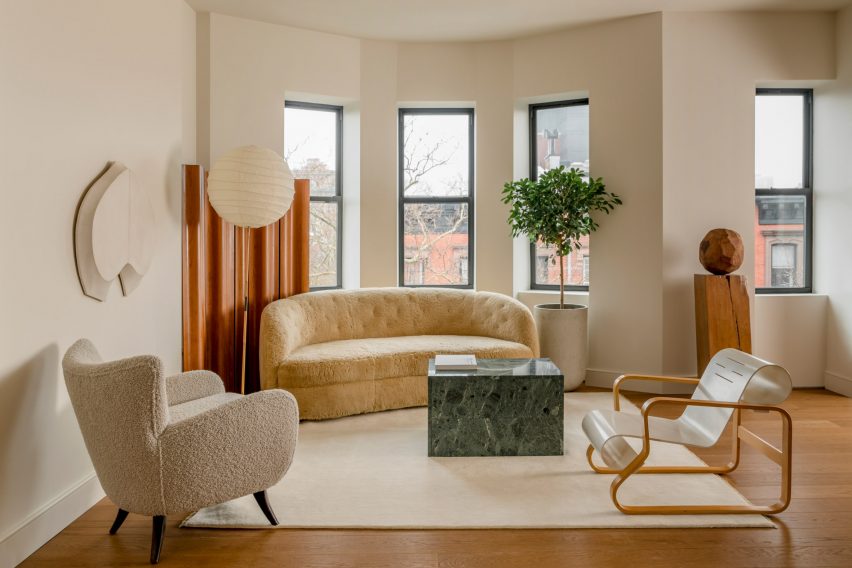
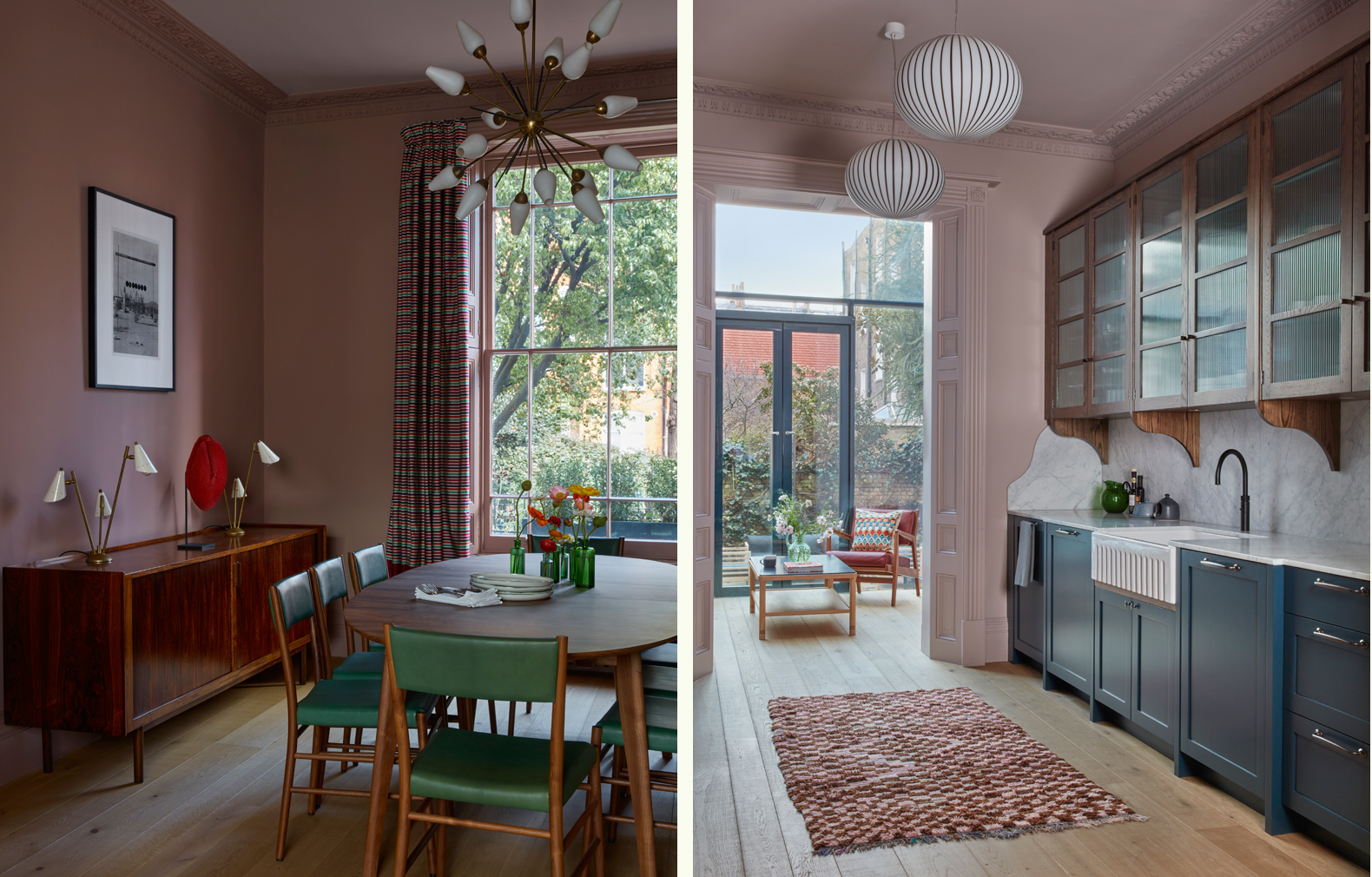
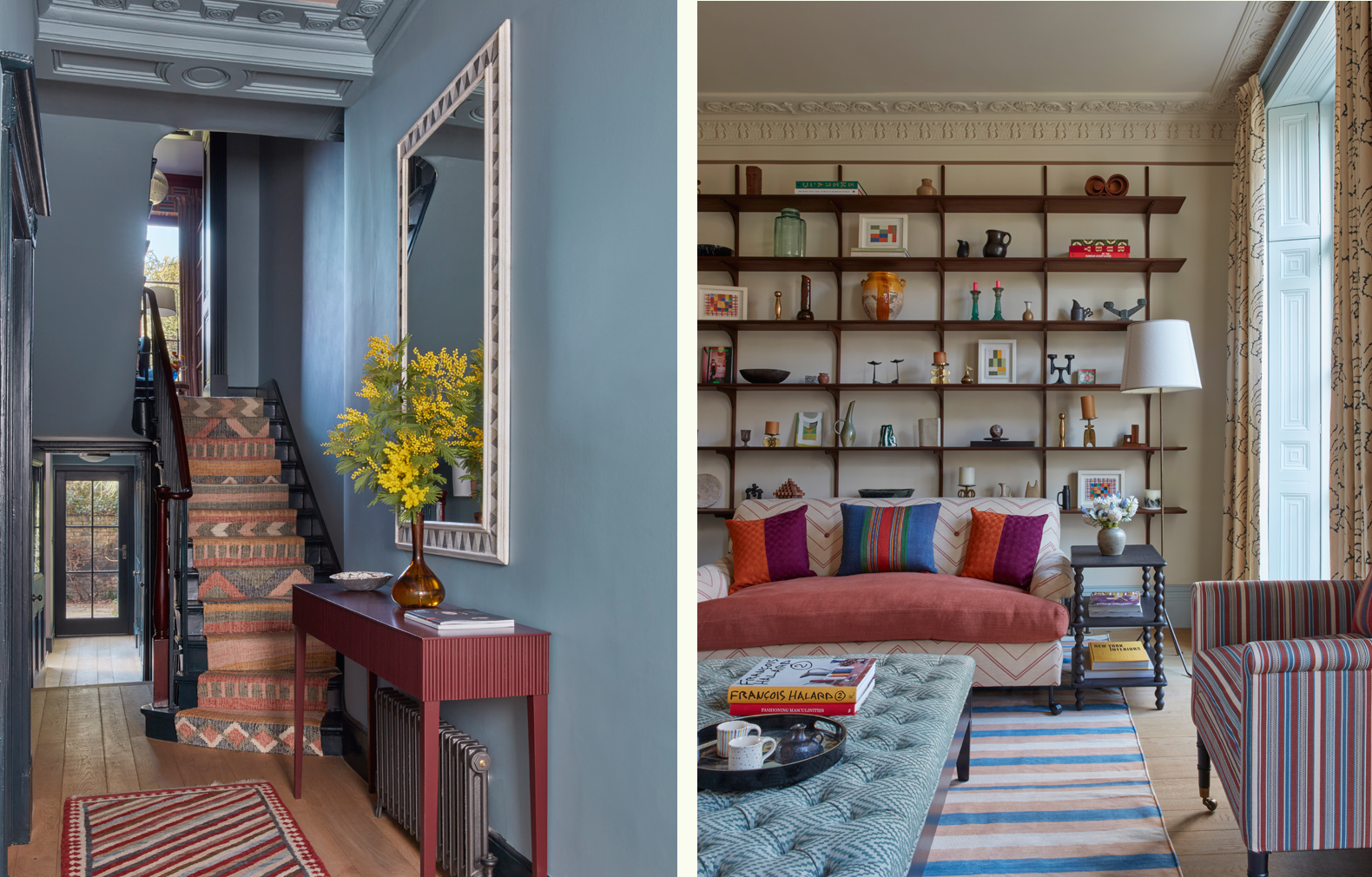
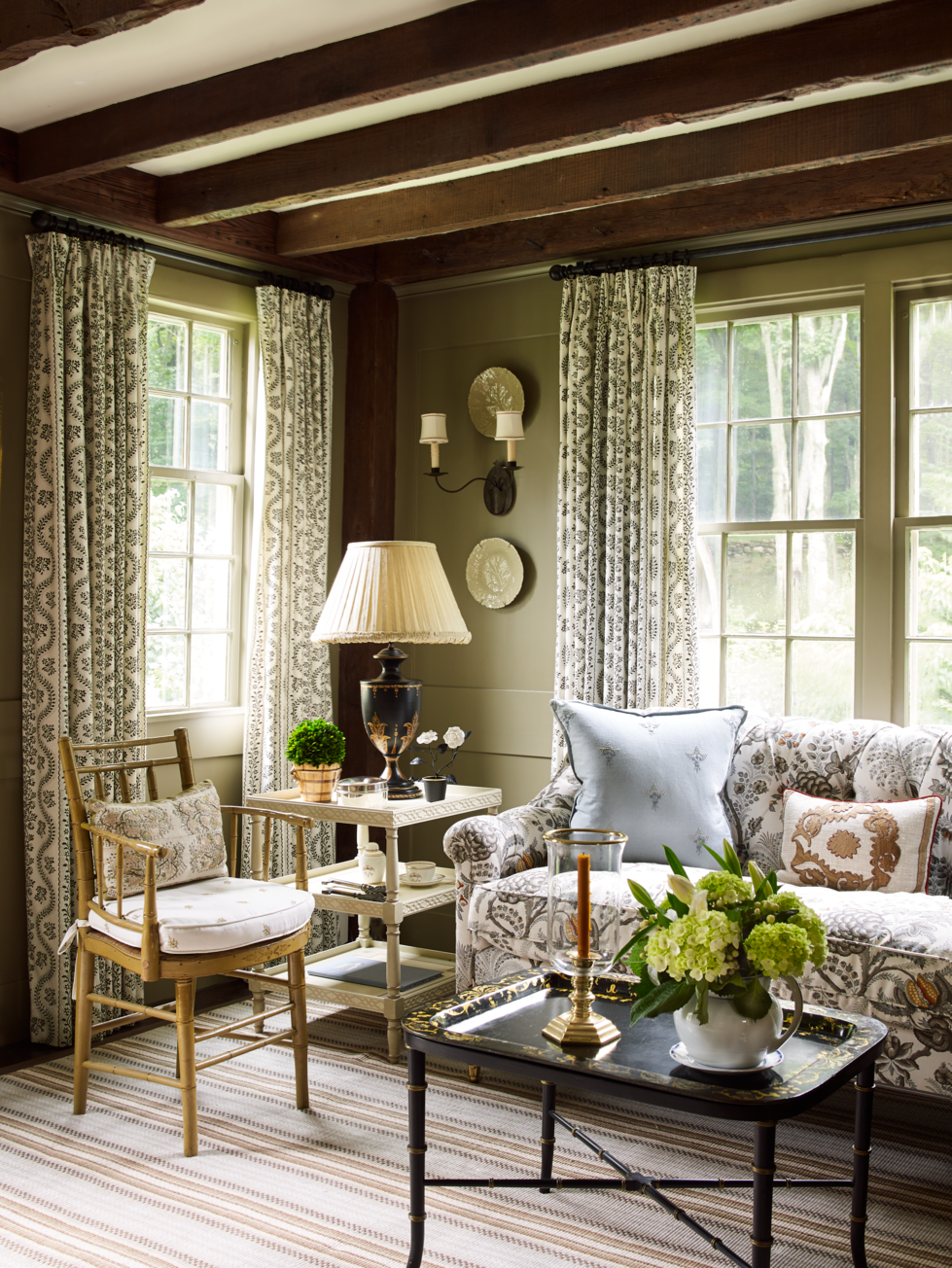
Earth-inspired color palettes are becoming increasingly popular for living rooms, offering a calm, comforting, and warm atmosphere. These tones introduce depth and texture, serving as a versatile foundation for natural materials such as leather, rattan, jute, and linen. Browns, beiges, ochres, grays, and greens are central to these palettes, seamlessly integrating the beauty of nature into interior spaces. Interior designers like Reena Sotropa and Sarah Barnard emphasize drawing inspiration from the natural world to select appropriate earth tones.
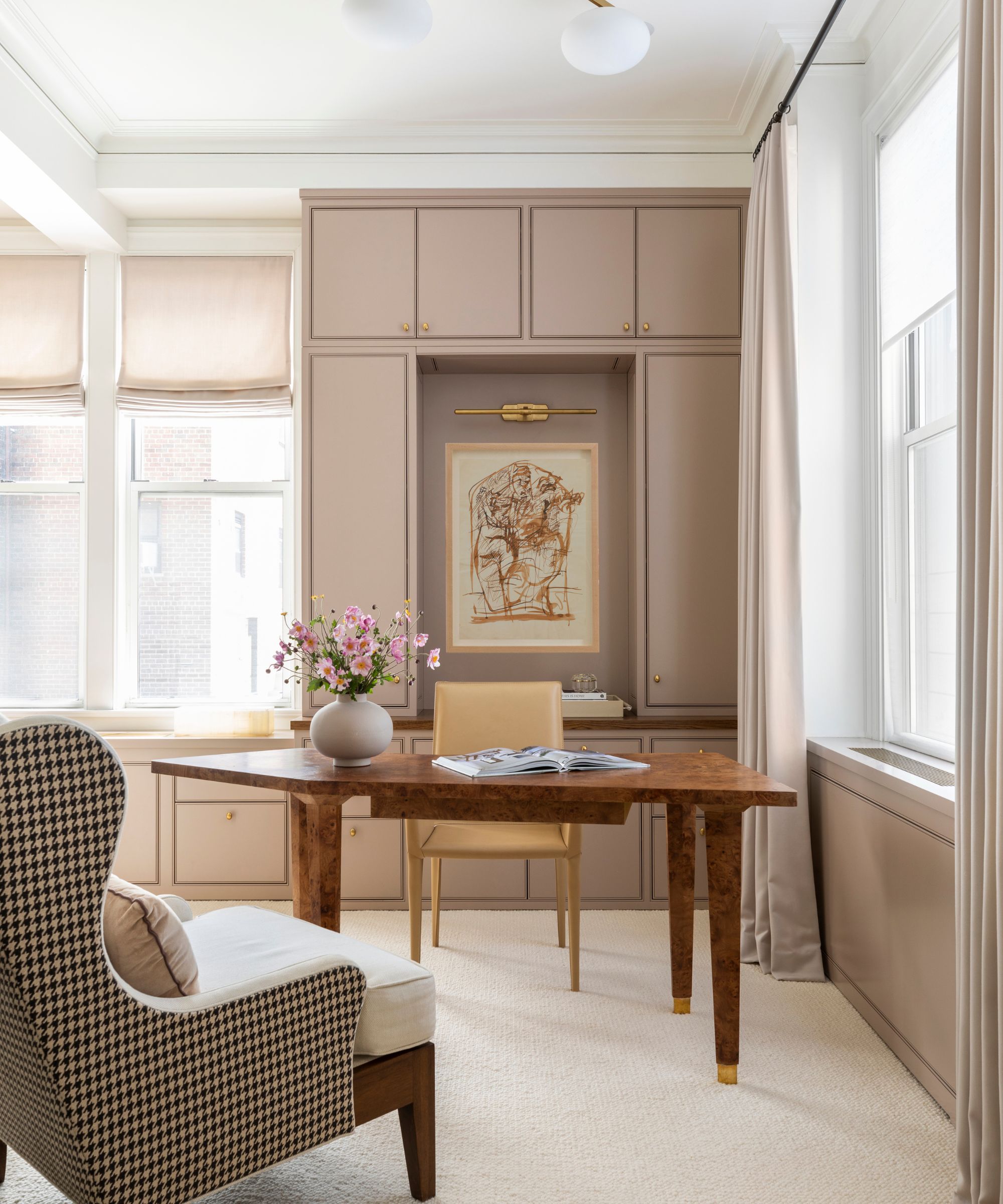
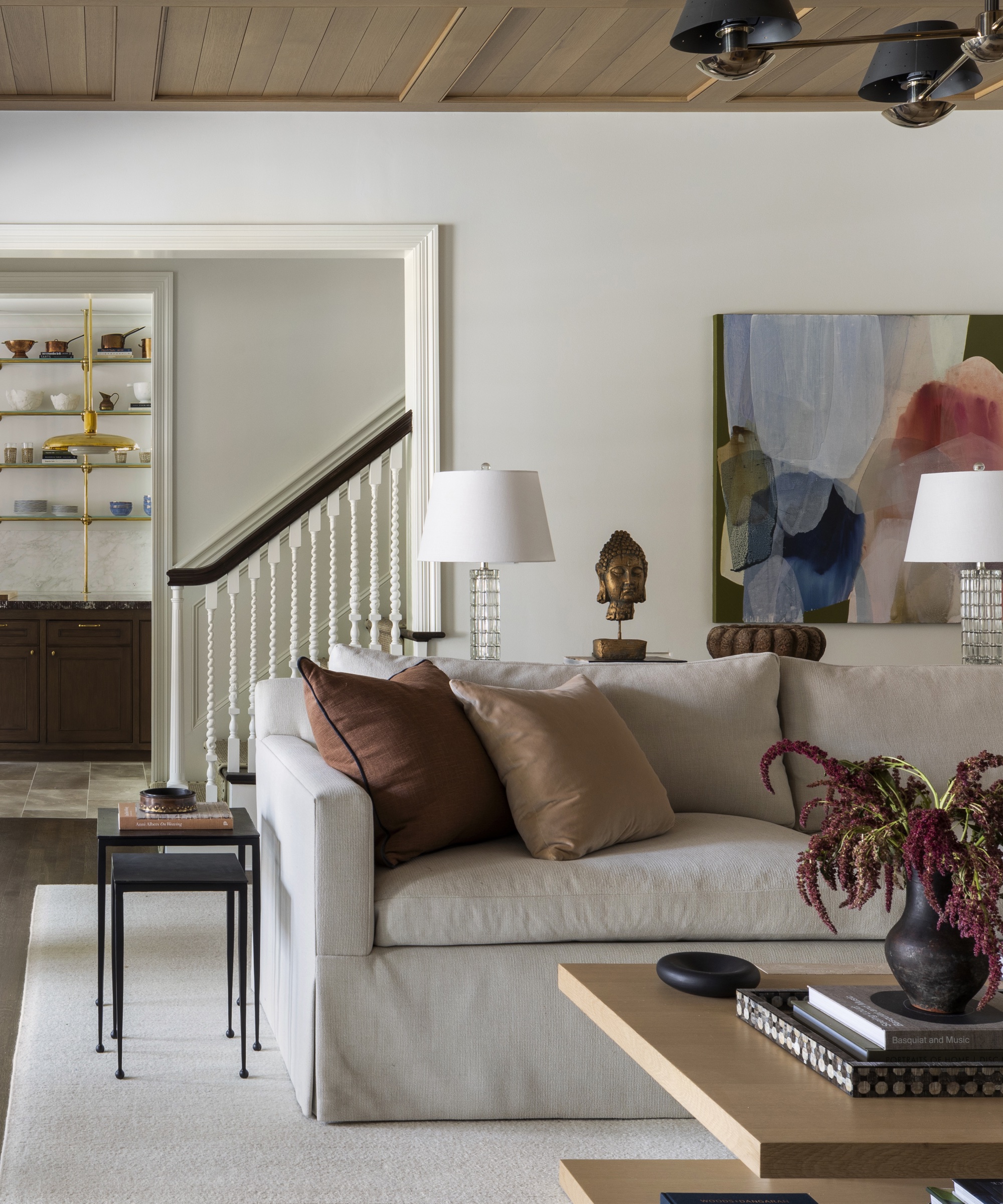
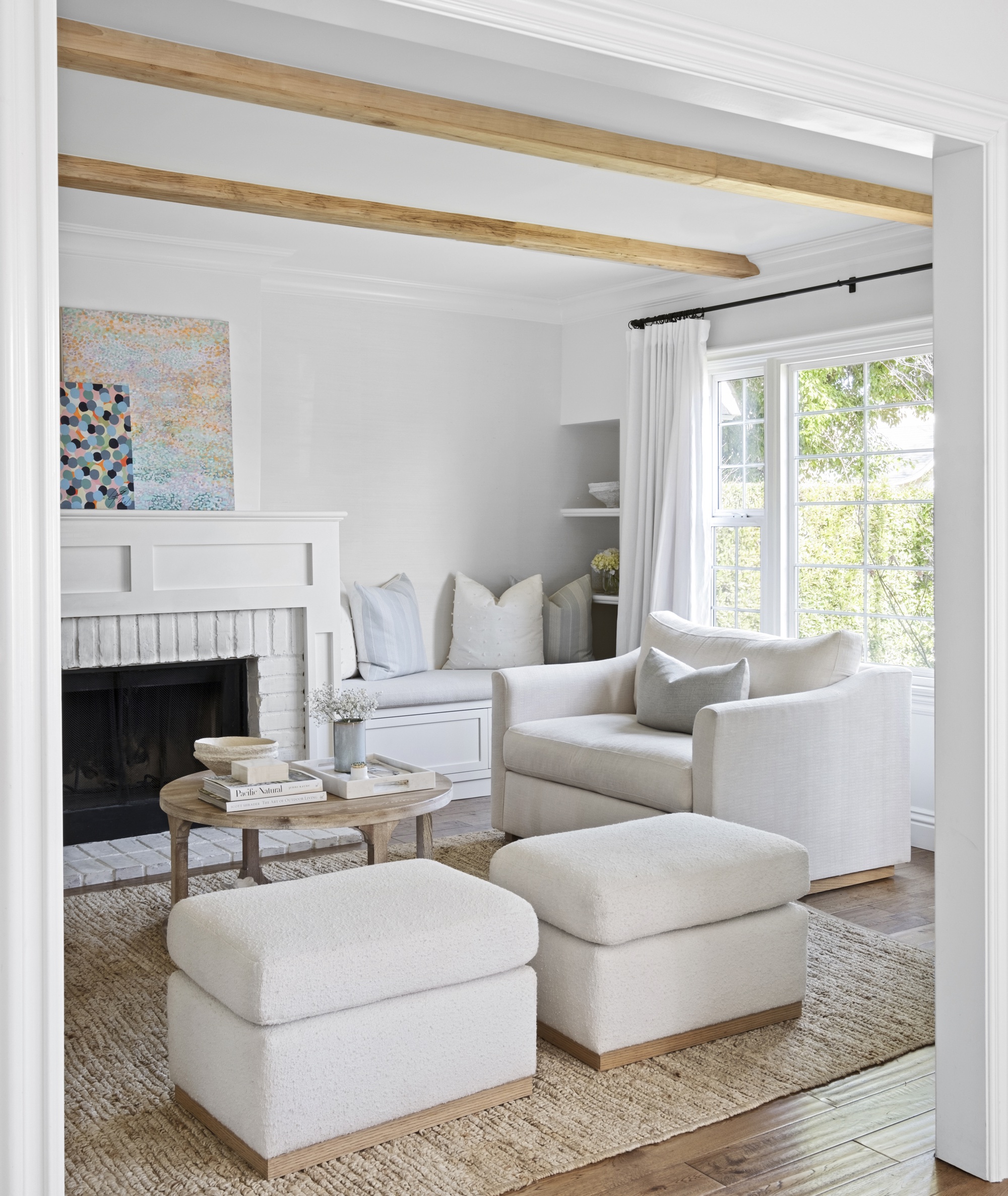
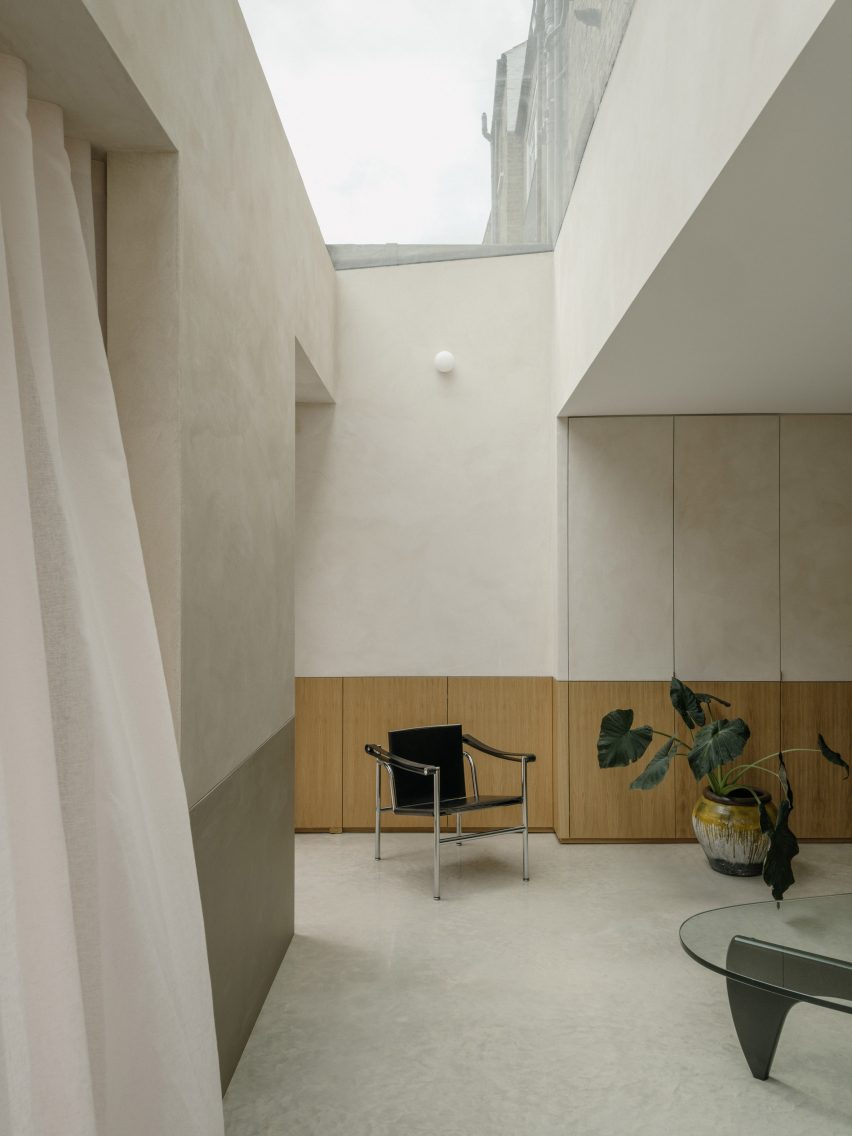
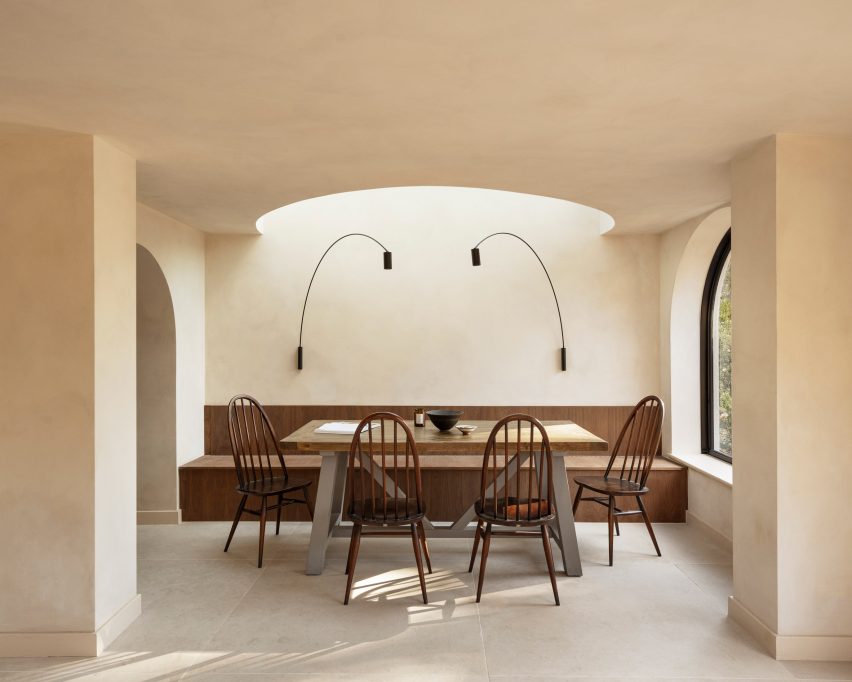
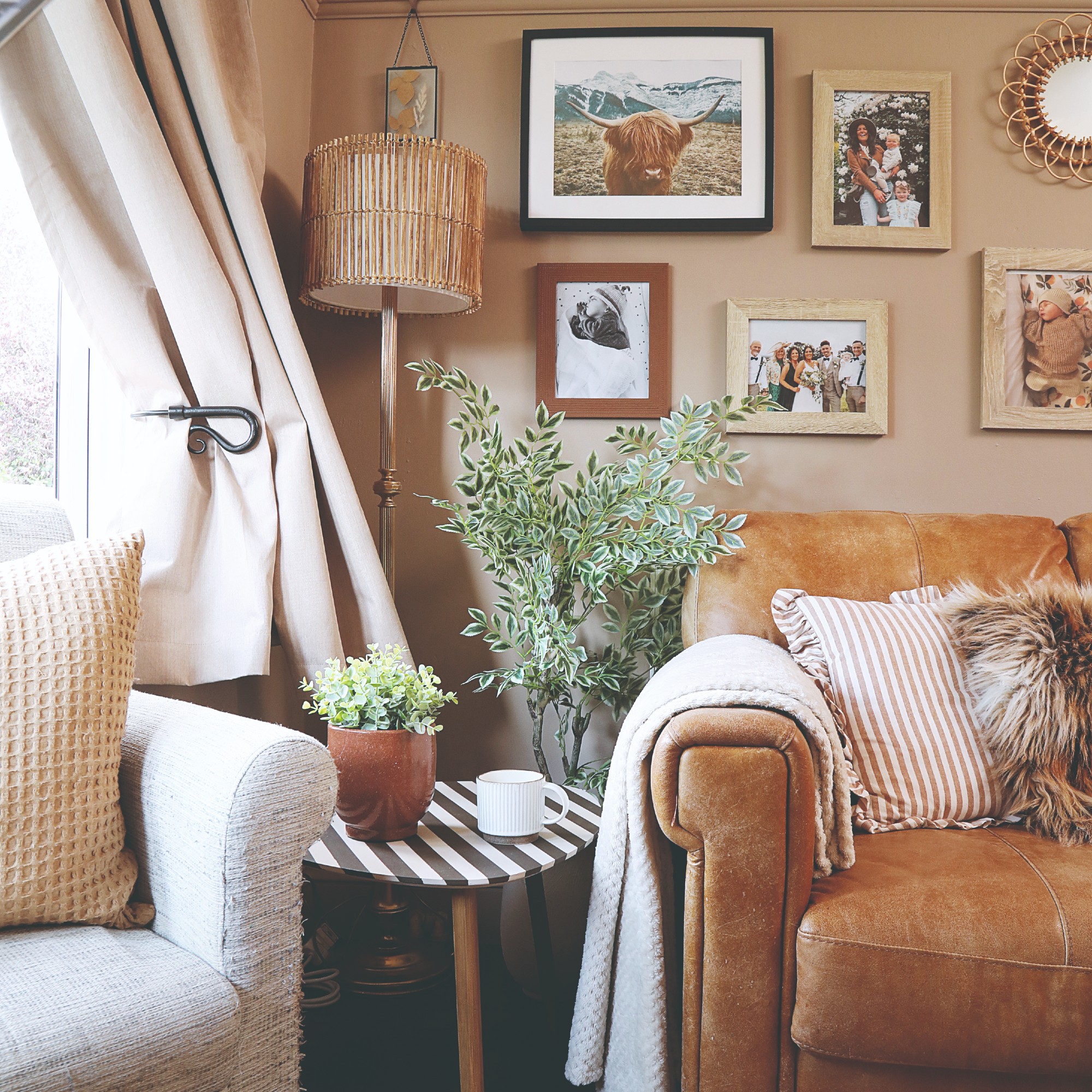
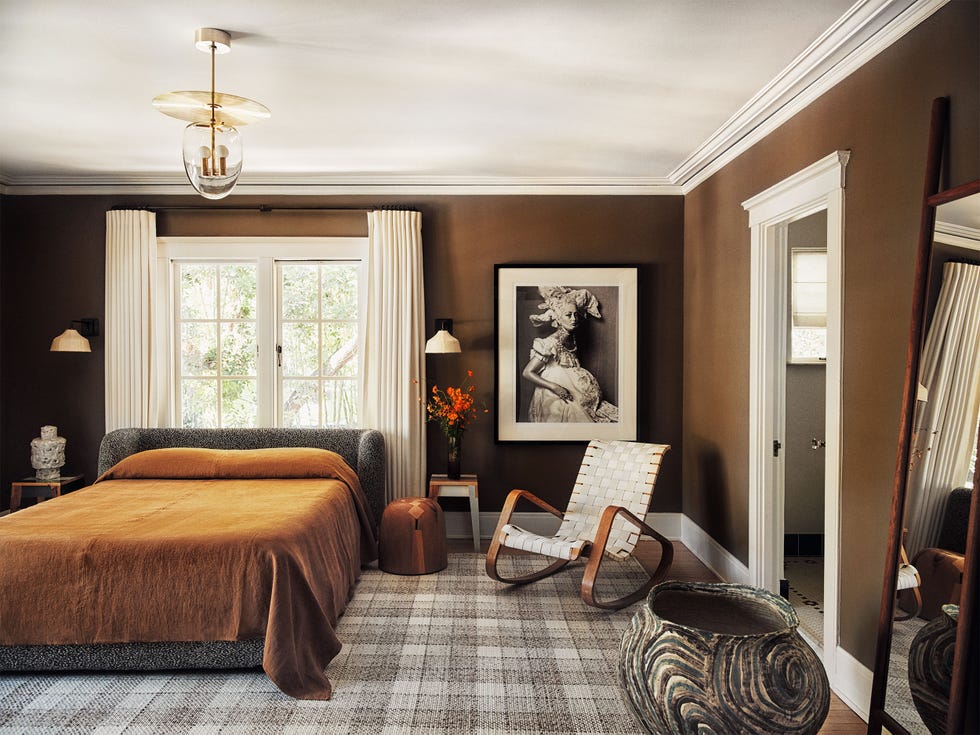
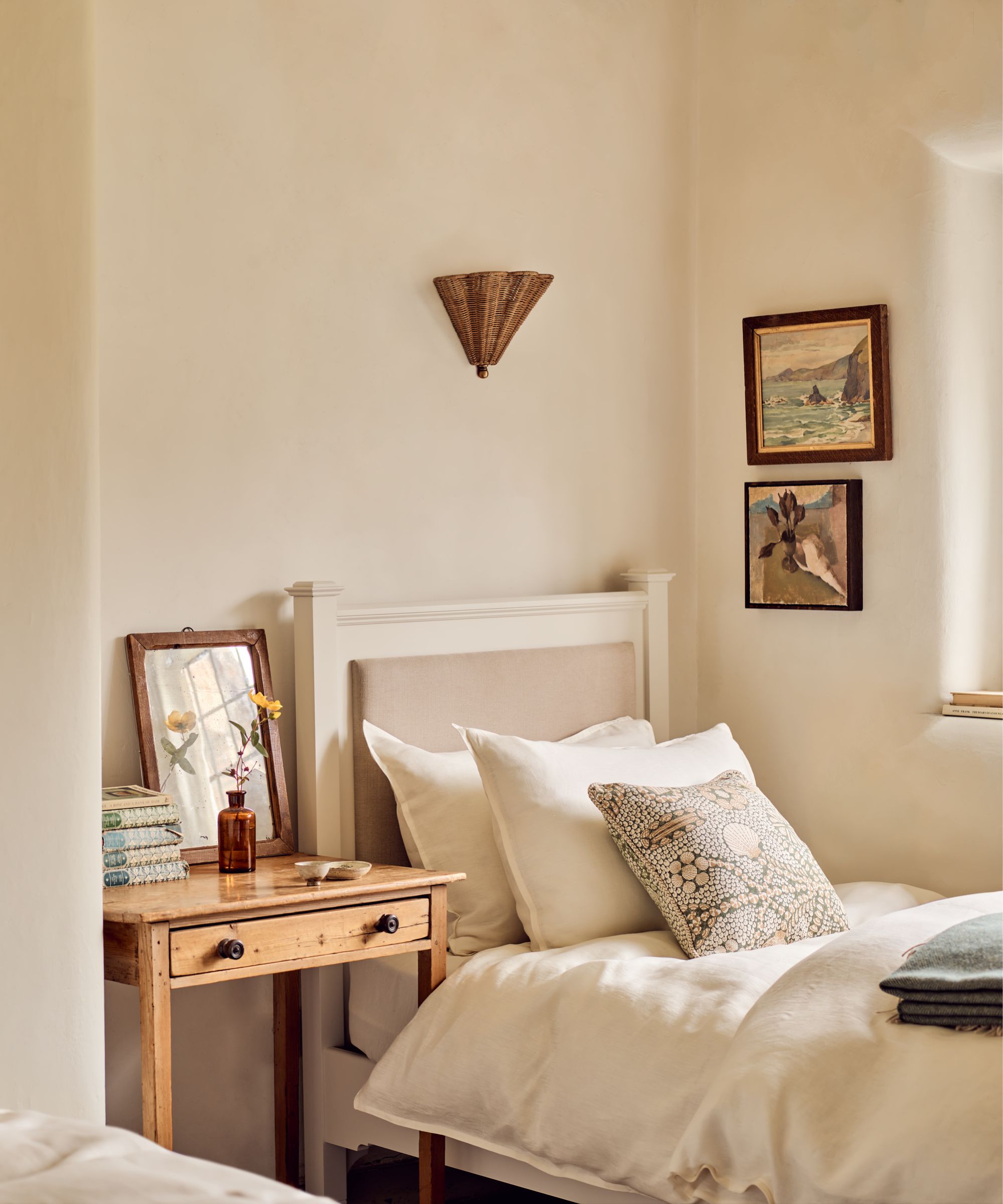
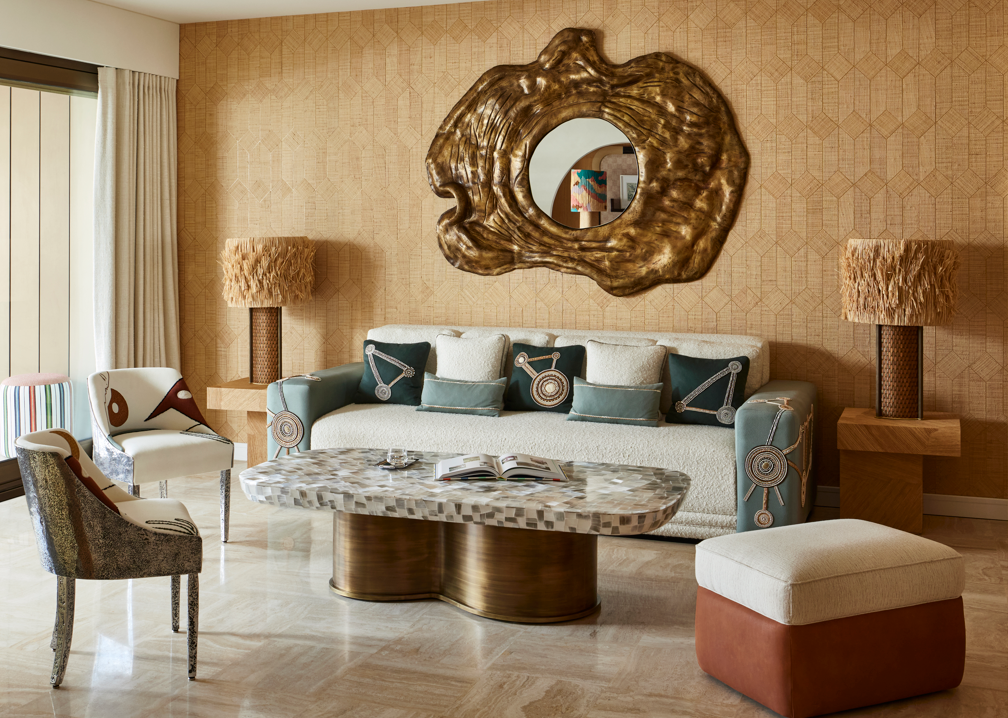
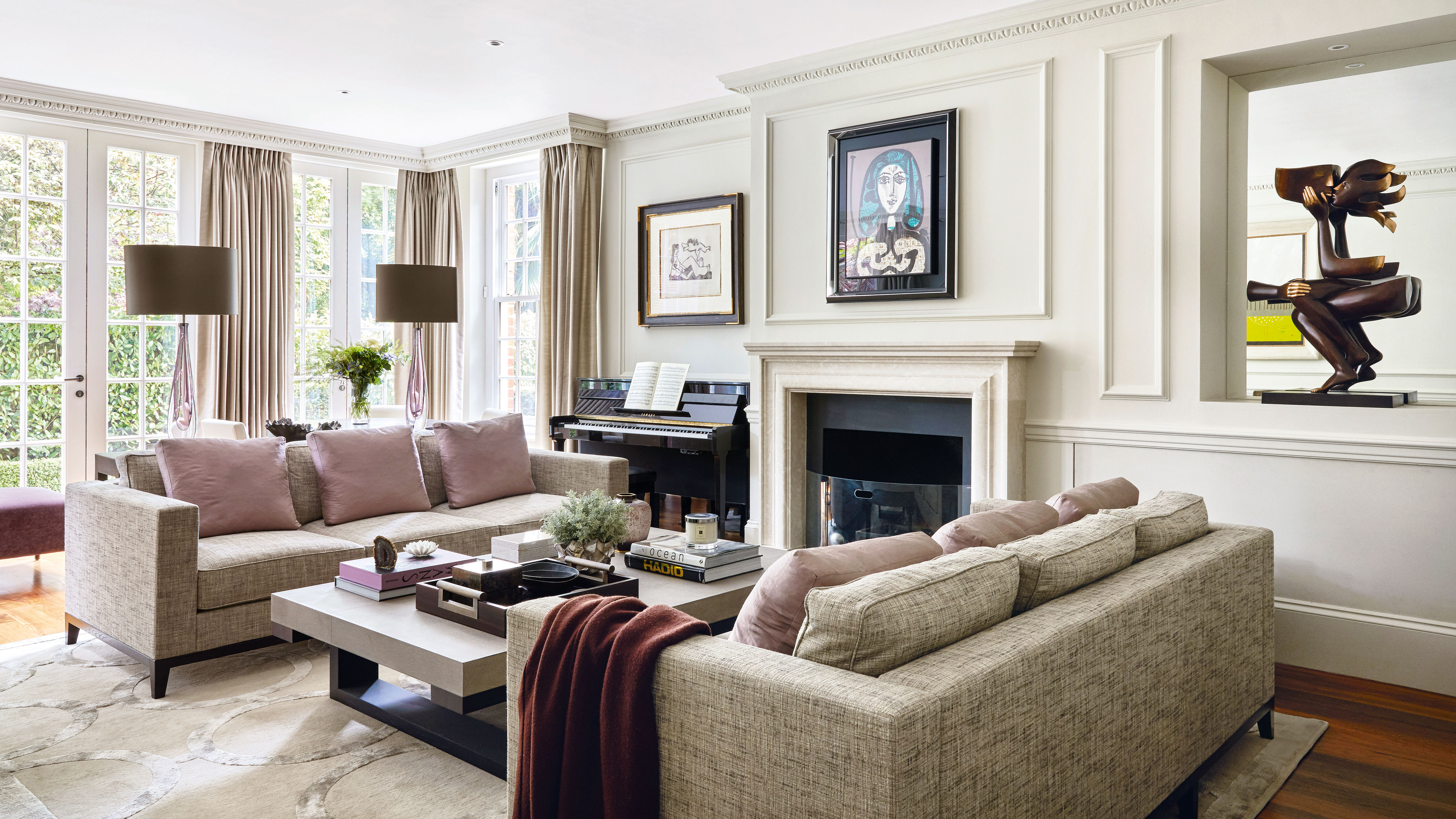
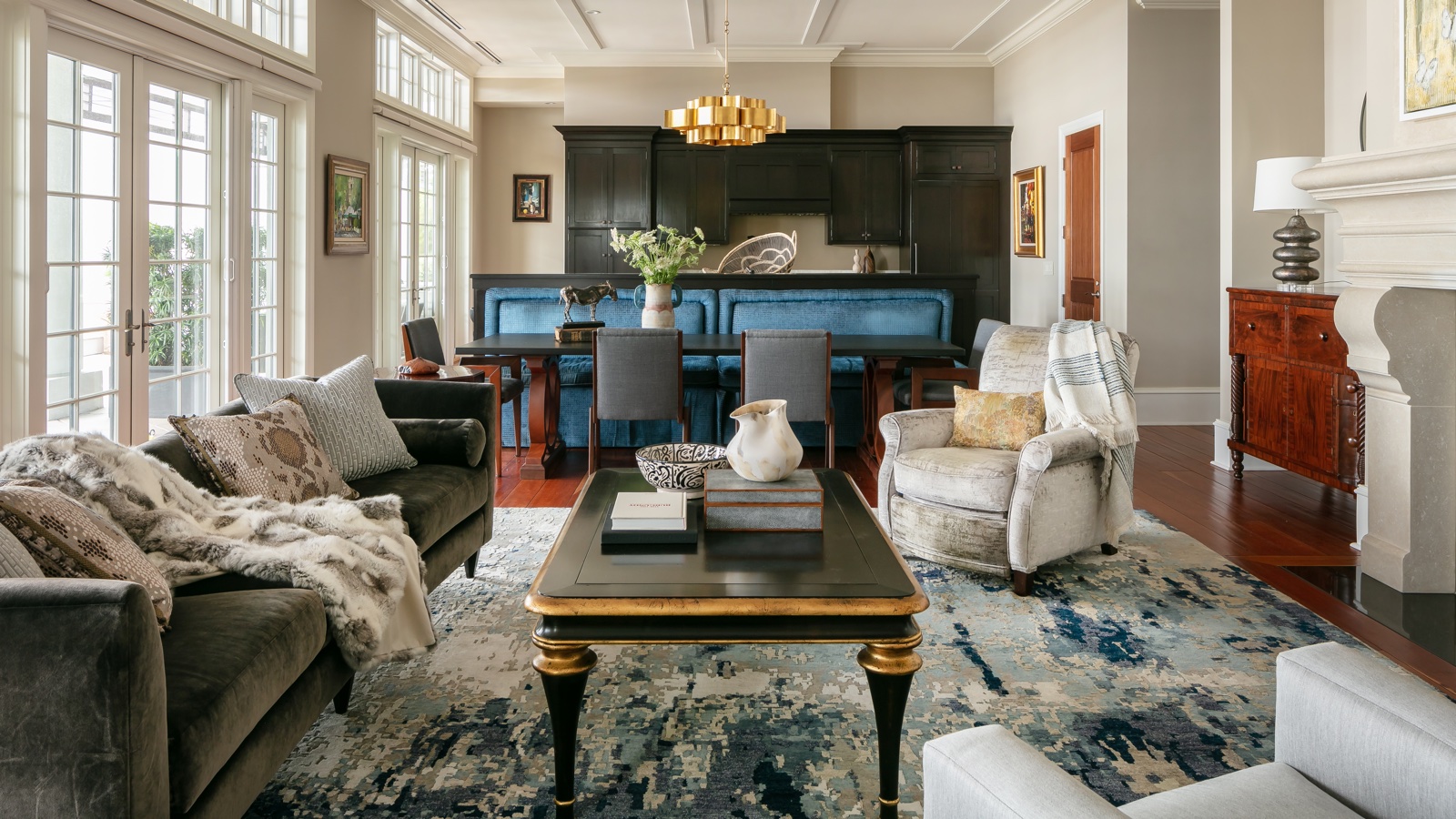
Brown, a fundamental earth tone, creates a tranquil and relaxing ambiance. Integrating jewel tones like amethyst, citrine, garnet, and lapis can add a bold contrast without overpowering the scheme. For a lighter, timeless approach, beige offers a cozy, cocooning feel and harmonizes with a wide spectrum of colors. Sarah Barnard notes that geographical influences can guide beige choices, with coastal areas inspiring sandy beiges and forested regions suggesting deeper browns and terracotta.
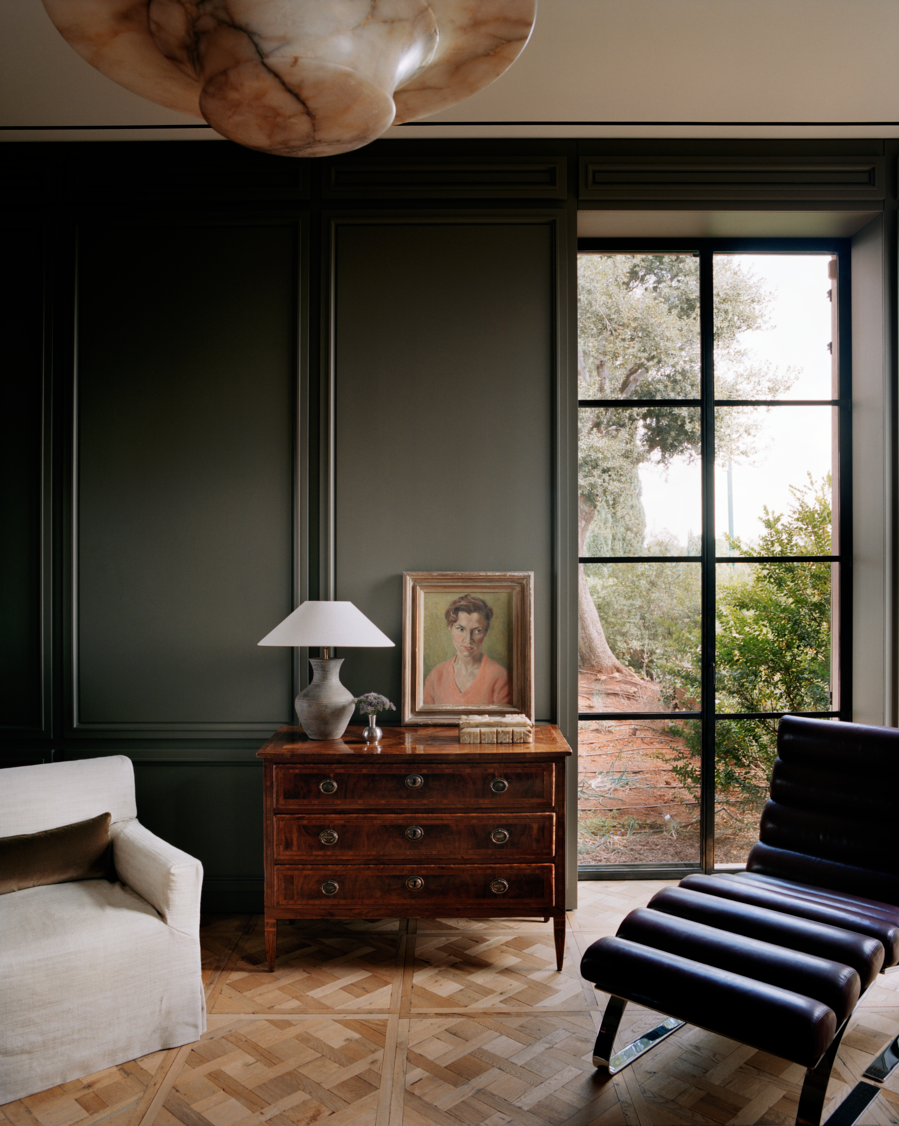
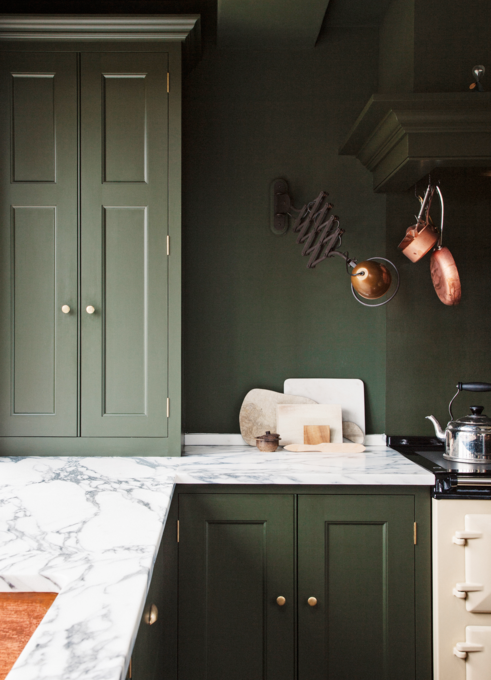
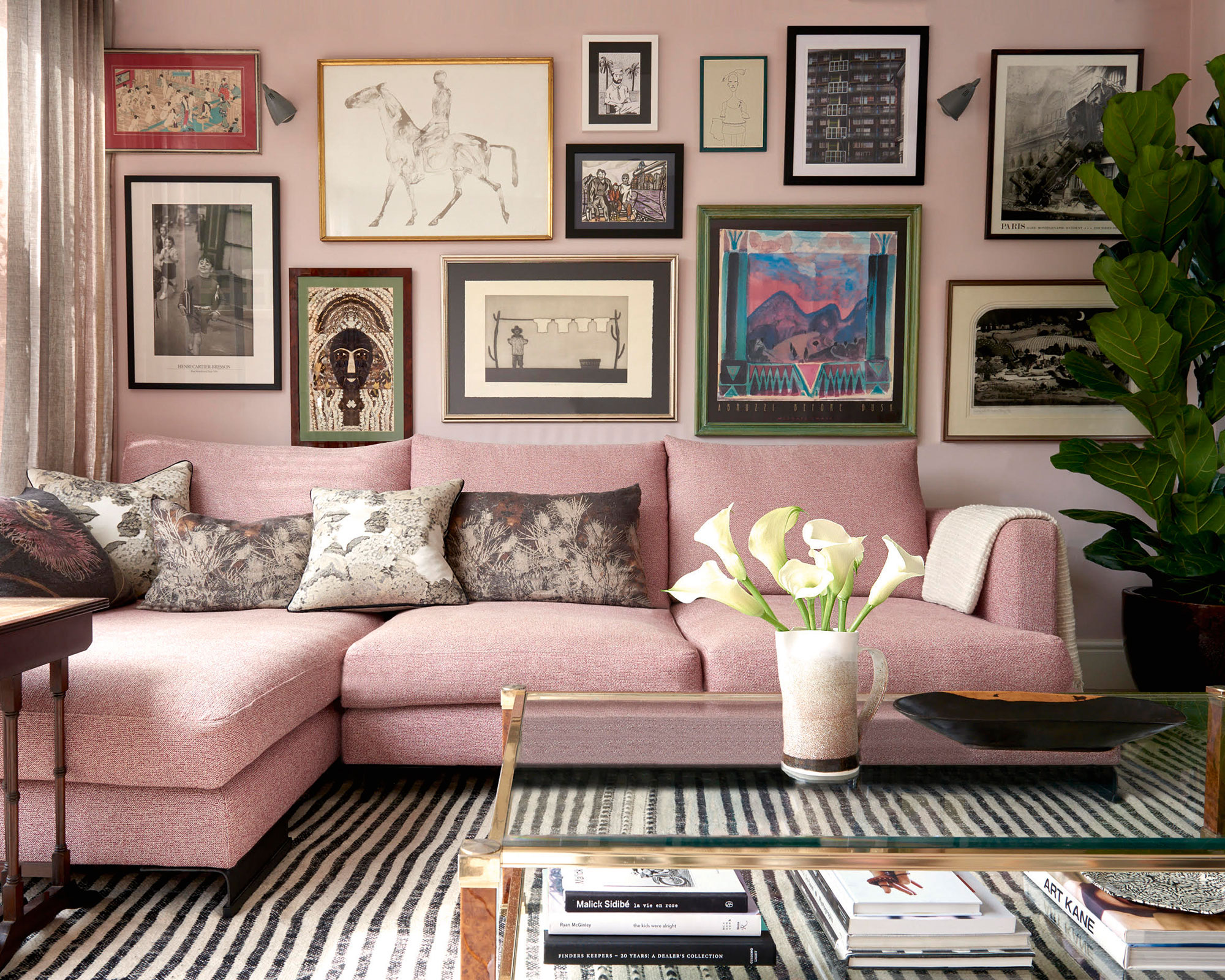
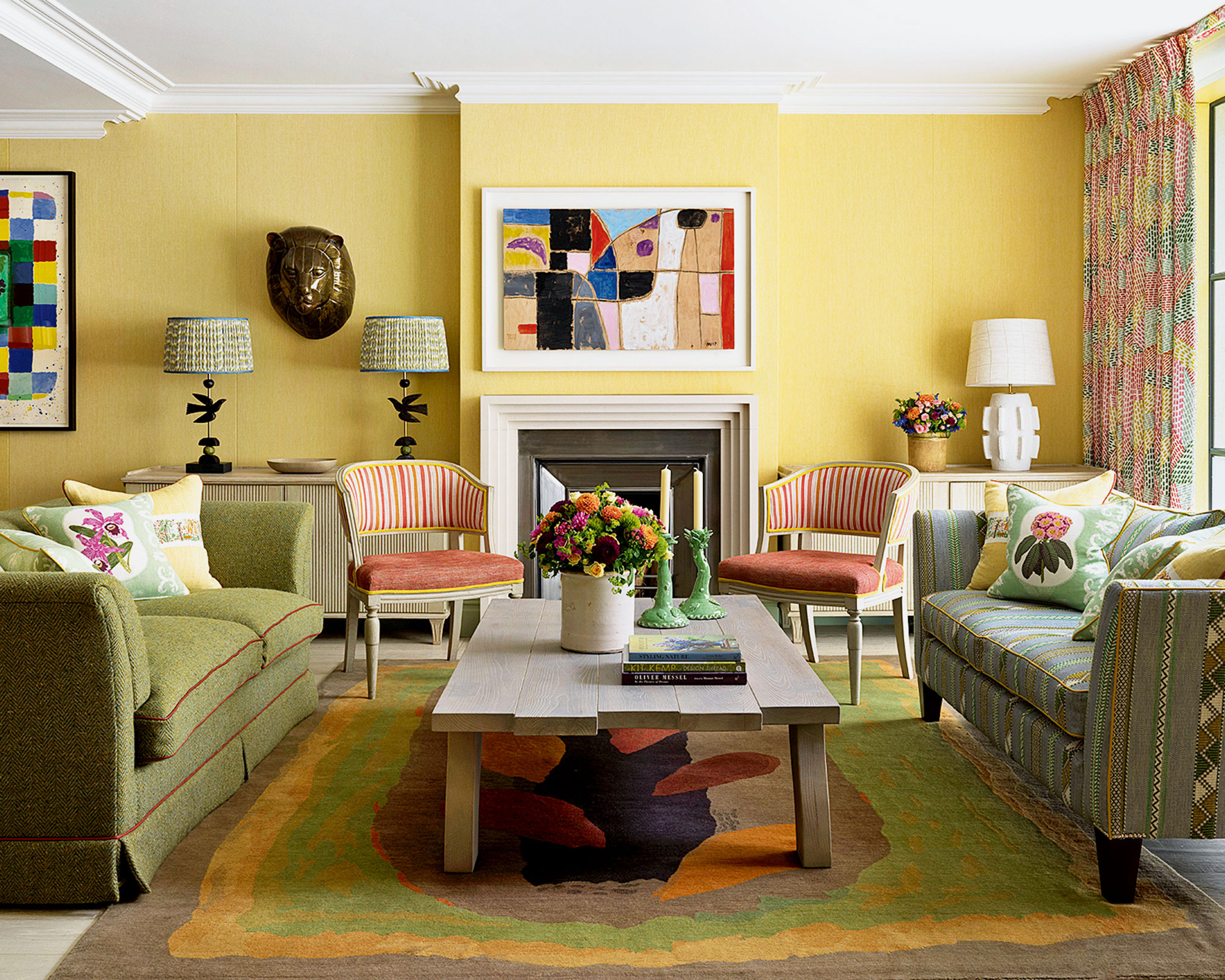
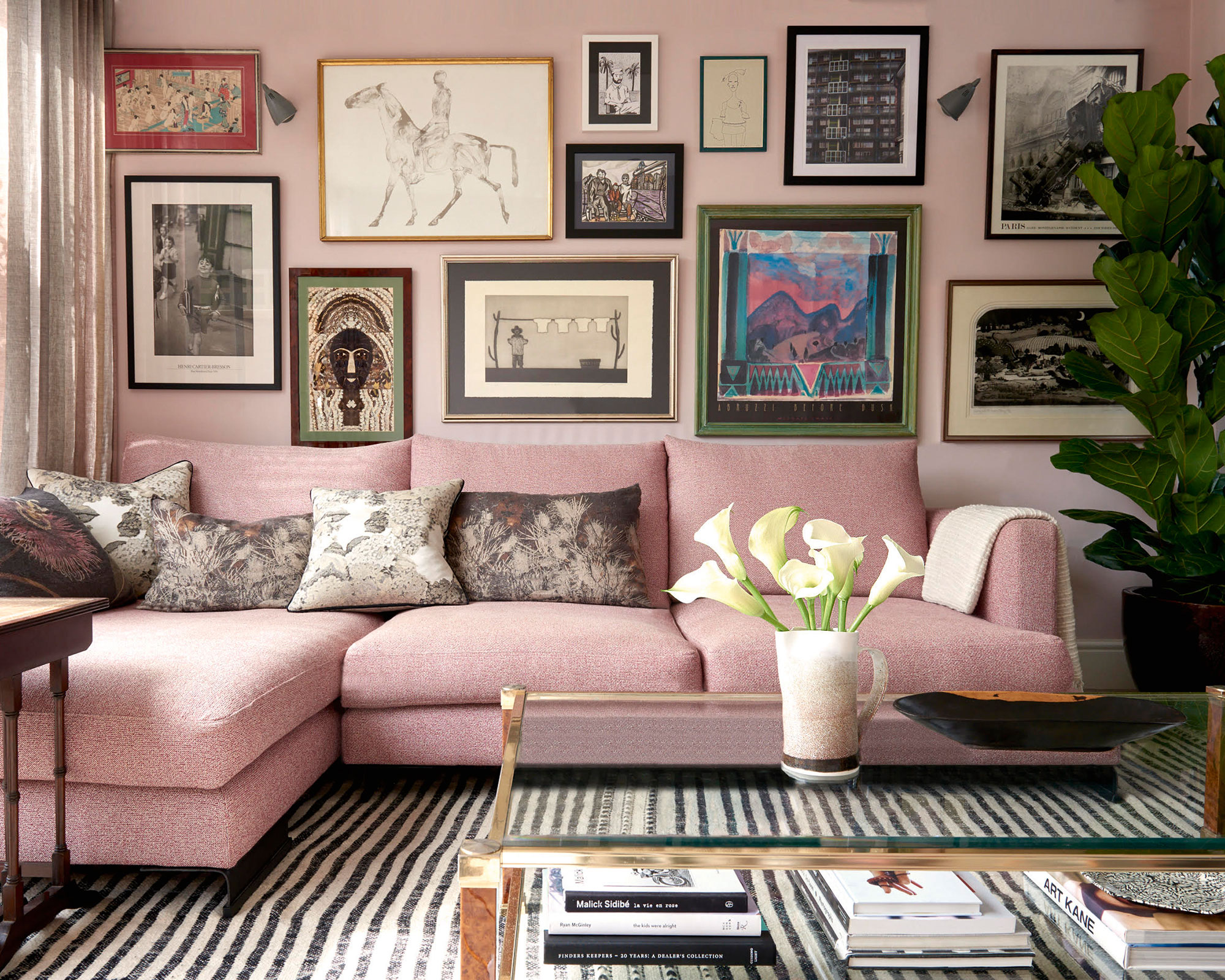
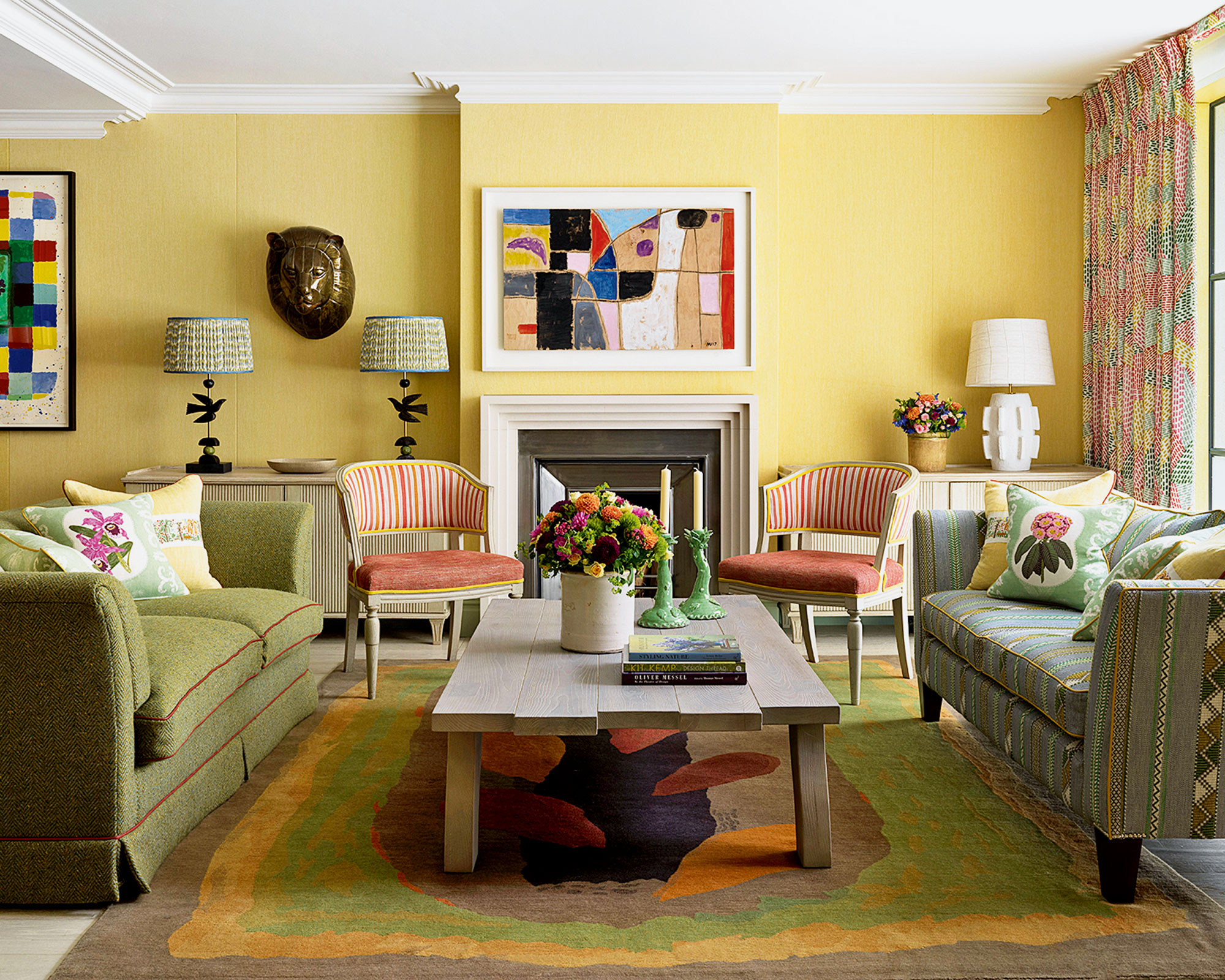
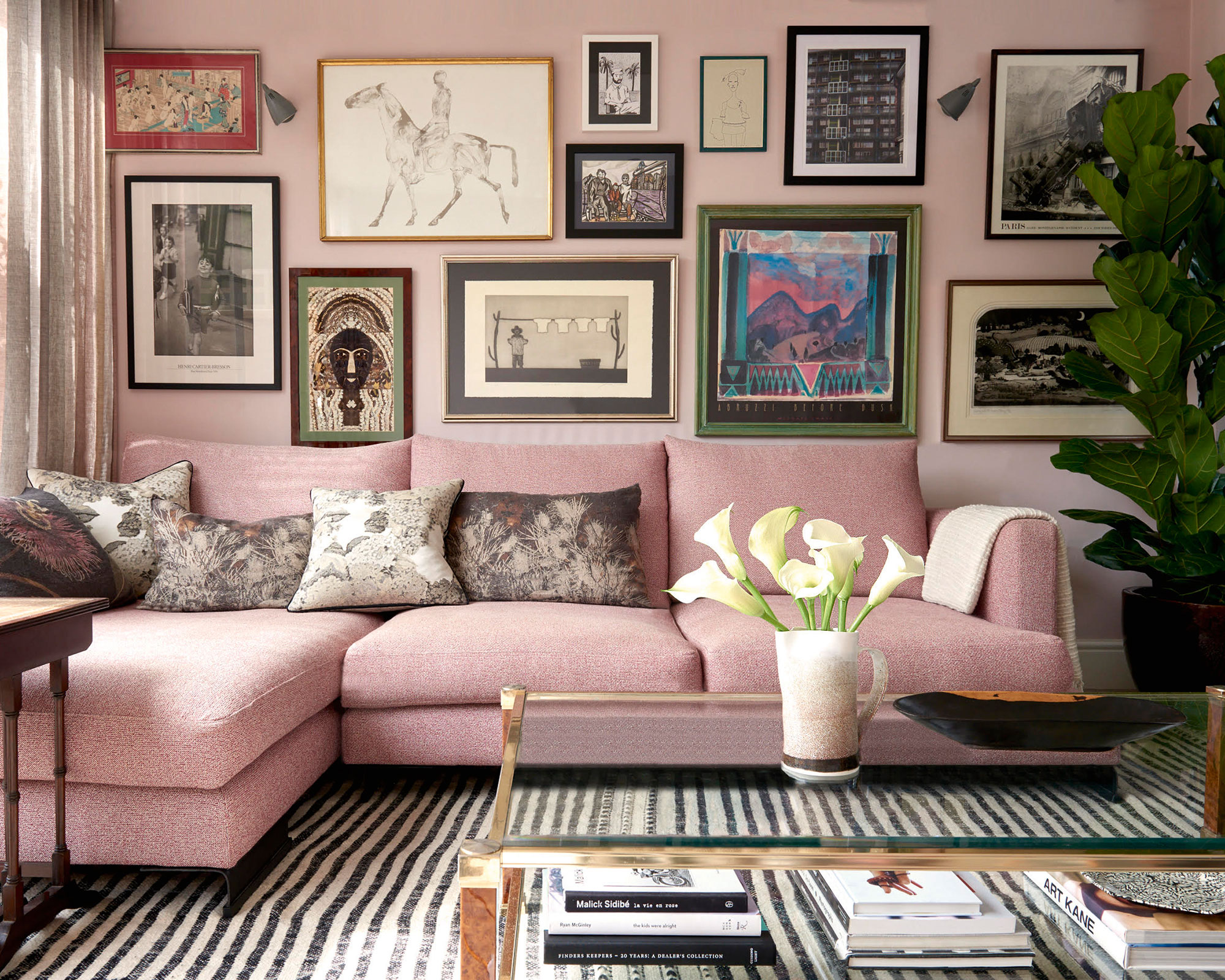
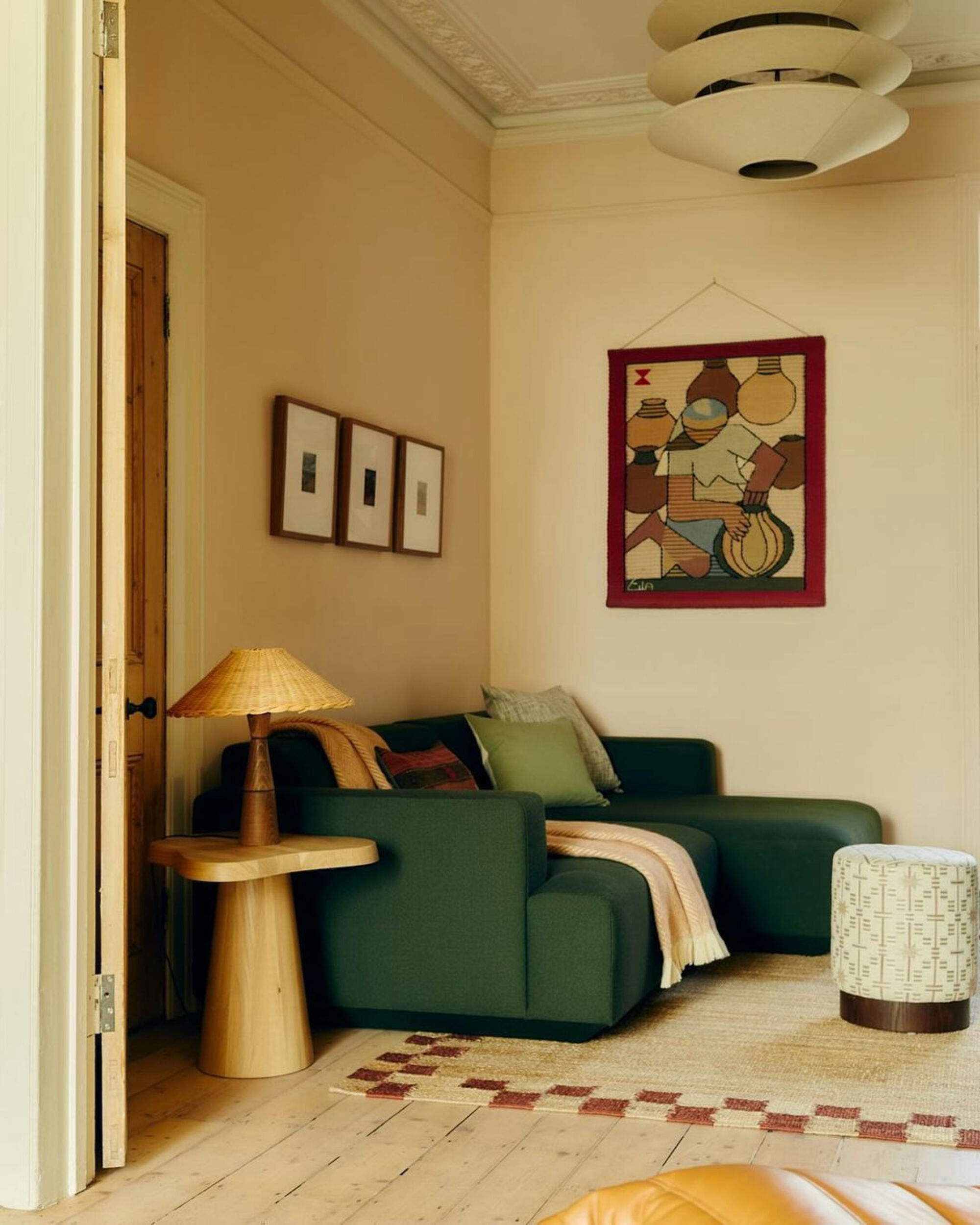
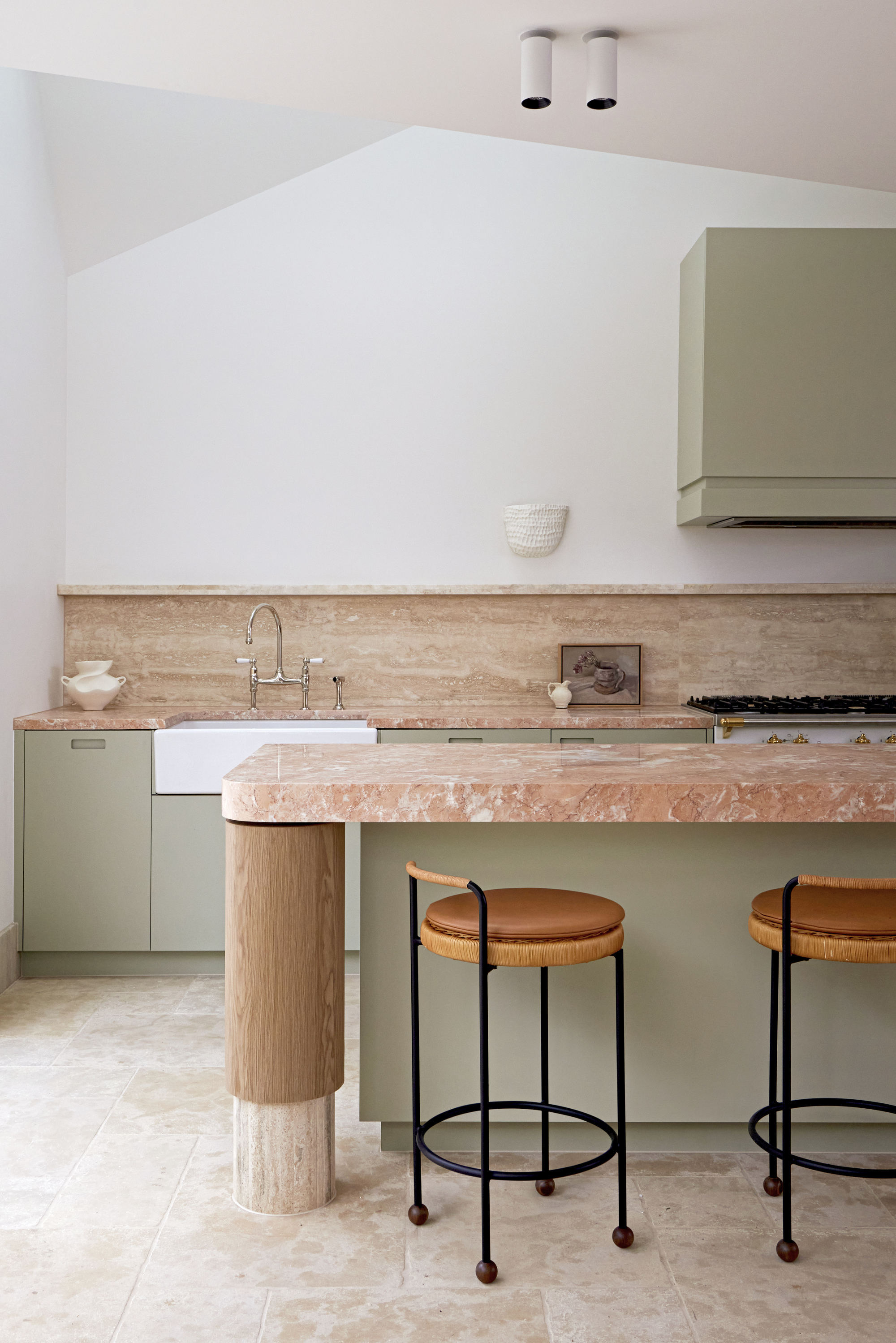
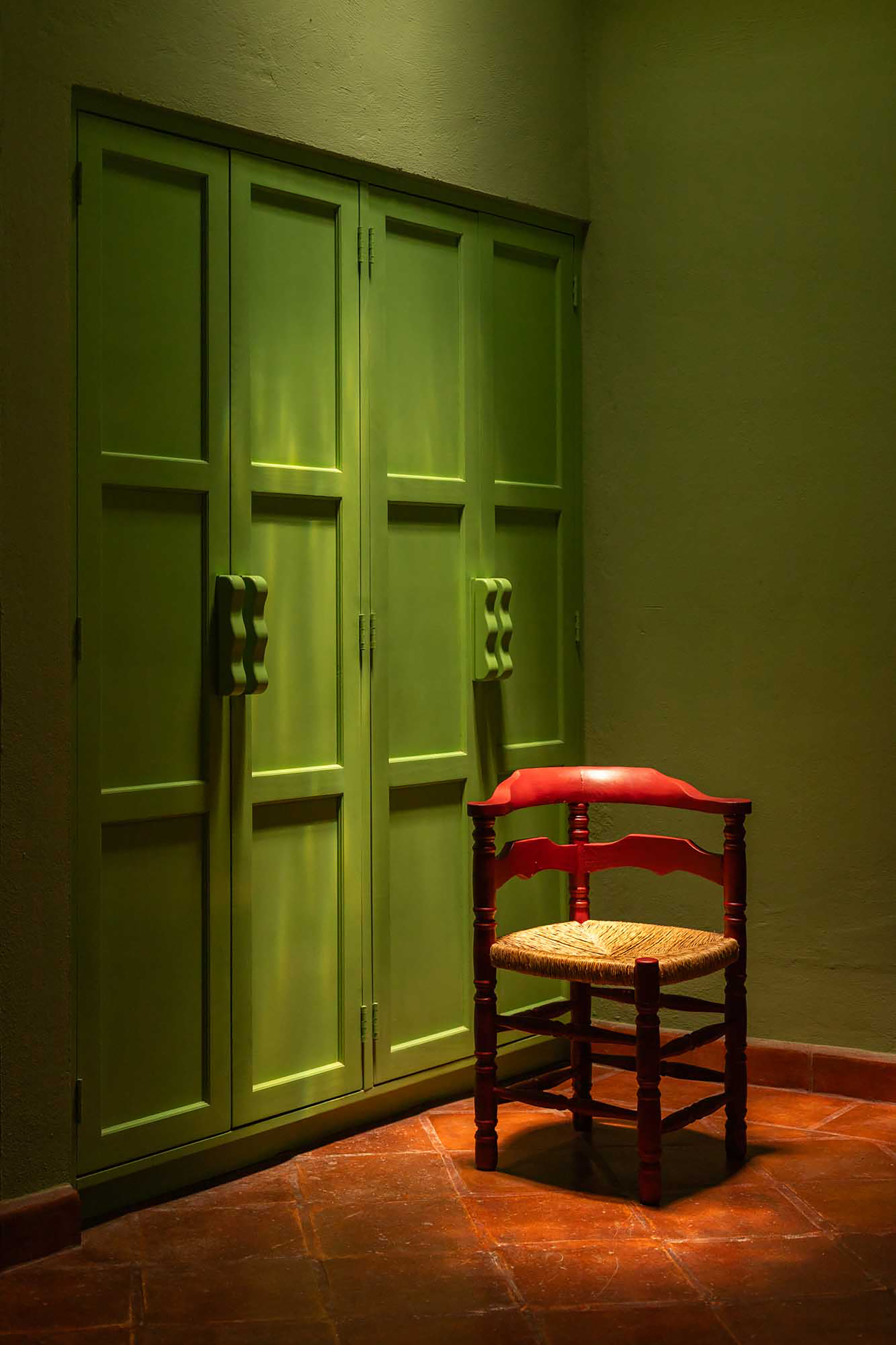
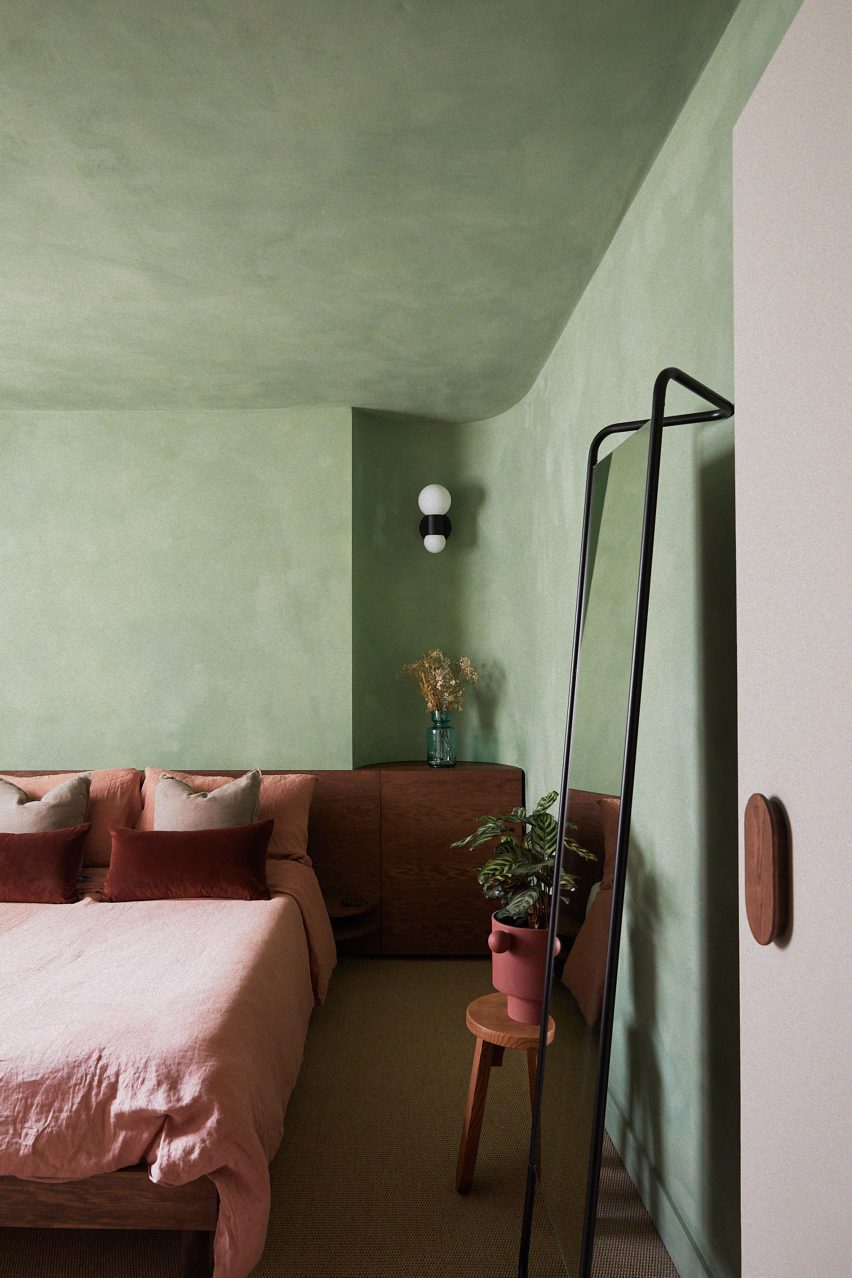
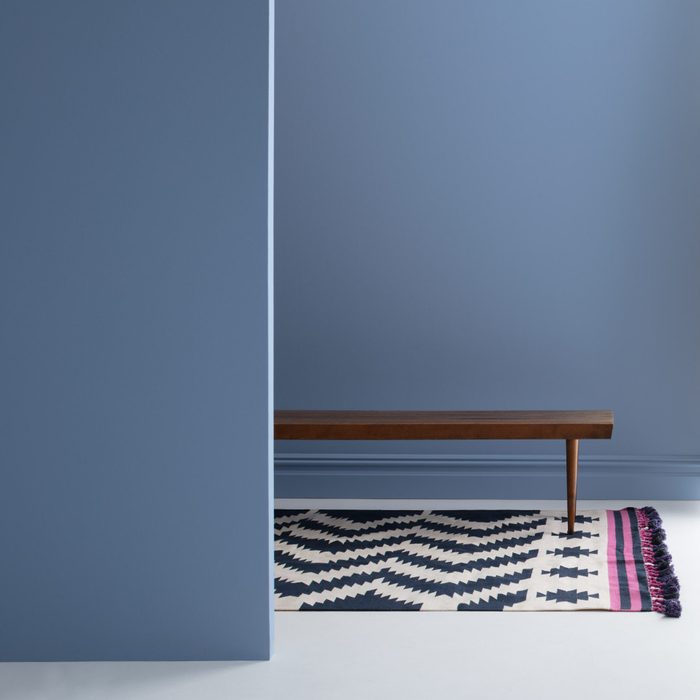
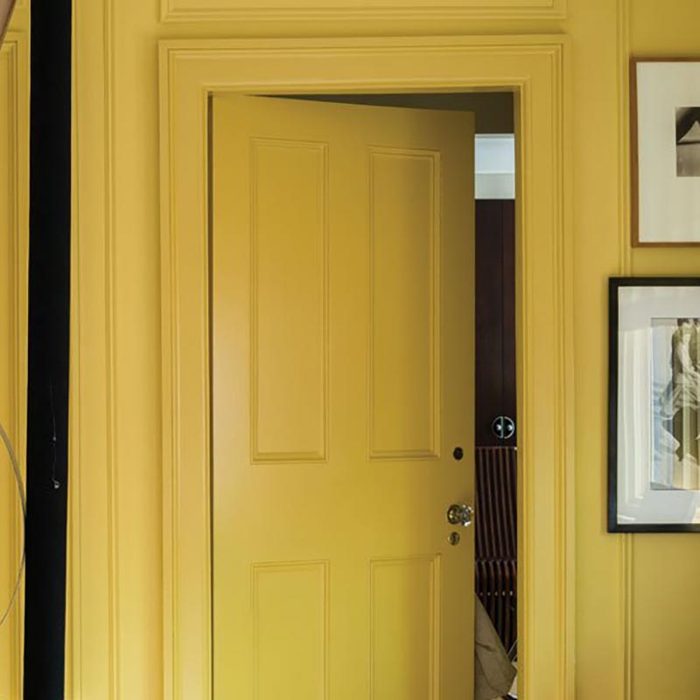
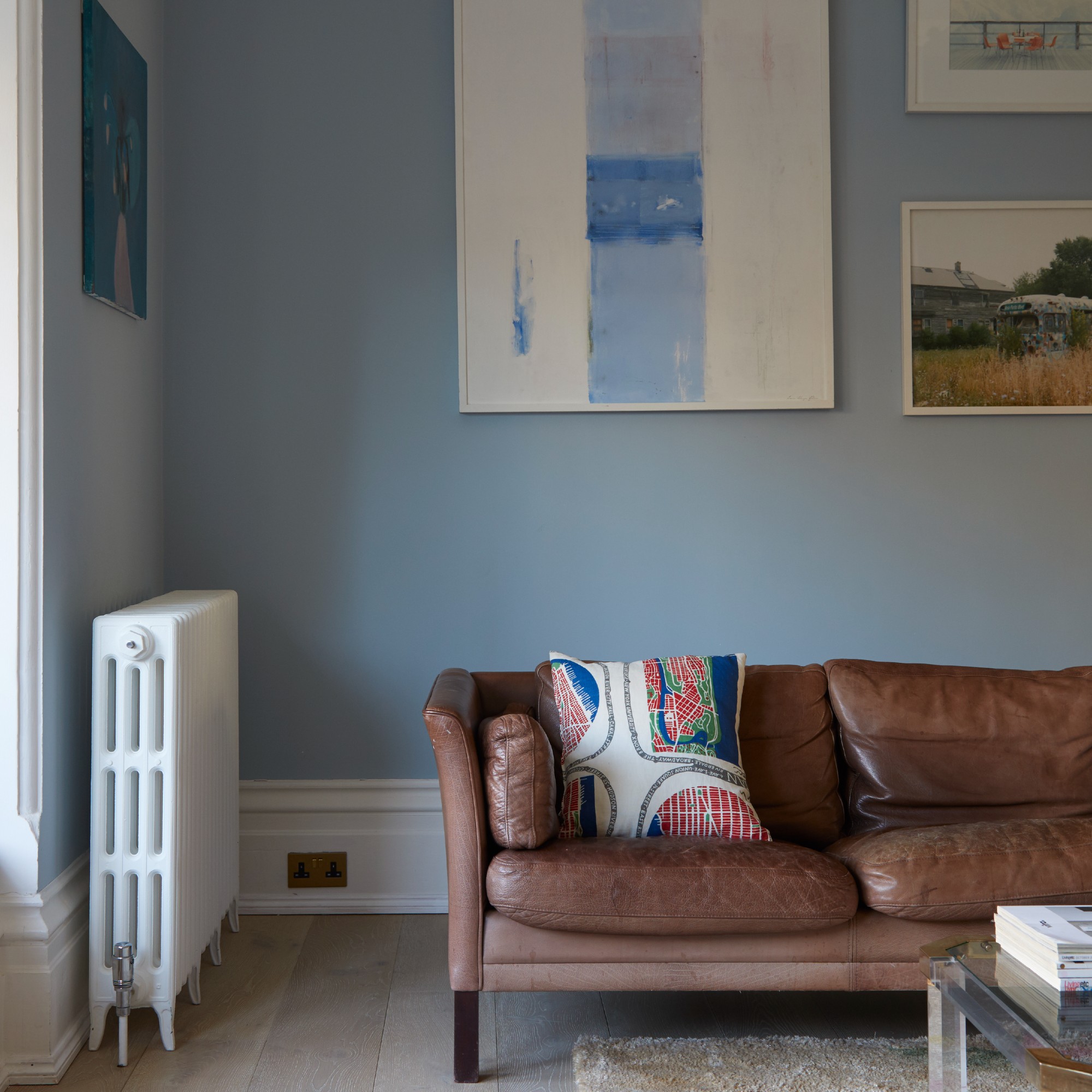
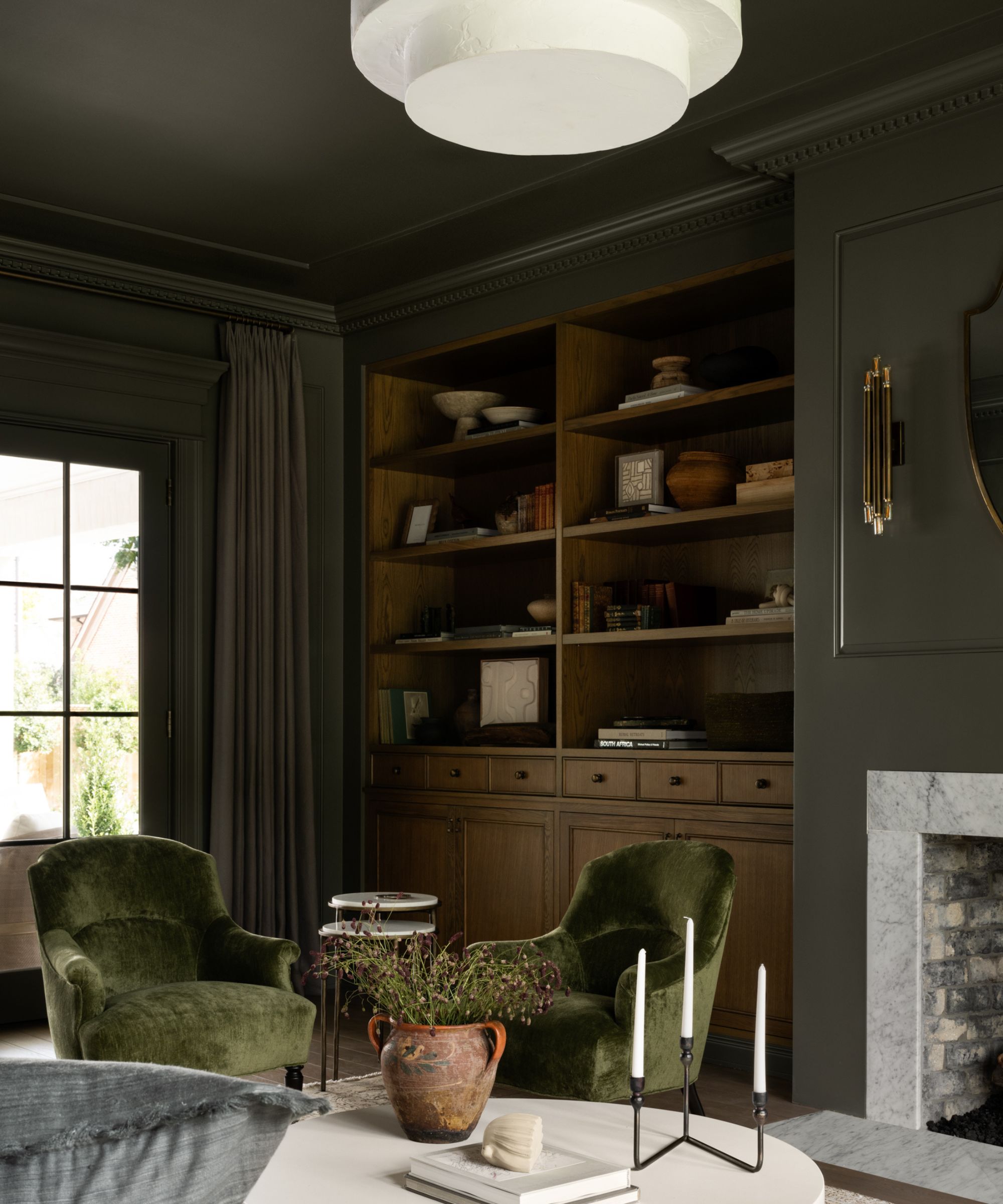
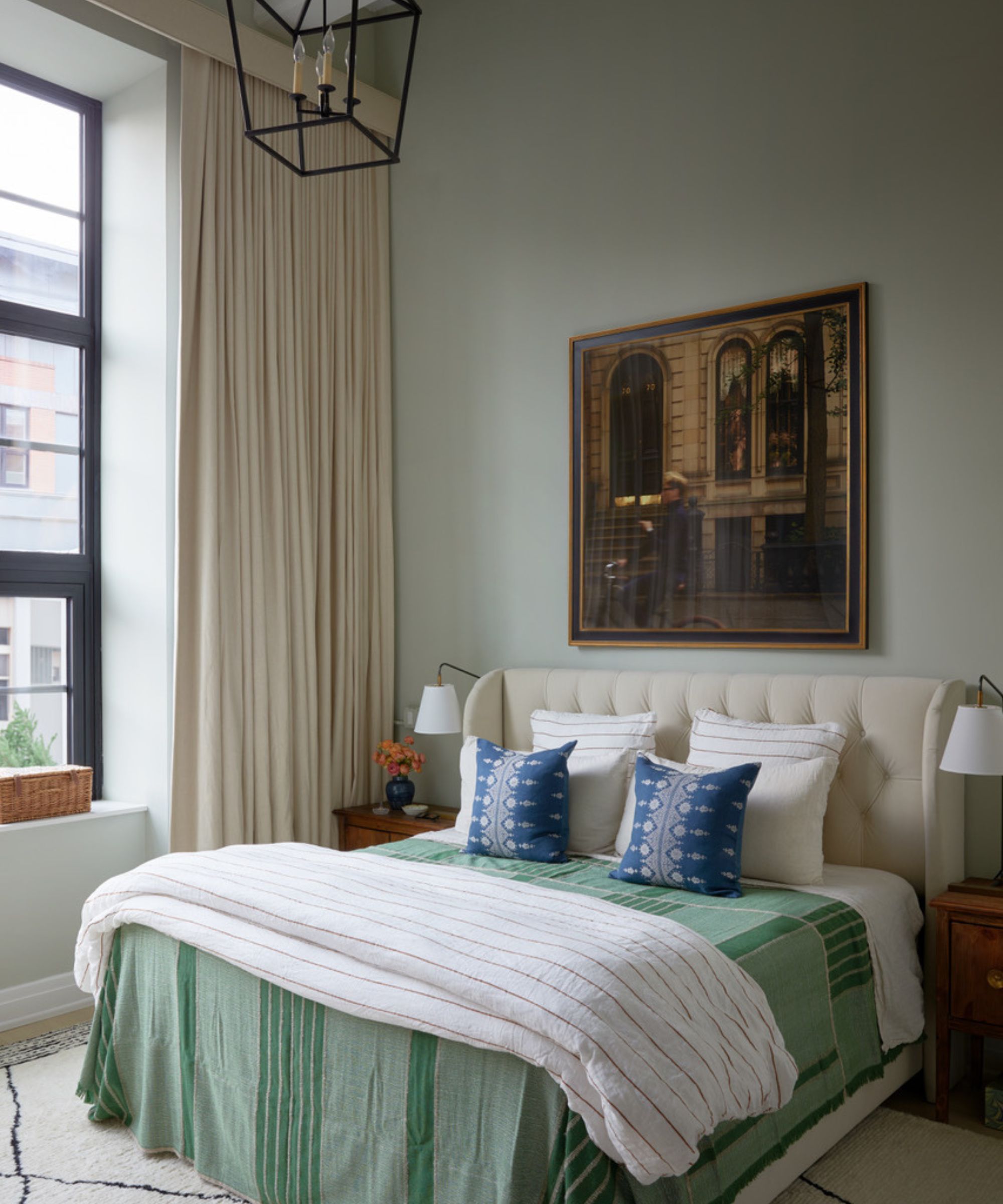
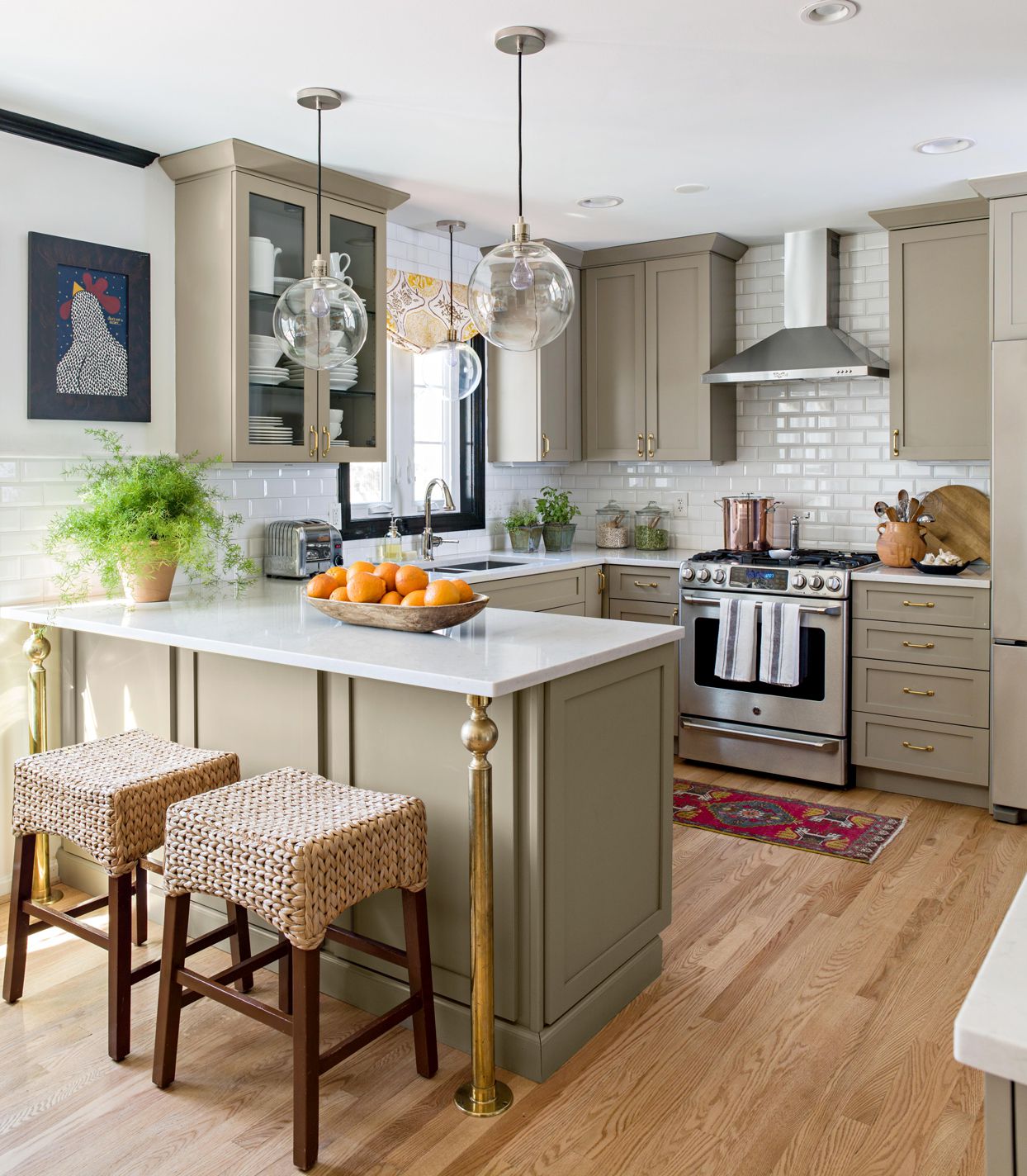
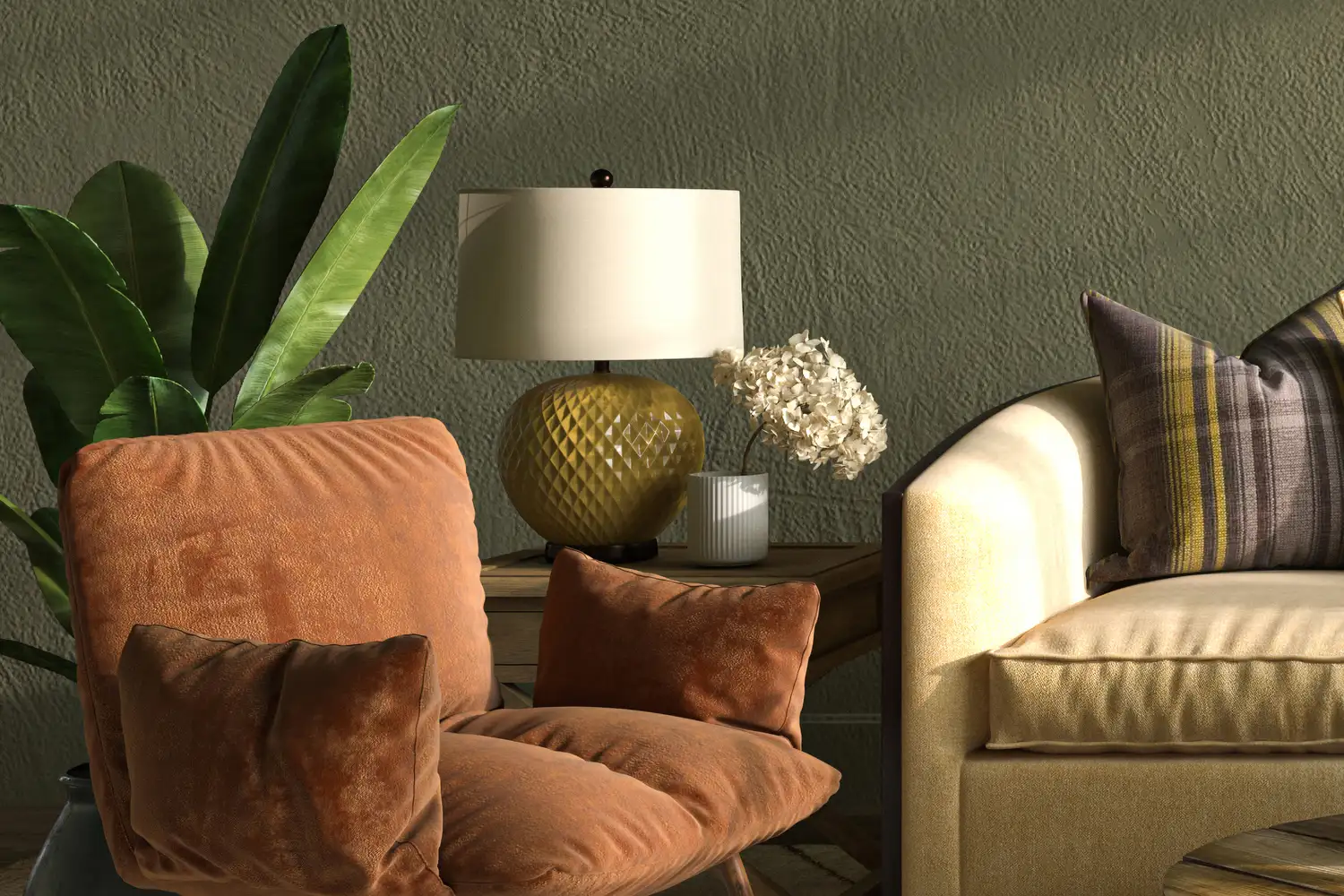
Gray, especially in lighter shades, ensures a timeless appeal in living rooms, aligning with quiet luxury trends. When paired with other earth tones, it fosters a restful environment. Ochre, a deeper yellow reminiscent of natural clay and sunsets, provides a sophisticated yet calming presence. It complements metallics such as copper, antique gold, or silver, creating an earthy and elegant yellow living room. Blue and green combinations, mirroring nature's own palette, form dynamic and cheerful living spaces. Sam Sacks highlights green's versatility as an unexpected neutral, capable of balancing bright colors or grounding a monochromatic scheme. Moss green and tan evoke images of natural landscapes, with olive greens paired with dusky pinks offering a rich, historic feel, particularly suitable for older homes.
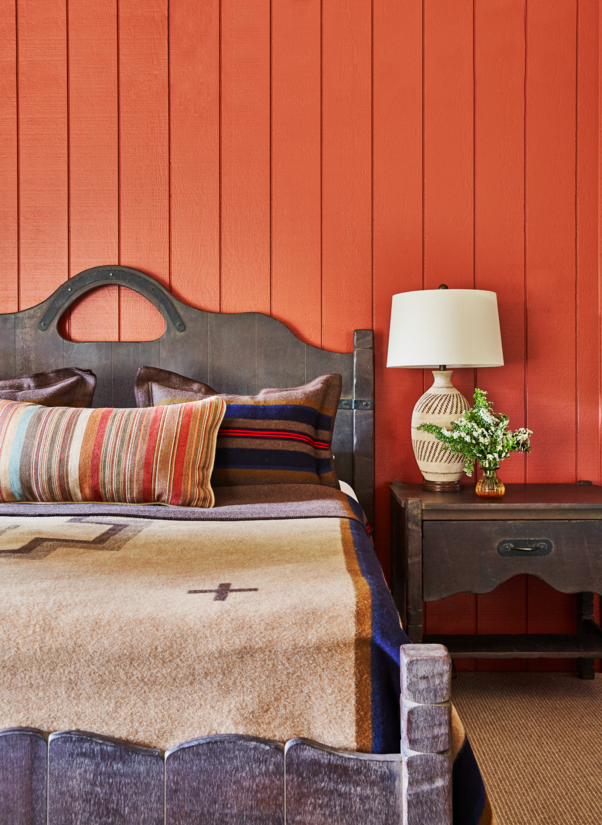
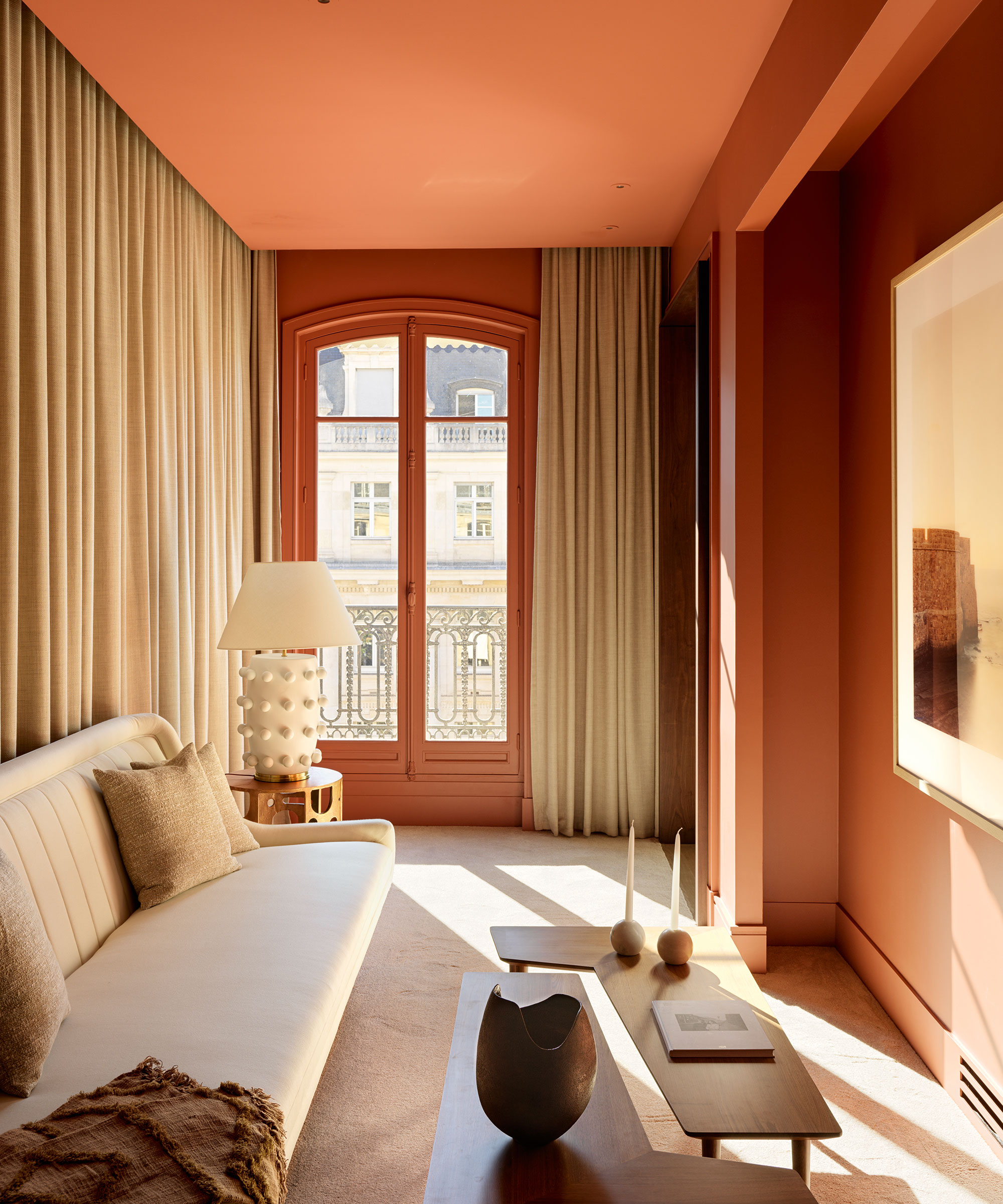
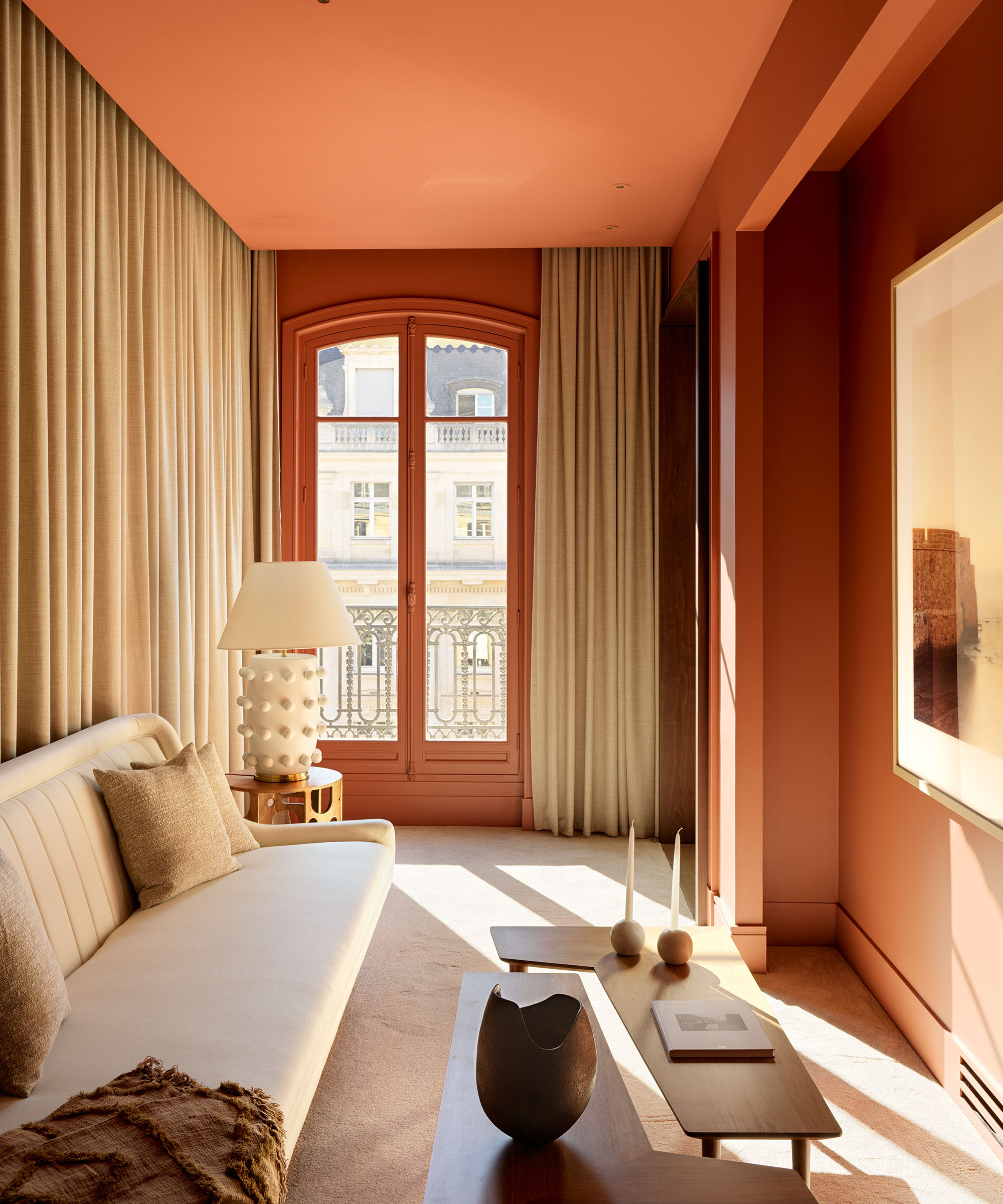
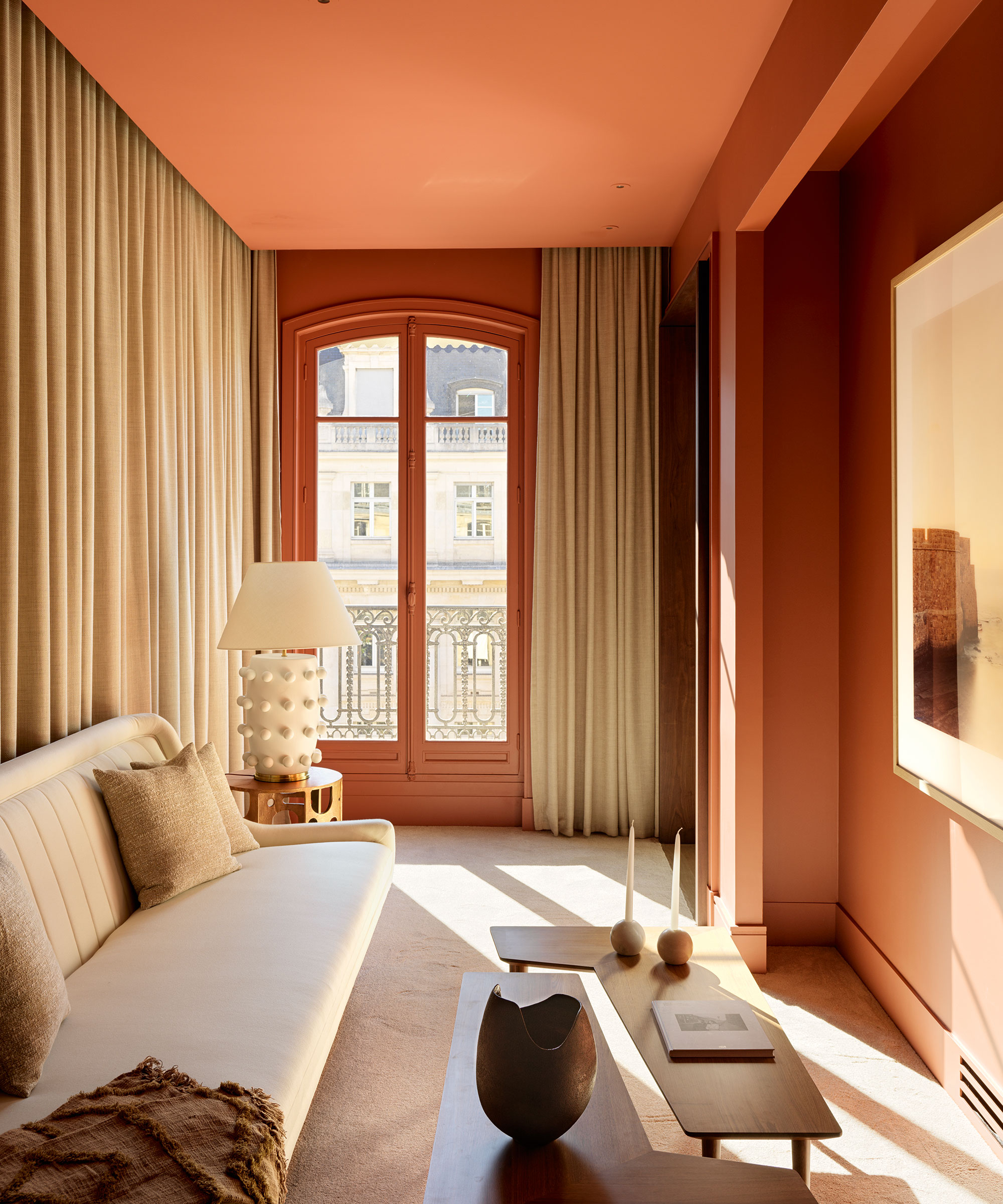
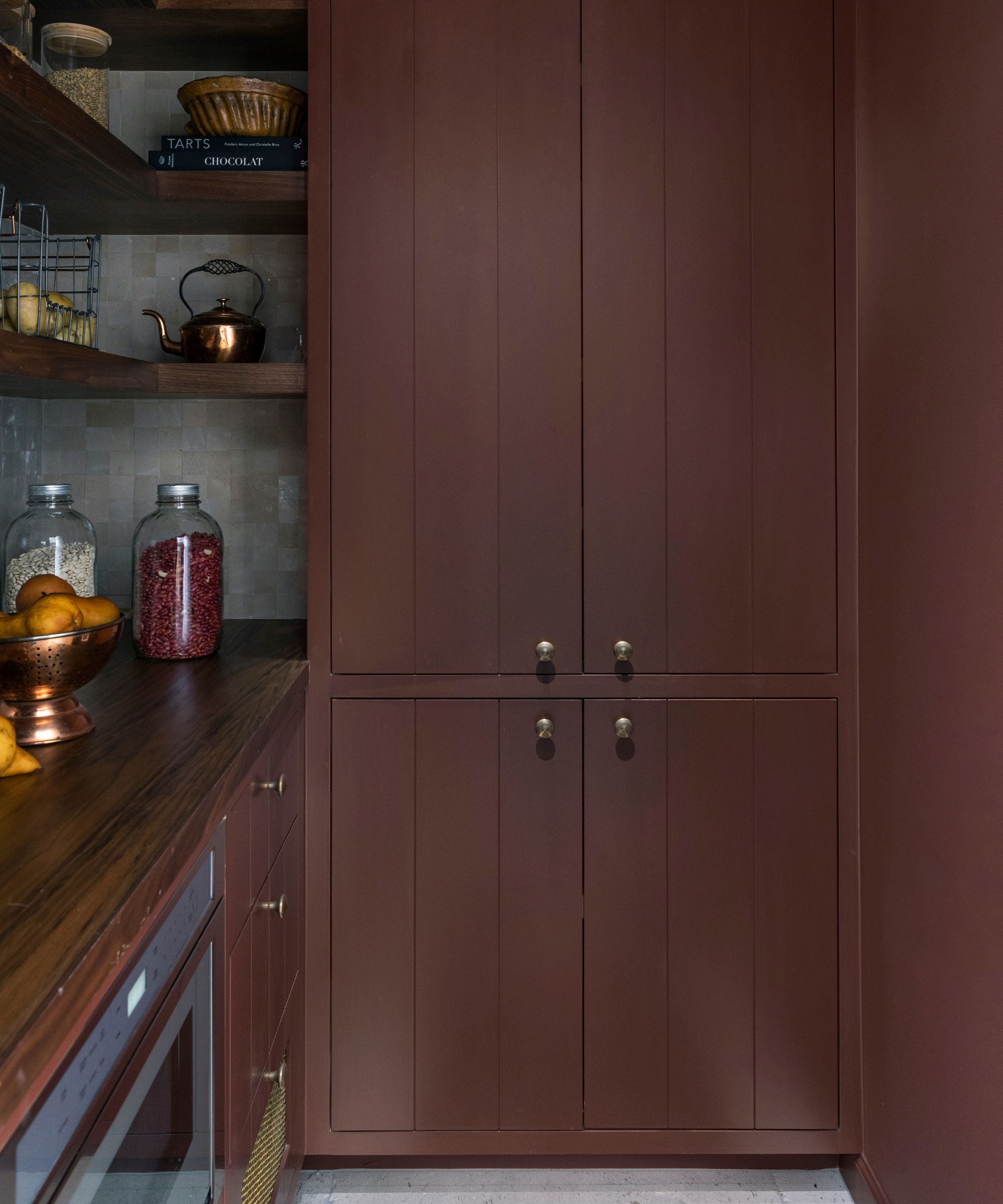
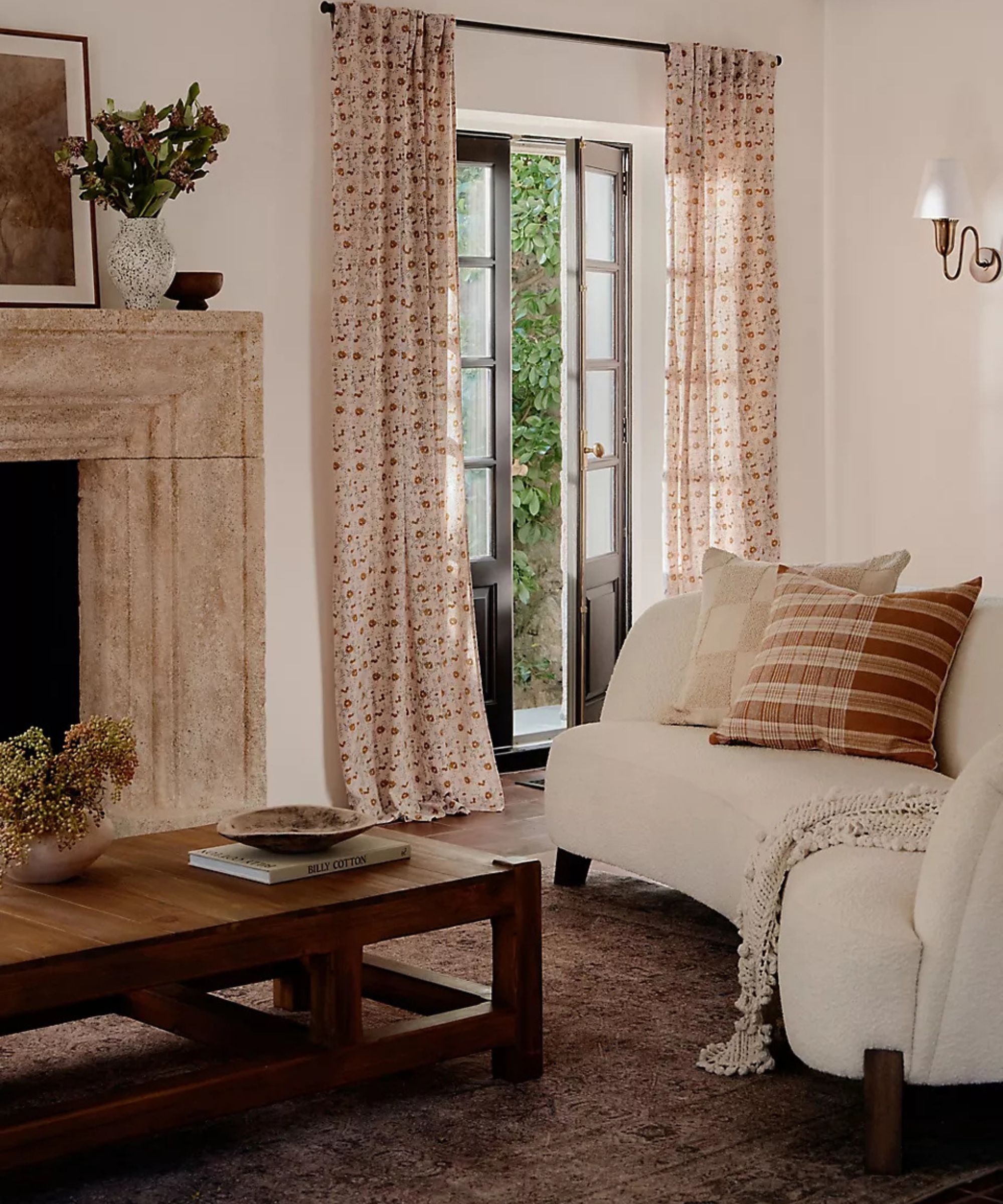
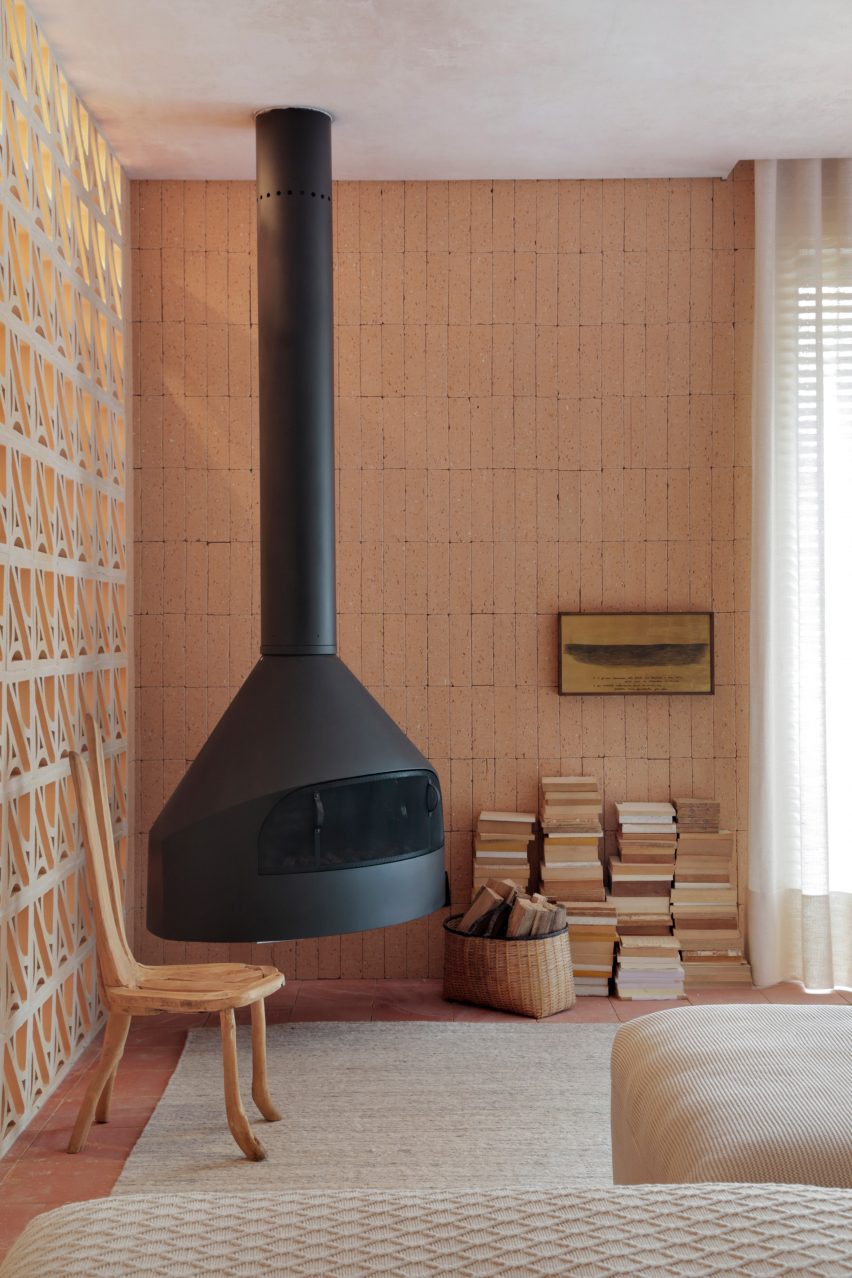
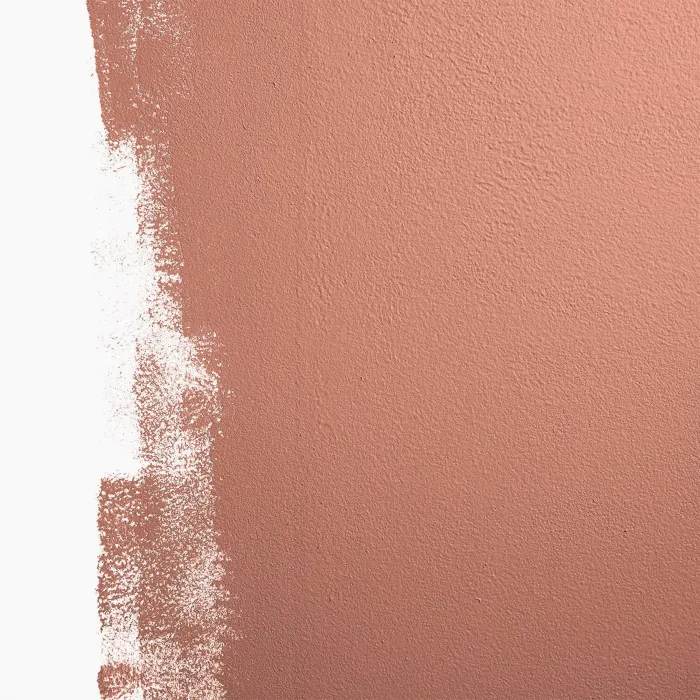
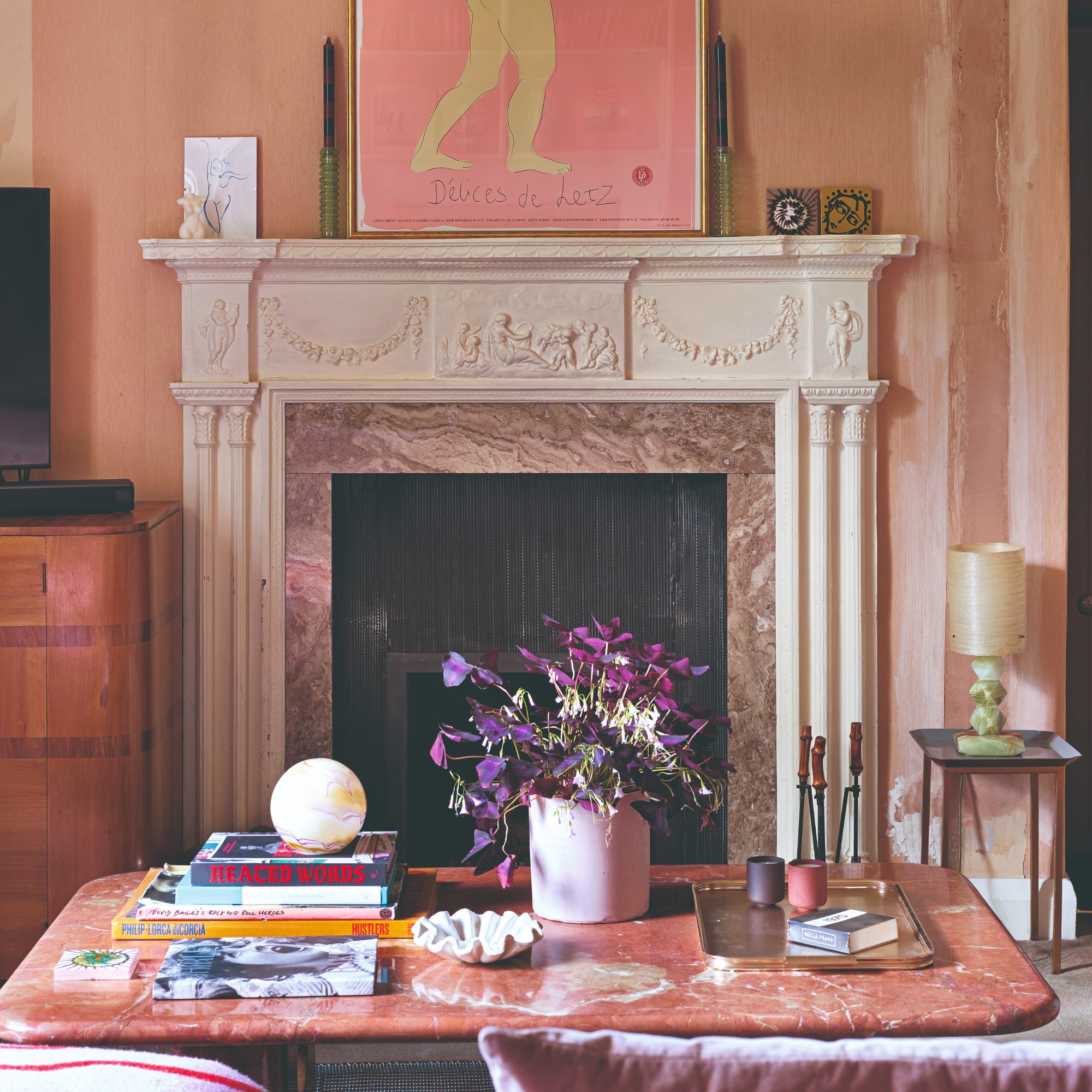
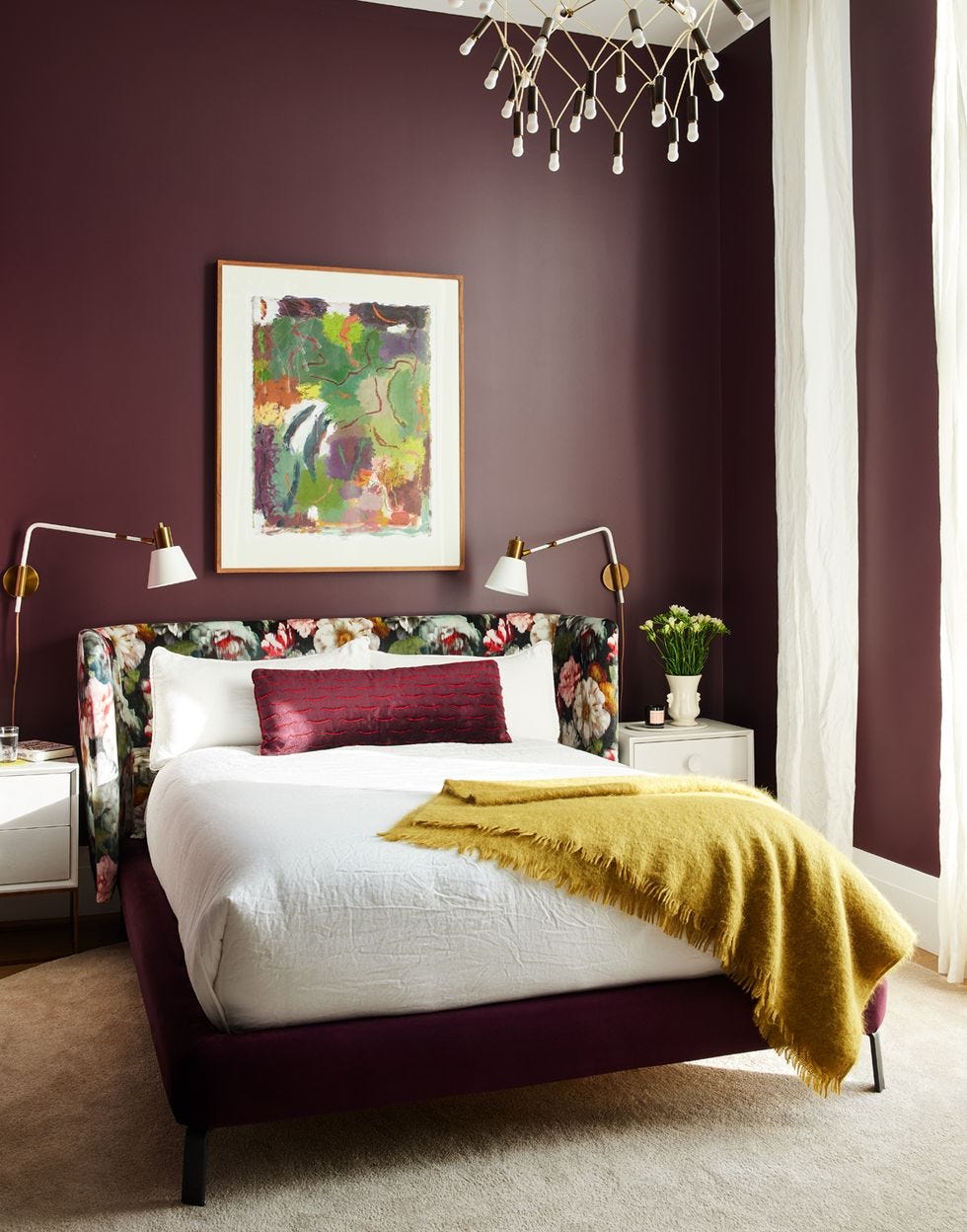
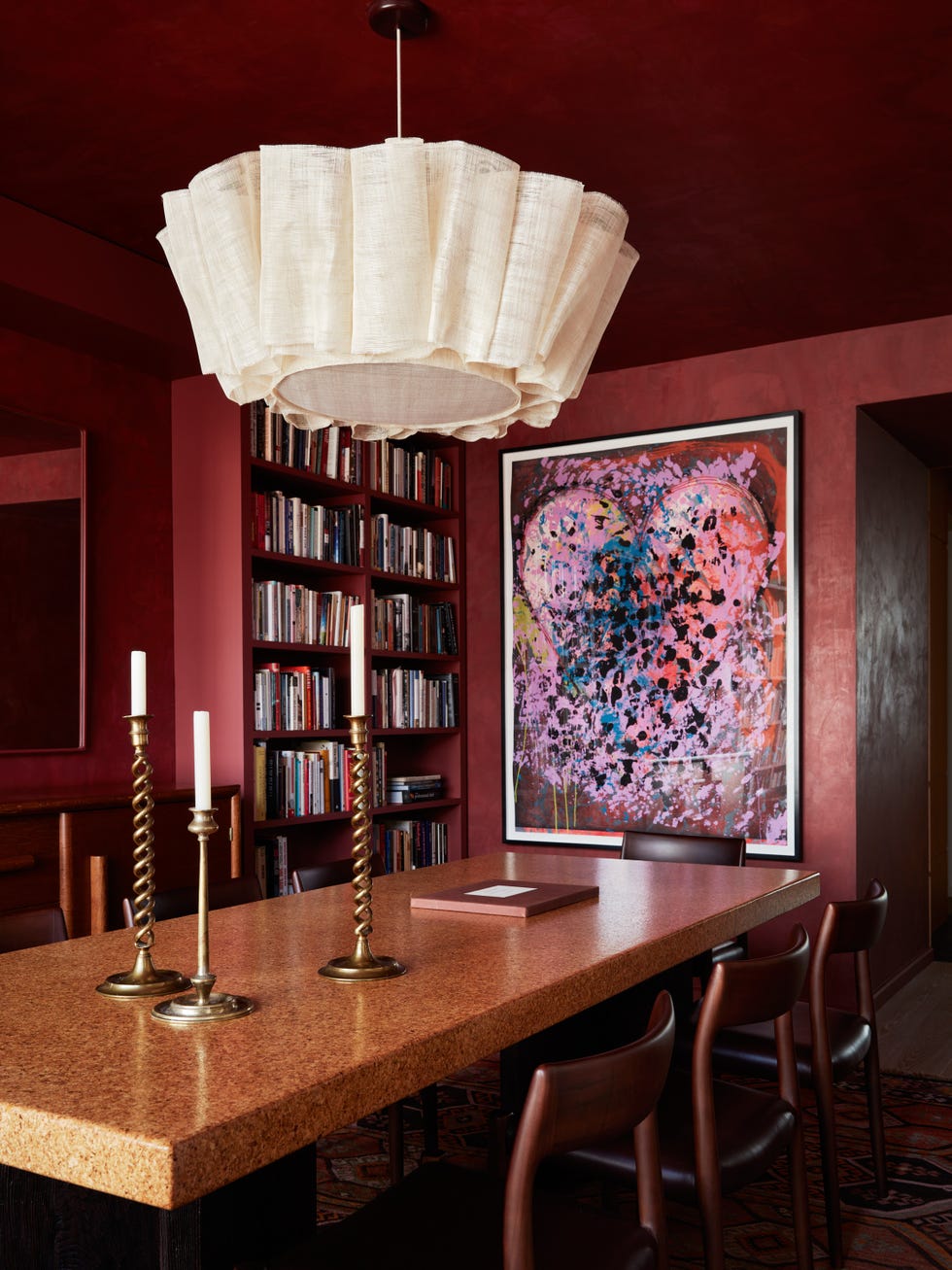
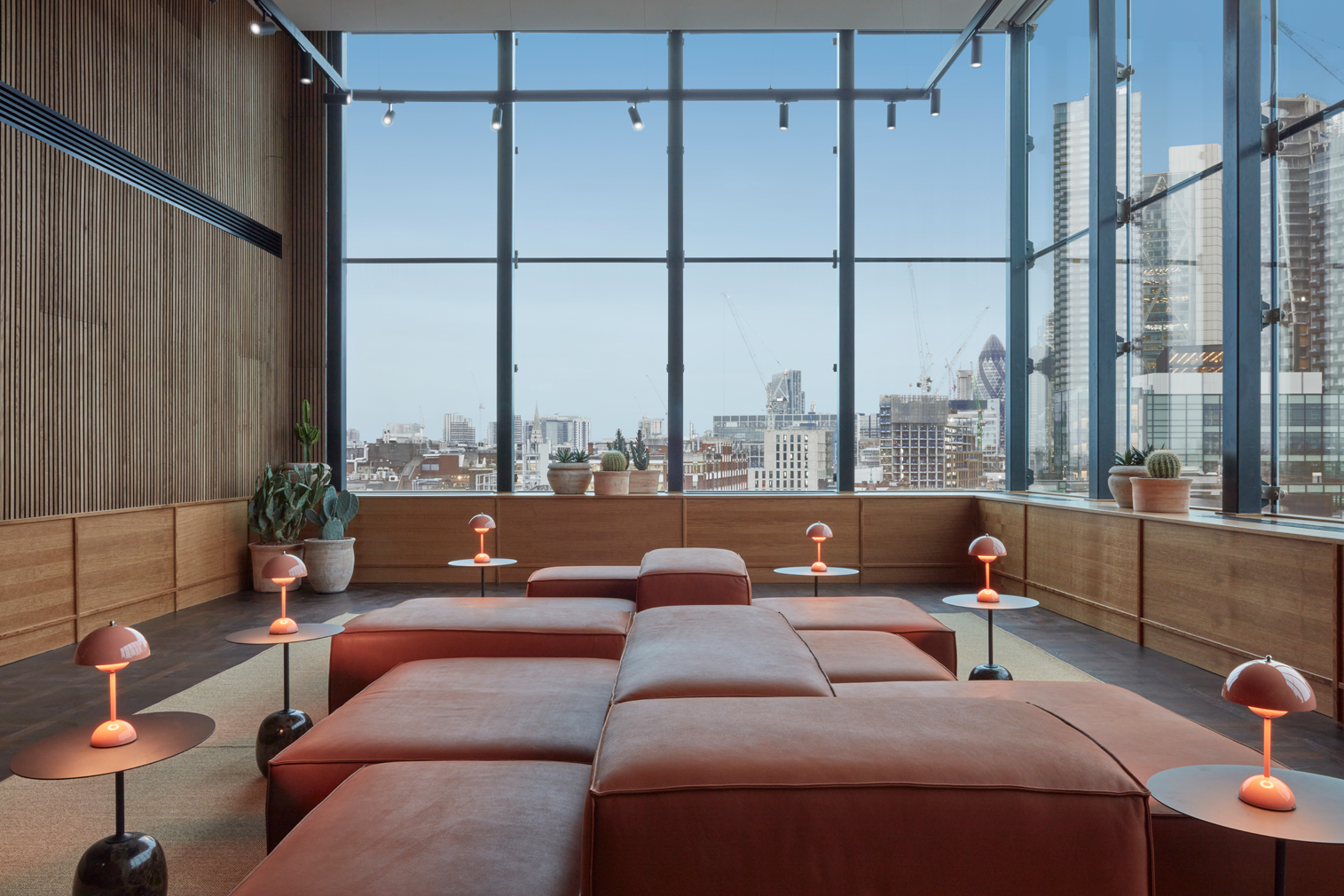
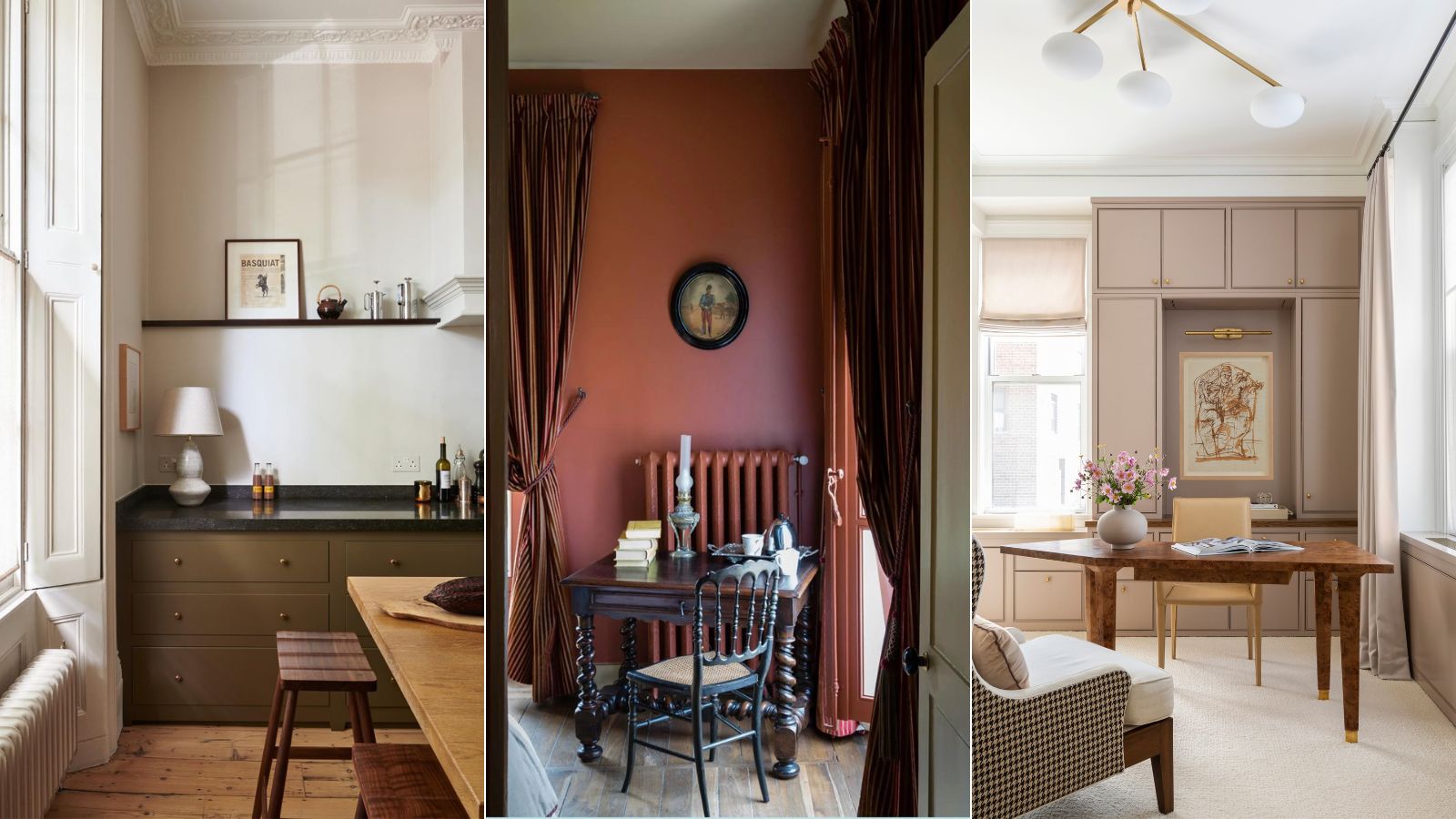
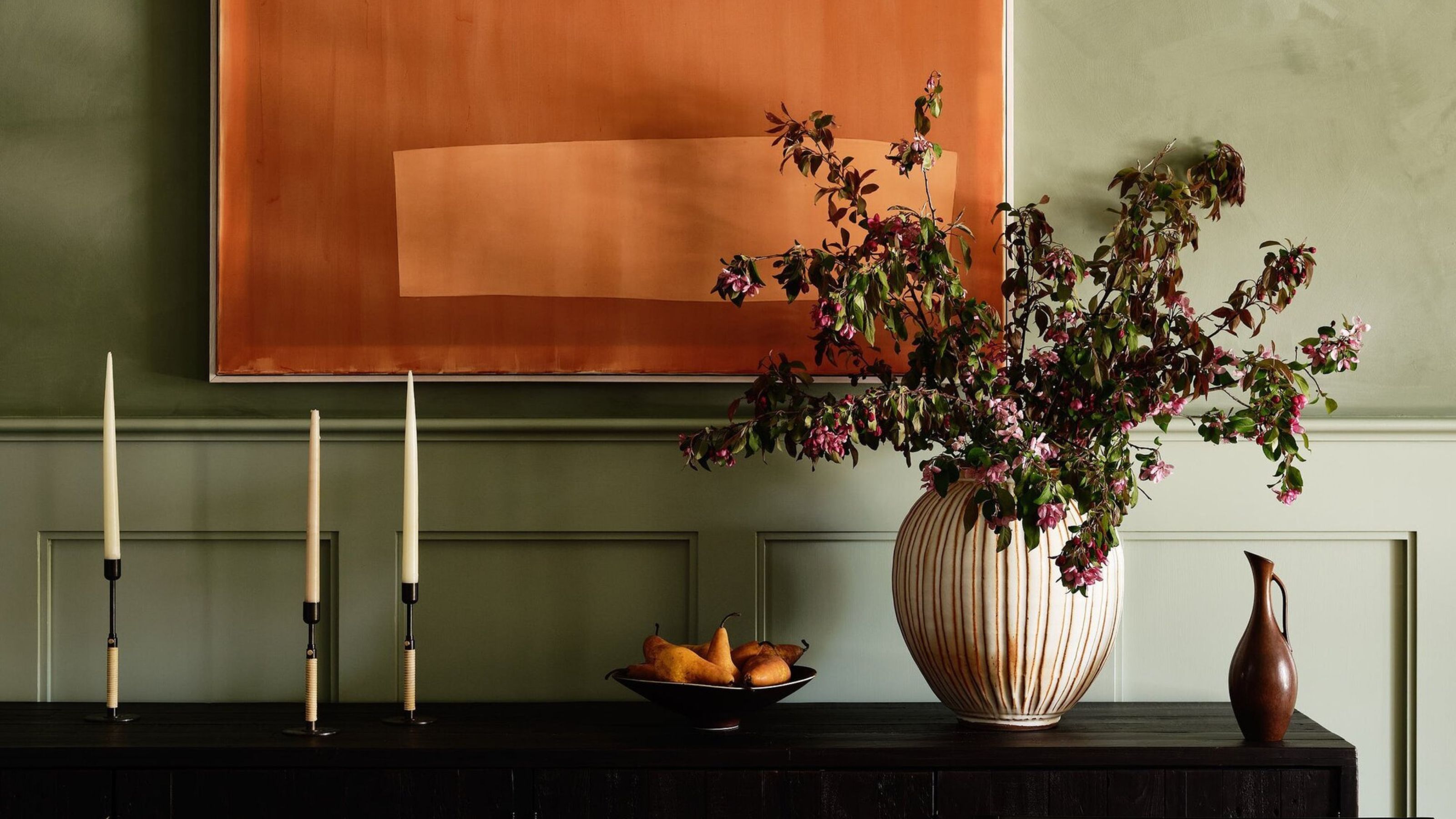
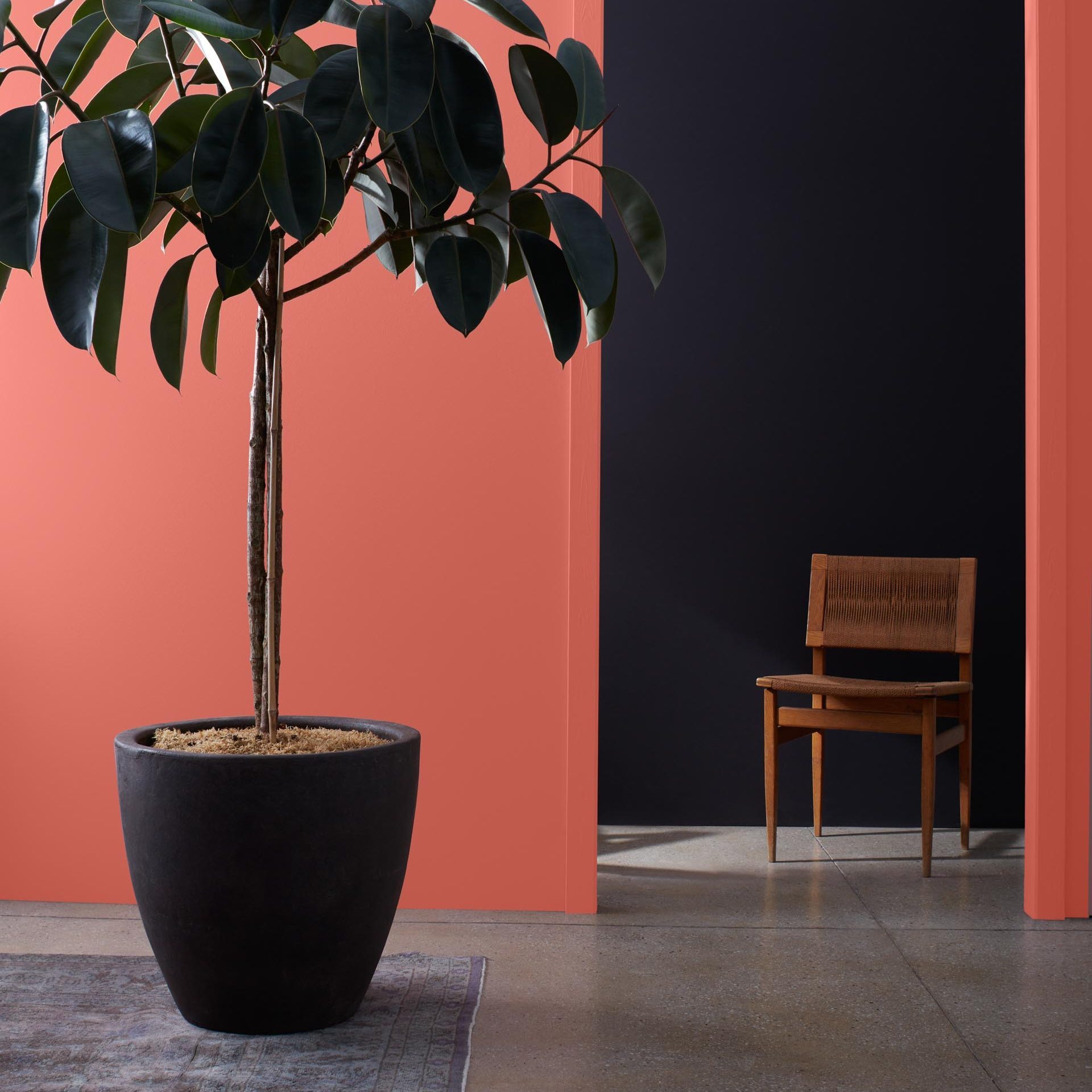
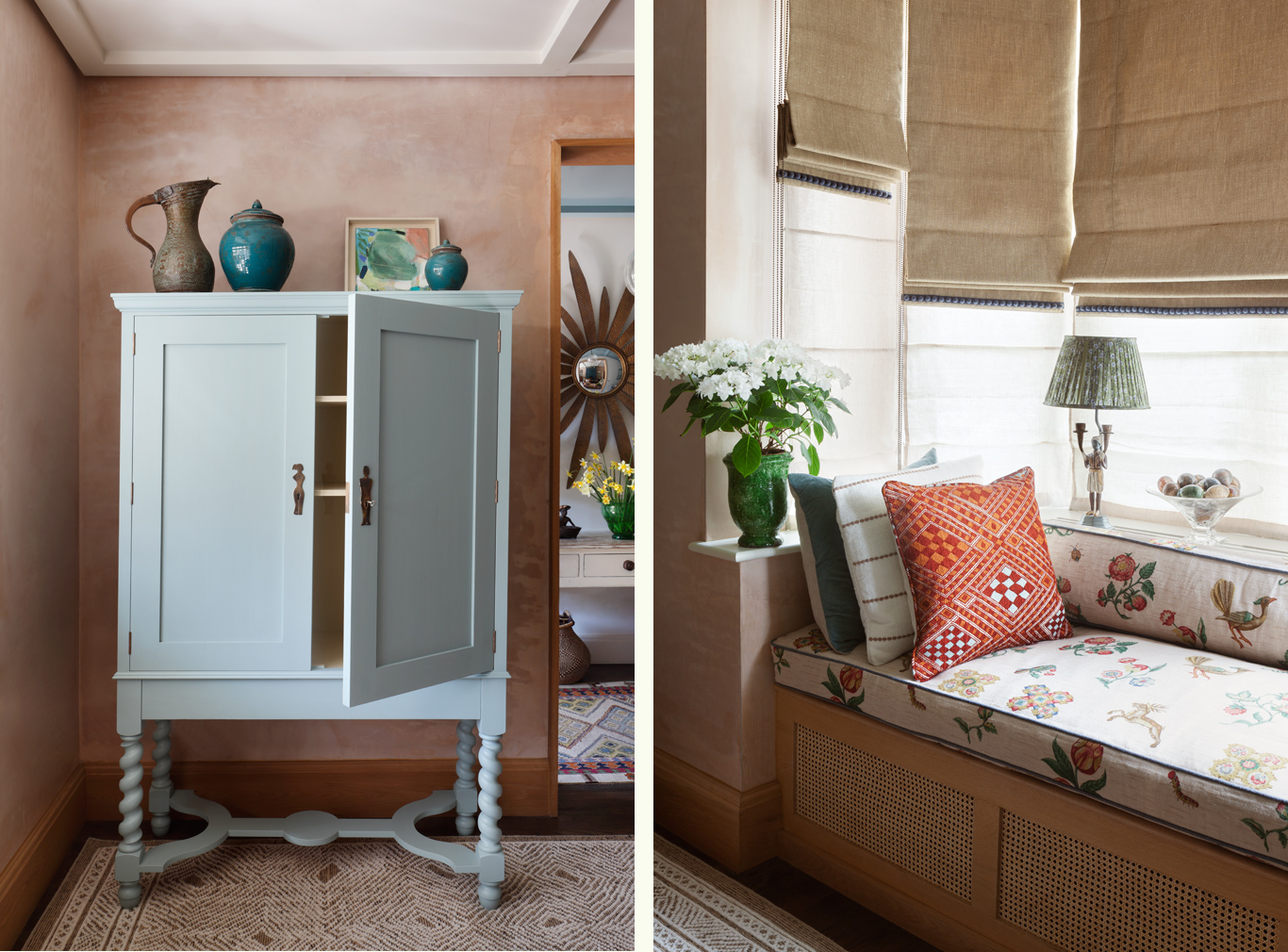
Rust tones, derived from clay colors, provide a warm and inviting atmosphere, softer than vibrant reds due to their brown undertones. Terracotta tiles can introduce this grounding effect from the floor up, creating an indoor-outdoor connection. Mustard, a warm and earthy yellow, can range from pale to almost brown, working well with burgundy and cool grays for a luxurious, sun-kissed feel. Burnt orange, inspired by the evening sky, is a bold color that, when used sparingly, adds drama and natural flair, often seen in accent furniture or rugs. Red, embodying elements like bricks, roses, and spices, makes a powerful statement. Deeper reds with brown undertones are effective in various decorating styles, from modern to country, and can be introduced through curtains, pillows, or artwork. Lastly, sage green is a favored designer choice, blending green and gray to create a stylish yet understated neutral, easily layered with other green shades for added depth.
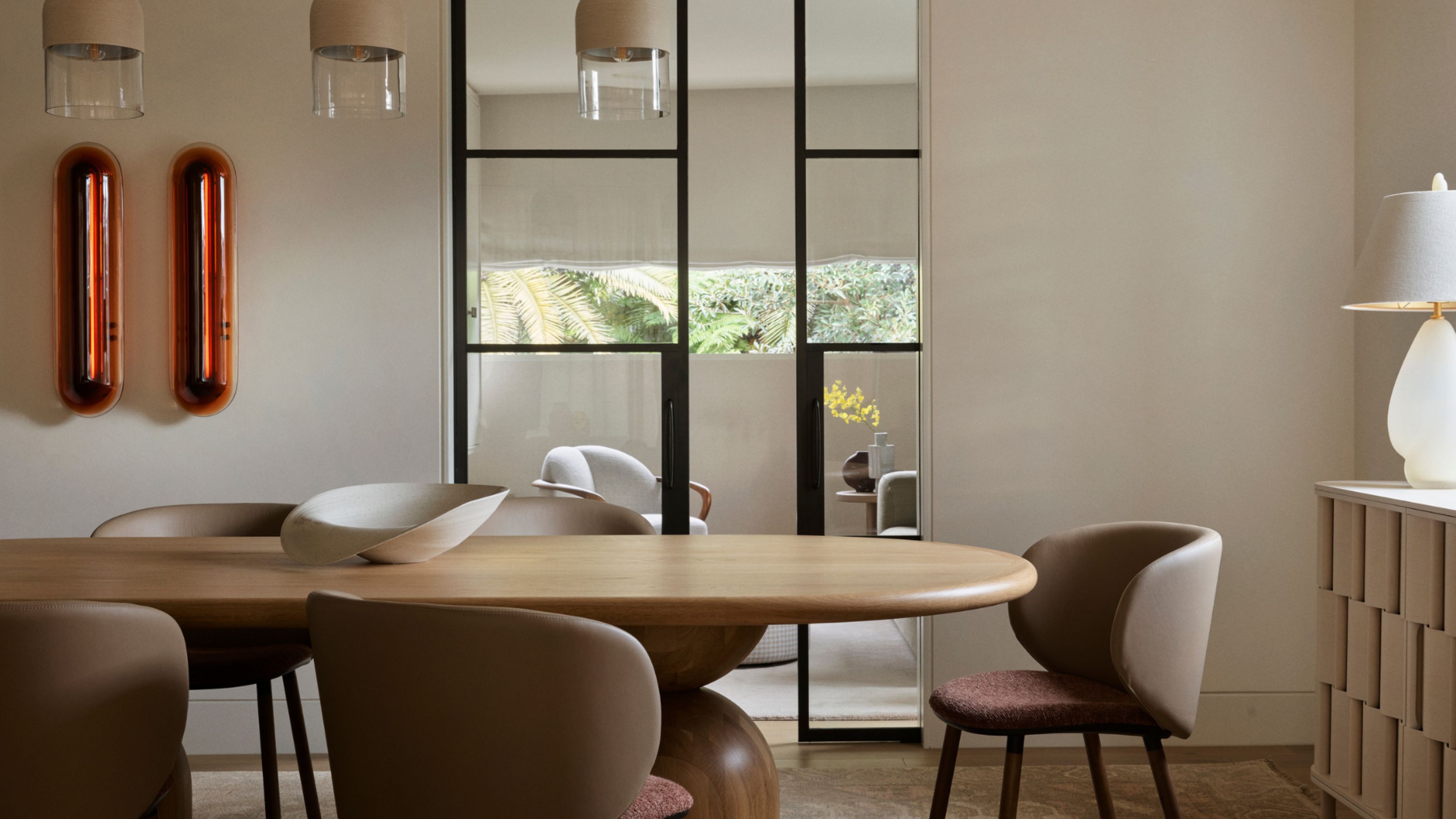
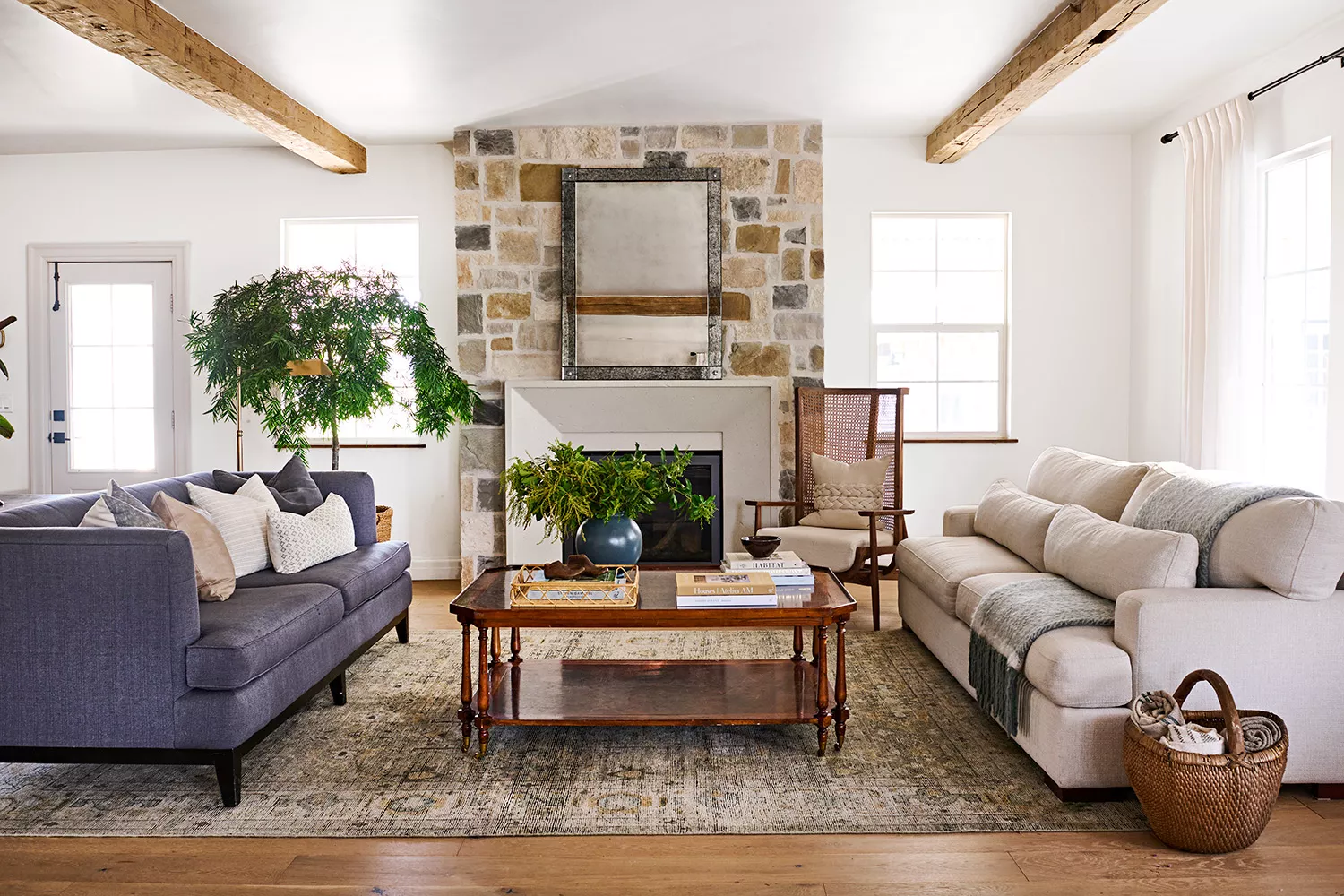
To make a room more earthy, beyond paint colors, incorporating natural materials like wood, jute, cane, and brick, along with large, leafy plants, can enhance the outdoor aesthetic. Weathered and distressed pieces or rustic elements further contribute to a grounded interior. Earth tones, including olive, sage, mustard, ochre, brown, and taupe, continue to be popular due to their ability to create calm and relaxed living spaces, a growing preference as people spend more time at home.
#EarthTones #LivingRoomDesign #InteriorDecor #ColorPalettes #HomeDecor #NaturalMaterials #DesignTrends #CalmingInteriors #PaintColors #EarthTones #LivingRoomDesign #InteriorDecor #ColorPalettes #HomeDecor #NaturalMaterials #DesignTrends #CalmingInteriors #PaintColors
0 comment in total
 No comments yet
You may also like
Warm Up Any Room with These 11 Best Earth Tone Paint Colors
How to decorate with earthy colors – 6 ways to work with warmer shades

How to Make Orange and Green Work Together — It Can Be "Dynamic and Joyful", but Only If You Get It Right
Earth Tone Paint Colors Designers Turn to Again and Again

5 unexpected colors guaranteed to bring lasting joy and happiness to your living room – 'the perfect pick-me-up for fall and winter'
I'm a Color Expert, and Here's Why I Think Earthy Color Palettes Always Feel At Home
11 Cozy Paint Colors to Warm Up a Room
We’re Calling It: These Are the Official Color Trends of 2025

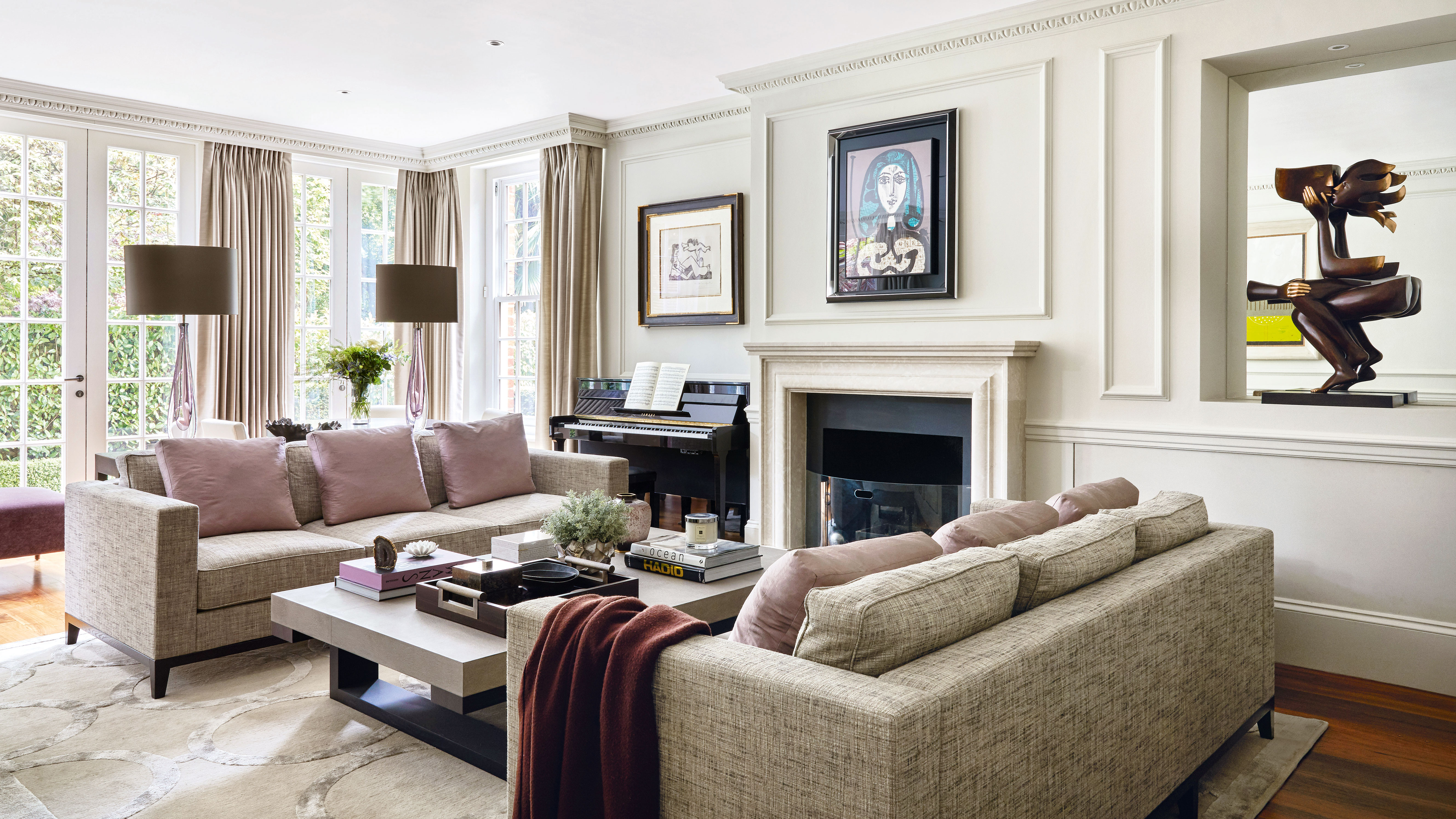
5 colors that will make your living room feel happier, according to interior designers
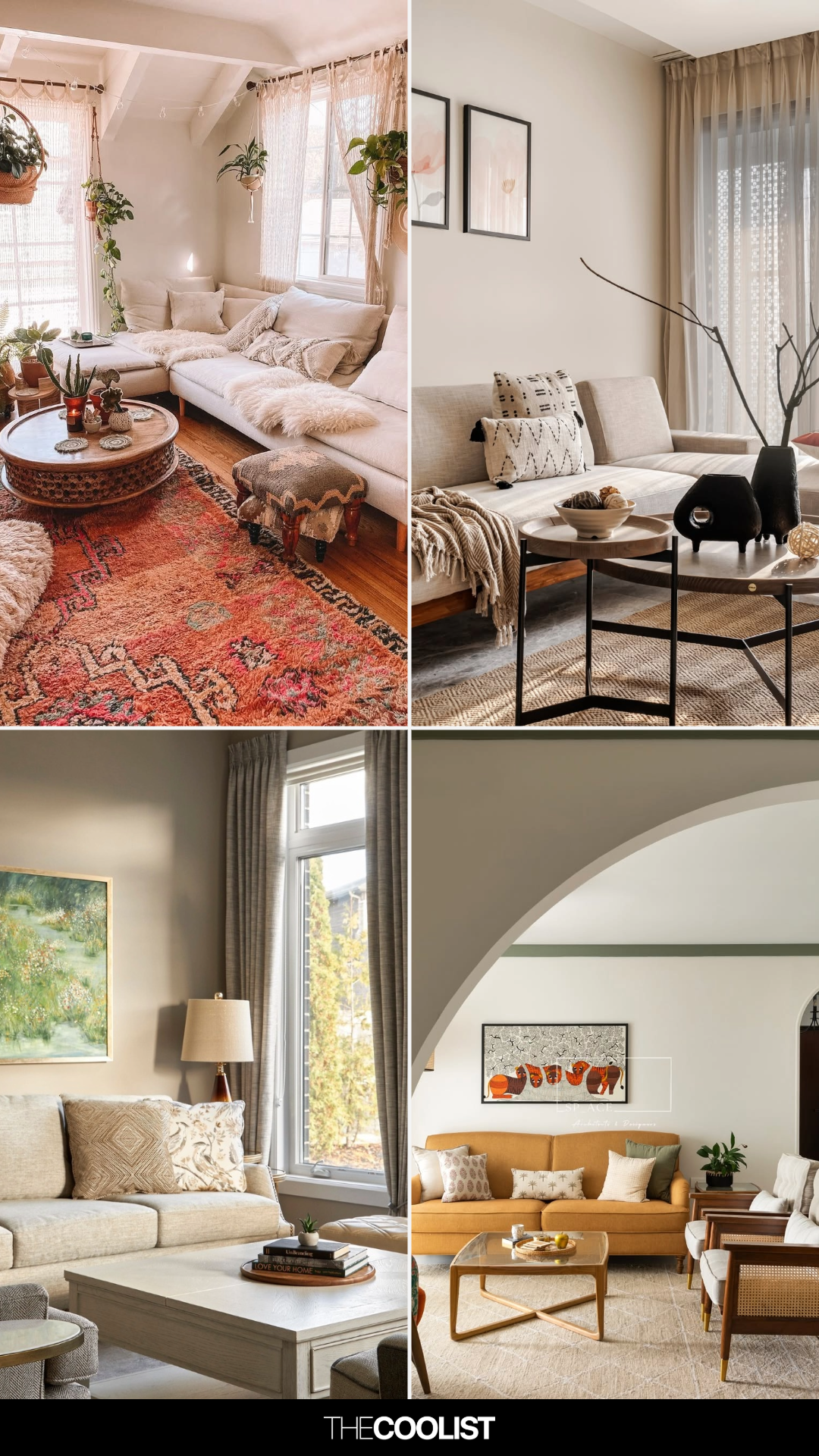
21 Earthy Living Room Ideas That Bring Nature’s Beauty into Your Home
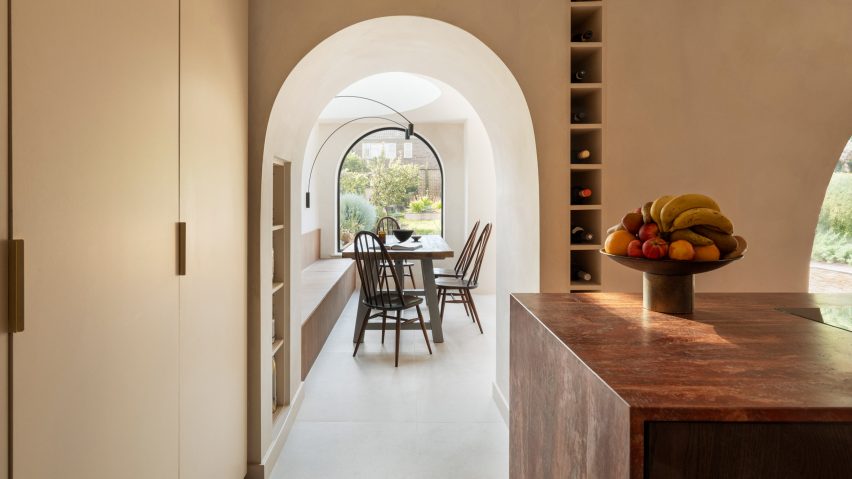
Eight calming home interiors with earthy finishes
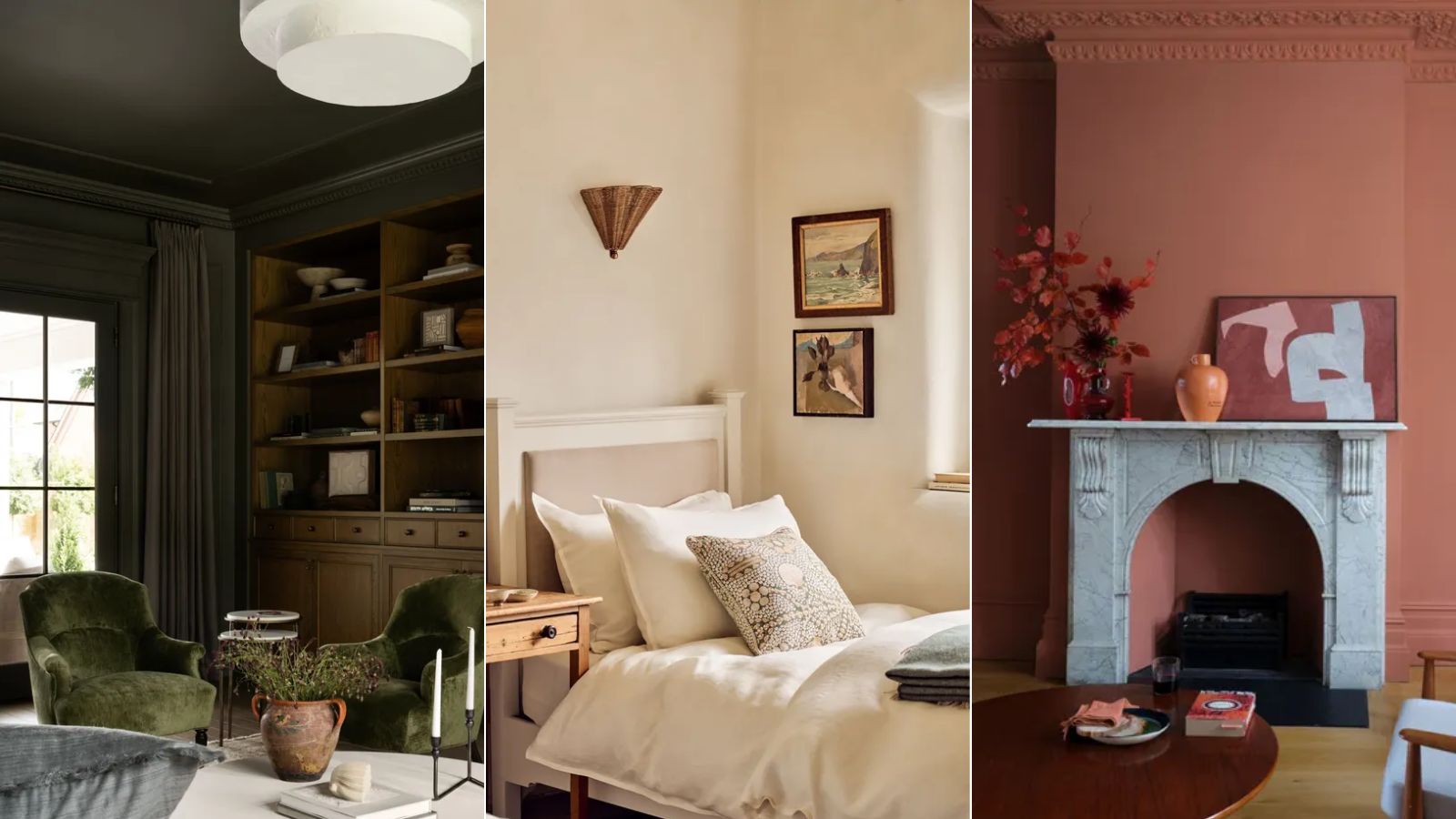
As a color editor, I've seen hundreds of color trends come and go this year – these are the ones I think will stick for 2025
6 Earthy Paint Colors That'll Make Any Room Feel Cozy and Relaxed

7 couch colors that will never go out of style, according to interior designers
9 Best Interior Paint Colors

How to ground your space with terracotta tones
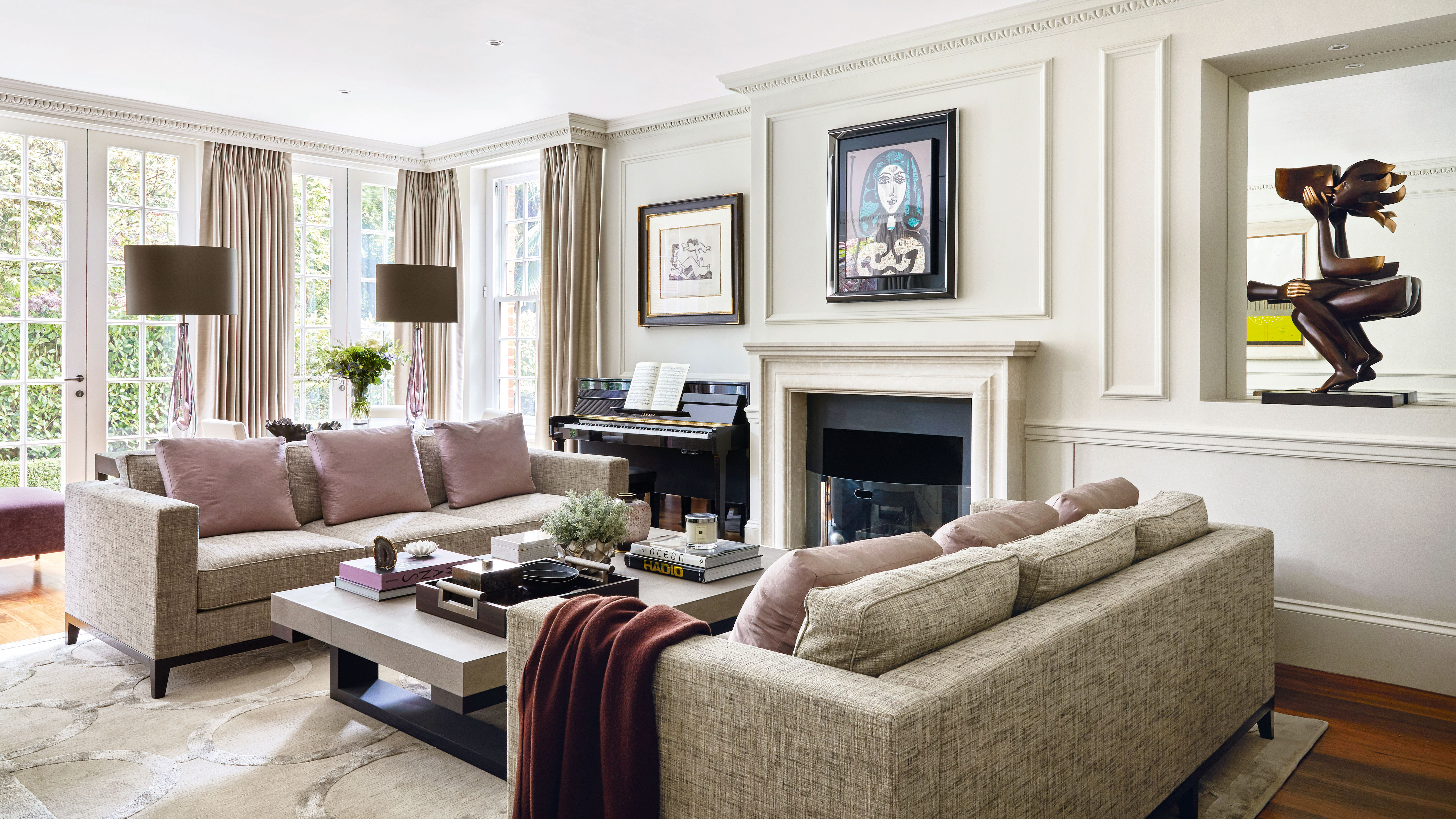
5 best happy living room colors for an uplifting space
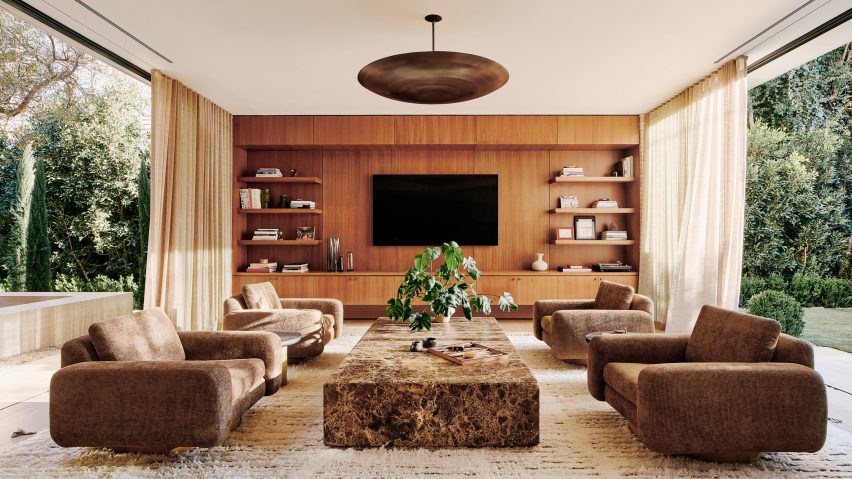
Ten living rooms that use warm neutrals to create a cosy ambience
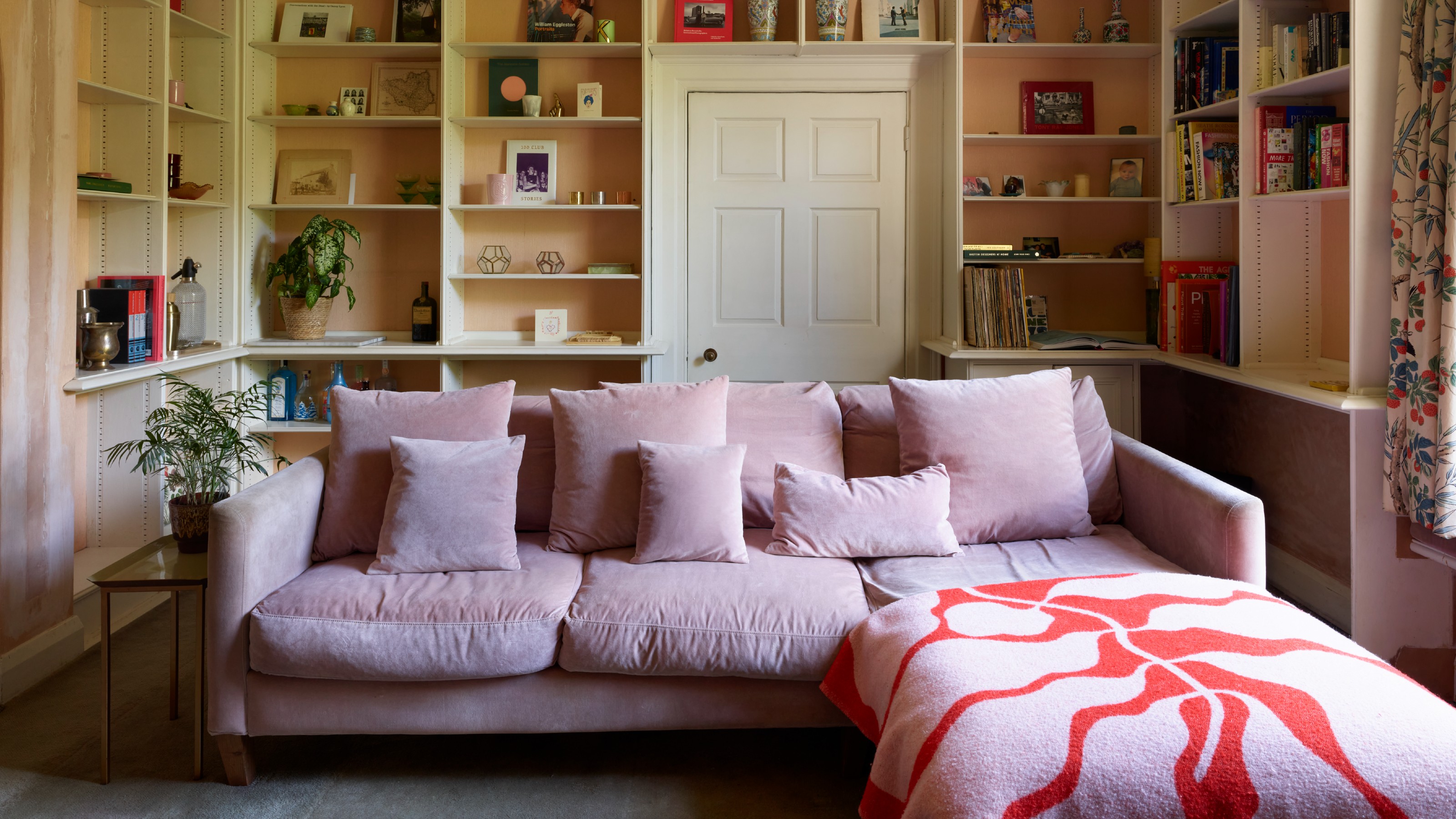
Living room colour schemes – 26 ways to bring your lounge to life with on-trend shades and timeless colour combos
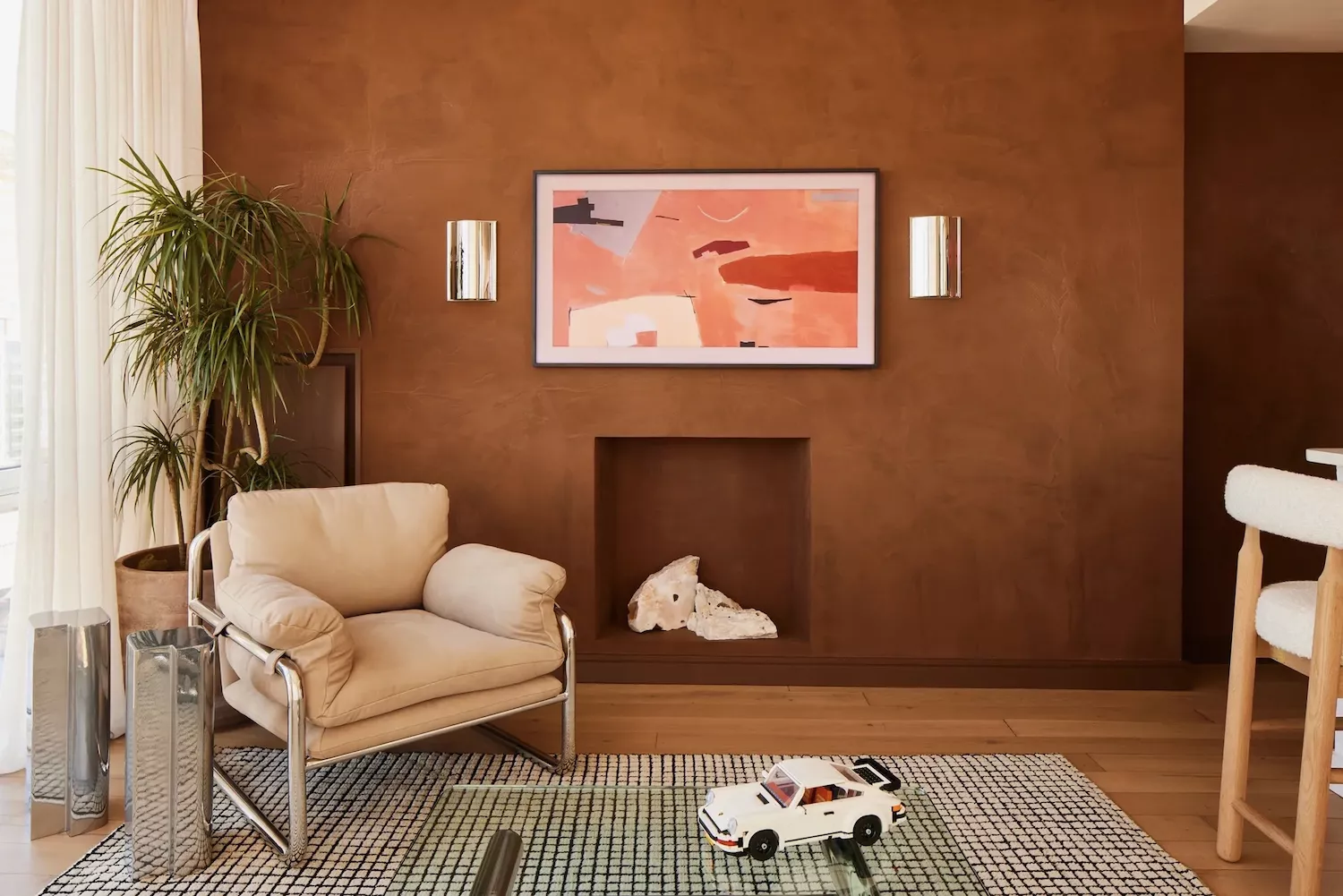
23 Colors That Go With Brown to Help You Find the Perfect Palette for Any Room