1/6
How to work out how much paint you need for your next DIY project to avoid wasting money
This article provides comprehensive guidance on calculating the correct amount of paint for DIY home projects, aiming to prevent unnecessary expenditure on surplus paint or the inconvenience of running out mid-project. It highlights that accurately determining paint quantity is often challenging, leading to either wasted paint and money or the risk of colour mismatch when purchasing additional supplies. While it's generally advised to slightly overestimate to ensure project completion, the current economic climate makes avoiding waste more crucial.
The article emphasizes that there is no universal "average room size" for paint calculations, making a rough estimation essential. Most paints offer a coverage of approximately 10-12 square meters per liter, but this can vary significantly based on paint quality and brand. Different paint types, such as emulsion, kitchen and bathroom paint, primers, sealers, undercoats, and eggshell paint for wood or metal, also have varying coverage properties and intended uses. It is crucial to check the product information on the can or online for specific coverage details.
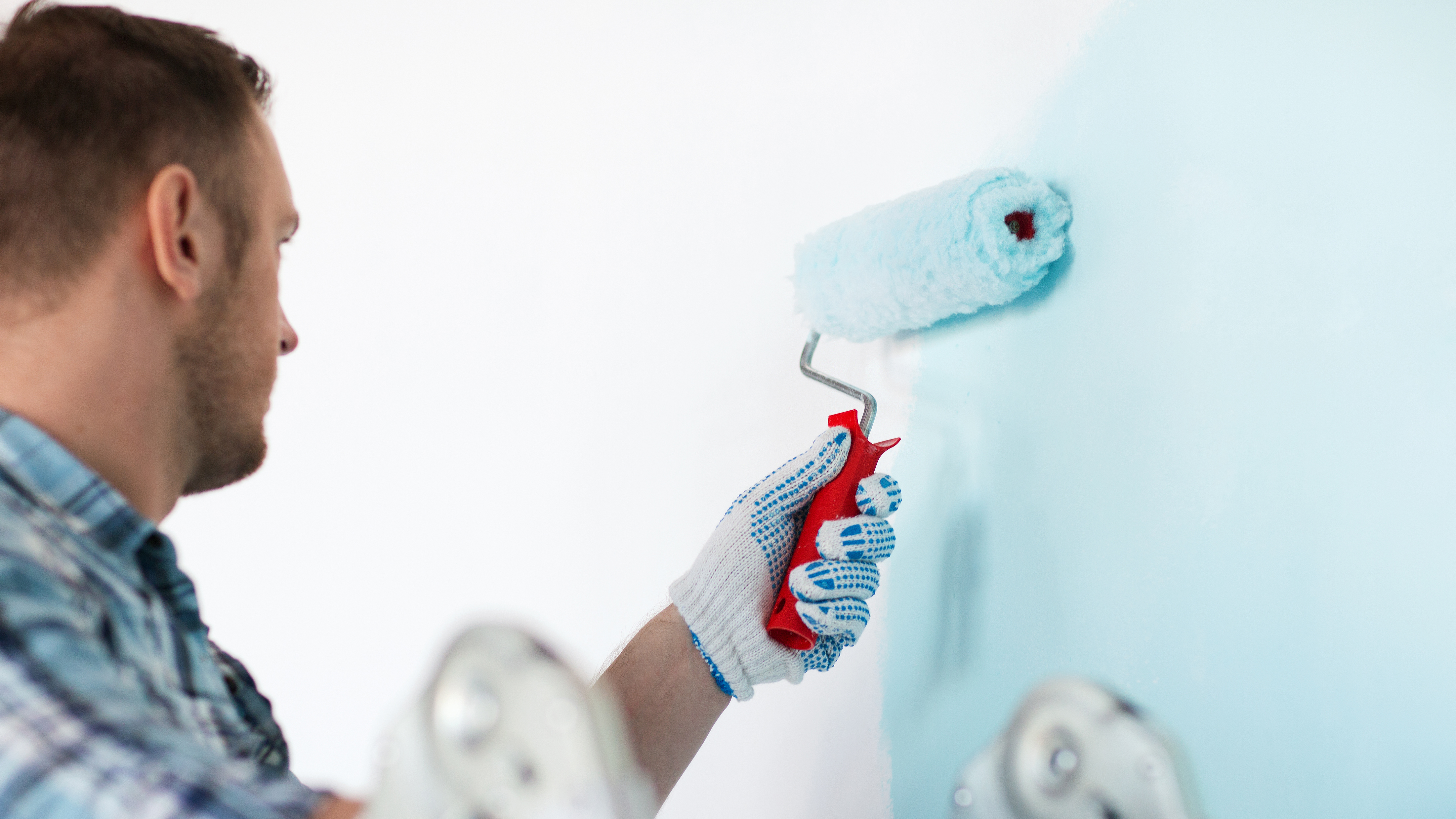
The initial step in determining paint quantity involves accurately measuring the area to be painted. This includes calculating the height and width of walls to determine square meters, subtracting areas that will not be painted, such as doors and windows. The height of the room is a significant factor; for example, a 4m x 4m room with a 2.5m height would require enough paint for 40 square meters per coat. For two coats, this would double to 80 square meters. Tools like tape measures or laser measures can be used for precise measurements, with measuring apps offering a convenient alternative. It's also recommended to factor in extra paint for potential touch-ups or unforeseen circumstances.
A helpful cheat sheet is provided for quick reference: a 100ml tester pot covers about one square meter, suitable for small furniture or patching. A 750ml tin can cover a door, skirting boards, or a small feature wall. A 1-liter tin is typically sufficient for a larger feature wall, and a 2.5-liter tin is suggested for all four walls of a small room. The article also shares insider tips, such as considering additional paint when covering a darker surface with a lighter colour or painting textured surfaces. If using multiple tins of the same paint, mixing them beforehand is recommended to ensure consistent colour.
For leftover paint, the article suggests several uses: keeping it for future touch-ups, repurposing it for upcycling furniture or adding decorative borders, or donating it to paint recycling schemes like Community RePaint to prevent waste. Many major paint brands also offer online paint calculators tailored to their specific products, providing a convenient way to estimate quantities by inputting room measurements. The article concludes by advising users to double-check the coverage information on paint tins for further assistance.
#DIYPainting #PaintCalculation #HomeImprovement #InteriorDesign #PaintCoverage #BudgetDIY #MeasuringTechniques #EcoFriendlyPainting #DIYPainting #PaintCalculation #HomeImprovement #InteriorDesign #PaintCoverage #BudgetDIY #MeasuringTechniques #EcoFriendlyPainting
0 comment in total
 No comments yet
You may also like
How much wallpaper do I need? Work out the right amount with this expert advice
11 Pro Tips for How To Paint Trim

20 Essential Painting Tools for Your Next Project, According to Painting Pros
5 Painting Mistakes That Are Actually Ruining Your Projects, According to Reno Pros

These hacks are all you'll need for your next home painting project

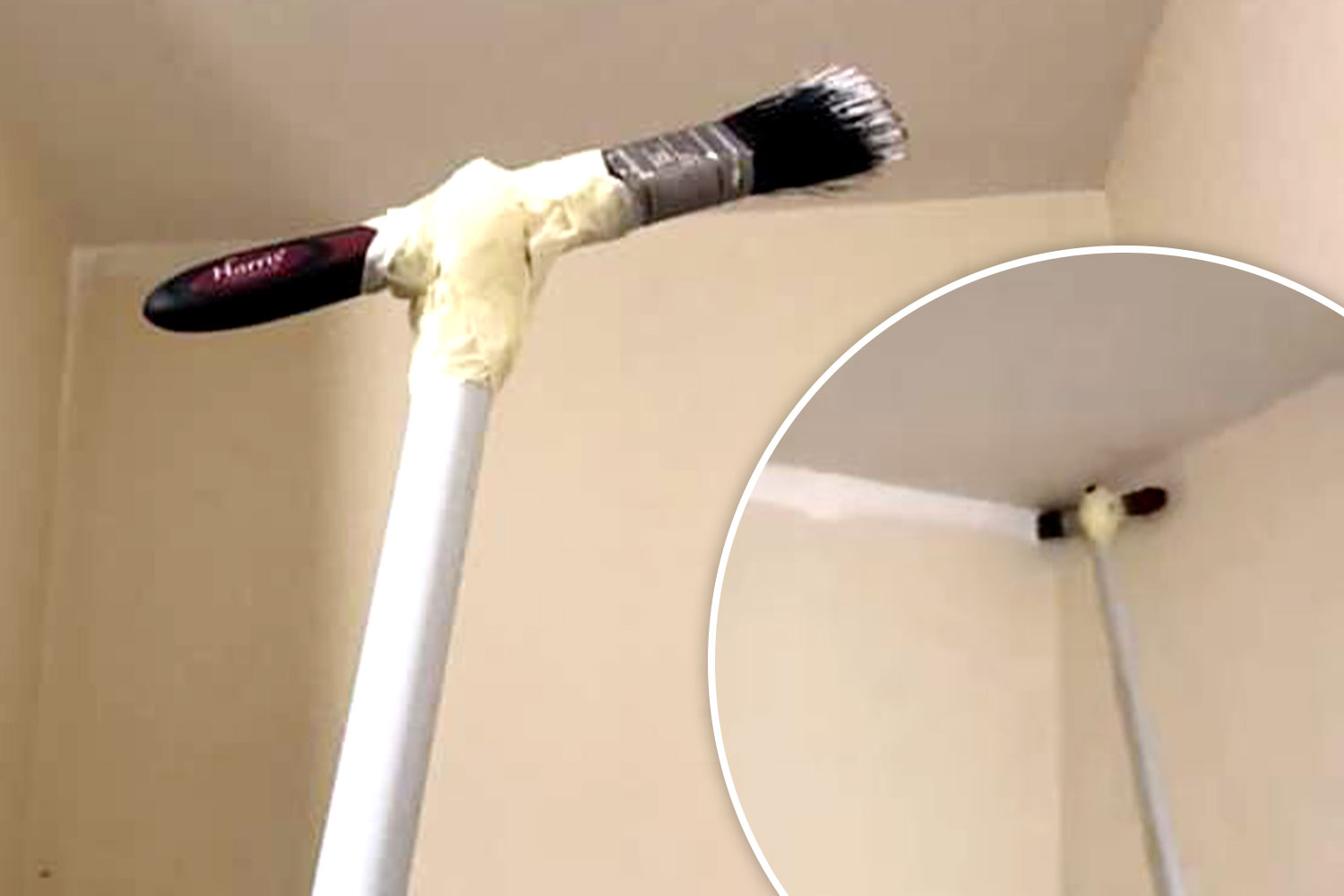
DIY fan shares easy way she paints high ceiling corners WITHOUT using a ladder
Paint tips from a pro!

How to paint furniture: The one detail you need to get right for best results
5 Best Places to Buy Paint Online for Your Next DIY Project
We Asked a Pro Painter For His Secret to a Seamless Paint Job Every Time—And We’re Obsessed
Here's What Colorists Want You to Know About Picking House Paint

Decorating expert reveals this is the best time of year to paint your home


How to paint a room and give it a refresh
Understanding paint finishes

The Best Painting Tools

There's still time! I’m a painting expert and it's the best month to paint inside your home for a silky-smooth finish

These Master Tips Will Help You Avoid Choosing The Wrong Type Of Paint
This paint edger tool saved me hours of painting time – and I would never redecorate without it
12 top interior painting tips from experts – for a flawless, fabulous finish
8 Secrets Only Professional Painters Know