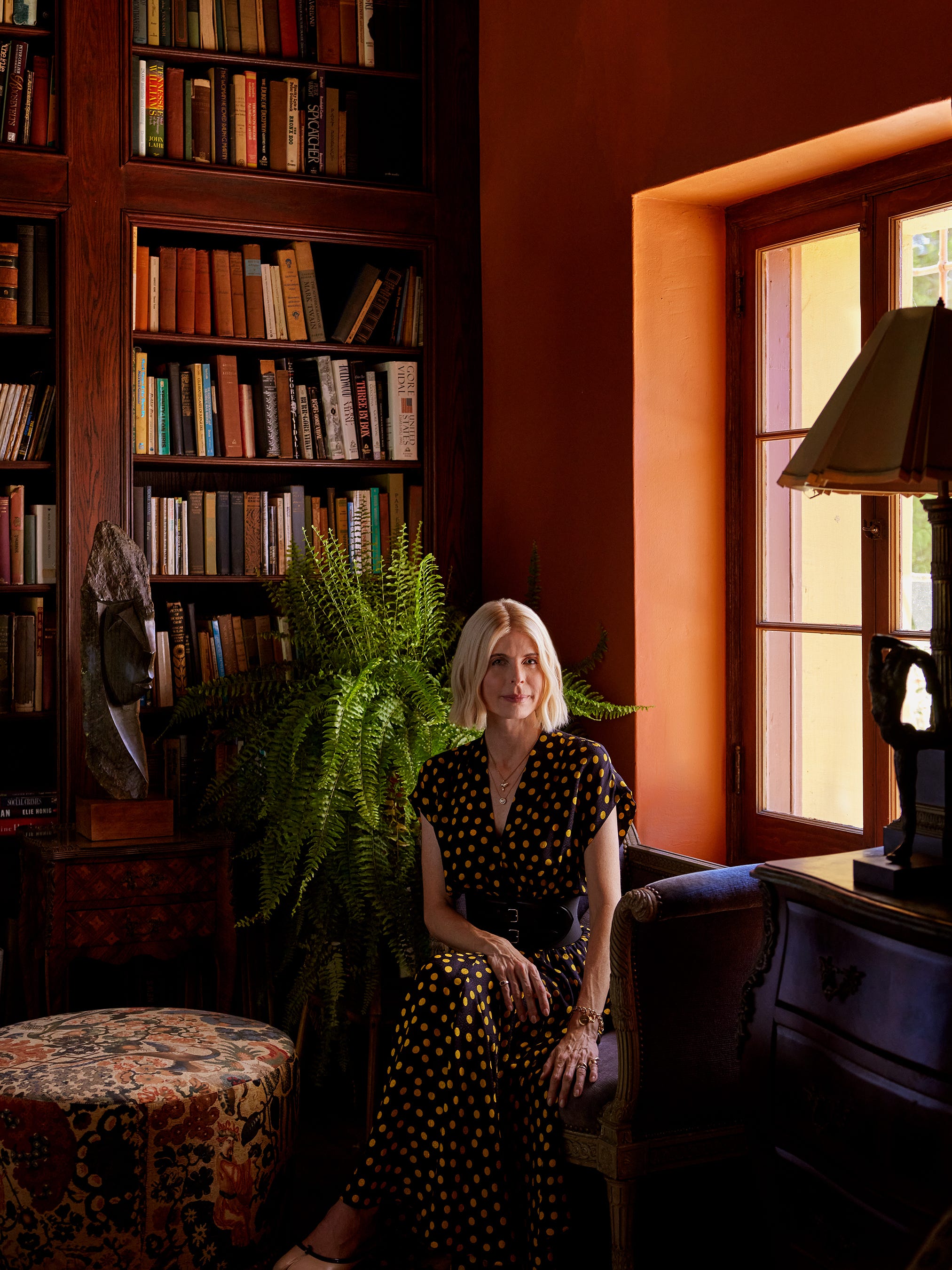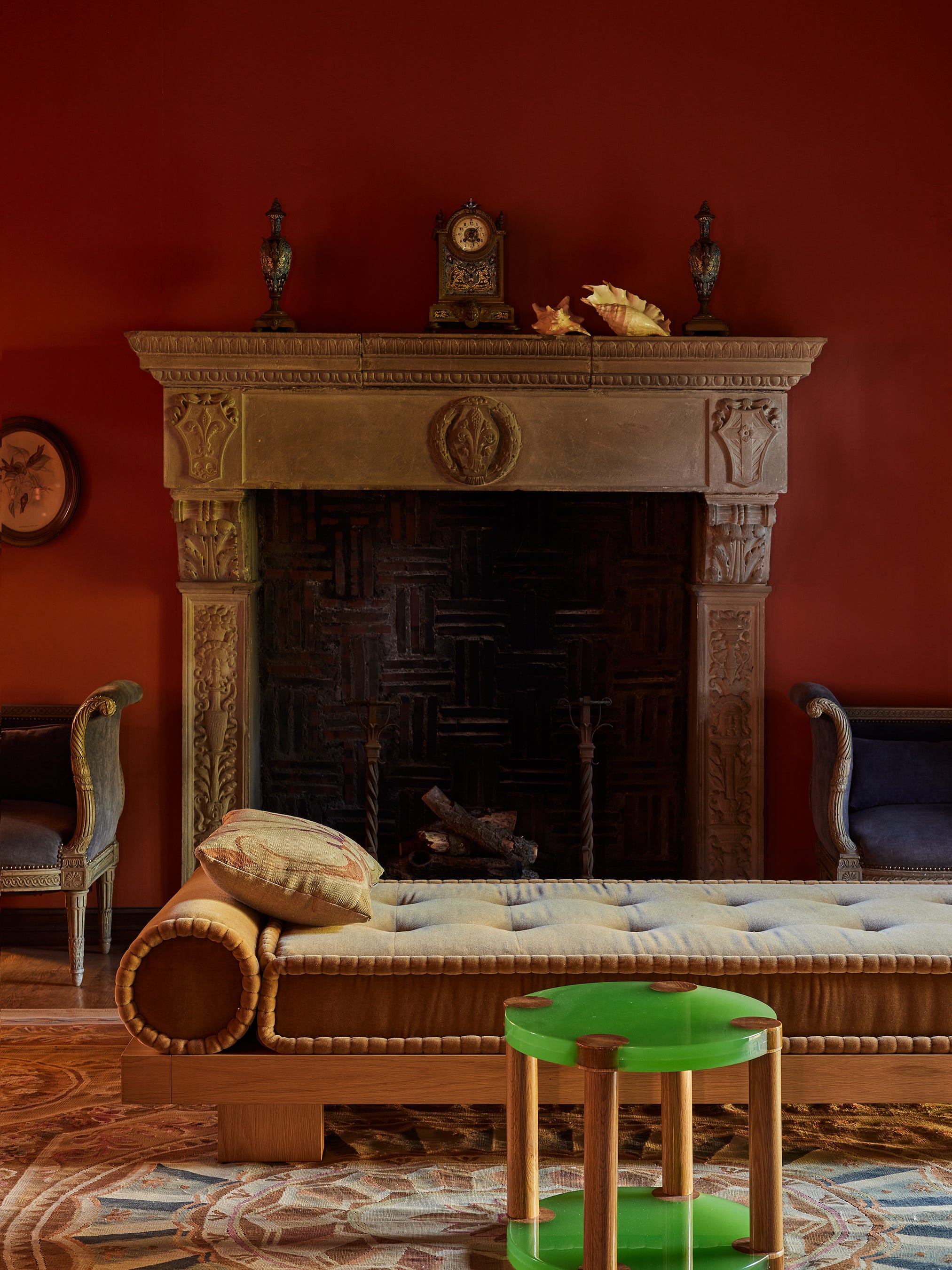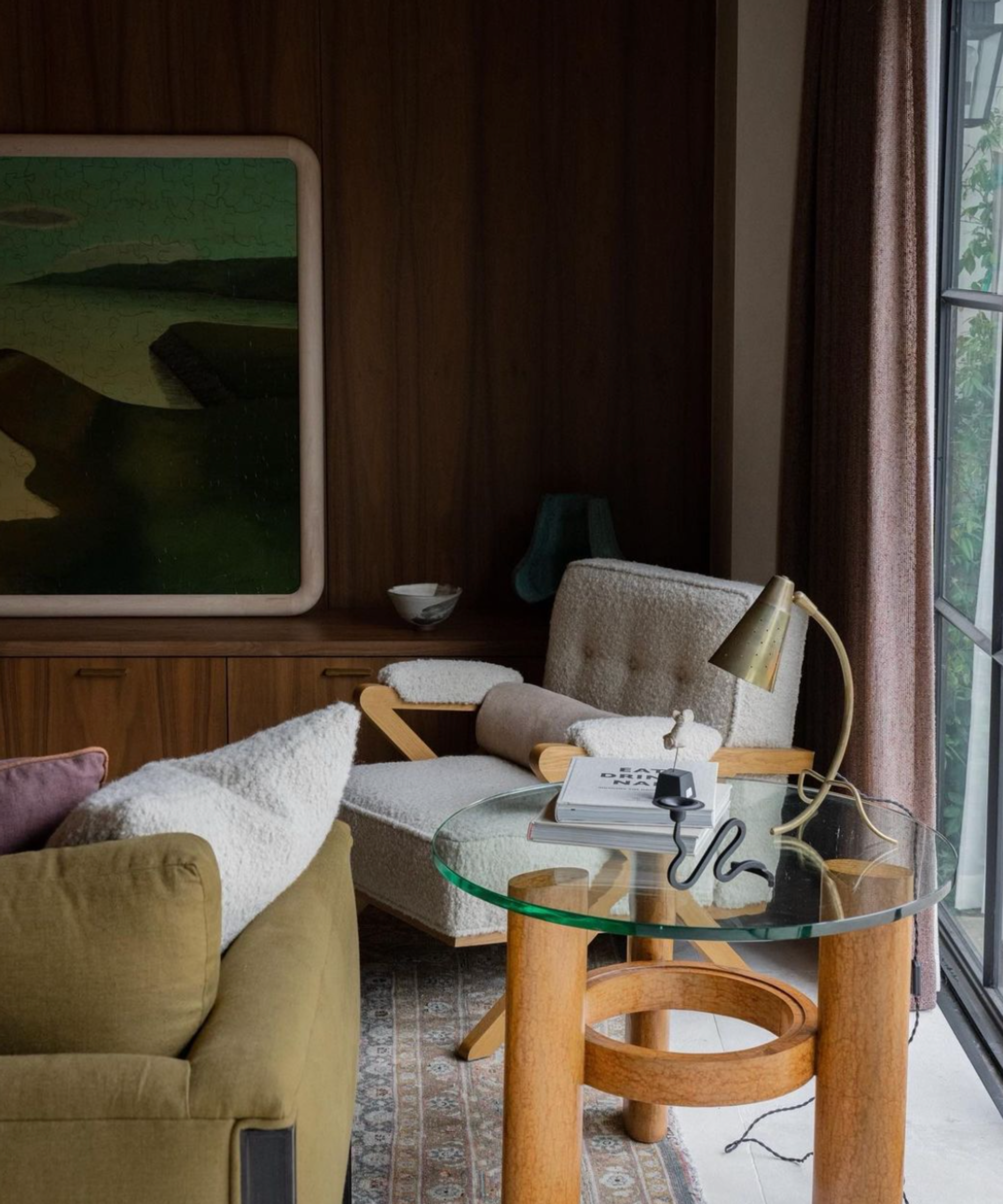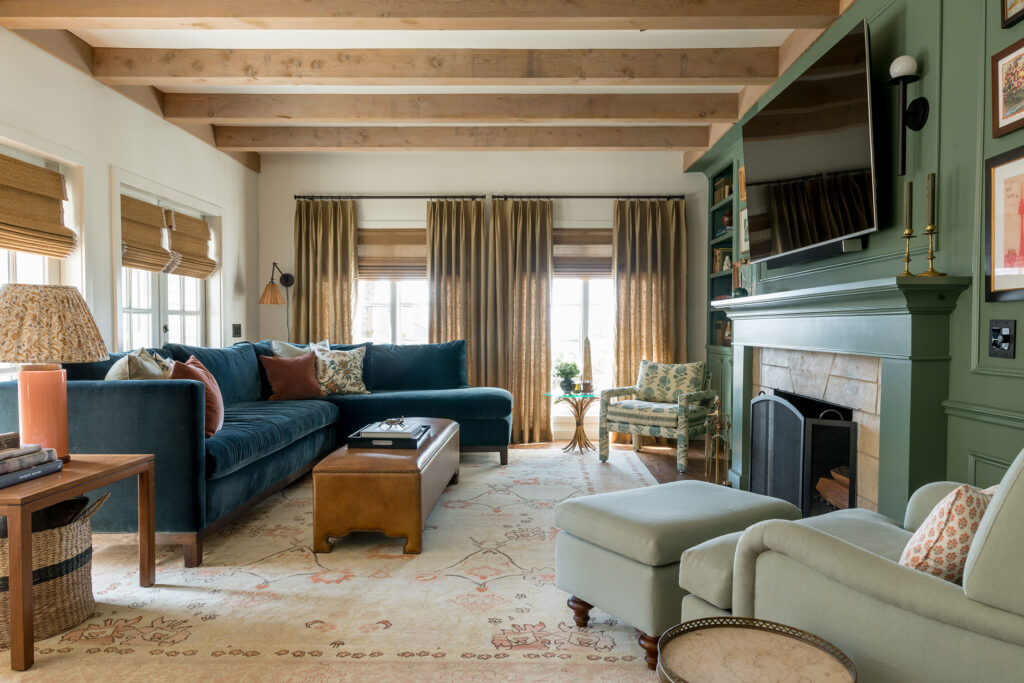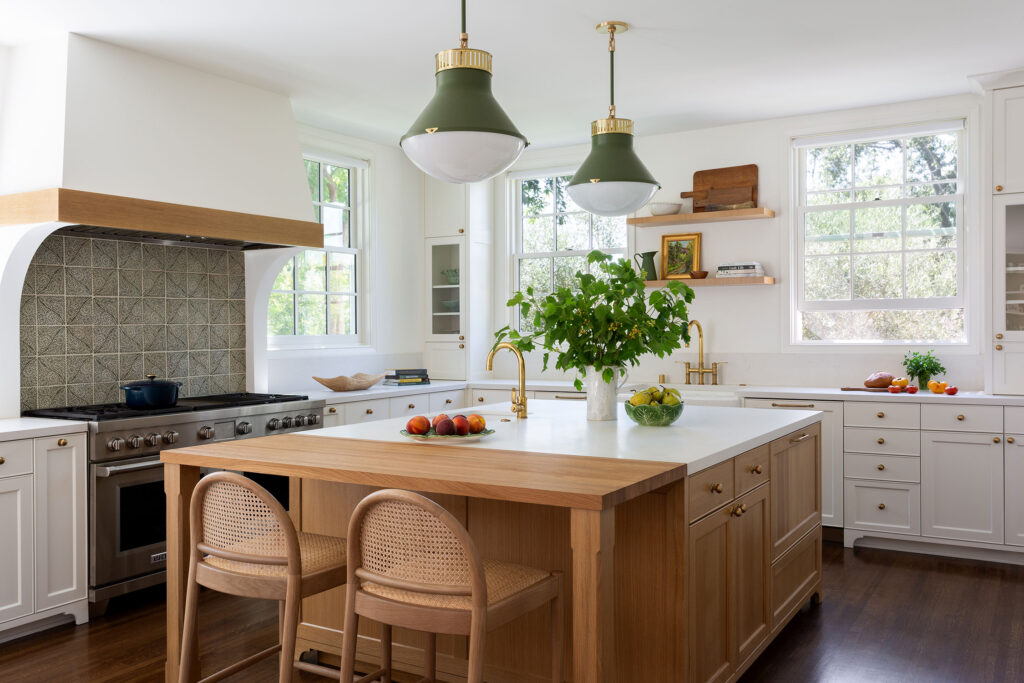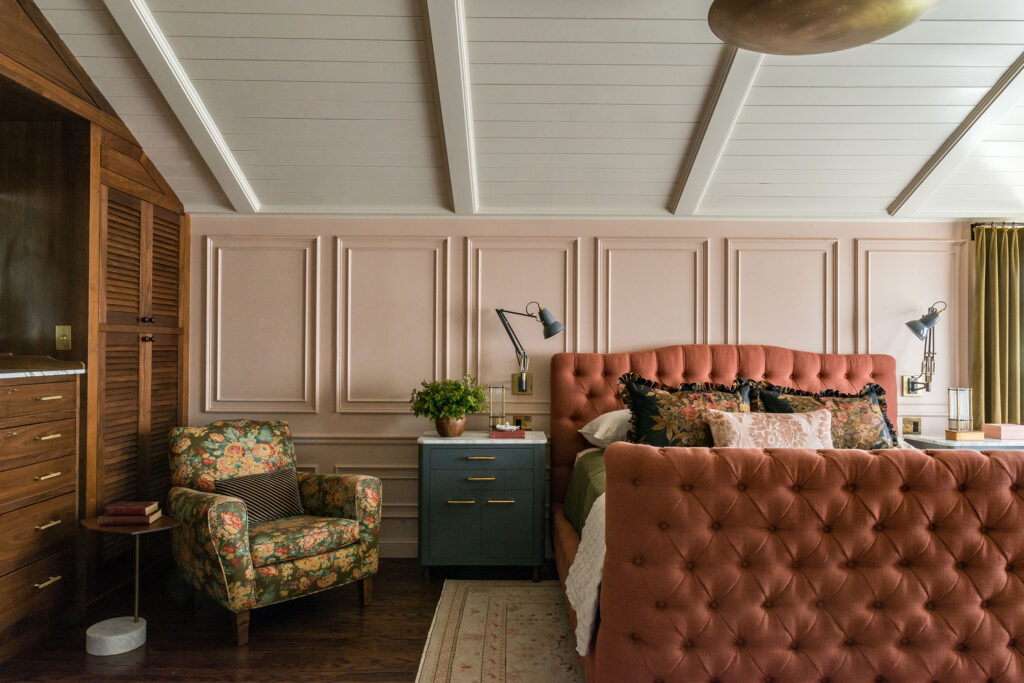
Story from Chariho Furniture: Traditional and classic furniture makes a comeback
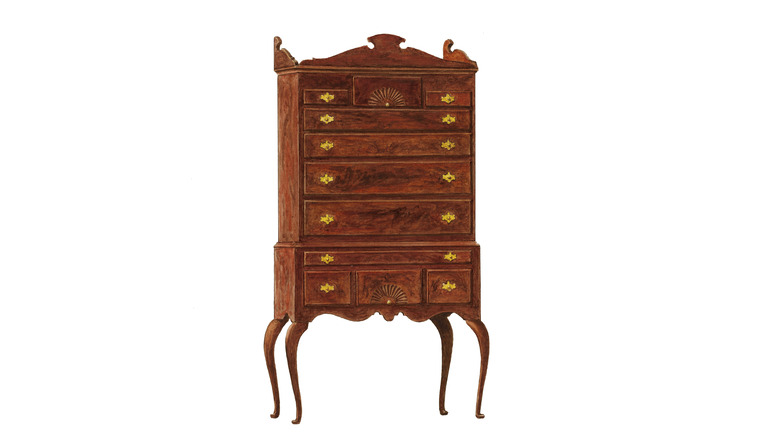
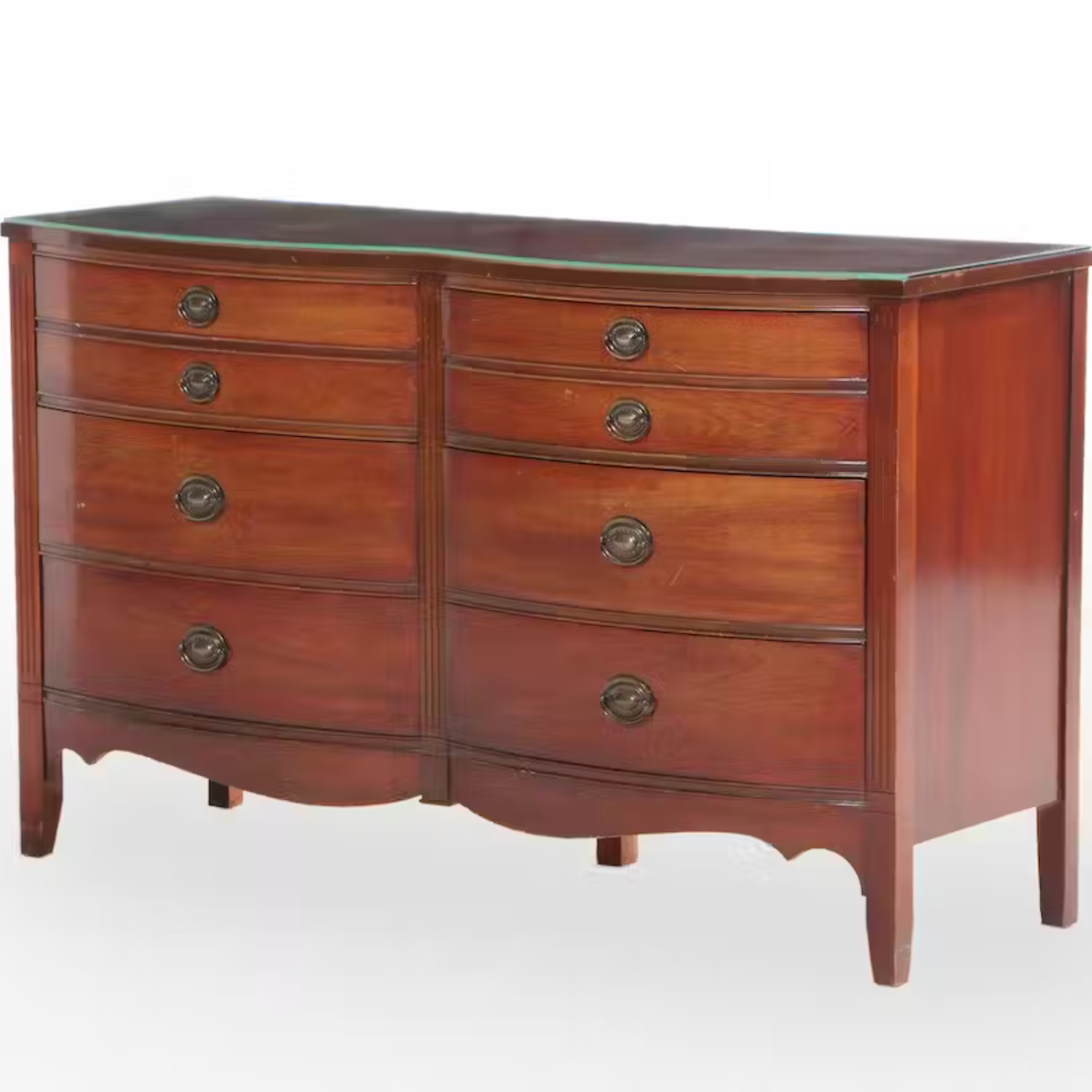
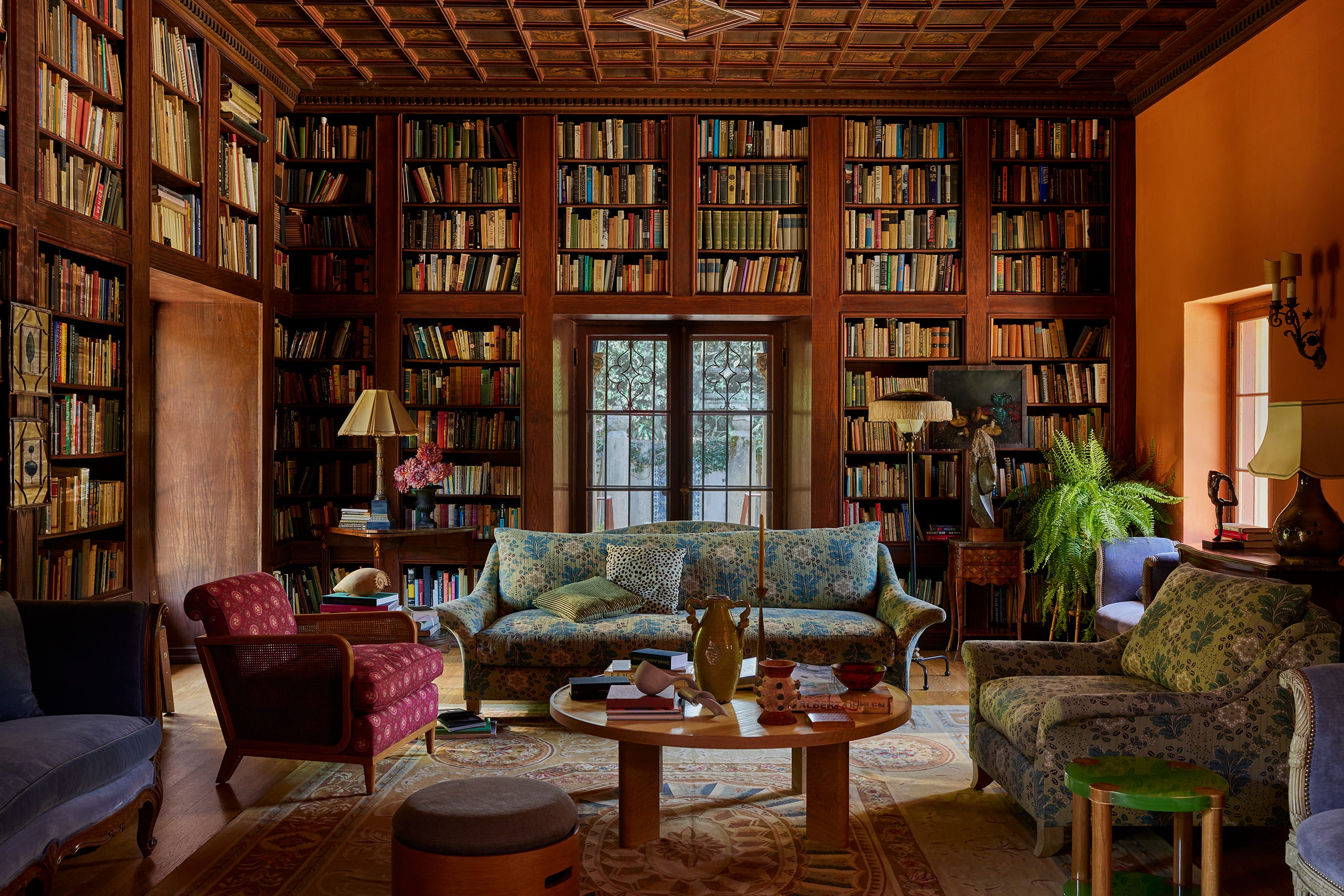
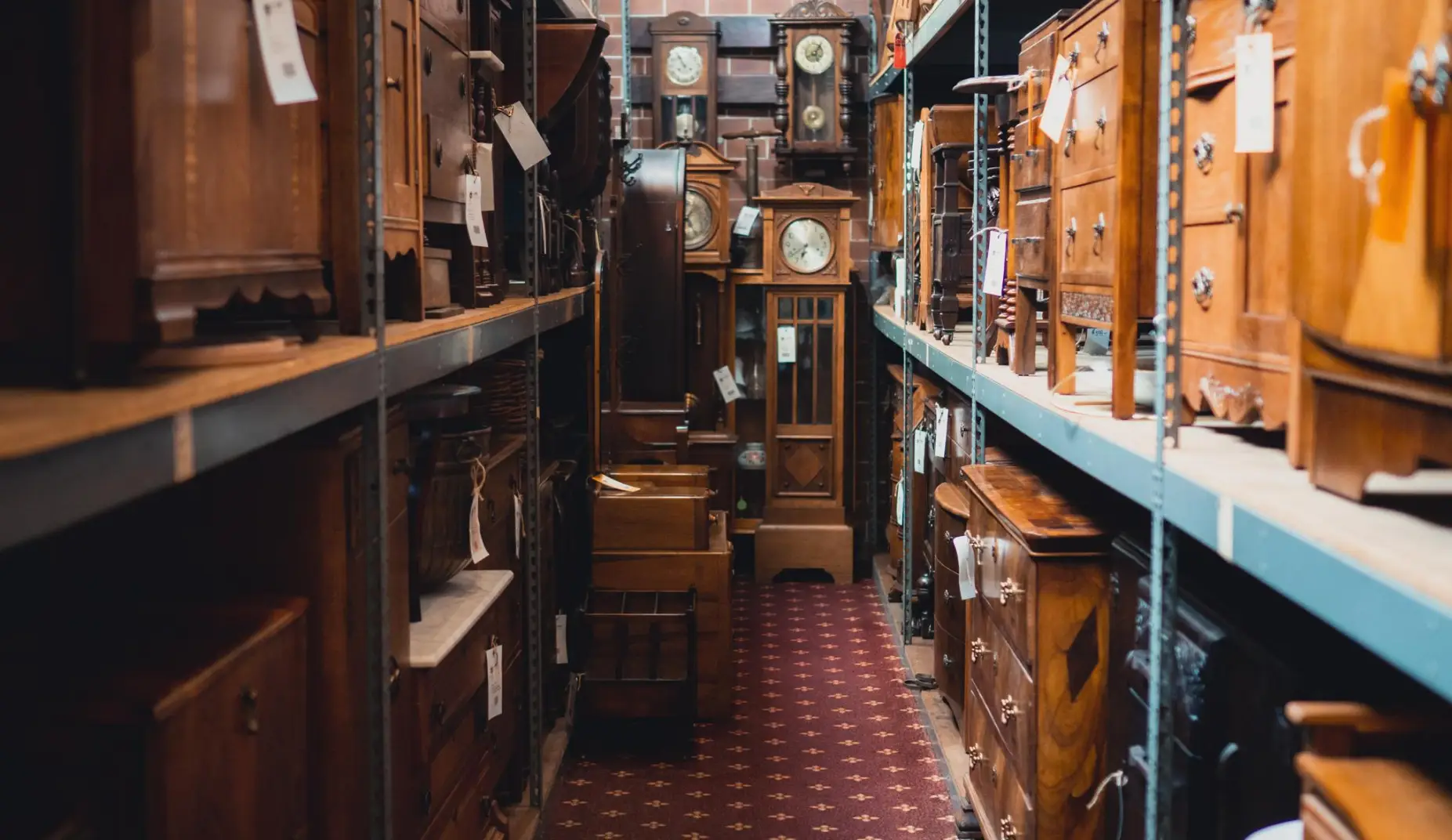
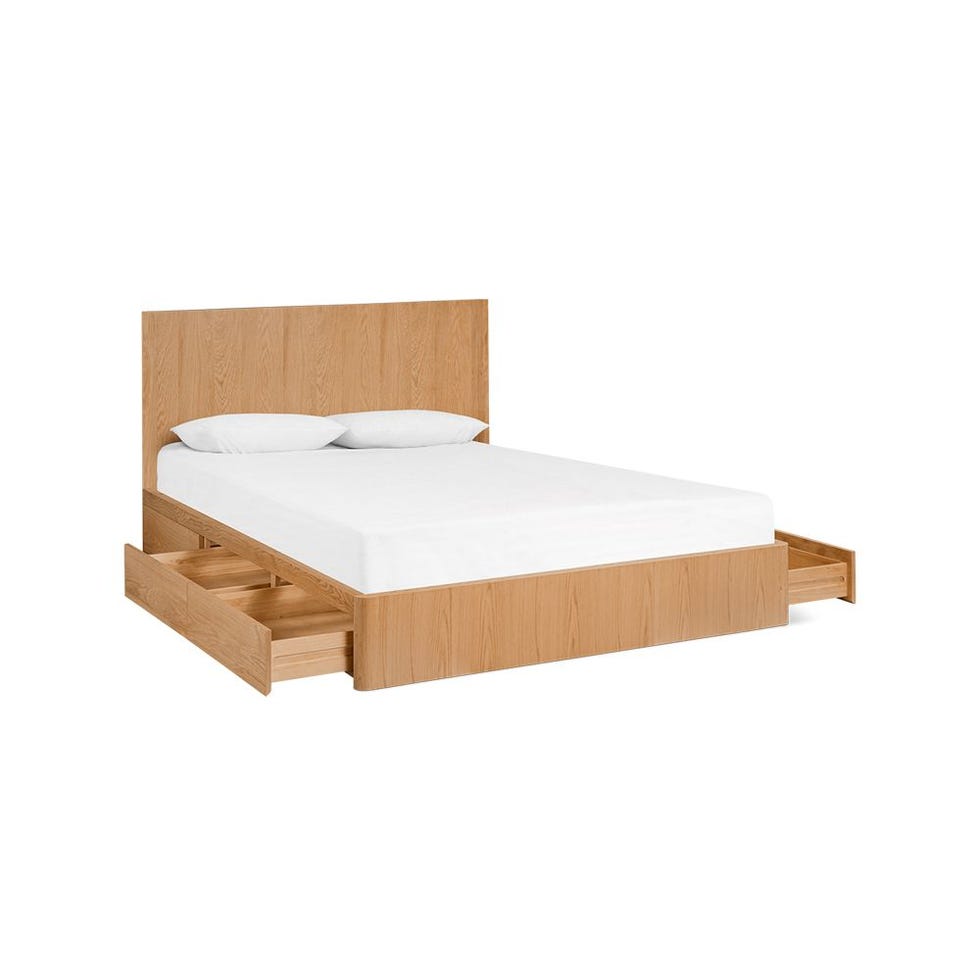
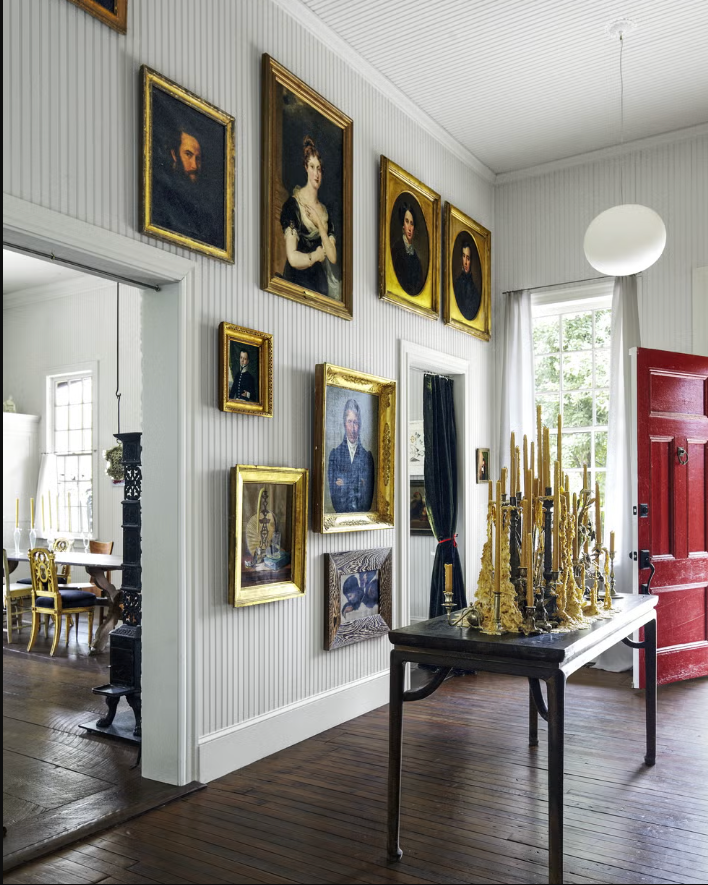
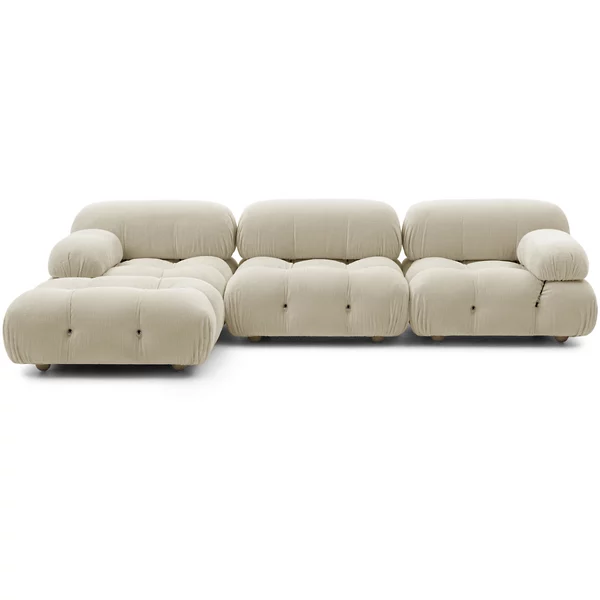
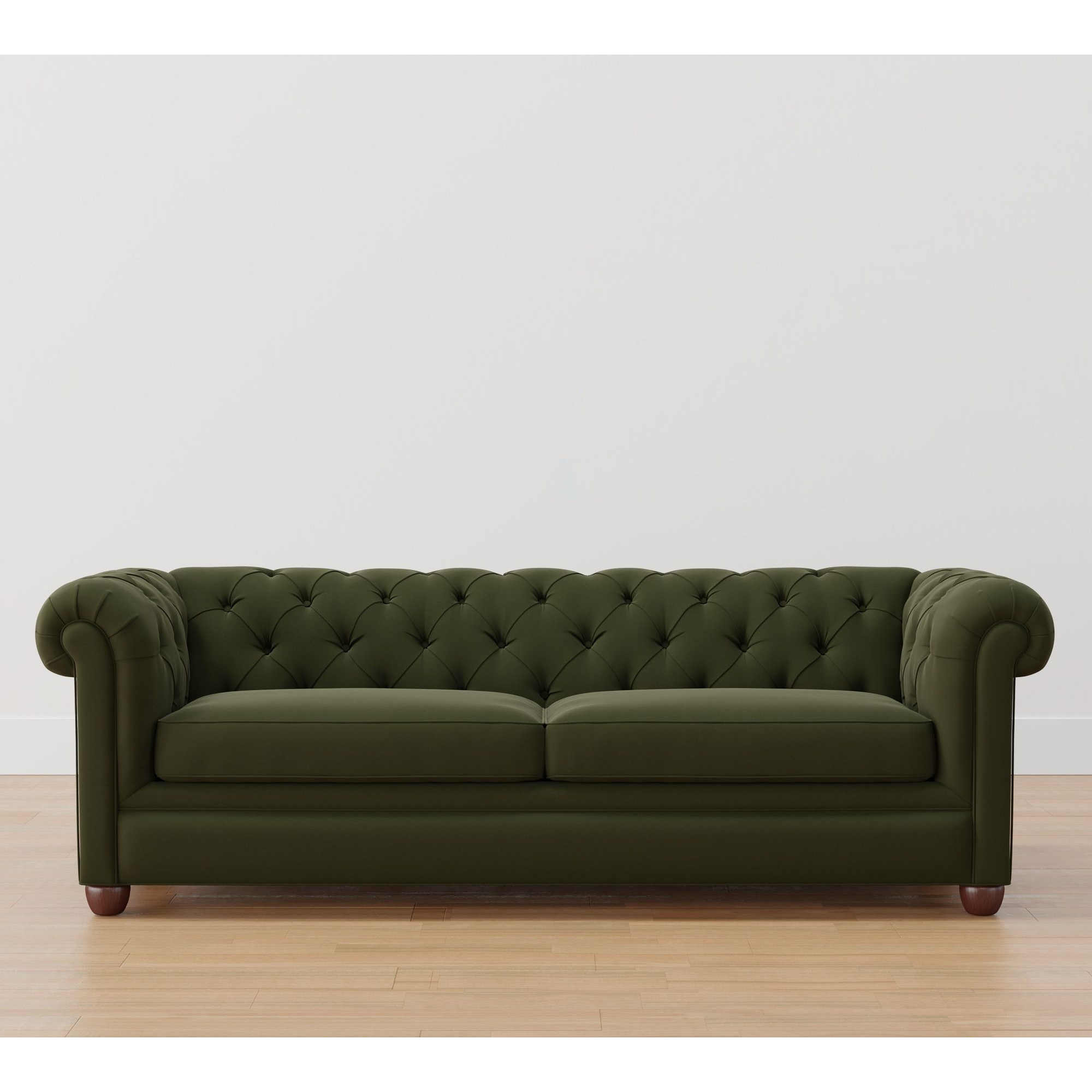
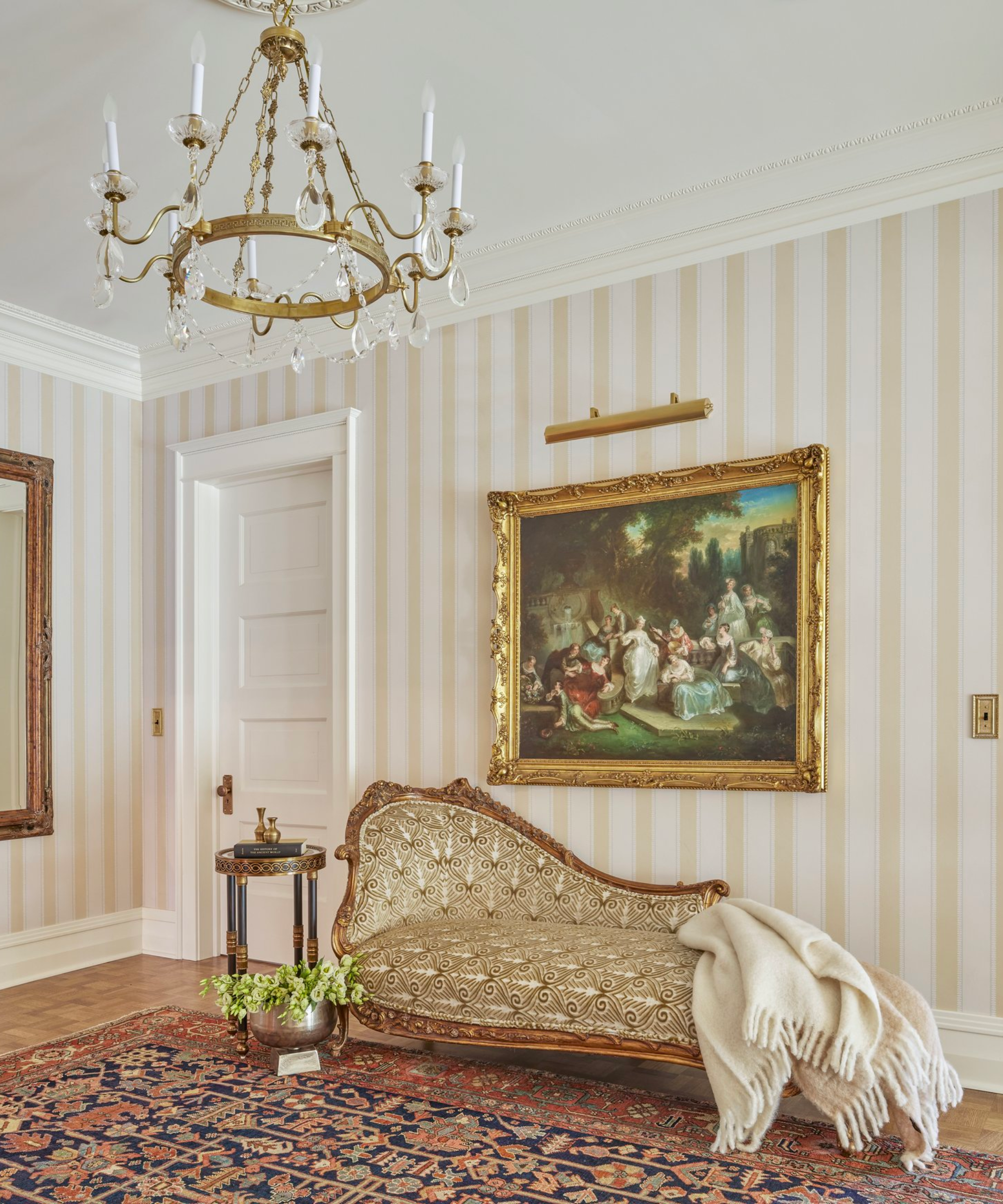
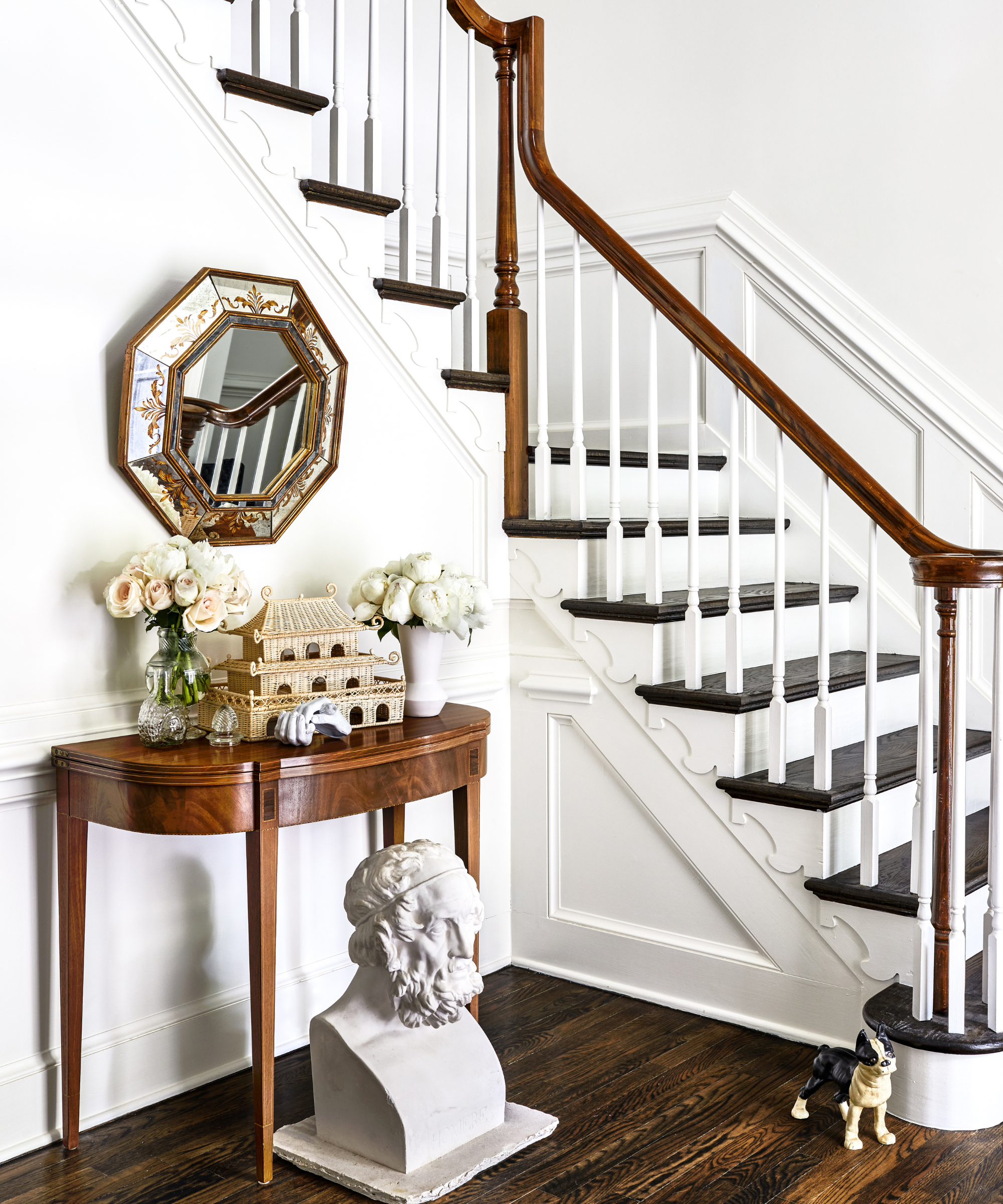
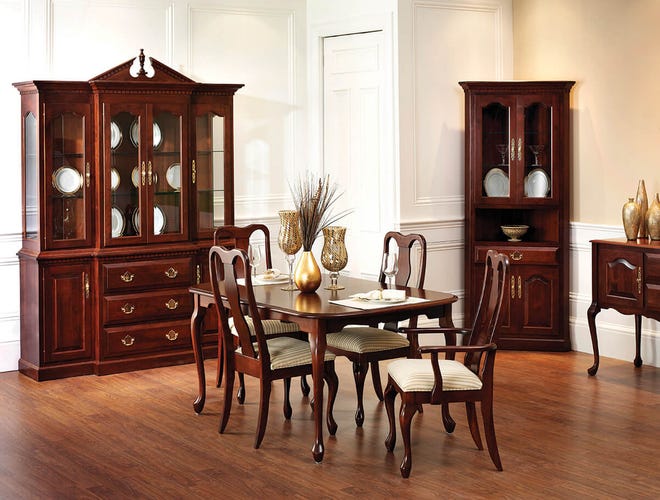
The article highlights the resurgence of traditional and classic furniture in home decor, driven by a desire for comfort, durability, and timeless design, especially in the wake of increased time spent at home due to the pandemic. Stephanie Smith, co-owner and COO of Chariho Furniture, notes that the shift is partly due to people re-evaluating their living spaces and seeking out pieces that are built to last and can be passed down through generations. Traditional furniture is characterized by well-made, durable pieces with classic shapes and designs, such as Queen Anne style legs, rolled arms, and deep cherry or mahogany woods, which offer a sense of coziness and history. This contrasts with contemporary furniture, known for its clean lines and lighter woods.
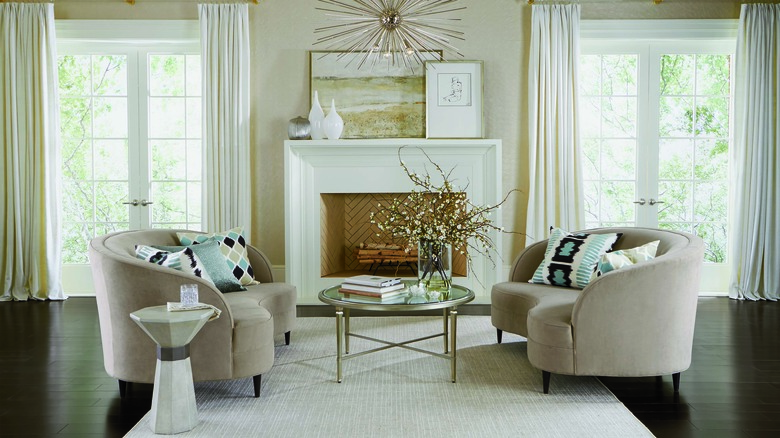
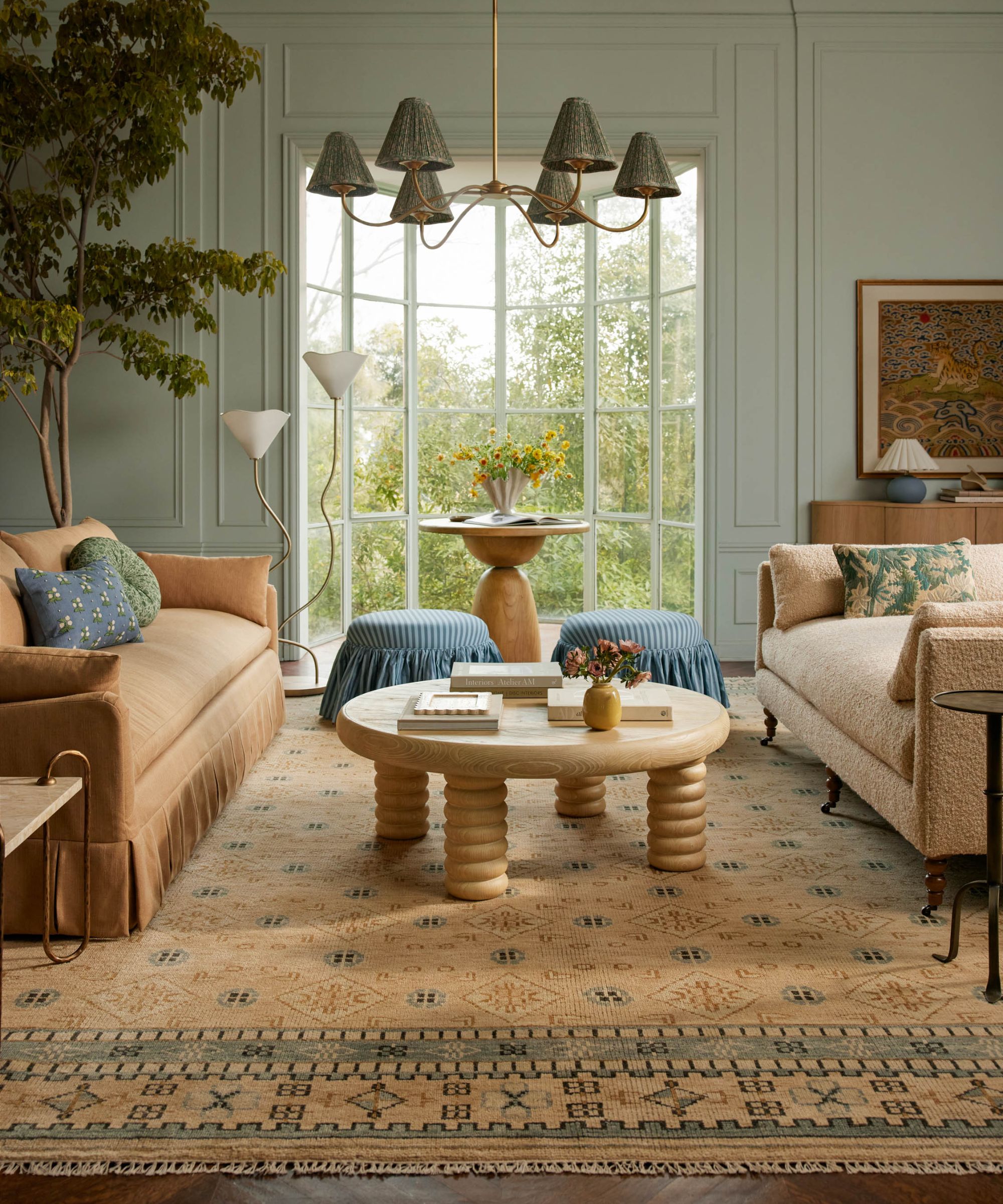
Smith, holding certifications in Furniture Product Knowledge and Interior Design, explains that while contemporary Mid-Century Modern furniture has its roots in the 1940s, traditional and classic styles span centuries. She emphasizes that these styles are not mutually exclusive and can be effectively mixed, allowing homeowners to blend classic elements like Queen Anne highboys with more contemporary pieces. The pandemic has significantly influenced this trend, leading individuals to prioritize comfort and longevity over transient modern styles. Even in home offices, there's a move away from sleek, modern designs towards more substantial, traditional desks and accent chairs, providing a homier and more robust feel.
The article also touches on generational differences in furniture preferences. While millennials might have historically favored modern aesthetics, Generation Z shows a growing interest in eco-friendly and sustainable options, often found in traditional, pre-owned pieces from family, flea markets, or antique stores. This aligns with a conscious effort to reduce waste and appreciate the history embedded in furniture. Chariho Furniture offers a variety of traditional wood species, including cherry, oak, and walnut, noting that cherry, in particular, maintains its timeless appeal across various furniture types. Mahogany and walnut are also popular choices for their dark, rich tones.
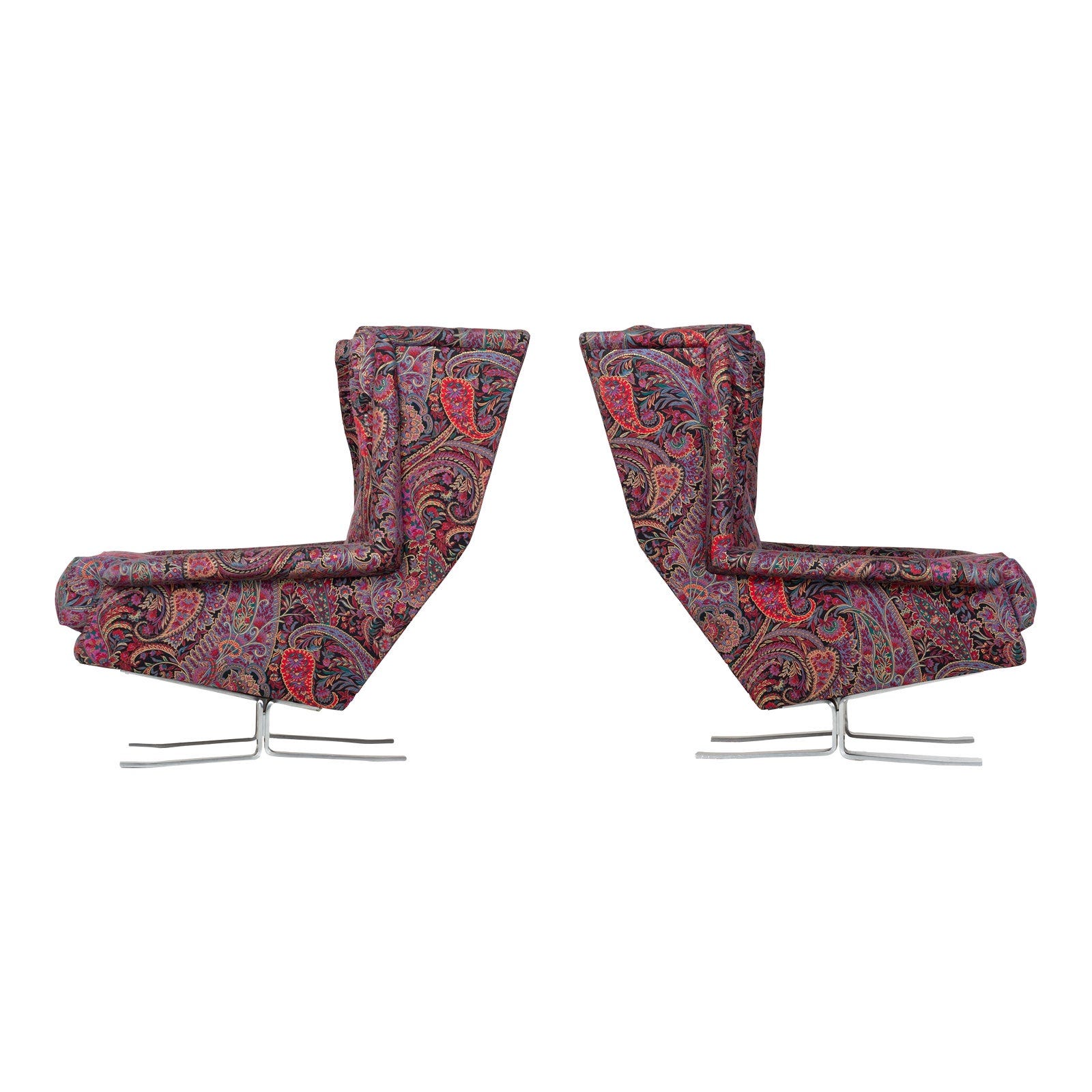
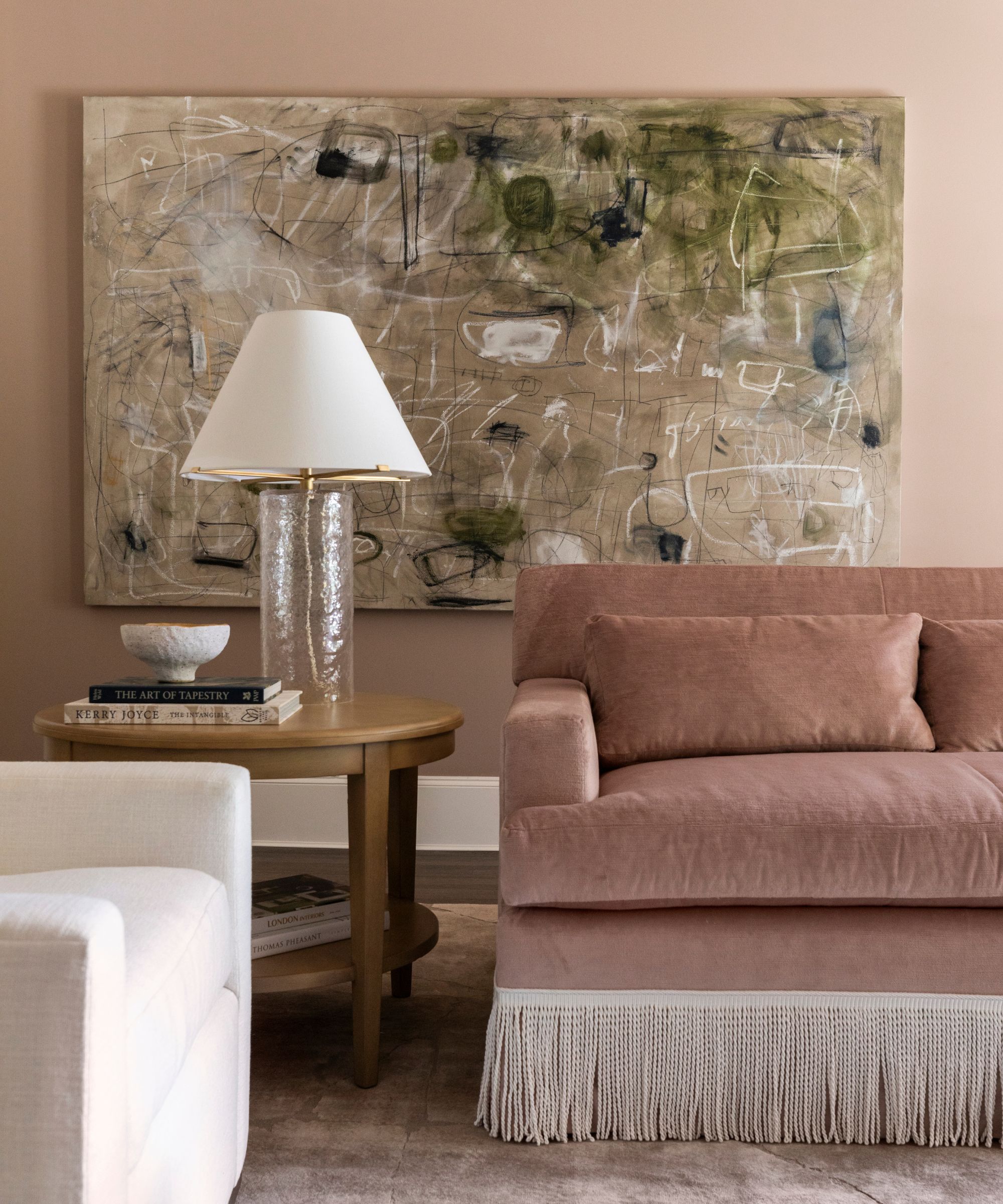
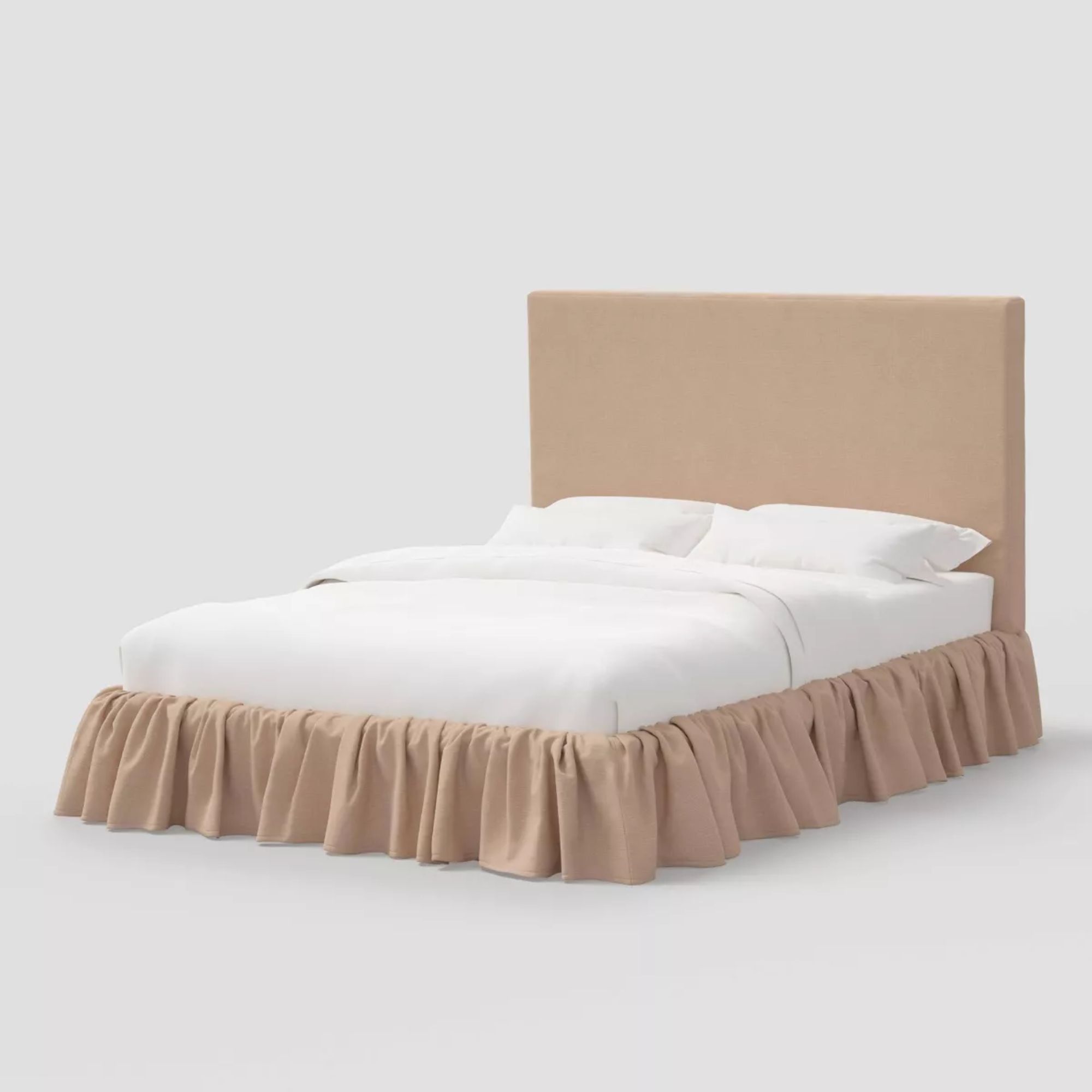
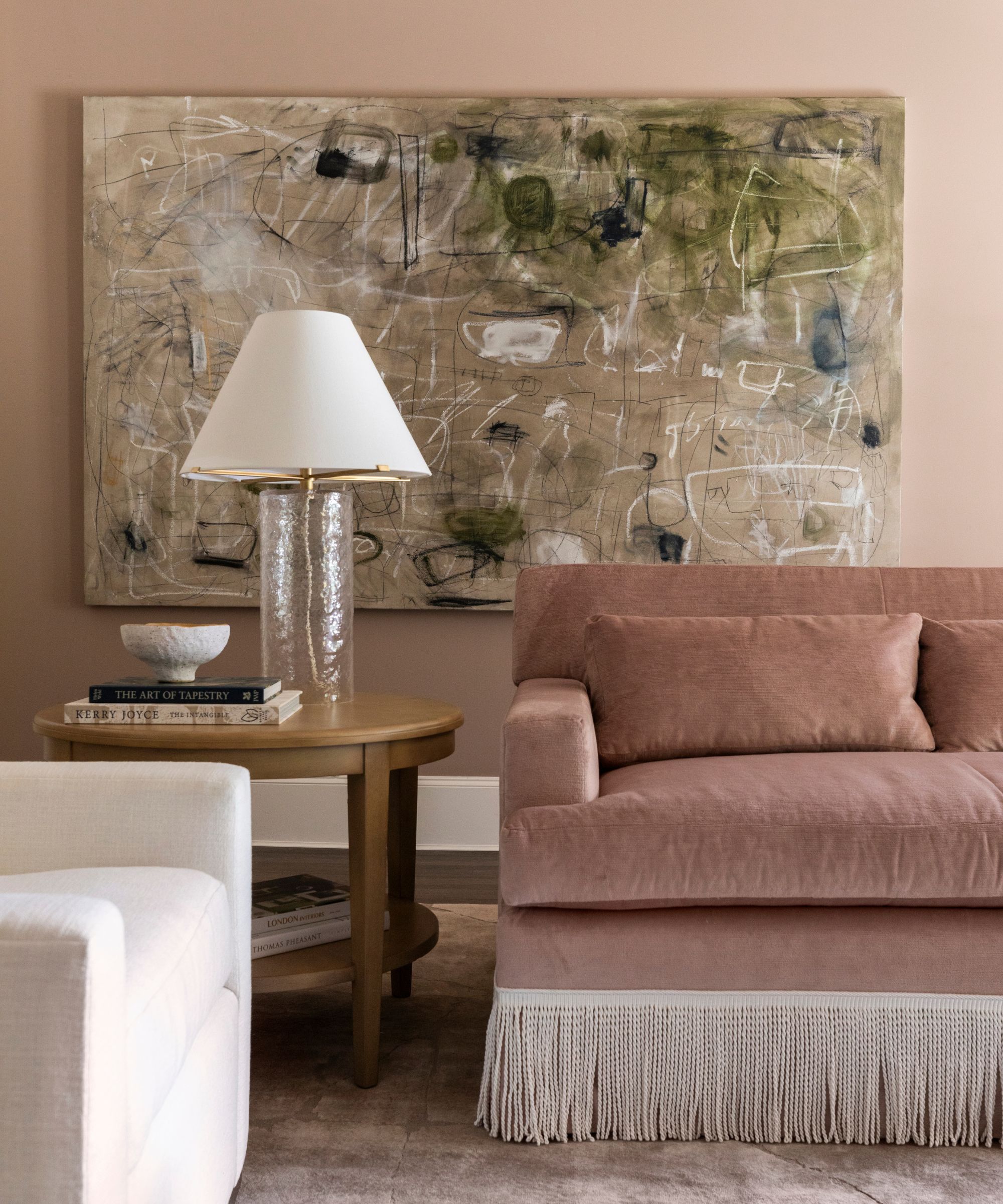
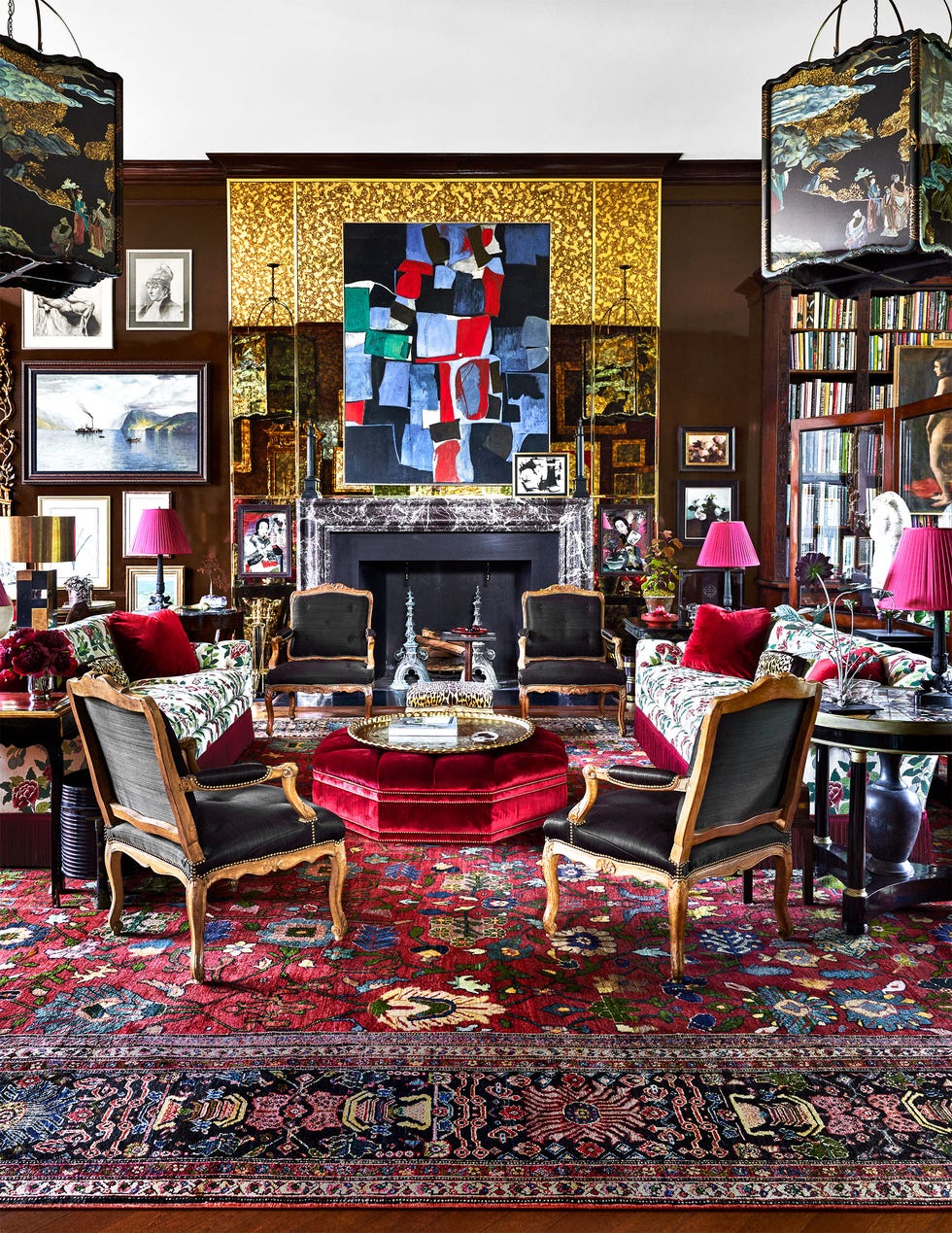
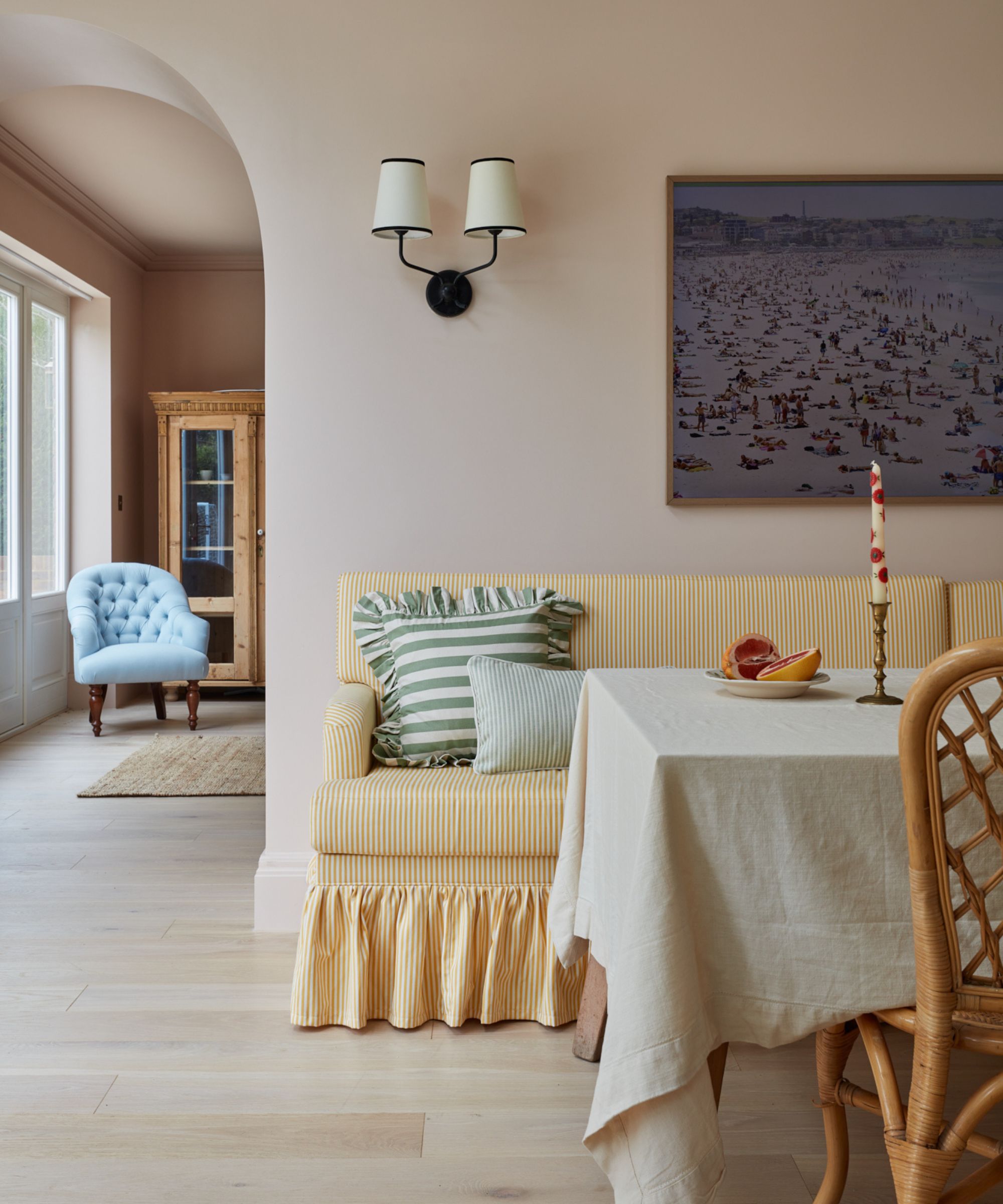
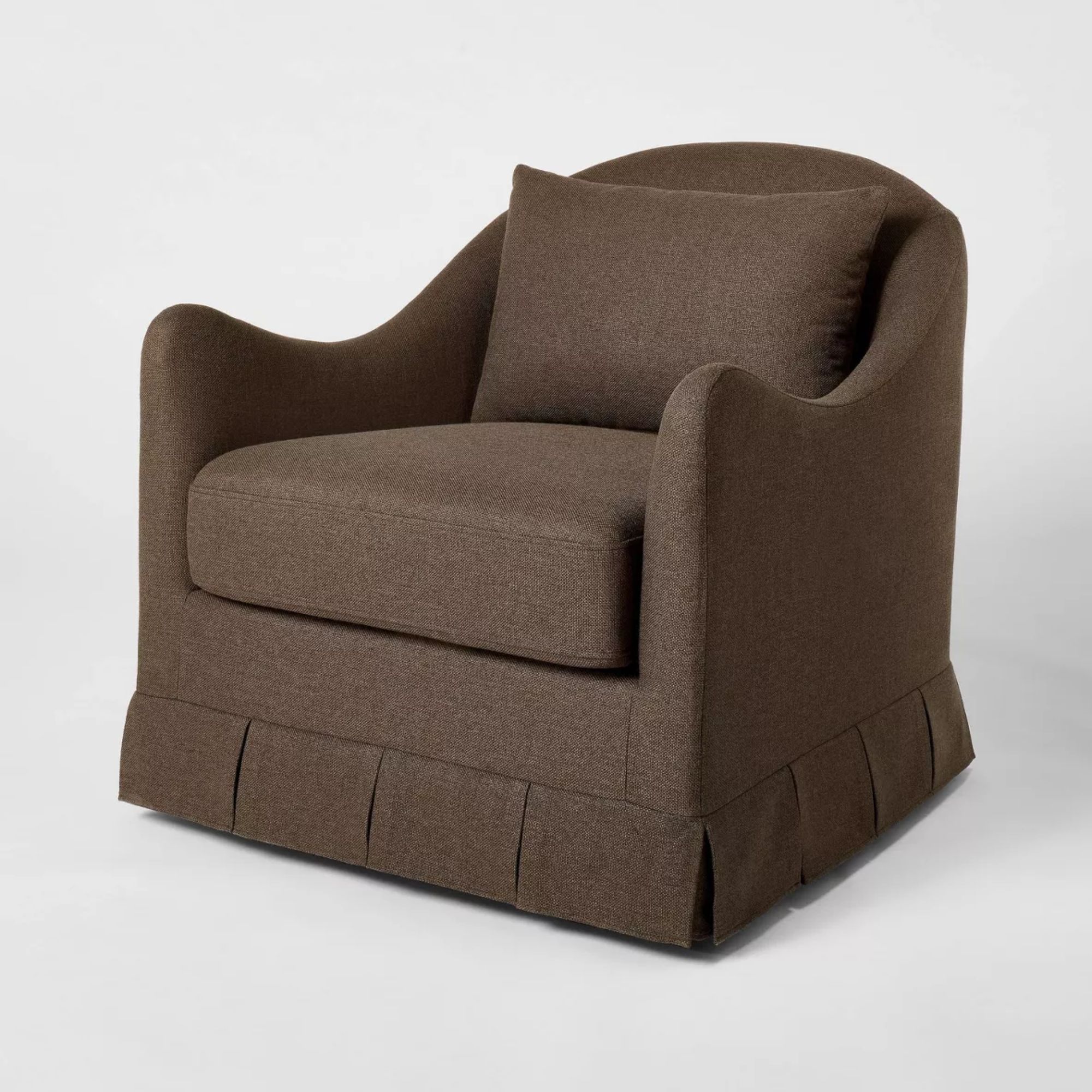
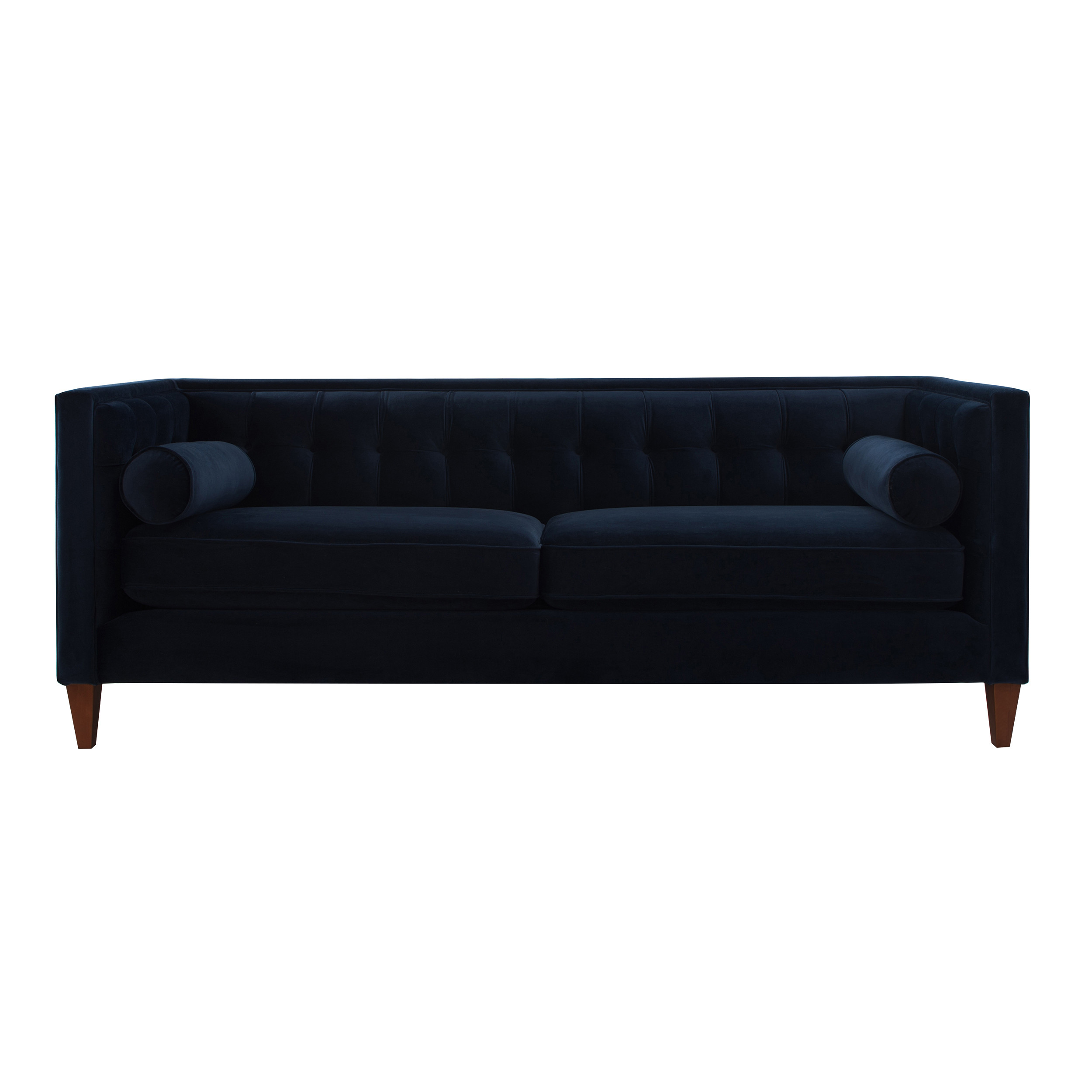
Upholstery for traditional and classic furniture typically features neutral colors like gold, beige, and brown, though jewel tones such as emerald green, sapphire blue, ruby red, and amethyst purple are gaining popularity for adding a touch of bold elegance to traditional frames. Smith advises that while there are some guidelines, mixing traditional with modern elements can be done successfully, creating an eclectic and personalized space. She points to transitional styles that combine traditional silhouettes with modern twists, such as a skirted sofa with flared arms.
Chariho Furniture's Millcraft Amish line is highlighted for its blend of traditional and contemporary options, offering classic designs like Queen Elizabeth and Victoria styles, along with Windsor beds, which are becoming harder to find elsewhere. Smith underscores that traditional classic furniture is renowned for its durability and proper construction, citing the Windsor chair as an example of historical craftsmanship. These chairs, originally used in various public and private settings, were built with multiple wood species and specific techniques like steam bending and scoop seats, ensuring their longevity. Chariho Furniture, a family-owned business in Richmond, Rhode Island, emphasizes American-made, solid wood furniture and offers expert design services to help customers find or custom-design pieces that fit their aesthetic and functional needs within their 25,000-square-foot showroom.
#TraditionalFurniture #ClassicFurniture #HomeDecorTrends #InteriorDesign #FurnitureLongevity #SustainableFurniture #CharihoFurniture #HomeFurnishings #TraditionalFurniture #ClassicFurniture #HomeDecorTrends #InteriorDesign #FurnitureLongevity #SustainableFurniture #CharihoFurniture #HomeFurnishings
0 comment in total
 No comments yet
You may also like
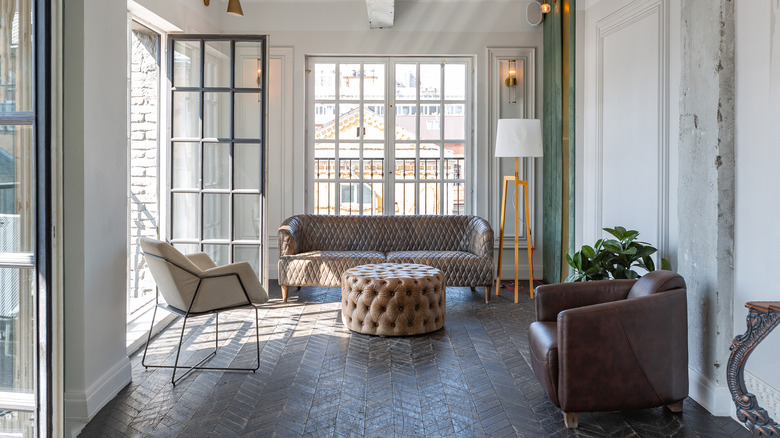
Outdated Furniture Pieces That Are Having A Comeback

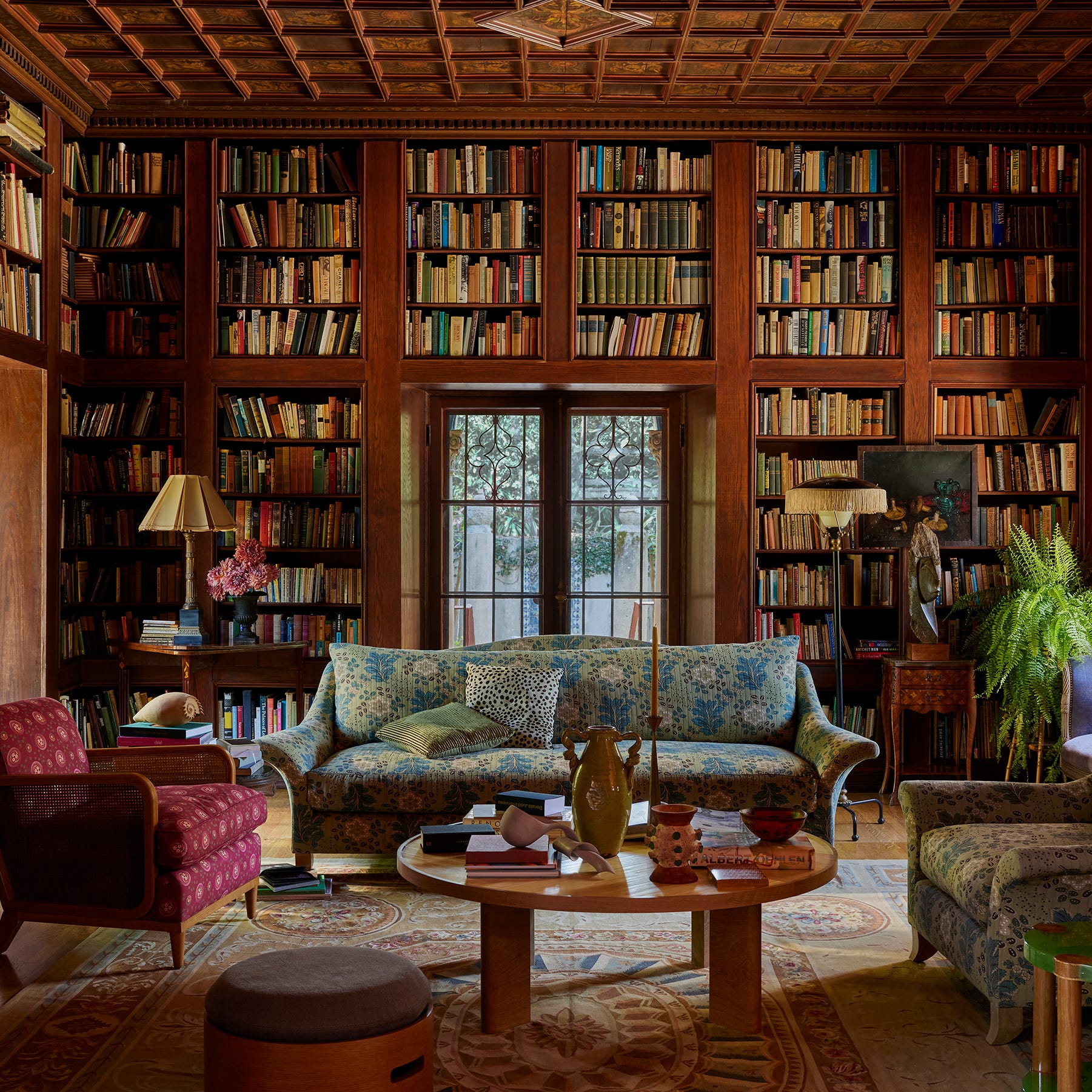
These New Furniture Pieces Are Future Heirlooms
The 20 Best Luxury Furniture Brands Worth Investing In

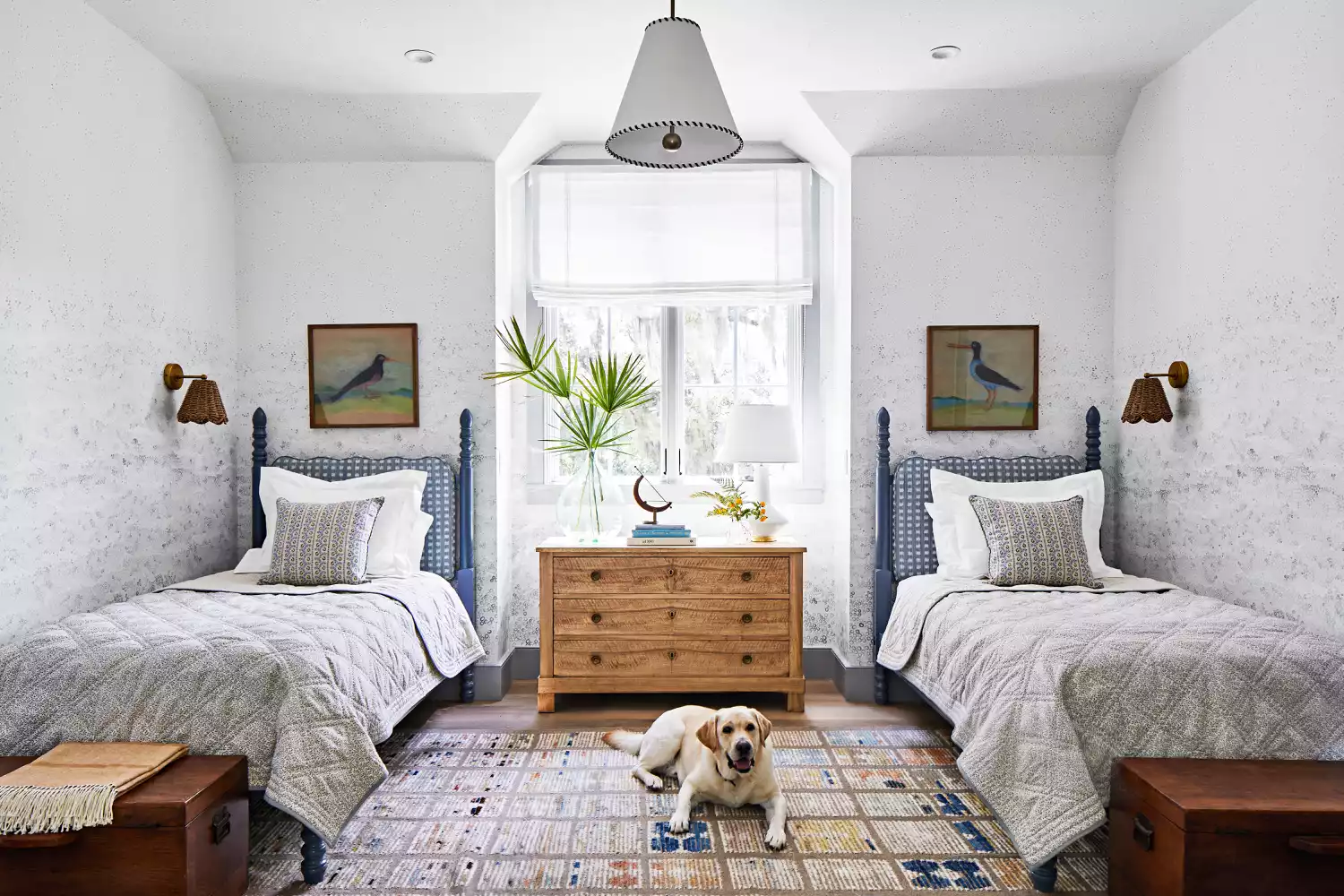
5 Furniture Trends You'll See Everywhere In 2025, According To Designers
The 8 Best Vintage Furniture Stores to Shop in-Person and Online

Looking to score rare designer pieces online? Check out these second-hand furniture websites

Amy King Pope of AKP Furnish & Design
How to style antique furniture for a timeless, transitional space – 9 designers share their tips

This Furniture Trend From the 1920s Is Officially Back

This Dated Home Decor Style Is Back—and It Instantly Makes Your Space Look So Expensive

These 5 Furniture Trends Will Dominate 2025
This Is Why Everyone’s Obsessed with Traditional Decor Right Now
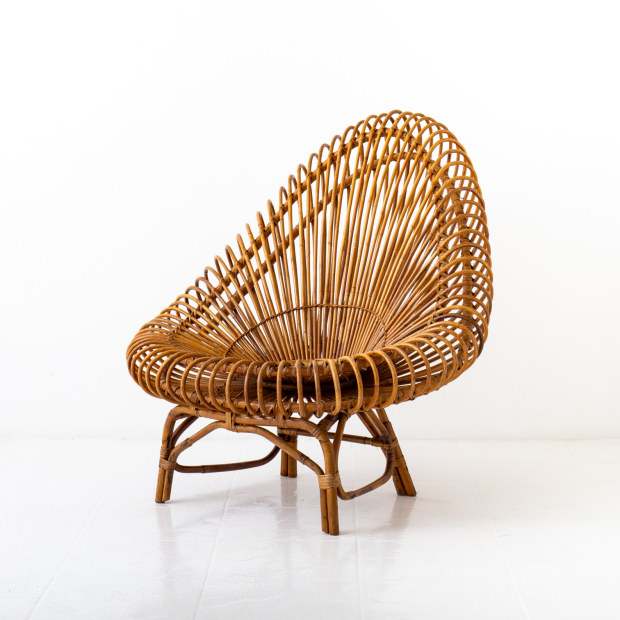
The ’70s furniture trend making an unlikely (but welcome) comeback
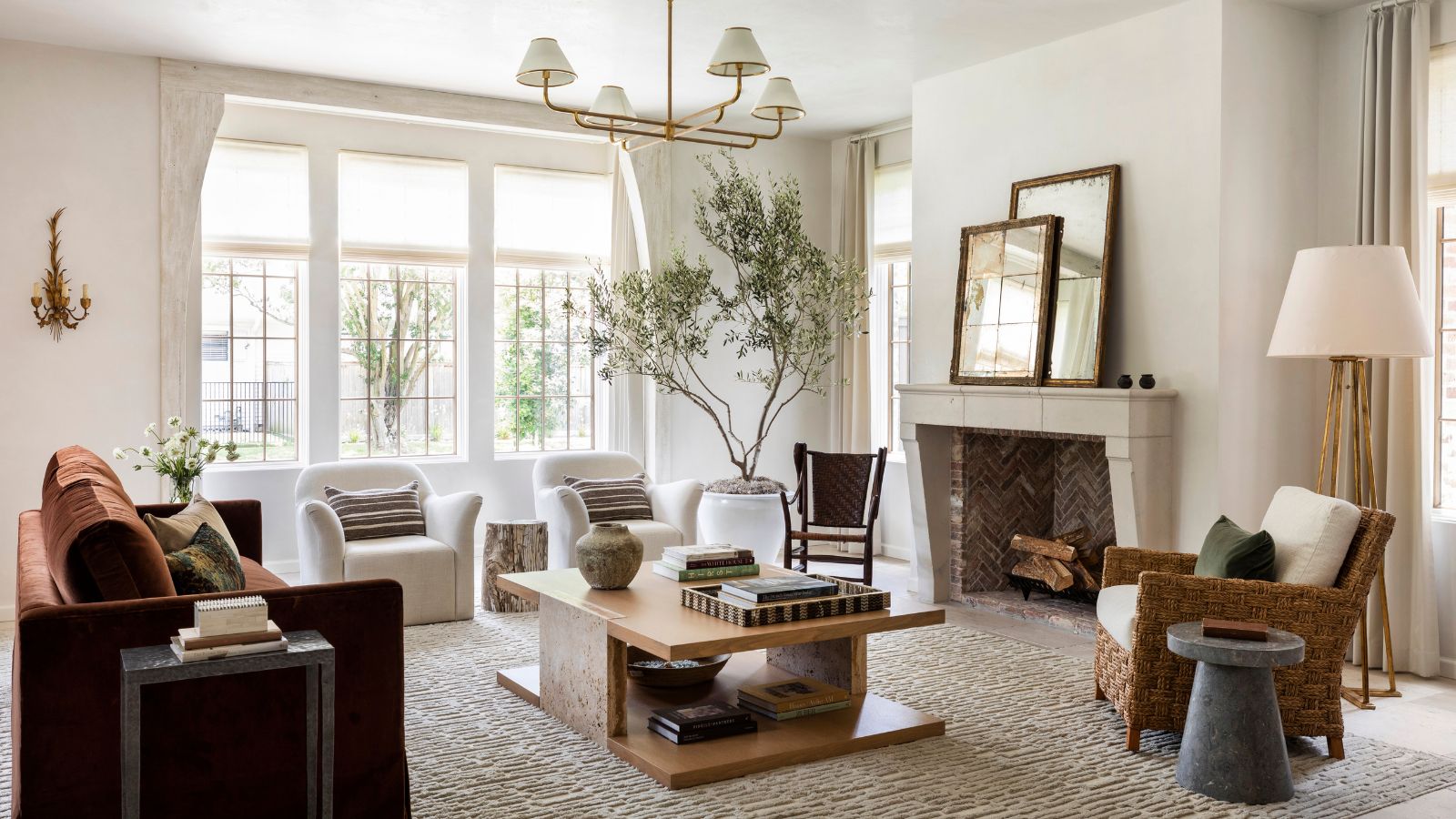
10 furniture trends that designers are loving for 2025
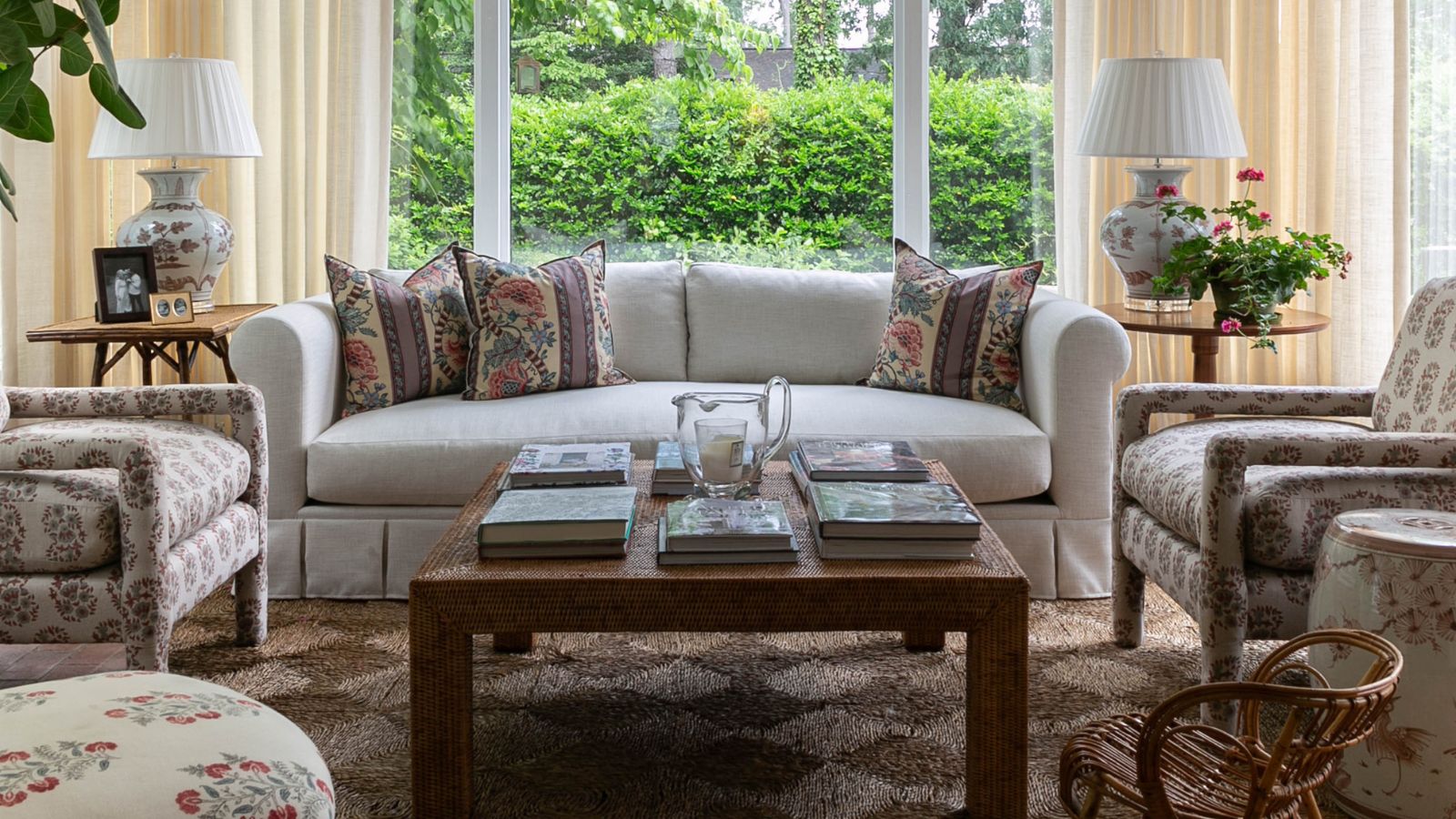
Skirted furniture trend – here are the pieces we're loving
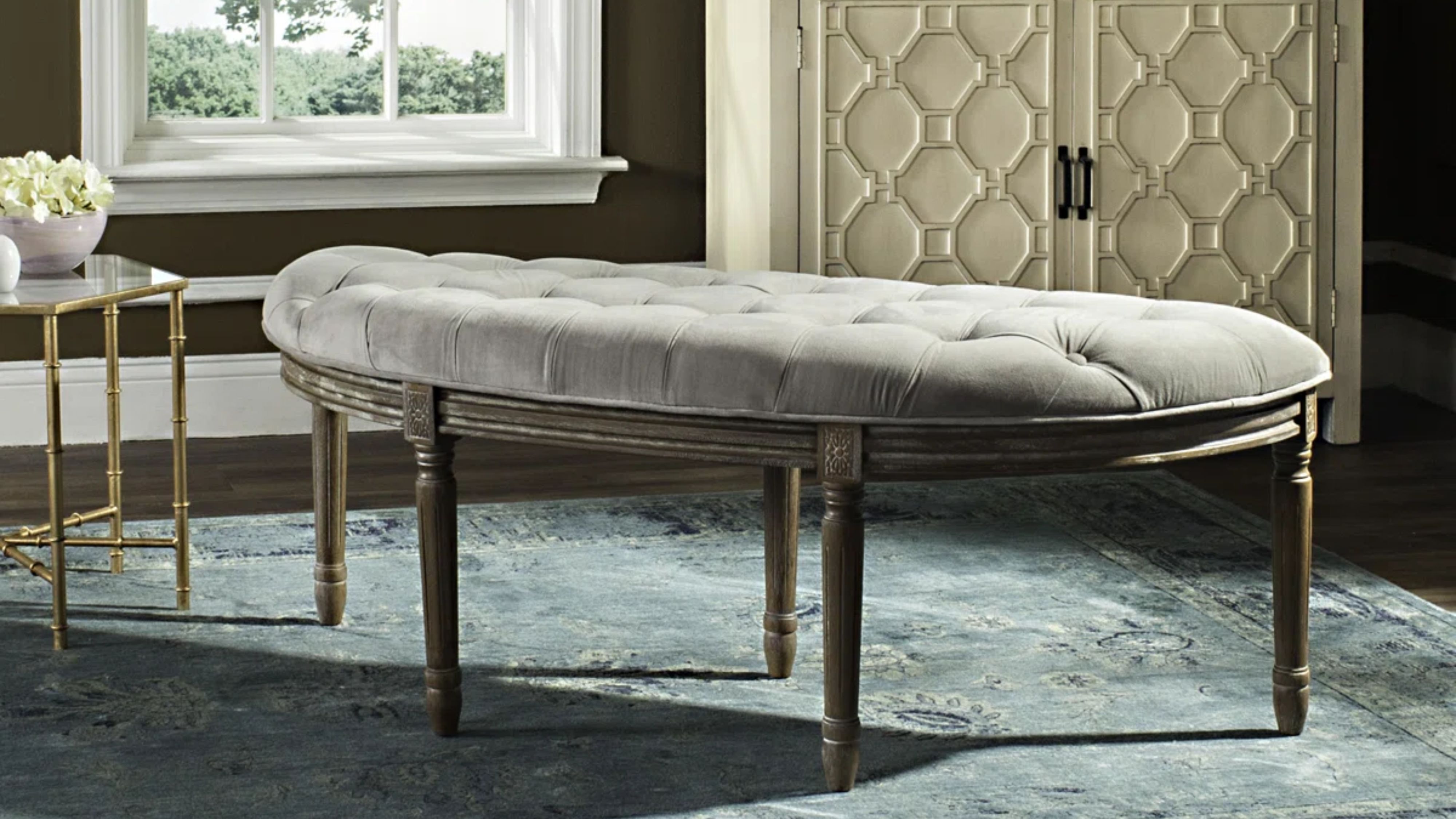
This Vintage-Style Bench Looks Elegant From Every Angle – and Turns Awkward Entryways Into Full-Fledged Foyers
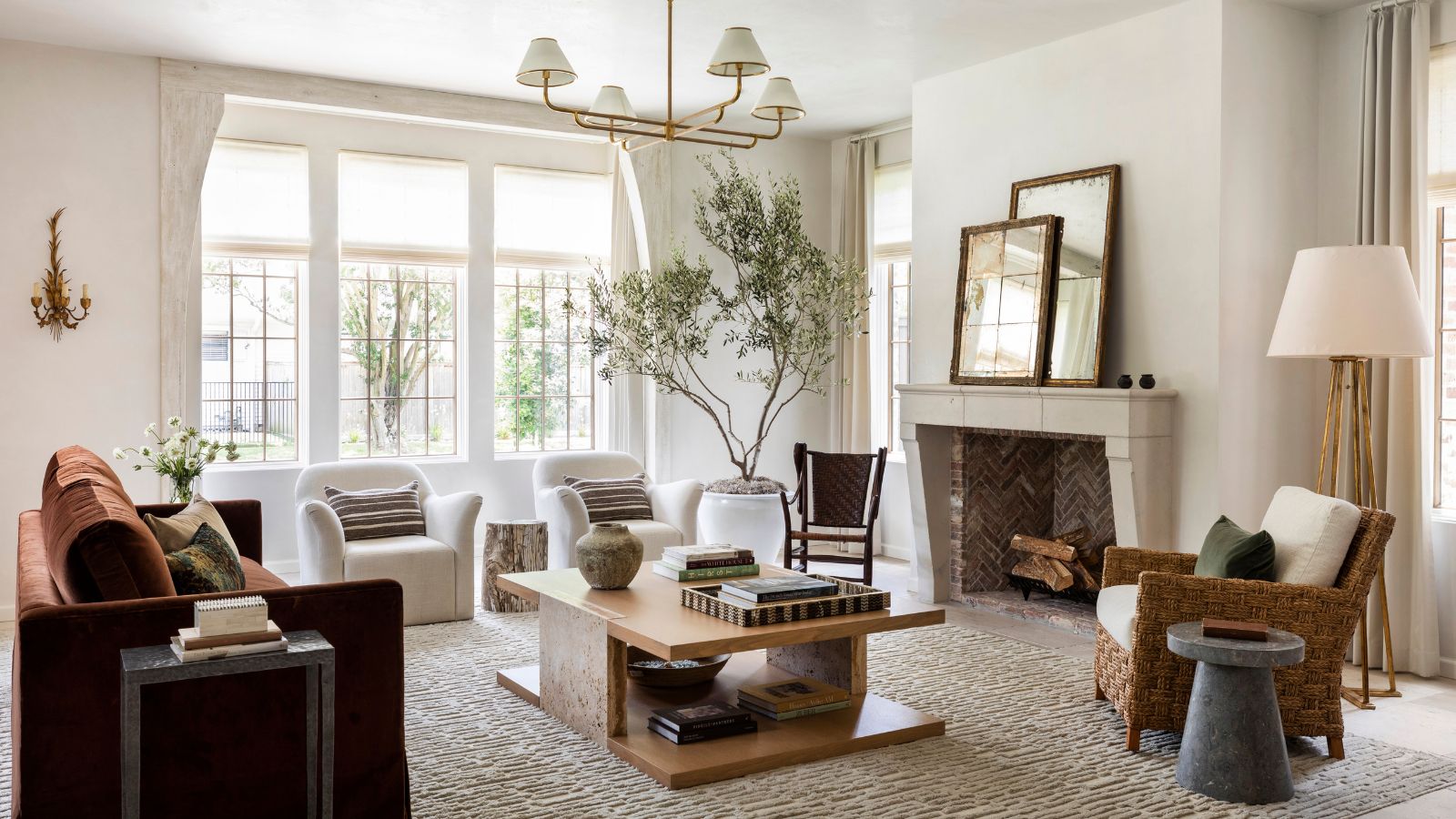
10 furniture trends that designers are loving for 2025 and beyond
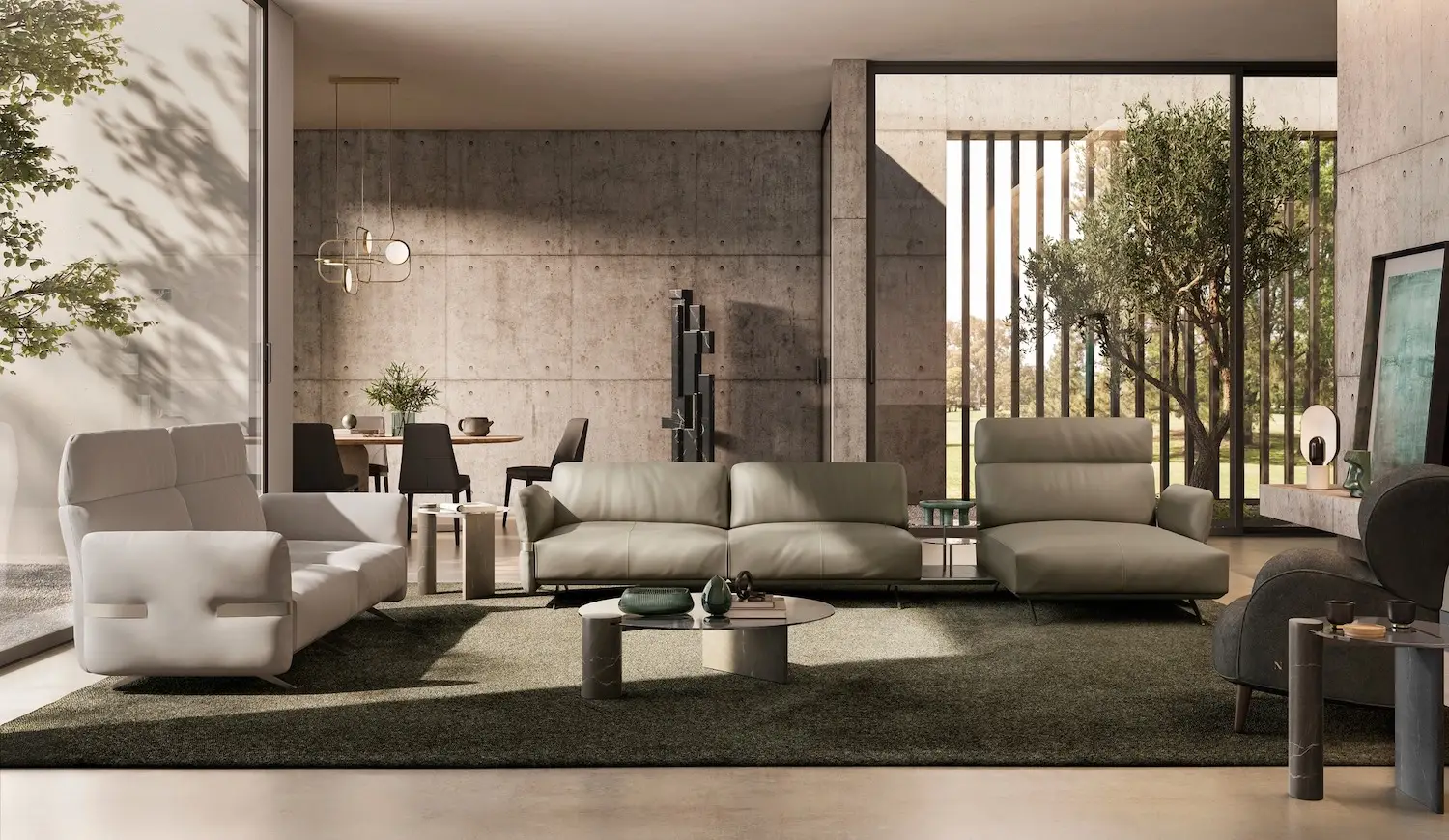
14 Best San Diego Furniture Stores for Modern & Vintage Decor

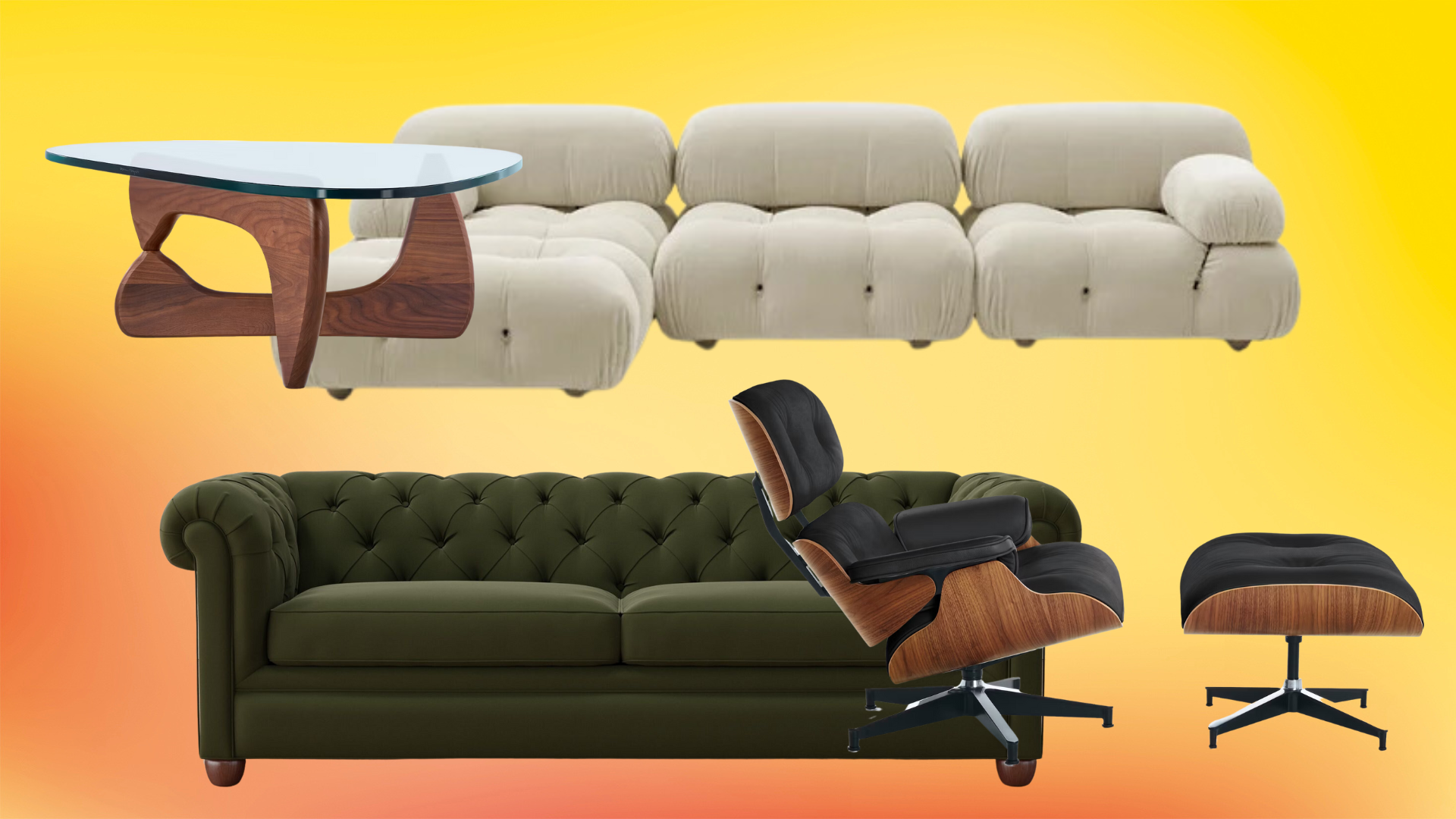
12 pieces of timeless furniture that will never go out of style |

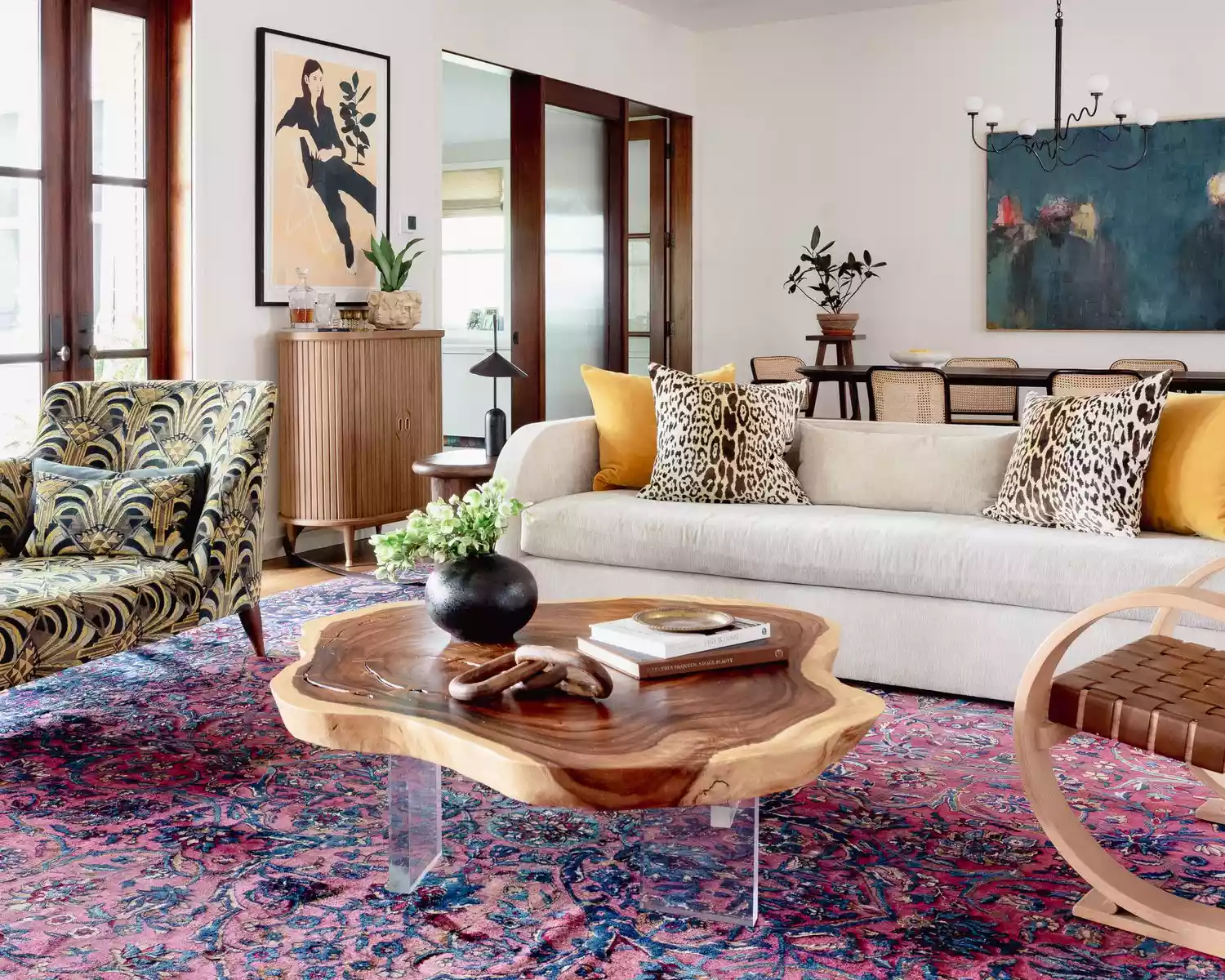
6 Furniture Trends That Will Be in Every Home in 2025, According to Designers