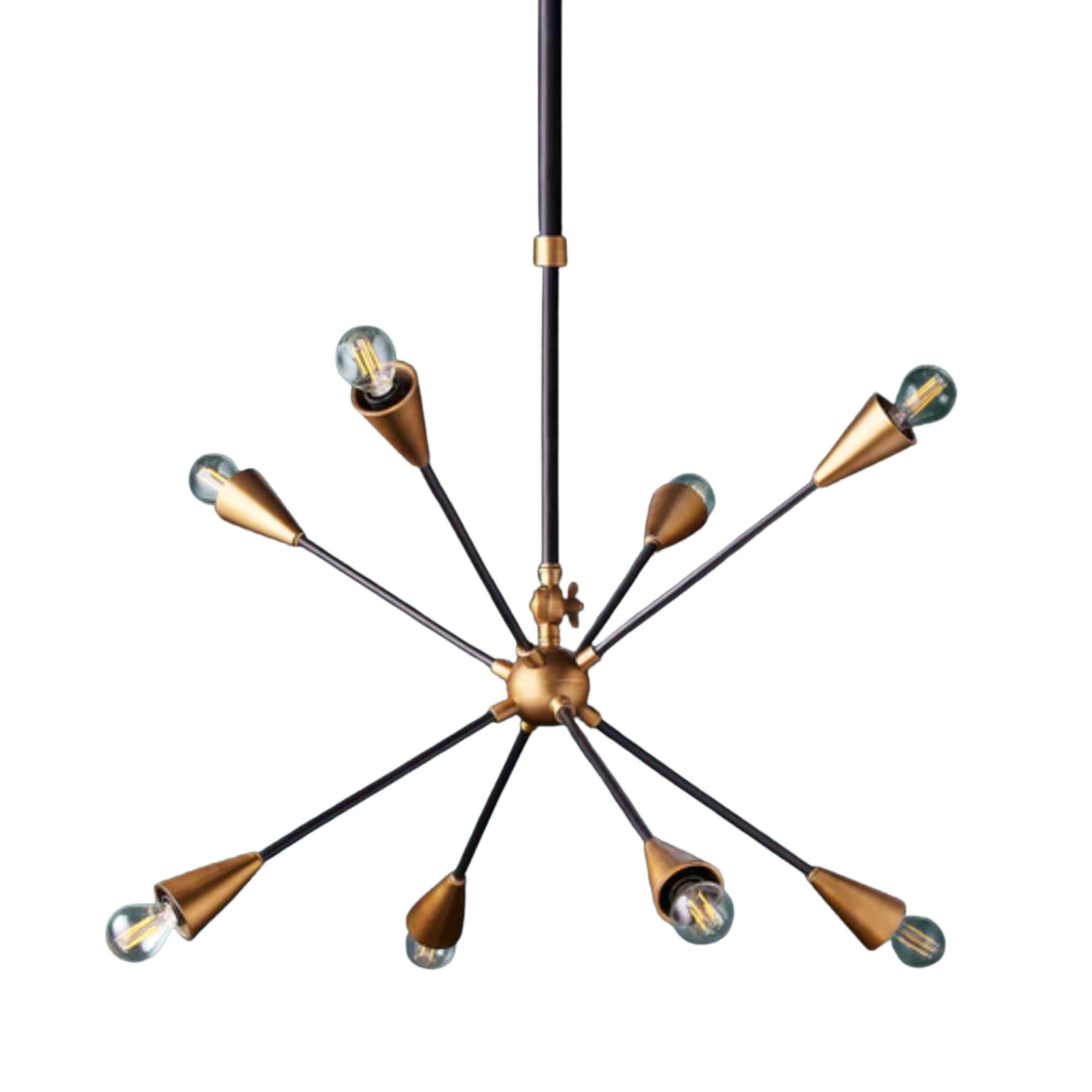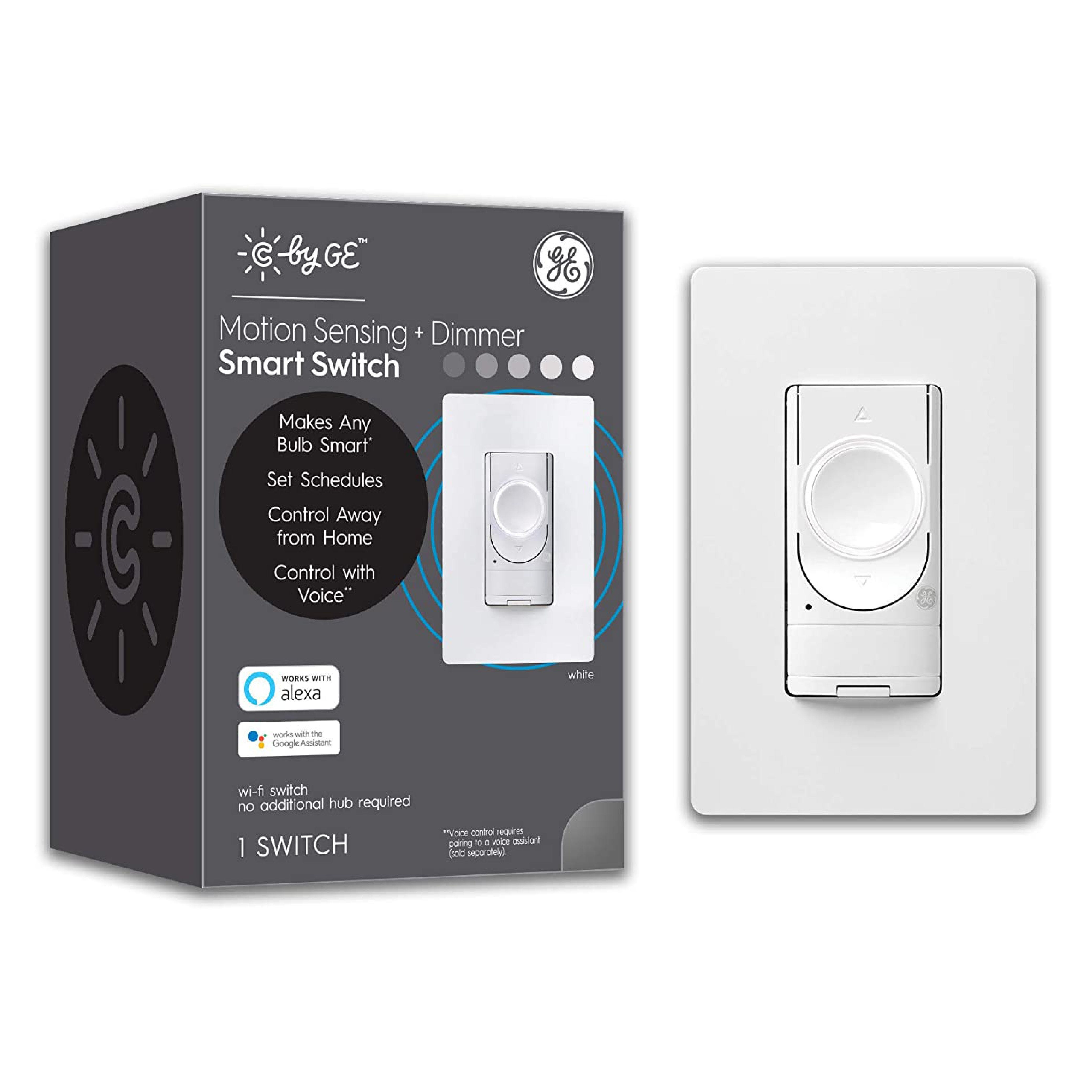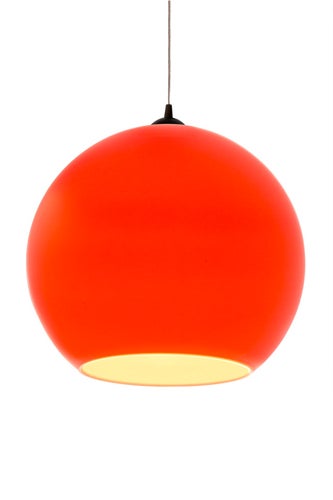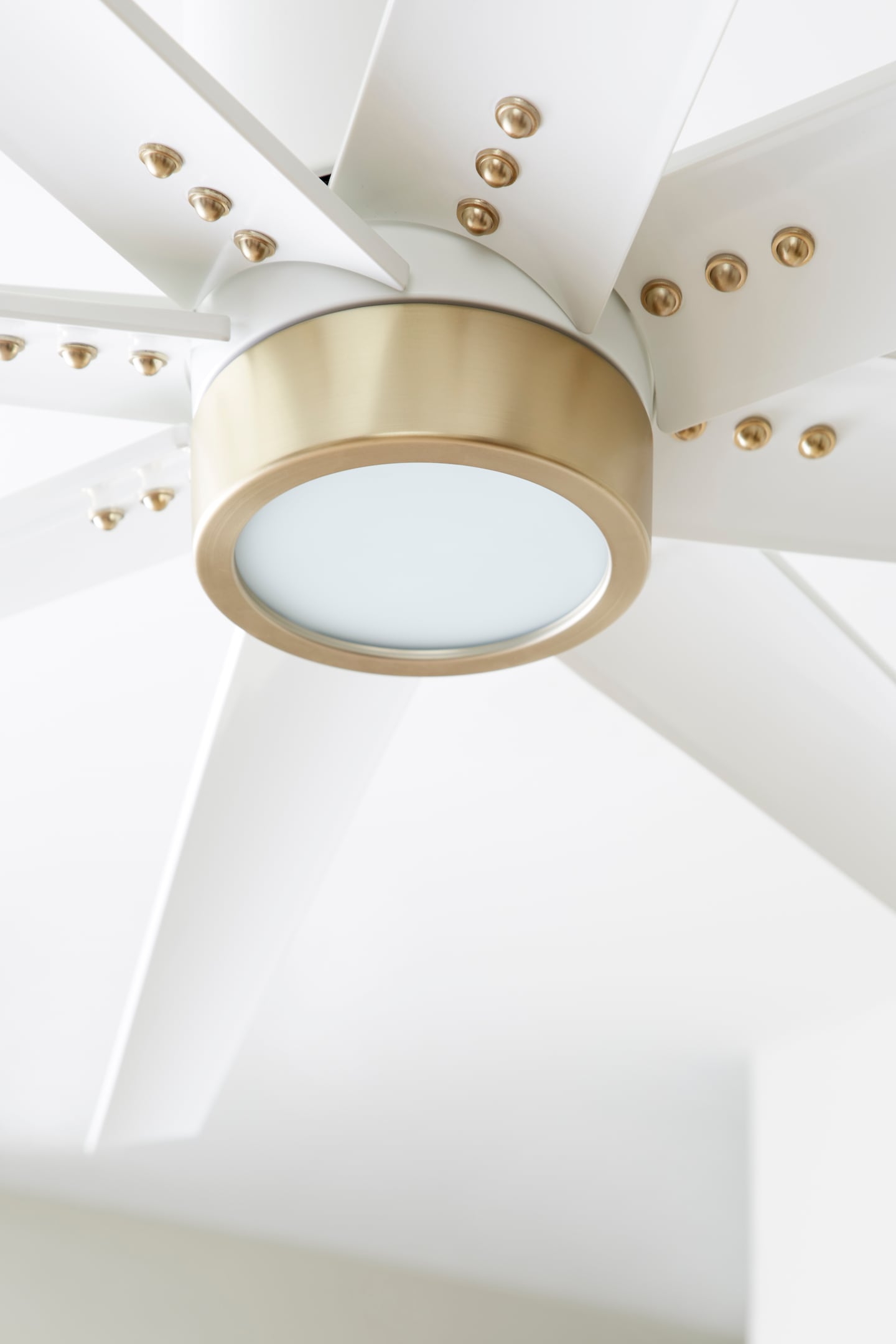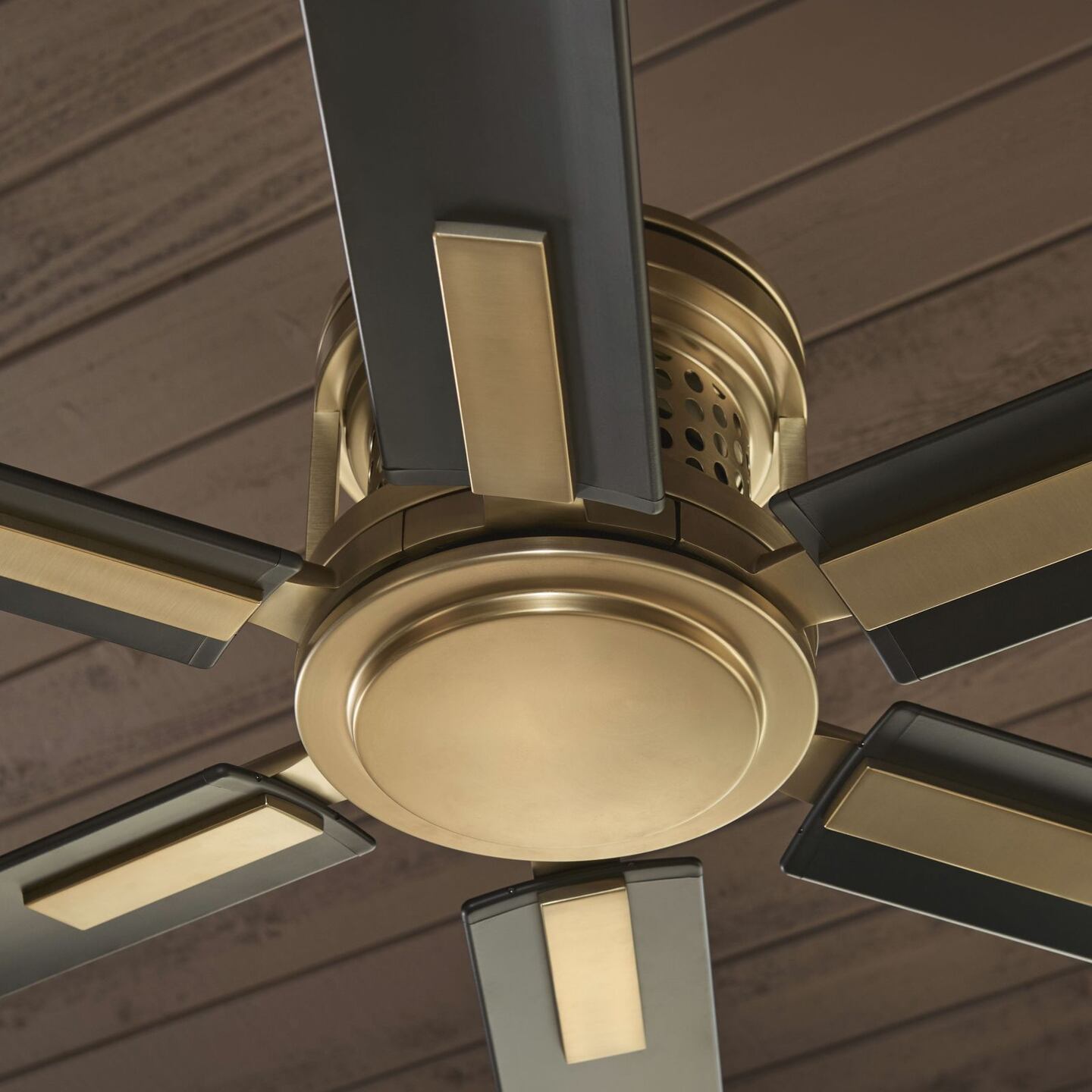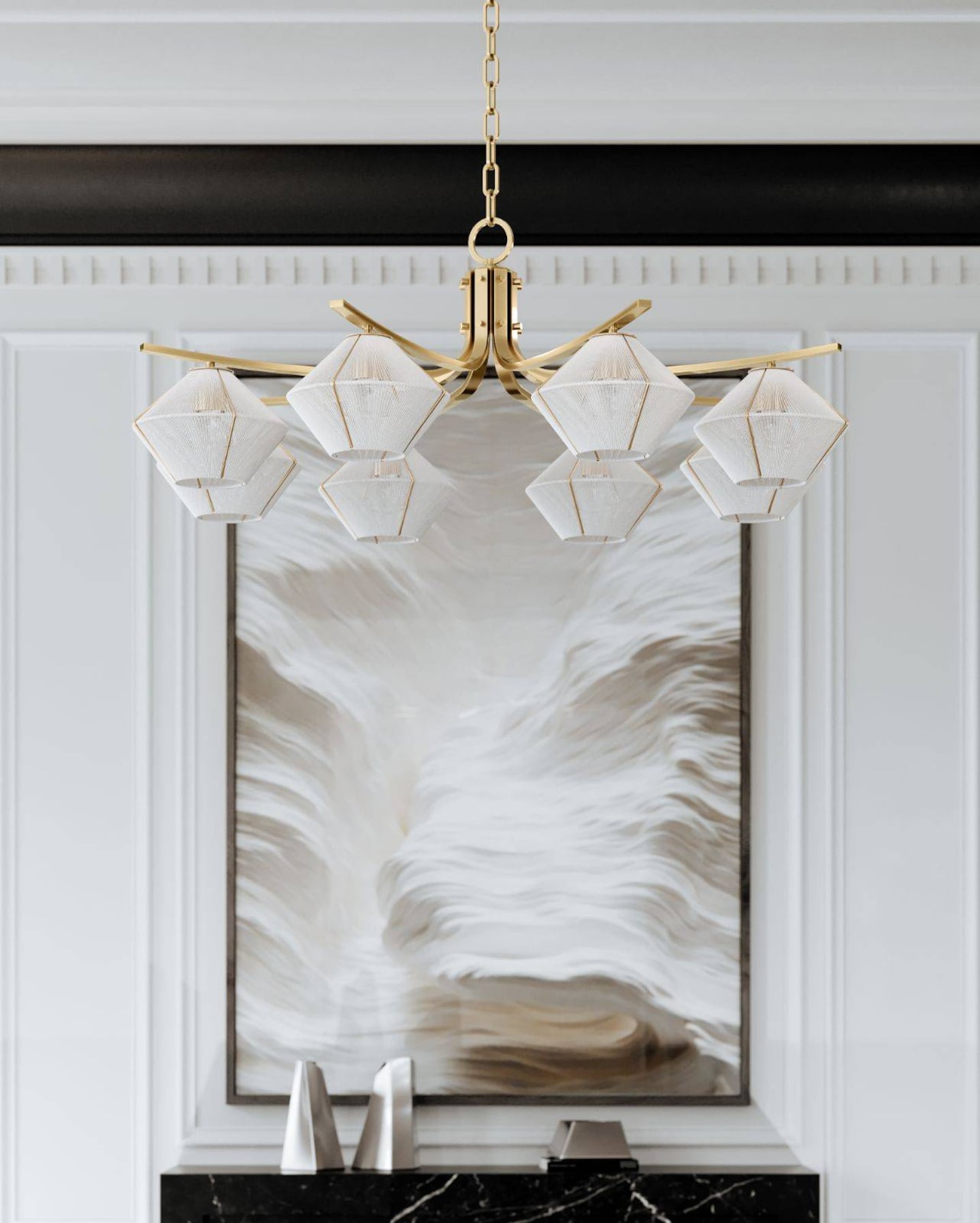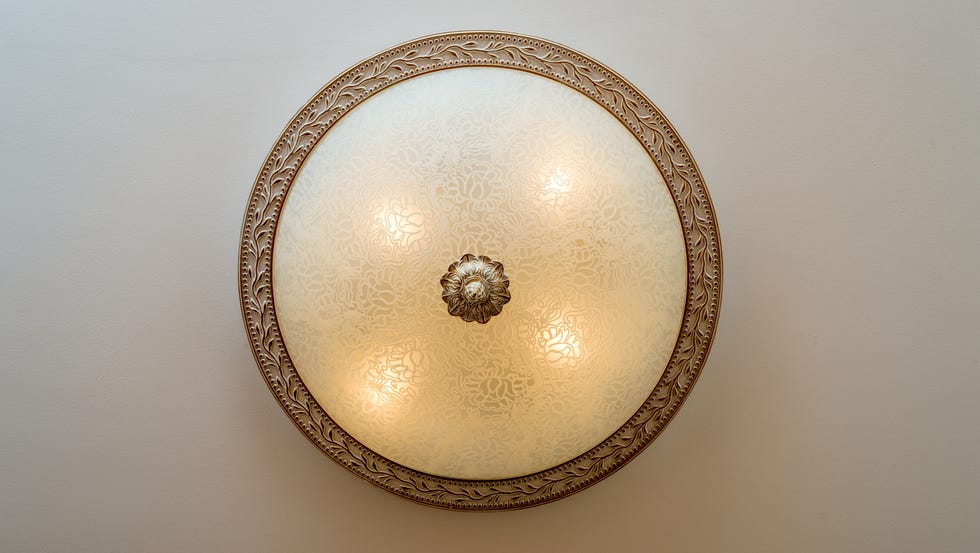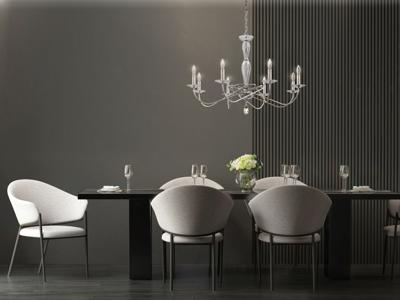
Pulling the plug on dated light fixtures is a great home update. Here's how to choose new ones
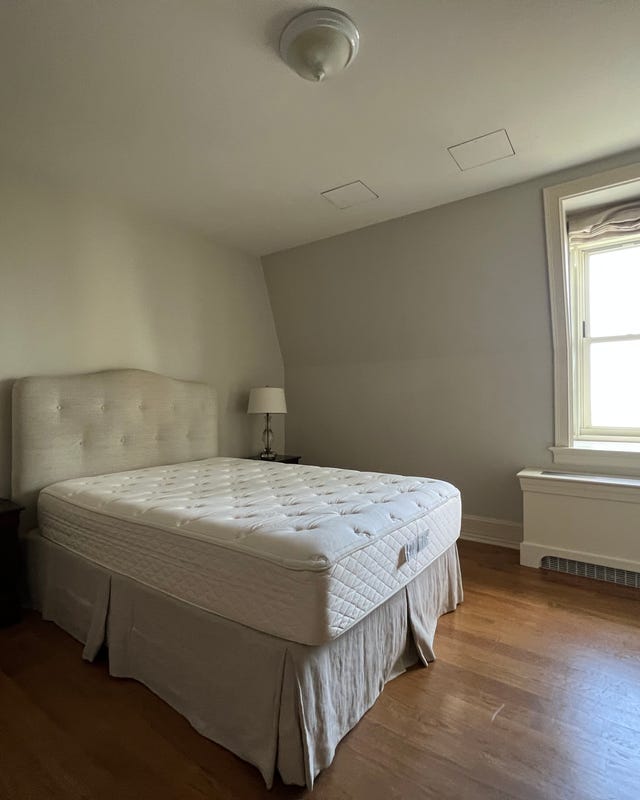
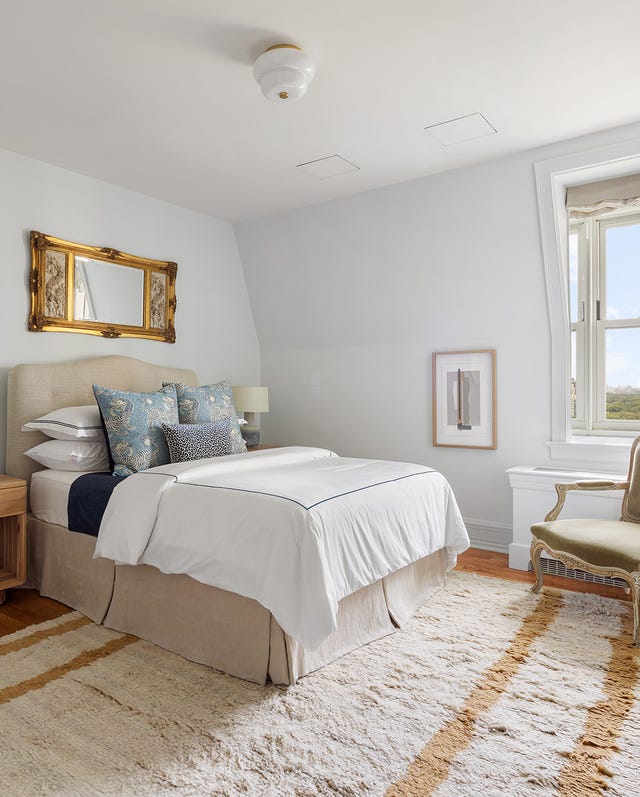
Dated light fixtures can significantly impact a home's aesthetic, making spaces feel old and heavy, particularly those installed around the early 2000s, which often feature dark, oil-rubbed bronze designs. While these fixtures were once popular, they tend to clash with modern, lighter home decor styles and architectural designs, such as colonial homes. The challenge of updating these fixtures lies in what can be termed the 'stocking problem': replacing one fixture often necessitates changing others that are visible together to maintain a cohesive look throughout the home.
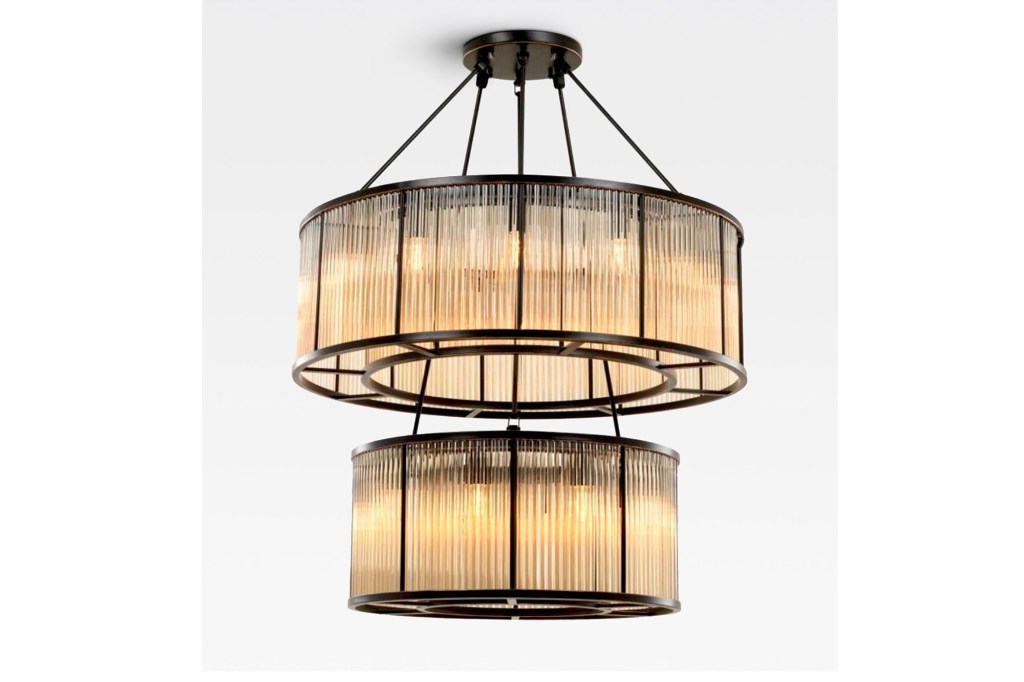
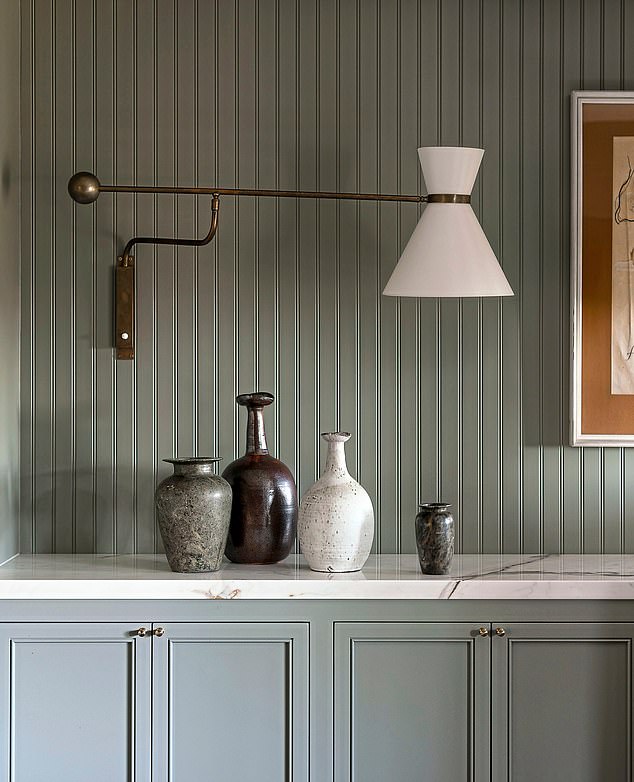
Undertaking a comprehensive light fixture update can feel overwhelming, leading to design paralysis. Seeking professional guidance from an interior designer can help navigate this process effectively. An interior designer can assess the current decor and architecture, recommending transitional fixtures that bridge traditional and modern styles, featuring cleaner lines and a lighter feel. Such changes can dramatically refresh a home's appearance, making it feel years younger.
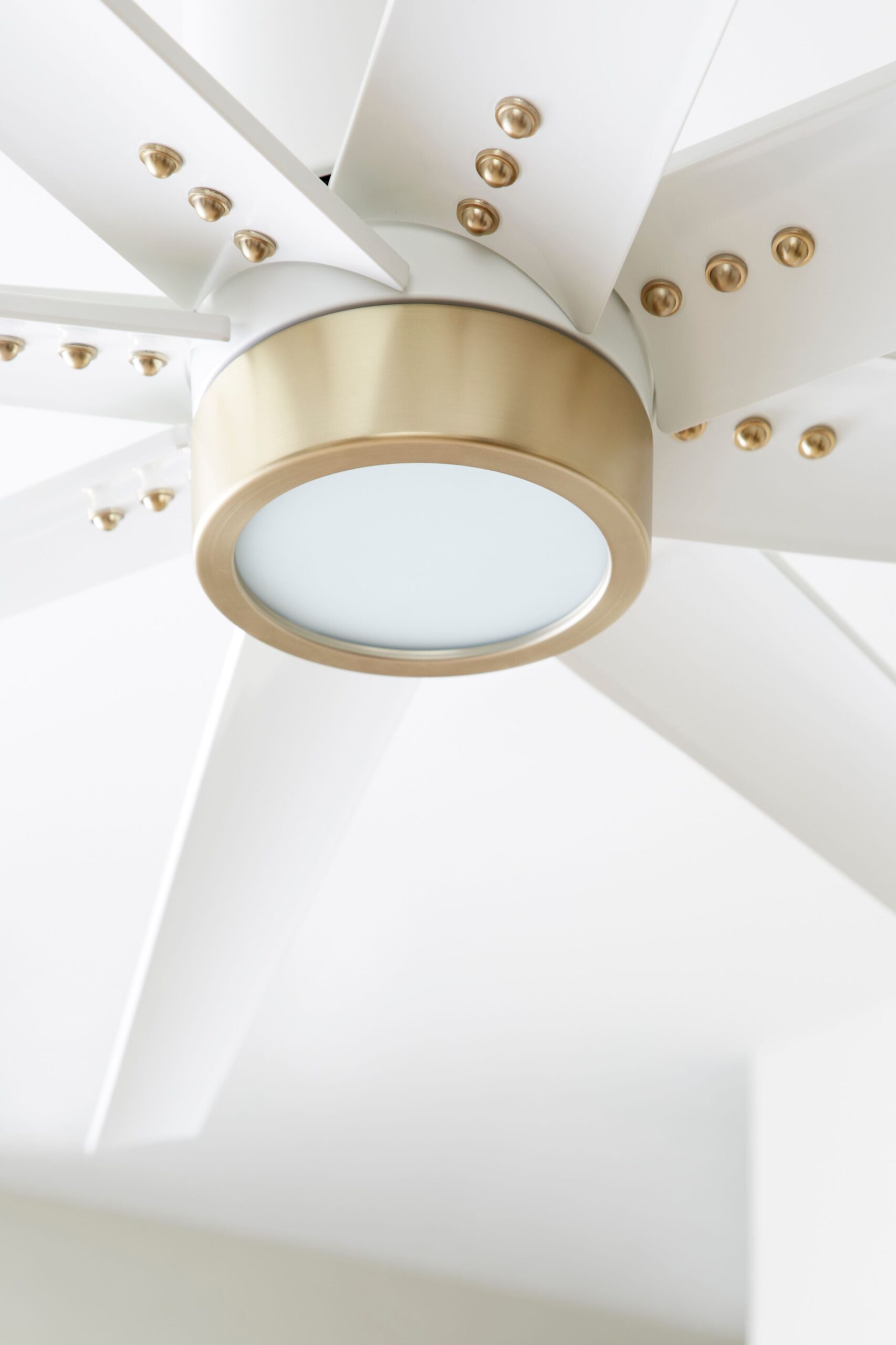
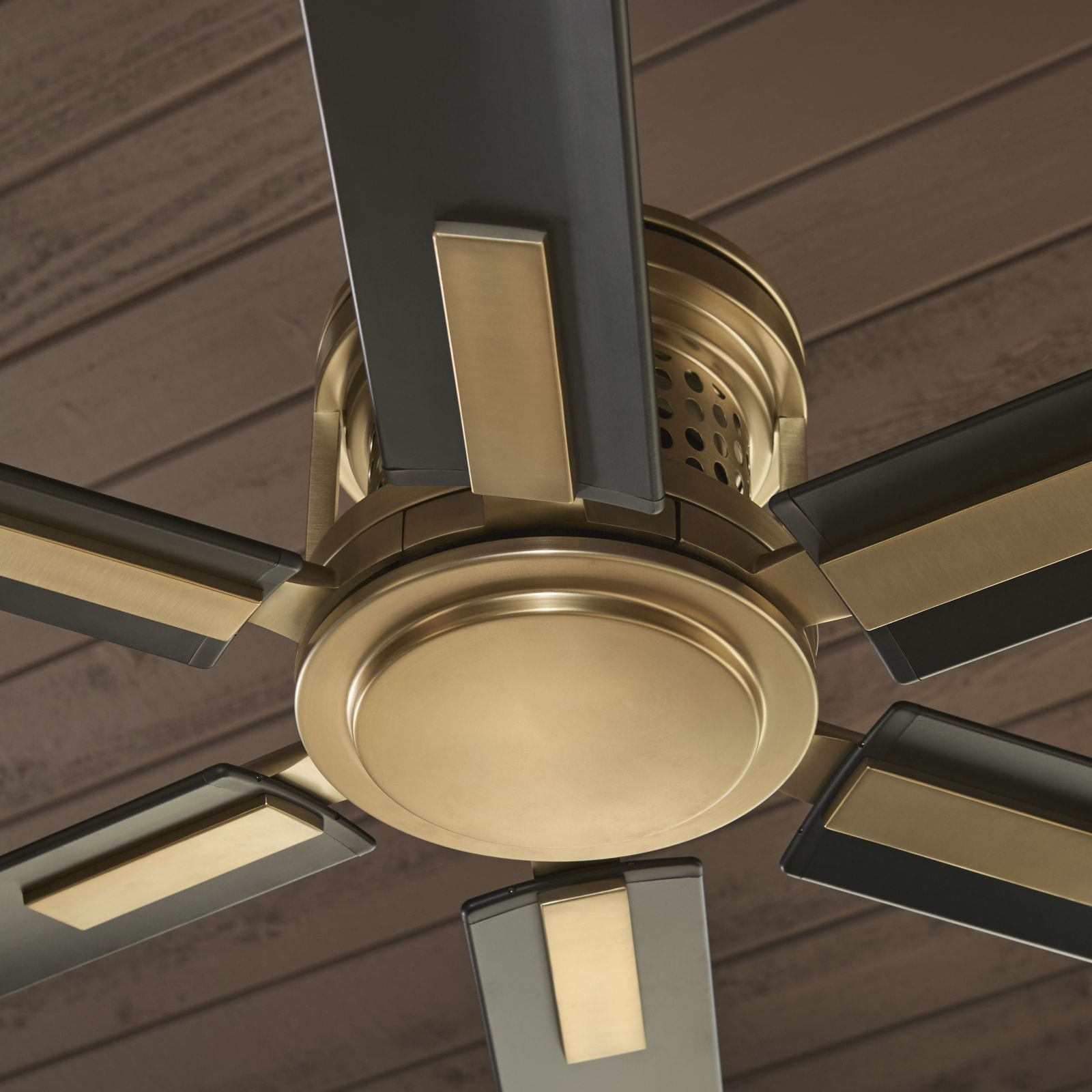
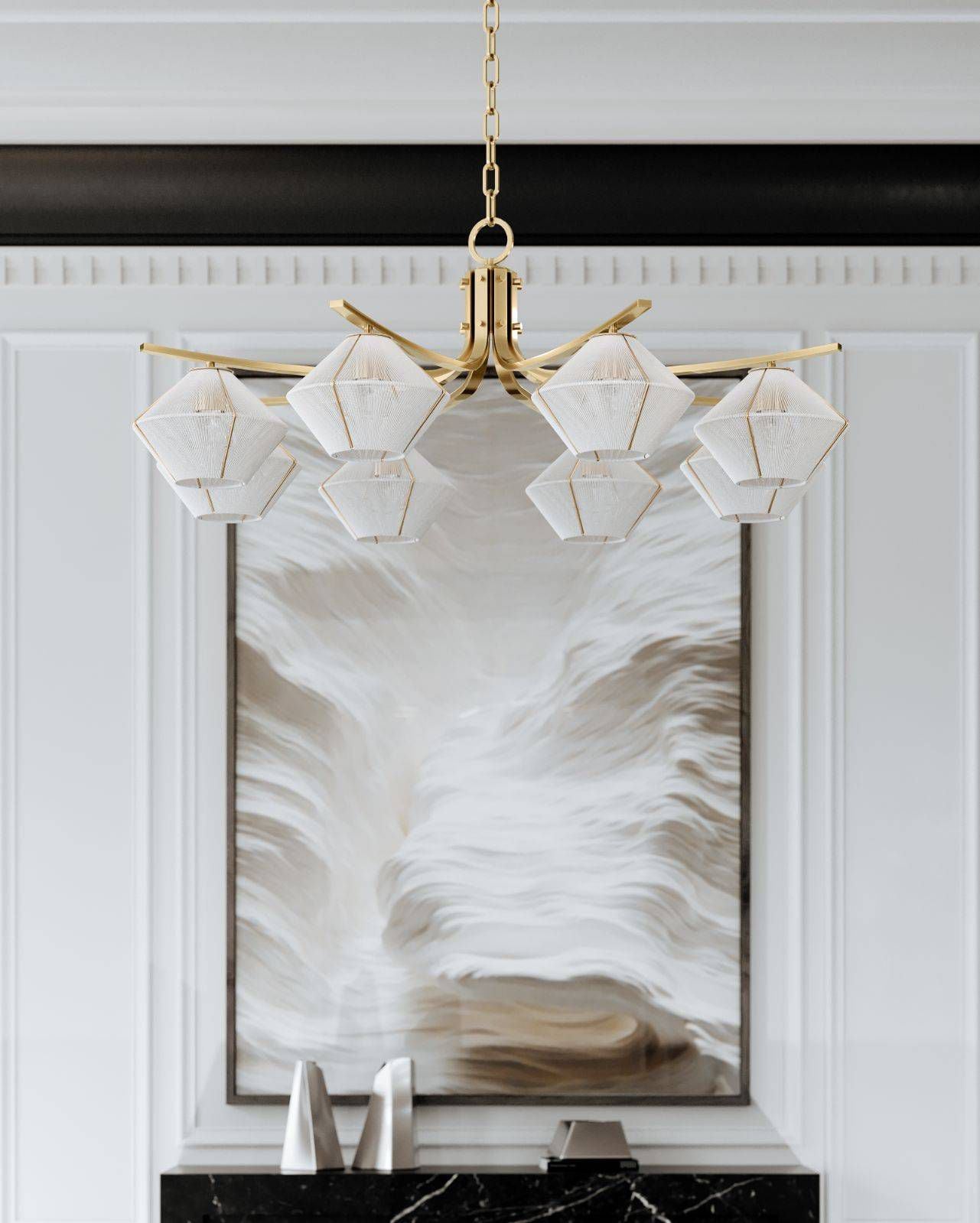
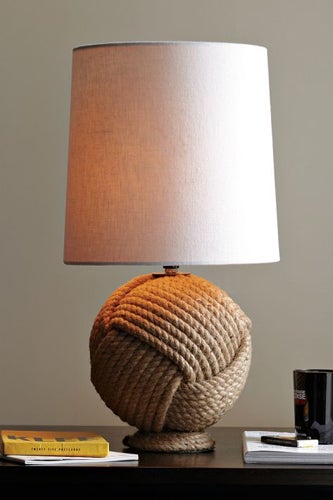
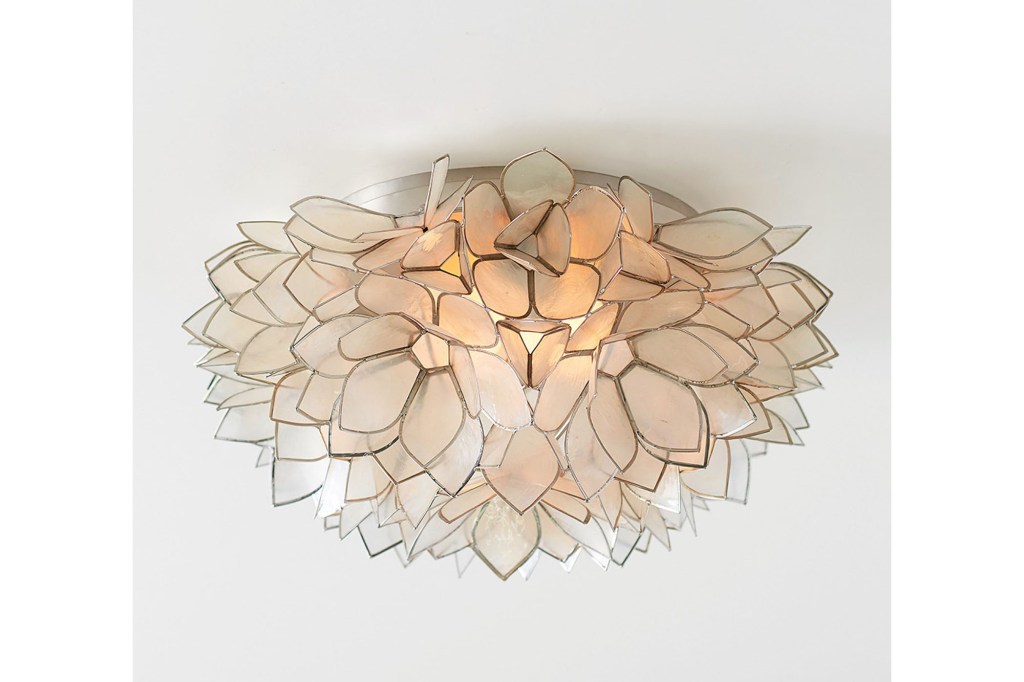
Several key principles guide the selection of new lighting. Firstly, it is advisable to avoid purchasing matching sets of fixtures, as these can make a home look generic rather than custom. Instead, choose fixtures that complement each other in style and feel, especially in areas where multiple fixtures are visible simultaneously. Secondly, homeowners should not be fixated on matching metal finishes throughout the house. Mixing metals, such as champagne gold in the dining room and polished nickel in the master bath, can add visual interest, provided the tones harmonize.
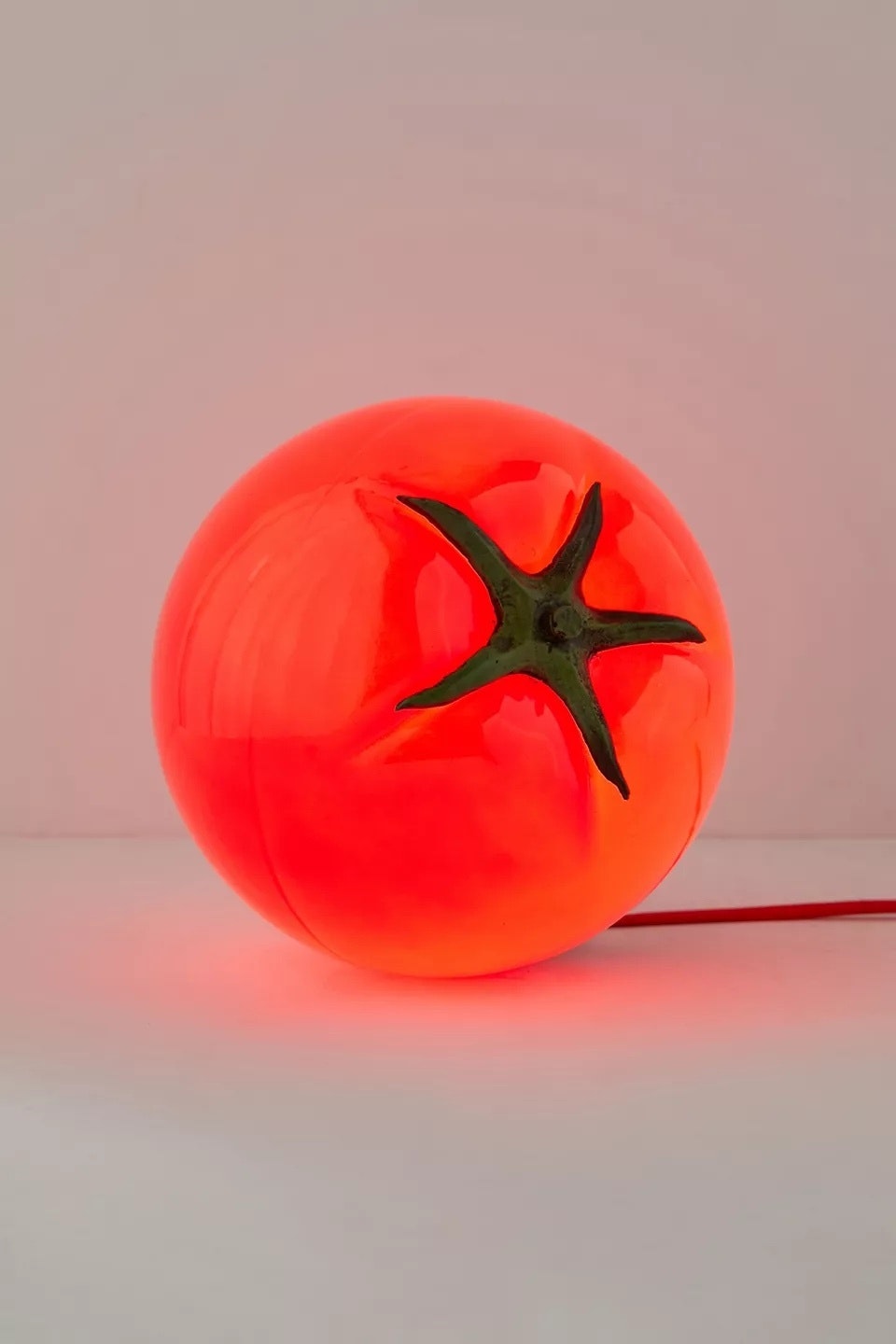
The update process can begin in high-impact areas like the dining room or foyer, where the fixture typically makes the strongest statement. Once a suitable fixture is chosen for these central areas, selections for other public spaces like the kitchen can follow, eventually extending to bedrooms and bathrooms. However, caution should be exercised to avoid novelty fixtures that, while initially appealing, might quickly become outdated and potentially diminish a home's resale value. It is important to select designs that have enduring appeal.
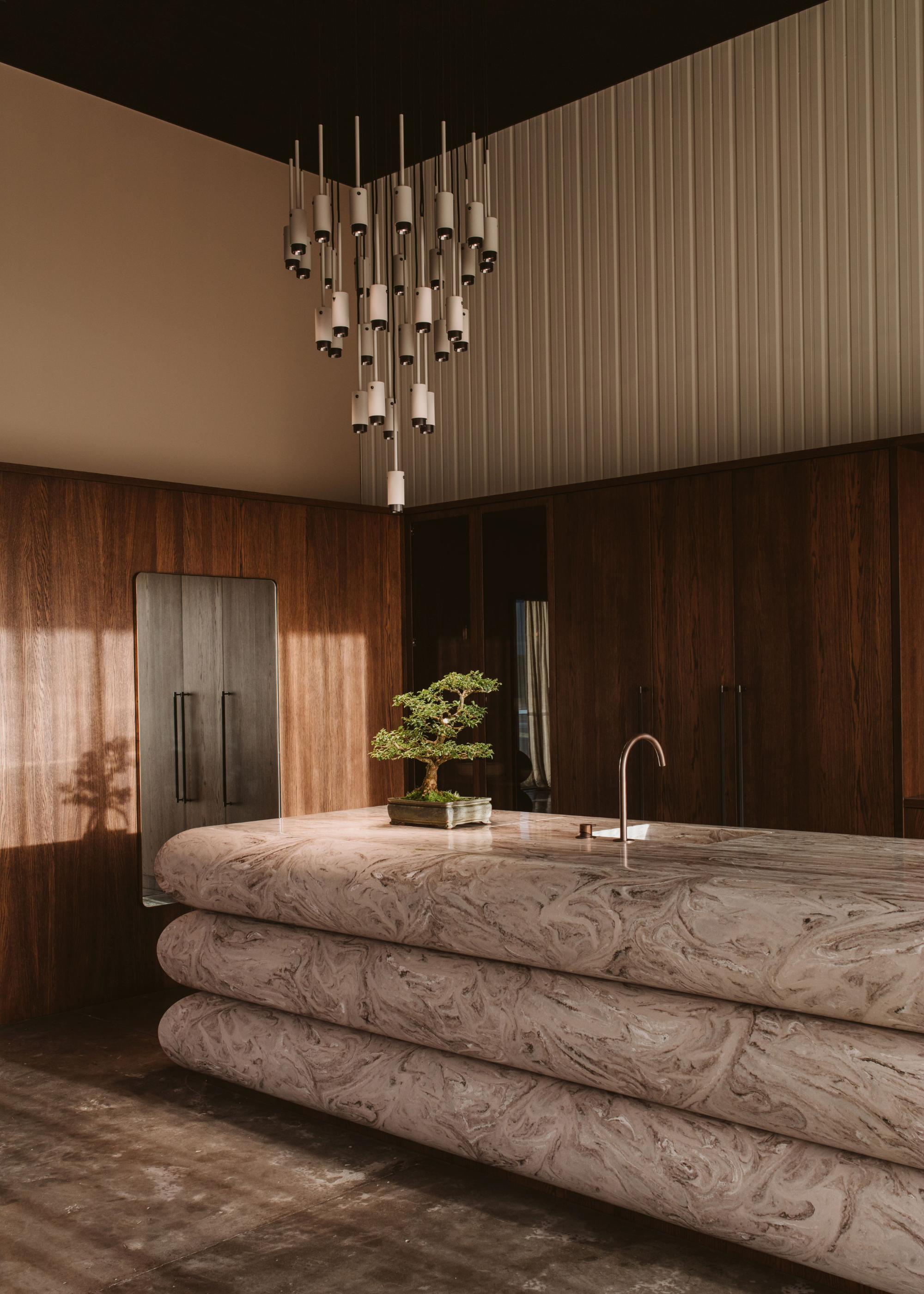
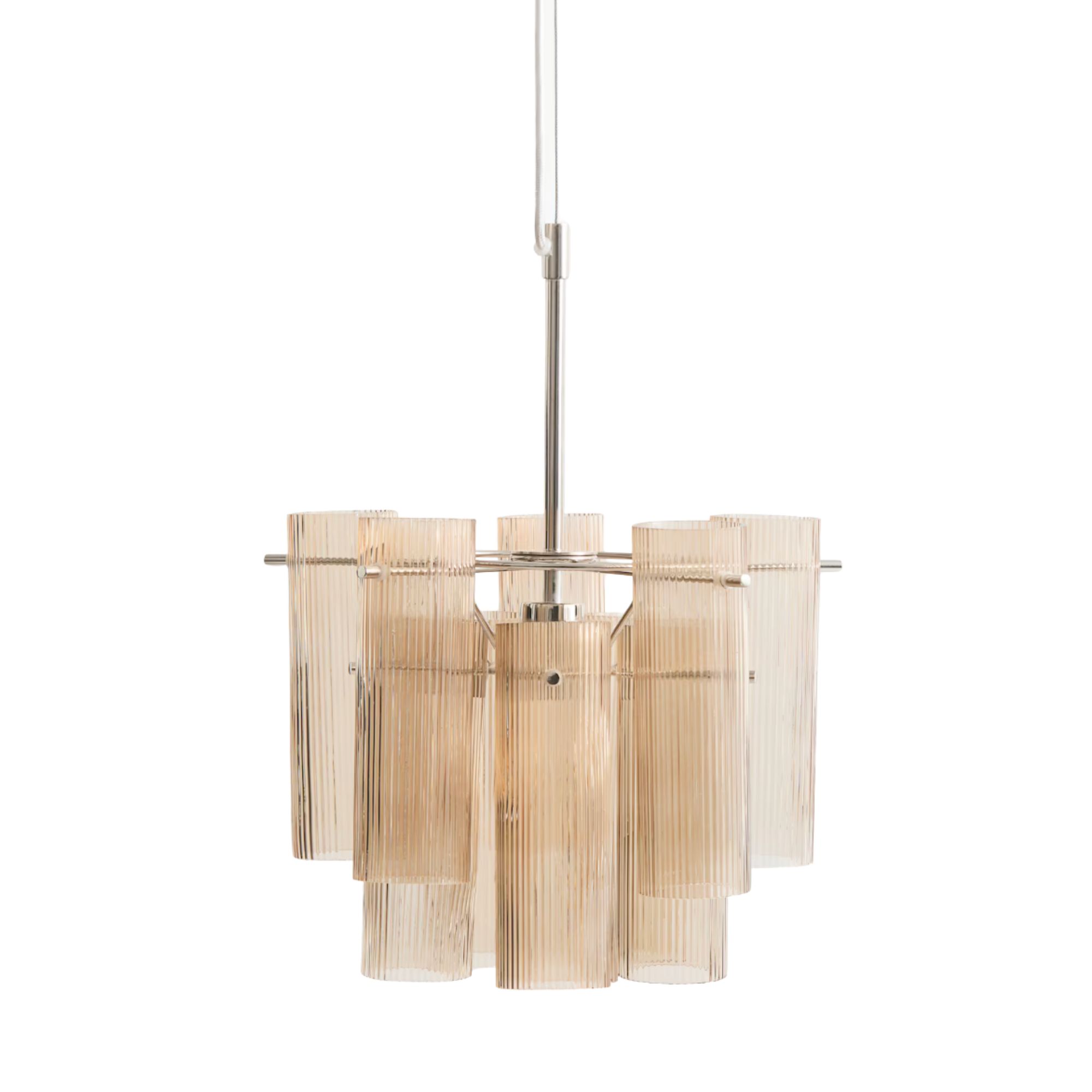
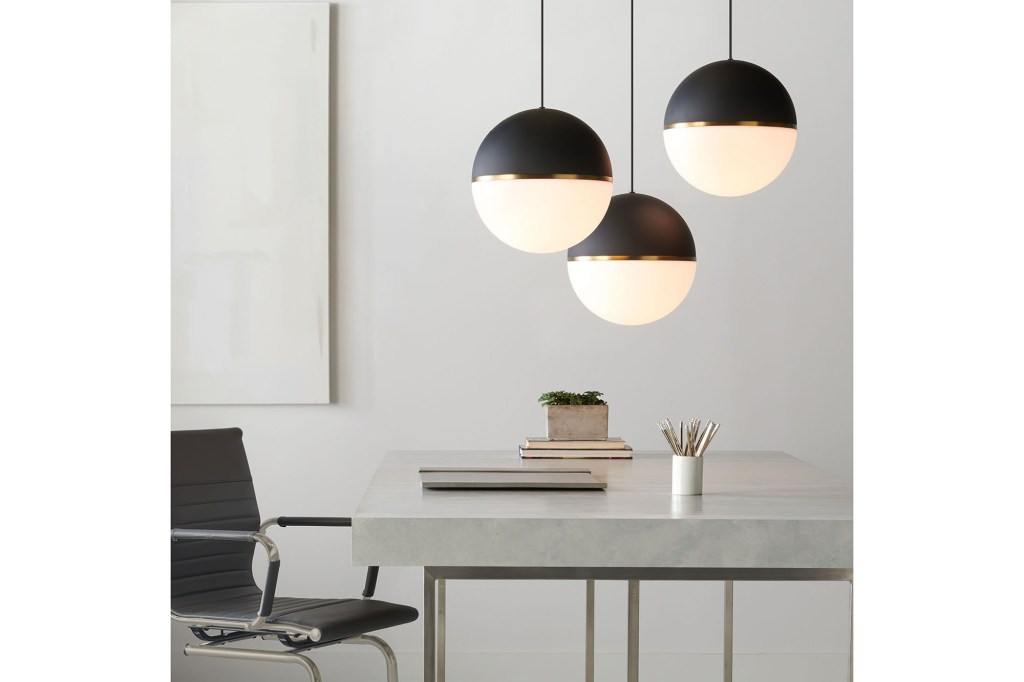
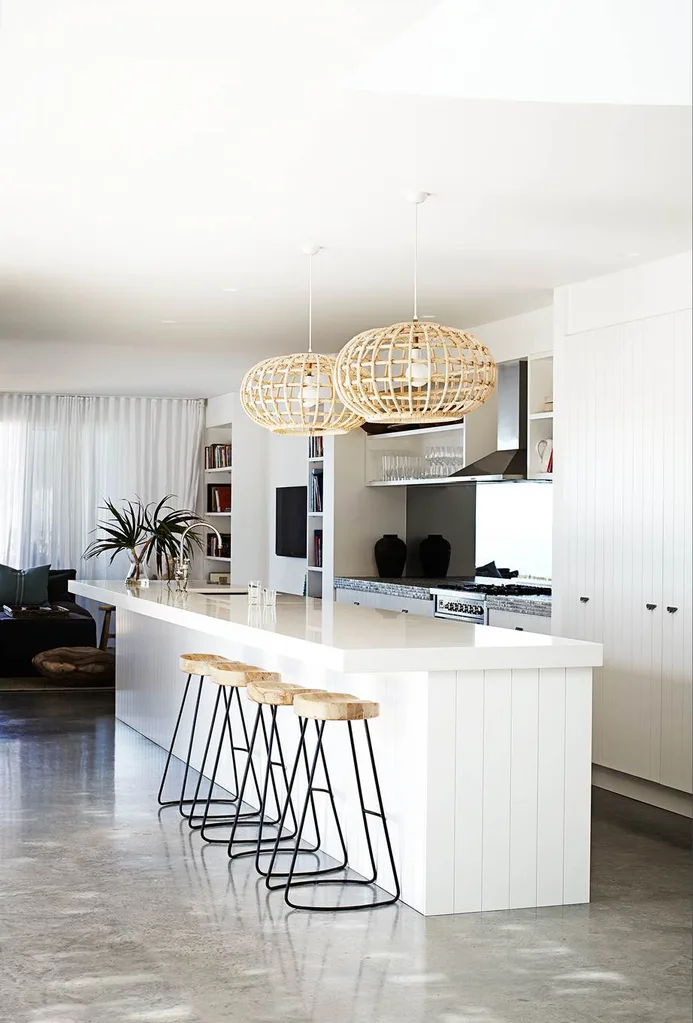
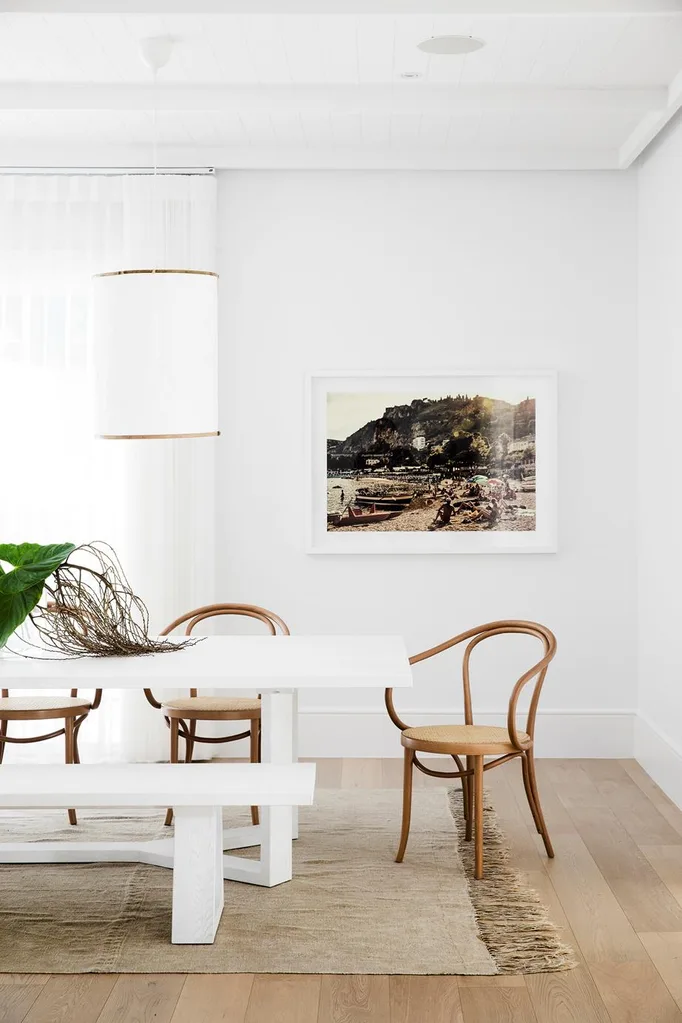
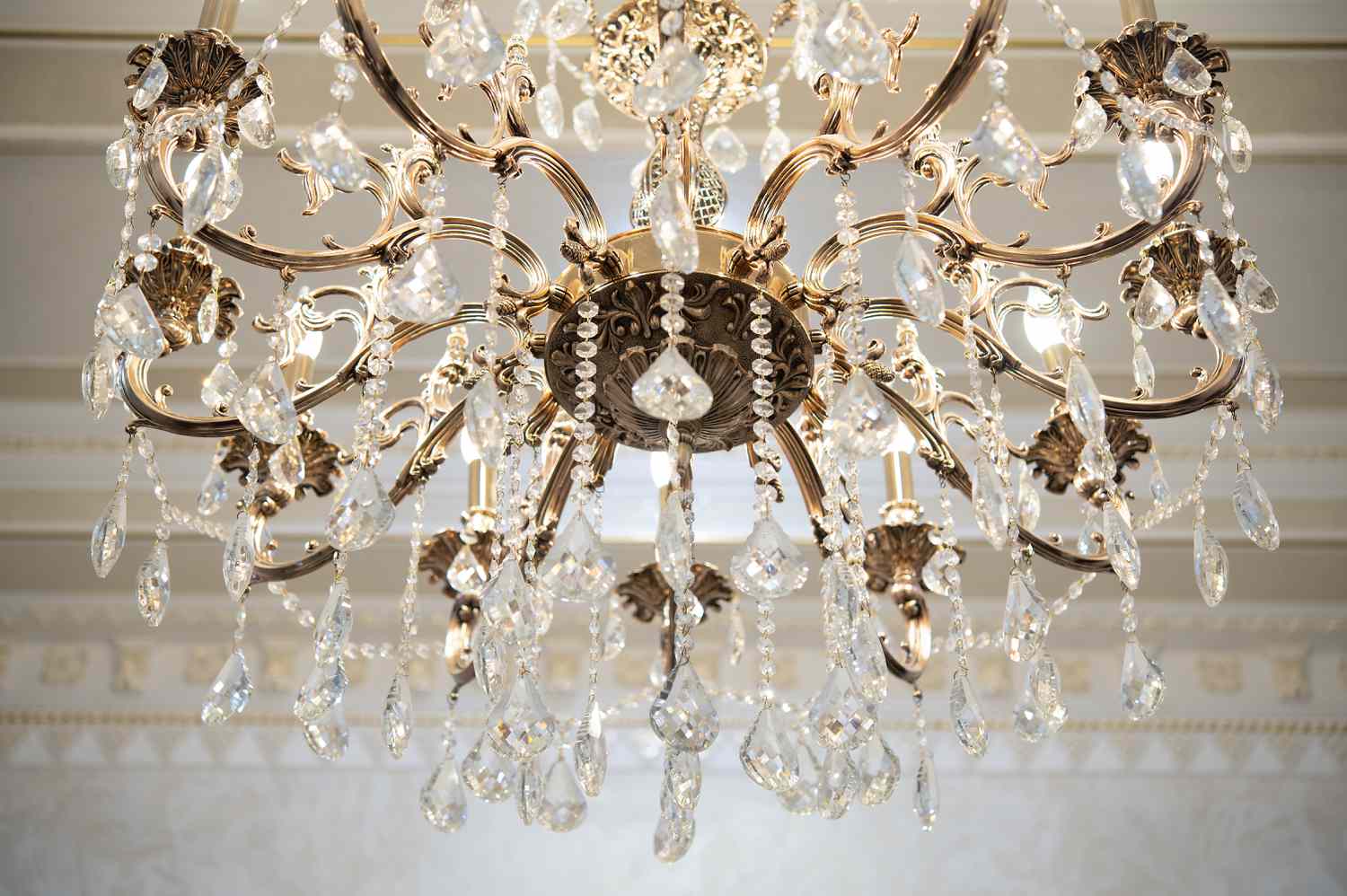
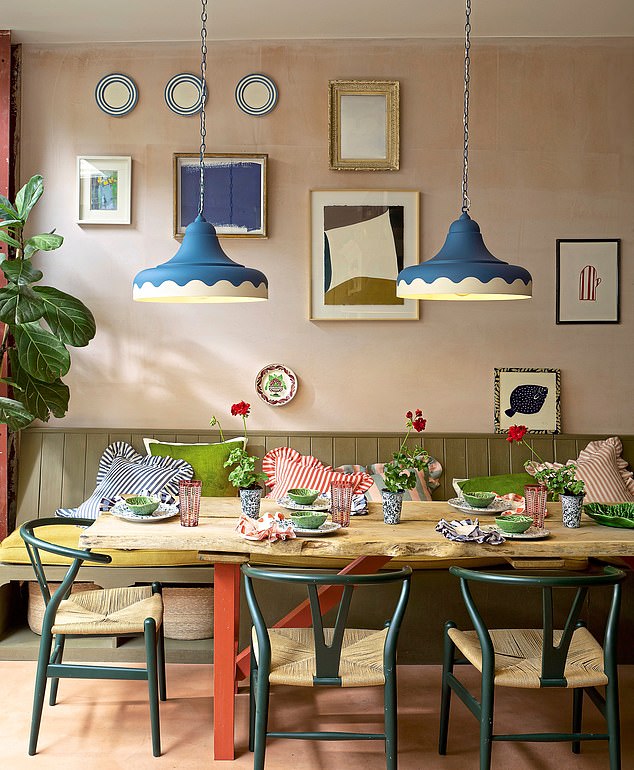
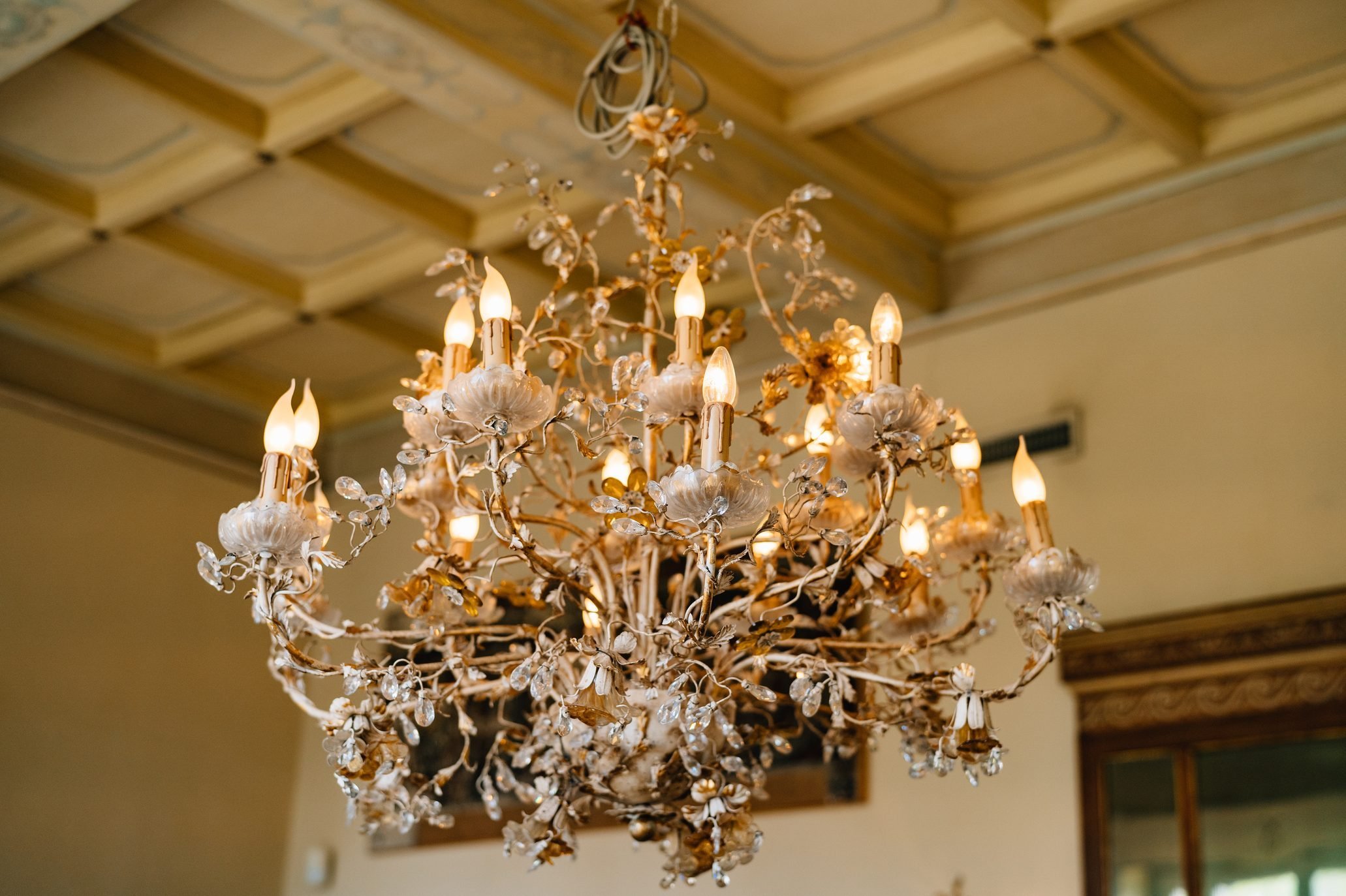
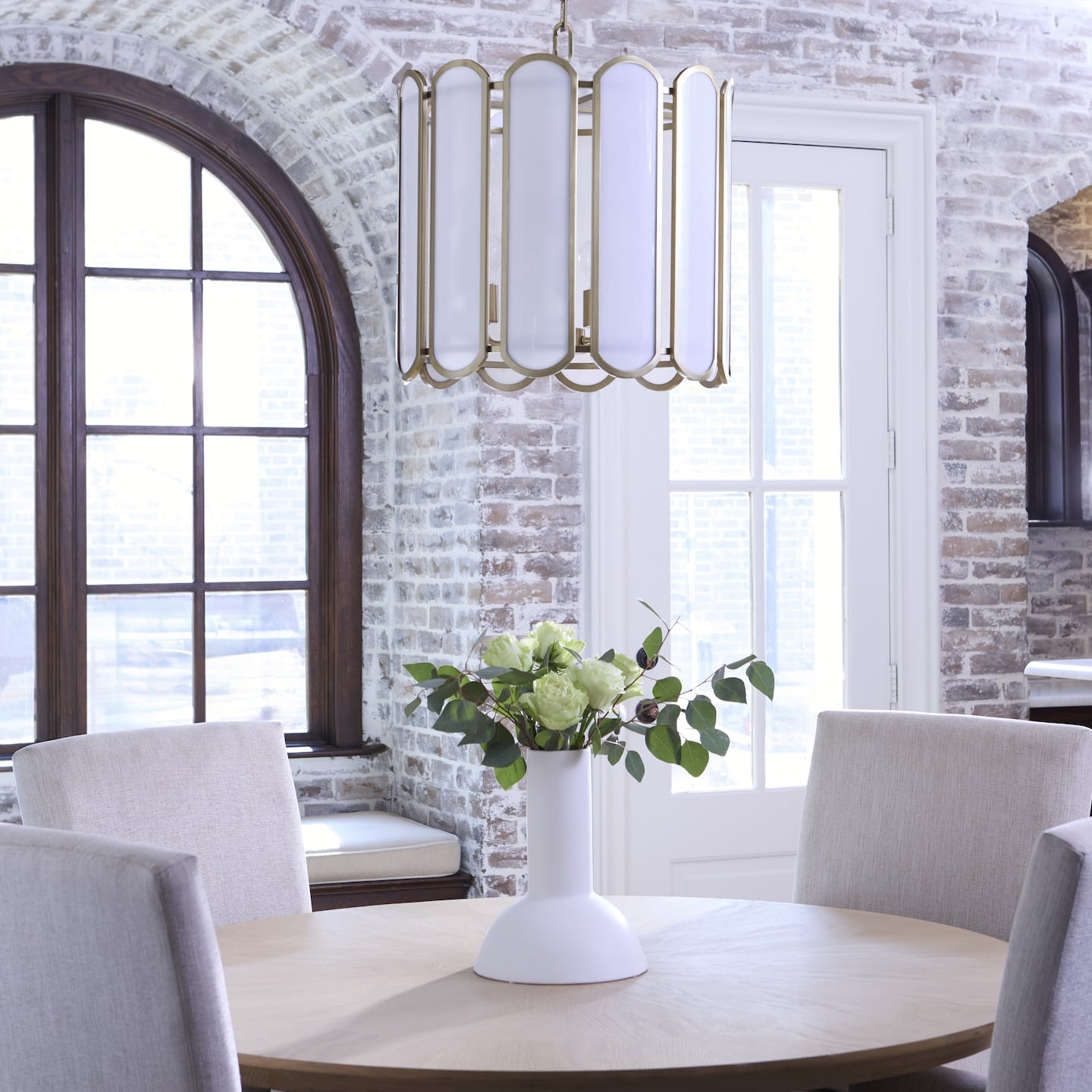
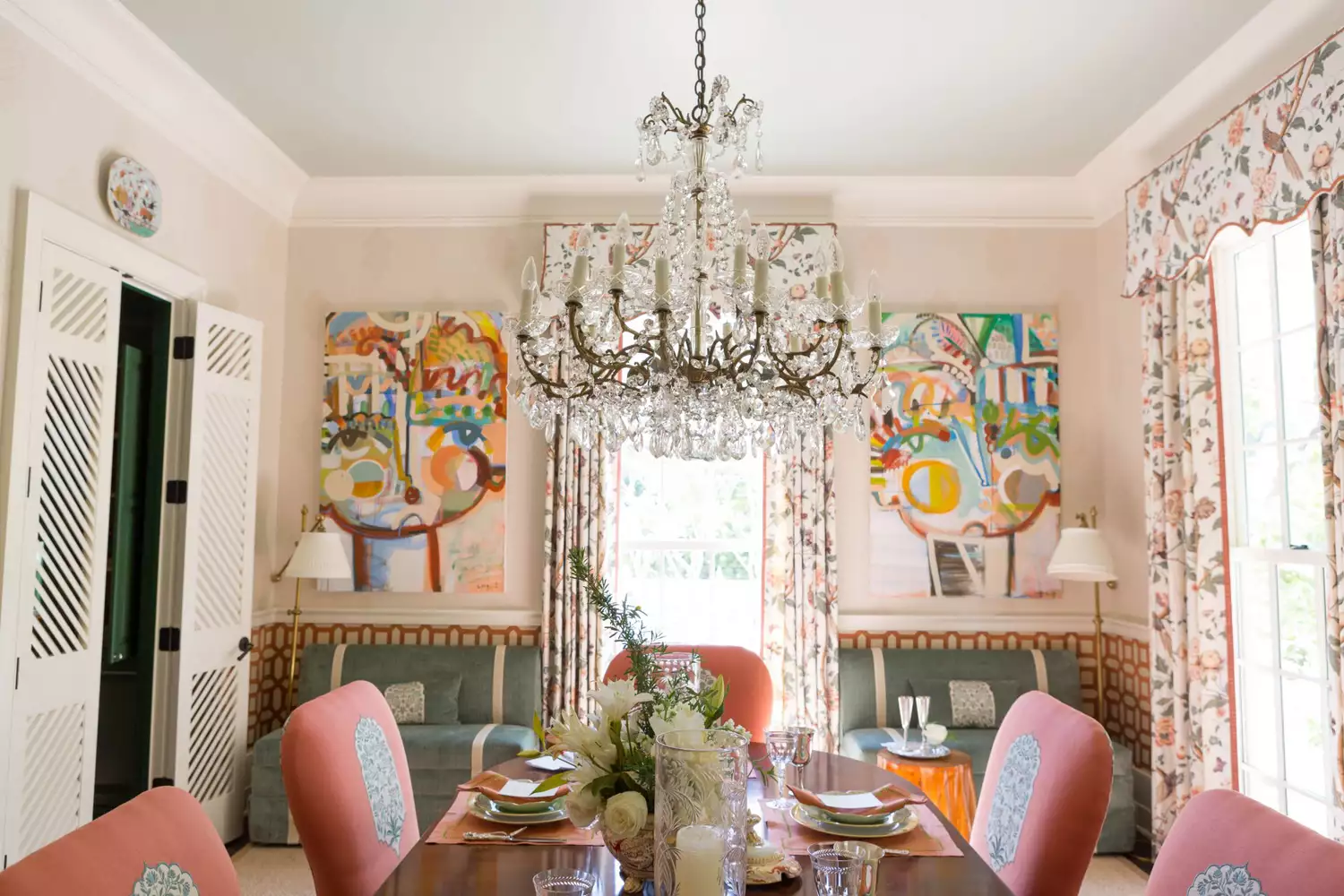
Another crucial consideration is how the light fixture relates to the furniture it illuminates. Intentional pairings, such as a modern fixture above a distressed table, can create an appealing contrast. The current trend favors light, airy fixtures over dark, heavy ones, although black fixtures remain popular in contemporary white and gray interiors for their ability to provide contrast. Ultimately, light fixtures should always align with the home's architectural style, ensuring long-term aesthetic relevance. Classic styles, like crystal chandeliers in a French chateau or iron sconces in a rustic farmhouse, exemplify how well-chosen fixtures integrate seamlessly with a home's inherent character, offering lasting appeal irrespective of fleeting trends.
#HomeDecor #LightFixtures #InteriorDesign #HomeUpdate #DesignTrends #HomeImprovement #LightingChoices #HomeDecor #LightFixtures #InteriorDesign #HomeUpdate #DesignTrends #HomeImprovement #LightingChoices
0 comment in total
 No comments yet
You may also like
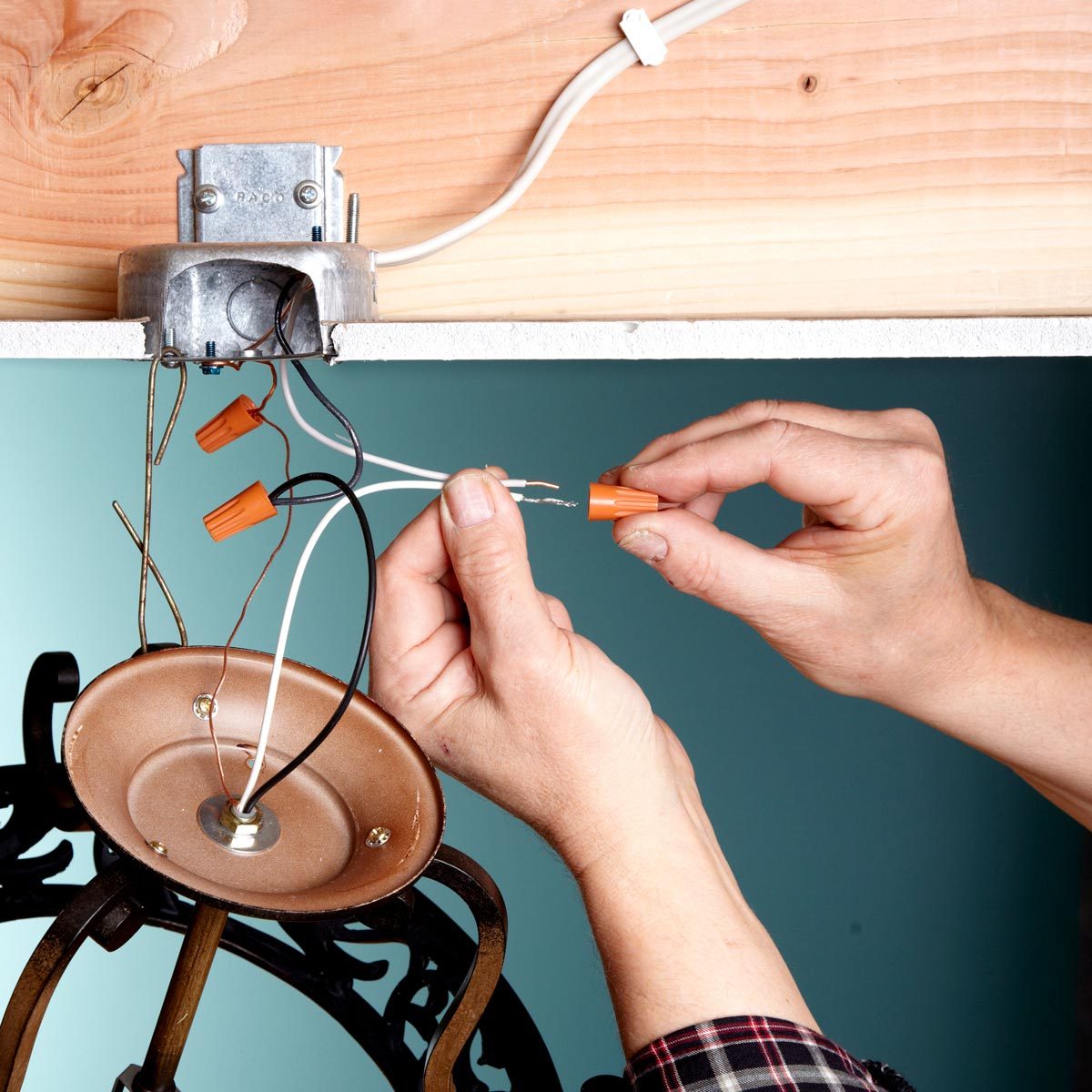
How to Change a Light Fixture

Chic Lighting Fixtures - Lighting To Redecorate Your Rooms

An interior designer’s guide to lighting your home

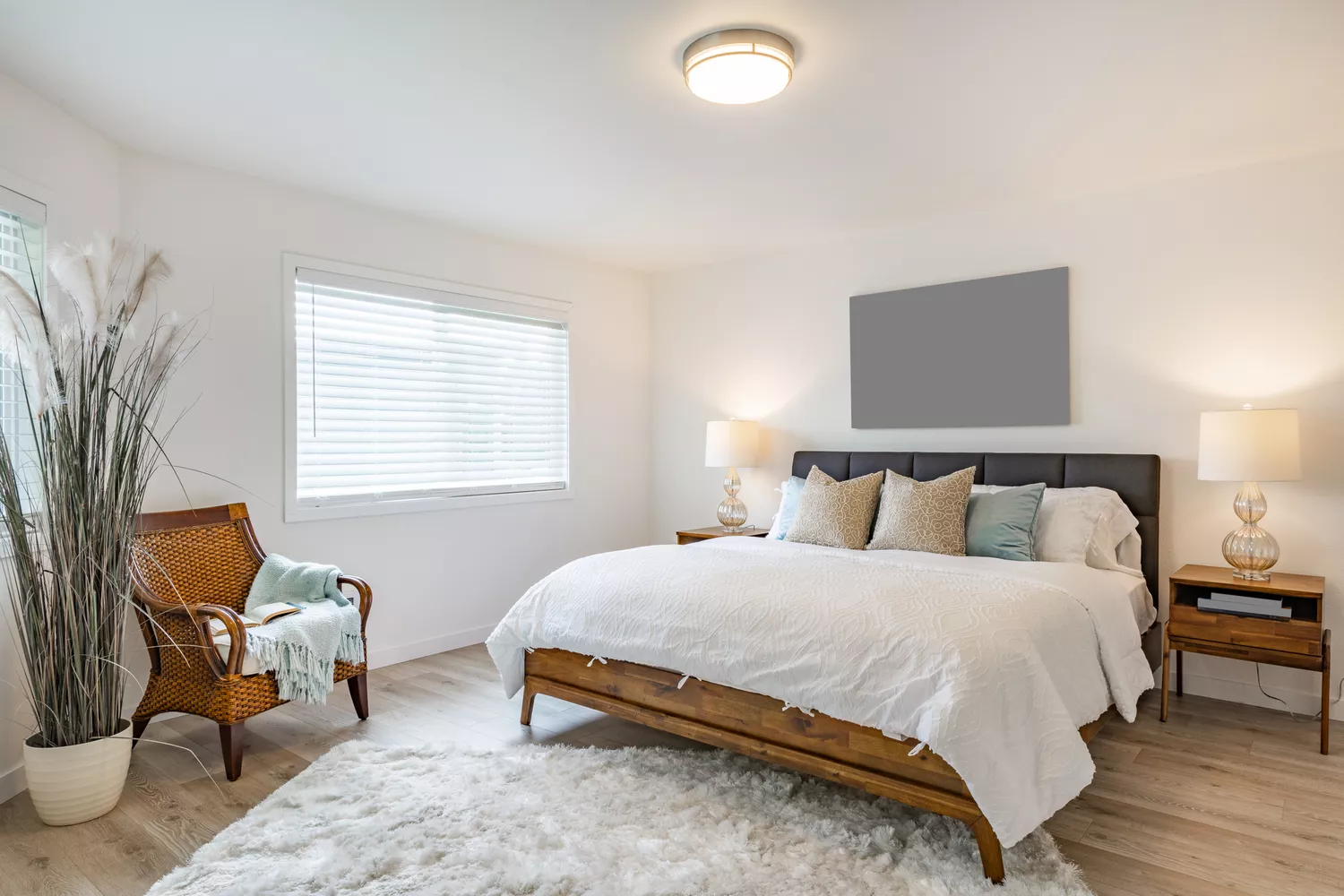
5 Lighting Trends That Are So Outdated, According to Designers

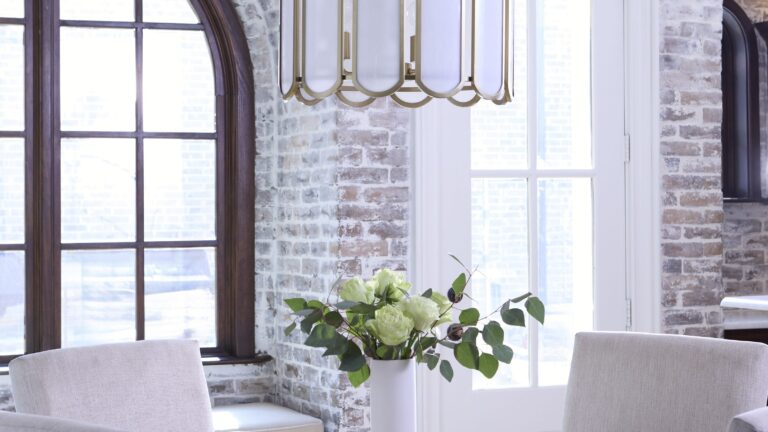
New lighting? Designers offer tips for upgrades that shine.

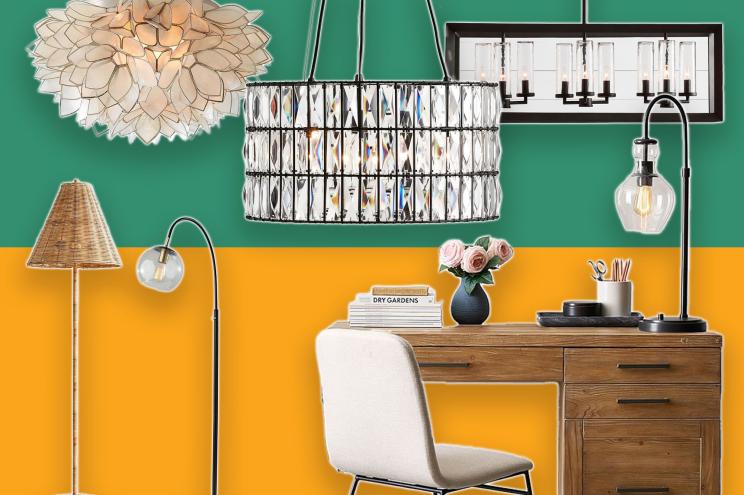
The 18 best places to buy light fixtures, with expert recommendations
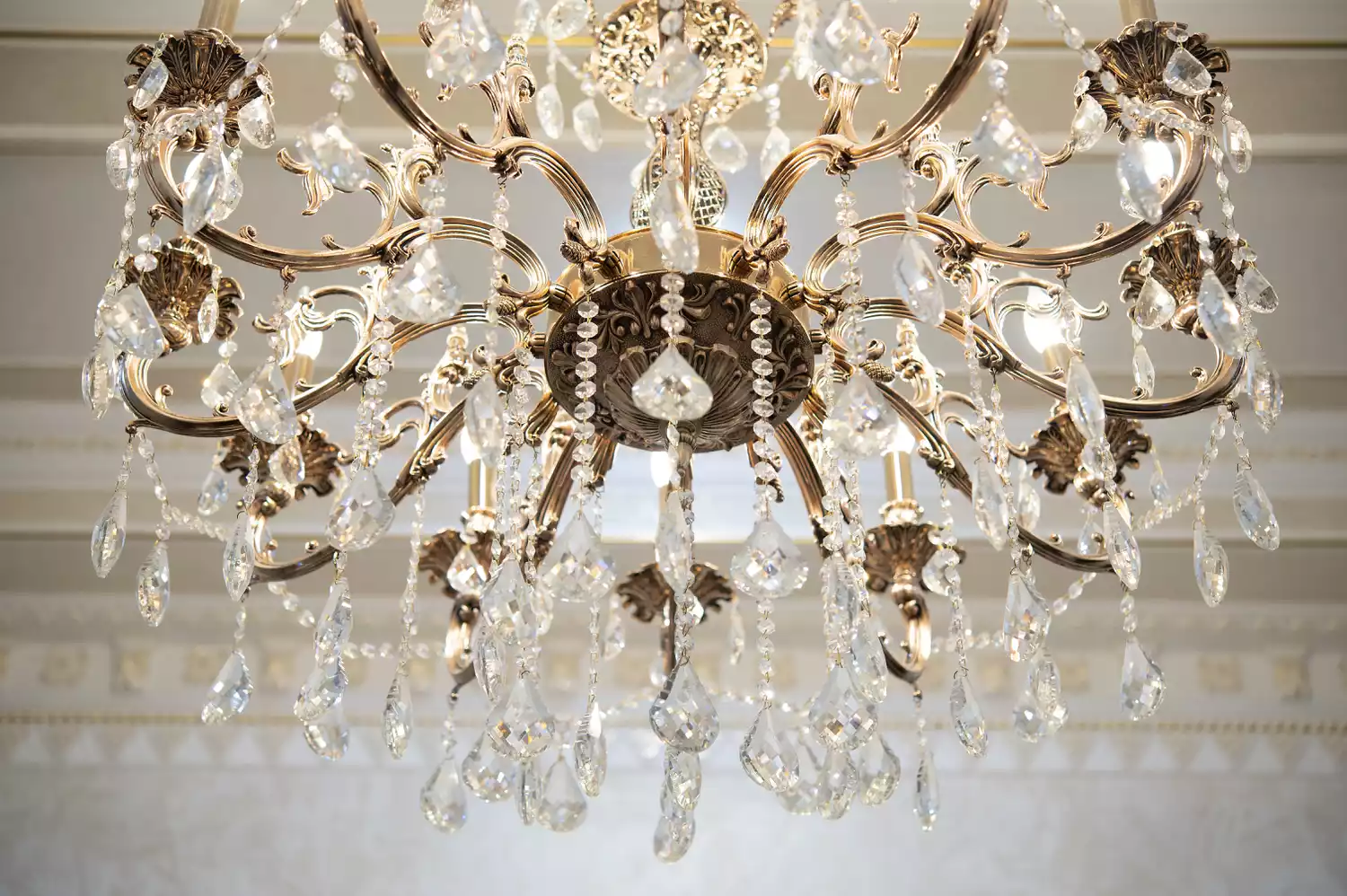
Designers desperately want you to get rid of boob lights (and these 3 other outdated light fixtures!)

I Tried This $13 "Pineapple Bulb" Hack and It Seriously Elevated My Bathroom

Chandeliers Are Back — Here's How To Make Them Feel Fresh
7 Tips to Know When Shopping for Vintage Light Fixtures

Banish the “Big Light” Completely With Some Snazzy Lamps

Twenty stylish lamps and lights to update your home without breaking the bank

What to Know About Upgrading Your Light Fixtures
Design experts offer lighting tips for upgrades that shine

Skip The LED Light Strips & Try These Alternatives To Brighten Your Home Instead
11 Light Fixtures That Will Brighten Up Your Space — and Your Mood

Upgrade Your Lighting With These Smart Light Switches

Your "Boob Lights" Are Cheapening the Look of Your Home—Here's How Designers Fix Them

The 5-Minute Rental Upgrade You’re Probably Overlooking

What You Need To Know Before Buying A Vintage Light Fixture For Your Home