1/11
Chinese traditional architectural craftsmanship for timber-framed structures
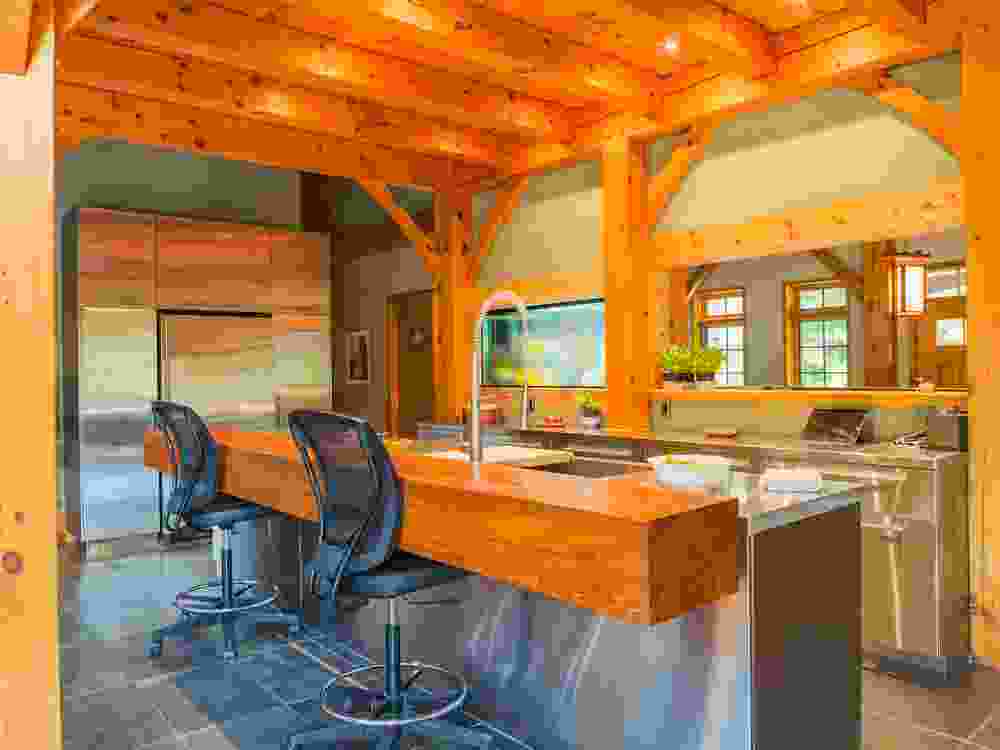
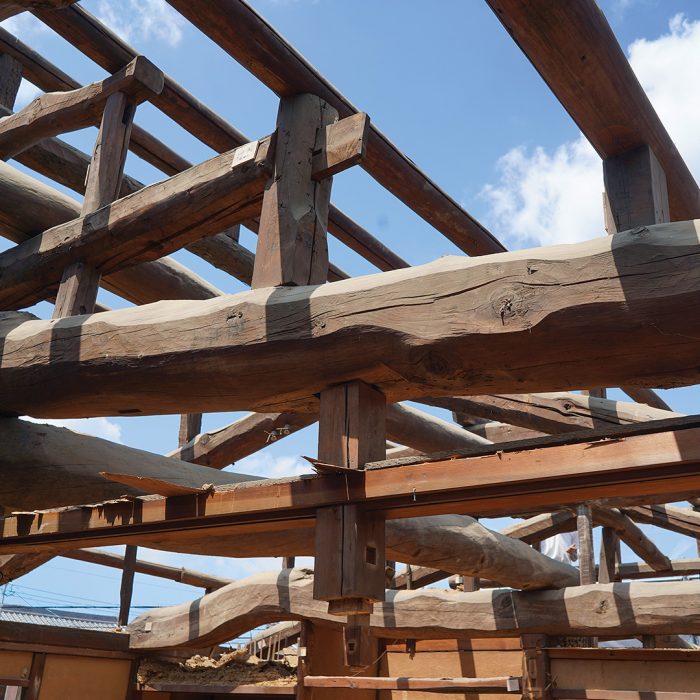
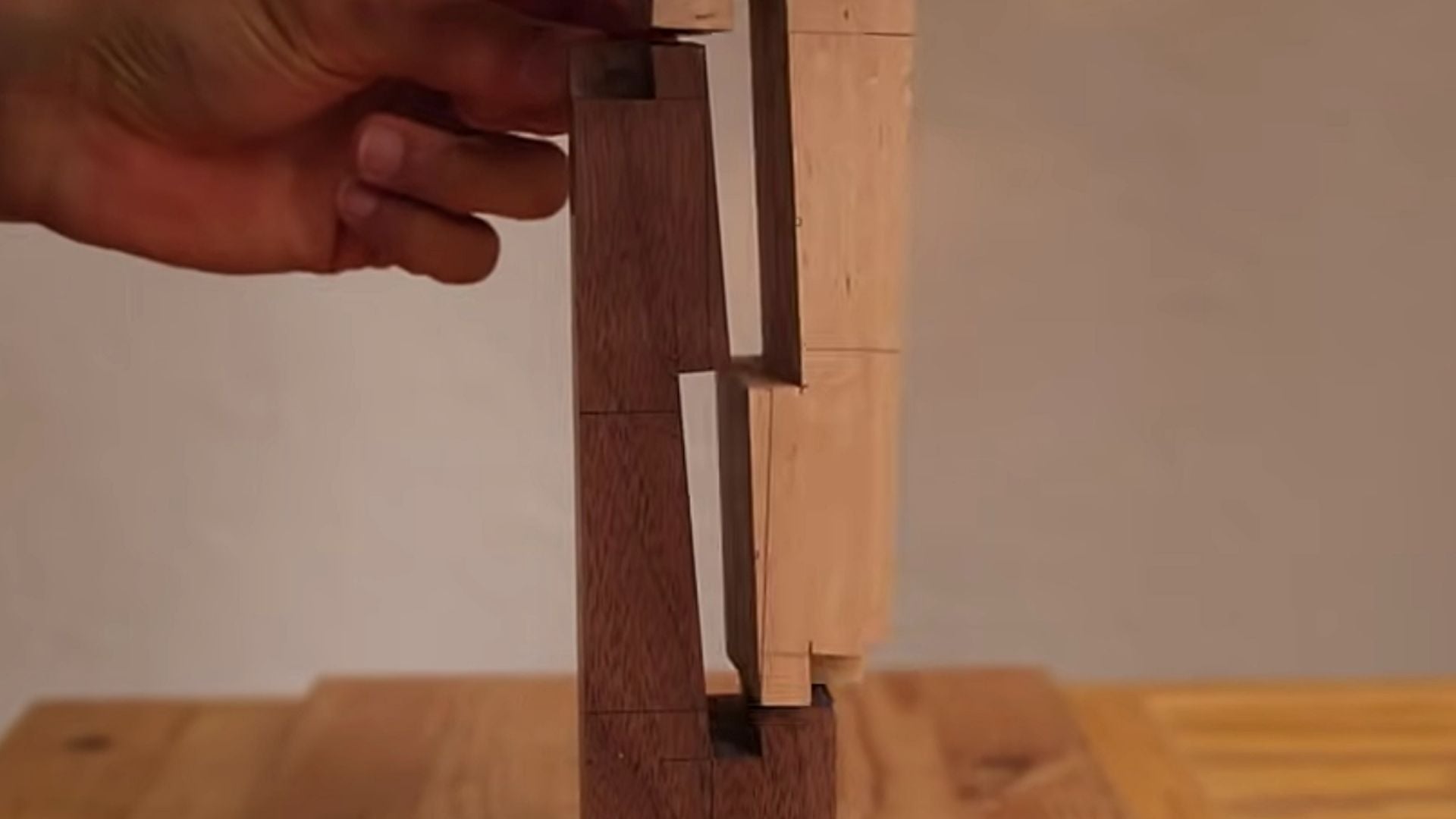
Chinese traditional architectural craftsmanship for timber-framed structures represents a profound aspect of Chinese architectural culture, characterized by its distinctive and resilient construction methods. These structures, found extensively across China, are built using wooden components such as columns, beams, purlins, lintels, and bracket sets, which are ingeniously connected by tenon joints. This joinery system is not only flexible but also inherently earthquake-resistant, a crucial feature in seismically active regions. A notable characteristic of this craftsmanship is the prefabrication of components, allowing for rapid assembly at the construction site. This efficiency underscores centuries of accumulated knowledge and sophisticated technical skills.
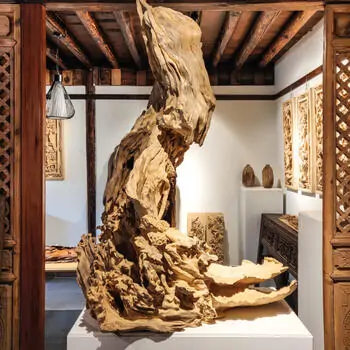
The architectural craft extends beyond mere structural carpentry, encompassing a variety of related disciplines. These include intricate decorative woodworking, precision tile roofing, detailed stonework, and vibrant decorative painting. These specialized arts are preserved and transmitted through a traditional master-apprentice system, relying on verbal instruction and practical demonstration. Each stage of the construction process is guided by unique and systematic methods, passed down through generations. This ensures the continuity of specific techniques and aesthetic principles, maintaining the integrity of the traditional style.
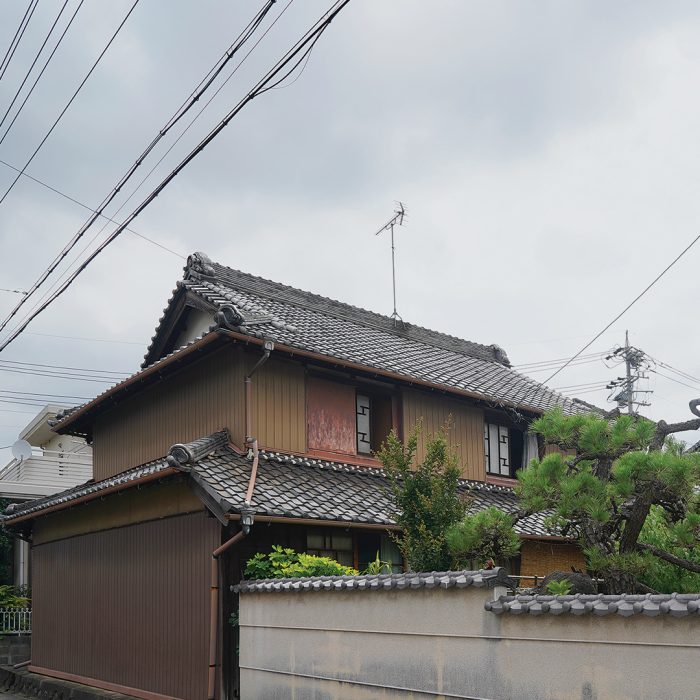
Today, this traditional craftsmanship is primarily employed in the construction of new buildings that adhere to classical Chinese architectural styles, as well as in the meticulous restoration of ancient timber-framed structures. Its application in modern contexts helps to perpetuate the heritage and wisdom embedded within these building techniques. The craftsmanship reflects an inherited understanding of both the natural world and the complex interpersonal relationships that characterized traditional Chinese society. The integration of structure with philosophy highlights the holistic approach to building and living that defines this cultural practice.
For the carpenters and artisans dedicated to preserving this architectural style, and for the communities who have inhabited and interacted with these spaces for generations, this craftsmanship is more than just a building method. It has become a central visual element of Chinese identity, symbolizing a rich cultural legacy. Furthermore, it is recognized as an important representative of Asian architecture, showcasing the sophisticated engineering and artistic achievements of the region. The inscription of this craftsmanship on the Representative List of the Intangible Cultural Heritage of Humanity in 2009 by UNESCO (4.COM) underscores its global significance and the imperative of its safeguarding. This recognition highlights the cultural value of the craft, not just as a historical artifact, but as a living tradition that continues to shape identity and contribute to sustainable development through its inherent resilience and connection to traditional values.
#ChineseArchitecture #TimberFramedStructures #TraditionalCraftsmanship #EarthquakeResistant #IntangibleCulturalHeritage #UNESCO #Carpentry #ArchitecturalHeritage #CulturalIdentity #ChineseArchitecture #TimberFramedStructures #TraditionalCraftsmanship #EarthquakeResistant #IntangibleCulturalHeritage #UNESCO #Carpentry #ArchitecturalHeritage #CulturalIdentity
0 comment in total
 No comments yet
You may also like
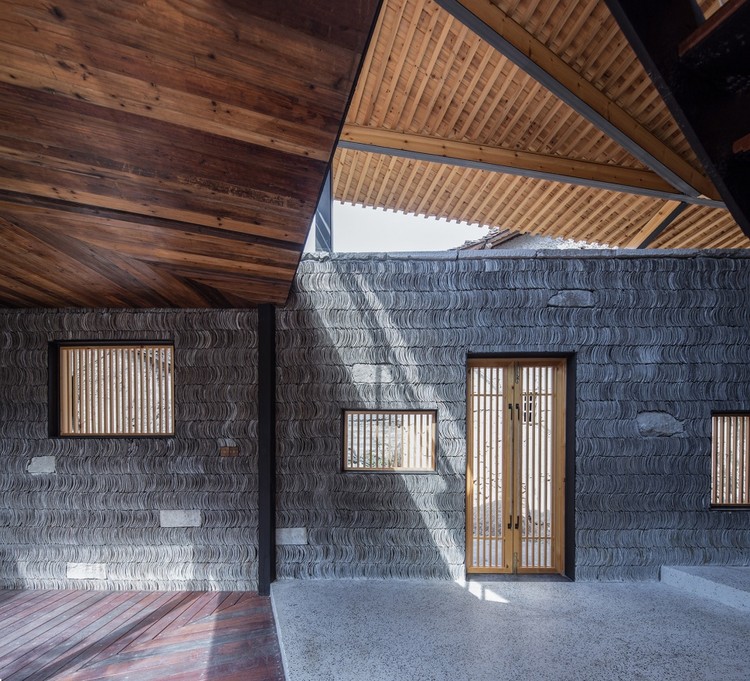
The Contemporary Remodelling of Traditional Materials in Chinese Vernacular Architecture


Evolution of the vernacular Chinese house, by John Lin / The University of Hong Kong
![Ask the Outdoor Living Experts: What Makes a Masterful Barn, Garage, or Pavilion Builder? [Sponsor Content]](https://gstatic.ideal.house/news/images/fae78759d2564e8aa5615d5c79f2227d.jpg)
Ask the Outdoor Living Experts: What Makes a Masterful Barn, Garage, or Pavilion Builder? [Sponsor Content]

Japan’s Ancient Building Technique Joins Wood Without Glue or Nails


12 Chinese Home Remodeling Ideas: Solutions to Housing Problems


Kominka: A Traditional Japanese House Comes to America

far workshop revives chinese lodge as wine cellar marked by black concrete columns

B House / Kit Design Architect

Zen timber-frame home in Hudson is inspired by Japanese culture

Chinoiserie has its roots in 17th-century Europe but is still gracing rooms around the world


Mouldings | Decorative Moulding


9 amazing wooden homes that go against the grain | loveproperty.com


M.O.D.E.S constructs chinese ancestral hall based on digitized brick patterns
Zhongli Peng's Residence / WEN Architect

Interior Timber Wall Cladding

Traditional living room ideas – 20 classic decor looks for walls, floors and furniture


Mass Timber Primer

Asian Paints introduces Archi Concrete to the world | AD India

Snapshot: Preserving Yunnan woodworking traditions in Jianchuan
These Mesmerizing GIFs Illustrate the Art of Traditional Japanese Wood Joinery