Why London homeowners are turning back to traditional coving styles
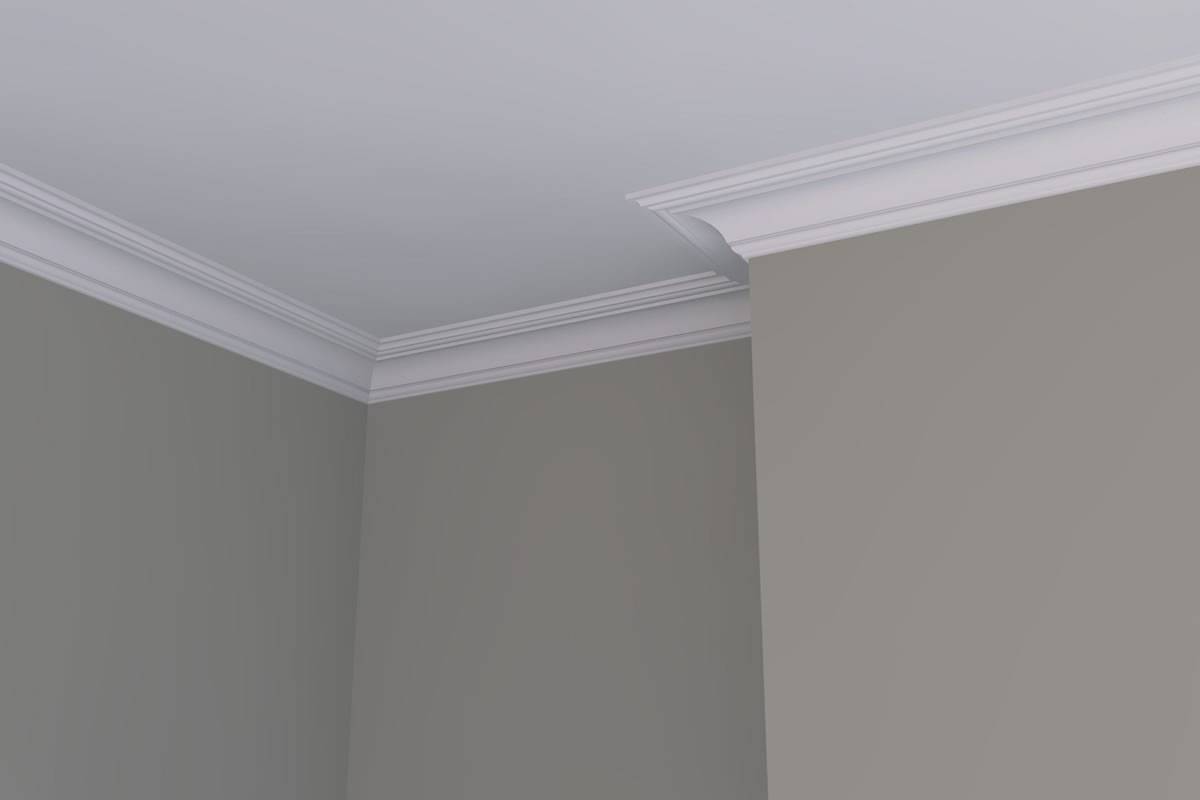
In London, a city renowned for its diverse architectural styles, a renewed interest in traditional coving is gaining traction among homeowners. This decorative ceiling moulding, once considered old-fashioned, is now experiencing a resurgence, driven by several factors that highlight its timeless appeal and practical benefits. Many London properties, ranging from Georgian terraces to Victorian townhouses, were originally designed with intricate plasterwork, including coving. Over time, modern renovations often removed these historical details. Today, homeowners are actively seeking to restore or reintroduce coving, recognizing its role in honoring architectural heritage, enhancing property value, and maintaining a cohesive design narrative. This trend not only preserves historical identity but also adds character to homes.
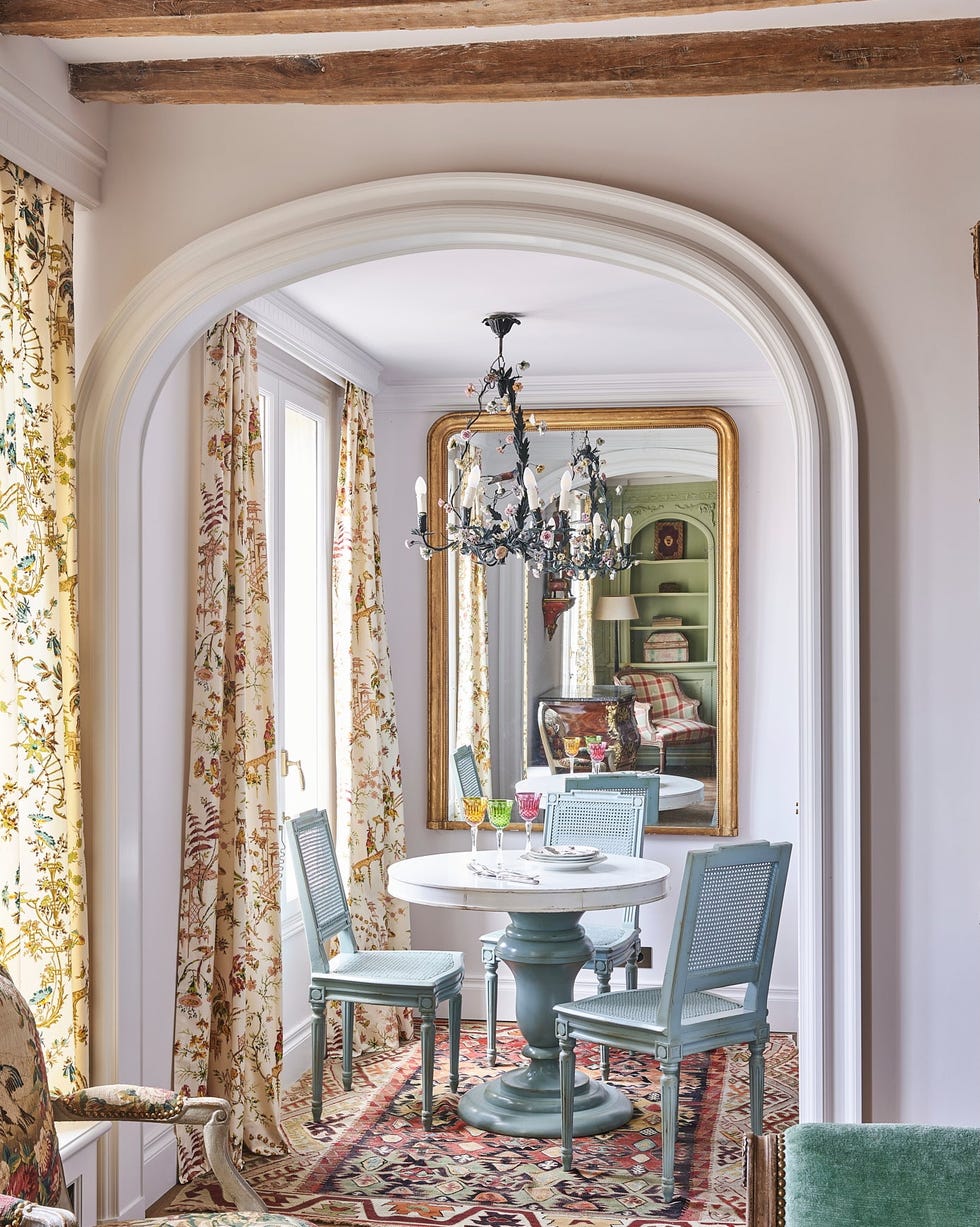
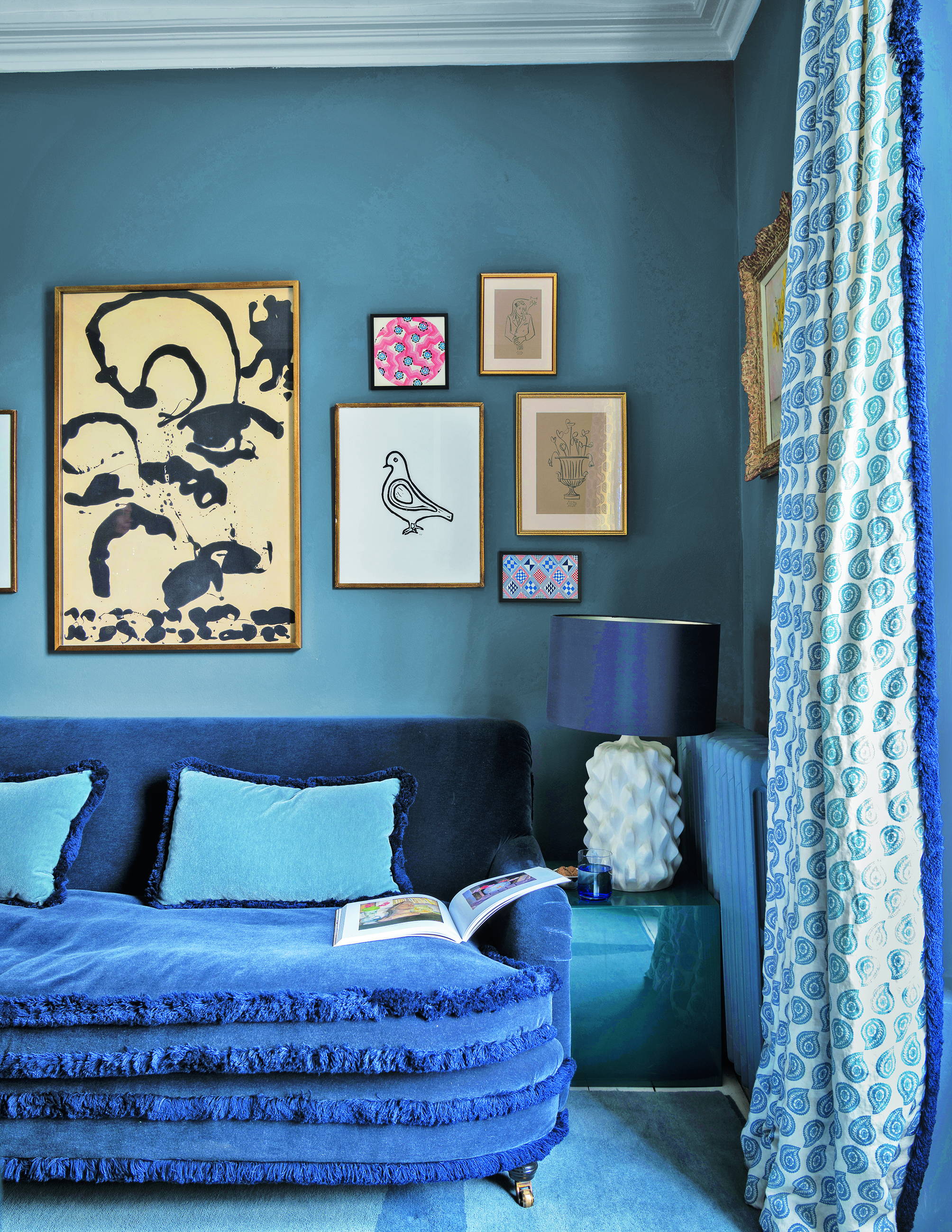
The aesthetic versatility of coving is a key reason for its comeback. Whether it features the elegant curves of Georgian designs or the detailed patterns of Edwardian styles, traditional coving brings a sense of sophistication to any room. It effectively softens the transition between walls and ceilings, creating a refined and finished appearance. Coving adapts well to various room sizes and ceiling heights, adding drama in larger living spaces and subtle elegance in smaller bedrooms. Even in contemporary settings or new builds, traditional coving can provide a striking contrast, infusing warmth into minimalist interiors without overpowering them. This adaptability allows coving to blend seamlessly with both period-style and modern decor.
The growing interest in home restoration and period-style renovations also contributes significantly to coving's revival. Influenced by various media, homeowners are increasingly embracing the charm of combining old and new elements. For many, reinstating coving is not about strict historical replication but about harmoniously integrating different eras. Traditional coving can be paired with contemporary lighting, neutral color schemes, and sleek furniture, resulting in eclectic and balanced spaces that respect the building’s origins while accommodating modern living.
From a financial perspective, traditional coving represents a smart investment in London’s competitive property market. Period features, including original or replica coving, are highly desirable to potential buyers and are often highlighted by real estate agents. These features help properties stand out, convey uniqueness, and suggest a high standard of care and quality in renovations. For homeowners considering future sales, adding or restoring traditional coving can be a relatively low-cost upgrade with significant visual impact, subtly increasing a property’s perceived value.
Technological advancements have also made coving more accessible. While historically crafted from heavy, hand-moulded plaster, modern options include high-quality polyurethane and lightweight plaster alternatives. These materials accurately replicate intricate historical details while being easier to install and maintain. They can be cut, handled, and painted with ease, facilitating DIY projects and quicker professional installations. Suppliers now offer a wide array of traditional coving styles suitable for various architectural periods, from Georgian to Art Deco. The return to traditional coving signifies a broader appreciation for detailed, character-rich interiors that connect the past with the present and enhance a home's atmosphere in ways modern finishes often cannot match.
#LondonCoving #HomeRenovation #InteriorDesign #ArchitecturalHeritage #PeriodFeatures #PropertyValue #HomeDecor #TraditionalStyle #LondonCoving #HomeRenovation #InteriorDesign #ArchitecturalHeritage #PeriodFeatures #PropertyValue #HomeDecor #TraditionalStyle
0 comment in total
 No comments yet
You may also like
More and More People Are Skipping Pricey Wood Floors for This Alternative
Suddenly, Stylish Londoners Are Swapping Their Brown Bags for This Very Specific, Much Trendier Style

Expert reveals the interior design trends that will make your home look dated
The Decades-Old Decor Trend That Everyone's Putting Back In Their Homes Today
Designers Are Ditching "Flat Painted Walls" for THIS Unexpected Trend

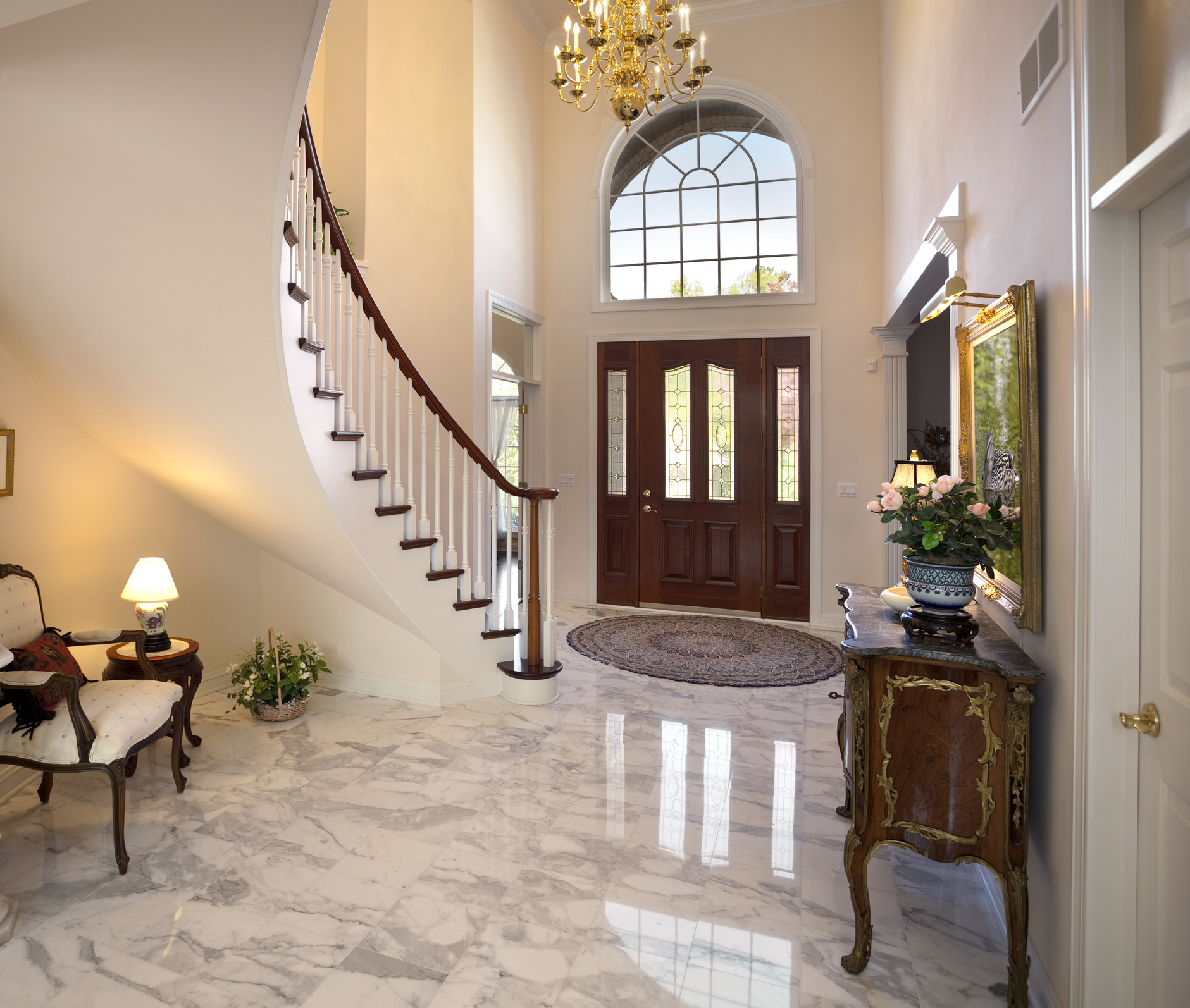
This Once-Popular Home Feature Is Falling Out of Favor

People Are Sharing Why These Universally Despised Design Trends Work Quite Well In Their Homes
Why Designers Are Ditching Traditional Layouts for "Broken Floor Plans"
Designers Are Moving On from Modern Farmhouse—Here’s the Style Taking Over
The Decades-Old Bedroom Trend That's Making A Hard Comeback In Homes Today
Designers Reveal the Surprising Home Trend That's Taking Over Right Now

4 outdated wall decor trends designers are leaving behind – and the one that they're choosing instead

Why modern British homes are getting mouldy

This Surprising NEW Trend Is Replacing Accent Walls
The ancient flooring transforming modern homes

This Is Why Everyone’s Obsessed with Traditional Decor Right Now

People Are Exposing The Home Decor Trends That'll "Completely Fade Out" Sooner Than You'd Think


Once-Popular Window Treatments That Are Now Dating Your Home
Bye-Bye, Accent Walls! Designers Say THIS Is Now the Hottest Decorating Feature

Say Goodbye to Shiplap—Here Are 4 Wall Treatments Designers Are Choosing Instead