1/4
Daniel Arsham’s modernist home informs his domestic installation in Miami
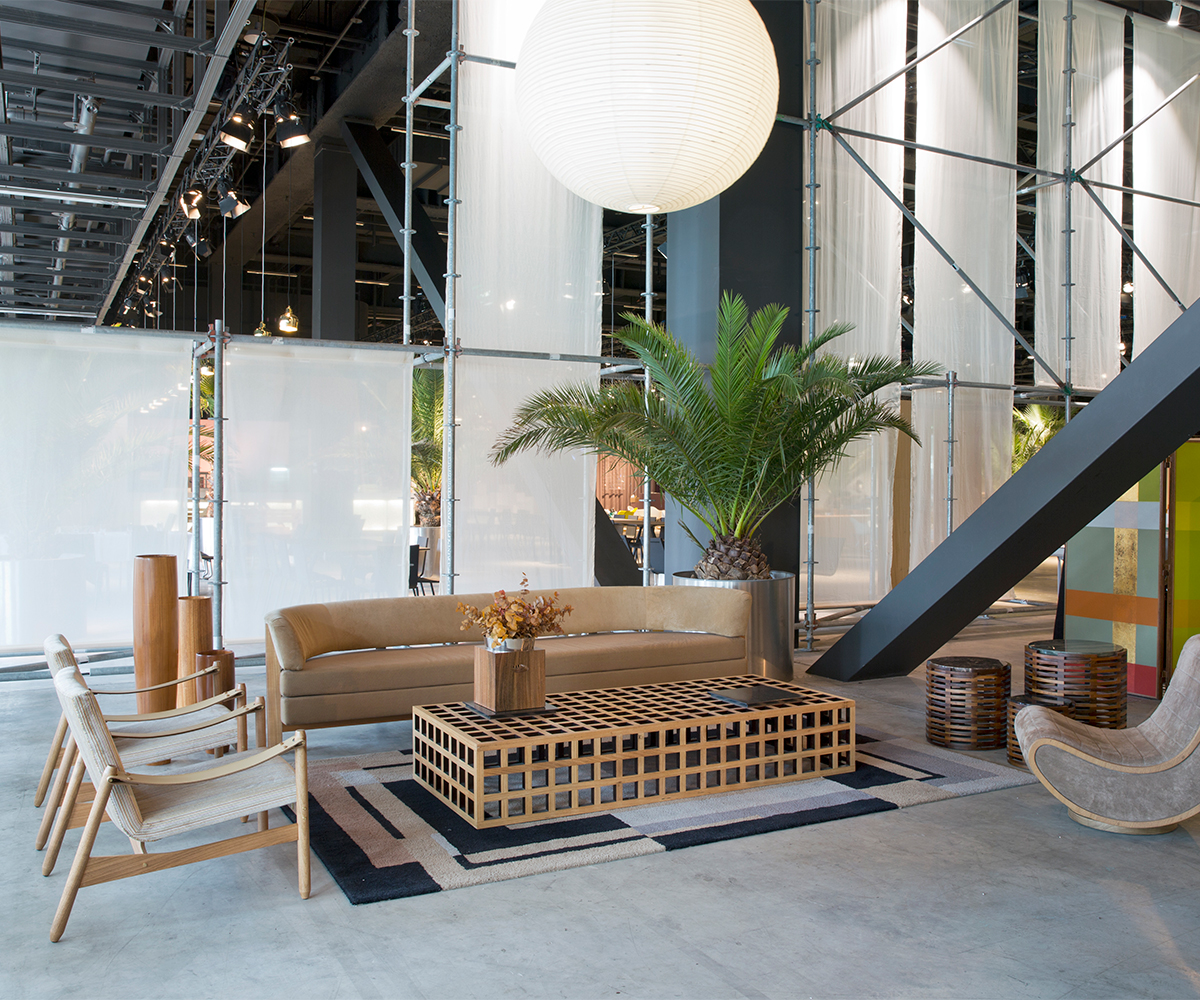
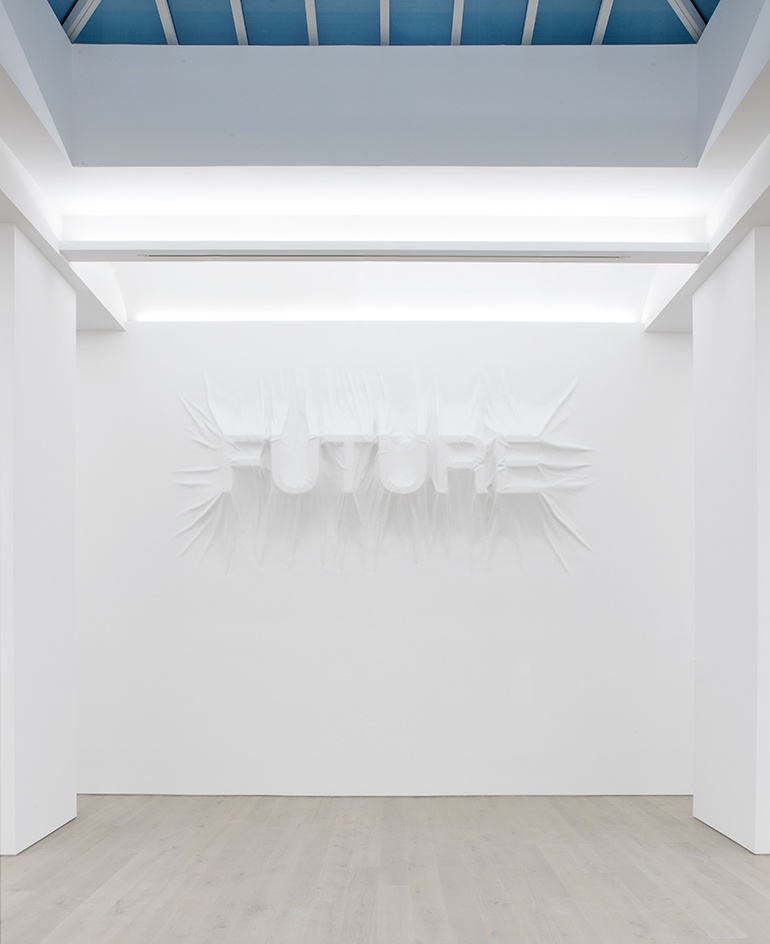
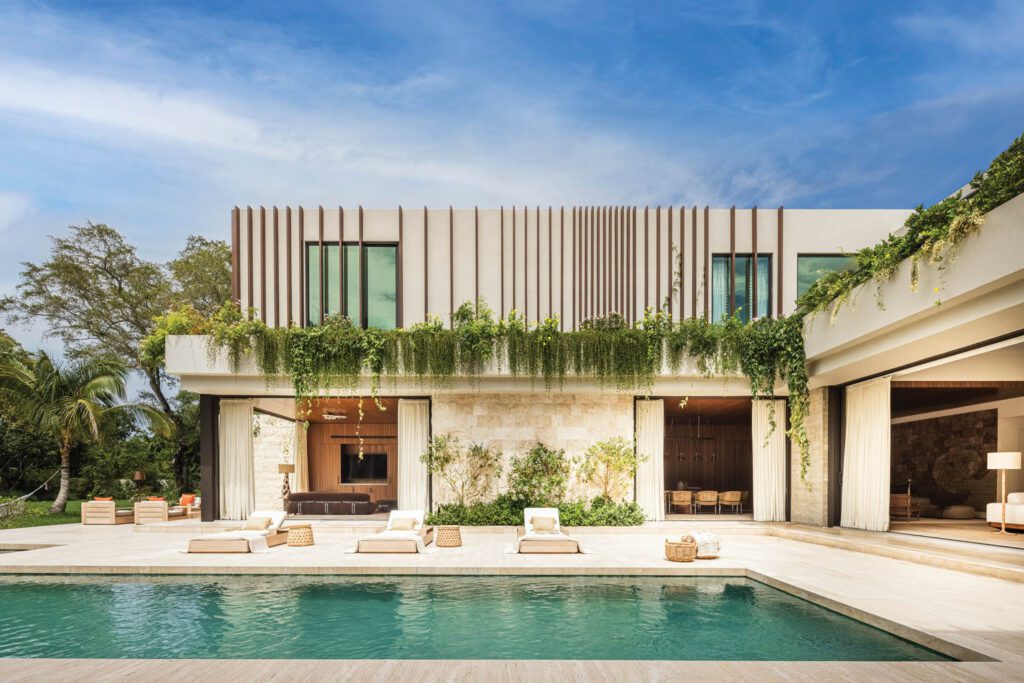
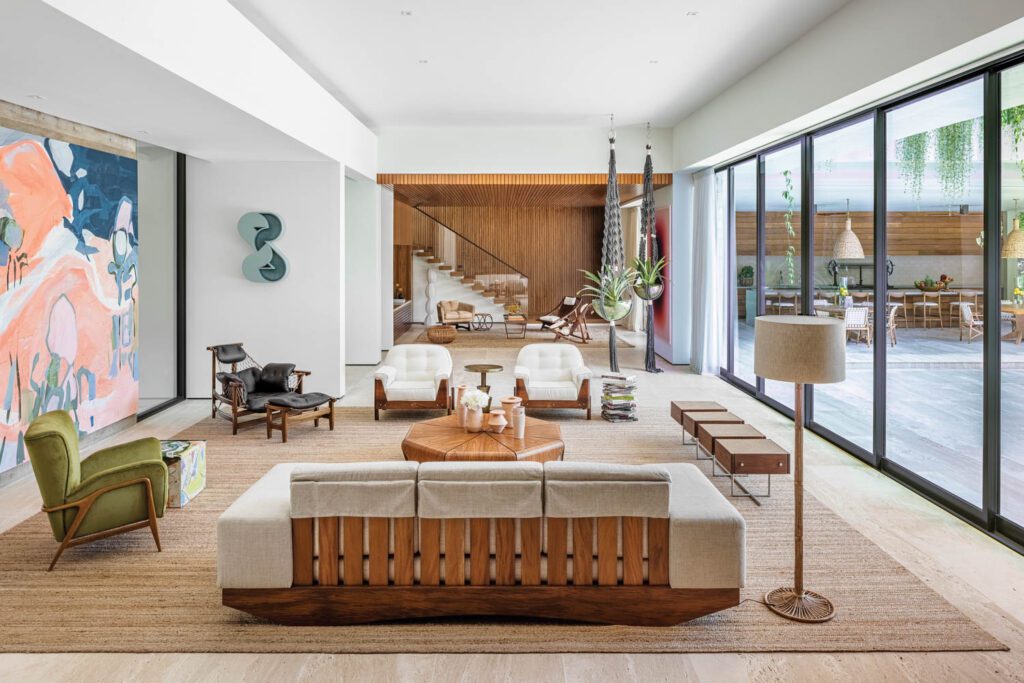
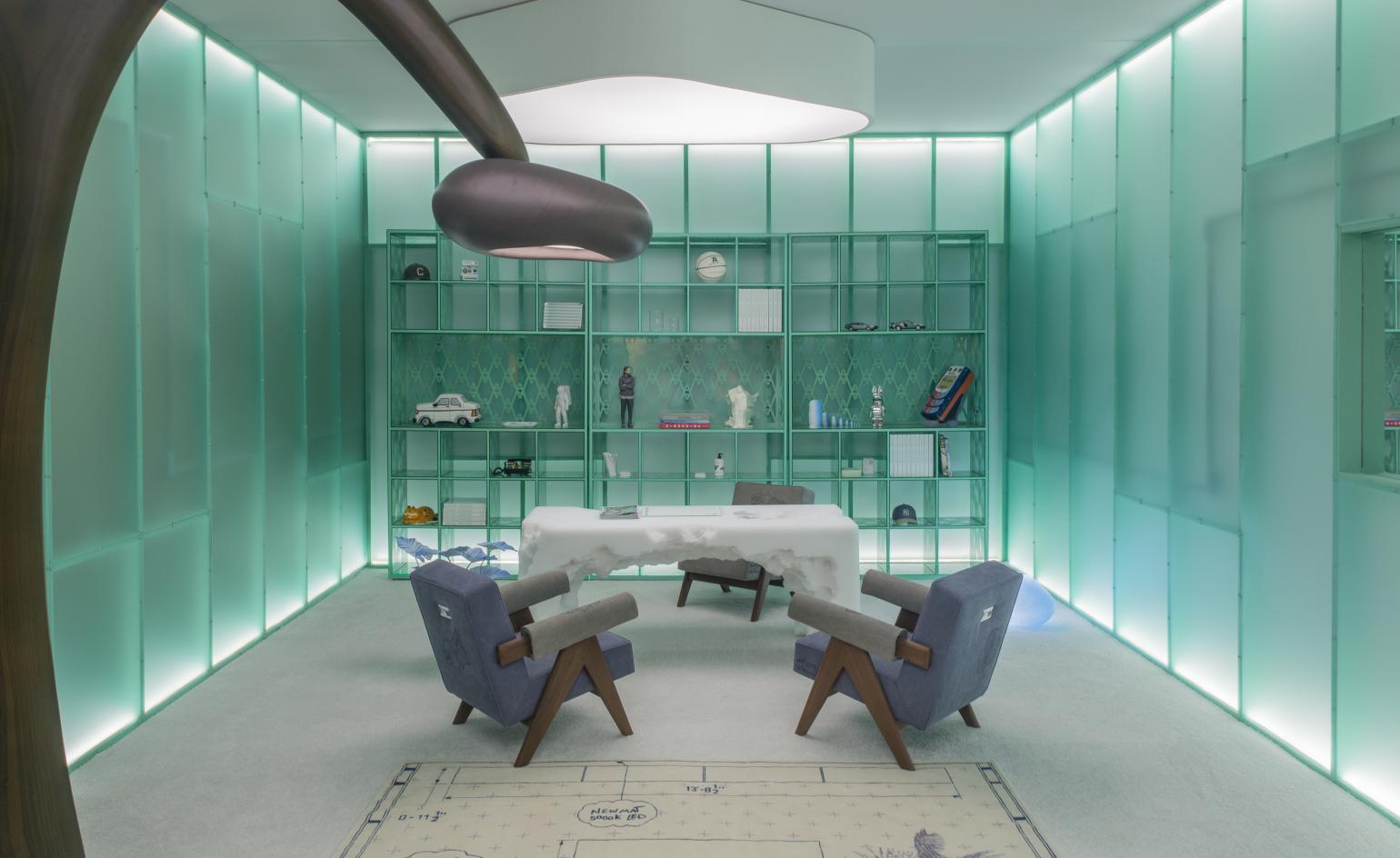
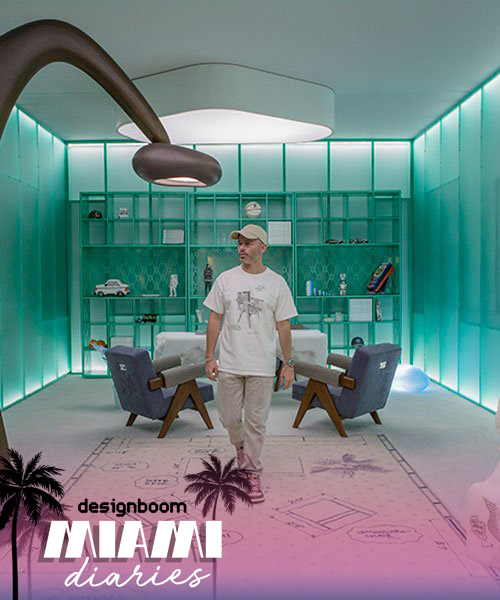
Multimedia artist Daniel Arsham, based in New York, lives with his family in a 1969 modernist home on Long Island designed by Norman Jaffe. Arsham's house, which he describes as "all cedar and stone," served as the inspiration for a collection of furniture pieces he initially had no intention of exhibiting. However, upon seeing these creations, Marc Benda, co-founder of Friedman Benda, recognized their potential and suggested showcasing them to the public, offering a glimpse into another facet of Arsham's artistic practice. This collaboration resulted in an installation for this year's Design Miami, where Friedman Benda presents these sculptural explorations within a fictional domestic setting, partly conceptualized as a kunstkammer.
Arsham explains that the furniture pieces often incorporate shapes that deliberately contrast with the rigid lines of his modernist home. He notes that Jaffe, the architect, later introduced curves into his designs, moving away from the more angular, modernist approach of his earlier career. The furniture created by Arsham, therefore, serves as a direct counterpoint to the house's original architectural style. Notable pieces include Arsham’s Cleveland Chair I, Paris Chaise Lounge I, and Shanghai Chair. The Shanghai Chair aligns with Arsham's signature achromatic aesthetic, characteristic of his fossilized future relics. In contrast, the Cleveland Chair I and Paris Chaise Lounge I introduce a fresh formal and tonal vocabulary to his work.
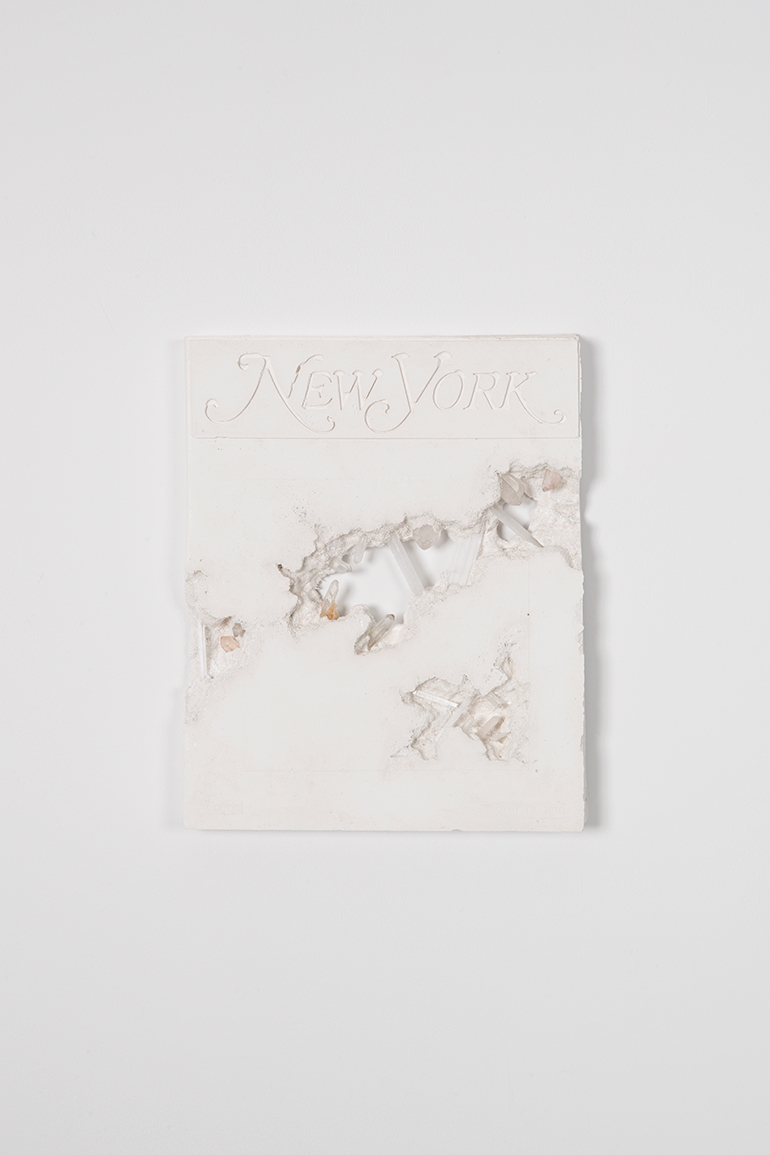
Many of these furniture items are crafted from canvases previously used in Arsham's studio, which are dyed in various colors. Arsham often draws notes directly onto his sculptures to indicate where erosion will be applied, and he has chosen to integrate these drawings onto the furniture objects. This creates the impression that these pieces are destined to be transformed into future sculptural cast works. The artist's Long Island environment further influences the objects displayed at Friedman Benda’s Design Miami booth. For example, Arsham’s Pasadena Sea Glass Lamp blends his concept of fictional archaeology with technological allusions, drawing from his ongoing project at NASA JPL in Pasadena. Arsham describes how finding sea glass, including fragments of text from bottles, on the beach near his home inspired this lamp. He envisioned a scenario where glass shards and components from a large piece of NASA machinery or spacecraft would eventually land and become tumbled into this object, resembling a polished piece of glass from the future.
The exhibition highlights a unique dialogue between Arsham's personal living space and his artistic output, demonstrating how his domestic environment directly shapes his creative process and the forms his work takes. It offers a deeper understanding of the artist's engagement with material, form, and the interplay between past, present, and imagined futures, all through the lens of a domestic installation that blurs the lines between art, design, and personal narrative. The installation provides an opportunity for the public to experience a more intimate and unexpected dimension of Arsham’s multifaceted artistic journey, revealing the profound influence of his private residence on his public artistic statements.
#DanielArsham #ModernistHome #NormanJaffe #DesignMiami #FriedmanBenda #SculpturalFurniture #DomesticInstallation #FictionalArchaeology #ArtAndDesign #DanielArsham #ModernistHome #NormanJaffe #DesignMiami #FriedmanBenda #SculpturalFurniture #DomesticInstallation #FictionalArchaeology #ArtAndDesign
0 comment in total
 No comments yet
You may also like
Tour a Wildly Imaginative and Perfectly Zen Home Overlooking Biscayne Bay

Daniel Arsham Designs Kohler Bath Collection + a Cabin to Go With It

This incredible cottage perched on Mumbai’s Juhu Beach speaks volumes with its design

Leafy Luxury Meets Coastal Calm

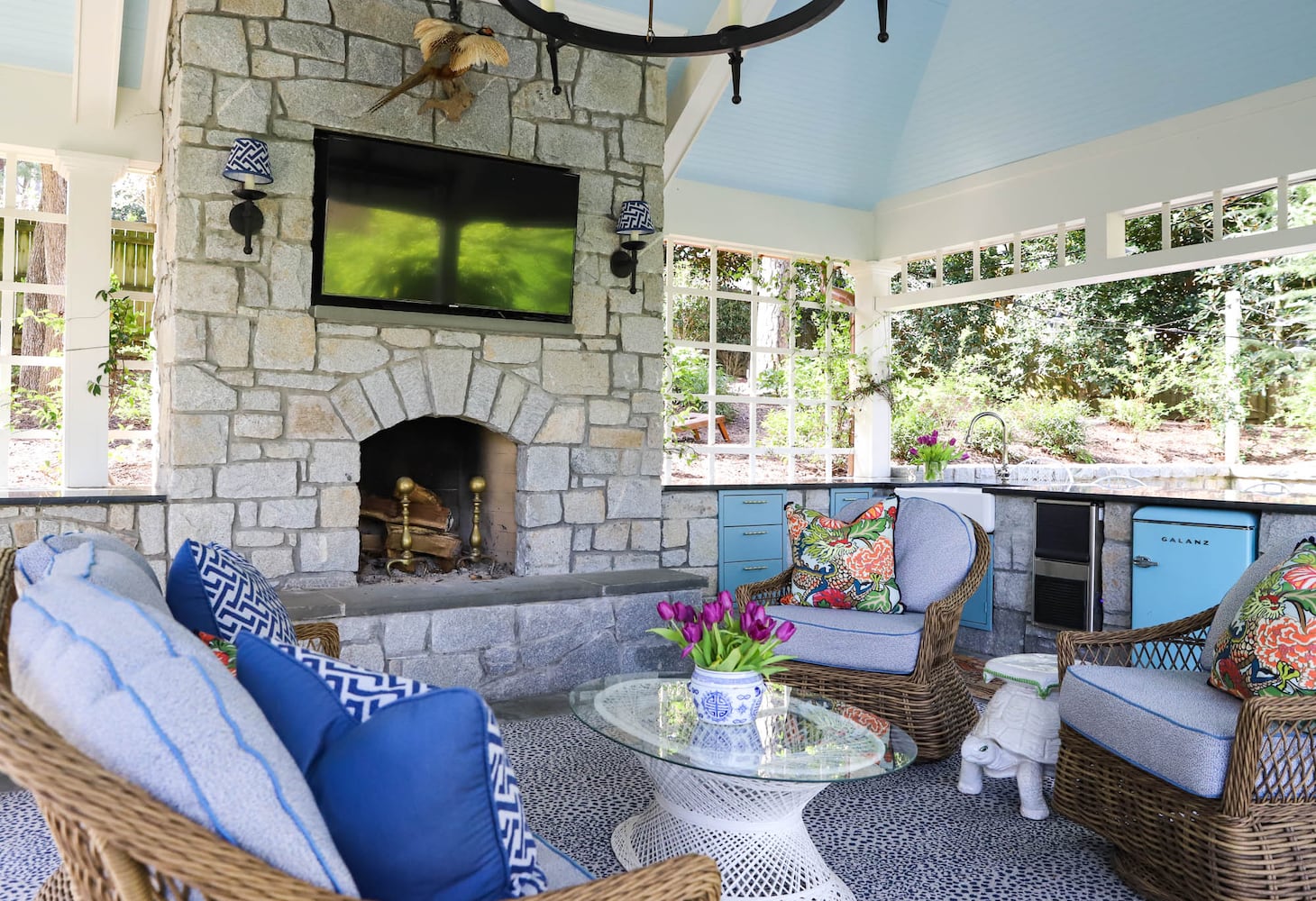
A glimpse into the home of an Atlanta interior designer
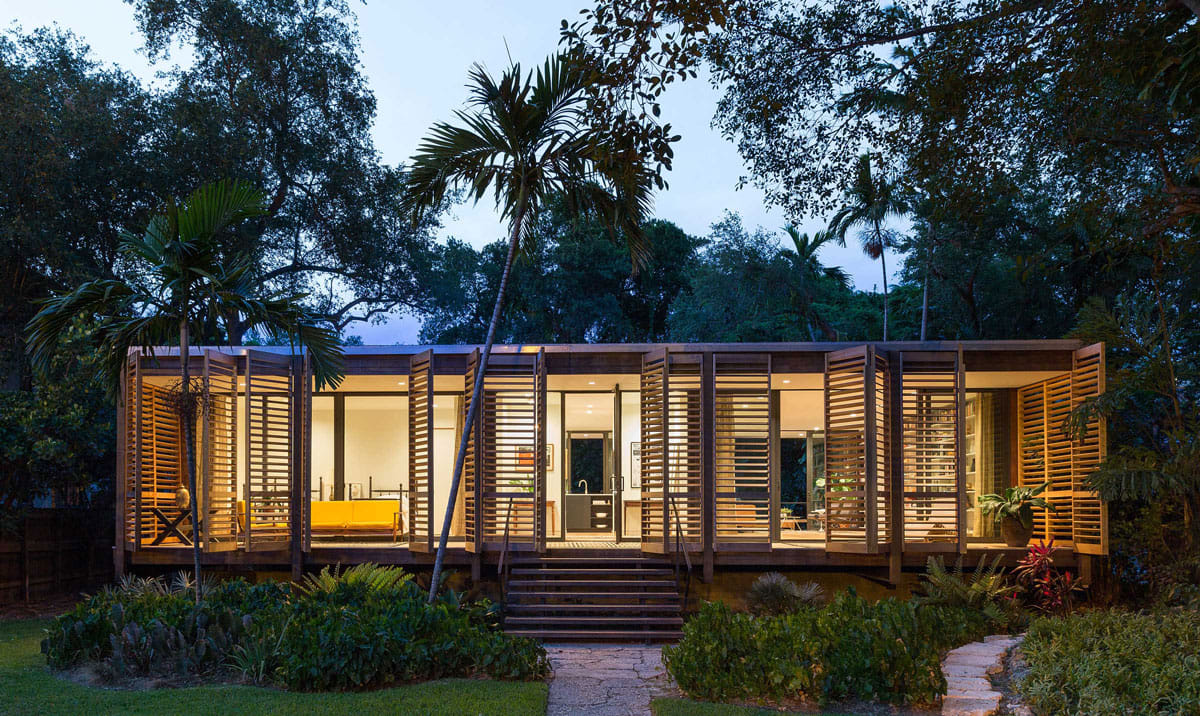
Brillhart Architecture’s Eponymous House Pays Homage To Florida's Architectural Vernaculars with a Tropical Modern Flare

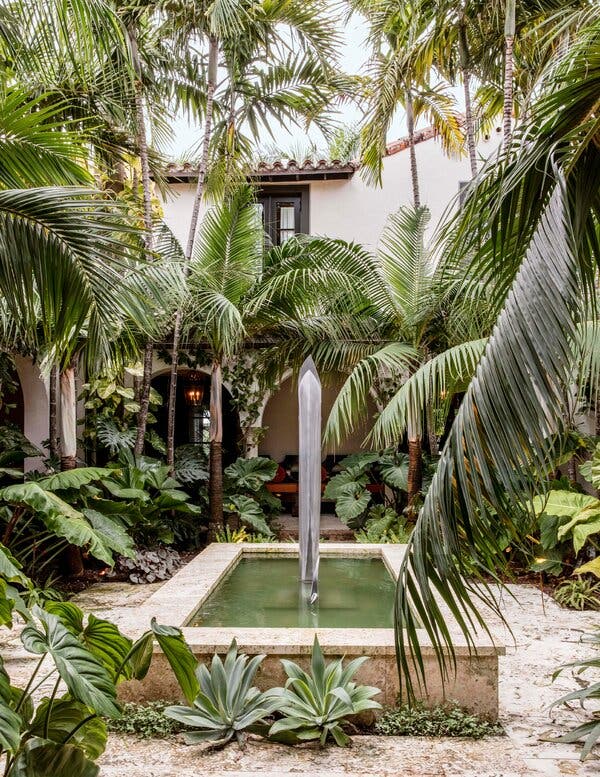
A House Where Old Miami Style Meets Old World Eclecticism (Published 2024)

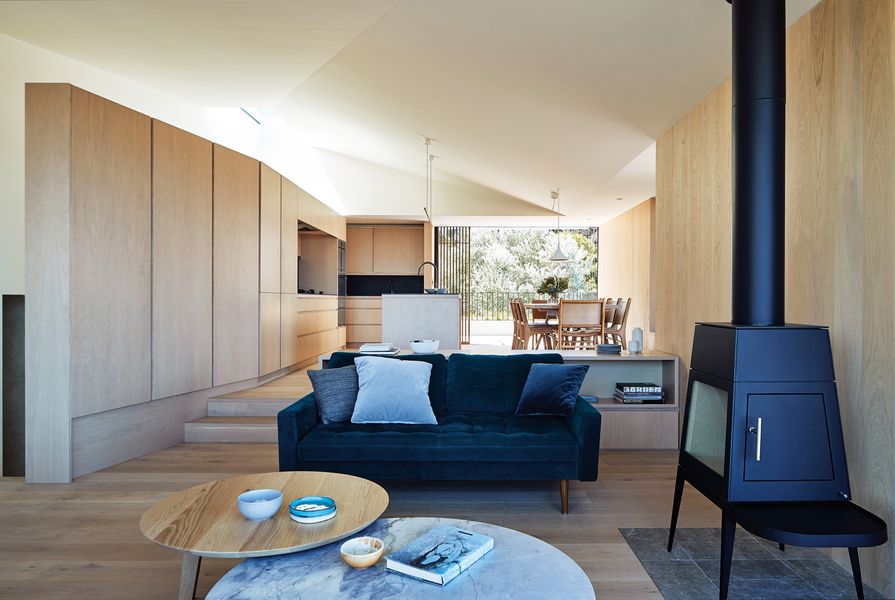
Coastal cottage reborn: Surfside House
Armadale house blends minimalism and warmth


Jessica Davis’s deco-inspired selection of embroidered fabrics, wood hardware and glass blocks


Interior Designer Ariella Duker Calls Amenia Home Sweet Home

This West Harrison Home Design Is Filled With Creative Spirit

daniel arsham adapts his long island home into an immersive installation

10 Questions With… Daniel Arsham

At Home: a Zen Abode

This Beautiful Mexican Painter’s Studio Is So Charming, It Even Has Its Own Donkeys
Design Miami/ Basel 2018: the Wallpaper* highlights

This Tropical Modernist Miami Home is at One With its Surroundings
This Old Florida Bungalow Is Proof Big Isn't Necessarily Better

Pristine "Byrd house" with Studio Retreat in Prime Location