1/2
From Timothy Leary to Melkite seminarians, my house has a storied history of occupants
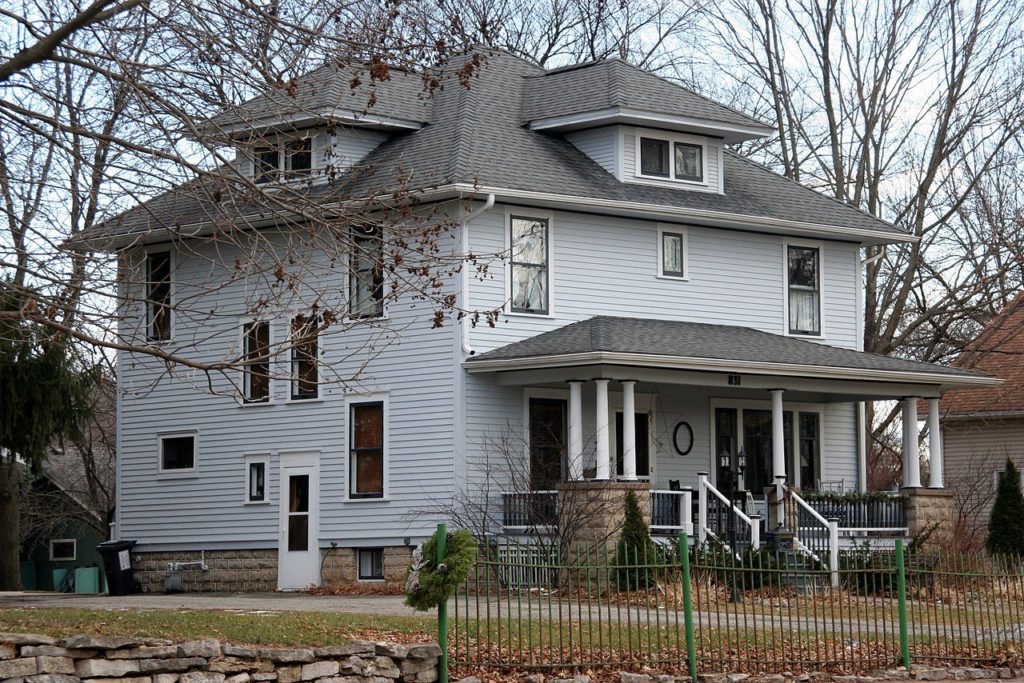
The author recounts the experience of moving into a century-old house in Newton, built in 1900, with a blended family. Upon exploring the dark basement days after moving in, a large metal container was discovered. Initially mistaken for an old boiler, it was found to contain two oversized, bound volumes once the lid was pried open. These volumes were not the hoped-for Timothy Leary journals, but rather ledger pages detailing a decade of financial records from St. Gregory The Theologian Seminary, which had occupied the house from 1976 to 1989. The ledgers meticulously recorded donations, cash disbursements, mortgage payments, retirement funds, and household expenses.
The author was already aware of the house's colorful past, including its time as a seminary for Melkite seminarians and its prior occupancy by Timothy Leary in 1960 and 1961. Leary, then a Harvard psychology professor, began his LSD experimentation while living in the home. Despite this intriguing history, the family was primarily drawn to the house for its spaciousness, which was ideal for their blended family of six children, ensuring each child would have their own space. The volumes provided a tangible connection to the past inhabitants, prompting the author to ponder Leary's activities within the very rooms they now occupied.
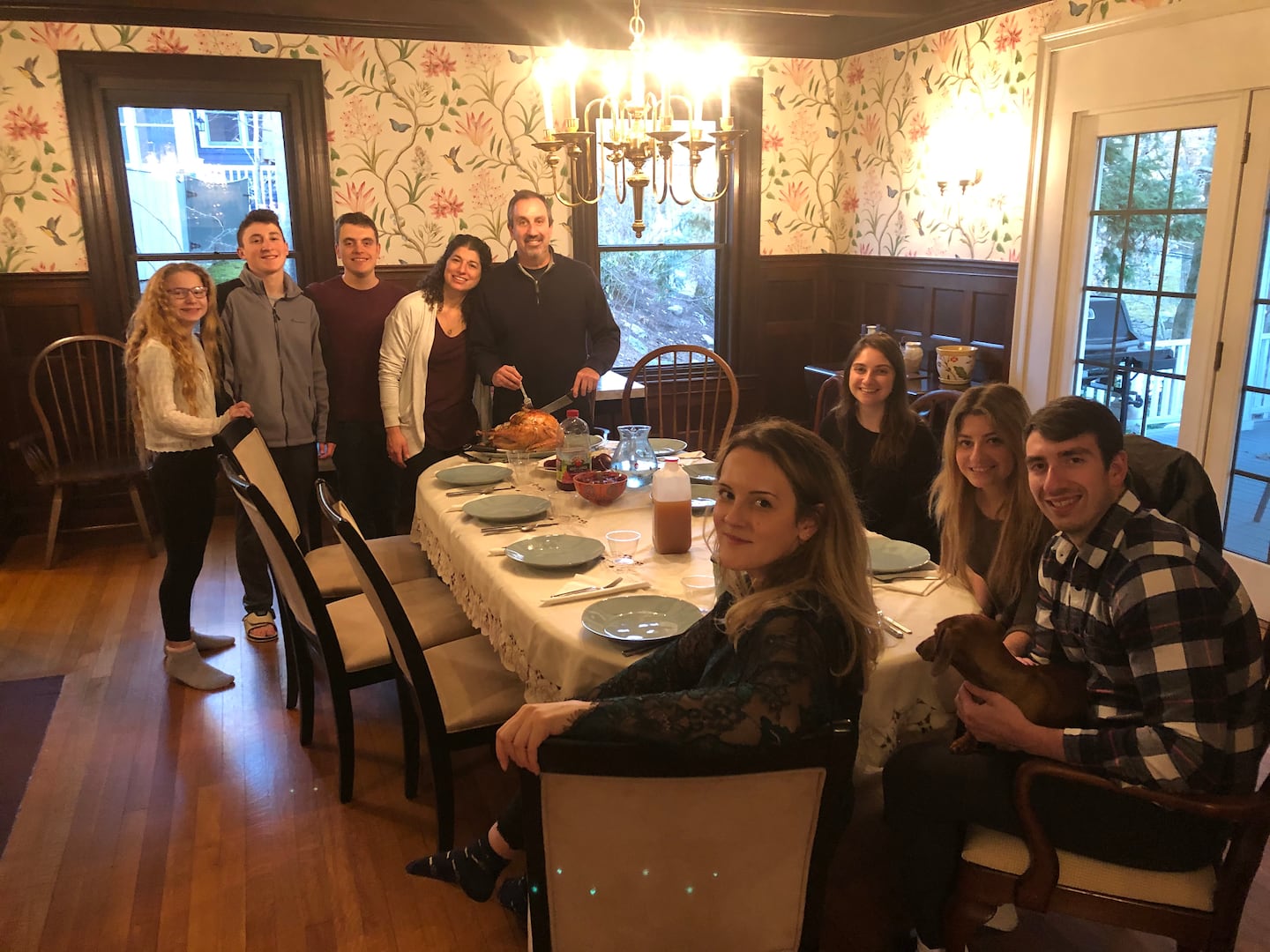
While the house's history served as an occasional hobby, the immediate needs of the property, such as plumbing, electrical, and critter control issues, demanded more frequent attention. Despite these ongoing maintenance challenges, the family actively lived and created new memories in the home. They hosted Thanksgiving gatherings with all six children and enjoyed Sunday barbecues on the porches, which had been added by the seminary as prayer chapels. These experiences fostered a sense of being more than just owners; the author felt a growing responsibility as a caretaker of the house's rich history, connecting their own narrative with those of Leary and the seminarians.
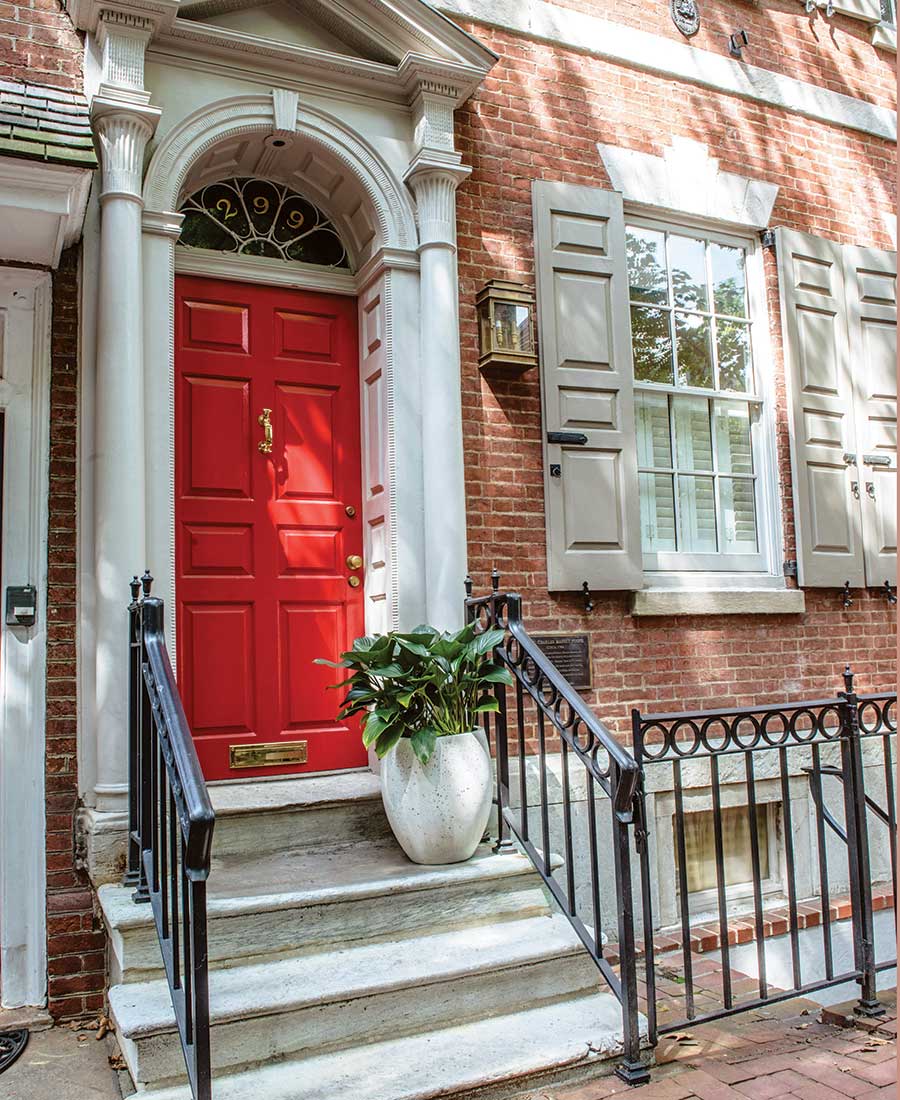
The historical connection deepened when an elderly man in clerical attire appeared at their front door, identifying himself as a former resident from his seminary days. He was given a tour, during which he remarked on how different the house looked yet how familiar it felt. He recognized his old bedroom, the quirky upstairs bathroom, and was particularly struck by seeing the ledgers. Upon realizing the faint blue pen lines were his own handwriting from decades prior, he declined the author's offer to take them, stating they belonged there. He left behind a stack of photos from the seminary's early days and shared a humorous anecdote about a problematic stovetop that, to the author's amusement, continued to be an issue.
After a decade of living in the house and building a family within its walls, the author and their husband are contemplating selling. This upcoming change is described as bittersweet, with the realization that their family is just one more set of temporary inhabitants in the house's long and continuous story. The house, along with its layered history, will eventually be passed on to new occupants, continuing its cycle of hosting diverse lives and experiences.
#HistoricHome #HouseHistory #NewtonMassachusetts #TimothyLeary #MelkiteSeminary #FamilyLife #HomeOwnership #PersonalNarrative #RealEstate #HistoricHome #HouseHistory #NewtonMassachusetts #TimothyLeary #MelkiteSeminary #FamilyLife #HomeOwnership #PersonalNarrative #RealEstate
0 comment in total
 No comments yet
You may also like

7 Frank Lloyd Wright houses currently up for sale

Habitat: The Next Chapter in Society Hill

Guide to Buying Older Homes by Decade

Here's What $2 Million Buys You in Michigan, Florida and New York


My Historic Home Living Room Reveal

Inside Her Home: An interior designer's $3,910 per month dream mid-century modern rental.
The real Downtown Abbey - servants’ lives below stairs


Timeless Traditions Abound in a Local Designer’s Home

'Every Room Tells Part of the Family’s Story, It’s Filled With Decades of Memories' – See How Sims Hilditch Transformed This Old London Villa From Family Heirloom to Family Home


Look Inside My Home: These “Serial Renters” Outfitted Their Ivy City Apartment With Tons of Houseplants and a DIY Accent Wall

What Houses Used to Look Like 100 Years Ago

From the Archive: A Tour of Some of the World’s Most Elegant Home Libraries

18th-Century Lumberton Farmhouse Gets an Eclectic Makeover

A Hidden Play Room and More Clever Details in This "Modern-English-Cottage-Mansion"


Residence Halls Residence Life
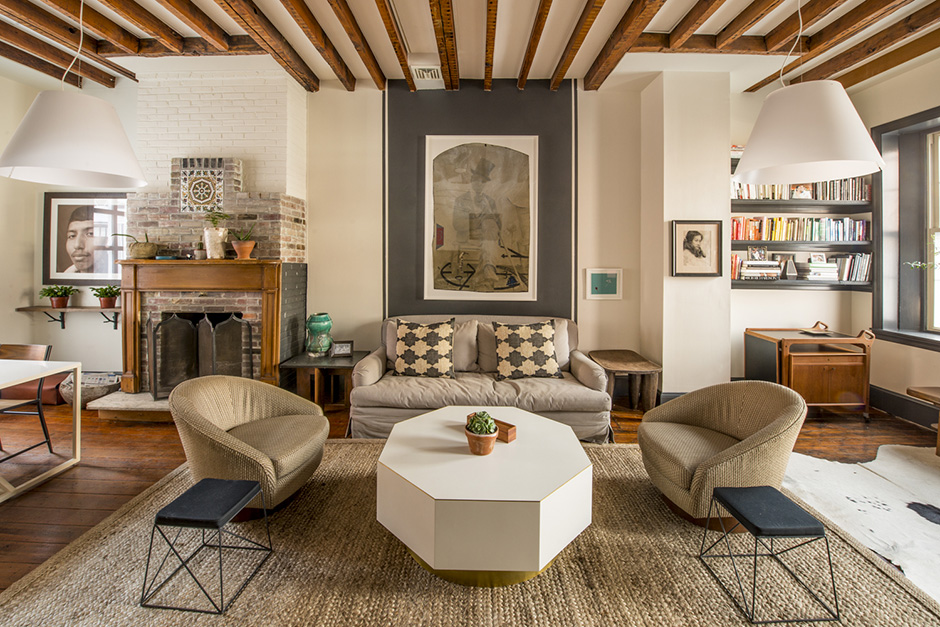
Room of the Week: An Eclectic 1840s Living Room in Northern Liberties


20 Old House Styles No Longer Built Today
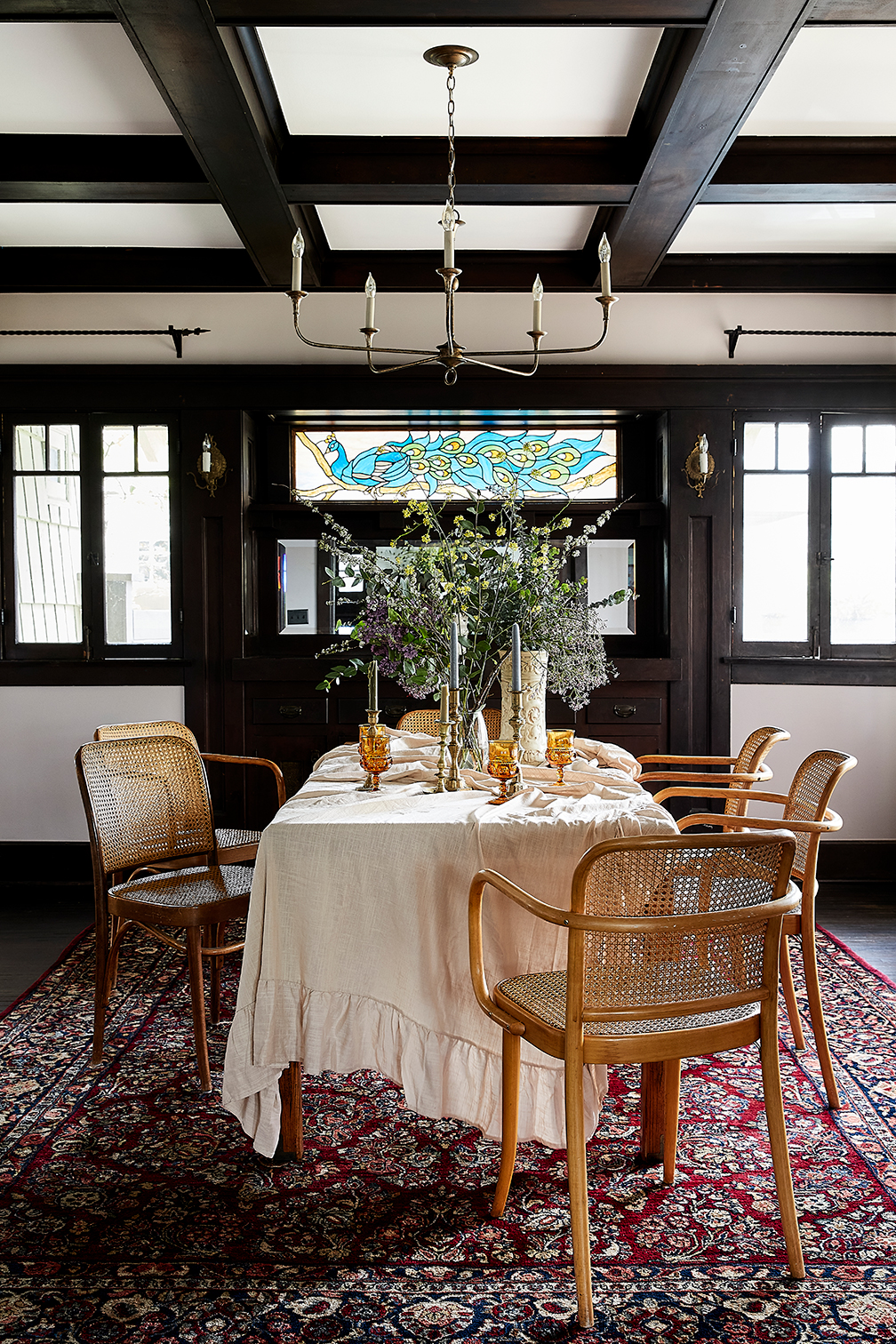
This Design Detail Made Buying a L.A. Craftsman Sight Unseen an Easy Choice

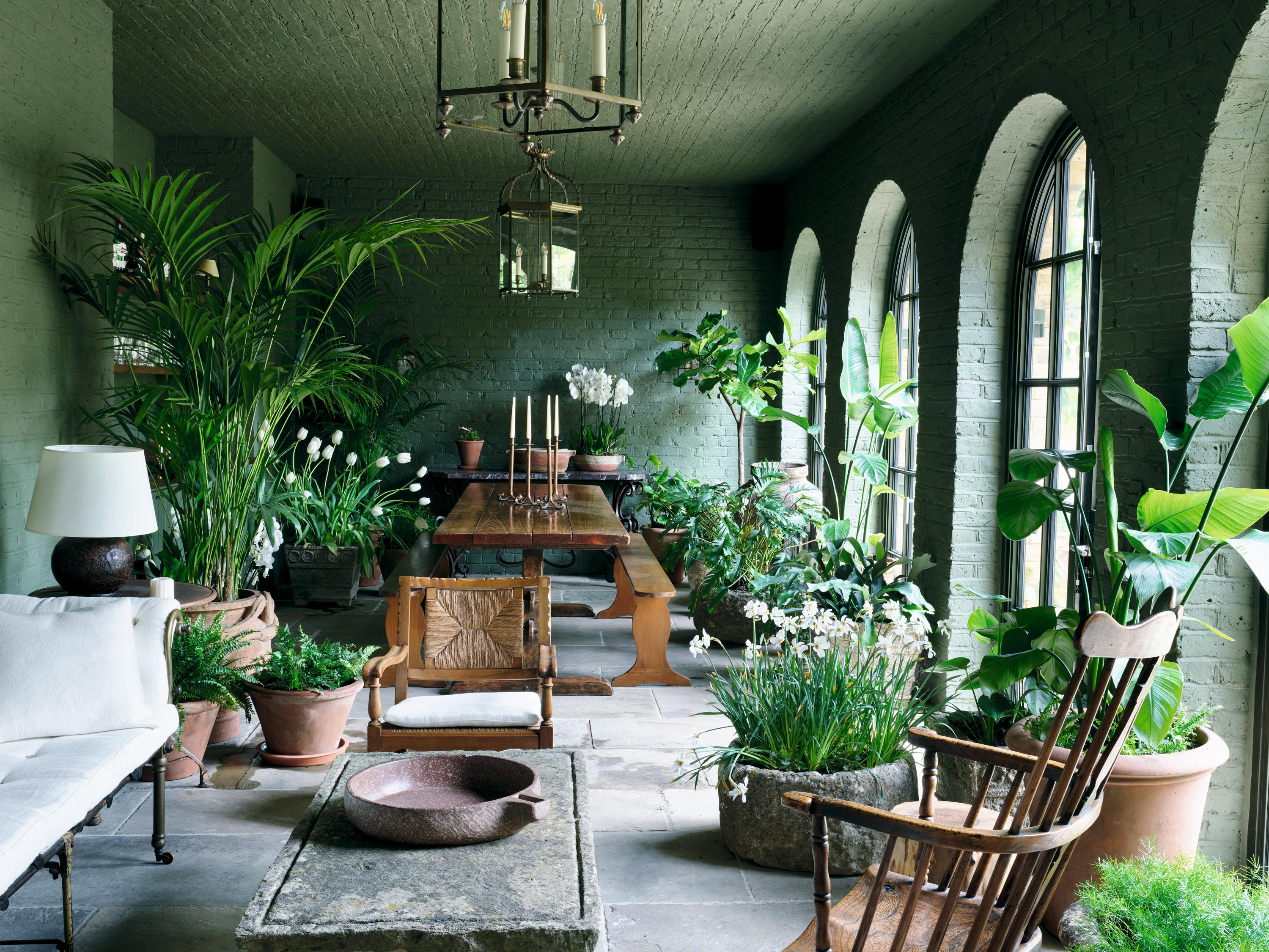
The best country house specialists in Britain, from stonemasons and joiners to builders and paint specialists
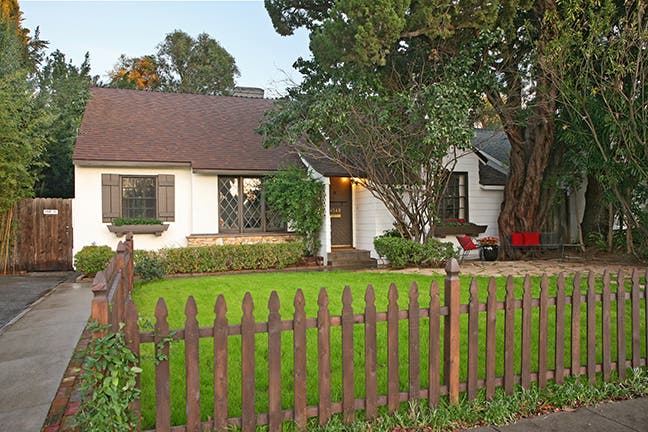
Pristine "Byrd house" with Studio Retreat in Prime Location