Designs for Living: The Bold & The Beautiful
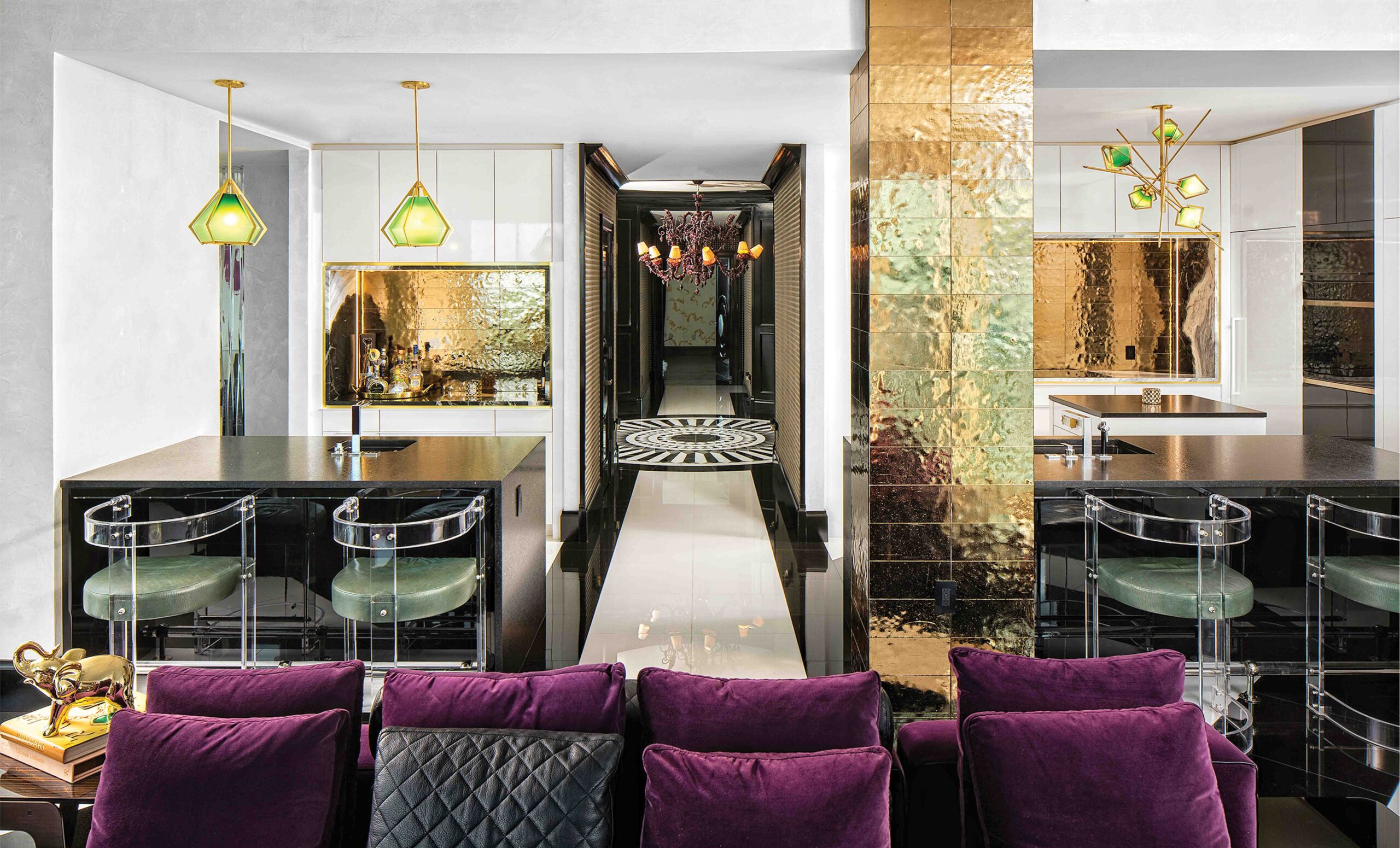
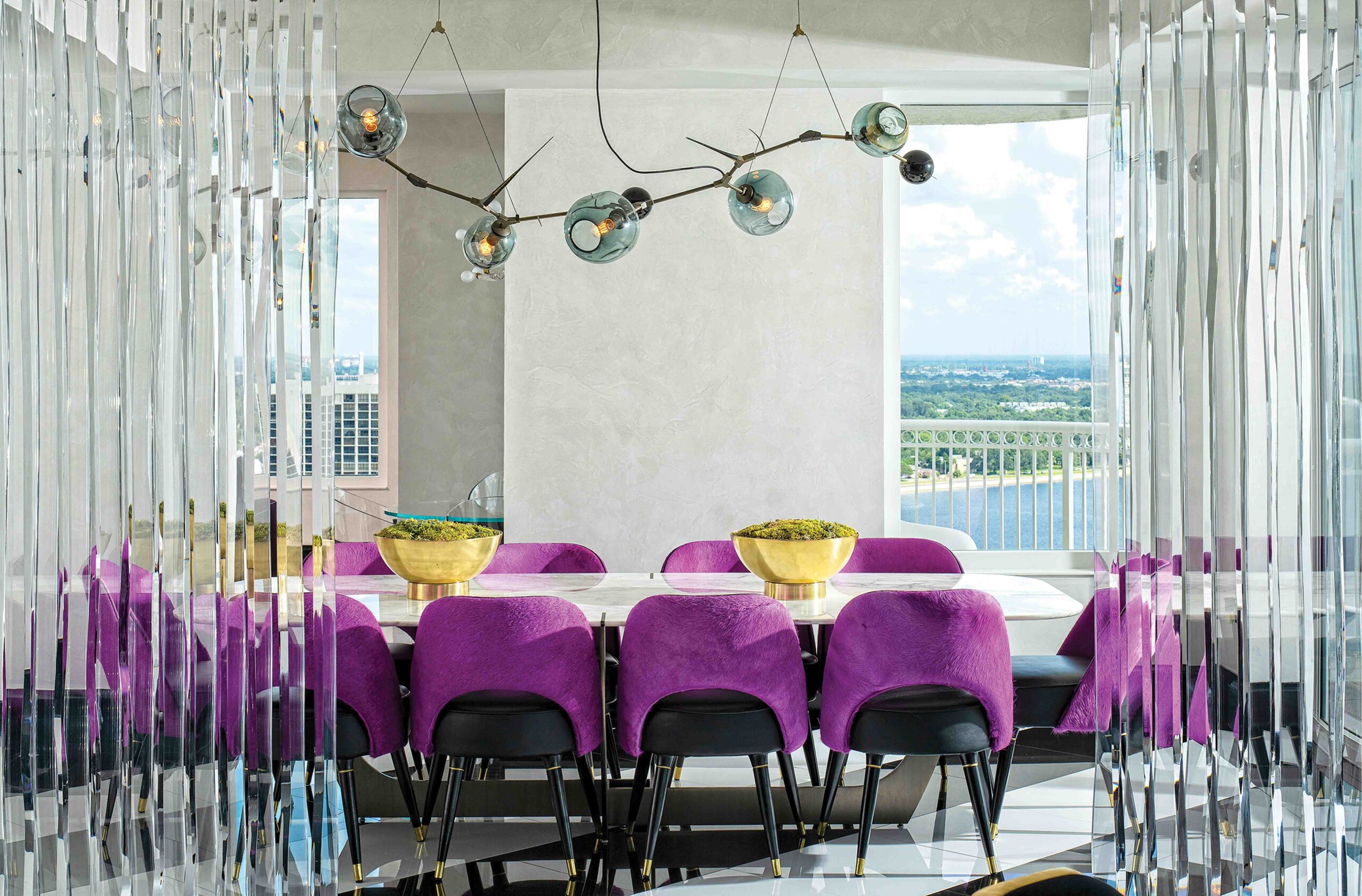

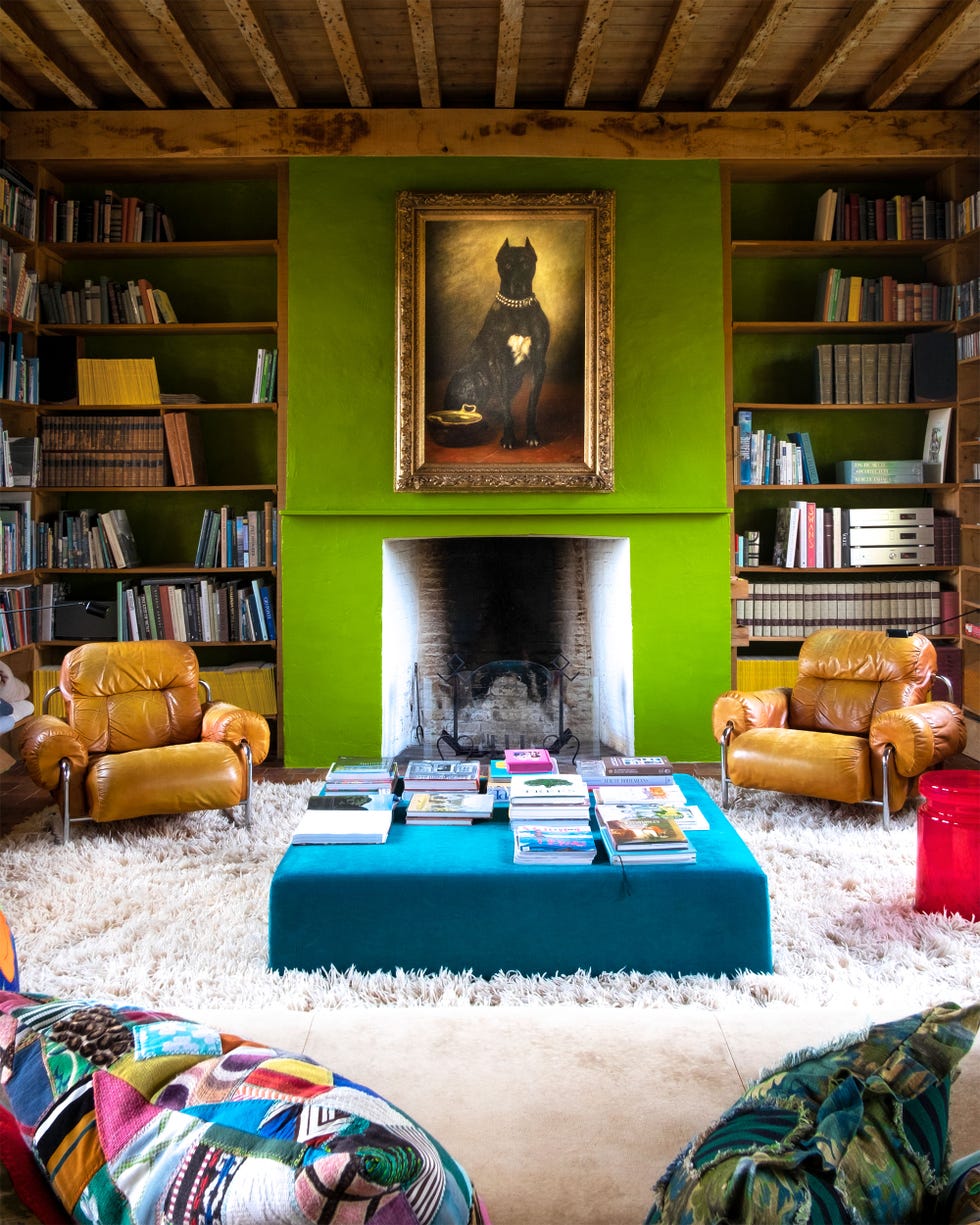
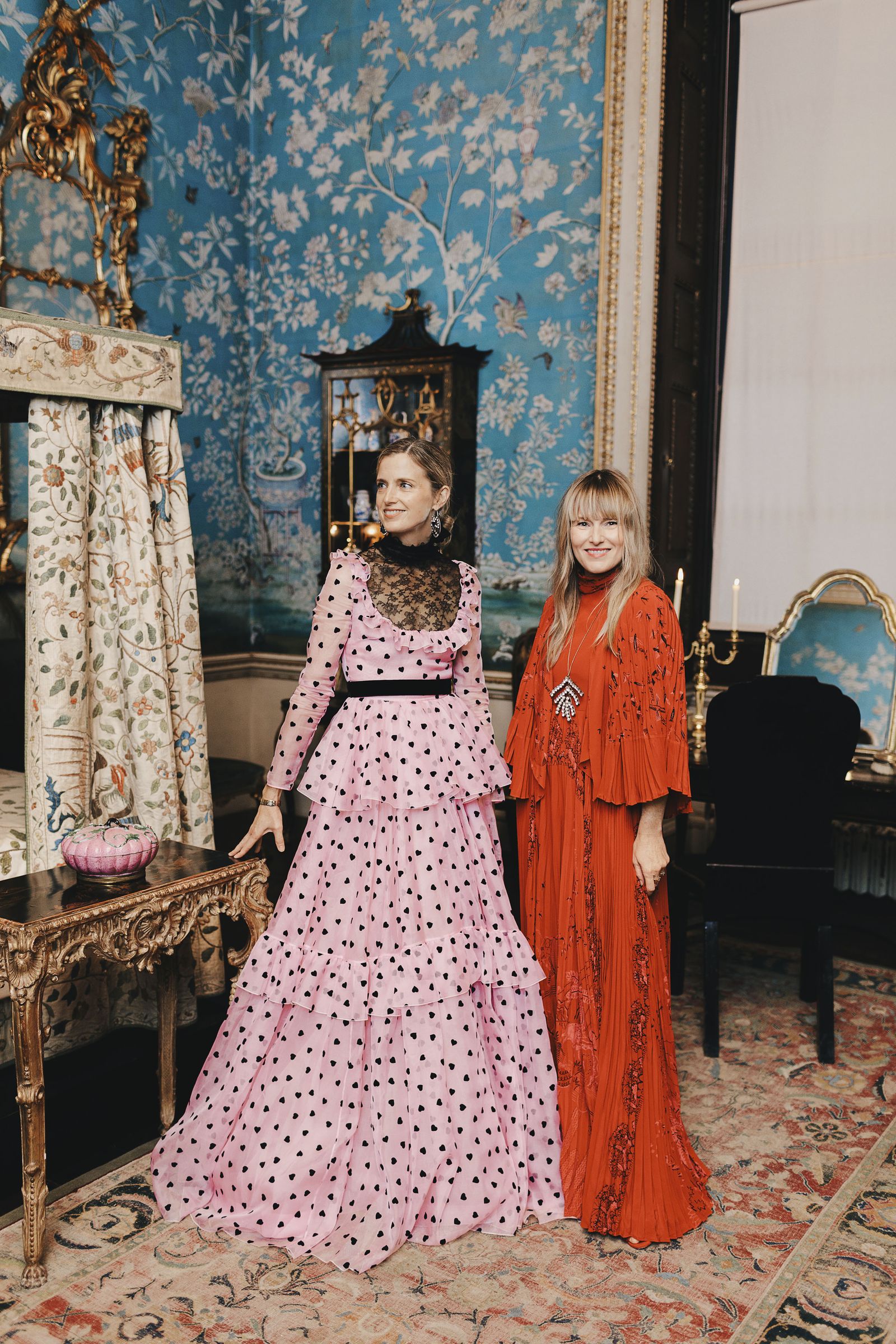
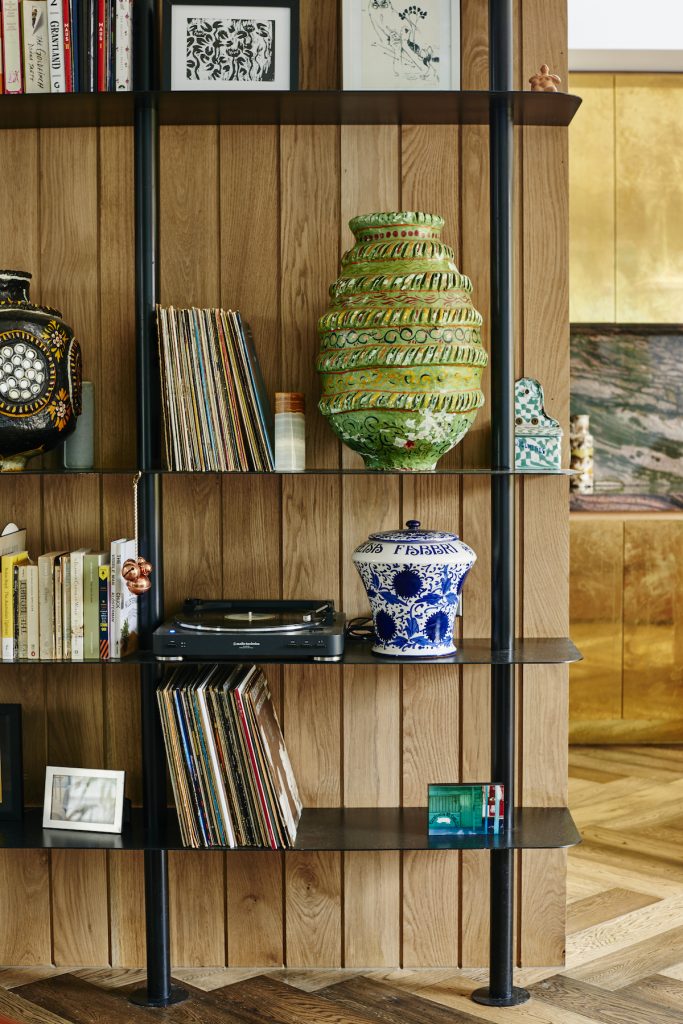
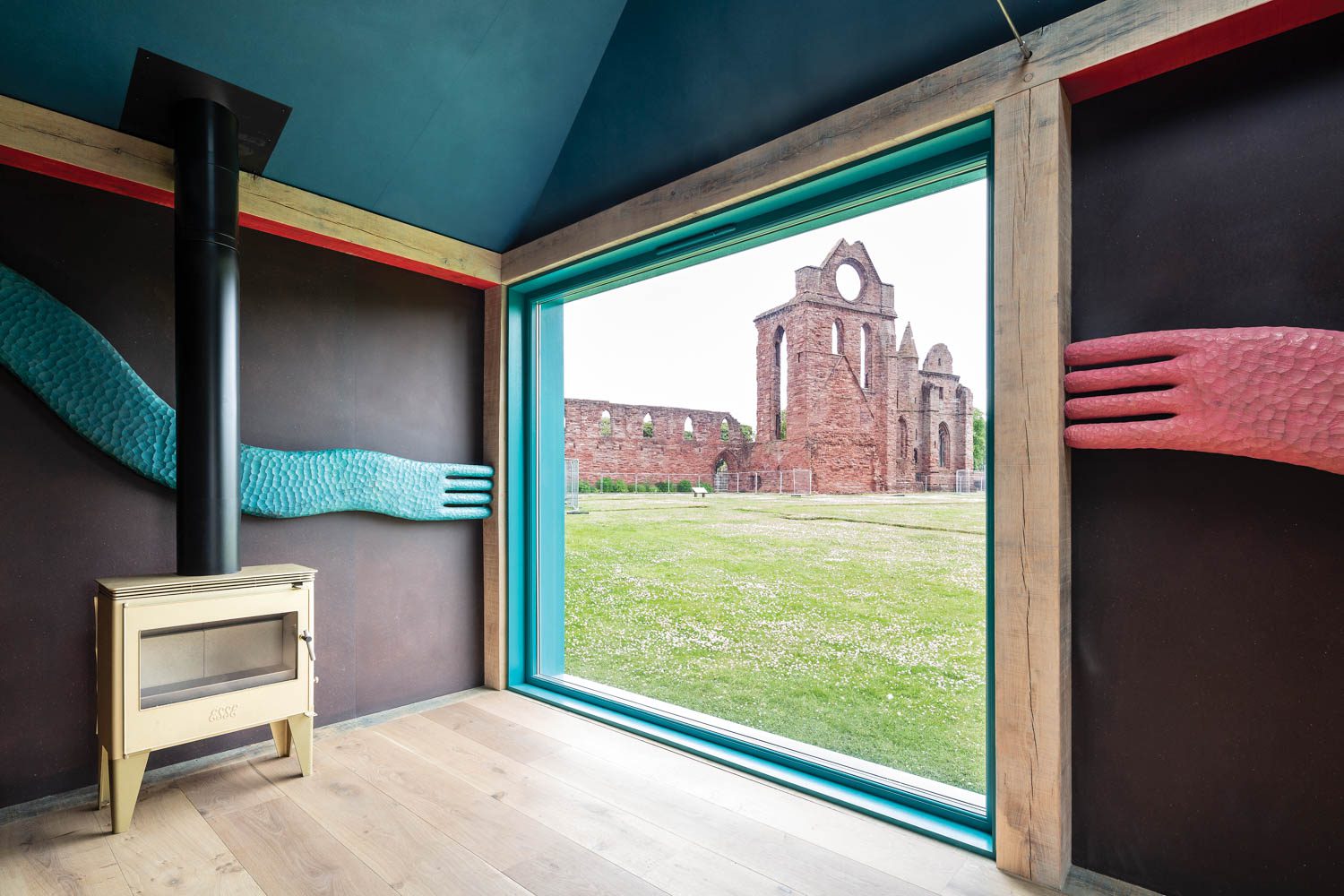
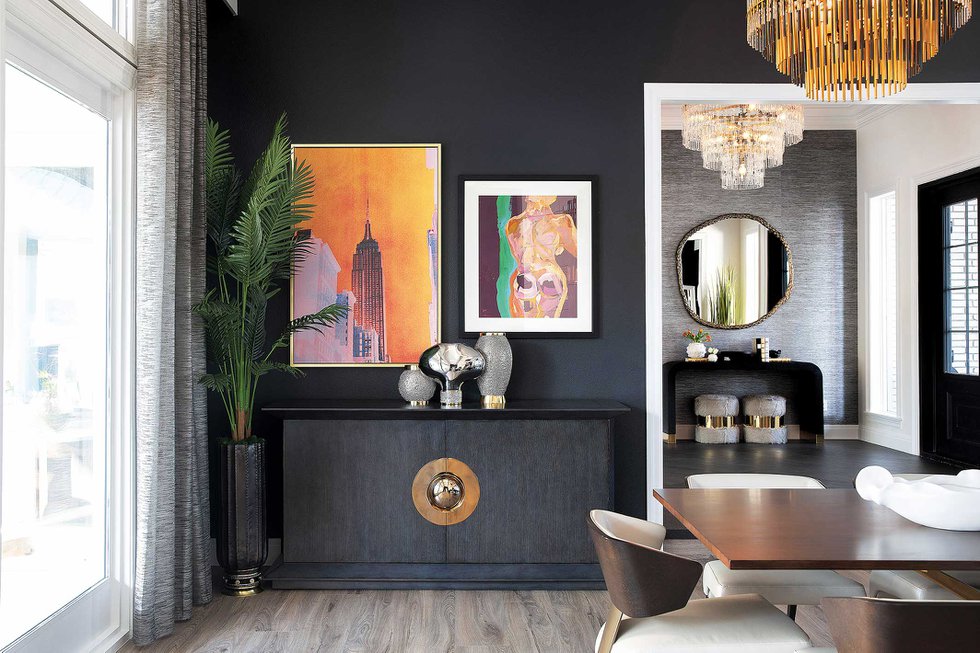
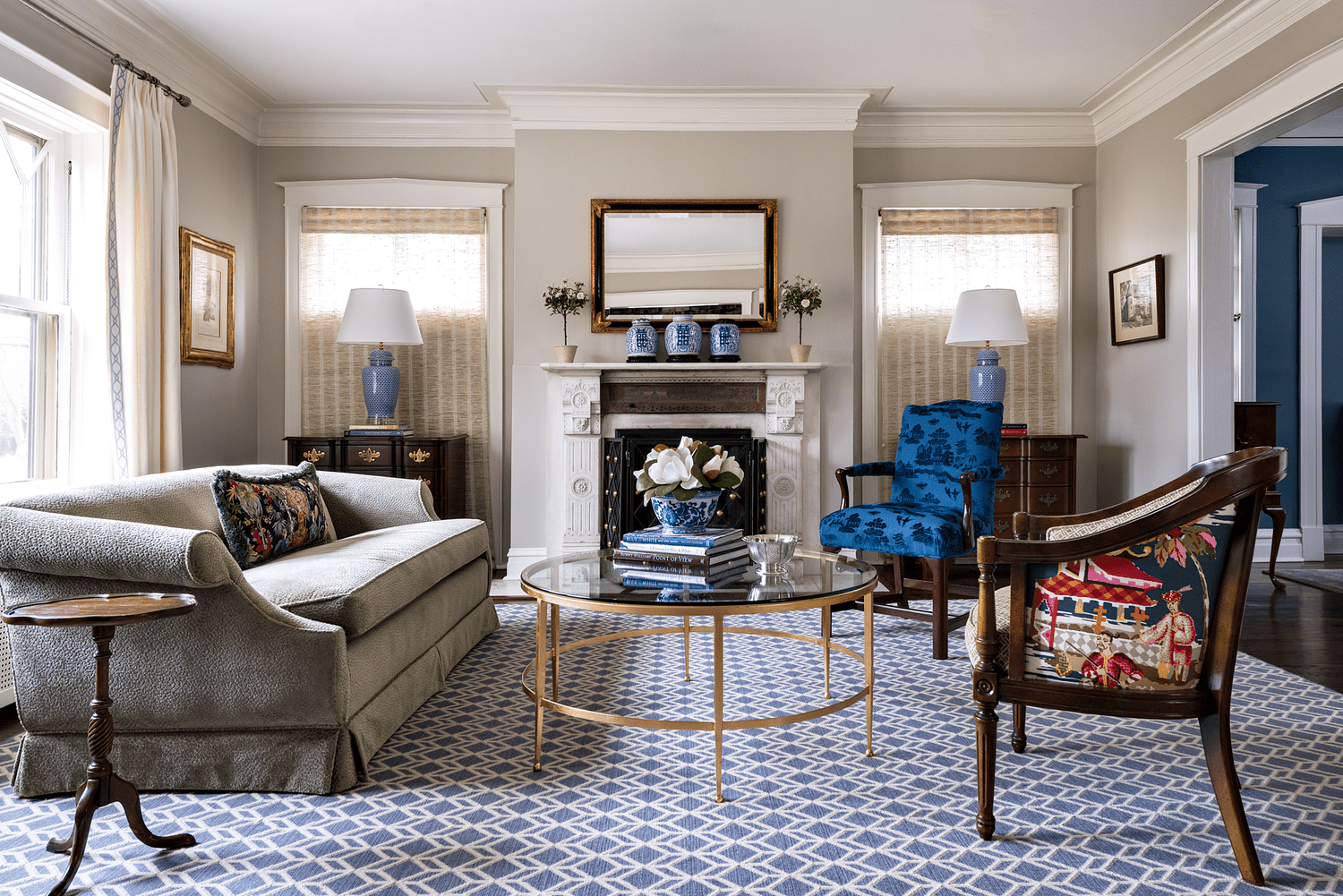
The era of stark minimalism in home decor, characterized by white interiors and black accents popularized by designers like Joanna Gaines, is giving way to a new trend of maximalism. This shift embraces vibrant colors, exuberant patterns, and bold textures, drawing inspiration from fashion, particularly the style of former Gucci designer Alessandro Michele. This maximalist aesthetic is evident in various high-profile interior projects globally, such as Bacchanalia restaurant in London, which features Greco-Roman murals and ancient antiquities, and Hotel Les Deux Gares in Paris, known for its bold color bursts and stripes. In Toronto, The Darling Mansion exemplifies this trend with its decorative carnival of color, taxidermy, and trompe l'oeil.
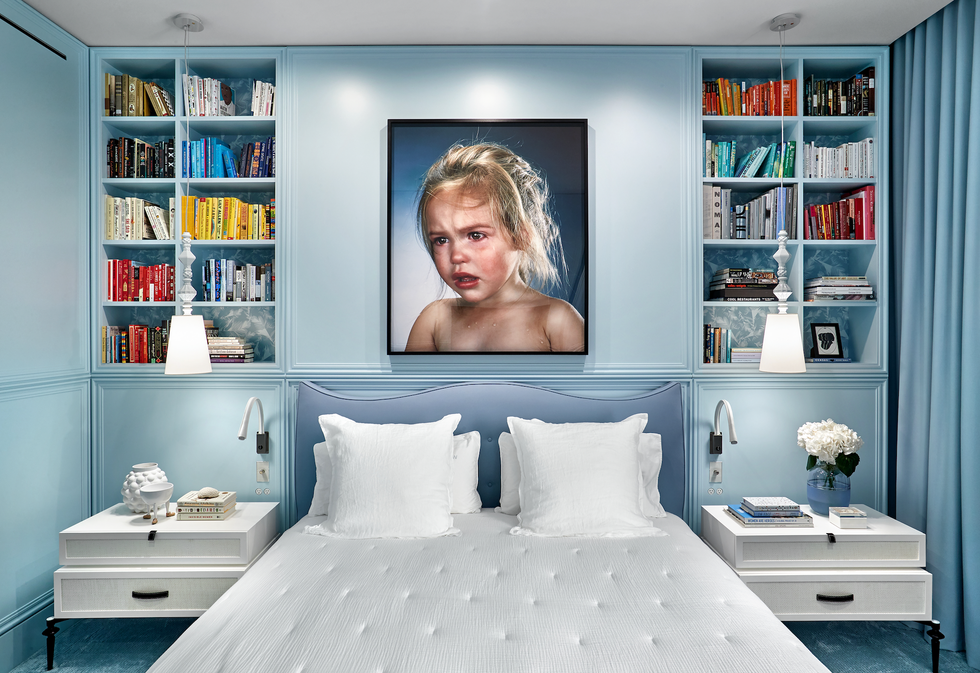
Influences for this vibrant return to color also stem from cultural touchstones like 101-year-old fashion icon Iris Apfel's collaboration with Ruggable, showcasing her signature splashy prints. Even Martha Stewart's website, traditionally a proponent of understated design, now advocates for "color drenching," a technique involving using a single strong hue throughout a room for a monochromatic impact. The recent "Barbie" movie is also predicted to ignite a "Barbiecore" decor trend, emphasizing candy pink and 1950s Palm Springs vibes.
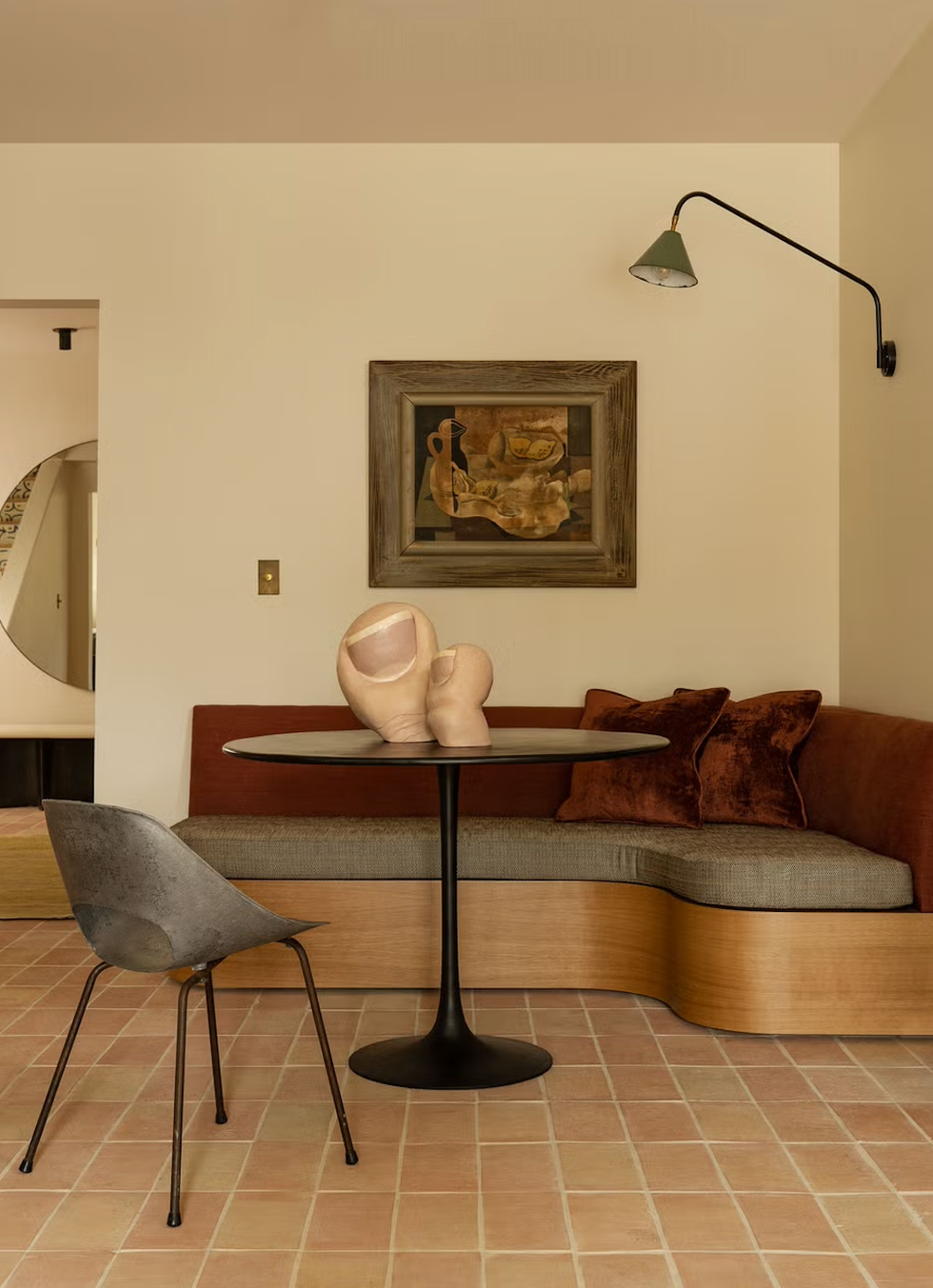
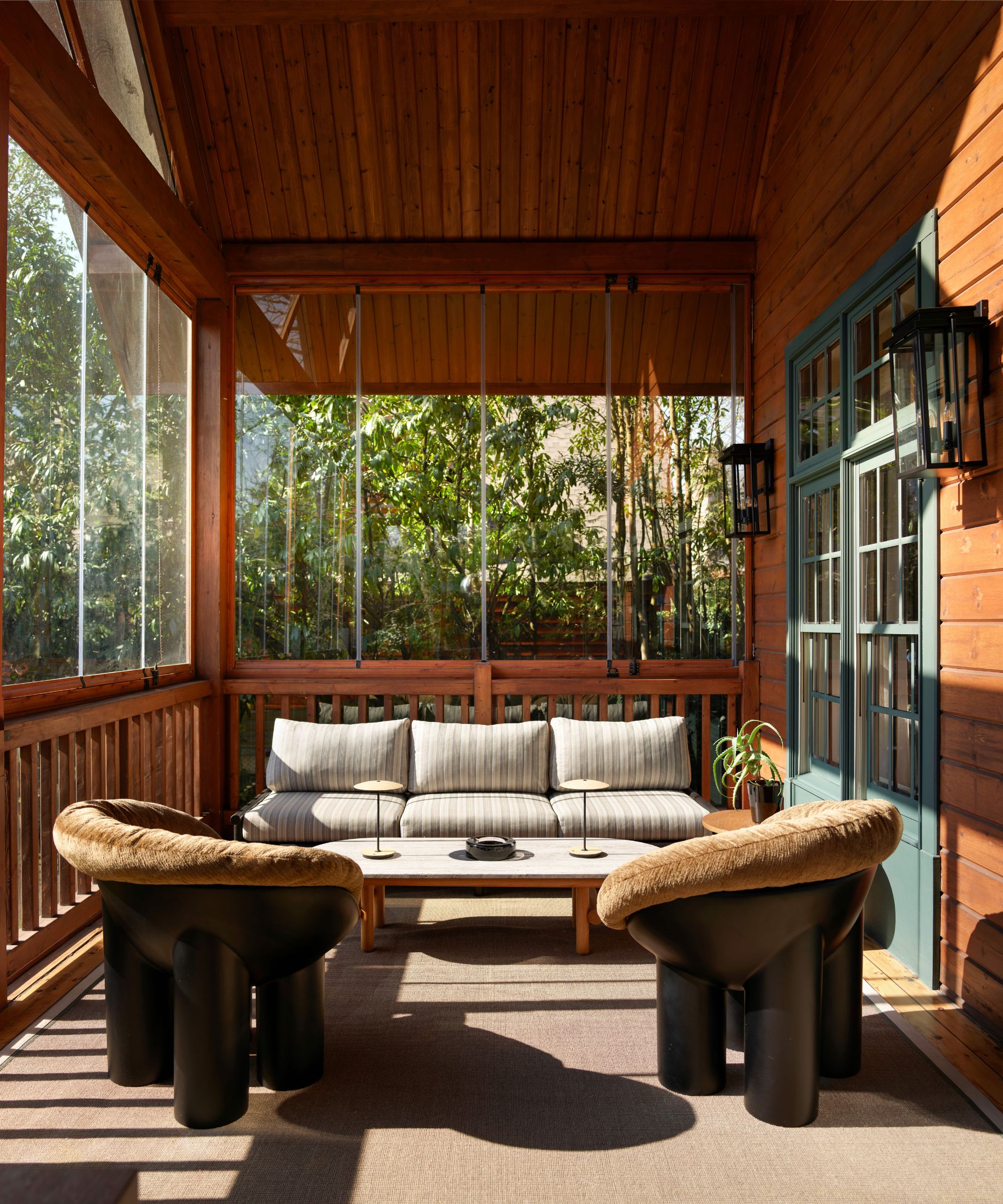
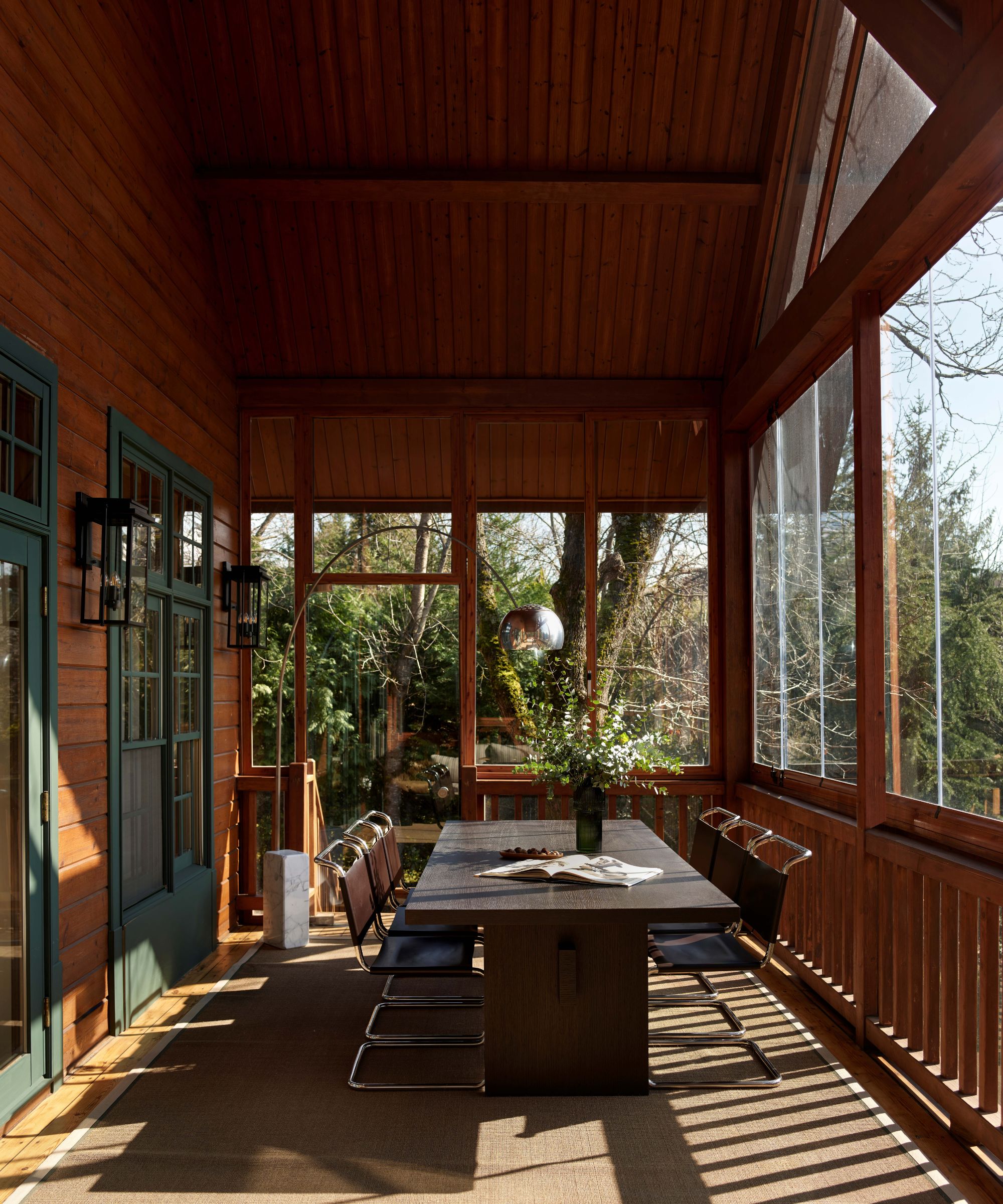
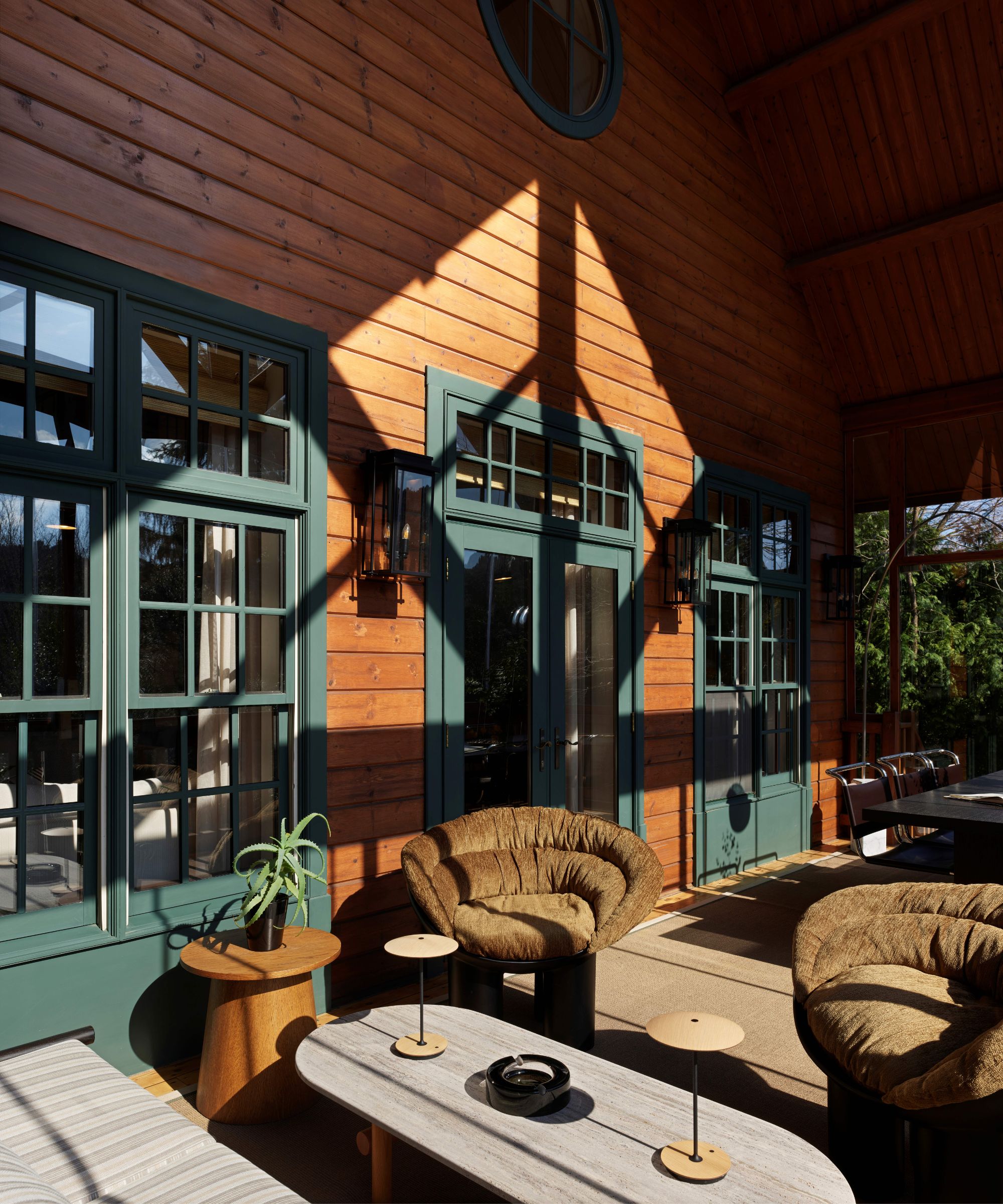
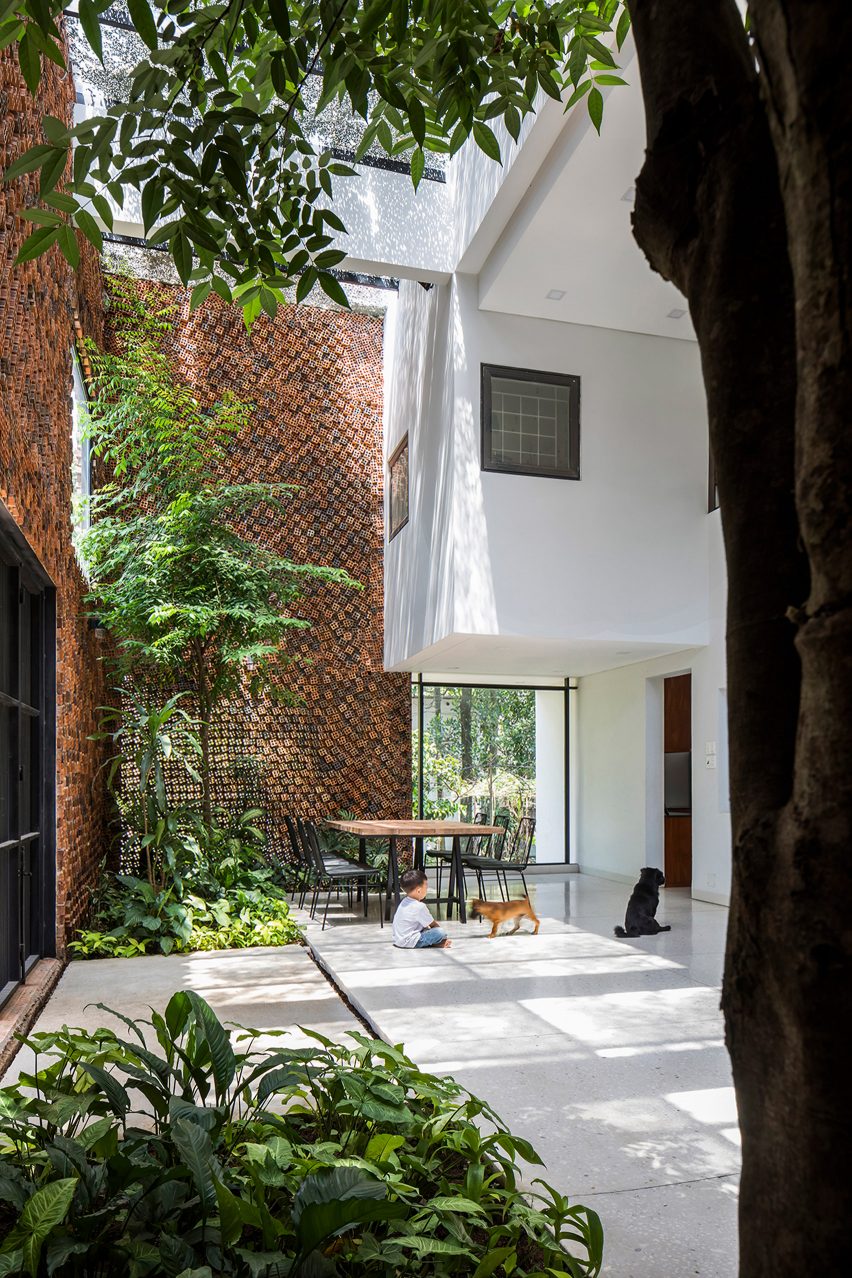
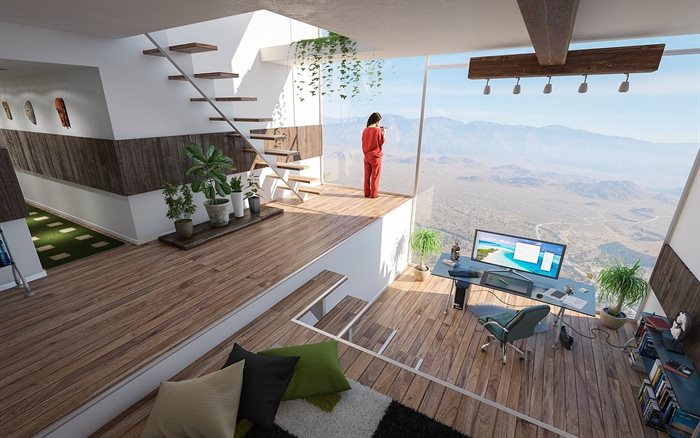
Historically, interior design trends cycle through distinct identities, from the mod 1960s to the farmhouse style of recent years. The early 2020s are seeing a move towards warmer undertones in neutrals, with beige replacing grey, and the re-introduction of saturated browns, reds, and greens. There's also a renewed interest in natural finishes and biophilic design, which connects interiors to nature through plants, natural light, and a reduction of intrusive sounds.
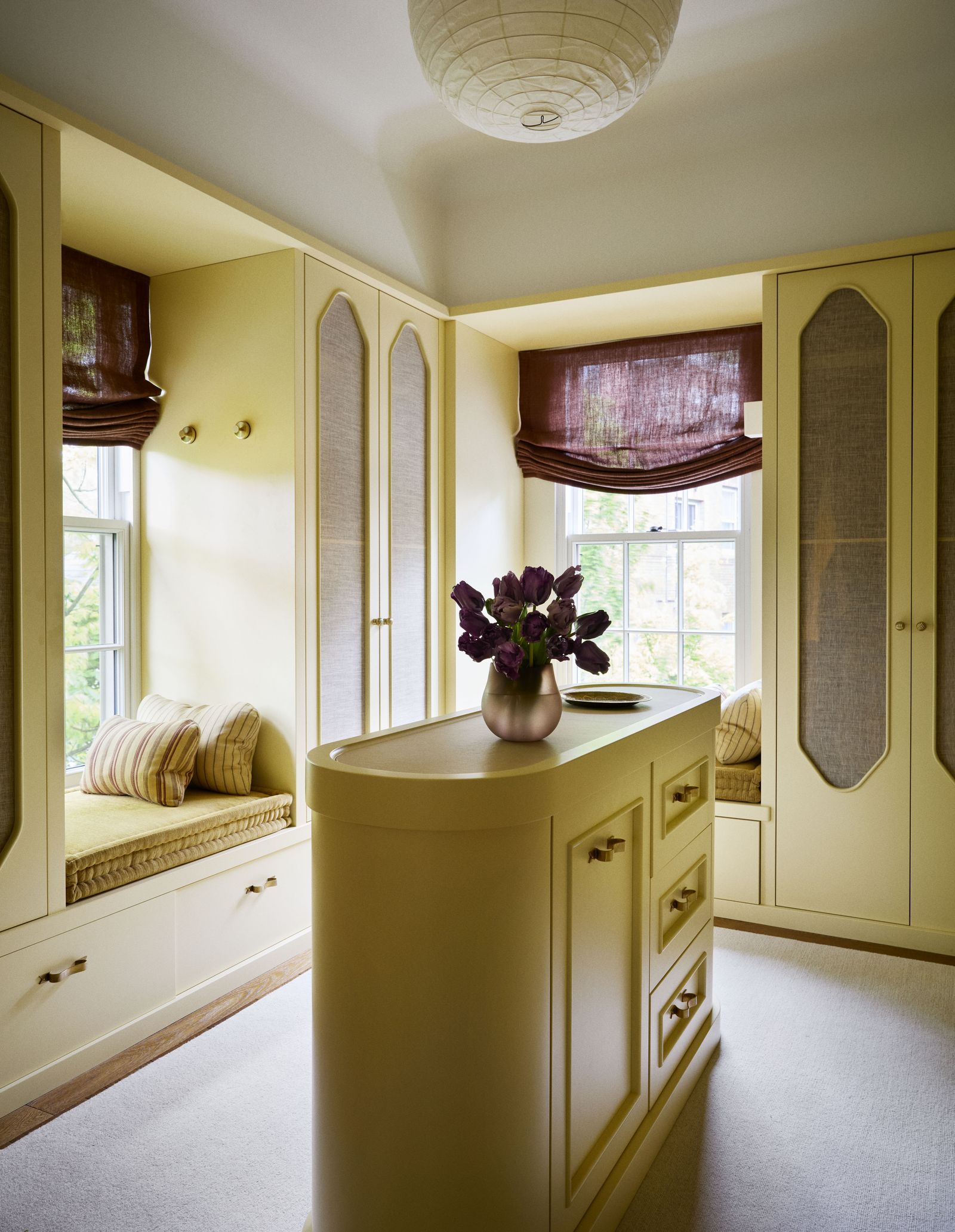
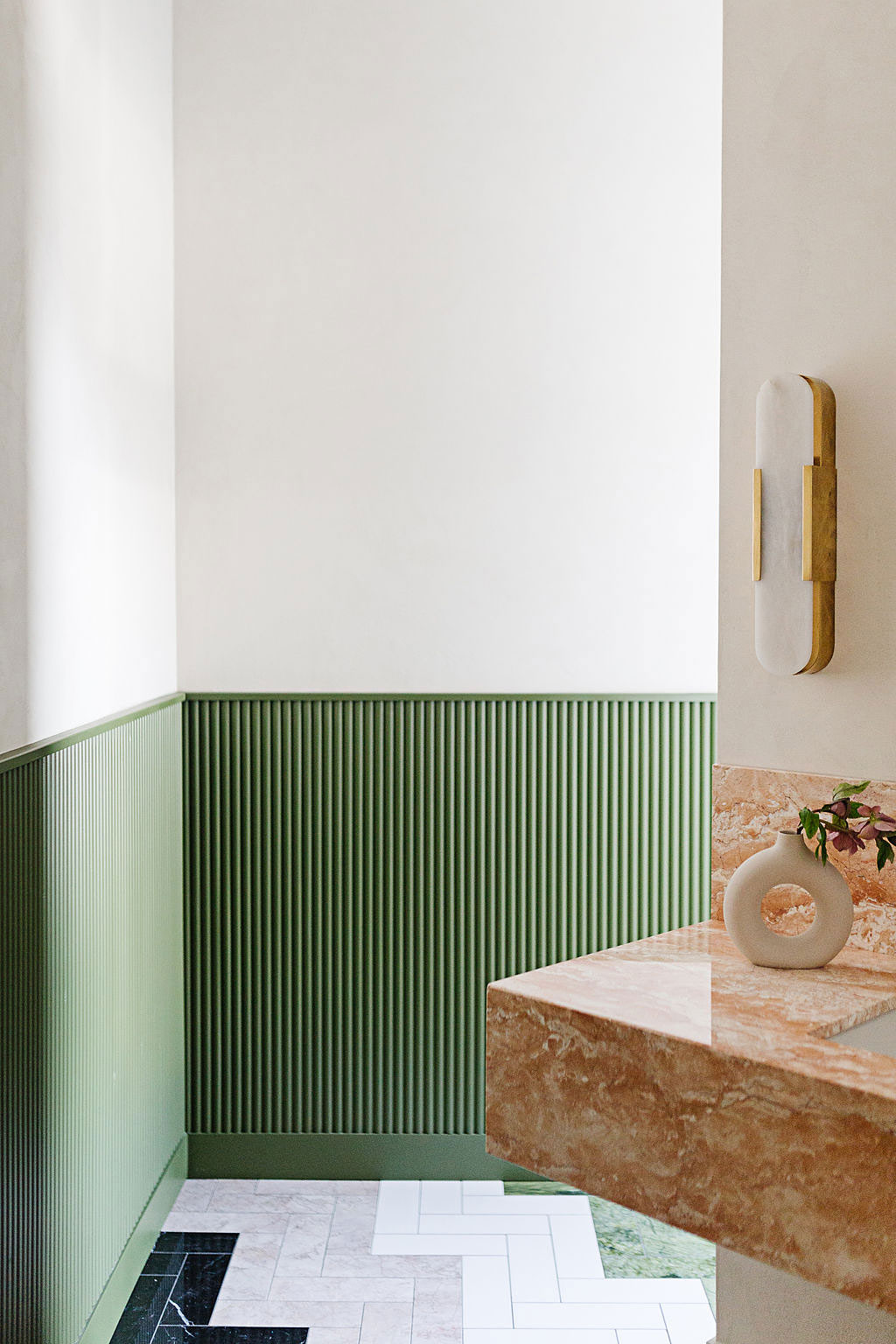
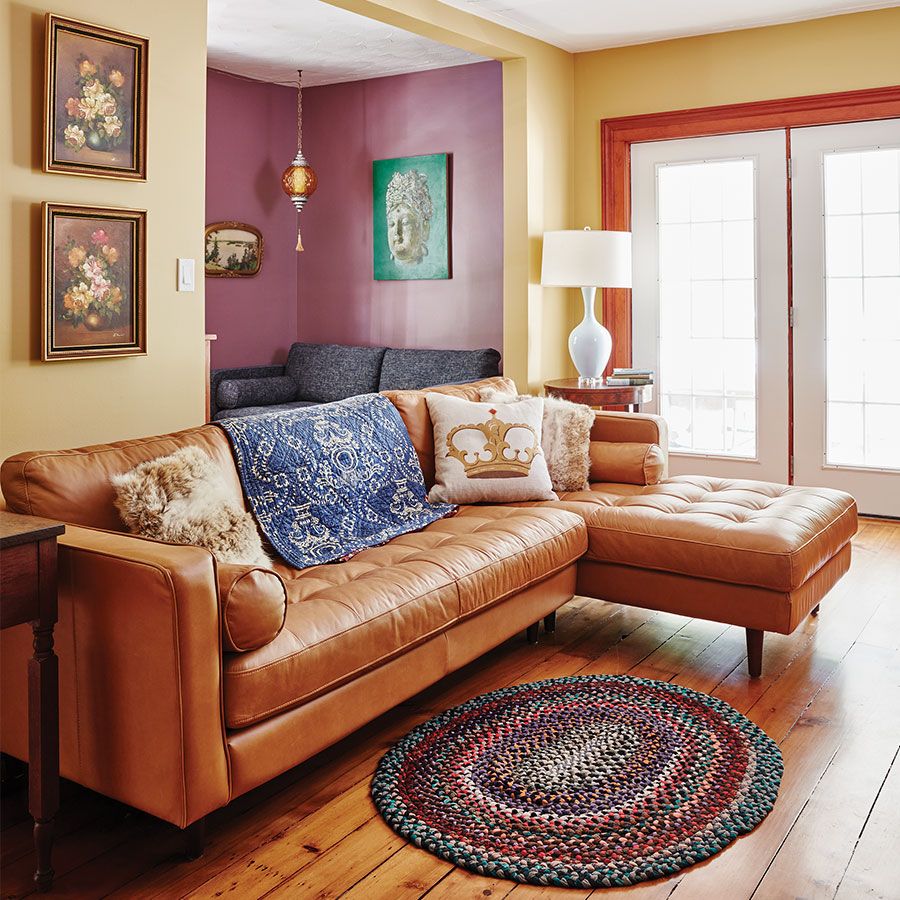
Color forecasting companies like Pantone and paint manufacturers like Benjamin Moore influence these trends, selecting annual colors that reflect economic, social, and cultural shifts. Benjamin Moore's Raspberry Blush and Pantone's Viva Magenta, both in the red family, symbolize "electric optimism" and a "brave and fearless" post-pandemic narrative. The author recounts her personal experience of embracing this maximalist trend while decorating her century-old farmhouse, moving away from the typical farmhouse white to a more colorful and cozy aesthetic. She collaborated with a design-savvy friend to select paint colors, opting for vibrant pastels in upstairs bedrooms and a "Clue"-inspired palette downstairs, featuring a green kitchen and a mustard gold living room with plum and turquoise accents.
The author further explored the emotional impact of color with Sharon Grech, Benjamin Moore's color and marketing manager. Grech emphasized nature as a significant influence, highlighting how greens bring a balanced and grounded feel, while deep golden mustard (Citrine) can be cheerful and meditative. The article also discusses the author's use of wallpaper, a significant splurge, from Canadian company Fine & Dandy Co., whose grand, contiguous murals gained popularity during the pandemic as people reimagined their homes. The company's work is seen in various high-profile locations, including a recent mural wrap at the Falconer’s Cottage in Versailles. The author installed a dark, dream-like forest mural in her dining room, creating an otherworldly effect.
Ultimately, the article concludes that despite trends, interior design is about personal expression and individual style, encouraging homeowners, especially baby boomers known for their nonconformity, to embrace being themselves in their homes.
#InteriorDesignTrends #Maximalism #ColorDrenching #Wallpaper #BiophilicDesign #HomeDecor #FarmhouseStyle #ColorPsychology #PersonalExpression #InteriorDesignTrends #Maximalism #ColorDrenching #Wallpaper #BiophilicDesign #HomeDecor #FarmhouseStyle #ColorPsychology #PersonalExpression
0 comment in total
 No comments yet
You may also like
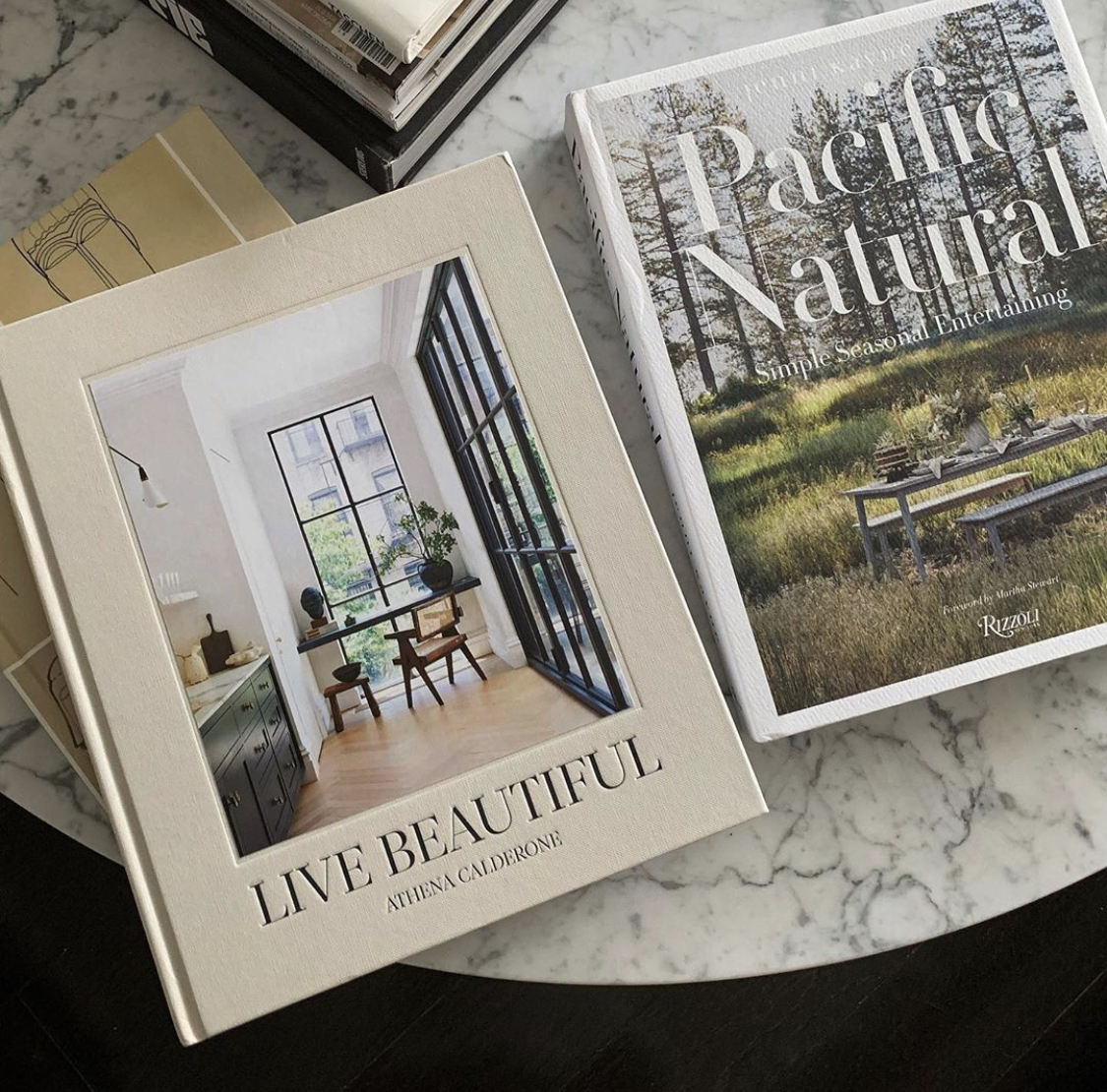
10 Interior Design Books That Belong on Every Aesthete’s Coffee Table

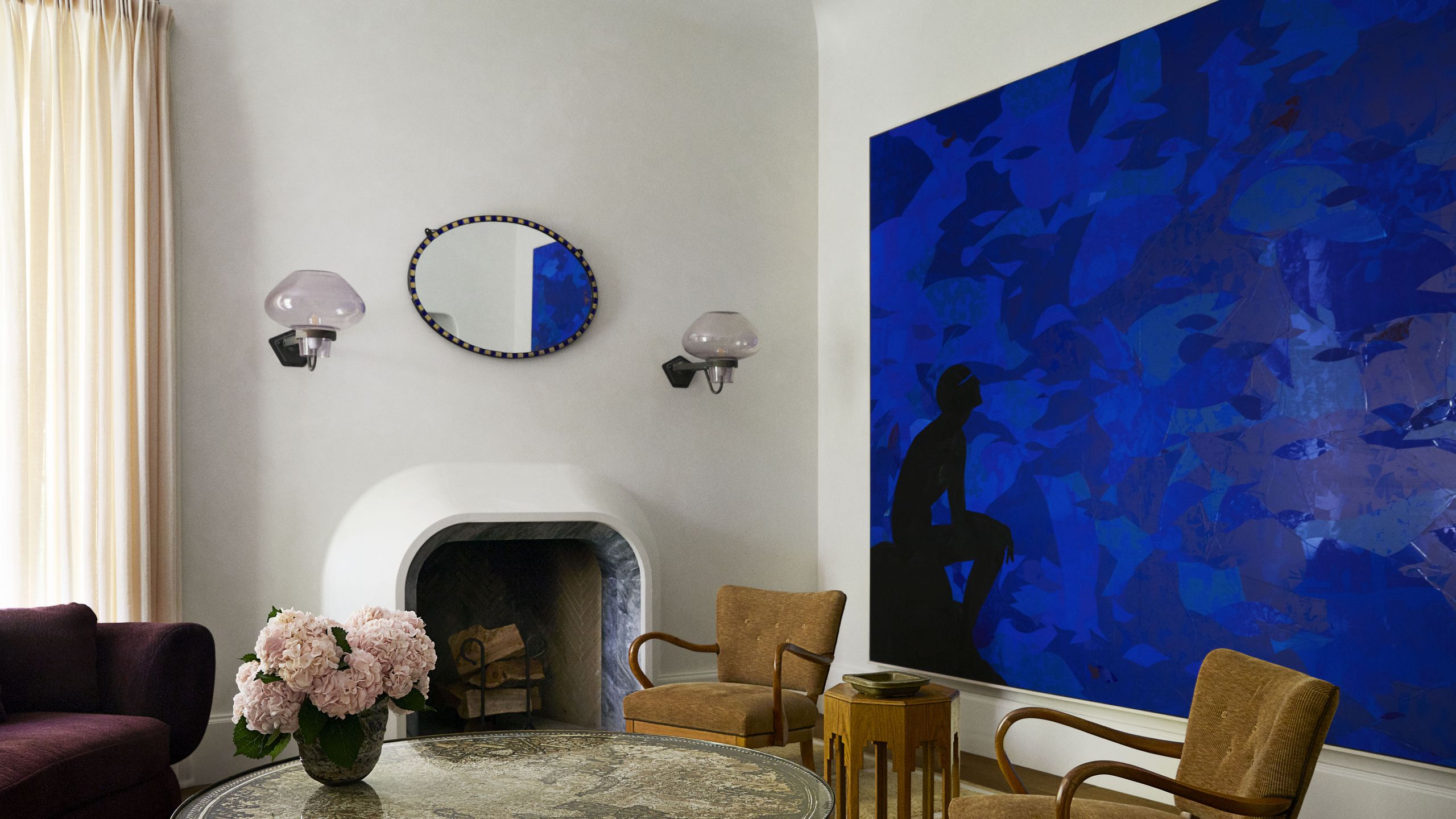
Inside AD’s October 2025 Issue: City Living

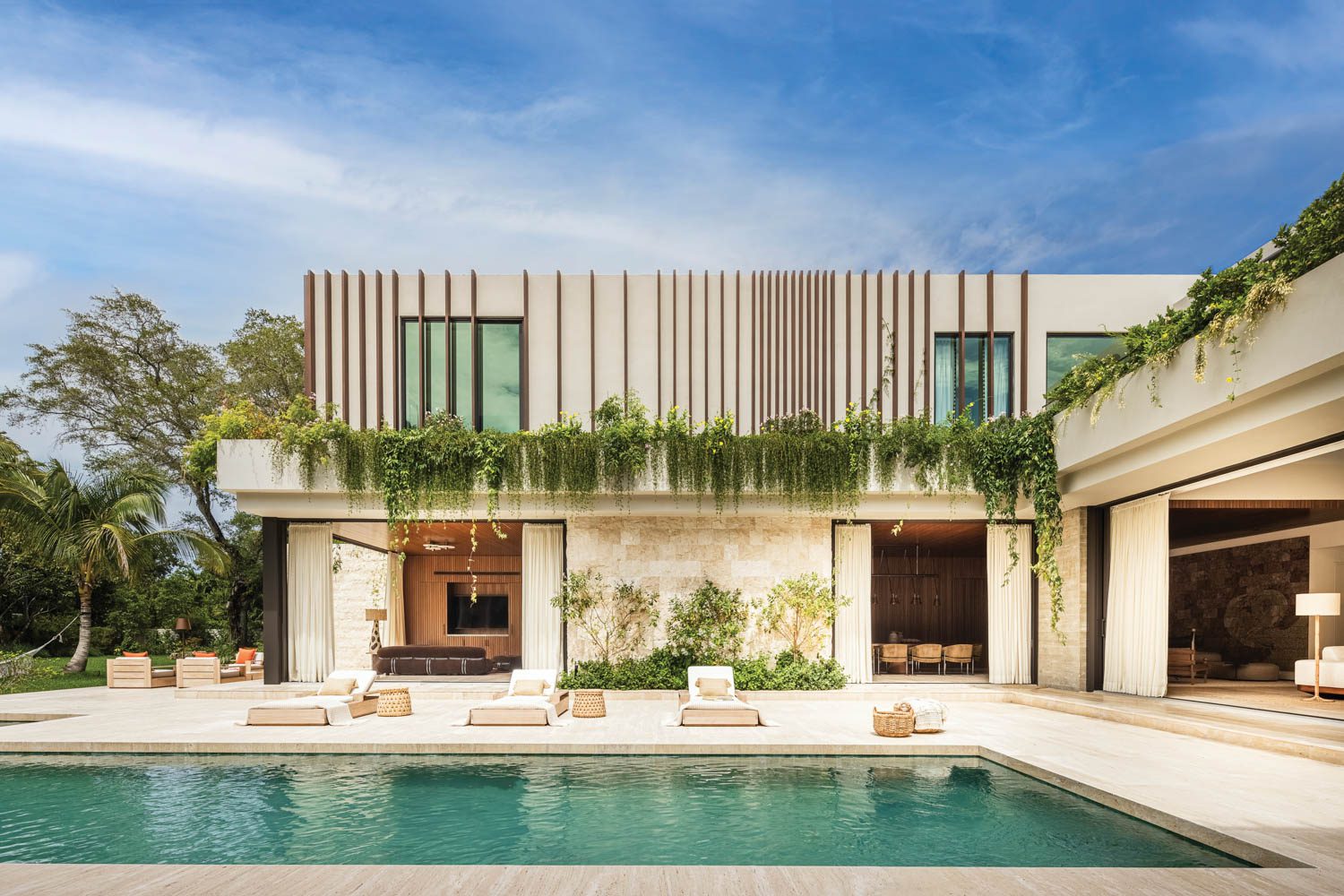
20 Homes With Striking Indoor-Outdoor Living Spaces

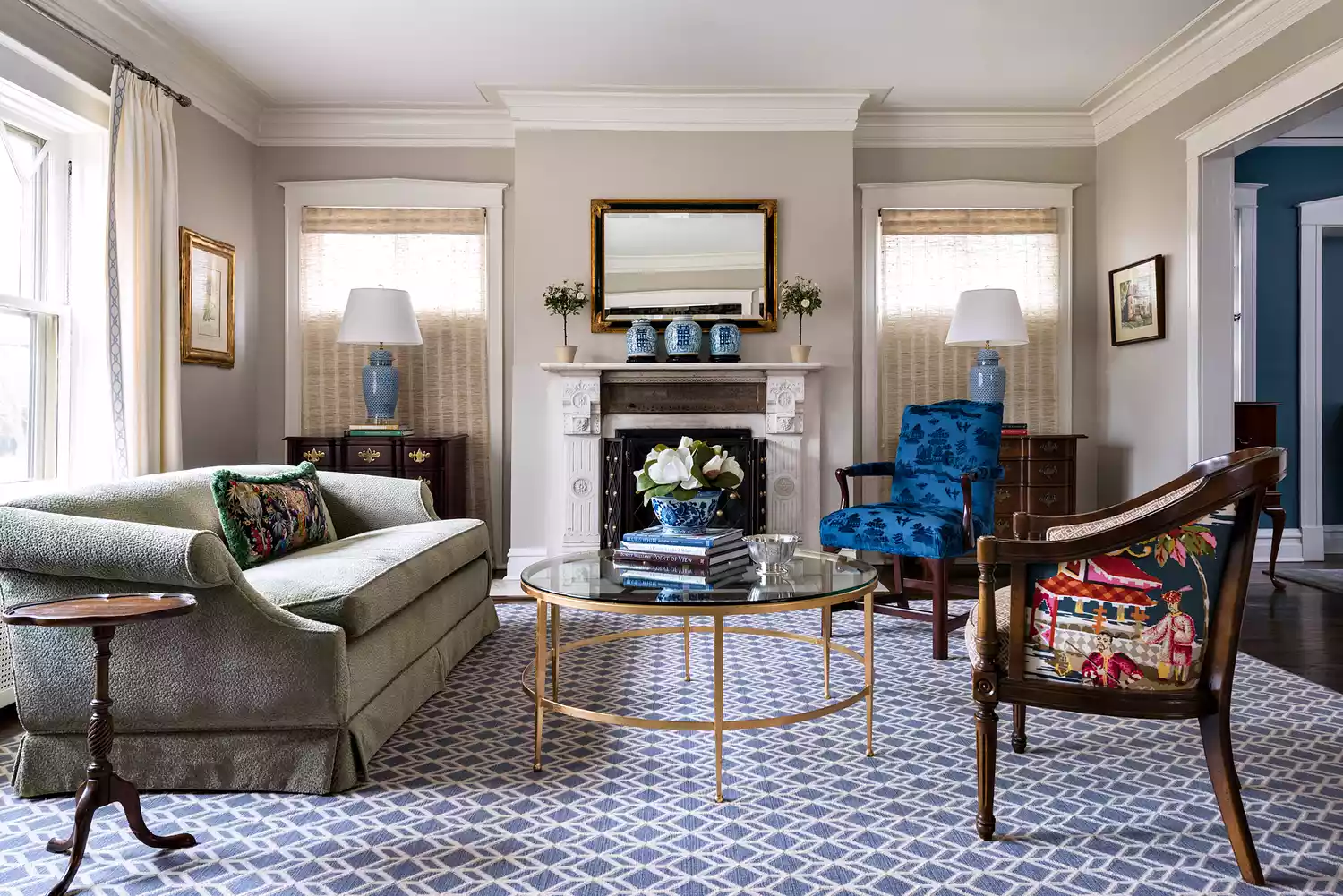
We Asked Designers How to Design a Home You'll Love into Retirement—And We Loved Their Advice

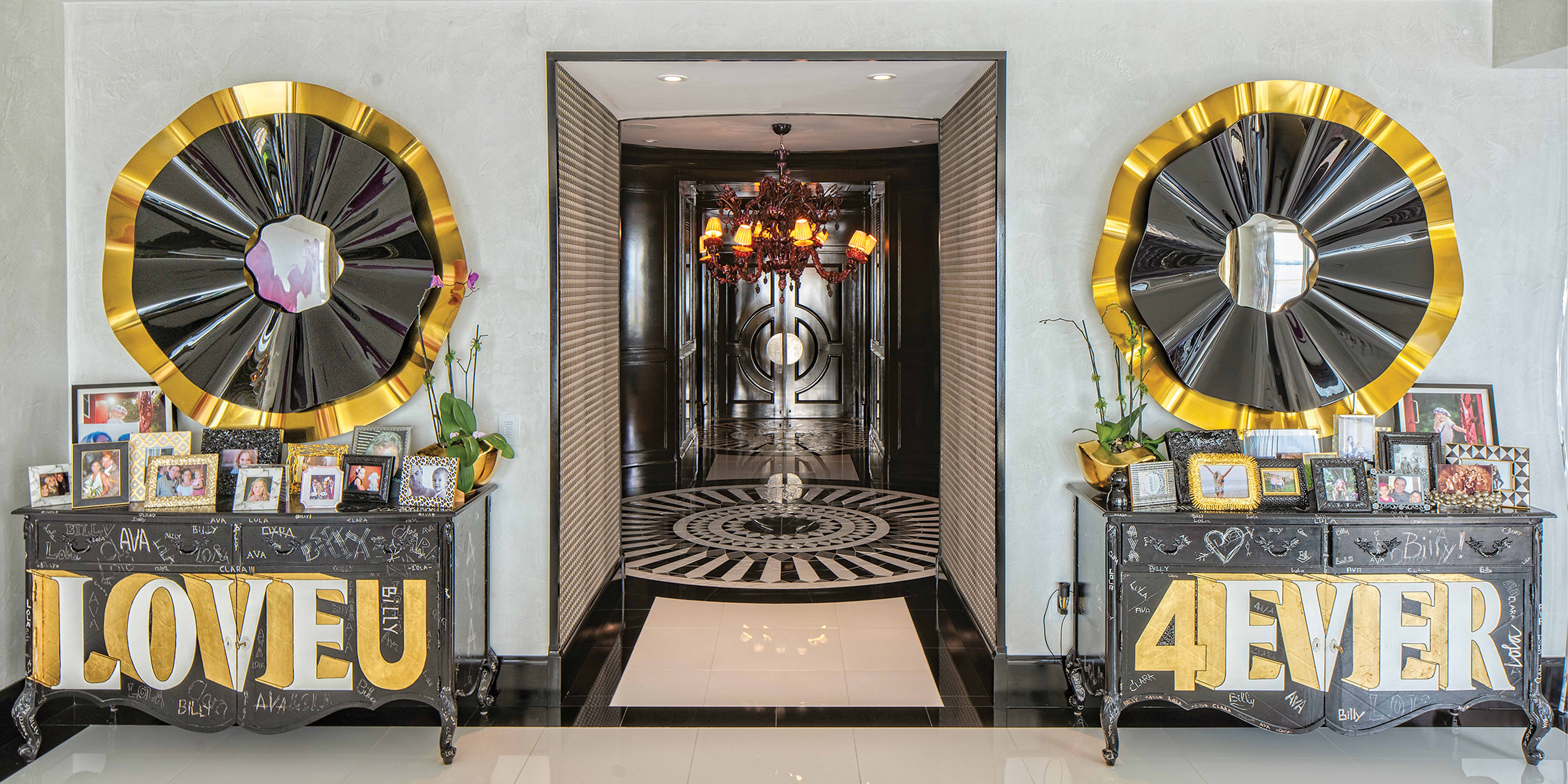
Home Design: High Fashion, High Design

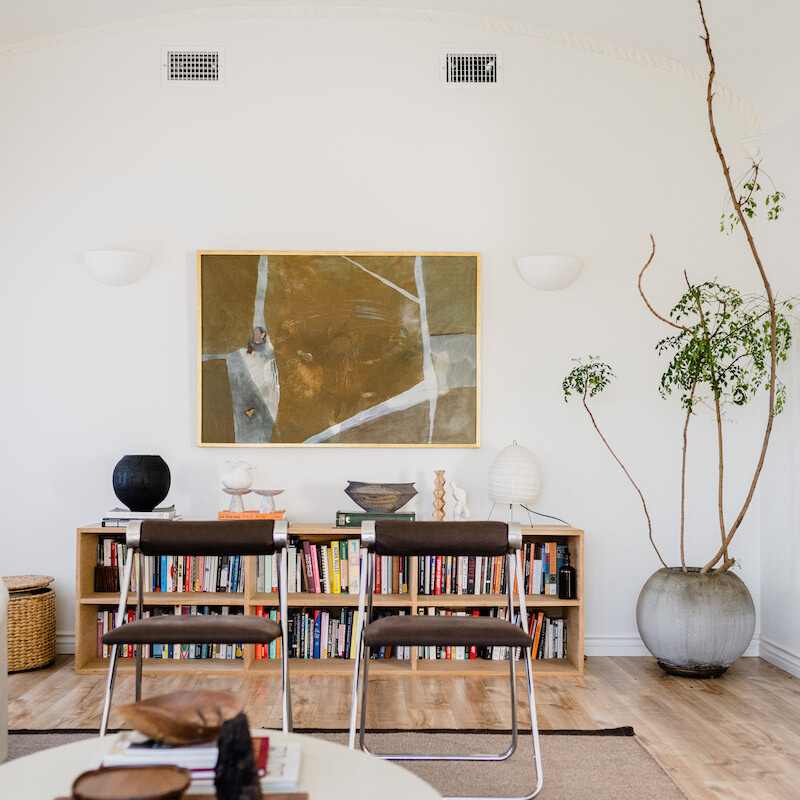
7 New Interior Design Books to Inspire Your Spring Home Refresh

This Bonita Springs-based Interior Designer Creates Bespoke Designs For The Ages
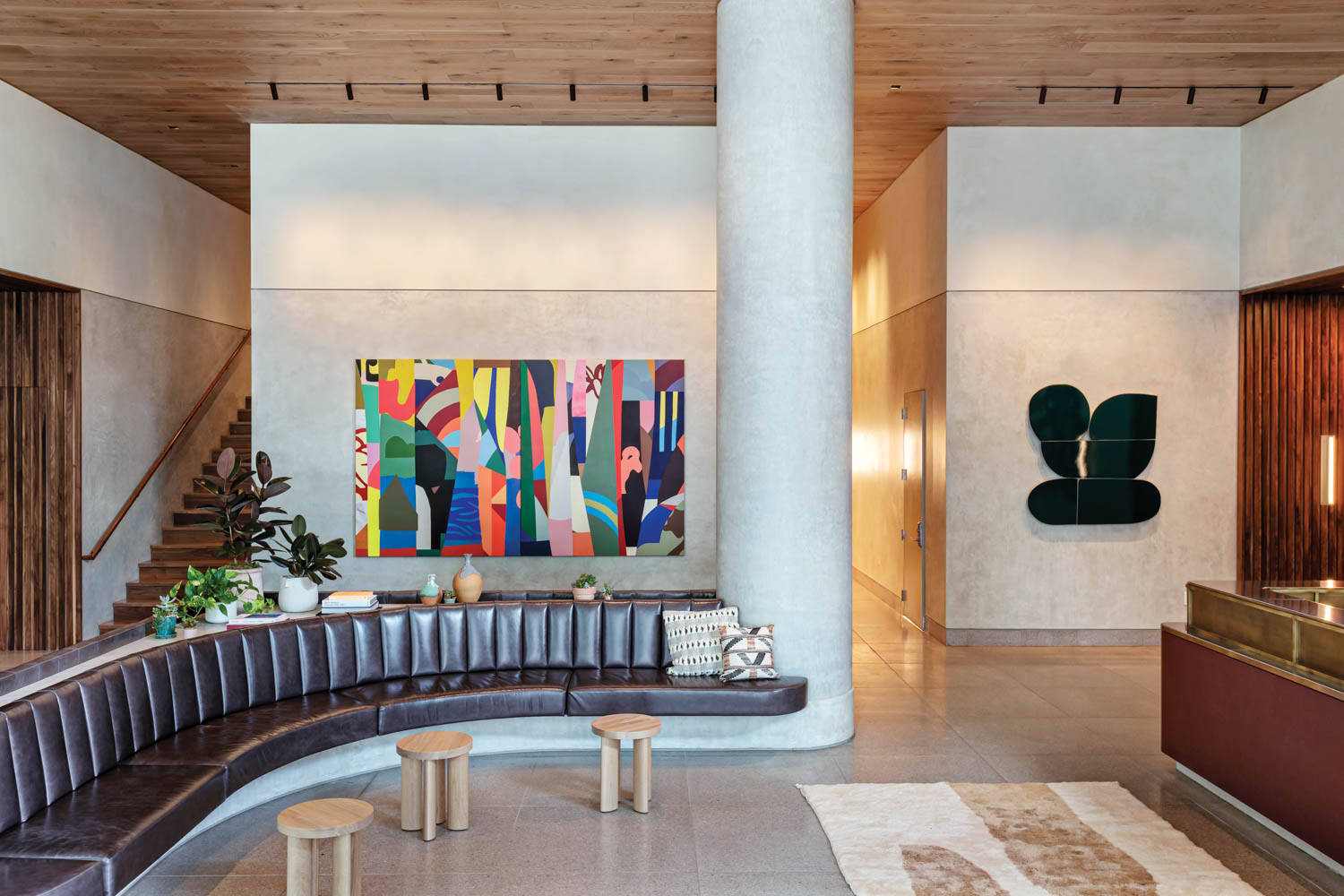
7 Character-Filled Apartment Buildings That Wow
Why Interior Designers Are Ditching Pretty for ‘WTF Moments’

Media Review: The House of Green Brings Biophilic Design Front and Centre
This modern forest home perfectly blends with its surroundings both inside and out
This Biophilic Condo Wants to Improve Your Health — By Design
DIVINE DESIGN: Living space infused with old-world charm
Home Design: Dramatic & Immersive
Case Studies in Community-Centered Living: Innovative Residential Design

Ten modern homes with interiors informed by biophilic design
Home Design: Modern Zen
10 Interior Design Books We Turn to for Home Inspiration
A Salamander Green Bedroom and Matte Black Kitchen Turn the Volume Up in This Home

Top current home decor and design trends in the luxury market