1/21
We Discovered All the Secret Meanings Behind Your Birth Flower
The article delves into the fascinating world of birth flowers, offering a unique and visually appealing alternative to traditional zodiac signs for understanding personality traits linked to birth months. Each month is assigned a primary and a secondary flower, with their selections rooted in their bloom times and rich historical or cultural significance. These birth flowers are presented as encapsulating specific characteristics and meanings, drawing from diverse sources such as Victorian traditions, Greek mythology, and modern interpretations.
For January, the Carnation symbolizes love and affection, with different colors conveying nuanced meanings, while the Snowdrop, blooming early in the year, represents hope and new beginnings, and is associated with the Greek goddess Persephone. February's primary flower is the Violet, known for its resilience and symbolizing modesty, faithfulness, innocence, and everlasting love. Its secondary flower, the Iris, is linked to wisdom, courage, and the connection between earth and heavens, often associated with the passion of Christ due to its spring bloom.
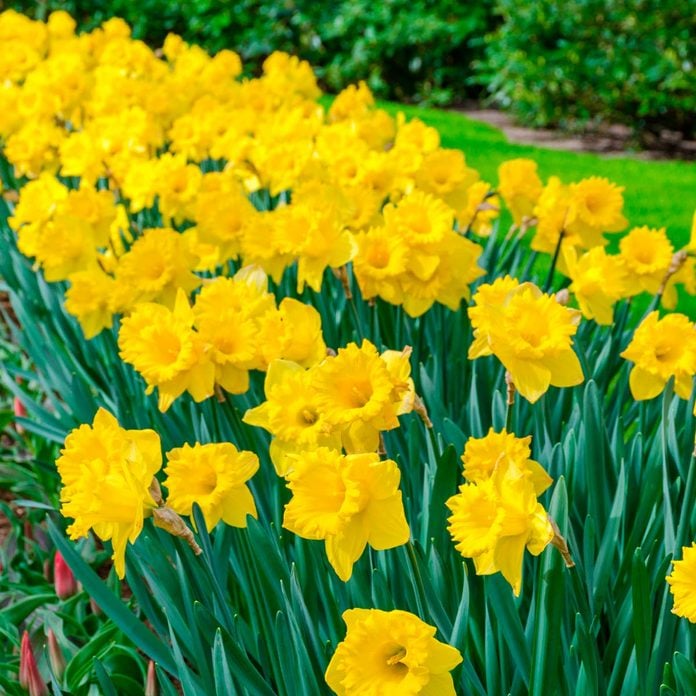
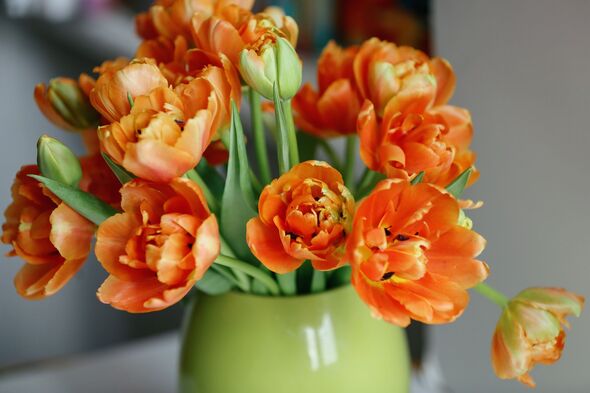
March features the Daffodil, representing rebirth and new beginnings, a symbol of hope in France, though a single stem is considered bad luck. The Cherry Blossom (Sakura) is March's secondary flower, the national flower of Japan, symbolizing renewal, optimism, and the fleeting beauty of life. April's Daisy signifies friendship, innocence, purity, and love, with no negative connotations. The Tulip, secondary for April, is the national flower of Holland, symbolizing fame and true love, and in the 1600s, it represented wealth and prosperity.
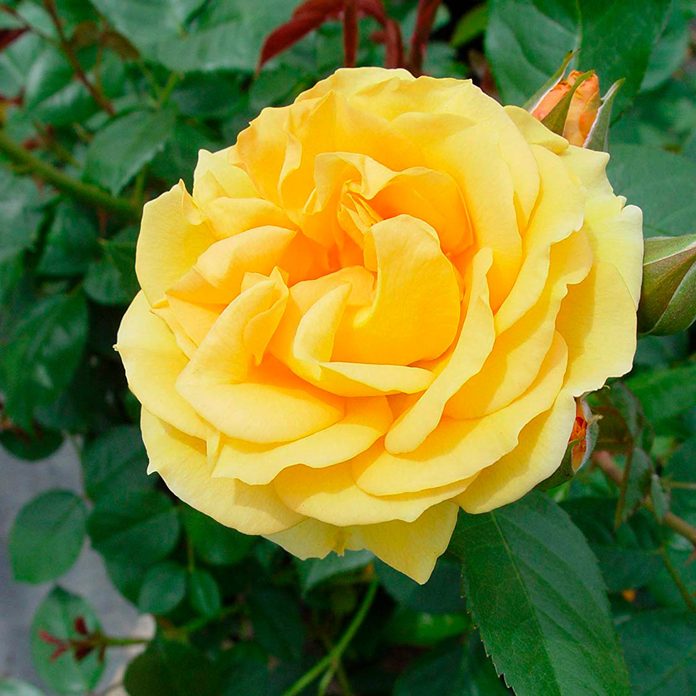
May's primary flower, the Lily of the Valley, an aggressive grower with sweet-smelling blooms, represents sweetness, purity, and a return to happiness, though it is toxic. The Hawthorn, May's secondary flower, signifies optimism, hope, and supreme happiness, with a history of medicinal use. June's Rose, with its many varieties, universally symbolizes love, with color variations denoting different aspects of affection, and in ancient Rome, it was associated with death and rebirth. The Honeysuckle, June's secondary flower, symbolizes the bonds of love and enduring connections, possessing anti-inflammatory and antimicrobial properties.
July's Larkspur, despite being poisonous, positively symbolizes positivity and dedication, and historically was used for protection against spirits. The Water Lily, secondary for July, represents rebirth, transcendence, and renewal, admired for its daily reblooming cycle. August's Gladiolus, named after gladiators, symbolizes honor and victory, traditionally gifted to those with high moral character. The Poppy, secondary for August, historically meant pleasure and sleepiness, and today also commemorates fallen soldiers.
September's Aster, once a symbol of revolution, now commonly remembers soldiers and symbolizes patience, wisdom, and beauty, making it a traditional 20th wedding anniversary gift. The Morning Glory, secondary for September, has a medicinal history and represents unrequited love, affection, and the fleeting beauty of life, fitting for the transitional month. October's Marigold is associated with death, grief, and the coming winter due to its use in Día de los Muertos, but its golden hue also brings brightness and is significant in Indian wedding traditions. The Cosmos, secondary for October, symbolizes inner peace and equilibrium, cherished by the ancient Mayans for its beauty and healing properties.
#BirthFlowers #FloralSymbolism #Gardening #FlowerMeanings #HouseBeautiful #BotanicalInspiration #GiftIdeas #Lifestyle #BirthFlowers #FloralSymbolism #Gardening #FlowerMeanings #HouseBeautiful #BotanicalInspiration #GiftIdeas #Lifestyle
0 comment in total
 No comments yet
You may also like
Petals & Roots: How To Create a Symbolic Floral Arrangement – and Welcome in the New Year with Intention

10 Yellow Flowers We’re Crazy About

‘The beauty and variety of the world of flowers’: Floral fancies for the home

The Best Flower Delivery Services & Subscriptions For The Ones You Love
We Now Know What The Purple Flowers Are in Minnesota Ditches
Floral Inspiration From The Studio McGee Archives
7 Flower Subscription Services Perfect for You (or Your Best Bud)

Enhancing the power of a flower
Little Purple Flowers
25 Beautiful Baby’s Breath Wedding Décor Ideas for a Textured Look
Your Birth Month Color Could Be the Key to a Truly Unique Home – Discover Every Shade From January to December and the Meaning Behind Each One
Flowers in vases will last 'few days' longer if placed in 1 unusual place in home


What Do the Purple Flowers Do in Sweet Tooth?


Biophilia - Beyond the Bouquet