1/9
What Do the Purple Flowers Do in Sweet Tooth?
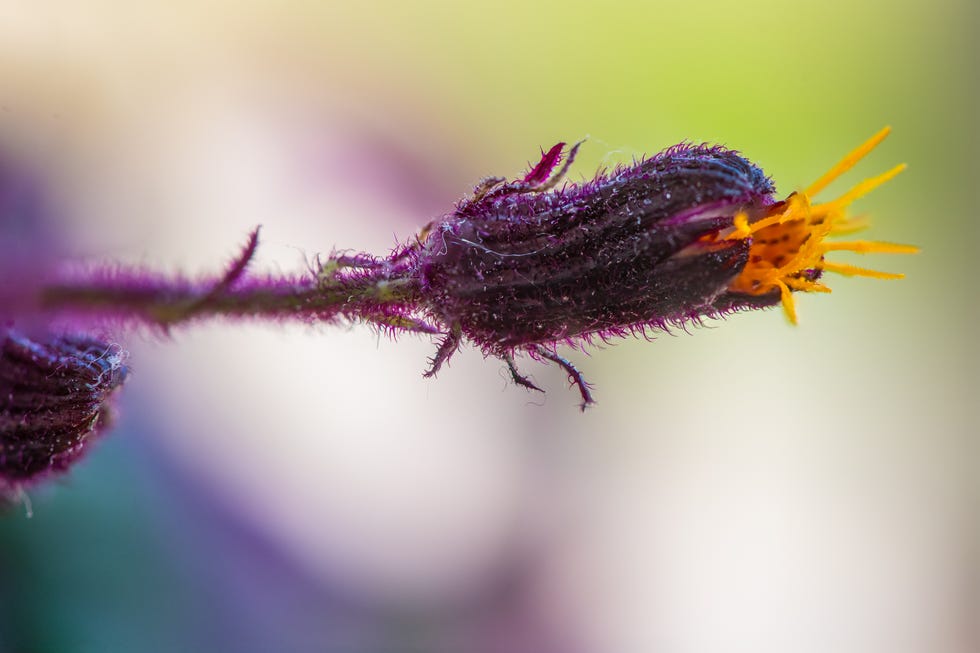
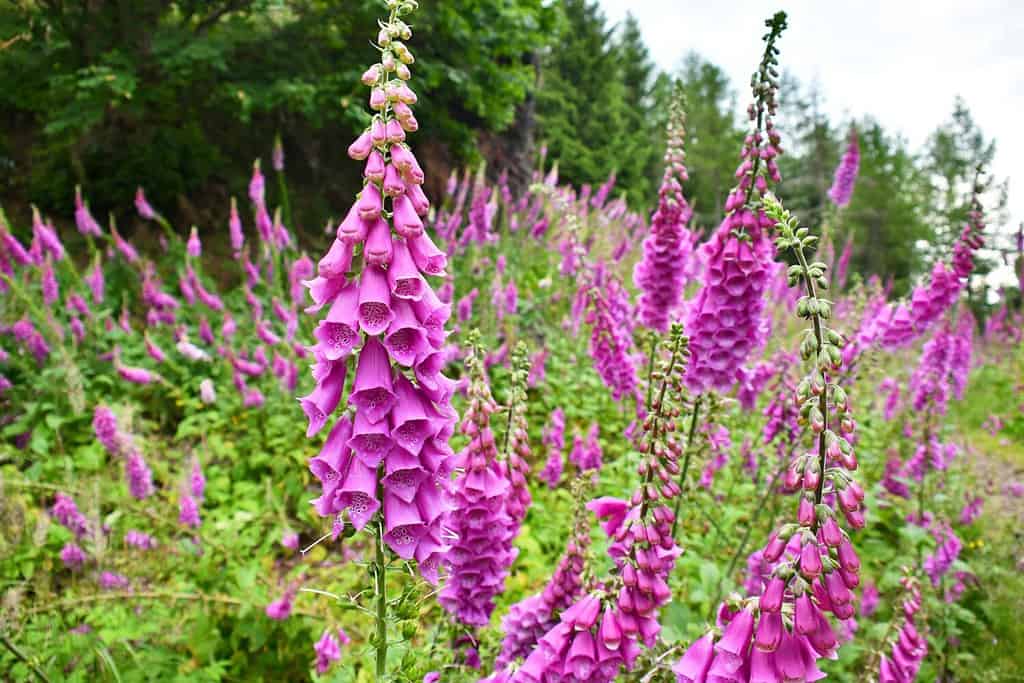
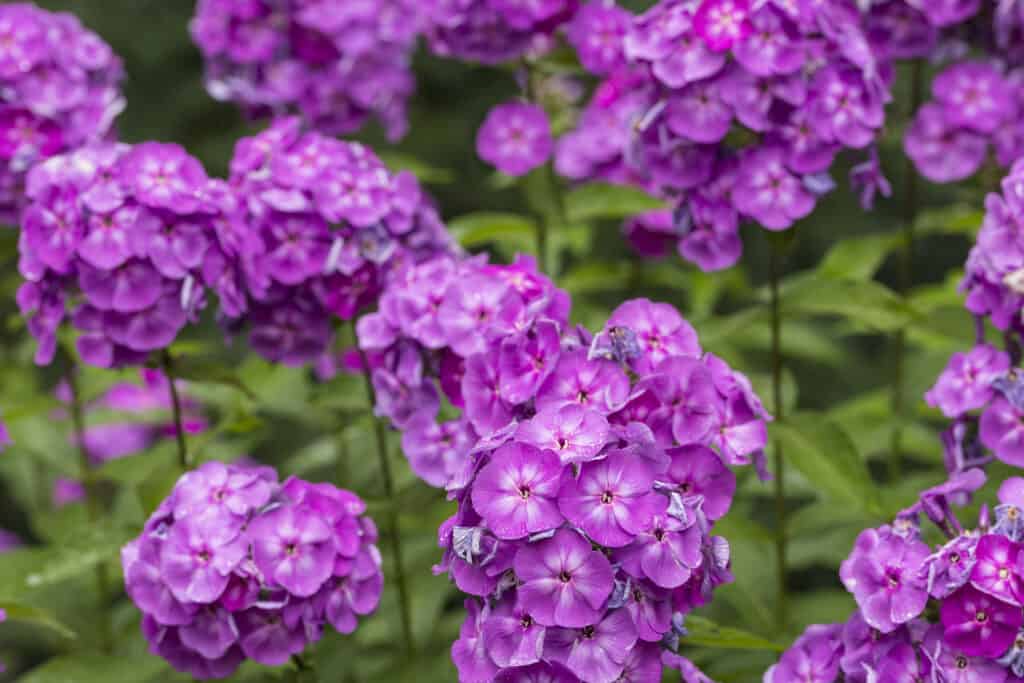
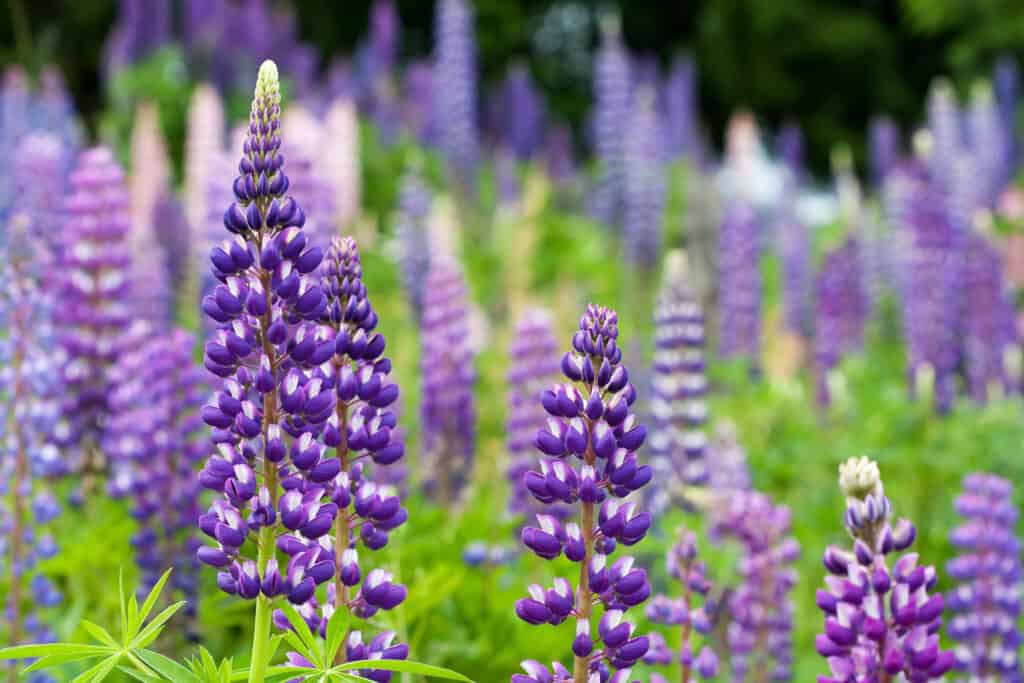
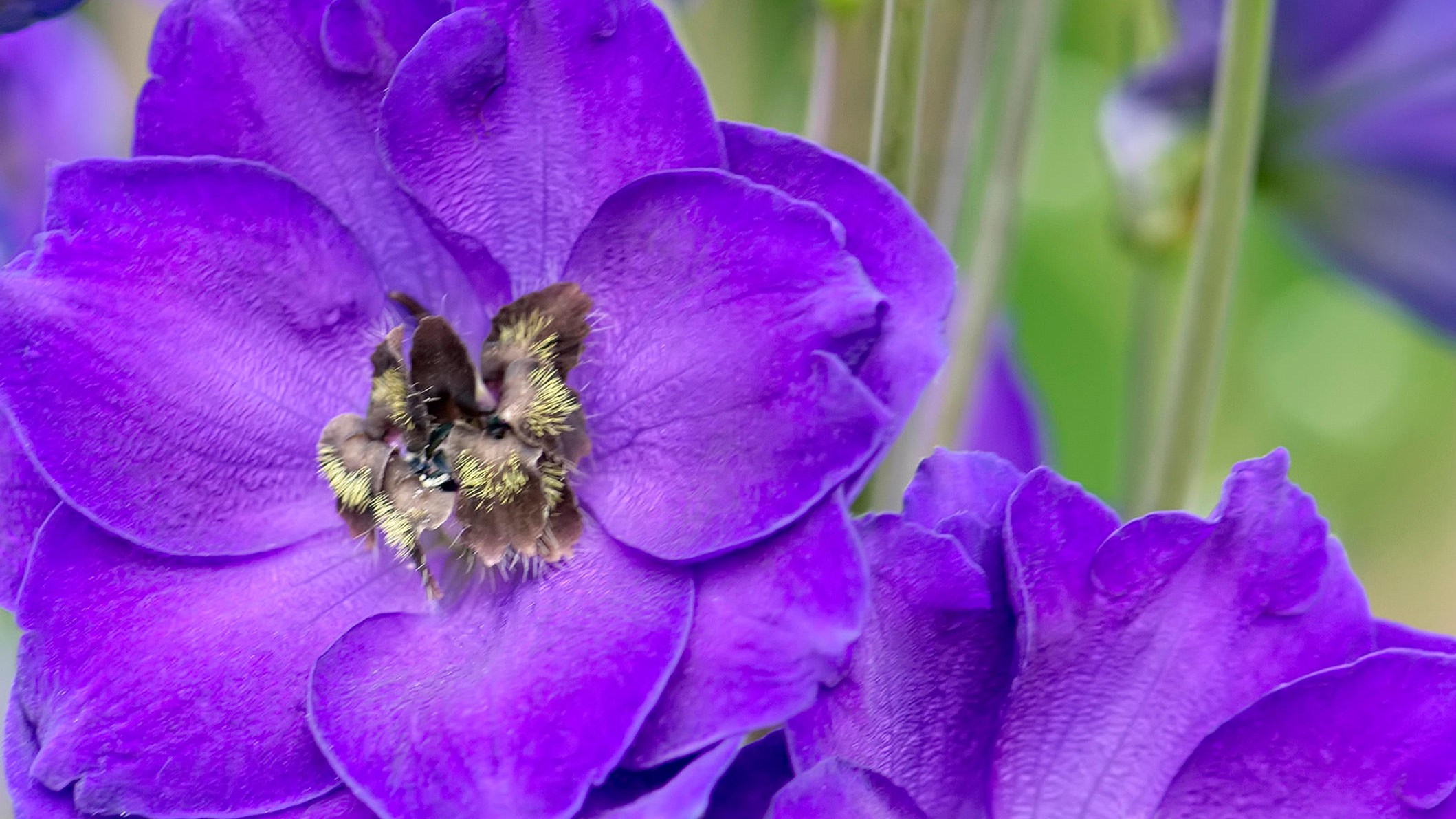
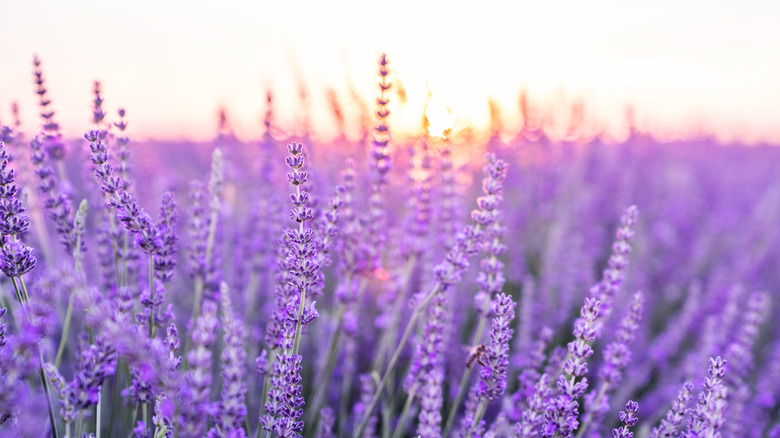
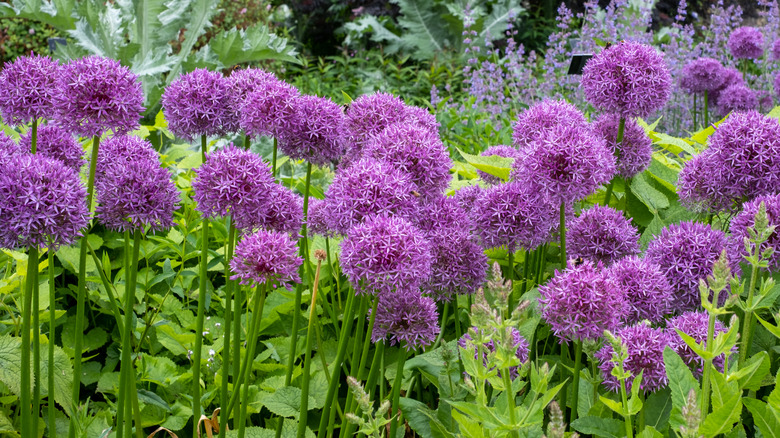
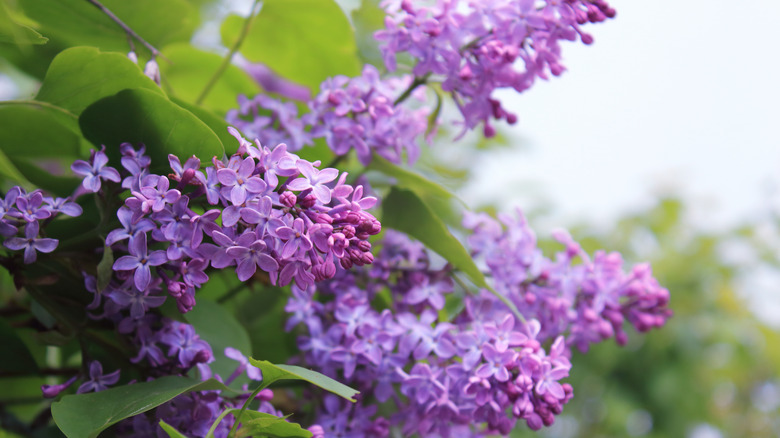
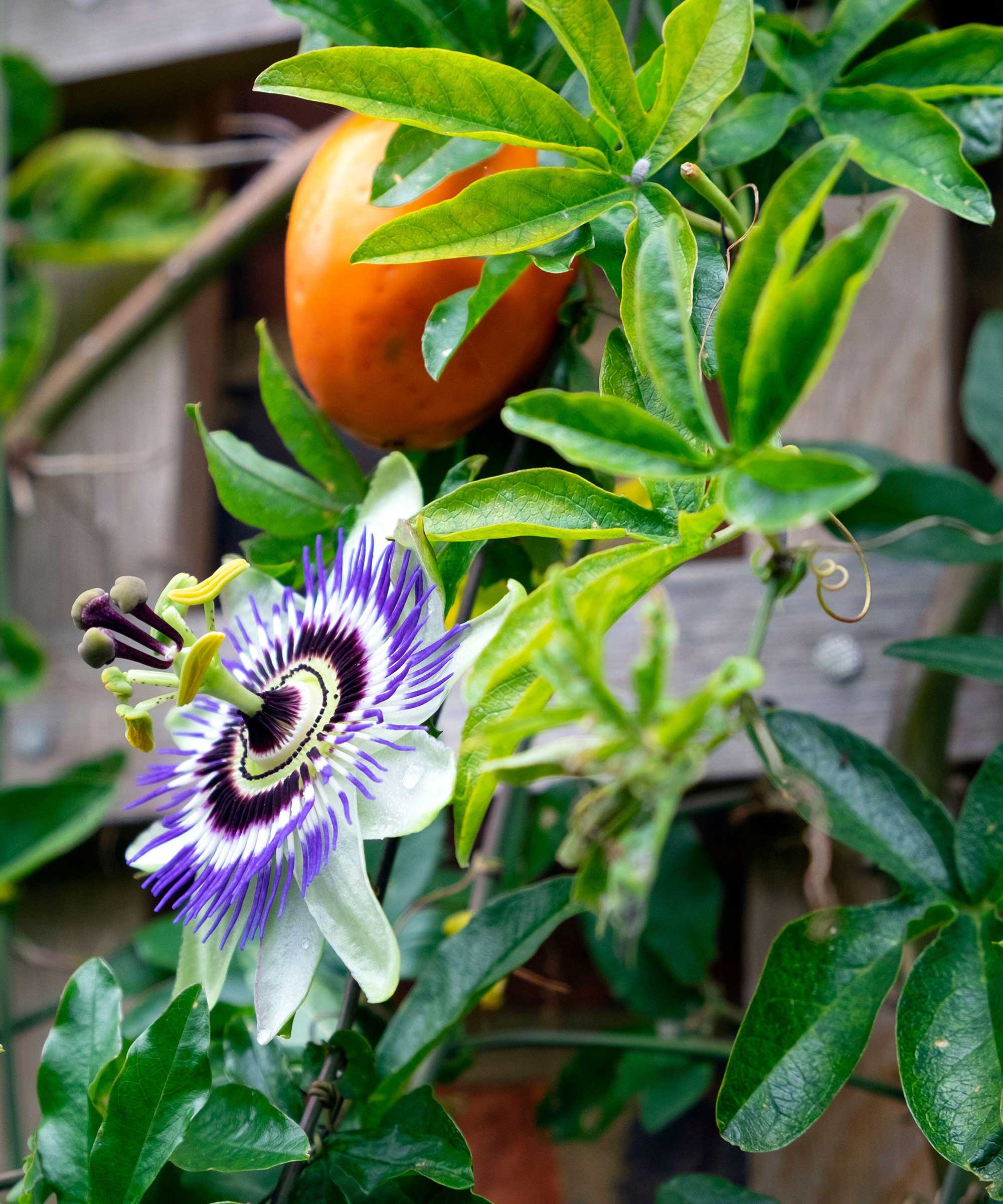
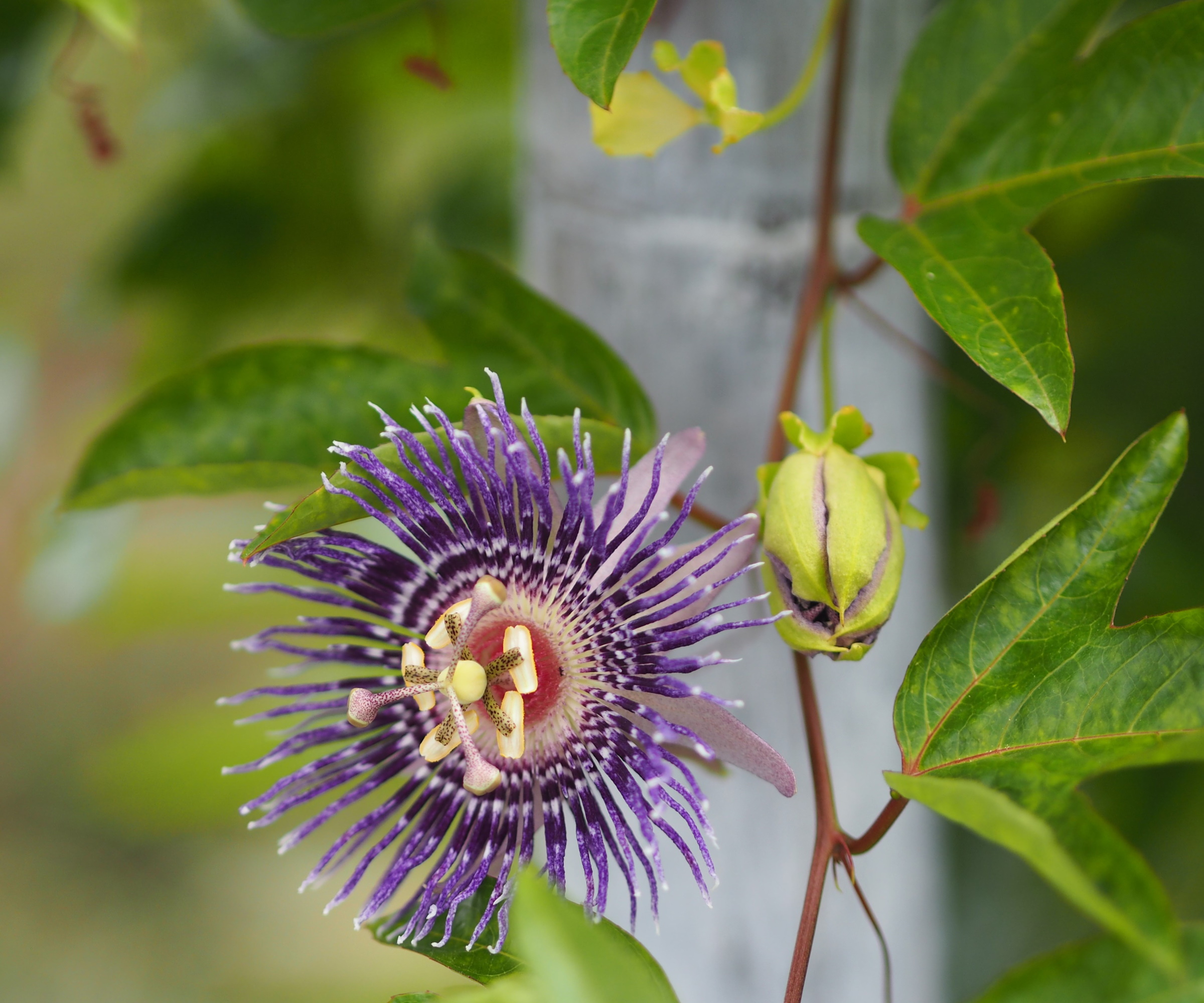
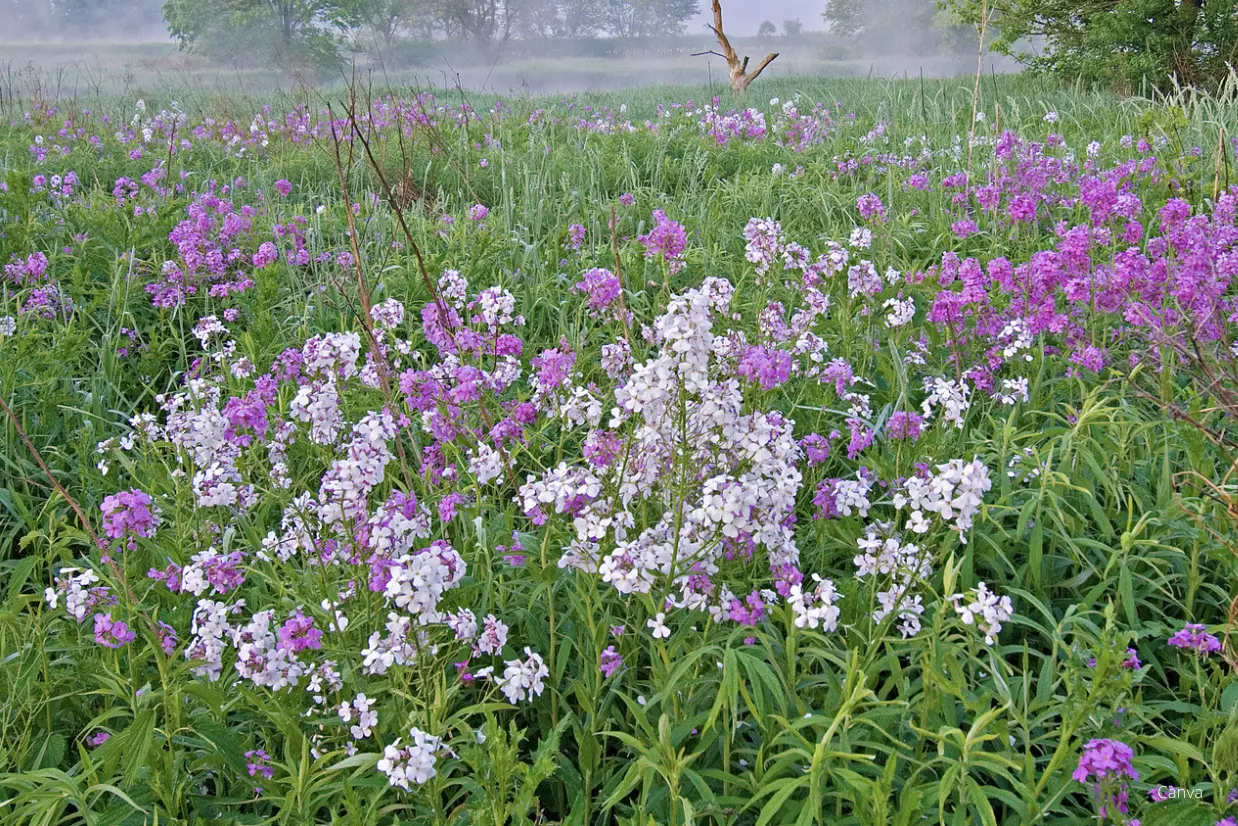
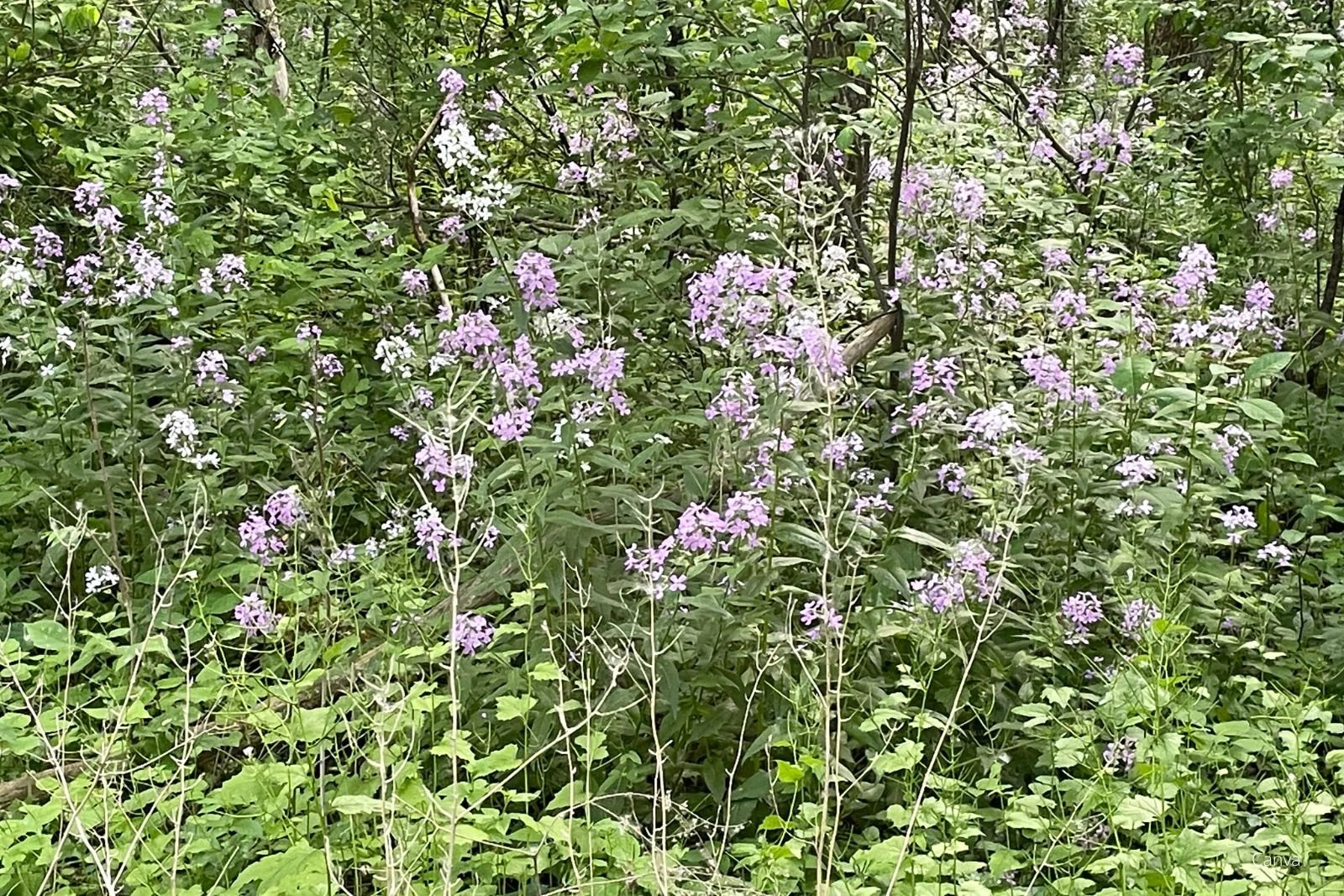
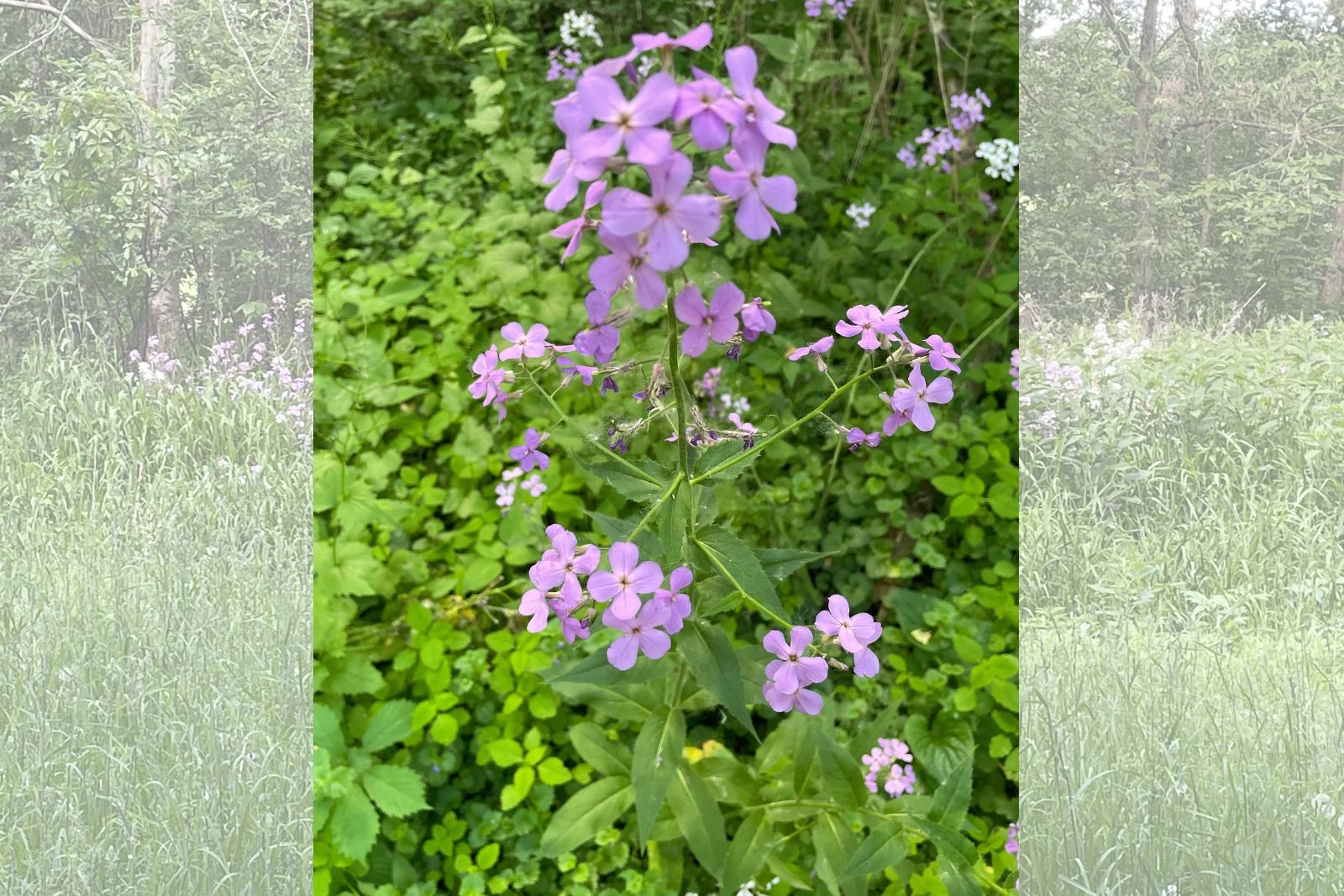
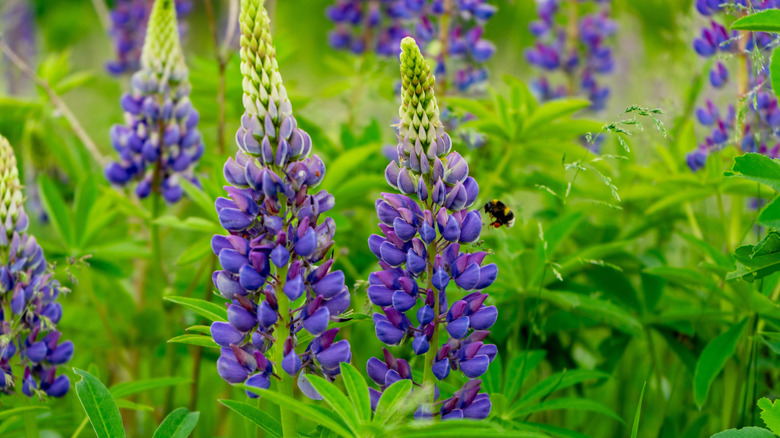
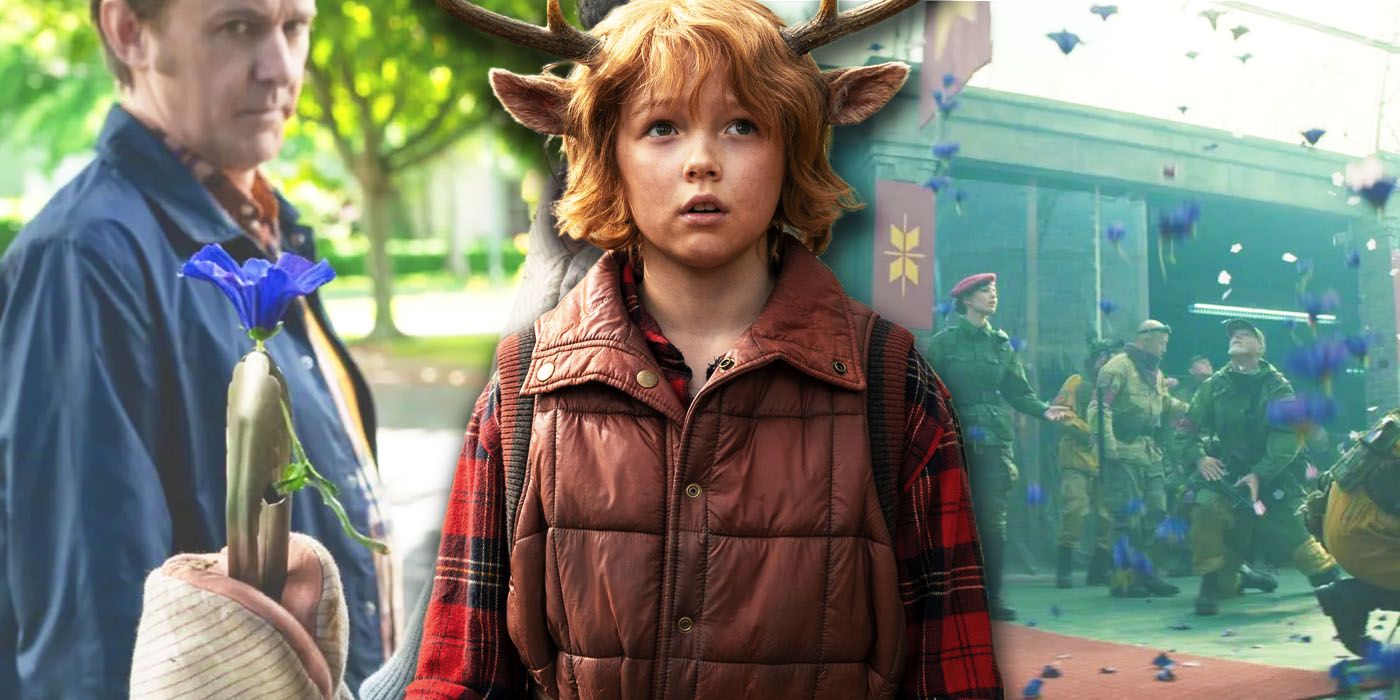
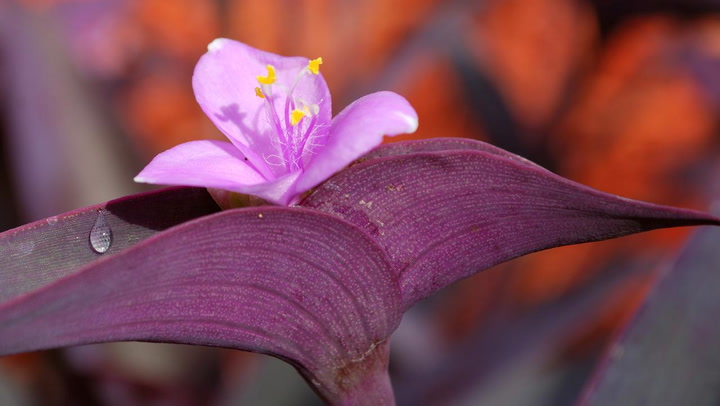
The purple flowers in Netflix's "Sweet Tooth" have been a central mystery throughout the series, and their significance is fully revealed in Season 3. These flowers, which appeared across America, emitted microbes that caused the Sick, a deadly virus, and led to the birth of human-animal hybrids. While initially seen as a harbinger of death and the origin of the hybrids, the final season clarifies their true role and connection to the world's ecological balance.
The origin of the purple flowers dates back to the early 1900s, linked to an explorer named Captain James Thacker. Thacker discovered a mystical tree in Alaska, which he referred to as the "blood of the Earth," believing its sap held medicinal properties. His attempt to exploit the tree's resources for human benefit inadvertently unleashed the Sick. When Thacker died, a purple flower sprouted from his corpse, marking the first visible sign of the disease. The sap, containing the virus, then spread through the ice and landscape, eventually being discovered a century later by the Fort Smith scientists. It was this viral component that Birdie, Gus's biological mother, used to engineer Gus as the first hybrid, inadvertently releasing the Sick into America and initiating the global pandemic. The proliferation of the purple flowers subsequently followed the spread of the virus, serving as a constant reminder of humanity's destructive and selfish interference with nature.
The purple flowers are also intrinsically tied to Munaq, the Caribou Man, who was long thought to be the first hybrid. Munaq’s mother, Ikiaq, contracted the virus from Thacker’s infected colony and gave birth to Munaq. After her death, Munaq dedicated his life to protecting the sacred tree and hiding its location, understanding the devastating consequences of its exploitation. He even concealed the flower that grew from Thacker's body. Munaq's tragic life and his efforts to safeguard the cave, symbolized by the presence of dormant purple flowers, directly influenced Gus’s journey. Despite Gus's initial fear of the flowers, which represented death, his encounter with Munaq’s legacy and his own evolving understanding of the world led him to approach them with courage and a new perspective.
Season 3 ultimately confirms that the Sick predated the hybrids, emerging as nature's response to humanity's violation of the sacred tree. The Sick, and by extension the purple flowers, act as a "cure" to purge humanity, with antagonists like Helen Zhang embodying the human arrogance that necessitates this natural cleansing. While some, like Jepperd, advocated for the survival of only the hybrids, Gus faces the profound choice of either preserving both species by protecting the tree or allowing nature to decide. The flowers, therefore, are not a literal biological cure, but a philosophical one, guiding Gus toward a pivotal decision that will shape the future. His ultimate act of burning the tree, not out of malice but out of love, represents a reset, allowing nature to begin a new chapter. Dr. Singh's redemption, symbolized by the antler from Gus from which a plant sprouts, signifies hope, forgiveness, and the idea that the cave and its essence are spiritually alive, offering a path for a world where hybrids inherit the Earth and honor the memory of those who came before.
#SweetTooth #PurpleFlowers #NetflixSeries #HybridChildren #PostApocalyptic #SciFiFantasy #TVShowAnalysis #EnvironmentalThemes #SweetTooth #PurpleFlowers #NetflixSeries #HybridChildren #PostApocalyptic #SciFiFantasy #TVShowAnalysis #EnvironmentalThemes
0 comment in total
 No comments yet
You may also like
Purple Flowers That Hummingbirds Find Irresistible
Tradescantia Mundula Fairy Wings - A Rare Beauty That Radiates the Amethyst Glow

We Now Know What The Purple Flowers Are in Minnesota Ditches
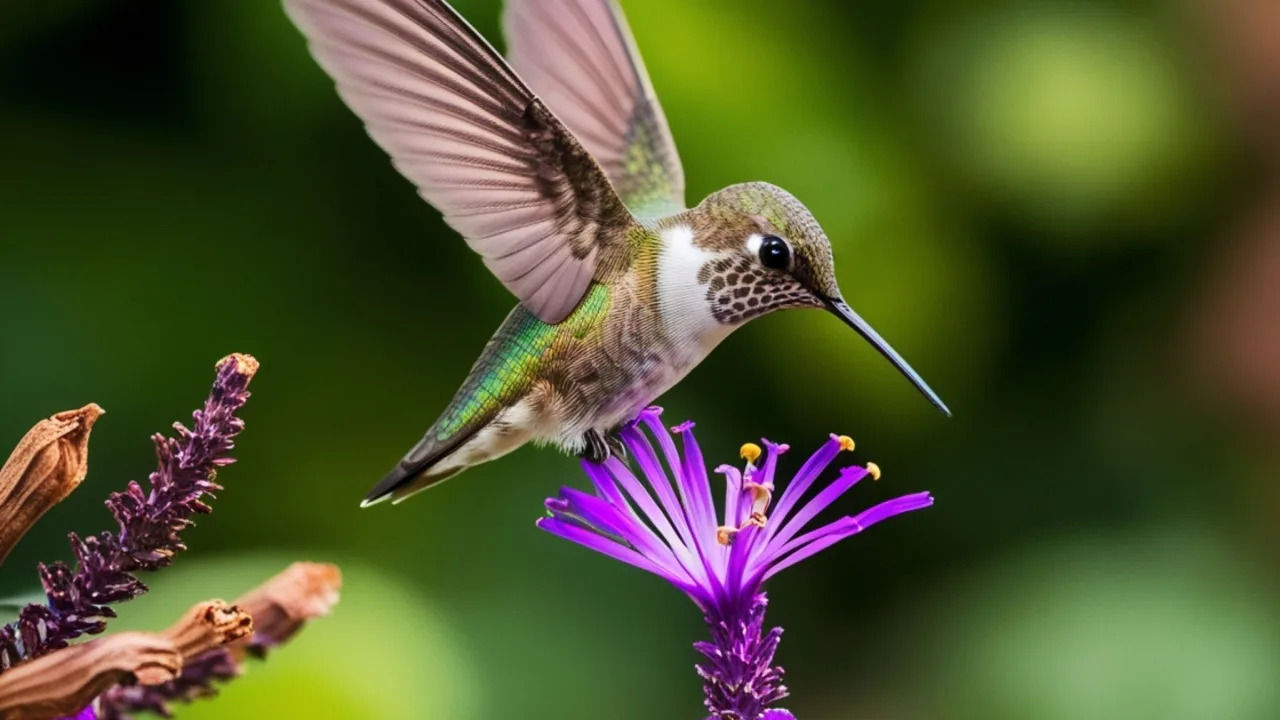
Purple Flowers That Hummingbirds Can't Resist
We Discovered All the Secret Meanings Behind Your Birth Flower

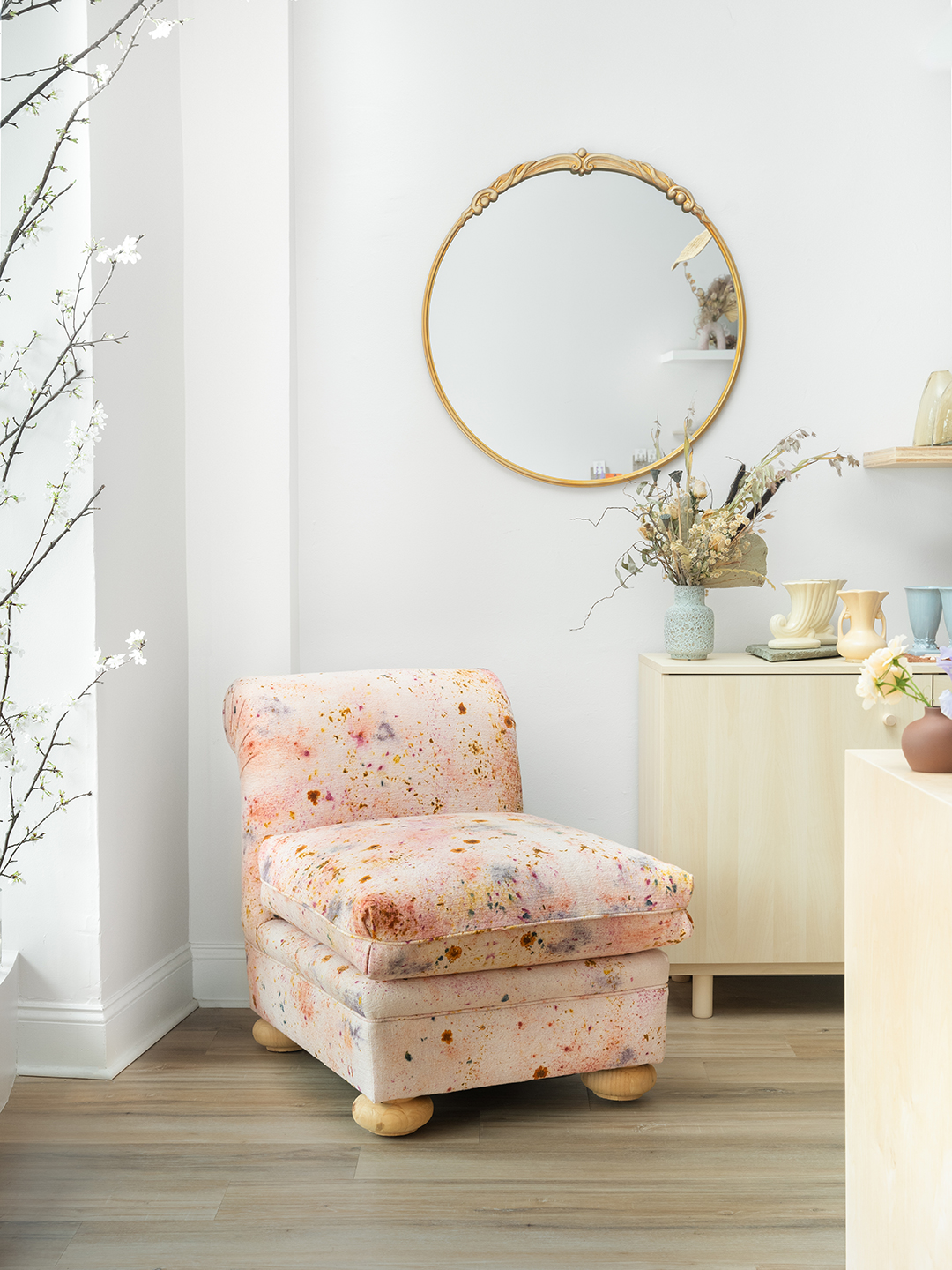
This Chair Got Its Candy-Colored Speckles From None Other Than Flowers—Here’s How

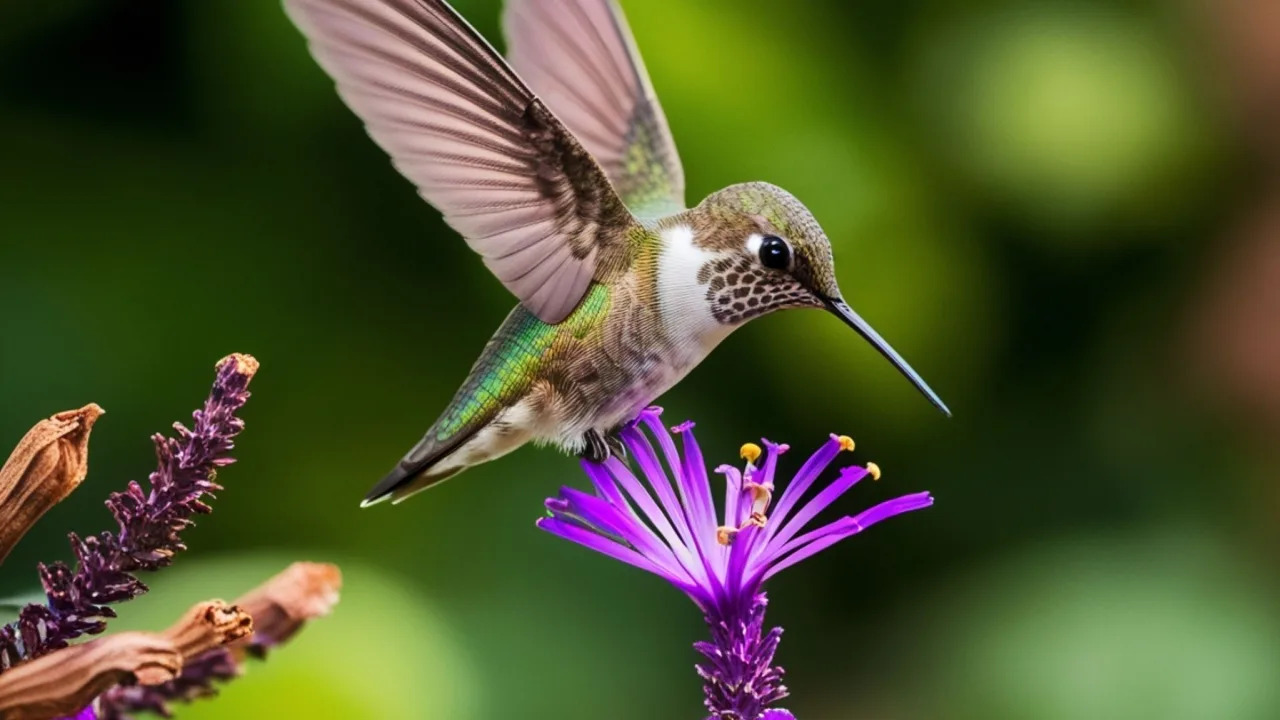
Purple Flowers That Hummingbirds Can't Resist

The Purple Flower That Boosts Soil But May Be More Hassle Than It's Worth
Not Only Is Purple Passion Plant Gorgeous, It's Easy to Grow
Rachel de Thame’s guide to plants with purple flowers

These Beautiful Flowering Shrubs Will Add Major Color to Your Garden

These Purple Blooming Trees Are the Prettiest Way to Add Curb Appeal to Your Front Yard

Enhancing the power of a flower
15 Best Purple Plants For Your Flower Garden
Little Purple Flowers
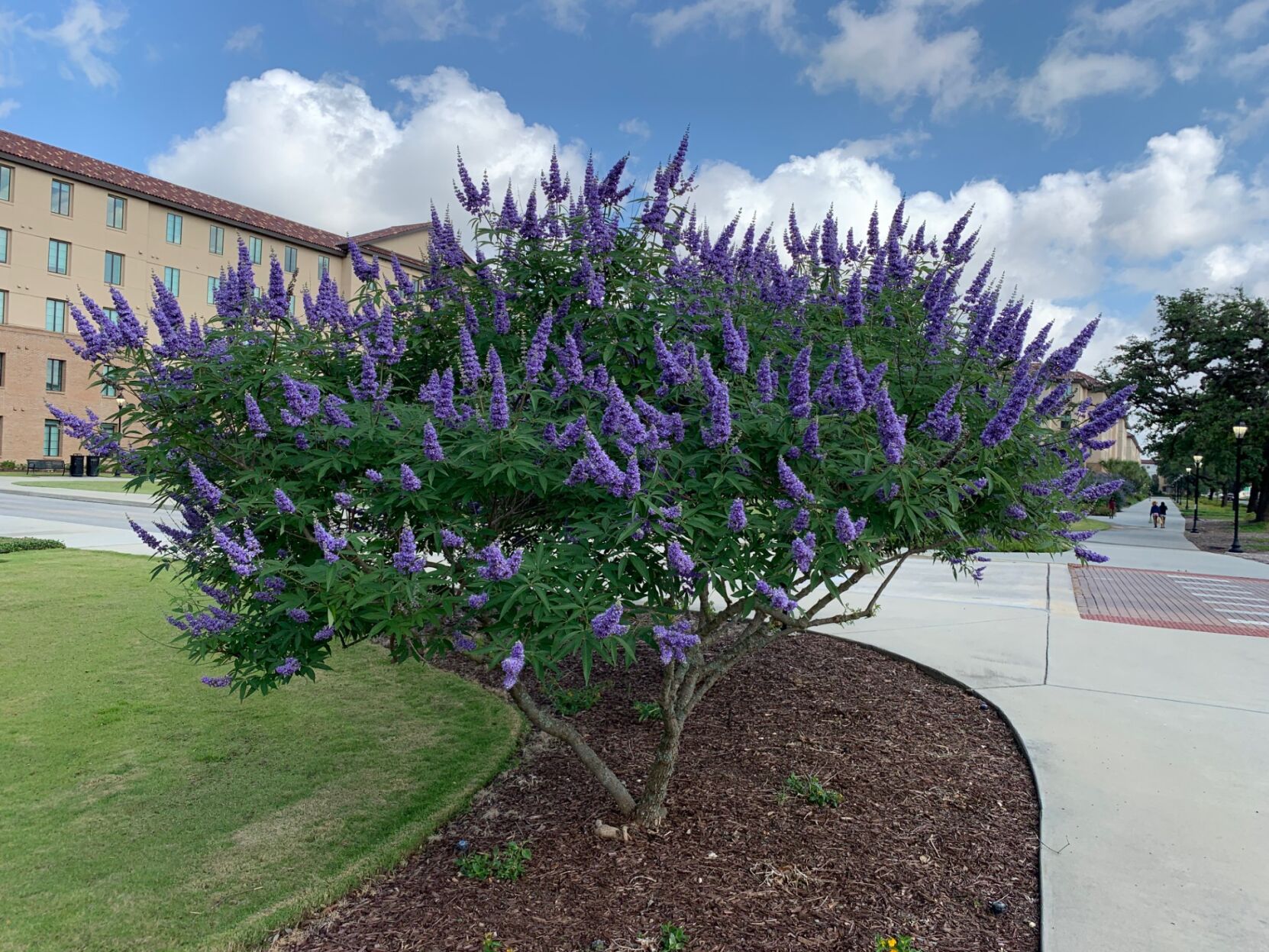
Those purple flowers putting on a stunning show right now are the easy-to-care-for vitex

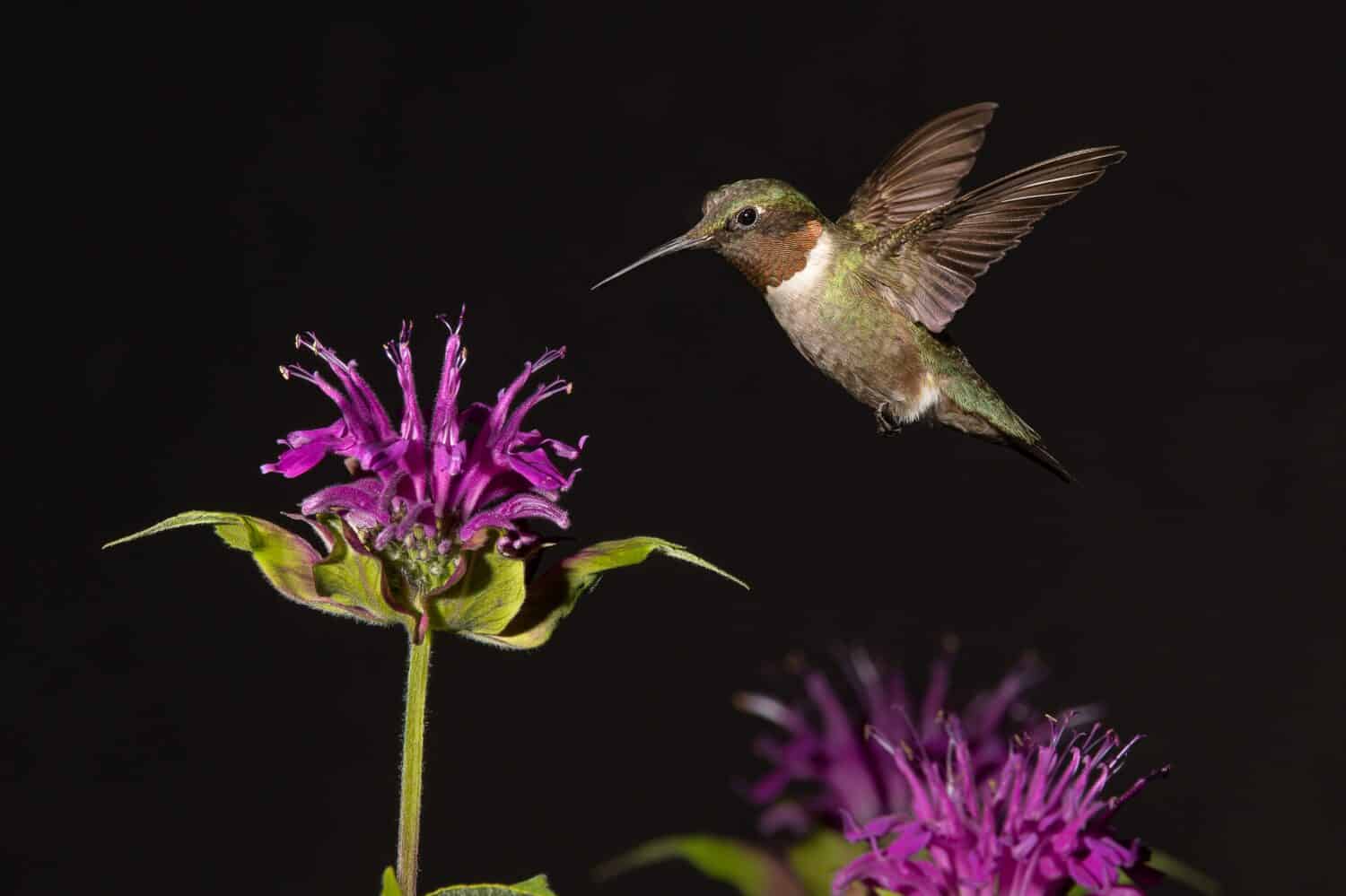
11 Beautiful Purple Flowers and Plants That Attract Hummingbirds
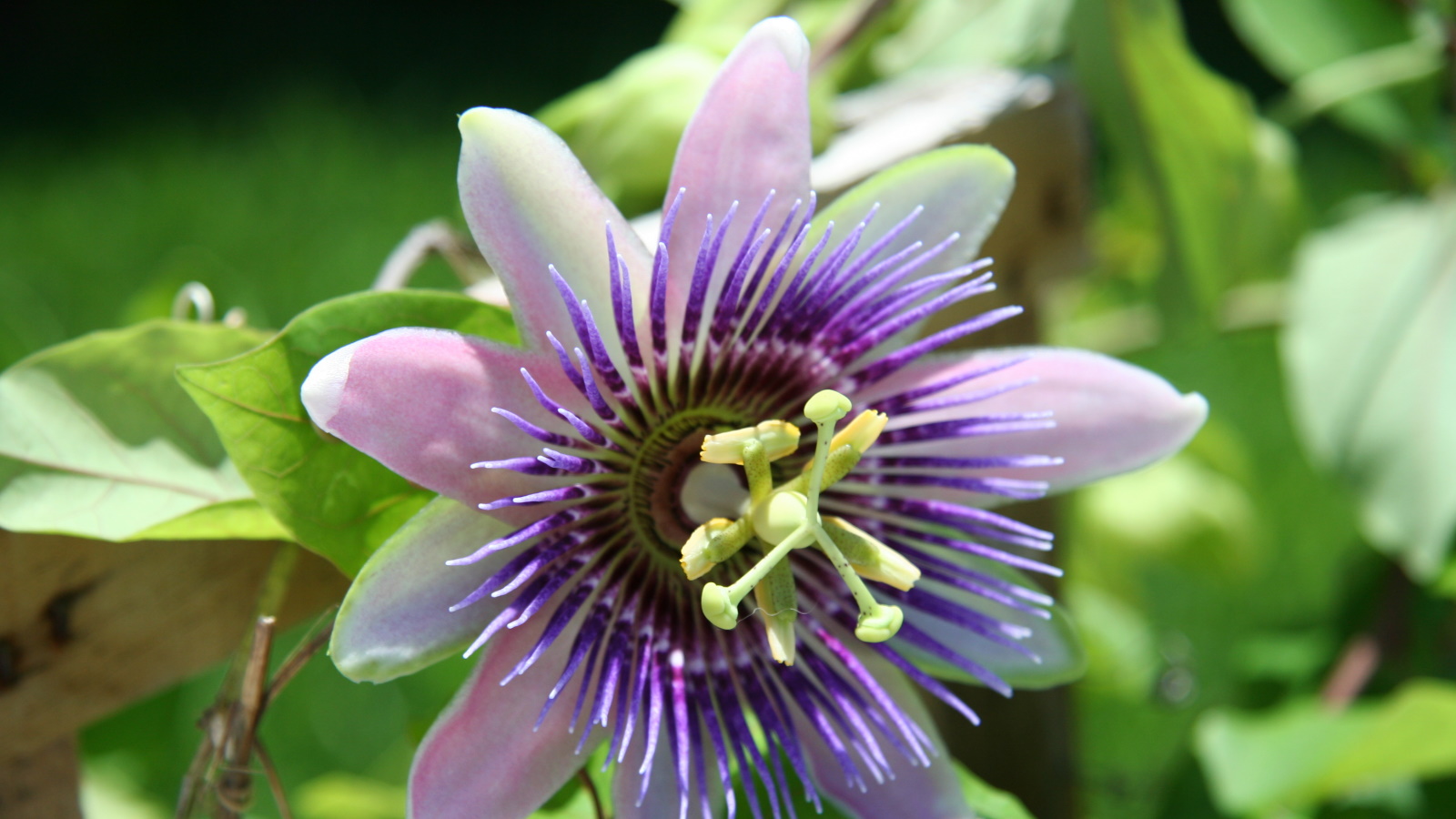
How to grow passion flowers – for a spectacular and other-worldly flowering climber
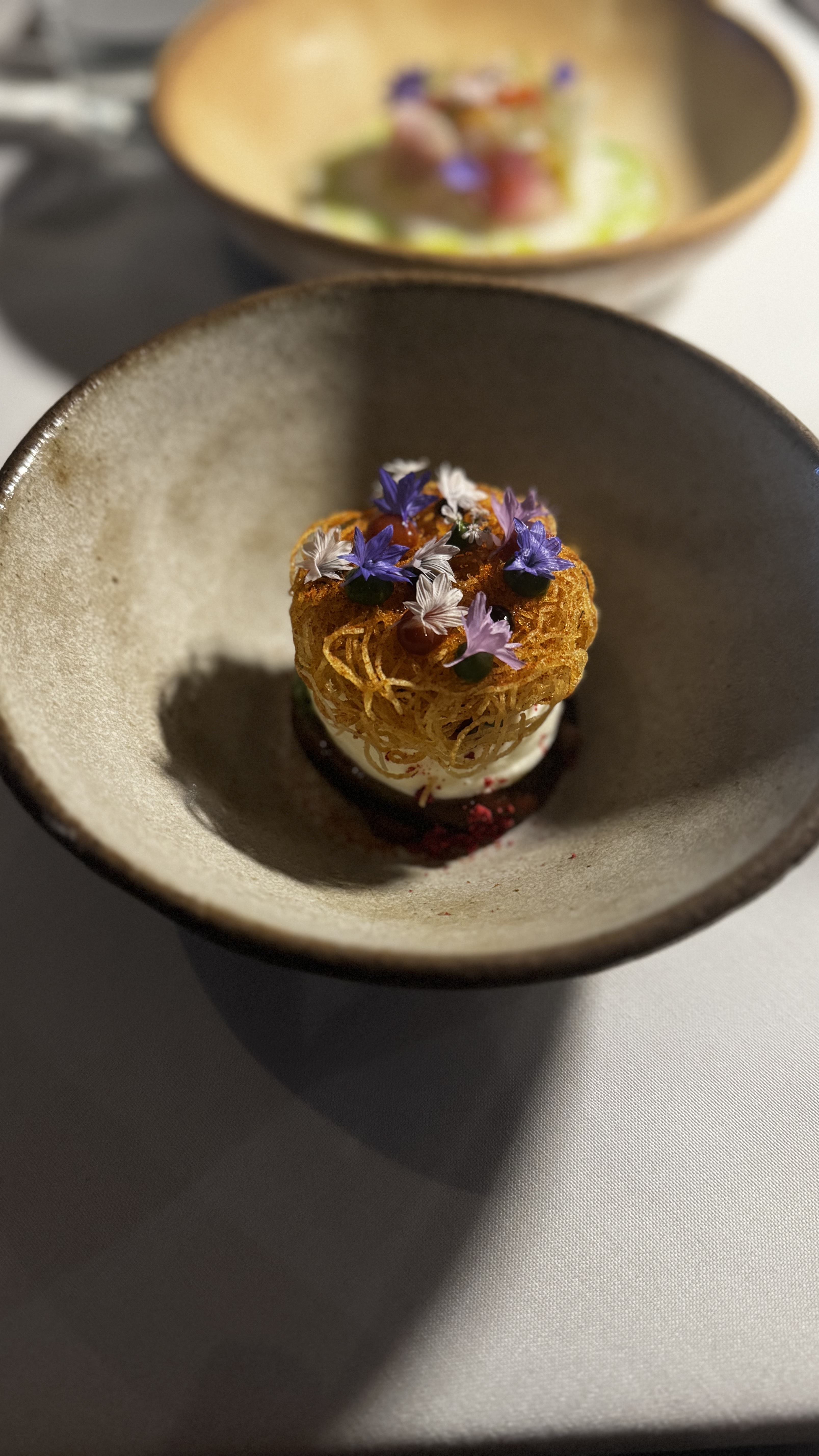
This Edible Purple Flower Embellishes Bay Area Dishes in the Best Way

Grow Purple Heart Plant As A Ground Cover Or In A Hanging Basket