1/3
The Purple Flower That Boosts Soil But May Be More Hassle Than It's Worth
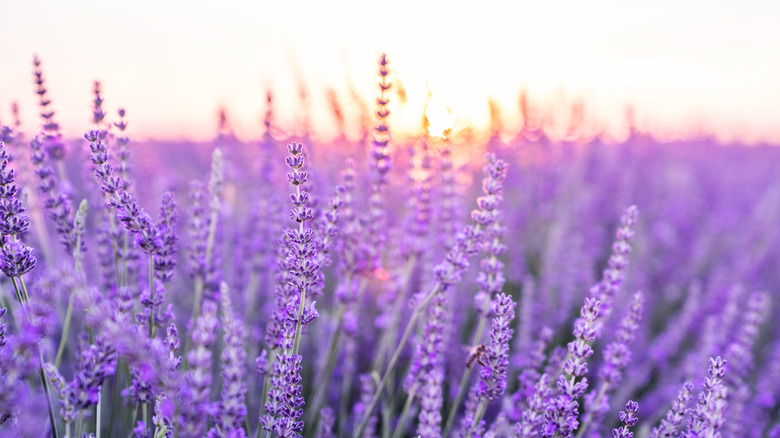
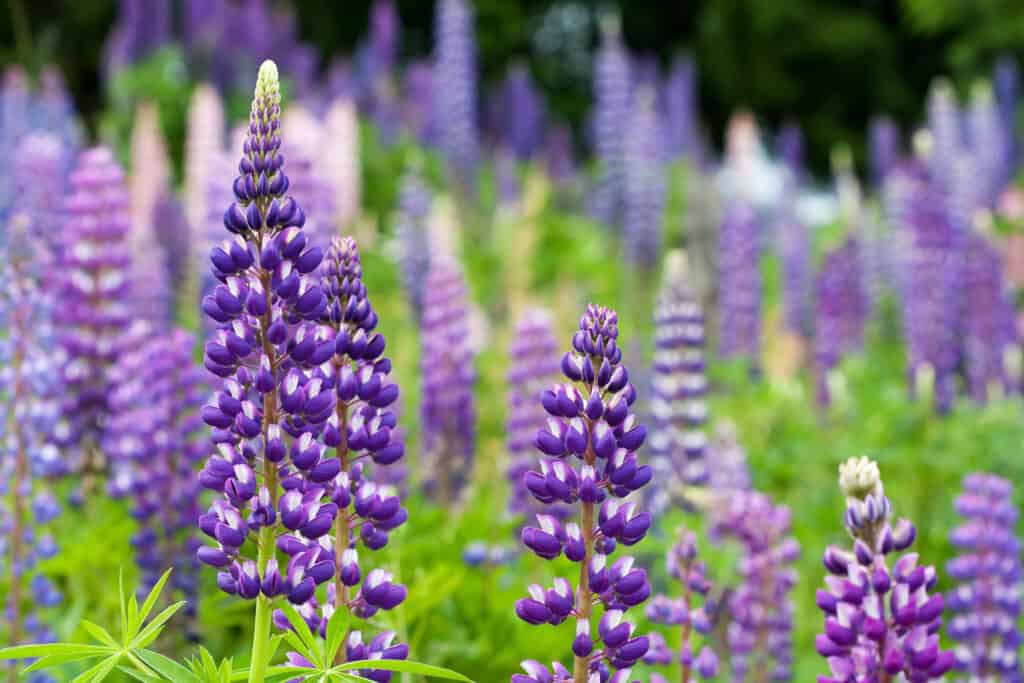
The purple lupine flower (Lupinus spp.) is a hardy perennial, thriving in USDA zones 3 to 7, and is widely recognized for its ability to enhance soil quality. These plants, often mistaken for flowers, are technically legumes belonging to the pea family, sharing similar properties that benefit soil. Lupines improve soil structure through their deep root systems, which effectively break up compacted soil, leading to better drainage. Additionally, they are known as nitrogen fixers, enriching the soil with this essential nutrient, making them beneficial for crop rotation, particularly for vegetables requiring extra nitrogen. Their contributions to soil health are highly praised among gardeners.
However, despite these advantages, lupines present several significant drawbacks that can outweigh their benefits for some gardeners. One primary concern is their aggressive growth habit in many regions. While not officially classified as invasive across the U.S., the bigleaf lupine (Lupinus polyphyllus) poses a threat to native species in certain eastern and Midwestern states, such as Maine and Minnesota. In contrast, the wild lupine (Lupinus perennis) is indigenous to these same areas. Gardeners considering planting lupines are advised to research species appropriate for their specific region and to remove seed pods before they drop to prevent uncontrolled spreading.
Another critical issue is the toxicity of lupine plants. All parts of the plant are toxic if ingested by humans or animals. This poses a risk, especially in households with small children or pets who might mistakenly consume the seed pods, which can resemble peas. Furthermore, if the plants are allowed to go to seed and spread into nearby pastures, they can negatively impact livestock. Therefore, gardeners must be fully aware of these potential hazards when deciding whether to incorporate lupines into their garden landscape.
The decision to plant lupines ultimately depends on individual gardener preferences and regional considerations. While their soil-enriching properties are undeniable, the challenges associated with their aggressive spreading and inherent toxicity require careful consideration. Understanding both the positive and negative aspects of lupine cultivation is crucial to avoid unintended complications and ensure a healthy, manageable garden environment.
#LupineFlowers #SoilImprovement #CompanionPlanting #NitrogenFixation #GardenPestControl #InvasiveSpecies #PlantToxicity #GardeningTips #LupineFlowers #SoilImprovement #CompanionPlanting #NitrogenFixation #GardenPestControl #InvasiveSpecies #PlantToxicity #GardeningTips
0 comment in total
 No comments yet
You may also like
Purple plants – 5 best to choose for the perfect purple border
These Pink-Blooming Beauties Are the Ultimate Yard Upgrade
Not Only Is Purple Passion Plant Gorgeous, It's Easy to Grow
13 Purple Plants to Grow for Bold Color

Purple Flowers That Hummingbirds Find Irresistible
Purple Blooms Are Turning Heads In Southeast Minnesota, But There's More To The Story
15 Purple Plants with Leaves that Stay Perpetually Purple

15 Annuals That Bloom With Bold Purple Flowers
15 Best Purple Plants For Your Flower Garden
The Drought-Tolerant And Low-Maintenance Perennial That Showcases Lovely Purple Blooms

How to grow passion flowers – for a spectacular and other-worldly flowering climber
Pretty in Pink - 15 Pink Houseplants That Add a Pop of Color

Enhancing the power of a flower
16 Best Fast-Growing Purple Plants For A Beautiful Shade Garden In No Time
We Found the BEST Pink Flowering Trees to Boost Your Curb Appeal

10 colorful indoor plants to give you a beautiful kaleidoscope of joy

11 Beautiful Purple Flowers and Plants That Attract Hummingbirds
Tradescantia Mundula Fairy Wings - A Rare Beauty That Radiates the Amethyst Glow
Plant These Flowering Shrubs Today If You Want a Vibrant Summer Yard
Pick Purple Clover For Its Many Health Benefits