1/5
Petals & Roots: How To Create a Symbolic Floral Arrangement – and Welcome in the New Year with Intention
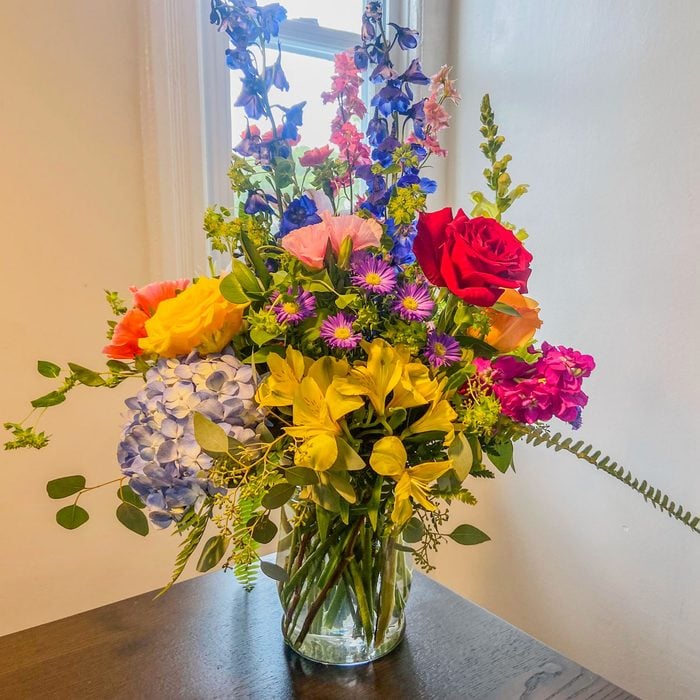
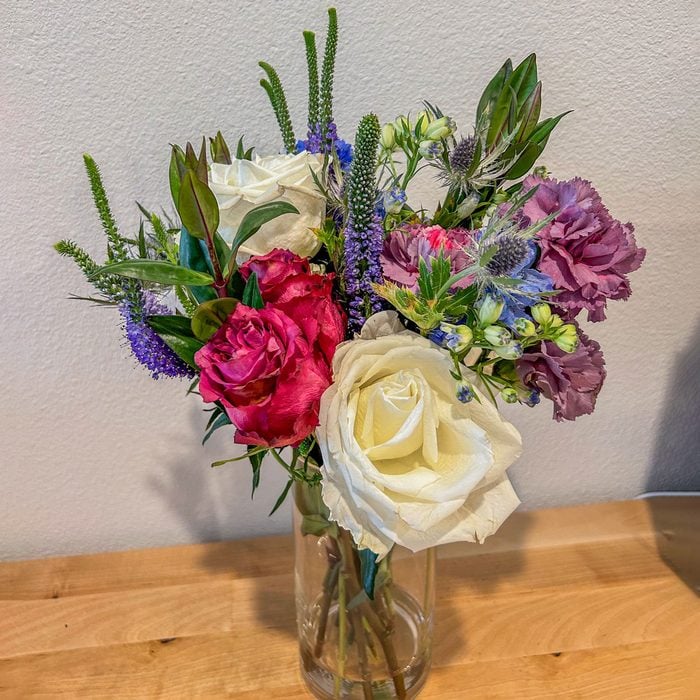
The article explores the creation of symbolic floral arrangements as a meaningful ritual for welcoming the new year. It emphasizes that while traditional flower symbolism is fascinating, the primary goal of such an arrangement should be to evoke joy and happiness for the individual creating it. The author guides readers through the process of crafting a simple vase design, detailing the specific flowers chosen for a New Year's arrangement and clarifying their symbolic meanings.
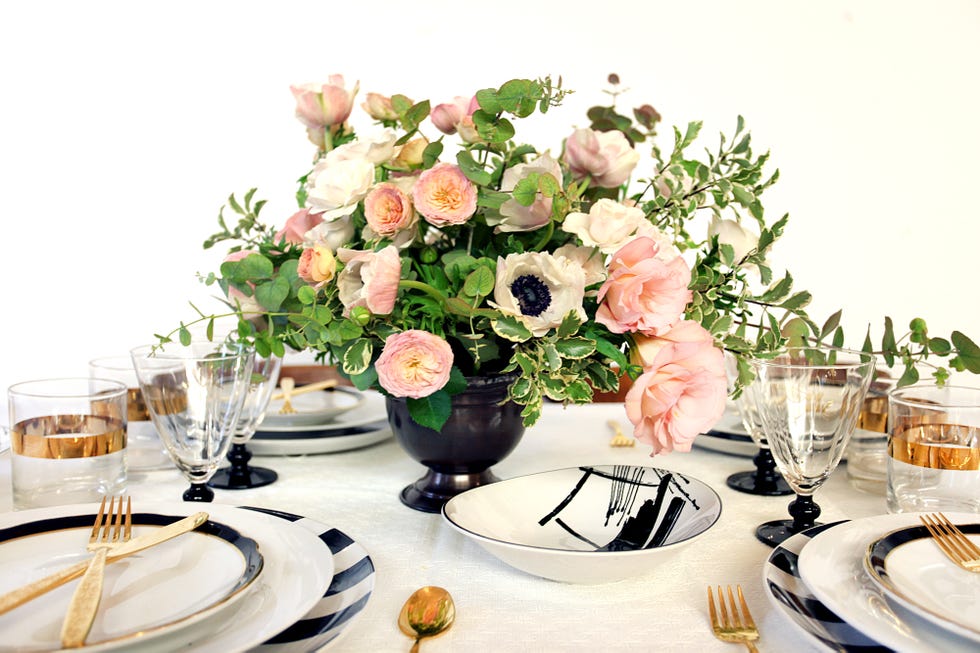
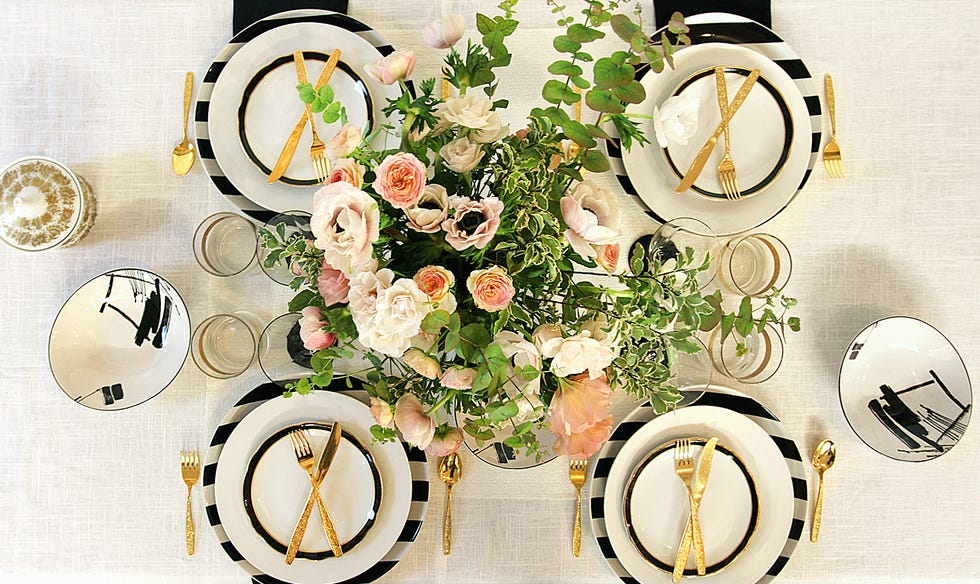
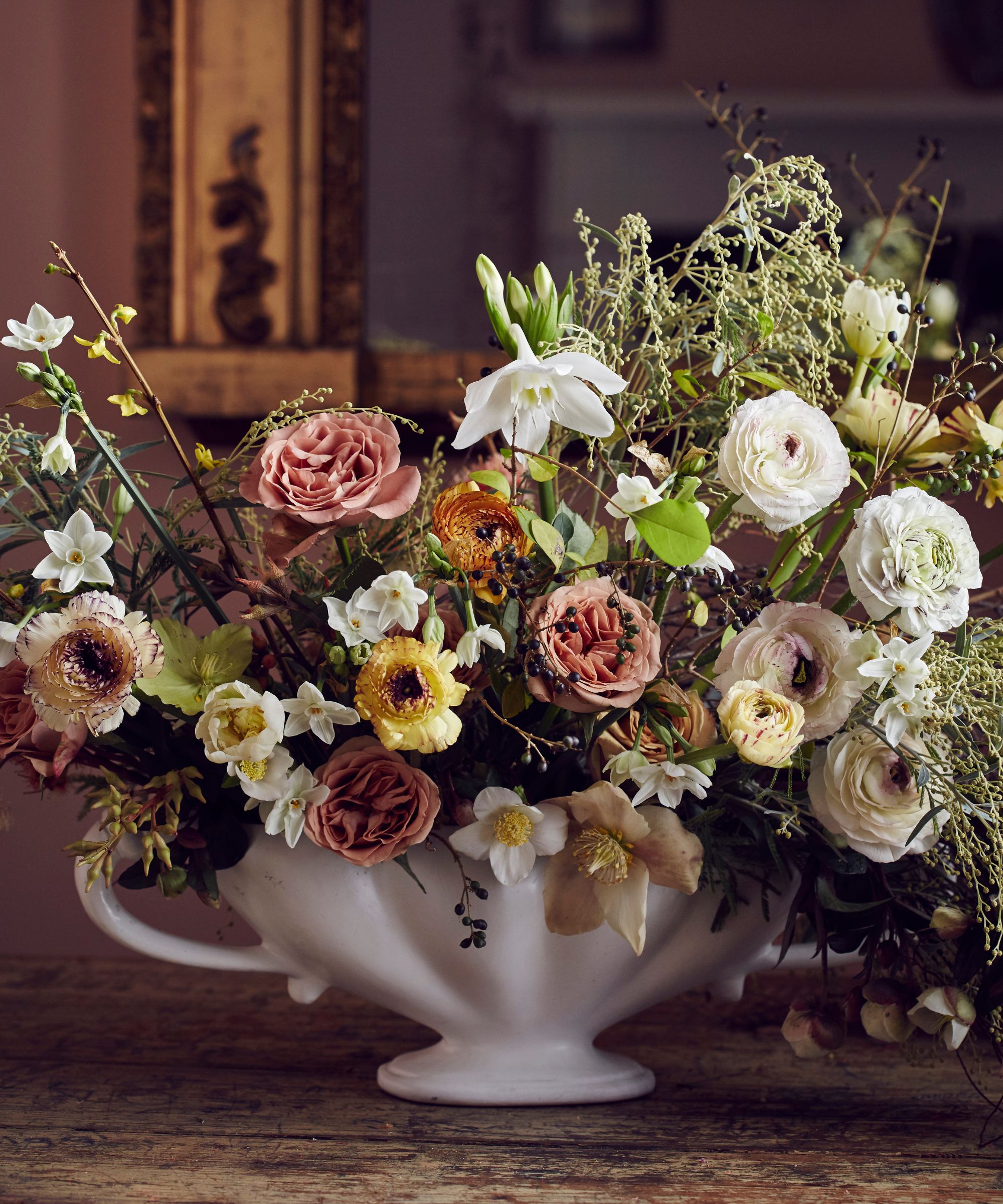
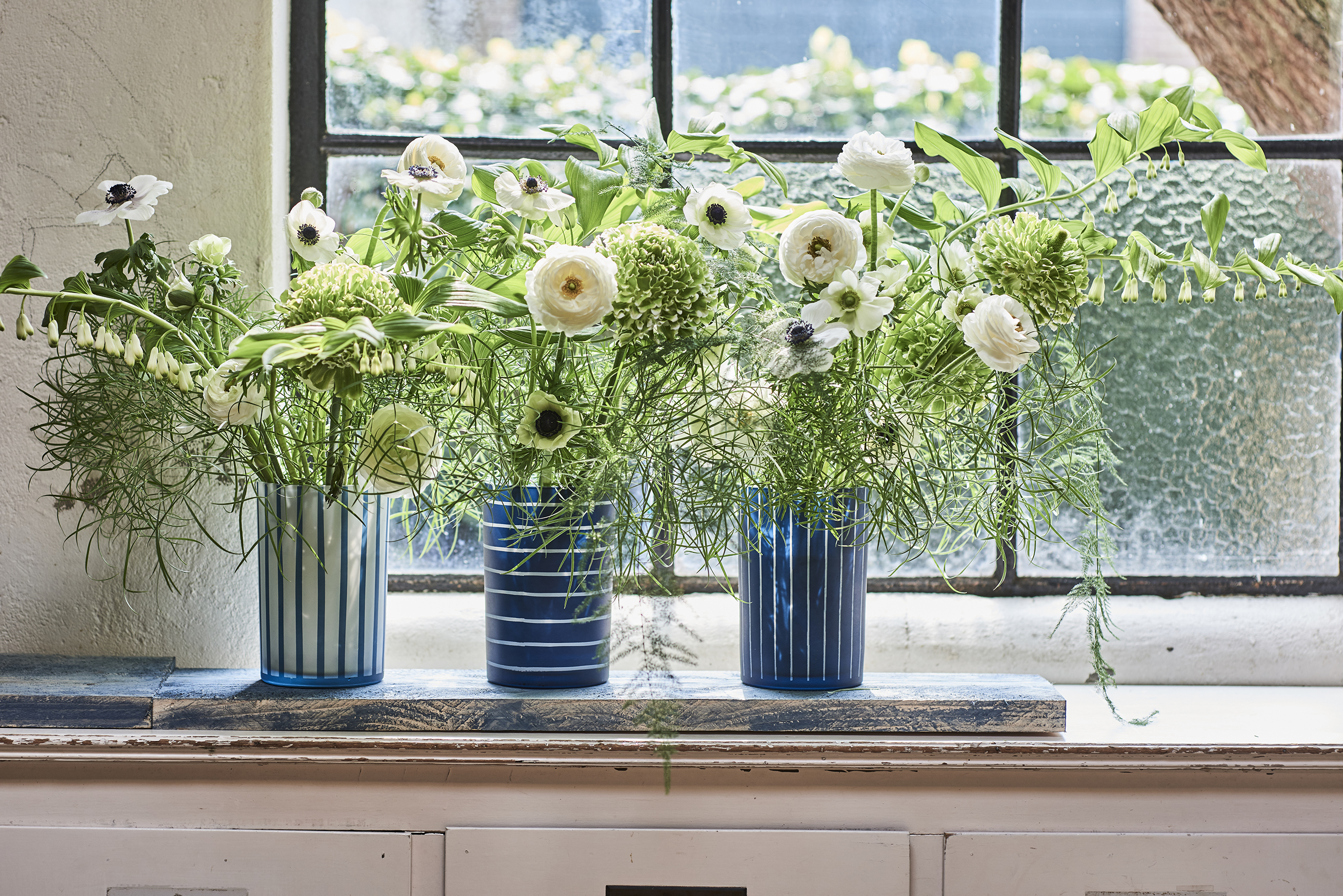
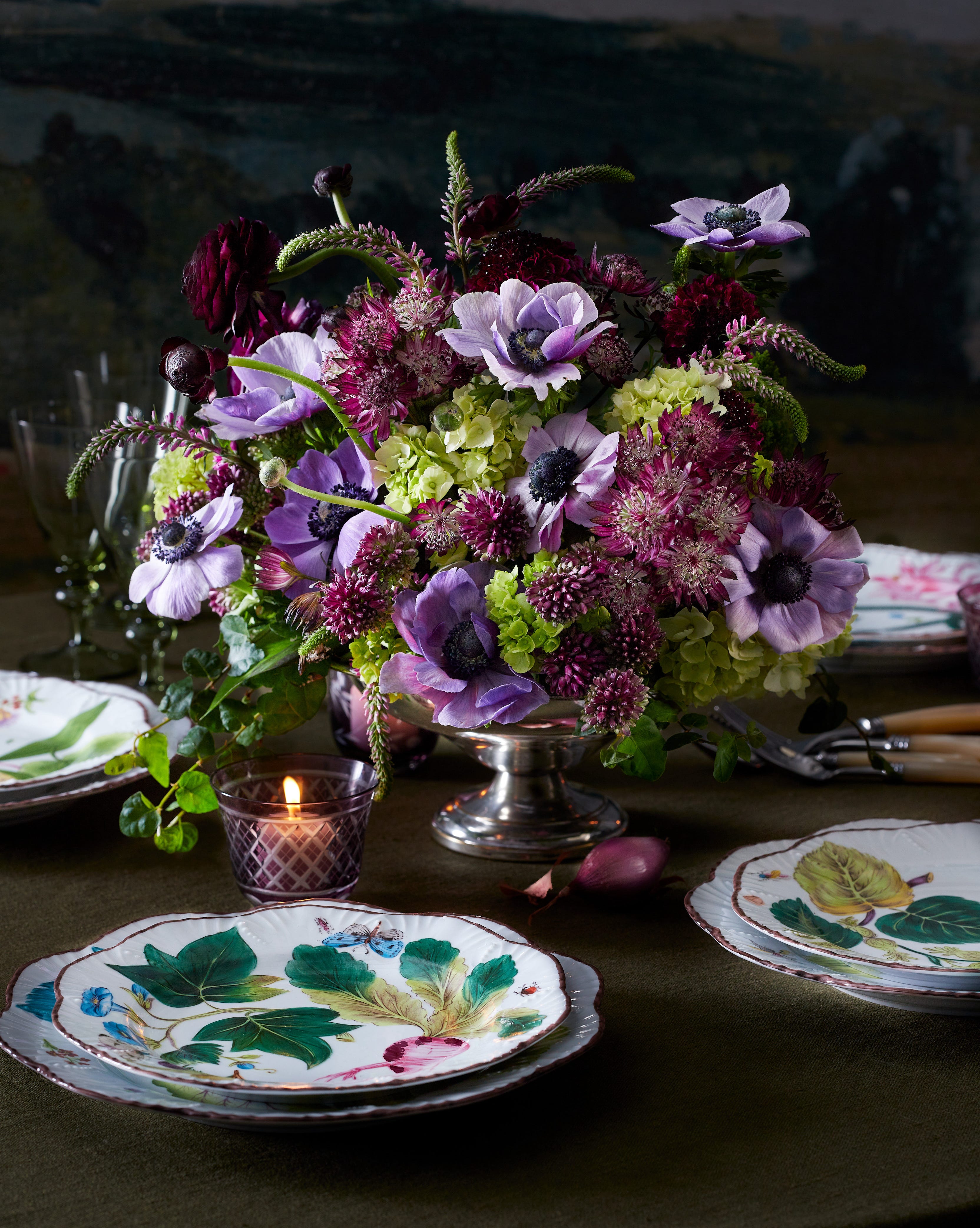
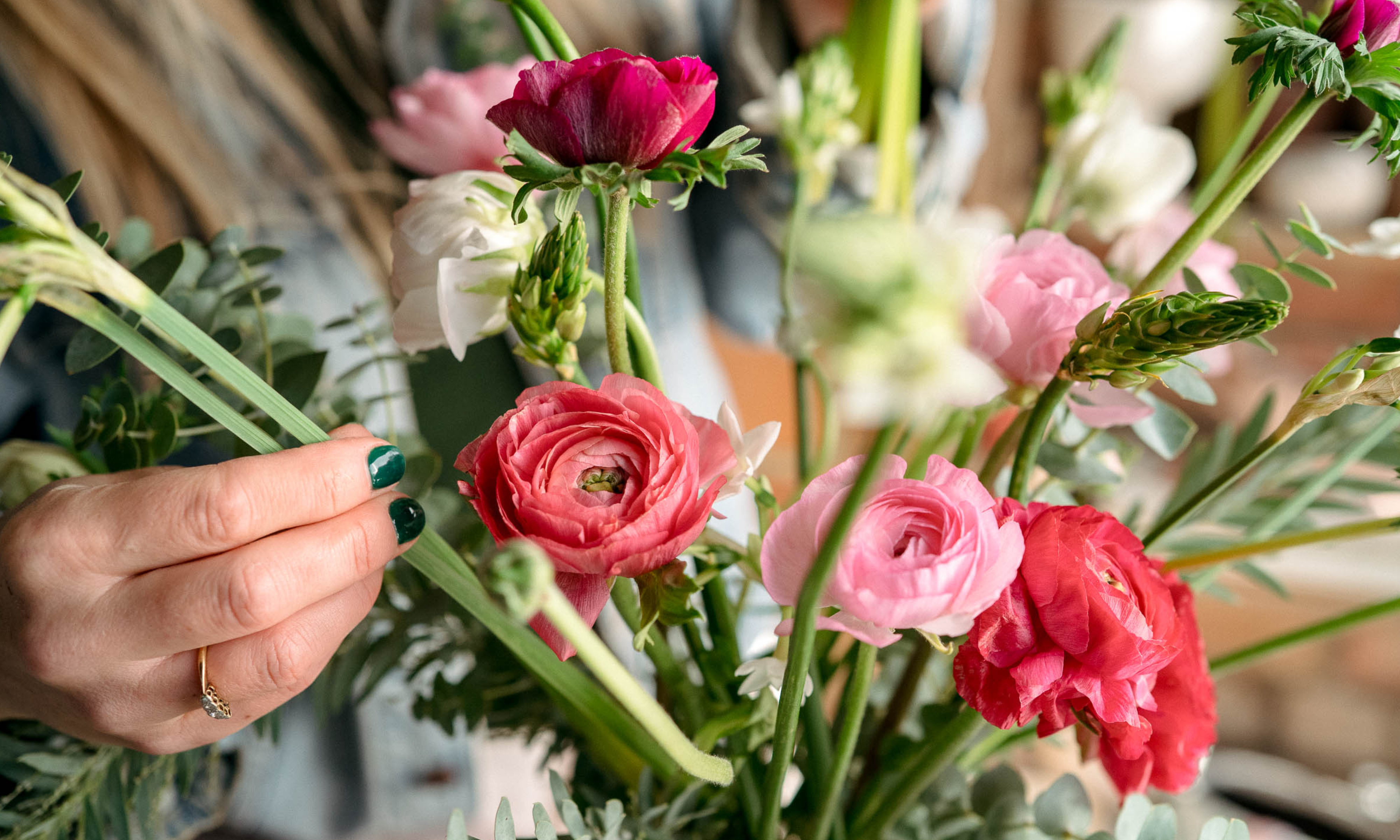
The featured arrangement incorporates anemones, star of Bethlehem, ranunculus, narcissi, privet berries, eucalyptus 'baby blue', and acacia. The overarching goal is to reflect feelings of hope, rejuvenation, and joy for the coming year. The arrangement begins with foliage, specifically eucalyptus, chosen for its fresh, uplifting scent and its association with healing in natural medicine, which aligns with the author's personal intentions for the new year.
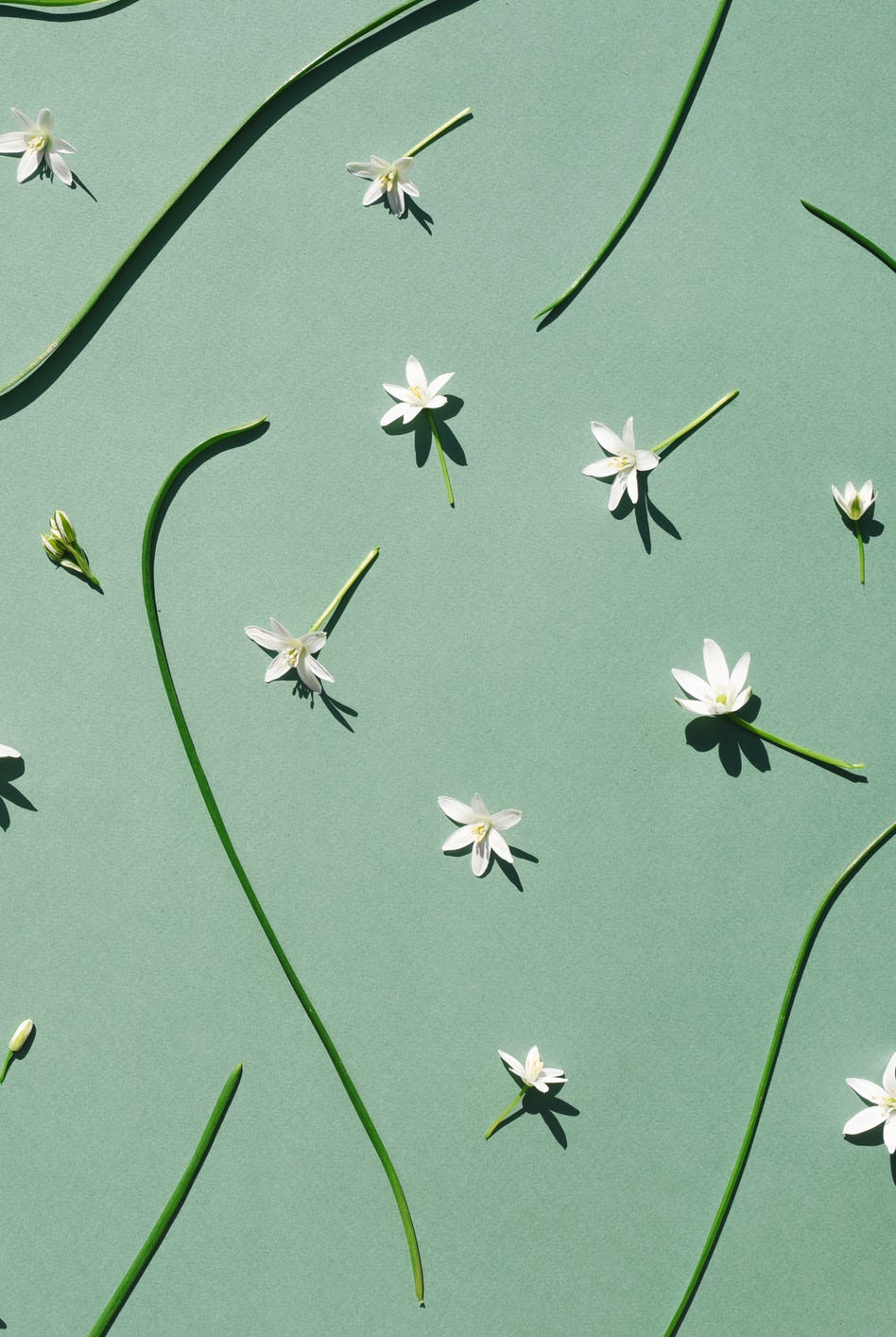
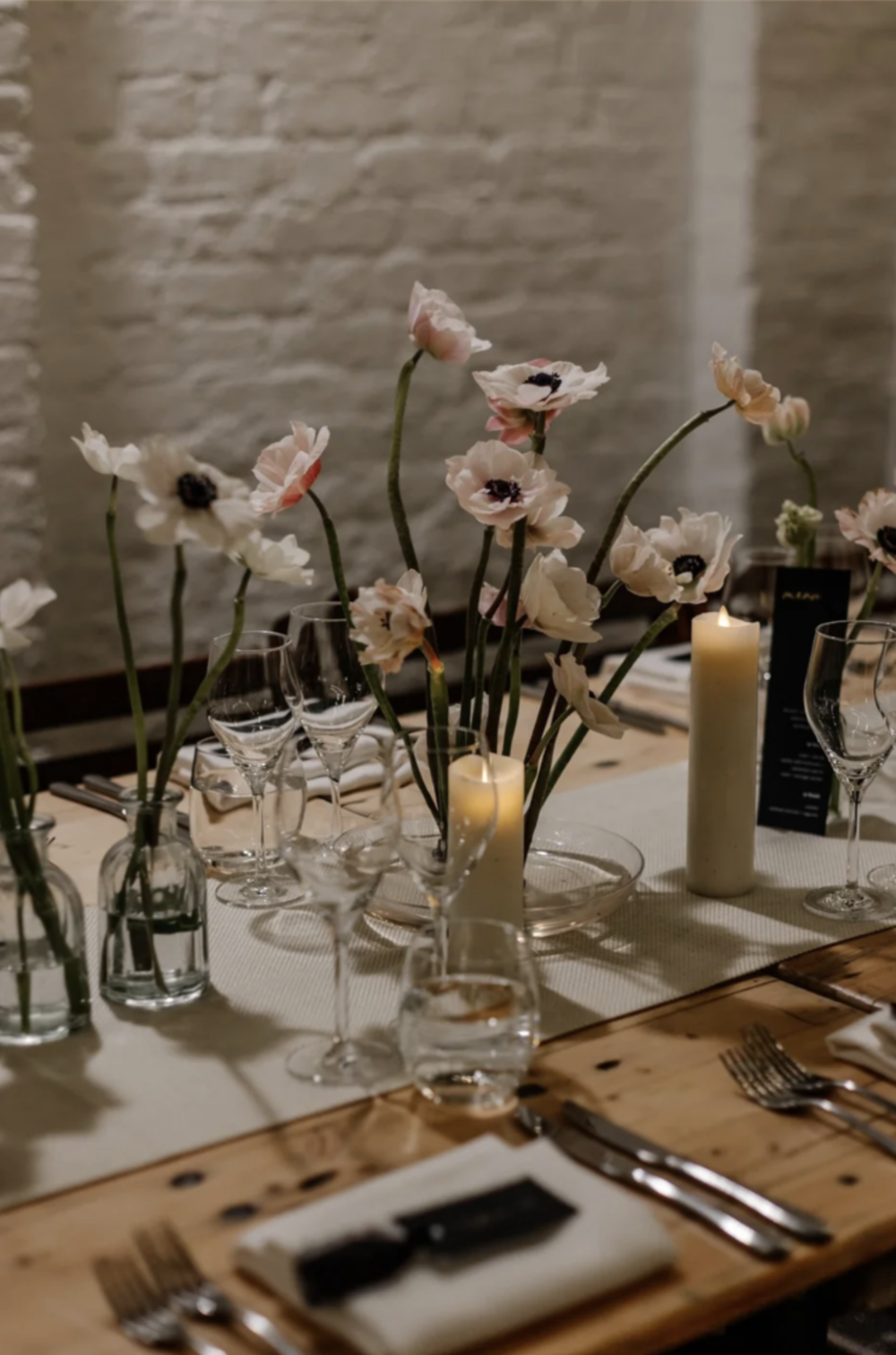
Star of Bethlehem, also known as Ornithogalum, is included for its symbolism of hope. In Victorian floriography, it represents innocence and purity, often appearing in wedding and christening bouquets. Its common name derives from its white, star-shaped flowers that open slowly, alluding to the biblical concept of a guiding star. Anemones, admired for their distinct jet-black centers and delicate, paper-like petals, are incorporated. The white anemone specifically symbolizes sincerity, while the general meaning in Victorian times encompassed love and forsaken love. Their characteristic closing at night and reopening in daylight further associates them with anticipation, representing the excitement of future possibilities.
Ranunculus, a personal favorite of the author due to its ruffled appearance, is chosen for its traditional representation of charm and radiance, as well as its inherent ability to bring joy to any arrangement. Narcissus, with its rich history rooted in Greek mythology, is included. The myth of Narcissus, who fell in love with his own reflection, links the flower to a cautionary tale against self-obsession. Additionally, narcissi, or daffodils, are widely recognized as heralds of spring, symbolizing renewal and new beginnings. In Chinese culture, they signify good fortune and prosperity. The article recommends Shane Connolly's book, "Discovering the Meaning of Flowers," for a deeper dive into these symbolic histories.
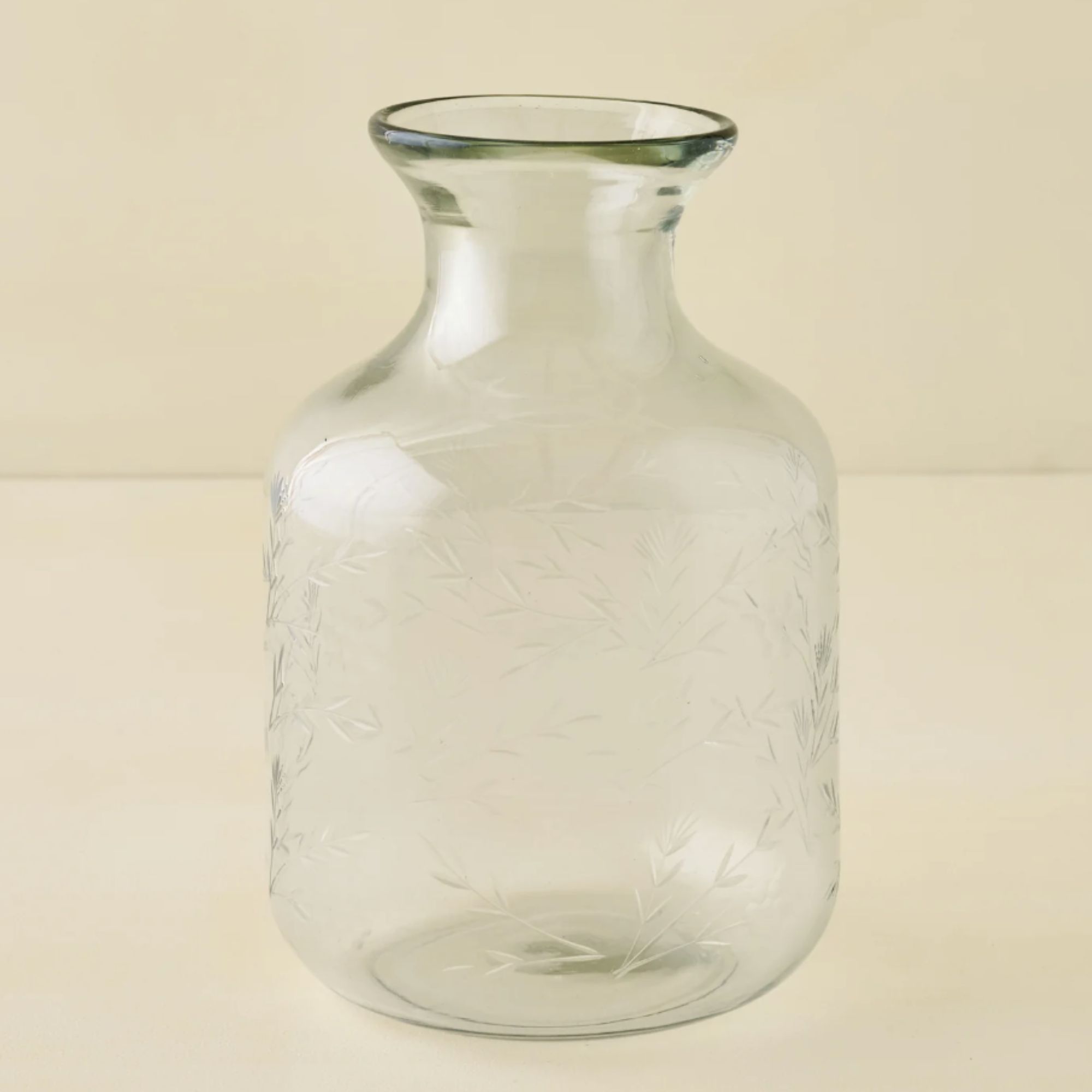
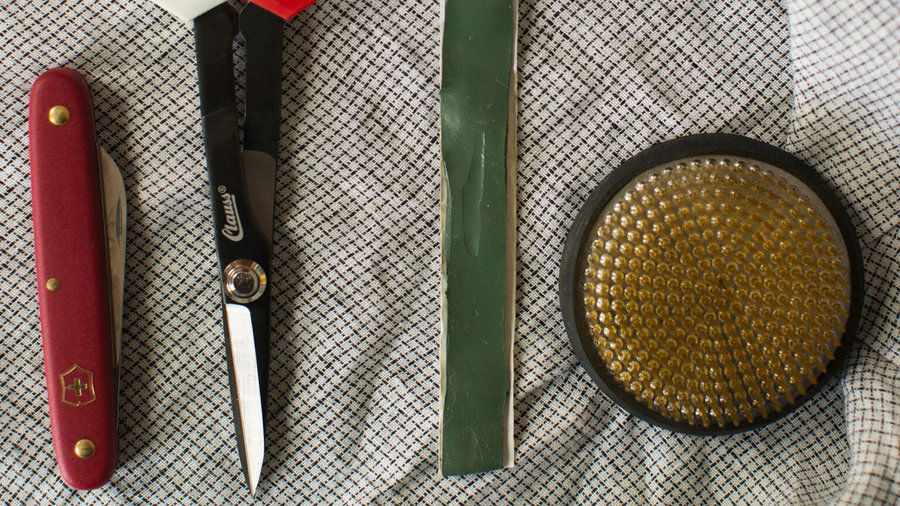
Finally, black privet berries are added to the design, appreciated both for their aesthetic harmony with the anemones and their symbolic association with protection, though this interpretation can vary. For more on Victorian floriography, Jessica Roux's book, "Floriography," is suggested. The article concludes by listing the essential floristry tools used: floristry scissors and a simple glass vase, along with a practical collapsible garden bag for waste. The author, Rachel Bull, shares that this content is part of her weekly video series, "Petals & Roots," where she offers seasonal gardening and flower arranging expertise.
#FloralArrangement #NewYearRituals #FlowerSymbolism #VictorianFloriography #HomeDecor #GardeningAdvice #DIYFlowers #Wellness #SeasonalDecor #FloralArrangement #NewYearRituals #FlowerSymbolism #VictorianFloriography #HomeDecor #GardeningAdvice #DIYFlowers #Wellness #SeasonalDecor
0 comment in total
 No comments yet
You may also like
Expert tips for creating Christmas floral arrangements

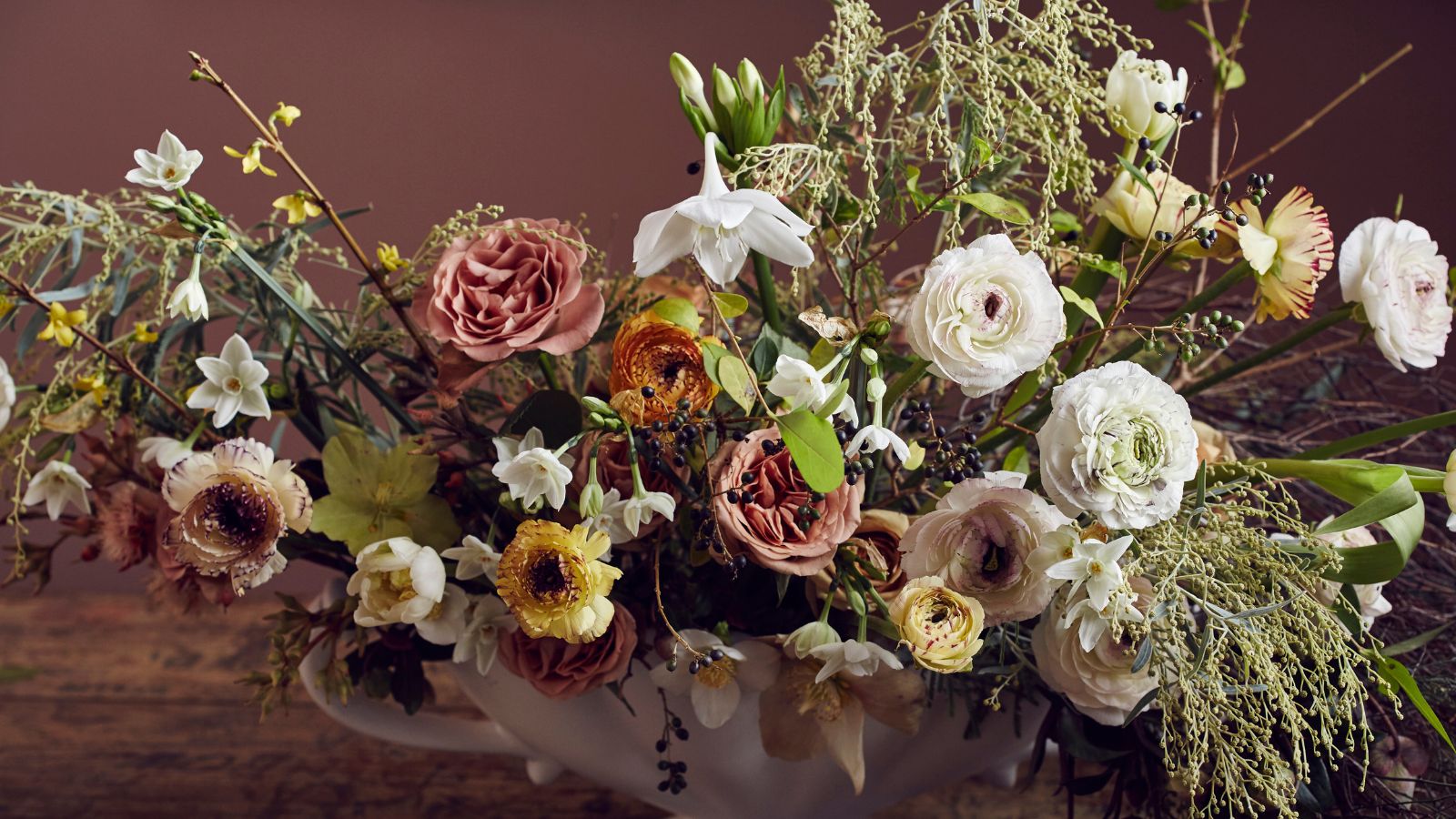
How to arrange flowers like a professional – these 7 rules are all you need according to floral experts
'A flower grown from seed is the perfect metaphor for our individual creativity' – why 2025 floral trends are about stepping back and letting nature ground us
15 Holiday Centerpiece Ideas That Bring a Festive Touch to Your Table

We Discovered All the Secret Meanings Behind Your Birth Flower

Joanna Gaines' Winter Floral Arrangements Are Unexpectedly Vibrant
Shopping for Flowers with De Juan Stroud (Published 2008)
The best new annual flowers of 2025

4 Floral Arrangements To Hold You Over Until Spring
Flower Arrangements Are Reaching New Heights (Published 2024)

The Art of Decorating with Flowers — 10 Ideas for Elevating Your Home with Blooms

Joanna Gaines's 5 Must-Read Tips For Creating Stunning Flower Arrangements
Simple is best for floral centerpieces
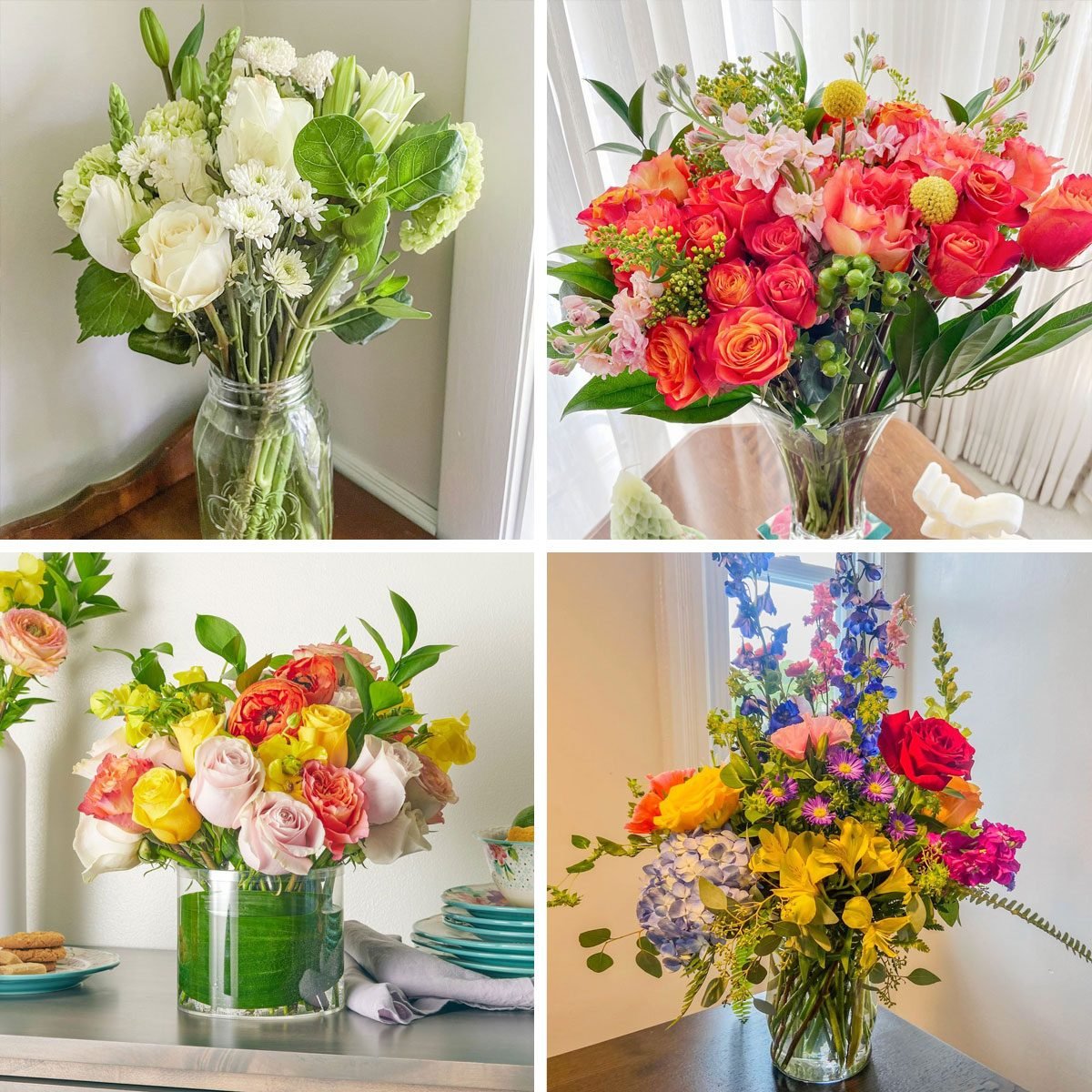
7 Flower Subscription Services Perfect for You (or Your Best Bud)

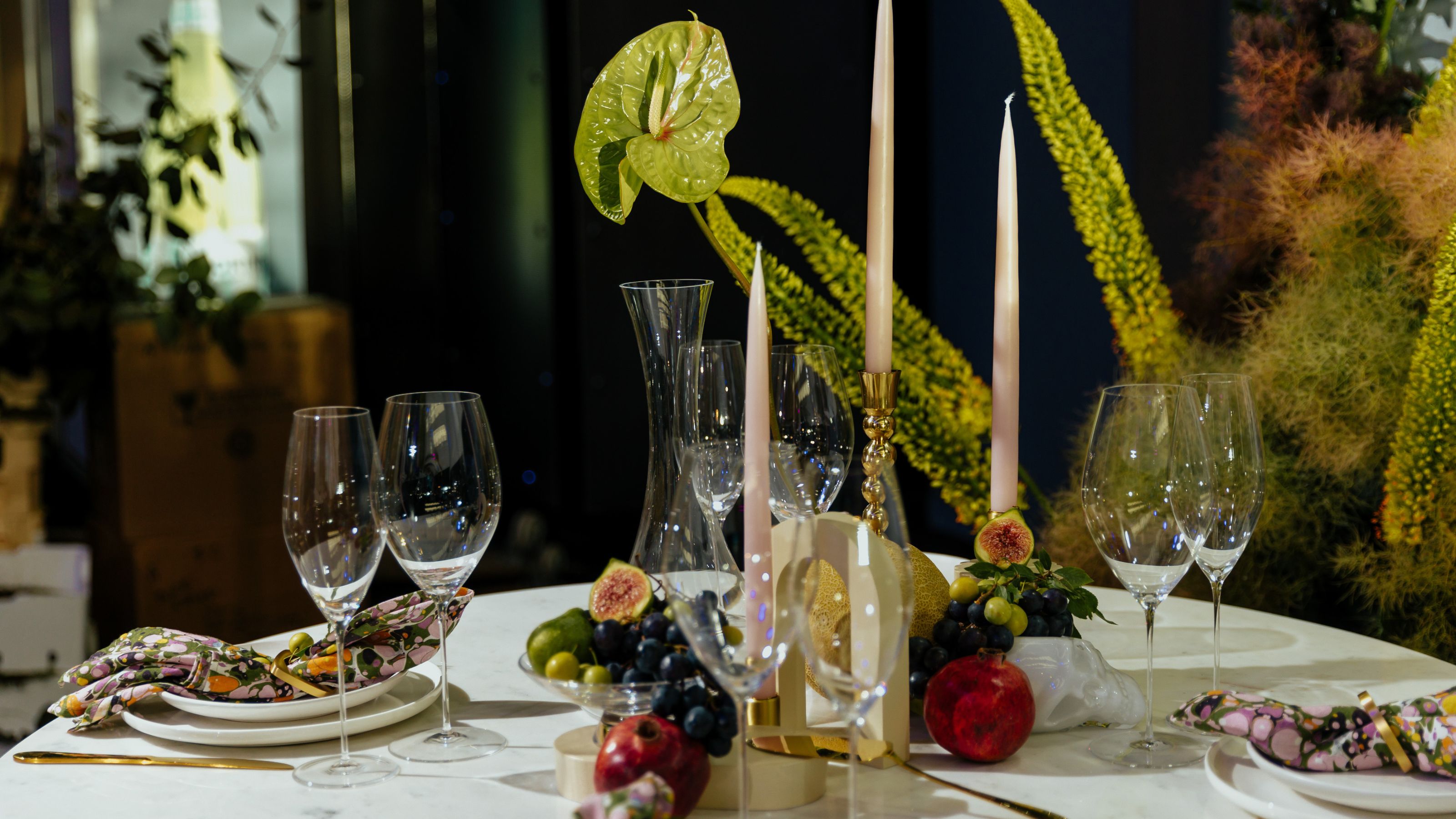
These Are the Exact Flowers London's Coolest Florist Is Dressing Her Christmas Table With This Year
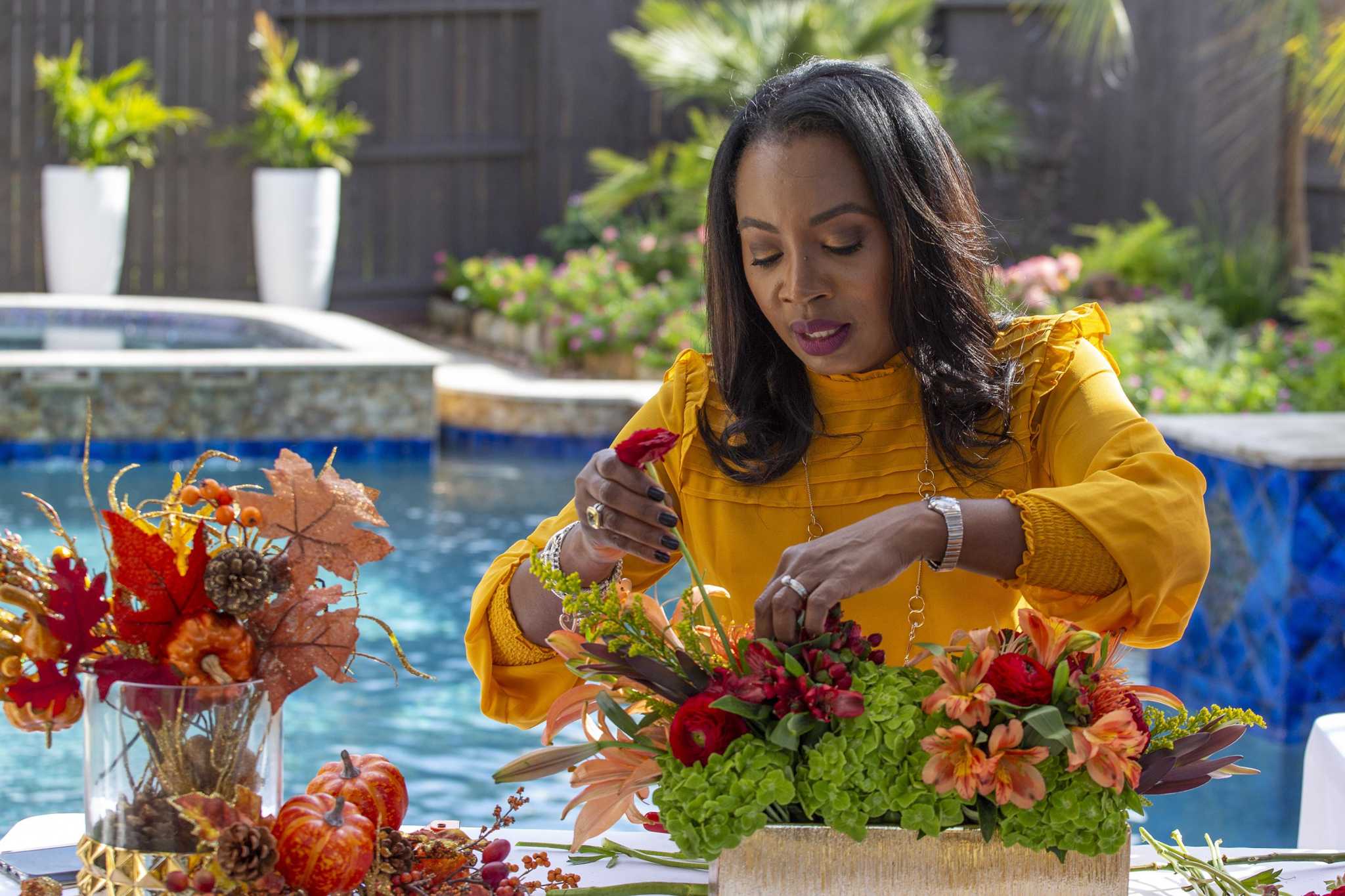
Here's how to make your own Thanksgiving centerpiece with flowers from HEB

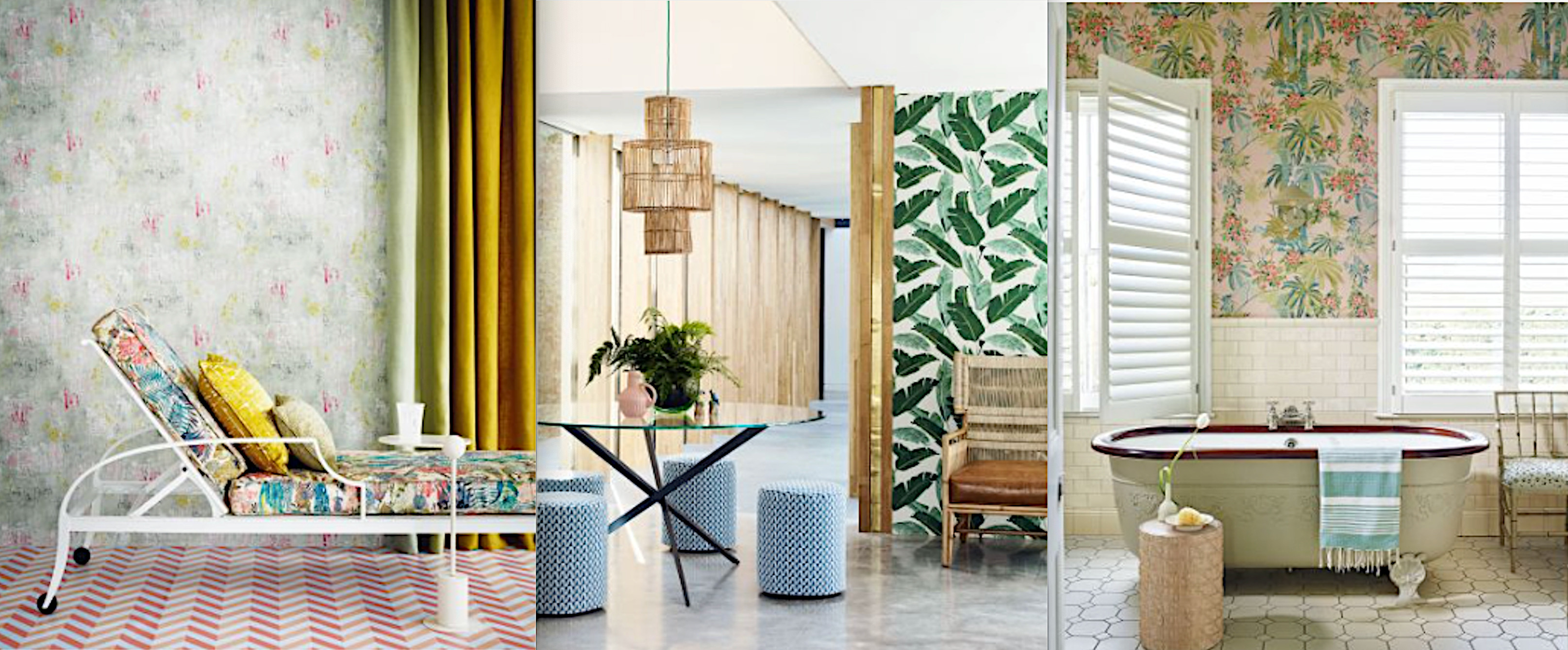
Decorating with botanicals – 10 ways to use foliage with feeling
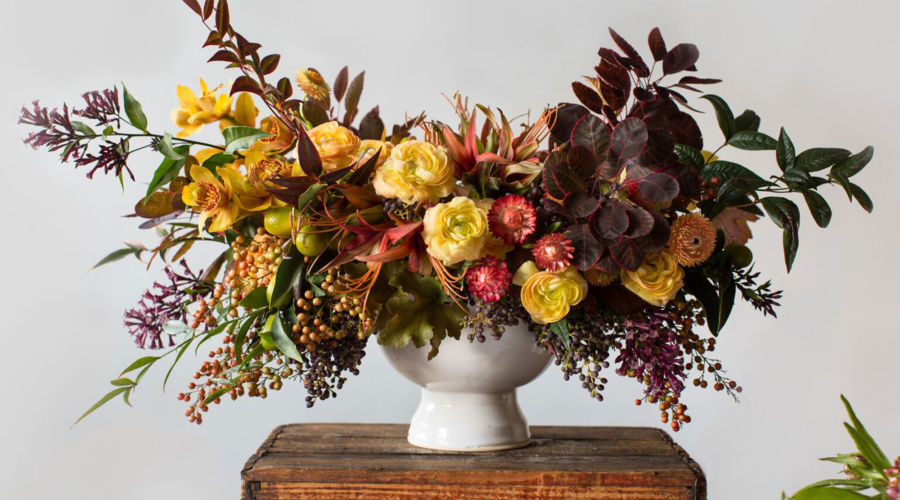
This DIY Fall Floral Arrangement Is an Instant Show-Stopper
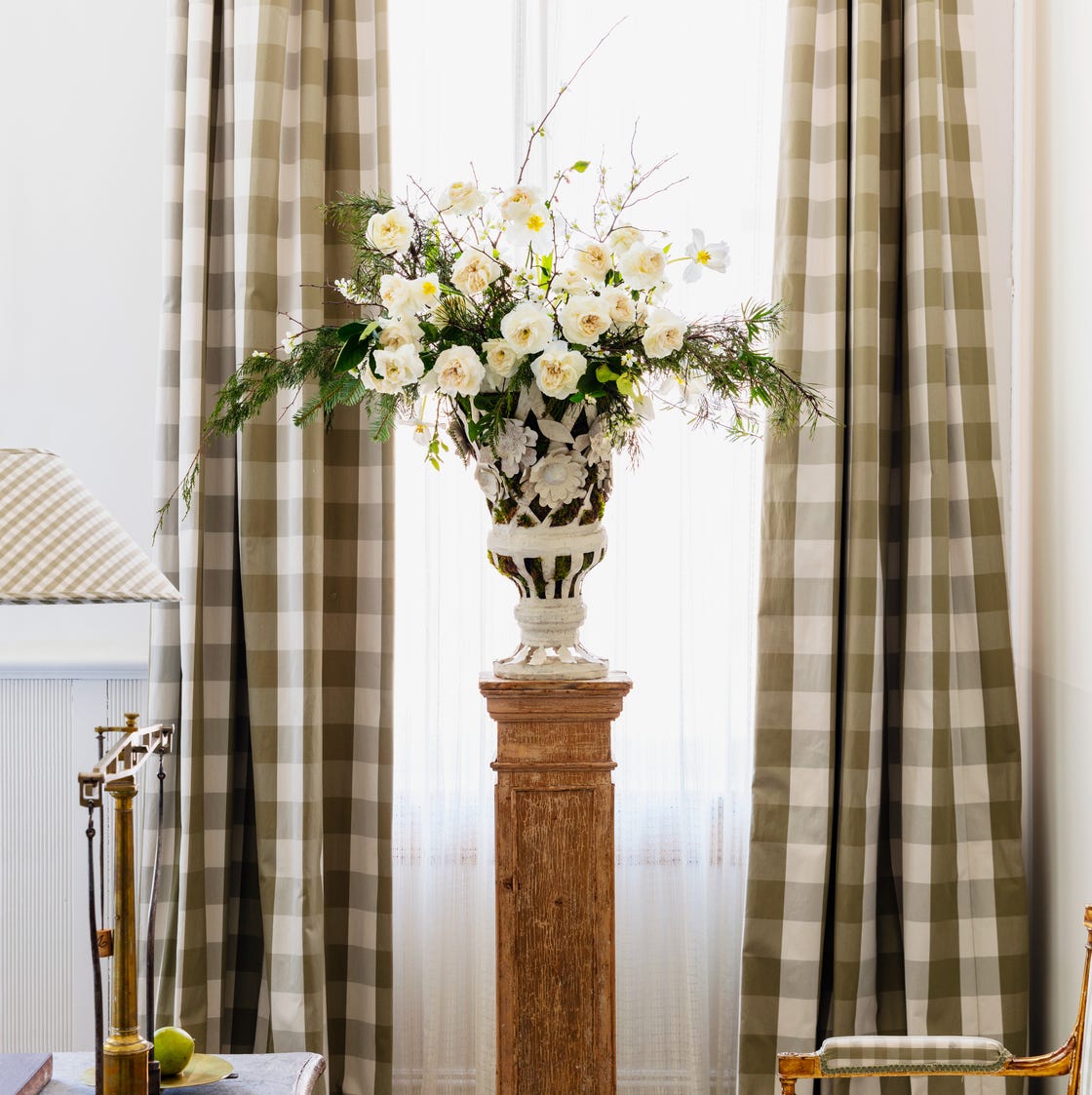
Brighten Your Home This Winter With These 30 Stunning Floral Arrangements

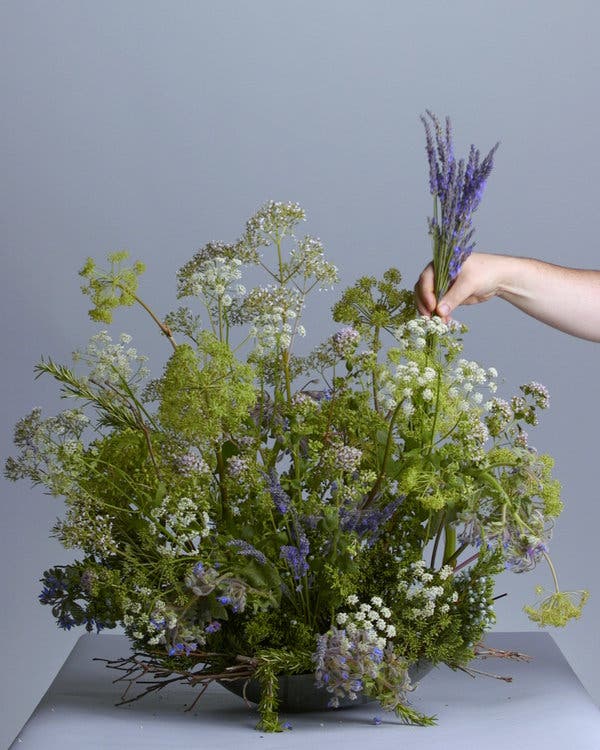
How to Arrange Flowers for an Unexpected, Wild-Looking Table (Published 2019)