We Asked Designers How to Get More Natural Light in Our Homes and We're Following This Advice All Winter
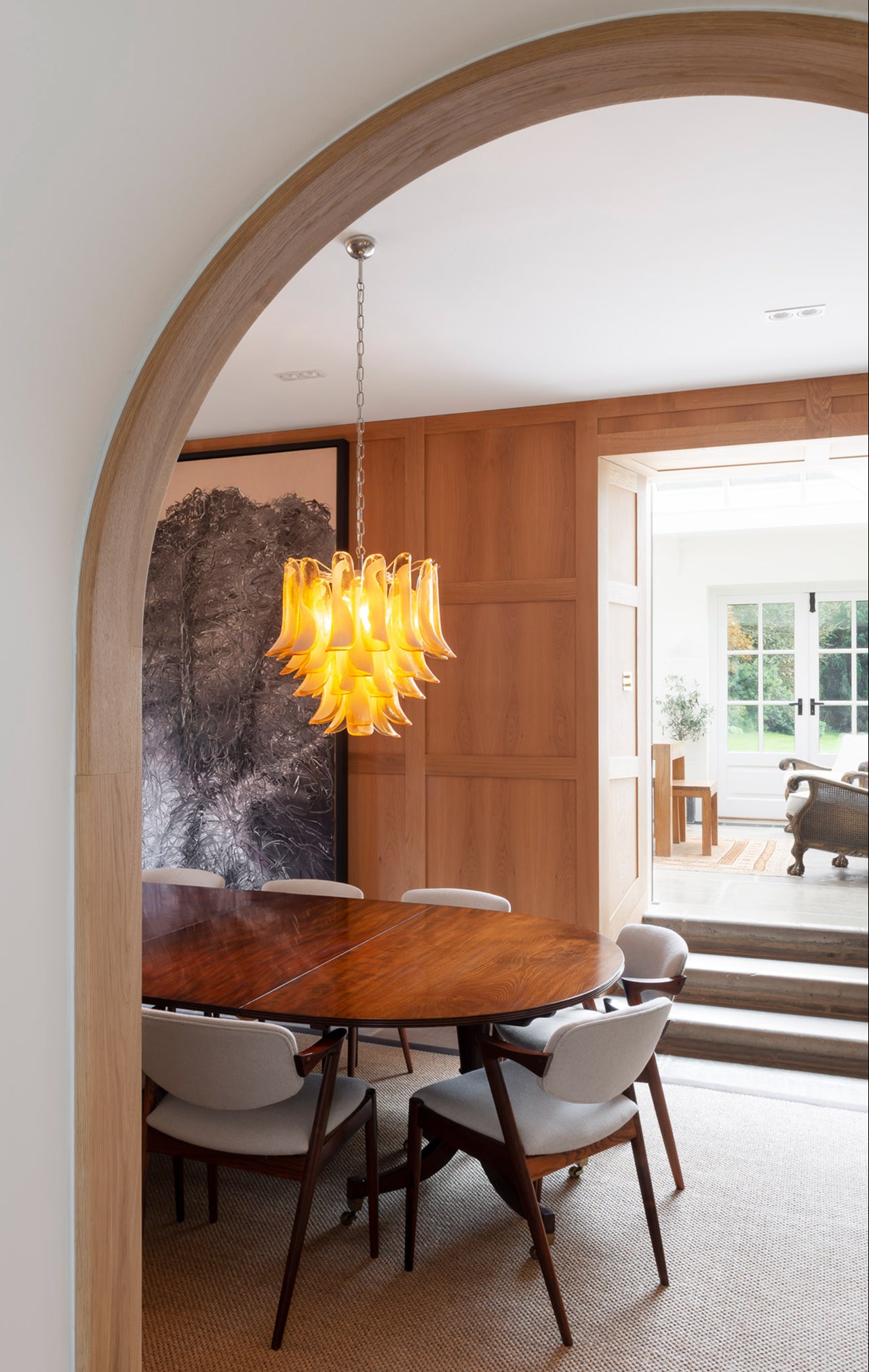
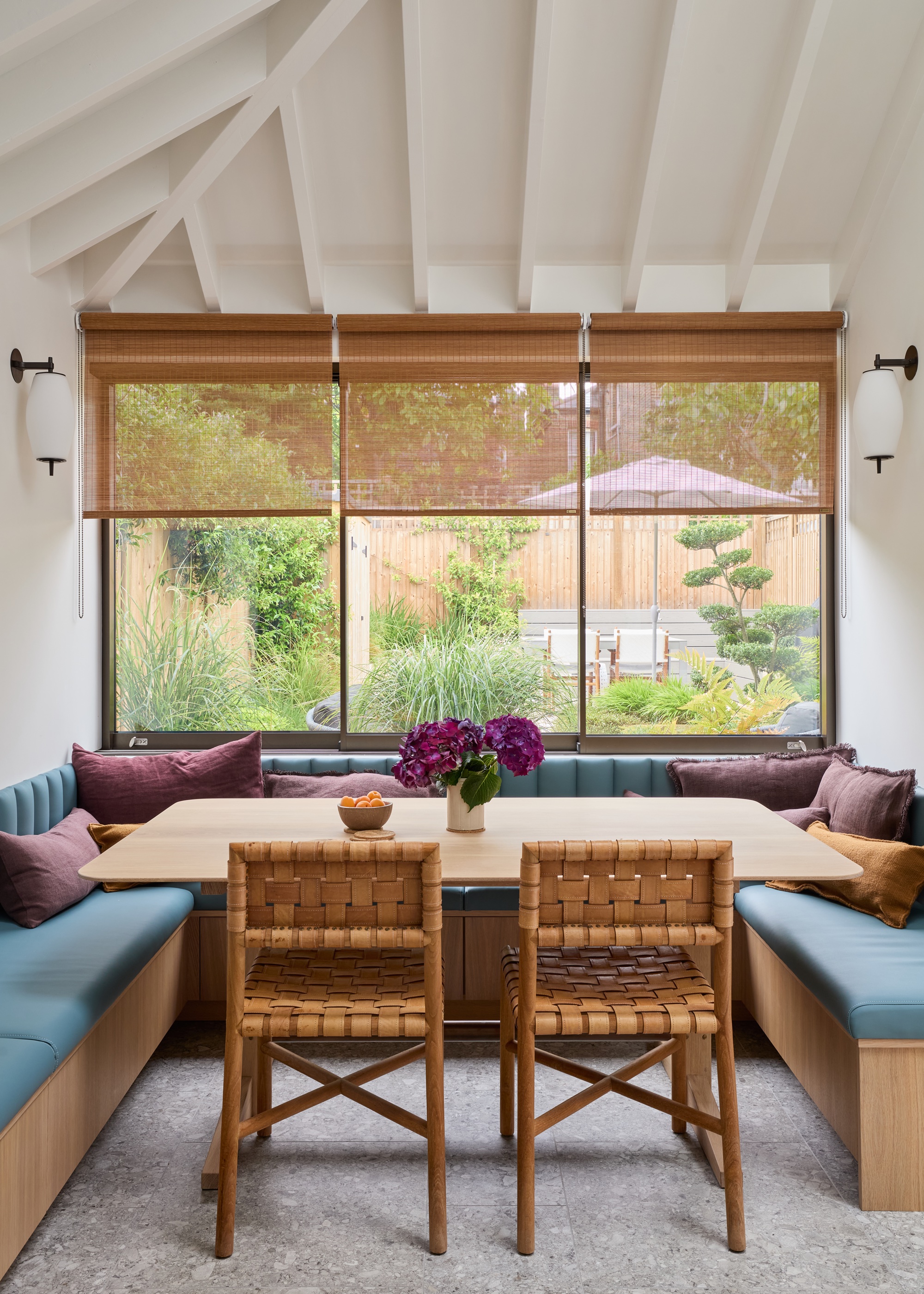
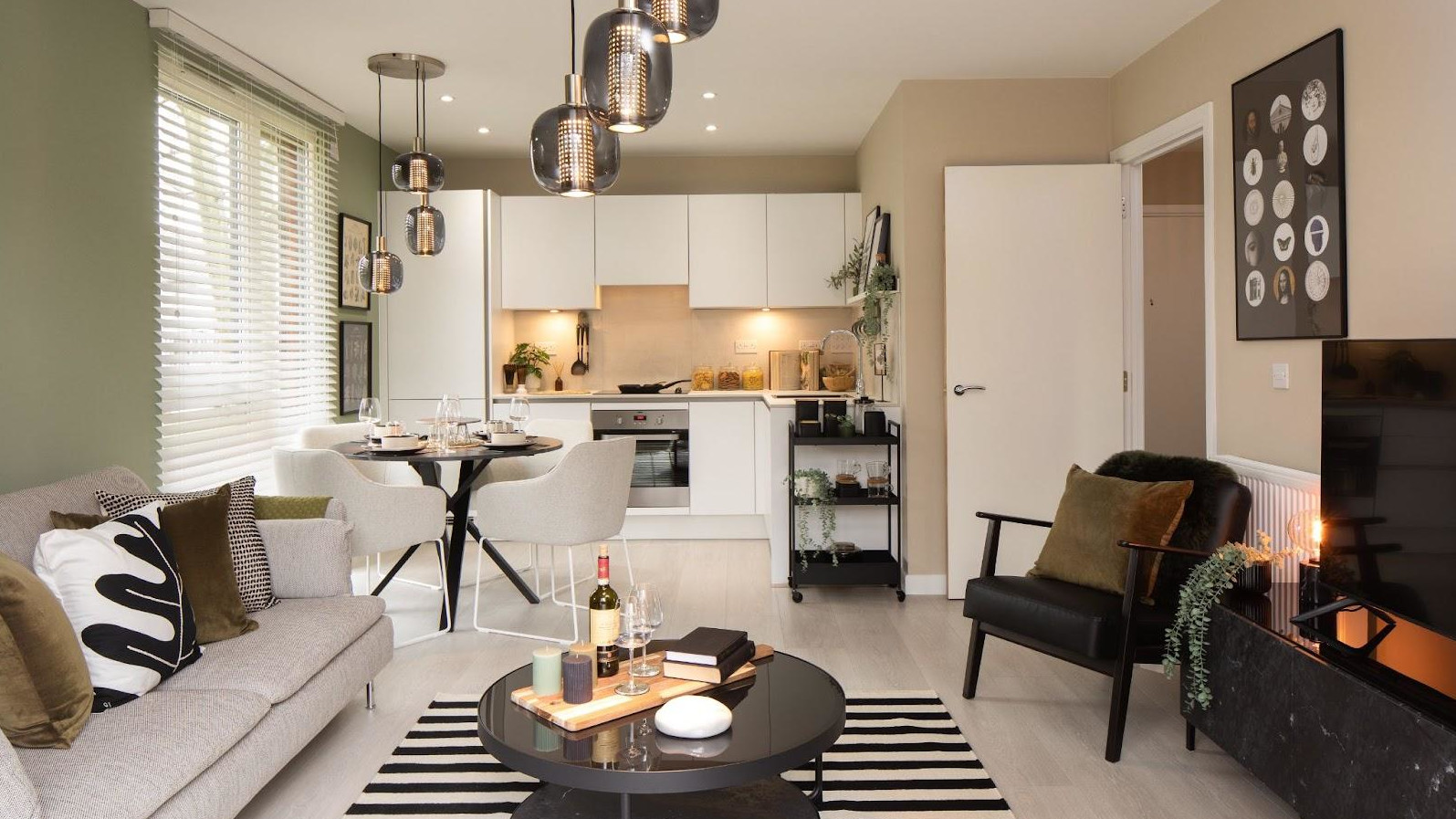
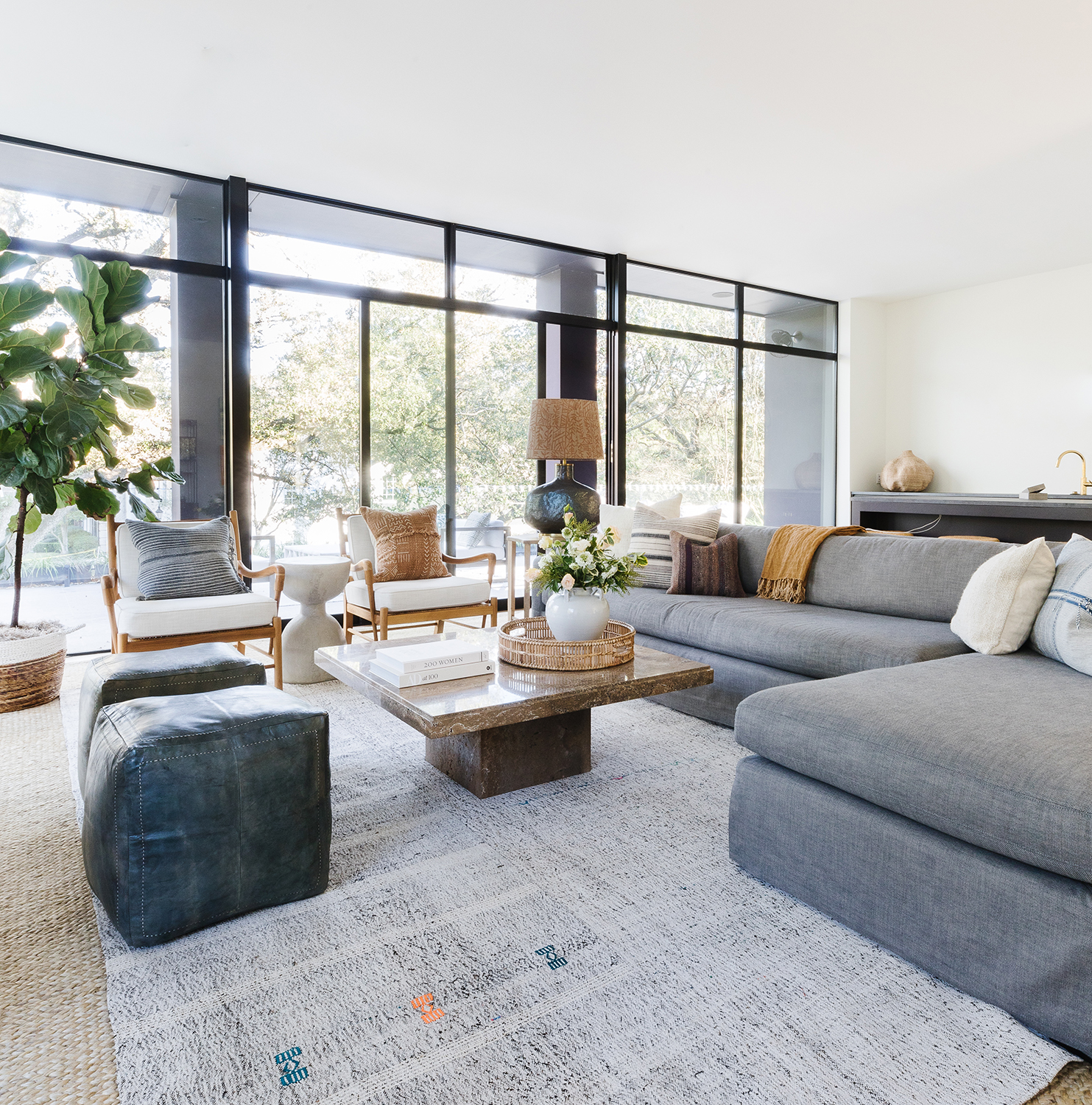
As the days shorten, homeowners often seek ways to enhance natural light within their living spaces, aiming for a more spacious and inviting atmosphere. While the perception of a room's size is often attributed to its natural light rather than its actual square footage, several design strategies can effectively amplify sunlight without necessitating extensive renovations.
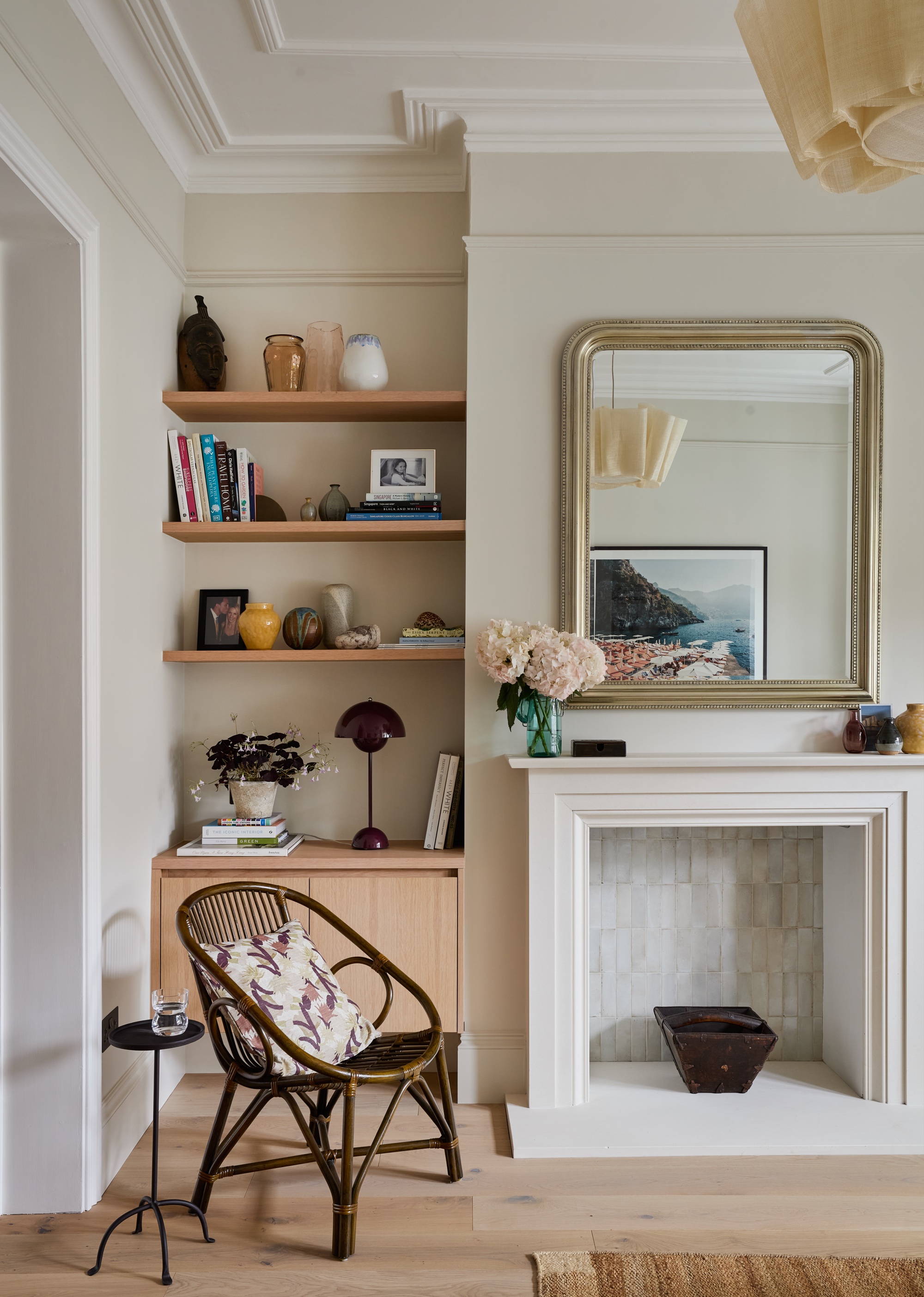
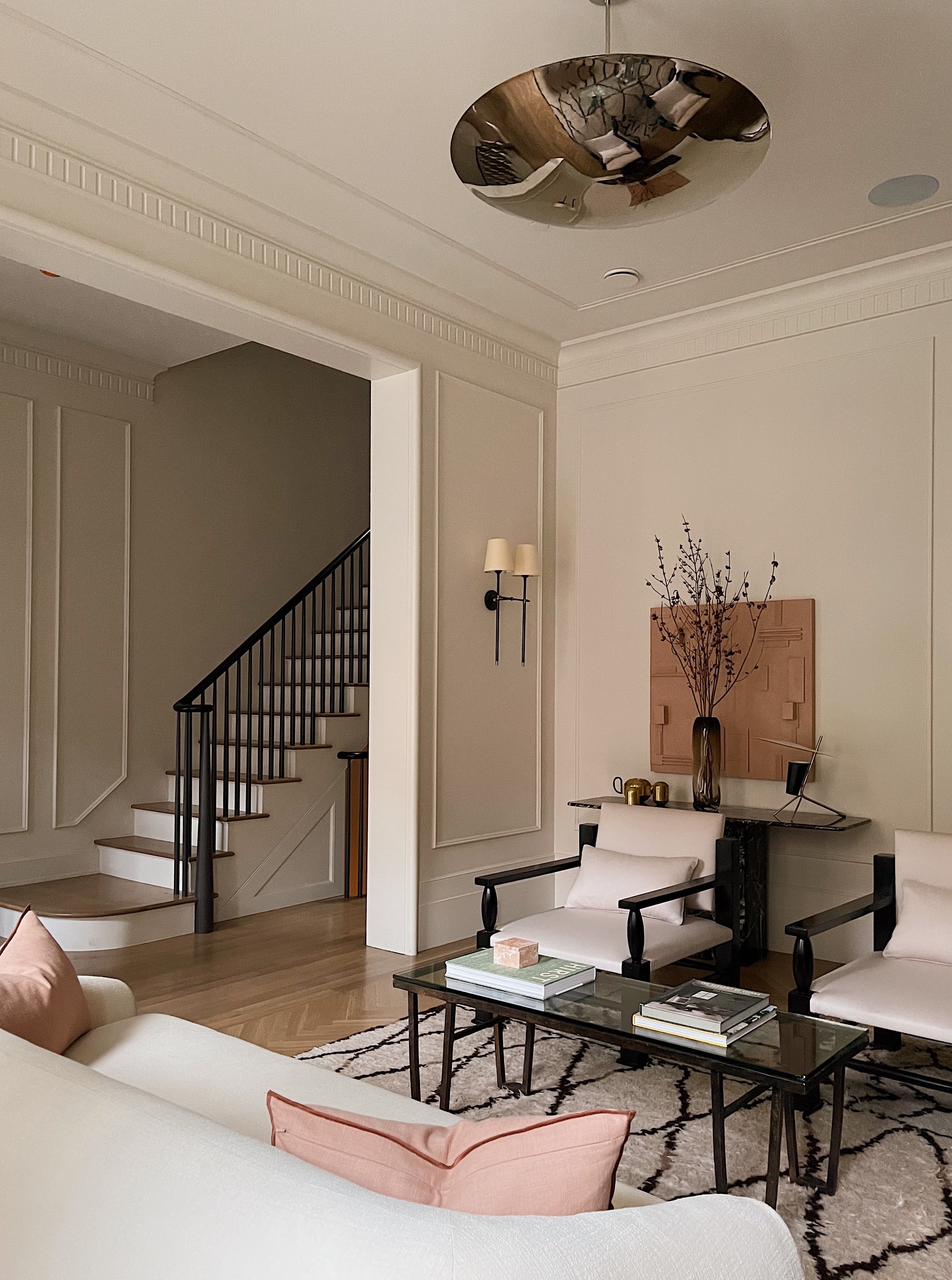
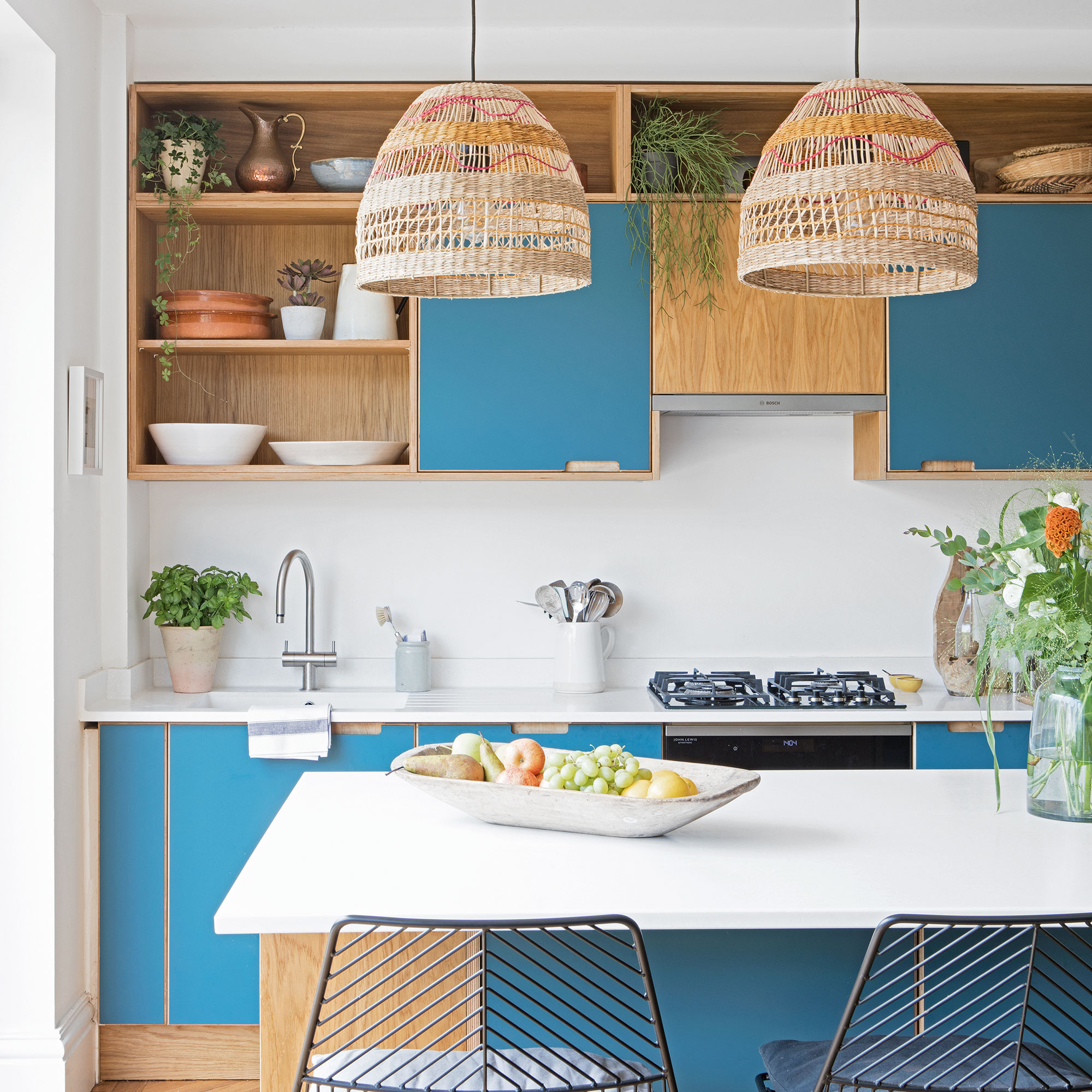
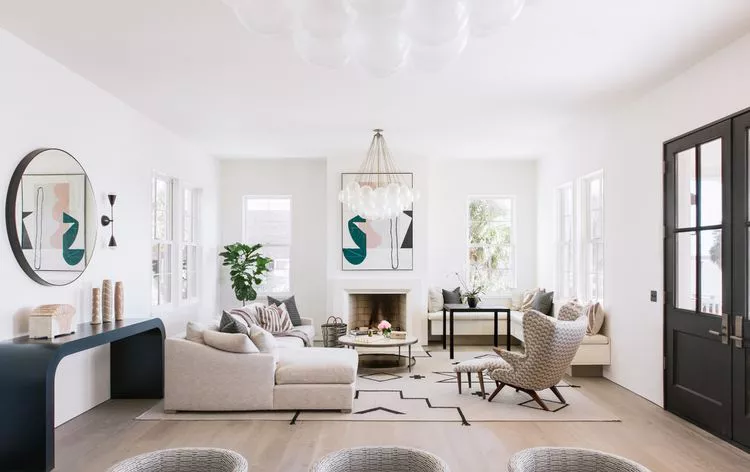
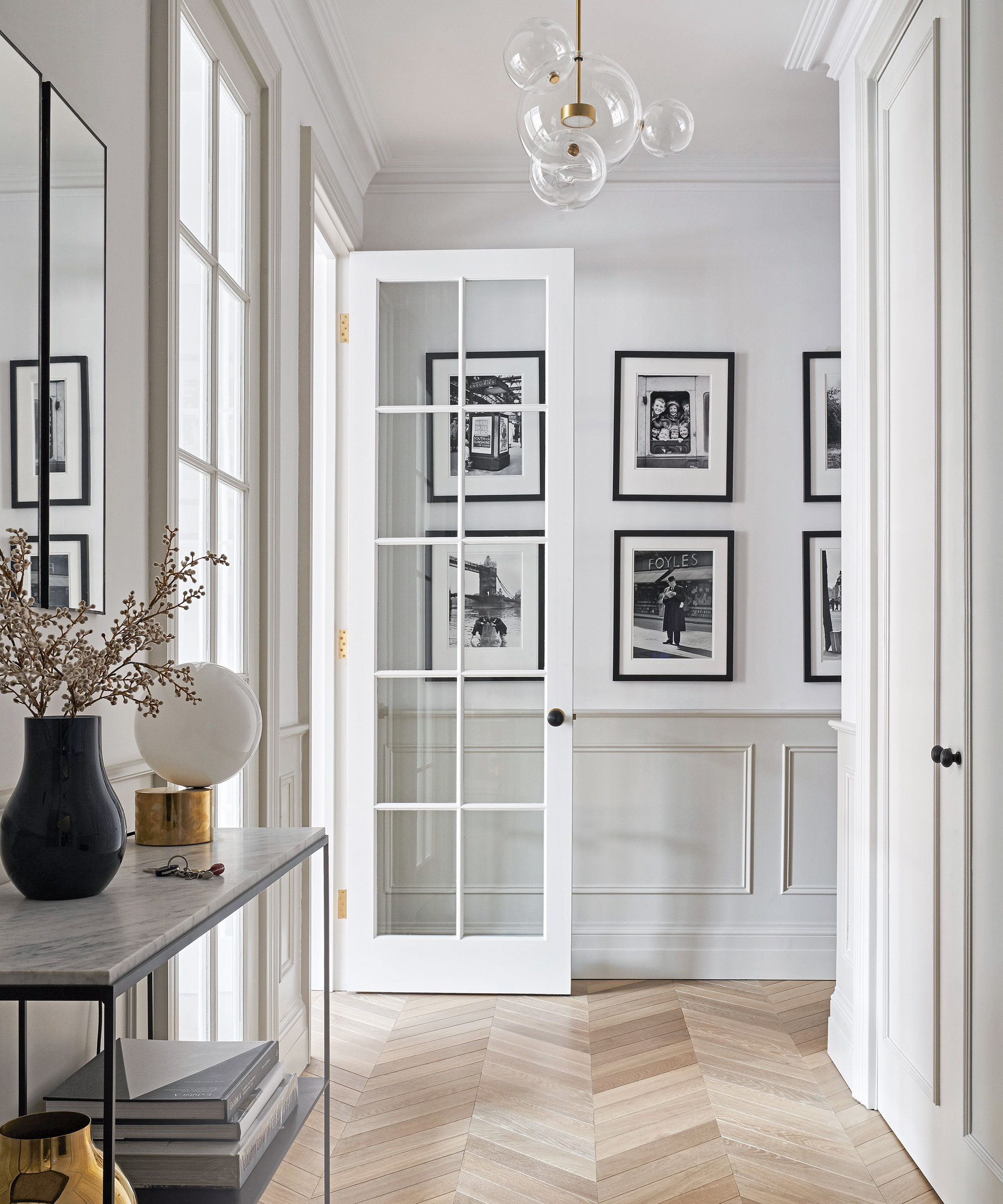
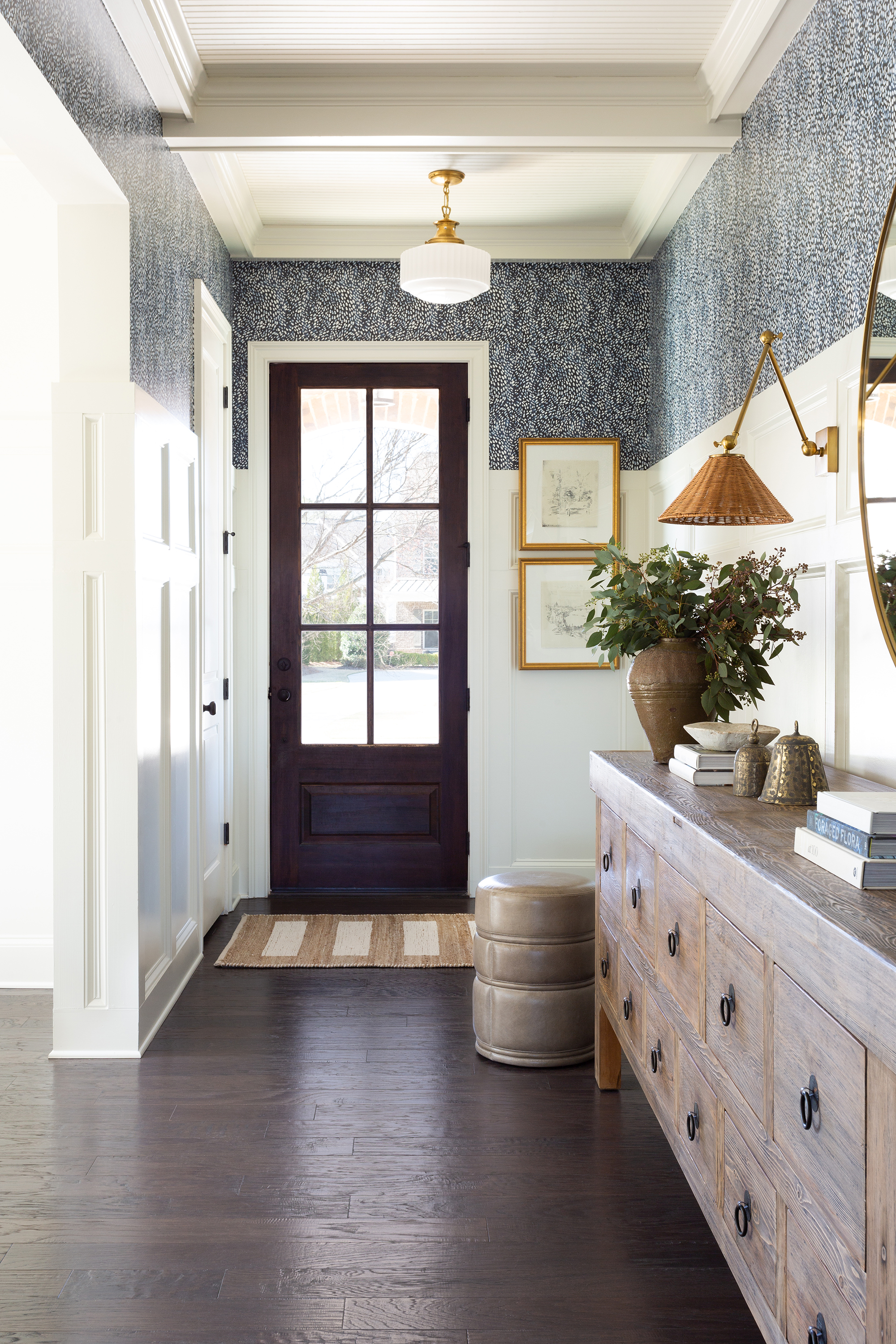
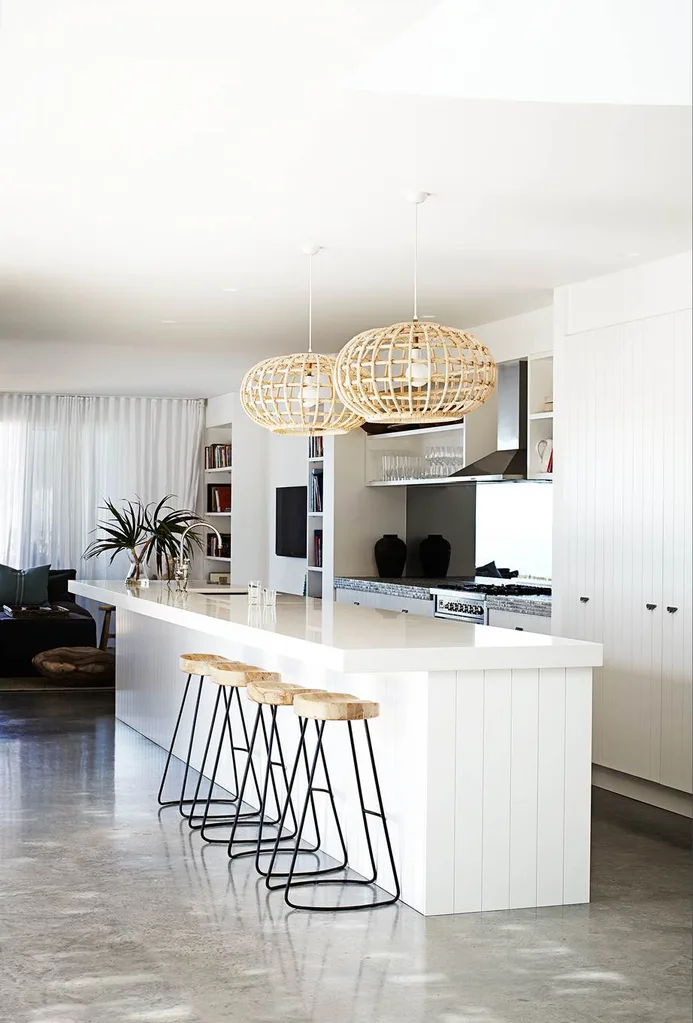
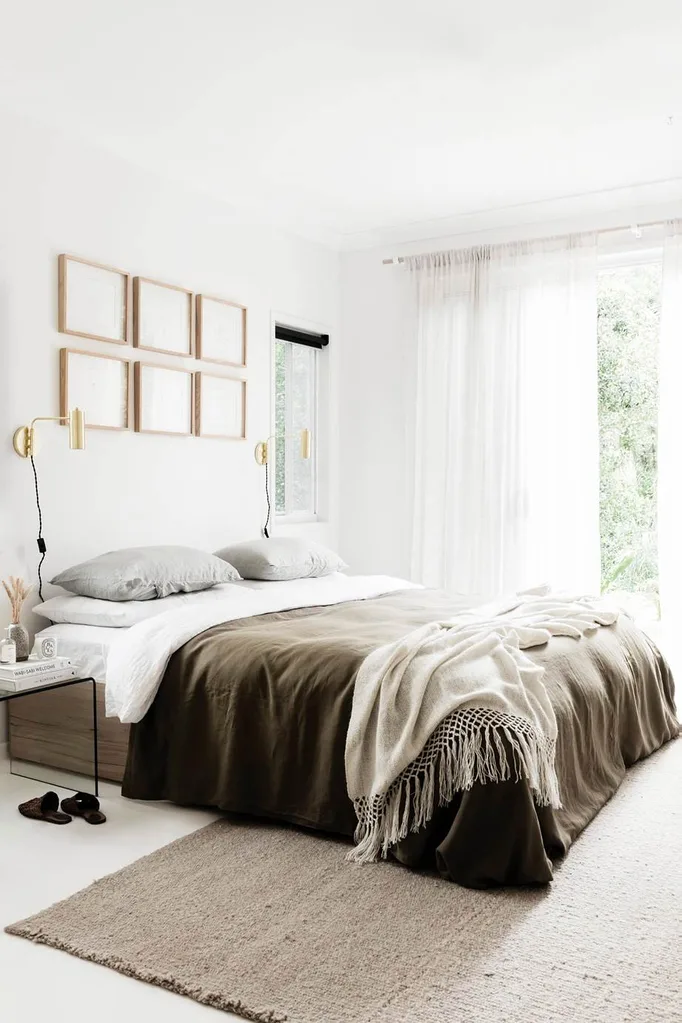
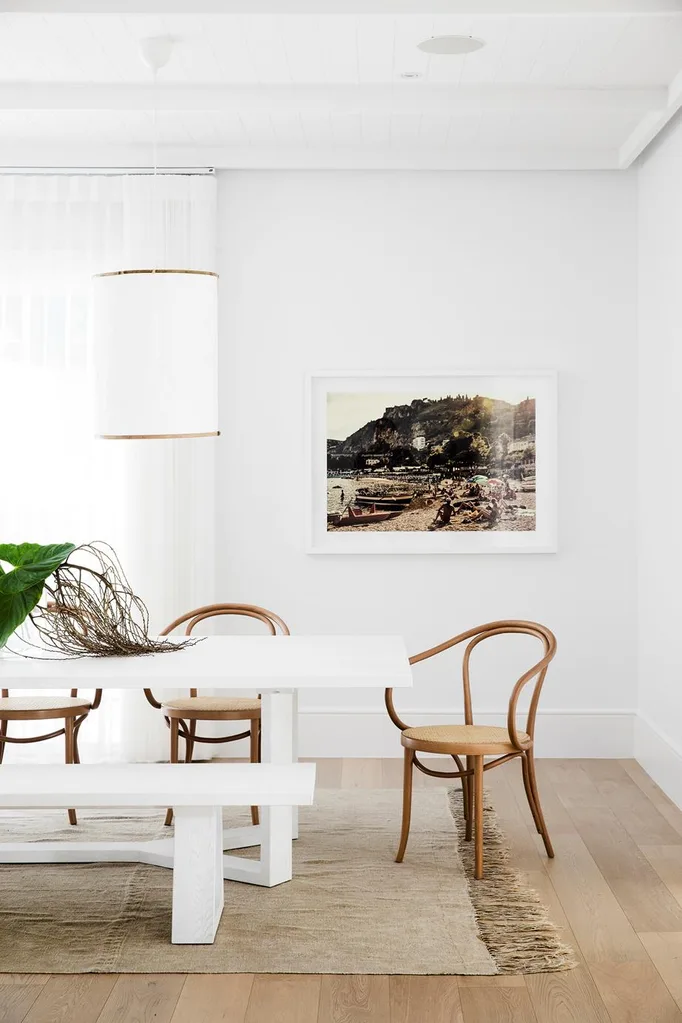
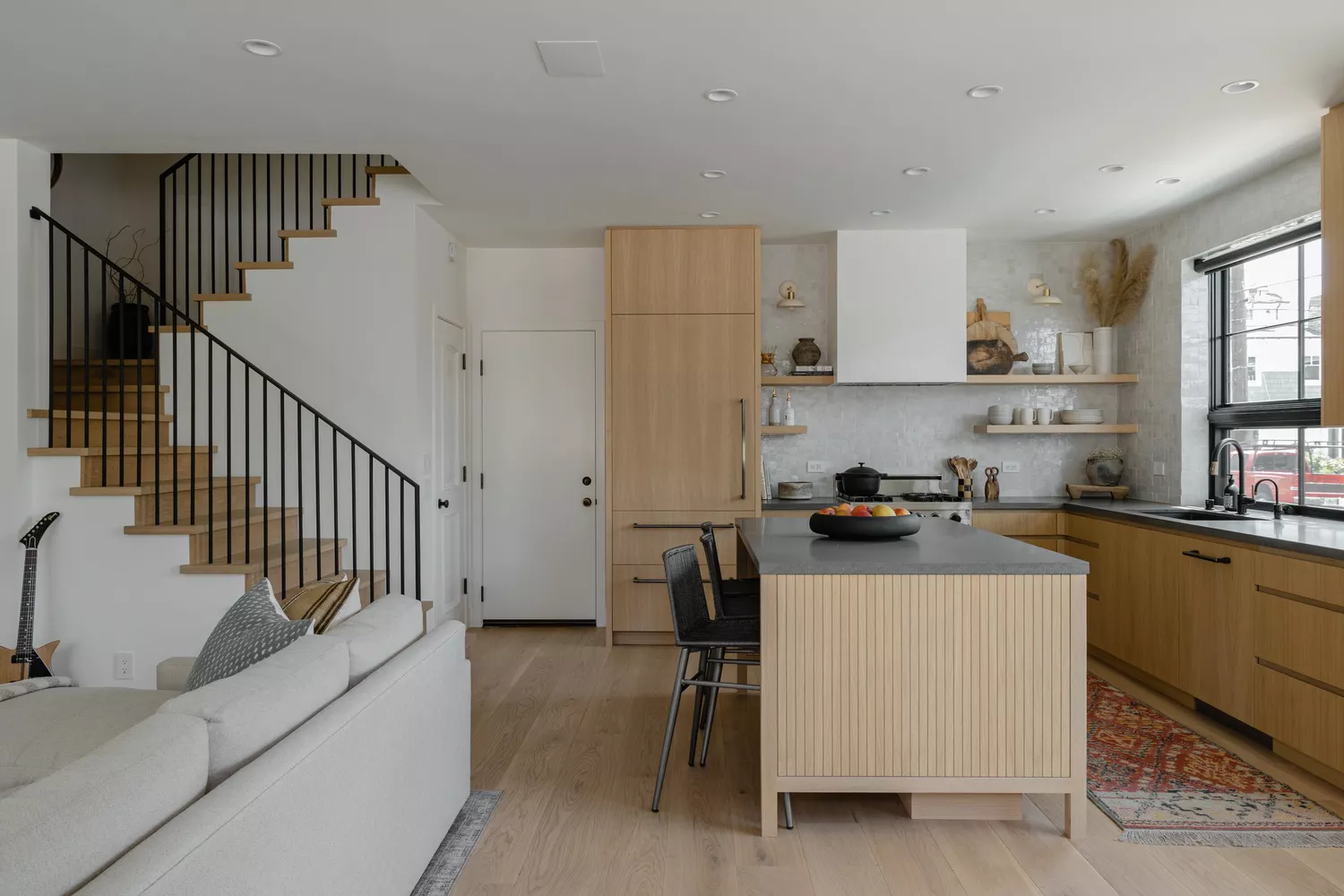
According to interior designers, one of the most impactful methods to maximize natural light is through strategic paint choices. Designers recommend selecting lighter paint shades, particularly off-whites with warm undertones such as yellow or cream. These warm hues help to counteract the cooler light conditions often found in rooms with limited natural illumination. The key factor to consider when choosing paint is its Light Reflectance Value (LRV), which quantifies how much light a color reflects. A higher LRV, closer to 100, indicates greater light reflection back into the room. Additionally, opting for semi-gloss or satin finishes can further enhance light reflection, as these sheens possess a more reflective surface compared to matte options.
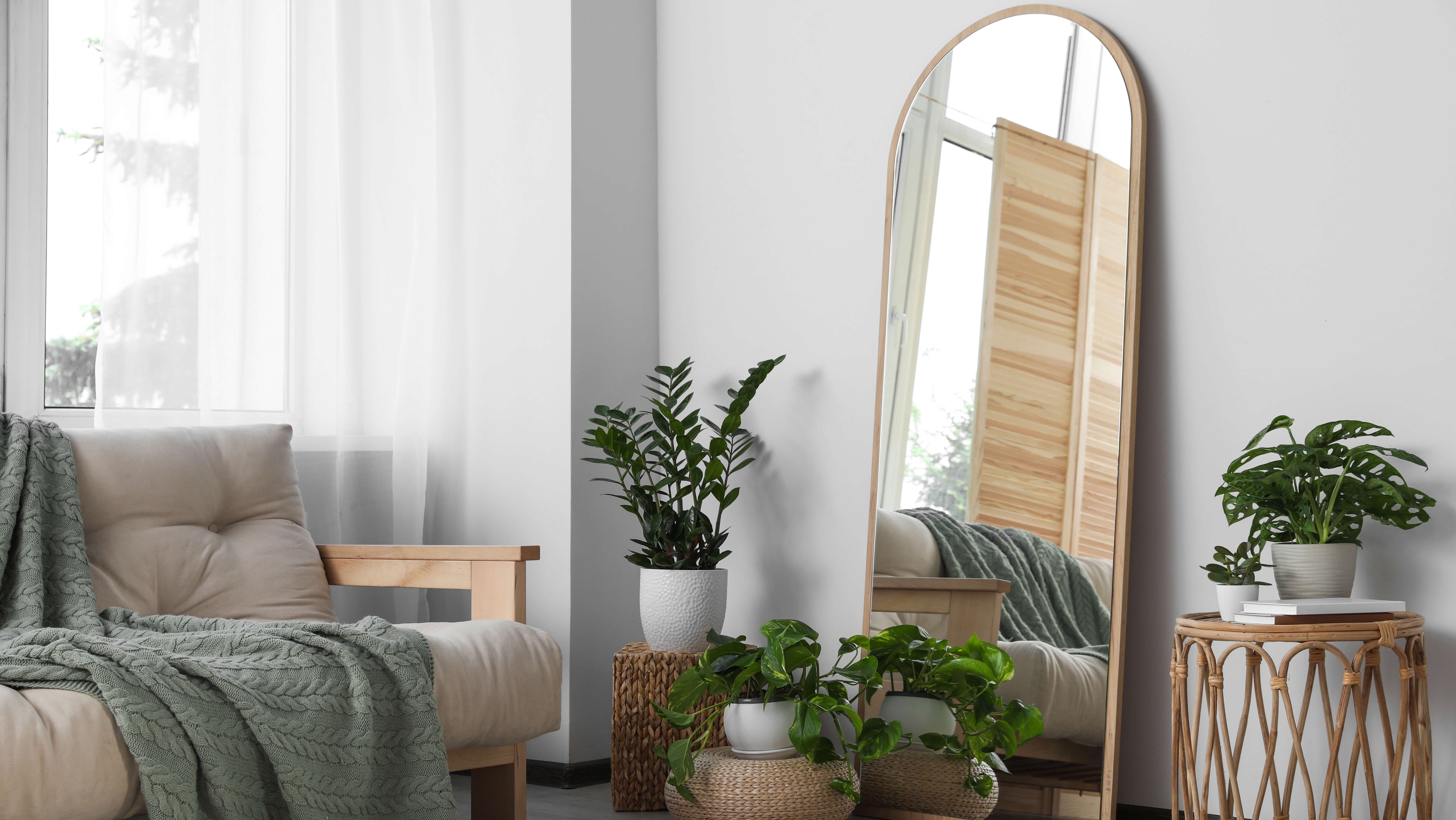
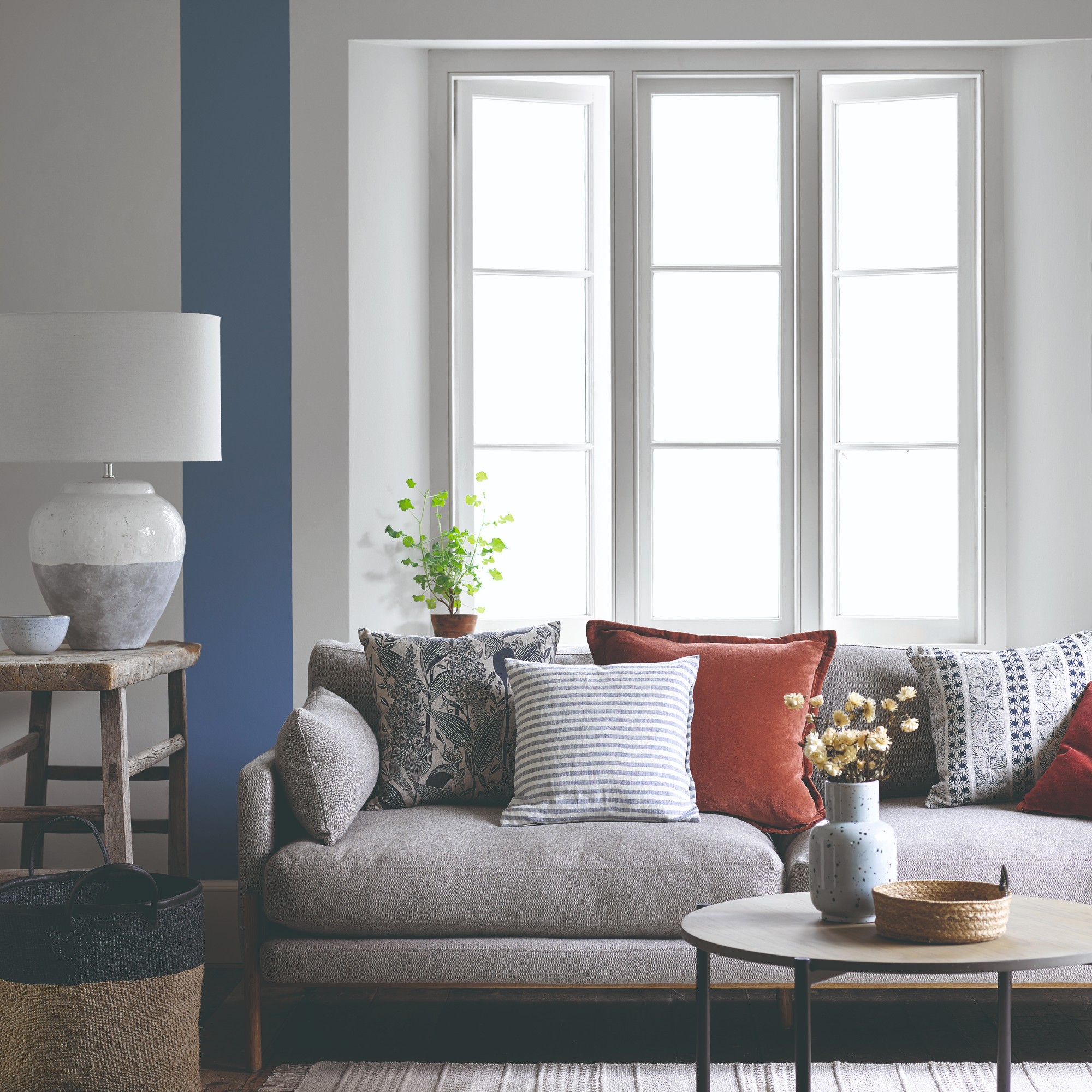
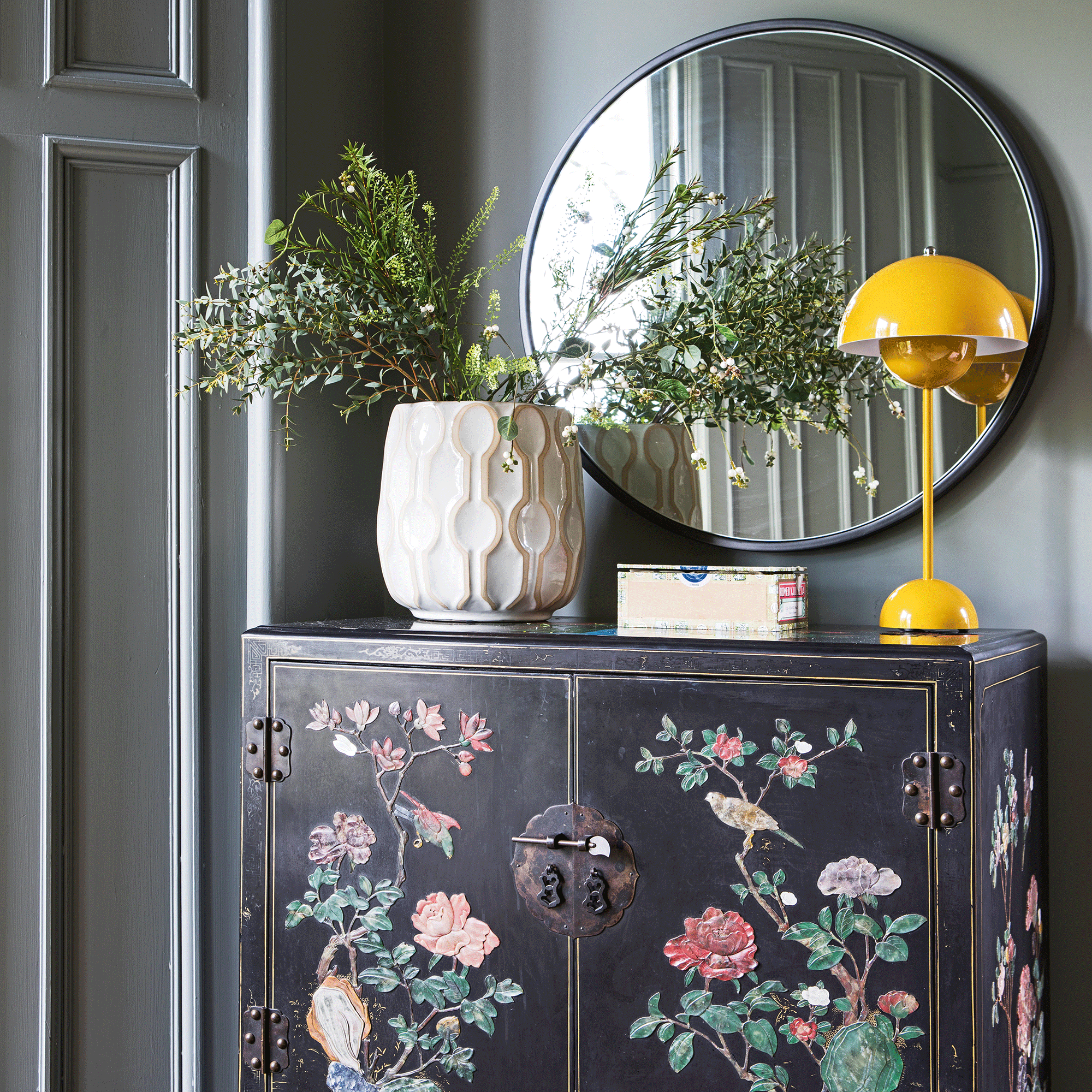
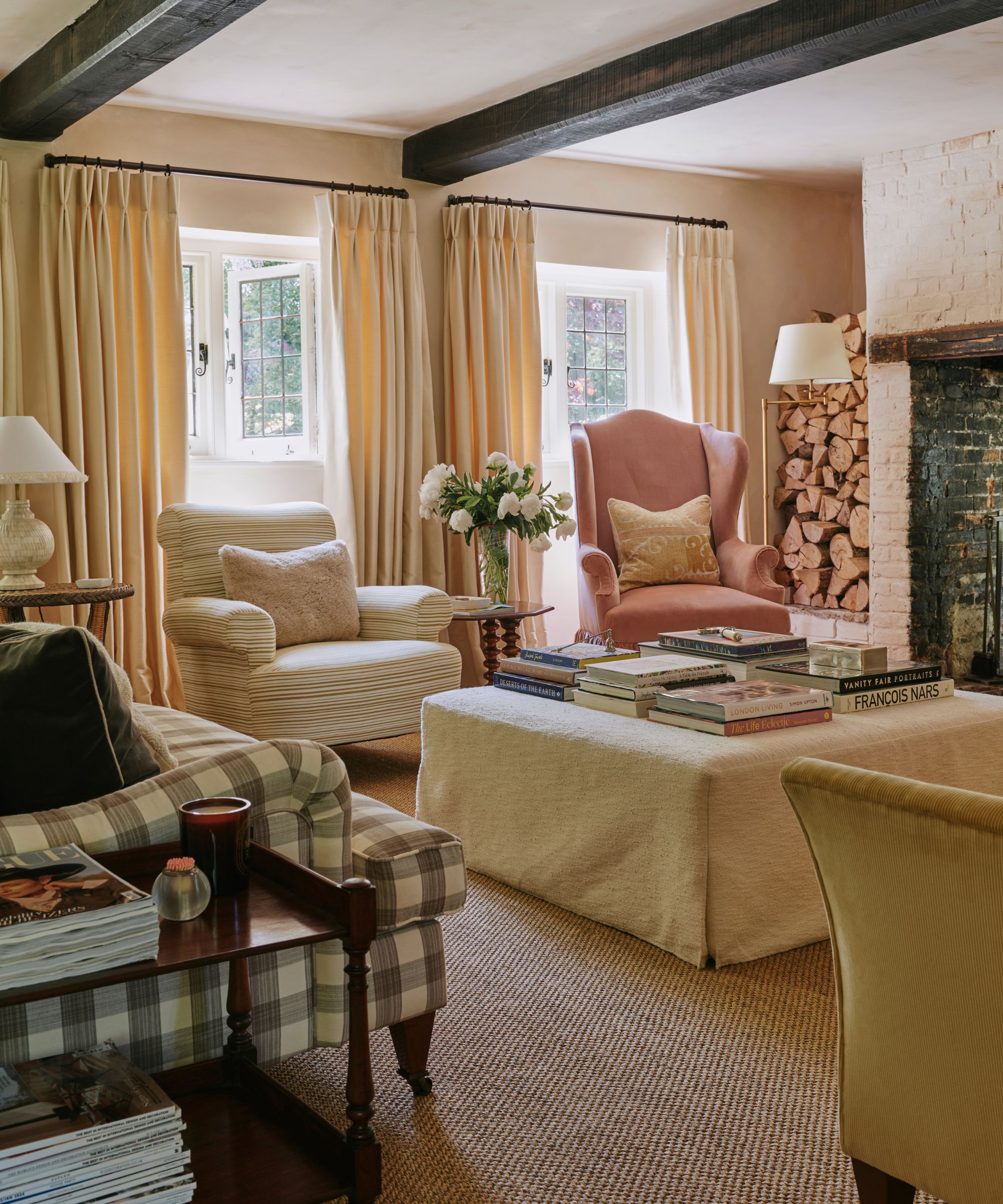
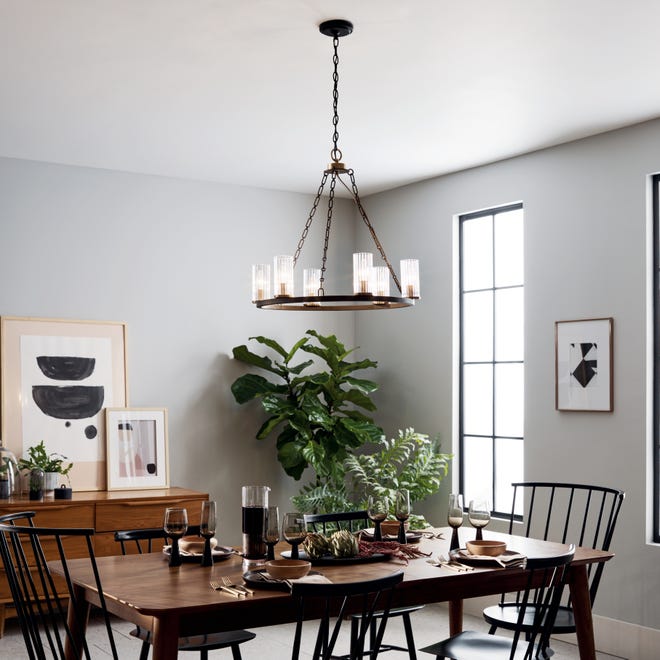
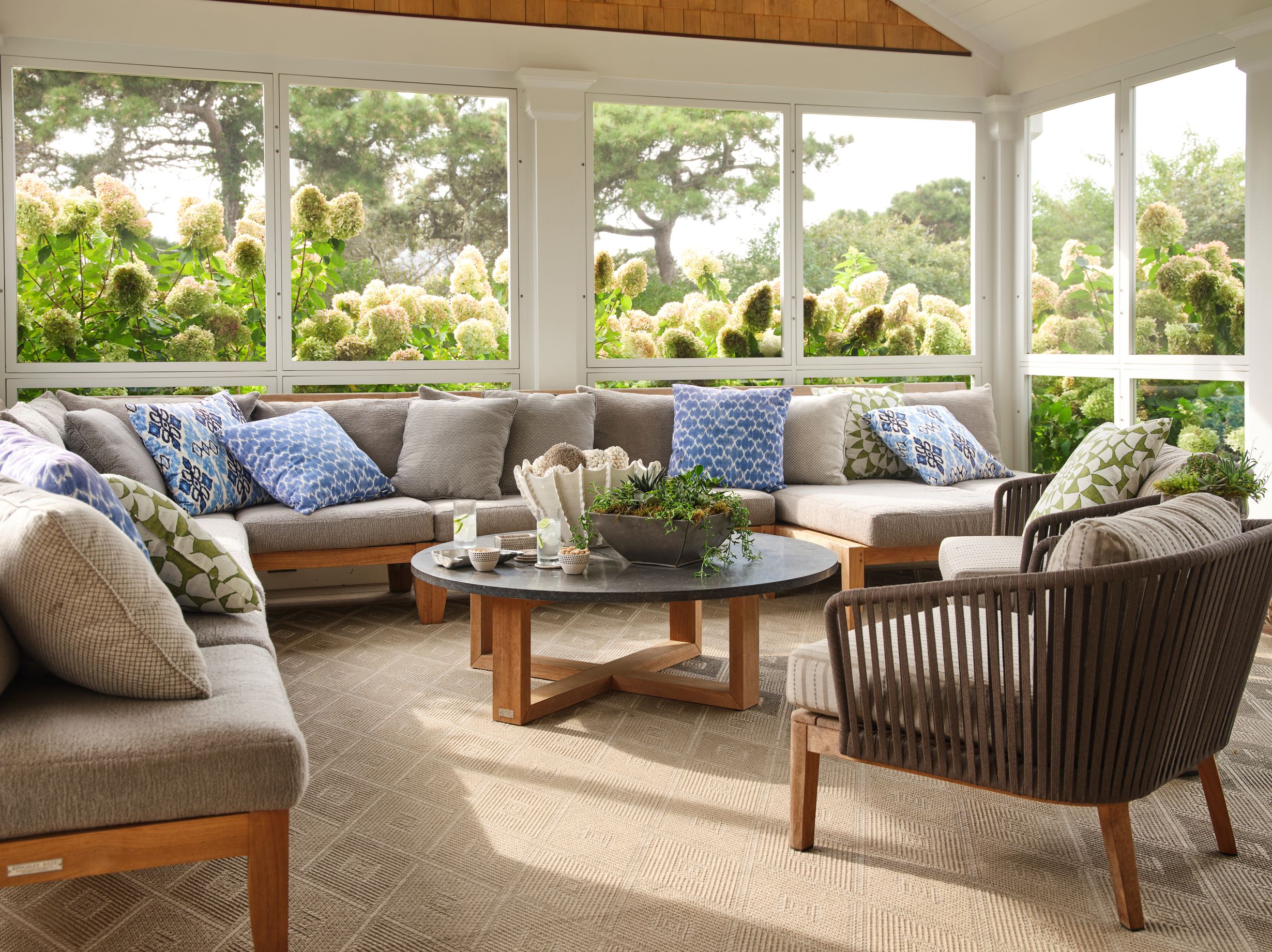
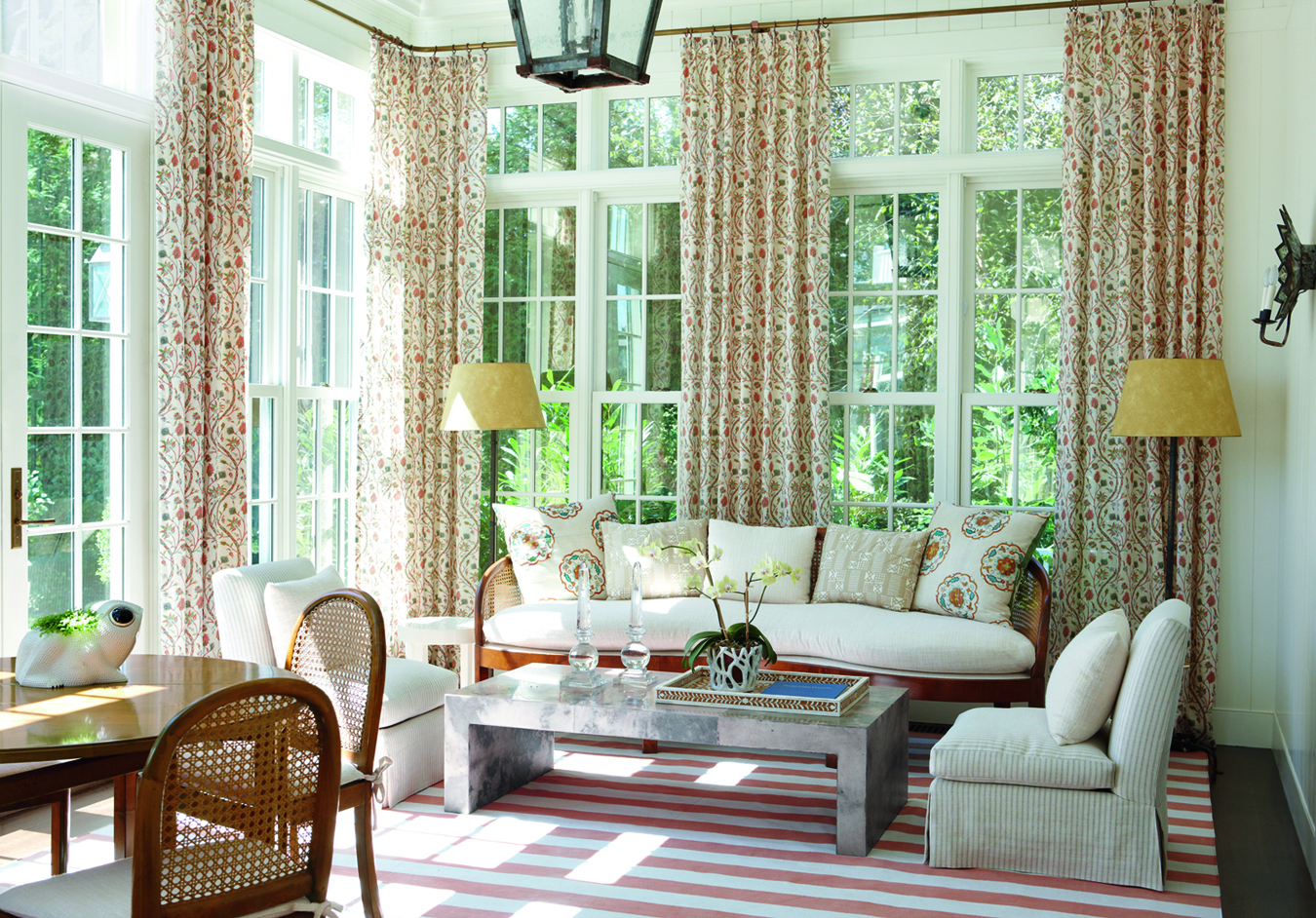
Beyond paint, several other techniques can contribute to a brighter interior. Mirrors are highly effective; placing them directly opposite windows allows them to bounce incoming light around the room, significantly increasing overall brightness. The selection of decor materials also plays a role, with reflective surfaces like quartz and certain metals helping to distribute light. Regarding window treatments, designers advise installing curtain rods that extend at least 12 inches beyond the window frame on each side. This allows curtains or drapes to be pulled back fully, ensuring that no part of the window is obstructed and maximizing the influx of natural light. Swapping heavy or opaque lampshades and window treatments for lighter, sheer options can also make a noticeable difference. Furthermore, it is crucial to ensure that windows are not blocked by tall furniture, and arranging furniture to face light sources can optimize the distribution of brightness within a space.
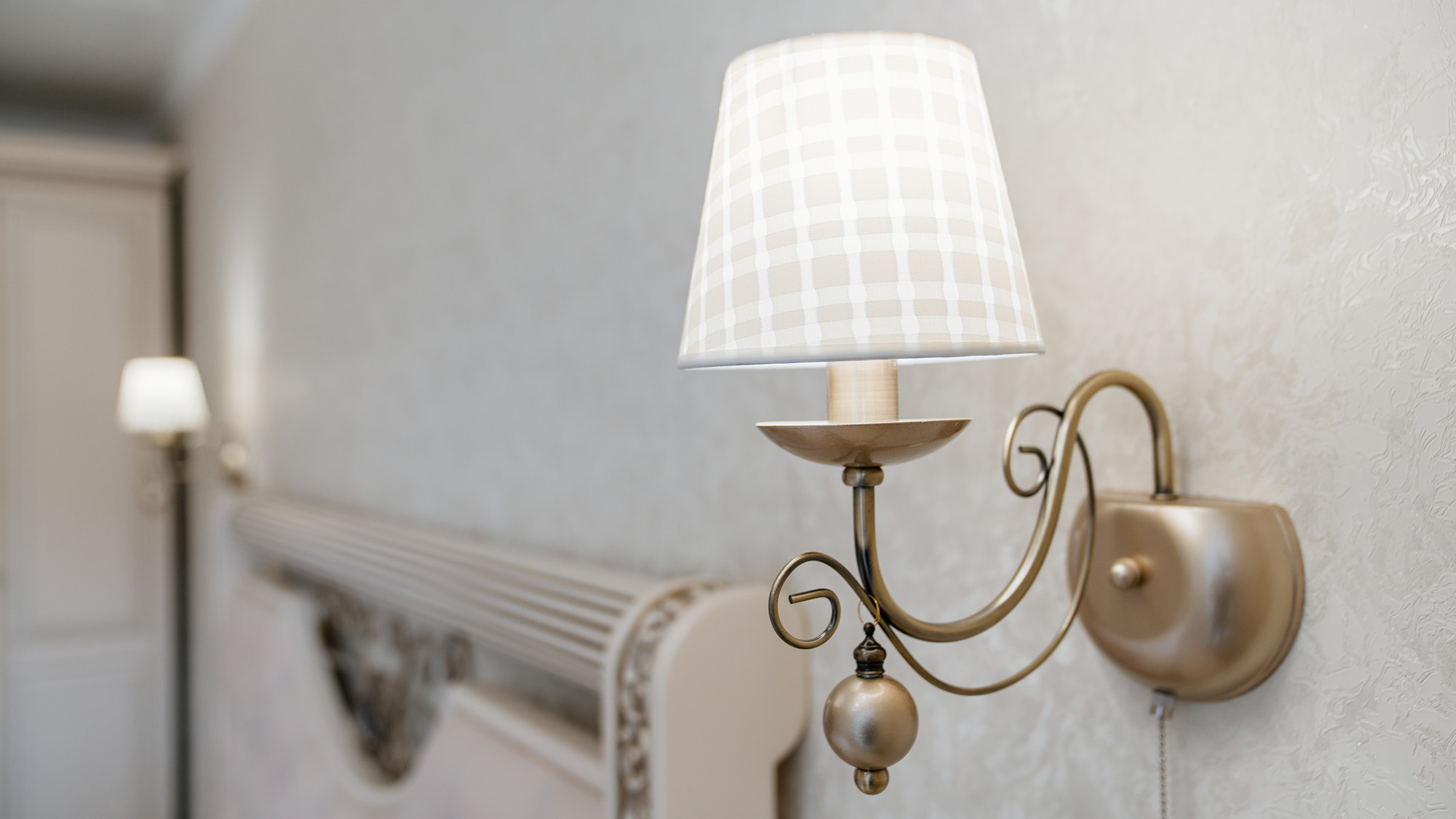
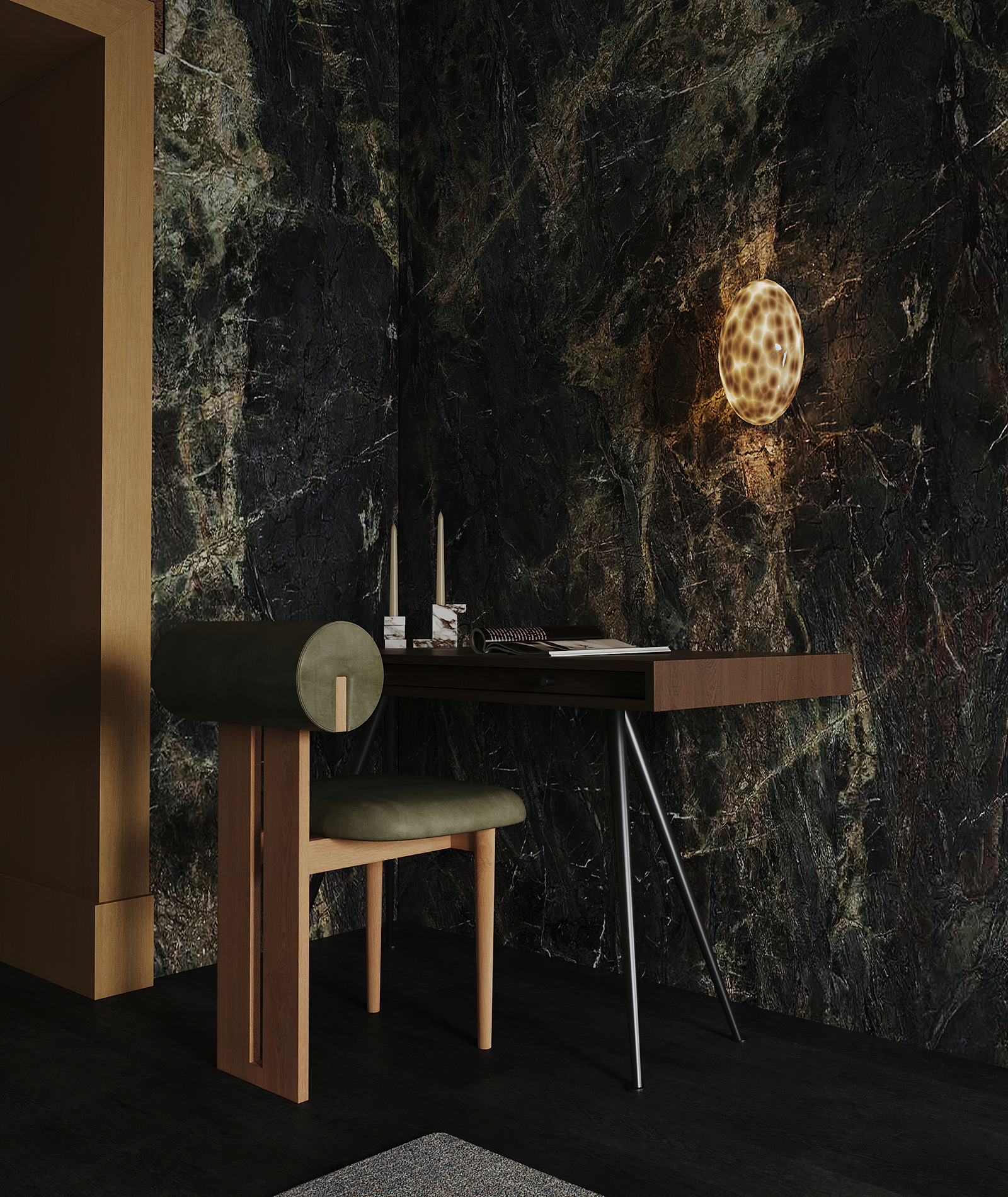
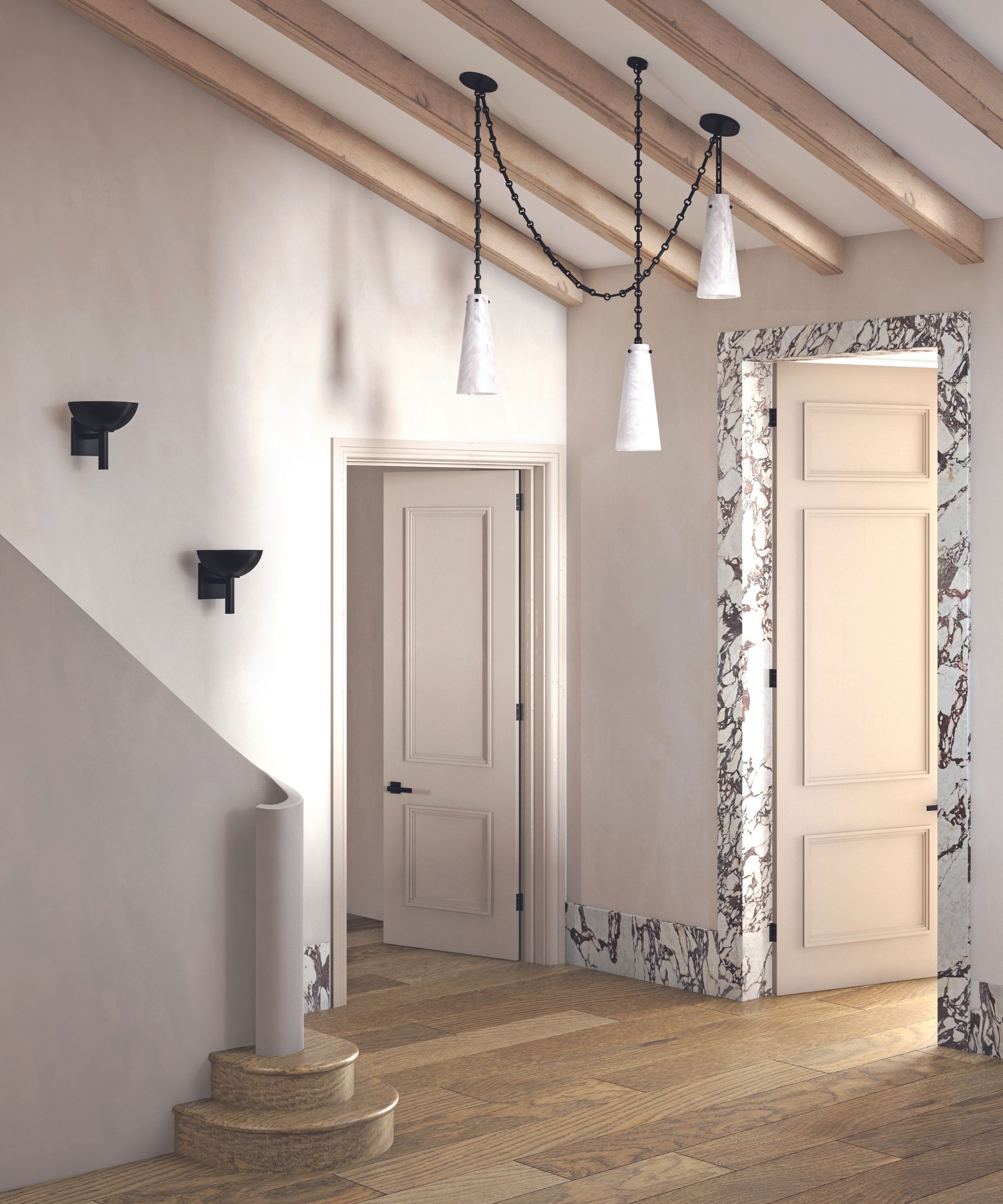
For rooms that entirely lack windows, such as bathrooms or walk-in closets, the challenge shifts from supplementing natural light to creating effective artificial illumination that mimics its qualities. Ambient lighting, which involves layering various light sources at different levels, is essential. Designers suggest using LED strips for backlighting, mounting them behind vanity mirrors, within ceiling coves, or in tile niches. This technique can create an artificial glow that closely resembles light coming from a window. The color temperature of light bulbs is also critical; bulbs and LED strips with a Kelvin (K) rating between 2700K and 3000K are recommended. This range closely emulates the warm, inviting light of natural sunlight, contributing to a comfortable and well-lit environment even in windowless spaces.
#NaturalLight #HomeDesign #InteriorDecorating #PaintColors #LightReflectanceValue #MirrorPlacement #AmbientLighting #LEDLighting #ColorTemperature #NaturalLight #HomeDesign #InteriorDecorating #PaintColors #LightReflectanceValue #MirrorPlacement #AmbientLighting #LEDLighting #ColorTemperature
0 comment in total
 No comments yet
You may also like
As clocks go back, expert lighting tips to get you through the darker months
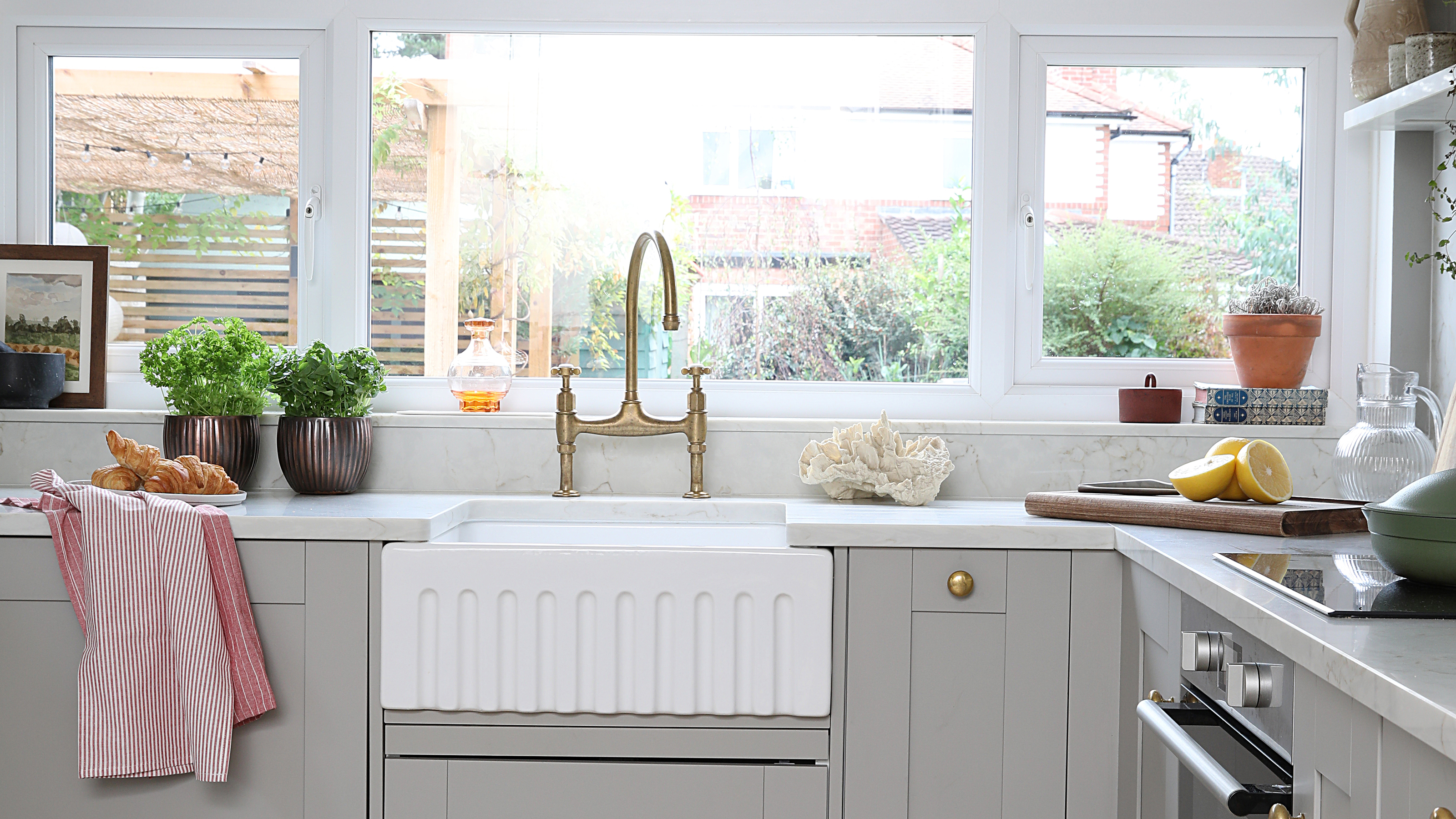
How to fake natural light in a dark room - 5 design tricks to brighten up a gloomy space
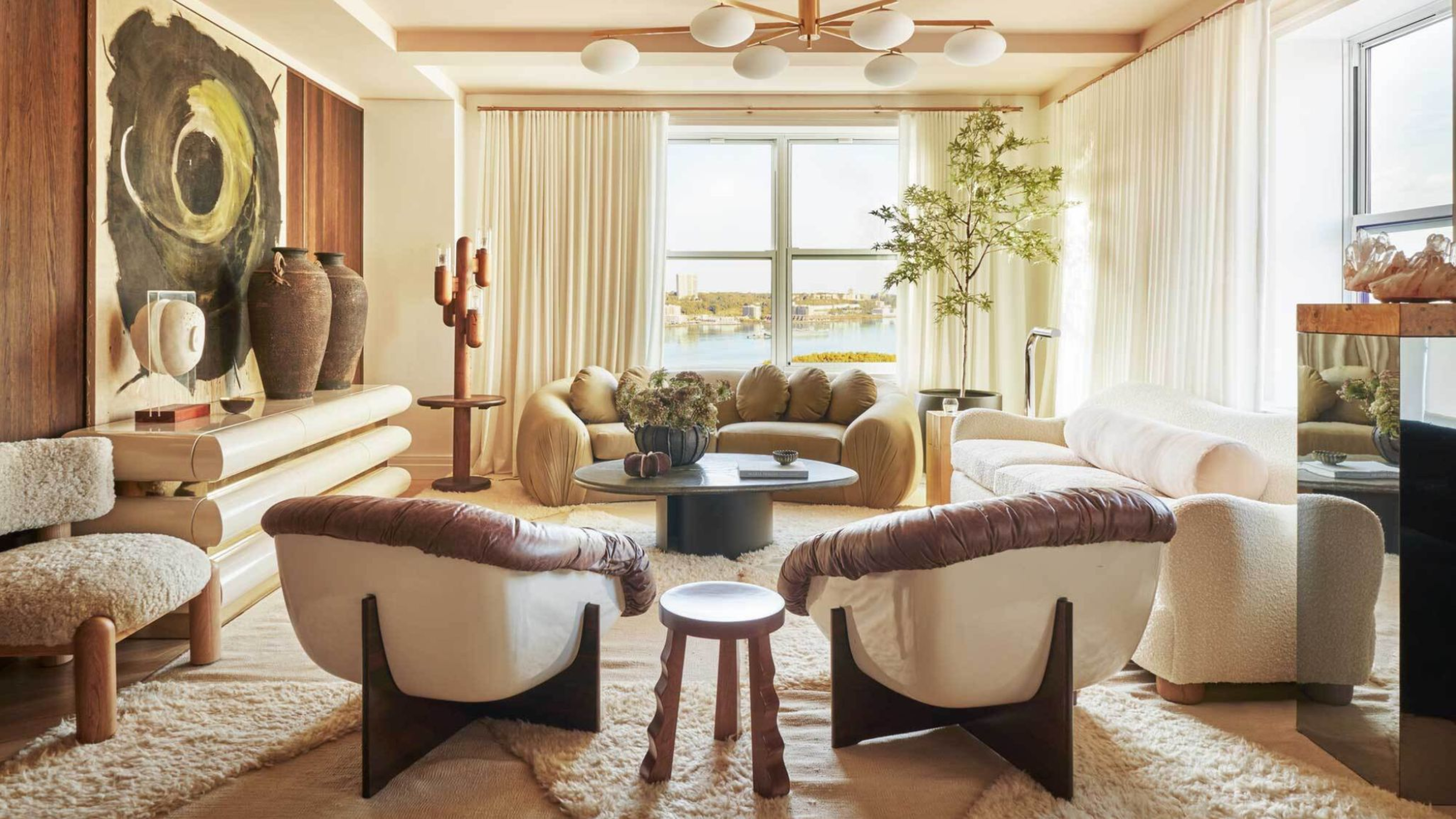
How do I Make a Cold Room Feel Warmer? 5 Ways to Cozy up Your Home Without Cranking up the Heat

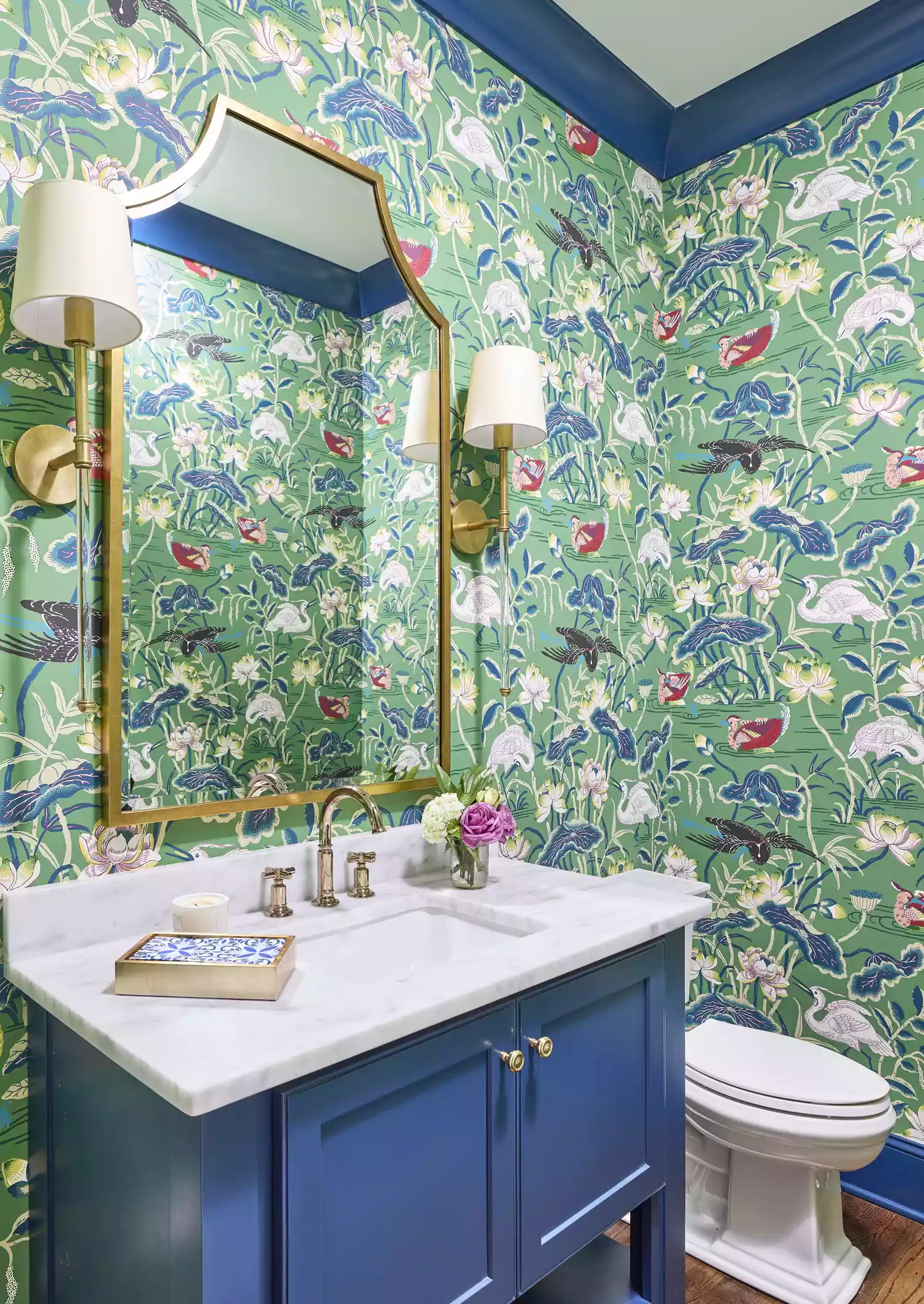
No Natural Light? Here's How To Brighten Your Space, According To Designers
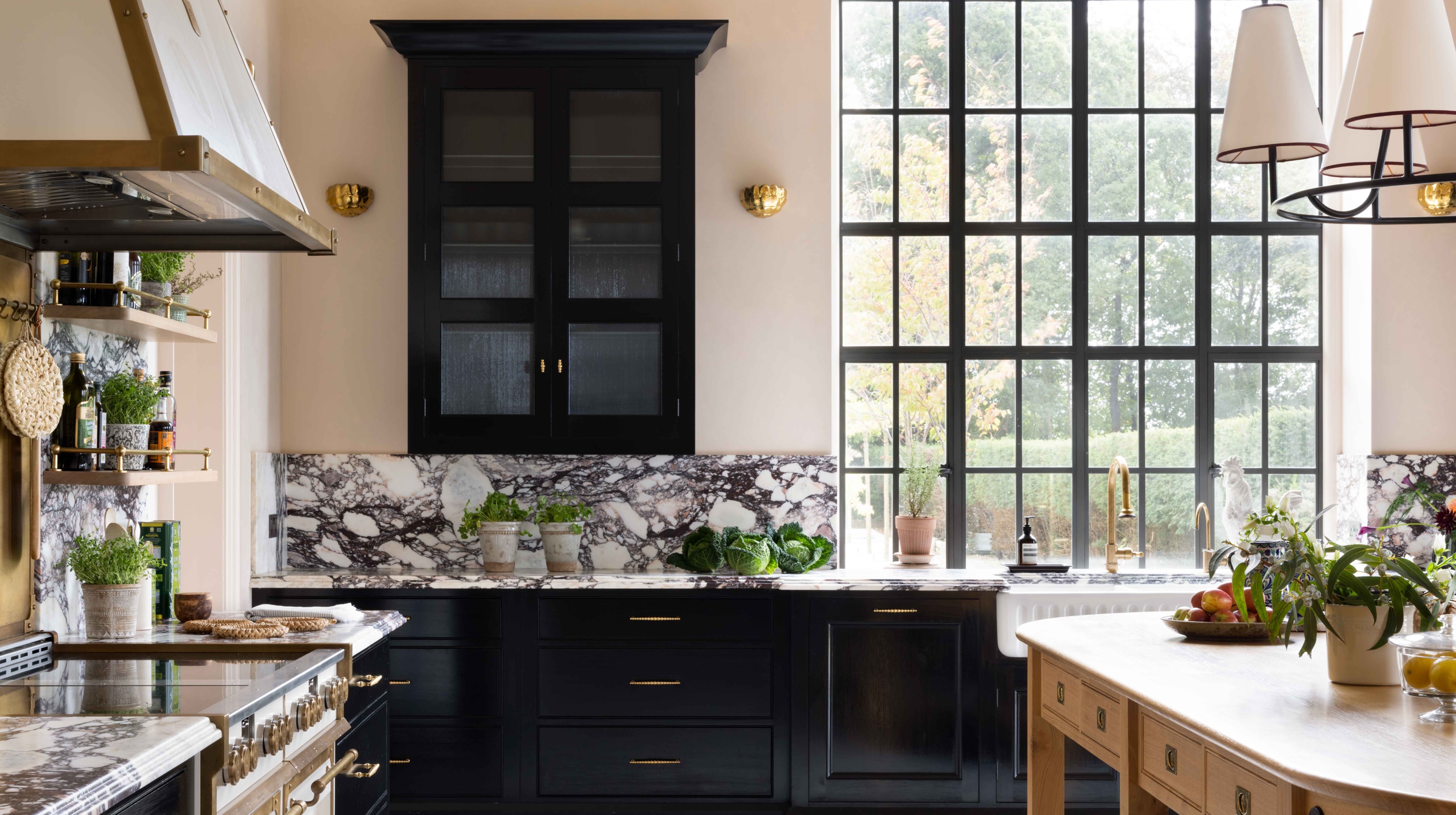
10 Habits Interior Designers and Architects Want You to Adopt in Your 2026 Renovations
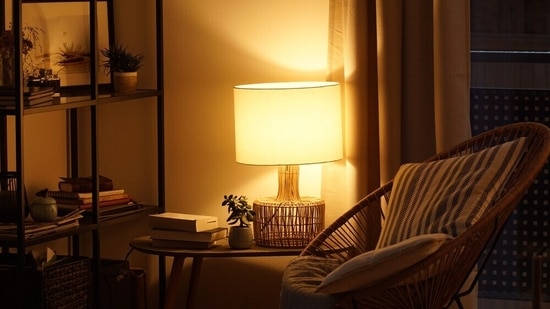
Winter Lighting 101: Essential ambient lighting tips to transform your home in the cold season | Hindustan Times

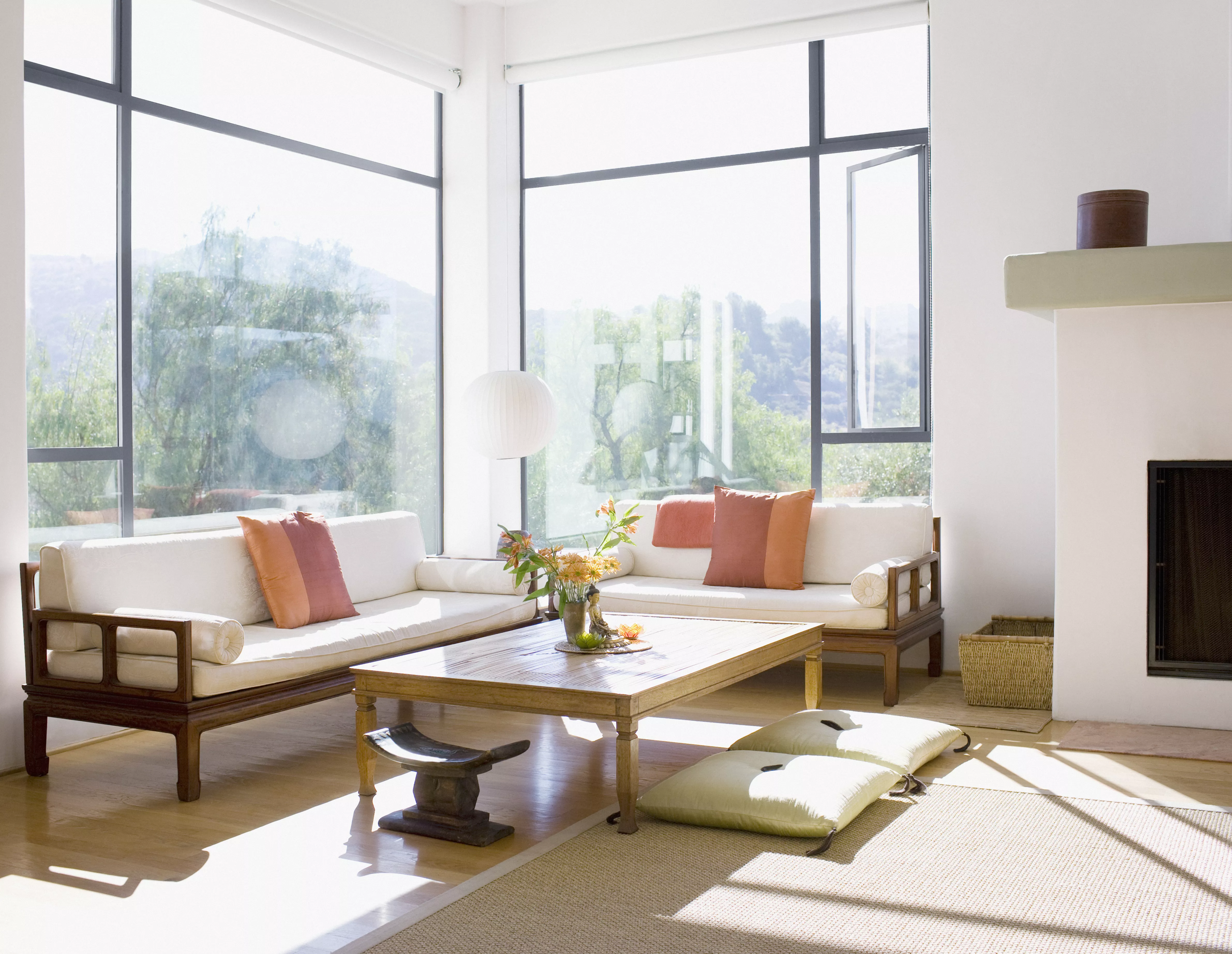
Turn Natural Light into Your Home's Best Feature: 8 Tips from an Interior Designer

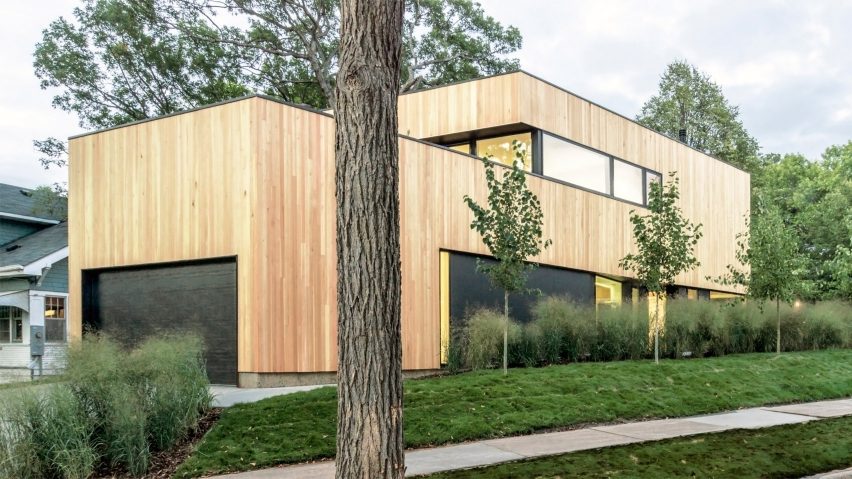
White finishes and oak panelling warm winter light in Minnesota home by D/O Studio
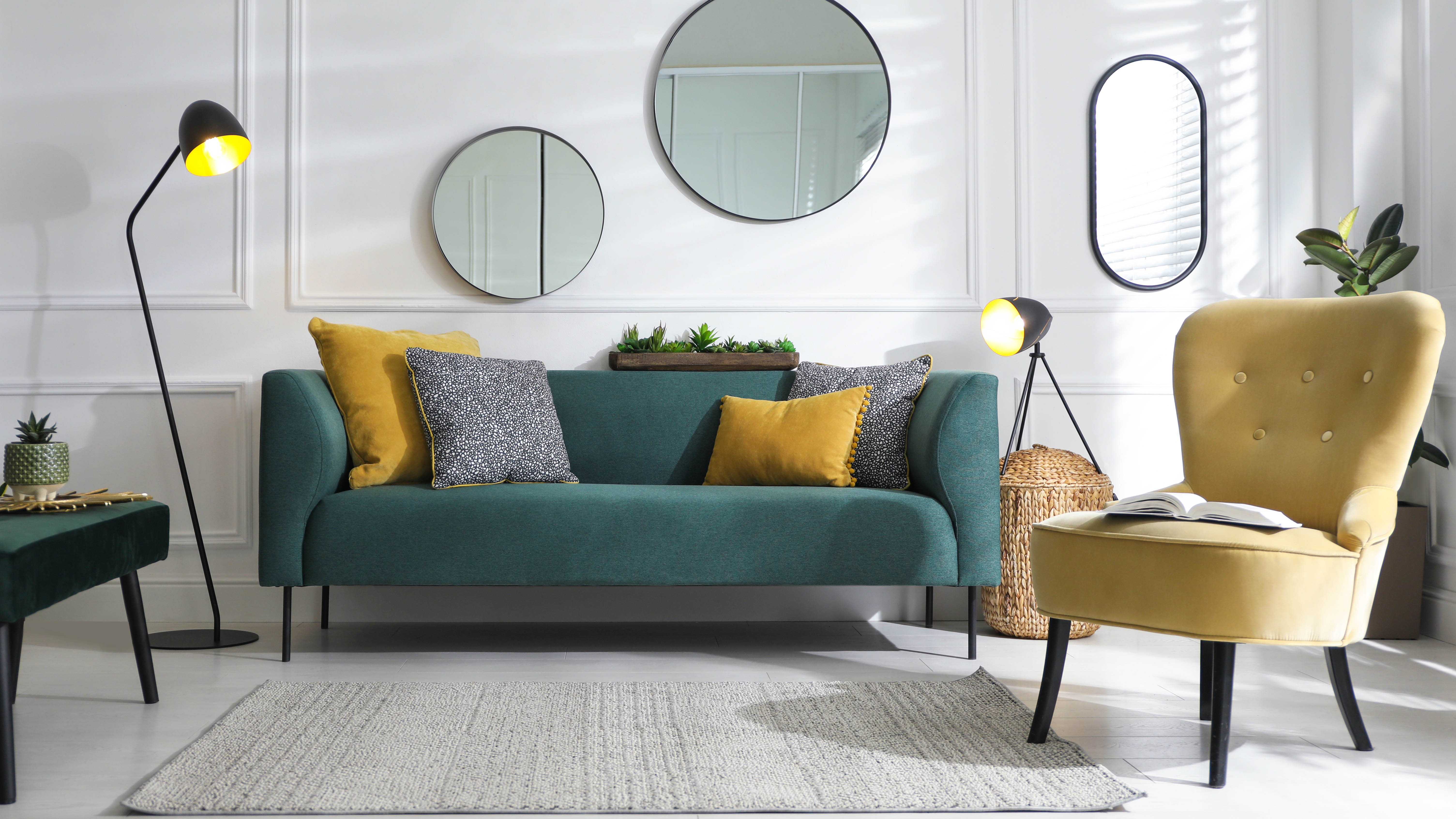
How to brighten any room in your home — 5 tips from a lighting expert

9 Ways to Maximize Natural Light in Your Home, According to Interior Designers
I Spoke to Pro Designers for Secrets to Styling a Porch in Freezing Winters

An interior designer’s guide to lighting your home

We Asked Designers How to Brighten a Dark Room and We’re Using These All Winter
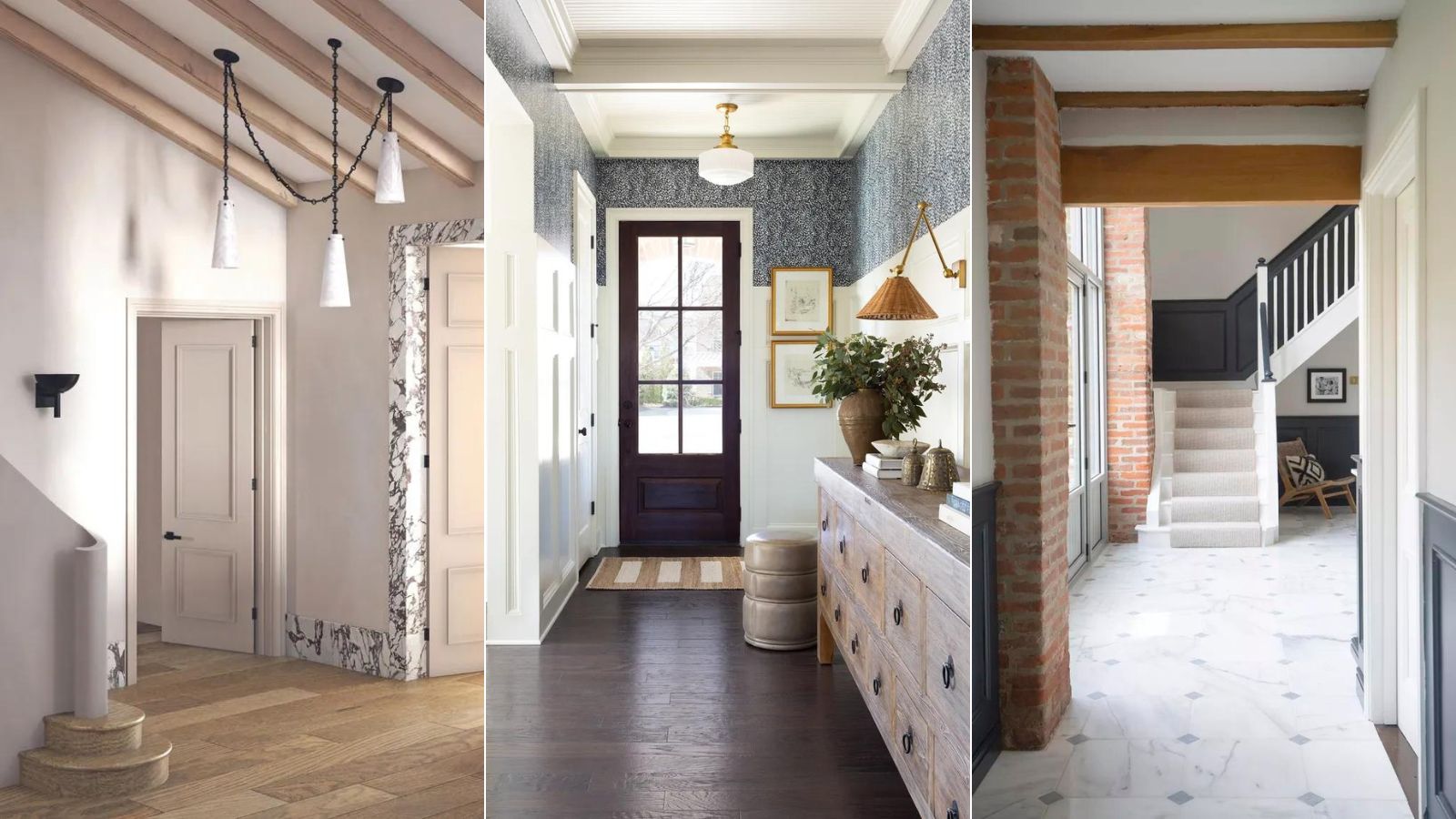
How to increase natural light in your entryway – 8 pro-endorsed solutions that experts love
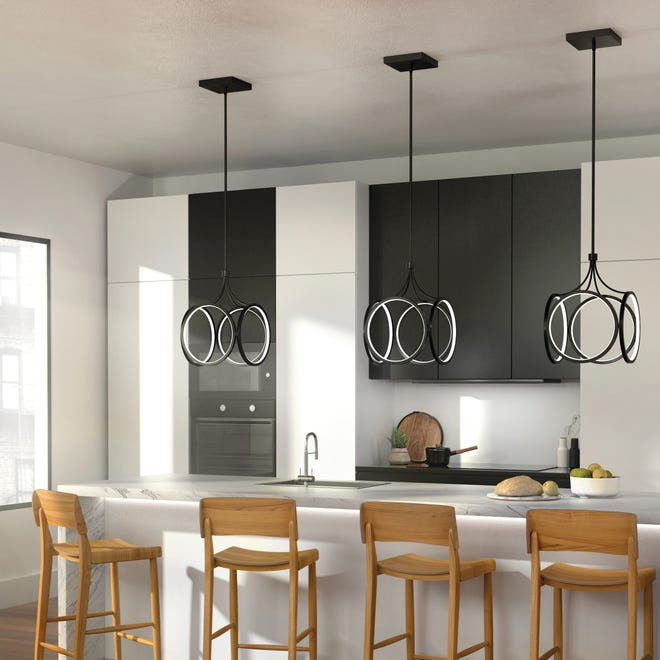
Homestyle: Lighting the way
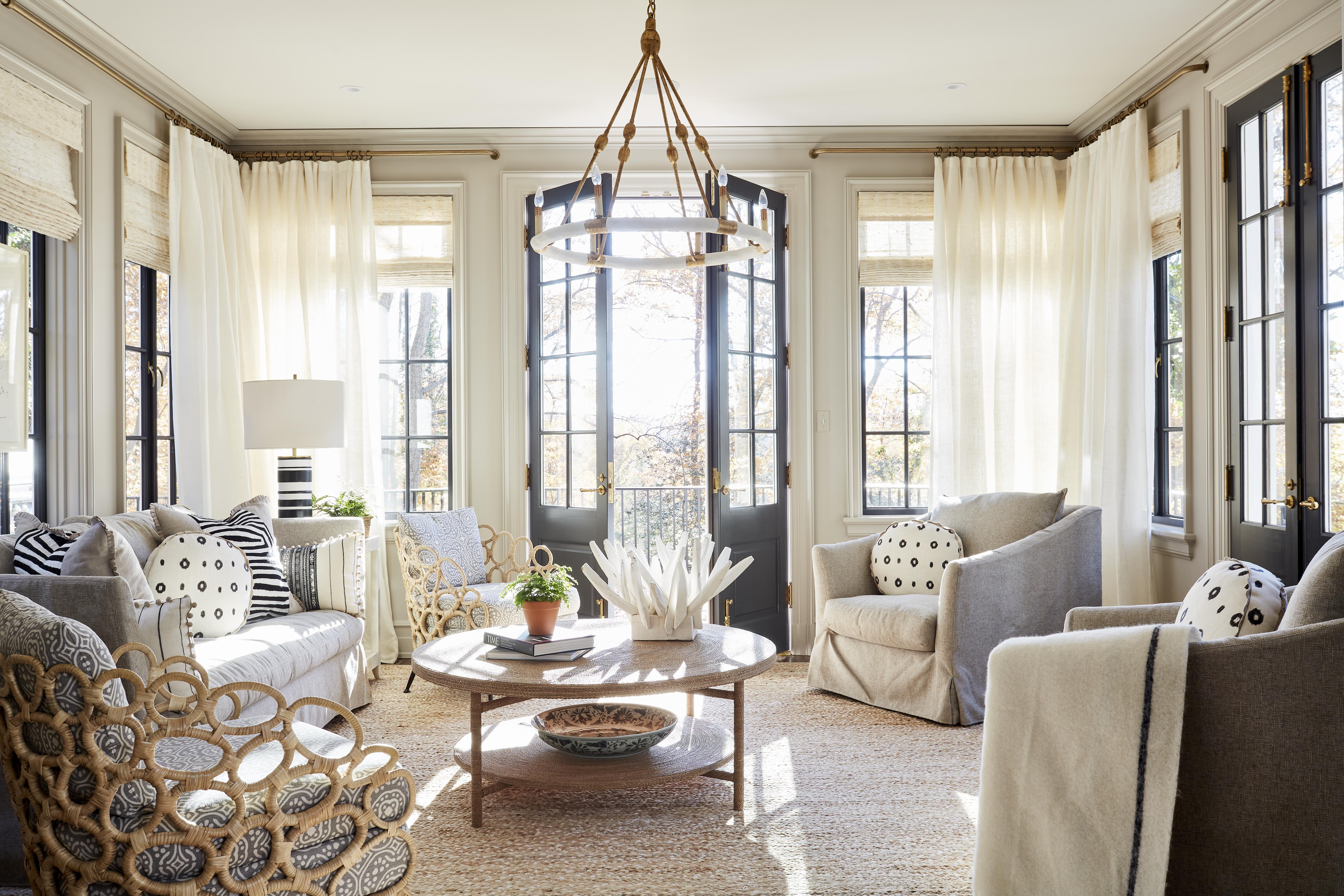
Sunroom ideas to create spaces where the sun feels like it shines all year round
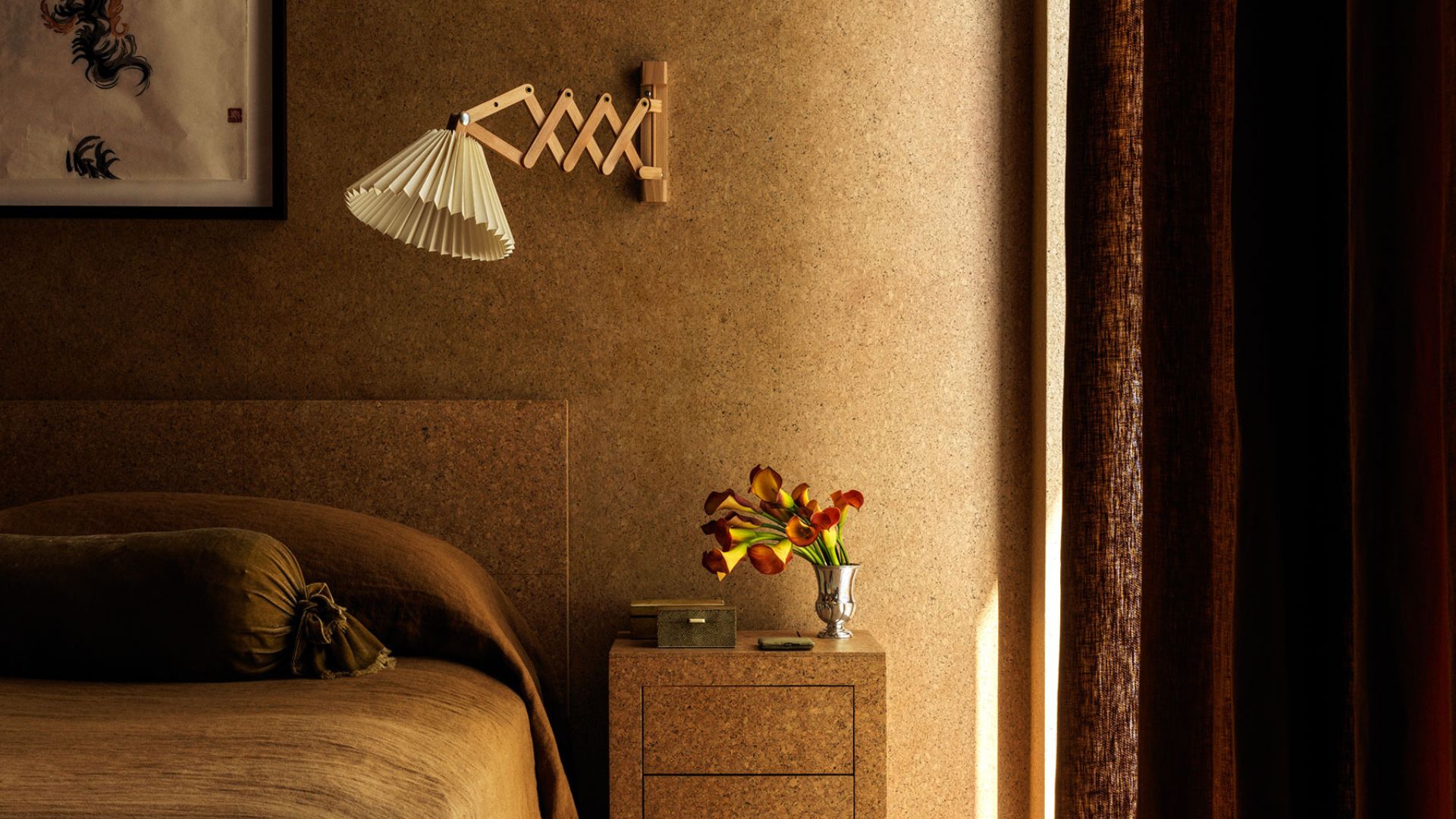
5 Tricks to Maximize Your Home's Natural Light on Darker Autumnal Days Using Artificial Lighting
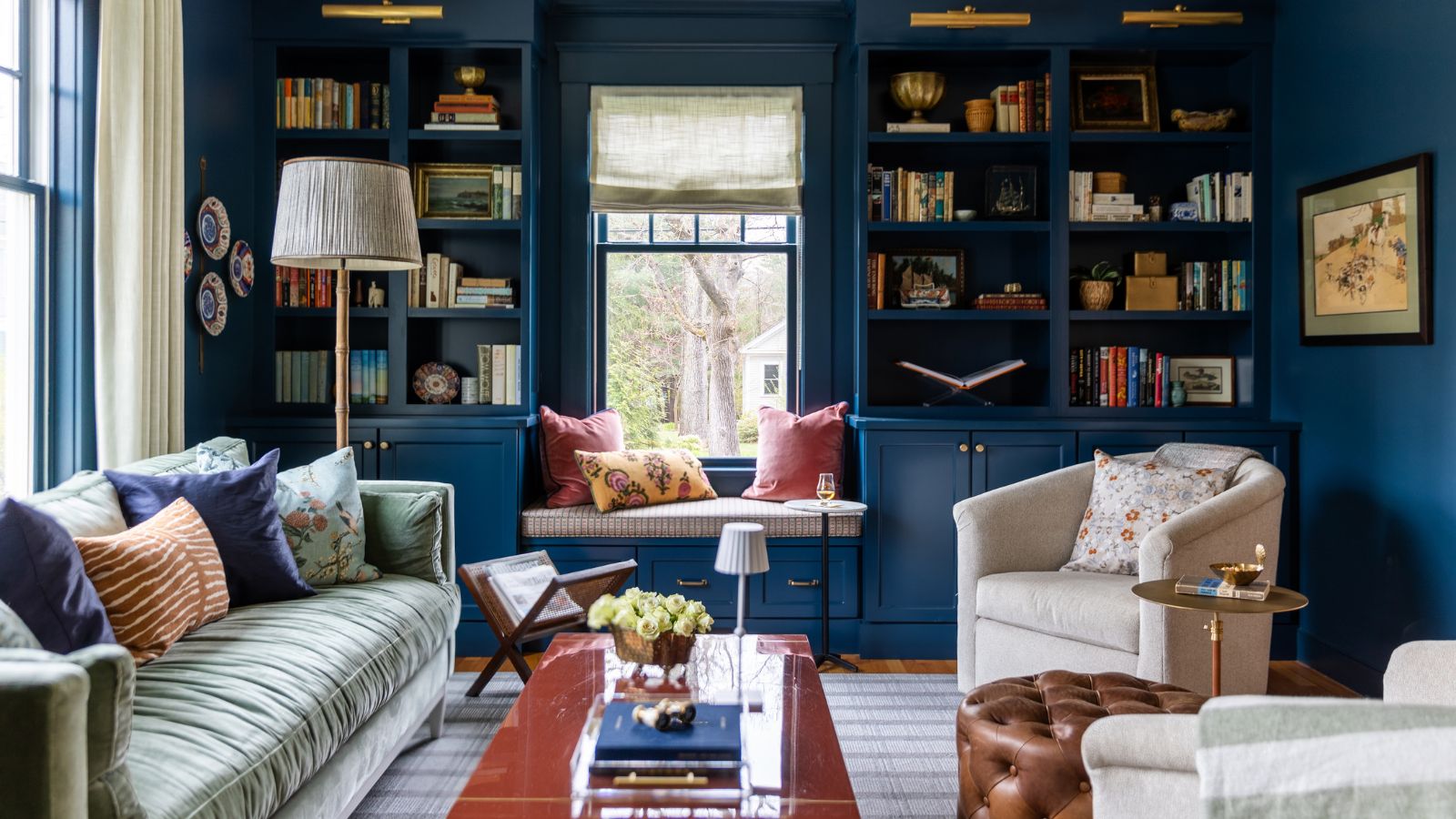
As the Days Get Darker, These Are the 2 Lighting Shifts Designers Make in Every Home They Design
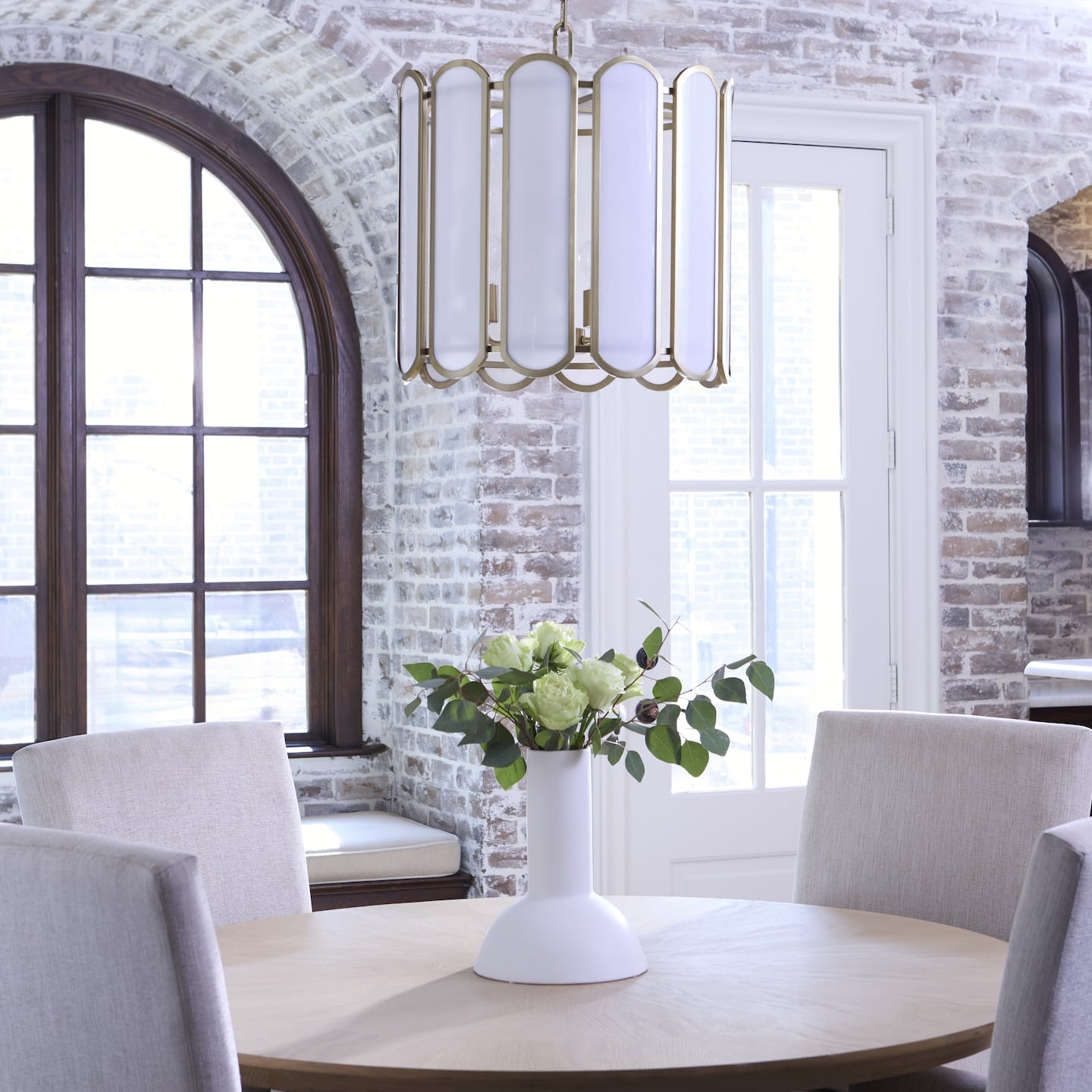
Design experts offer lighting tips for upgrades that shine

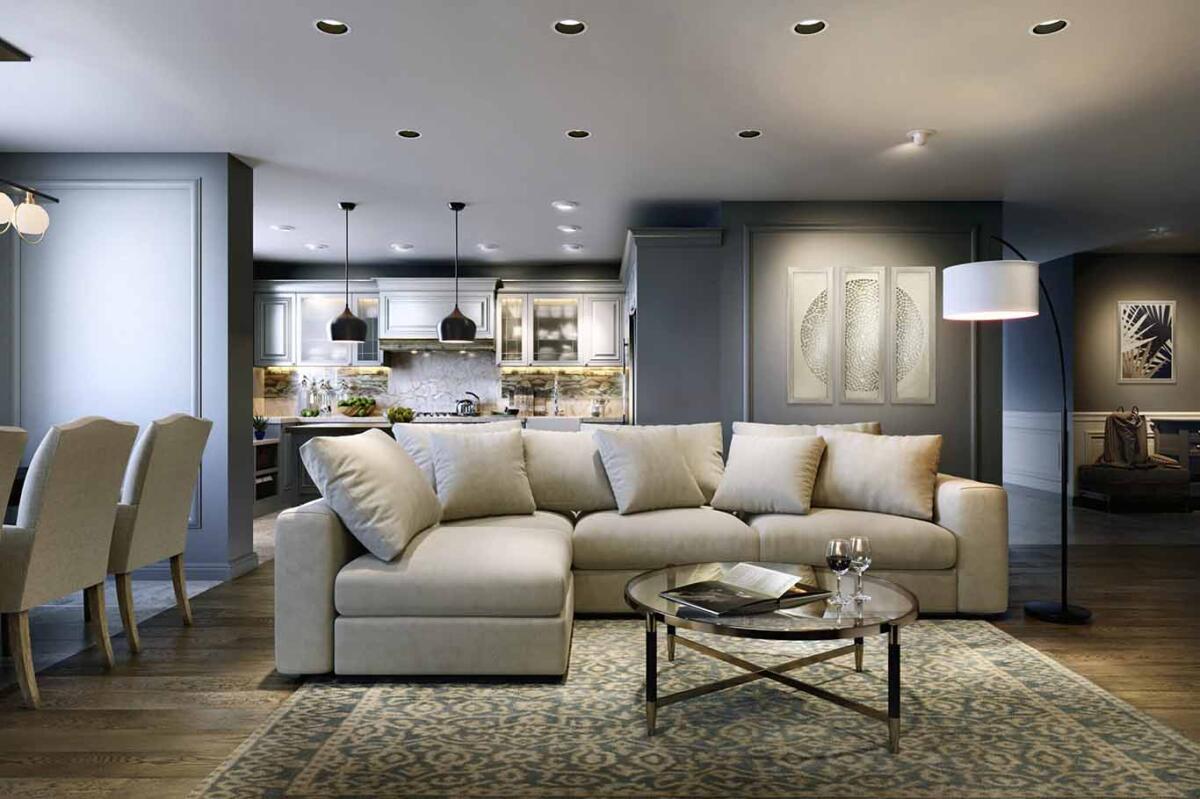
Why Designers Are Calling Layered Lighting the Winter Upgrade Every Home Needs