1/6
Grandmillennials, Rejoice! Chintz Is Back.

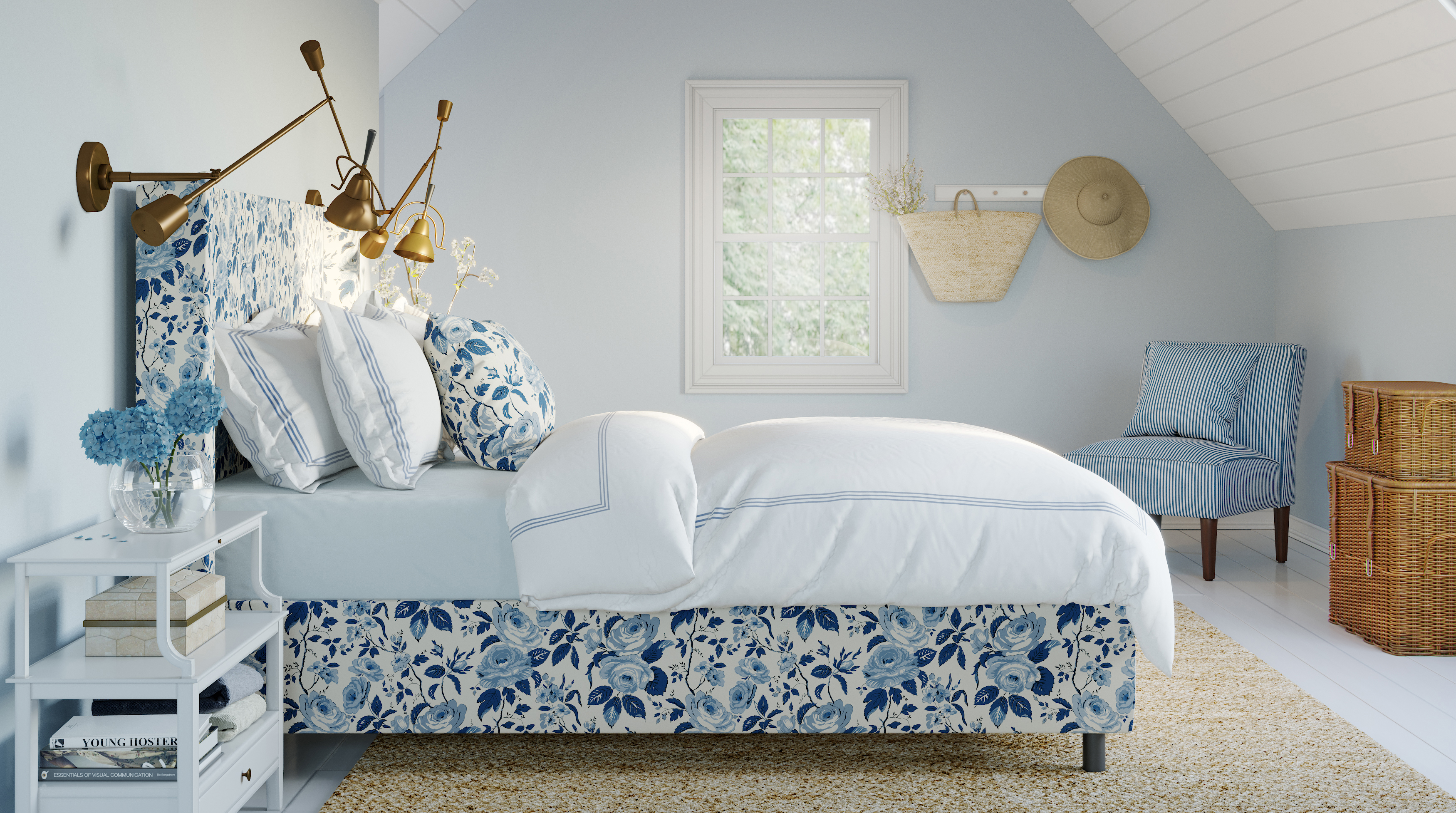
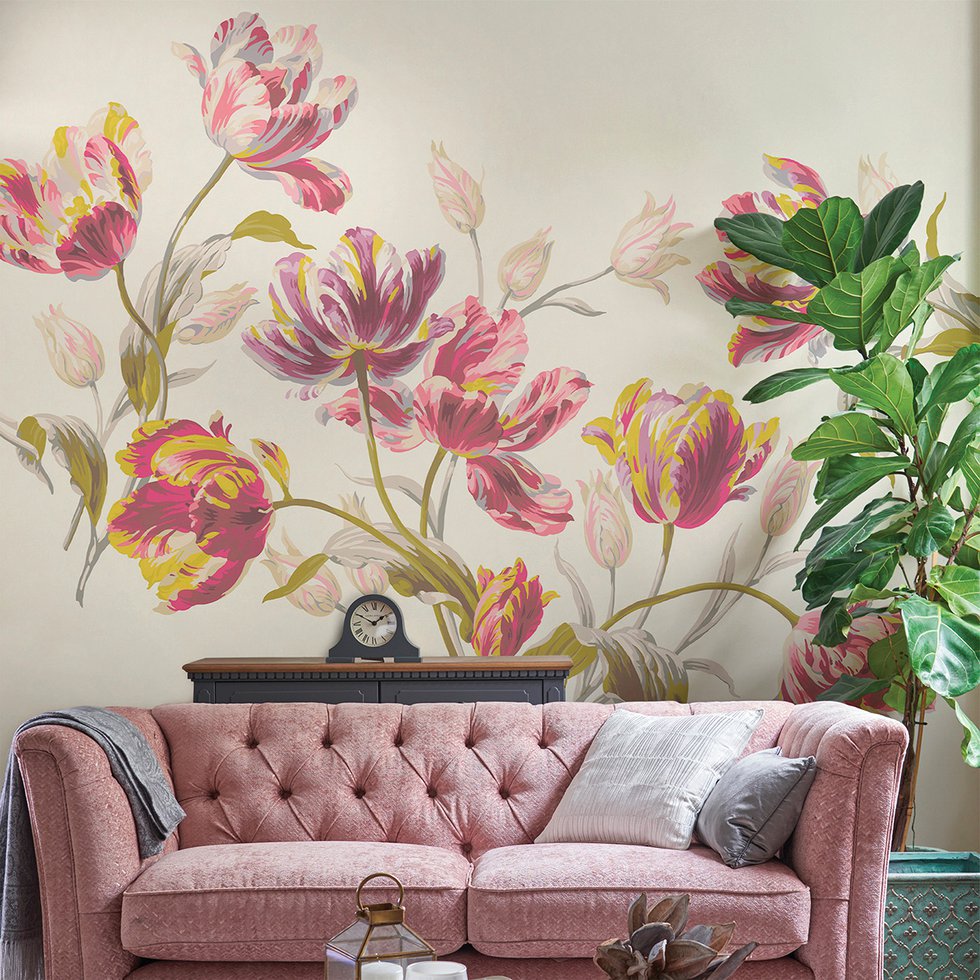
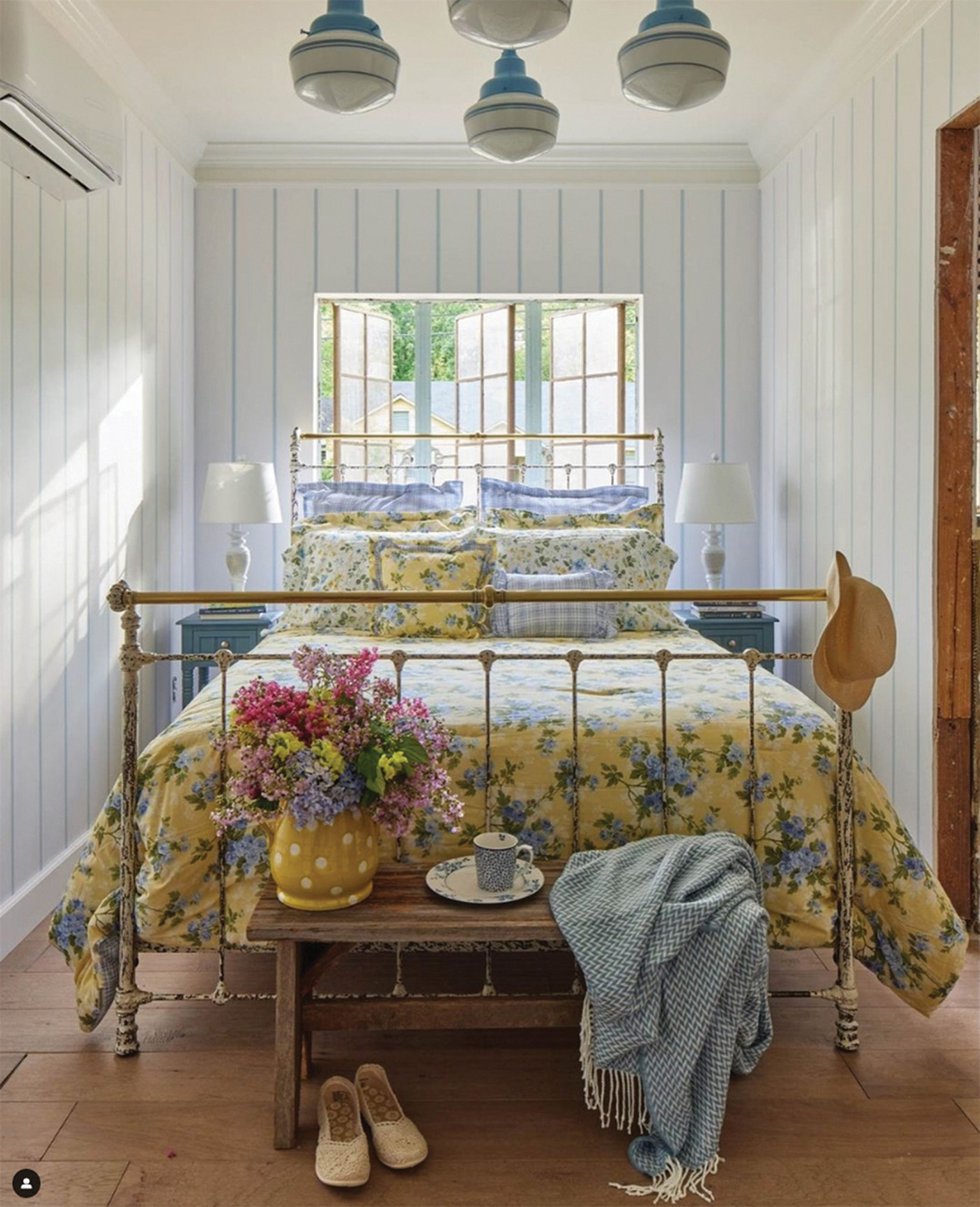
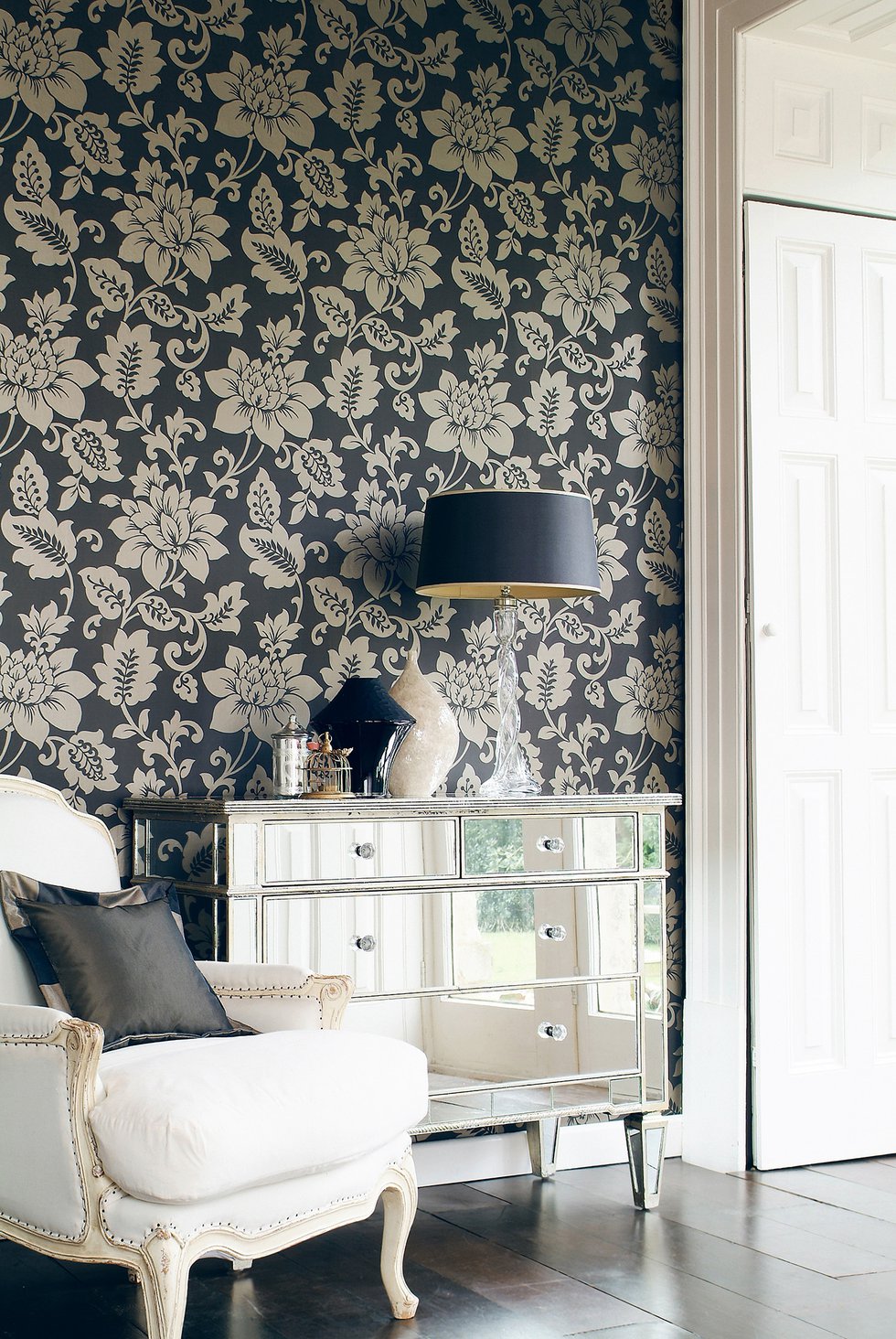
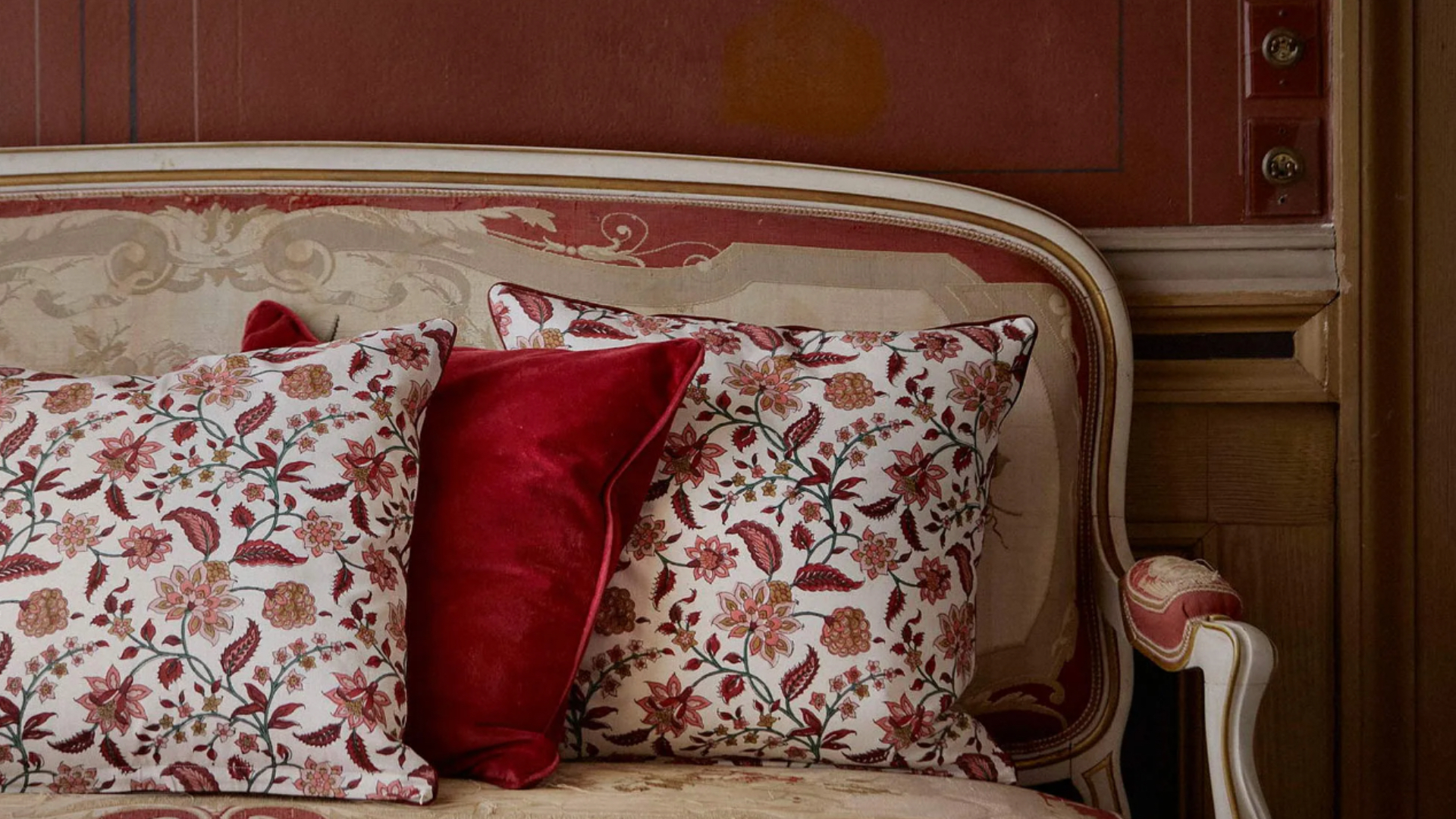
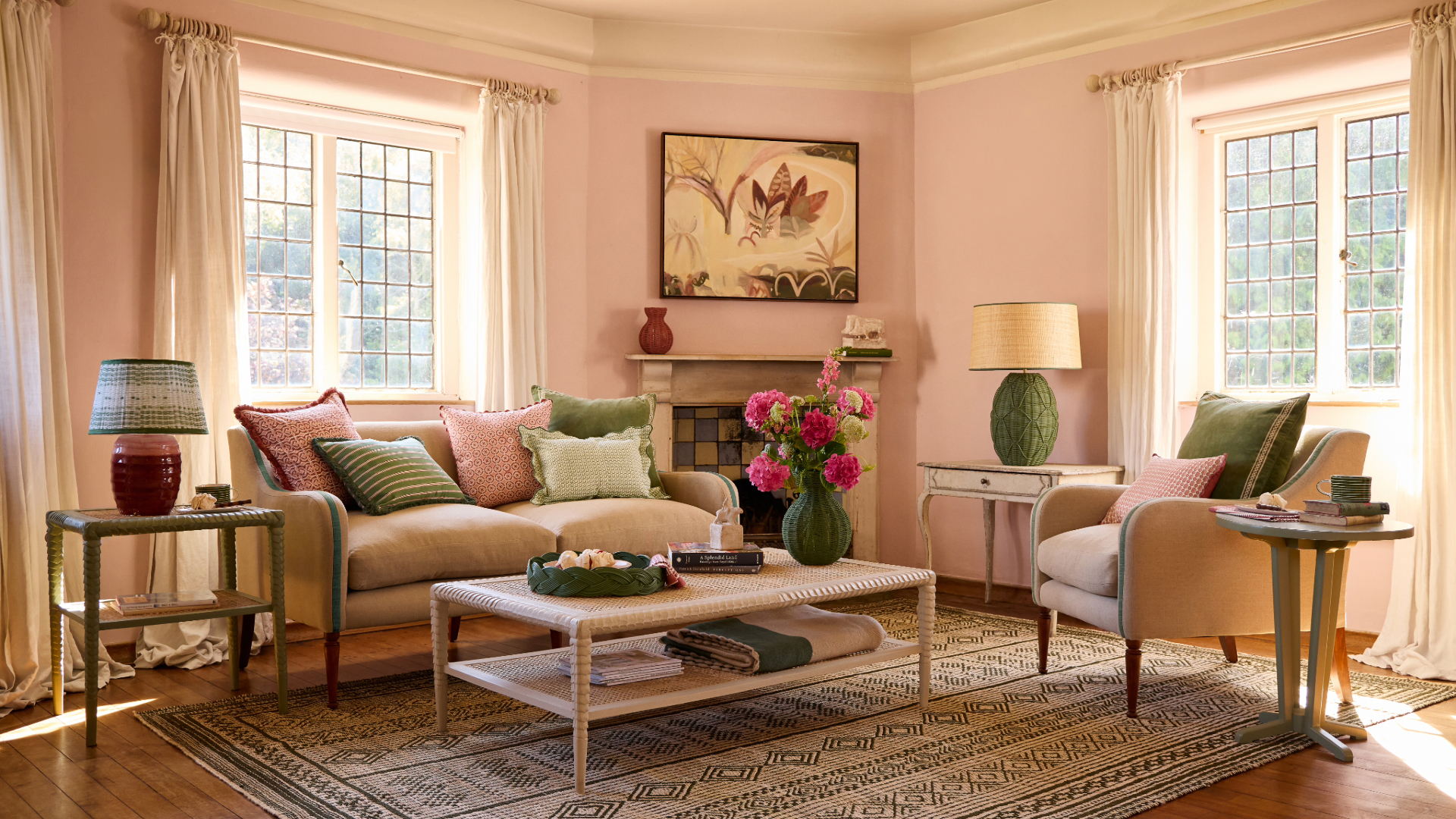
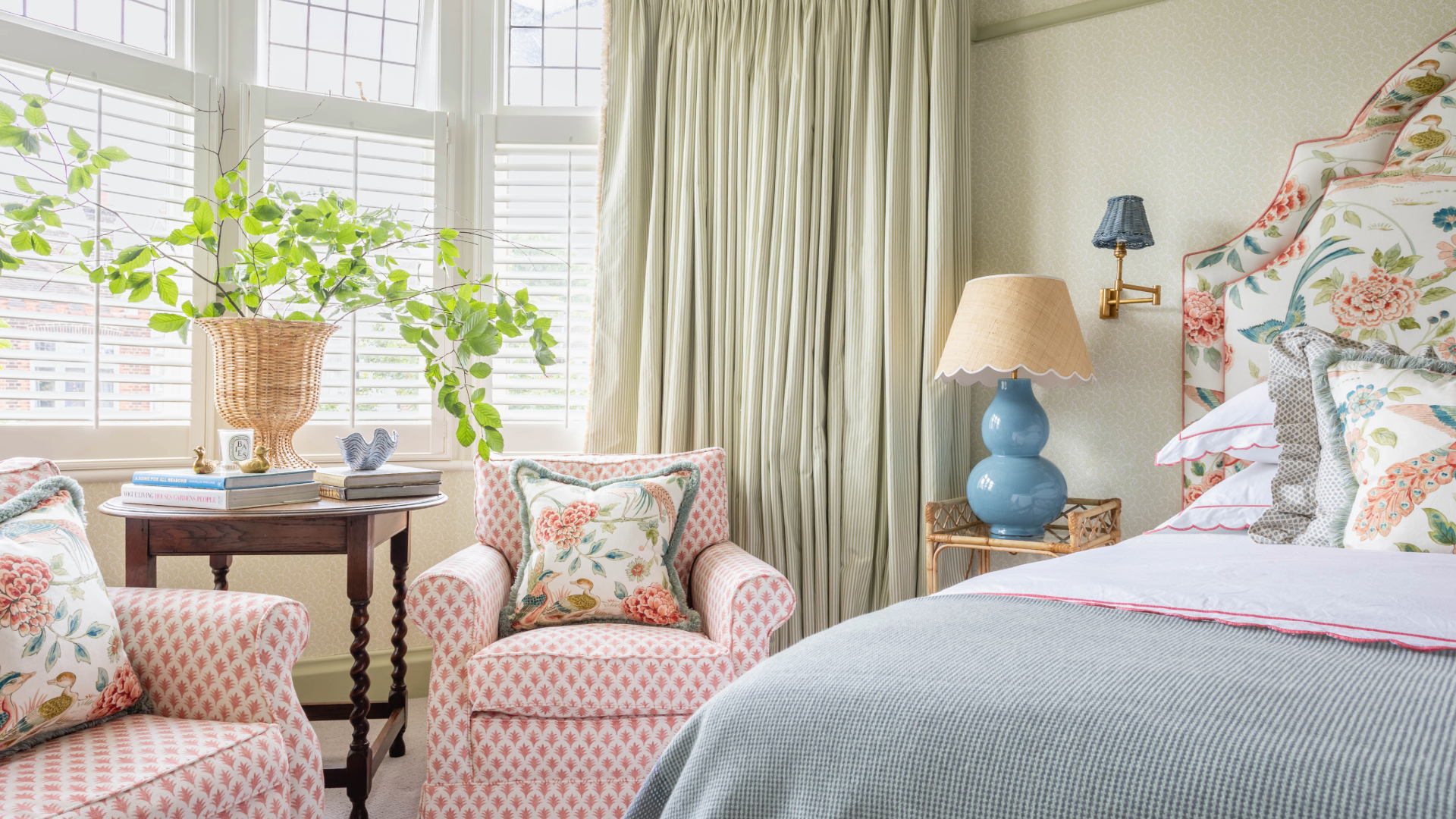
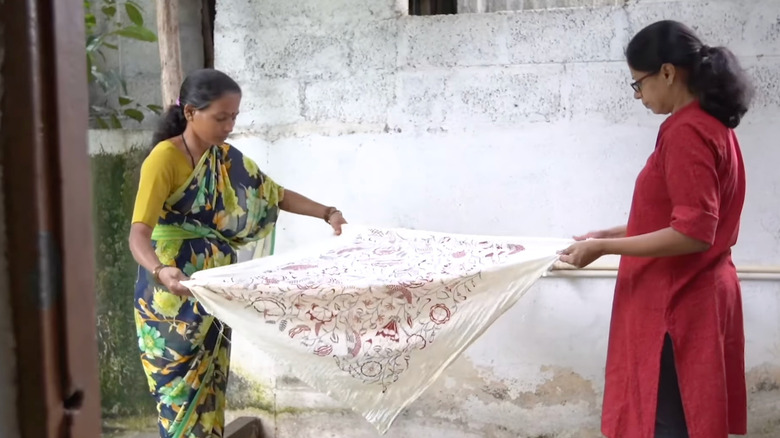
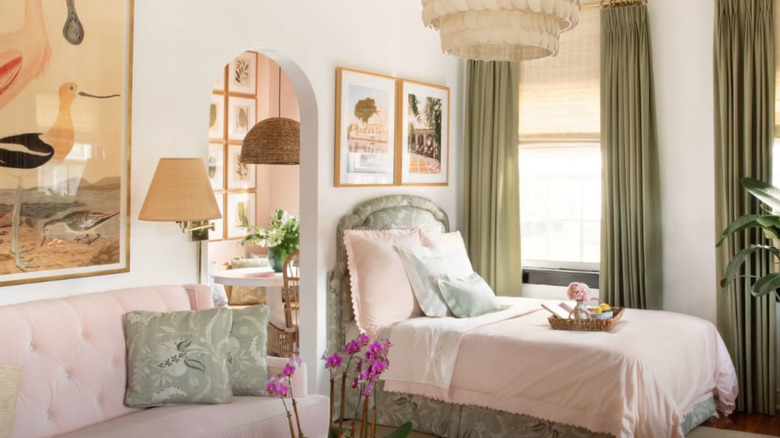
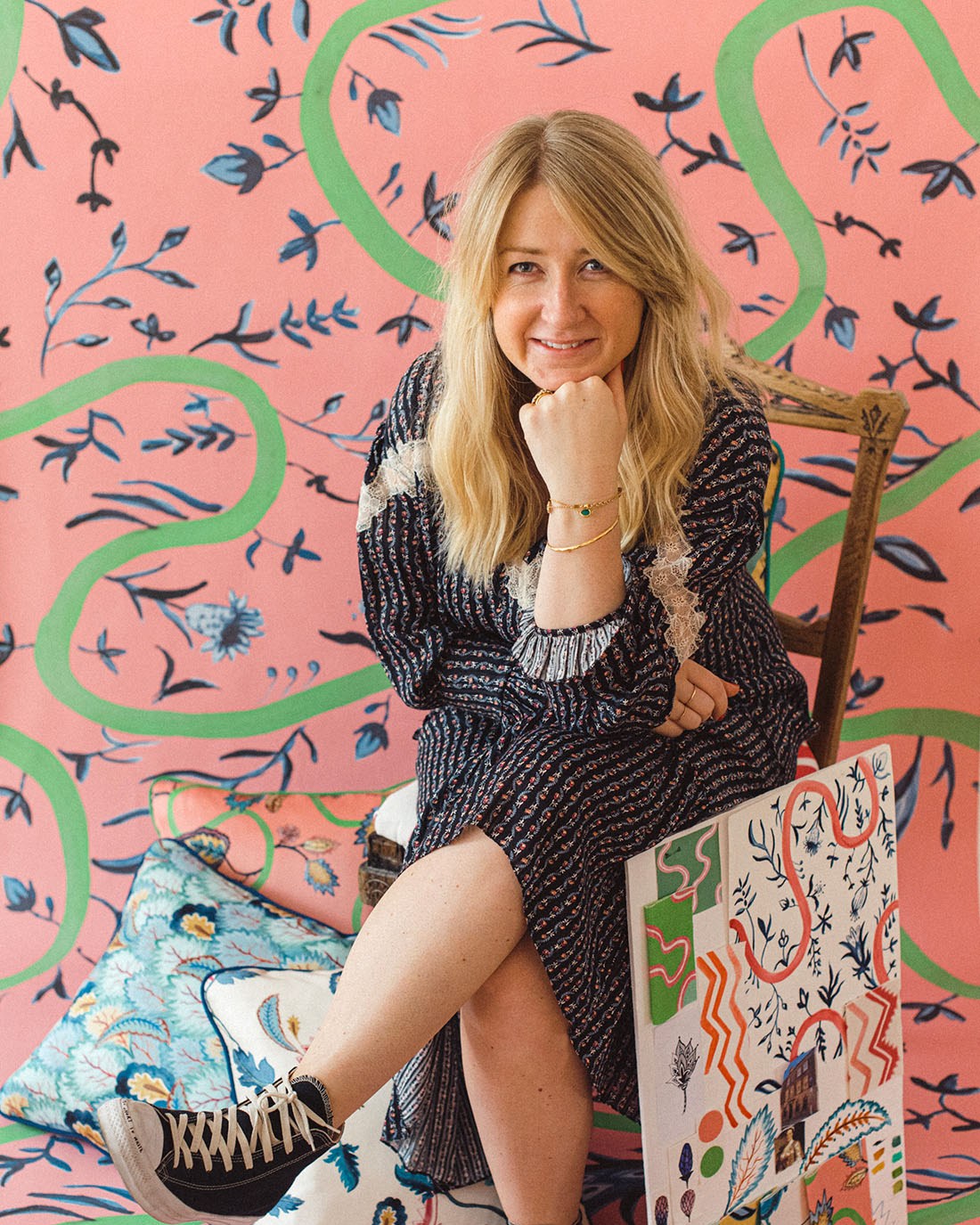
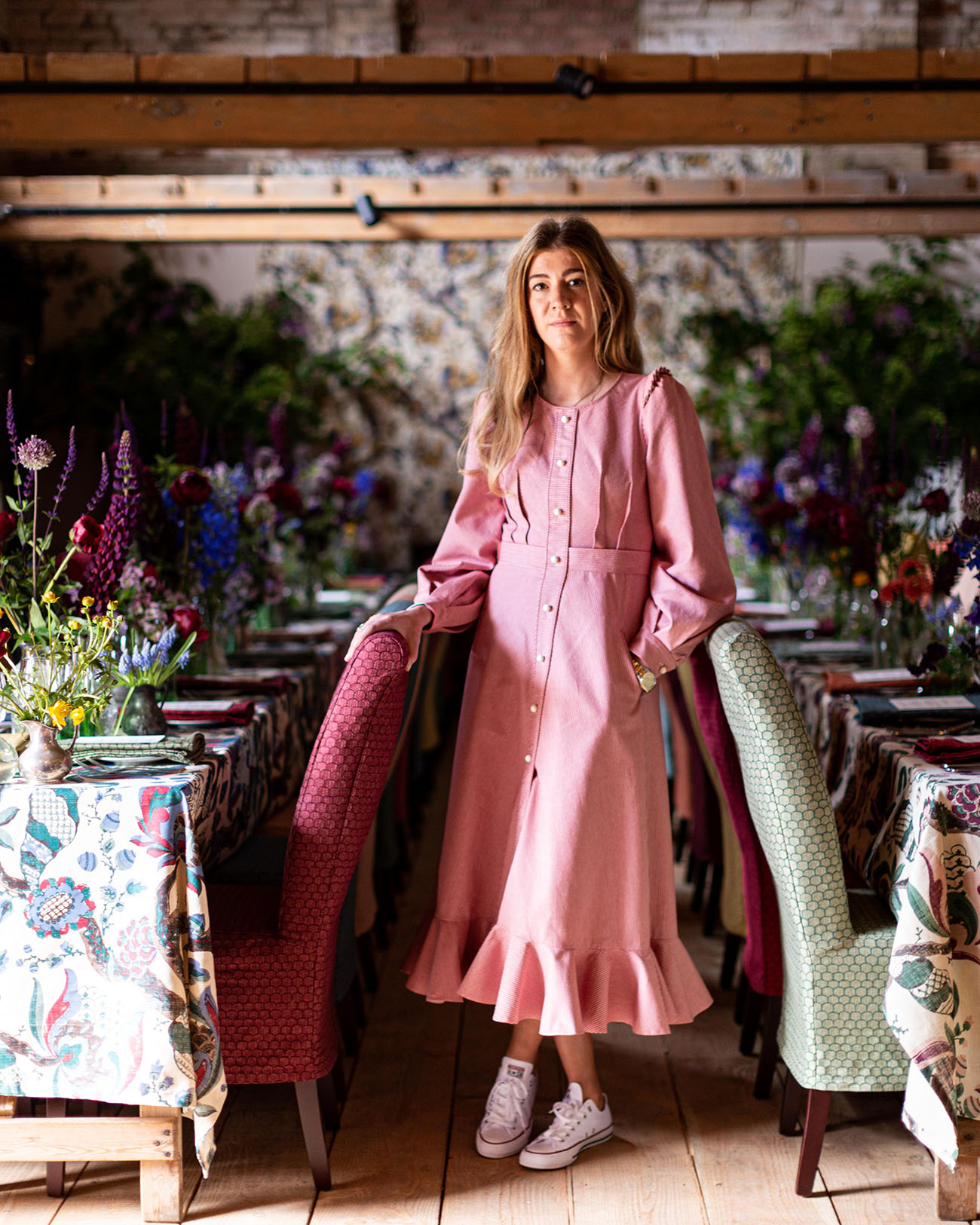
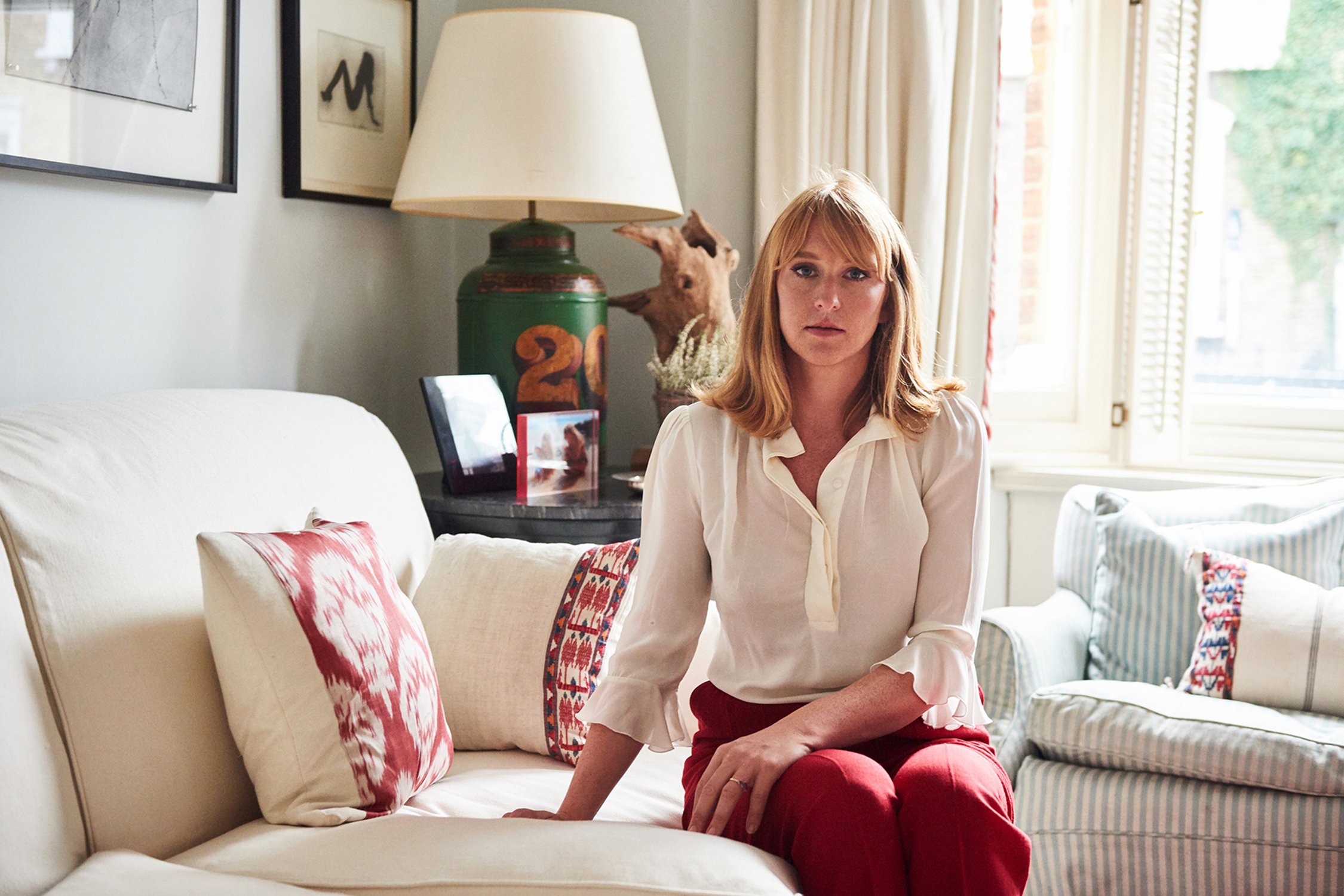
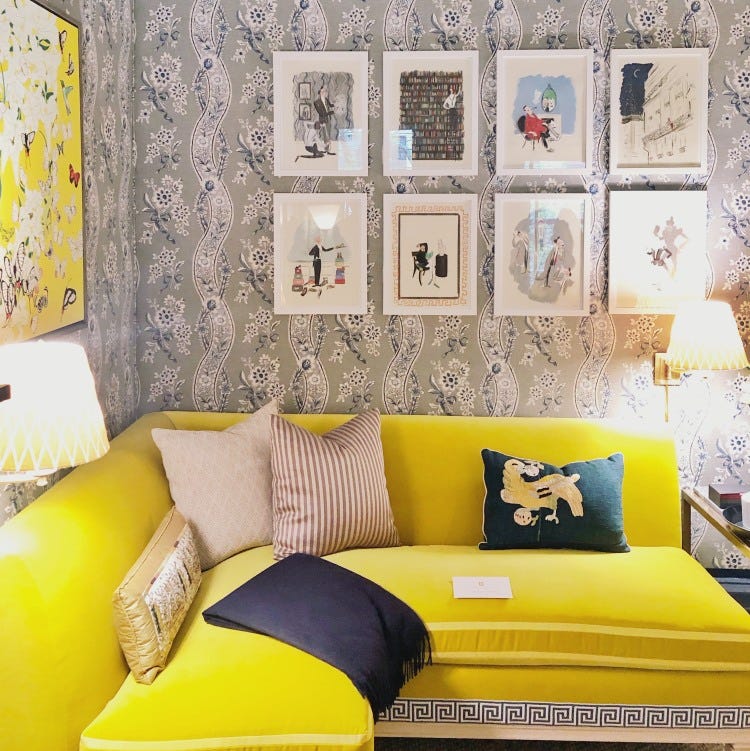
Chintz, a style characterized by oversized floral patterns, is experiencing a significant resurgence in interior design, aligning with the rise of 'grandmillennial' aesthetics. This trend is embraced by designers who advocate for its use on walls, window treatments, and furnishings, often incorporating vibrant colors such as turquoise, apple green, and shocking pink to give it a modern English country feel. While today's definition of chintz broadly encompasses large florals, its historical origins are more specific. Chintz emerged in the 1600s as a glazed calico, a type of cotton from Calicut, India, adorned with painted floral designs. If unglazed, this fabric is known as cretonne.
The popularity of chintz spread globally when Dutch and Portuguese traders introduced it to Europe. It quickly captivated consumers and made its way to America, with notable figures like George Washington incorporating it into his Mount Vernon home in 1759, using blue-and-white chintz to cover furniture in his bedroom. Decades later, Jacqueline Kennedy famously used chintz extensively in one of the White House bedrooms during her 1963 renovation, leading to the room being named after the fabric. The print continued to gain prominence, notably through Dorothy Draper's maximalist interiors at the Greenbrier resort in West Virginia.
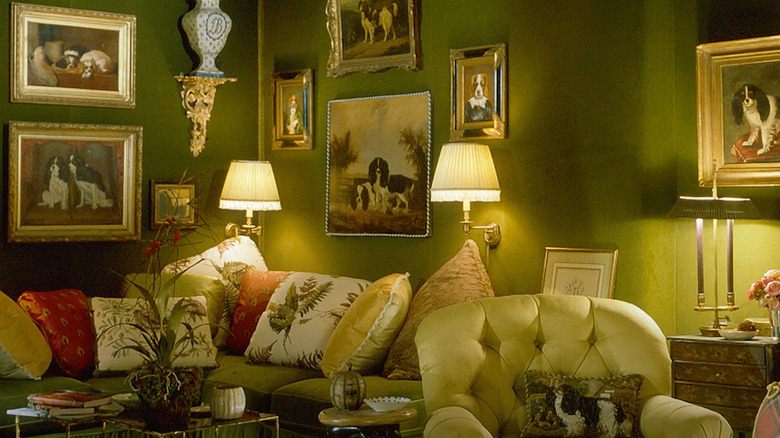
Chintz reached its peak in the 1980s, becoming a ubiquitous design element seen in television shows like 'Designing Women' and in the lavishly layered rooms of decorator Mario Buatta, famously known as the 'Prince of Chintz.' However, its popularity sharply declined in the early 1990s with the advent of minimalism and neutral aesthetics, spearheaded by designers like Calvin Klein. This shift led to a widespread discarding of chintz, as exemplified by a memorable UK Ikea ad campaign that encouraged people to 'chuck out their chintz,' favoring pristine whites and minimalist decor.
Approximately 30 years later, design trends have cycled back, and maximalism is once again in vogue, rehabilitating chintz from its once 'chintzy' reputation. Many argue that the inherent appeal of a beautiful printed fabric ensures its enduring presence in design, as it brings a romantic and enlivening quality to any space. The return of chintz signifies a renewed appreciation for intricate patterns, rich colors, and a more layered approach to interior decoration, moving away from stark minimalism and embracing a more traditional yet updated aesthetic.
#GrandmillennialStyle #ChintzDecor #FloralPatterns #InteriorDesignTrends #HomeDecor #Maximalism #VintageFlorals #EnglishCountryStyle #GrandmillennialStyle #ChintzDecor #FloralPatterns #InteriorDesignTrends #HomeDecor #Maximalism #VintageFlorals #EnglishCountryStyle
0 comment in total
 No comments yet
You may also like
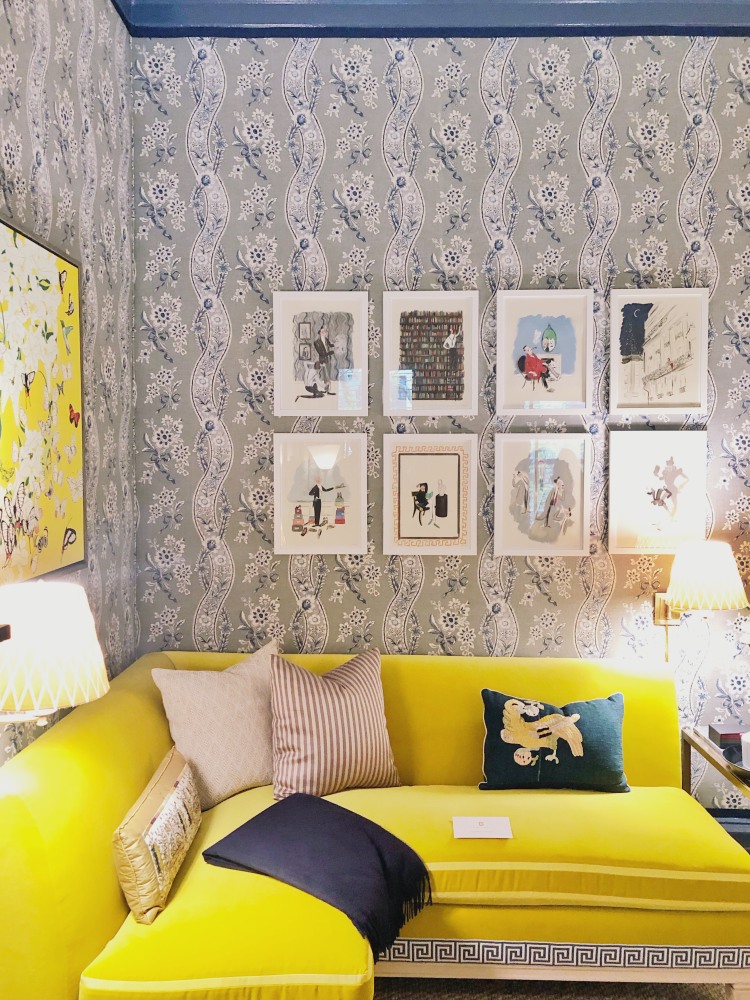
Chintz Is Back and Better Than Ever
Made.com Is Back & Better Than Ever
Hear Us Out: Quilts Are Cool Again

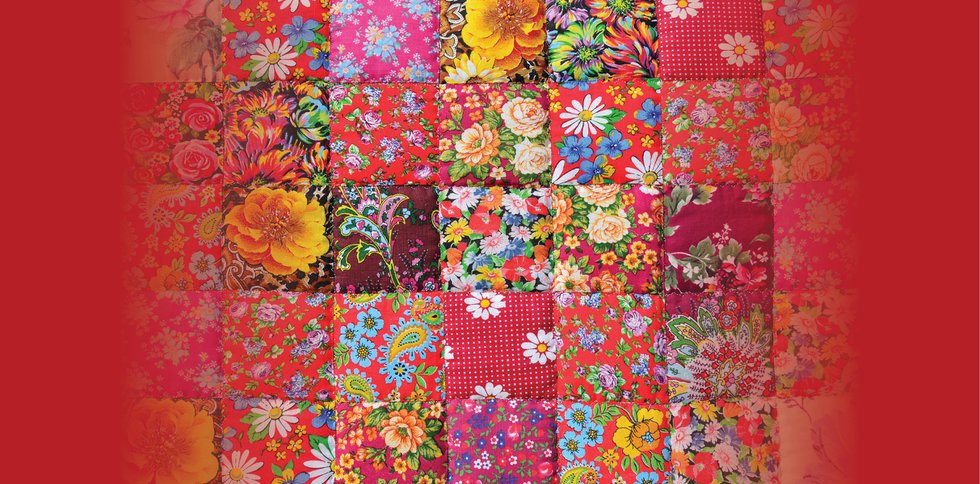
Chintz Happens

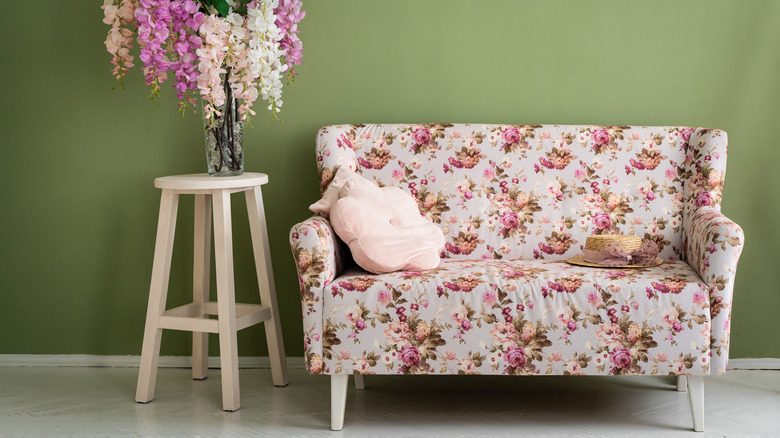
What Does It Really Mean To Have Chintzy Décor?
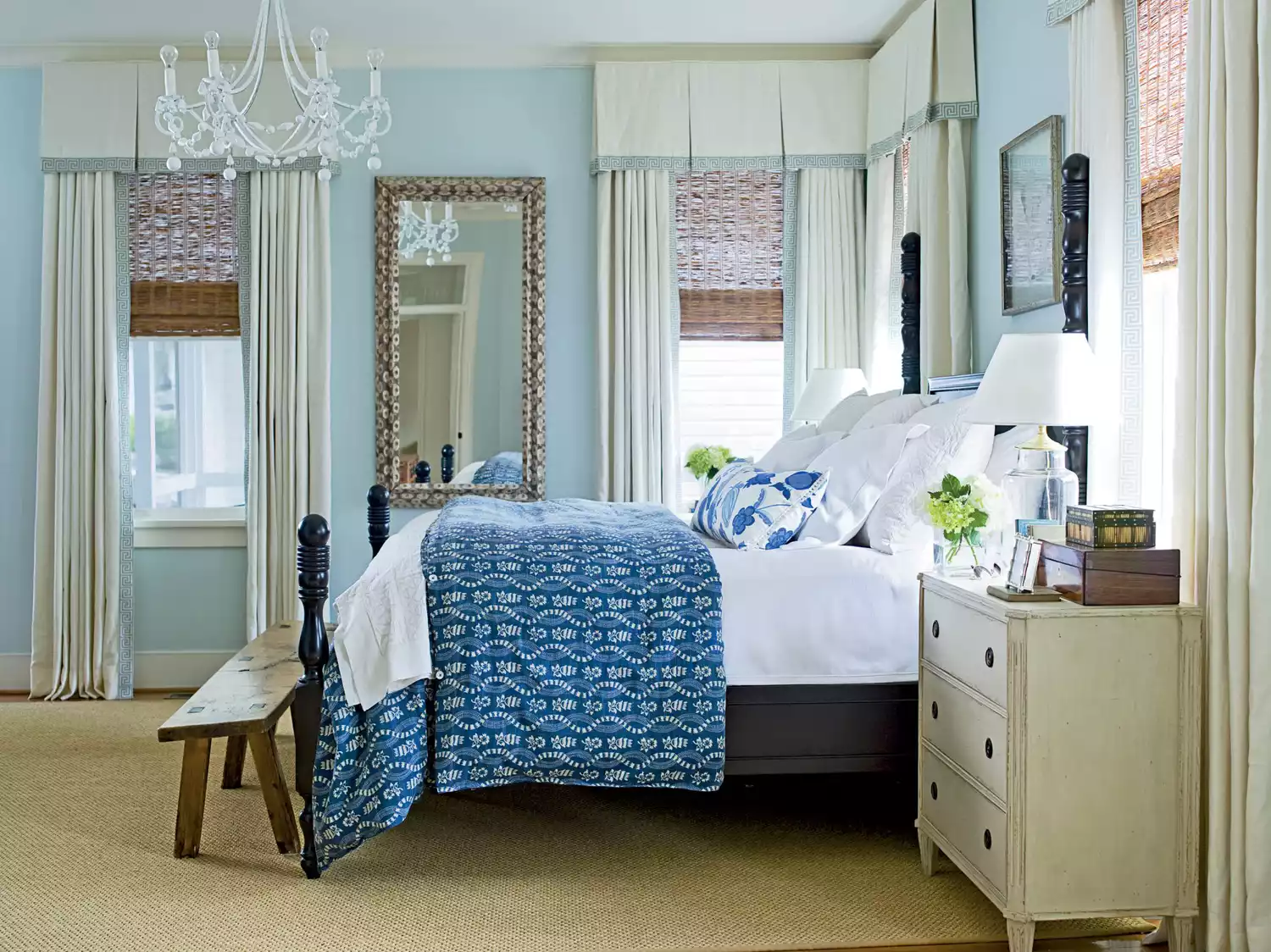
This Dramatic Window Treatment Is Making A Comeback—And We Couldn't Be More Thrilled
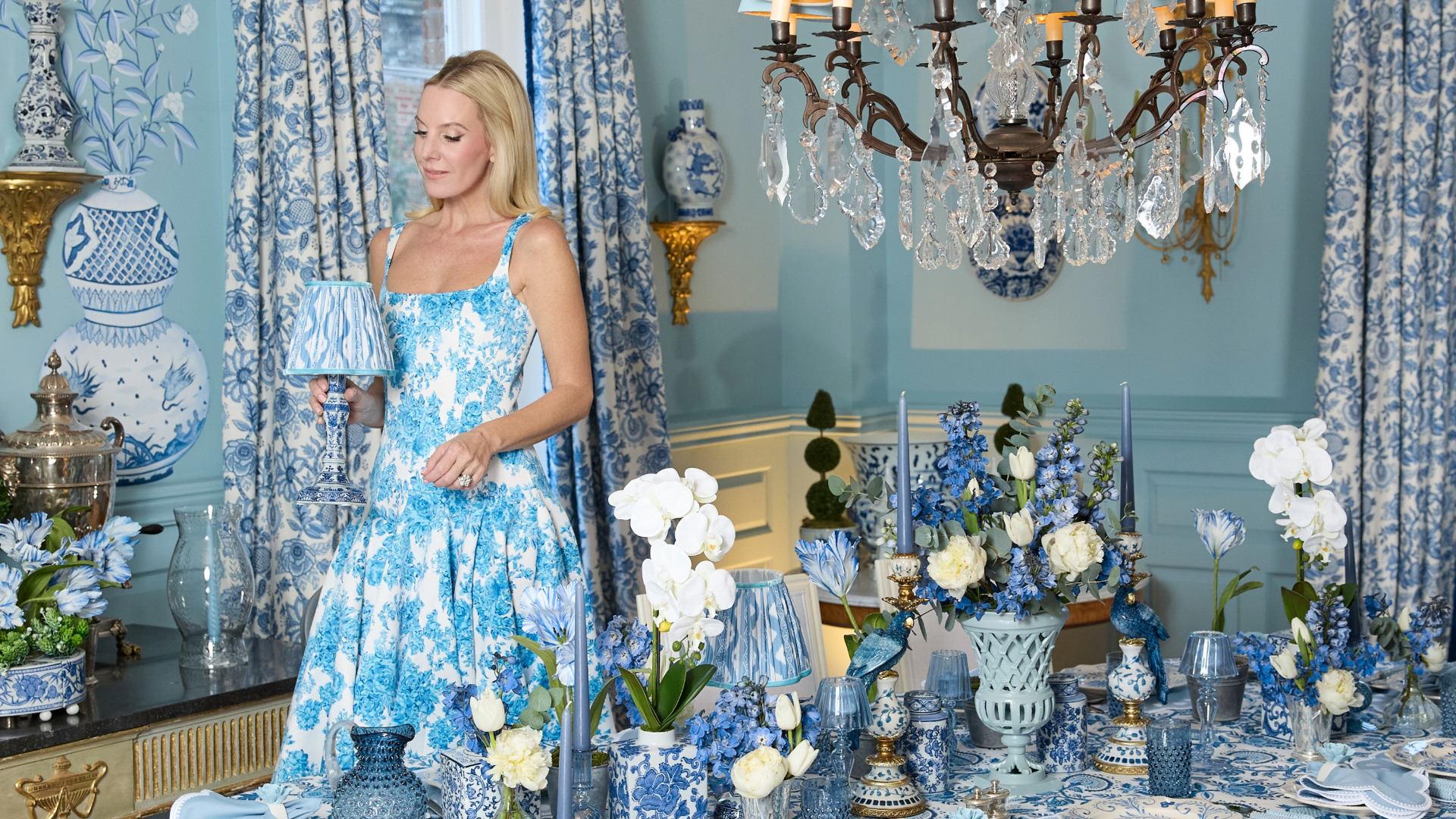
Chintz is back: Get inspired by these contemporary interiors that are tapping into the revival of the classic trend

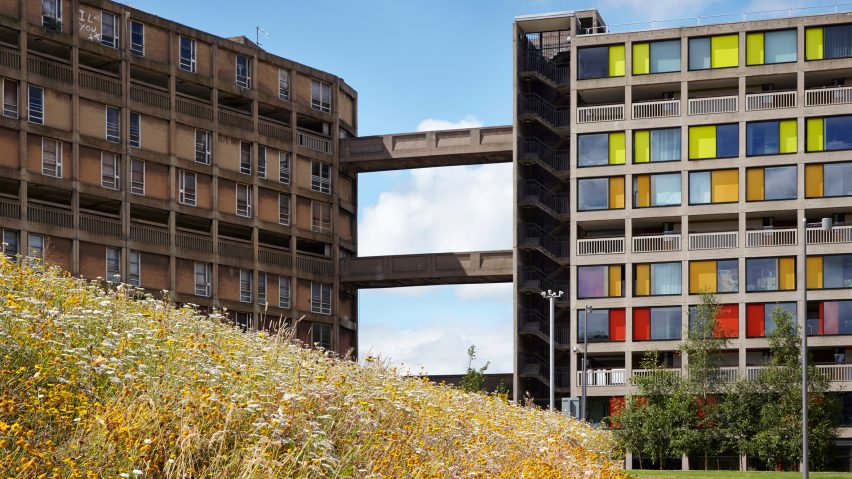
"'Housing for dirty people' is back and I welcome it"

Trend Alert: Cane Has Made a Comeback
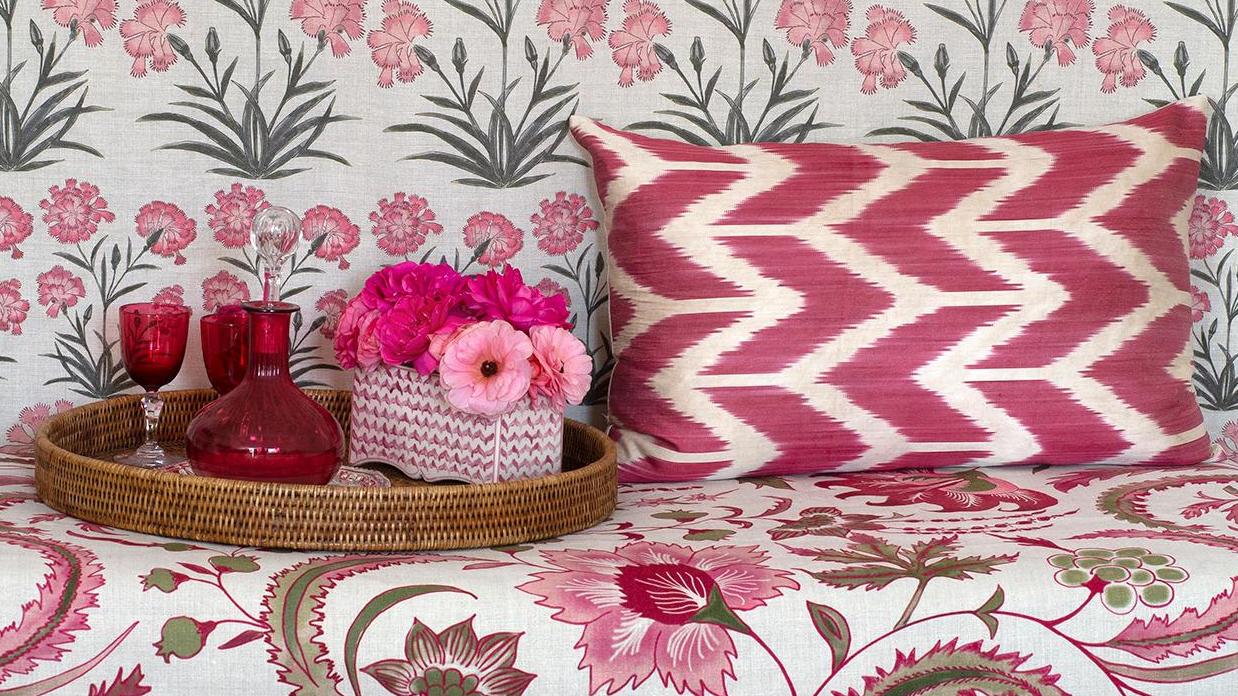
Chintz charming
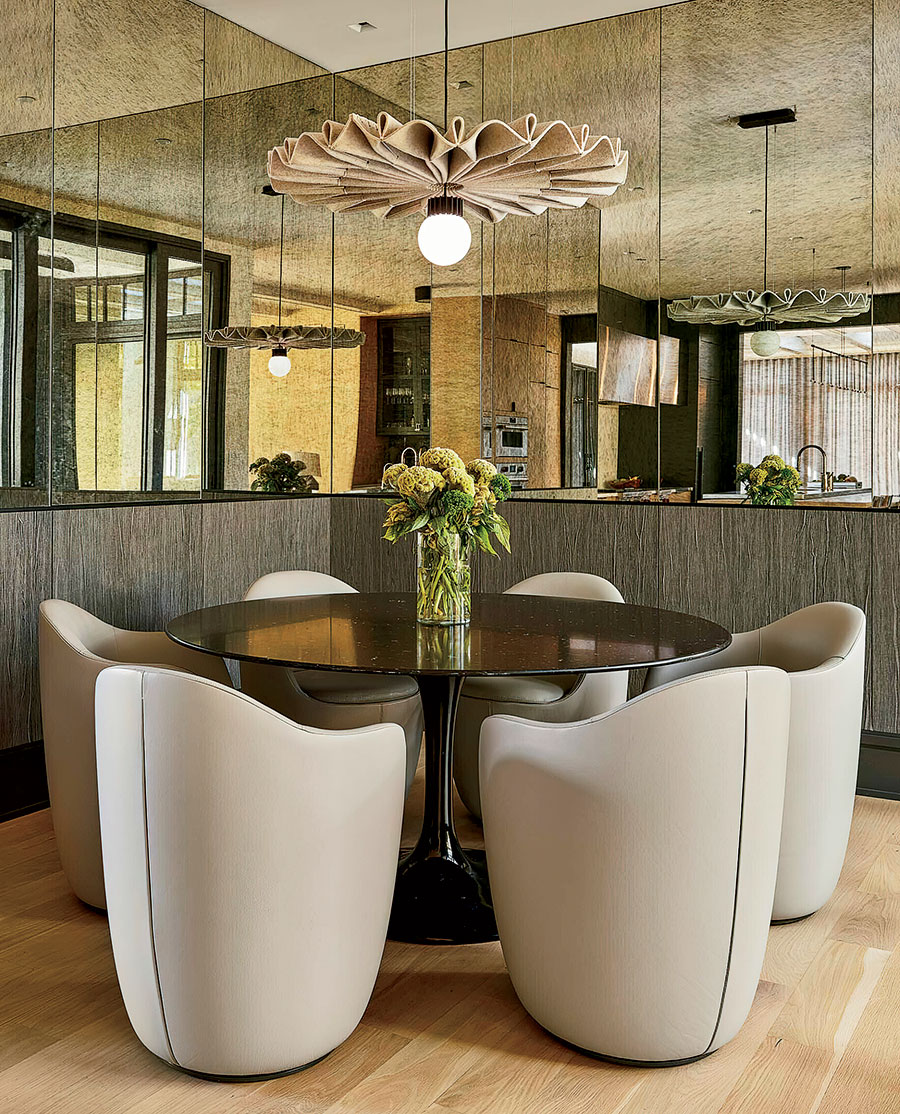
Rebirth of Cool
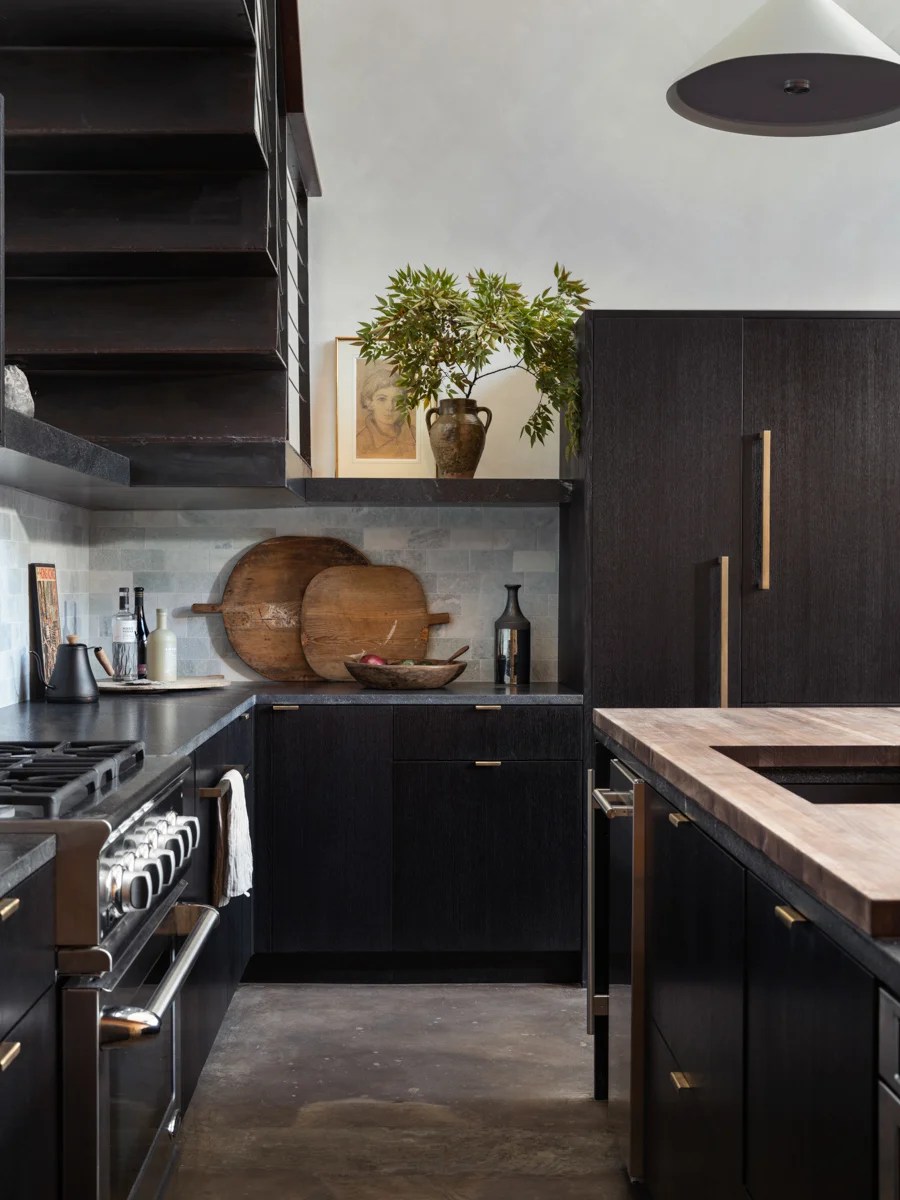
The Countertop Material That We Loved 25 Years Ago Is Coming Back