Ask the Expert: How to repair tile in and around your historical home
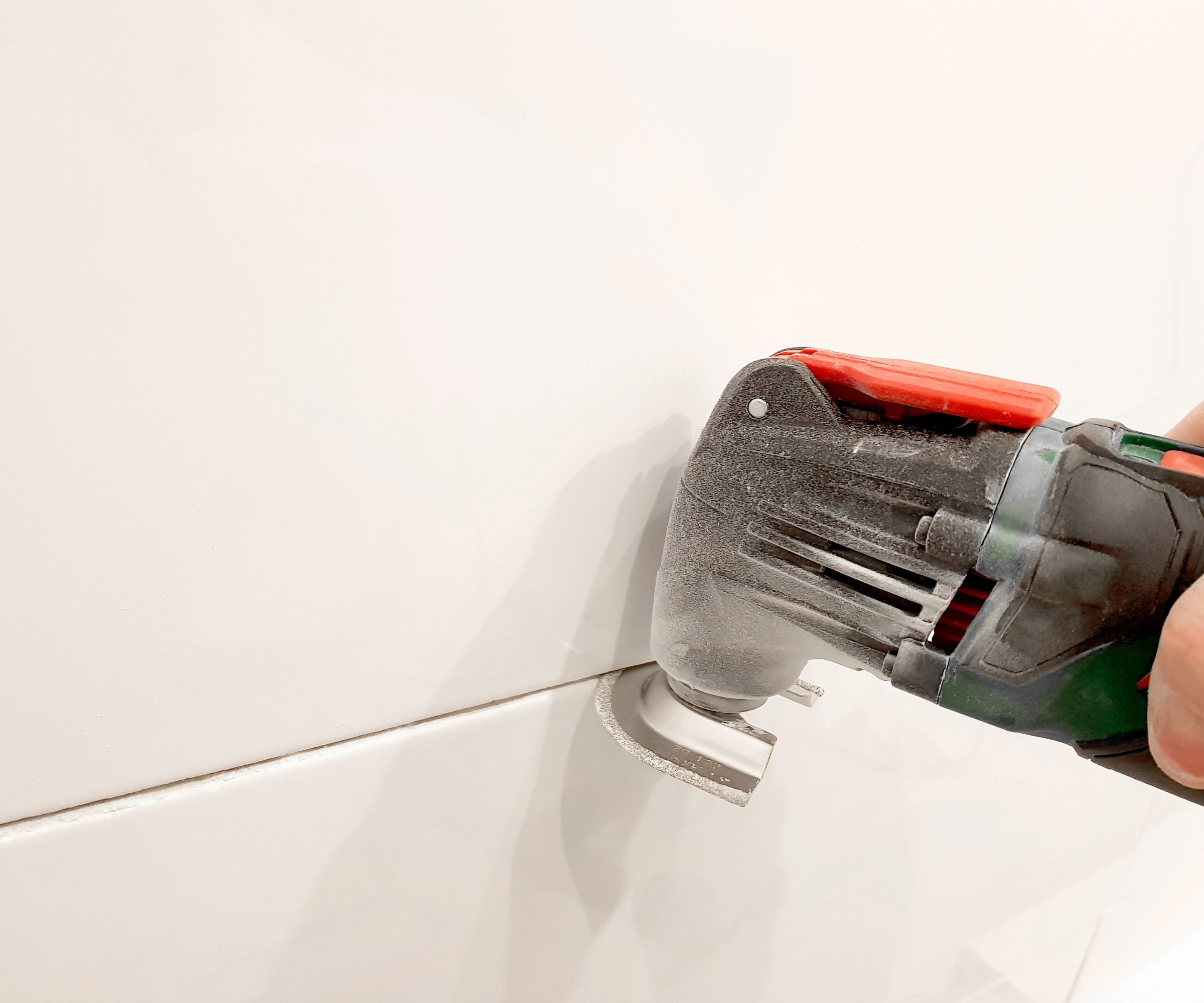
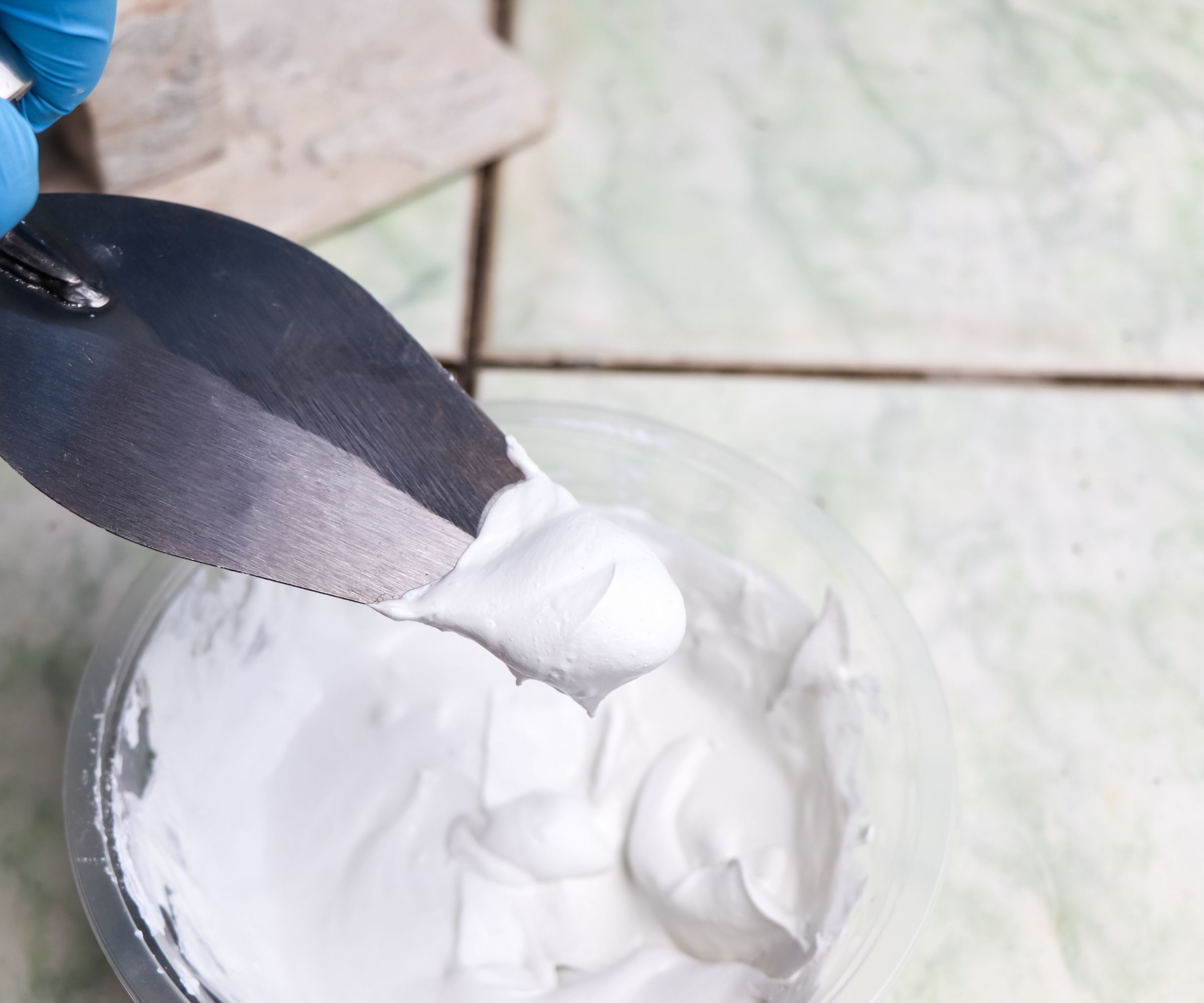
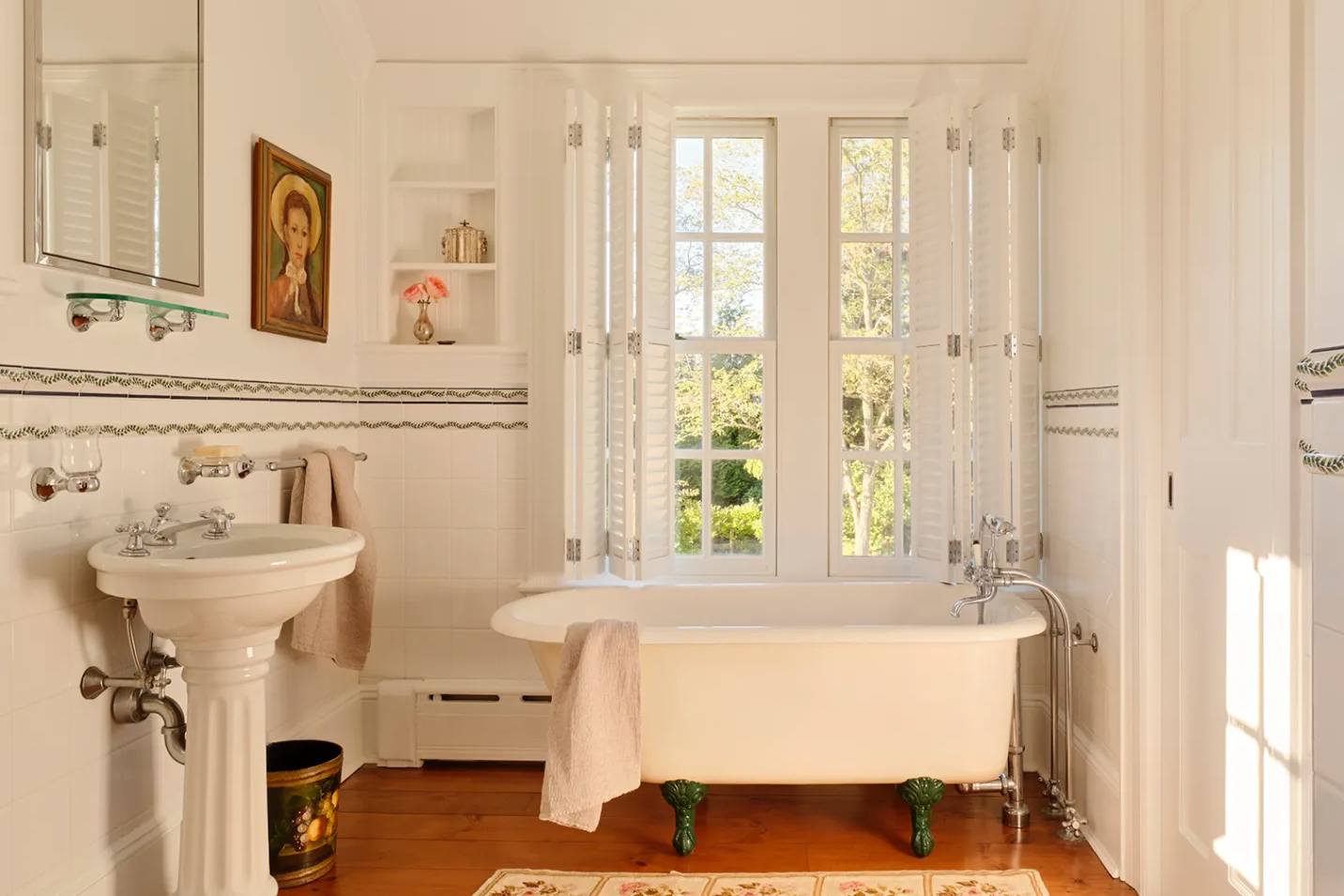
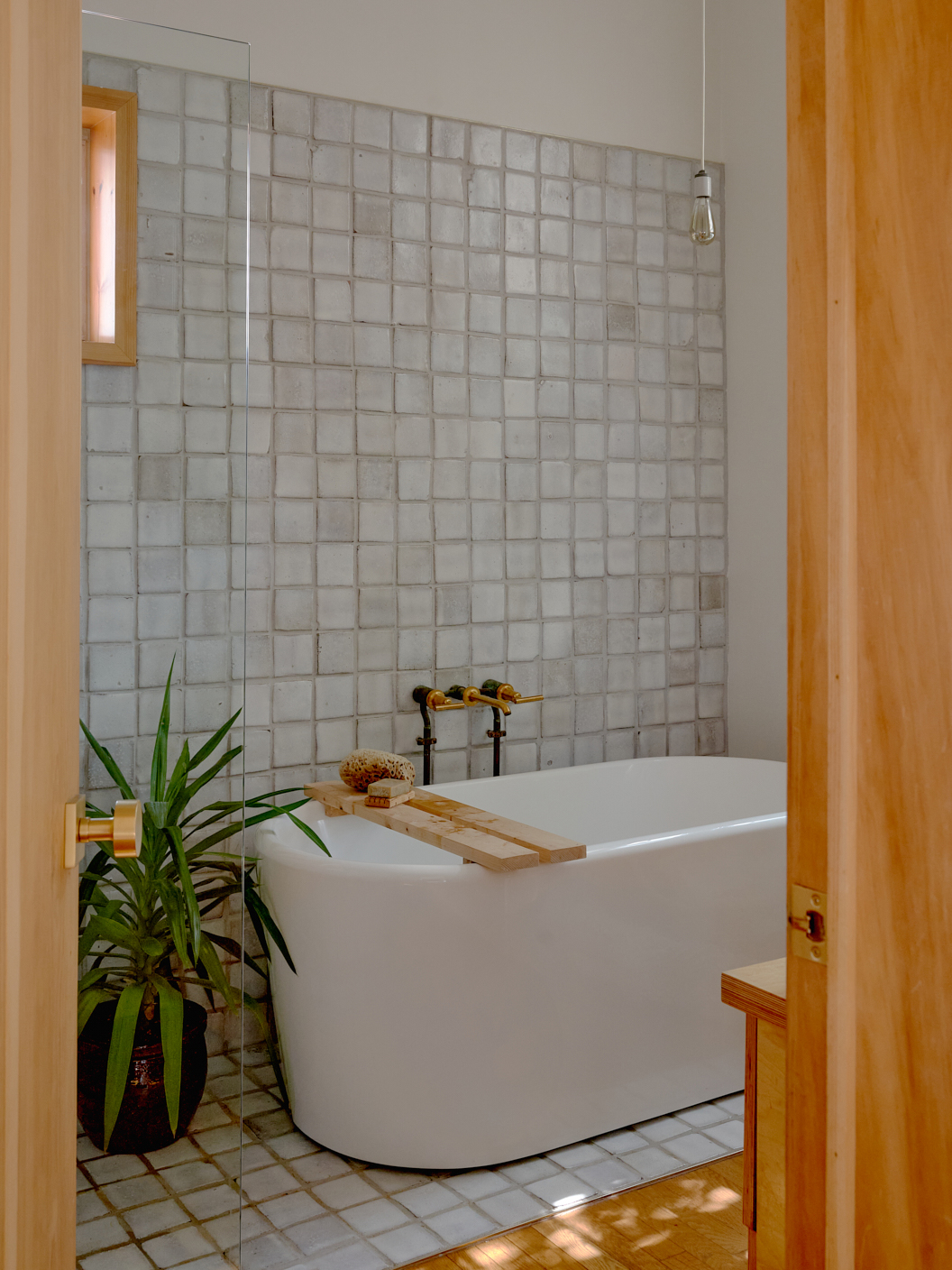
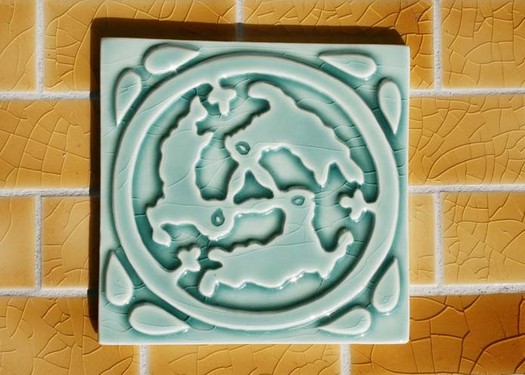
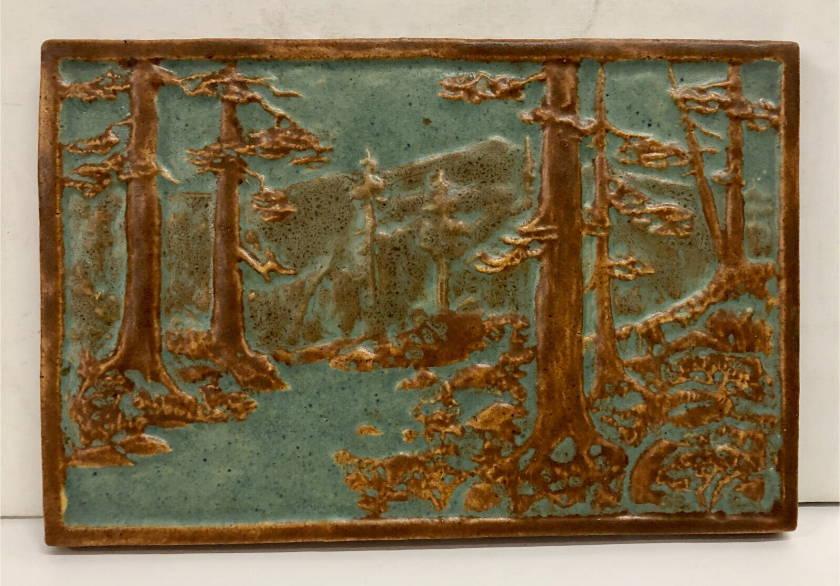
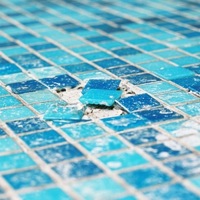
Repairing chipped or broken historical tile presents unique challenges and considerations, particularly for homeowners aiming to preserve the original character of their abode. Older homes, often featuring glazed ceramic tiles, differ significantly from modern constructions predominantly using porcelain. When addressing minor chips in older ceramic tiles, a solution involves using appliance paint (an epoxy) to repair the damaged glaze and reattach broken portions. However, major renovations, especially those involving bathrooms or kitchens, often necessitate the removal of older tiles if they are located near main water pipes. This is due to the distinct plumbing systems in historical homes compared to new constructions, which frequently require updating during extensive work.
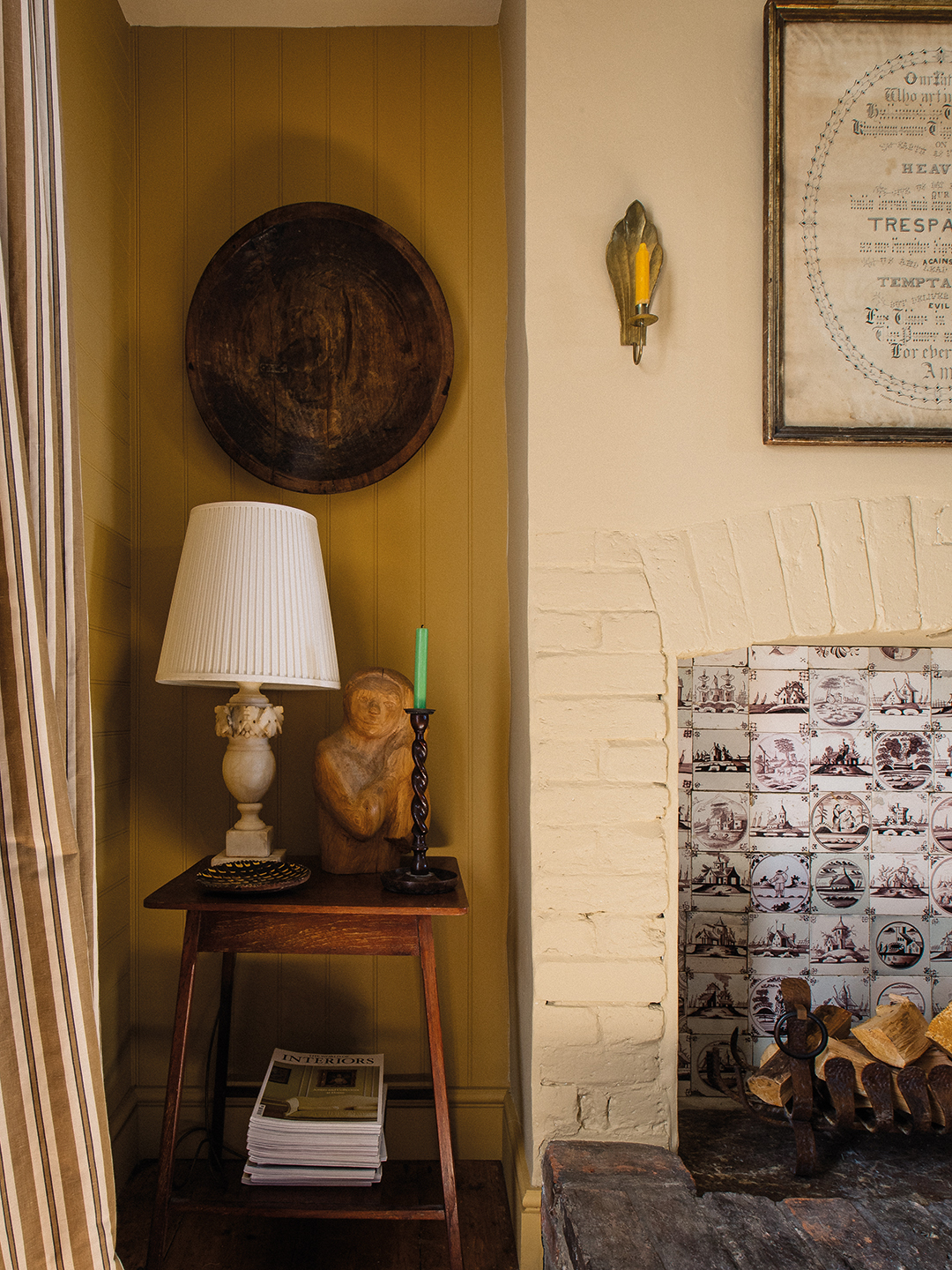
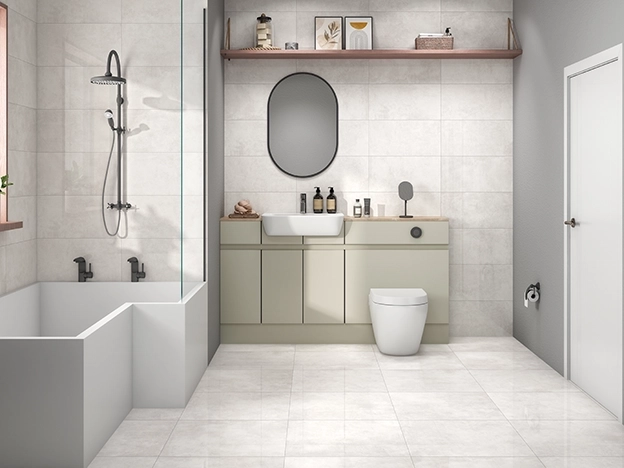
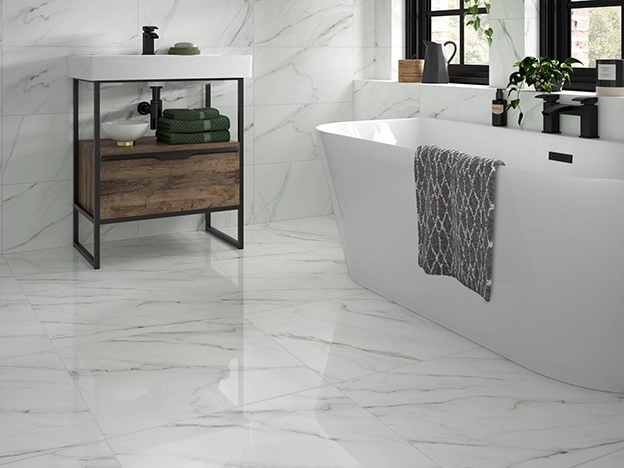
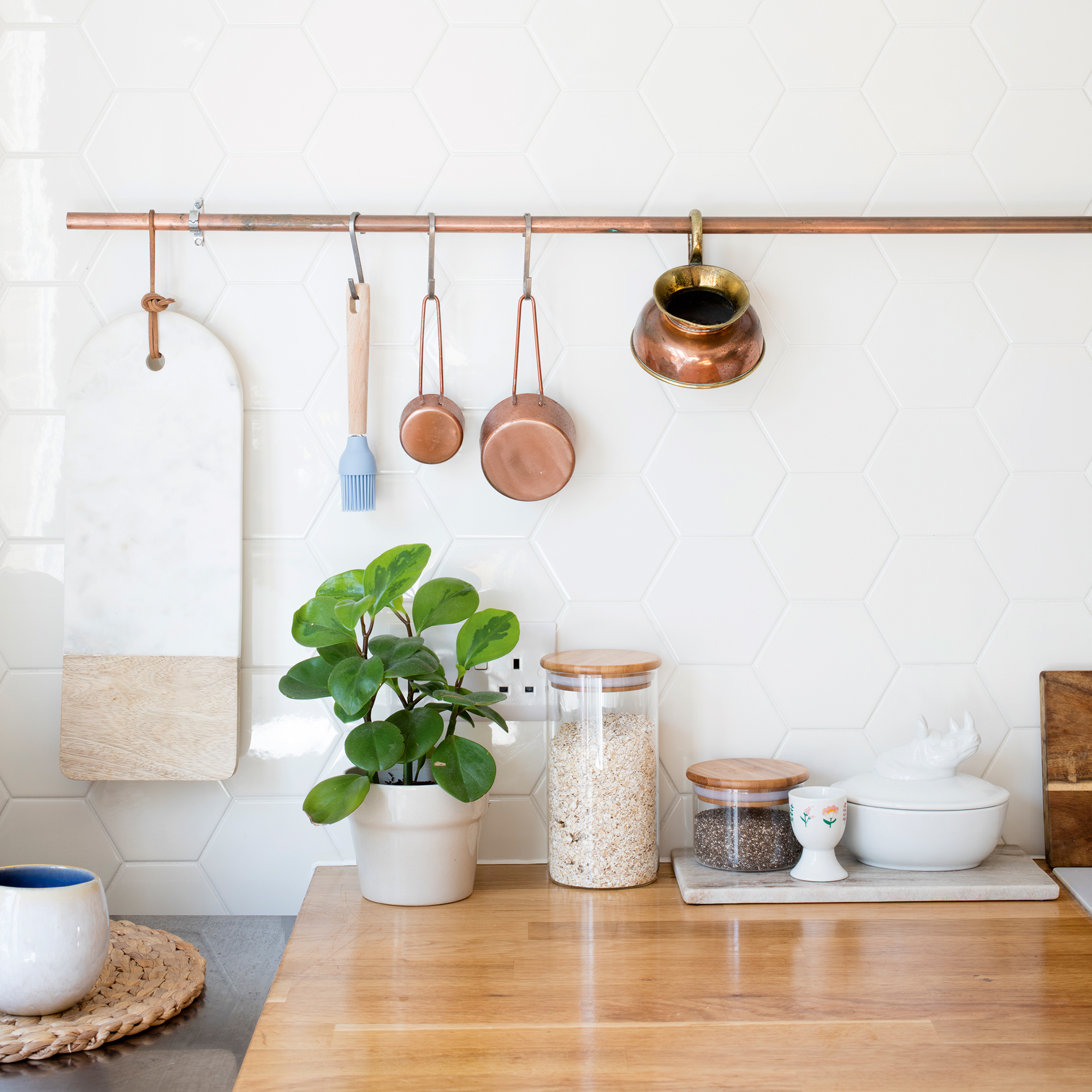
For those seeking to replace or complement existing historical tiles, The Ceramic Tile Library in Webster Groves offers a resource for sourcing historically accurate tiles. Alternatively, the renewed popularity of older styles like small mosaics and hexagonal tiles means that contemporary versions are readily available and not significantly more expensive than other tile options. For DIY enthusiasts opting for new antiquated-style porcelain tiles, expert tile setter Piero Zito advises applying mortar to the back of the porcelain tiles, a step not required for porous older ceramic tiles, to prevent detachment over time.
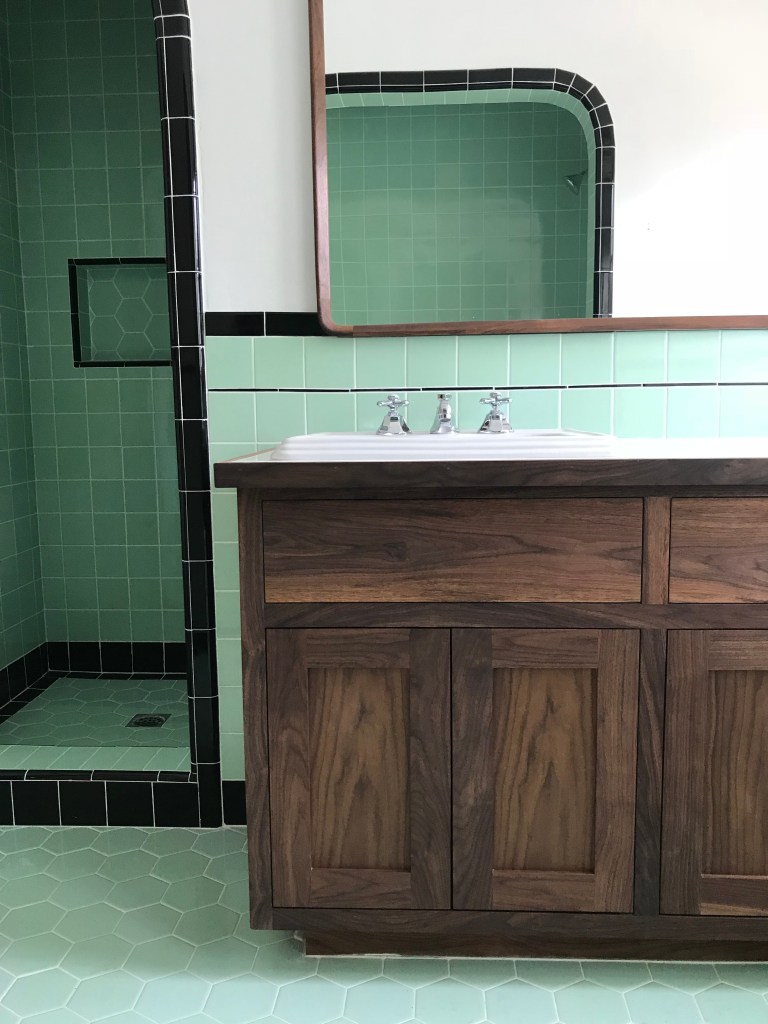
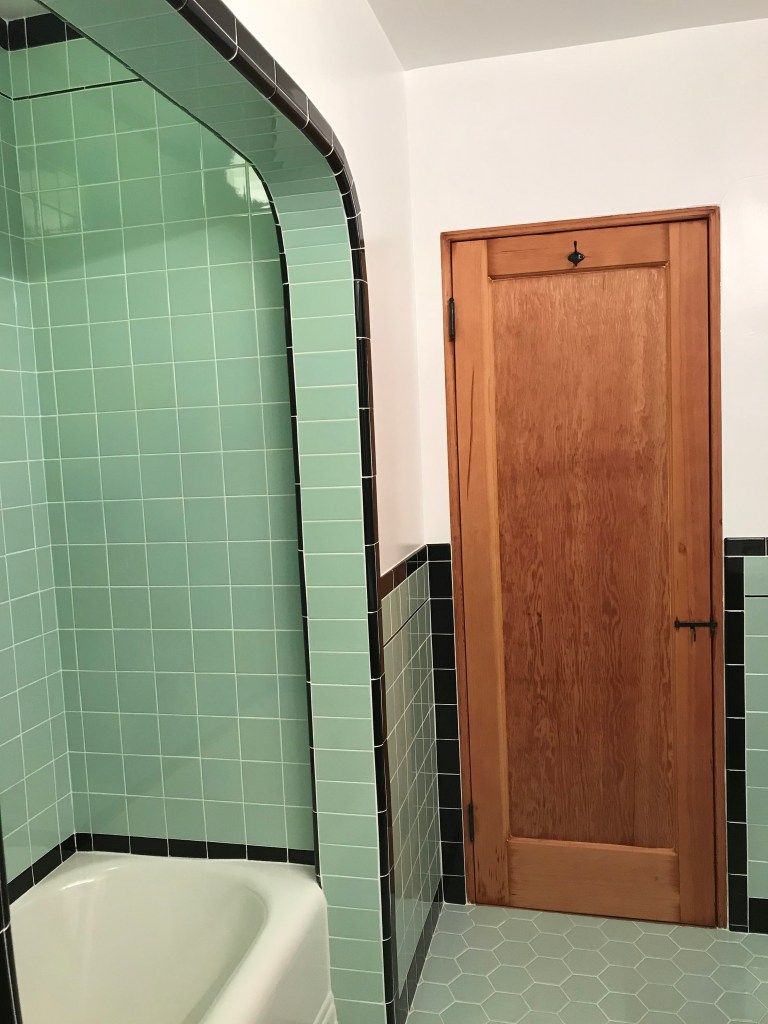
Creative solutions exist for repairing smaller areas. Contractor Phil Marlow suggests replacing a line of old tiles with accent tiles, such as a row of mosaics, or strategically installing a soap dish in a shower to conceal a larger area requiring replacement. Interior designer Joni Spear highlights the unique challenges and value of vitrolite tile, a glass-infused material popular in St. Louis during the Art Deco era. Since vitrolite is no longer produced and is highly coveted, Spear recommends working with a vitrolite specialist for repairs or replacements. She recounts instances where clients chose to retain their vitrolite, opting instead for upgrades to faucets, lighting, and electrical outlets to enhance functionality while preserving the tile's historical value.
Repairing outdoor historical tiles, particularly those on patios, presents even greater difficulties. Ken Shumake notes that many older homes feature thick mortar beds in their cement slabs, which have protected ceramic tiles from breakage over time. However, this thickness also makes repairing or salvaging these tiles impractical, as the specialized knowledge for such repairs is becoming increasingly rare. Furthermore, modern outdoor tile installations require expansion joints, which some homeowners find aesthetically unpleasing. Consequently, Shumake often advises clients against large-scale outdoor tile projects due to these complexities and aesthetic concerns.
#TileRepair #HistoricalHomes #HomeRenovation #CeramicTile #PorcelainTile #VitroliteTile #InteriorDesign #DIYHomeImprovement #TileRepair #HistoricalHomes #HomeRenovation #CeramicTile #PorcelainTile #VitroliteTile #InteriorDesign #DIYHomeImprovement
0 comment in total
 No comments yet
You may also like
How to regrout between tiles to keep them from looking tired in 6 simple steps


Three Bathrooms, One Historic Home

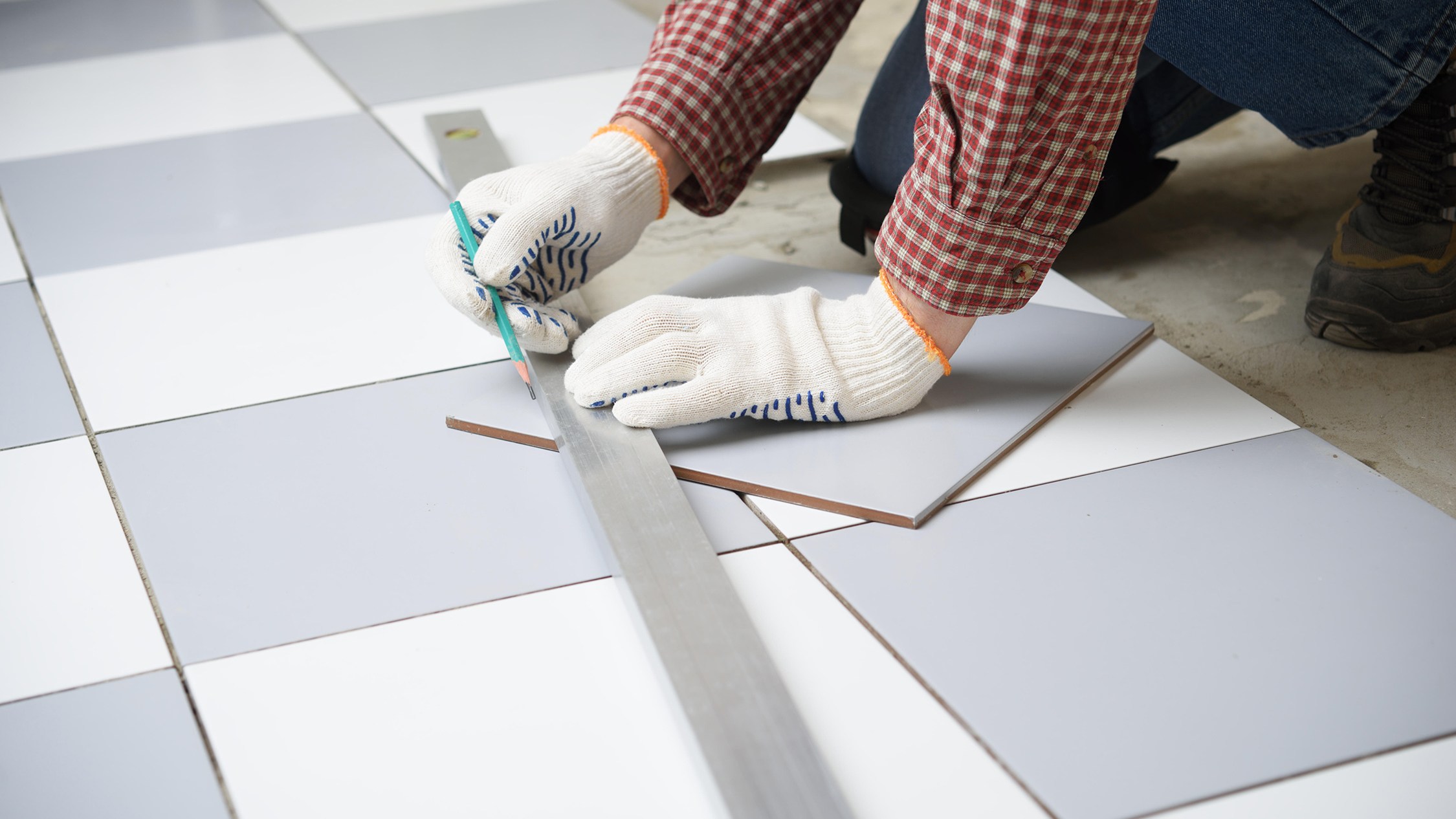
From preparation to cutting, here's how to lay floor tiles
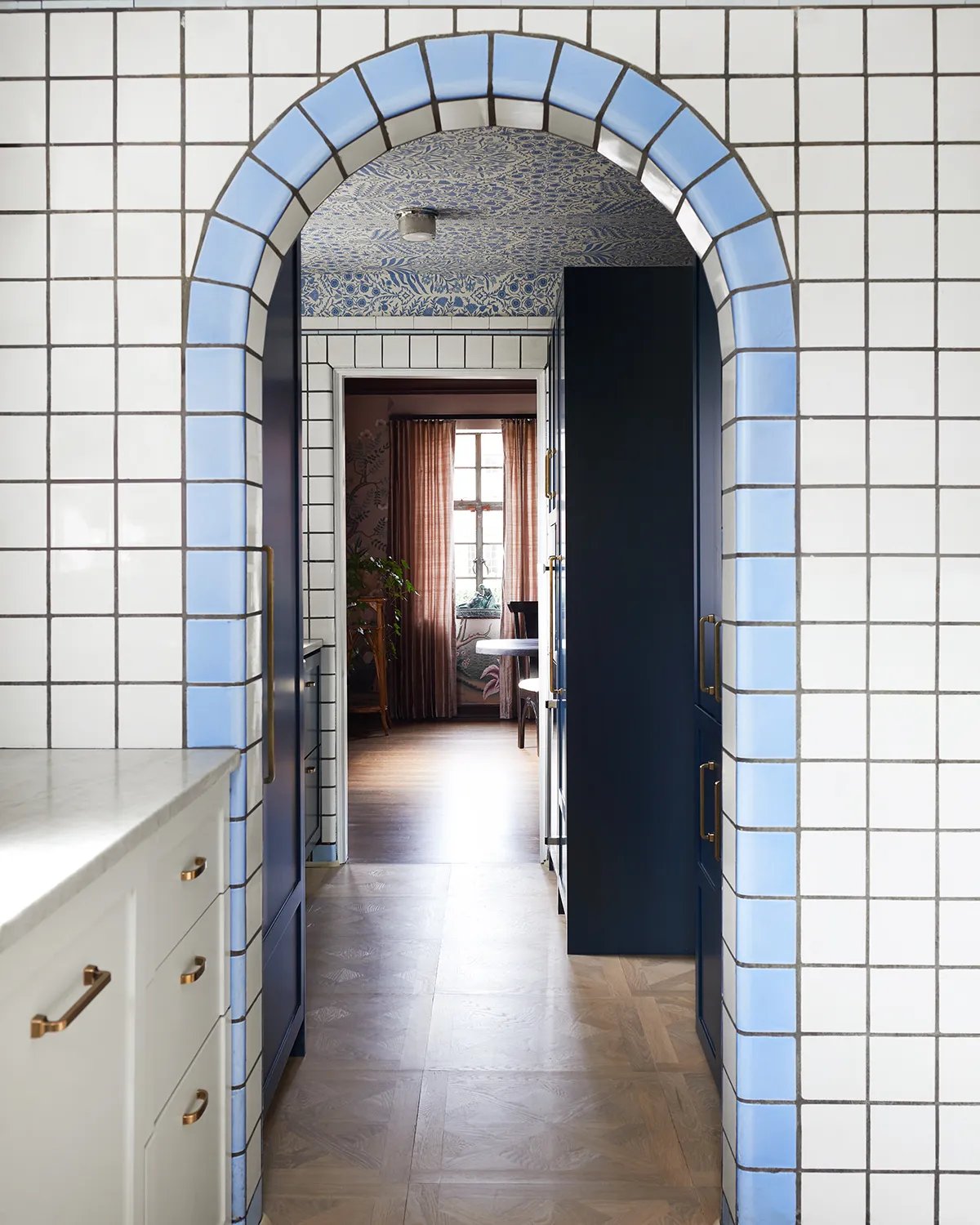
Vintage Tile Is on the Rise, But Hard to Find—Here’s Where to Source It


6 expert tips for buying tiles online - designers on how to avoid expensive mistakes

How to repair a chipped tile with epoxy and paint

6 Tiles That Denver Designer Laura Medicus Can’t Live Without

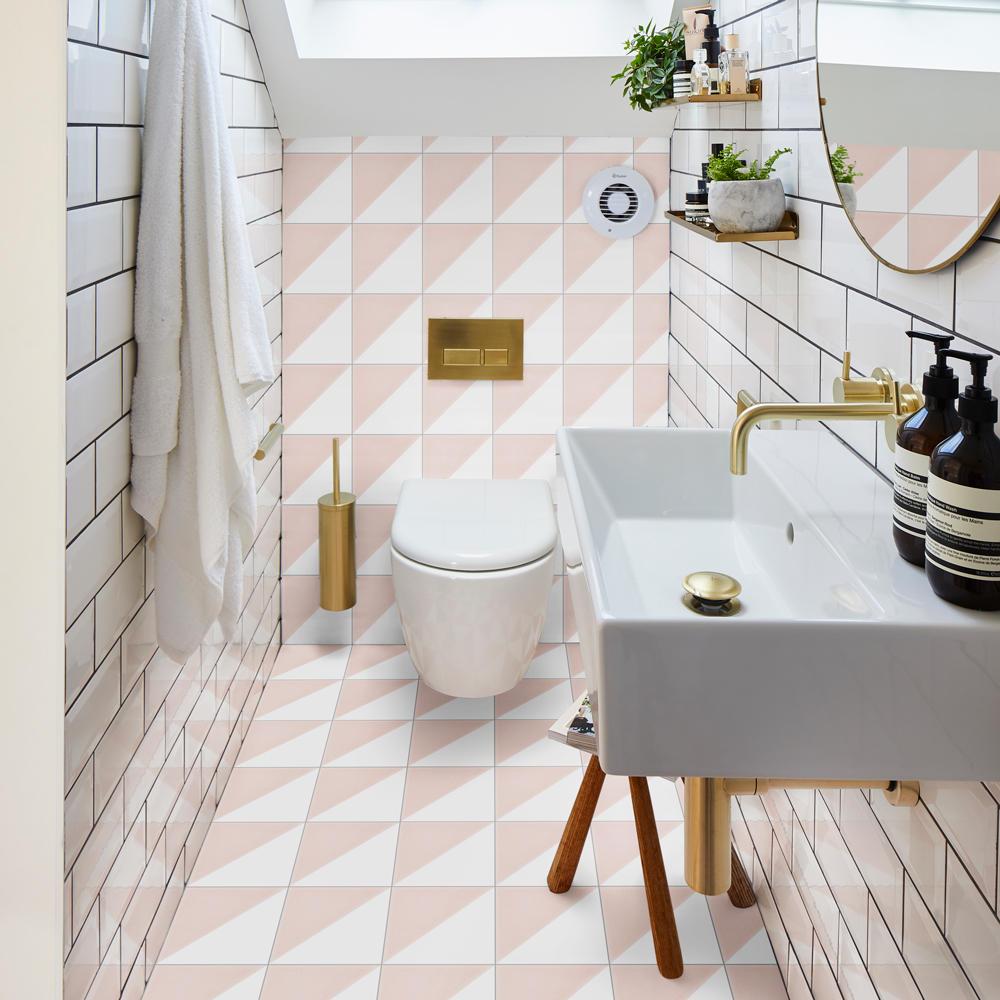
10 common tiling mistakes that can be costly – and how to avoid them
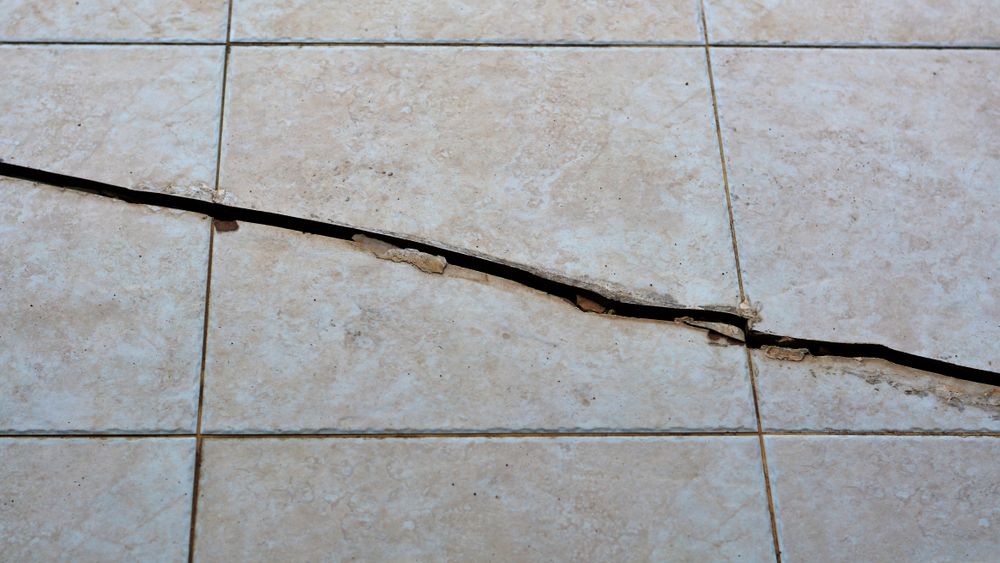
How to repair chipped or broken tile and replace grout

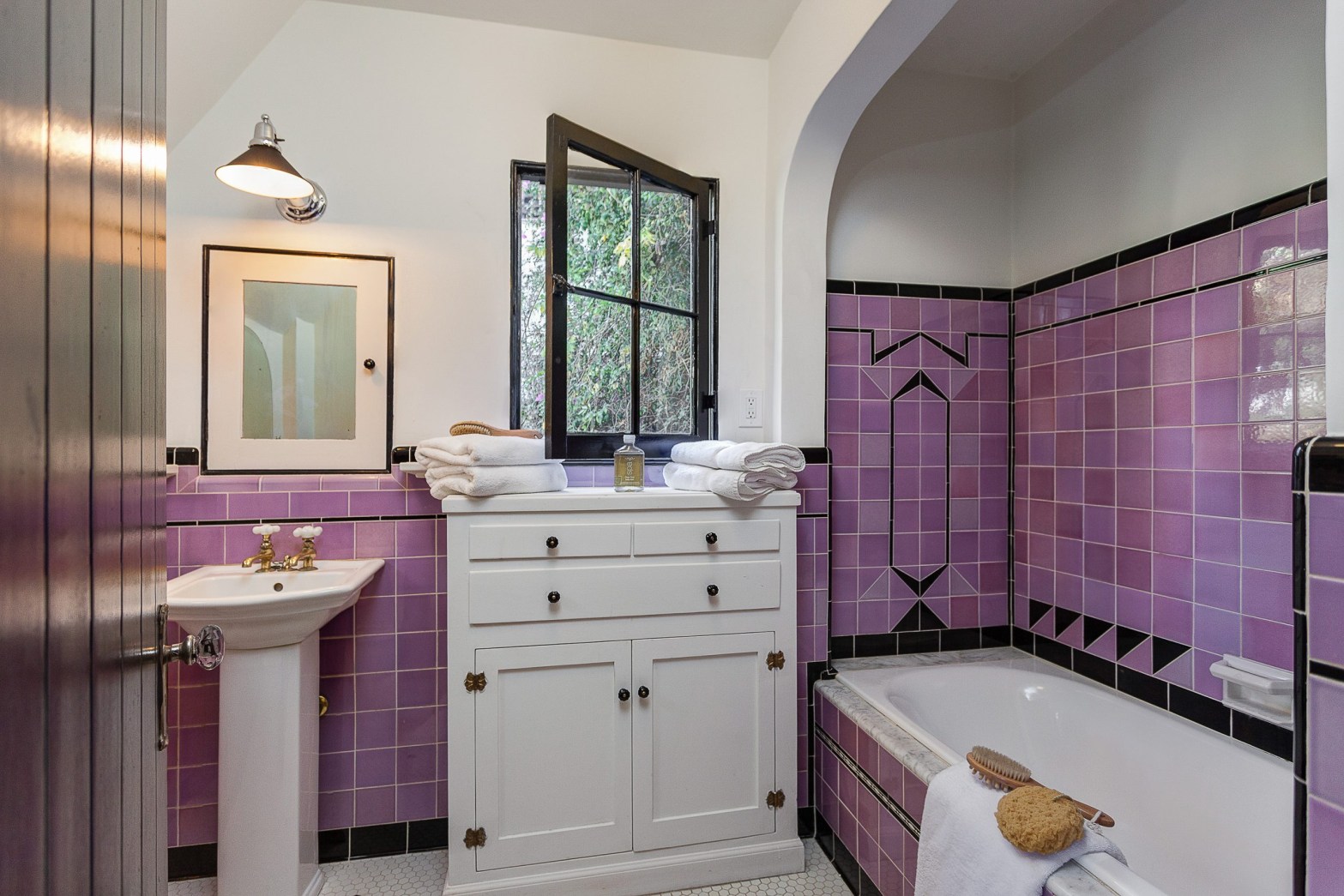
The Enduring Artistry of Vintage Tiles

9 of the Most Creative Ways to Decorate Your Home With Tiles — Ideas That Will Change How You Think About Tiling
How To: Replace Damaged Tile

7 tips for restoring heritage homes to their former glory

How to decorate with vintage tiles
Your Historic Tile Fireplace Could Be Worth Thousands!

L'esperance Tile Works: Sure-fired beauty

Can you plaster over tiles? The experts issue a surprising warning...

Tiles Unlimited of Queens has the latest 2016 trends and they’ll blow your mind


Tiling 102: The Bathroom Floor (Published 2013)