1/4
How to seal a butcher block countertop for a hygienic and attractive surface
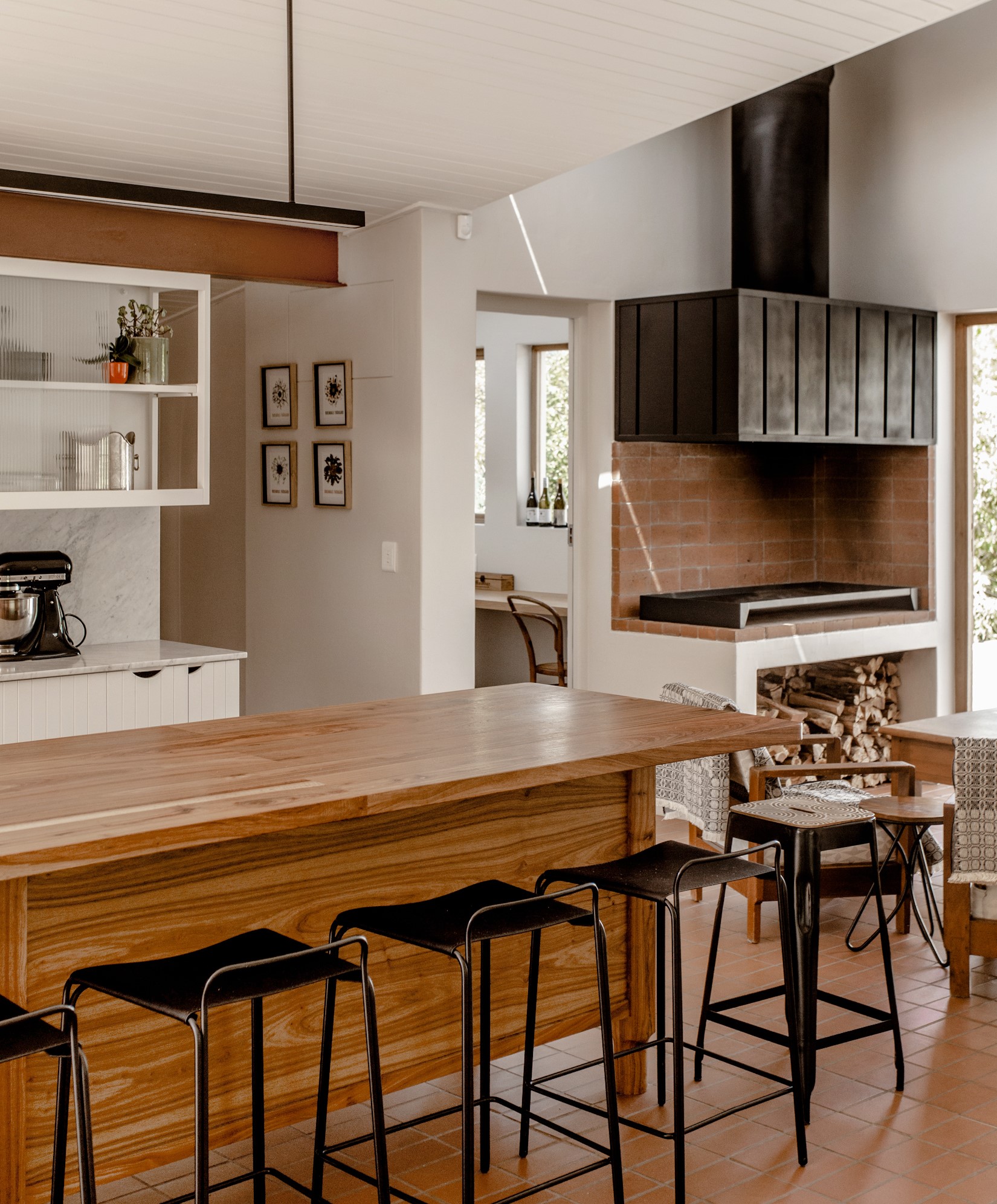
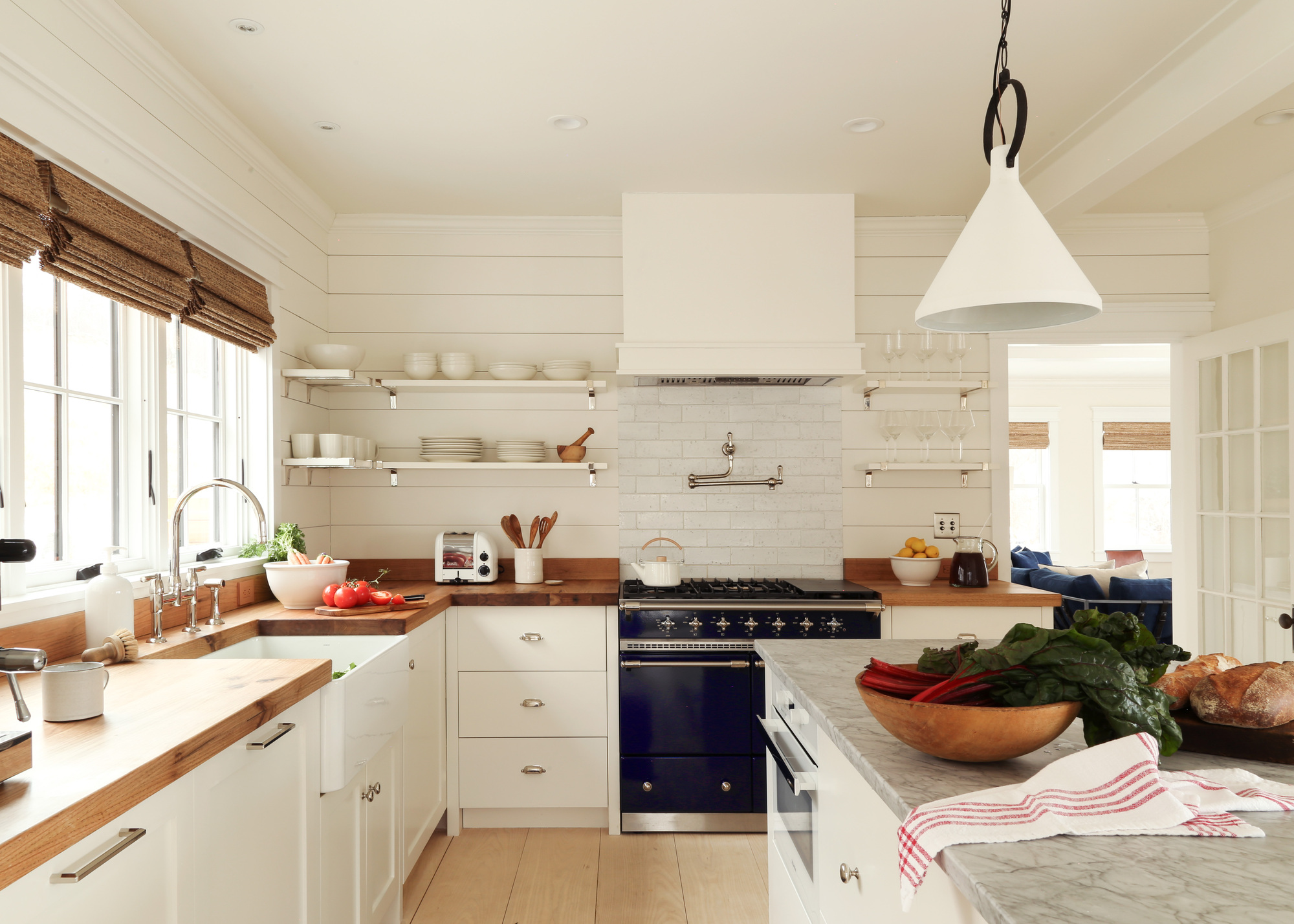
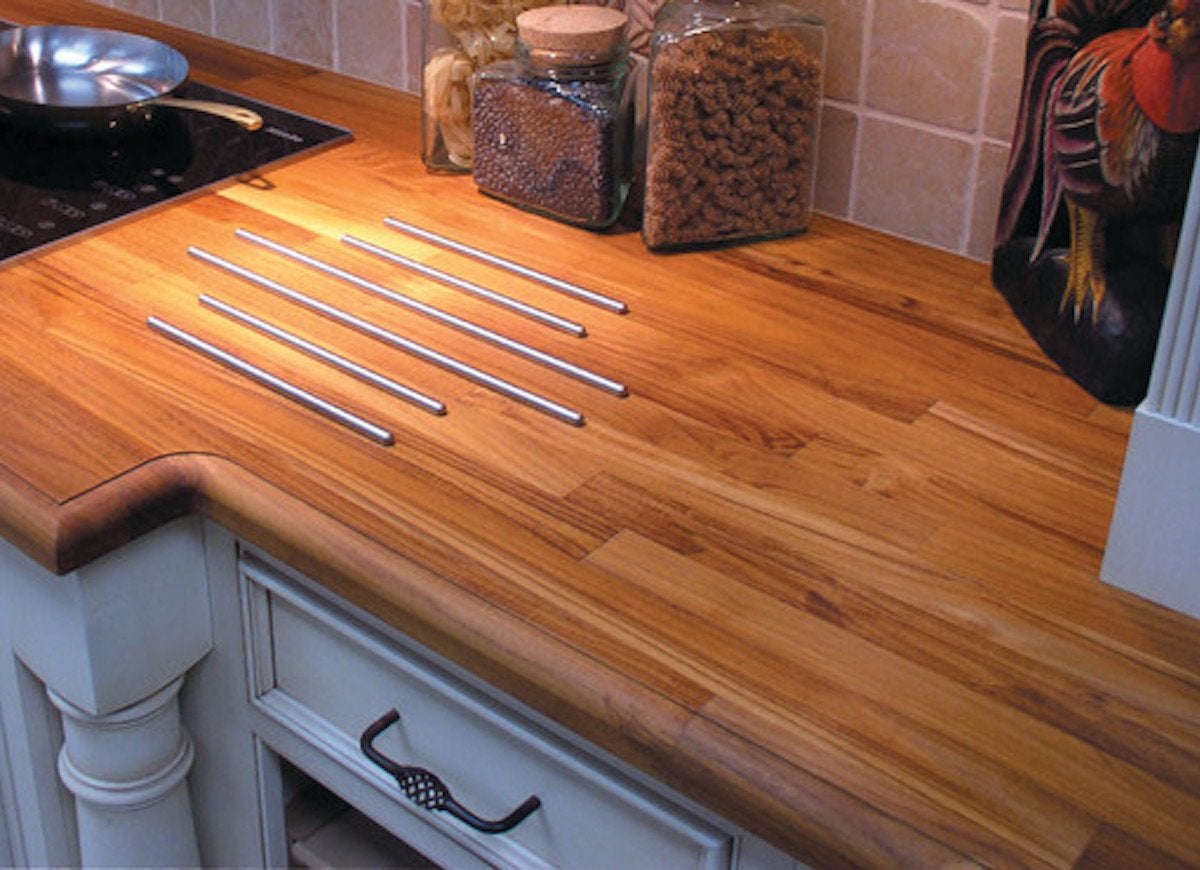
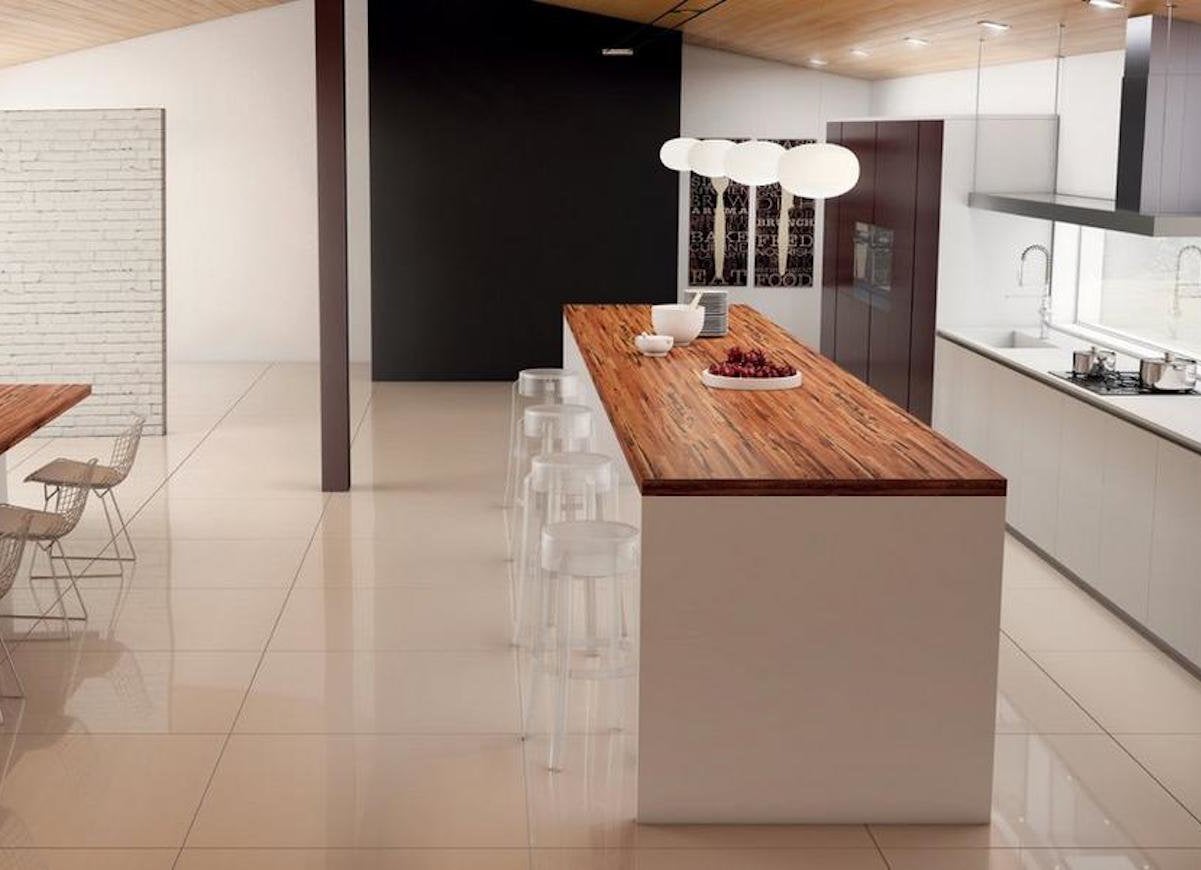
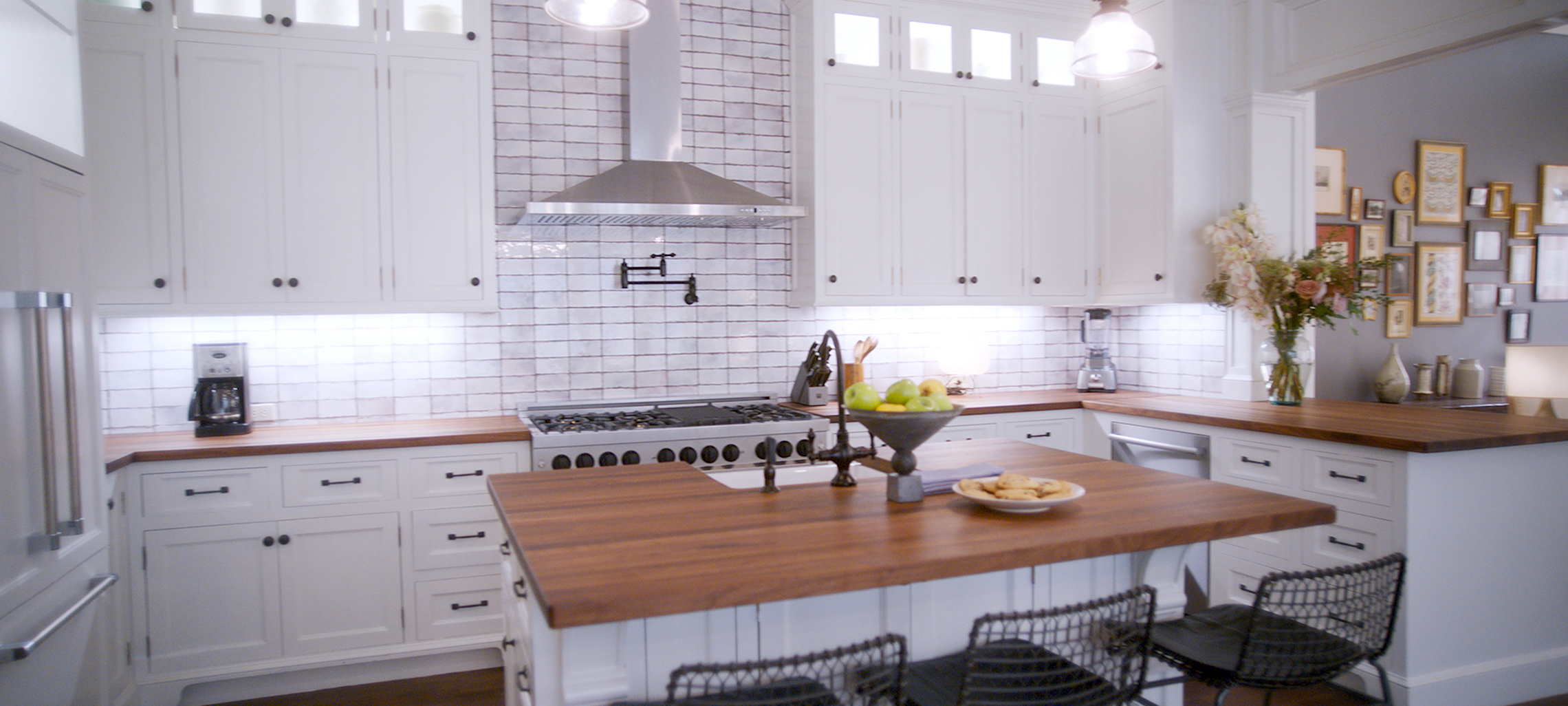
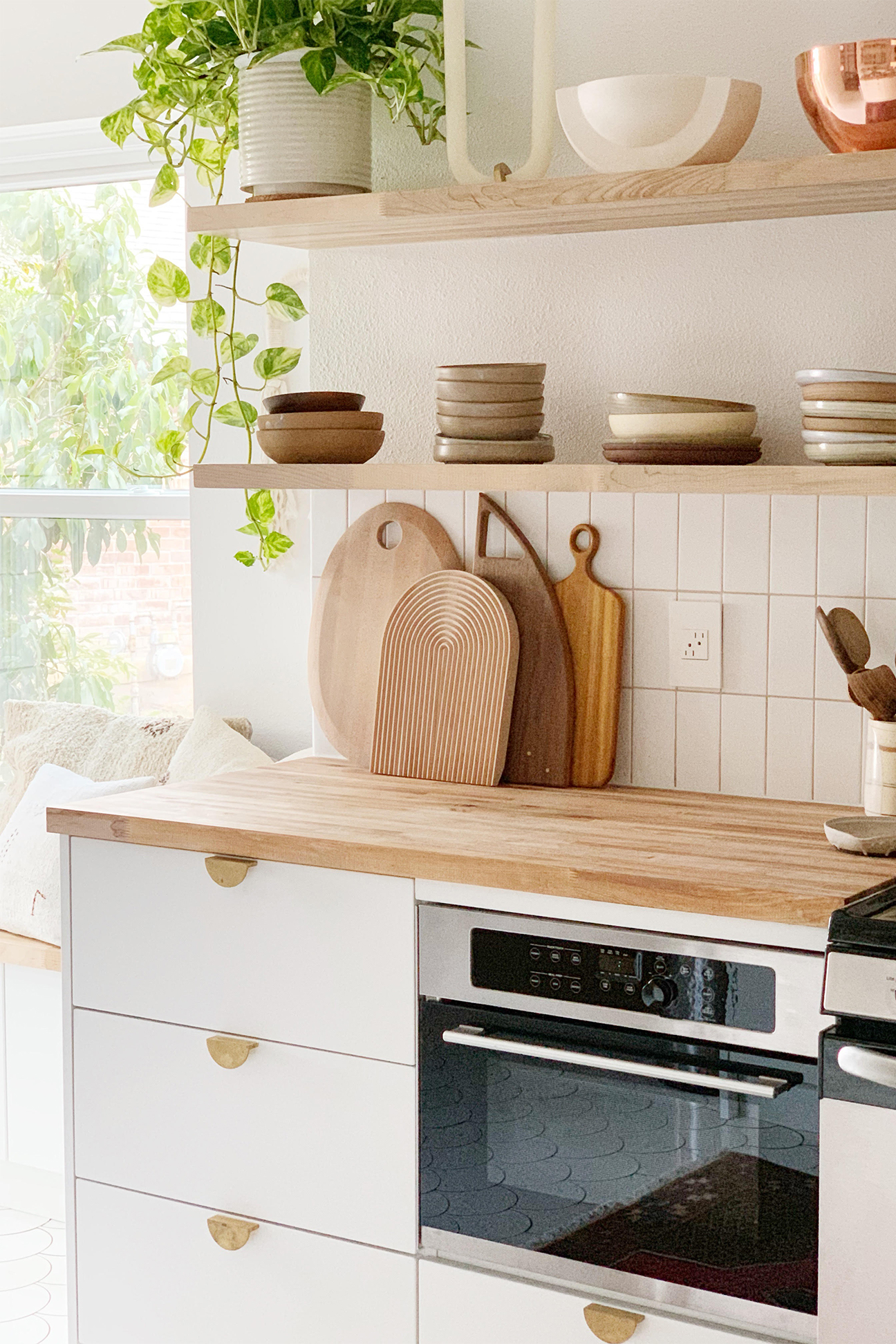
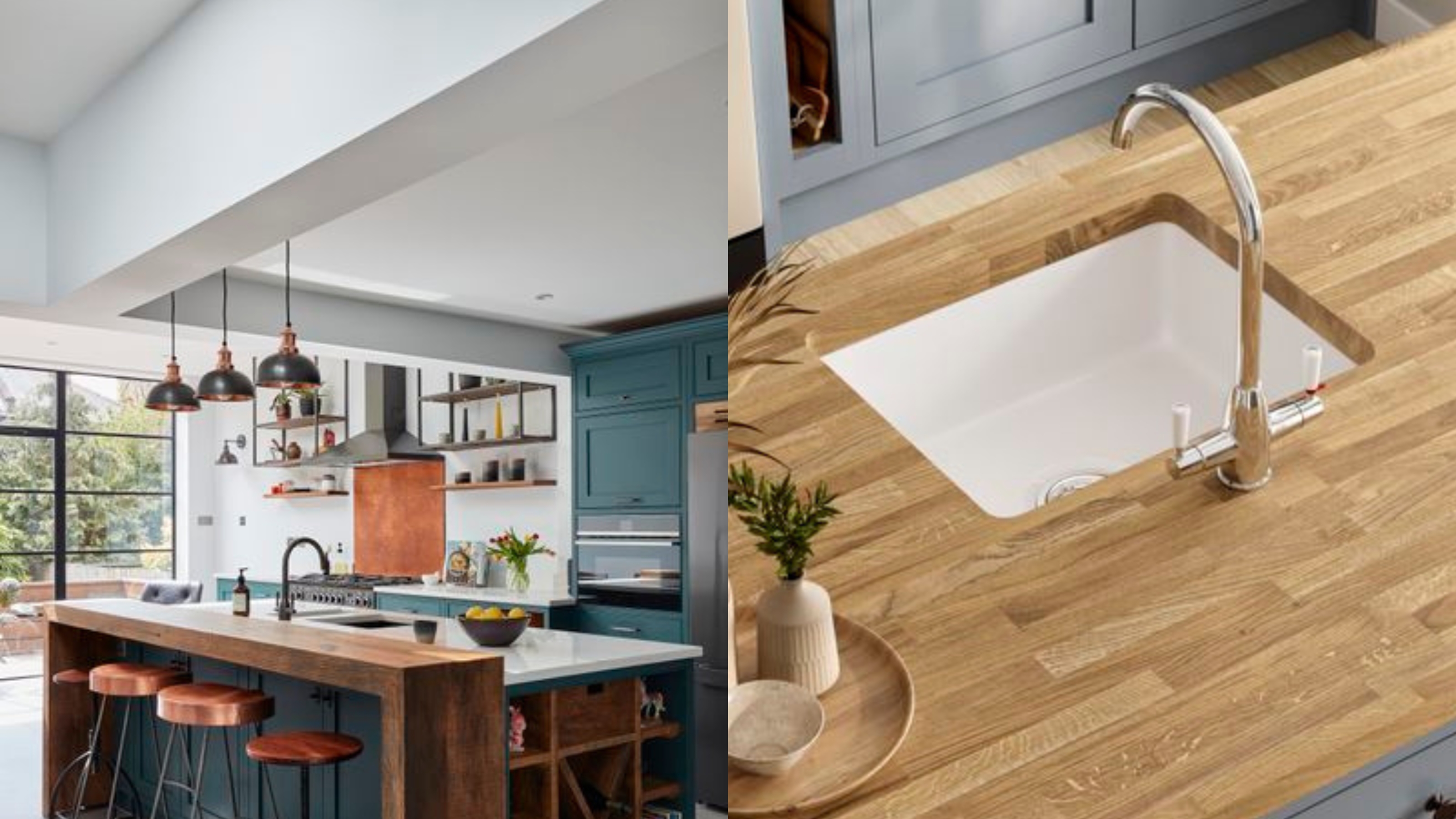
Butcher block countertops, valued for their natural aesthetic in kitchens, require proper sealing to maintain hygiene, prevent stains, and ensure durability. This article outlines the essential steps and product choices for sealing these surfaces, emphasizing their importance for longevity and appearance. While generally advisable to avoid cutting directly on modern butcher block countertops due to construction methods that can lead to fiber-raising and a 'fuzzy' feel, food-grade sealants are crucial if the surface is intended for food preparation.
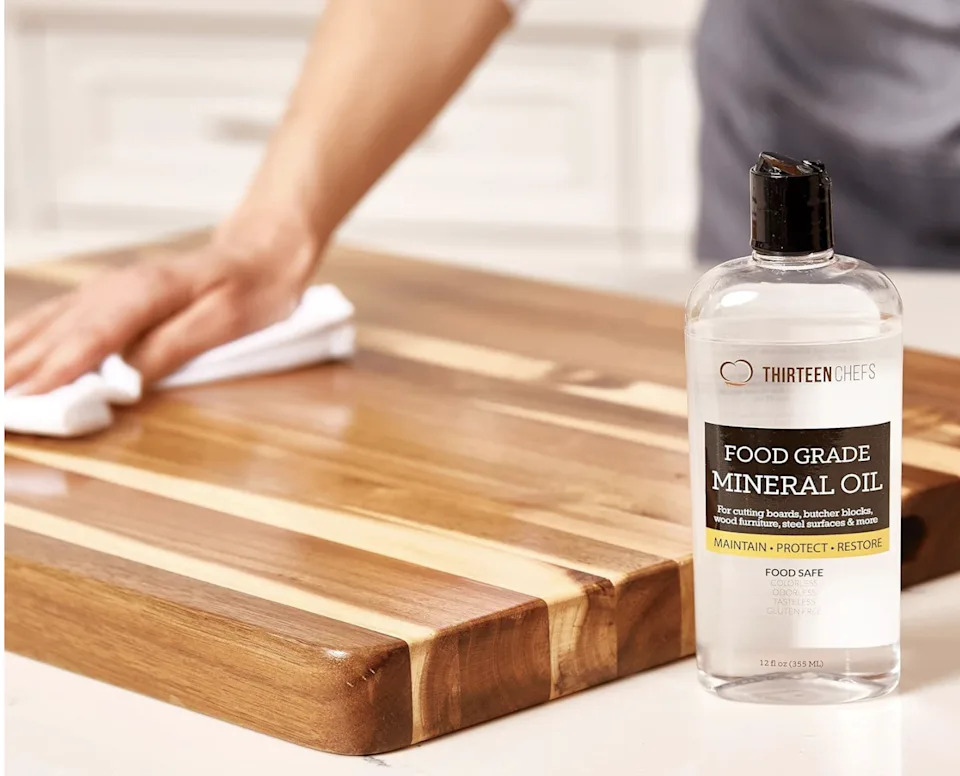
The article categorizes sealants into three main types: oil, wax, and film finishes. Oil-based sealants are further divided into evaporating and polymerizing oils. Evaporating oils, such as mineral, walnut, and coconut oil, penetrate the wood but require frequent reapplication. Initial sealing with evaporating oils may involve daily coats for a week, weekly coats for a month, and monthly coats for the first year, followed by semi-annual maintenance. Mineral oil is noted for its ease of use but necessitates weekly reapplication to maintain its rich finish and prevent cracking. Polymerizing oils, including tung oil, food-grade linseed oil (not boiled), jojoba oil, and grape seed oil, bond with the wood, sealing its pores more effectively. These oils require fewer applications, typically three coats applied 24 hours apart after buffing, offering easier maintenance and better stain resistance. Regardless of the oil type, it is critical to use food-safe products and avoid oils like olive or vegetable oil, which can go rancid.
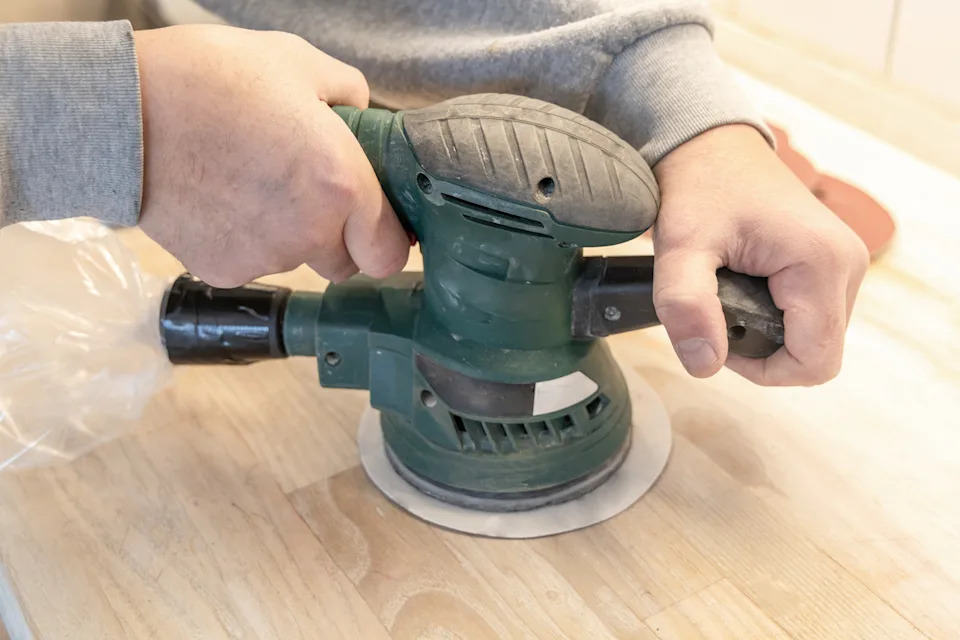
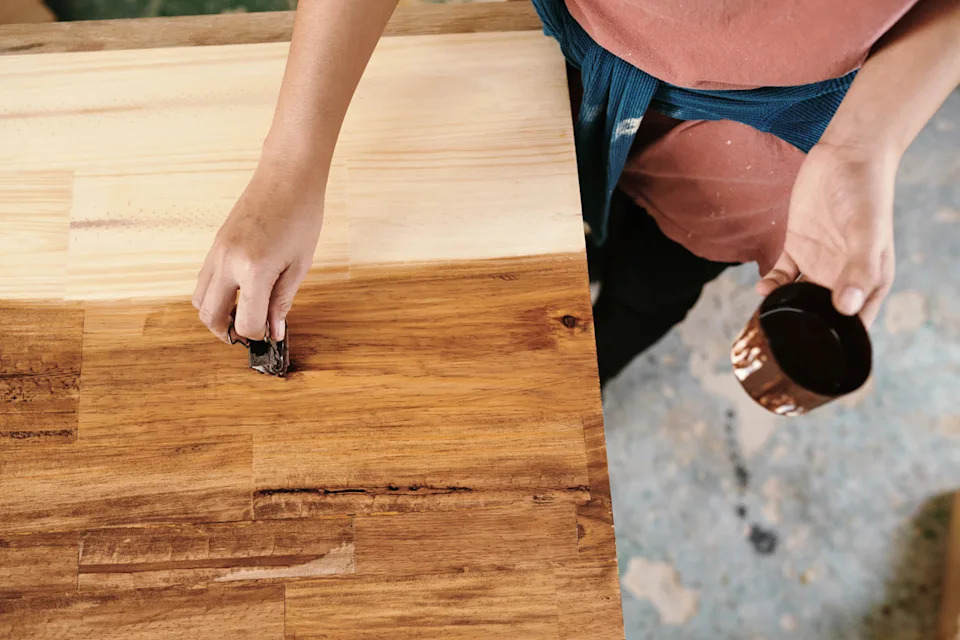
Film finishes, such as polyurethane and resin-modified oils, create a protective, plastic-like coating that prevents stains more effectively than oil. While most film finishes are considered non-toxic once fully cured, their application should be done in well-ventilated areas with personal protective equipment due to the presence of VOCs. Concerns about ingesting bits of the finish if cutting directly on the surface are noted. Application involves sanding the surface progressively from 120-grit to 400-grit sandpaper, always with the wood grain, before applying the finish according to manufacturer directions. Examples include Waterlox Original Sealer Finish, Zinsser Bulls Eye Shellac, and polyurethane, with the latter being suitable for areas with heavy water exposure like around sinks.
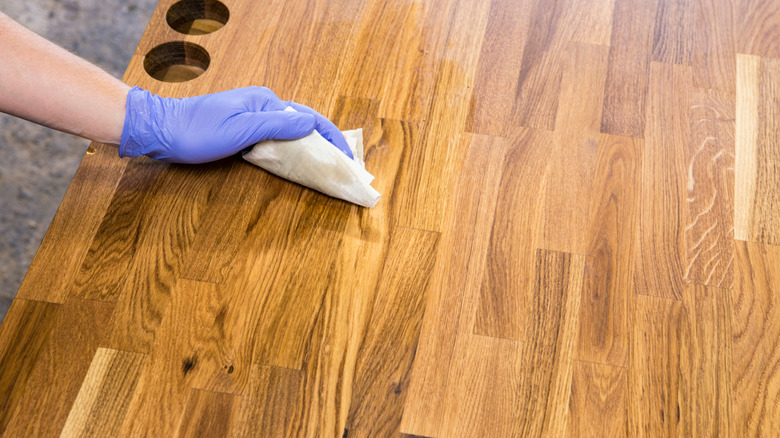
Wax finishes, particularly natural waxes like beeswax, offer a pleasing appearance and are often preferred for hard, ingredient-rich, oily, and dark woods such as cedar or mahogany. These are food-safe, non-toxic, and free of harmful VOCs, being less greasy than mineral oil and longer-lasting. They are applied by rubbing the wax into the countertop with a cloth. Some products combine beeswax with oil, enhancing water repellency.
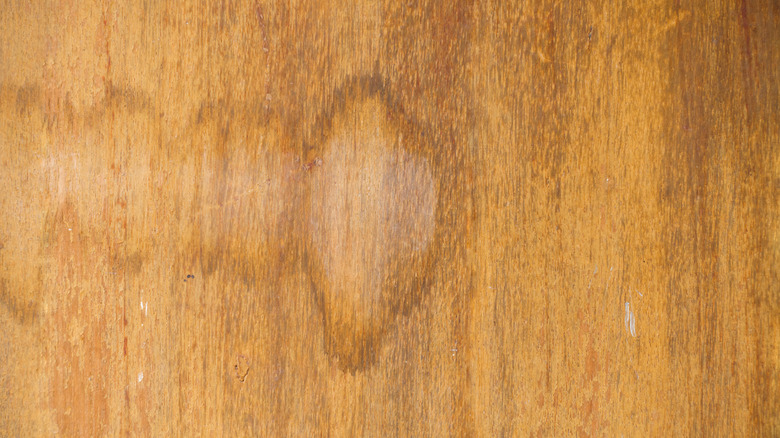
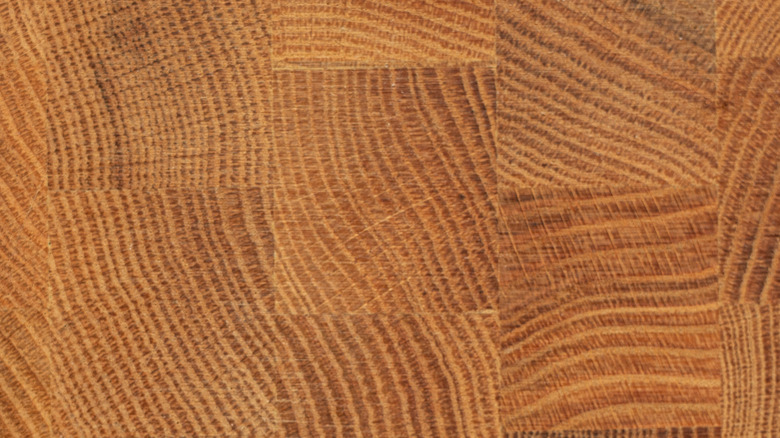
Key considerations for sealing butcher block include sticking to one type of finish, as mixing oil and film finishes can create problems. If changing finishes, the old one must be completely removed. Food-safe status for any sealant is only achieved after it is fully cured, which typically takes about 30 days. Regular cleaning with a hot soapy cloth and prompt removal of food waste are recommended to prevent stains. For already stained countertops, sanding can restore the wood before resealing. The construction of modern butcher block countertops, typically with long-grain exposed, makes them less suitable for direct cutting surfaces than traditional end-grain blocks, influencing sealant choice.
#ButcherBlockCountertop #CountertopSealing #KitchenMaintenance #WoodFinishes #DIYHomeImprovement #FoodSafety #InteriorDesign #HomeCare #ButcherBlockCountertop #CountertopSealing #KitchenMaintenance #WoodFinishes #DIYHomeImprovement #FoodSafety #InteriorDesign #HomeCare
0 comment in total
 No comments yet
You may also like
5 Things to Know About Sealing Butcher Block Countertops
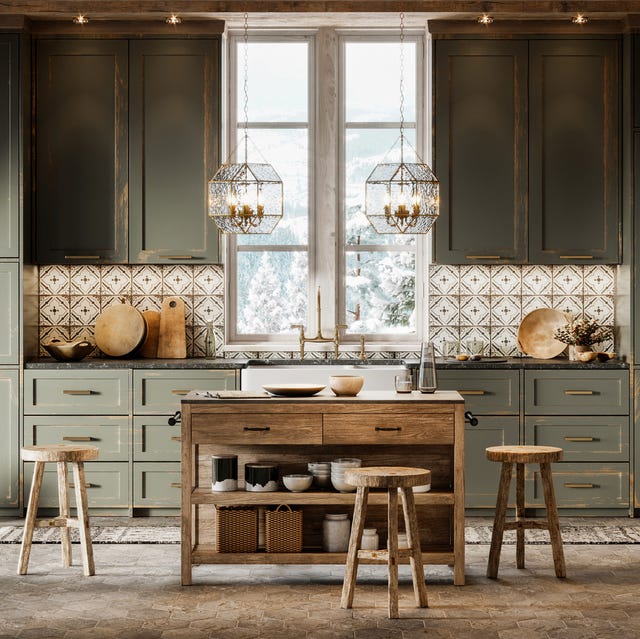
This Versatile Rolling Island Is a Small Kitchen Game Changer

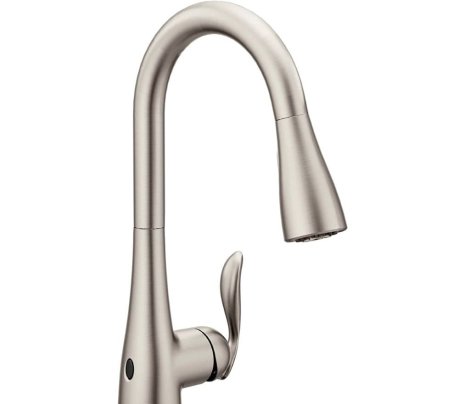
This Simple Kitchen Upgrade Helps Keep Germs From Spreading

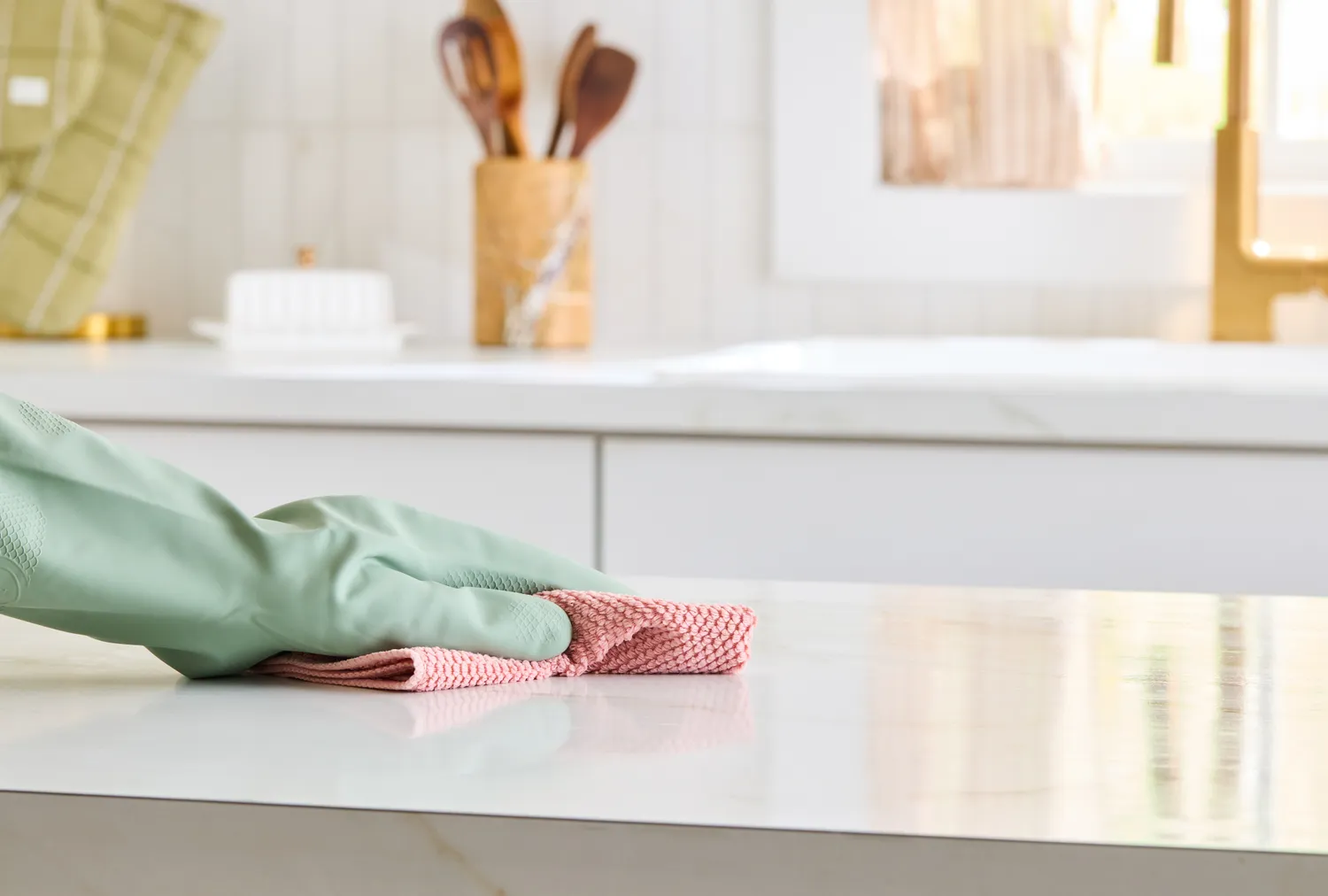
We Asked 3 Cleaning Pros to Share Their Easiest Tricks to Keep Countertops Cleaner for Way Longer


Are butcher block countertops durable? Yes - if you follow this expert low maintenance advice

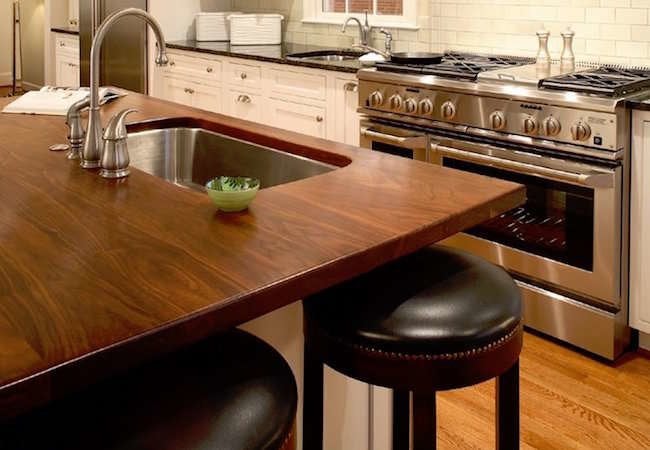
12 Wow-Worthy Woods for Kitchen Countertops
5 Countertop Colors That Instantly Hide Messes—And Look Great in Your Kitchen
How To Pick The Perfect Countertop Material For Your Kitchen

10 Unexpected Problems With Butcher Block Countertops, According To Experts

The Pros And Cons Of Butcher Block Countertops

Apparently, the Neighbors in Netflix’s The Watcher Hate This Kitchen Countertop Style


Seeking undetectable perfection, in the kitchen and the studio

What to Know About Your Butcher Block Countertop

The Best Granite Sealers for Countertop Maintenance

Are butcher's blocks the new kitchen island? Interior designers weigh in on this revived design feature


5 Problems With Tiled Backsplashes in Kitchens That No One Ever Talks About
9 Butcher Block Countertop Ideas That Make Working in the Kitchen Easy (and Easy on the Eyes)
Are Home Depot Butcher Block Countertops Worth Buying? Here's What Buyers Say

5 cleaning myths that will damage your countertops – and what to do instead
The One Cleaning Product That’s Ruining Your Countertops, Experts Warn