1/3
Solved! What Size Bathroom Fan Best Supports Your Space
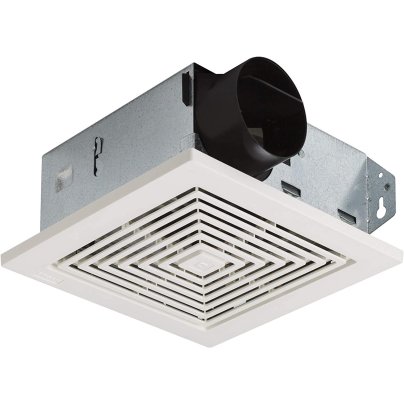
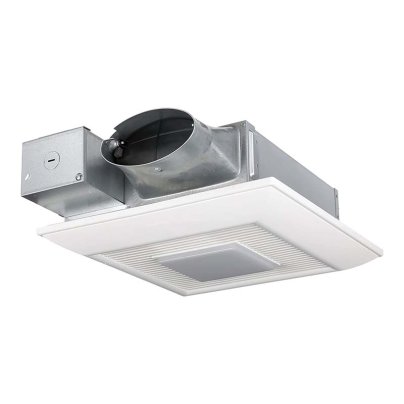
Selecting the appropriate bathroom ventilation fan is crucial for maintaining a healthy and damage-free bathroom environment, especially in older homes lacking proper ventilation. Excessive humidity from showers can lead to fogged mirrors, wet walls, and ultimately, damage to cabinets and wallpaper. Modern bathroom fans have evolved significantly from earlier, less efficient models, offering specialized features and improved performance tailored to specific bathroom sizes and needs.
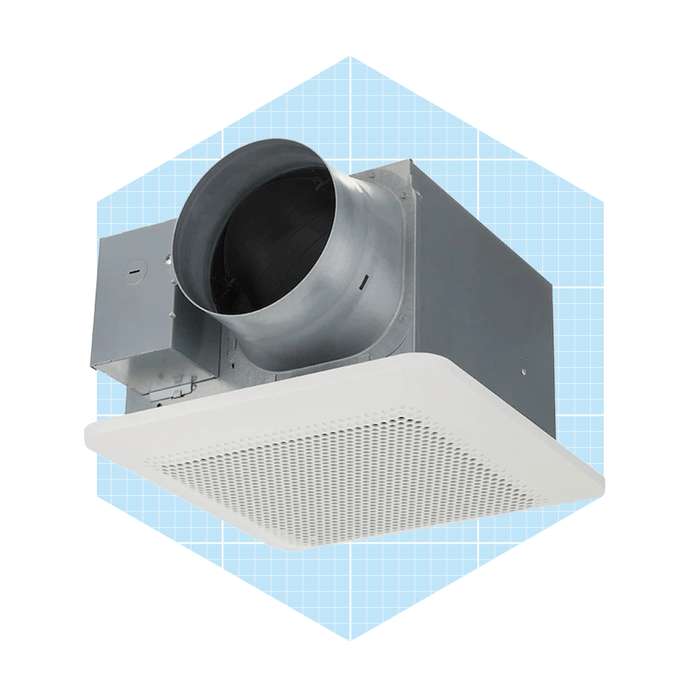
When choosing a bathroom fan, the most important metric is its CFM (cubic feet per minute) rating. This value indicates the volume of air the fan can move and directly correlates with the size of the bathroom. An effectively sized fan should facilitate at least eight air exchanges per hour, ensuring constant air refreshment. For bathrooms under 100 square feet, a simple rule of thumb applies: one CFM for every square foot of floor area. For instance, an 80-square-foot bathroom would require an 80 CFM fan.
Bathrooms with high ceilings (above the standard 8 feet) necessitate a more complex CFM calculation. For an 80-square-foot bathroom with a 10-foot ceiling, the calculation involves multiplying the square footage by the ceiling height (80 x 10 = 800), dividing by 60 (minutes in an hour) to get 13.33 (rounded up to 14), and then multiplying by 8 (target air exchanges per hour), resulting in a requirement of at least 112 CFM. For larger fans, consider pairing them with a variable speed control to adjust fan power as needed.
For bathrooms exceeding 100 square feet, the CFM requirement is determined by summing the CFM values assigned to each fixture present: 50 CFM for a toilet, 50 CFM for a standard bathtub, 50 CFM for a shower, and 100 CFM for a jetted or spa tub. A large master bathroom with a jetted tub, toilet, and shower would therefore need a 200 CFM fan. If an exact match is unavailable, opting for a slightly higher CFM fan is recommended.
Enclosed areas within a bathroom, such as shower stalls or toilet compartments with floor-to-ceiling walls and doors, require separate ventilation. These enclosures prevent the main bathroom fan from effectively circulating air. A small, additional 50 CFM fan is typically sufficient for such spaces. When installing a fan directly above a shower, it must be rated for wet areas and connected to a GFCI outlet or breaker for safety.
Noise levels, measured in sones, are another important consideration. Modern fans range from 0.3 to 4 sones, with lower ratings indicating quieter operation. A 1-sone fan is comparable to a quiet refrigerator, while ratings below 1 sone are barely audible. Do not sacrifice appropriate CFM for a quieter fan, as many high-CFM models are also designed for quiet operation.
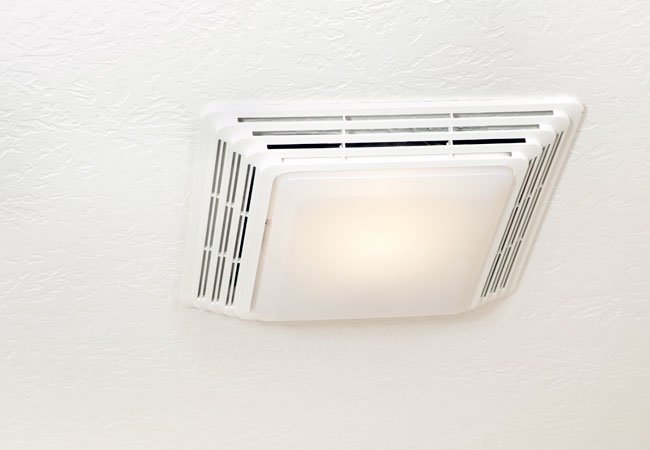
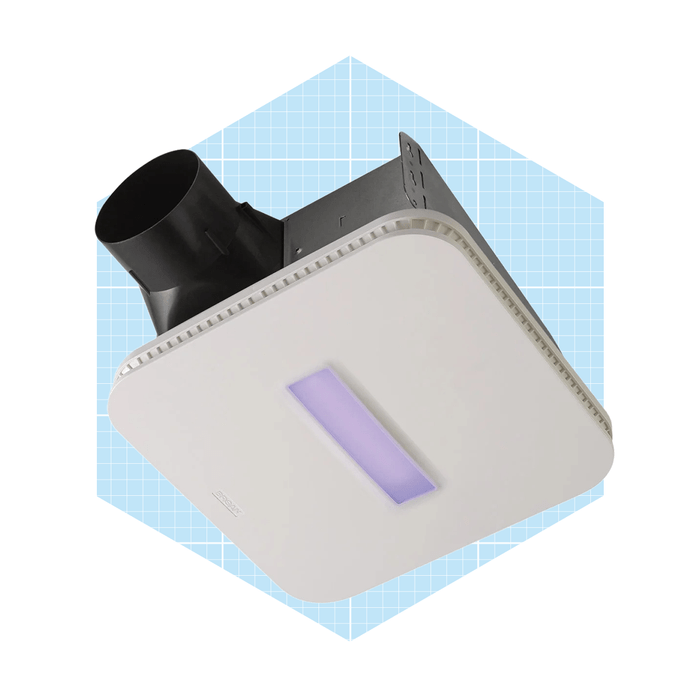
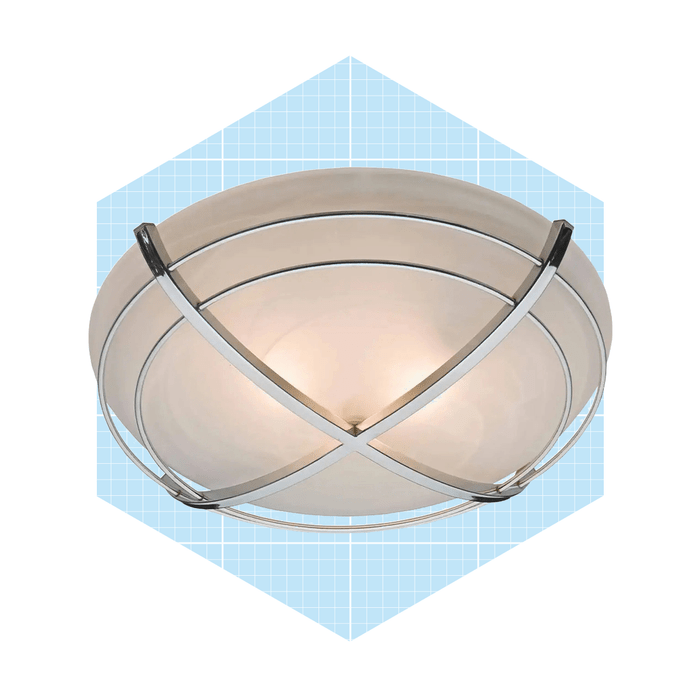
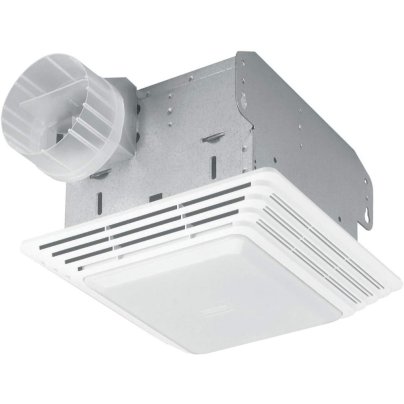
For homes without existing ventilation, a fan/light combo can simplify installation by replacing an overhead light fixture. These units can offer both standard lighting and night lights, enhancing convenience. Beyond basic ventilation, contemporary bathroom fans offer advanced features such as built-in heaters for comfort on cold mornings or integrated Bluetooth speakers for an enhanced audio experience during routines. These innovations provide both functional and aesthetic benefits, making the choice of a bathroom fan an opportunity to upgrade the overall bathroom experience.
#BathroomFan #Ventilation #CFMCalculation #HumidityControl #HomeImprovement #BathroomDesign #SoneRating #SmartHomeFeatures #DIYInstallation #BathroomFan #Ventilation #CFMCalculation #HumidityControl #HomeImprovement #BathroomDesign #SoneRating #SmartHomeFeatures #DIYInstallation
0 comment in total
 No comments yet
You may also like
Vetted: The Best Bathroom Fans for Moisture and Humidity Control
The Best Pedestal Fan


Ceiling fans 101: a guide to choosing the right one

Bathroom Fan Venting Code Basics


8 Best Bathroom Exhaust Fans of 2025

Our Editor Recommendations for Ceiling Fans Can Supplement or Even Replace an A/C

Using large diameter ceiling fans to improve indoor comfort

The 16 best ceiling fans for extra airflow in 2023, plus expert tips

The Best Ceiling Fans For Each Room Of Your Home
Best Bathroom Exhaust Fans of 2025
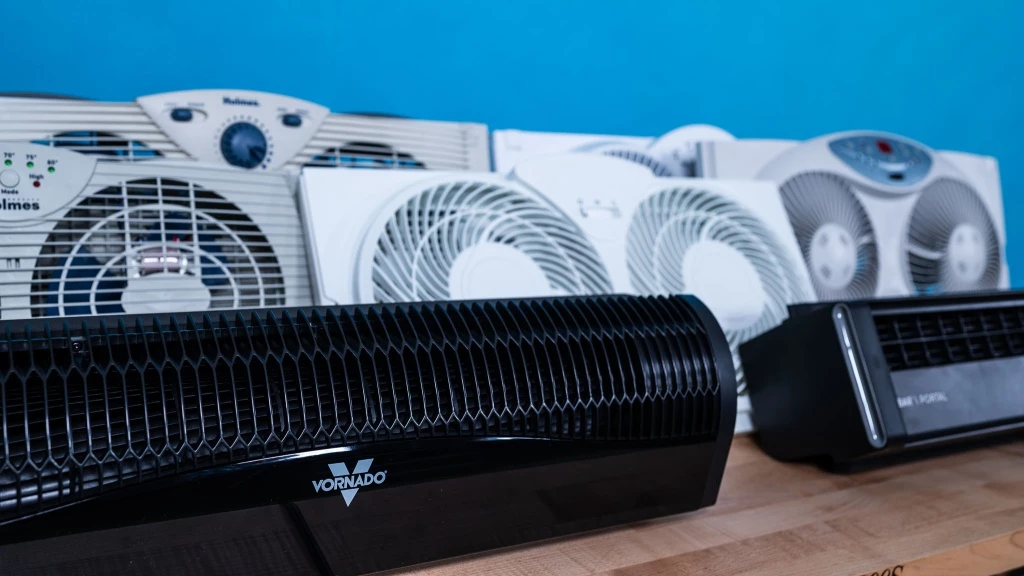
The Best Window Fan
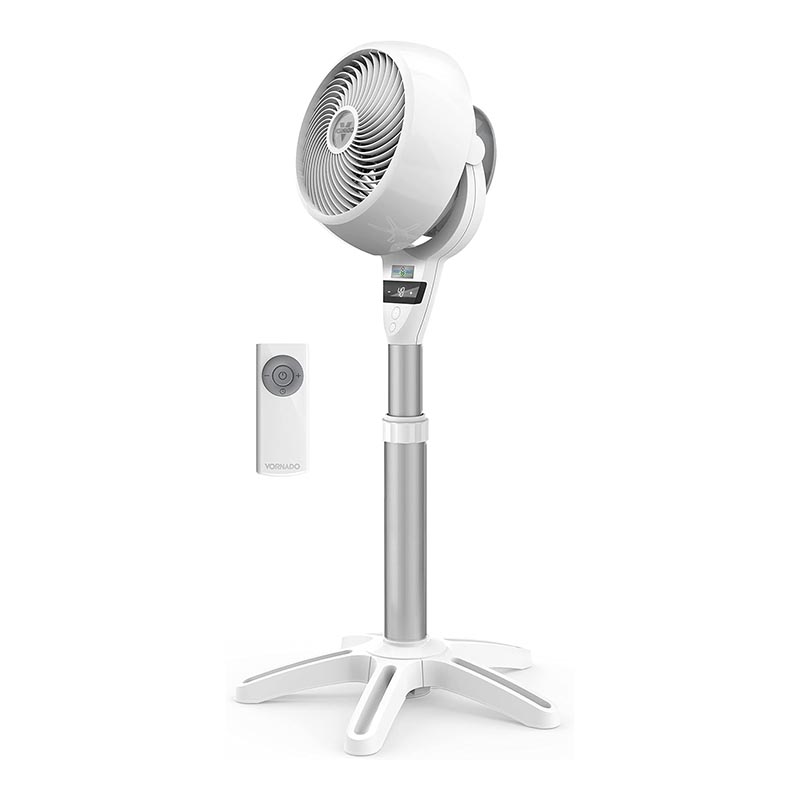
We Researched 30+ Pedestal Fans, and Our Favorite Circulates Air Like a Ceiling Fan
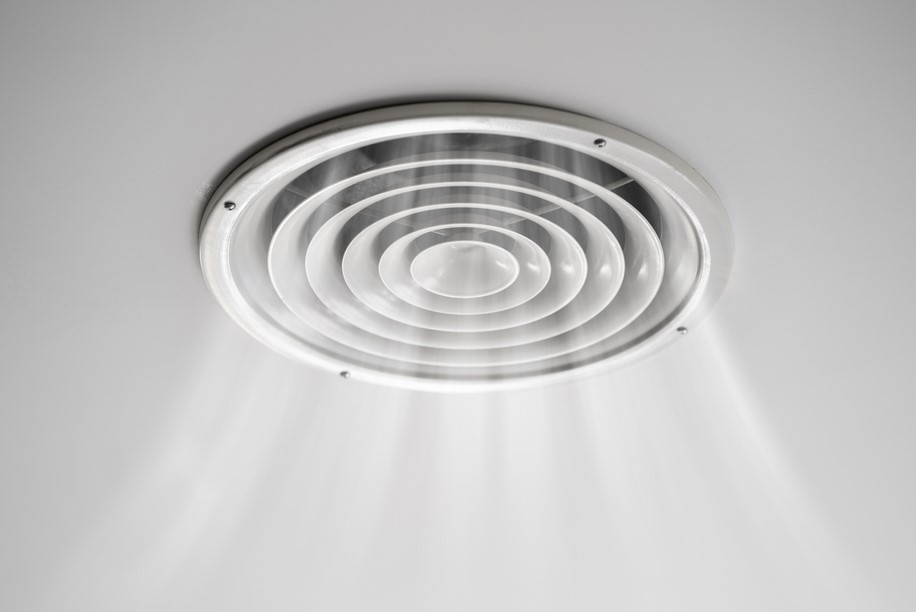
Recommendations for internal bathroom ceiling ventilation fan?


The 16 best ceiling fans for extra airflow, plus expert tips
The Best Ceiling Fans for a Breezy, Comfortable Home
Here’s what to look for when buying a new fan — from ceiling fans to handhelds


How to choose the best ceiling fans for your home

Make It Nice: Ceiling Fans And Tricky Layouts
The Best Box Fans for Any Room in Your Home, Tested

Invest in a ceiling fan to keep your cool this summer