Using large diameter ceiling fans to improve indoor comfort
This article explores how advancements in air conditioning systems, particularly the integration of high-volume, low-speed (HVLS) fan technology, have significantly enhanced indoor air quality and comfort in aquatic facilities. Over recent decades, several factors, including the type of chlorine used, municipal water supply variations, and evolving heating, ventilation, and air conditioning (HVAC) demands, have influenced the way indoor air is conditioned. These elements collectively impact air quality and facility comfort, irrespective of the season or location. Traditional HVAC systems can contribute to poor indoor air quality (IAQ) if not properly ventilated. However, the introduction of sophisticated ventilation systems combined with HVLS fan technology now facilitates the creation of more favorable and cost-effective environments for swimmers, coaches, and spectators.
Achieving uniform temperatures and effective ventilation in large natatoriums often proves challenging with conventional air handling systems due to the vastness of these spaces. The strategic incorporation of large fans helps to decouple air distribution from the primary HVAC system, enabling low-energy air circulation. This, in turn, boosts the efficiency of the ventilation provided. The design and operation of indoor aquatic facilities increasingly emphasize energy conservation and meticulous engineering. To align with contemporary standards, both new and existing facilities frequently require renovation. Facility managers are actively seeking energy conservation opportunities, particularly by integrating HVAC efficiencies, to mitigate high energy costs.
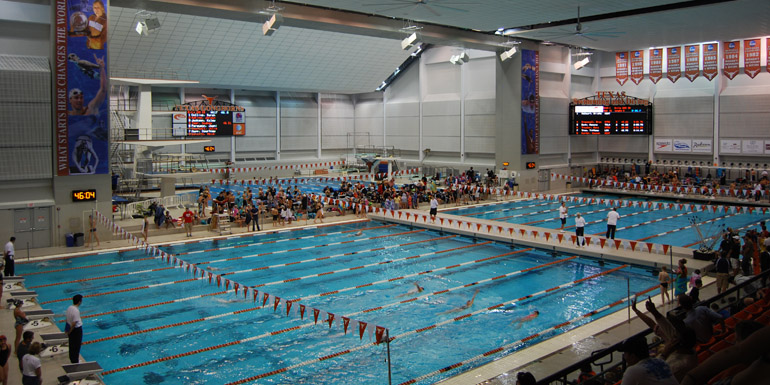
An exemplary case is the swimming center at the University of Texas (UT Austin), originally constructed after the 1972 Summer Olympics. This facility, renowned for its large indoor natatorium, including a 2.7-meter (9-foot) deep competitive pool and an adjacent dive pool, necessitated significant upgrades to its air quality control three decades later. The unique requirements for maintaining a superior environment led to the development of an innovative system. This system efficiently managed chloramines within the space while simultaneously utilizing waste energy to ensure comfort.
Shawn Allen, a mechanical engineer and LEED AP with Jose I. Guerra, Inc., who spearheaded the project, noted the substantial challenge of air movement given the Olympic-sized swimming areas and specific parameters set for athletes. A primary concern was the potential formation of chloramine bubbles at the water's surface, particularly in the breathing zone. Consequently, dispersing this gas became a critical objective during the initial project phases. The renovation involved a complete overhaul of the ventilation system. This was achieved through the application of computational fluid dynamics (CFD), a computer simulation of airflow, and building information modeling (BIM). These tools were instrumental in identifying the optimal system to provide both comfort and improved air quality. Allen further explained that CFD and BIM allowed for the creation of a spatial model to establish airflow patterns and velocity profiles. This optimized air movement while simultaneously minimizing evaporation and preventing negative cooling effects on athletes.
As a direct outcome of these efforts, the UT Austin facility implemented carbon gas-space filtration and significantly increased the intake of outside air, moving away from simple recirculation. Charles Logan, UT Austin's facility director, confirmed that fans were also installed throughout the pool complex to support this process. Logan detailed the operational strategy: "We have a daily setting for these fans, but at night when the facility isn’t being used, three things happen: release valves open in the building; fans operate at full speed; and 100 percent outside air is brought in to flush out the air that circulated throughout the day." This comprehensive approach highlights the innovative measures taken to enhance air quality and comfort in large aquatic environments.
#HVAC #AquaticFacility #IndoorAirQuality #HVLSFanTechnology #EnergyConservation #NatatoriumDesign #VentilationSystems #ChloramineControl #BuildingInformationModeling #HVAC #AquaticFacility #IndoorAirQuality #HVLSFanTechnology #EnergyConservation #NatatoriumDesign #VentilationSystems #ChloramineControl #BuildingInformationModeling
0 comment in total
 No comments yet
You may also like
The Best Ceiling Fans for a Breezy, Comfortable Home

We Spent 1,200 Hours Testing Which Ceiling Fans Are the Most Cooling — These Are Our Winners
The 16 best ceiling fans for extra airflow in 2023, plus expert tips
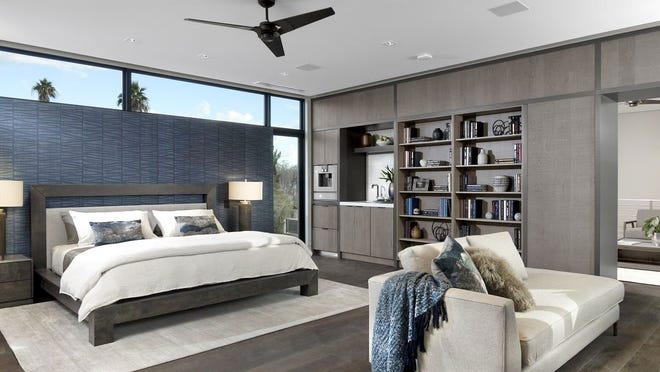
Bedroom ceiling fans: Here's what you need to know

The Best Ceiling Fans to Keep You Cool All Year Round

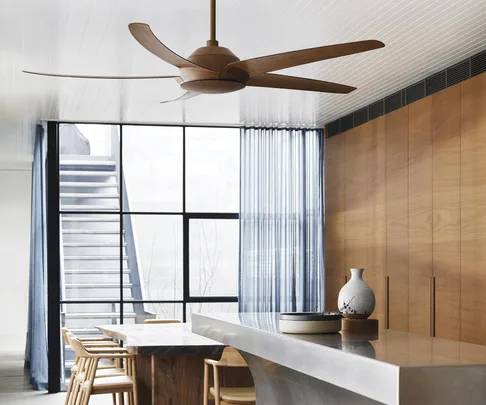
Ceiling fans 101: a guide to choosing the right one

The ultimate guide to choosing the perfect ceiling fan: Top 10 picks in November 2023 - Hindustan Times

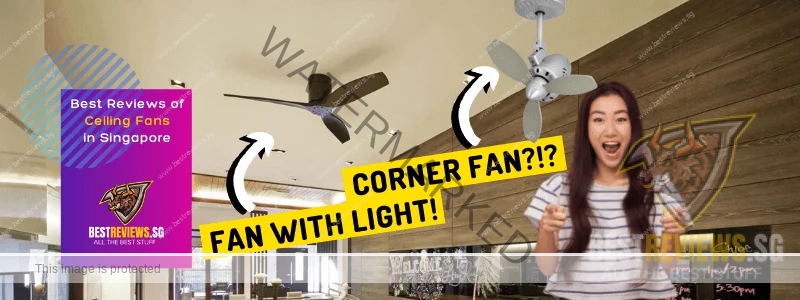
11 Ceiling Fans in Singapore with Lights, Smart Tech, Bladeless and Small Options (2025)
The Best Ceiling Fans For Each Room Of Your Home
The 10 Best Ceiling Fans We’ve Tested Firsthand—And Actually Recommend—for Cooler Rooms Year-Round
16 Best Ceiling Fans You Can Buy Online Right Now

Not a Fan? Seven Ceiling Fan Options For All You Haters

The ultimate guide to choosing the perfect ceiling fan: Top 10 picks in November 2023 | Hindustan Times
Our Editor Recommendations for Ceiling Fans Can Supplement or Even Replace an A/C
The 16 best ceiling fans for extra airflow, plus expert tips
There's a Cool Ceiling Fan for Every Vibe and Budget

Ceiling Fans—A Stylish Way to (Literally) Beat the Heat

Ceiling fans: A new spin on cooling your home | Home and Garden | Life

10 Modern and Best Ceiling Fans For Home In India 2024

Keep Cool All Year Long With These 7 Ceilings Fans, Tested by BHG