Why always white trim? These designers are breaking the mold.
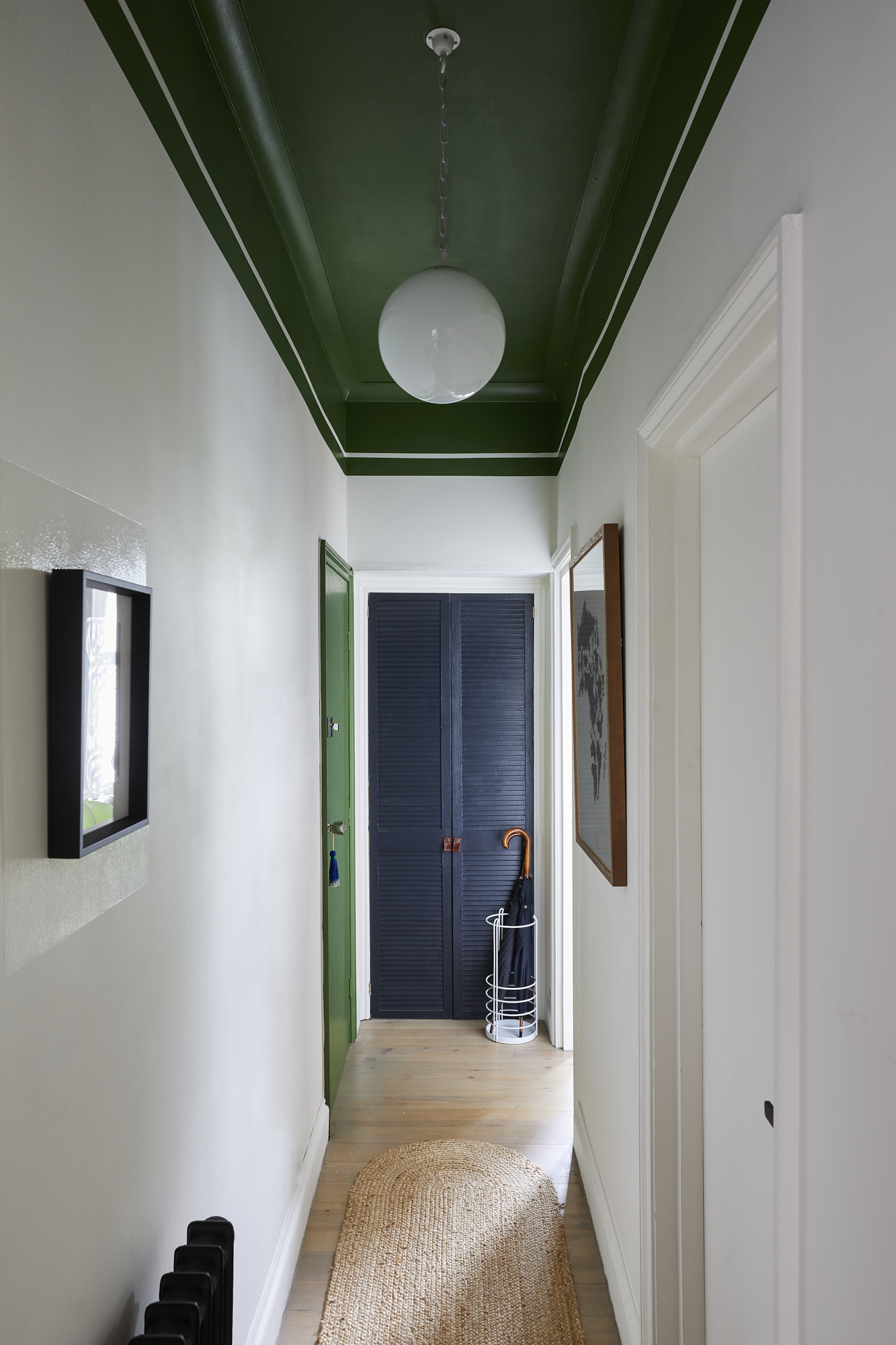
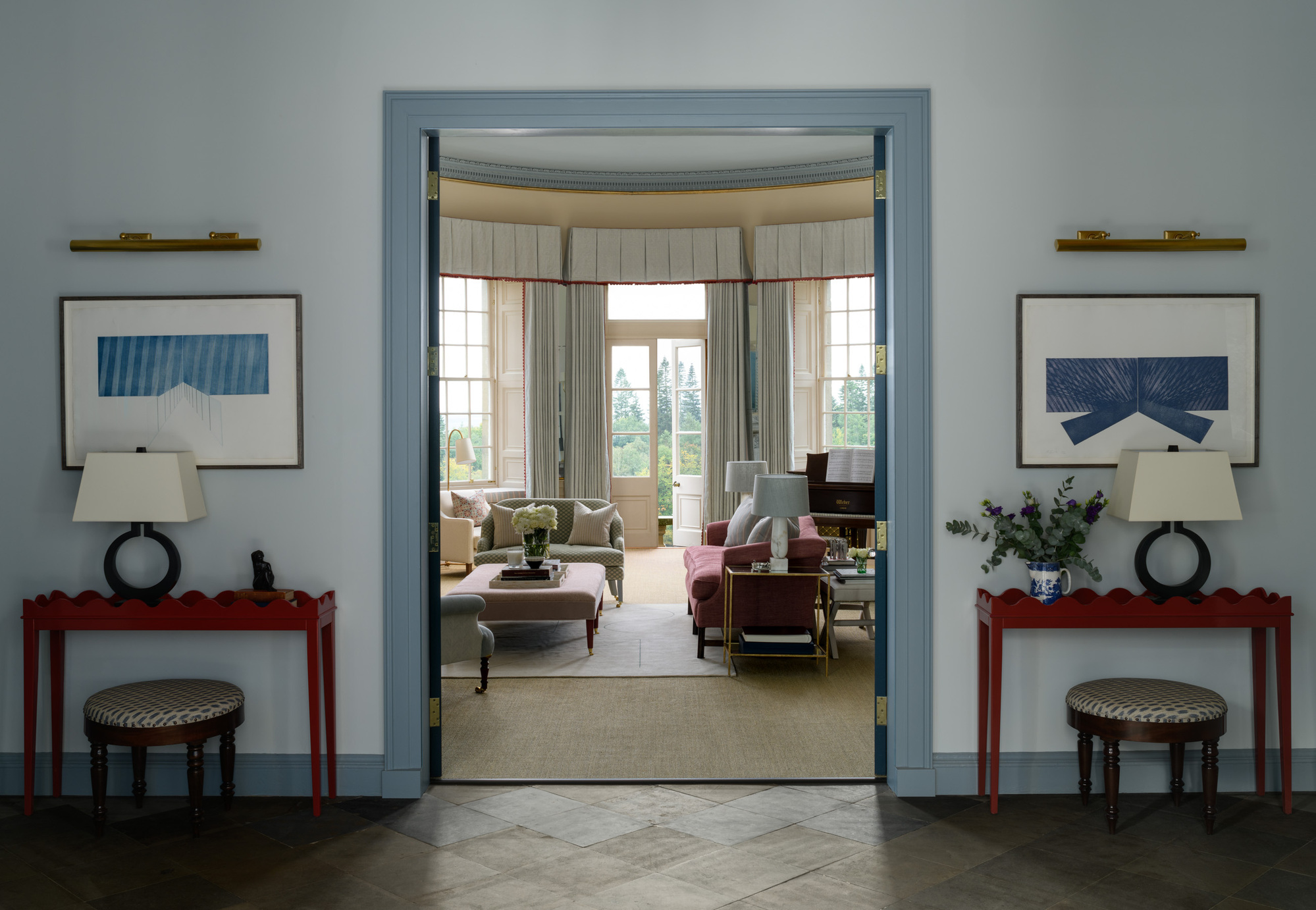
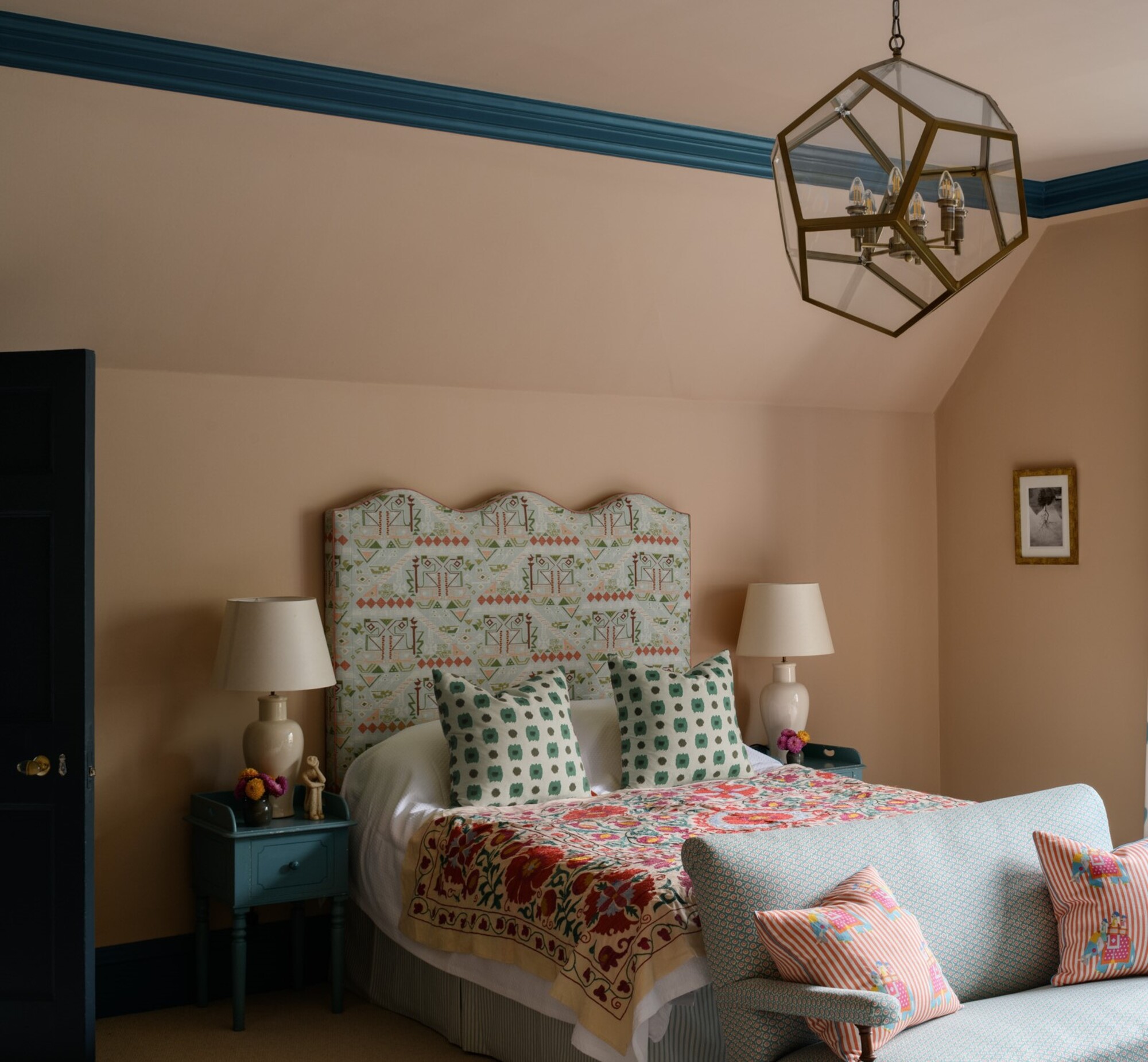
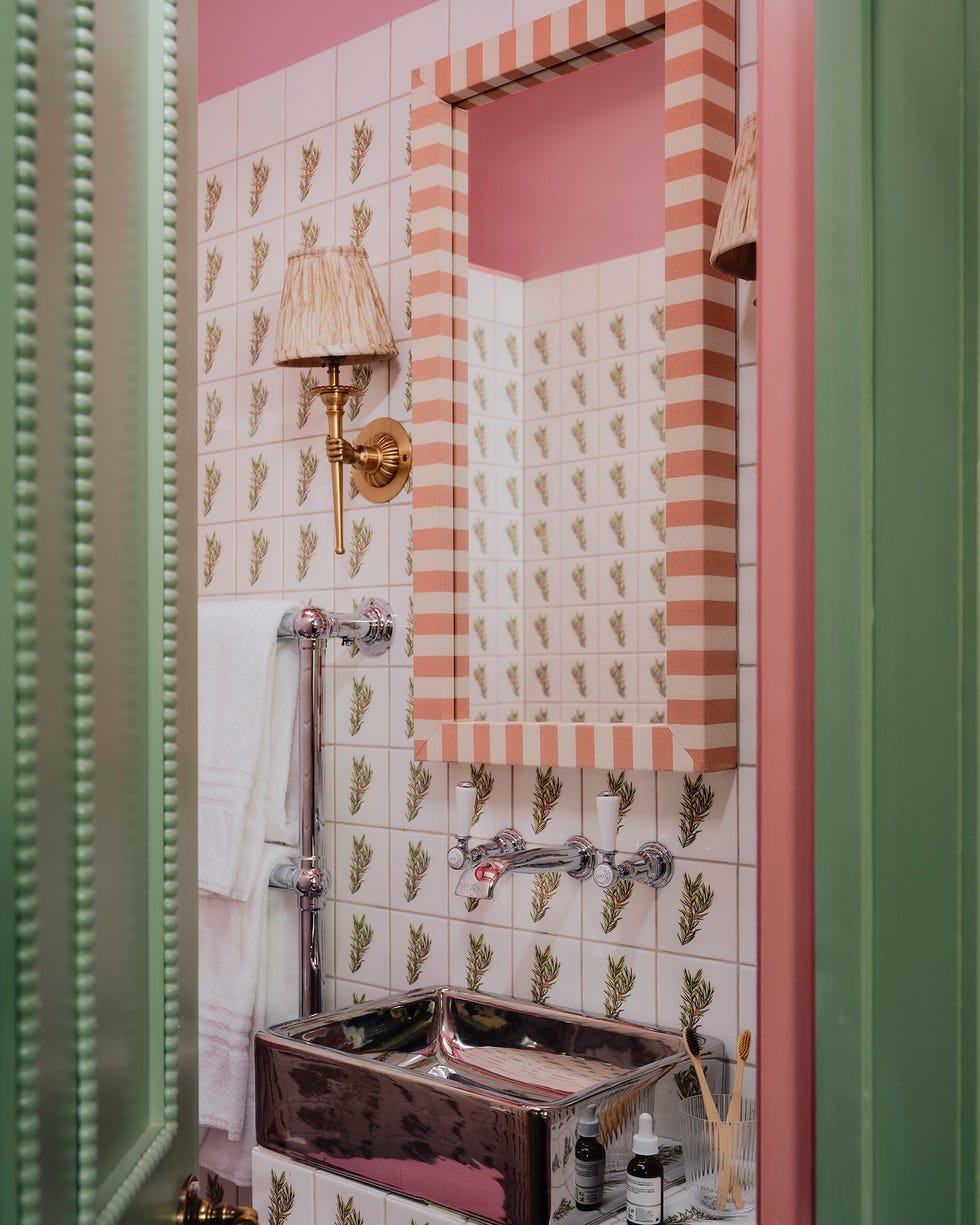
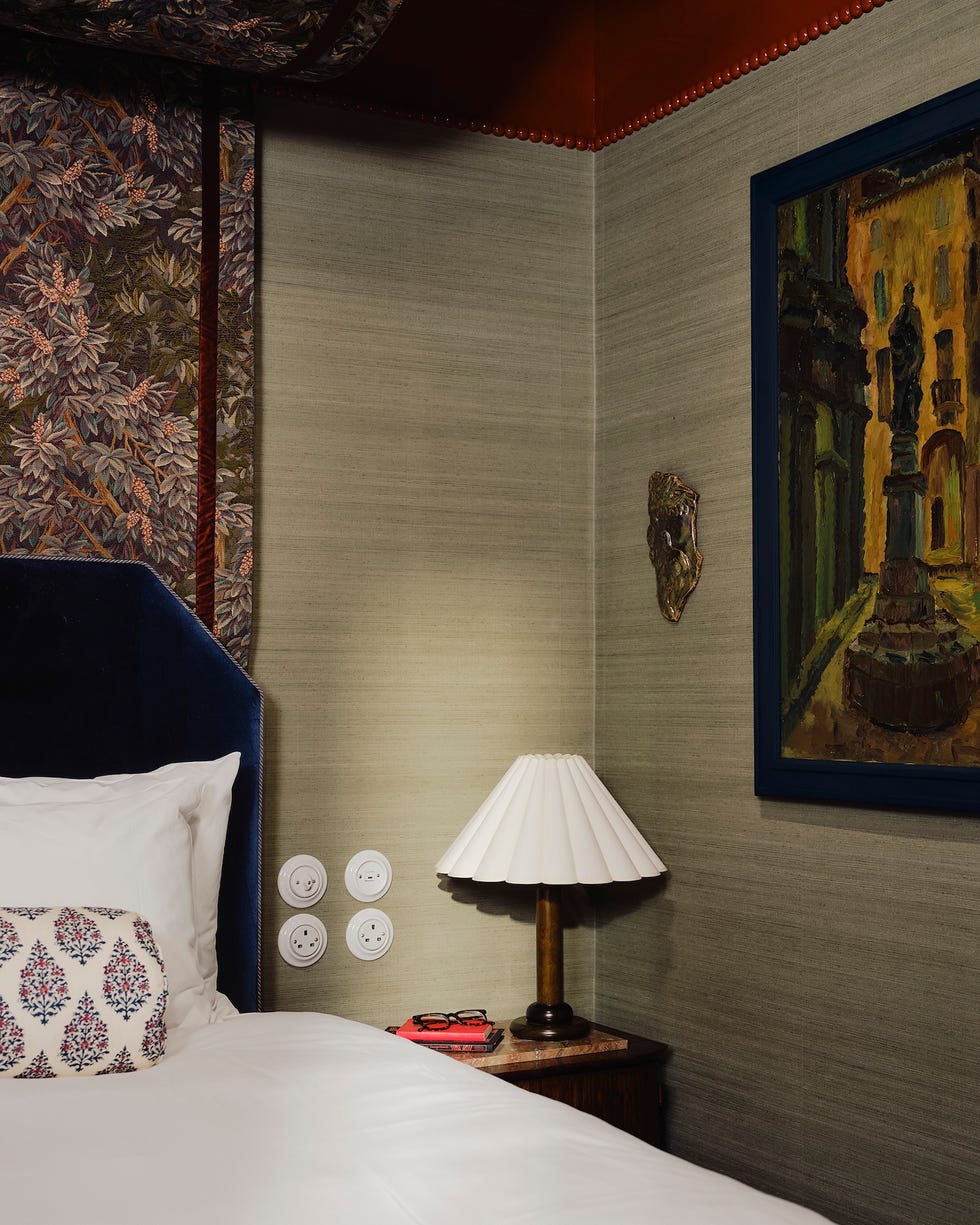
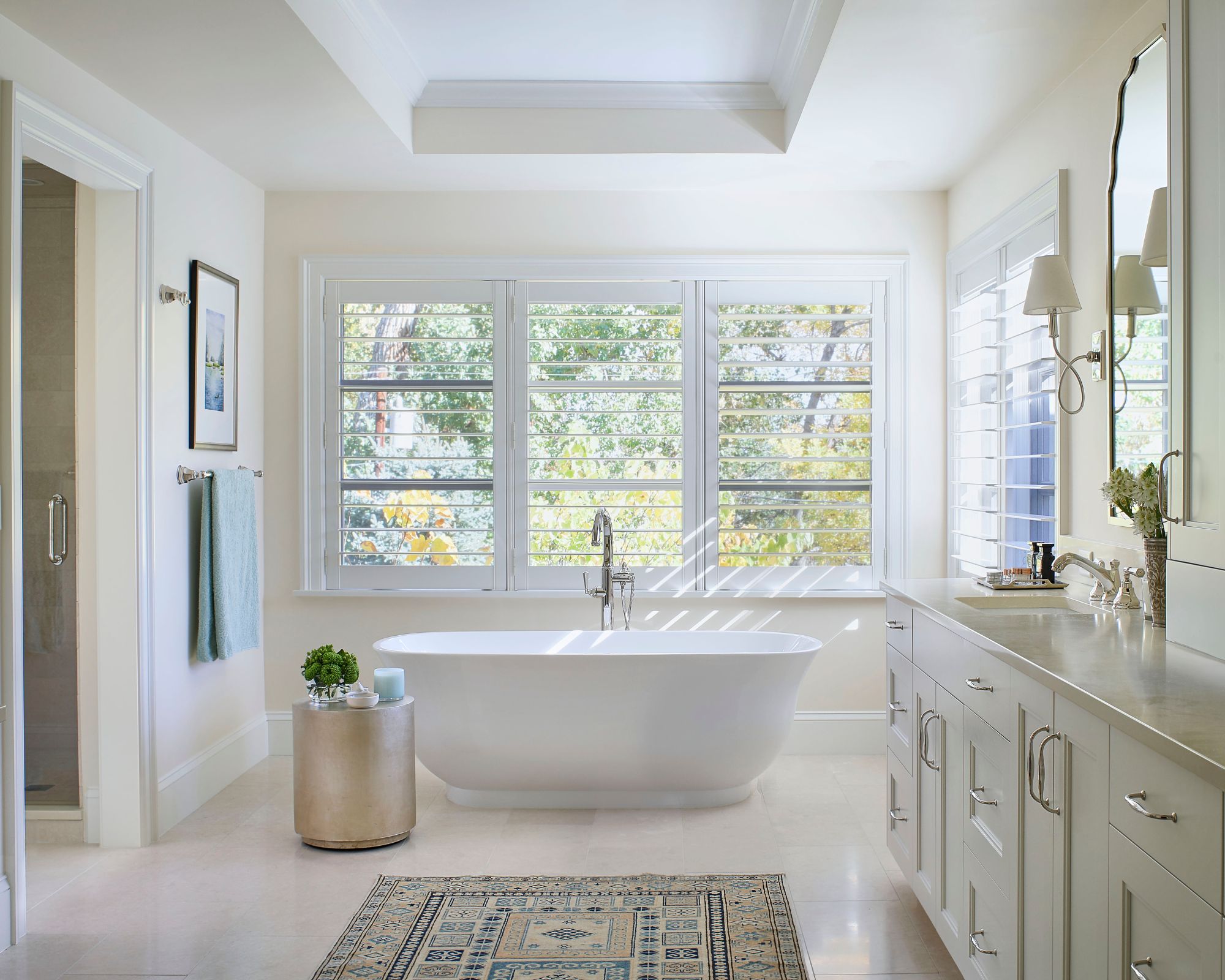
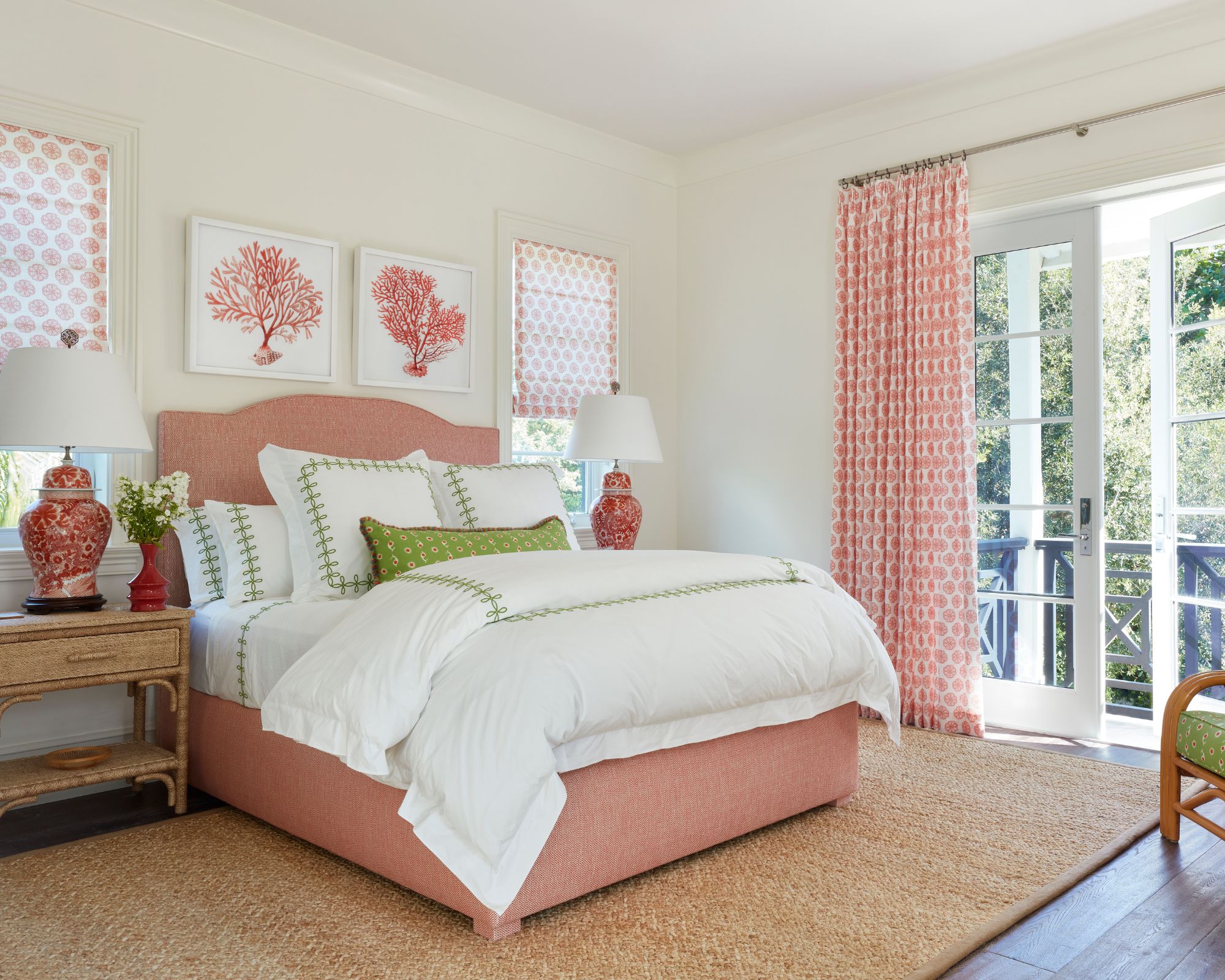
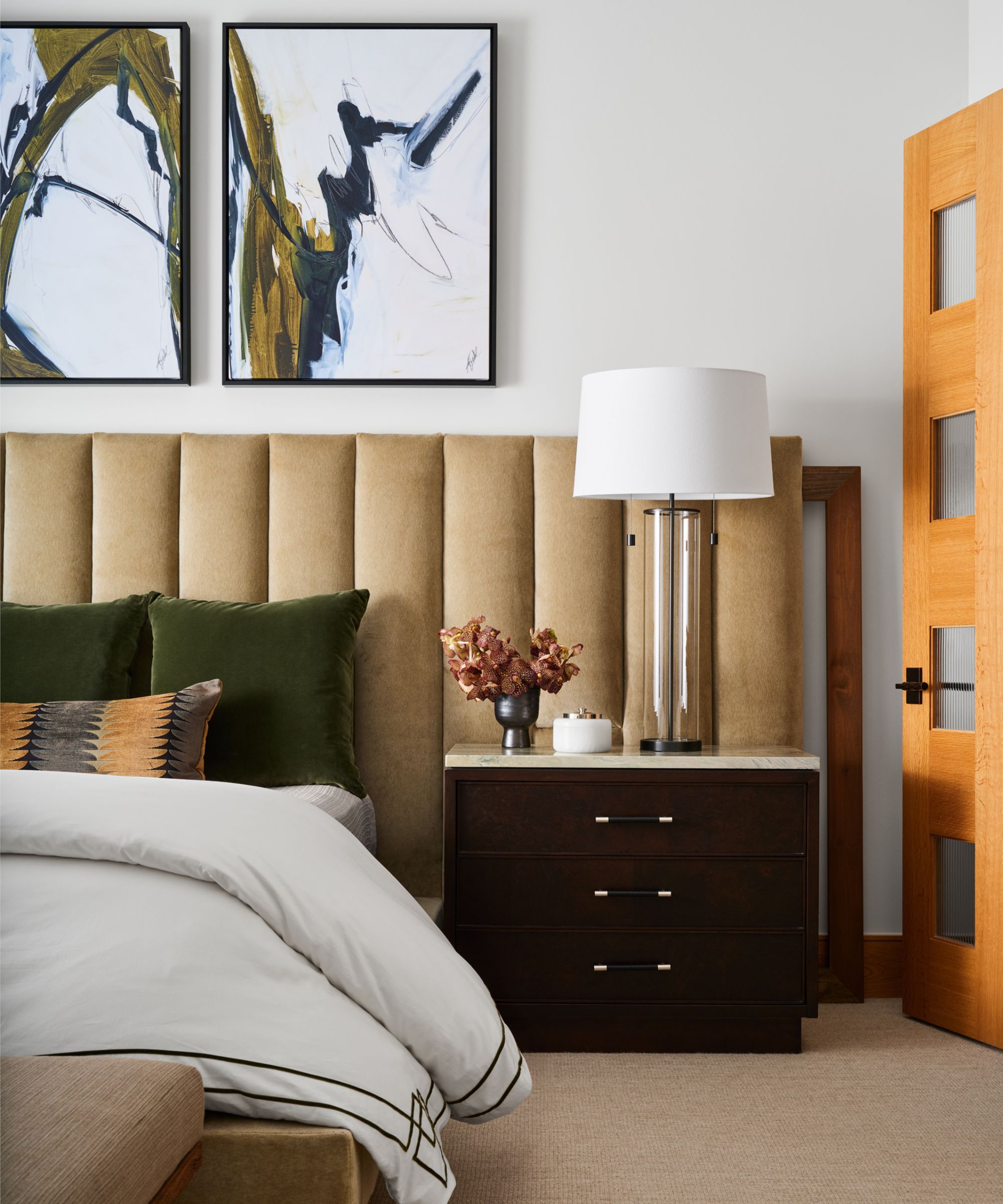
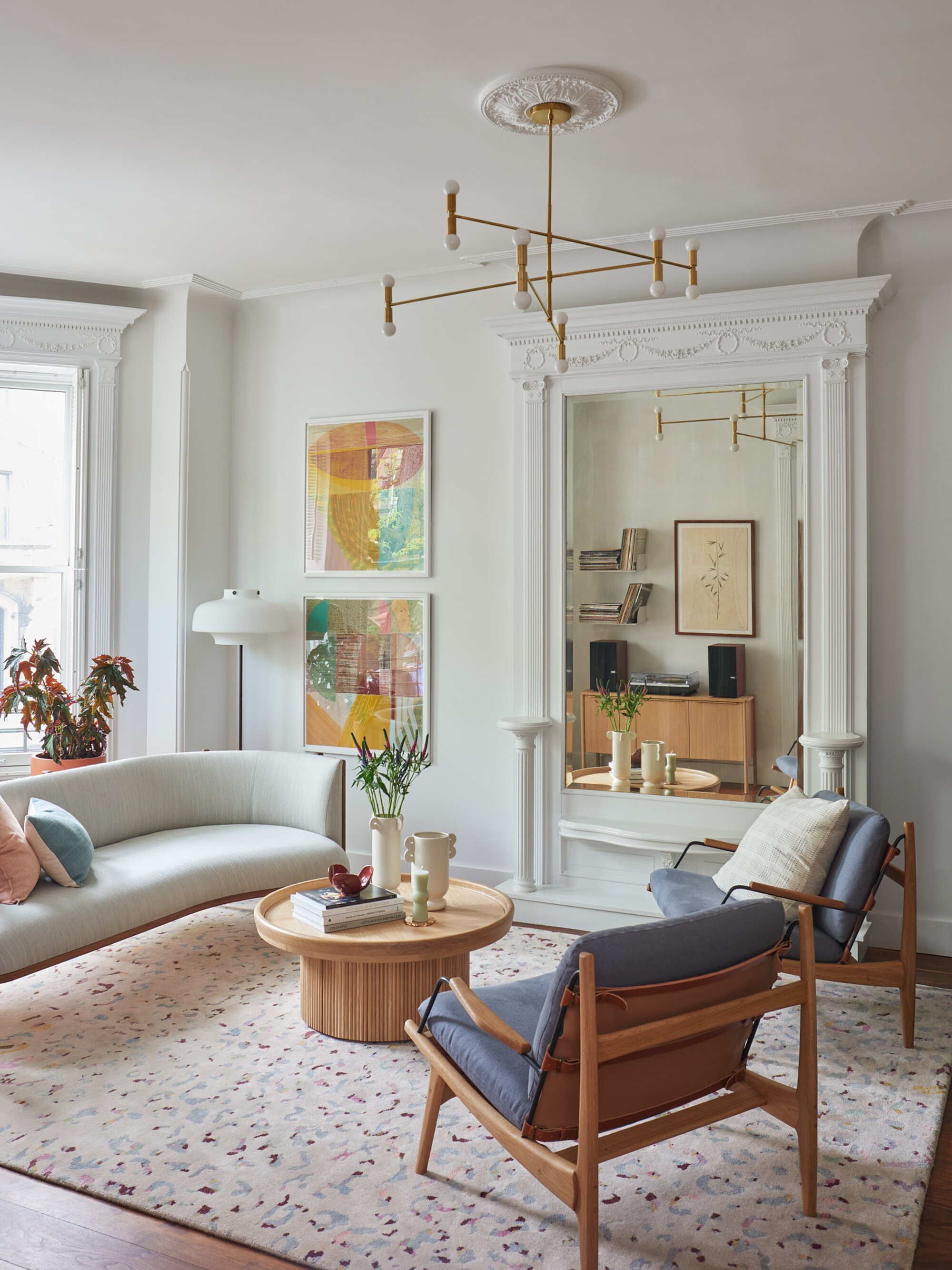
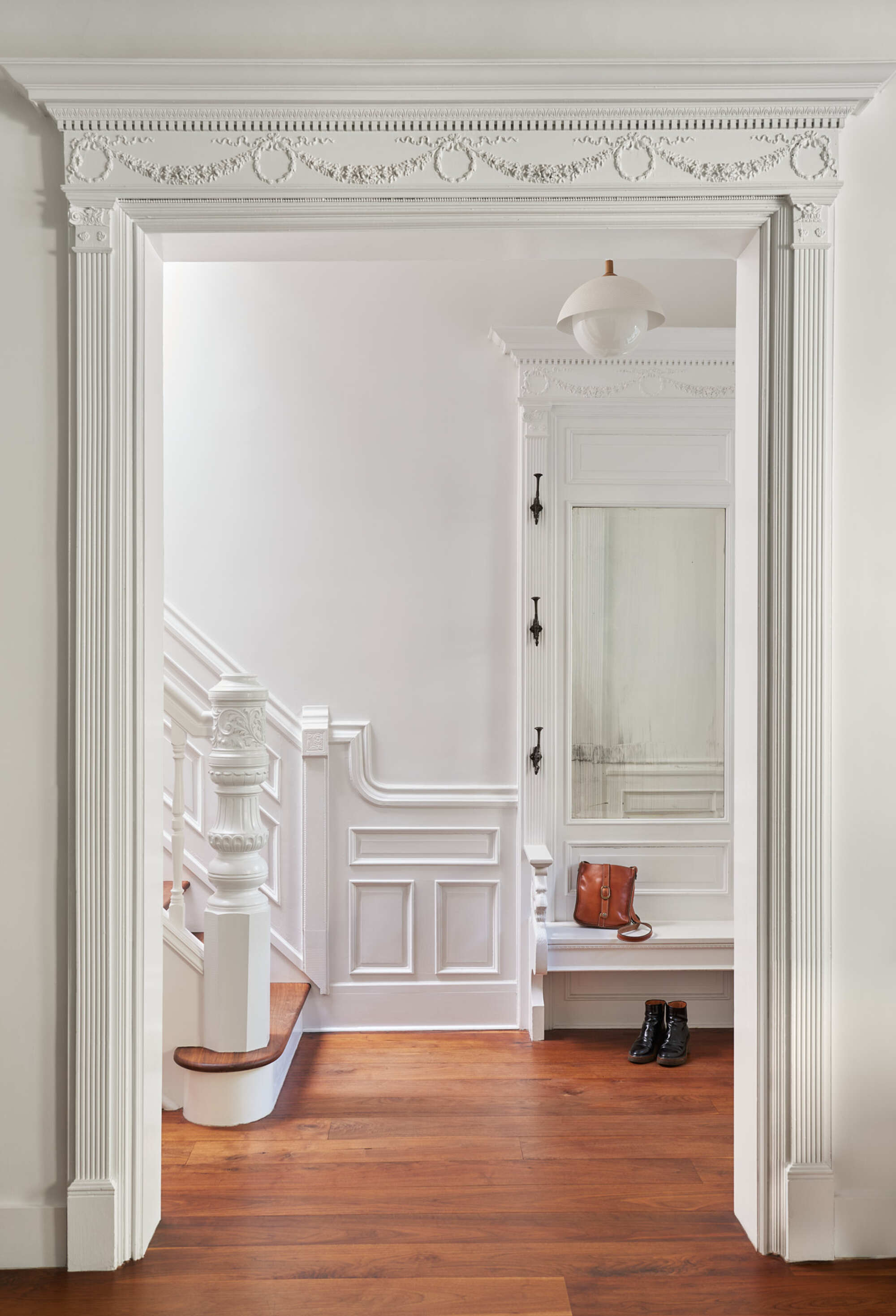
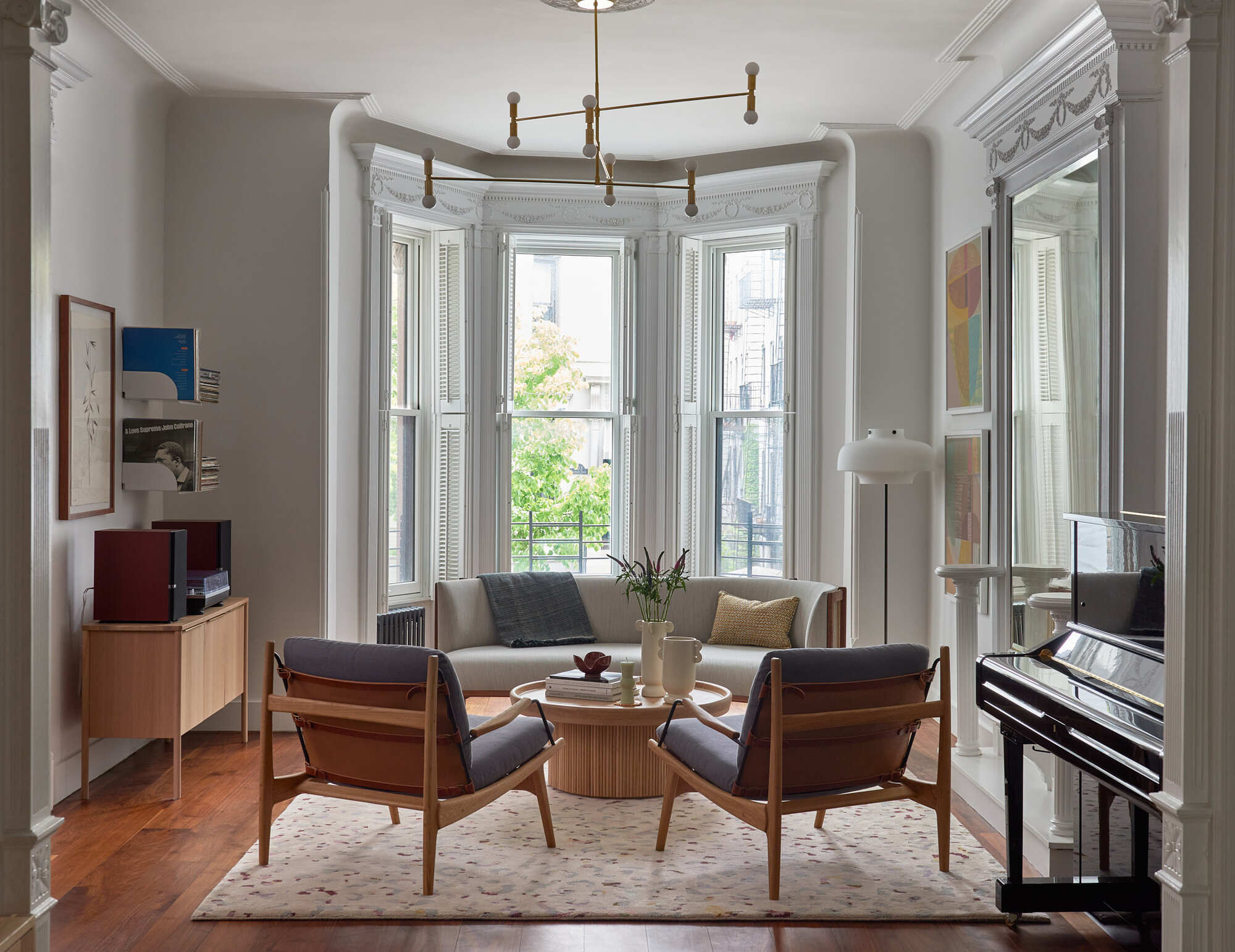
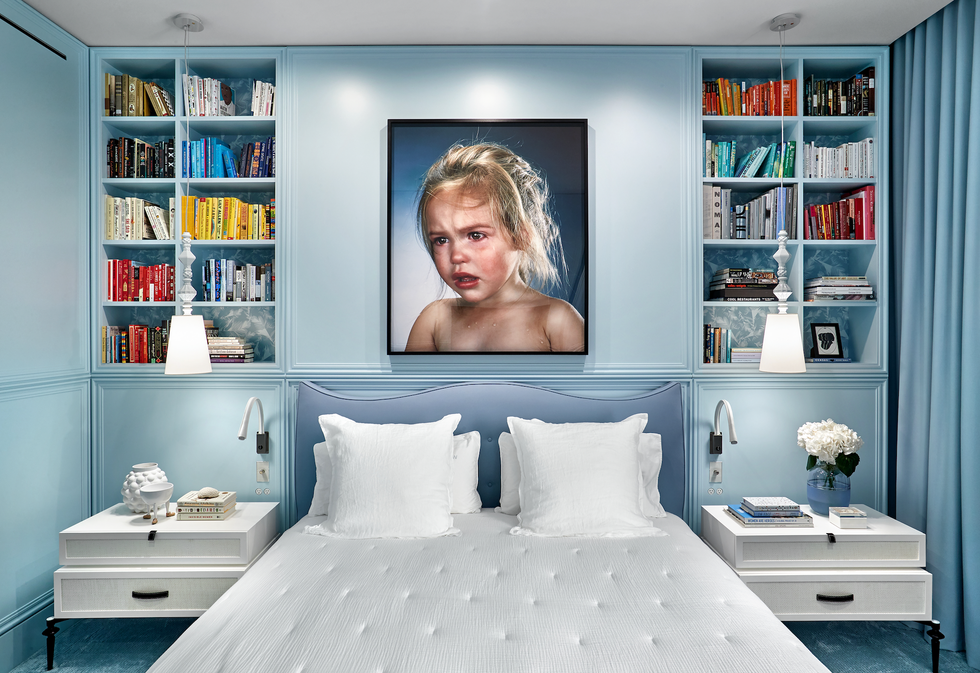
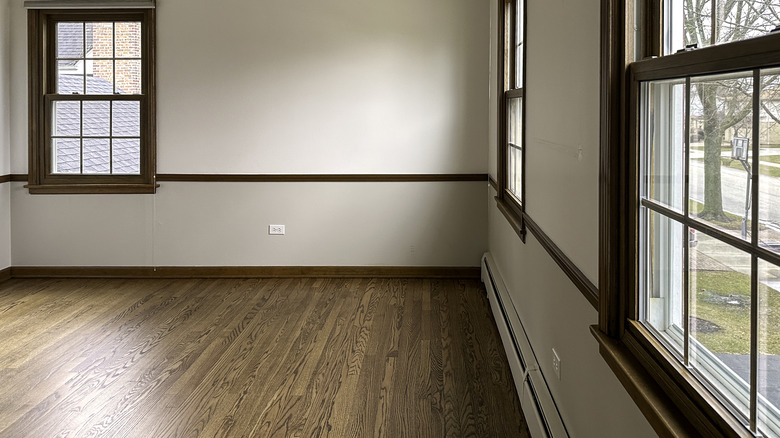
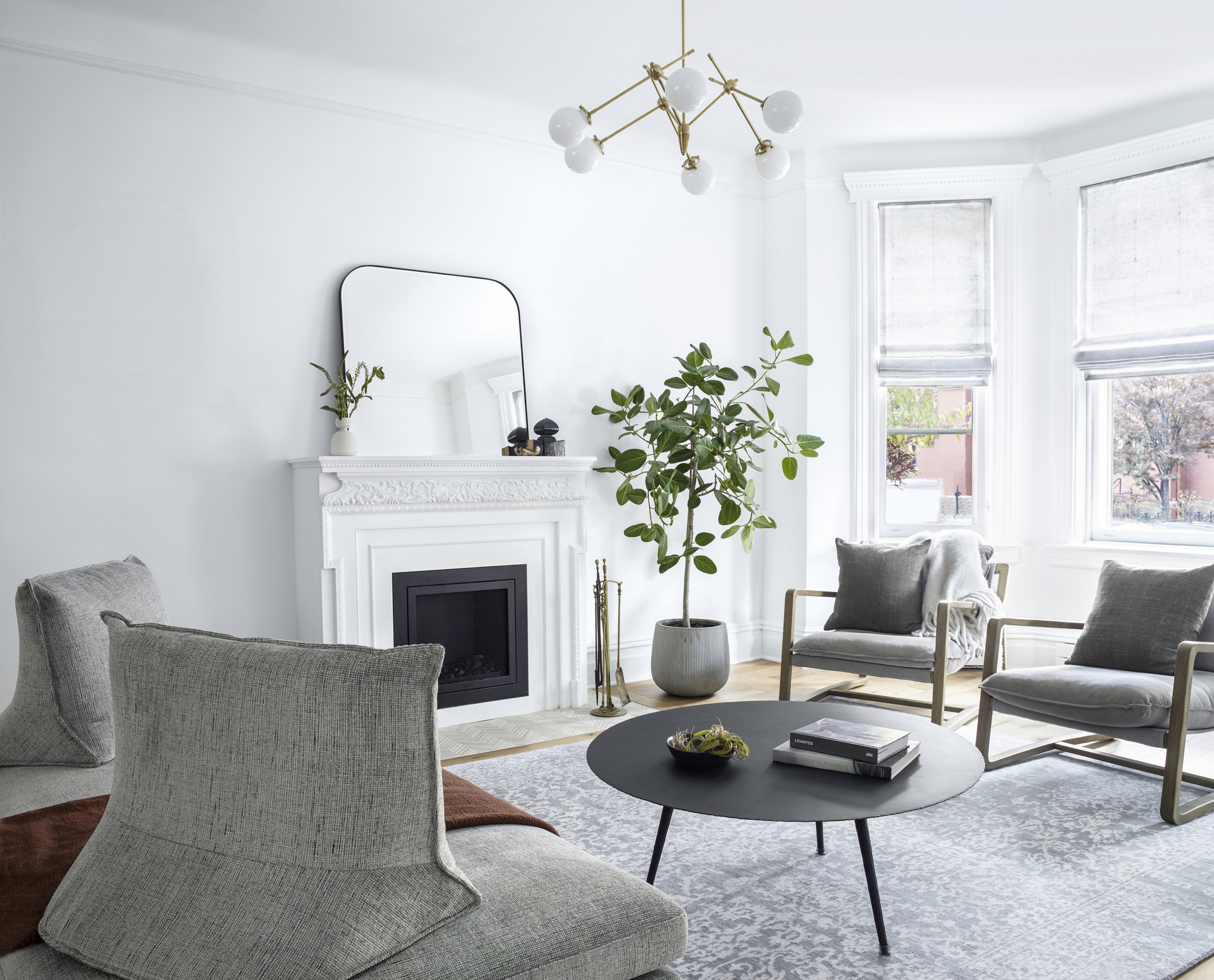
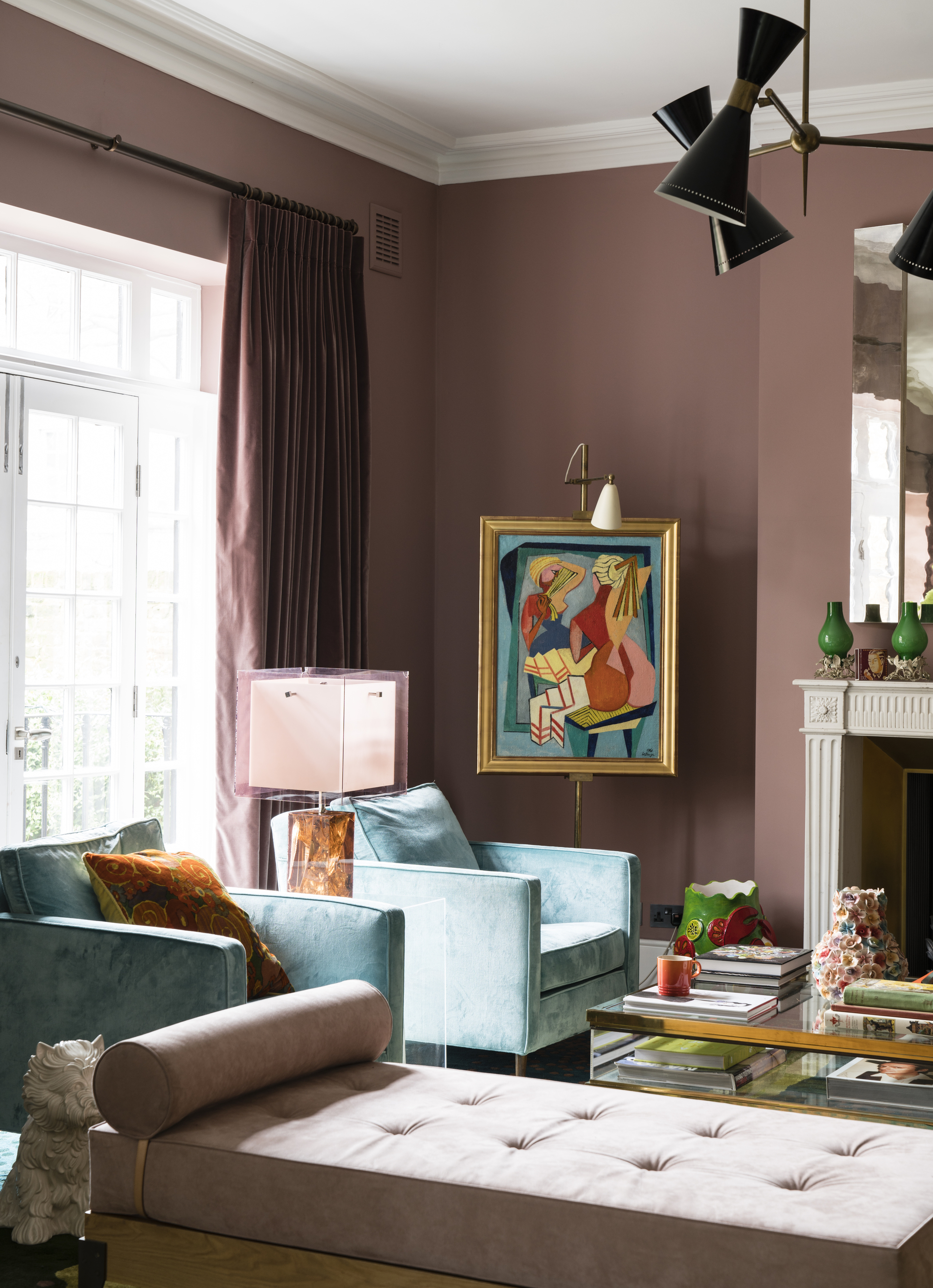
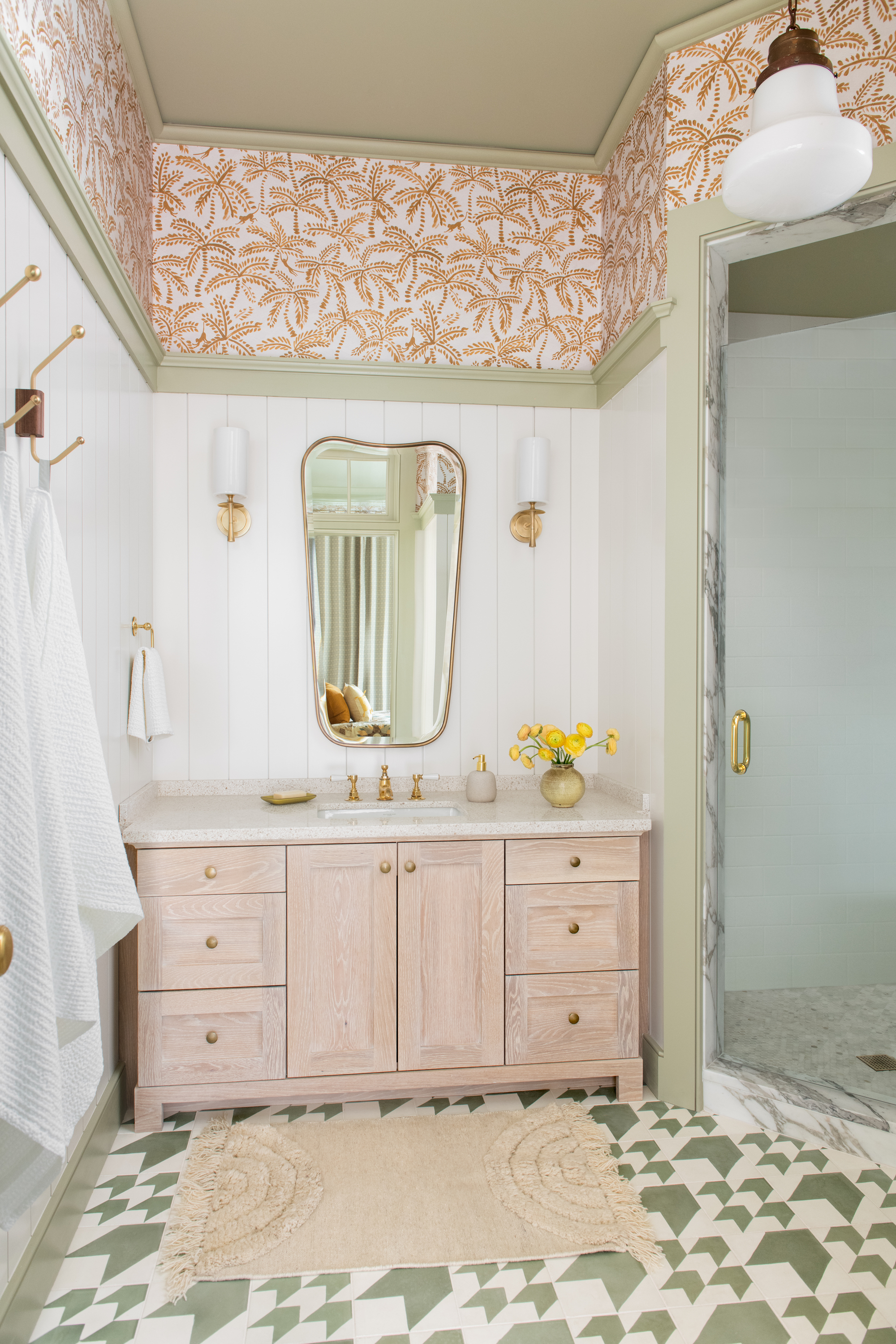
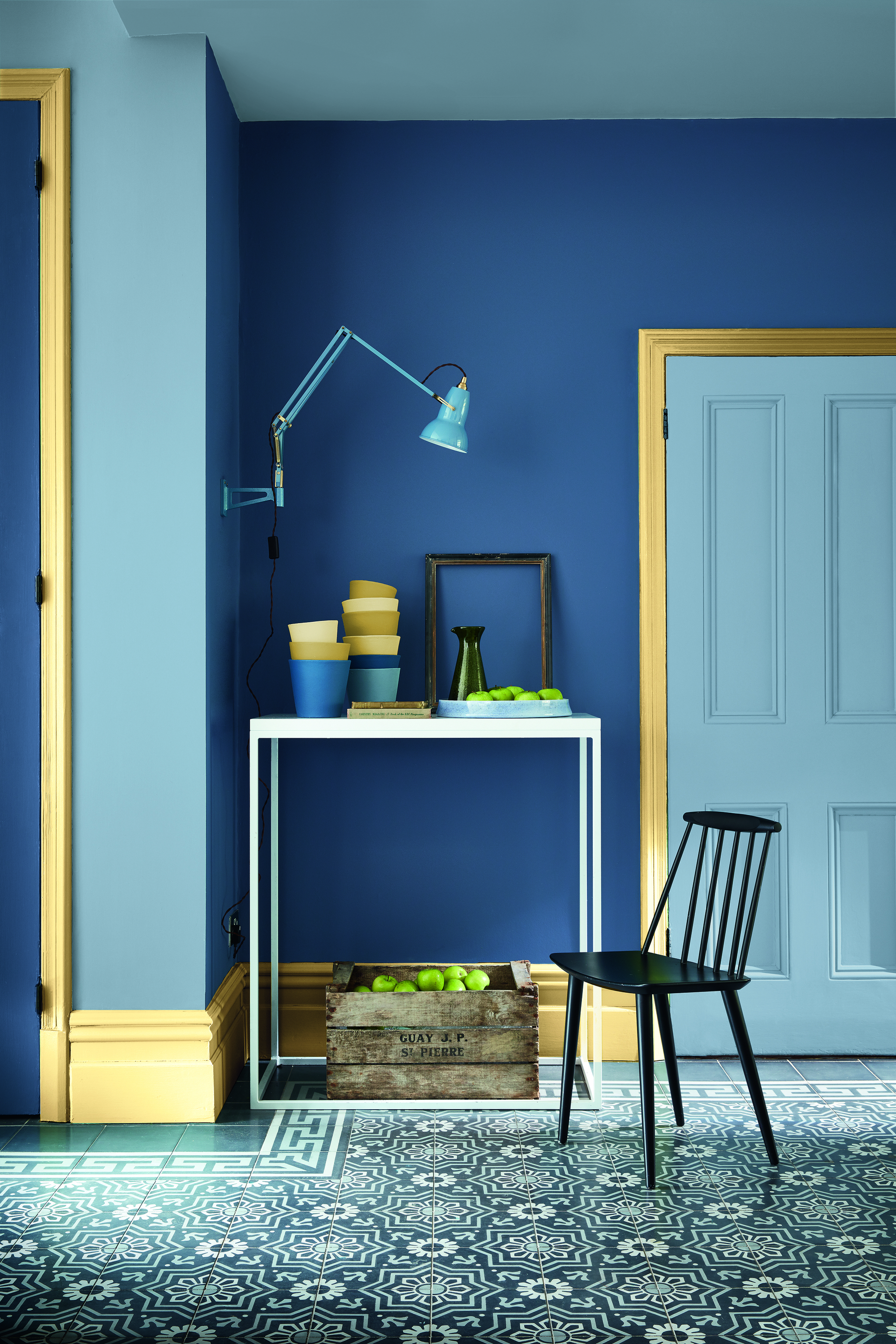
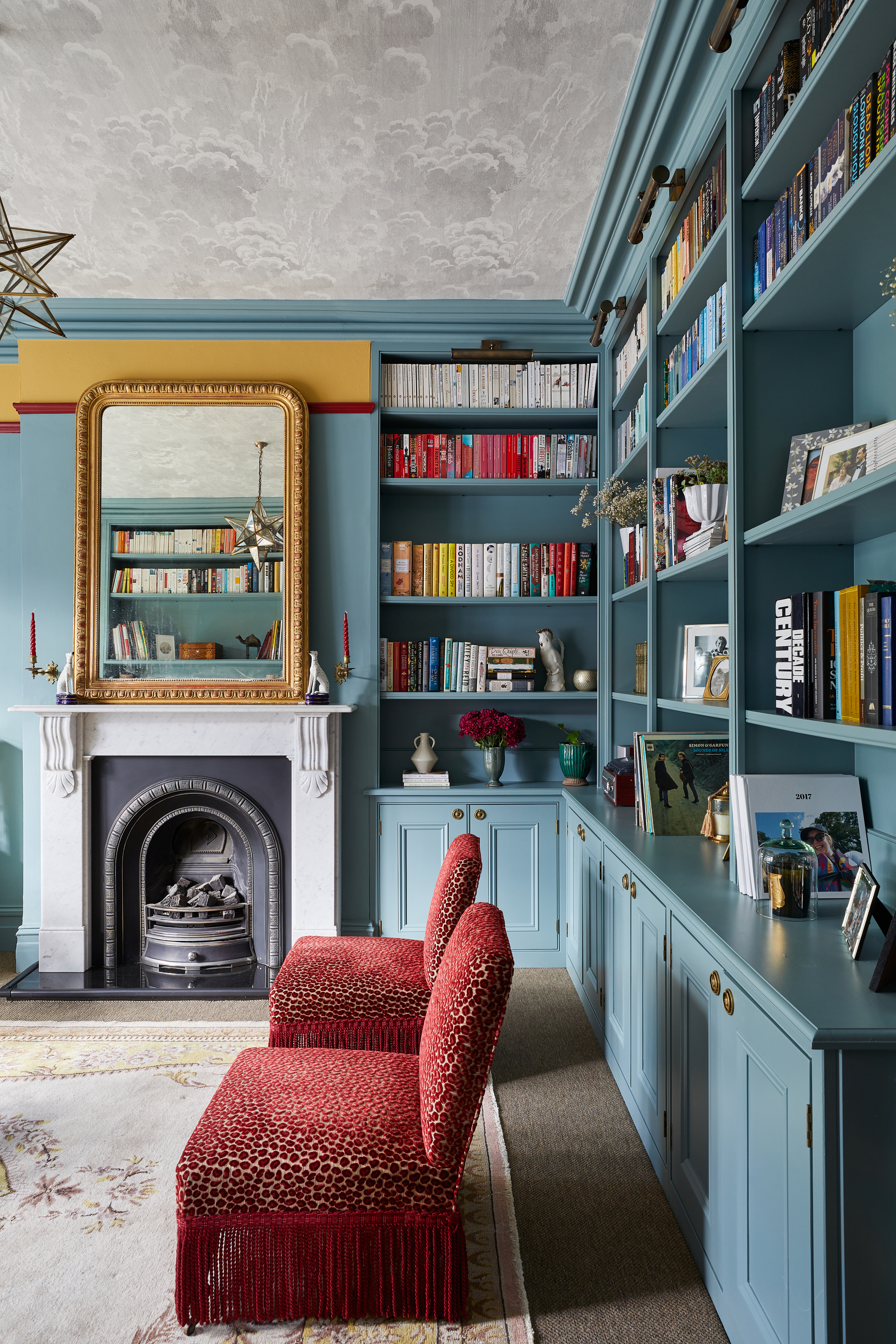
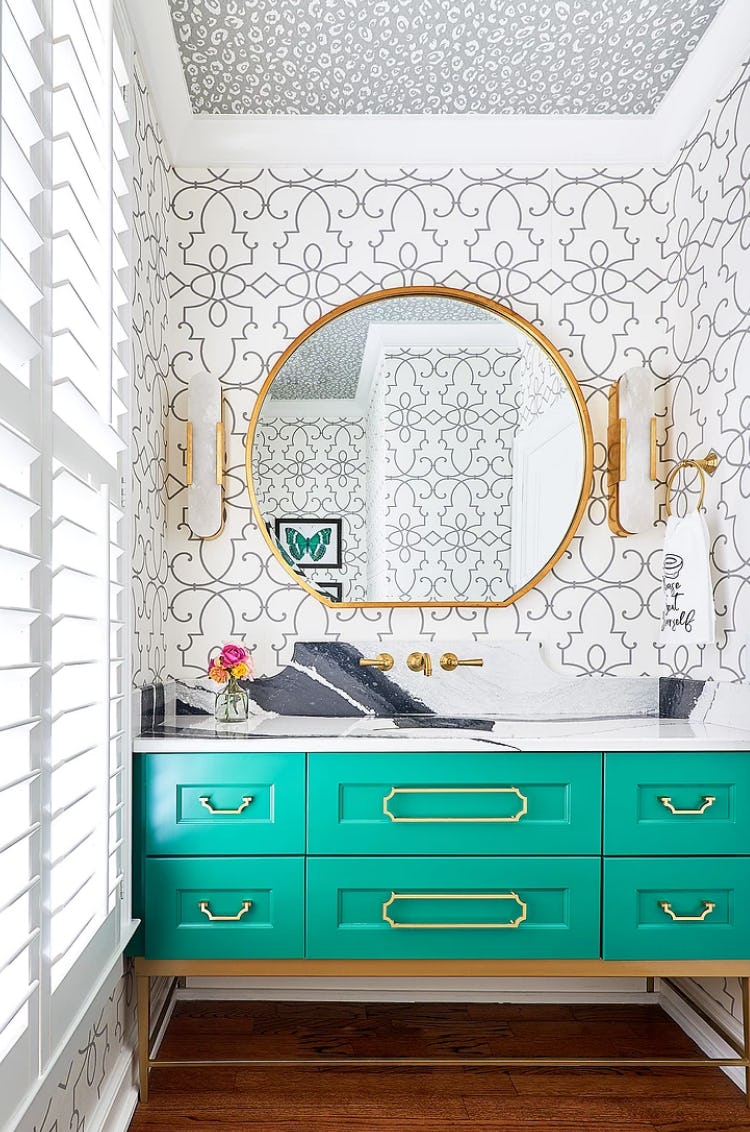
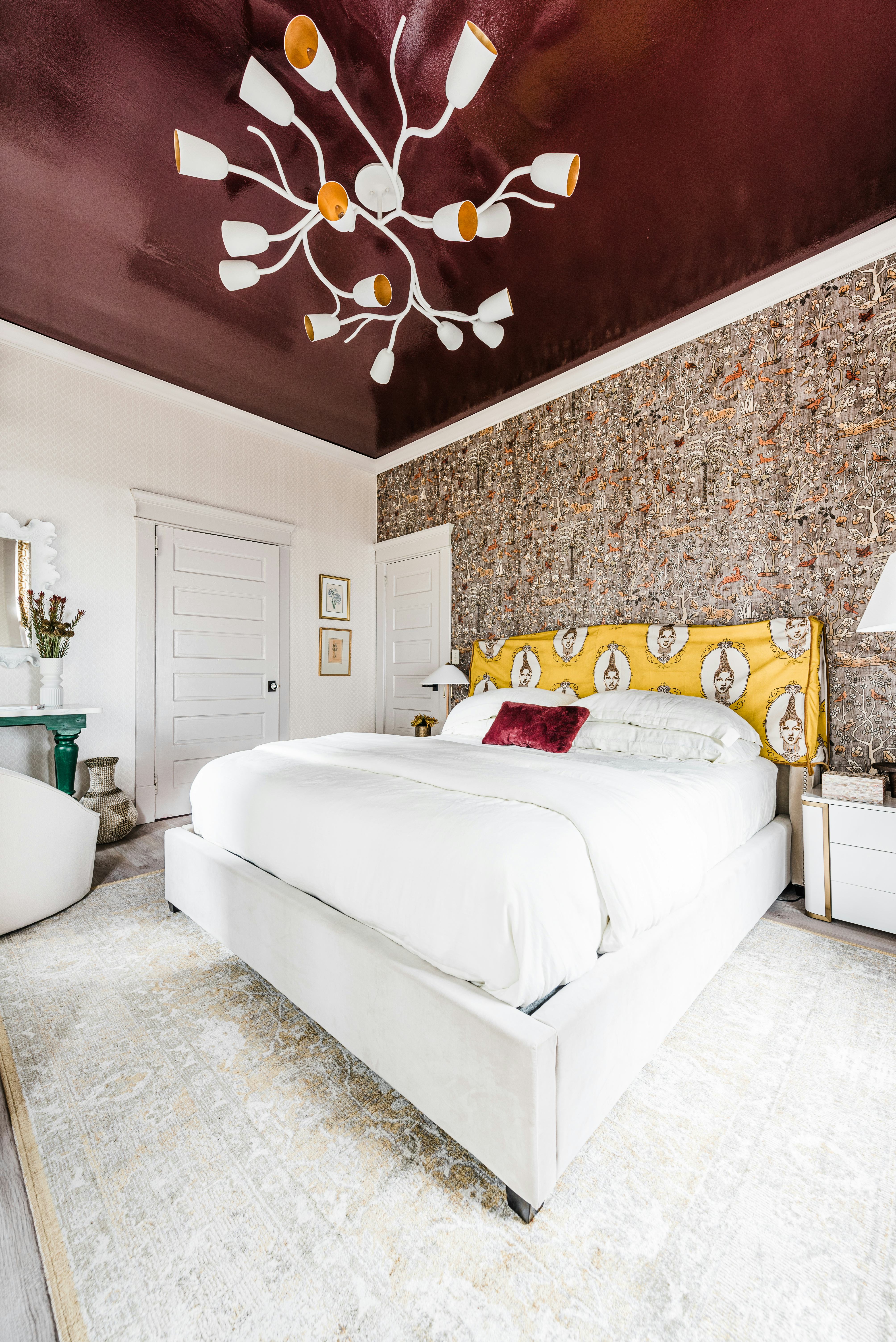
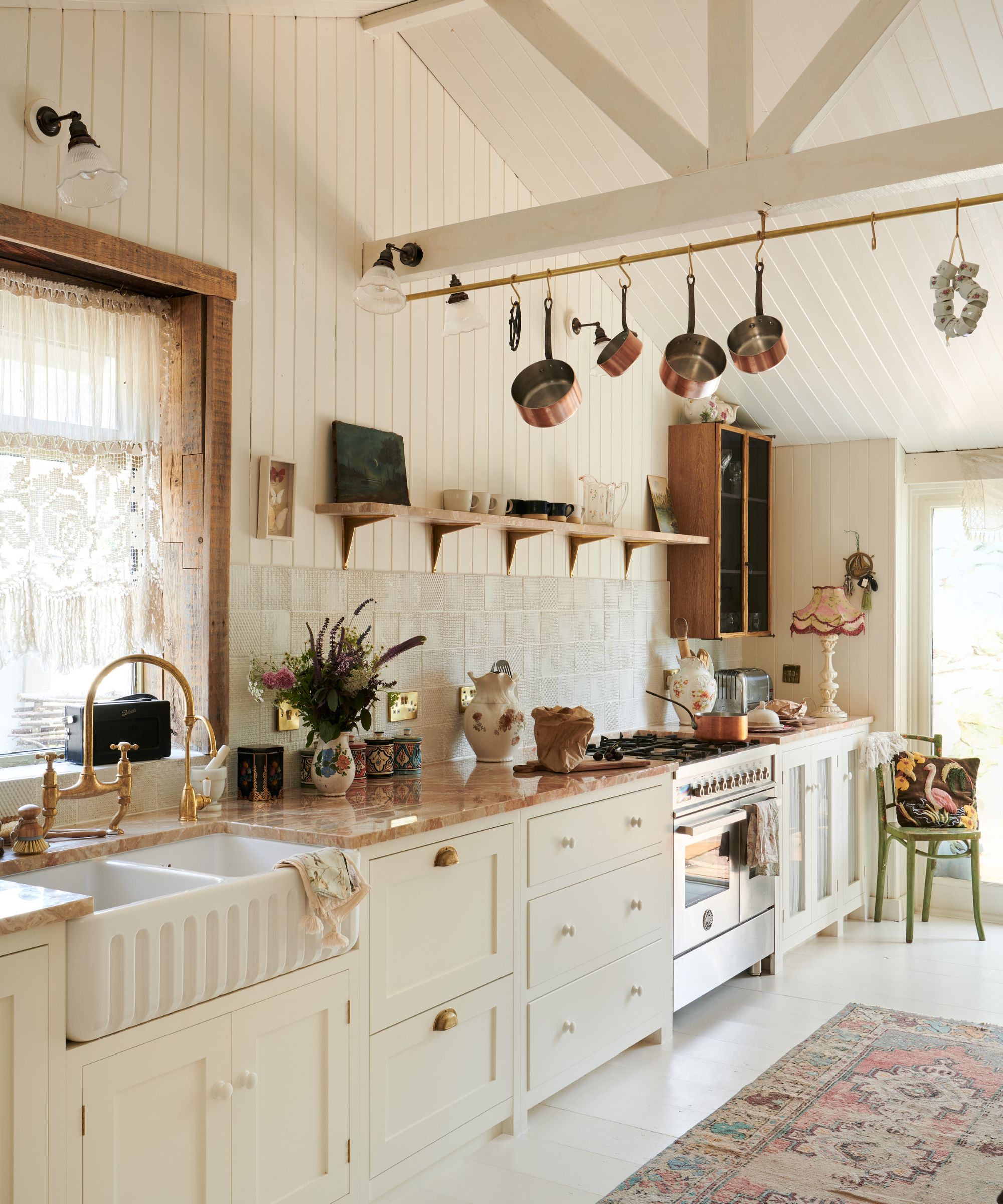
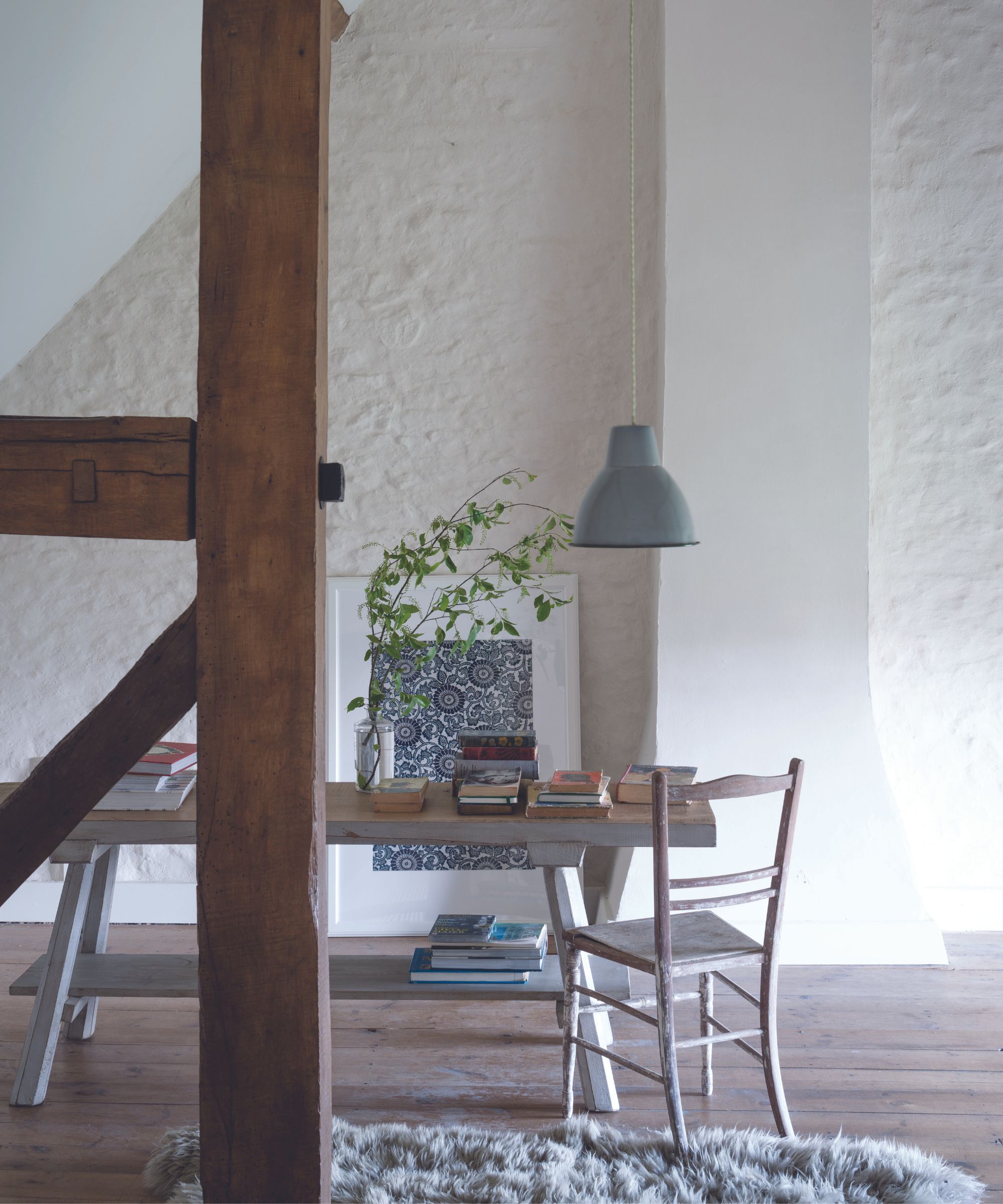
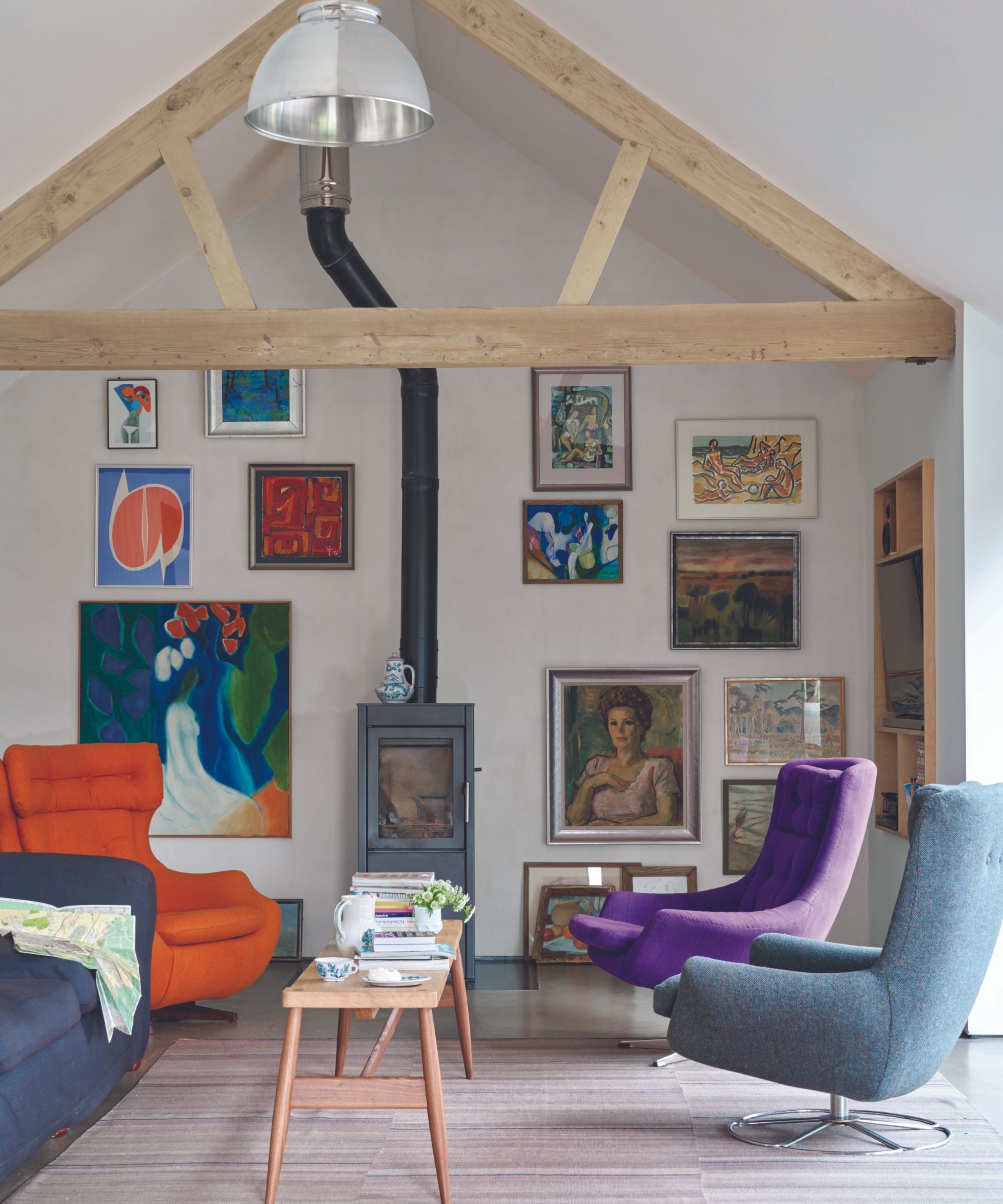
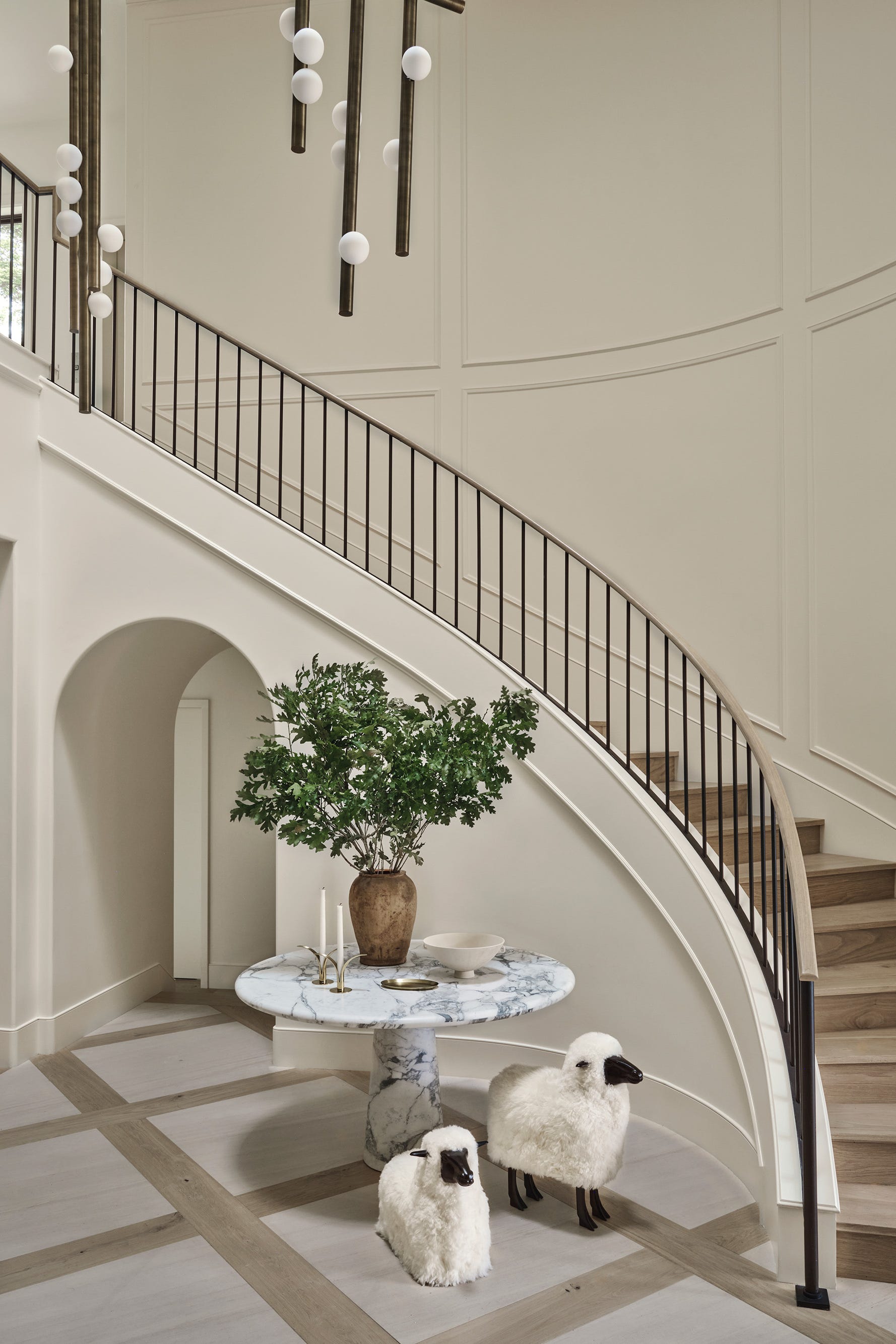
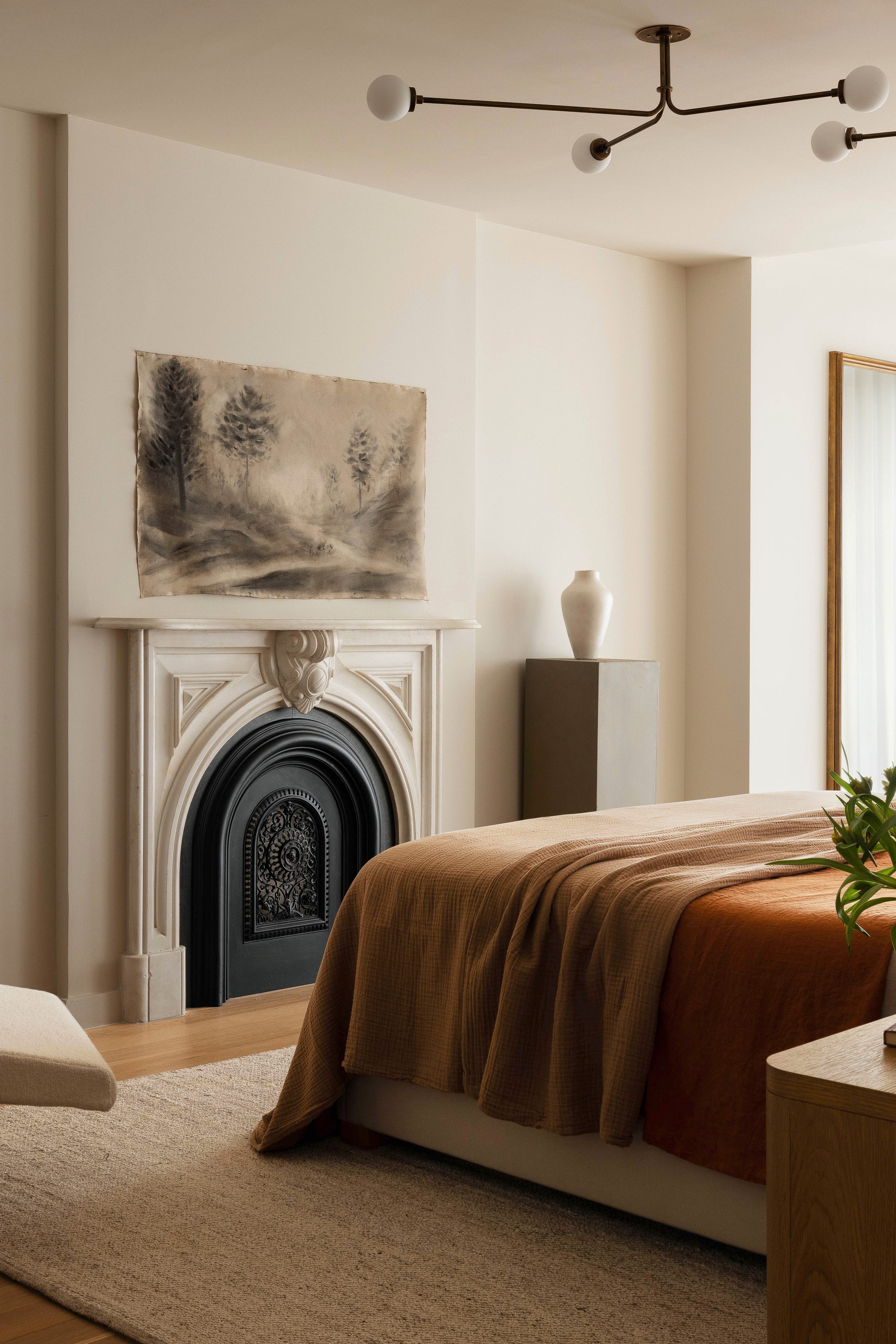
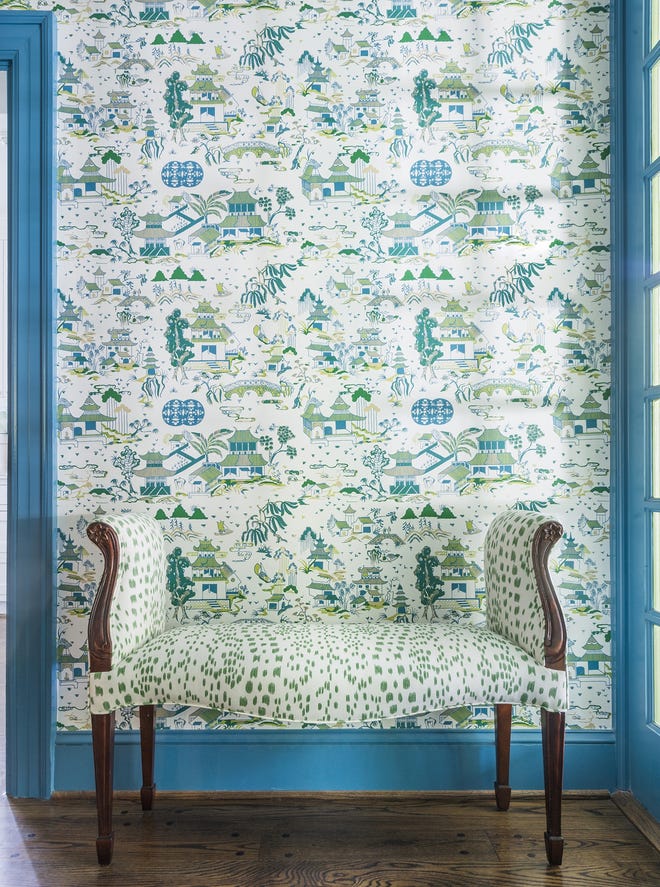
Traditionally, interior trim is often painted white, a popular choice like Benjamin Moore's Decorator's White for its crispness, or White Dove for a softer, more traditional feel. However, several designers are now challenging this norm by adopting bold, saturated colors for window casings, door frames, baseboards, and crown moldings. New York designer Steven Gambrel of S.R. Gambrel is a prominent figure in this movement, advocating for deep-toned accent colors for trim, often drawn from other elements within the room. Gambrel views trim as a picture frame, believing a strong color defines the room's scale and highlights its architectural features. He emphasizes that for this approach to work, the trim must be in excellent condition to warrant the attention it will receive. Gambrel advises clients to reserve judgment on bold trim colors until the entire room is completed, including textiles, furniture, and accessories, as the full design creates balance. He often pairs bright trim with textured wall coverings like grass cloth or rough-cut plaster to counteract the intensity of the trim color, preventing the room from feeling too "jumpy." Gambrel has transitioned from glossy oil paints to VOC-free Benjamin Moore's Aura semigloss paints for trim, reserving the former for special details. Meg Braff, another designer, uses vibrant trim colors in rooms with numerous windows and doors to unify the space and reduce choppiness. Unlike Gambrel, Braff frequently uses vibrant wallpapers, with the trim color often derived from the wallpaper design. In her approach, the bright trim acts as an anchor, balancing the busy patterns of the wallpaper. She also applies vivid colors to trim and cabinetry in smaller spaces like butler's pantries and bars, transforming them into "jewel boxes," especially when adjacent to an all-white kitchen. Katie Ridder also incorporates bright trim colors, but in more measured applications. She favors bright shades for window mullions, the grids dividing windowpanes, to introduce color. This technique is particularly effective in open-plan homes where changing wall colors between connected spaces can be challenging. Painting mullions also offers the advantage of eliminating the need for window treatments, which can be awkward or bulky in areas like kitchens. Regardless of the chosen approach, it is crucial to recognize that painting trim, especially with bold colors, is a time-consuming task requiring meticulous taping and hand-brushing, as it cannot be simply rolled on like wall paint.
#InteriorDesign #HomeDecor #BoldTrimColors #PaintTrends #ArchitecturalElements #ColorTheory #DesignTechniques #StevenGambrel #MegBraff #KatieRidder #InteriorDesign #HomeDecor #BoldTrimColors #PaintTrends #ArchitecturalElements #ColorTheory #DesignTechniques #StevenGambrel #MegBraff #KatieRidder
0 comment in total
 No comments yet
You may also like
I'm so over white trim! But I love these color combos designers are using to elevate rooms instead

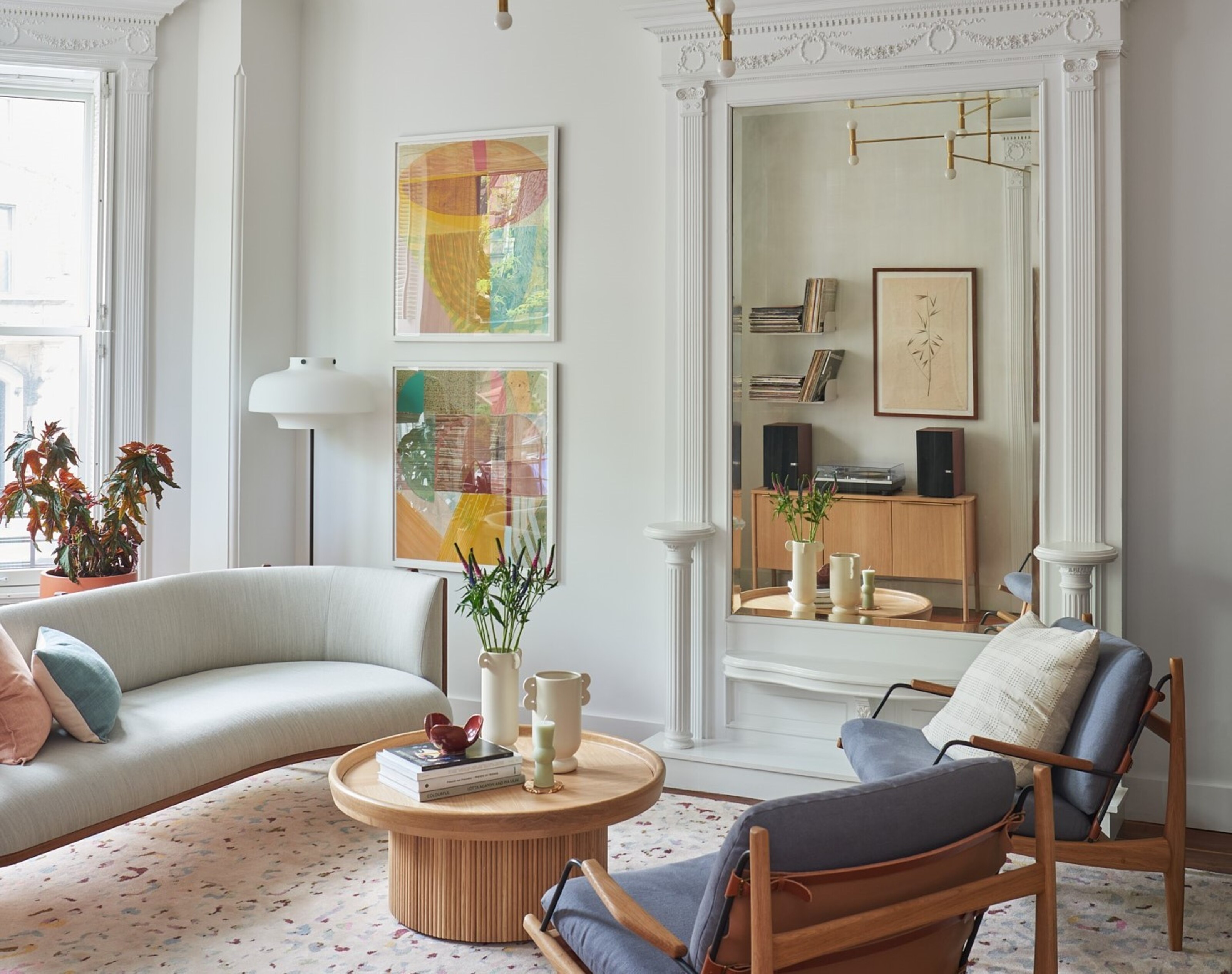
How do you make beautiful original features stand out? Just paint them white, says this designer
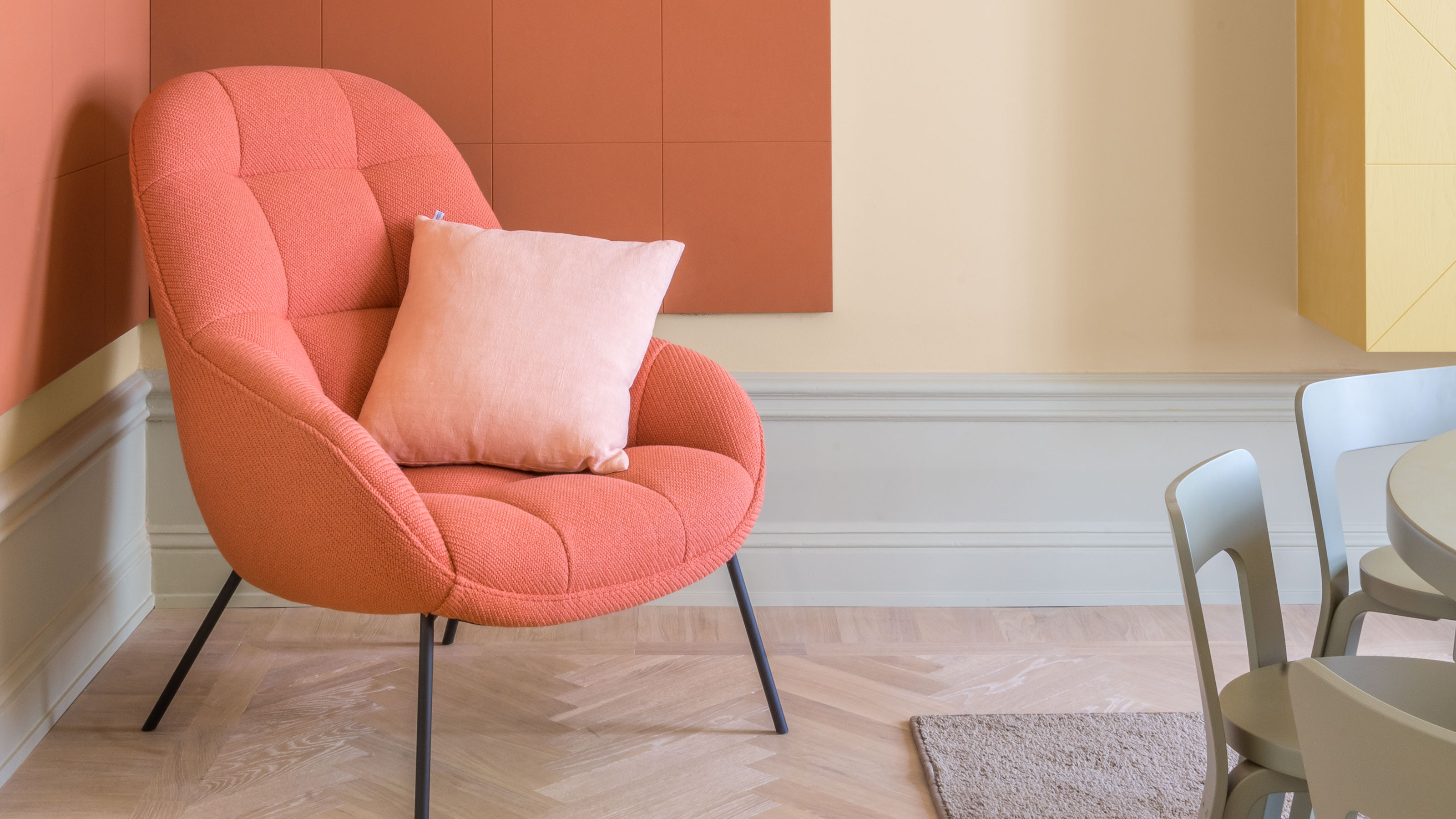
What are the best trim colors? 7 alternatives to white paint to elevate your room's palette
Interior Designers and Stylists Can’t Get Enough of This New Target Line

Designers’ Favorite White Paints Are Always Changing—We Asked 3 for Their Latest Pick

Why Interior Designers Are Ditching Pretty for ‘WTF Moments’

Designers Already Have White Oak Fatigue—Here’s Which Finish Comes Next
Are white walls still on trend? Designers weigh in on whether this classic shade is on the out
Designers Are Ditching "Flat Painted Walls" for THIS Unexpected Trend


Tired Of Basic White Trim? David Bromstad Shares A Stylish Alternative To Try Instead
Rich colors and sumptuous textures are on designers' minds
5 White Kitchen Paints Designers Swear By
15 White Paint Colors Interior Designers Reach for Time and Again
Designers Are Ditching the "Rule of Threes" for THESE Genius Styling Alternatives
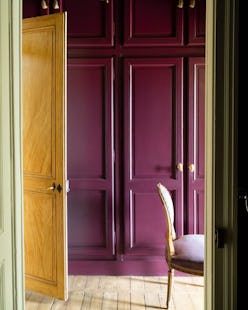
These Unusual Paint Colors May Not Be An Obvious Choice, But Designers Can’t Get Enough
The 13 Best White Paint Colors That Interior Designers Swear By
White vs Cream: designers weigh in on these enduring neutrals
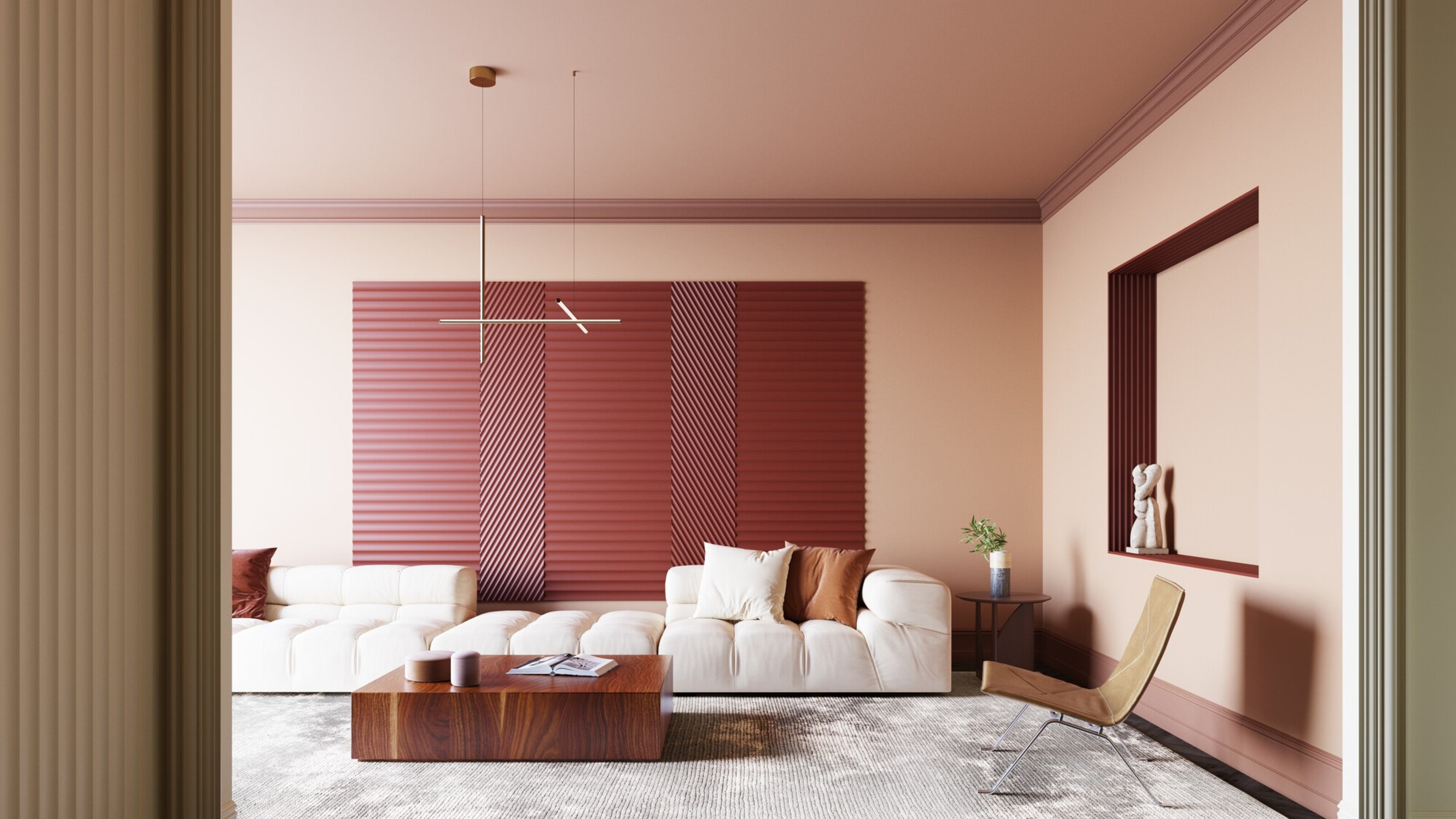
Should I paint my wall trim white? The pros and cons to painting your molding
Best off-white paints according to designers

Designers Wish Their Clients Would Stop Asking for THIS Color