1/3
Ever Thought of Living in Your Car? This Tricked-Out Van Takes it to the Next Level
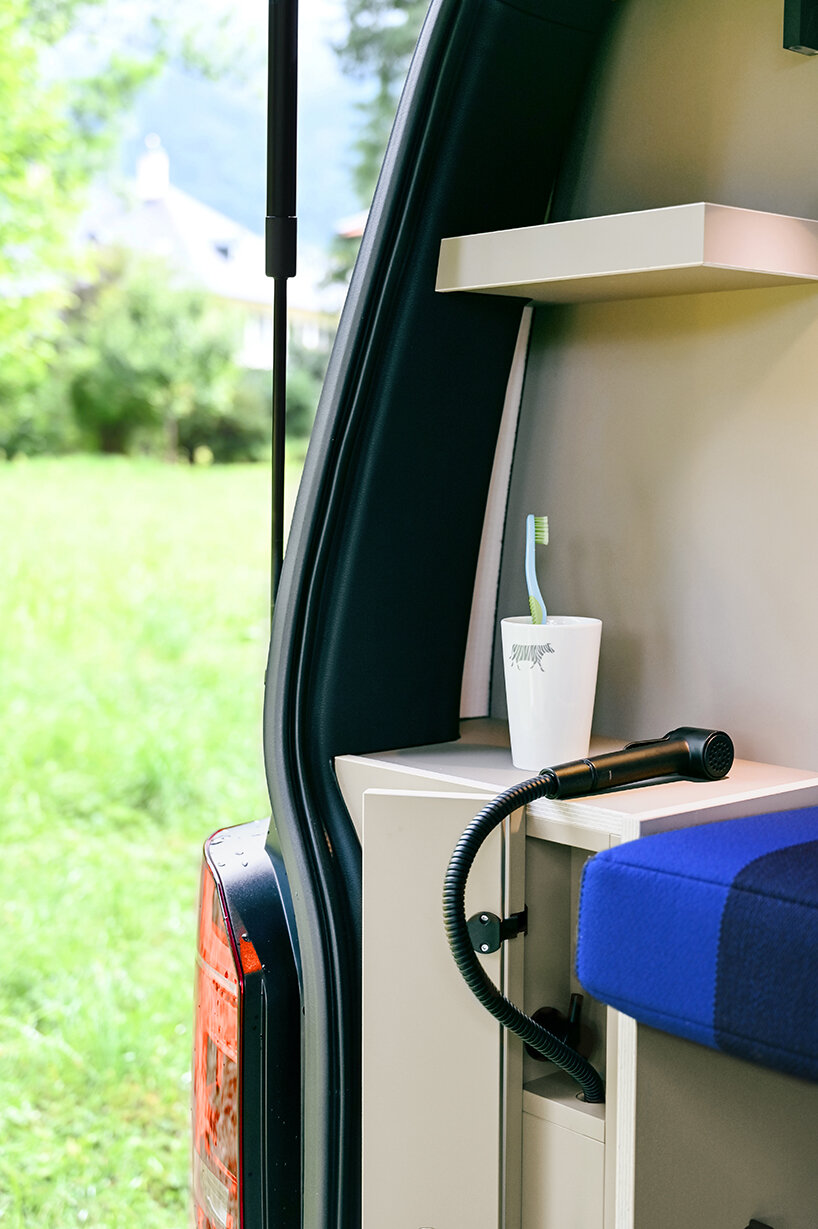
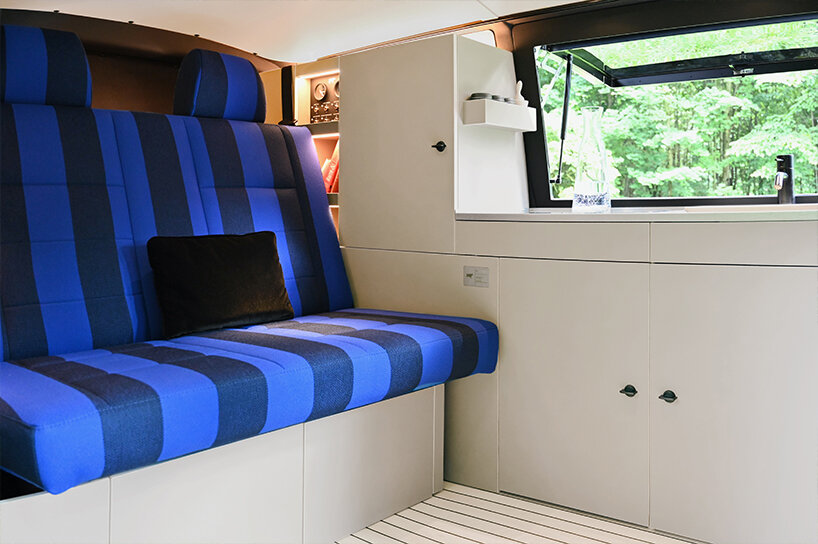
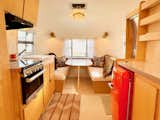
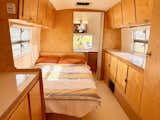
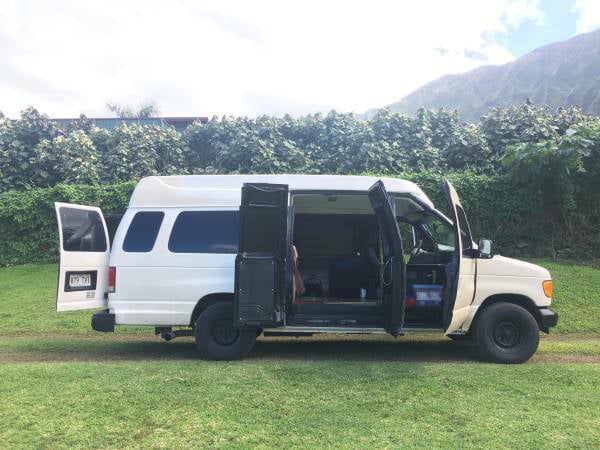
The article explores the growing trend of living in a vehicle, specifically focusing on a custom camper surf van advertised for $20,000. This Ford E350 diesel van, previously owned by the state, is presented as a potential tiny home solution due to its extensive modifications and amenities. The van features a king-size captain’s bed with integrated storage, providing a comfortable sleeping area and efficient use of space. Modern conveniences are also incorporated, including LED lighting for illumination, multiple USB ports for charging devices, and four cigarette lighters to power various electronics, highlighting its self-sufficiency.
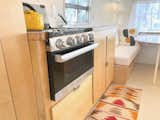
For culinary needs, the van is equipped with a refrigerator and a camping stove, allowing for food preparation and storage on the go. Ample food and water storage further enhance its suitability for extended stays. Privacy is addressed through dark tint on the windows, creating a more secluded living environment within the vehicle. Despite its home-like features, the article emphasizes that it remains a mobile vehicle, currently registered through 2018 with a valid safety check, ensuring its road-readiness.
The legality of living in such a modified vehicle is a key point of discussion. The article references Hawaii State Law, specifically Section 291C-112, which imposes restrictions on vehicle habitation. This section prohibits using any vehicle for living purposes on public property, including roadways, streets, or highways, between 6 p.m. and 6 a.m. The law also extends to private property, stating that habitation is forbidden without the express authorization of the owner or occupant for both parking and living in the vehicle.
Beyond legal considerations, the article touches upon practical concerns associated with van living, such as plumbing for waste management and access to consistent power sources. These factors are crucial for long-term comfort and sustainability. The conclusion suggests that while this custom van may not serve as a permanent residence for individuals without alternative housing, it presents a viable option as a mobile tiny home or sophisticated guest lodging, provided it is parked on private property with the necessary permissions. The article ultimately showcases the innovative ways individuals are adapting vehicles for alternative living and the considerations involved in such a lifestyle.
#VanLife #TinyHome #CamperVan #AlternativeLiving #HawaiiLaw #MobileHome #CustomVan #VehicleHabitation #VanLife #TinyHome #CamperVan #AlternativeLiving #HawaiiLaw #MobileHome #CustomVan #VehicleHabitation
0 comment in total
 No comments yet
You may also like
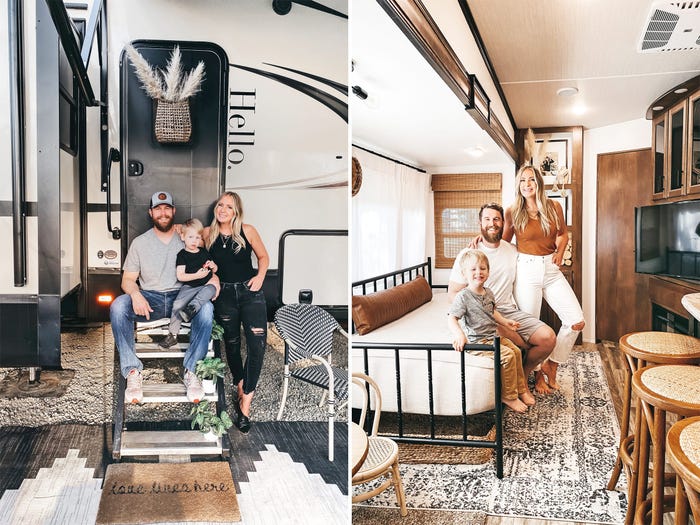
A family of 3 lives in a stylish RV with a laundry room, kitchen island, and walk-in closet. Take a look inside.
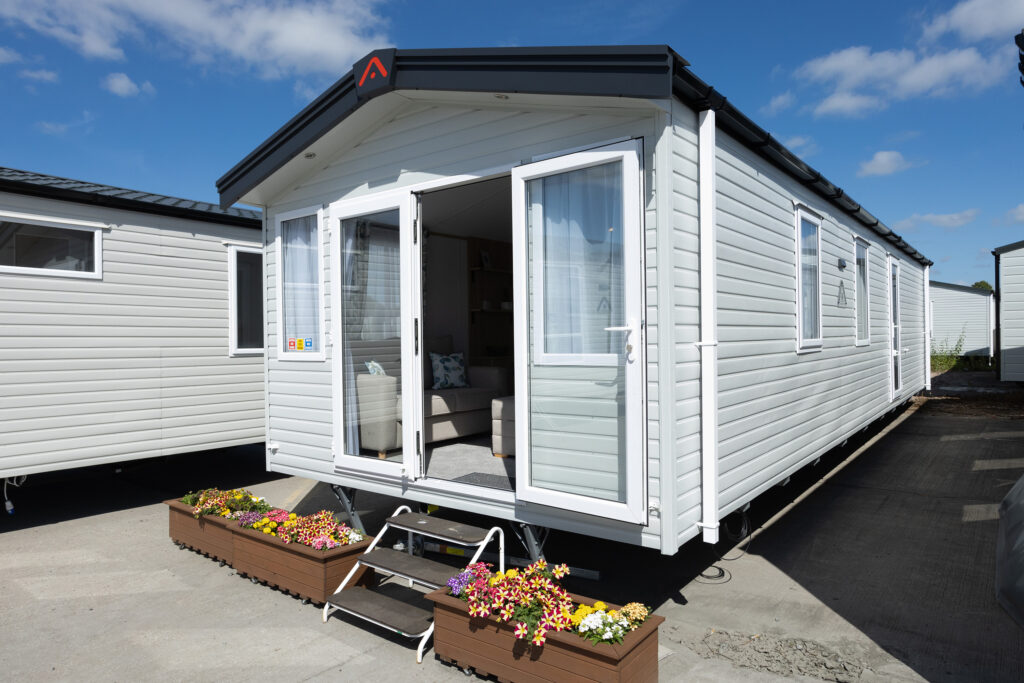
2025 Atlas Avanti static caravan review
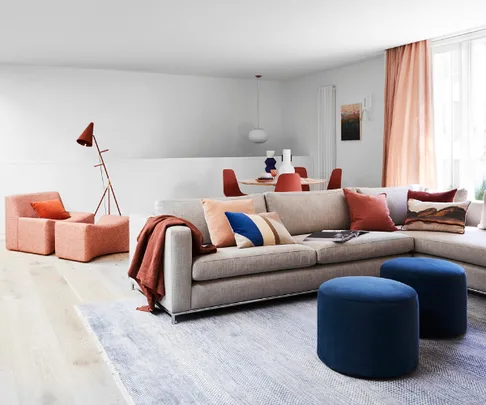
A disused garage becomes a luxe guest retreat

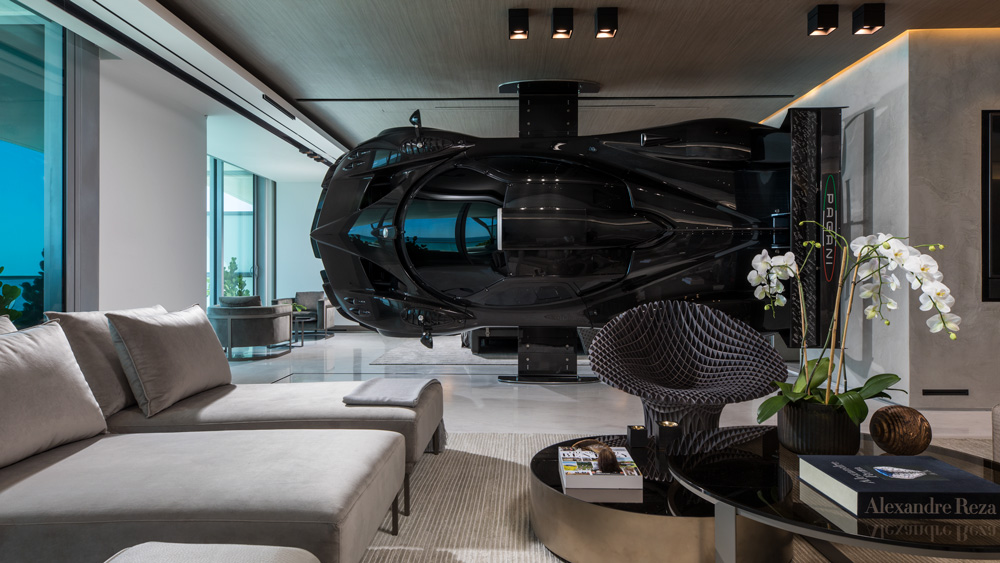
This Miami Condo Features a Pagani Supercar in the Living Room

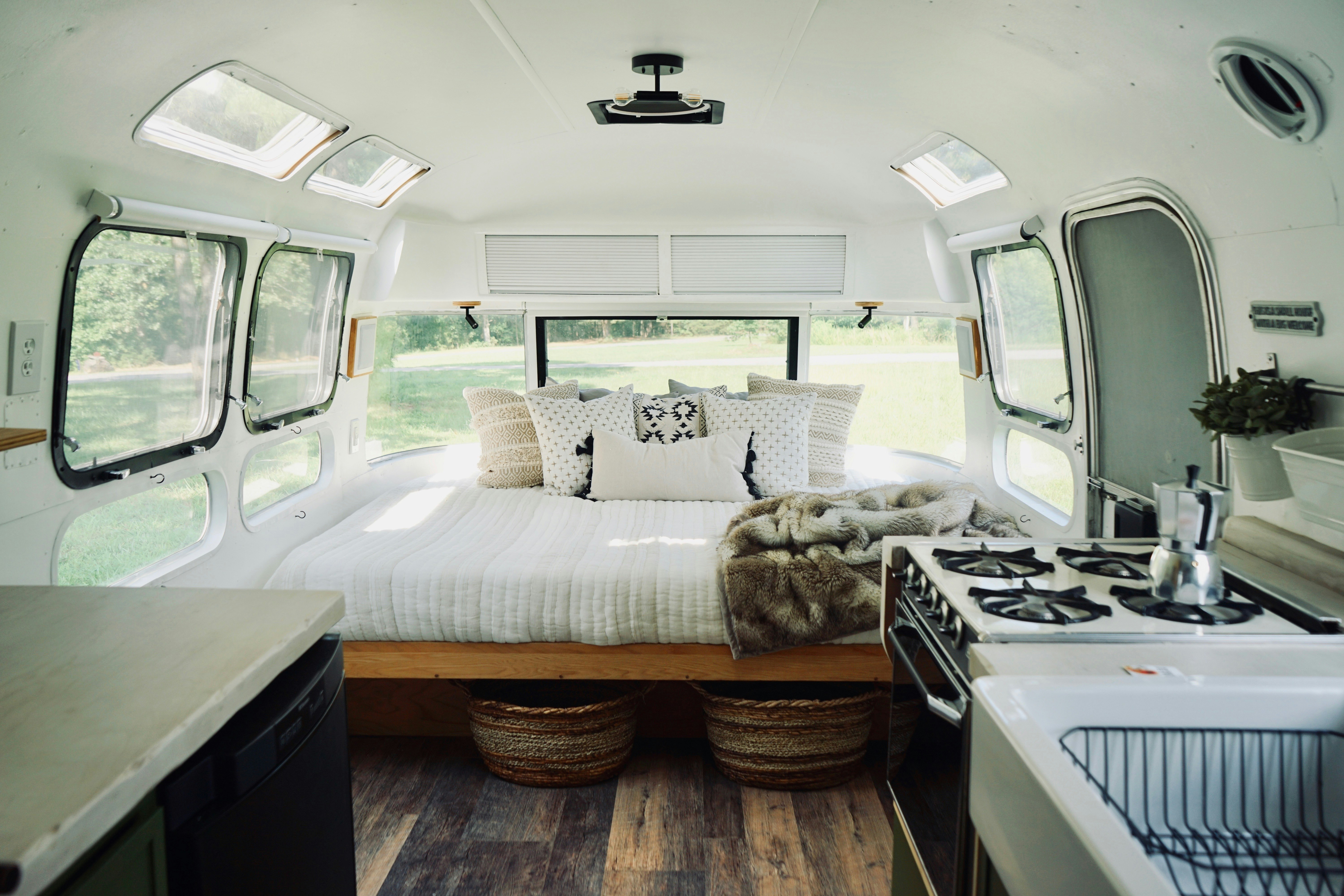
7 Airstream Renovation Companies That’ll Take Your Vintage Cruiser to the Next Level

An Adventurer and Her Pets Find Solace in a Renovated 1973 Airstream Tradewind
This Ambulance Conversion Is a 4x4 Overland Rig With Shower, Toilet, and Hot Tub
From Walk-Up Friendly Delivery to Endless Configurations: We Tried the Burrow Nomad King Sectional

moormann's minimalist motorhome combines comfort, functionality and fine aesthetics
living vehicle 2022 luxury camper provides absolute freedom from the power grid
How I Built Out the Dream DIY Adventure Truck Camper

This Adventure-Ready Tiny House Has a Mud Room and a Fold-Down Deck
DIY Camper Van: 5 Affordable Conversion Kits for Sale
After a Full Overhaul, This Vintage Avion Camper Is Ready to Hit the Road for $85K
From Dirty Garage to a Modern, Flexible ADU for Guests + Work

Hannabi designs modular Urban Nomad sofa for generation rent

Home Interior Trends Reveal: Mobility Interiors
Delta Glade Static Caravan Reviewed
Pemberton Brompton two bedroom static caravan review
Race car driver hung a $2.2 million Pagani Zonda like a painting in his Miami apartment