1/7
Hannabi designs modular Urban Nomad sofa for generation rent
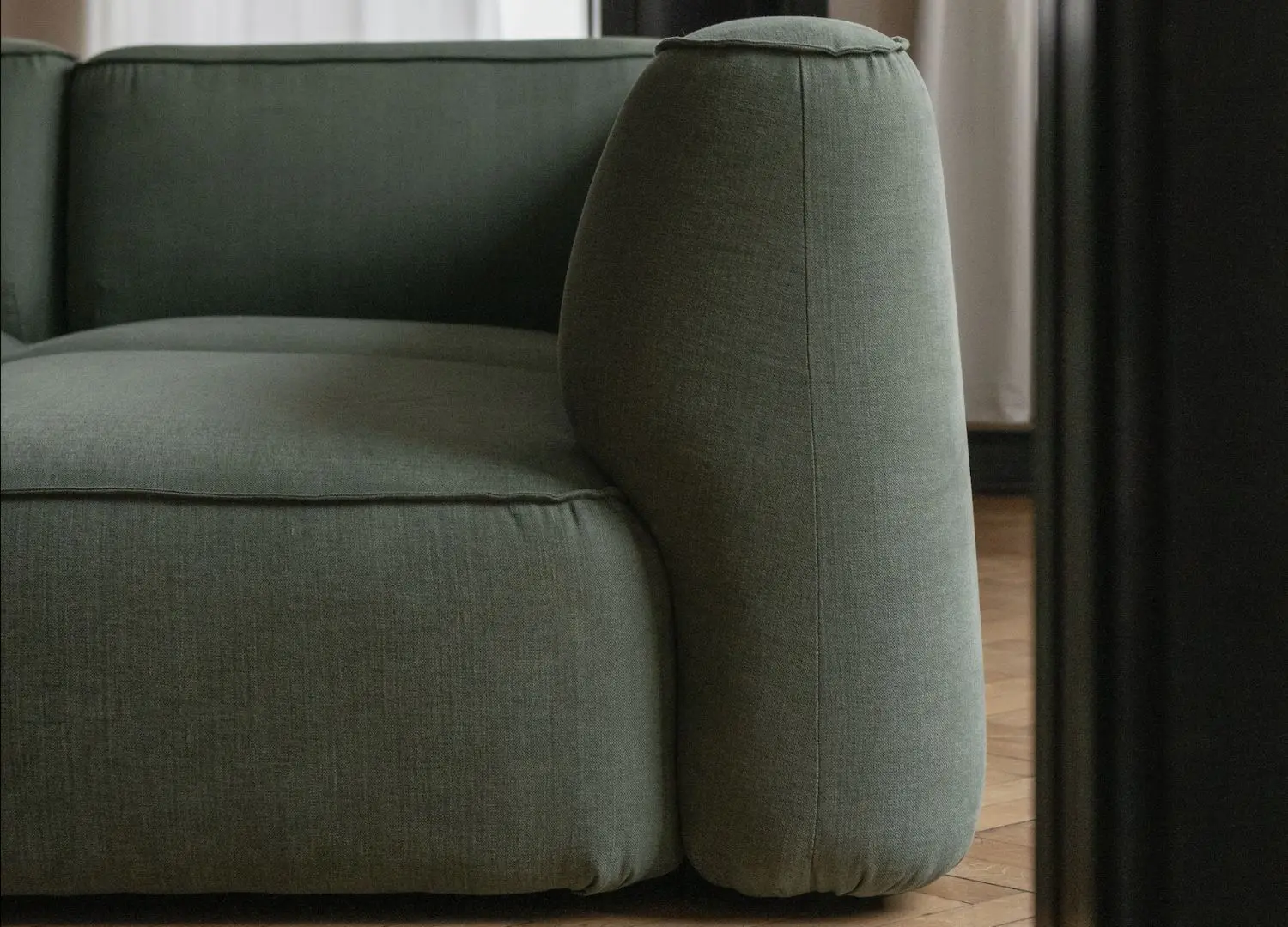
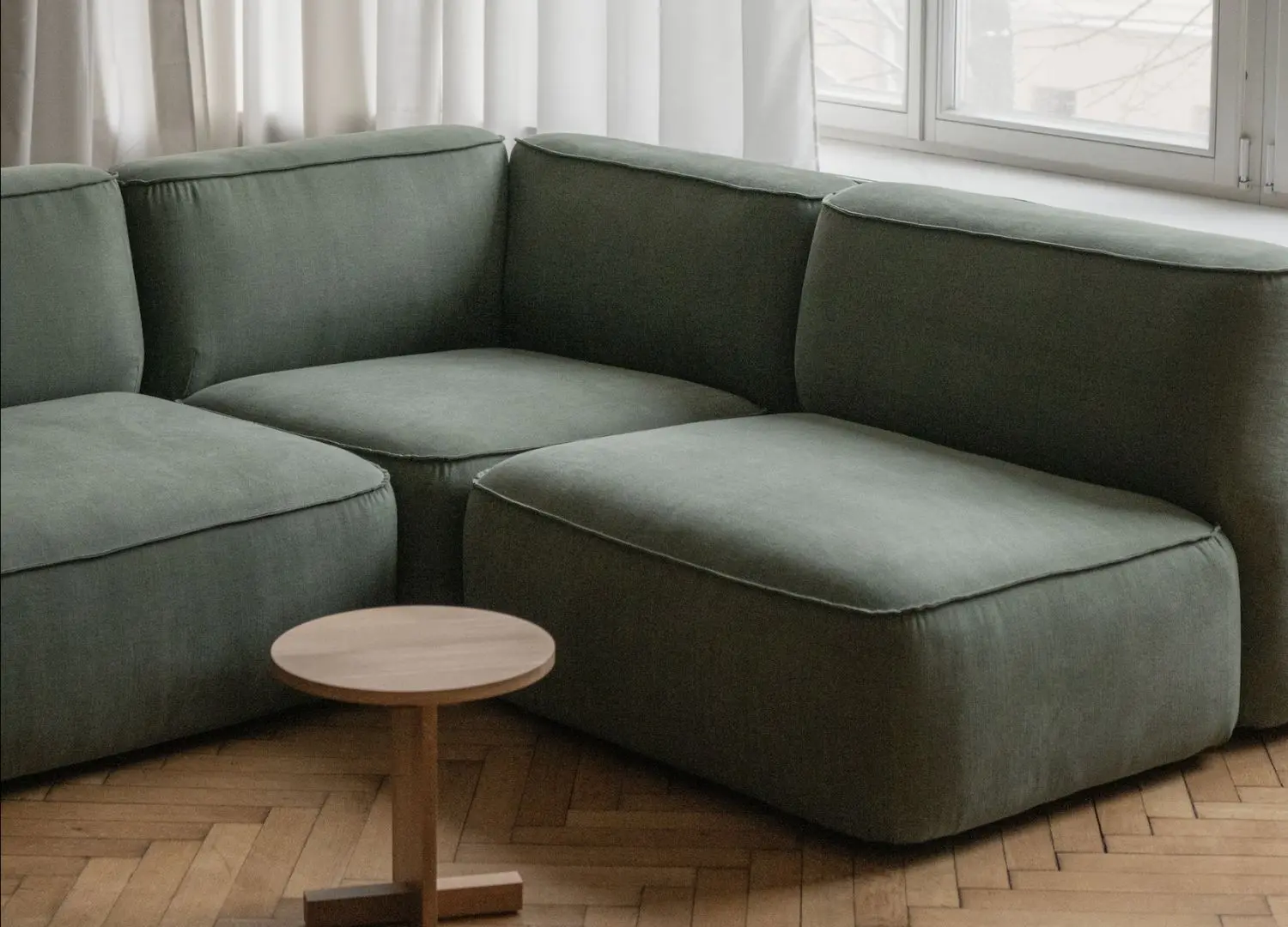
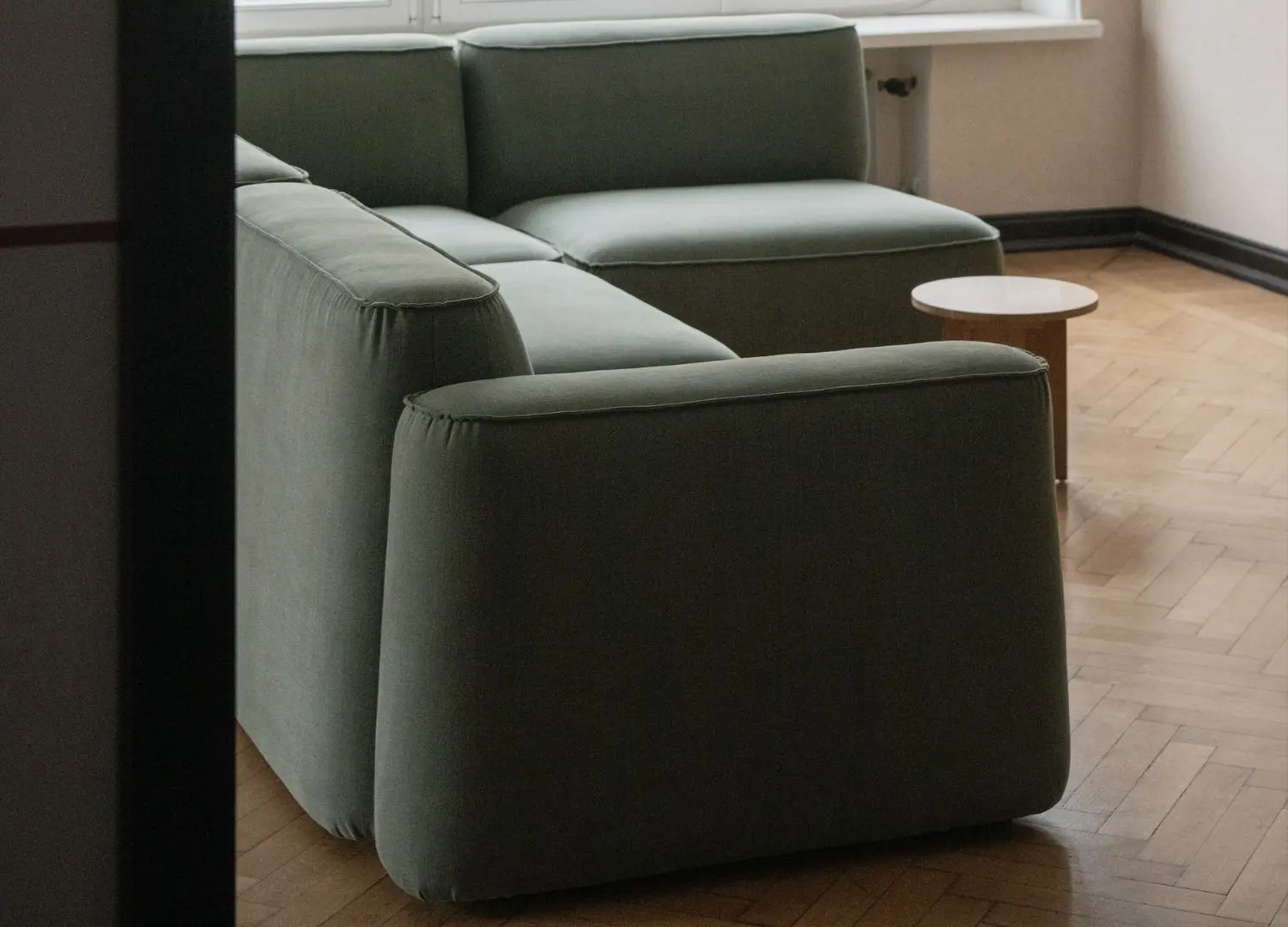
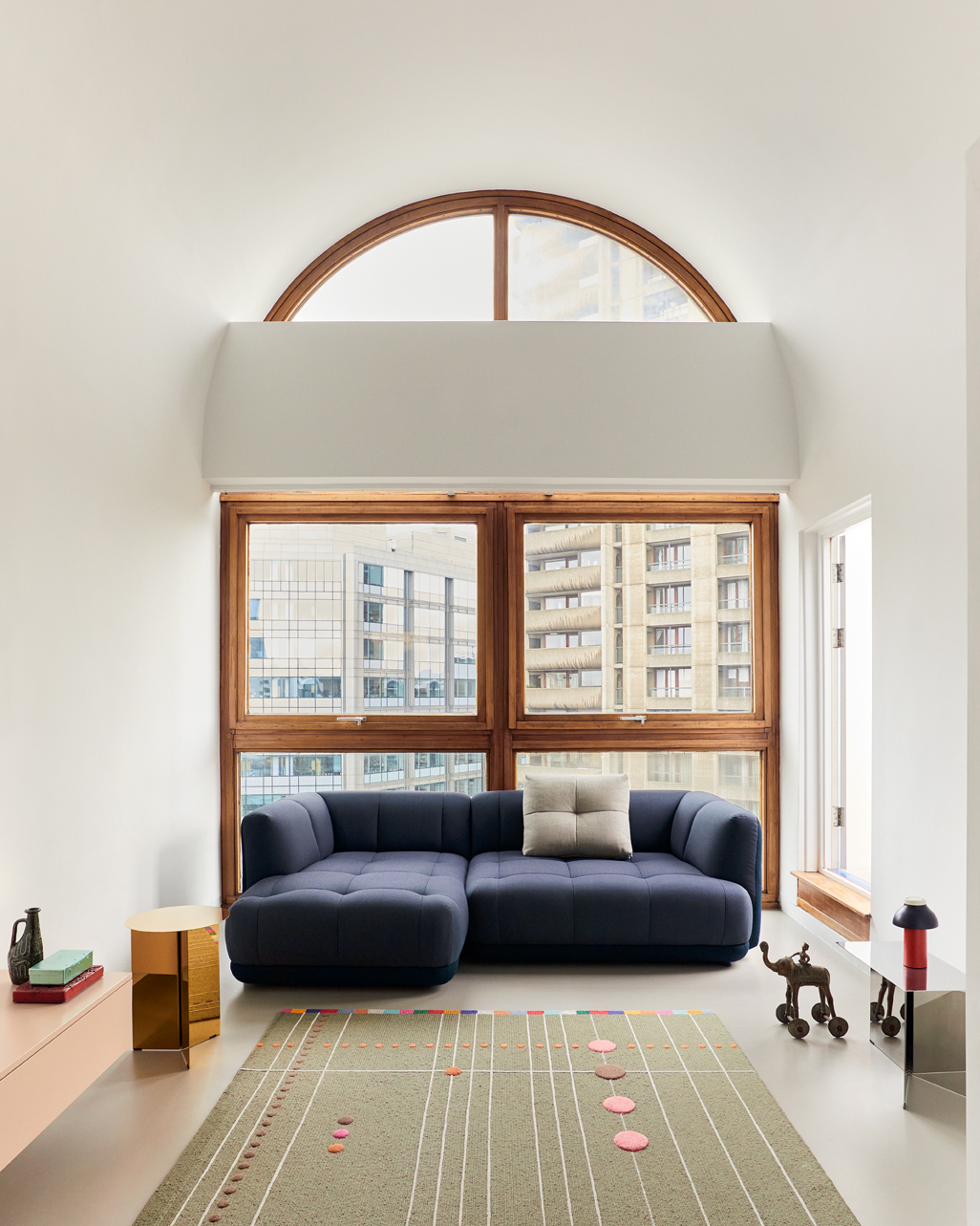
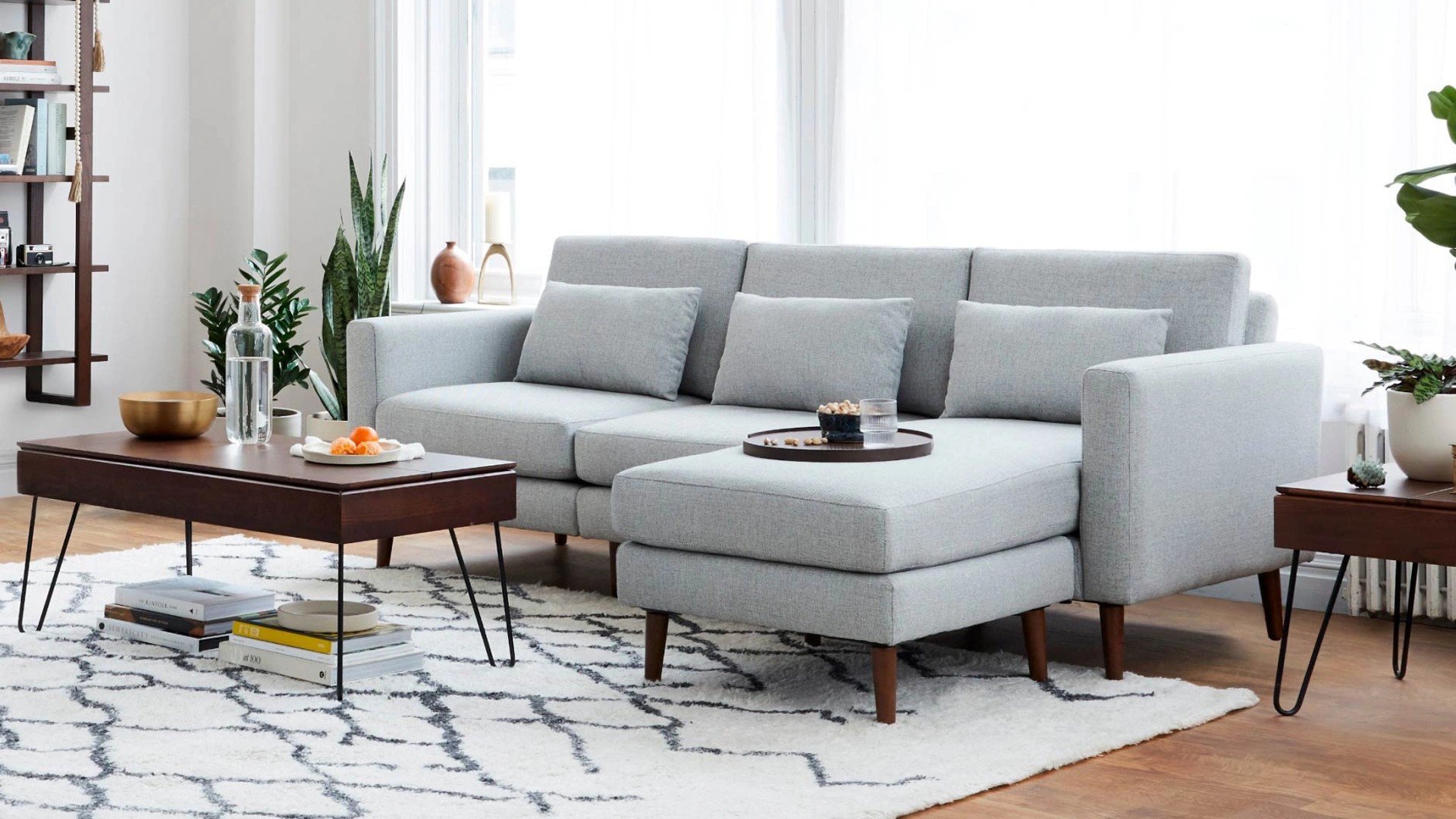
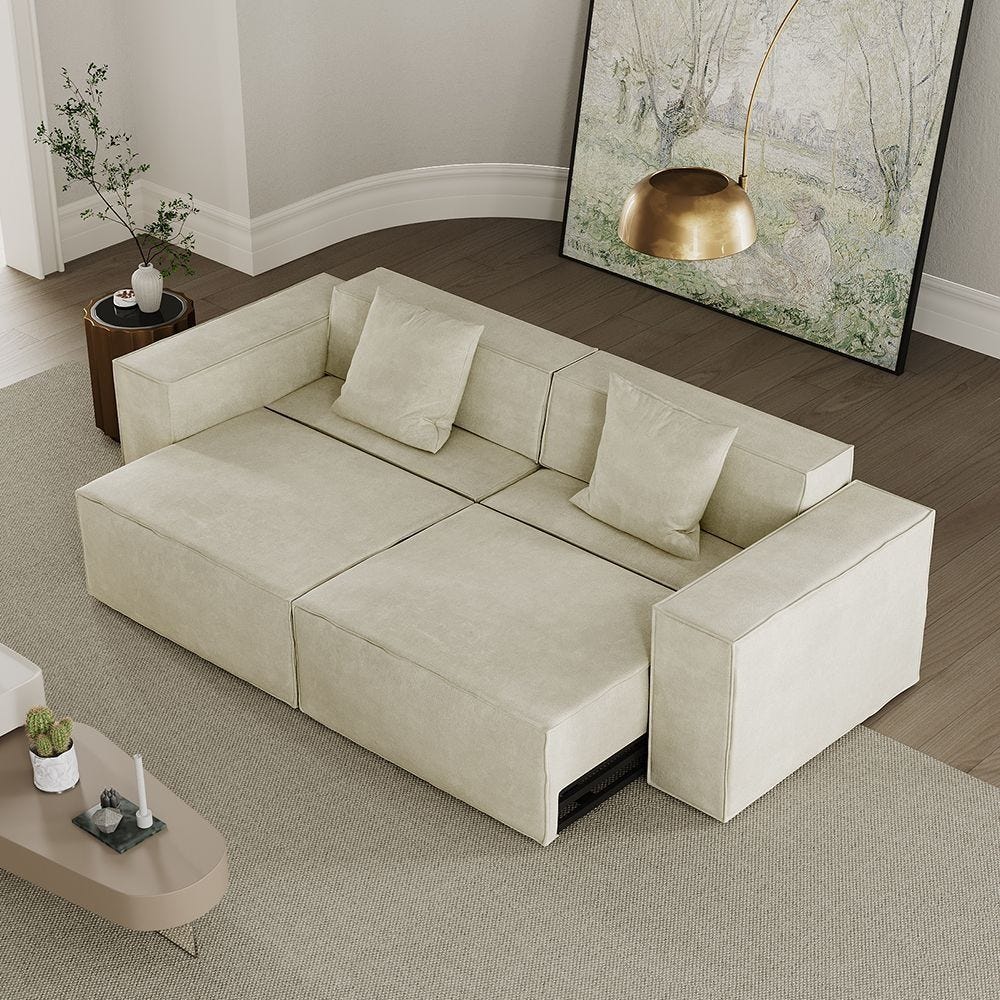
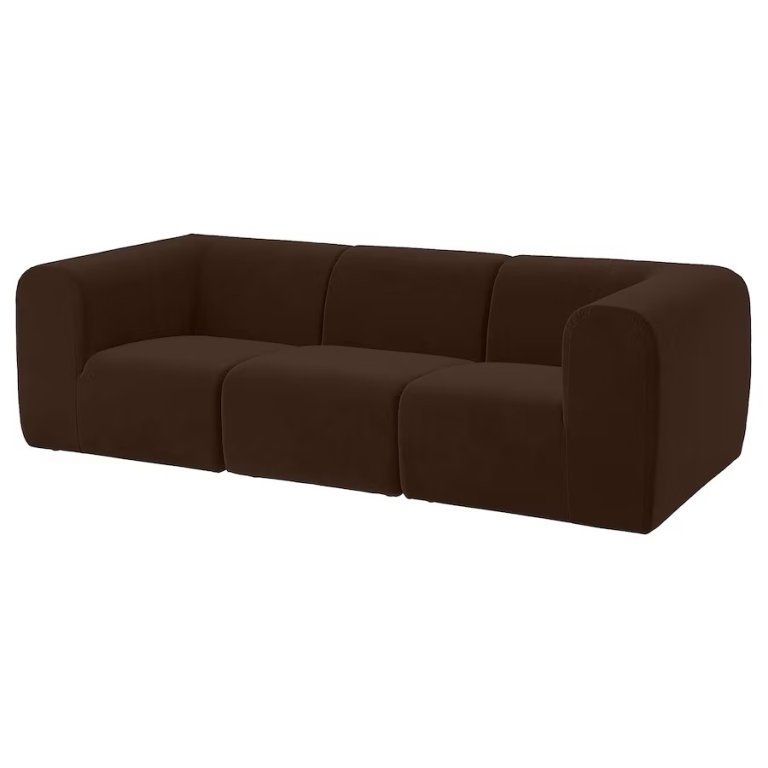
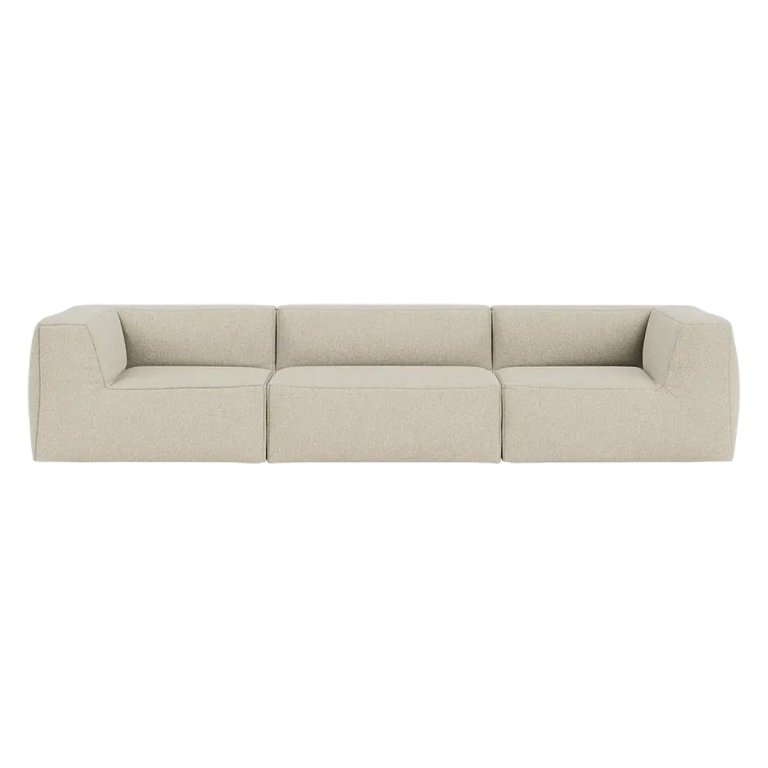
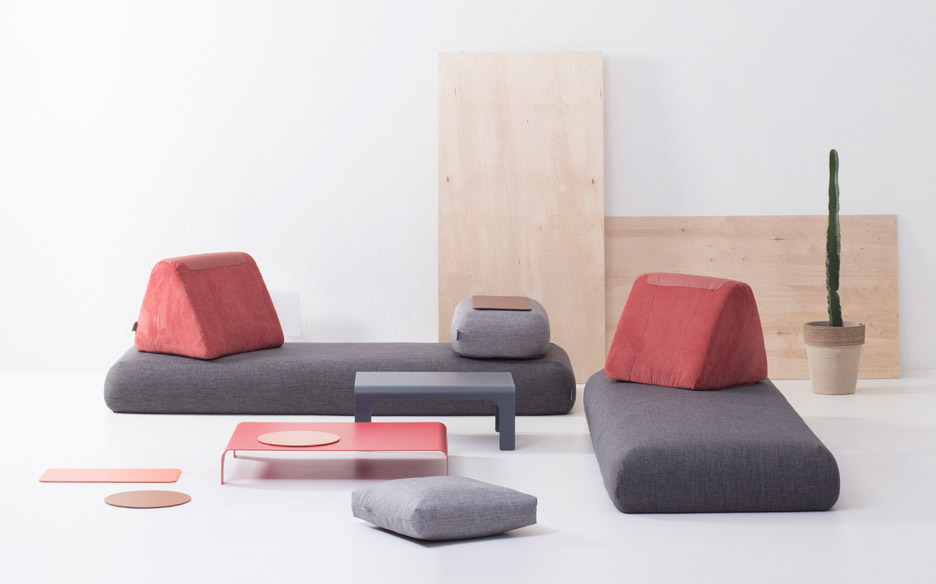
Hungarian furniture brand Hannabi has introduced the Urban Nomad sofa, a modular furniture system specifically designed for individuals who frequently relocate or reside in compact urban apartments. The sofa, part of Hannabi's Box Hyperactive system, addresses the evolving needs of city dwellers, who increasingly seek flexible and adaptable living solutions. The Urban Nomad sofa is composed of four distinct parts: two long rectangular cushions that serve as the base and two triangular supports that function as backrests. This design allows for significant versatility, enabling the sofa to be configured in multiple ways. Users can assemble it as a single full-height sofa for traditional seating, reconfigure it into two separate seating mats for more casual arrangements, or transform it into a comfortable single bed, making it ideal for small spaces where furniture needs to serve multiple functions.
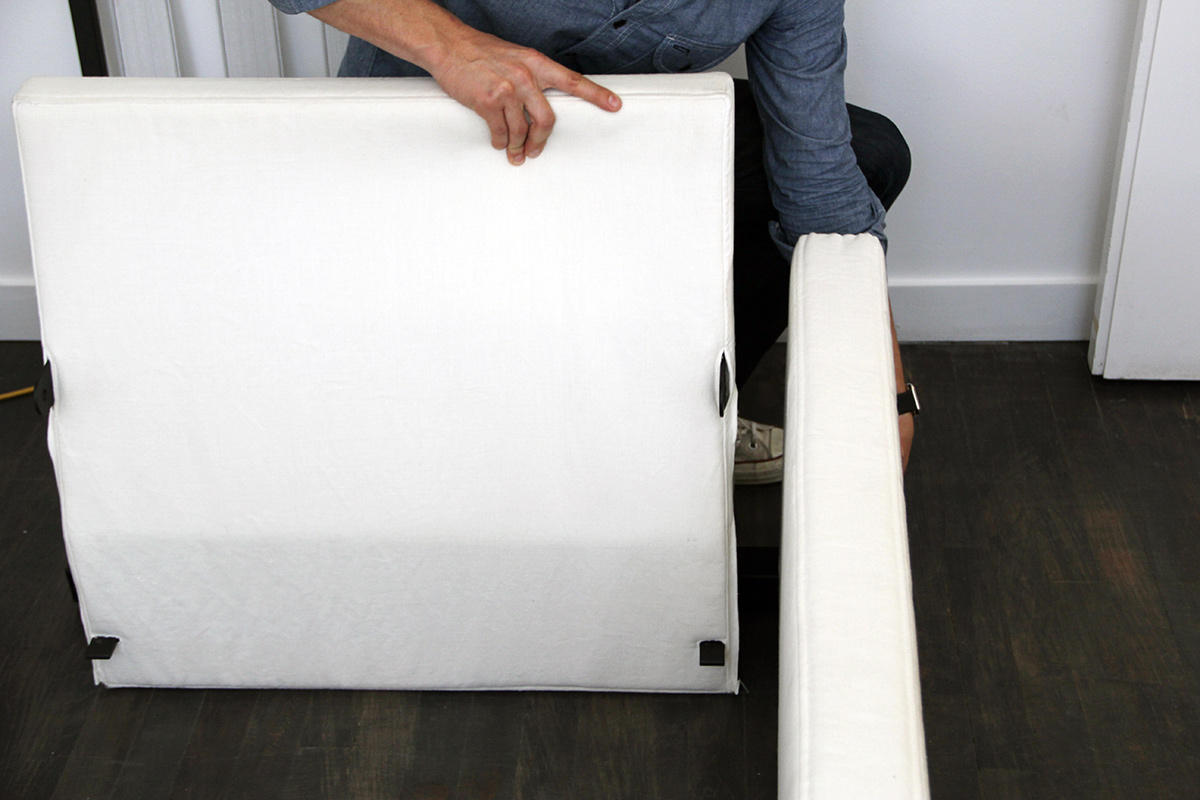
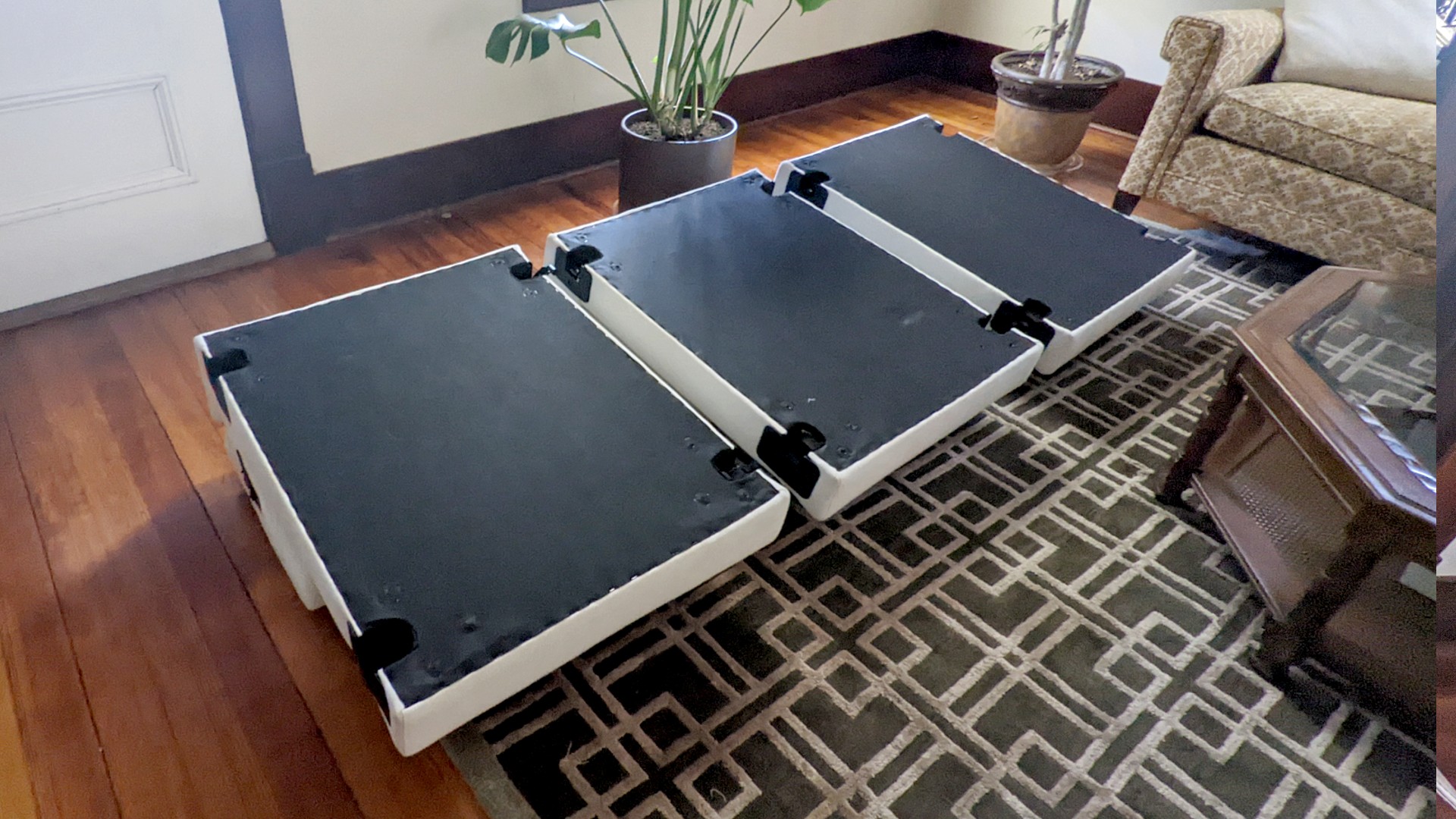
A key feature of the Urban Nomad sofa is its ingenious construction, which eliminates the need for fixed fixtures or legs. This design choice contributes to its lightweight nature and ease of rearrangement. Each component is designed to fit together securely yet can be easily separated through the use of rubber junctions. These junctions ensure stability when the parts are assembled, while allowing for effortless disassembly and reassembly, promoting quick adaptation to different living scenarios or moving requirements. The internal hardwood frame provides durability, and the textile covering is selected to withstand the rigors of frequent use and relocation, ensuring the sofa maintains its integrity over time. The inspiration for its lightweight and versatile design was partly drawn from traditional Japanese tatami mats, known for their adaptability and space-saving qualities.
Hannabi, founded by designer Anikó Rácz in 2010, conceptualized the Urban Nomad sofa with a clear understanding of the challenges faced by modern urban residents. As noted by Hannabi CEO János Kemtykó, the contemporary living space requires furniture that can flexibly adapt to different life stages and varying family needs. The sofa, often the focal point of shared living areas, thus needs to incorporate new functionalities. Kemtykó emphasized that the primary goal in designing the Urban Nomad was to create a multifunctional piece that offers numerous options for families living within limited room-sized spaces, thereby maximizing utility and comfort in constrained environments.
This innovative approach to furniture design is reflective of a broader trend in the industry, where designers are increasingly focusing on creating pieces that are easy to move, modify, or assemble to suit the demands of transient lifestyles and smaller living quarters. Examples include UK design graduate Sam Wrigley's collection of flat-pack furniture, which prioritized ease of assembly even beyond the typical convenience offered by brands like Ikea. Similarly, the Bouroullec brothers introduced a customizable flat-pack sofa for Hay, and Danish studio Kilo Design developed a modular sofa featuring lozenge-shaped cushions that can be rearranged as needed. These developments underscore a growing recognition among designers of the necessity for adaptable and space-efficient furniture solutions for the modern consumer, particularly those in urban settings often referred to as 'generation rent.'
#ModularDesign #UrbanNomad #SofaSystem #FlexibleFurniture #SmallSpaceLiving #AnikoRacz #Hannabi #FurnitureDesign #InteriorDesign #ModularDesign #UrbanNomad #SofaSystem #FlexibleFurniture #SmallSpaceLiving #AnikoRacz #Hannabi #FurnitureDesign #InteriorDesign
0 comment in total
 No comments yet
You may also like
Campaign’s Portable Furniture
A new modular inform sofa defined by its unique diamond-shaped backrest panels

Nestron’s Plug-and-Play Prefabs Start at $40K and Don’t Require a Foundation

sculptural daybed emerges from gun-tufted wool rug by BUDDE and nando studio
The Latest Design Sofas of 2020

Clap Studio designs modular, millipede-like sofa for Missana
Top 10 flat-pack designs that are super easy to carry + assemble
We need more flexible housing for 21st-century lives


Alfredo Häberli creates "architectural" Giro Soft sofa for Andreu World
vitale designs reconfigurable two BE sofa for KOO international
Burrow Nomad sofa review: relax, sleep, and chill on this stylish sleeper sofa

2025 is the Year of This Genius Small Space Solution | domino

Sponsored Content: KI’s Hub Collection Brings Contemporary Styling to Modular Seating

For All Styles and Sizes of Living Rooms, These Are the 13 Best Modular Sofas

This Modular Sleeper Sofa Keeps Me and My Houseguests Happy

From Walk-Up Friendly Delivery to Endless Configurations: We Tried the Burrow Nomad King Sectional
Nested Bunk Beds by Tsai Design Studio
Doshi Levien unveils new modular sofa for Hay

How Can We Double the Living Space in Our Homes? BEYOME: The Flexible and Modular System with Robotic Furniture

Our Favorite Modular Sofas Offer Comfort and Customization