1/2
This Filipino American Designer Is Reclaiming the Peacock Chair
Cheyenne Concepcion, a Filipino American artist, is re-examining the cultural heritage of the Peacock chair through her new furniture collection, Reclaim. The Peacock chair, widely recognized in popular culture through album covers and famous portraits like that of Huey Newton, has a largely unknown origin story. Concepcion discovered that the chair originated in the Bilibid Prison in Manila in the early 1900s, where incarcerated individuals made it as part of "rehabilitation" programs under American colonial rule. This revelation deeply resonated with Concepcion, leading her to explore this obscured history through her design practice. Her work aims to reclaim the chair's narrative and position it as an expressly Filipino American design.
The article highlights that basketry has a long history as a national symbol in the Philippines, with Indigenous crafts utilizing woven rattan and bamboo for various items. However, the rise of rattan furniture, including the Peacock chair, was a direct consequence of American colonialism from 1899 to 1946. The colonial government marketed these prison-made rattan products, including the Peacock chair, as "smart and serviceable." When the chair arrived in the United States, it was often presented with an exoticized narrative, depicting it as a symbol of fictional royalty from distant lands, completely disconnecting it from its actual origins and the labor of incarcerated Filipinos.
Concepcion's collection, Reclaim, was launched at WantedDesign and aims to modernize the Peacock chair while celebrating Filipino American identity. She describes her ambition as inventing a new style, not just designing furniture. Concepcion seeks to address the hierarchy of cultural recognition within Asian cultures, noting that the Philippines has often been overlooked due to colonization and assimilation, leading to a loss of connection to Indigenous heritage. Her goal is to bring visibility to the Filipino story through design.
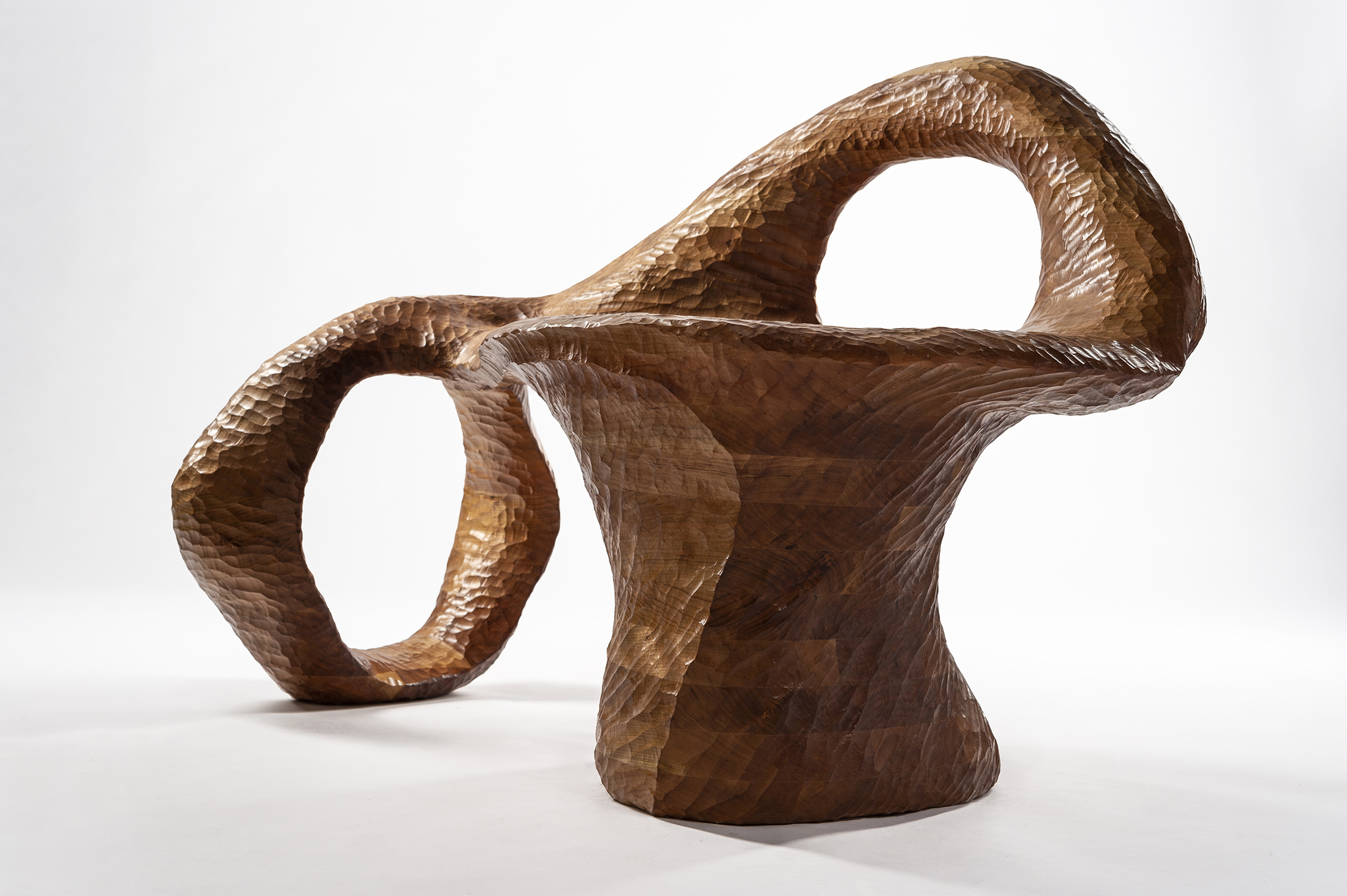
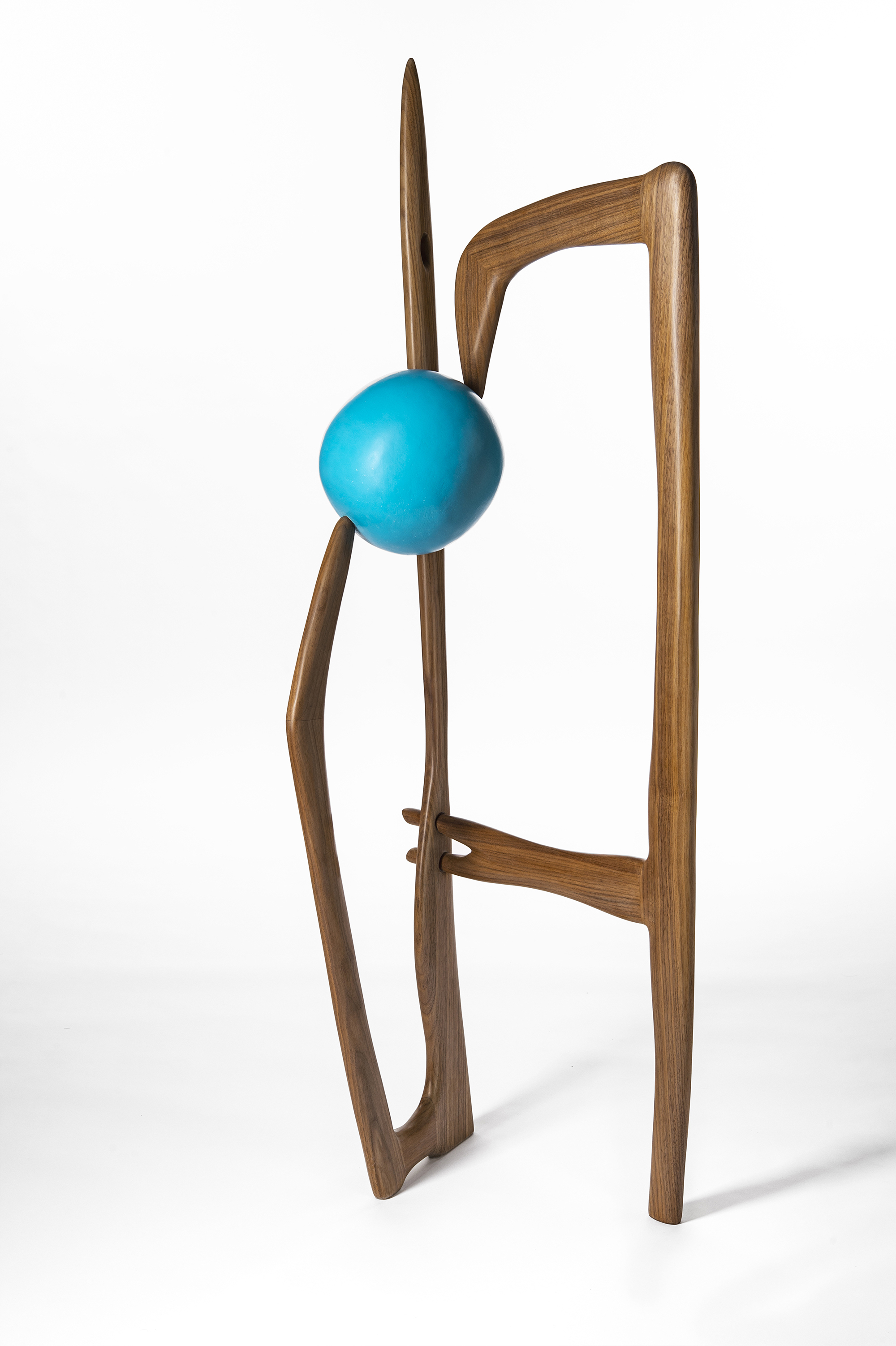
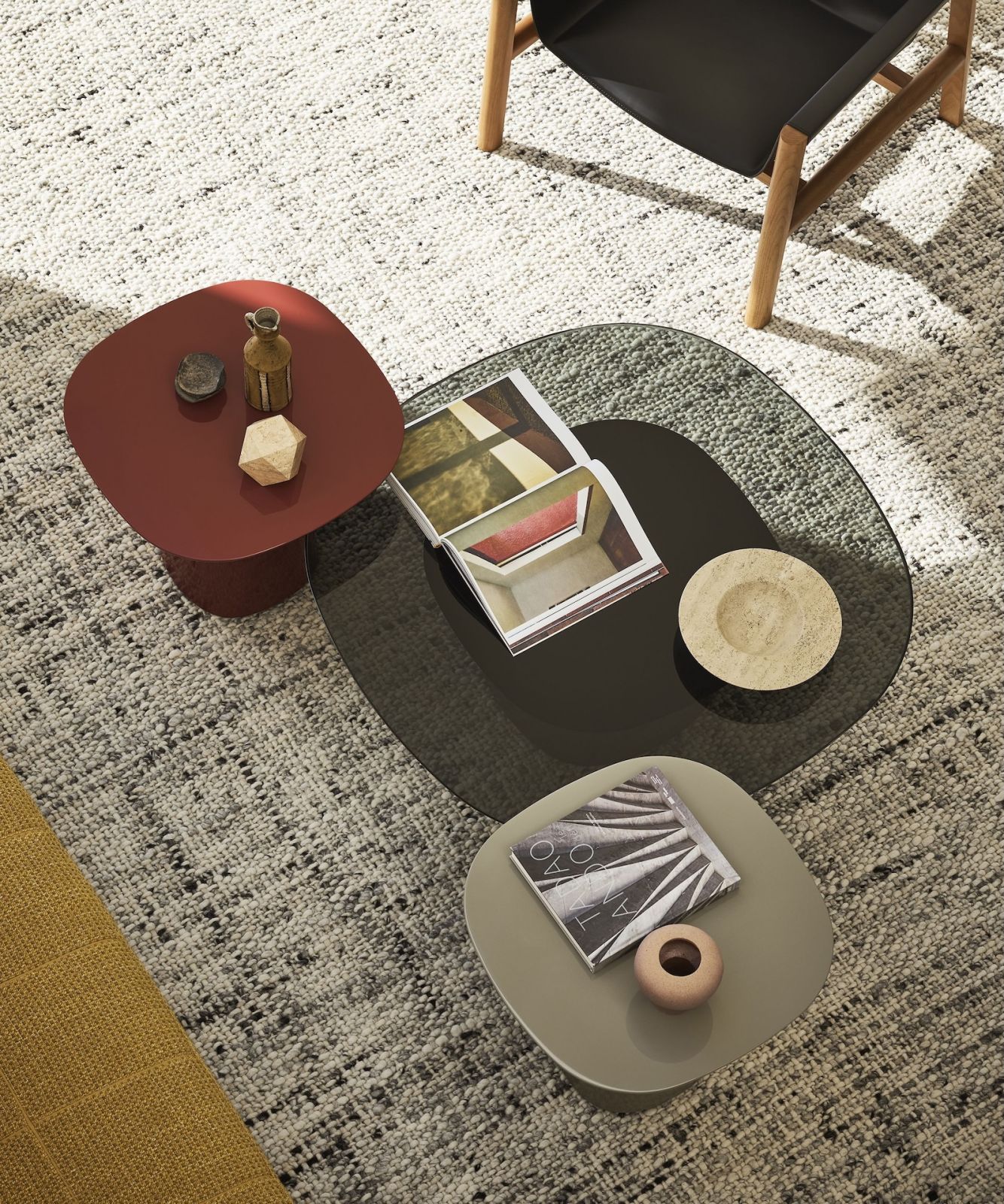
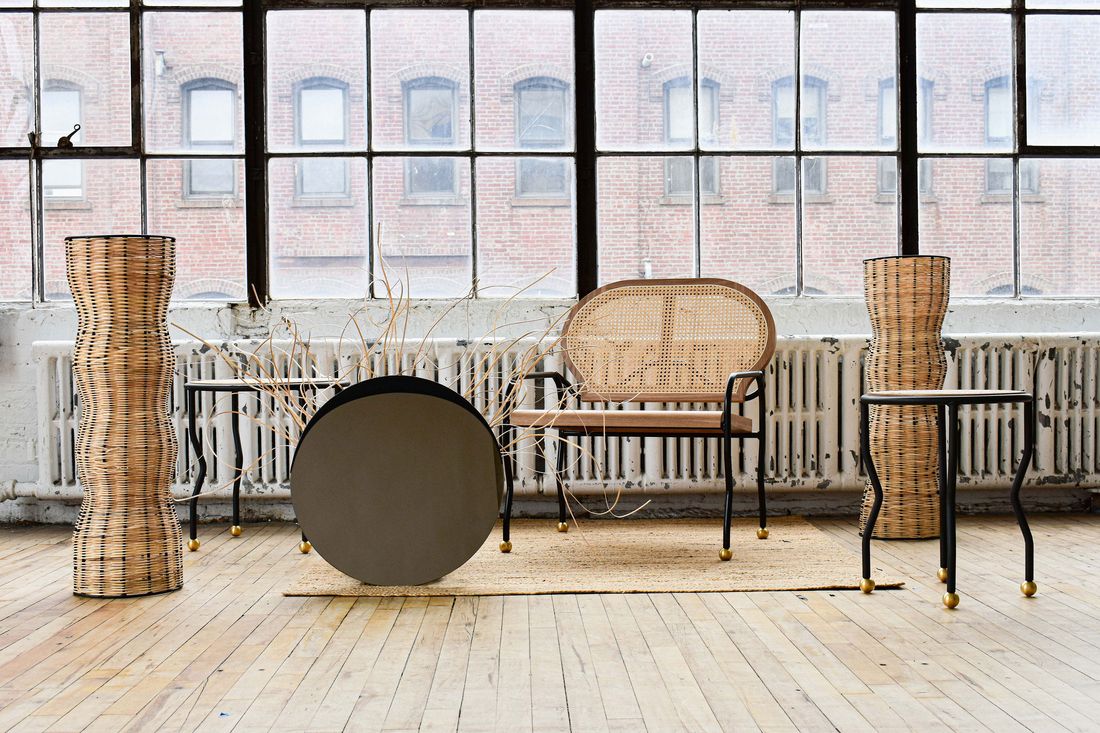
The collection includes pieces like the Doña Lounge Chair, which reimagines the Peacock chair's archetypal hourglass shape by lowering it, relaxing its posture, and expanding its material palette to include wood, brass, and steel. Concepcion explains that the design is autobiographical, celebrating femininity and portraying the chair as suitable for a queen or matriarch, incorporating brass accents for a more feminine touch. Other pieces include the Coco Nesting Set, featuring nesting stools with powder-coated steel legs that echo the Peacock chair's shape, and the Lolo Mirror, a bronze-tinted smoked mirror inspired by her stargazing grandfather and incorporating a "cane sandwich" technique. The Anak Totems are sculptures made from bent metal wire and woven caning, inspired by Philippine basketry presented at the 1915 Panama Pacific exhibition. Concepcion plans to continue experimenting with the combination of steel and cane, pushing the boundaries of this design application to further develop a distinct Filipino American design style rooted in a re-evaluated historical context.
#FilipinoAmericanDesign #PeacockChair #RattanFurniture #CulturalHeritage #CheyenneConcepcion #DecolonizingDesign #FurnitureDesign #WantedDesign #DesignHunting #FilipinoAmericanDesign #PeacockChair #RattanFurniture #CulturalHeritage #CheyenneConcepcion #DecolonizingDesign #FurnitureDesign #WantedDesign #DesignHunting
0 comment in total
 No comments yet
You may also like
Meet Das Upholstery’s Das Chunilall As He Brings A Rocking Chair Back To Life

Sculpture and Furniture Design

Homestyle: Attention to detail

A Work of Art


Home & Design | Pro to Know: Nicole Crowder


15 future furniture and home decor design classics to invest in now
Franklin and Irving Will Fix or Flip Your Furniture

Fearless Furniture: Fort Greene’s Double R Design Brings New Life to Old Pieces
Pao Hui Kao makes furniture collection from tracing paper
JSN design assembles diamond-shaped tiles into chair
Fashion-forward woman injects runway style into new décor

A Cane Screen and Two Bookcases Cleverly Divide One Large Living Room Into Three Spaces

Take This Chair & Stuff It

How a Former N.F.L. Player Started Designing Sculptural Furniture (Published 2024)
Home & Design | Art + Soul
Industrial Designer Stefan Diez's Prototyping Shots of the Fuld Nesting Chair

One of Backdrop’s Cofounders Dreams Up New Paint Colors From This IKEA Office Chair

Snarkitecture and Gufram unveil bubblegum pink furniture

The home edit: discover this month’s most elegant furniture picks
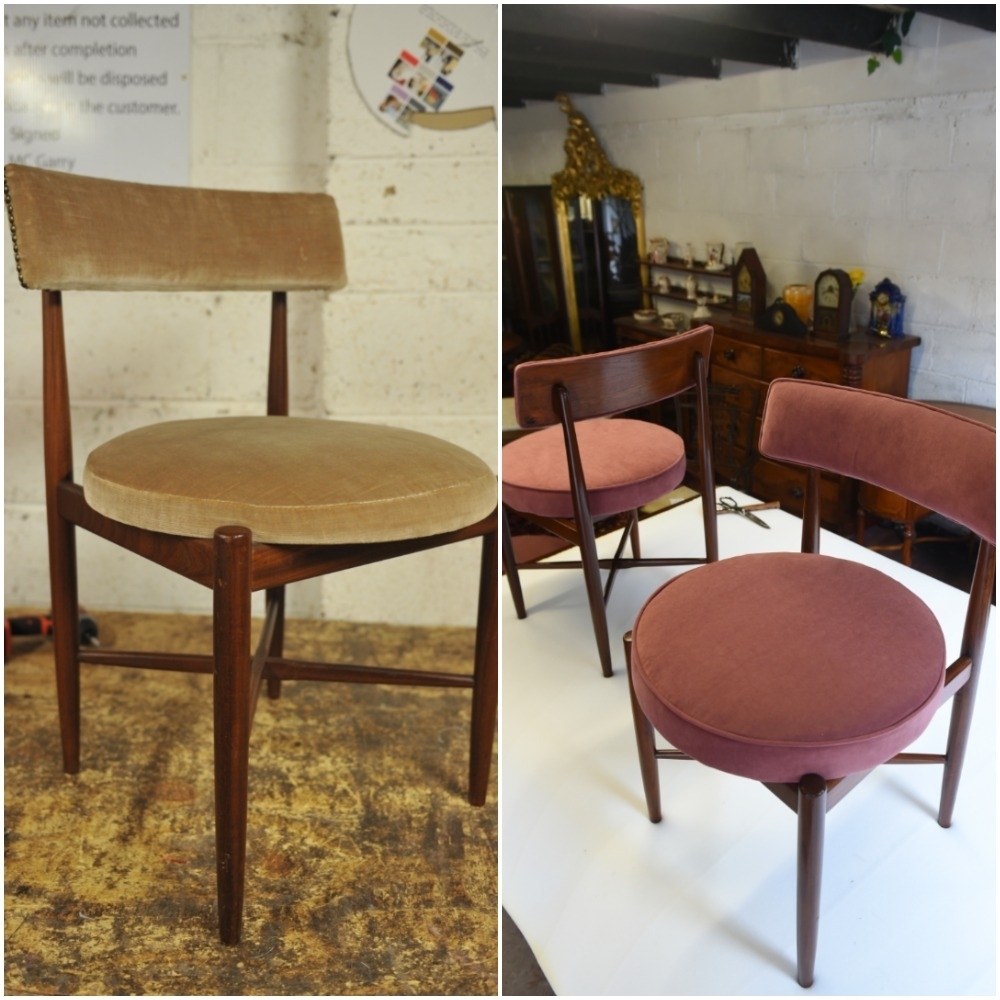
In the pink: Four old dining chairs get a makeover