1/18
Molded perfection: What it takes to restore antique plaster
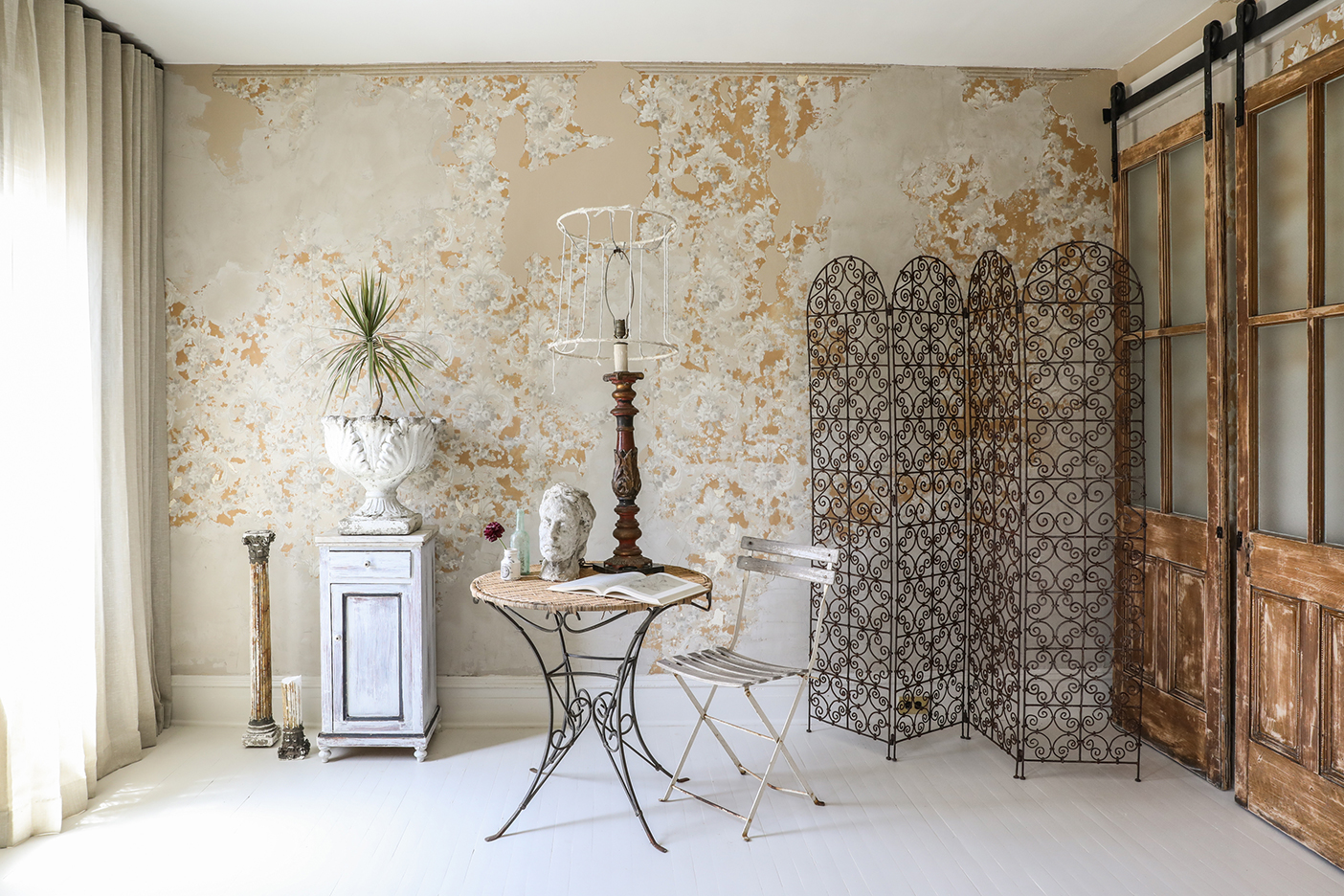
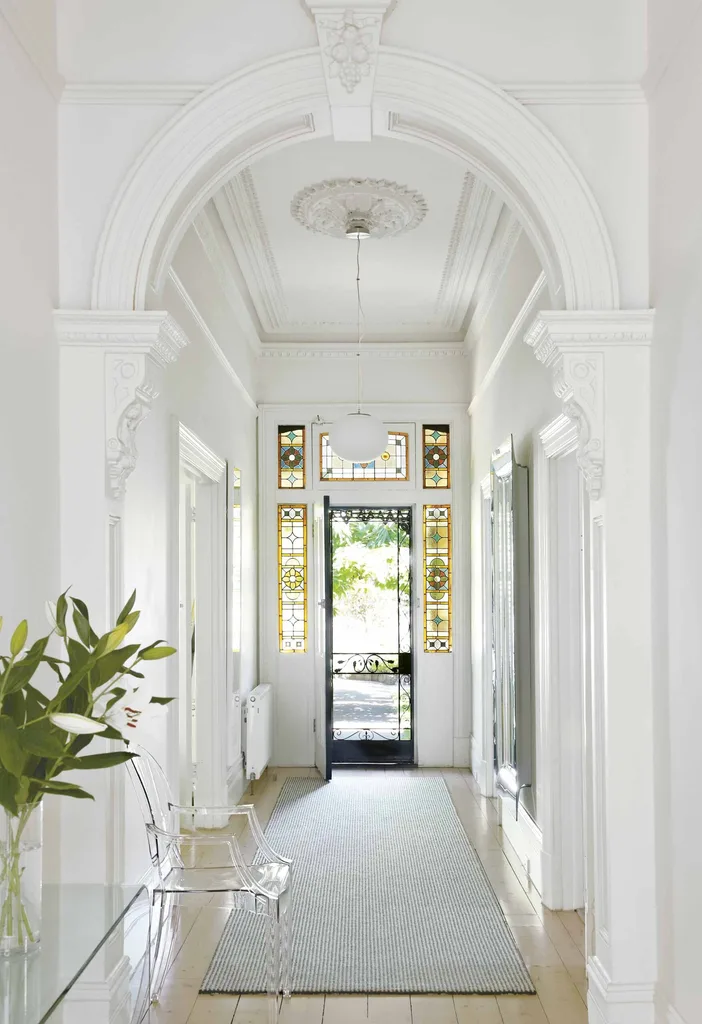
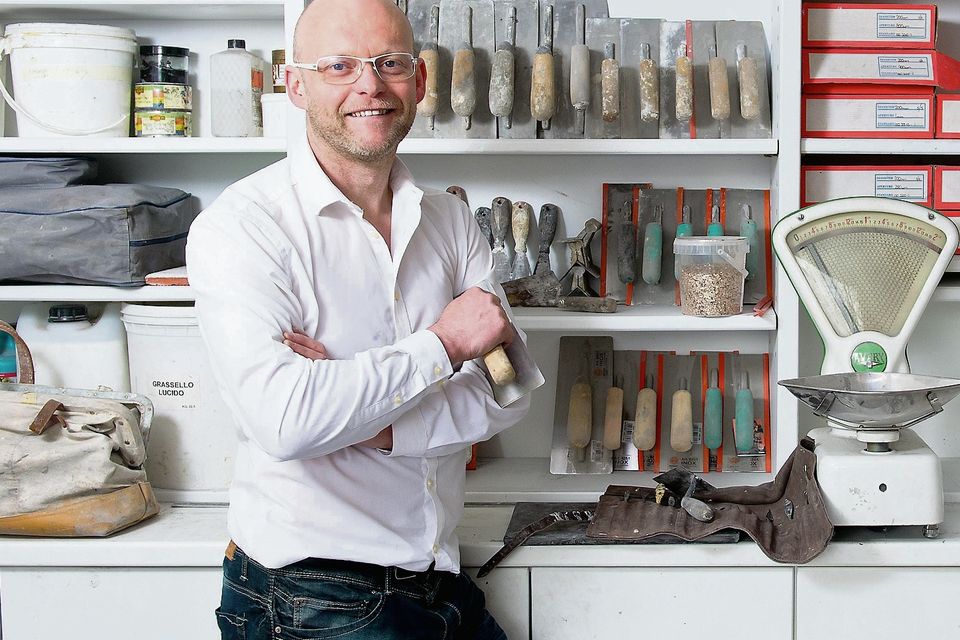
The article delves into the intricacies of antique plaster, its historical significance in construction, and modern techniques for its restoration, drawing insights from Foster Reeve, founder of Foster Reeve & Associates, an architectural and ornamental plaster company. Traditionally, plaster was a foundational building material, prevalent in the 19th and early 20th centuries before the widespread adoption of dimensional lumber, joint compound, and sheetrock. Unlike contemporary materials that can be easily removed, traditional plaster, especially a veneer coat, is noted for its stability, durability, and monolithic quality, often described as "practically bulletproof." This inherent strength means that plaster walls and moldings are integrated; removing one often entails damaging the other.
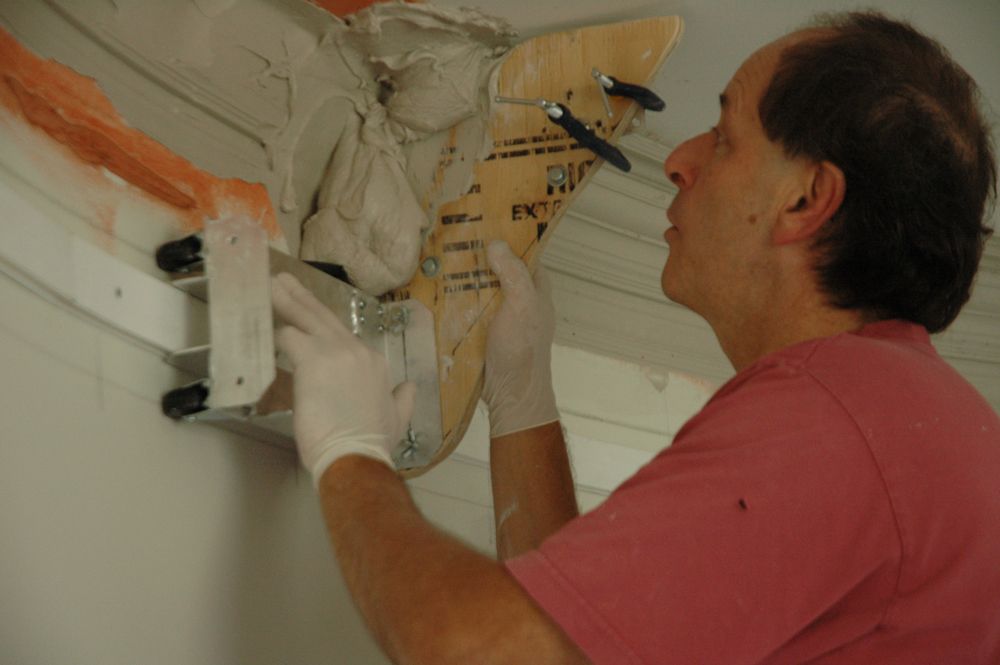
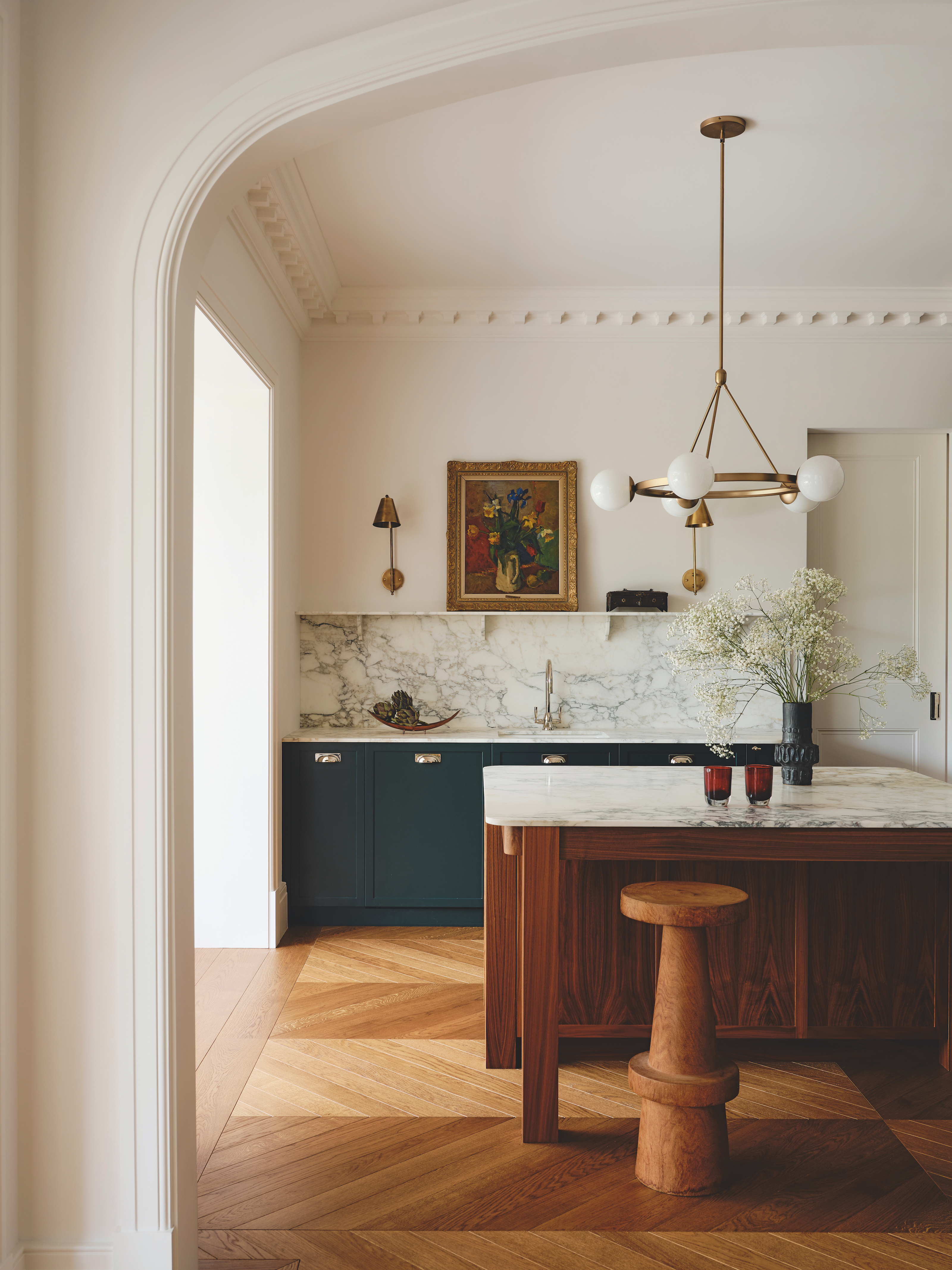
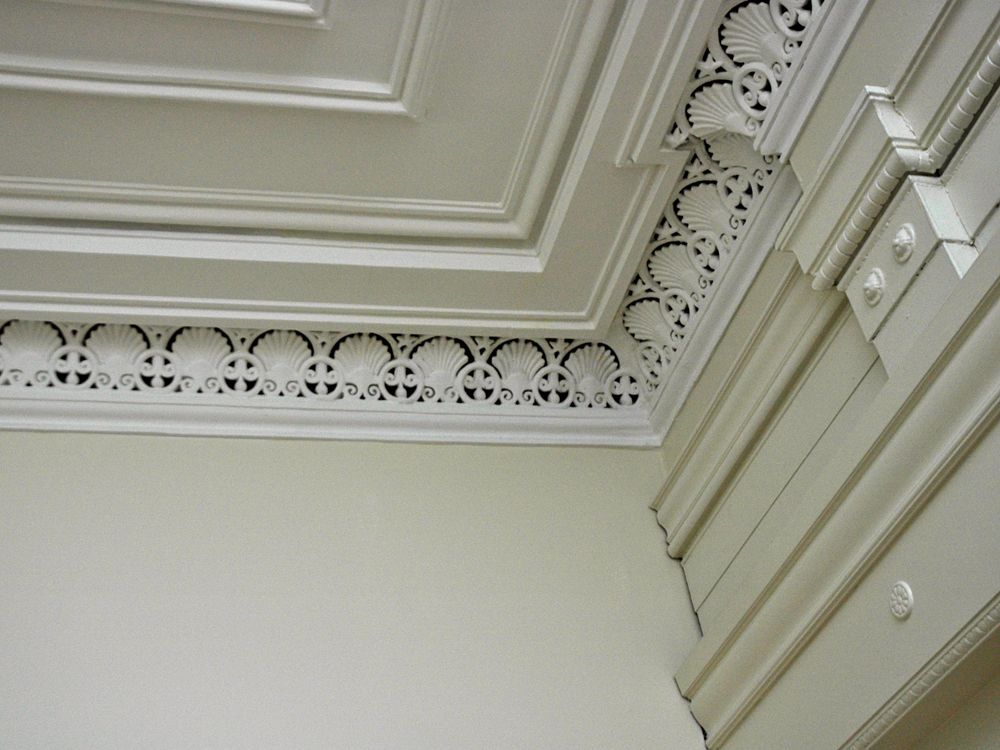
The traditional method of installing plaster moldings, known as "running," is a meticulous, multi-step process. This involves applying wire mesh, followed by a brown coat (a primer layer), and then carefully setting tracks to guide the molding's profile. The straightness of these tracks is crucial, sometimes requiring wall adjustments to ensure a perfect alignment. A specialized tool, matching the desired molding profile, is then used to form the plaster, often while working overhead, particularly for crown moldings. The material used, "fat lime," is highly acidic and requires careful handling due to its caustic properties.
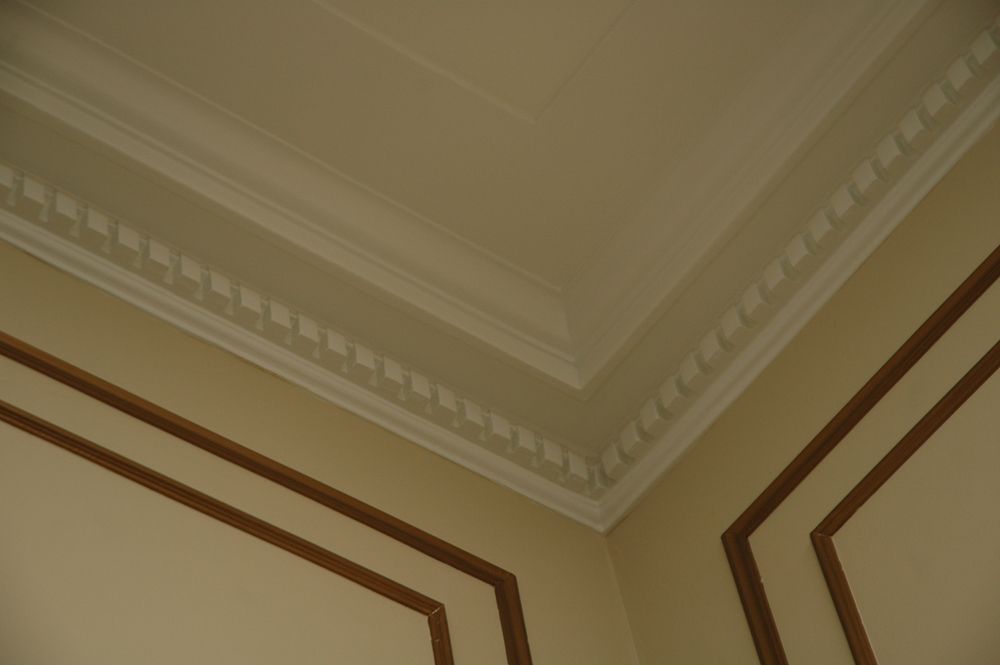
Running plaster molding typically occurred on-site, a labor-intensive task where only short sections could be created at a time. Meeting molding tracts in corners also demanded distinct tools and expertise, which explains why some older moldings might appear uneven at turns. However, Foster Reeve has innovated this process by relocating the running of moldings to his Brooklyn workshop. Here, moldings are crafted based on precise on-site measurements and specifications taken by his team. After being run, the moldings are left to dry for approximately a day in a controlled environment, referred to as the "sauna." This off-site production and drying process minimizes on-site mess while preserving the traditional monolithic appearance of plaster construction during installation.
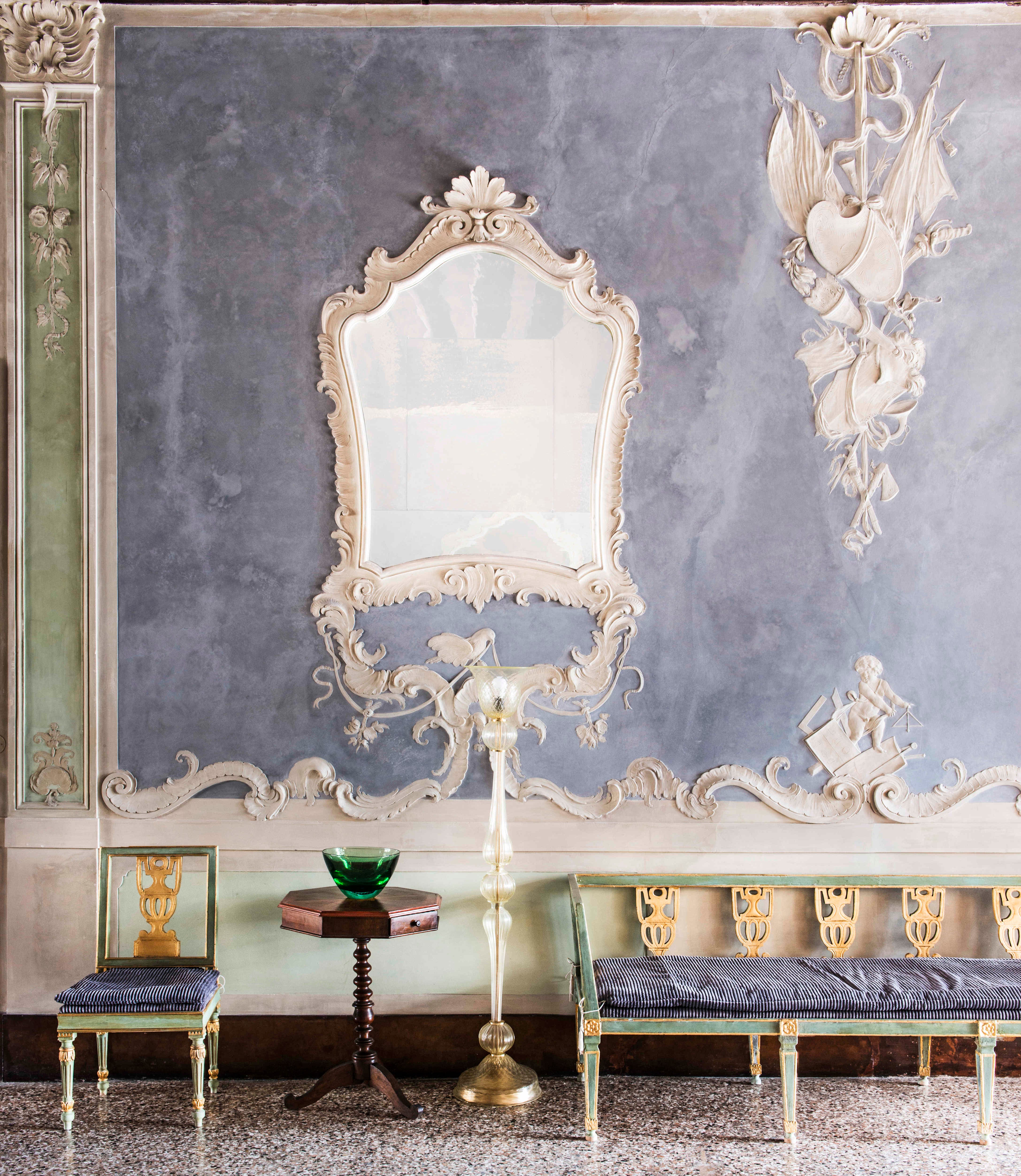
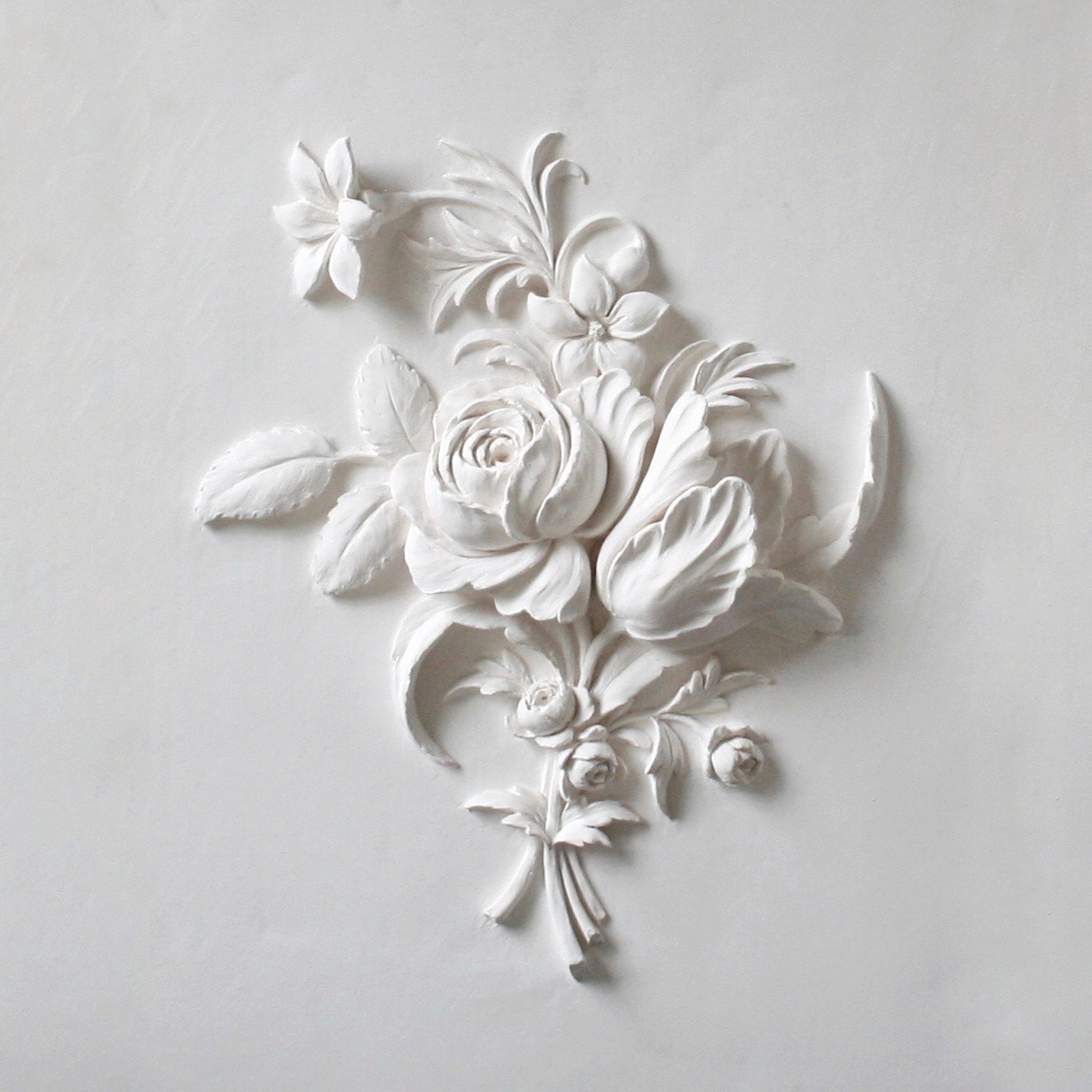
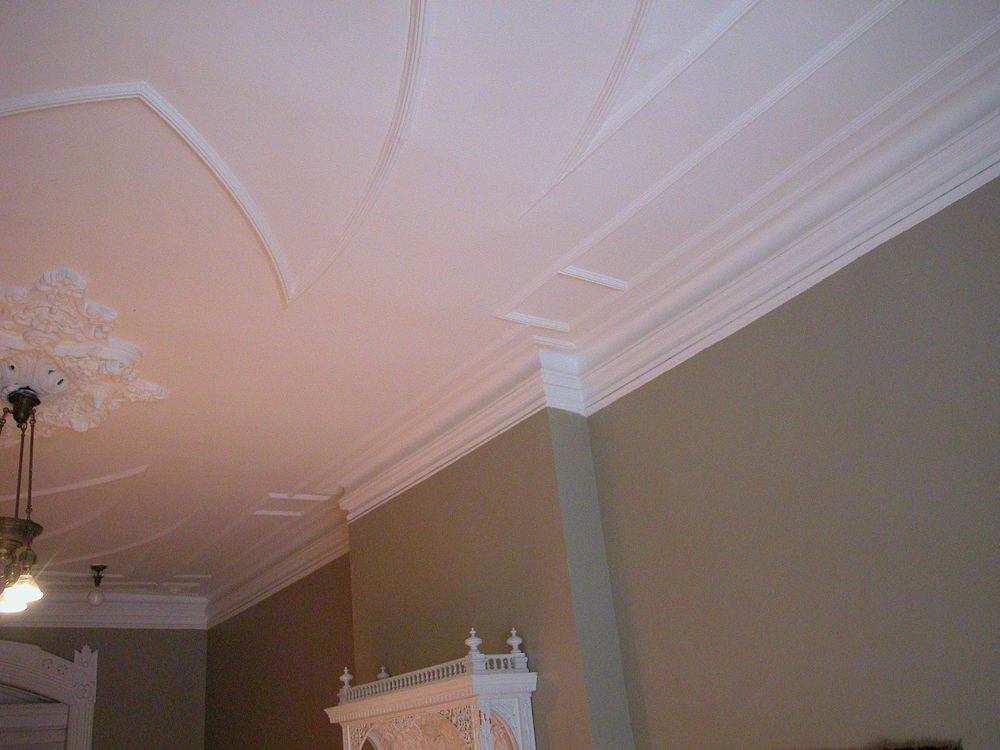
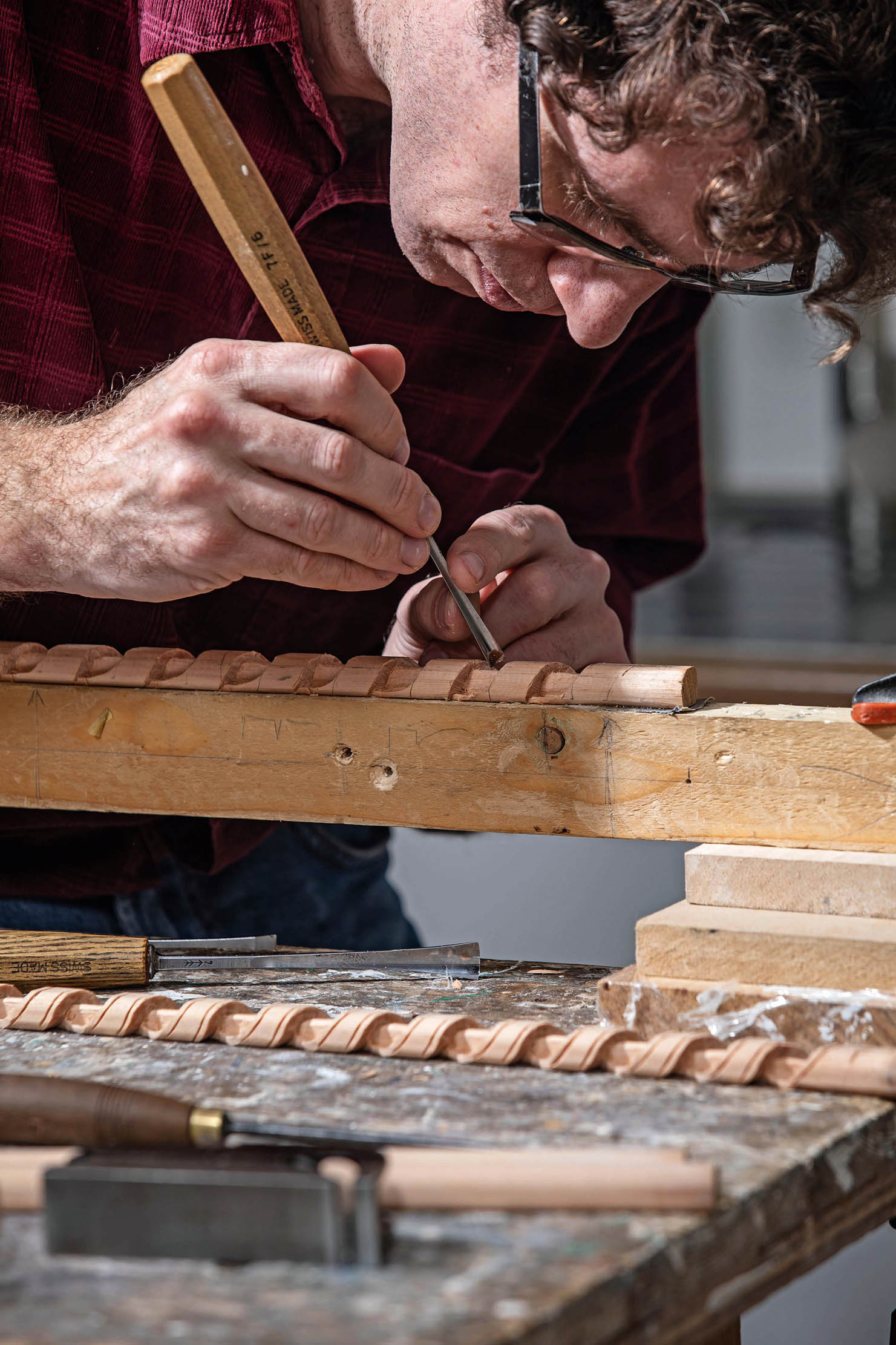
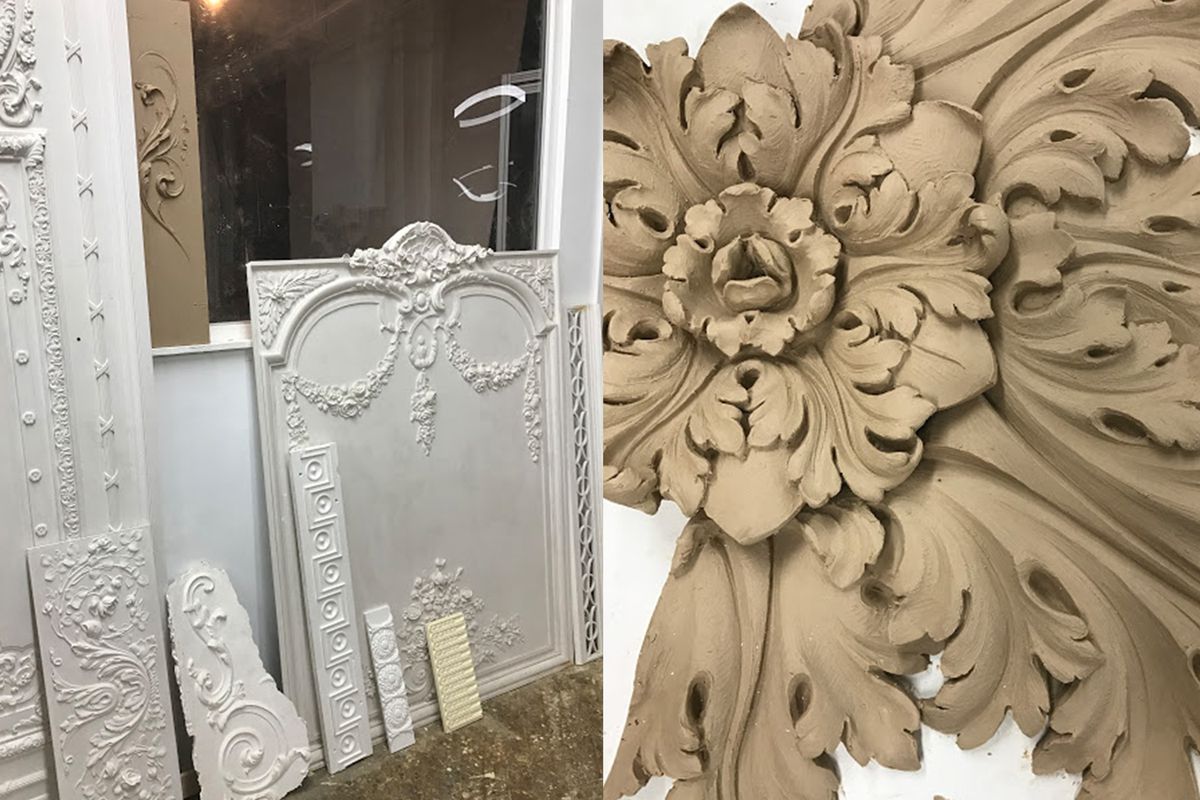
Reeve's workshop extends beyond simple molding profiles; he also specializes in creating intricate and ornate plaster designs, including wall panels and elaborate ceiling decorations. His work is deeply rooted in historical precedent, reflecting his active involvement with the Institute of Classical Architecture & Art and his stewardship of 19th-century plaster casts from the Metropolitan Museum of Fine Art. Clients seeking restoration often bring in historical references, inspiring Reeve to delve into historical texts for design inspiration. The creation of these complex designs involves a multi-stage process: first, sculpting the design in clay, then creating a mold from the clay prototype, and finally, casting the plaster into the mold before it is dried in the "sauna." For simpler repairs, like the missing molding in the Federal house that sparked the article's inquiry, Reeve explains that a small piece of existing molding can be used to replicate the profile, allowing for a localized repair that, once painted, seamlessly blends with the original structure.
#PlasterRestoration #HistoricHomes #InteriorDesign #ArchitecturalPlaster #MoldingRestoration #TraditionalCraftsmanship #HomeRenovation #BuildingMaterials #PlasterRestoration #HistoricHomes #InteriorDesign #ArchitecturalPlaster #MoldingRestoration #TraditionalCraftsmanship #HomeRenovation #BuildingMaterials
0 comment in total
 No comments yet
You may also like
How to achieve an antique finish with paint– 4 crafting tips to fake a well-loved piece

A Look at Plasterwork, One of the Industry's Most Timeless and Long-Standing Design Trends


How to plaster a wall

How to survey and assess fibrous and traditional plasterwork
There’s No Secret Recipe for Restoring Wallpaper—But This Approach Is Close

7 tips for restoring heritage homes to their former glory

Masters of Their Craft | Plaster Master

How to repair a wall or ceiling

7 ways to style a perfectly imperfect mantlepiece

Minimize Plaster Repair With These 5 Tips for Perfect Plaster Walls

Antiquing vs. Distressing: 8 Tips on Creating the Look and Patina of a Genuine Antique


A Decaying 1920s Home Is Saved With a Mullet Renovation

The Art of Plaster
Decor: Artful ceilings by Moulures de Plâtre


From Tints to Tadelakt, Special Plaster Finishes Polish Brownstone Renovations
Can you plaster over tiles? The experts issue a surprising warning...
Plastered In Style

The splendour of gilded furniture, and the experts who look after it for generations to come
5 Questions on Decorative Plasterwork You Need to Ask Before Specifying It in 2025 — Answered by Interior Designers

Restoring the gloss on scratched cultured-marble countertops